
Andean Beliefs About the Underworld: Navigating the Realm of the Dead


Dive into the enigmatic world of the Andes! Journey beyond the breathtaking mountain peaks and uncover the fascinating beliefs of ancient civilizations like the Incas, Moche, and Nazca. What secrets did they hold about the afterlife? Prepare to be captivated by the intricate tapestry of Andean underworld beliefs, a realm brimming with mystery and spiritual significance. Explore the depths of their cosmology and discover a world far richer than you ever imagined.
- Andean Underworld Beliefs: Navigating the Realm of the Dead
- The Supay: Ruler of the Andean Underworld
- Key Features of the Andean Underworld
- Rituals and Practices Related to the Andean Underworld
- The Journey of the Soul in Andean Beliefs
- Exploring the Variations in Andean Underworld Traditions
- The Influence of Andean Underworld Beliefs on Modern Day Traditions
- Conclusion: The Enduring Legacy of Andean Underworld Beliefs
-
Frequently Asked Questions
- What did Andean cultures believe about the afterlife?
- How did Andean underworld beliefs influence their art and architecture?
- What role did deities play in Andean underworld beliefs?
- How were offerings and sacrifices used in connection to the Andean underworld?
- What are some examples of specific Andean cultures' underworld beliefs?
- Final Reflection: Echoes from the Andes: A Legacy of the Underworld
- Unveil the Secrets of the Andean Underworld Today!
The Andes Mountains, a spine of towering peaks piercing the sky, have long served as a backdrop to a rich tapestry of cultures and beliefs. For millennia, Andean civilizations, including the Incas, Moche, Nazca, and Tiahuanaco, have developed complex cosmologies that intricately weave together the living world with the unseen realms of the underworld. This article delves into the fascinating and often multifaceted Andean beliefs about the afterlife, exploring how these ancient societies understood and interacted with the realm of the dead.
Understanding these beliefs offers a crucial lens through which we can interpret their art, architecture, rituals, and societal structures. We will examine the significance of death within Andean societies, the varied conceptions of the underworld, and the practices employed to navigate this liminal space.
The exploration of "Andean underworld beliefs" reveals a profound connection between the living and the deceased, highlighting the enduring influence of ancestor veneration on Andean cultures. This journey into the Andean concept of death will challenge preconceived notions of a linear understanding of life and death, showcasing instead a cyclical and deeply interconnected worldview.
Understanding Andean Cosmology and Death
Andean cosmology wasn't a monolithic entity; rather, it varied across different cultures and time periods. However, common threads emerge, particularly concerning the cyclical nature of life, death, and rebirth. Unlike many Western perspectives, death wasn't viewed as a final end but as a transition to another plane of existence. The Andean worldview often depicted a three-layered cosmos: the hanan pacha (upper world), the kay pacha (here and now), and the ukhu pacha (underworld).
The ukhu pacha wasn't necessarily a place of punishment; instead, it was often conceived as a continuation of life, albeit in a different form. The deceased were believed to maintain a connection with the living world, influencing their lives and requiring respect and offerings. This concept is central to understanding ancestor veneration, a cornerstone of Andean spiritual life.
The ukhu pacha, therefore, wasn't a distant, terrifying realm, but a vital part of the cosmological order, intimately linked to the well-being of the living. Different groups held unique beliefs about the precise nature of the underworld, its inhabitants, and the journey to reach it. For example, some cultures believed the ukhu pacha was located beneath the earth, while others envisioned it as a parallel realm coexisting with the living world.
The Significance of Death in Andean Cultures
Death held profound significance in Andean societies. It wasn't simply an event to be mourned but a pivotal moment in the cyclical journey of life. Funerary practices varied widely, reflecting the diverse beliefs and customs of different Andean cultures. Elaborate burial rituals, often involving the inclusion of grave goods such as textiles, pottery, and food, were common.
These offerings weren't merely symbolic gestures; they were believed to provide sustenance and comfort for the deceased in their journey to the ukhu pacha. Mummification, particularly among the Inca, played a crucial role, allowing ancestors to remain present within the community. These mummies weren't simply preserved bodies; they were active participants in family life, consulted for guidance and included in important ceremonies. The continued presence of ancestors emphasized the enduring connection between the living and the dead, highlighting the importance of lineage and continuity.
The construction of elaborate tombs and mausoleums, such as those found at Sipán and other archaeological sites, further underscores the societal reverence for the deceased and the vital role they played in the Andean worldview. The meticulous care given to the dead demonstrates the deep respect and recognition of their continued influence on the community. Evidence suggests that specific rituals and ceremonies were performed to ensure a safe passage for the deceased into the underworld and to maintain a positive relationship with the ancestral spirits.
The Supay: Ruler of the Andean Underworld
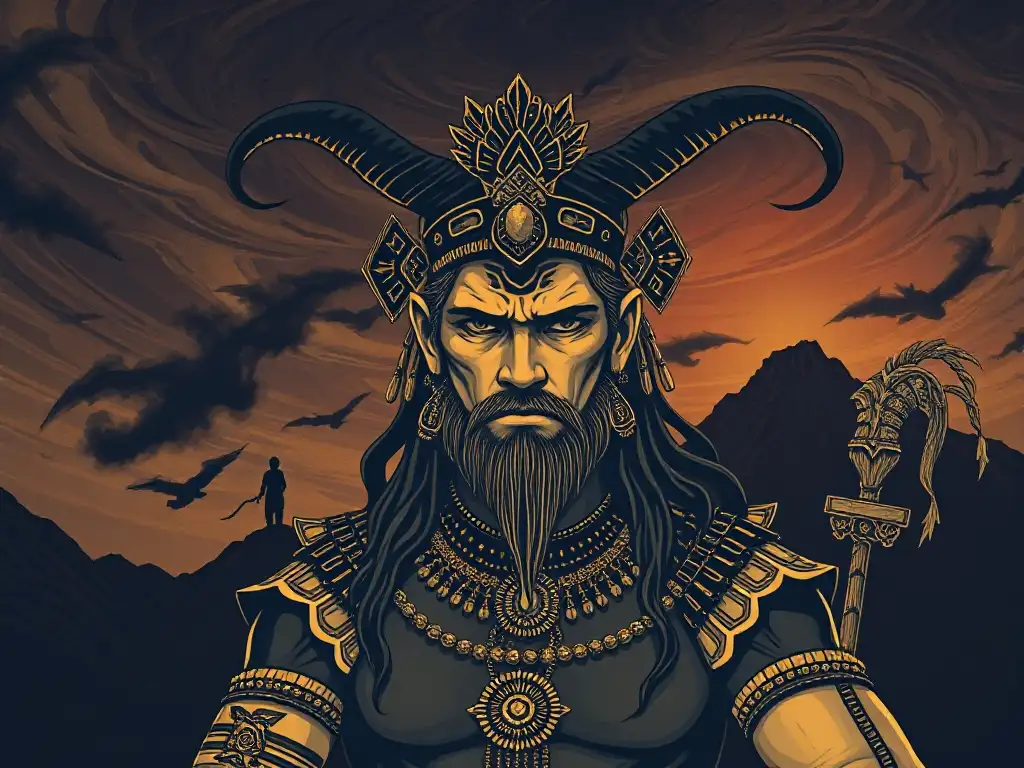
The Andean worldview encompassed a complex cosmology, with a significant focus on the relationship between the living and the dead. Central to this belief system was the Supay, a powerful figure representing the underworld and holding dominion over the realm of the dead. Understanding the Supay is crucial to grasping the nuances of Andean beliefs about death and the afterlife, a perspective significantly different from many other cultures' conceptions of hell or the underworld.
The Andean "underworld" wasn't necessarily a place of eternal punishment, but rather a continuation of existence, albeit a different one, influencing the lives of the living. The concept of Pacha, the interconnectedness of all things, extended even into the realm of the dead, highlighting the continuous interaction between the living world and the underworld.
Who is Supay and What is his Role?
Supay, often depicted as a fearsome deity, is not uniformly understood across all Andean cultures. While generally associated with death, darkness, and the subterranean world, his specific attributes and roles varied regionally. In some interpretations, he's a trickster god, capable of both malevolence and benevolence. In others, he is a more straightforwardly malevolent entity, a bringer of disease and misfortune.
His power wasn't absolute, however; he was often countered by other deities and the power of ancestor veneration. Many rituals and offerings were performed to appease Supay, ensuring the protection of the living from his potentially harmful influence. The role of shamans was critical in mediating this relationship, acting as intermediaries between the living world and the underworld.
They could communicate with Supay and other supernatural entities, offering prayers and sacrifices to maintain balance. This highlights the dynamic nature of Andean religious practices – a constant negotiation between the forces of life and death, light and darkness. The fear of Supay wasn't about a place of eternal damnation but about maintaining equilibrium within the wider cosmological order.
Variations of Supay across Andean Cultures
The representation of Supay varied significantly depending on the specific Andean culture. For example, the Inca conception of Supay might differ subtly from that of the Chimú or the Wari. While a unifying thread of association with the underworld persists, the details of his character and his relationship with other deities shifted.
Some Andean communities might have emphasized Supay's role as a bringer of disease or misfortune, while others focused on his connection to fertility or the earth's bounty. This diversity underscores the rich tapestry of belief systems within the Andean region, showcasing the dynamic evolution of religious practices over time. Further research is needed to fully document the nuances of Supay's representation across various Andean cultures.
[Specific information pending: Detailed comparative analysis of Supay across different Andean cultures] This lack of comprehensive data highlights the ongoing need for scholarly work in this area. A more complete understanding requires a deeper exploration of regional variations within Andean mythology.
Supay’s Depictions in Andean Art and Mythology
Supay's image in Andean art and mythology is often characterized by a blend of terrifying and alluring features. He's frequently depicted as a dark, powerful figure, sometimes with animalistic attributes, reflecting his connection to the natural world and the untamed forces of the underworld. In some representations, he holds dominion over the animal kingdom, symbolizing the wild and unpredictable nature of the spirit world.
These depictions often appear in textiles, ceramics, and other artifacts, providing valuable insights into Andean beliefs. The visual representations of Supay weren't simply illustrations; they were powerful tools used in rituals and ceremonies, serving to both invoke and appease the deity. The use of color, symbolism, and specific iconography in these depictions varied significantly across different Andean regions, reflecting the regional variations in the understanding of Supay.
The study of these artistic expressions is fundamental to understanding the broader Andean cosmology and the intricate relationship between the living and the dead. Analyzing the artistic representations offers a crucial window into the beliefs and practices surrounding the Andean underworld and its ruler, Supay.
Key Features of the Andean Underworld
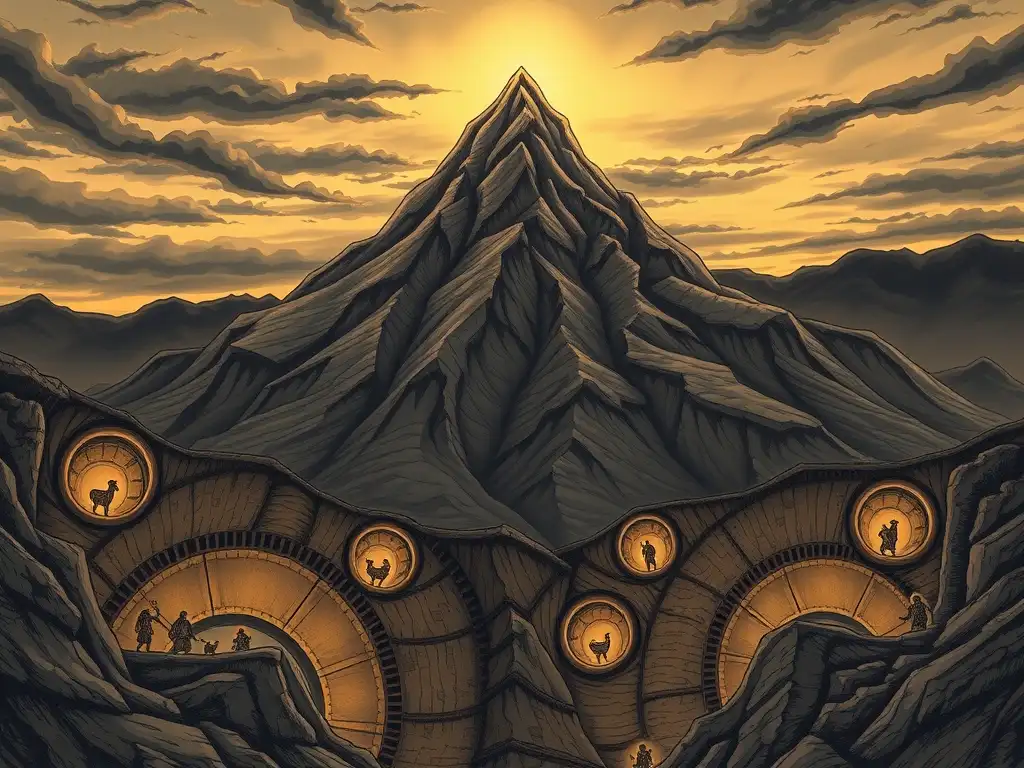
The Andean worldview wasn't simply a perception of the earthly realm; it encompassed a complex cosmology involving a layered universe. Central to this cosmology was the ukhu pacha, the underworld, a realm deeply intertwined with life, death, and ancestor veneration. Understanding Andean underworld beliefs requires appreciating its multifaceted nature, moving beyond simplistic notions of a mere "hell" and recognizing its significance in their daily lives and spiritual practices. The ukhu pacha wasn't a separate, static place but a dynamic space interacting with the kay pacha (the world of the living) and hanan pacha (the upper world).
This interconnectedness profoundly influenced their rituals, agricultural practices, and social structures. The beliefs surrounding the ukhu pacha varied across different Andean cultures, reflecting regional diversity and unique interpretations of the afterlife. However, common threads weave through these diverse beliefs, highlighting the central role of ancestors and the cyclical nature of life and death.
The Location of the Ukhu Pacha (Underworld)
The precise location of the ukhu pacha wasn't rigidly defined in a geographical sense. Instead, it was conceived as a subterranean realm, existing beneath the earth's surface. Different Andean groups might have associated specific geographical features with entrances or manifestations of the underworld.
Caves, deep valleys, and subterranean springs often held symbolic importance, serving as potential portals to this unseen world. For example, some communities may have viewed certain caves as direct pathways to the ukhu pacha, where communication with ancestral spirits was believed to be possible. These sites weren't merely geographical locations but spiritually charged places where the boundary between the living and the dead blurred.
The concept of the underworld wasn't limited to a single, fixed location; its presence was felt in various aspects of the landscape, reflecting the pervasive influence of ancestral spirits on daily life. The understanding of the ukhu pacha location was deeply intertwined with the landscape itself, reflecting a close relationship between the physical world and the spiritual realm.
Descriptions of the Andean Underworld Landscape
Descriptions of the Andean underworld landscape vary across different cultural groups and historical periods. However, recurring motifs suggest a common understanding of a dark, mysterious, and sometimes dangerous realm. Some accounts portray the ukhu pacha as a mirror image of the kay pacha, with similar landscapes but imbued with a different, often ominous, atmosphere.
Other descriptions emphasize its watery nature, portraying it as a subterranean ocean or a world of springs and rivers. This association with water is significant, given the life-giving properties of water in the Andean region and its symbolic connection to fertility and renewal. The imagery of the underworld often incorporates elements of darkness, shadows, and potentially perilous environments, reflecting the unknown and the challenges associated with death and the afterlife.
The landscapes were not simply static backdrops but active participants in the spiritual drama unfolding within the ukhu pacha. [Specific details on the varying descriptions from different Andean cultures pending].
Spirits and Beings in the Andean Underworld
The Andean underworld was not empty; it was populated by a diverse array of spirits and beings, many of which were associated with the ancestors. These spirits weren't necessarily malevolent; instead, they held significant power and influence over the living world. Ancestor veneration was a cornerstone of Andean belief systems, with deceased relatives believed to continue to interact with their descendants. The spirits of ancestors were thought to reside in the ukhu pacha, acting as intermediaries between the living and the supernatural.
Beyond ancestral spirits, other supernatural beings inhabited this realm, some benevolent, others potentially dangerous. These beings played various roles within the cosmology, influencing harvests, protecting communities, or acting as guardians of sacred sites. The nature and power of these supernatural entities varied greatly across different Andean communities and their specific beliefs.
Understanding these spirits and beings is crucial to understanding the complex relationship between the Andean people and their perception of the afterlife and the influence of the ukhu pacha on their daily lives. The interaction with these spiritual entities was often mediated through rituals and offerings, aiming to maintain a harmonious relationship between the living and the dead. 💀 The fearsome Achachilas, mountain spirits, often held sway in the ukhu pacha’s darker corners.
The Andean worldview wasn't simply a separation between the living and the dead; it was a complex interplay, with the underworld – often conceptualized as a mirror image of the upper world – actively influencing daily life. Understanding Andean underworld beliefs necessitates examining the rituals and practices that facilitated communication and interaction with this realm. These rituals weren't merely symbolic gestures; they were integral to maintaining cosmic balance and ensuring the well-being of both the living and the deceased.
The intensity and specifics of these practices varied across different Andean cultures – Inca, Moche, Nazca, and Tiahuanaco, each with their unique interpretations of the underworld and its inhabitants. However, common threads of ancestor veneration, elaborate funerary rites, and sacrificial offerings weave through these diverse traditions.
Funerary Rites and Burial Customs
Funerary rites in Andean cultures were elaborate affairs, reflecting the belief in the continued existence and influence of the deceased. Burial practices were far from uniform, varying significantly based on social status, geographic location, and the specific culture. For example, the Nazca people are known for their complex burial sites, often featuring elaborate grave goods and mummification techniques.
These weren't simply places to deposit the dead; they were carefully constructed spaces designed to facilitate the transition of the deceased into the underworld and to ensure their continued connection to the living. The Inca, on the other hand, often employed chullpas, distinctive tower-shaped burial structures, which served as both tombs and symbolic representations of the deceased's social standing.
The process itself often involved elaborate rituals. The body might be mummified, adorned with fine textiles and jewelry, and accompanied by offerings of food, drink, and other possessions. The positioning of the body, the orientation of the grave, and the placement of grave goods all held symbolic significance, reflecting beliefs about the journey to the underworld and the continued needs of the deceased.
Archaeological evidence consistently reveals a meticulous attention to detail, pointing to the profound importance placed on these funerary rites within the Andean worldview. This attention to detail underscores the significance of properly navigating the transition into the Andean underworld, a journey believed to be fraught with challenges.
Offerings and Sacrifices for the Deceased
Offerings and sacrifices played a crucial role in maintaining a harmonious relationship between the living and the dead in the Andean worldview. These weren't simply acts of appeasement; they were believed to sustain the deceased in the underworld and to ensure their continued benevolence towards the living. The types of offerings varied widely, ranging from everyday items like food and drink to precious metals, textiles, and even human sacrifices in certain contexts. The selection of offerings was carefully considered, often reflecting the deceased's status, occupation, and personal preferences.
The frequency of offerings also varied, with some made regularly, while others were reserved for specific occasions such as anniversaries of death or significant agricultural events. The act of offering itself was often accompanied by ritual prayers and ceremonies, further emphasizing the importance of maintaining a connection with the deceased. Analyzing the contents of gravesites provides invaluable insights into the types of offerings made and the beliefs surrounding their significance.
For instance, the discovery of specific agricultural products in certain burials suggests a belief in the deceased's continued role in ensuring bountiful harvests. The presence of tools and weapons in other graves may indicate beliefs about the continuation of occupational roles in the afterlife.
The Role of Ancestor Veneration in Connecting with the Underworld
Ancestor veneration formed the cornerstone of Andean underworld beliefs. The deceased weren't simply forgotten; they were viewed as powerful intermediaries between the living and the spirit world, capable of influencing events in the world of the living. This belief fostered a deep respect for ancestors and a continuous effort to maintain communication with them. Rituals and offerings weren't merely directed towards the deceased; they were also meant to strengthen the bonds between the living and their ancestors.
The concept of ayllu, the extended family unit, played a crucial role in ancestor veneration. The ayllu wasn't merely a social structure; it was a spiritual community that extended beyond the boundaries of the living. Ancestors were considered integral members of the ayllu, their continued presence felt in daily life.
This close connection to ancestors facilitated a continuous dialogue between the living and the dead, ensuring the flow of blessings and protection from the spirit world. The Inca, for instance, maintained elaborate systems for recording and honoring their ancestors, demonstrating the enduring importance of this aspect of Andean cosmology. The continuity of the ayllu, spanning generations and encompassing both the living and the dead, demonstrates the vital role that ancestor veneration played in shaping Andean beliefs about death and the underworld, reinforcing the importance of maintaining a strong connection with the realm of the departed.
The Journey of the Soul in Andean Beliefs
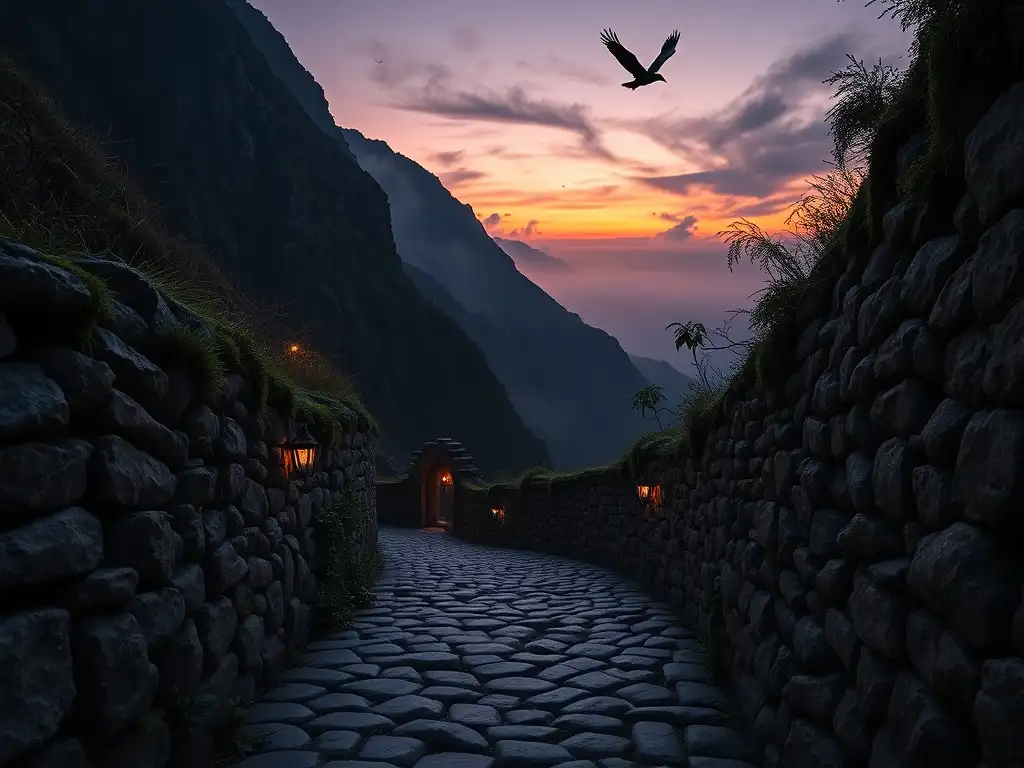
Andean underworld beliefs paint a complex picture of the afterlife, far from a simple heaven or hell dichotomy. The journey of the soul wasn't a singular event but a process, often fraught with peril and dependent on the individual's life and actions. Understanding this journey requires appreciating the Andean worldview, where the physical and spiritual realms were intricately interwoven, and the cyclical nature of life and death held paramount importance.
The concept of pacha, the cosmos, encompassed all levels of existence – the upper world (hanan pacha), the human world (kay pacha), and the underworld (ukhu pacha) – all interconnected and influencing one another. Death wasn't an ending but a transition, a continuation of the life cycle within the broader cosmic order. The belief system varied across different Andean cultures (Inca, Moche, Nazca, etc.
), but common threads emerge regarding the trials and tribulations souls faced on their journey to the afterlife. This section will explore these shared beliefs and their cultural nuances, focusing on the journey itself and the fate that awaited the deceased. Specific details about offerings and rituals are addressed in other sections of this article.
The Process of Transition to the Afterlife
The Andean concept of death was not a sudden, absolute end. Instead, it was viewed as a gradual transition, a journey undertaken by the soul to reach its final destination in the underworld. This transition wasn't instantaneous; it involved a period of liminality, a space between worlds.
The soul, often depicted as a bird or a small animal, was believed to embark on a challenging journey through treacherous landscapes – dark mountains, winding rivers, and perilous paths. The specific details of this journey varied depending on the specific Andean culture and regional beliefs. For example, while the Inca might have emphasized a specific path leading to the underworld, the Nazca's imagery might suggest a more fluid, less linear movement.
The process often involved the assistance of intermediaries, such as shamans or paqos, who guided the soul through the perilous transition. These spiritual guides performed rituals and ceremonies to ensure a safe passage for the deceased, often involving offerings and prayers to appease the spirits guarding the pathways to the underworld. The success of the transition was frequently linked to the deceased's conduct during their lifetime.
A life lived in accordance with Andean values and customs was believed to facilitate a smoother passage, while a life marked by transgression might lead to a more difficult and perilous journey. The deceased's social standing also played a role, with elites potentially receiving greater assistance in their journey.
Challenges and Trials on the Journey to the Underworld
The journey to the ukhu pacha wasn't easy. Andean myths and legends are replete with tales of dangers and obstacles encountered by the souls on their path. These trials tested the soul's fortitude and worthiness, ensuring only those who had lived virtuous lives could reach the peaceful realms of the afterlife. These challenges often mirrored the earthly challenges individuals faced during their lives, symbolizing a final test before entering the realm of the ancestors.
Some accounts describe formidable guardians, powerful spirits, or monstrous creatures guarding the gateways to the underworld. These beings demanded respect and tribute, and failure to appease them could result in the soul being trapped, lost forever in the shadowy realms between worlds. Other obstacles included navigating treacherous landscapes, crossing raging rivers, or traversing dark and winding paths.
The journey was a metaphor for life's challenges, with each obstacle representing a test of character and a reminder of the importance of living a life in harmony with the cosmos and one's community. The specific nature of these trials, however, varied considerably across different Andean cultures.
The Fate of the Soul in the Andean Afterlife
Upon successfully navigating the perilous journey, the soul reached the Andean underworld. The nature of this afterlife varied across different Andean cultures and regions, reflecting a diversity of beliefs and practices. However, a common thread was the emphasis on ancestor veneration and the continued connection between the living and the dead. The underworld wasn't necessarily a gloomy realm of punishment; instead, it was often seen as a continuation of life, albeit in a different form.
In some beliefs, the deceased joined the ranks of their ancestors, becoming part of a collective consciousness that influenced the world of the living. They were believed to continue to exert an influence on their descendants and their community, offering guidance and protection. In other beliefs, the afterlife was described as a peaceful and bountiful land, a mirror image of the earthly world but without its hardships and struggles.
The deceased were believed to enjoy a life of abundance and leisure, reunited with loved ones who had passed before them. The afterlife wasn't a static realm; it was believed to be dynamic and responsive to the actions of the living, further emphasizing the interconnectedness of the worlds. The fate of the soul, therefore, was not predetermined but depended on the journey undertaken and the life lived.
Further research is needed to fully understand the nuances of the afterlife in different Andean cultures. [Specific information pending: Detailed descriptions of the afterlife in different Andean cultures – Inca, Moche, Nazca, etc.]
Exploring the Variations in Andean Underworld Traditions
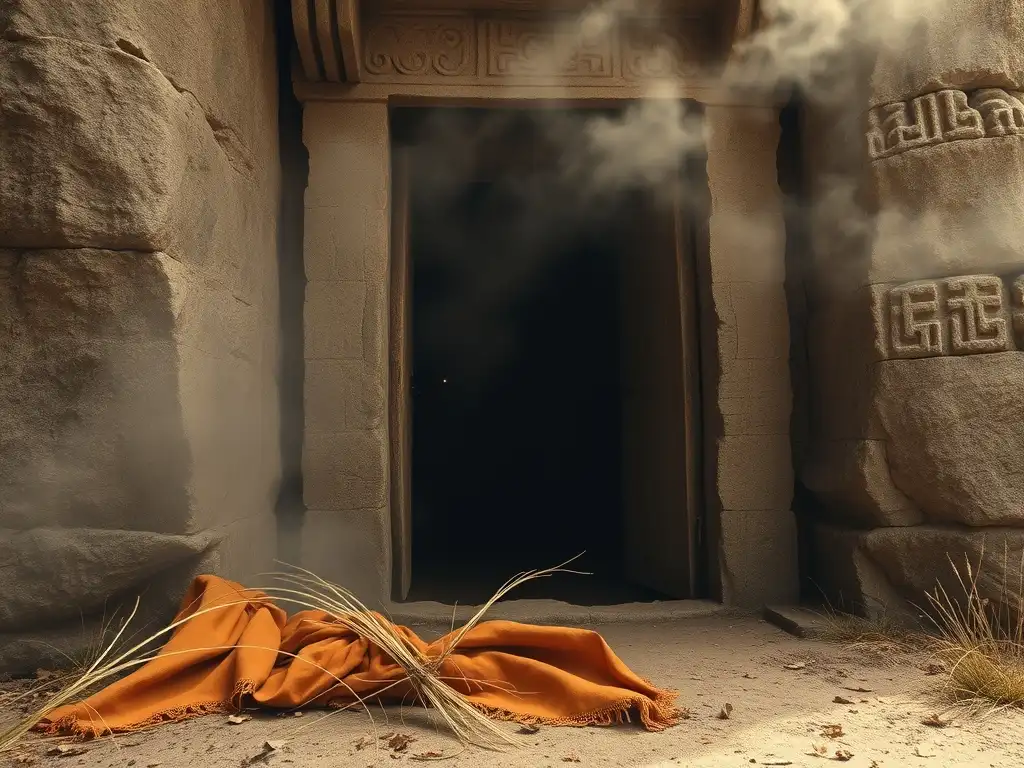
The Andean worldview encompassed a complex understanding of the afterlife, significantly varying across different cultures and regions. While a common thread of ancestor veneration unites these beliefs, the specifics of the underworld, its inhabitants, and the journey to it differed considerably. Understanding these nuances is key to appreciating the richness and diversity of Andean cosmology. This section will explore these variations, focusing on the Inca, Moche, and Nazca civilizations, highlighting the unique aspects of their respective beliefs about the "Andean underworld."
Differences in Beliefs Among the Inca, Moche, and Nazca
The Inca, Moche, and Nazca, while geographically proximate, held distinct beliefs regarding the underworld, often referred to as Ukhu Pacha (Quechua for "lower world"). The Inca, with their vast empire, developed a more formalized system of beliefs, integrating concepts of ancestor worship and a hierarchical underworld mirroring their social structure. Their mythology included deities associated with the underworld, such as the earth goddess Pachamama, who played a significant role in both life and death.
The Moche, known for their elaborate funerary practices and artistic depictions of their deities, offered a more visceral view of the underworld. Their iconography often portrayed scenes of sacrifice and ritual, suggesting a more active and potentially dangerous underworld realm. Their deities, frequently anthropomorphic and sometimes monstrous, reflect a possibly more unpredictable and capricious underworld experience compared to the Inca's more structured beliefs.
The Nazca, famed for their geoglyphs and intricate textiles, presented a more enigmatic picture. Evidence suggests a focus on shamanic practices and a belief in a complex interplay between the living and the dead, with the underworld possibly seen as a source of power and spiritual connection. The absence of large-scale centralized religious structures like those of the Inca, however, makes a comprehensive understanding of their underworld beliefs more challenging. More research is needed to fully understand the Nazca's interpretation of the Ukhu Pacha.
Regional Interpretations of the Ukhu Pacha
The concept of the Ukhu Pacha wasn't uniform across the Andes. Geographical variations and local traditions significantly influenced beliefs about the underworld. Coastal communities, like the Moche, might have emphasized aspects related to the sea and marine life in their underworld narratives, while highland cultures, like the Inca, focused more on subterranean elements like caves and springs.
For example, some communities might have viewed the underworld as a dark, shadowy place, while others may have considered it a vibrant, albeit different, realm. The specific rituals and offerings associated with ancestor veneration also varied regionally, reflecting local customs and beliefs. Further archeological research, particularly focused on smaller, less-studied communities, is crucial to complete our understanding of these regional variations in Andean underworld beliefs. This would require a more detailed analysis of local funerary practices and iconography.
How Andean Underworld Beliefs Evolved Over Time
Andean underworld beliefs weren't static; they evolved over centuries, influenced by factors like environmental changes, social upheaval, and contact with other cultures. The Inca empire's expansion, for instance, led to the integration and syncretism of various pre-existing beliefs about the afterlife. The arrival of the Spanish conquistadors in the 16th century drastically altered Andean religious practices, leading to the suppression of indigenous beliefs and the imposition of Catholicism. However, many aspects of Andean cosmology, including beliefs about the underworld, persisted, often adapting and blending with Christian elements.
The study of Andean underworld beliefs requires a diachronic approach, examining how these beliefs changed over time. This demands a careful analysis of archaeological evidence, such as changes in funerary practices, iconography, and ritual offerings across different periods. By comparing these changes, we can better understand the dynamic nature of Andean spiritual beliefs and how they adapted to changing circumstances. Further research into colonial-era records and oral traditions could also shed light on the evolution and persistence of these beliefs after the Spanish conquest. Understanding this evolution is key to a complete understanding of "Andean underworld beliefs."
The Influence of Andean Underworld Beliefs on Modern Day Traditions
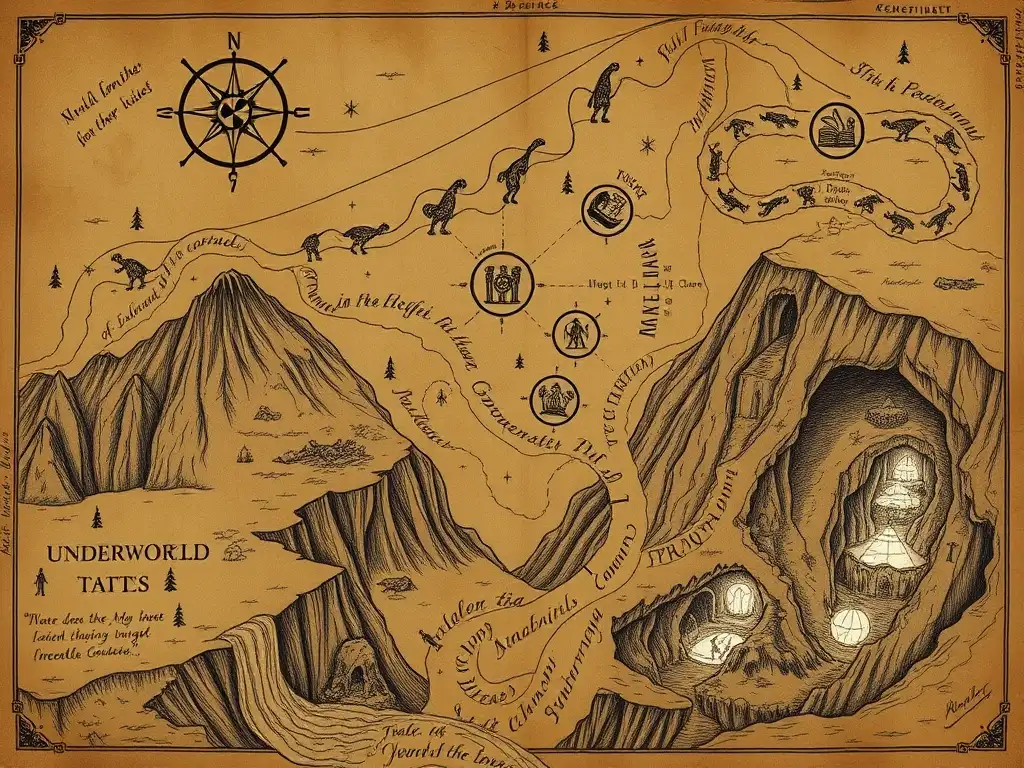
Andean underworld beliefs, a complex tapestry woven from centuries of tradition and spiritual practice, continue to exert a powerful influence on contemporary Andean life. The reverence for ancestors and the perceived interconnectedness between the living world and the underworld are not relics of the past; rather, they are vibrant threads interwoven into the fabric of modern Andean culture. This enduring influence manifests in various ways, shaping social structures, artistic expression, and daily rituals.
The concept of pachamama, the Earth Mother, for example, embodies this connection, highlighting the cyclical nature of life, death, and rebirth, a key element of Andean cosmology significantly influenced by beliefs about the underworld. Understanding this enduring legacy requires delving into the surviving rituals and the ongoing significance of the underworld in shaping cultural identity.
Surviving Rituals and Practices in Andean Communities
Many Andean communities still actively engage in practices directly linked to their ancestor veneration and beliefs about the underworld. These rituals, often passed down through generations, serve as tangible links to the past and reaffirm the ongoing relevance of these beliefs.
For instance, the offering of coca leaves to apu (mountain spirits), who are often seen as intermediaries between the living and the dead, remains a common practice. These offerings aren't merely symbolic gestures; they represent a vital communication channel with the spirit world, ensuring the continued well-being of both the living and the departed.
Furthermore, the pago a la tierra (payment to the earth), a ritual involving offerings to pachamama, is still widely observed, reflecting the enduring belief in the earth's generative and receptive powers. This practice, rooted in Andean underworld beliefs, underscores the reciprocal relationship between humanity and the natural world, a relationship that extends beyond the realm of the living.
The construction of chullpas, or funerary towers, while less frequent than in pre-Columbian times, still occurs in some isolated communities. These structures, often meticulously decorated, serve not only as burial sites but also as visual reminders of the enduring presence of ancestors. The continued use of chullpas demonstrates the persistent importance of ancestor veneration in maintaining a strong connection with the underworld and the deceased.
The vibrant colors and intricate designs often found on these structures hint at the rich symbolism associated with death and the afterlife in Andean culture, further enriching our understanding of Andean underworld beliefs. These practices, though evolving, remain potent expressions of a deeply rooted spiritual worldview.
The Ongoing Significance of the Andean Underworld in Cultural Identity
The Andean underworld, far from being a forgotten realm, continues to hold immense significance in shaping cultural identity across the Andean region. The narratives and beliefs surrounding the underworld are not simply historical artifacts; they are active forces shaping contemporary Andean consciousness. These beliefs profoundly influence artistic expression, with imagery of the underworld frequently appearing in textiles, pottery, and other forms of art.
These visual representations often depict complex interactions between the living and the dead, further illustrating the continuous dialogue between the two realms. The symbolic language embedded in these artworks serves as a powerful means of communicating and perpetuating Andean underworld beliefs across generations.
Moreover, the concept of the underworld informs ethical and moral frameworks within Andean societies. The belief in the watchful presence of ancestors and the consequences of actions in the afterlife encourages a strong sense of community responsibility and respect for the natural world. This emphasis on social harmony and environmental stewardship reflects a deep-seated understanding of the interconnectedness of all life, a worldview deeply rooted in Andean cosmology and beliefs about the underworld.
The strong sense of community and collective identity observed in many Andean communities is, in part, a direct consequence of these shared beliefs and values. The ongoing relevance of these underworld beliefs is therefore not merely a matter of historical interest; it is central to the very fabric of Andean cultural identity. The persistent influence of these beliefs demonstrates the enduring power of spiritual traditions in shaping the lives and worldviews of contemporary Andean populations.
Conclusion: The Enduring Legacy of Andean Underworld Beliefs
The study of Andean underworld beliefs offers a captivating glimpse into the rich tapestry of ancient Andean cosmology. Understanding these beliefs is crucial not only for appreciating the complexities of their worldview but also for illuminating the enduring influence of these traditions on contemporary Andean cultures. The intricate relationship between the living and the dead, the significance of ancestor veneration, and the cyclical nature of life and death all shaped the social structures, artistic expressions, and technological advancements of these remarkable civilizations.
While specific details may vary across different Andean cultures—from the Incas to the Moche and Nazca—a common thread connects them: a profound respect for the ancestral realm and its influence on the world of the living. Further research into specific burial practices, iconography, and oral traditions can deepen our understanding of this fascinating aspect of Andean history and culture. The enduring legacy of these beliefs is undeniable, continuing to resonate in the spiritual and cultural practices of modern Andean communities.
This rich heritage presents a compelling case for continued scholarly investigation and preservation of these invaluable cultural traditions. The significance of these beliefs extends beyond mere historical curiosity; they offer profound insights into human spirituality, the relationship between humanity and the natural world, and the enduring power of ancestral memory.
The Importance of Understanding Andean Perspectives on Death
Understanding Andean perspectives on death is paramount to comprehending their entire societal structure. Death wasn't viewed as an absolute end but rather a transition, a continuation of existence in a different realm. This belief profoundly impacted their social organization, influencing everything from funerary practices to agricultural cycles. For example, the elaborate mummification techniques employed by various Andean cultures, such as the meticulous preservation of Inca royalty, reflect the high regard they held for their ancestors.
These weren't simply decaying bodies; they were revered figures, believed to continue influencing the affairs of the living. The meticulous preparation of grave goods, often including food, tools, and valuable objects, further emphasizes the belief in the continued existence and needs of the deceased in the underworld. Moreover, the construction of monumental sites like the Chavín de Huántar and the Nazca Lines, sometimes interpreted as representations of the underworld or pathways to it, illustrates the central role of death and the afterlife in their worldviews.
Understanding these practices offers a critical lens through which to interpret the art, architecture, and social structures of these ancient societies. Ignoring the significance of death in Andean culture leads to a severely incomplete and distorted understanding of their beliefs, values, and societal organization. The careful study of Andean funerary rites and their associated beliefs provides invaluable insights into their complex social dynamics and cosmological understanding.
The Richness and Complexity of Andean Cosmology
Andean cosmology presents a rich and complex system of beliefs, characterized by a deep interconnectedness between the earthly realm, the celestial world, and the underworld. Unlike linear Western conceptions of the afterlife, Andean beliefs often depict a cyclical view of life, death, and rebirth. This cyclical perspective is reflected in their agricultural practices, deeply intertwined with their religious beliefs and the rhythms of nature. The Pachamama, or Earth Mother, played a central role, representing the fertility of the land and the cyclical processes of life and death.
Offerings to the Pachamama were common, ensuring the continued bounty of the earth and a harmonious relationship between the living and the spiritual world. The underworld, often visualized as a dark and mysterious realm beneath the earth, was not necessarily a place of punishment but rather a continuation of life, where ancestors continued to exert their influence. The intricate relationship between these three realms—the earthly world, the heavens, and the underworld—shaped their understanding of the cosmos and their place within it.
This intricate web of interconnectedness, where the living and the dead coexisted and interacted, formed the foundation of Andean worldview and impacted every facet of their lives. The complexity of this cosmological system underscores the need for further research to fully appreciate its nuanced aspects and its significance in shaping Andean civilizations. The detailed study of Andean myths, rituals, and artistic representations is essential for a deeper understanding of this rich and multifaceted cosmology.
Frequently Asked Questions
What did Andean cultures believe about the afterlife?
Andean cultures held diverse beliefs about the afterlife, often involving a complex underworld connected to the world of the living. They believed in a cyclical view of life and death, with journeys between the realms being common in their mythology. Ancestor veneration played a crucial role in many Andean societies.
How did Andean underworld beliefs influence their art and architecture?
Underworld imagery is prominent in Andean art and architecture. Chullpas, or funerary towers, often incorporated symbols representing the underworld. Depictions of supernatural beings and journeys to the underworld are frequently found on textiles, pottery, and other artifacts.
What role did deities play in Andean underworld beliefs?
Various deities were associated with the underworld in different Andean cultures. Some cultures featured powerful underworld gods or goddesses who controlled death and rebirth. These deities often interacted with the living world, influencing events and harvests.
How were offerings and sacrifices used in connection to the Andean underworld?
Offerings and sacrifices were vital for maintaining a balance between the living world and the underworld. These could include food, textiles, and even human sacrifice in some cultures. The offerings appeased underworld deities and ensured the well-being of the living.
What are some examples of specific Andean cultures' underworld beliefs?
The Incas believed in an underworld ruled by Viracocha, while other cultures, like the Moche, had unique deities and rituals associated with their underworld beliefs. Each culture had its own complex cosmology and interpretation of the afterlife and the journey to the underworld.
Final Reflection: Echoes from the Andes: A Legacy of the Underworld
The ancient Andean understanding of the underworld remains profoundly relevant today, offering a powerful lens through which to examine our own relationship with mortality and the unseen. These beliefs, far from being relics of a distant past, resonate with contemporary anxieties about death, the unknown, and our place within the larger cosmos. Their enduring power lies in their ability to connect us to a rich tapestry of human experience, transcending geographical and temporal boundaries.
The intricate cosmology of the Andes, with its layered understanding of the world above, the world around, and the world below, continues to shape cultural practices and artistic expressions. The vibrant narratives surrounding Mama Pacha and the chullpas, the ancient burial towers, are not simply historical artifacts; they are living testaments to a worldview that deeply valued the interconnectedness of life and death. Death is not an ending, but a transformation, a passage to another realm.
This sentiment, though not a direct quote from an Andean source, encapsulates the essence of their beliefs and offers a powerful counterpoint to modern anxieties surrounding mortality.
Consider the profound implications of this Andean perspective. How might embracing a more fluid understanding of life and death, one that acknowledges the cyclical nature of existence, enrich your own life? I invite you to reflect on the ways in which these ancient beliefs might challenge your own assumptions about mortality and the afterlife. Perhaps, by engaging with the rich tapestry of Andean cosmology, you can find new ways to navigate your own journey through life and, ultimately, towards a deeper understanding of what it means to be human.
Unveil the Secrets of the Andean Underworld Today!
Thank you for exploring the captivating beliefs of Andean civilizations regarding the afterlife. Your interest reveals a fascinating aspect of their rich culture, offering a deeper understanding of their history and spirituality. Now, let's delve even further!
- Learn More: Explore our extensive collection of articles on Andean mythology and rituals to expand your knowledge.
- Join the Discussion: Share your thoughts and insights on our social media platforms; let's discuss how these ancient beliefs continue to resonate today.
- Reflect and Connect: Consider keeping a journal to explore how these ancient perspectives on life and death relate to your own worldview.
What insights might Andean beliefs offer us about our own understanding of the afterlife?