
Moche Legacy: The Enduring Impact on Andean Culture

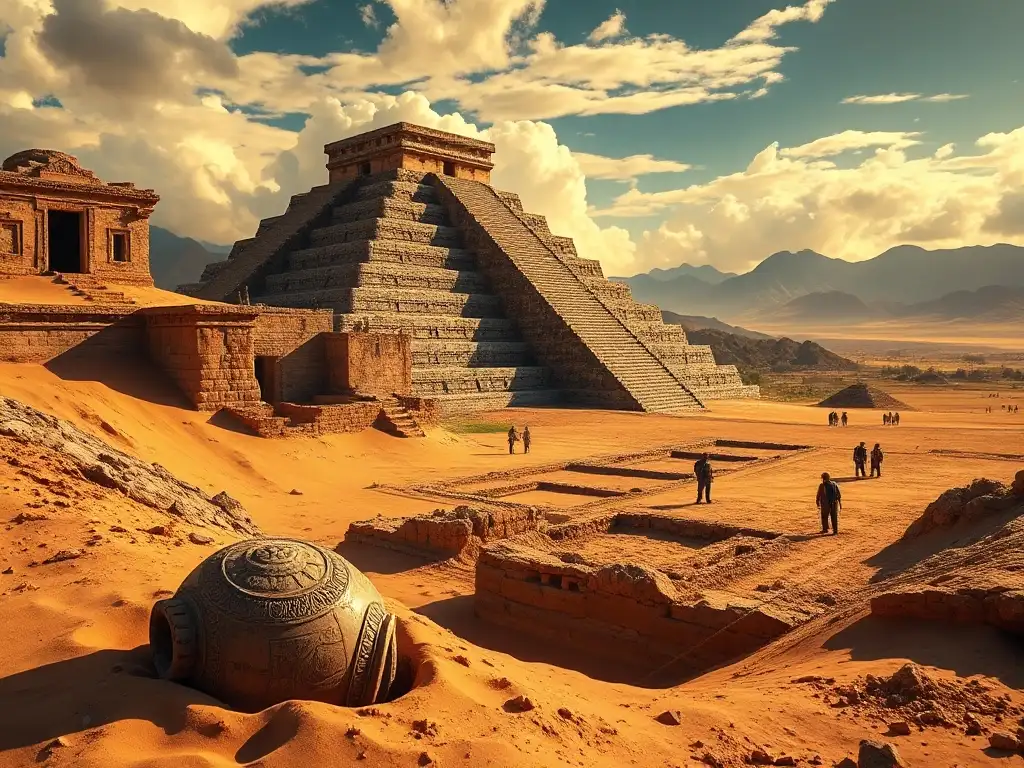
Uncover the secrets of a lost world. For centuries, the Andean mountains have guarded the legacy of remarkable civilizations. But few left a mark as profound as the Moche. Their influence resonates deeply within Peruvian culture, a legacy far more extensive than you might imagine. Prepare to be captivated by the Moche civilization's impact on Peru – a story of ingenuity, artistry, and enduring power that continues to shape the nation today. Dive in and discover the astonishing truth.
The Moche civilization, flourishing along the northern coast of Peru from approximately 100 CE to 800 CE, left an indelible mark on Andean culture. Their sophisticated irrigation systems, innovative pottery, and intricate metalwork continue to fascinate and inspire researchers and the public alike. This article delves into the multifaceted legacy of the Moche, exploring its enduring impact on Peruvian art, religion, social structures, and technological advancements, demonstrating how their influence resonates even today.
We will examine the Moche civilization's impact on Peru, focusing on its lasting contributions and how it shaped the subsequent development of Andean societies. Understanding the Moche's achievements provides crucial context for comprehending the broader tapestry of Peruvian history and the unique cultural landscape that exists in the region today. Prepare to be amazed by the ingenuity and artistry of this remarkable civilization and its profound and lasting contributions.
Artistic Innovations and Masterful Pottery
The Moche are renowned for their incredibly lifelike and detailed pottery. These ceramics weren't simply functional vessels; they were sophisticated works of art, depicting scenes of daily life, religious rituals, and mythological figures with astonishing realism. The vibrant colors, intricate designs, and expressive portrayals of human and animal forms showcase a high level of artistic skill and a deep understanding of human anatomy. Many pieces depict scenes of warfare, ceremonies, and even erotic encounters, offering invaluable insights into their social structures and beliefs.
The techniques employed, including the use of slip and pigment, remain remarkable examples of ancient Andean craftsmanship. The enduring influence of Moche pottery is evident in the subsequent artistic traditions of the region, with many later cultures drawing inspiration from their iconic style. The detailed representations of their world, captured in clay, provide a unique and unparalleled window into the Moche worldview.
Sophisticated Irrigation Systems and Agricultural Practices
The Moche's success was largely due to their mastery of water management. Facing a challenging desert environment, they developed sophisticated irrigation systems that channeled water from rivers and streams to fertile valleys, enabling intensive agriculture. These intricate networks of canals and reservoirs allowed them to cultivate crops like maize, beans, and squash on a large scale, supporting a significant population.
The ingenuity of their engineering feats is remarkable, showcasing a deep understanding of hydrology and a capacity for collaborative large-scale projects. Their agricultural innovations were crucial for the civilization's growth and prosperity, and their techniques influenced later Andean cultures who adapted and refined the Moche's water management strategies. The legacy of their efficient agricultural practices can still be seen in the region's agricultural systems today.
Metalworking and Technological Advancements
Beyond pottery, the Moche were skilled metalworkers, crafting intricate objects from gold, silver, and copper. Their mastery of metallurgy is evident in the exquisite adornments, tools, and ritual objects they produced. The precision and artistry displayed in their metalwork reflect a high level of technical expertise and an understanding of sophisticated metallurgical processes.
They developed techniques for casting, hammering, and plating, producing objects of exceptional beauty and durability. The influence of Moche metalworking can be traced in the metalworking traditions of later Andean cultures, demonstrating the lasting impact of their technological innovations. The intricate designs and the high quality of their metalwork highlight their advanced technological capabilities.
Religious Beliefs and Iconography
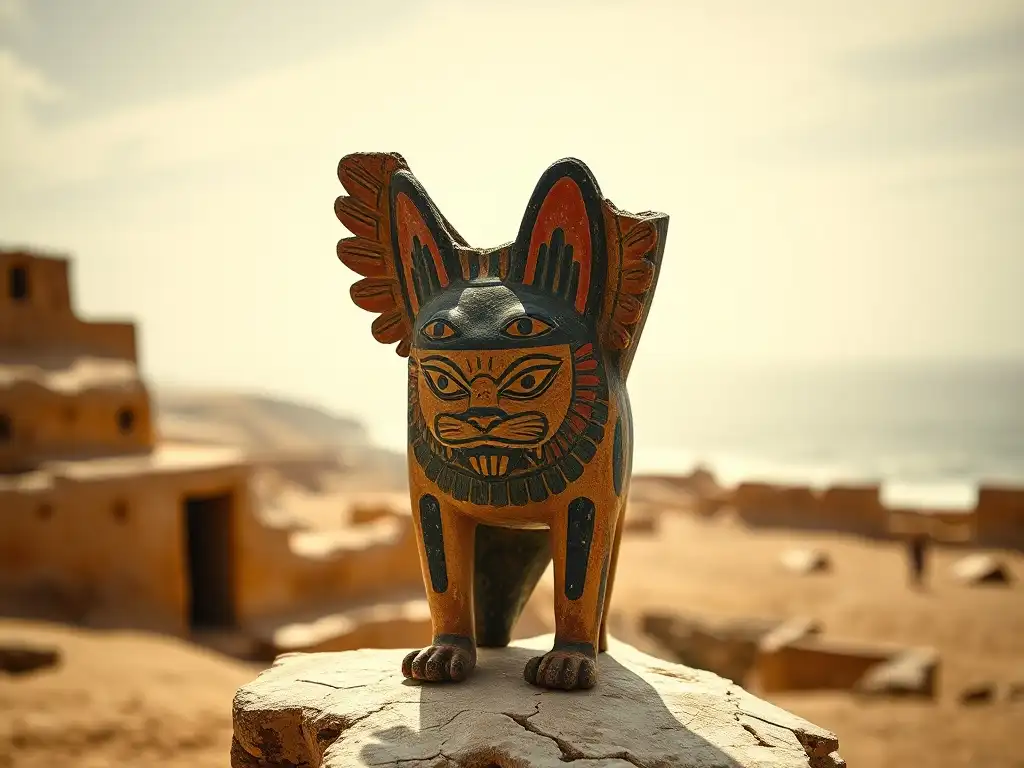
Moche religion played a central role in their society. Their beliefs are vividly depicted in their art, particularly in their pottery and metalwork. Evidence suggests a complex pantheon of deities, with prominent figures often associated with warfare, fertility, and the supernatural.
The iconography of the Moche, featuring stylized depictions of gods, mythical creatures, and ritual scenes, is distinctive and readily recognizable. The religious beliefs and practices of the Moche influenced subsequent Andean cultures, leaving a lasting imprint on religious iconography and ritual practices. The enduring impact of their religious worldview is reflected in the symbolic language and imagery found in later Andean cultures.
The Moche society was likely hierarchical, with evidence suggesting a powerful ruling elite controlling resources and labor. Their art often depicts scenes of warfare and military campaigns, suggesting a society that valued military strength and expansion. The organization and sophistication of their armies are reflected in the detailed depictions on their pottery.
While the exact nature of their social structure remains a subject of ongoing research, the available evidence points towards a complex social hierarchy and a military system that played a significant role in shaping their society and its interactions with neighboring groups. Their impact on the social and political landscape of the Andean region is undeniable, influencing the development of subsequent societies.
- Artistic Innovations and Masterful Pottery
- Sophisticated Irrigation Systems and Agricultural Practices
- Metalworking and Technological Advancements
- Religious Beliefs and Iconography
- Social Organization and Warfare
- What was the most significant impact of the Moche civilization on Peru?
- How did Moche art influence later Andean cultures?
- What was the extent of the Moche civilization's territory in ancient Peru?
- What role did religion play in Moche society and its lasting impact?
- How did Moche technology impact the development of later Peruvian societies?
The Moche Civilization: A Foundation of Andean Society
Origins and Development of the Moche Culture
The Moche civilization, flourishing along the northern coast of Peru from approximately 100 CE to 800 CE, left an indelible mark on the subsequent development of Andean societies. Their sophisticated irrigation systems, remarkable artistry, and complex social structures laid the groundwork for later cultures, profoundly influencing the trajectory of Peruvian history. Understanding the Moche's origins and development is crucial to grasping their lasting impact.
The Moche weren't a monolithic entity; rather, they emerged from a complex interplay of earlier cultural influences and adaptations to their harsh desert environment. Archaeological evidence suggests a gradual evolution from simpler, pre-Moche societies. The development of advanced irrigation techniques, allowing for intensive agriculture in the arid coastal valleys, was a pivotal factor in their rise. This technological innovation facilitated population growth and the creation of larger, more complex settlements. The ability to control water resources gave the Moche elite significant power, solidifying their social hierarchy and enabling ambitious public works projects.
The Moche state wasn't a unified empire in the traditional sense. Instead, it's more accurately described as a network of interconnected chiefdoms, each ruled by a powerful leader often depicted in elaborate funerary contexts. These rulers were likely considered divine or semi-divine, their authority reinforced through elaborate rituals, monumental architecture, and the production of exquisite art. The development of a powerful centralized authority, even if decentralized geographically, allowed for the mobilization of resources and manpower on a scale unseen in previous Andean societies.
This organizational structure contributed significantly to the Moche's achievements in art, engineering, and warfare. Further research into the specific political and social structures within individual Moche chiefdoms is needed to fully understand the nuances of their societal organization. [Specific information pending: More detailed analysis of Moche political organization based on recent archaeological findings].
The Geographical Scope of Moche Influence
The Moche civilization's influence extended far beyond its core territories along the northern Peruvian coast. While their direct political control may have been limited to a relatively specific geographic area, their cultural impact radiated outwards, shaping the artistic styles, religious beliefs, and technological practices of neighboring societies. This spread of Moche influence can be observed through various channels: trade networks, migration patterns, and the adoption of Moche artistic motifs and technologies.
The Moche were skilled artisans, producing ceramics, textiles, and metalwork of unparalleled quality. Their iconic pottery, often depicting scenes of daily life, warfare, and religious rituals, became highly sought after throughout the Andes. The distinctive Moche style, with its detailed depictions and vibrant colors, is easily recognizable and can be found in archaeological sites far from the Moche heartland, demonstrating the extent of their trade networks and cultural exchange. The spread of Moche artistic conventions indicates a significant degree of cultural interaction and adoption by neighboring groups.
Furthermore, the Moche's mastery of irrigation techniques was replicated and adapted by later cultures. Their sophisticated canal systems and water management strategies served as models for subsequent Andean societies, contributing to the development of agricultural practices across a wider region. The impact of their ingenuity on the agricultural landscape of Peru is undeniable, even today. [Specific information pending: Quantitative data on the extent of Moche irrigation systems and their influence on later irrigation projects].
The Moche legacy extended beyond their lifetime, shaping the cultural landscape of Peru for centuries to come. Their impact on the development of subsequent Andean societies is a testament to their ingenuity and organizational prowess. The Moche civilization's contribution to Peruvian culture remains a significant area of study, providing valuable insights into the development of Andean societies and the enduring power of cultural exchange.
Moche Art and Iconography: A Window into their Worldview
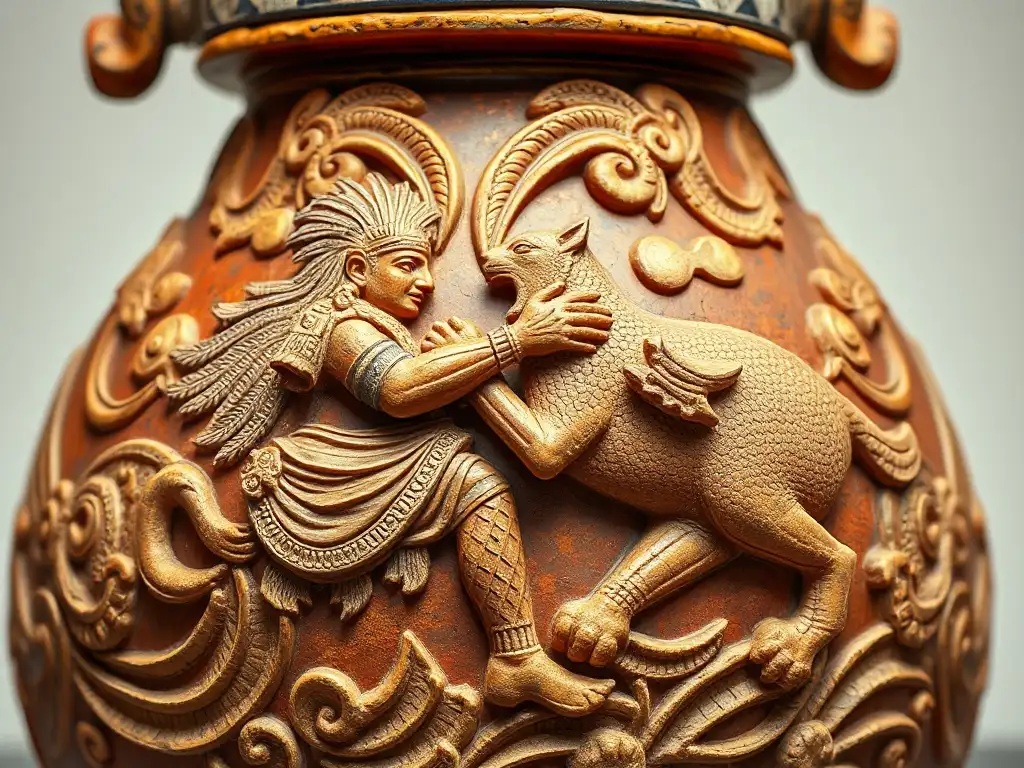
The Moche civilization's artistic legacy profoundly impacted Peruvian culture, leaving behind a wealth of artifacts that offer invaluable insights into their worldview, social structure, and daily life. Their art wasn't merely decorative; it served as a powerful tool for communication, religious expression, and social control. The intricate detail and vibrant colors found in their work showcase a sophisticated understanding of aesthetics and a unique artistic sensibility that continues to fascinate and inspire.
The impact of their artistic innovations is still visible in modern Peruvian art forms, demonstrating the enduring influence of the Moche civilization on Peru's cultural identity. Analyzing their art allows us to decipher their complex society and understand the factors that contributed to their success and eventual decline.
The Significance of Moche Ceramics: Depicting Daily Life and Rituals
Moche pottery is arguably their most renowned artistic achievement. These aren't simply functional vessels; they are miniature narratives, meticulously depicting scenes of daily life, religious ceremonies, and mythical beings. The level of detail is astonishing; from the intricate rendering of facial expressions to the accurate portrayal of flora and fauna, the Moche potters were masters of their craft.
The use of vibrant colors—achieved through sophisticated pigment techniques—further enhances the narrative power of these ceramics. For example, depictions of elaborate feasts and sacrificial rituals provide crucial information about Moche social hierarchies and religious beliefs. The prevalence of erotic imagery also suggests a complex understanding of sexuality and its role within their society.
The sheer volume of surviving ceramics, coupled with their diversity of subject matter, provides a remarkably comprehensive record of Moche culture, significantly contributing to our understanding of the Moche civilization's impact on Peru. Analysis of these ceramics continues to reveal new information about their customs and beliefs, highlighting the ongoing relevance of this artistic legacy.
Moche Metallurgy: Advanced Techniques and Symbolic Representations
Beyond ceramics, the Moche were also skilled metallurgists, employing advanced techniques to create intricate gold, silver, and copper objects. These artifacts, often adorned with intricate designs and symbolic representations, served both practical and ceremonial purposes. Their mastery of lost-wax casting allowed them to produce highly detailed figurines, ornaments, and tools.
The use of precious metals underscored the importance of these objects within Moche society, reflecting the power and status of their elite. For instance, elaborate headdresses and ceremonial adornments made of gold and other metals were likely worn by rulers and priests during important rituals. These metallurgical achievements demonstrate a sophisticated understanding of material science and engineering, far surpassing the technological capabilities of many contemporaneous cultures.
The enduring impact of Moche metallurgy can be seen in the continued use of these techniques in modern Peruvian crafts, showcasing the lasting influence of their innovative metalworking practices. The symbolic representations found in their metalwork further enriched our understanding of their mythology and cosmology, providing crucial context for interpreting their other artistic expressions.
Moche Architecture: Monumental Structures and Urban Planning
Moche architecture displays a remarkable blend of functionality and aesthetic sophistication. While their structures are not as monumental as those of later Andean civilizations like the Inca, they showcase a sophisticated understanding of urban planning and engineering. Evidence suggests the existence of extensive irrigation systems, carefully planned urban layouts, and monumental structures such as pyramids and platforms.
These structures served a variety of purposes, from administrative centers to religious sites. The precise construction techniques employed by the Moche, including the use of adobe bricks and sophisticated earthworks, are testaments to their engineering prowess. For example, the Huaca del Sol and Huaca de la Luna, massive adobe pyramids near the modern city of Trujillo, stand as powerful symbols of Moche power and religious beliefs.
While many structures have been damaged by time and looting, ongoing archaeological research continues to reveal new details about Moche urban planning and architecture, enriching our understanding of their civilization and its lasting impact on the cultural landscape of Peru. The sophisticated techniques they utilized in construction continue to inspire architects and engineers today. The strategic placement of their cities and structures also reveals important information about their societal organization and resource management, demonstrating their sophisticated understanding of their environment.
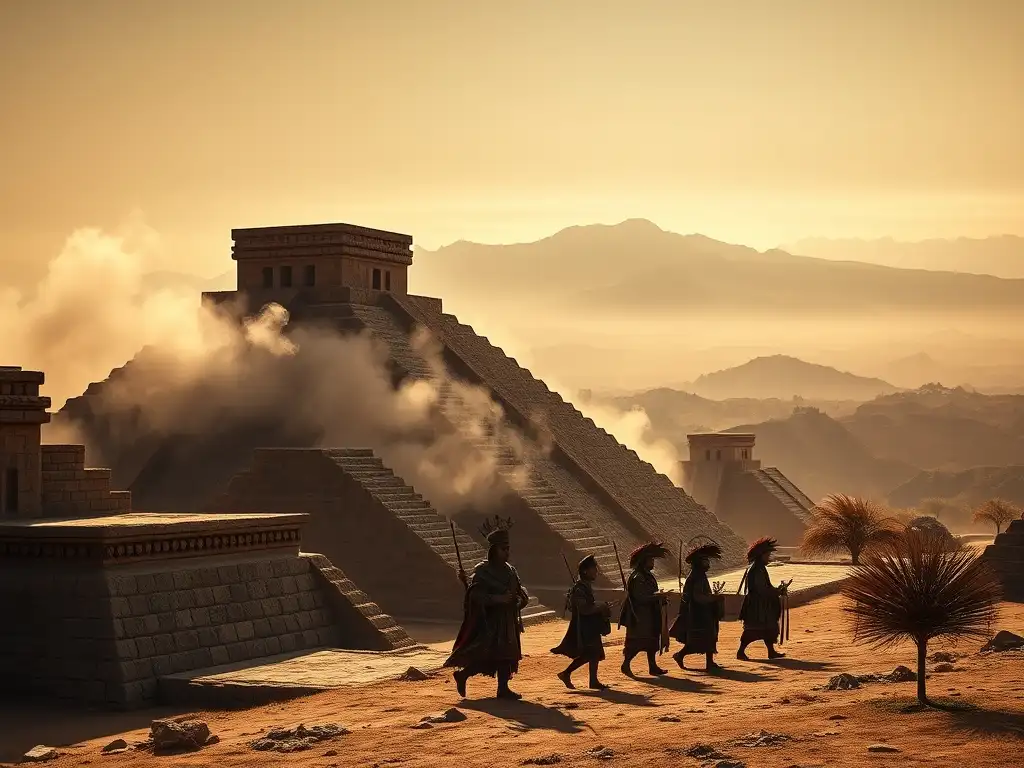
The Moche civilization's impact on Peru is profoundly rooted in its sophisticated social and political organization. Unlike many other ancient societies, the Moche didn't rely on a single, easily defined power structure. Instead, their system was a complex interplay of religious authority, military might, and potentially regional variations in governance.
Understanding this intricate web is crucial to appreciating the lasting influence of the Moche on subsequent Andean cultures. Their legacy extends beyond impressive architecture and artistry; it's ingrained in the very fabric of how power was understood and exercised in the region. The Moche's organizational prowess facilitated their remarkable achievements in engineering, agriculture, and artistic expression, all of which shaped the cultural landscape of Peru for centuries.
The Role of Moche Warrior Elite and Their Influence
The Moche warrior elite played a pivotal role in shaping Moche society. Evidence from their elaborate tombs and iconography suggests a highly stratified military hierarchy. These warriors weren't simply soldiers; they were powerful figures deeply intertwined with religious rituals and the political landscape.
Depictions in Moche pottery often show warriors adorned in elaborate headdresses and regalia, participating in ceremonies and possibly even holding significant religious authority. Their influence extended beyond military campaigns; they likely acted as intermediaries between the ruling class and the populace. This blend of military and religious power likely contributed to the stability and expansion of the Moche state.
The impact of this warrior class is visible in the later Andean cultures' emphasis on military prowess and the integration of military leaders into religious and political spheres. Further research is needed to fully understand the specific ranks and responsibilities within the Moche warrior elite, but the available evidence clearly points to their substantial impact on the civilization's development and legacy.
Religious Practices and Beliefs in Moche Society
Religious beliefs formed the bedrock of Moche society, deeply influencing their social structure, political system, and artistic expressions. The Moche pantheon featured a complex array of deities, including powerful figures associated with the sea, the moon, and possibly ancestor veneration. The power of these deities was reflected in the scale and grandeur of Moche religious architecture, including massive pyramids and elaborate temples.
These structures weren't just places of worship; they were also centers of power, where religious leaders exerted significant influence over the population. The Moche's religious practices, including human sacrifice, elaborate rituals, and the creation of stunning ceremonial objects, significantly impacted their artistic styles and iconography.
The enduring influence of Moche religious iconography is evident in the art and architecture of subsequent Andean cultures, demonstrating the lasting impact of their religious beliefs on the region's cultural development. For example, the use of specific motifs and symbolic representations found in Moche ceramics continues to be interpreted and reinterpreted in later Andean art.
Moche Governance: Understanding Their Political System
The Moche political system remains a subject of ongoing scholarly debate. While evidence points towards a centralized authority, the exact nature of their governance remains unclear. It's plausible that the Moche state was organized around powerful regional centers, each ruled by a leader or elite group, with some degree of overarching control exerted by a paramount authority.
This decentralized yet integrated system could explain the remarkable consistency in Moche art and culture across a geographically extensive area. The Moche's ability to maintain this level of organization and control, despite the lack of a unified written language, showcases their impressive administrative capabilities. The lack of extensive written records presents a challenge in understanding the intricacies of their political system, but analysis of archaeological evidence, including monumental architecture, elaborate tombs, and the distribution of artifacts, sheds light on the likely organization and power dynamics within Moche society.
Their sophisticated system of governance undoubtedly contributed to their long-term success and their enduring impact on the cultural landscape of Peru. The Moche civilization’s sophisticated governance structures serve as a testament to their organizational skills and contributed significantly to their lasting legacy. Further research, particularly focusing on the distribution of material culture and settlement patterns, is needed to refine our understanding of Moche governance and its influence on subsequent Andean societies.
Moche Technological Advancements and Their Influence
The Moche civilization's impact on Peru is profoundly linked to their remarkable technological advancements. Their ingenuity in overcoming the environmental challenges of the arid northern coast shaped their society and left a lasting legacy on subsequent Andean cultures. This section explores key technological achievements, focusing on their impact and demonstrating the Moche's sophisticated understanding of engineering and resource management. The Moche civilization's influence on Peru's technological development is undeniable, showcasing their impressive ability to adapt and innovate within a harsh landscape. Understanding their technological prowess reveals a crucial aspect of their cultural success and lasting influence.
Moche Irrigation Systems: Managing Water in a Challenging Environment
The arid coastal desert of northern Peru presented a significant obstacle to sustained agriculture. The Moche, however, masterfully addressed this challenge through the development of sophisticated irrigation systems. These weren't merely simple canals; they were complex networks of channels, reservoirs, and aqueducts that harnessed scarce water resources from rivers and underground aquifers. Their understanding of hydraulic engineering allowed them to cultivate vast areas, supporting a large and densely populated society. The scale and complexity of these systems are evident in the extensive remains found throughout the Moche heartland.
Evidence suggests the Moche employed a variety of techniques, including:
- Canals: Elaborate canal systems diverted water from rivers and streams, transporting it over long distances to fields. These canals were often lined with stones or clay to minimize water loss.
- Reservoirs: The Moche built reservoirs to store water during periods of surplus, ensuring a reliable supply during drier months. These reservoirs were often strategically located to maximize water collection and minimize evaporation.
- Aqueducts: In some areas, aqueducts were constructed to carry water across valleys and ravines, demonstrating an advanced understanding of engineering principles. These aqueducts often involved intricate systems of tunnels and bridges, showcasing the Moche's remarkable construction skills.
The Moche irrigation systems weren't simply functional; they were also integrated into their religious and social structures. The management of water was likely a central aspect of their political organization, with specialized personnel responsible for maintaining and expanding these crucial networks. The enduring impact of these systems is evident in the continued use of some Moche irrigation techniques in modern Peru.
Moche Agricultural Practices: Sustaining a Large Population
Beyond their impressive irrigation systems, the Moche developed innovative agricultural practices to maximize food production in their challenging environment. They cultivated a variety of crops, including maize, beans, squash, cotton, and chili peppers, using techniques adapted to the arid climate. Their agricultural success was crucial to supporting their large population and complex social hierarchy. This agricultural expertise significantly contributed to the Moche civilization's overall power and influence. Evidence from archaeological sites reveals a sophisticated understanding of crop rotation, fertilization, and pest control.
- Terracing: To increase arable land, the Moche built terraces on hillsides, creating level platforms for cultivation. This technique allowed them to utilize otherwise unusable land, significantly increasing agricultural output.
- Fertilization: Guano, the excrement of seabirds, was a crucial fertilizer for the Moche. They collected guano from offshore islands, demonstrating their understanding of its importance for soil enrichment.
- Crop diversification: The Moche did not rely on a single crop, but cultivated a diverse range of plants, ensuring food security and resilience in the face of environmental variations.
The Moche's agricultural techniques were not only efficient but also sustainable, allowing them to maintain a thriving agricultural economy for centuries. This demonstrates a deep understanding of the delicate balance between human activity and the environment, a lesson that still holds relevance today. Their agricultural innovations are a testament to their adaptability and ingenuity.
Moche Engineering: Building Roads, Aqueducts, and Pyramids
The Moche's mastery of engineering extended beyond irrigation and agriculture. They were skilled builders, constructing impressive roads, aqueducts, and monumental structures like pyramids. The construction of these large-scale projects required sophisticated organization, planning, and labor management. This skill in large-scale construction projects directly impacted the Moche civilization's ability to control resources and consolidate power, solidifying their influence over the region. The precision and scale of their engineering achievements are a testament to their advanced knowledge of mathematics, architecture, and logistics.
- Roads: Extensive road networks connected different parts of the Moche territory, facilitating trade, communication, and military movement. These roads were often paved and well-maintained, demonstrating the importance of infrastructure to their society.
- Aqueducts (Revisited): As mentioned earlier, aqueducts were a crucial element of their irrigation systems, but their construction also showcased their advanced engineering capabilities. These structures required precise calculations and skilled labor to ensure water flow and structural integrity.
- Pyramids: The Moche built impressive adobe pyramids, which served as ceremonial centers and symbols of their power. These structures required significant engineering expertise, demonstrating their ability to organize large-scale construction projects and mobilize substantial labor forces. The intricate details and impressive scale of these pyramids are a testament to the Moche's advanced engineering skills and their profound impact on architectural styles in the region.
The Moche's engineering prowess wasn't merely about building impressive structures; it was about creating a functional and sustainable society. Their roads, aqueducts, and pyramids were all part of a larger system that facilitated trade, agriculture, and religious practices, all contributing to the strength and longevity of the Moche civilization and its lasting impact on Peruvian culture. The scale and sophistication of their engineering feats remain impressive and continue to inspire awe and wonder.
The Decline of the Moche and the Transformation of Andean Culture
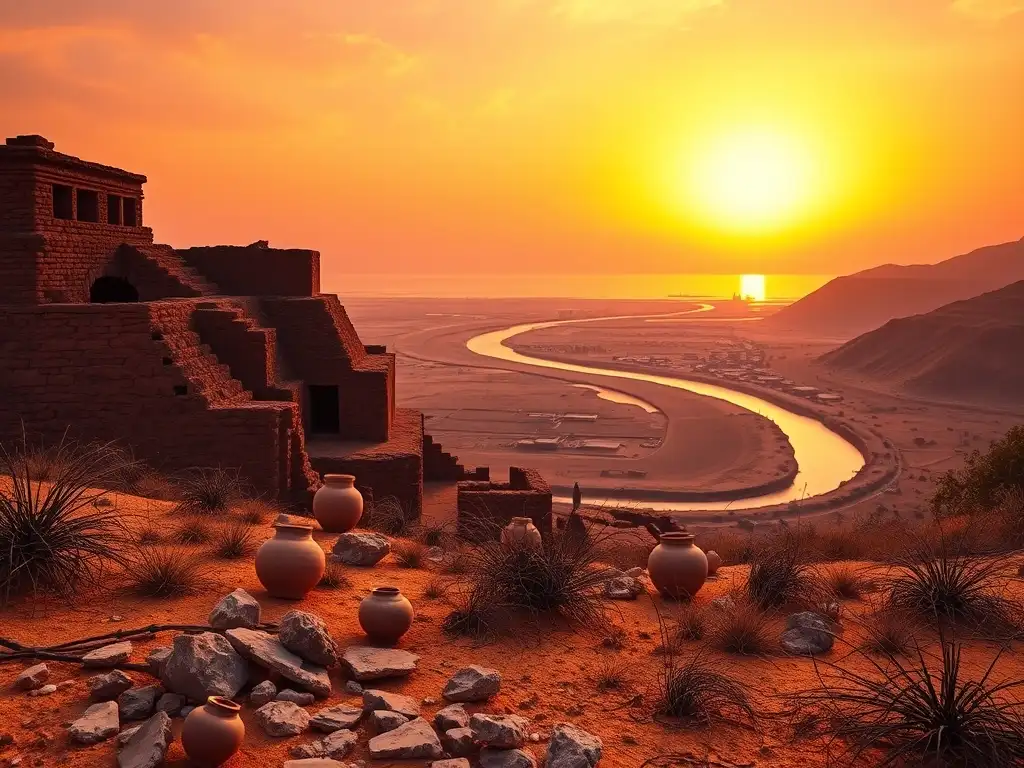
The Moche civilization, flourishing along the northern coast of Peru from approximately 100 CE to 800 CE, left an undeniable mark on Andean culture. Understanding its decline is crucial to grasping the subsequent transformations in the region. While the exact reasons for the Moche's collapse remain debated, several interconnected factors likely contributed to their demise.
The impact of this decline reverberated throughout the Andean world, shaping the cultural landscape for centuries to come. The Moche legacy, therefore, isn't just about their achievements; it's also about how their fall influenced the trajectory of subsequent Andean societies. This influence on the cultural fabric of Peru is profound and enduring.
Theories on the Fall of the Moche Civilization
Several competing theories attempt to explain the Moche civilization's decline. No single theory provides a complete picture, and it's likely a combination of factors led to their downfall.
One prominent theory points to environmental factors. El Niño events, characterized by unusually warm ocean temperatures and heavy rainfall, could have caused devastating floods and landslides, disrupting agriculture and infrastructure. Evidence of such catastrophic events is found in the archaeological record, showing layers of sediment deposited during periods of intense flooding. These events could have severely weakened the Moche state, making it vulnerable to other pressures.
Another theory focuses on internal conflicts and social unrest. While the Moche state was centralized, with powerful rulers and a complex social hierarchy, internal tensions might have emerged, leading to instability and ultimately, collapse. Evidence of warfare, including depictions of battles in Moche art, suggests the possibility of internal conflict or struggles for power. This internal strife might have weakened the state's ability to respond to external pressures or environmental challenges.
Finally, the rise of competing cultures also played a role. The emergence of new power centers in the Andes, such as the Wari, could have contributed to the Moche's decline. These rising powers may have exerted military or economic pressure, weakening the Moche and eventually leading to their displacement or absorption.
The exact nature of the interaction between the Moche and these emerging powers remains an area of ongoing research. The interplay of these factors, the environmental stresses, internal conflicts, and external pressures, likely contributed to the Moche's decline, significantly impacting the development of later Andean cultures. Understanding this complex interplay is vital to fully appreciate the Moche civilization's impact on Peru.
The Moche Cultural Heritage and its Continuity
Despite their decline, the Moche's cultural influence persisted. Their artistic achievements, particularly their mastery of ceramics and metalwork, continued to inspire later Andean cultures. Moche iconography, depicting deities, rituals, and daily life, appears in modified forms in subsequent artistic styles. The sophisticated irrigation systems developed by the Moche provided a foundation for later agricultural practices. Their architectural innovations, including the construction of monumental pyramids and elaborate burial complexes, left a lasting legacy on Andean building techniques.
The legacy of the Moche civilization is not merely a matter of direct imitation; it's about the assimilation and adaptation of their cultural elements by succeeding groups. Their artistic styles, technological innovations, and even their religious beliefs, although transformed, continued to resonate within the broader Andean cultural landscape. This continuity is evident in the evolution of Andean art, architecture, and societal structures.
The Moche's impact on Peru's cultural heritage is therefore a complex narrative of both direct influence and long-term cultural transformation. Their civilization's fall didn't mark an end, but rather a pivotal transition, shaping the trajectory of Andean societies for centuries to come and deeply impacting the cultural identity of Peru. The enduring impact of the Moche civilization on Peru is a testament to their ingenuity, artistic skill, and the lasting power of their cultural contributions.
Moche Civilization Impact on Peru: Lasting Legacies
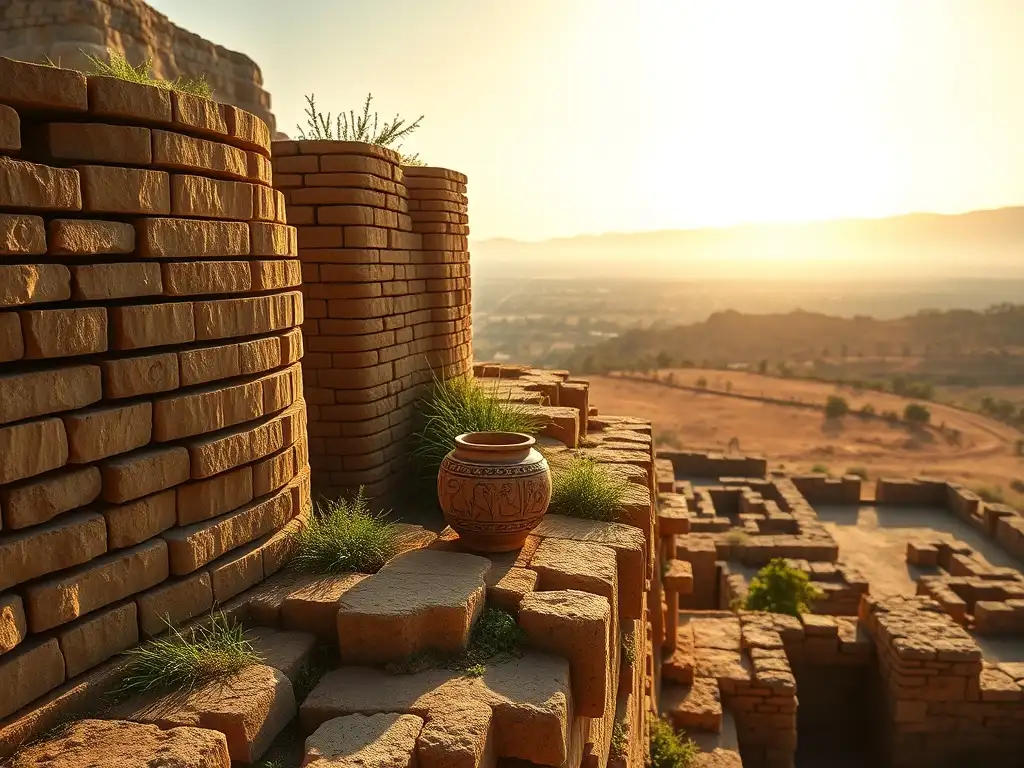
The Moche civilization, flourishing along the northern coast of Peru from approximately 100 to 800 CE, left an indelible mark on Peruvian culture and society. Their impact resonates even today, influencing everything from artistic styles and religious practices to agricultural techniques and societal structures. Understanding the Moche legacy is crucial to grasping the complexities of subsequent Andean cultures and the enduring fabric of modern Peru.
The Moche's sophisticated irrigation systems, intricate pottery, and powerful religious beliefs all contributed to a lasting impact that continues to shape Peru's identity. This section will explore several key areas where the Moche's influence remains powerfully felt.
Moche Influence on Later Andean Societies
The Moche's advanced irrigation systems, a testament to their engineering prowess, directly influenced later Andean societies. Their mastery of water management, particularly in the arid coastal region, provided a model for subsequent civilizations like the Chimú and Inca. The Moche developed complex canal systems and reservoirs, allowing them to cultivate fertile lands in otherwise harsh environments. This technological advancement not only ensured food security but also fostered population growth and societal development.
Evidence suggests that later cultures adapted and expanded upon Moche irrigation techniques, demonstrating the enduring practical impact of their ingenuity. For example, the intricate network of canals near the Chicama Valley, a testament to Moche engineering, provided a blueprint for centuries of agricultural development in the region. The Moche's success in managing water resources profoundly shaped the agricultural practices and economic prosperity of later Andean societies, showcasing their lasting impact on Peruvian development.
Moche Art and its Enduring Presence in Peruvian Culture
Moche artistry is renowned for its exquisite detail and vibrant depictions of daily life, mythology, and religious beliefs. Their mastery of pottery, metalwork, and textile production is unparalleled in the pre-Columbian Americas. The iconic Moche portrait vessels, depicting individuals with remarkable realism, provide invaluable insights into their society's social hierarchy and daily routines.
These artifacts are not merely aesthetic achievements; they are historical documents, offering glimpses into the lives, beliefs, and rituals of the Moche people. The impact of Moche art extends far beyond its historical significance. Their stylistic innovations, characterized by intricate detail, dynamic compositions, and vivid colors, continue to inspire contemporary Peruvian artists.
The bold use of color, the realistic portrayal of human figures, and the symbolic representation of animals and deities, all remain prominent themes in modern Peruvian art. Moreover, Moche motifs—such as the depiction of jaguars, birds, and supernatural beings—frequently reappear in contemporary textiles, ceramics, and other forms of artistic expression, reflecting the enduring influence of this ancient civilization on Peruvian artistic sensibilities. The Moche's artistic legacy is a vibrant thread woven into the rich tapestry of Peruvian cultural heritage.
The Moche Legacy in Modern Peruvian Identity
The Moche civilization's impact extends beyond its tangible artifacts; it is deeply interwoven into the fabric of modern Peruvian identity. The Moche's achievements in engineering, agriculture, and art serve as a source of national pride and a reminder of Peru's rich pre-Columbian past. Their sophisticated societal structures, religious beliefs, and artistic expressions have become integral parts of Peru's cultural narrative.
Museums across Peru proudly display Moche artifacts, showcasing their importance to the nation's heritage. Furthermore, the Moche's legacy continues to inspire archaeological research and tourism, boosting the Peruvian economy and fostering a deeper understanding of the country's historical roots. The ongoing study and appreciation of the Moche civilization contribute significantly to the development of Peruvian national identity, reinforcing a sense of continuity and pride in its ancient heritage.
The Moche's story is a powerful reminder of Peru's enduring cultural richness, demonstrating their lasting impact on the nation's identity. The enduring appeal of the Moche civilization's legacy is evident in the ongoing efforts to preserve and celebrate its artistic, technological, and cultural achievements. This enduring legacy underscores the profound and lasting impact of the Moche civilization on Peru.
Exploring the Moche Archaeological Sites: Preserving the Past
The Moche civilization's impact on Peru is profoundly evident in the remarkably preserved archaeological sites scattered across the northern coastal region. These sites offer invaluable insights into their complex society, sophisticated artistry, and advanced engineering capabilities. Careful excavation and ongoing research are crucial for understanding the Moche legacy and its enduring influence on Peruvian culture. The sheer scale and meticulous preservation efforts highlight the importance placed on safeguarding this irreplaceable heritage. Understanding the Moche civilization's impact on Peru requires a deep dive into these sites, each revealing unique facets of their culture.
Huaca del Sol and its Significance
Huaca del Sol, a massive adobe pyramid, stands as a testament to the Moche's organizational prowess and engineering skills. Its sheer size – estimated to have originally been over 40 meters high – suggests a significant investment of labor and resources, indicating a highly structured society capable of mobilizing large-scale workforce projects.
While much of Huaca del Sol has been damaged by looting and erosion over the centuries, ongoing excavations continue to uncover important artifacts and architectural features. The discovery of intricate murals depicting religious ceremonies and elaborate burial sites within the pyramid further illuminate the Moche's religious beliefs and social hierarchy.
Analysis of the adobe bricks themselves provides valuable information about Moche construction techniques and the materials they utilized, contributing to our understanding of their technological advancements. The sheer scale of Huaca del Sol, and its role as a symbol of Moche power, underlines the civilization's significant impact on the cultural landscape of Peru.
Huaca de la Luna and its Revelations
In contrast to the monumental Huaca del Sol, Huaca de la Luna, while still impressive, reveals a more intimate side of Moche life. This adobe pyramid complex served as a ceremonial center, and its richly decorated walls showcase vibrant murals depicting scenes of warfare, ritual sacrifices, and daily life. The murals provide a visual narrative of Moche society, offering unparalleled insights into their religious practices, social structures, and artistic capabilities.
The discovery of numerous elite burials within Huaca de la Luna has yielded an abundance of exquisite artifacts, including gold ornaments, elaborate ceramics, and intricately woven textiles. These findings provide crucial information about Moche social stratification, funerary rituals, and their sophisticated artistic techniques.
Huaca de la Luna's intricate artwork and carefully planned architecture highlight the Moche's profound influence on Peruvian art and religious traditions, leaving an enduring impact on subsequent Andean cultures. The vibrant colors and detailed depictions found within the murals are truly remarkable, offering a window into the Moche worldview.
Ongoing Research and Future Discoveries in Moche Archaeology
The study of the Moche civilization is a dynamic and evolving field. Ongoing archaeological research continues to unearth new information, challenging existing theories and expanding our understanding of this fascinating culture. Advanced technologies, such as ground-penetrating radar and 3D modeling, are playing an increasingly important role in the excavation and analysis of Moche sites.
These tools allow archaeologists to explore areas that were previously inaccessible, revealing hidden structures and artifacts. Furthermore, interdisciplinary collaborations involving archaeologists, anthropologists, and other specialists are crucial for a holistic understanding of the Moche civilization's impact on Peru. The potential for future discoveries remains immense, promising further revelations about their societal structures, religious beliefs, and artistic achievements.
New findings will undoubtedly continue to reshape our understanding of the Moche's lasting legacy on Peruvian culture and its influence on the development of subsequent Andean societies. The future of Moche archaeology is bright, with ongoing research promising to further illuminate the Moche civilization's impact on Peru.
Frequently Asked Questions
What was the most significant impact of the Moche civilization on Peru?
The Moche civilization's most significant impact was its highly developed and influential culture, leaving a lasting legacy in art, architecture, and societal structures. Their advanced irrigation systems also significantly shaped Peruvian agriculture.
How did Moche art influence later Andean cultures?
Moche artistry, particularly in pottery and metalwork, profoundly influenced subsequent Andean cultures. Their realistic depictions and innovative techniques continued to inspire artists for centuries.
What was the extent of the Moche civilization's territory in ancient Peru?
The Moche civilization's territory spanned a significant portion of the northern coast of Peru, extending from approximately the Chicama Valley to the Nepeña Valley. This area was characterized by arid coastal deserts and fertile river valleys.
What role did religion play in Moche society and its lasting impact?
Religion played a central role in Moche society, shaping their art, architecture, and social hierarchy. Their elaborate rituals and belief systems are evident in their monumental structures and artistic representations, leaving a lasting impact on Andean religious practices.
How did Moche technology impact the development of later Peruvian societies?
Moche advancements in irrigation, metallurgy, and ceramics laid the groundwork for future technological developments in Peru. Their innovative techniques were adopted and adapted by later Andean cultures, contributing to their progress.
Final Reflection: Echoes of the Moche: A Legacy Woven into Peru's Soul
The vibrant artistry and sophisticated societal structures of the Moche civilization continue to resonate powerfully within modern Peru, shaping its cultural identity and reminding us of the enduring strength of human ingenuity. Their legacy isn't merely a historical footnote; it's a living thread woven into the fabric of Peruvian society, visible in its art, its values, and its very spirit. The Moche's impact is not just about the past; it's a powerful force shaping the present and future of Peru.
The Moche's influence extends far beyond their impressive architectural achievements and breathtaking pottery. Their innovative irrigation systems, for example, still inform modern agricultural practices in the arid coastal regions. Their complex social hierarchy, while undeniably hierarchical, also reveals a sophisticated understanding of societal organization and resource management. The past is never dead. It's not even past.
- William Faulkner. This quote perfectly encapsulates the enduring presence of the Moche; their history is not a relic of the past, but a vibrant force that continues to shape the present and future of Peru's cultural landscape.
Consider the impact of the Moche's artistic legacy. Their stunning ceramics, with their vivid depictions of life, ritual, and mythology, continue to inspire contemporary Peruvian artists. Their intricate metalwork and monumental architecture serve as a testament to their skill and ingenuity, reminding us of the potential for human creativity and innovation. You, the reader, now carry a deeper understanding of this remarkable civilization. Take this knowledge, this legacy, and let it inspire you to explore the rich tapestry of Peruvian culture, to appreciate the enduring power of human achievement, and to recognize the connections that bind us across time.
Unleash the Moche Spirit Within!
Thank you for exploring the fascinating legacy of the Moche culture and its enduring impact on Andean civilizations. You've gained valuable insights into their remarkable artistry and complex society. Now, let's put that knowledge to good use!
- Visit a local museum or cultural center to see Moche artifacts firsthand and further your understanding of their artistic achievements.
- Connect with an online community or forum dedicated to Andean history. Share your discoveries and learn from other enthusiasts.
- Consider volunteering with a cultural preservation project focused on Andean heritage to make a meaningful contribution.
What aspect of the Moche culture most captivates you, and how will you integrate that inspiration into your life?