
Unraveling the Enigma: The Search for the Earliest Andean Ancestors

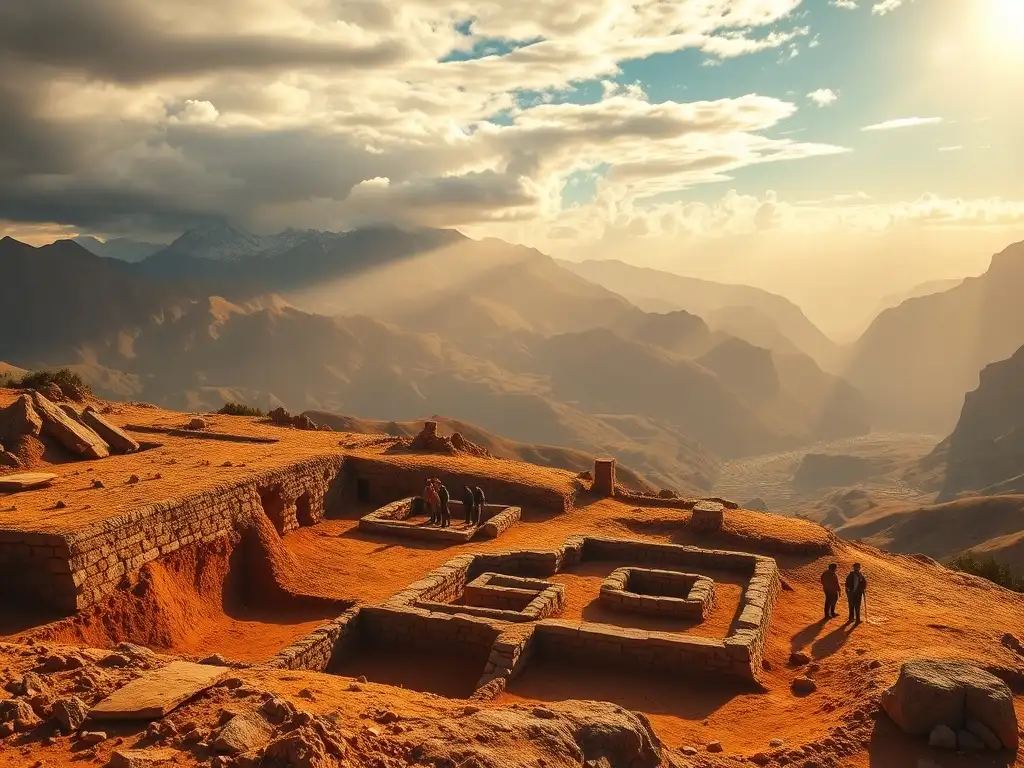
Step into a world lost to time, where majestic mountains cradled societies of unparalleled ingenuity. Discover the secrets of the earliest Andean civilizations, a captivating journey through breathtaking artistry, advanced engineering, and enduring mysteries. Were the Incas truly the first? Unravel the enigma and explore the surprising origins of Andean culture—a story far richer and more complex than you ever imagined. Delve into the fascinating details and prepare to be amazed.
The Andes Mountains, a spine of rock and ice stretching along the western edge of South America, have witnessed millennia of human history. This dramatic landscape, with its diverse ecosystems ranging from arid coastal deserts to lush cloud forests, provided both challenges and opportunities for the earliest inhabitants.
This article delves into the fascinating, and often challenging, quest to identify and understand the earliest Andean civilizations, exploring the archaeological evidence and ongoing debates surrounding their origins, migrations, and societal structures. We will examine the complexities of tracing these earliest groups, highlighting the limitations of current data and emphasizing the ongoing nature of research in this captivating field.
Understanding these earliest Andean societies is crucial to comprehending the development of the later, more complex civilizations like the Inca, Moche, Nazca, and Tiahuanaco, which built upon the foundations laid by their predecessors. The search for the earliest Andean ancestors is a journey through time, revealing the ingenuity and resilience of humanity in the face of a demanding environment.
The Challenges of Unearthing the Past: Preservation and Archaeological Limitations
Uncovering the history of the earliest Andean civilizations presents significant hurdles. The Andean environment itself can be a formidable adversary. Harsh weather conditions, including intense sun, freezing temperatures, and torrential rains, can severely damage archaeological sites, leading to the deterioration of organic materials like wood, textiles, and bone – crucial elements for understanding past lifestyles.
Furthermore, the sheer scale of the Andes, coupled with the inaccessibility of many potential sites, makes comprehensive surveys incredibly difficult and expensive. Many early settlements may be buried beneath layers of sediment, eroded by natural processes, or simply lost to time. Moreover, the very nature of early societies, often small and dispersed, means their material culture might be less abundant and more challenging to interpret than that of later, larger empires.
The lack of written records for these early periods further complicates the process, forcing archaeologists to rely heavily on material remains and indirect evidence to reconstruct their history. This reliance on fragmented evidence necessitates careful analysis and interpretation, often leading to differing conclusions among researchers.
Early Evidence: Pre-Ceramic and Initial Ceramic Periods
The earliest evidence of human presence in the Andes dates back to the late Pleistocene epoch, with findings suggesting human habitation as early as [specific date pending]. This initial period, often referred to as the Pre-Ceramic period, is characterized by a hunter-gatherer lifestyle, with evidence of rudimentary tools and simple shelters. The transition to agriculture, a pivotal moment in Andean history, began gradually in different regions, leading to the emergence of settled communities and the development of more complex social structures. The Initial Period, marked by the appearance of early pottery, offers significant insights into the diversification of cultures and technologies. Archaeological discoveries from this period, such as those found in [specific location pending] and [specific location pending], reveal a growing sophistication in toolmaking, pottery styles, and agricultural practices. The diversity of ceramic styles across different regions suggests the existence of distinct cultural groups, each adapting to their specific environment. The study of these early ceramic traditions provides crucial clues to understanding the spread of ideas and technologies across the vast Andean landscape.
The development of agriculture wasn't uniform, but it spurred population growth and societal changes across various Andean ecosystems.
Tracing Migrations and Cultural Interactions: Genetic and Linguistic Evidence
Understanding the origins and migrations of the earliest Andean inhabitants is an ongoing area of research. Genetic studies are increasingly providing valuable insights into the relationships between different populations and their movements through time. By analyzing ancient DNA from skeletal remains, researchers can trace genetic lineages and identify patterns of migration and admixture.
These analyses, while still in their early stages, are beginning to reveal a complex history of population movements, both within the Andes and from other regions. Similarly, the study of ancient languages can offer clues about cultural interactions and the spread of ideas. While many early Andean languages are now extinct, linguistic reconstruction techniques can provide insights into language families and potential relationships between different cultural groups.
The combination of genetic and linguistic evidence offers a powerful tool for understanding the complex tapestry of human migration and cultural interaction in the early Andes. The picture emerging is one of dynamism and change, with populations constantly moving, interacting, and adapting to their environment.
A Continuing Quest: Future Directions in Andean Archaeology
The search for the earliest Andean ancestors is far from over. Ongoing archaeological research, employing advanced technologies and innovative methodologies, continues to unveil new information about these enigmatic populations. The use of remote sensing techniques, such as LiDAR and satellite imagery, allows archaeologists to identify potential sites that would otherwise be difficult to locate. Advances in DNA analysis and isotopic studies provide ever-finer insights into diet, migration patterns, and kinship relationships.
Furthermore, collaborative efforts between archaeologists, geneticists, linguists, and other specialists are crucial for a more holistic understanding of the past. The study of the earliest Andean civilizations is a collaborative and evolving field, and future discoveries promise to further refine our understanding of the complex history of human settlement in this remarkable region. The quest to understand the earliest Andean civilizations is a testament to human curiosity and the enduring fascination with our shared past. 😜
- The Challenges of Unearthing the Past: Preservation and Archaeological Limitations
- Early Evidence: Pre-Ceramic and Initial Ceramic Periods
- Tracing Migrations and Cultural Interactions: Genetic and Linguistic Evidence
- A Continuing Quest: Future Directions in Andean Archaeology
- What are considered the earliest Andean civilizations?
- How did the earliest Andean civilizations adapt to their environment?
- What were the key technological advancements of the earliest Andean civilizations?
- What evidence do archaeologists use to study the earliest Andean civilizations?
- How did the earliest Andean civilizations differ from later ones like the Inca?
The Dawn of Andean Civilization: Tracing the First Inhabitants
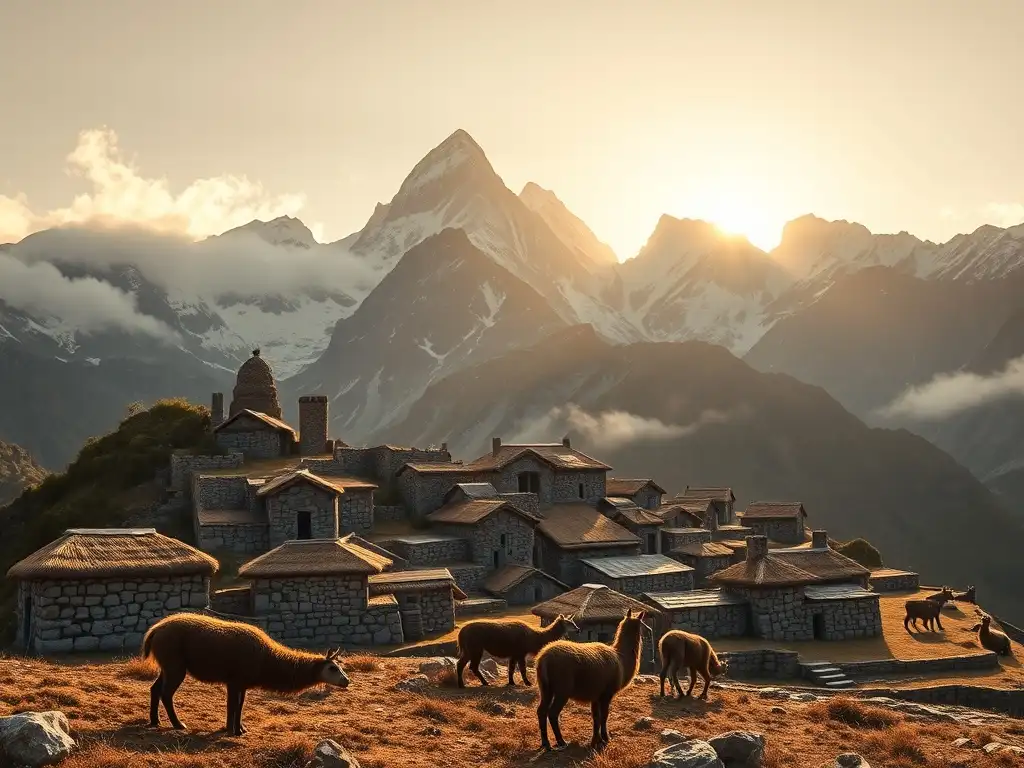
The quest to identify the earliest Andean civilizations is a complex and fascinating journey through time. Unraveling the enigma of their origins requires piecing together fragmented evidence from archaeological digs, genetic studies, and environmental analysis. While pinpointing the exact moment of the first human settlements remains elusive, substantial progress has been made in understanding the processes and timelines involved.
The search for the earliest Andean ancestors is, in essence, a search for the earliest evidence of sustained human occupation and adaptation to the challenging Andean environment. This section will focus on the initial waves of migration and the subsequent development of pre-ceramic societies, laying the groundwork for the more complex civilizations that would follow. Understanding these earliest Andean civilizations is key to comprehending the entire trajectory of Andean history.
Early Human Migration to the Andes: Pathways and Timelines
The peopling of the Andes wasn't a single event but a series of migrations spanning millennia. Current archaeological and genetic evidence suggests that the initial human presence in the Andes dates back to at least 14,000 years ago, possibly even earlier. However, establishing precise timelines is challenging due to the limitations of dating techniques and the scarcity of well-preserved early sites.
The routes these early migrants took are still debated. One prominent theory suggests coastal migration along the Pacific coast, with populations slowly moving inland. Evidence of early coastal settlements supports this hypothesis, although the exact timing and extent of this coastal route remain areas of ongoing research. Another proposed pathway involves movements through the Amazon basin, followed by a gradual ascent into the Andes. This theory is supported by the discovery of early sites in the Amazonian foothills, but the specifics of this migration route also require further investigation.
Further Complicating Factors
The Andean environment itself presents significant challenges to archaeological investigation. High altitudes, harsh weather conditions, and the delicate nature of many early sites contribute to the fragmented nature of the evidence. This makes the precise reconstruction of migration patterns and timelines a particularly difficult task. Furthermore, the very definition of "settlement" in this context needs careful consideration. Were these early groups nomadic or semi-nomadic? How long did they occupy specific locations? Answering these questions requires a multidisciplinary approach.
The study of ancient DNA (aDNA) is providing crucial insights into the genetic relationships between early Andean populations and groups from other regions. These studies are helping to unravel the complex tapestry of migrations and population movements that shaped the genetic landscape of the Andes. However, the analysis of aDNA from ancient Andean remains is still in its early stages, and more research is needed to fully understand the genetic history of these earliest Andean civilizations.
Pre-ceramic Andean Societies: Life Before Pottery
The period before the advent of pottery in the Andes, often referred to as the Preceramic period, is characterized by a remarkable adaptation to the diverse Andean environments. These early societies, existing for thousands of years before the development of pottery, demonstrate sophisticated strategies for survival and resource management. Evidence suggests the development of complex social structures, even in the absence of elaborate material culture.
These early inhabitants developed diverse subsistence strategies tailored to the specific ecological niches they occupied. In some regions, hunting and gathering dominated, with communities exploiting the available wild plants and animals. In others, evidence suggests the early cultivation of plants like squash and chili peppers, marking the initial steps towards agriculture. The development of agriculture was a transformative event, leading to sedentarism and the emergence of larger, more complex settlements.
| Region | Subsistence Strategy | Notable Archaeological Site(s) | Estimated Time Period |
|---|---|---|---|
| Coastal Peru | Hunting, gathering, fishing | [Specific site names pending] | 10,000 - 7,000 BP |
| Highland Peru | Hunting, gathering, early agriculture | [Specific site names pending] | 12,000 - 7,000 BP |
| Northern Chile | Hunting, gathering | [Specific site names pending] | 11,000 - 8,000 BP |
The absence of pottery shouldn't be interpreted as a lack of technological sophistication. These early societies developed intricate stone tools, textiles, and other technologies adapted to their specific needs. The development of these technologies, along with evidence of early social complexity, suggests a high degree of cognitive ability and social organization.
The transition to pottery, when it finally occurred, represented a significant advancement, but it built upon a foundation of already impressive technological and social achievements. Further research into these earliest Andean civilizations and their pre-ceramic predecessors promises to reveal even more about the fascinating story of human adaptation and innovation in the Andes.
Key Archaeological Sites: Unveiling the Secrets of Early Andean Settlements
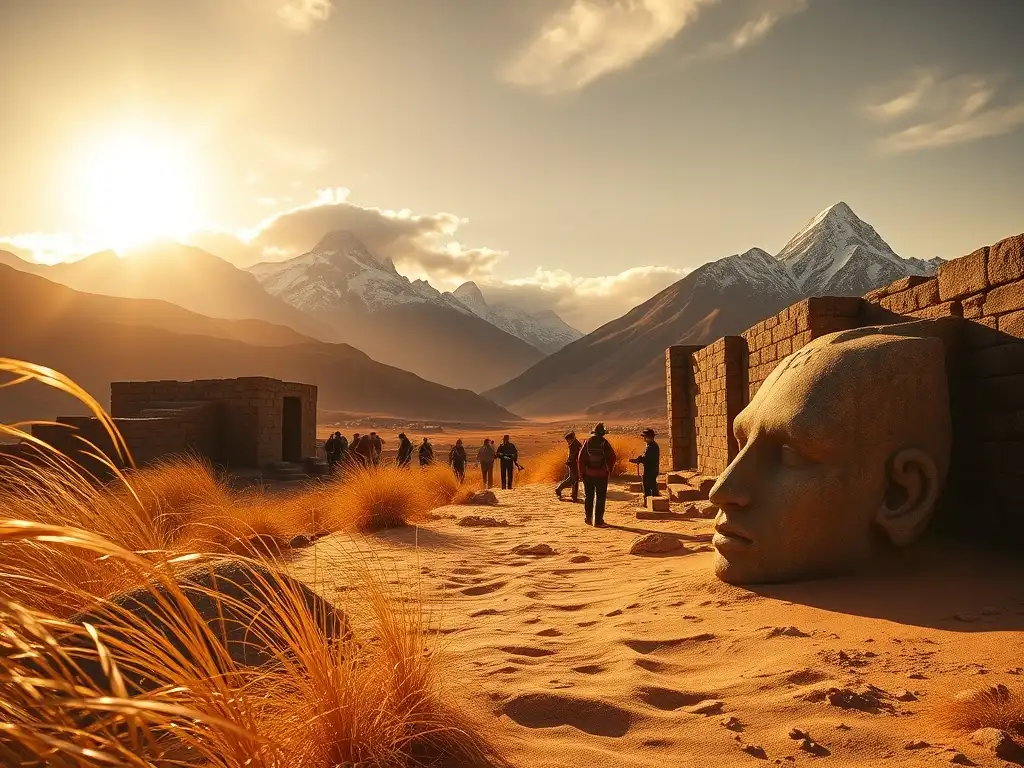
This section delves into the crucial archaeological sites that have provided invaluable insights into the earliest Andean civilizations, significantly contributing to our understanding of their origins and development. These sites offer tangible evidence, challenging previous assumptions and rewriting the narrative of early Andean life. The discoveries made at these locations paint a more nuanced and complex picture of the earliest inhabitants of the Andes, revealing sophisticated societal structures and technological advancements far earlier than previously imagined. Understanding these sites is key to unlocking the mysteries surrounding the earliest Andean civilizations.
Pikimachay Cave: Evidence of the Earliest Andean Presence
Pikimachay Cave, located in Ayacucho, Peru, holds immense significance in the study of early Andean settlement. Archaeological excavations have unearthed compelling evidence suggesting human occupation dating back to the Pleistocene epoch, potentially pushing back the timeline of human presence in the Andes significantly. The discovery of numerous lithic artifacts, including meticulously crafted stone tools, provides strong evidence of early human activity.
These tools, ranging from simple flakes to more complex projectile points, indicate a level of technological sophistication and adaptation to the challenging Andean environment. Analysis of the tools suggests that the inhabitants of Pikimachay Cave were skilled hunters and gatherers, capable of adapting their strategies to the available resources.
The cave's strategic location, offering shelter and proximity to vital resources, likely contributed to its prolonged occupation. Further research and analysis of the recovered artifacts, including faunal remains and pollen samples, are crucial for a more complete understanding of the lifestyle and subsistence strategies employed by these earliest Andean ancestors. The ongoing research at Pikimachay Cave continues to refine our understanding of the initial human settlement of the Andes and the subsequent development of early Andean societies. The site's importance in the search for the earliest Andean civilizations is undeniable.
Monte Verde: A Glimpse into Coastal Andean Life
Unlike the high-altitude setting of Pikimachay Cave, Monte Verde, located in southern Chile, provides a unique perspective on early coastal Andean life. This site offers evidence of human occupation dating back to approximately 14,500 years ago, challenging conventional narratives about the timing and nature of early Andean settlements. The remarkable preservation of organic materials at Monte Verde has allowed researchers to reconstruct aspects of the daily lives of its inhabitants with unprecedented detail.
Evidence of sophisticated plant processing techniques, including the use of various plant species for food and medicine, demonstrates a deep understanding of the local flora and an ability to utilize diverse resources. The discovery of well-preserved wooden structures and sophisticated tools, made from both wood and bone, showcases the technological ingenuity of these early coastal dwellers. Unlike the primarily hunter-gatherer lifestyle indicated at Pikimachay, Monte Verde reveals a more diverse subsistence strategy, incorporating both hunting and gathering, as well as a significant reliance on plant resources.
This highlights the adaptability and resilience of early Andean populations in varying ecological settings. The discoveries at Monte Verde significantly contribute to the understanding of the early development of human societies along the Pacific coast and enrich our understanding of the earliest Andean civilizations.
Caral: The Emergence of Andean Urbanism
Caral, situated in the Supe Valley of Peru, represents a monumental leap forward in the development of early Andean societies. Dating back to approximately 5,000 years ago, Caral is considered one of the oldest urban centers in the Americas. Its impressive scale and complexity challenge the traditional view of early Andean societies as primarily small-scale hunter-gatherer groups. The site boasts a series of large, meticulously constructed platforms, plazas, and residential structures, indicating a highly organized and stratified society.
The absence of evidence for warfare or monumental displays of power contrasts sharply with later Andean civilizations, suggesting a different societal structure based on cooperation and collective effort. The advanced knowledge of engineering and construction techniques evident in the architecture of Caral is striking. Sophisticated irrigation systems were essential for supporting a large, settled population, indicating a high level of social organization and planning.
The discovery of musical instruments, such as flutes, suggests a rich cultural life and the development of complex social interactions. Caral's significance lies not only in its age and size but also in its representation of an early form of Andean urbanism, fundamentally shaping the trajectory of subsequent Andean civilizations. The sophisticated societal structures of Caral provide crucial evidence in the ongoing quest to understand the earliest Andean civilizations.
The Development of Early Andean Cultures: From Hunter-Gatherers to Settled Life
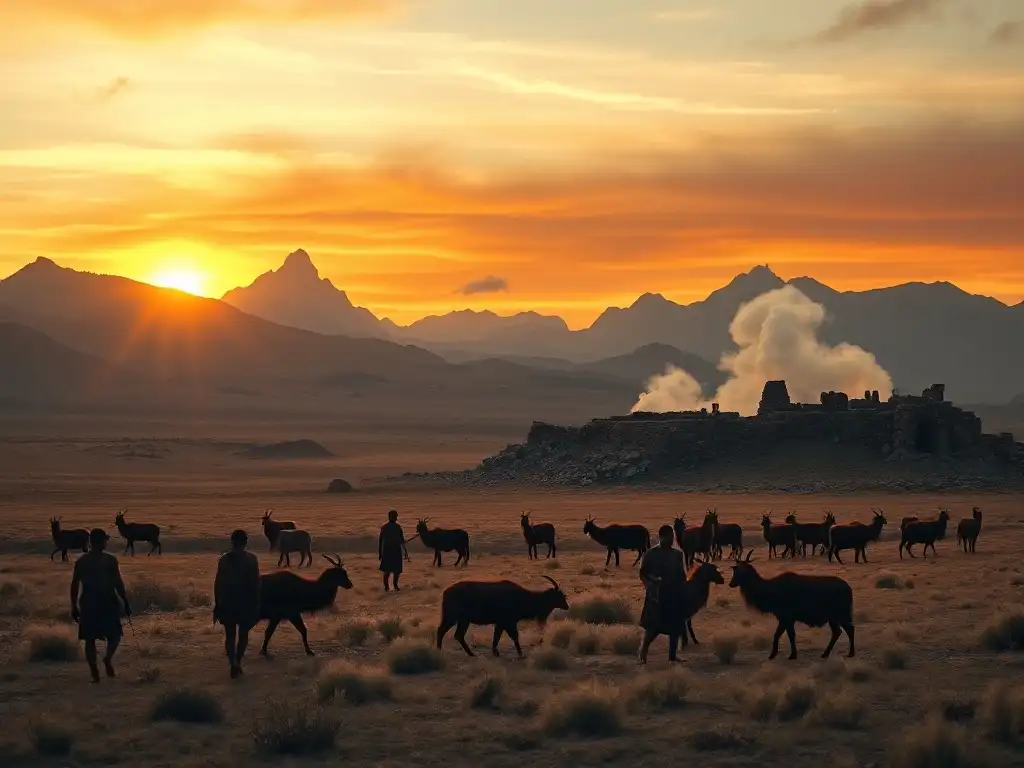
The quest to pinpoint the earliest Andean civilizations necessitates a journey back in time, far beyond the grandeur of the Inca Empire. Understanding the development of these societies requires examining the gradual shift from nomadic hunter-gatherer lifestyles to settled agricultural communities. This transition, spanning millennia, laid the foundation for the complex civilizations that would later flourish in the Andes.
The earliest evidence suggests human presence in the Andes dates back tens of thousands of years, with early inhabitants adapting to the challenging high-altitude environment through innovative strategies. This period witnessed the slow but significant development of crucial technologies and social structures that would ultimately shape Andean societies for centuries to come. The process wasn't linear; rather, it involved a complex interplay of environmental factors, technological advancements, and evolving social dynamics.
Tracing this evolutionary path helps us comprehend the remarkable resilience and ingenuity of the earliest Andean ancestors. The search for the earliest Andean civilizations is a continuous process of archaeological discovery and reinterpretation of existing data.
Adaptation to the Andean Environment: Strategies for Survival
The Andes Mountains present a formidable environment, characterized by extreme altitude, varied climates, and challenging terrain. Early inhabitants faced significant obstacles to survival. Their success hinged on developing sophisticated strategies for adapting to these conditions. Evidence suggests the use of diverse food sources, including hunting guanacos and vicuñas (camelids), gathering wild plants, and exploiting varied ecological niches.
The development of sophisticated hunting techniques, knowledge of medicinal plants, and the ability to construct shelters suited to the harsh climate were crucial for survival. [Specific examples of early Andean shelter construction techniques pending]. Analysis of skeletal remains provides insights into dietary habits and the physical adaptations of early Andean populations to high-altitude living.
These early inhabitants demonstrated remarkable resourcefulness in utilizing the available resources within their environment, laying the groundwork for future agricultural innovations. Understanding their survival strategies provides critical context for grasping the subsequent development of settled life and complex societies in the Andes. The ability to thrive in this challenging landscape is a testament to the ingenuity and adaptability of the earliest Andean civilizations.
The Rise of Agriculture and Sedentism in the Andes
The transition from nomadic hunter-gatherer societies to settled agricultural communities marked a pivotal moment in Andean prehistory. The domestication of plants, particularly potatoes and other Andean crops, allowed for a more reliable food supply. This shift coincided with the development of irrigation systems, evidence of which can be found in various archaeological sites. [Specific examples of early Andean irrigation systems and their locations pending].
The ability to cultivate crops led to increased food production, supporting larger and more stable populations. Sedentism, the practice of living in permanent settlements, emerged as a direct consequence of agricultural success. This resulted in the development of villages and, eventually, larger urban centers.
The development of agriculture was not a singular event but a gradual process involving experimentation, selection, and adaptation of various crops to the diverse Andean ecosystems. The earliest Andean civilizations actively shaped their environment through agricultural practices, leading to profound changes in the landscape and the way of life. This agricultural revolution was fundamental to the development of complex social structures and the subsequent rise of larger, more organized societies.
The emergence of settled life and agriculture facilitated the development of more complex social structures within the earliest Andean civilizations. While the exact nature of early social organization remains a subject of ongoing research, archaeological evidence points towards the development of hierarchical societies. [Specific examples of early Andean social hierarchies and burial practices pending].
The presence of elaborate burial sites suggests the existence of social stratification and possibly religious leaders or elites. The production and distribution of goods, including textiles and pottery, indicate specialized labor and trade networks. The development of sophisticated technologies, such as pottery and weaving, also suggests increased social complexity and specialization.
Understanding these early social structures is crucial to reconstructing the complete picture of the development of Andean societies. The gradual emergence of social hierarchies and specialized labor reflects the increasing complexity of these communities as they transitioned from small, relatively egalitarian groups to larger, more stratified societies. The study of these early social structures is an essential aspect of understanding the foundations of the earliest Andean civilizations.
The Impact of the Earliest Andean Civilizations on Later Cultures
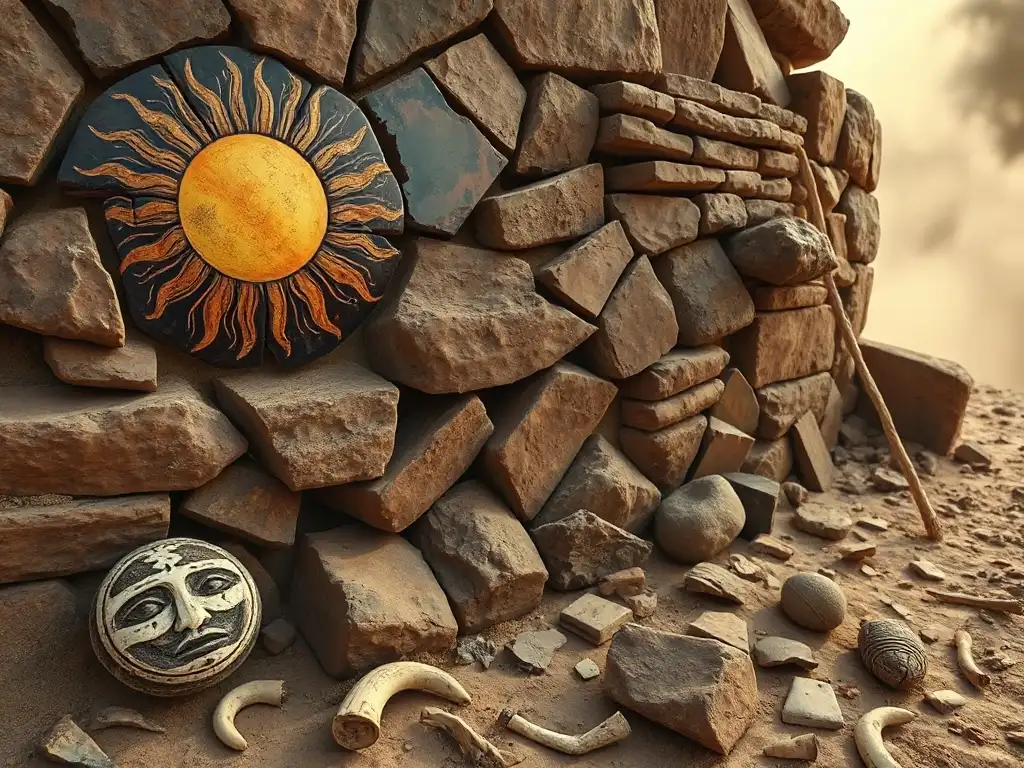
The earliest Andean civilizations, while often shrouded in mystery, left an indelible mark on the subsequent development of Andean societies. Their innovations in agriculture, social organization, and religious practices served as foundational building blocks for later, more complex cultures like the Inca. Understanding the impact of these early societies is crucial to comprehending the full trajectory of Andean history. The influence wasn't simply a direct lineage; rather, it was a complex interplay of adaptation, innovation, and transformation.
Later cultures built upon, modified, and sometimes rejected aspects of their predecessors' legacies, creating a dynamic and ever-evolving cultural landscape. This process of cultural inheritance and adaptation is a key theme in understanding the long-term development of Andean societies. The study of early Andean pottery styles, for instance, reveals clear stylistic continuities and transformations across millennia, demonstrating the enduring influence of these earliest groups.
The Legacy of Early Andean Art and Technology
The artistic and technological achievements of the earliest Andean civilizations laid the groundwork for later advancements. Consider the sophisticated irrigation systems developed by early agricultural societies. These systems, often involving intricate canal networks and terracing, provided the basis for increased food production and supported larger, more complex settlements.
This technological know-how was refined and expanded upon by later cultures, leading to even more impressive feats of engineering. Similarly, the earliest Andean art forms, particularly pottery and textiles, exhibit a remarkable level of skill and artistry. The intricate designs and techniques used in these early artifacts demonstrate a deep understanding of materials and a sophisticated aesthetic sensibility.
These early artistic traditions profoundly influenced subsequent artistic styles, with recognizable motifs and techniques appearing in later Andean art, demonstrating a clear continuity across vast spans of time. Analysis of early textiles, for example, reveals complex weaving techniques that were refined and elaborated upon by later cultures.
Continuities and Transformations in Andean Cultural Practices
While many aspects of early Andean culture were transformed or adapted by later societies, certain core practices endured. Religious beliefs, for instance, often centered around ancestor veneration and the worship of nature deities. While the specific forms of these beliefs evolved over time, the underlying themes of reverence for ancestors and the natural world persisted, showcasing a remarkable degree of cultural continuity across different Andean societies.
Similarly, many social structures and organizational principles found in early Andean societies were adapted and modified by later cultures. The concept of hierarchical social organization, for instance, appears in various forms throughout Andean history, suggesting a deep-rooted cultural preference for structured social arrangements.
However, the specifics of social hierarchy and power dynamics varied significantly across different time periods and cultural groups, highlighting the complex interplay between continuity and transformation in Andean cultural practices. The evolution of social structures provides a fascinating case study of how early Andean models were adapted to meet the needs of increasingly complex societies.
Understanding the Foundations of Later Andean Civilizations
Understanding the earliest Andean civilizations is essential for a complete understanding of the later, more well-known Andean empires. These early societies laid the groundwork for the impressive achievements of later cultures in areas such as agriculture, technology, and social organization. Their innovations in irrigation and agricultural techniques, for example, allowed for the development of large, densely populated urban centers, providing the resources necessary for the growth of complex societies.
Furthermore, the early development of sophisticated social structures and political systems provided a framework for the emergence of powerful empires. By studying the earliest Andean civilizations, we gain crucial insights into the long-term processes of cultural development and adaptation that shaped the unique character of Andean societies. The legacies of these early groups are woven into the very fabric of later Andean civilizations, making their study indispensable for a comprehensive understanding of Andean history.
Without understanding these foundations, a complete picture of the later Andean civilizations remains incomplete. Further research into [specific archaeological sites pending] could provide even more detailed information on this crucial period.
Challenges and Future Directions in the Study of Early Andean Ancestors
Unraveling the mysteries surrounding the earliest Andean civilizations presents significant challenges for archaeologists and researchers. The harsh Andean environment, with its high altitudes, fluctuating climates, and often inaccessible terrain, significantly hinders excavation and preservation efforts. Furthermore, the passage of millennia has resulted in the degradation and fragmentation of many archaeological sites, making the interpretation of findings complex and sometimes ambiguous. The very nature of early settlements, often small and dispersed, makes their identification and study even more difficult.
Successfully locating and analyzing these elusive settlements requires innovative approaches and technological advancements. The scarcity of written records from this period further complicates the reconstruction of the lives and cultures of these earliest Andean ancestors. Oral traditions, though valuable, are often fragmented and subject to interpretation biases. Therefore, piecing together a comprehensive picture of their existence necessitates a multidisciplinary approach, integrating archaeological data with anthropological, genetic, and environmental studies.
Unanswered Questions about the First Andean Settlers
Many crucial questions regarding the earliest Andean settlers remain unanswered. For example, the exact timing and routes of the initial migrations into the Andes are still debated. While genetic studies offer some insights, the precise origins of these early populations and the degree of genetic exchange between different groups remain areas of active research. Understanding the societal structures of these early communities is also a major challenge. Were they organized into villages, nomadic bands, or something else entirely?
How did they manage their resources, especially in such a diverse and challenging environment? The development of agriculture and its impact on societal organization are critical areas of investigation. The transition from hunter-gatherer lifestyles to settled agricultural communities undoubtedly involved significant social and technological changes, the precise dynamics of which are still being explored. The nature of their belief systems and religious practices is another significant area of uncertainty. The discovery of early ceremonial sites offers clues, but their interpretation is often subject to diverse interpretations.
Finally, the causes of population shifts and the reasons for the rise and fall of early settlements require further investigation. Were environmental factors, such as climate change, the primary drivers of these changes, or were social and political factors more important? Addressing these questions demands a rigorous and interdisciplinary approach, combining various research methods and employing advanced technologies. This comprehensive approach is crucial to build a more complete narrative regarding the earliest Andean civilizations.
New Research Methods and Archaeological Discoveries
Recent advances in various fields are revolutionizing our understanding of the earliest Andean ancestors. High-resolution satellite imagery and LiDAR (Light Detection and Ranging) technology are enabling the identification of previously unknown archaeological sites, even in heavily vegetated areas. Advances in ancient DNA analysis are providing valuable insights into the genetic relationships between early Andean populations and their migration patterns.
Sophisticated dating techniques, such as radiocarbon dating and optically stimulated luminescence (OSL), allow for more precise chronologies of settlements and artifacts. Furthermore, the development of new analytical methods for studying ancient plant and animal remains provides crucial information about diet, subsistence strategies, and environmental interactions. These new research methods are leading to exciting discoveries, challenging previously held assumptions and reshaping our understanding of the earliest Andean civilizations.
For example, recent discoveries of early ceramic fragments and sophisticated stone tools are pushing back the known timeline of human occupation in certain Andean regions. These new findings underscore the dynamic and complex nature of early Andean societies and highlight the need for continued research and exploration. The integration of these cutting-edge techniques with traditional archaeological methods promises to unlock even more secrets about the lives and cultures of these earliest Andean ancestors.
Preserving the Heritage of the Earliest Andean Civilizations
The preservation of the heritage of the earliest Andean civilizations is paramount. Many archaeological sites are vulnerable to natural erosion, human activity, and looting. Effective preservation strategies require collaborative efforts between governments, researchers, and local communities. Sustainable tourism initiatives can offer economic benefits to local communities while promoting the protection of these fragile sites.
Educating the public about the importance of preserving cultural heritage is also crucial. By raising awareness, we can foster a greater sense of responsibility and commitment to protecting these invaluable resources for future generations. Moreover, the development of comprehensive digital archives and virtual museums allows for the wider dissemination of information about these sites and their significance without jeopardizing their physical integrity.
This digital preservation strategy ensures that the knowledge gained through research is accessible to a global audience, fostering a greater appreciation for the rich history and cultural legacy of the earliest Andean civilizations. The ongoing challenge lies in balancing the need for research and preservation with the economic development and well-being of the communities that live near these important sites. Careful planning and community engagement are essential to ensure the long-term protection of the heritage of the earliest Andean civilizations.
Frequently Asked Questions
What are considered the earliest Andean civilizations?
While pinpointing the very earliest is debated, early formative period cultures like the Caral-Supe in Peru (around 3000 BCE) and other coastal settlements are strong contenders for the title of earliest Andean civilizations. Further research continues to refine our understanding.
How did the earliest Andean civilizations adapt to their environment?
Early Andean societies demonstrated remarkable environmental adaptation. They developed sophisticated irrigation systems and agricultural techniques to thrive in diverse, challenging terrains, ranging from coastal deserts to high-altitude mountains.
What were the key technological advancements of the earliest Andean civilizations?
Early Andean societies made significant advancements in agriculture, textiles, and ceremonial architecture. The development of complex irrigation and the mastery of weaving techniques were crucial for their survival and societal development.
What evidence do archaeologists use to study the earliest Andean civilizations?
Archaeologists rely on a variety of evidence including excavated artifacts, architectural remains, textiles, and skeletal remains. Radiocarbon dating is a crucial tool for establishing timelines and understanding cultural evolution.
How did the earliest Andean civilizations differ from later ones like the Inca?
While later civilizations like the Inca built upon earlier advancements, the scale and complexity of their empires differed significantly. Early Andean societies were often smaller, less centralized, and focused on regional development, rather than the vast imperial structures of the Inca.
Final Reflection: Echoes of the Andes: A Legacy Unfolding
The quest to understand the earliest Andean civilizations is not merely an academic pursuit; it is a vital key to unlocking our shared human story. The intricate tapestry woven from archaeological discoveries, genetic studies, and anthropological insights reveals a far richer and more complex narrative than previously imagined, challenging established timelines and forcing us to reconsider our understanding of societal development. This journey into the past illuminates not only the origins of Andean cultures but also offers profound lessons about resilience, adaptation, and the enduring power of human ingenuity in the face of adversity.
The impact of these early Andean societies resonates deeply even today. Their innovative agricultural techniques, sophisticated social structures, and remarkable artistic achievements continue to inspire awe and admiration. Their legacy is etched into the very landscape, from the breathtaking terraces of the Andes to the intricate textiles and ceramics that survive to this day. The past is never dead. It's not even past.
– William Faulkner. This quote perfectly encapsulates the enduring relevance of understanding these early civilizations; their echoes reverberate through the present, shaping our understanding of ourselves and our place in the world.
Consider the implications of this journey. What can we learn from the ingenuity and adaptability of these early Andean peoples? How can their resilience in the face of environmental challenges inform our own approaches to sustainability and resource management?
You, the reader, are now part of this ongoing narrative. Take a moment to reflect on the incredible human story revealed in this exploration of the earliest Andean ancestors. Let their legacy inspire you to seek deeper understanding, appreciate the richness of human history, and contribute to a future where we learn from the past to build a more sustainable and equitable world.
Embark on Your Journey to Discover Andean Heritage!
Thank you for exploring the fascinating world of Andean civilization! You've gained valuable insights into the early ancestors of this rich culture, and are now ready to delve deeper into the mysteries of the Andes.
Here are some ways to continue your exploration:
- Visit local museums and cultural centers to discover exhibits on Andean history. This firsthand experience will enrich your understanding and appreciation.
- Connect with online communities dedicated to Andean civilizations to share your knowledge and learn from others.
- Share your passion for Andean heritage by writing an article or blog post about your discoveries. This could spark engaging conversations and further research.
What aspect of Andean heritage most fascinates you, and how will you continue to explore it?