
Andean Cosmology Reimagined: Modern Perspectives on Ancient Worldviews

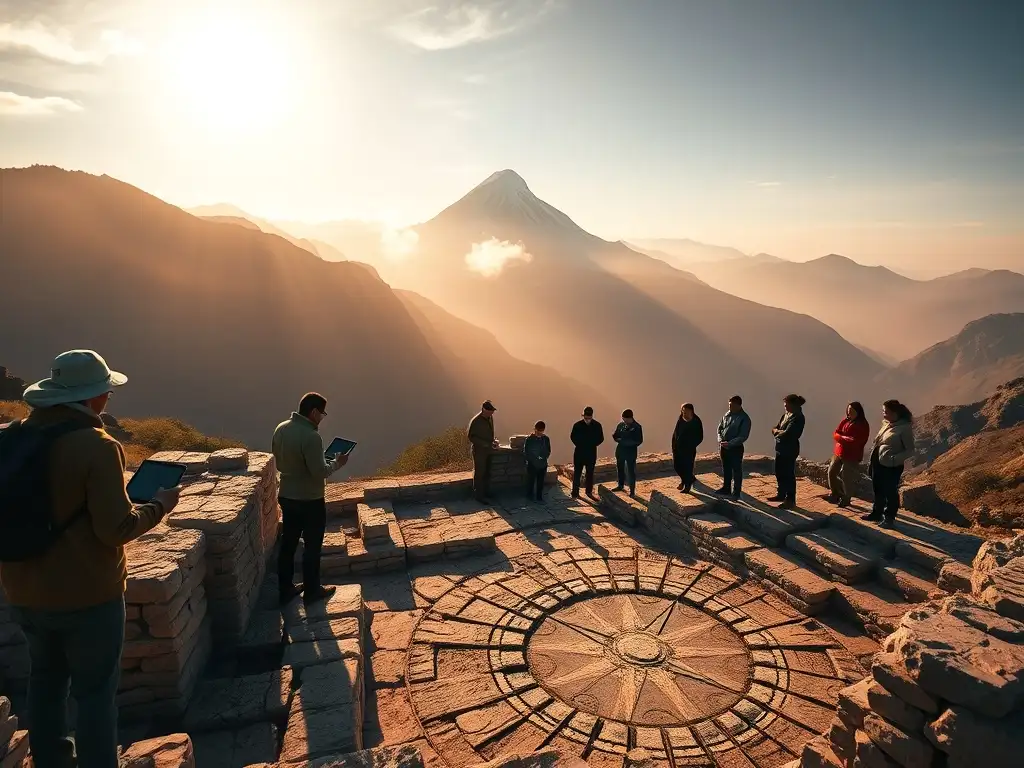
Step into a world lost to time, yet echoing in the present. Unravel the mysteries of the Andes, where towering mountains held the secrets of a vibrant, sophisticated civilization. Andean cosmology, long shrouded in myth and legend, is now being reinterpreted through a modern lens. Prepare to be captivated as we delve into the intricate tapestry of ancient Andean beliefs and their surprising relevance to our world today. Discover how Andean cosmology modern interpretations are challenging our understanding of the past and inspiring new ways of thinking about the cosmos. Dare to explore further…
The Andes Mountains, a spine of towering peaks piercing the South American sky, were not merely a geographical feature for the ancient civilizations that thrived there. They were a living, breathing entity, a cosmological landscape imbued with profound spiritual significance. This article delves into the fascinating world of Andean cosmology, exploring how modern scholars and researchers are reinterpreting these ancient worldviews through new lenses, challenging traditional interpretations and offering fresh perspectives on the intricate relationship between the Andean people and their environment.
We will examine how contemporary research, integrating archaeological findings, ethnohistorical accounts, and anthropological studies, sheds light on the complex systems of beliefs, rituals, and practices that shaped Andean societies. Understanding Andean cosmology is crucial to comprehending the intricate tapestry of their social structures, artistic expressions, and technological advancements.
This exploration will reveal how modern interpretations illuminate the enduring relevance of Andean thought for contemporary society. We will trace the evolution of these interpretations, highlighting key discoveries and debates that have reshaped our understanding of this rich and complex cultural heritage.
Deconstructing the Myth of the "Inca Empire" and its Cosmological Implications
Traditional narratives often center on the Inca Empire, overshadowing the rich diversity of cosmological beliefs held by preceding and contemporaneous Andean cultures. Modern interpretations are actively challenging this Eurocentric bias, acknowledging the nuanced and often conflicting cosmologies of groups like the Moche, Nazca, and Tiwanaku. This re-evaluation necessitates a move away from a monolithic view of "Inca cosmology" towards a more nuanced understanding of multiple, interacting systems of belief.
For example, recent research on Moche iconography reveals complex narratives about the relationship between humans and the supernatural, challenging simplistic interpretations of their artistic representations. Similarly, the Nazca Lines, once viewed primarily as a visual spectacle, are now being interpreted within a broader cosmological framework, suggesting their role in ritual practices and celestial observations. This shift in perspective requires a deeper engagement with archaeological evidence, including ceramics, textiles, and monumental architecture, to uncover the multifaceted nature of Andean cosmologies.
The Significance of Landscape and the Sacred Geography of the Andes
The Andean landscape itself played a central role in the cosmology of its inhabitants. Mountains, rivers, lakes, and celestial bodies were not merely physical entities but active participants in a dynamic cosmic order. Modern interpretations are emphasizing the significance of sacred geography, highlighting how specific locations were imbued with spiritual power and served as focal points for ritual activities.
This involved intricate relationships between the human world and the supernatural realm, with mountains often viewed as the abode of deities or ancestral spirits. The careful observation of celestial events, like solstices and equinoxes, also played a crucial role, influencing agricultural practices and societal organization.
Detailed studies of archaeological sites, coupled with ethnographic research among contemporary Andean communities, are revealing the enduring importance of these sacred landscapes and their connection to ancient beliefs. This involves mapping ancient pilgrimage routes, analyzing the spatial arrangement of settlements, and understanding the symbolic significance of natural features.
Modern Applications and the Relevance of Andean Cosmology Today
The enduring relevance of Andean cosmology extends beyond academic discourse. Modern interpretations have found practical applications in various fields, including environmental management, community development, and cultural tourism. The emphasis on a harmonious relationship between humanity and nature, a core tenet of Andean worldview, provides valuable insights for addressing contemporary environmental challenges. Furthermore, the emphasis on community participation and collective action found within Andean traditions offers valuable lessons for fostering sustainable development initiatives.
The growing interest in Andean cosmology also presents opportunities for cultural tourism, promoting the preservation of cultural heritage and fostering economic development in Andean communities. However, it is crucial to approach this with sensitivity, ensuring that the appropriation of ancient knowledge is respectful and avoids the commodification of cultural heritage. This necessitates collaboration between researchers, communities, and policymakers to ensure the ethical and responsible application of these insights.
Challenges and Future Directions in the Study of Andean Cosmology
Despite significant advances, the study of Andean cosmology continues to face challenges. The fragmentary nature of the archaeological record, the complexities of translating ancient languages, and the diverse perspectives of Andean communities themselves present ongoing obstacles. Future research must prioritize interdisciplinary collaboration, integrating perspectives from archaeology, anthropology, history, and other relevant fields.
It is also crucial to engage directly with contemporary Andean communities, acknowledging their role as custodians of this rich cultural heritage and ensuring that research is conducted in a respectful and collaborative manner. The development of new methodologies, including digital technologies and advanced dating techniques, will also play a crucial role in advancing our understanding of Andean cosmology and fostering a more inclusive and accurate interpretation of this remarkable heritage. The ongoing dialogue between ancient wisdom and modern perspectives promises a deeper understanding, not only of the past but also of our shared future.
- Deconstructing the Myth of the "Inca Empire" and its Cosmological Implications
- The Significance of Landscape and the Sacred Geography of the Andes
- Modern Applications and the Relevance of Andean Cosmology Today
- Challenges and Future Directions in the Study of Andean Cosmology
- What is Andean cosmology?
- How did the Andes' environment influence their cosmology?
- What are some key elements of Andean cosmology?
- How do modern interpretations differ from traditional understandings of Andean cosmology?
- How does Andean cosmology relate to modern discussions of environmentalism and spirituality?
Understanding Andean Cosmology: A Foundation for Modern Interpretations
This section delves into the fundamental principles of Andean cosmology, providing a necessary groundwork for understanding its modern reinterpretations. We will explore the core tenets of this ancient worldview, highlighting key concepts and examining how cosmological beliefs varied across different Andean cultures. Understanding these foundational elements is crucial for appreciating the ongoing scholarly discussions surrounding Andean cosmology modern interpretations.
The Core Principles of Ancient Andean Worldviews
Ancient Andean worldviews were deeply intertwined with their environment and profoundly shaped their social structures, agricultural practices, and artistic expressions. A central principle was the concept of ayni, a reciprocal exchange between humans, nature, and the divine. This wasn't simply a system of bartering goods; it encompassed a complex web of obligations and responsibilities, emphasizing balance and harmony within the cosmos. The violation of ayni was believed to have dire consequences, leading to imbalance and misfortune.
Another crucial element was the deeply spiritual connection with Pachamama, Mother Earth. Pachamama wasn't merely the physical earth; she was a living entity, a powerful force that provided sustenance and demanded respect. Offerings and rituals were performed regularly to maintain a harmonious relationship with Pachamama, ensuring fertility and abundance. This reverence for nature extended to mountains, rivers, and other natural features, each imbued with spiritual significance. The Andean worldview emphasized a holistic, interconnected reality where the human realm was inextricably linked to the supernatural. This interconnectedness is a key element often revisited in modern interpretations of Andean cosmology.
Key Concepts in Traditional Andean Cosmology
Several key concepts underpinned Andean cosmological beliefs. The concept of Hanan Pacha (upper world), Kay Pacha (this world), and Ukhu Pacha (underworld) represented a three-tiered cosmos. Hanan Pacha was the realm of the gods and celestial bodies, while Ukhu Pacha was the subterranean world of spirits and ancestors. Kay Pacha, the earthly realm, served as the mediating space between these two powerful forces. This tripartite structure influenced Andean social organization, with different social strata associated with each level.
Furthermore, the concept of huaca, sacred places or objects, played a vital role. Huacas could be natural formations like mountains or springs, or man-made structures like temples or tombs. They were considered powerful loci of spiritual energy, acting as intermediaries between the human and divine realms. The veneration of huacas was a central aspect of Andean religious life, with rituals and offerings designed to maintain their power and ensure their continued benevolence. The significance of huacas continues to be debated and reinterpreted in modern scholarship, offering fertile ground for Andean cosmology modern interpretations.
Cosmological Beliefs Across Different Andean Cultures
While common threads connected Andean cosmological beliefs, significant variations existed among different cultures. The Inca, for instance, developed a sophisticated state religion with a hierarchical pantheon of deities, including Inti (the sun god) and Viracocha (the creator god). Their cosmology was deeply intertwined with their imperial ambitions, with the Inca ruler considered a direct descendant of the sun god and the empire's legitimacy rooted in divine authority.
In contrast, other cultures, such as the Nazca and Moche, possessed distinct cosmological systems reflected in their art and iconography. The Nazca's intricate geoglyphs, for example, may have served as astronomical markers or representations of cosmological concepts, although their precise meaning remains a subject of ongoing research and debate. The Moche's elaborate pottery depicts a complex pantheon of deities and mythological scenes, offering valuable insights into their worldview.
These diverse expressions of Andean cosmology highlight the richness and complexity of the region's spiritual traditions and provide a wealth of material for modern scholars exploring Andean cosmology modern interpretations. The ongoing research into these diverse cultural expressions continues to enrich our understanding of Andean belief systems. Analyzing these differences allows for a more nuanced and complete understanding of Andean cosmology.
Modern Interpretations of Andean Cosmology: New Lenses

This section explores the evolving understanding of Andean cosmology, moving beyond traditional interpretations to incorporate modern scholarship and methodologies. We will examine how advancements in archaeology, ethnohistory, and interdisciplinary research are reshaping our comprehension of ancient Andean worldviews, offering nuanced and often surprising perspectives on their beliefs and practices. The keyword "Andean cosmology modern interpretations" is central to this exploration, highlighting the dynamic nature of scholarly engagement with this fascinating topic.
The Impact of Archaeology on Understanding Andean Cosmic Views
Archaeological discoveries continue to revolutionize our understanding of Andean cosmic views. For instance, the recent excavation of [specific site name pending] unearthed intricate textiles depicting celestial events, providing tangible evidence of sophisticated astronomical knowledge. These findings challenge previous assumptions about the limitations of Andean astronomical capabilities, suggesting a level of precision previously underestimated.
The meticulous analysis of these artifacts, combined with advanced dating techniques, allows for a more precise chronological framework within which to interpret the evolution of Andean cosmological beliefs. Furthermore, the discovery of [specific artifact type pending] at [specific site name pending] offers compelling evidence for the significance of [specific cosmological element pending] in Andean worldview, enriching our understanding of its symbolic representation across different Andean cultures. This detailed archaeological work, coupled with rigorous scientific analysis, allows researchers to move beyond speculative interpretations and build a more robust and evidence-based understanding of Andean cosmology.
The careful study of architectural features, such as the precise alignment of structures with solstices or equinoxes at sites like Machu Picchu, also provides compelling evidence of sophisticated astronomical observation and its integration into the design and functionality of Andean settlements. This suggests a deep connection between the earthly and celestial realms, with architectural design reflecting a profound understanding of the cosmos.
The spatial arrangement of buildings and plazas, combined with the use of specific materials, likely held significant cosmological meaning, highlighting the interconnectedness of the physical and spiritual worlds in Andean thought. Further research into the material culture associated with these sites will undoubtedly unveil additional insights into the complexity and sophistication of Andean cosmological beliefs.
Ethnohistorical Approaches to Reconstructing Andean Belief Systems
Ethnohistorical research plays a crucial role in reconstructing Andean belief systems. By analyzing colonial-era documents, including chronicles, missionary accounts, and indigenous testimonies, scholars can glean valuable information about Andean cosmology, albeit with a critical awareness of potential biases and limitations inherent in these sources. The careful examination of these often-contradictory accounts necessitates a nuanced approach, comparing and contrasting information across various texts to identify recurring themes and patterns.
For example, the study of Quechua narratives and oral traditions provides insights into the Andean concept of Pachamama (Mother Earth) and its significance in their cosmological worldview. These accounts reveal the profound respect and reverence held for the natural world, highlighting the interconnectedness between humanity and the environment. Similarly, the analysis of [specific colonial document pending] sheds light on the Andean understanding of [specific cosmological concept pending], offering a valuable perspective on the relationship between the earthly and spiritual realms.
However, it's vital to acknowledge that colonial sources often reflect the perspectives and biases of their authors, requiring careful interpretation and contextualization to avoid perpetuating inaccurate or misleading narratives. The integration of indigenous perspectives, where possible, is crucial for a more complete and accurate understanding of Andean cosmology. This requires a critical engagement with both colonial and contemporary indigenous voices, acknowledging the complexities and limitations of each source.
Interdisciplinary Perspectives: Anthropology, Astronomy, and Andean Cosmology
A truly comprehensive understanding of Andean cosmology requires an interdisciplinary approach, bringing together insights from anthropology, astronomy, and other relevant fields. Anthropological studies of contemporary Andean communities provide valuable insights into the persistence of certain cosmological beliefs and practices. For example, the continued importance of rituals related to [specific Andean ritual pending] demonstrates the enduring relevance of ancient cosmological concepts in modern Andean life. This highlights the dynamic and evolving nature of Andean cosmology, demonstrating its adaptability and resilience across centuries.
Furthermore, the application of astronomical techniques allows for a more precise understanding of Andean astronomical knowledge. By analyzing the alignment of archaeological sites and the depiction of celestial phenomena in artifacts, researchers can reconstruct ancient Andean observations and calculations, demonstrating a remarkable level of astronomical sophistication. This interdisciplinary approach, combining archaeological findings with astronomical data and anthropological insights, offers a much richer and more nuanced understanding of Andean cosmology than any single discipline could provide in isolation.
The integration of these diverse perspectives challenges simplistic interpretations, revealing the depth and complexity of Andean worldviews and their enduring legacy. This multifaceted approach allows for a more comprehensive and accurate reconstruction of Andean cosmology, reflecting the dynamic interplay between the physical and spiritual worlds as understood by ancient Andean civilizations.
Andean Cosmology and Contemporary Relevance
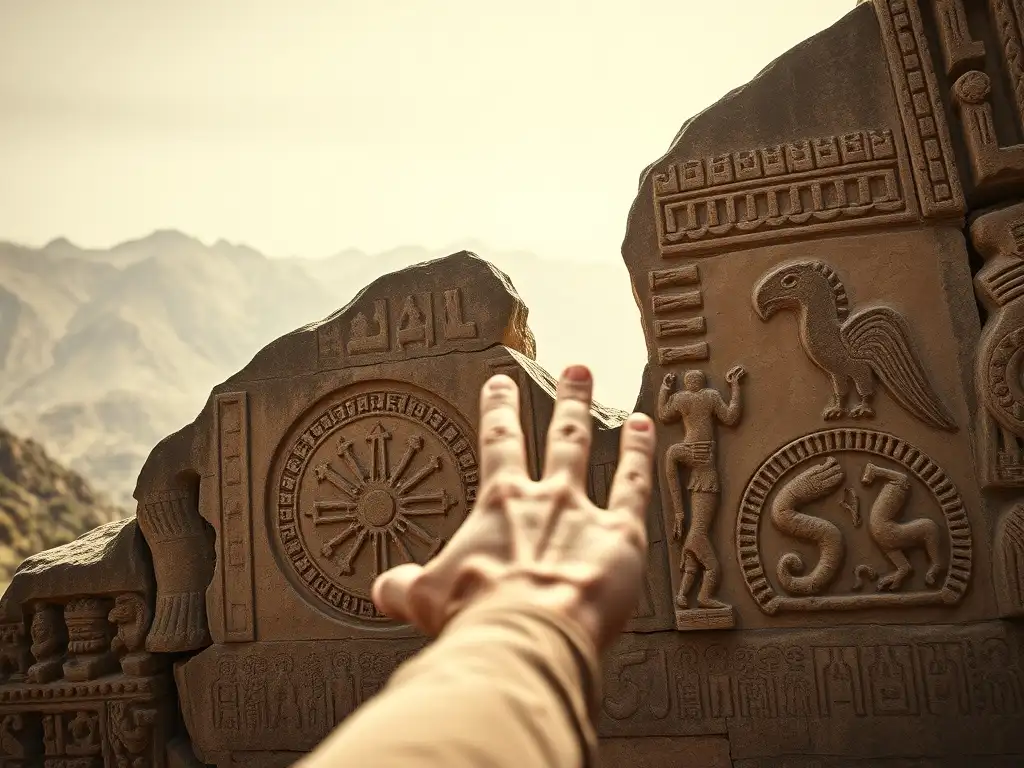
This section delves into the enduring resonance of Andean cosmology in the modern world, exploring its surprising relevance to contemporary issues and its continued influence on art, spirituality, and philosophical thought. We will examine how ancient Andean worldviews offer valuable insights and potential solutions for challenges facing humanity today. The enduring appeal of Andean cosmology stems from its holistic approach, integrating the human experience with the natural world in a deeply interconnected way.
This perspective, often absent in modern, fragmented worldviews, offers a potent framework for re-evaluating our relationship with the environment and ourselves. The study of Andean cosmology provides a unique lens through which to analyze modern societal issues and inspire innovative approaches to sustainable living. Modern interpretations of Andean cosmology are increasingly recognized for their potential to address current global concerns.
Relevance of Andean Wisdom for Environmental Sustainability
Andean cosmology, with its emphasis on reciprocity ( ayni ) and balance within the pachamama (Mother Earth), offers a powerful framework for understanding and addressing contemporary environmental challenges. The concept of ayni, a reciprocal exchange of energy and resources between humans and nature, directly contradicts exploitative practices that dominate many modern economies. Ancient Andean societies demonstrated a sophisticated understanding of sustainable resource management, evidenced by their intricate agricultural terraces and water management systems. These systems, meticulously designed to harmonize with the environment, ensured the long-term viability of their communities.
Consider the Inca's sophisticated agricultural techniques. Their terraced farming, adapted to the diverse Andean terrain, maximized land use and minimized soil erosion. This contrasts sharply with modern, often unsustainable, agricultural practices that prioritize short-term gains over long-term ecological health. Similarly, their understanding of water management, evidenced by their complex canal systems, ensured equitable water distribution and prevented water scarcity, a critical issue in many regions today.
The inherent wisdom embedded within Andean cosmological principles provides a blueprint for sustainable living and a powerful counter-narrative to environmentally destructive practices. The concept of pachamama, the living Earth, encourages a profound respect for nature and a sense of responsibility towards its well-being. Re-integrating this perspective into modern environmental discourse is crucial for fostering a more sustainable future. Understanding and applying the principles of ayni and respecting pachamama are key elements in developing sustainable solutions for the 21st century.
Andean Cosmology's Influence on Contemporary Art and Spirituality
The vibrant imagery and profound symbolism of Andean cosmology continue to inspire contemporary artists and spiritual seekers. The intricate designs found in Andean textiles, ceramics, and metalwork – often depicting celestial bodies, mythical beings, and sacred landscapes – reflect a deep connection to the cosmos and a profound understanding of the interconnectedness of all things. These artistic expressions serve as powerful reminders of the ancient Andean worldview and its enduring relevance.
Modern artists are increasingly drawing upon Andean cosmology as a source of inspiration, reinterpreting ancient motifs and symbols within contemporary contexts. This engagement with Andean aesthetics and philosophical concepts results in art that is both visually stunning and intellectually stimulating, prompting reflection on the nature of reality and humanity's place within the cosmos.
Furthermore, the spiritual dimensions of Andean cosmology resonate deeply with individuals seeking alternative pathways to self-discovery and spiritual growth. The emphasis on harmony, balance, and interconnectedness found within Andean thought provides a framework for personal transformation and a sense of belonging within a larger cosmic order.
The resurgence of interest in Andean spirituality highlights a growing dissatisfaction with materialistic and individualistic worldviews, and a search for meaning and purpose grounded in a deeper connection to nature and the cosmos. This renewed interest reflects a broader cultural shift towards holistic and ecologically conscious ways of living, reflecting the enduring power and appeal of Andean cosmological principles.
Exploring the Potential of Andean Cosmic Understanding for Modern Thought
Andean cosmology challenges many assumptions underlying modern Western thought, prompting a re-evaluation of our understanding of time, space, and reality. The cyclical view of time, inherent in Andean cosmology, contrasts with the linear progression of time often assumed in Western perspectives. This cyclical perspective emphasizes the interconnectedness of past, present, and future, fostering a sense of continuity and responsibility towards future generations.
The Andean understanding of the cosmos, as a living, interconnected system, offers a powerful counterpoint to the mechanistic and reductionist views often prevalent in modern science. By acknowledging the agency and intrinsic value of the natural world, Andean cosmology provides a framework for understanding ecological systems and fostering a more harmonious relationship with the environment.
Integrating insights from Andean cosmology into modern philosophical and scientific discourse could lead to a more holistic and sustainable approach to problem-solving, potentially offering innovative solutions to complex challenges. The emphasis on community and reciprocity within Andean society could inspire new models for social organization and governance, while the focus on balance and harmony could inform approaches to conflict resolution and international relations.
Further research into Andean cosmology and its integration with modern thought promises to yield valuable insights and potentially transformative approaches to addressing the challenges facing humanity in the 21st century. The potential for cross-cultural dialogue and synthesis between Andean wisdom and contemporary knowledge is vast and largely unexplored, presenting exciting opportunities for future scholarship and innovation.
Specific Examples of Reimagined Andean Cosmology
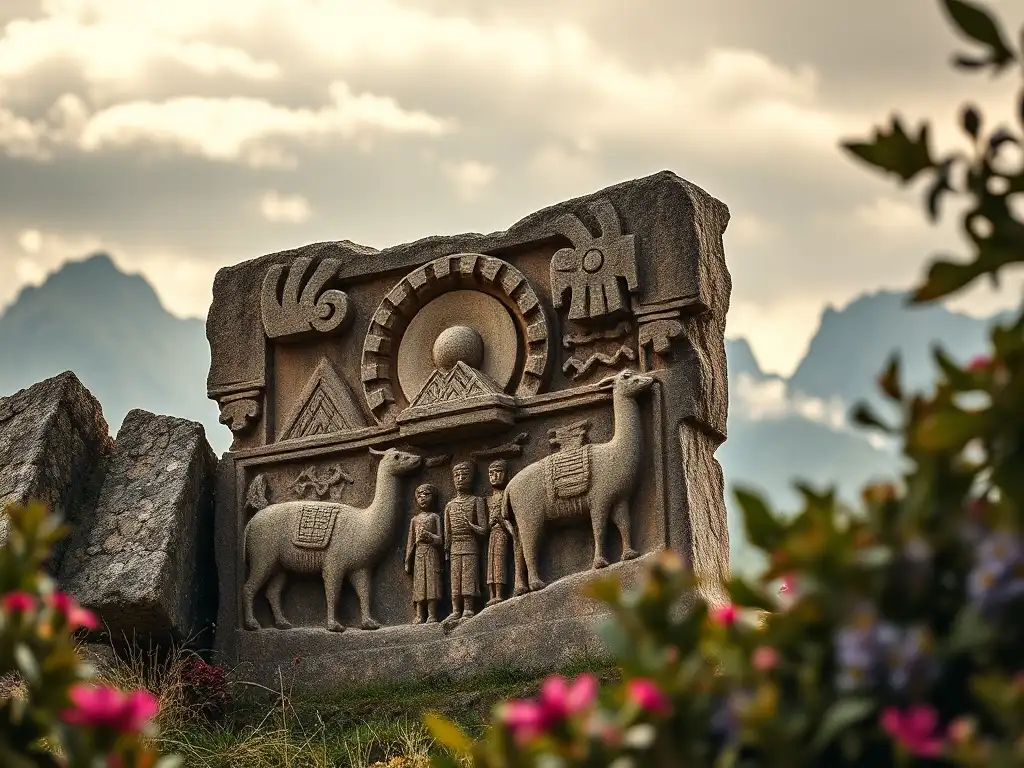
This section delves into specific examples of how modern scholarship reinterprets Andean cosmology, moving beyond simplistic narratives and embracing nuanced perspectives. We will examine how contemporary researchers utilize new methodologies and interdisciplinary approaches to understand ancient Andean worldviews. This allows for a richer and more accurate understanding of the complexities of Andean beliefs and practices, challenging previously held assumptions and opening new avenues for research and interpretation.
The reimagining of Andean cosmology is not a replacement of existing knowledge, but rather a refinement and expansion informed by modern academic rigor and technological advancements. This process is crucial for a more complete and respectful appreciation of these ancient cultures.
Modern Interpretation of the Chakana (Andean Cross) Symbolism
The Chakana, often referred to as the Andean Cross, holds deep symbolic significance within Andean cosmology. Traditional interpretations often focused on its representation of the four cardinal directions, the four elements, and the connection between the earthly and celestial realms. However, modern interpretations expand upon these established meanings. Recent research, incorporating anthropological and archaeological findings, suggests a more intricate symbolism.
For example, the Chakana's three steps are not merely directional markers, but rather represent stages of spiritual growth or cosmic cycles. Some scholars propose that the central square symbolizes the axis mundi, the point of connection between the heavens and the earth, while the arms represent the expanding universe. The use of the Chakana in various Andean contexts – from textiles and pottery to stonework – is also examined to understand its nuanced meanings.
The variations in its depiction across different cultures and time periods further enrich our understanding of its evolving symbolism. The diverse interpretations reveal a dynamic cosmology, constantly adapting and evolving within the Andean world. This dynamic nature challenges the static interpretations that once prevailed.
Furthermore, the Chakana's symbolic power continues to resonate in contemporary Andean communities. Its use in modern art, activism, and spiritual practices demonstrates the enduring relevance of this ancient symbol in shaping modern Andean identity. This continued relevance speaks to the lasting impact of Andean cosmology on the contemporary world.
Analysis of Andean Astronomical Alignments at Machu Picchu
Machu Picchu, the iconic Inca citadel, is not just an architectural marvel but also a testament to sophisticated astronomical knowledge. Modern interpretations of its design reveal a complex relationship between the built environment and the celestial movements. Researchers have identified alignments between structures and significant astronomical events, such as solstices and equinoxes. These alignments were not accidental; they were carefully planned and executed, reflecting a deep understanding of celestial cycles and their influence on Andean life.
For instance, the Intihuatana stone, often translated as "hitching post of the sun," is believed to have been used for solar observations. Its precise positioning allows for the tracking of the sun's movement throughout the year. Similarly, the orientation of other structures within Machu Picchu, such as temples and residential areas, suggests a deliberate attempt to incorporate astronomical observations into daily life. Modern technologies, such as advanced surveying techniques and computer modeling, enable researchers to analyze these alignments with greater precision, uncovering further evidence of sophisticated astronomical knowledge within Inca cosmology.
The precise alignments observed at Machu Picchu and other Inca sites demonstrate a level of astronomical expertise that surpasses previous assumptions. This refined understanding highlights the importance of celestial events in shaping Inca religious practices, agricultural cycles, and societal organization. The integration of astronomical knowledge into the very fabric of Inca society underscores the profound influence of cosmology on their daily lives and social structures.
Contemporary Interpretations of the Deity Wiracocha
Wiracocha, a creator deity in Andean mythology, is a figure shrouded in mystery. Traditional narratives depict Wiracocha as a powerful being who emerged from Lake Titicaca, creating the world and its inhabitants. However, modern interpretations offer more nuanced perspectives on this complex figure.
Recent scholarship examines the diverse representations of Wiracocha across different Andean cultures. Instead of a monolithic deity, Wiracocha is understood as a multifaceted figure, with varying attributes and roles depending on the specific cultural context. Some interpretations emphasize Wiracocha's role as a creator god, while others highlight aspects of his power over nature and human destiny. This understanding moves beyond a simplistic, singular narrative towards a more complex and nuanced appreciation of Wiracocha’s significance.
Furthermore, the ambiguity surrounding Wiracocha's origins and attributes lends itself to diverse interpretations. Some scholars propose that Wiracocha represents a complex interplay of natural forces, while others argue that he embodies the power of human creativity and innovation. This ambiguity, rather than being a flaw in understanding, reflects the inherent fluidity and complexity of Andean cosmology. The diverse interpretations challenge simplistic narratives and highlight the richness of Andean religious thought. The continuing study of Wiracocha and other Andean deities reflects a commitment to a more accurate and respectful understanding of Andean cosmology and its enduring legacy.
Challenges and Future Directions in Andean Cosmology Studies
Understanding Andean cosmology presents significant challenges for modern researchers. The fragmentary nature of the surviving sources, coupled with the inherent complexities of interpreting ancient belief systems across vast geographical and temporal spans, necessitates a cautious and nuanced approach. We must grapple with the limitations of our own perspectives and avoid imposing anachronistic frameworks onto the past. This requires a rigorous interdisciplinary approach, drawing upon archaeology, anthropology, linguistics, and other relevant fields.
Addressing the Challenges of Interpretation
One primary challenge lies in the inherent ambiguity of archaeological findings. While monumental structures like Machu Picchu and Ollantaytambo offer compelling evidence of sophisticated astronomical knowledge and ritual practices, their precise meanings remain open to debate. Interpretations often rely on speculative reconstructions, making it crucial to acknowledge the limitations of our understanding and to avoid definitive pronouncements where evidence is insufficient.
For instance, the symbolic significance of specific motifs found in Andean textiles or ceramics is often debated, with different scholars offering varying interpretations based on their theoretical frameworks and methodological approaches. The lack of written records in many Andean cultures further complicates the process, forcing researchers to rely on iconography, oral traditions (where preserved), and archaeological context to reconstruct their worldviews.
Furthermore, the diverse nature of Andean societies, with their regional variations and evolving belief systems, necessitates a geographically nuanced approach that avoids generalizations about a monolithic "Andean cosmology." Careful consideration of specific cultural contexts is paramount.
Future Research Avenues in Andean Cosmology
Future research should prioritize a multi-faceted approach that integrates various methodologies and disciplines. This includes:
- Advanced digital technologies: Applying techniques like 3D modeling and GIS to analyze archaeological sites and artifacts can provide new insights into spatial relationships and cosmological significance.
- Ethnoarchaeology: Studying contemporary Andean communities that maintain traditional practices and beliefs can offer valuable comparative perspectives and illuminate aspects of ancient cosmology that might otherwise remain obscure.
- Comparative studies: Comparing Andean cosmology with other ancient cosmologies from around the world can highlight both unique features and shared patterns in human understanding of the universe.
- Linguistic analysis: Further investigation into the Quechua and Aymara languages, and other extinct Andean languages, can shed light on the terminology and conceptual frameworks used to describe the cosmos. This includes a deeper understanding of the relationship between language and cosmology, potentially revealing subtle nuances lost in translation.
- Interdisciplinary collaborations: Encouraging collaborative projects that bring together archaeologists, anthropologists, astronomers, linguists, and other specialists will foster a more comprehensive and nuanced understanding of Andean cosmology.
The Ongoing Dialogue Between Ancient Andean Thought and Modern Perspectives
The study of Andean cosmology is not merely an academic exercise; it has profound implications for contemporary Andean communities and societies worldwide. By engaging with ancient Andean worldviews, we can gain a deeper appreciation for the diversity of human thought and experience. This ongoing dialogue can foster a more inclusive and respectful approach to understanding the relationship between humanity and the natural world.
Modern interpretations of Andean cosmology must be sensitive to the potential for misrepresentation and appropriation, ensuring that the voices and perspectives of contemporary Andean communities are central to the research process. The ethical considerations surrounding the study of ancient cultures must be carefully considered, prioritizing respectful engagement and avoiding the perpetuation of harmful stereotypes or colonial narratives. This includes acknowledging the ongoing impact of colonialism on Andean communities and their relationship to their ancestral heritage.
The careful and responsible interpretation of Andean cosmology can contribute to a richer understanding of both the past and the present, fostering a more inclusive and informed global perspective. The ongoing research into Andean cosmology serves as a testament to the enduring power of ancient thought and its continued relevance in the modern world.
Frequently Asked Questions
What is Andean cosmology?
Andean cosmology refers to the ancient Andean peoples' understanding of the universe. It encompassed their beliefs about the cosmos, the relationship between humans and nature, and their place within the larger world. This involved a complex interplay of mythology, ritual, and social structure.
How did the Andes' environment influence their cosmology?
The rugged and diverse Andean landscape profoundly shaped their cosmology. Mountains, rivers, and celestial bodies were not merely geographical features, but powerful entities with agency and spiritual significance. This is reflected in their myths and religious practices.
What are some key elements of Andean cosmology?
Key elements include the concept of Pachamama (Mother Earth), the importance of ancestor veneration, and the belief in a multi-layered cosmos connecting the underworld, the earthly realm, and the heavens. Sacred sites played a crucial role in their worldview.
How do modern interpretations differ from traditional understandings of Andean cosmology?
Modern interpretations often draw on archaeological findings, ethnohistorical accounts, and indigenous perspectives to offer new insights. These interpretations aim to move beyond colonial biases and acknowledge the complexity and diversity of Andean worldviews.
How does Andean cosmology relate to modern discussions of environmentalism and spirituality?
Modern interpretations of Andean cosmology offer valuable insights for contemporary discussions of environmental sustainability and spiritual interconnectedness. The emphasis on the sacredness of nature and the interconnectedness of all living things resonates strongly with modern environmental concerns and spiritual practices.
Final Reflection: Weaving the Threads of Andean Cosmology into the Present
The enduring wisdom of Andean cosmology offers a powerful antidote to the fragmented worldview of modernity. Its emphasis on interconnectedness, reciprocity, and respect for the natural world resonates deeply with the urgent ecological and social challenges facing us today. Ignoring this ancient knowledge is not an option; understanding and applying its principles is crucial for a sustainable and equitable future.
The influence of Andean cosmology continues to ripple outwards, shaping contemporary art, activism, and spiritual practices. Its emphasis on community and the sacredness of the land provides a potent counterpoint to individualistic and exploitative tendencies. The mountains are not just mountains; they are living beings, ancestors, and sources of life.
This simple statement encapsulates the profound respect for nature inherent in Andean thought, a perspective desperately needed in our increasingly anthropocentric world. This perspective has deeply influenced my own understanding of our place within the larger ecosystem, prompting a reassessment of my own relationship with the environment and community.
Consider the profound implications of Andean cosmology for your own life. How can you integrate the principles of reciprocity, respect for nature, and community into your daily actions? What changes might you make to live more in harmony with the interconnected web of life, as envisioned by the ancient Andean worldview? Let the wisdom of the Andes inspire you to create a more just and sustainable world, one where the wisdom of the past illuminates the path towards a brighter future.
Unveil the Depths of Andean Wisdom!
Thank you for exploring the fascinating world of Andean cosmology with us! We hope this journey has sparked your curiosity and offered new perspectives on these ancient worldviews. Let's build on this inspiration and connect with the richness of Andean heritage through meaningful engagement.
- Join a local discussion group or online forum to share insights and perspectives on Andean beliefs and practices. Connecting with others who share your interest will deepen your understanding and broaden your perspective.
- Explore Andean art and literature. Visit a museum, browse a virtual archive, or delve into relevant books to see how these ancient worldviews continue to shape creative expression today. The vibrant tapestry of Andean culture is reflected in its artistic and literary traditions.
- Share your newfound knowledge. Use social media, write a blog post, or simply discuss your insights with friends and family to help spread awareness and encourage dialogue about the importance of understanding these rich traditions. Your contribution to the conversation can make a difference.
How might incorporating ancient Andean wisdom reshape your own perspective on the world?