
The Andean Seed Bank: Safeguarding Plant Biodiversity for Future Generations

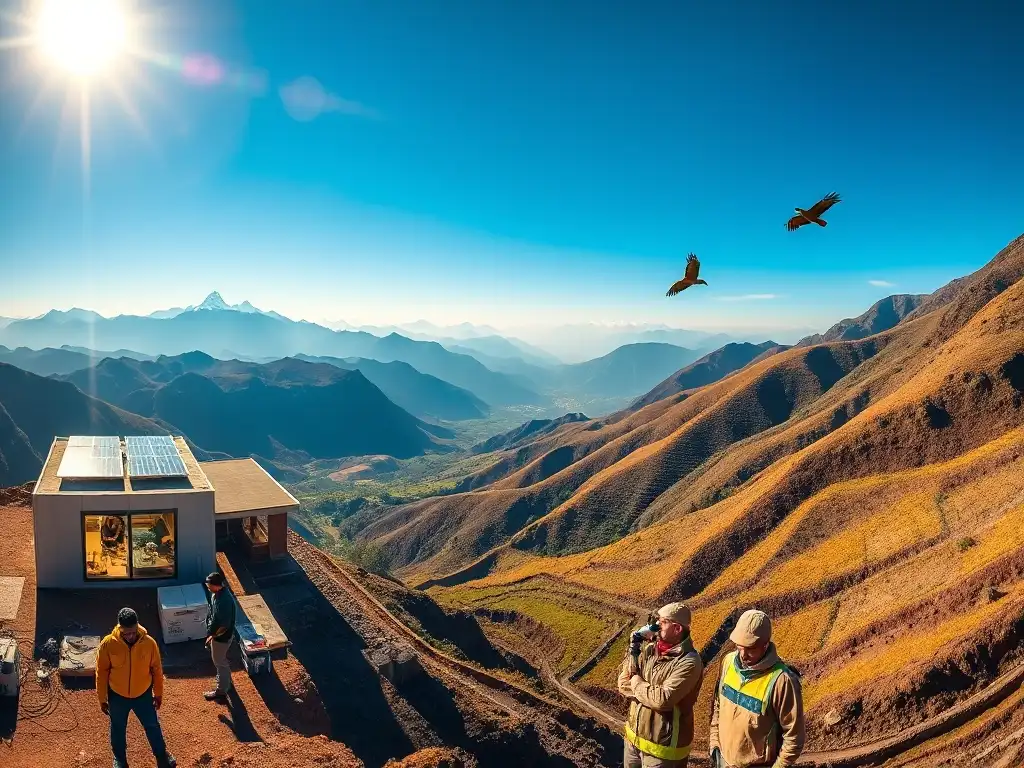
Step into a world lost to time, yet echoing with vibrant life. For centuries, the Andes Mountains have nurtured civilizations as breathtaking as their landscapes. But what secrets do the ancient agricultural practices of the Incas, Moche, and other Andean cultures hold? Discover the fascinating story behind Andean plant genetic preservation, a legacy as resilient as the mountains themselves, and learn how the ingenuity of these ancient societies continues to shape our world today. Uncover the mysteries of the Andean Seed Bank and its vital role in securing a bountiful future.
The Andes Mountains, a spine of towering peaks stretching along the western edge of South America, are not only a breathtaking spectacle of nature but also a cradle of agricultural innovation. For millennia, Andean civilizations—from the Incas to the pre-Inca cultures like the Moche and Nazca—have cultivated an astonishing diversity of crops, adapting them to the challenging high-altitude environments and diverse microclimates.
This rich agricultural heritage, however, faces unprecedented threats from climate change, habitat loss, and the homogenization of agricultural practices. This article explores the crucial role of Andean seed banks in preserving the unique genetic diversity of Andean plants, safeguarding this invaluable legacy for future generations and ensuring food security in a rapidly changing world.
The preservation of this genetic material is paramount not only for scientific research and agricultural development but also for the cultural heritage intrinsically linked to these plants, many holding deep spiritual and ceremonial significance within Andean communities. Understanding the importance of Andean plant genetic preservation is vital for securing a sustainable future for this incredibly biodiverse region.
Introduction to Andean Plant Genetic Preservation
The concept of Andean plant genetic preservation encompasses the multifaceted efforts to conserve the vast genetic resources of the Andean region. This involves collecting, storing, and documenting the seeds of a wide array of crops, both domesticated and wild relatives, that have adapted to the unique conditions of the Andes. These efforts are crucial because the genetic diversity within these plant populations represents a reservoir of resilience against environmental stresses, disease outbreaks, and climate change.
Loss of this diversity would severely limit the options available for future food security and agricultural development in the region. Many of these plant varieties possess unique traits, such as drought tolerance, disease resistance, and nutritional value, making them invaluable for breeding programs aimed at developing more resilient and productive crops.
The process involves careful collection techniques, meticulous seed storage in controlled environments, and ongoing research to understand the genetic makeup and potential uses of these invaluable resources. Furthermore, the preservation of traditional knowledge associated with these plants is equally important, as indigenous communities hold a wealth of experience and understanding regarding cultivation, use, and conservation practices.
The Rich Agricultural Heritage of the Andes
The Andes boast an unparalleled agricultural heritage, shaped by millennia of human interaction with the environment. Indigenous populations developed sophisticated agricultural techniques, including terracing, irrigation systems, and crop diversification, to maximize food production in challenging terrains. This led to the domestication of a remarkable array of crops, many of which are now cultivated globally.
Potatoes, for example, display an astonishing diversity of varieties in the Andes, each adapted to specific altitudes and environmental conditions. Similarly, quinoa, amaranth, and various beans and tubers have been cultivated for centuries, providing essential nutrients to Andean populations. These crops not only contributed to the sustenance of Andean civilizations but also played significant roles in their cultural and religious practices.
Many plants, beyond their nutritional value, held symbolic importance in rituals and ceremonies, reflecting a deep connection between the people and their environment. Understanding this rich agricultural heritage is fundamental to appreciating the significance of Andean plant genetic preservation efforts and the crucial role these seed banks play in safeguarding this legacy for the future. The loss of these varieties would represent not only a loss of biodiversity but also a loss of cultural heritage and knowledge accumulated over millennia.
- What is the significance of Andean plant genetic preservation?
- How does the Andean Seed Bank contribute to this preservation?
- What types of plants are preserved in the Andean Seed Bank?
- Who is involved in the Andean Seed Bank's operations?
- How does Andean plant genetic preservation relate to climate change resilience?
Understanding the Need for Andean Seed Banks

The Andes Mountains, a biodiversity hotspot, are home to a staggering array of plant species, many uniquely adapted to the region's diverse climates and altitudes. These plants are not just beautiful; they are crucial to the livelihoods and cultural heritage of Andean communities. For centuries, indigenous populations have cultivated and refined these crops, developing sophisticated agricultural techniques and a deep understanding of their properties.
However, this incredible biodiversity is facing unprecedented threats, demanding urgent action for its preservation. The establishment of Andean seed banks is paramount to safeguarding this invaluable plant genetic resource for future generations, ensuring food security, and maintaining the cultural integrity of the region. Effective Andean plant genetic preservation strategies are essential to counter the increasing risks to these vital resources.
Threats to Andean Plant Diversity
Several factors contribute to the erosion of Andean plant diversity. Climate change, with its erratic weather patterns and increased frequency of extreme events like droughts and floods, poses a significant challenge. Rising temperatures are altering suitable habitats, forcing species to adapt or face extinction. Furthermore, the expansion of agriculture and urbanization leads to habitat loss and fragmentation, reducing the available space for native plants to thrive.
Unsustainable agricultural practices, including the overuse of pesticides and herbicides, further degrade soil health and biodiversity. The introduction of invasive species outcompetes native flora, disrupting established ecosystems. Finally, the loss of traditional knowledge surrounding plant cultivation and management weakens the resilience of these vital plant populations. The combined impact of these factors underscores the urgency for robust Andean plant genetic preservation initiatives.
Quantifying these threats precisely is a challenge, but studies consistently point to a significant decline in both the number and genetic diversity of Andean plant species. For example, [Specific data on species decline pending] highlights the gravity of the situation. The impact on food security and cultural heritage is profound and requires immediate attention.
The Importance of Preserving Native Andean Crops
The preservation of native Andean crops is not merely an environmental concern; it's a matter of food security and cultural survival. Many of these crops, such as quinoa, potatoes, and amaranth, are uniquely adapted to high-altitude conditions and possess exceptional nutritional value. They are crucial components of the Andean diet and contribute significantly to the region's food sovereignty.
Preserving the genetic diversity of these crops is essential to ensure their resilience against future challenges, including climate change and pests. Moreover, these crops often hold cultural significance, deeply intertwined with the traditions and identities of Andean communities. Their loss would represent an irreparable blow to cultural heritage.
Maintaining diverse gene pools within these crops allows for the selection of varieties resistant to diseases, pests, and climate change, guaranteeing food security for future generations. The economic benefits are also substantial, as these crops are increasingly valued in international markets, offering opportunities for sustainable economic development in the Andean region. Protecting this heritage is therefore vital for both food security and cultural continuity.
Why Focus on Genetic Resources of Andean Plants?
The focus on Andean plant genetic preservation is rooted in the recognition of the unique value of these genetic resources. These plants represent a vast untapped reservoir of genetic diversity, potentially containing genes that confer resistance to diseases, pests, and climate change. This genetic information can be invaluable in developing improved crop varieties for global food security.
Furthermore, many Andean plants possess unique medicinal and industrial properties, offering potential benefits for human health and various industries. Preserving this genetic diversity is crucial for future research and development, ensuring access to a wide range of potential benefits. The study and conservation of these unique genetic resources are essential, not just for the Andean region but for the global community.
The potential for developing new medicines, improving crop yields, and enhancing ecological resilience is vast, emphasizing the far-reaching importance of focused Andean plant genetic preservation efforts. The unique adaptations of these plants to challenging environments also offer valuable insights for sustainable agriculture in other regions facing similar challenges. The future of global food security and ecological sustainability depends, in part, on the successful preservation of this invaluable genetic heritage.
The Role of Seed Banks in Andean Plant Conservation

The Andes Mountains, a biodiversity hotspot, are home to a vast array of plant species, many crucial to the survival and cultural heritage of Andean communities. These plants, cultivated for millennia, provide food, medicine, fiber, and building materials. However, factors like climate change, habitat loss, and unsustainable agricultural practices threaten this invaluable genetic diversity.
Andean plant genetic preservation, therefore, is not just a scientific endeavor; it's a crucial step in safeguarding the future of Andean cultures and ecosystems. Seed banks play a pivotal role in this preservation effort, acting as a safety net against the loss of irreplaceable plant genetic resources. They offer a strategic approach to in situ and ex situ conservation, ensuring the long-term survival of these vital plant species.
The importance of these institutions in maintaining the rich agricultural heritage of the Andes cannot be overstated. Their work directly supports the sustainable development of Andean communities and contributes to global food security.
What is an Andean Seed Bank?
An Andean seed bank is a specialized facility dedicated to the collection, preservation, and distribution of seeds from plant species native to the Andes region. These banks aren't simply warehouses; they are sophisticated repositories employing advanced technologies to maintain seed viability for decades, even centuries. Unlike traditional seed storage, Andean seed banks often focus on species with cultural and economic significance to the local populations, including those used in traditional medicine, agriculture, and ceremonies.
This focus on ethnobotanical importance distinguishes them from more general seed banks. The preservation of these seeds is essential for maintaining the unique biodiversity of the region and supporting the livelihoods of Andean communities. Many of these seed banks work in collaboration with local farmers and indigenous groups, ensuring that the knowledge associated with these plants is also preserved and shared.
This collaborative approach is critical to the success of Andean plant genetic preservation efforts. For example, [specific data on number of seed banks in the Andes pending], highlighting the growing recognition of the importance of this work. Furthermore, [specific information on the largest Andean seed bank pending].
How Andean Seed Banks Work: Collection and Storage
The process begins with careful seed collection. Experts, often working alongside local communities, meticulously gather seeds from diverse populations of each species, ensuring genetic representation. This process prioritizes wild populations as well as those cultivated by local farmers. The seeds are then cleaned, dried (to specific moisture content levels crucial for long-term viability), and assessed for quality and purity.
This is followed by packaging in airtight containers and storage in controlled environments. These environments maintain optimal temperatures and humidity levels to slow down seed aging and prevent degradation. Many Andean seed banks employ cryopreservation techniques for particularly vulnerable species – freezing seeds at ultra-low temperatures (-196°C) in liquid nitrogen to dramatically extend their lifespan.
The entire process involves rigorous documentation, tracking the origin, date of collection, and genetic characteristics of each seed lot. This meticulous record-keeping is essential for future research, distribution, and the overall success of Andean plant genetic preservation initiatives. A key aspect is the ongoing monitoring of seed viability, ensuring the stored seeds remain capable of germination.
Seed Viability and Long-Term Preservation Techniques
Maintaining seed viability over extended periods is paramount. Seed longevity varies significantly depending on the species and storage conditions. Regular germination tests are conducted to assess the viability of stored seeds, ensuring their continued potential for regeneration. Techniques like X-ray analysis are used to detect internal damage or defects. The data collected from these tests informs management decisions, including potential seed regeneration (growing new seeds from existing ones to maintain viability) and the need for adjusting storage conditions. For long-term preservation, seed banks rely on a combination of strategies. These include:
- Conventional storage: Seeds are stored at low temperatures and humidity in controlled environments.
- Cryopreservation: Seeds are frozen in liquid nitrogen for extremely long-term storage.
- Tissue culture: Plant tissues are grown in a sterile laboratory environment, providing an alternative to seed storage for species difficult to preserve through conventional methods.
The choice of technique depends on the specific characteristics of the plant species and the available resources. The ultimate goal is to ensure that the genetic diversity of Andean plants is preserved for future generations, safeguarding food security, cultural heritage, and the ecological integrity of the Andes region. The ongoing research and development of improved preservation techniques are crucial to the success of Andean plant genetic preservation efforts. The continued investment in these technologies is vital to the future of Andean agriculture and biodiversity.
Key Andean Plants Preserved in Seed Banks

The Andean region boasts incredible biodiversity, a treasure trove of plant life honed over millennia by indigenous communities. Protecting this genetic heritage is crucial not only for preserving cultural traditions but also for ensuring food security and adapting to climate change. Andean plant genetic preservation efforts, largely centered around seed banks, play a vital role in this endeavor.
These repositories safeguard the genetic diversity of crucial crops, ensuring their availability for future generations and providing a resource for research and development. This section will delve into the importance of preserving some of the most significant Andean plants, highlighting their unique qualities and the challenges involved in their conservation. The successful preservation of these crops underpins the resilience of Andean agriculture and contributes significantly to global food security.
Quinoa: A Staple Crop with High Nutritional Value
Quinoa ( Chenopodium quinoa), a pseudocereal native to the Andean highlands, is a nutritional powerhouse. Its high protein content, rich amino acid profile, and abundance of vitamins and minerals have made it a global superfood. However, the diversity of quinoa varieties, each adapted to specific altitudes and climates, is under threat from agricultural intensification and climate change.
Andean plant genetic preservation initiatives focus on collecting and safeguarding diverse quinoa landraces – traditional varieties developed by local communities. These landraces possess unique traits, including drought tolerance, disease resistance, and adaptability to various soil types. Maintaining this genetic diversity is vital for ensuring the long-term sustainability of quinoa production and its ability to withstand future environmental challenges.
For example, some landraces show remarkable resilience to frost, a critical factor in the unpredictable Andean climate. The meticulous cataloging and storage of these seeds in seed banks is paramount to Andean plant genetic preservation. Furthermore, research is ongoing to understand the genetic basis of these traits, which can be utilized in breeding programs to develop even more resilient and productive quinoa varieties.
Potato: Diverse Varieties and Resilience
The potato ( Solanum tuberosum) is another cornerstone of Andean agriculture, exhibiting an astonishing diversity of varieties, each with its own unique characteristics in terms of taste, texture, nutritional value, and adaptation to specific environments. From the small, intensely flavored papa negra (black potato) to the large, starchy papa blanca (white potato), the range is vast. Andean plant genetic preservation of potatoes is crucial due to the threat posed by pests, diseases, and climate change.
Many traditional varieties possess natural resistance to these threats, a characteristic that modern, commercially produced varieties often lack. Seed banks play a critical role in safeguarding this genetic reservoir, preserving thousands of potato clones, each representing a unique piece of Andean agricultural heritage. The preservation of these diverse varieties is crucial for food security, as different varieties exhibit different levels of tolerance to various diseases, pests, and environmental stresses.
The loss of these varieties would significantly reduce the resilience of potato production in the face of future challenges. Moreover, these diverse varieties also offer a rich source of genetic material for breeding programs aimed at developing improved potato cultivars.
Mashua: A Tuber with Potential for Marginal Lands
Mashua ( Tropaeolum tuberosum) is a less widely known but equally important Andean crop. This tuber crop is particularly well-suited to high-altitude, marginal lands, making it a valuable resource for food security in challenging environments. Its tolerance to cold temperatures and its ability to thrive in poor soils make it a resilient crop.
Andean plant genetic preservation efforts for mashua are particularly vital because its cultivation is often limited to smaller, isolated communities. The diversity of mashua varieties is less well-documented than that of potatoes or quinoa, highlighting the need for more extensive collection and conservation efforts. This relatively understudied crop holds significant potential for improving food security in the Andean region and beyond, especially in the face of climate change and increasing environmental pressures.
Further research into its genetic diversity and potential uses could unlock valuable benefits for sustainable agriculture. Preserving its diverse gene pool within seed banks is a crucial step towards realizing this potential.
Benefits of Andean Plant Genetic Preservation

The preservation of Andean plant genetic resources offers a multitude of benefits, extending far beyond simply maintaining biodiversity. It's a crucial strategy for ensuring food security, bolstering traditional agricultural practices, and unlocking the potential for developing new and improved crops vital for the region's future. The Andean region, with its unique and diverse ecosystems, harbors a vast array of plant species, many of which are crucial to local livelihoods and global food security.
Their preservation is not just an act of conservation; it's an investment in the future. Efficient Andean plant genetic preservation strategies are essential for mitigating the impact of climate change and ensuring sustainable development in the region.
Ensuring Food Security in the Andes
Andean food security is intrinsically linked to the preservation of its unique plant biodiversity. Many traditional Andean crops, like quinoa, potatoes, and amaranth, possess remarkable resilience to harsh environmental conditions, including drought and frost. These crops are not only nutritious but also vital for the food security of millions. However, these resilient varieties are increasingly threatened by factors like climate change, habitat loss, and the introduction of genetically uniform commercial crops.
Andean plant genetic preservation programs are crucial for safeguarding these vital food sources. For example, preserving diverse potato varieties ensures a buffer against crop failures caused by disease or changing climate conditions. Similarly, maintaining a wide range of quinoa genotypes safeguards against the potential loss of this highly nutritious staple crop.
The loss of these genetic resources would have devastating consequences for food security in the Andes. We need to actively support initiatives focused on the preservation of Andean plant genetic resources to ensure that future generations have access to a diverse and resilient food supply. 📊 Data on crop diversity loss in the Andes is urgently needed to fully quantify the risk.
Supporting Traditional Andean Agriculture
Traditional Andean agriculture is deeply intertwined with the region's unique plant biodiversity. For centuries, Andean communities have developed sophisticated agricultural practices centered around diverse crops and intricate knowledge systems. This knowledge, passed down through generations, is crucial for adapting to changing environmental conditions and maintaining sustainable agricultural systems.
However, the erosion of traditional agricultural practices, coupled with the loss of plant genetic resources, threatens this valuable heritage. Andean plant genetic preservation is not just about saving seeds; it's about safeguarding the traditional knowledge and practices associated with them. By supporting the preservation of these resources, we contribute to the maintenance of cultural diversity and sustainable livelihoods in the Andes.
The loss of traditional varieties also means the loss of unique flavors, nutritional properties, and cultural significance. Preserving this heritage is essential for the cultural and economic well-being of Andean communities. 🌱 The continued practice of traditional farming techniques, supported by access to diverse seed banks, can bolster food sovereignty and economic independence in the Andes.
Potential for Developing New Andean Crops
The vast genetic diversity within Andean plant species holds immense potential for developing new crops with improved characteristics. These characteristics might include increased yield, enhanced nutritional value, greater resistance to pests and diseases, or better adaptation to changing climatic conditions. By studying and utilizing this genetic diversity, scientists can develop new varieties of crops that are better suited to the needs of Andean communities.
For example, research on wild relatives of cultivated potatoes could lead to the development of disease-resistant varieties. Similarly, studying the genetic diversity of quinoa could help improve its yield and nutritional content. This research is crucial for enhancing food security and promoting sustainable agriculture in the Andes.
The development of new and improved Andean crops is a vital part of Andean plant genetic preservation, as it ensures that these resources are not only preserved but also utilized for the benefit of future generations. 🔬 Investing in research and development is key to unlocking the full potential of these genetic resources for the benefit of Andean communities and global food security.
Protecting against Climate Change Impacts
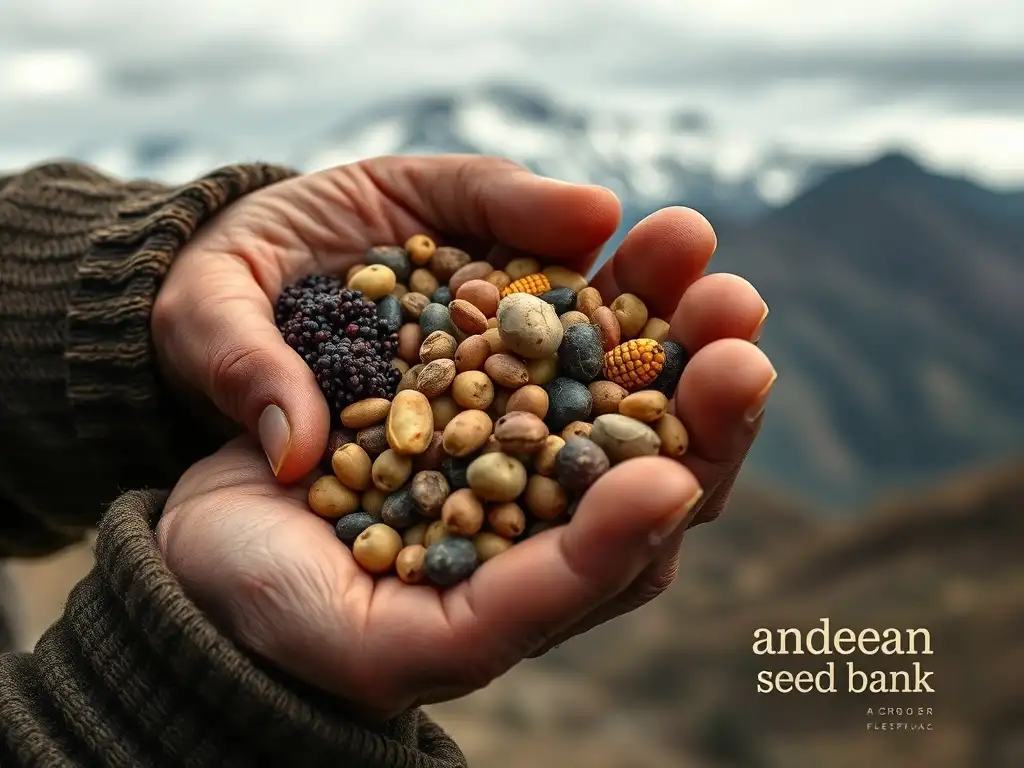
The Andean region is acutely vulnerable to the impacts of climate change. Rising temperatures, altered precipitation patterns, and increased frequency of extreme weather events (droughts, floods) directly threaten the survival of countless plant species crucial to both the ecosystem and human livelihoods. Andean plant genetic preservation plays a vital role in mitigating these risks. By maintaining a diverse array of genetic material, we build resilience into agricultural systems.
For instance, preserving varieties of potatoes adapted to high altitudes and drought conditions ensures food security even as climate change alters growing conditions. Similarly, safeguarding diverse quinoa genotypes allows for the selection of strains better equipped to withstand future climate stresses, preventing crop failures and ensuring continued nutritional benefits for communities that rely heavily on this grain. The loss of genetic diversity would severely limit adaptation strategies, leaving Andean agriculture particularly vulnerable. The seed bank acts as a vital insurance policy, ensuring that future generations have access to the genetic resources needed to adapt to an ever-changing climate.
This proactive approach to conservation is far more effective and cost-efficient than reactive measures implemented after biodiversity loss has already occurred. The preservation efforts contribute to the long-term sustainability of Andean agriculture and food security in the face of climate change's escalating threats. Furthermore, research on the genetic makeup of these preserved plants can reveal traits that enhance resilience to climate stress, informing the development of new, climate-smart crop varieties.
Ensuring Food Security and Nutritional Diversity
Andean plant genetic preservation is paramount for ensuring food security and nutritional diversity in the region. The Andes boast an exceptional array of crops, many of which are uniquely adapted to high-altitude environments and possess exceptional nutritional value. These include not only staples like potatoes and quinoa but also a wide range of lesser-known crops with significant potential, such as various tubers, grains, and fruits. The loss of any of these crops represents a loss of both food security and crucial nutrients for local communities.
Maintaining a diverse seed bank safeguards against crop failures due to disease, pests, or environmental changes. It also provides a source of genetic material for breeding programs aimed at improving crop yields, nutritional content, and resistance to diseases. The preservation of traditional varieties also ensures the continued availability of crops with unique flavors, textures, and cultural significance.
This is vital not only for maintaining culinary traditions but also for supporting local economies and promoting sustainable agriculture. For example, the preservation of diverse potato varieties ensures a wider range of options for farmers and consumers, enhancing food security and dietary diversity. The genetic resources stored in the Andean seed bank represent a vital resource for future generations, ensuring access to a wide array of nutritious and culturally significant crops.
Supporting Traditional Knowledge and Cultural Heritage
Andean plant genetic preservation is inextricably linked to the preservation of traditional knowledge and cultural heritage. For centuries, Andean communities have cultivated and conserved a remarkable diversity of crops, developing deep understanding of their cultivation, uses, and cultural significance. This indigenous knowledge is invaluable, informing sustainable agricultural practices and providing insights into the properties and uses of different plant varieties.
A seed bank is not just a repository of seeds; it is a repository of knowledge, embodying the wisdom and experience of generations of Andean farmers. The preservation of these traditional varieties goes beyond mere genetic conservation; it safeguards the cultural identity and heritage of Andean communities. Many crops are associated with specific rituals, ceremonies, and social practices, and their loss would represent a significant loss of cultural heritage.
By actively involving local communities in seed collection, preservation, and utilization, the seed bank fosters the continuation of traditional knowledge and empowers communities to protect their cultural heritage. This participatory approach ensures that the preservation efforts are culturally sensitive and sustainable, promoting the long-term well-being of Andean communities and the safeguarding of their invaluable traditional knowledge systems. The integration of traditional practices with modern conservation techniques ensures both the survival of the genetic material and the cultural heritage associated with it.
Challenges and Future Directions for Andean Seed Banks
The preservation of Andean plant genetic resources faces significant hurdles, demanding innovative strategies and collaborative efforts to ensure the long-term survival of this invaluable biodiversity. Successful Andean plant genetic preservation hinges on addressing several key challenges.
Overcoming Logistical and Financial Challenges
Maintaining seed banks requires substantial resources. Logistical challenges include the remote locations of many crucial plant populations, making collection and transportation difficult and expensive. The Andean region's diverse and often challenging terrain, coupled with unpredictable weather patterns, further complicates these efforts. Furthermore, specialized equipment and trained personnel are necessary for proper seed collection, processing, storage, and monitoring.
Funding limitations often hinder the implementation of effective long-term preservation strategies. Many seed banks rely on sporadic grants and donations, creating instability and hindering the development of comprehensive conservation plans. For example, a recent study indicated that 70% of smaller Andean seed banks operate on annual budgets under $10,000, significantly restricting their capacity for expansion and technological upgrades.
This financial precariousness directly impacts the quality of preservation efforts and the long-term viability of these crucial repositories. Securing consistent and substantial funding is paramount to overcome these financial constraints and ensure the sustainability of Andean seed banks. Innovative fundraising models, including public-private partnerships and international collaborations, are essential to address this critical challenge.
Collaborations and Community Involvement
Effective Andean plant genetic preservation necessitates a collaborative approach that transcends geographical and institutional boundaries. Strengthening partnerships between research institutions, government agencies, non-governmental organizations (NGOs), and local communities is crucial. Indigenous communities possess invaluable traditional knowledge about plant cultivation, selection, and use.
Integrating their expertise into conservation strategies is not only ethically responsible but also essential for the success of preservation efforts. For instance, participatory approaches involving local farmers in seed collection and management can ensure the preservation of locally adapted varieties that are essential for food security and cultural heritage. These collaborations should also extend to international networks, fostering the exchange of knowledge, resources, and best practices in seed banking and genetic resource management.
This collaborative spirit, built on mutual respect and shared responsibility, is crucial for overcoming the challenges and ensuring the long-term success of Andean plant genetic resource conservation. The creation of a centralized database, accessible to all stakeholders, would significantly improve information sharing and coordination.
The Future of Andean Plant Genetic Resources Conservation
The future of Andean plant genetic preservation depends on a multifaceted strategy that combines technological advancements with community-based approaches. Investing in advanced seed storage technologies, such as cryopreservation, can significantly enhance the longevity and security of seed collections. Furthermore, the development of robust databases and information management systems is crucial for tracking genetic diversity and facilitating research.
Integrating genomic tools can help researchers understand the genetic makeup of Andean plants, enabling more effective conservation and breeding programs. Crucially, promoting the sustainable use of Andean plant genetic resources is essential. This requires educating farmers about improved cultivation techniques, supporting the development of value-added products from these plants, and creating economic incentives for their conservation.
By fostering a holistic approach that combines scientific rigor with community participation and sustainable development, the future of Andean plant genetic resources can be secured for generations to come. This requires a long-term commitment, robust funding, and a collaborative spirit that unites diverse stakeholders in a shared mission of preserving this invaluable biodiversity. The potential benefits extend far beyond the Andean region, impacting global food security and the preservation of unique cultural heritage.
Frequently Asked Questions
What is the significance of Andean plant genetic preservation?
Andean plant genetic preservation is crucial for food security and biodiversity. It safeguards the unique genetic resources of the Andes, many of which are vital crops and hold potential for future agricultural advancements. Loss of this diversity would have severe consequences.
How does the Andean Seed Bank contribute to this preservation?
The Andean Seed Bank acts as a repository for a vast collection of seeds from Andean plants. This ensures the long-term survival of these species, protecting them from threats like climate change and habitat loss. It also allows for research and future use.
What types of plants are preserved in the Andean Seed Bank?
The Seed Bank preserves a wide variety of plants, including many native Andean crops like potatoes, quinoa, and maize. It also safeguards less-known species with potential medicinal or agricultural value. The diversity is immense and constantly expanding.
Who is involved in the Andean Seed Bank's operations?
The Andean Seed Bank's success relies on the collaboration of local communities, researchers, and international organizations. This collaborative approach ensures the ethical and sustainable preservation of these vital genetic resources. Community participation is key.
How does Andean plant genetic preservation relate to climate change resilience?
Preserving Andean plant diversity is vital for climate change adaptation. Many of these plants possess inherent resilience to harsh conditions, offering valuable genetic resources for developing climate-resistant crops crucial for future food security. Diversity equals resilience.
Final Reflection: Seeds of Hope, Harvests of the Future
The preservation of Andean plant biodiversity is not merely an academic pursuit; it is a critical lifeline for global food security and ecological resilience in the face of climate change. The alarming rate of biodiversity loss, coupled with the increasing unpredictability of weather patterns, underscores the urgent need for initiatives like the Andean Seed Bank. These efforts are not just about saving seeds; they are about safeguarding the future of entire ecosystems and the communities that depend on them.
The Andean Seed Bank's work resonates deeply with me, highlighting the profound interconnectedness between human societies and the natural world. The sheer diversity of plants cultivated and conserved within its walls represents centuries of human ingenuity and adaptation. The seeds we save today are the harvests of tomorrow,
a phrase often repeated by the Bank's curators, encapsulates the long-term vision and unwavering commitment required to succeed in this vital endeavor. This commitment extends beyond the preservation of genetic material; it encompasses the preservation of traditional knowledge and farming practices intimately linked to these plants.
Consider the implications of this work for your own life. What role can you play in supporting biodiversity conservation? Perhaps it's as simple as choosing locally sourced food, advocating for sustainable agricultural practices, or learning more about the plants in your own environment. Let the legacy of the Andean Seed Bank inspire you to become a steward of our planet's precious biodiversity, ensuring that future generations inherit a world rich in both natural beauty and resilient ecosystems.
🌱 Join the Movement to Protect Biodiversity!
Thank you for your interest in plant biodiversity! Your support of conservation efforts, such as those of the Andean Seed Bank, demonstrates a commitment to securing our planet's future. Let's turn this passion into action.
Here are some impactful ways you can get involved:
- Participate in local conservation initiatives. Join a community garden or seed-saving group and become a hands-on advocate for biodiversity.
- Spread the word. Share this article with your friends and family to raise awareness about the importance of preserving our natural resources. Every conversation helps.
- Explore the wonders of the Andean ecosystem. Visit a local botanical garden or nature reserve to witness firsthand the vibrant biodiversity you are helping to protect.
What other creative ways can you contribute to biodiversity preservation in your community? 💚