
Inca Architecture and Engineering: MustRead Books for the Curious Mind

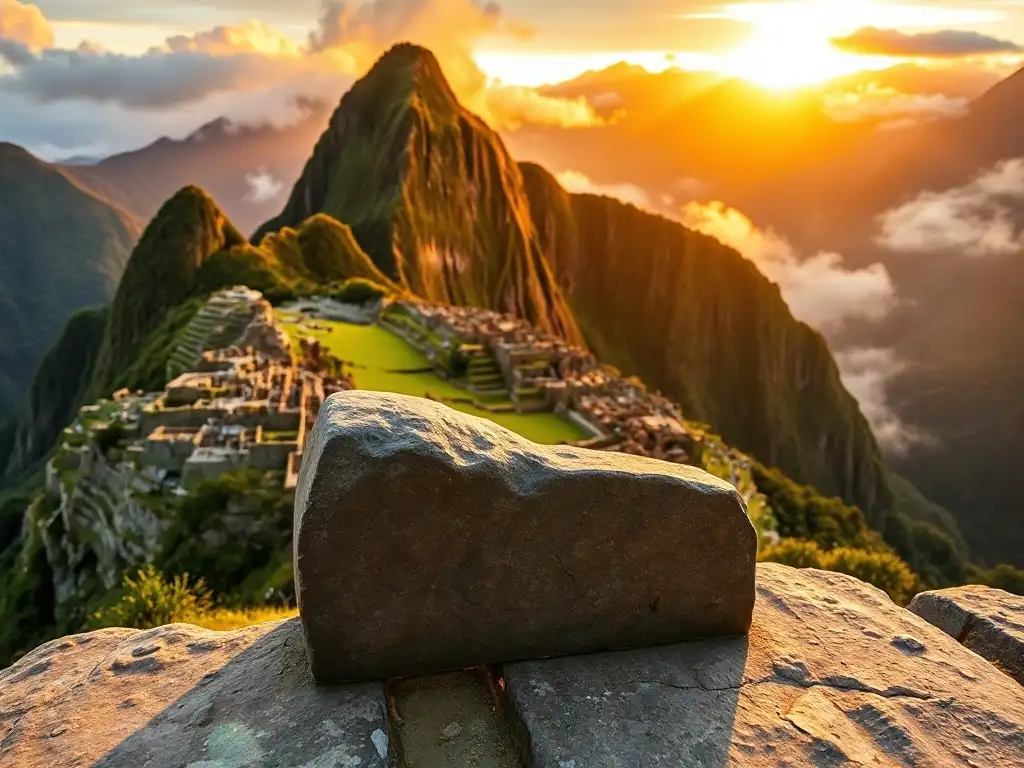
Uncover the secrets of a lost world! Journey with us into the heart of the Andes, where breathtaking ingenuity and unparalleled artistry thrived. From the monumental structures of the Incas to the enigmatic artistry of the Nazca, Andean Civilizations unveils a tapestry of fascinating cultures. But what truly fueled their architectural marvels? Discover the answer—and delve into our curated selection of Inca architecture books—to unlock the mysteries behind these awe-inspiring achievements. Your exploration begins now.
- Unveiling Inca Engineering Marvels Through Literature: Essential Reads
-
Top Books on Inca Architecture and Engineering: A Curated List
- 1. Inca Architecture by Graziano Gasparini and Luise Margolies: A Deep Dive into Inca Stonework
- 2. The Inca Road System by John Hyslop: Inca Roads and Infrastructure: A Network of Power
- 3. Machu Picchu: A Civil Engineering Marvel by Kenneth R. Wright and Alfredo Valencia: Inca Urban Planning and Design: Cities of the Andes
- 4. Ancient Inca Technology by David M. Jones: Advanced Inca Engineering: Bridges, Canals, and More
- Choosing the Right Inca Architecture Book for You
- Conclusion: Expanding Your Knowledge of Inca Marvels
-
Frequently Asked Questions
- What makes Inca architecture so unique?
- Are there any specific Inca architectural features I should look for in books?
- What types of buildings did the Inca civilization construct?
- Where can I find books specifically focused on Inca architecture and engineering?
- Why is reading about Inca architecture important?
- Final Reflection: Echoes of the Andes: A Legacy in Stone and Ink
- **Dive Deeper into Inca Engineering Excellence! **
Unveiling Inca Engineering Marvels Through Literature: Essential Reads
The Inca Empire, a civilization that flourished in the Andes Mountains from the 15th to the 16th century, left behind a legacy of breathtaking architecture and sophisticated engineering. Their mastery of stonework, their understanding of complex terrain, and their ability to construct impressive structures in challenging environments continue to fascinate and inspire awe. This article delves into the world of Inca architecture and engineering, offering a curated list of essential books for those eager to explore this captivating subject.
We'll examine key aspects of Inca construction techniques and highlight why understanding their achievements is crucial for appreciating the ingenuity and resilience of this remarkable civilization. For those searching for "Inca architecture books," this guide provides a starting point for enriching your understanding of this fascinating topic. Prepare to be amazed by the ingenuity and precision of Inca builders, as revealed through the pages of these carefully selected texts.
Exploring the World of Inca Construction Techniques
Inca construction techniques were remarkably advanced for their time. They possessed a deep understanding of stonework, employing precise cutting and fitting techniques to create structures that have withstood the test of time. Their mastery of dry-stone masonry, a technique that uses no mortar, is particularly impressive. Books dedicated to Inca architecture often showcase detailed images and explanations of this intricate process.
Many texts highlight the incredible precision of the stonework, with stones fitted together so tightly that a blade of grass couldn't fit between them. Furthermore, the Inca's understanding of seismic activity and their ability to incorporate this knowledge into their building designs is a testament to their engineering prowess. They employed techniques that allowed their structures to withstand earthquakes, a crucial consideration given the seismic activity in the Andes. The use of different types of stone, depending on their properties and availability, also demonstrates a sophisticated understanding of materials science.
Some books even explore the Inca's sophisticated systems of ramps and scaffolding used during construction, showcasing their logistical abilities. The careful selection and placement of stones, the understanding of weight distribution and stress points, all contributed to the longevity and stability of their impressive structures. These aspects are often richly illustrated in dedicated publications, offering a visual and textual exploration of Inca building practices.
Why Understanding Inca Construction Matters
Understanding Inca construction techniques offers a profound insight into the ingenuity and organizational capacity of this remarkable civilization. It provides a window into their societal structures, their resource management, and their deep connection to their environment. Studying their architecture allows us to appreciate their sophisticated knowledge of engineering principles, their ability to adapt to challenging conditions, and their remarkable achievements in the face of limited technology.
Moreover, the preservation and study of Inca architecture contributes to a broader understanding of Andean history and culture. Their buildings are not merely structures; they are repositories of knowledge, reflecting their beliefs, social organization, and artistic sensibilities. The legacy of Inca architecture continues to inspire architects and engineers today, offering valuable lessons in sustainable building practices and innovative design solutions.
By examining the methods and materials used by the Inca, we can gain valuable insights into sustainable construction and resource management, concepts that are increasingly relevant in our modern world. The study of Inca architecture, therefore, is not just an academic pursuit; it holds practical implications for the future of building and design. Understanding their achievements allows us to appreciate the ingenuity and resilience of the Inca and to draw inspiration from their remarkable legacy.
Top Books on Inca Architecture and Engineering: A Curated List
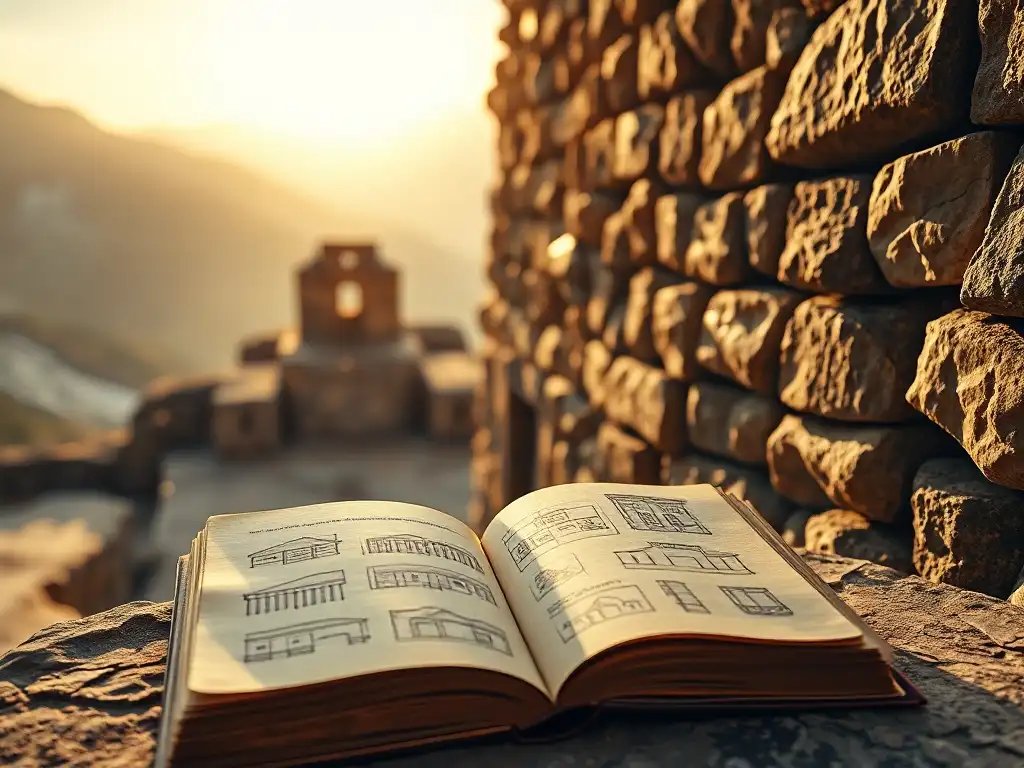
This section provides a curated list of essential reading for anyone interested in delving deeper into the fascinating world of Inca architecture and engineering. These books offer diverse perspectives, from detailed analyses of stonework techniques to broader examinations of Inca infrastructure and urban planning. They are invaluable resources for understanding the ingenuity and sophistication of Inca civilization. This list focuses on providing in-depth information for those already familiar with the basics of Inca history. Let's explore some must-read titles for the serious student of Inca architecture books.
1. Inca Architecture by Graziano Gasparini and Luise Margolies: A Deep Dive into Inca Stonework
Gasparini and Margolies' Inca Architecture is considered a seminal work in the field. The authors meticulously detail the techniques employed by Inca builders, focusing on the remarkable precision and artistry of their stonework. The book goes beyond mere description, offering insightful analyses of the underlying principles and innovations that allowed the Incas to construct such impressive structures. It's not just about what they built, but how they achieved such feats of engineering.
The authors' expertise shines through in their detailed explanations of various stone-laying techniques, including the use of polygonal masonry, where irregularly shaped stones are fitted together without mortar with astonishing precision. They explore the tools and methods used, offering compelling evidence of the Incas' advanced understanding of engineering principles, such as stress distribution and load-bearing capacity. The book is richly illustrated, providing numerous photographs and diagrams that enhance the reader's understanding of the intricacies of Inca stonework.
Many sections focus on specific examples from various Inca sites, allowing for detailed comparisons and analyses of regional variations in building styles and techniques. This level of detail solidifies its place as a cornerstone text in Inca architecture books.
2. The Inca Road System by John Hyslop: Inca Roads and Infrastructure: A Network of Power
While not solely focused on buildings, John Hyslop's The Inca Road System is crucial for understanding the broader context of Inca architecture. The Inca road network wasn't simply a means of transportation; it was a vital component of their political and economic power. The scale and sophistication of this network are astonishing, showcasing the Incas' organizational capabilities and advanced logistical planning.
Hyslop's book delves into the engineering challenges overcome in constructing these roads across diverse and often treacherous terrain. He examines the various types of roads, their construction techniques, and the role they played in facilitating communication, trade, and military control throughout the vast Inca Empire.
The book carefully analyzes the strategic placement of roads, highlighting their connection to important administrative centers, agricultural regions, and military outposts. It explores how the road system facilitated the movement of troops, resources, and messages, ensuring the efficient administration of a vast and complex empire. Hyslop's work provides essential context for appreciating the broader significance of Inca architecture within the larger framework of their societal organization and political strategy. This makes it a valuable addition to any collection of Inca architecture books.
3. Machu Picchu: A Civil Engineering Marvel by Kenneth R. Wright and Alfredo Valencia: Inca Urban Planning and Design: Cities of the Andes
Machu Picchu, the iconic "Lost City of the Incas," stands as a testament to Inca architectural and engineering prowess. Wright and Valencia's book offers a detailed examination of this remarkable site, exploring not only its impressive structures but also the underlying principles of Inca urban planning and design. It moves beyond simply describing the buildings, instead analyzing the city's layout, its relationship to the surrounding environment, and the sophisticated systems of water management and agriculture that supported its inhabitants.
The authors provide a thorough analysis of Machu Picchu's construction techniques, emphasizing the integration of architecture with the natural landscape. They discuss the city's intricate network of terraces, its ingenious water management systems, and the remarkable precision of its stonework. The book also delves into the social and political significance of Machu Picchu, exploring its role as a royal estate, a religious center, and a symbol of Inca power.
This book offers a unique perspective on Inca urban planning within the context of the Andes mountains, making it an essential contribution to the body of Inca architecture books. The detailed analysis of Machu Picchu's innovative design helps to understand Inca ingenuity and their deep connection with their environment.
4. Ancient Inca Technology by David M. Jones: Advanced Inca Engineering: Bridges, Canals, and More
David M. Jones's Ancient Inca Technology offers a fascinating deep dive into the impressive engineering feats of the Inca civilization, moving beyond the iconic Machu Picchu to explore the less-celebrated but equally remarkable infrastructure projects. The book meticulously details the Inca's mastery of stonework, not just in their monumental structures, but also in their sophisticated water management systems and ingenious bridge designs. Jones expertly weaves together archaeological findings with insightful analysis, providing a comprehensive understanding of Inca engineering principles and techniques.
One particularly compelling aspect of the book is its detailed exploration of Inca bridge construction. Instead of relying solely on conventional materials like wood, the Incas demonstrated remarkable innovation by utilizing materials readily available in their environment, such as stone, vines, and even suspension techniques. Jones illustrates this with specific examples, providing detailed descriptions and sometimes even diagrams (if the original text included them) of different bridge types, highlighting the ingenuity and adaptability of Inca engineers. He effectively explains how these bridges, often built across treacherous gorges and rivers, facilitated trade, communication, and military movement throughout their vast empire.
Furthermore, the book delves into the intricate network of canals and irrigation systems that supported Inca agriculture. These weren't merely simple ditches; they were carefully planned and constructed systems that involved diverting water from rivers and streams, creating reservoirs, and distributing water efficiently across vast areas of terraced farmland.
Jones analyzes the sophisticated techniques employed by the Incas, such as the use of aqueducts and sophisticated terracing methods, showcasing their advanced understanding of hydraulic engineering and their commitment to sustainable agricultural practices. The book offers a compelling narrative of how these systems contributed to the Inca's agricultural success and the overall stability of their empire.
Beyond the technical aspects, Ancient Inca Technology also explores the social and organizational structures that underpinned these massive engineering projects. Jones examines the role of the Inca state in mobilizing labor, organizing resources, and overseeing the construction of these projects. He highlights the importance of communal labor and the sophisticated system of record-keeping that allowed the Incas to manage such complex undertakings.
This nuanced perspective provides a richer understanding of the Inca civilization, moving beyond a simple appreciation of their technological achievements to encompass the social and political context in which they were created. The book ultimately presents a compelling case for the advanced nature of Inca engineering and its lasting impact on Andean civilizations. It's a must-read for anyone seriously interested in understanding the full scope of Inca ingenuity and their remarkable ability to shape their environment.
Choosing the Right Inca Architecture Book for You

Choosing the right book on Inca architecture can be a rewarding experience, opening doors to a fascinating world of ingenuity and artistry. But with so many books available, how do you navigate the options and find the perfect fit for your knowledge level and interests? This section will equip you with the tools to make an informed decision, ensuring you select a resource that truly enhances your understanding of Inca construction techniques and architectural marvels. We'll explore key factors to consider and help you match your specific interests with the ideal Inca engineering resource.
Factors to Consider Before Buying a Book on Inca Construction
Before diving into the vast landscape of Inca architecture books, consider these crucial factors:
- Your Prior Knowledge: Are you a complete novice, or do you possess some background in Andean history and archaeology? Beginner-friendly books often provide a broader overview, while more advanced texts delve into intricate details and specialized aspects of Inca construction. Choosing a book aligned with your current knowledge level is essential to avoid frustration or feeling overwhelmed.
- Specific Focus: Inca architecture encompasses a vast range of topics, from the meticulous stonework of Machu Picchu to the complex hydraulic systems of their cities. Some books focus on specific sites, like Sacsayhuamán or Ollantaytambo, while others offer a more general overview of Inca architectural styles and techniques. Identify your specific areas of interest – perhaps it's the intricate stone fitting, the urban planning of Inca cities, or the symbolic meaning embedded in their architecture – and choose a book that addresses those areas.
- Book Format and Style: Do you prefer richly illustrated coffee-table books, scholarly academic texts, or concise, easily digestible overviews? Consider the book's format, including the number and quality of illustrations, maps, and diagrams. The writing style also matters; some books are highly technical and dense, while others adopt a more narrative and engaging approach. Select a format and style that suits your preferred learning method.
- Author Credentials and Reputation: Pay attention to the author's background and expertise. Is the author a renowned archaeologist, historian, or architectural expert specializing in Inca civilization? A reputable author usually guarantees accurate and well-researched information, enhancing the book's credibility and value.
Matching Your Interests with the Right Inca Engineering Resources
The diversity of Inca architecture books caters to a wide array of interests. To help you find the perfect fit, consider these categories and examples of what to look for:
- For the Visual Learner: Look for books with abundant high-quality photographs, detailed illustrations, and architectural drawings. These books emphasize visual learning and provide a captivating journey through Inca architectural wonders. Pay close attention to the quality of the image reproduction and the clarity of the accompanying captions.
- For the History Buff: Choose books that contextualize Inca architecture within the broader historical narrative of the Inca Empire. These books explore the social, political, and economic factors that shaped Inca architecture, providing a richer understanding of its significance. Look for detailed timelines and discussions of the Inca's societal structures.
- For the Technically Inclined: If you're interested in the engineering marvels of Inca architecture, seek out books that delve into the construction techniques, materials, and innovative solutions employed by Inca builders. These books might include detailed analysis of stone cutting, fitting, and transportation methods, as well as discussions of hydraulic systems and other engineering feats. Expect diagrams and technical specifications.
- For the Beginner: Opt for introductory books that provide a comprehensive overview of Inca architecture without overwhelming technical details. These resources should offer a clear and engaging narrative, making the subject accessible to a wider audience. Look for books with simplified explanations and clear visual aids.
Remember, finding the perfect "Inca architecture books" is a personal journey. By carefully considering these factors, you'll be well-equipped to select a resource that not only satisfies your curiosity but also deepens your appreciation for the remarkable achievements of Inca builders and engineers.
Conclusion: Expanding Your Knowledge of Inca Marvels

This exploration into the best books dedicated to Inca architecture and engineering offers a compelling glimpse into the ingenuity and sophistication of this remarkable civilization. From meticulously detailed analyses of construction techniques to captivating narratives that bring the builders and their achievements to life, these literary works provide invaluable insights for anyone seeking a deeper understanding of Inca marvels. The sheer scale and precision of Inca structures continue to inspire awe and wonder, prompting ongoing research and debate among archaeologists and historians.
Understanding the context of Inca architecture—its social, religious, and political significance—is crucial to appreciating its true magnificence. The books highlighted above offer various perspectives, ensuring readers can find the perfect entry point into this fascinating field.
The enduring legacy of Inca architecture serves as a testament to human ingenuity and a profound connection to the Andean landscape. Choosing the right book is the first step on a journey of discovery.
The Enduring Legacy of Inca Architectural Genius
The legacy of Inca architecture extends far beyond the impressive ruins that still stand today. Its influence can be seen in contemporary Andean architecture and continues to inspire architects and engineers worldwide. The mastery of stonework, the innovative use of materials, and the sophisticated understanding of structural mechanics all represent a remarkable level of technological advancement for their time.
Consider, for example, the precise fitting of stones in structures like Machu Picchu – some so perfectly joined that a knife blade cannot be inserted between them. This level of precision speaks volumes about the Inca's commitment to craftsmanship and their deep understanding of engineering principles. Furthermore, their understanding of seismic activity and the incorporation of earthquake-resistant design features in their buildings is a testament to their practical knowledge and foresight.
This advanced understanding, combined with their artistic sensibilities, resulted in structures that were not only functional but also aesthetically stunning, reflecting their profound connection to the natural world and their sophisticated worldview. The Inca's legacy continues to inspire, challenge, and educate us, reminding us of the remarkable achievements of past civilizations. The study of Inca architecture is not merely an academic pursuit; it is a gateway to understanding a complex and fascinating culture.
Further Exploration Beyond Books: Museums and Online Resources
While books provide a fundamental understanding of Inca architecture, supplementing this with visits to museums and exploration of online resources can significantly enrich your learning experience. Many museums worldwide house impressive collections of Inca artifacts, including architectural models, tools, and even fragments of actual structures. These physical artifacts offer a tangible connection to the past, allowing for a more immersive understanding of the materials and techniques employed by Inca builders.
Beyond physical artifacts, numerous online databases and digital archives provide access to scholarly articles, research papers, and high-resolution images of Inca sites. These digital resources offer a wealth of information, often including detailed analyses of specific structures and their historical context. Exploring these resources allows for continued learning and engagement long after finishing a book.
Moreover, virtual tours of Inca sites are becoming increasingly common, offering a convenient and engaging way to experience these wonders from the comfort of your home. By combining book learning with these additional resources, you can create a truly comprehensive and engaging learning experience that will leave you with a profound appreciation for the ingenuity and artistry of Inca architecture.
Frequently Asked Questions
What makes Inca architecture so unique?
Inca architecture is unique due to its precise stonework, innovative construction techniques, and adaptability to diverse terrains. Their mastery of fitting stones without mortar is particularly remarkable.
Are there any specific Inca architectural features I should look for in books?
Yes, look for information on features like irregularly shaped stones, massive walls, and intricate carvings. Also, pay attention to their use of terraces and irrigation systems.
What types of buildings did the Inca civilization construct?
The Inca built a variety of structures, including temples, palaces, fortresses, storage facilities, and road networks. Their buildings served both practical and ceremonial purposes.
Where can I find books specifically focused on Inca architecture and engineering?
Many books cover Inca civilization, but you should search online bookstores using keywords like "Inca architecture," "Inca engineering," and "Inca construction techniques" to find specialized titles.
Why is reading about Inca architecture important?
Studying Inca architecture offers insights into their advanced engineering skills, social organization, and relationship with their environment. It reveals a sophisticated understanding of design and construction.
Final Reflection: Echoes of the Andes: A Legacy in Stone and Ink
The ingenuity of Inca architecture continues to resonate today, a testament to human potential and a powerful reminder of the importance of preserving our shared history. From the breathtaking precision of Machu Picchu to the intricate network of roads that crisscrossed the Andes, the Inca's achievements stand as a beacon of innovation and resilience, challenging our modern understanding of engineering and societal organization. Their legacy isn't just in the stones themselves, but in the enduring questions they pose about sustainability, community, and the power of human collaboration.
The study of Inca architecture offers more than just historical knowledge; it provides a profound lens through which to examine our own relationship with the environment and the societies we build. It compels us to consider the long-term consequences of our actions and the importance of respecting the delicate balance between human ambition and the natural world. The past is never dead. It's not even past.
– William Faulkner. This quote rings especially true when contemplating the enduring impact of Inca civilization and the lessons we can glean from their remarkable achievements. Their sophisticated understanding of their environment and their ability to create sustainable structures should serve as a powerful example for us today.
Consider the intricate details, the masterful use of materials, and the sheer scale of Inca projects. Now, imagine applying that same level of dedication and ingenuity to the challenges facing our world today. You, the reader, hold the power to build a better future, inspired by the ingenuity and resilience of the Inca. Explore the recommended books, delve deeper into this fascinating civilization, and let the echoes of the Andes inspire you to create a legacy of your own – one built on sustainability, innovation, and a deep respect for the world around us.
**Dive Deeper into Inca Engineering Excellence! **
Thank you for exploring the fascinating world of Inca architecture and engineering with us! You've gained valuable insights into the innovative designs and structures that shaped this remarkable civilization. Now, let's delve even deeper.
Here's how you can continue your exploration:
- **Expand your knowledge:** Begin by reading one or two books from our recommended list. Immerse yourself in the rich detail and expert analysis to uncover more secrets of Inca ingenuity.
- **Join the conversation:** Share your thoughts and favorite passages from your reading in the comments below. Engaging with others can spark new perspectives and deepen your appreciation for this amazing culture.
- **Experience Inca history firsthand:** Visit a museum or historical site focusing on Andean civilizations. Seeing the real structures and artifacts will bring the past vividly to life.
What aspect of Inca architecture captivates you most, and how will you further explore it?