
Moche Ceramics as Storytellers: Narratives in Clay

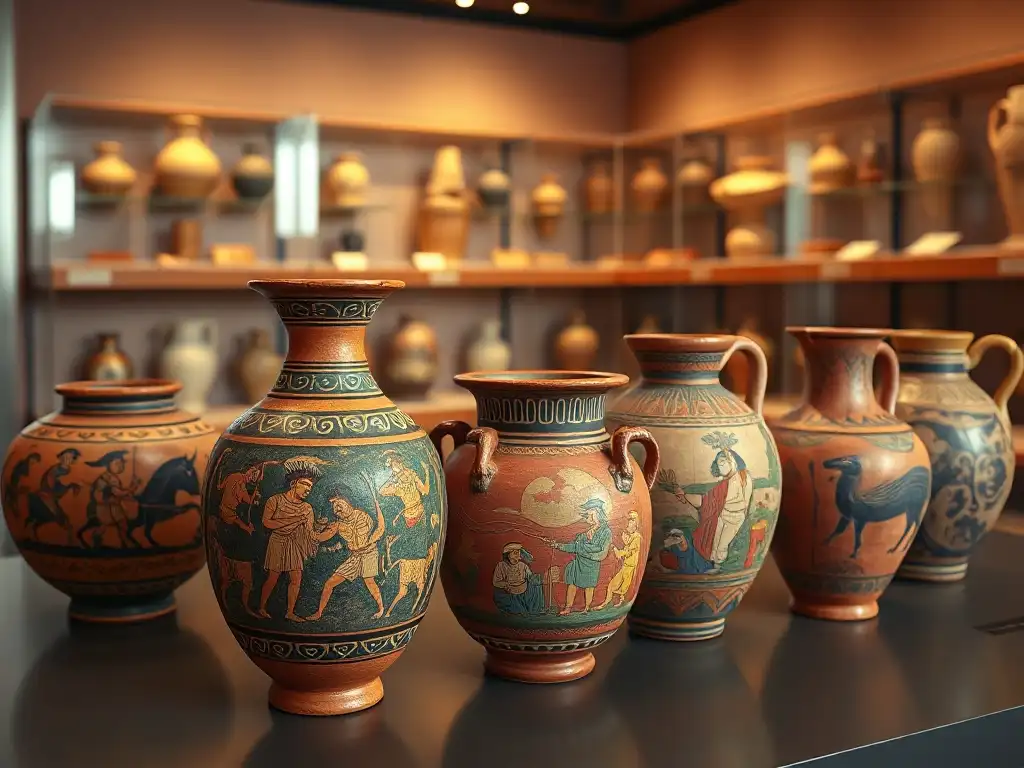
Step into a world lost to time, yet vividly preserved in clay. Dive into the captivating narratives etched onto the ancient pottery of the Moche civilization. Forget dusty museum displays – here, the vibrant artistry of Moche pottery narrative analysis unlocks secrets whispered across millennia. Prepare to be amazed as we unravel the intricate stories hidden within these breathtaking artifacts; their vibrant colors and compelling imagery reveal a glimpse into a fascinating culture unlike any other. Uncover the mysteries... the story begins now.
The Moche civilization, flourishing along the northern coast of Peru from approximately 100 CE to 800 CE, left behind a remarkable legacy: intricately crafted ceramics that serve as captivating windows into their daily lives, religious beliefs, and societal structures. Far from mere vessels, Moche pottery constitutes a rich visual archive, a vibrant tapestry woven with narratives that offer unparalleled insights into this fascinating pre-Columbian culture.
This article delves into the compelling world of Moche ceramic art, exploring how these clay masterpieces function as storytellers, revealing the complexities of Moche society through detailed narrative analysis. We will examine the techniques, iconography, and recurring motifs employed by Moche artisans to convey their stories, revealing the sophisticated artistry and cultural depth embedded within these seemingly simple objects.
Understanding Moche pottery narrative analysis allows us to connect with a lost civilization on a deeply personal level, appreciating their artistic mastery and the enduring power of their visual narratives.
Depicting Daily Life: Scenes of Work and Play
Moche pottery frequently portrays scenes of everyday life, providing invaluable glimpses into the activities and social dynamics of the Moche people. Detailed depictions of fishing, agriculture, warfare, and ritual ceremonies reveal the importance of these activities within Moche society. The artisans skillfully rendered human figures engaging in various tasks, from harvesting crops and preparing food to hunting and engaging in elaborate rituals.
These scenes are not merely static representations; they are dynamic narratives, capturing moments of action and interaction, often with expressive gestures and intricate details that bring the scenes to life. For example, one can find pottery depicting the arduous process of irrigation, showcasing the sophisticated water management systems crucial to Moche agriculture, or vibrant depictions of feasts and celebrations, suggesting a strong sense of community and social cohesion.
The level of detail—from the expressions on the faces of the figures to the tools they use—highlights the artisans’ keen observation skills and their ability to translate daily life into compelling visual stories. These portrayals offer a powerful counterpoint to more overtly symbolic representations, grounding our understanding of Moche culture in the tangible realities of their existence.
Religious Beliefs and Iconography: Deities, Rituals, and the Supernatural
Beyond depictions of daily life, Moche pottery frequently explores the realm of the supernatural. Powerful deities, mythical creatures, and ritualistic scenes are recurrent motifs, offering valuable insights into Moche religious beliefs and cosmological understandings. The iconography is often complex and symbolic, requiring careful interpretation to decipher the narratives embedded within.
For instance, the recurring depiction of a feline deity, often associated with warfare and power, suggests its central role in Moche mythology. Similarly, representations of elaborate ceremonies, often involving human sacrifice, reveal the importance of ritual in maintaining social order and appeasing the gods. The sheer variety of supernatural beings and ritualistic scenes depicted in Moche pottery underscores the richness and complexity of their religious system.
The meticulous detail and expressive artistry employed in these depictions add to their power, transforming simple clay vessels into powerful statements of faith and belief. Analyzing the recurring motifs and symbolic elements allows us to reconstruct aspects of Moche cosmology and understand the intricate relationship between the earthly and spiritual realms in their worldview. The careful study of these narratives provides crucial clues to understanding the Moche worldview.
Narrative Structure and Composition: Techniques of Storytelling in Clay
The Moche artisans were masters of visual storytelling, employing sophisticated techniques to create compelling narratives on their pottery. The arrangement of figures, the use of space, and the selection of specific details all contribute to the overall narrative flow. Often, a single vessel may tell a complex story across multiple registers, requiring careful analysis to fully appreciate the narrative unfolding before the viewer.
For example, some pottery pieces depict a sequence of events, much like panels in a comic strip. Others utilize symbolic elements to convey meaning, relying on the viewer's understanding of Moche iconography to grasp the complete narrative. The use of color, texture, and form further enhances the narrative impact, allowing the artisans to convey emotions, emphasize particular details, and create a sense of depth and dynamism within the two-dimensional space of the vessel's surface.
Studying these compositional techniques reveals the sophisticated understanding of narrative structure possessed by the Moche artisans, highlighting their mastery of visual communication. The careful consideration of these elements in Moche pottery narrative analysis is crucial for a complete understanding of the stories being told.
The Significance of Moche Pottery Narrative Analysis for Understanding the Culture
The analysis of narrative elements in Moche pottery offers a unique and invaluable window into the culture of this ancient civilization. By studying the iconography, compositional techniques, and recurring motifs, researchers can piece together a more complete picture of Moche daily life, religious beliefs, social structures, and cosmological understandings.
This approach moves beyond simply identifying and classifying pottery types, offering a deeper engagement with the cultural significance of these objects and the stories they embody. The narratives embedded in Moche pottery are not mere decorative elements; they are powerful expressions of cultural identity, reflecting the values, beliefs, and experiences of a complex and fascinating society.
Therefore, Moche pottery narrative analysis is not just an academic exercise; it is a vital tool for understanding and appreciating the rich cultural heritage of the Moche civilization. This interdisciplinary approach, combining art history, anthropology, and archaeology, allows for a more nuanced and comprehensive understanding of this remarkable culture.
- Depicting Daily Life: Scenes of Work and Play
- Religious Beliefs and Iconography: Deities, Rituals, and the Supernatural
- Narrative Structure and Composition: Techniques of Storytelling in Clay
- The Significance of Moche Pottery Narrative Analysis for Understanding the Culture
- What is the main focus of this article, "Moche Ceramics as Storytellers: Narratives in Clay"?
- How does Moche pottery communicate narratives?
- What types of narratives are commonly found in Moche pottery?
- Why is the analysis of Moche pottery narratives important?
- What makes Moche pottery unique in terms of narrative representation?
Introduction to Moche Pottery and its Narrative Power
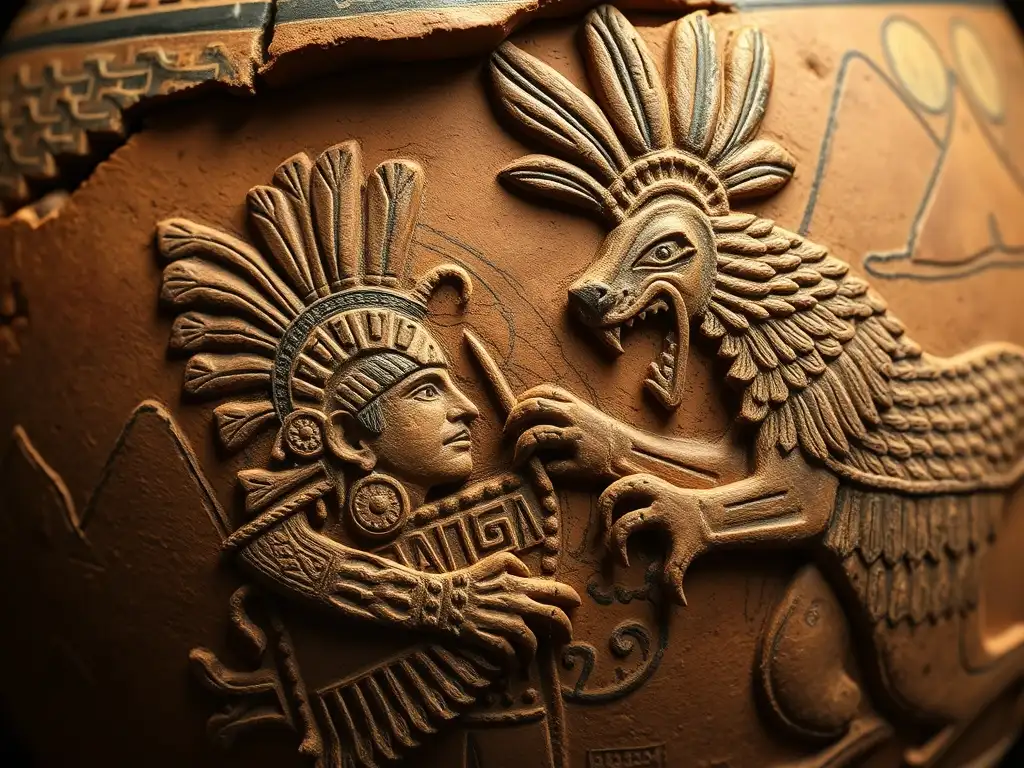
The Moche civilization (c. 100-800 CE), flourishing along the northern coast of Peru, left behind a remarkable legacy: exceptionally detailed and lifelike ceramics. These aren't mere vessels; they are intricate narratives frozen in clay, offering invaluable insights into Moche society, beliefs, and daily life. Moche pottery narrative analysis reveals a complex worldview expressed through vibrant colors, dynamic scenes, and highly stylized figures.
The sheer volume and variety of surviving pottery, ranging from simple utilitarian pieces to elaborate portrait vessels and complex narrative scenes, underscore the crucial role ceramics played in their culture. Unlike many other ancient civilizations, the Moche left behind relatively few written records. Consequently, their pottery becomes a primary source for understanding their world, providing a window into their rituals, social structures, and even their understanding of the cosmos.
The detailed craftsmanship and the consistent iconographic elements within these pieces allow for a rich interpretation, making Moche pottery a compelling subject for scholarly investigation and a captivating subject for those seeking to understand ancient Andean cultures. The unique preservation conditions along the arid coastal desert contributed significantly to the survival of these fragile artifacts, providing us with an unparalleled opportunity to explore their narrative power.
The Significance of Moche Ceramics in Andean Culture
Moche ceramics were not simply functional objects; they held deep cultural and religious significance. They were integral to rituals, used in offerings to the gods, and played a key role in social hierarchies. The elaborate depictions of deities, mythological creatures, and scenes of warfare or ritual sacrifice suggest a close connection between the artistic production and the religious beliefs of the Moche people.
Furthermore, the presence of specific motifs and iconographic elements across various pottery pieces points to a shared cultural understanding and a standardized system of visual communication. The sheer scale of production also suggests a highly organized and specialized craft, possibly involving dedicated workshops and skilled artisans who held respected positions within Moche society. Analysis of the clay itself, its sourcing, and the techniques employed in shaping, firing, and decorating the pottery, provides further clues about the social organization and technological expertise of the Moche.
The meticulous detail and the high-quality craftsmanship displayed in even the smallest vessels highlight the value placed on these objects and their role in the Moche worldview. For example, the frequent depiction of elite figures underscores the importance of social status and power within Moche society. The careful preservation of these artifacts within tombs suggests their importance as grave goods, reflecting beliefs about the afterlife.
Understanding Moche Art as a Form of Communication
Moche pottery serves as a powerful form of visual communication, conveying narratives and ideas without the use of written language. Scholars have identified recurring themes and iconographic elements that allow for interpretation of these narratives. For example, the frequent depiction of violent scenes, such as warfare or human sacrifice, is believed to represent aspects of Moche religion and possibly their understanding of the cycle of life and death.
Similarly, depictions of elaborate feasts and ceremonies provide insights into social interactions and rituals. The use of different colors and styles also contributes to the narrative, with certain colors and techniques likely associated with specific meanings or social groups. Analyzing the composition of the scenes—the arrangement of figures, their gestures, and the objects they hold—helps researchers reconstruct the events depicted and understand the underlying message.
The presence of specific motifs, such as stylized birds, feline figures, or supernatural beings, allows for connections to be drawn between different vessels and the creation of a broader narrative framework. The study of these elements, combined with archaeological context, allows for a more complete understanding of the Moche worldview and the multifaceted nature of their society. Through careful observation and detailed analysis, Moche pottery reveals a rich tapestry of stories, shedding light on a remarkable civilization.
Decoding Moche Pottery Narrative Analysis
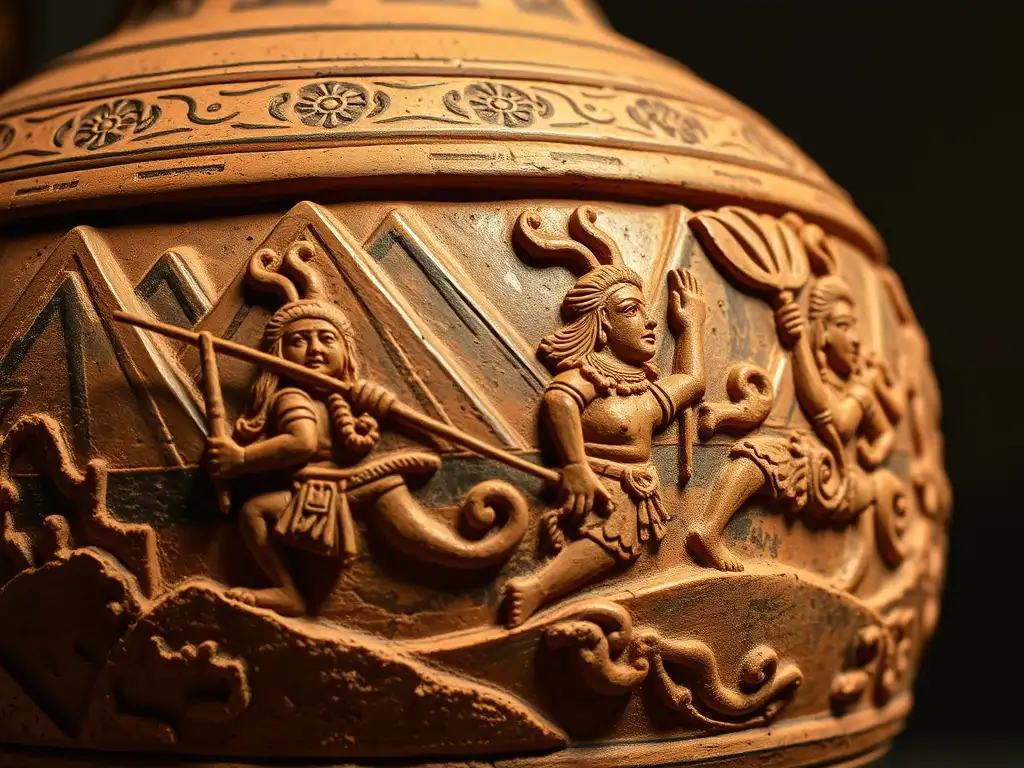
Moche pottery, renowned for its vibrant colors and intricate detail, offers a unique window into the lives, beliefs, and social structures of this ancient Andean civilization. Analyzing Moche pottery narratives allows us to move beyond simple aesthetic appreciation and delve into the rich tapestry of their cultural expression. This section focuses on the methodology and approaches used in deciphering the stories embedded within these remarkable ceramic artifacts. Understanding the narrative elements within Moche pottery is crucial for a comprehensive understanding of their worldview and societal dynamics.
The process involves meticulous observation, careful comparison across various pieces, and a contextual understanding of the Moche societal structures and beliefs. This detailed approach, focusing on "Moche pottery narrative analysis," reveals a level of sophistication and complexity that continues to fascinate researchers today. The systematic study of these narratives illuminates aspects of Moche life otherwise lost to time.
Identifying Narrative Scenes in Moche Ceramics
Identifying narrative scenes in Moche ceramics requires a keen eye for detail and a nuanced understanding of Moche iconography. Individual vessels often depict complex scenes, sometimes unfolding across multiple registers or panels. These scenes are rarely static; instead, they often portray dynamic interactions, battles, rituals, or everyday life activities.
For example, a common motif depicts warriors engaged in combat, with detailed depictions of weaponry, clothing, and facial expressions conveying a sense of movement and intensity. Other vessels illustrate elaborate ceremonies, featuring priests, shamans, and possibly deities, engaged in ritualistic acts. The careful observation of posture, gestures, and the positioning of figures within the scene is paramount to understanding the narrative's progression.
Furthermore, the use of color, particularly the contrast between different hues, can enhance the narrative's impact, highlighting key elements or emphasizing specific actions. Researchers often utilize photographic documentation and digital enhancement techniques to further analyze these intricate details and better decipher the narratives they convey. The meticulous approach to "Moche pottery narrative analysis" often involves comparing and contrasting various ceramic pieces to identify recurring motifs and patterns that help establish a chronological sequence or broader cultural context.
Key Elements of Moche Pottery Iconography and Storytelling
The iconography of Moche pottery is fundamental to understanding the narratives they depict. Certain symbols, figures, and stylistic choices consistently appear, providing clues to the stories being told. For instance, specific headdresses, clothing, and ornaments worn by figures often indicate their social status or role within a particular scene.
The presence of specific animals, such as jaguars, birds of prey, or marine creatures, can symbolize power, divinity, or even specific clan affiliations. The use of specific colors also plays a significant role; for instance, red often signifies blood or sacrifice, while yellow might represent the sun or a deity associated with it. Analyzing these elements requires a thorough understanding of Moche cosmology, mythology, and social organization.
This is further complicated by the fact that some symbolic representations may be open to multiple interpretations, requiring careful consideration of the context within which they appear. The study of Moche pottery iconography and storytelling is an ongoing process, with new interpretations and discoveries emerging as researchers continue to analyze these exceptional artifacts. The intricate details in "Moche pottery narrative analysis" continue to reveal new insights into the rich cultural landscape of the Moche civilization.
Common Themes and Motifs in Moche Pottery Narratives
Several recurring themes and motifs dominate Moche pottery narratives, offering insights into their values, beliefs, and societal structures. One prevalent theme is the depiction of warfare and military prowess. Many vessels illustrate battles, sieges, and the capture of prisoners, possibly reflecting the importance of military power within Moche society. Another common theme is that of ritual and sacrifice, with scenes depicting ceremonies, processions, and possibly human sacrifice.
These scenes often feature priests, shamans, and elite figures, suggesting the central role of religion in Moche life. Furthermore, depictions of everyday life, such as fishing, agriculture, and feasting, offer valuable glimpses into the daily routines and social interactions of the Moche people. The recurring presence of specific motifs, such as the "decapitated head" trophy, further underscores the importance of certain rituals or beliefs.
The analysis of these common themes and motifs provides a deeper understanding of the Moche worldview, highlighting their beliefs regarding the afterlife, the cosmos, and their place within the natural world. The study of these recurring themes in "Moche pottery narrative analysis" is crucial for building a complete and nuanced picture of Moche culture and society. The consistent appearance of certain motifs across various pottery pieces suggests a shared cultural understanding and reinforces the power of these narratives as a means of communication and cultural transmission.
Moche Pottery Narrative Analysis: Unveiling Stories
This section delves into the fascinating world of Moche pottery and its capacity to narrate complex stories. Through meticulous analysis of Moche ceramic art, we can gain invaluable insights into the daily lives, religious beliefs, warfare, and social structures of this remarkable pre-Columbian civilization. The intricate details and symbolic representations found on these vessels offer a unique window into the Moche worldview, providing a rich tapestry of narratives woven in clay.
This analysis focuses on three key areas: depictions of warfare, religious rituals, and scenes of everyday life. Understanding these narratives allows for a deeper appreciation of the Moche's artistic skill and their sophisticated understanding of storytelling. The study of Moche pottery narrative analysis provides a compelling methodology for understanding ancient Andean societies.
The Moche Warrior and Combat Narratives
Moche pottery frequently depicts scenes of intense warfare, providing valuable insights into their military organization and combat strategies. These narratives are not merely depictions of violence; they are carefully constructed scenes that communicate social hierarchies, power dynamics, and the ideological significance of warfare within Moche society. Many vessels showcase highly detailed representations of warriors, often adorned with elaborate headdresses, weaponry, and body paint. The warriors are frequently depicted engaging in hand-to-hand combat, utilizing diverse weaponry such as spears, clubs, and possibly slings.
The level of detail is astonishing. For instance, some pots illustrate the use of specific battle tactics, such as coordinated attacks or the use of shields. The depiction of captured enemies, often bound and humiliated, highlights the Moche's emphasis on the symbolic power of conquest. Analysis of these scenes suggests a complex military structure, with specialized warrior classes and possibly a hierarchical command system.
The recurring themes in these narratives suggest that warfare played a crucial role in Moche society, influencing both their social organization and their religious beliefs. Further research into the specific iconography and stylistic choices used in these depictions could offer even deeper understandings of Moche military practices and their societal impact. The meticulous detail in these pieces speaks volumes about the artistic talent and the importance placed on recording these events for posterity.
Moche Religious Rituals and Mythological Representations
Moche religious beliefs are vividly portrayed in their ceramic art. These depictions often involve complex mythological narratives, showcasing a pantheon of deities, supernatural beings, and ritualistic practices. The iconography is rich and symbolic, often requiring careful interpretation to understand the full narrative. Frequently, we see depictions of ritual sacrifices, shamanistic practices, and elaborate ceremonies. These scenes often feature stylized figures, often anthropomorphic representations of deities or supernatural beings. One recurring motif involves the depiction of a feline deity, possibly associated with fertility or power.
Furthermore, the use of color and composition within these scenes adds another layer of narrative complexity. Specific colors may hold symbolic meaning, and the arrangement of figures within the scene can convey a particular narrative or emphasize certain aspects of the ritual. Analyzing the stylistic choices made by the artisans helps decipher the complex religious beliefs and practices of the Moche.
The careful study of these religious narratives allows us to reconstruct a more complete understanding of their cosmology and their relationship with the supernatural world. This is further supported by the frequent appearance of specific motifs, suggesting the existence of established myths and religious narratives that were widely understood and shared within Moche society. The prevalence of these motifs across different ceramic styles and time periods underscores their importance in Moche culture.
Everyday Life Depictions in Moche Ceramic Art
Beyond warfare and religious themes, Moche pottery also provides a fascinating glimpse into the daily lives of its people. These depictions offer insights into their social structures, agricultural practices, and daily routines. Scenes of fishing, hunting, agriculture, and food preparation are frequently found on Moche vessels. These depictions often showcase the tools and techniques used in these activities, revealing valuable information about their technologies and economic systems. For example, the detailed portrayal of agricultural scenes, including irrigation systems and the cultivation of crops like maize and beans, illustrates their sophisticated agricultural practices.
The depiction of individuals performing daily tasks, such as weaving, pottery making, and metalworking, also provides valuable information about the division of labor within Moche society. The presence of both men and women participating in these activities suggests a degree of gender equality in certain aspects of daily life. Furthermore, the variety of clothing and adornments depicted suggests a social hierarchy and a diversity of social roles within the Moche community.
The detailed representations of food and feasting suggest the importance of communal meals and social gatherings in their daily lives. The artistry and detail evident in these everyday scenes highlight the Moche's ability to capture the nuances of their society within their ceramic art, making their pottery a remarkable source of information about their daily life. Analyzing these scenes provides a more complete and nuanced understanding of Moche society beyond the context of warfare and religion.
Analyzing Specific Moche Pottery Narratives
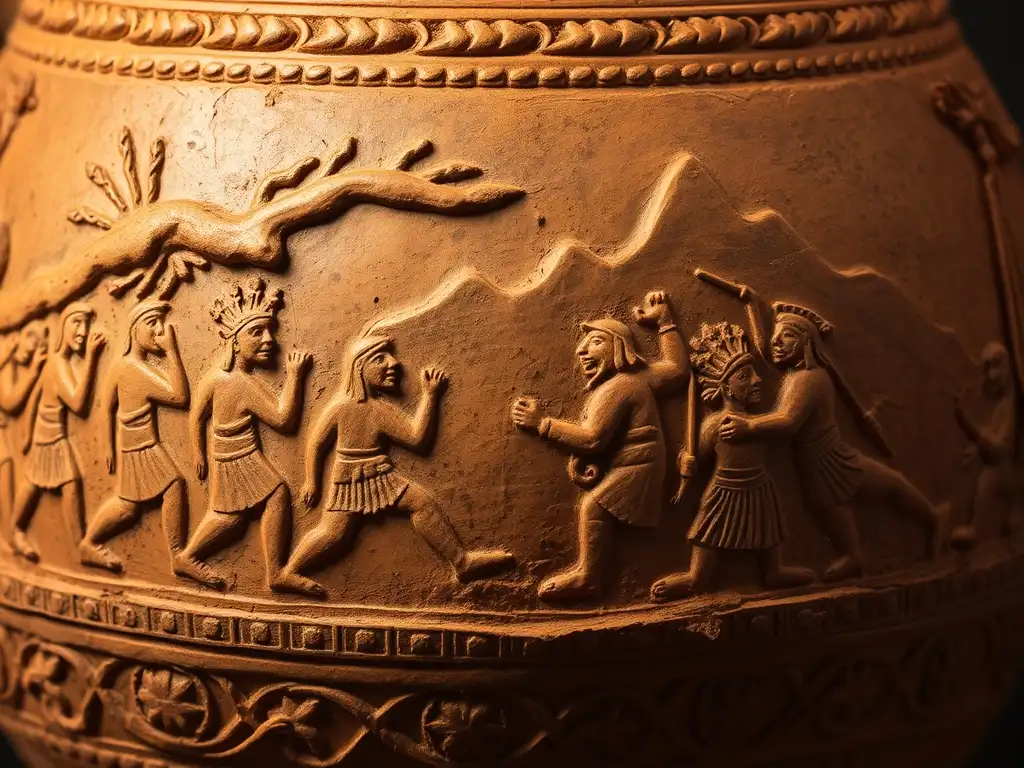
This section delves into the intricate narratives depicted on Moche pottery, focusing on specific examples to illustrate the complexity and sophistication of their storytelling techniques. We will analyze the iconography, stylistic choices, and contextual clues to uncover the deeper meanings embedded within these remarkable clay vessels. The analysis will center on Moche pottery narrative analysis, providing concrete examples to support our interpretations.
Our approach combines art historical analysis with anthropological insights to understand the social, religious, and political contexts reflected in these artistic expressions. The vibrant colors, dynamic compositions, and finely detailed scenes offer a window into the daily lives, beliefs, and worldview of the Moche people.
Case Study 1: The Presentation Theme on Stirrup Spout Vessels
Detailed Examination of the Narrative Scene
Stirrup spout vessels, a hallmark of Moche artistry, frequently depict scenes of elaborate presentations or offerings. One particular example shows a high-ranking individual, likely a priest or ruler, seated on a dais, receiving offerings from attendants. The main figure is adorned with elaborate headdresses and jewelry, signifying their high status within Moche society.
The attendants, dressed in simpler garments, present various objects, including food, textiles, and possibly ceremonial items. The background often features stylized landscapes or architectural elements, contributing to the overall narrative. The scene is rendered with exceptional detail; individual strands of hair, intricate patterns on clothing, and subtle expressions on the faces of the figures are all clearly visible, showcasing the Moche potters' mastery of their craft.
The use of vibrant pigments, particularly reds, yellows, and blacks, further enhances the visual impact of the narrative. The dynamic composition, with figures arranged in a clear hierarchy, emphasizes the importance of the central figure and the ritual act of presentation.
Interpretation of the Iconography and its Meaning
The presentation scene on this stirrup spout vessel likely depicts a ritual offering or tribute to a deity or ancestor. The central figure's attire and position indicate their high social standing and their role as a mediator between the human and spiritual realms. The offerings themselves could represent a symbolic exchange, reinforcing social bonds and ensuring the continued prosperity of the community.
This interpretation aligns with other evidence suggesting the significance of ritual and ceremony in Moche culture. The meticulous detail and careful composition of the scene suggest the importance placed on accurately representing this specific social interaction, underscoring the narrative's significance within the broader Moche worldview.
The use of specific iconographic elements, such as certain types of headdresses or specific offerings, could provide further clues to the specific deity or event being depicted, although further research is needed in this area. This type of Moche pottery narrative analysis allows us to gain insight into Moche religious beliefs and social structures.
Case Study 2: The Sacrifice Ceremony Depicted on Fineline Pottery
Detailed Examination of the Narrative Scene
Fineline pottery, known for its delicate and precise execution, often portrays scenes of human sacrifice. One particular vessel depicts a ritualistic scene where a captive, bound and adorned with elaborate headdress, is being presented to a deity or a high-ranking figure. The sacrifice is often shown as a part of a larger ceremony, with other figures participating in the event. The scene is depicted with a remarkable degree of detail, showcasing the victim's facial expression, the attire of the participants, and the tools used in the ritual.
The composition is carefully arranged to highlight the dramatic tension of the moment. The use of fine lines and precise brushstrokes creates a sense of both beauty and violence, reflecting the complex nature of the ritual itself. This contrasts sharply with the more vibrant colors found in stirrup spout vessels, suggesting a different narrative function.
Interpretation of the Iconography and its Meaning
The depiction of human sacrifice on fineline pottery, while disturbing, offers invaluable insights into Moche religious beliefs and social practices. The ritual may have been performed to appease deities, ensure agricultural fertility, or consolidate political power. The elaborate attire of the victim and the ceremonial nature of the depiction suggest that the sacrifice was not a random act of violence but a highly ritualized and symbolically charged event.
The detailed representation on the pottery indicates the importance of this ritual within Moche society. Further research is needed to fully understand the specific context and meaning of these scenes. However, preliminary Moche pottery narrative analysis suggests that these depictions were not intended to simply document events but to convey deeper religious and social meanings.
The stark contrast in artistic style compared to the stirrup spout vessels further supports the idea of distinct narrative purposes within Moche ceramic art. The analysis of these scenes provides a significant contribution to our understanding of Moche religion and the role of human sacrifice in their society.
Techniques and Styles in Moche Pottery Narrative Creation
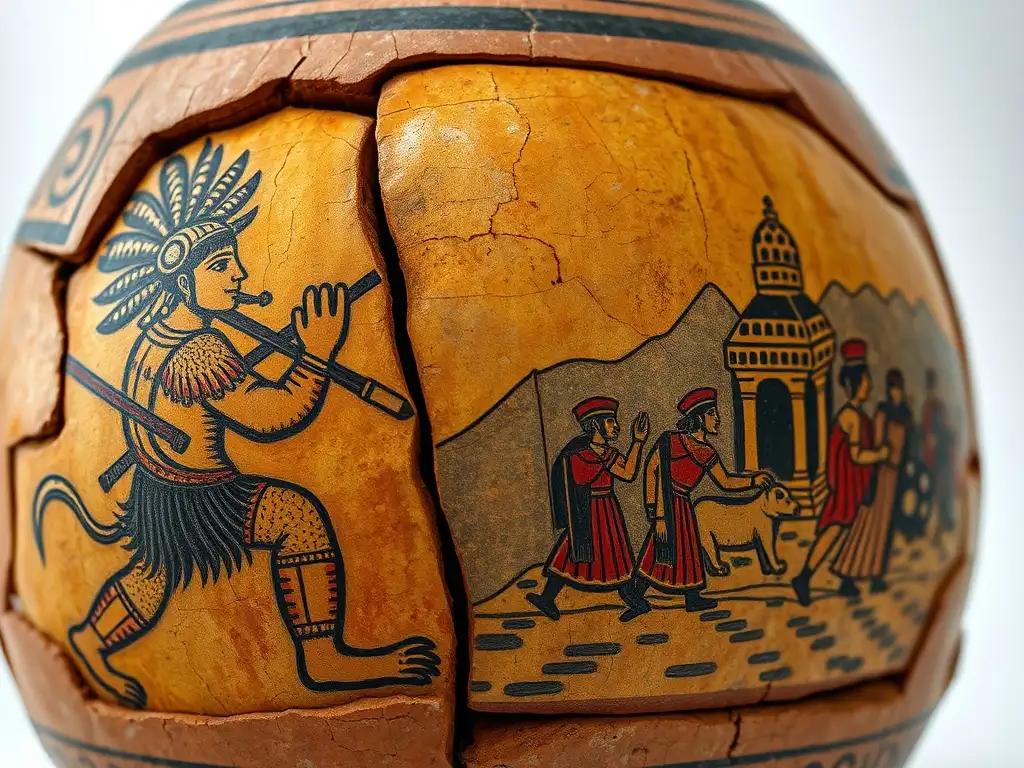
Moche pottery, renowned for its vibrant depictions of daily life, mythology, and ritual practices, employed diverse techniques to craft compelling narratives in clay. Understanding these techniques is crucial for a nuanced Moche pottery narrative analysis. The artisans' mastery extended beyond simple representation; their choices in technique directly influenced the story's impact and interpretation. The skillful integration of molding, painting, and color manipulation demonstrates a sophisticated understanding of visual storytelling. The precision and detail evident in these pieces showcase not only artistic skill but also a deep understanding of the cultural and religious significance embedded within each narrative.
Molded vs. Painted Decoration and their Narrative Impact
Moche potters didn't rely solely on one technique; instead, they expertly combined molding and painting to achieve remarkable narrative depth. Molded decoration, often used to create the base figures and scenes, provided a three-dimensional foundation. This allowed for detailed rendering of human figures, animals, and even complex architectural elements. The tactile quality of the molded surfaces added another layer to the storytelling, enhancing the viewer's engagement with the narrative.
Consider, for example, the intricate details found in molded depictions of warriors. The musculature, the weaponry, and even the expressions on their faces are rendered with astonishing precision. This level of detail, achievable through molding, would be difficult to replicate solely through painting.
Conversely, painting allowed for a broader range of stylistic choices and color variations, adding layers of meaning and context to the molded forms. Painted details could emphasize specific aspects of the narrative, highlight symbolic elements, or even introduce entirely new narrative threads. The interaction between these two techniques created a dynamic and layered visual experience, enhancing the complexity and impact of the narrative.
The Use of Color in Moche Ceramic Storytelling
Color played a pivotal role in Moche ceramic storytelling, acting as a powerful tool for conveying meaning and emotion. The Moche palette, rich with vibrant hues, was not arbitrary; specific colors were associated with particular deities, social statuses, and even emotional states. The strategic use of color helped to distinguish characters, emphasize actions, and ultimately shape the viewer's understanding of the narrative. For instance, red, often associated with power and violence, might be used to depict scenes of warfare or ritual sacrifice. In contrast, softer colors like yellow or white might represent peaceful scenes or spiritual experiences.
A Moche pottery narrative analysis would be incomplete without careful consideration of chromatic choices. The use of color wasn't merely decorative; it was a deliberate artistic choice that contributed significantly to the narrative's overall impact. Further research into the specific pigment sources and the techniques employed in applying these colors could further enhance our understanding of the Moche artisans' intent and the cultural significance embedded within their color choices.
The subtle gradations of color, the strategic placement of contrasting hues, and the overall harmony of the palette all contribute to the compelling nature of these narratives. Future studies could focus on analyzing the frequency and significance of specific colors in different narrative contexts.
Evolution of Narrative Styles in Moche Pottery
The narratives depicted on Moche pottery weren't static; they evolved over time, reflecting changes in societal structures, religious beliefs, and artistic conventions. Tracing this evolution provides valuable insights into the broader cultural context of Moche civilization. While early Moche pottery often focused on simple, direct narratives, later periods saw a marked increase in complexity and abstraction. The shift from straightforward depictions of hunting and fishing scenes to more elaborate representations of mythical beings and ritual ceremonies reflects a growing emphasis on religious and cosmological themes.
Analyzing the stylistic changes across different Moche phases is crucial for a thorough Moche pottery narrative analysis. For example, the depiction of human figures changes over time, with early representations being relatively simplistic and later ones becoming increasingly stylized and expressive. Similarly, the use of color and the level of detail in the painted decoration also evolve significantly.
By studying these changes, we gain a deeper understanding of the cultural and artistic transformations that occurred within Moche society over several centuries. A chronological study of Moche pottery, focusing on the evolution of narrative themes and stylistic choices, would provide a comprehensive understanding of the dynamic interplay between art and culture in this remarkable civilization. Further research is needed to fully document and analyze this fascinating evolution, potentially by compiling a detailed database of Moche pottery across different time periods.
The Role of Moche Ceramics in Understanding their Society
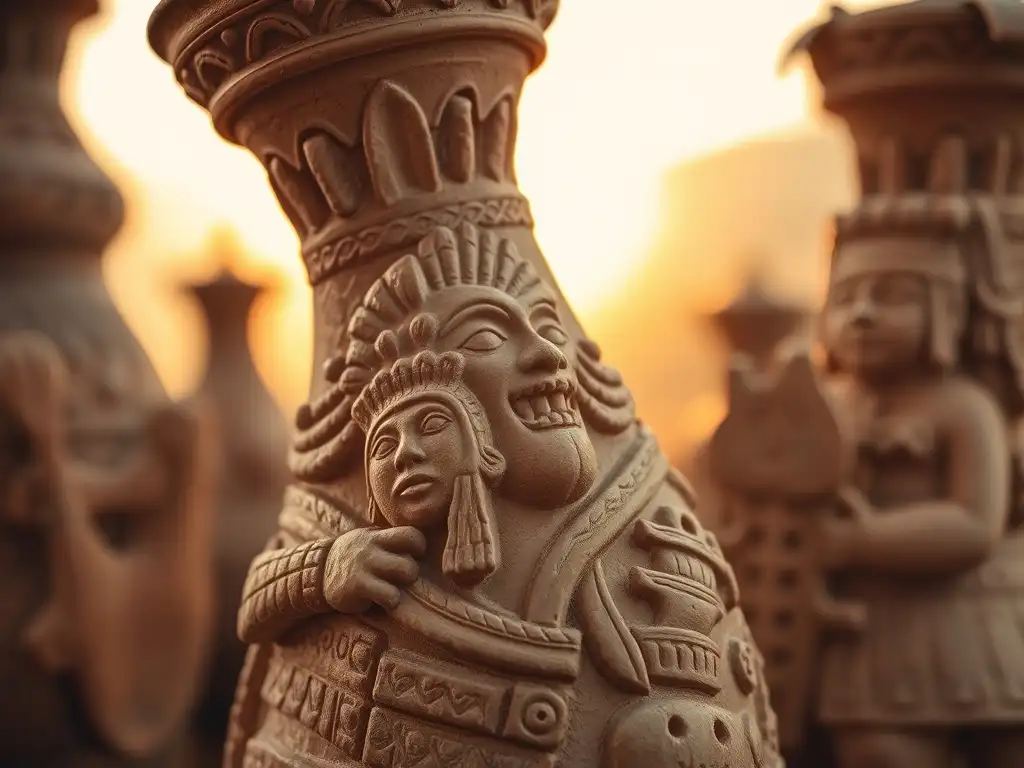
The Moche civilization, flourishing along the northern coast of Peru from approximately 100 to 800 CE, left behind a remarkable legacy of ceramic artistry. Their pottery wasn't merely functional; it served as a powerful medium for communicating social structures, religious beliefs, and daily life. Analyzing Moche pottery narrative analysis provides invaluable insights into this fascinating culture, revealing details otherwise lost to time.
The intricate detail and stylistic consistency across vast quantities of surviving pottery demonstrate a sophisticated level of artistic skill and social organization, crucial for mass production and stylistic control. This section explores how Moche ceramics act as primary sources for understanding their complex society.
Moche pottery frequently depicts scenes of daily life, warfare, and rituals, offering glimpses into the social hierarchy. Representations of elites, often adorned in elaborate headdresses and jewelry, are readily distinguishable from depictions of commoners. For example, large, intricately painted vessels often portray powerful figures overseeing ceremonies or battles, suggesting a stratified society with clearly defined roles and power dynamics. The scale and detail of these representations further emphasize the importance of these individuals within the Moche social structure.
Smaller, simpler vessels, often depicting everyday scenes or less elaborate figures, likely belonged to the common populace. The consistent portrayal of these hierarchical distinctions across numerous ceramic pieces strengthens the argument for a well-defined social structure with a clear power dynamic. Further research into the distribution of different pottery styles across different Moche sites could provide even more detailed insights into the spatial distribution of social classes.
Moche Ceramics and their Insights into Moche Beliefs
Beyond social structures, Moche pottery provides crucial evidence for understanding Moche religious beliefs and rituals. Many vessels depict mythological creatures, deities, and scenes of ritual sacrifice, offering valuable insight into their cosmology and spiritual practices. The recurring motifs, such as the decapitated figures and the frequent depictions of the Ai Apaec deity, suggest a complex pantheon and a belief system centered around ritual sacrifice and possibly ancestor veneration.
The vividness of these depictions, the meticulous detail in rendering the figures and their attributes, emphasizes their profound significance in Moche culture. The stylistic consistency across different sites and time periods suggests a shared understanding and widespread acceptance of these beliefs.
Analyzing the iconography in conjunction with archaeological evidence from ritual sites could further enhance our understanding of Moche religious practices. The prevalence of certain motifs over others within different pottery styles could also reveal regional variations or shifts in religious beliefs over time.
The Importance of Moche Pottery for Archaeological Research
Moche pottery is indispensable for archaeological research. Its abundance, relatively good preservation, and rich iconography provide a wealth of information unavailable through other sources. The detailed depictions on the pottery act as visual records, complementing and enriching textual evidence (where it exists) and providing a more complete understanding of Moche society.
The stylistic variations across different time periods allow archaeologists to establish chronological sequences and trace cultural changes. The geographically dispersed find locations of the pottery also offer insights into trade networks and cultural exchange. Furthermore, the chemical analysis of the clay used in Moche pottery can provide information on the sources of raw materials and trade routes.
The sheer volume of surviving Moche pottery allows for robust statistical analysis, providing more reliable conclusions compared to relying on limited textual or other archaeological data. This abundance of material is a significant boon for researchers conducting Moche pottery narrative analysis, allowing for more detailed studies and more nuanced interpretations. Continued research using advanced techniques like 3D scanning and digital analysis can unlock even further insights from these remarkable artifacts.
Conclusion: The Enduring Legacy of Moche Pottery Narratives
The vibrant and detailed narratives etched onto Moche pottery offer an unparalleled glimpse into the lives, beliefs, and societal structures of this fascinating pre-Columbian civilization. Their artistry wasn't merely decorative; it was a powerful tool for communication, storytelling, and the preservation of cultural memory. Analyzing Moche pottery narratives provides invaluable insights that extend far beyond simple aesthetics. This conclusion will summarize the key takeaways from our exploration of Moche pottery narrative analysis, highlighting the lasting impact of this art form and the ongoing research surrounding it.
The Artistic and Historical Value of Moche Ceramics
Moche ceramics transcend their material nature; they are invaluable artifacts that bridge the gap between past and present. The sheer artistic skill involved in creating these pieces, from the intricate modeling to the vibrant pigments, is breathtaking. The level of detail in depicting scenes of daily life, mythical creatures, and ritualistic practices is astounding. This level of artistic sophistication reflects a highly developed culture with a sophisticated understanding of materials and techniques.
Consider, for example, the mastery shown in rendering the textures of textiles, the expressions on human faces, or the dynamic portrayal of animals in motion. These aren't mere representations; they are powerful statements of artistic achievement and cultural identity. The historical value is equally significant. Moche pottery provides concrete evidence of their societal organization, religious beliefs, and daily life.
By carefully analyzing the iconography and scenes depicted, scholars can reconstruct aspects of their social hierarchy, political structures, and economic activities. The narratives inscribed on these vessels are not just stories; they are primary sources offering invaluable insights into a lost world. The preservation of these pieces is therefore crucial for understanding the Moche civilization and its enduring legacy.
The Continuing Study of Moche Pottery Narrative
The study of Moche pottery narrative is a dynamic and evolving field. New discoveries are constantly being made, and new analytical methods are being developed to further our understanding. Advances in technology, such as high-resolution imaging and advanced chemical analysis, allow researchers to uncover even finer details in the pottery and gain a deeper understanding of the materials and techniques used in their creation.
Furthermore, ongoing archaeological excavations continue to unearth new examples of Moche pottery, expanding our database and providing opportunities for fresh interpretations. The interdisciplinary nature of this research is also noteworthy. Collaborations between archaeologists, art historians, anthropologists, and other specialists are essential for comprehensive analysis, ensuring a holistic understanding of the cultural context and significance of these narratives.
For example, ethnoarchaeological studies comparing Moche pottery to contemporary Andean artistic practices can offer valuable insights into the meanings and interpretations of specific motifs and symbols. This collaborative approach ensures that the study of Moche pottery narrative remains a vibrant and fruitful area of research.
Moche Pottery: A Window into an Ancient World
Moche pottery offers a unique and compelling window into the past. It allows us to connect with a civilization that existed centuries ago, to understand their worldview, and to appreciate their remarkable artistic achievements. Through the meticulous study of Moche pottery narrative analysis – examining the scenes, symbols, and techniques employed – we gain a richer understanding of their daily lives, their religious beliefs, and their intricate social structures.
The narratives captured in clay are not merely decorative; they are powerful expressions of a vibrant culture, offering invaluable insights into a world that would otherwise remain largely unknown. The enduring legacy of Moche pottery lies not only in its aesthetic beauty but also in its capacity to transport us across time, allowing us to engage with the past on a deeply personal and intellectual level.
The enduring appeal of Moche pottery, and the continued research into its narratives, emphasizes its importance as a significant source for understanding Andean civilizations and their rich cultural heritage. The meticulous detail and stylistic choices of the Moche potters provide a treasure trove of information for researchers, highlighting the profound understanding of narrative and visual communication within this ancient civilization.
Frequently Asked Questions
What is the main focus of this article, "Moche Ceramics as Storytellers: Narratives in Clay"?
This article explores the narrative power of Moche pottery, examining how these ceramics communicate stories and insights into their culture. It delves into the visual storytelling techniques employed by Moche artisans.
How does Moche pottery communicate narratives?
Moche potters used detailed imagery and iconography to depict scenes of daily life, mythology, rituals, and warfare. The arrangement and interaction of figures within a scene contribute to the overall narrative.
What types of narratives are commonly found in Moche pottery?
Common themes include mythological creatures, ritual ceremonies, warfare scenes, and depictions of everyday life like fishing or agriculture. These offer glimpses into the Moche worldview and social structure.
Why is the analysis of Moche pottery narratives important?
Narrative analysis of Moche pottery provides crucial insights into the Moche worldview, beliefs, and social organization. It allows us to understand their culture beyond simple descriptions of objects.
What makes Moche pottery unique in terms of narrative representation?
The level of detail and realism in Moche pottery is exceptional. Their ability to convey complex narratives through visual storytelling is a hallmark of their artistic and cultural achievements, making their pottery a unique source of historical information.
Final Reflection: Echoes of the Moche: A Legacy in Clay
The vibrant narratives etched into Moche ceramics aren't relics of a distant past; they are powerful echoes resonating in our contemporary understanding of storytelling and cultural expression. These intricate depictions of daily life, mythology, and ritual offer a window into a society that, despite its temporal distance, grapples with themes remarkably similar to our own: power, mortality, and the enduring human spirit. The meticulous detail and emotional depth preserved in these fragile vessels continue to challenge and inspire us.
The enduring influence of Moche pottery extends far beyond the realm of archaeology; it permeates our artistic sensibilities and our understanding of cross-cultural communication. These pieces are not merely artifacts; they are testaments to the power of visual storytelling to transcend time and language. Art washes away from the soul the dust of everyday life.
– Pablo Picasso. This quote, while not directly referencing Moche pottery, perfectly encapsulates the transformative power of these ancient narratives, cleansing our perspectives and offering a fresh lens through which to view our own world.
Consider the intricate detail, the bold colors, the sheer emotional weight conveyed in a single, expertly crafted vessel. You, the reader, are now part of this ongoing conversation. Take a moment to reflect on the stories you encounter daily – how are they shaped, how are they shared, and what enduring legacies might they leave behind? Engage with the narratives around you, and perhaps you, too, will find yourself inspired to create your own lasting story, a testament to the human experience as rich and enduring as the Moche legacy.
**Unveil the Stories Behind Moche Ceramics! **
Thank you for exploring the fascinating world of Moche ceramics! You've discovered how these intricate pieces vividly depict the culture and daily lives of the Moche people. Now, let's delve even deeper into this rich heritage.
Here are some ways to further your exploration:
- **Explore Local Exhibits:** Visit a museum showcasing pre-Columbian art or plan a trip to an archaeological site to see authentic Moche ceramics firsthand.
- **Join Online Discussions:** Connect with other enthusiasts and experts in online forums or social media groups dedicated to Andean civilizations. Share your insights and learn from others.
- **Create Your Own Ceramic Narrative:** Take a pottery class and express your own stories through the medium of clay, drawing inspiration from traditional Moche techniques.
What story would you create? Share your ideas in the comments below!