
The Heartbeat of the Andes: Feeling the Pulse of Ancient Cultures

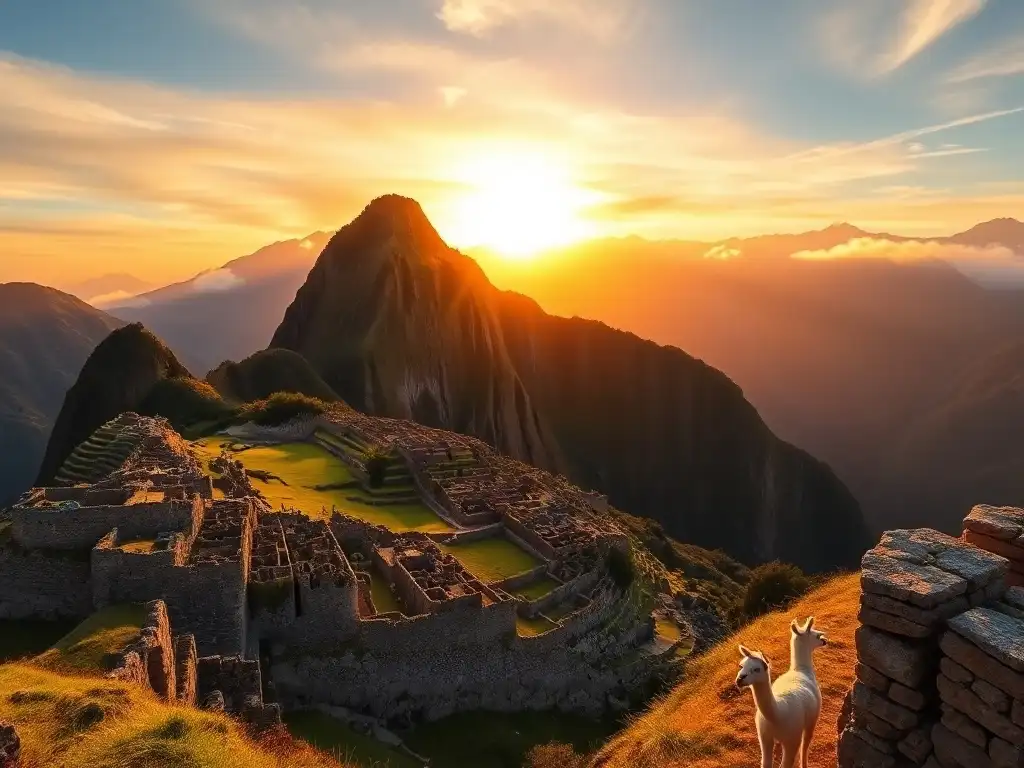
Uncover the mysteries woven into the very fabric of the Andes Mountains. For centuries, these majestic peaks have guarded the secrets of incredible civilizations – the Incas, Moche, Nazca, and Tiahuanaco among them. Prepare to be captivated by the intricate artistry, breathtaking engineering feats, and enduring legacy of these ancient cultures. Dive into the heart of Ancient Andean civilizations history and discover a world beyond imagination – a world waiting to be explored. What wonders will you unearth?
The Andes Mountains, a majestic spine running down the western coast of South America, are not just a geographical feature; they are the cradle of some of the most fascinating and enduring ancient civilizations the world has ever known. For millennia, ingenious cultures thrived in this challenging yet rewarding environment, leaving behind an incredible legacy of intricate artistry, sophisticated engineering, and complex social structures.
This article delves into the captivating history of these Ancient Andean civilizations, exploring their remarkable achievements and enduring impact on the region and beyond. From the intricate Nazca Lines etched into the desert floor to the imposing stonework of Machu Picchu, we will unravel the mysteries and celebrate the ingenuity of these remarkable societies, uncovering the vibrant tapestry of their cultural heritage and its relevance to understanding our world today.
This exploration offers a unique opportunity to appreciate the profound connection between these ancient peoples and the land that shaped their existence, illuminating the enduring pulse of these ancient cultures. We'll examine key aspects of their history, including their agricultural innovations, religious beliefs, and political systems, all contributing to a richer understanding of "Ancient Andean civilizations history."
Unveiling the Rich History of Andean Civilizations
The history of Andean civilizations is a long and complex narrative, spanning thousands of years. It's not a single, linear story, but rather a rich tapestry woven from the contributions of numerous distinct cultures, each with its unique characteristics and achievements. Understanding this diversity is crucial to appreciating the full scope of Andean history.
We'll be focusing on several key civilizations, including the Incas, Moche, Nazca, and Tiahuanaco, highlighting their distinct contributions and examining the interconnectedness that existed between them. Their achievements weren't isolated events but rather built upon the foundations laid by previous generations, creating a continuous chain of innovation and cultural exchange.
The timeline below offers a simplified overview of some key periods and cultures:
| Period | Culture(s) | Notable Characteristics |
|---|---|---|
| Pre-Ceramic (c. 8000-2000 BCE) | Various early groups | Development of agriculture, initial settlement patterns |
| Early Horizon (c. 1500-200 BCE) | Chavín, Paracas | Religious influence, textile artistry, monumental architecture |
| Middle Horizon (c. 200-1000 CE) | Nazca, Moche | Nazca Lines, Moche pottery, sophisticated irrigation systems |
| Late Intermediate Period (c. 1000-1438 CE) | Chimu, Inca precursors | Urban development, complex social structures, expansion of power |
| Late Horizon (c. 1438-1533 CE) | Inca | Vast empire, advanced engineering, sophisticated administration |
The Ingenious Agricultural Practices of the Andes
The success of Andean civilizations was inextricably linked to their ability to adapt to the challenging Andean environment. Their agricultural innovations were nothing short of remarkable. Facing steep slopes, arid climates, and diverse altitudes, they developed sophisticated techniques, including terracing, irrigation systems, and the cultivation of diverse crops adapted to different ecological zones. This allowed them to support large populations and create thriving societies in what might seem, at first glance, an inhospitable landscape.
Techniques like waru waru (raised field agriculture) demonstrate their profound understanding of water management and soil conservation – practices that remain relevant and inspiring today. The sheer scale of their agricultural achievements is a testament to their organizational skills and ingenuity. Consider the intricate network of canals and terraces that still exist in many parts of the Andes – a lasting legacy of their agricultural prowess.
Religious Beliefs and Practices: Shaping Andean Societies
Religion played a central role in shaping Andean societies. Their belief systems were complex and multifaceted, often involving a pantheon of gods and goddesses associated with nature, agriculture, and ancestor veneration. Religious practices included elaborate rituals, sacrifices, and the construction of monumental structures such as pyramids and temples. These structures weren't merely places of worship; they were also centers of political and social power.
The artistry involved in religious objects, from intricately woven textiles to finely crafted pottery, reflects the deep spiritual significance assigned to these practices. Understanding the religious beliefs of Andean cultures provides valuable insights into their worldview, social structures, and overall societal organization. Further research is needed to fully understand the nuances of specific rituals and their societal implications. [specific information pending]
Technological Marvels: Engineering and Architecture in the Andes
The technological achievements of Andean civilizations are particularly striking, given the limitations of the tools and materials available to them. Their mastery of stonework is legendary, evident in the precisely cut stones of Machu Picchu and other Inca sites. But their engineering prowess extended far beyond stonework. They built extensive road networks that crisscrossed the Andes, connecting distant communities and facilitating trade and communication.
Their sophisticated irrigation systems, as mentioned earlier, were crucial to their agricultural success. These achievements demonstrate a profound understanding of engineering principles, mathematics, and astronomy, far surpassing what was previously assumed about these cultures. The construction techniques employed, often involving highly precise stone fitting without the use of mortar, continue to fascinate and inspire engineers today. The scale and precision of their work are awe-inspiring and offer a powerful testament to human ingenuity.
- Unveiling the Rich History of Andean Civilizations
- The Ingenious Agricultural Practices of the Andes
- Religious Beliefs and Practices: Shaping Andean Societies
- Technological Marvels: Engineering and Architecture in the Andes
- Preserving the Cultural Heritage of Ancient Andean Civilizations
- Sustainable Tourism: Respecting the Past and Supporting Local Communities
- Visiting Archaeological Sites: Planning Your Andean Adventure
- Experiencing the Living Culture: Connecting with Descendants of Ancient Peoples
- Future of Andean Cultural Heritage: Challenges and Opportunities
- What were the major ancient Andean civilizations?
- How did the Inca Empire manage such a vast territory?
- What are some notable achievements of the ancient Andean civilizations in technology?
- How did religion influence the daily lives of the ancient Andean peoples?
- Where can I learn more about the history of ancient Andean civilizations?
Exploring the Legacy of Inca Civilization

The Inca Empire, a testament to the ingenuity and organizational prowess of Ancient Andean civilizations, left an indelible mark on the landscape and culture of South America. Their sophisticated civilization, flourishing from roughly 1438 to 1533 CE, continues to fascinate and inspire awe. Understanding their history is crucial to appreciating the enduring legacy of this remarkable culture. This section delves into key aspects of Inca civilization, highlighting their rise to power, intricate social structures, and breathtaking architectural achievements. The study of the Inca provides invaluable insight into the complexities of Ancient Andean civilizations history.
The Rise of the Inca Empire: A Historical Overview
The Inca Empire's expansion was a remarkable feat of military strategy and political maneuvering. Beginning as a small group in the Cuzco Valley, the Inca, under the leadership of successive Sapa Incas (emperors), gradually consolidated their power through a combination of conquest and diplomacy. Their carefully planned campaigns, often involving sophisticated siege warfare techniques, allowed them to subdue neighboring tribes and expand their territory dramatically.
The Inca cleverly integrated conquered populations into their empire, utilizing their skills and resources while minimizing resistance. This process of assimilation, coupled with an effective administrative system, enabled the Inca to create one of the largest and most powerful empires in pre-Columbian America. Their success can be attributed to a combination of factors, including superior military organization, a well-defined political structure, and a highly efficient system of communication and transportation.
The empire's growth wasn't solely based on military might; skillful diplomacy and strategic alliances also played a crucial role in expanding Inca influence and control. Detailed accounts of these strategies, however, remain fragmented and require further research to fully understand the nuances of their expansionist policies. Further research into Inca military tactics and diplomatic strategies is needed to fully understand the complexities of their rise to power.
The Inca social structure was rigidly hierarchical, with the Sapa Inca at its apex. The emperor was considered a divine figure, possessing absolute authority and control over all aspects of society. Below the Sapa Inca were the nobility, comprising royal relatives and high-ranking officials. These individuals held significant power and influence, controlling land and resources.
The vast majority of the population belonged to the ayllu, a kinship-based community that formed the backbone of Inca society. The ayllu was responsible for agricultural production and communal labor, contributing to the empire's economic strength. The Inca implemented a system of mita, a form of mandatory labor service, to ensure the construction of infrastructure projects like roads and temples. This intricate social organization, while seemingly rigid, fostered a sense of community and collective responsibility.
However, it also resulted in significant social stratification and limited social mobility. The Inca's system of social control and labor organization was essential to their ability to manage a vast and diverse empire, but also contributed to the potential for social unrest and inequality. Further analysis of the ayllu system and the impact of mita on Inca society is needed to fully grasp its complexities and long-term consequences.
Architectural Marvels of the Incas: Machu Picchu and Beyond
The Inca's architectural achievements stand as a testament to their engineering prowess and artistic sensibility. Machu Picchu, the iconic "Lost City of the Incas," is perhaps the most well-known example. This breathtaking citadel, perched high in the Andes Mountains, showcases the Inca's mastery of stonework, utilizing precisely cut stones fitted together without mortar. However, Machu Picchu is only one example of the Inca's impressive architectural landscape.
Throughout their empire, they constructed elaborate temples, palaces, and fortifications, demonstrating their sophisticated understanding of engineering principles and their ability to adapt to diverse terrains. The intricate network of roads and bridges that connected the Inca Empire is another impressive feat of engineering. These infrastructure projects facilitated communication, trade, and military movements throughout the vast empire. The Inca's architectural legacy not only reflects their technical skills but also their deep connection to the Andean landscape and their sophisticated understanding of astronomy and cosmology.
Further study of Inca architecture and engineering techniques could reveal even more about their advanced knowledge and innovative practices. The precision and scale of their constructions continue to inspire researchers and architects alike, highlighting the remarkable achievements of these Ancient Andean civilizations. Analyzing the specific techniques employed in the construction of sites like Ollantaytambo and Sacsayhuamán could provide further insights into their engineering capabilities.
Inca Agricultural Techniques: Adapting to the Andean Landscape
The Inca Empire's remarkable success was profoundly intertwined with its sophisticated agricultural practices. Facing the challenges of a diverse and often unforgiving Andean landscape, the Inca developed ingenious techniques to maximize food production. Their mastery of terracing, for instance, is a testament to their understanding of both engineering and ecology. Steep mountain slopes were transformed into a series of level platforms, creating arable land where previously there was only rock.
These terraces not only increased cultivable area but also helped to retain water and prevent soil erosion, crucial in a region prone to both droughts and heavy rainfall. The construction involved meticulous stonework, with carefully fitted stones creating retaining walls that could withstand the pressures of the terrain. This wasn't simply about building; it was about carefully considering the angle of the sun, the drainage patterns, and the specific needs of different crops.
Beyond terracing, the Inca employed a complex system of irrigation canals and channels to divert water from rivers and streams to their fields. These intricate networks, some stretching for miles, were expertly engineered to deliver water precisely where it was needed, even to the highest terraces. The construction of these canals was a significant undertaking, requiring a deep understanding of hydraulics and considerable labor.
Evidence suggests that the Inca utilized sophisticated surveying techniques to ensure the accurate alignment and gradient of their canals. Furthermore, they developed ingenious methods for water storage, including reservoirs and cisterns, to ensure a reliable supply of water throughout the year, mitigating the impact of seasonal variations in rainfall. This allowed them to cultivate a wide variety of crops, including potatoes, maize, quinoa, and beans, forming the basis of their diverse diet.
The ingenuity of their agricultural systems ensured food security and contributed significantly to the empire's stability and expansion. Their agricultural innovations are still studied today as examples of sustainable land management.
Inca Art and Craftsmanship: Weaving, Pottery and Metalwork
Inca art and craftsmanship were not merely decorative; they were integral to their social, religious, and political structures. Their skills in weaving, pottery, and metalwork stand as a testament to their artistic talent and technical prowess. Inca textiles, renowned for their intricate designs and vibrant colors, were more than just clothing; they served as indicators of social status and held symbolic meaning. Using techniques like tapestry weaving and brocade, Inca artisans created stunning garments adorned with complex patterns representing animals, plants, and deities.
The quality of the textiles varied depending on the wearer's social standing, with finer weaves and more elaborate designs reserved for the elite. The dyes used were derived from natural sources, showcasing a deep understanding of local flora and their properties. The meticulous detail and artistry evident in these textiles demonstrate a high level of skill and sophistication.
Inca pottery, similarly, displayed exceptional craftsmanship. From simple utilitarian vessels to highly decorated ceremonial pieces, Inca pottery reveals a remarkable range of styles and techniques. The use of different clays, firing techniques, and decorative elements resulted in a diverse collection of forms and colors. Many pieces were adorned with intricate designs, often depicting scenes from daily life, religious ceremonies, or mythological narratives.
The accuracy of the depictions and the finesse of the execution reflect the artists' exceptional skill and attention to detail. The pottery also served as a medium for conveying social and religious messages, with certain forms and designs associated with specific rituals or social groups. The production of pottery was likely organized on a large scale, reflecting the empire's centralized administration and economic power.
Finally, Inca metalwork was particularly impressive, showcasing their mastery of techniques like hammering, casting, and alloying. They skillfully worked with gold, silver, copper, and bronze, creating intricate ornaments, jewelry, and ceremonial objects. The Inca's ability to create incredibly detailed and lifelike figures from metal, often incorporating multiple techniques within a single piece, demonstrates their advanced metallurgical knowledge.
Gold and silver were particularly valued, often used to adorn religious objects and the regalia of the elite. The intricate detail and the sheer artistry of the metalwork reflect the high status afforded to metalworkers within Inca society and highlight the sophistication of their technology. These diverse artistic expressions served to reinforce Inca identity, power, and religious beliefs, leaving behind a rich legacy that continues to fascinate and inspire today.
The Mystique of the Moche Civilization
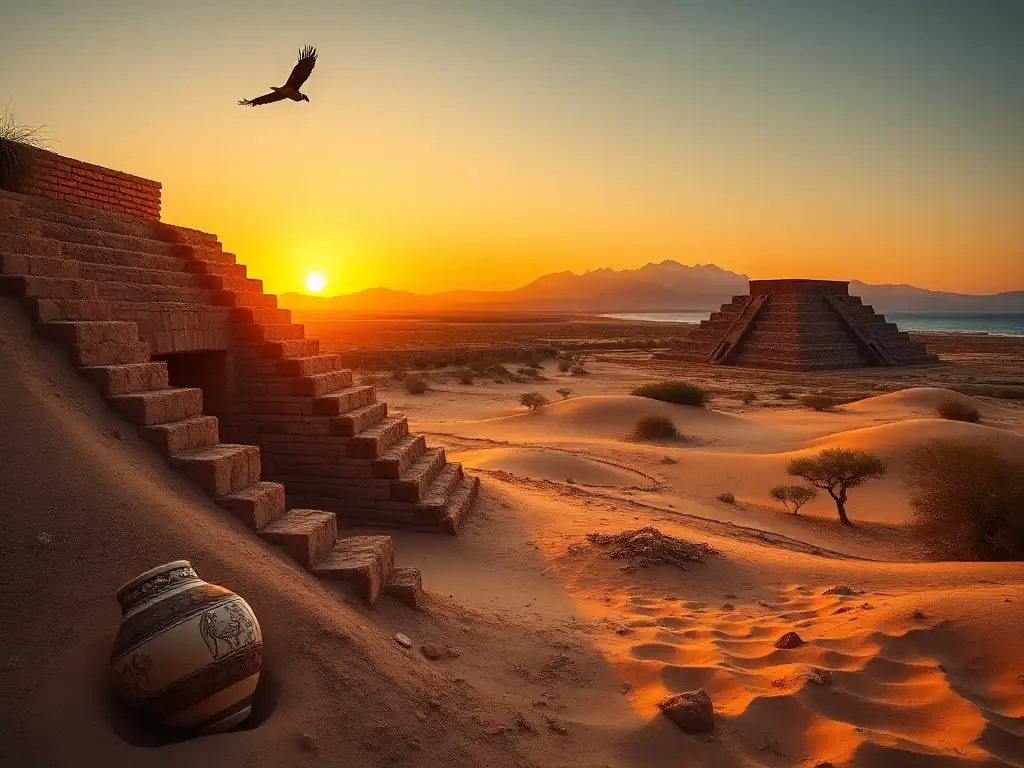
The Moche, a pre-Columbian society flourishing along the northern coast of Peru from approximately 100 CE to 800 CE, represent a captivating chapter in the tapestry of Ancient Andean civilizations history. Their remarkable achievements in irrigation, architecture, and particularly their artistry, continue to fascinate researchers and inspire awe. This section delves into the intricacies of Moche society, their artistic expressions, and their deeply held beliefs. Understanding the Moche offers a crucial perspective on the complexity and diversity of ancient Andean cultures.
Moche Society and Political Organization
The Moche civilization wasn't a unified empire in the same way as the Inca. Instead, it appears to have been structured as a collection of interconnected chiefdoms or perhaps even a loose confederation, ruled by powerful elites. Archaeological evidence suggests a hierarchical society, with a clear distinction between the ruling class, priests, warriors, artisans, and farmers. The elite controlled access to resources and wielded significant power, as evidenced by their elaborate tombs filled with gold, silver, and exquisite artifacts.
Their control was likely maintained through a combination of religious authority, military strength, and sophisticated administrative systems. We see evidence of this in the massive irrigation projects that sustained their agriculture, requiring considerable organizational skill and labor mobilization. The precise nature of their political structure remains a subject of ongoing research, with debates surrounding the degree of centralized control versus regional autonomy within the Moche realm.
Further research into settlement patterns and the distribution of artifacts could shed more light on the intricacies of Moche political organization and the dynamics of power within their society. The meticulous planning and execution of their monumental constructions, such as the Huaca del Sol and Huaca de la Luna, speak to a sophisticated understanding of engineering and a highly organized workforce. This intricate organization was essential for the Moche's success in thriving in a challenging desert environment.
Moche Pottery and Iconography: Deciphering Symbolic Art
Moche pottery is arguably their most enduring legacy, renowned globally for its exceptional craftsmanship and vibrant depictions of daily life, rituals, and mythology. These aren't simply vessels; they're miniature narratives, meticulously crafted and richly detailed. The iconography is often complex, demanding careful analysis to interpret its meaning. Common motifs include depictions of warriors, priests, deities, and scenes of human sacrifice, all rendered with stunning realism.
For example, the famous “Portrait Vessels” showcase incredibly lifelike representations of individuals, potentially offering glimpses into Moche social hierarchy and individual identities. The use of color, particularly the vivid reds, yellows, and blacks, further enhances the expressive power of these artistic creations. Scholars continue to decipher the symbolic language embedded within Moche pottery, seeking to unravel the intricacies of their religious beliefs, social structures, and worldview.
The intricate detail and expressive nature of Moche pottery provides invaluable insights into the cognitive and artistic capabilities of this remarkable civilization. Understanding their art is crucial to understanding their culture. The study of Moche pottery continues to be a vibrant field of research, with new discoveries and interpretations regularly enriching our understanding of this ancient Andean civilization.
Moche Rituals and Beliefs: Uncovering Ancient Practices
The Moche worldview was deeply intertwined with their religious beliefs, which are vividly portrayed in their art and reflected in their societal practices. Evidence suggests a complex pantheon of deities, often depicted in anthropomorphic or zoomorphic forms. Human sacrifice appears to have played a significant role in their rituals, as evidenced by archaeological findings in various Moche sites.
These sacrifices, often involving both individuals and animals, were likely performed to appease deities, ensure agricultural fertility, or celebrate important events. The precise nature of Moche religious practices is still debated, but it is clear that religion permeated all aspects of their lives, shaping their social structures, political organization, and artistic expressions. There is evidence suggesting that certain rituals were associated with specific seasons or agricultural cycles, highlighting the deep connection between the Moche and their environment.
Furthermore, the elaborate tombs of the elite suggest a belief in an afterlife and the importance of providing the deceased with the necessary provisions for their journey into the next world. The study of these rituals, through archaeological analysis and the careful interpretation of artistic representations, helps us understand the Moche's cosmological beliefs and their relationship with the supernatural. The unraveling of these ancient practices continues to reveal the rich complexity of Moche culture and their profound connection to the Andean landscape.
Moche Engineering Prowess: Irrigation Systems and Canals
The Moche civilization, flourishing along the arid northern coast of Peru from approximately 100 CE to 800 CE, demonstrated remarkable engineering skills, particularly in their sophisticated irrigation systems. Their survival and prosperity hinged on their ability to harness scarce water resources, transforming the otherwise barren desert into fertile agricultural lands. This wasn't achieved through simple canals; the Moche developed complex networks of canals, aqueducts, and reservoirs, some stretching for miles. These weren't haphazardly constructed; meticulous planning and execution were evident in their design, indicating a deep understanding of hydrology and topography.
The canals weren't just straight lines; they were carefully routed to follow the contours of the land, minimizing erosion and maximizing water flow. They also incorporated ingenious techniques to regulate water distribution, ensuring equitable access for various agricultural plots. The construction itself was a feat of labor, requiring a highly organized workforce and sophisticated tools. Archaeological evidence suggests the use of specialized labor teams, possibly organized through a complex social hierarchy.
The scale and complexity of these irrigation systems are a testament to the Moche's advanced engineering knowledge and social organization, showcasing their capacity for large-scale public works projects that directly supported their population's needs and agricultural success. The effectiveness of their systems allowed for intensive agriculture, producing surplus crops that fueled their societal development and artistic expression. Their mastery of water management stands as a significant achievement in ancient Andean engineering, offering valuable insights into sustainable water management practices even today. The longevity of some of these irrigation systems, with remnants still visible in some areas, speaks volumes about their robust design and construction.
The Decline of the Moche Civilization: Theories and Evidence
The collapse of the Moche civilization around 800 CE remains a subject of ongoing debate among archaeologists and historians. While no single theory fully explains their demise, several factors likely contributed to their downfall. One prominent theory points to environmental changes, specifically prolonged droughts or shifts in the El Niño Southern Oscillation (ENSO) cycle. These climatic shifts could have severely impacted their crucial irrigation systems, leading to agricultural failures and widespread famine. Evidence supporting this includes the discovery of sediment layers in archaeological sites indicating periods of intense erosion and flooding, potentially caused by erratic rainfall patterns.
Furthermore, analysis of pollen and other plant remains might reveal changes in vegetation patterns corresponding to the period of Moche decline. Another contributing factor could have been internal societal pressures, such as overpopulation, resource depletion, or internal conflicts. The Moche state's complex social structure, with its hierarchical organization and potentially strained relationships between different social groups, may have exacerbated these internal stresses. Evidence of warfare, including injuries on skeletal remains and the presence of defensive structures, suggests potential internal conflicts or external pressures from neighboring groups. Finally, the possibility of disease outbreaks cannot be overlooked.
While difficult to directly prove archaeologically, the impact of widespread epidemics on a densely populated society could have been catastrophic, contributing to social unrest and economic collapse. The exact combination and weight of these factors remain unclear, and ongoing research continues to shed light on this complex historical event. It's likely a combination of environmental stressors, internal social pressures, and perhaps disease that ultimately led to the decline and eventual collapse of this remarkable ancient Andean civilization. The study of the Moche collapse provides valuable lessons about the fragility of even sophisticated societies when faced with a confluence of environmental and social challenges.
The Enigmatic Nazca Culture
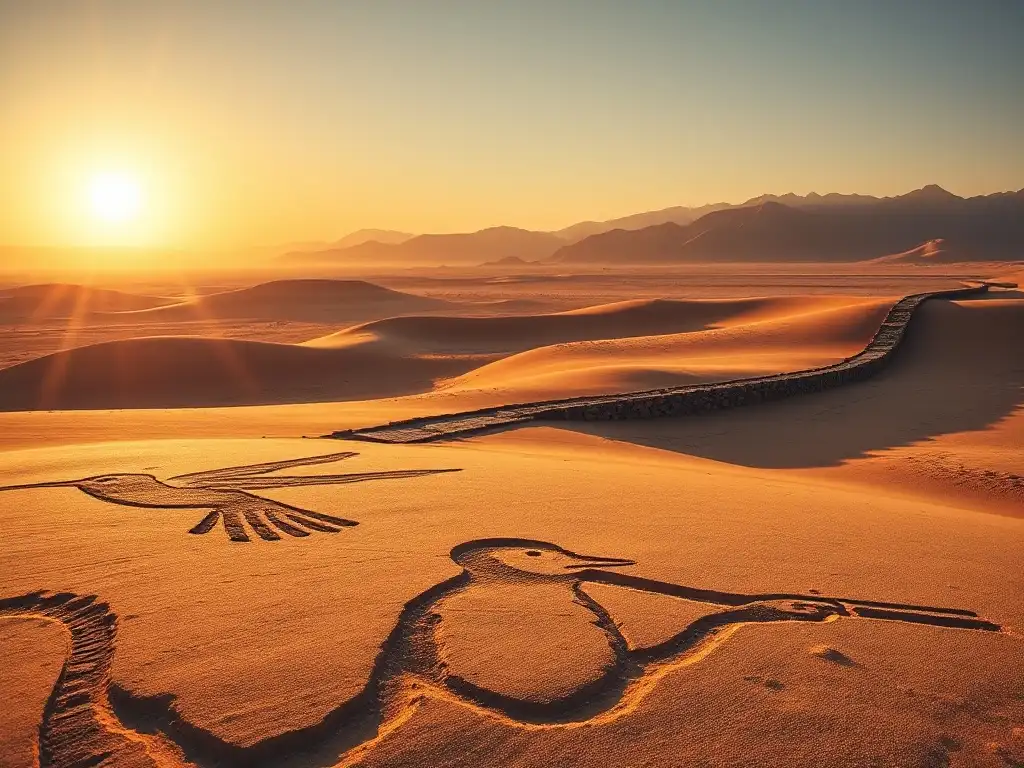
The Nazca culture, flourishing along the southern coast of Peru from approximately 100 BCE to 800 CE, remains one of the most intriguing of the Ancient Andean civilizations. Their legacy, etched into the desert landscape and preserved in exquisite artifacts, continues to fascinate and challenge researchers. Understanding their achievements provides crucial insight into the ingenuity and resilience of these ancient peoples, contributing significantly to our understanding of Ancient Andean civilizations history.
Their mastery of irrigation, their unique artistic styles, and the sheer mystery surrounding the Nazca Lines all contribute to their enduring mystique. The Nazca's success in a seemingly inhospitable environment underscores their advanced understanding of their surroundings and their ability to adapt and thrive. This section delves into specific aspects of their remarkable civilization.
The Nazca Lines: Decoding the Geoglyphs' Purpose
The Nazca Lines, arguably the most famous aspect of the Nazca culture, are a series of enormous geoglyphs etched into the desert surface. These lines, depicting animals, plants, and geometric shapes, stretch for miles and are only truly visible from the air. Their purpose remains a subject of ongoing debate amongst scholars.
Some theories suggest astronomical significance, with the lines aligning with constellations or celestial events. Others propose ritualistic or ceremonial functions, possibly linked to water sources or fertility rites. The sheer scale of the undertaking and the precision of their execution are remarkable feats of engineering and planning.
Detailed analysis of the lines' construction, using surveying techniques and satellite imagery, provides clues about their creation process and the potential social organization required to complete such a monumental project. The intricate details within some geoglyphs, such as the hummingbird or the monkey, highlight the Nazca's artistic skill and their deep understanding of the natural world. Further research, combining archaeological findings with advanced imaging technologies, is crucial to unlocking the full meaning and purpose behind these enigmatic markings, enhancing our knowledge of Ancient Andean civilizations history.
Nazca Pottery and Textiles: Artistic Expressions of a Culture
Nazca pottery is renowned for its vibrant colors, intricate designs, and remarkable craftsmanship. Polychrome pottery, featuring multiple colors applied in distinct layers, is a hallmark of the Nazca style. These pieces often depict realistic representations of flora, fauna, and human figures, showcasing a keen observation of the natural world and a sophisticated understanding of color theory.
The use of fine details and the precision of the application of paint demonstrate the high level of skill possessed by Nazca artisans. Their textile production was equally impressive, with intricate weavings and elaborate designs reflecting similar artistic sensibilities. Many textiles have survived due to the arid climate, revealing complex patterns and symbolic imagery that offer valuable insights into their beliefs and social structures.
Analysis of the pigments used in both pottery and textiles provides clues about the materials available to the Nazca and their trade networks. The striking realism and stylistic innovation in Nazca art offer a unique window into their worldview and their place within the broader spectrum of Ancient Andean civilizations history.
Nazca Agriculture and Water Management: Surviving in the Desert
The Nazca's remarkable success in the arid coastal desert is largely attributed to their sophisticated water management systems. They developed ingenious techniques to capture and store scarce water resources, enabling them to cultivate crops and sustain a relatively large population. These systems included underground aqueducts, known as puquios, which channeled water from underground sources to fields and settlements.
The construction of these aqueducts required detailed planning, engineering expertise, and significant community effort. Their agricultural practices, adapted to the desert environment, involved the use of raised fields and terraces to maximize water retention and soil fertility. Archaeological evidence suggests an intricate understanding of hydrology and a deep knowledge of the local environment.
The Nazca's ability to manage water resources sustainably allowed them to thrive in a challenging environment, demonstrating their remarkable adaptability and resilience, a key element in understanding their success within the scope of Ancient Andean civilizations history. Studying their techniques offers valuable lessons for modern-day water management strategies, particularly in arid and semi-arid regions.
The Nazca worldview, as gleaned from archaeological evidence, reveals a society deeply connected to its environment and imbued with a complex religious system. Their social structure, while not fully understood, likely involved a hierarchical system with specialized artisans and a priestly class wielding significant influence. Evidence suggests a strong emphasis on ancestor veneration, with elaborate funerary practices and offerings found in tombs. These often included textiles, ceramics, and precious objects, reflecting a belief in the continuity of life beyond death.
The elaborate designs found on their ceramics and textiles provide further insight into their beliefs, often depicting deities, mythical creatures, and scenes of ritualistic activities. Analysis of these artifacts suggests a sophisticated understanding of the cosmos and a profound connection to the natural world. The Nazca's agricultural practices, adapted to the arid coastal environment, also reveal a deep respect for the land and its resources, underlining the importance of ensuring a bountiful harvest through rituals and offerings.
The intricate irrigation systems they developed, a testament to their engineering prowess, further highlights this connection. The precise nature of their religious rituals remains somewhat elusive, but the scale and complexity of their monumental works suggest highly organized and coordinated societal efforts, indicative of a strong central authority or a deeply ingrained shared belief system. Further research is needed to fully understand the nuances of Nazca social organization and religious practices, but the available evidence paints a picture of a vibrant and complex culture.
The Enduring Mystery of the Nazca Civilization
The Nazca civilization, flourishing from approximately 100 BCE to 800 CE, remains shrouded in mystery despite significant archaeological discoveries. One of the most enduring enigmas is the sudden decline of the culture, the exact causes of which remain debated among scholars. Several theories propose potential explanations, including environmental factors such as prolonged drought, internal societal conflicts, or external pressures from neighboring cultures. The lack of conclusive evidence makes it difficult to pinpoint a single cause, suggesting a complex interplay of factors that contributed to their demise.
Furthermore, the purpose and meaning behind the iconic Nazca Lines, vast geoglyphs etched into the desert surface, continue to fascinate and puzzle researchers. While various interpretations exist, ranging from astronomical alignments to ritualistic purposes, a definitive answer remains elusive. The sheer scale and precision of the lines, along with the lack of visible evidence of how they were created, adds to their mystique. The Nazca people left behind a rich legacy of artistic expression, advanced engineering, and intriguing social practices, yet many aspects of their lives and beliefs remain incompletely understood.
The ongoing research and the continued discovery of new artifacts promise to shed further light on this enigmatic culture, but the mystery surrounding the Nazca civilization ensures that it will continue to captivate and inspire future generations. The lack of written records further complicates our understanding, leaving scholars to rely heavily on archaeological findings and careful interpretation of material culture to piece together the story of this remarkable civilization. The ongoing research continues to unravel new clues, but many questions regarding their societal structure, religious beliefs, and ultimate downfall remain unanswered, adding to the enduring allure of the Nazca civilization.
Tiahuanaco: The Empire of the High Plateau
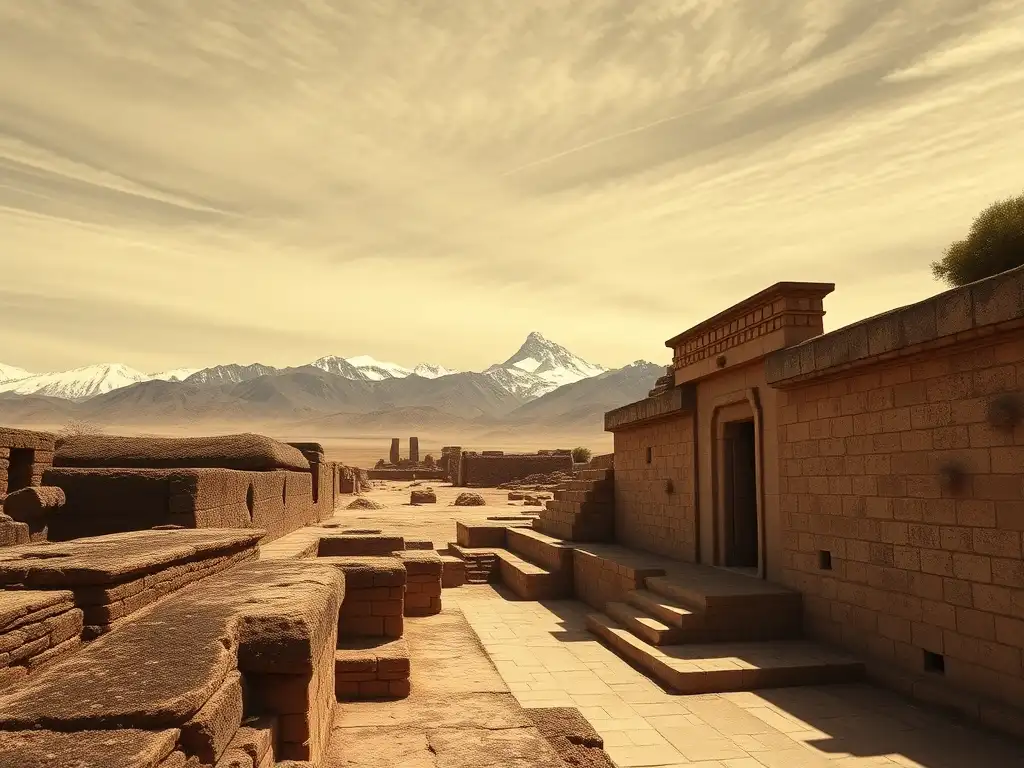
The study of Ancient Andean civilizations history often centers on the Inca, but the pre-Inca civilizations hold equally fascinating stories. Tiahuanaco, a powerful pre-Columbian civilization flourishing around Lake Titicaca in modern-day Bolivia, stands as a testament to the ingenuity and complexity of Andean societies. Its influence stretched across a vast region, leaving an indelible mark on the subsequent development of Andean cultures.
Understanding Tiahuanaco provides crucial context for comprehending the broader narrative of Ancient Andean civilizations history, enriching our understanding of their societal structures, artistic expressions, and technological advancements. The civilization's rise and fall, shrouded in some mystery, continues to captivate researchers and inspire awe in all who learn about it. This section will delve into key aspects of this remarkable culture, focusing on its urban planning, artistic legacy, and innovative agricultural practices.
Tiahuanaco's Urban Center: Akapana and Puma Punku
The heart of the Tiahuanaco empire was its meticulously planned urban center, a marvel of engineering for its time. Two of its most iconic structures, Akapana and Puma Punku, showcase the sophisticated architectural knowledge and organizational capabilities of the Tiahuanaco people. Akapana, a massive stepped pyramid, likely served as a ceremonial center, possibly incorporating astronomical observations into its design.
Its precise alignment and intricate internal chambers suggest a deep understanding of mathematics and astronomy. The sheer scale of the construction, with its massive stone blocks precisely fitted together, points to a highly organized society capable of mobilizing significant labor forces.
Puma Punku, on the other hand, is characterized by its colossal, precisely cut stone blocks, some weighing over 100 tons. The precision of the stonework is astonishing, with blocks fitting together with minimal gaps. The intended function of Puma Punku remains debated, with theories ranging from a ceremonial platform to a sophisticated administrative center.
Regardless of its purpose, Puma Punku stands as a powerful symbol of the Tiahuanaco's advanced engineering skills and their ability to manipulate massive quantities of stone with remarkable accuracy. The mystery surrounding the construction techniques employed at Puma Punku continues to fuel speculation and research into Ancient Andean civilizations history. The lack of readily available explanations for the movement and placement of such enormous stones only adds to its mystique.
Tiahuanaco's Influence on Andean Art and Architecture
Tiahuanaco's artistic influence extended far beyond its immediate geographical area, impacting the artistic styles and architectural designs of subsequent Andean cultures. The distinctive Tiahuanaco style, characterized by its stylized depictions of figures and its use of geometric patterns, is readily identifiable in ceramics, textiles, and stone carvings found across a wide swathe of the Andes.
The iconic "Gateway of the Sun," a massive stone lintel intricately carved with religious and mythological figures, is a prime example of Tiahuanaco's artistic mastery and its enduring legacy. This intricately carved monolith showcases the civilization's advanced artistic techniques and their sophisticated understanding of symbolism and iconography.
The influence of Tiahuanaco's architectural principles can also be observed in later Andean structures. The use of massive stone blocks, sophisticated masonry techniques, and the incorporation of astronomical alignments are common threads linking Tiahuanaco's architecture to that of later cultures. The adoption and adaptation of these architectural elements demonstrate the far-reaching impact of Tiahuanaco on the development of Andean art and architecture, shaping the aesthetic and practical aspects of building construction for centuries. This cultural diffusion enriched the artistic landscape of the Andes, leaving a lasting imprint on the region's cultural heritage.
Tiahuanaco's Agricultural Innovations: Raised Fields and Terraces
The success of the Tiahuanaco civilization was partly due to its innovative agricultural practices. The high-altitude environment around Lake Titicaca presented significant challenges to farming, but the Tiahuanaco people developed sophisticated techniques to overcome these obstacles. The construction of raised fields and terraces allowed them to maximize agricultural productivity in the challenging terrain. Raised fields, artificial islands created in shallow lake waters, provided fertile land for crops, while terraces carved into hillsides increased arable land and controlled water runoff.
These agricultural innovations were crucial to supporting a large population and a complex social structure. The careful management of water resources and the creation of fertile microclimates were key to their success. The design and implementation of these systems demonstrate a remarkable understanding of hydrology and soil science, showcasing the ingenuity of the Tiahuanaco people in adapting to their environment.
The legacy of Tiahuanaco's agricultural innovations continues to inspire modern agricultural practices, particularly in challenging environments. The study of their methods offers valuable insights into sustainable agriculture and resource management, demonstrating the enduring relevance of Ancient Andean civilizations history in addressing contemporary challenges. The effectiveness of these techniques is a testament to the sophisticated understanding of their environment and their ability to create a sustainable agricultural system.
Tiahuanaco's Political and Economic Power: Expanding Influence
Tiahuanaco's rise to power in the Andes wasn't solely based on its impressive architecture. Its political and economic influence extended far beyond its immediate surroundings, shaping the cultural landscape of a vast region. The sophisticated irrigation systems implemented by the Tiahuanaco, for example, allowed for surplus agricultural production, a crucial element in supporting a growing population and a complex social hierarchy. This surplus not only fed the city but also facilitated trade networks that stretched across the Andes, connecting Tiahuanaco with distant communities.
The control over these vital resources – fertile land and efficient irrigation – gave Tiahuanaco considerable leverage in its dealings with neighboring groups. Evidence suggests that this control translated into political dominance, with Tiahuanaco potentially exerting influence over smaller settlements through alliances, tributary arrangements, or even outright conquest. The standardization of certain artifacts, such as ceramics and textiles, across a wide geographical area, points towards a level of cultural and likely political integration orchestrated by Tiahuanaco.
Archaeological findings continue to unveil the extent of this far-reaching influence, revealing the complex interplay between political power, economic control, and cultural exchange that defined the Tiahuanaco empire. Further research into the administrative structures and the nature of interactions with peripheral communities is crucial to fully understanding the mechanisms of this expansive power. The study of ancient trade routes and the analysis of imported goods found at Tiahuanaco sites will also shed more light on the economic underpinnings of the empire's reach.
The Legacy of Tiahuanaco in Andean History
The impact of Tiahuanaco on subsequent Andean civilizations is undeniable. Its sophisticated urban planning, monumental architecture, and advanced agricultural techniques left an enduring mark on the region. Many later cultures, including the Inca, drew inspiration from Tiahuanaco's achievements, adopting and adapting its architectural styles, religious beliefs, and administrative practices. The iconic stepped pyramids and intricate stone carvings of Tiahuanaco served as models for later constructions, demonstrating the lasting influence of Tiahuanaco's artistic and engineering prowess.
Furthermore, the religious beliefs and cosmological concepts of Tiahuanaco, centered around the veneration of deities and the cyclical nature of time, found resonance in later Andean belief systems. While the exact nature of this cultural transmission remains a subject of ongoing research, the presence of Tiahuanaco motifs and stylistic elements in the art and architecture of subsequent cultures provides compelling evidence of its enduring legacy. The influence extended beyond mere aesthetic imitation; the administrative and organizational skills honed by the Tiahuanaco likely contributed to the development of more centralized and complex political structures in later Andean societies.
The collapse of Tiahuanaco itself, while a significant event, didn't erase its legacy. Rather, its influence continued to reverberate through the Andean world, shaping the cultural and political trajectory of the region for centuries to come. Understanding Tiahuanaco's legacy is crucial to comprehending the complexities of Andean history and the intricate web of cultural exchange and continuity that shaped the region.
Cultural Heritage and Tourism: Experiencing Ancient Andean Traditions
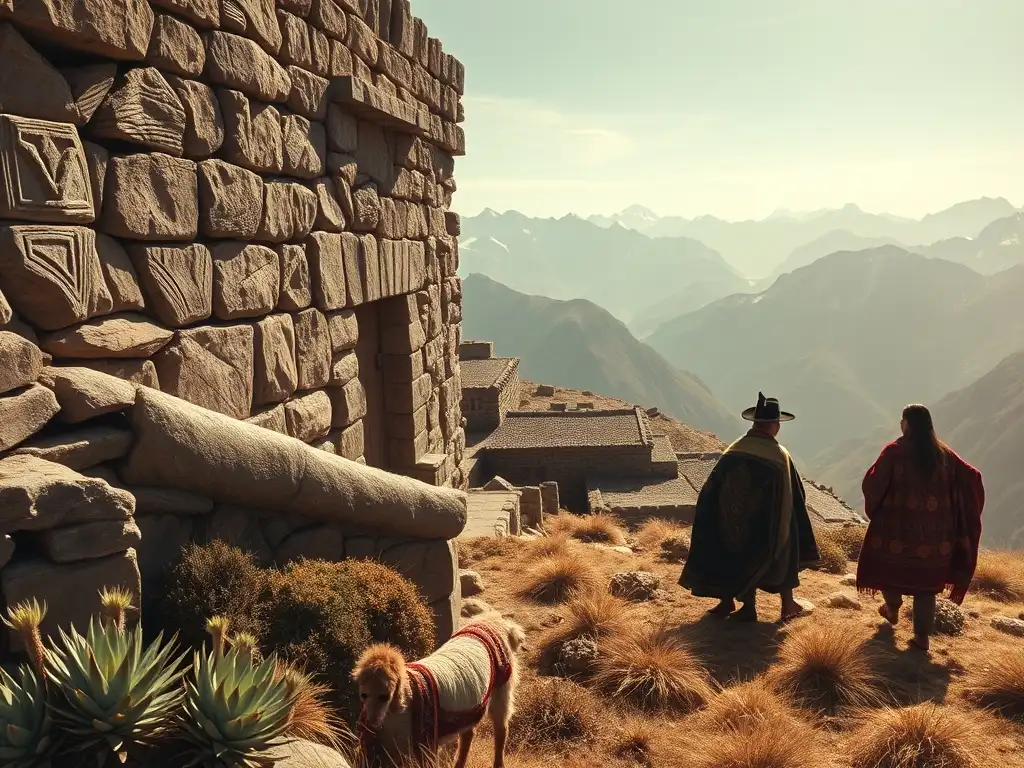
This section delves into the crucial intersection of cultural heritage and tourism in the context of Ancient Andean civilizations history. Understanding how tourism impacts and interacts with the preservation of these invaluable sites and traditions is paramount. The delicate balance between economic development and the safeguarding of irreplaceable artifacts and knowledge requires careful consideration and proactive strategies.
This is not just about attracting visitors; it's about ensuring the legacy of these civilizations thrives for future generations. The economic benefits of responsible tourism can be significant, supporting local communities and fostering pride in their heritage. However, poorly managed tourism can irrevocably damage fragile archaeological sites and erode the authenticity of cultural practices.
Preserving the Cultural Heritage of Ancient Andean Civilizations
The preservation of Ancient Andean civilizations history requires a multi-pronged approach. It's not simply about protecting physical artifacts; it's about safeguarding intangible cultural heritage—the traditions, knowledge, and practices that have been passed down through generations. This includes safeguarding ancient languages, traditional weaving techniques, agricultural practices, and musical styles.
Many communities are actively involved in preserving their cultural heritage, often facing challenges in balancing modernization with the protection of their ancestral ways of life. For example, the ongoing efforts to revitalize Quechua, the language of the Inca Empire, and the preservation of traditional Andean music are testaments to the commitment of these communities.
Several initiatives are underway to protect physical sites. These often involve collaborations between governments, international organizations, and local communities. Careful excavation techniques, environmental monitoring, and the implementation of protective measures at archaeological sites are crucial.
The challenge lies in balancing accessibility for tourists with the need to minimize the impact of human traffic and environmental factors on these delicate sites. Furthermore, the fight against looting and the illegal trafficking of artifacts remains a significant concern, requiring international cooperation and stringent regulations. Technological advancements, such as 3D scanning and digital archiving, offer promising tools for preserving and studying these sites without causing further damage.
Sustainable Tourism: Respecting the Past and Supporting Local Communities
Sustainable tourism is not merely a buzzword; it's a necessity for the long-term preservation of Ancient Andean civilizations history and the well-being of local communities. This approach emphasizes minimizing environmental impact, respecting local cultures, and ensuring that economic benefits are equitably distributed. Sustainable tourism initiatives often involve community-based tourism projects, where local people are directly involved in managing and benefiting from tourism activities. This ensures that the economic gains from tourism directly support the preservation of the cultural heritage and improve the livelihoods of the people who are its custodians.
Responsible tourism practices include supporting local businesses, choosing eco-friendly accommodations, and respecting local customs and traditions. This holistic approach requires a shift in mindset, moving away from exploitative tourism models towards partnerships that benefit both visitors and the communities they visit. Data shows that sustainable tourism models often lead to increased visitor satisfaction and a more authentic travel experience.
Furthermore, the long-term economic benefits of sustainable tourism outweigh the short-term gains of unsustainable practices, ensuring the preservation of these invaluable cultural resources for future generations. The success of sustainable tourism hinges on collaboration, education, and a shared commitment to responsible practices.
Visiting Archaeological Sites: Planning Your Andean Adventure
Planning a trip to explore Ancient Andean civilizations history requires careful consideration. Researching the sites you wish to visit beforehand is crucial. Understanding the history and significance of each site enhances the visitor experience and fosters a deeper appreciation for the cultural heritage. Many archaeological sites offer guided tours, providing valuable insights into the history, architecture, and significance of the location. Choosing reputable tour operators who prioritize sustainable tourism practices is essential. This ensures that your visit contributes positively to the preservation efforts and benefits the local communities.
Respecting the sites and their surroundings is paramount. Following guidelines provided by park authorities and local communities ensures the preservation of these fragile locations. This includes staying on marked trails, avoiding touching artifacts, and refraining from removing any items from the site. Remember, you are a visitor in a place of immense historical and cultural significance.
Your actions can have a lasting impact. Responsible behavior ensures that future generations will also have the opportunity to experience the wonder and majesty of Ancient Andean civilizations. By following these guidelines, you contribute to the preservation of these invaluable sites and support the communities that work tirelessly to protect their cultural heritage. This responsible approach ensures that the heartbeat of the Andes continues to pulse strongly for years to come.
Experiencing the Living Culture: Connecting with Descendants of Ancient Peoples
The legacy of the ancient Andean civilizations isn't confined to dusty museum artifacts; it thrives in the vibrant cultures of their descendants. Experiencing this living heritage offers a profound connection to the past, enriching any understanding of "Ancient Andean civilizations history." Modern communities across the Andes actively maintain traditions, weaving ancient practices into their contemporary lives.
This includes everything from agricultural techniques passed down through generations – reflecting the sophisticated understanding of Andean agriculture developed centuries ago – to intricate textile designs echoing patterns found in pre-Columbian textiles. These traditions aren't merely historical reenactments; they are integral parts of daily life, shaping social structures, spiritual beliefs, and artistic expressions.
For instance, many communities in the Peruvian highlands still practice chaccu, an ancient technique of communal llama herding, a practice with deep historical and social significance. Observing this firsthand reveals the enduring power of ancient Andean social organization, illustrating the intricate systems of cooperation and resource management that sustained these societies. Similarly, the vibrant textiles produced by communities in the Lake Titicaca region demonstrate a continuity of artistic traditions, with intricate designs and weaving techniques reminiscent of those found in pre-Inca and Inca textiles.
These textiles are not just decorative items; they often hold deep symbolic meaning, reflecting the cosmology and beliefs of the people. Engaging with these communities, respectfully observing their traditions, and learning from their knowledge provides an invaluable dimension to understanding "Ancient Andean civilizations history," moving beyond static museum displays to experience a living, breathing heritage.
The experience offers a unique perspective, highlighting the resilience and adaptability of Andean cultures through time. It's a powerful reminder that the past isn't just a relic; it's a living force shaping the present.
Future of Andean Cultural Heritage: Challenges and Opportunities
The preservation and promotion of "Ancient Andean civilizations history" face significant challenges in the 21st century. Rapid globalization, economic pressures, and climate change pose threats to both tangible and intangible cultural heritage. The delicate balance between preserving ancient sites and fostering sustainable tourism is a crucial consideration. Overtourism can damage fragile archaeological sites, while insufficient investment in preservation can lead to irreversible loss.
Finding a balance that allows for economic development while safeguarding cultural heritage is paramount. This requires careful planning, community involvement, and responsible tourism practices. The future of Andean cultural heritage also depends on fostering a sense of ownership and pride within local communities. Empowering communities to manage and benefit from their own heritage is essential for long-term preservation.
However, there are also significant opportunities. Technological advancements, such as 3D scanning and virtual reality, offer innovative ways to document and share Andean heritage with a global audience, minimizing the impact of physical visitation on fragile sites. Furthermore, increased awareness of the importance of cultural diversity and sustainable tourism provides a platform for advocating for the protection of these invaluable sites.
Increased international cooperation and funding dedicated to preservation efforts are also crucial. Collaborative projects between researchers, governments, and local communities can ensure that the legacy of the ancient Andean civilizations is not only protected but also celebrated and shared with future generations. This collaborative approach is essential to ensure that the knowledge and traditions are passed down, allowing the "Ancient Andean civilizations history" to continue to inspire and educate for centuries to come.
The future depends on a proactive approach combining traditional methods with modern technology, always prioritizing community empowerment and sustainable practices. This synergy will ensure that the heartbeat of the Andes continues to resonate for years to come.
Frequently Asked Questions
What were the major ancient Andean civilizations?
The major ancient Andean civilizations included the Incas, Moche, Nazca, and Tiahuanaco, each with unique characteristics and contributions to the region's rich history. Their influence is still felt today.
How did the Inca Empire manage such a vast territory?
The Inca Empire's success stemmed from an efficient administrative system, a vast road network, and a sophisticated communication system using chasquis (runners) to relay messages. Their organization was key to their expansion.
What are some notable achievements of the ancient Andean civilizations in technology?
Ancient Andean civilizations displayed remarkable technological prowess, exemplified by their advanced irrigation systems, precise stonework (e.g., Machu Picchu), and complex astronomical observations. Their engineering skills were unparalleled for their time.
How did religion influence the daily lives of the ancient Andean peoples?
Religion played a central role, influencing everything from agriculture and governance to art and architecture. Ceremonies, sacrifices, and the worship of various deities were integral aspects of their lives. Many rituals were tied to agriculture.
Where can I learn more about the history of ancient Andean civilizations?
You can explore museums featuring Andean artifacts, read books and scholarly articles, and visit archaeological sites in the Andes region to deepen your understanding of these fascinating cultures. Many resources are available online, too.
Final Reflection: Echoes of the Andes, Whispers of the Future
The legacy of the Ancient Andean civilizations continues to resonate in the vibrant tapestry of modern South America, a testament to their ingenuity and resilience. Their sophisticated agricultural techniques, intricate social structures, and awe-inspiring architectural feats still shape the landscape and the lives of millions. Understanding their history is not merely an academic exercise; it's a key to unlocking a deeper appreciation for the rich diversity of human experience and the enduring power of cultural heritage.
The enduring impact of these civilizations is profoundly moving. Their mastery of their environment, their complex understanding of astronomy, and their deeply spiritual connection to the land continue to inspire wonder and respect. The mountains are my teachers,
a Quechua elder once told me, a sentiment that encapsulates the profound relationship between the Andean people and their environment, a relationship forged over millennia and still felt today. This connection, this deep-rooted understanding of the land, is a lesson we can all learn from as we navigate the challenges of a rapidly changing world.
Consider the echoes of the past in your own life. How can we, as individuals and as a global community, learn from the successes and failures of these ancient societies? Embrace the wisdom of the Andes; let the ingenuity and resilience of these ancient cultures inspire you to build a more sustainable, equitable, and interconnected future. Let the heartbeat of the Andes continue to pulse through the generations, reminding us of our shared humanity and the enduring power of cultural heritage.
Embrace the Spirit of the Andes!
Thank you for exploring the rich tapestry of Andean cultures with us! We hope you felt the vibrancy and energy of these ancient civilizations and gained a deeper understanding of their heritage. Now, let's consider how you can further connect with the heart of the Andes.
Here are some ways to deepen your connection:
- **Visit** a local museum or cultural center showcasing Andean art and artifacts to experience their beauty and history firsthand.
- **Engage** with an online community dedicated to Andean cultures to share your thoughts, ask questions, and connect with other enthusiasts.
- **Share** this article with friends and family or post it on social media to spread awareness and appreciation of Andean civilizations.
Which aspect of Andean culture resonates most with you, and how will you integrate that inspiration into your daily life? We'd love to hear your thoughts in the comments below!