
The Moche and the Environment: Adapting to the Andean Landscape

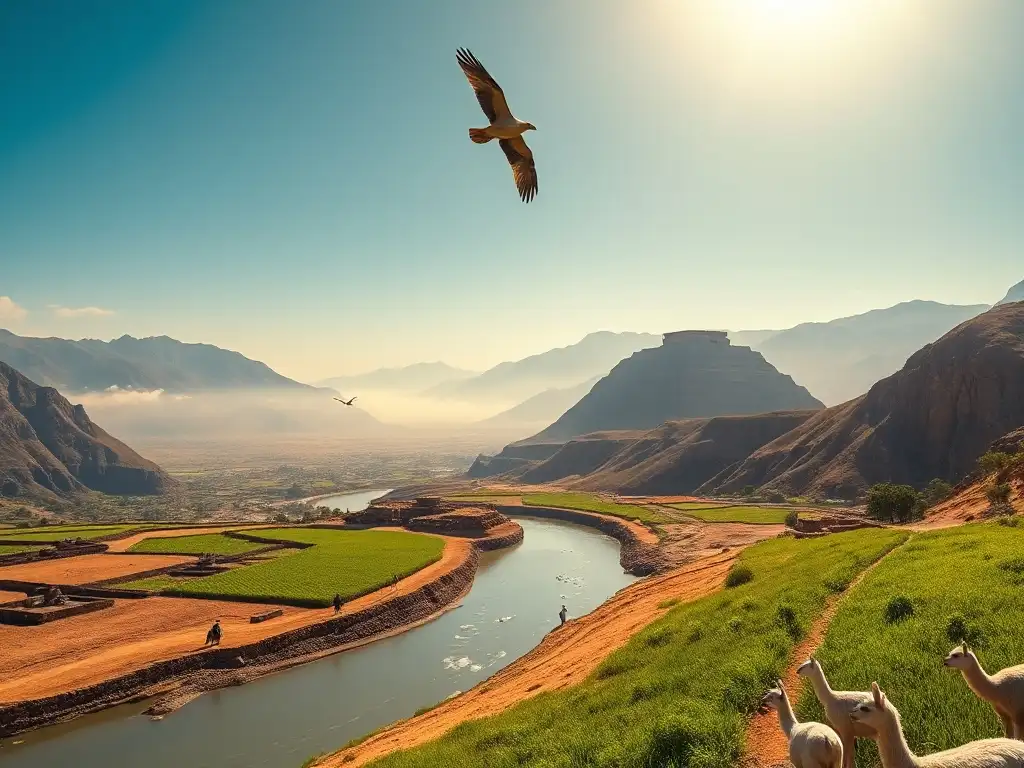
Step into a world lost to time, where ingenuity and nature clashed in a breathtaking dance of survival. Discover the enigmatic Moche civilization, a society that thrived amidst the challenging Andean landscape. But their success wasn't without consequence. Uncover the surprising story of the Moche civilization's environmental impact and learn how their relationship with their surroundings shaped their incredible rise and, ultimately, their fall. Prepare to be amazed by the intricate details of their ingenious adaptations – a tale woven into the very fabric of the Andes.
The Moche civilization, flourishing along the arid northern coast of Peru from approximately 100 CE to 800 CE, presents a fascinating case study in human adaptation to a challenging environment. This article delves into the intricate relationship between the Moche people and their surroundings, exploring how they successfully navigated the harsh desert conditions to build a complex and sophisticated society. We will examine their innovative irrigation systems, agricultural practices, and resource management strategies, showcasing their remarkable ingenuity in the face of environmental constraints.
Understanding the Moche's environmental impact requires appreciating their remarkable ability not only to survive but to thrive within the limitations of the Andean landscape, a testament to their understanding and respect for their environment – a perspective significantly different from the often-negative connotations associated with the term "environmental impact". This analysis will reveal that the Moche civilization's impact on its environment was multifaceted, encompassing both adaptation and, to a lesser extent, modification.
We will explore this nuanced relationship, examining both the positive and negative consequences of their actions. The keyword "Moche civilization environmental impact" will be explored from multiple angles, demonstrating the complexity and subtlety of this interaction.
Ingenious Irrigation Systems: Conquering the Desert
The Moche's success hinged upon their mastery of water management. Facing a hyper-arid climate with minimal rainfall, they developed sophisticated irrigation systems that channeled water from rivers and occasional flash floods to their agricultural fields. These weren't simple canals; they involved complex networks of channels, reservoirs, and aqueducts, some of which were remarkably extensive, covering vast distances across the desert terrain. The construction of these systems required significant labor and engineering expertise, demonstrating a highly organized society capable of large-scale collaborative projects.
Detailed archaeological evidence reveals the meticulous planning and execution involved in these endeavors. The scale of these projects is truly impressive, showcasing the Moche's commitment to overcoming the environmental challenges they faced. The long-term impact of these irrigation systems, while initially beneficial, also warrants consideration in terms of potential soil salinization and water depletion – topics we will address later.
Agricultural Practices: Maximizing Limited Resources
Beyond irrigation, the Moche employed a range of agricultural techniques to maximize their limited resources. They cultivated diverse crops, including maize, beans, squash, and cotton, adapting their planting strategies to the unique characteristics of the coastal desert. Terracing was a common practice, enabling them to cultivate even the steepest slopes. The use of fertilizers, derived from guano (bird droppings) and other organic matter, further enhanced soil fertility.
Archaeobotanical studies provide invaluable insights into the Moche's agricultural practices, revealing their detailed knowledge of plant cultivation and their ability to adapt to varying environmental conditions. The diversity of crops and the sophisticated techniques employed suggest a deep understanding of ecological principles, allowing them to sustain their population despite the arid conditions. This understanding of biodiversity and sustainable agriculture is a key aspect of assessing their environmental impact.
Resource Management and Environmental Modification: A Balanced Perspective
While the Moche were primarily adaptive in their relationship with the environment, some aspects of their activities did involve environmental modification. For example, deforestation for fuel and construction materials likely occurred, although the extent of this impact is still under investigation. Similarly, their intensive agriculture, while ingenious, could have led to localized soil erosion and changes in the landscape. However, it's crucial to avoid a simplistic narrative of solely negative environmental impact.
The Moche's resource management strategies, particularly their careful cultivation of diverse crops and their ingenious irrigation systems, indicate a level of environmental awareness and sustainability that deserves recognition. Their actions, viewed within their historical context, demonstrate a nuanced interplay between adaptation and modification, highlighting the complexity of their relationship with their surroundings. Further research is needed to fully quantify the extent of any negative modifications.
The Moche Legacy: Lessons in Adaptation and Sustainability
The Moche civilization's story serves as a powerful reminder of human adaptability and the importance of understanding the delicate balance between human societies and their environments. Their ingenious solutions to the challenges of the Andean desert offer valuable lessons for contemporary societies facing similar environmental constraints. Their innovative irrigation systems, sustainable agricultural practices, and overall respect for the environment stand as a testament to their ingenuity and resilience.
By studying their strategies, we can gain valuable insights into sustainable resource management and the importance of adapting to, rather than dominating, the natural world. The Moche civilization's environmental impact, therefore, should be viewed not solely as a measure of negative consequences, but as a complex interplay of adaptation, ingenuity, and the lasting legacy of a society that flourished in a challenging environment. Their story offers valuable lessons for our own time.
- Ingenious Irrigation Systems: Conquering the Desert
- Agricultural Practices: Maximizing Limited Resources
- Resource Management and Environmental Modification: A Balanced Perspective
- The Moche Legacy: Lessons in Adaptation and Sustainability
- How did the Moche civilization adapt to the challenging Andean environment?
- What was the Moche civilization's impact on the environment?
- Did the Moche civilization practice sustainable practices?
- How did the Moche's environment influence their art and culture?
- What are some ongoing research questions about the Moche and their environment?
Moche Civilization Environmental Adaptations: An Overview
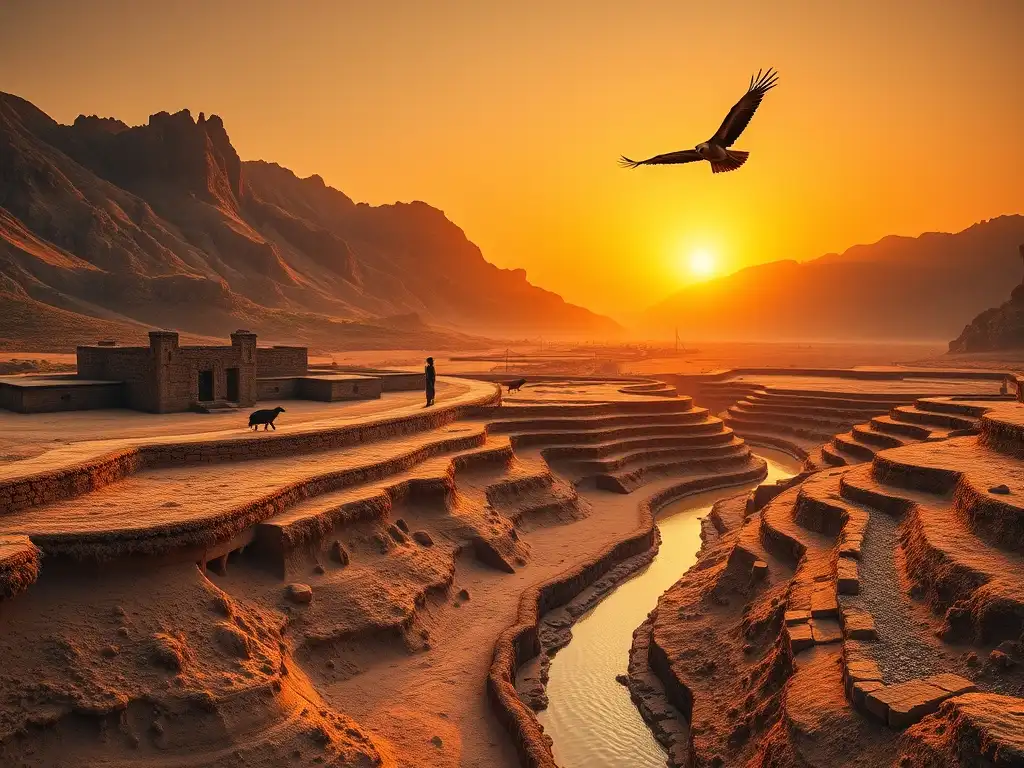
The Moche civilization, flourishing along the arid northern coast of Peru from approximately 100 to 800 CE, stands as a testament to human ingenuity in adapting to challenging environmental conditions. Their remarkable achievements in agriculture, water management, and urban planning were directly shaped by, and in turn shaped, their interaction with the unique and often unforgiving Andean landscape.
Understanding the Moche civilization's environmental impact requires analyzing their strategies for resource management and the long-term consequences of their actions on the delicate ecosystem. This section explores the sophisticated techniques employed by the Moche to thrive in a desert environment, highlighting their remarkable capacity for innovation and adaptation within the context of the broader "Moche civilization environmental impact".
The extent of their impact, both positive and negative, remains a subject of ongoing research and debate, but the evidence suggests a complex relationship between the Moche and their environment, one marked by both remarkable success and significant environmental modification.
Understanding the Moche People and Their Environment
The Moche people inhabited a narrow coastal strip characterized by extreme aridity, punctuated by fertile river valleys. The survival of the Moche depended entirely on their ability to harness the scarce water resources provided by these rivers and to cultivate the land effectively. Their environment presented significant challenges: limited rainfall, unpredictable flooding, and the constant threat of drought.
The Moche response to these challenges was multifaceted, involving sophisticated irrigation systems, intensive agriculture, and a deep understanding of their local environment. The Moche's success wasn't merely about survival; they built a complex society with impressive monumental architecture, intricate artistry, and a highly organized social structure, all underpinned by their mastery of their environment. Their agricultural practices, for example, weren't simply about food production; they were integral to their religious beliefs and social organization.
The Moche civilization's environmental impact, therefore, must be viewed within this broader socio-cultural context. Their agricultural practices, while seemingly successful in the short term, may have had long-term consequences on soil erosion and water availability, aspects that require further detailed investigation to fully understand the complete "Moche civilization environmental impact".
The Unique Andean Landscape Faced by the Moche
The northern Peruvian coast, where the Moche civilization thrived, is a harsh and unforgiving environment. The Atacama Desert, one of the driest places on Earth, stretches along much of this coastline. The Moche were not only challenged by the lack of rainfall but also by the unpredictable nature of the rivers that flowed down from the Andes Mountains. These rivers, while providing essential water, were prone to devastating floods during the rainy season and could dry up completely during periods of drought.
The coastal terrain itself presented difficulties: steep slopes, shifting sands, and rocky outcrops made agriculture a challenging undertaking. 🌊 The Moche overcame these obstacles by developing innovative techniques for water management, including intricate canal systems that channeled water from rivers to agricultural fields and reservoirs that stored water for use during drier periods. Their understanding of the local hydrology was crucial to their success. They adapted their crops to the arid conditions, choosing plants that could tolerate drought and salinity.
Archaeological evidence shows the Moche cultivated a variety of crops, including maize, beans, squash, cotton, and chili peppers. Their agricultural practices, however, potentially led to soil degradation and depletion over time, adding a complex layer to the Moche civilization's environmental impact. Further research is needed to quantify the extent of this degradation and its long-term consequences. The interplay between their ingenuity and the inherent fragility of their environment highlights the nuanced nature of the "Moche civilization environmental impact".
Moche Agricultural Practices and Resource Management
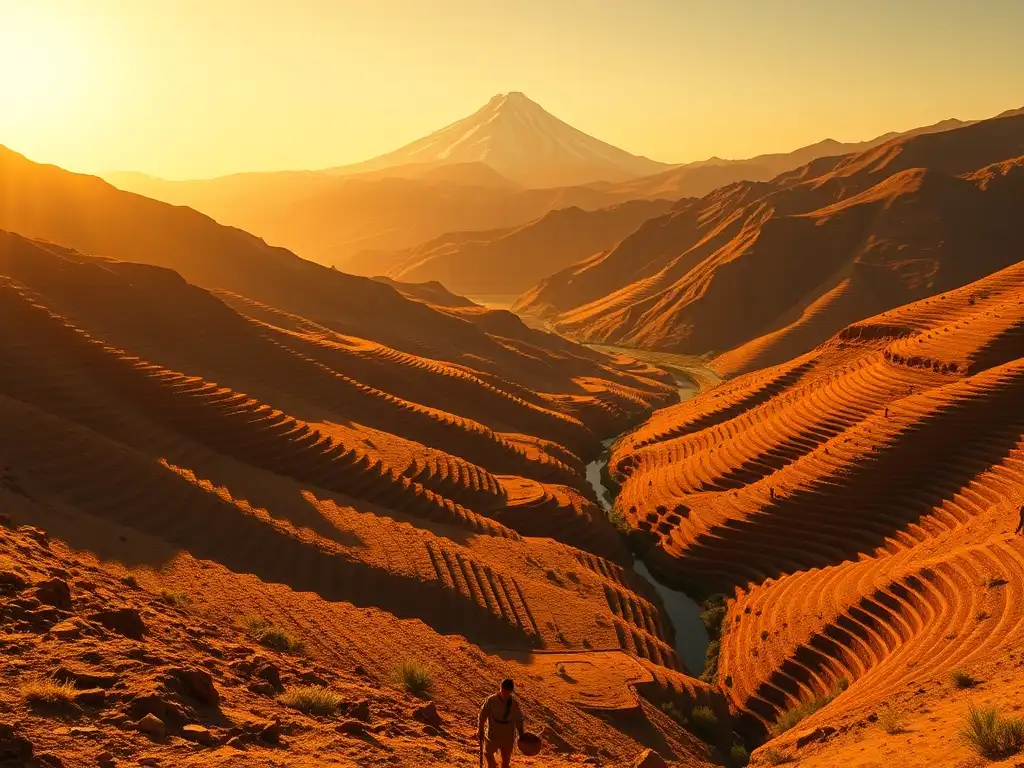
The Moche civilization, flourishing along the arid northern coast of Peru from approximately 100 CE to 800 CE, demonstrated remarkable ingenuity in adapting to and managing their challenging environment. Their survival and prosperity hinged on sophisticated agricultural practices and resource management strategies, allowing them to thrive in a landscape characterized by scarce rainfall and limited arable land. Understanding their methods offers valuable insight into the Moche civilization's environmental impact, both positive and negative.
The Moche weren't simply passive inhabitants of their environment; they actively shaped it to meet their needs, leaving a lasting legacy on the Peruvian landscape. This section will explore the key aspects of their agricultural innovations and resource management techniques.
Irrigation Systems Developed by the Moche
The Moche's success was largely dependent on their mastery of irrigation. Facing a desert environment with minimal rainfall, they developed intricate canal systems to divert water from rivers and streams to their fields. These weren't simple ditches; they were carefully engineered networks, often involving complex hydraulic structures like canals, reservoirs, and aqueducts. Some canals stretched for kilometers, demonstrating a high level of planning and cooperation within Moche society.
The scale and sophistication of these systems are impressive, reflecting a deep understanding of hydrology and engineering. Evidence suggests that the Moche used a combination of techniques, including gravity-fed systems and possibly even rudimentary water-lifting devices, to optimize water distribution. The precise methods used, however, are still under investigation, with ongoing archaeological research uncovering new details about the complexity of their irrigation networks. The impact of these systems on the environment was significant, transforming arid lands into productive agricultural zones.
Moche Agricultural Techniques for Arid Lands
Beyond irrigation, the Moche employed various techniques to maximize agricultural output in their harsh environment. They developed effective methods for soil enrichment, using fertilizers derived from guano (bird droppings) and other organic materials. This practice not only increased crop yields but also helped to maintain soil fertility in the nutrient-poor desert soils. They also adopted specialized planting techniques adapted to the specific conditions of the coastal desert.
This might have included terracing on slopes to retain water and protect crops from wind erosion, as well as the cultivation of drought-resistant crops like maize, beans, and squash. The Moche's understanding of plant biology and their capacity for innovation in agricultural techniques are clearly demonstrated in their ability to cultivate food in a seemingly inhospitable environment. The Moche civilization's environmental impact in this area was largely positive, transforming marginal lands into productive agricultural areas.
Management of Coastal Resources by the Moche
The Moche didn't rely solely on agriculture; they also skillfully managed coastal resources. Fishing played a crucial role in their diet and economy. They developed advanced fishing techniques, using various types of boats and nets to harvest fish and other marine life.
Evidence suggests that they also engaged in aquaculture, cultivating shellfish in carefully managed areas. Furthermore, the Moche utilized marine resources beyond food. Guano, mentioned earlier as a fertilizer, was also a valuable resource used in various other ways.
The Moche's management of coastal resources demonstrates a holistic approach to resource utilization, minimizing waste and maximizing the benefits from the available resources. This aspect of their resource management illustrates a deep understanding of the interconnectedness of land and sea resources, and how their actions impacted the coastal ecosystem. The overall Moche civilization environmental impact related to coastal resource management appears to have been sustainable, although more research is needed to fully understand the long-term consequences of their practices.
The Moche's sophisticated agricultural and resource management techniques reveal a deep understanding of their environment and a remarkable ability to adapt and thrive in challenging conditions. Their legacy serves as a testament to human ingenuity and the potential for sustainable resource management in even the most arid environments. Further research will undoubtedly shed more light on the specifics of their methods and the long-term Moche civilization environmental impact of their practices.
The Moche and Water Control: Engineering Marvels
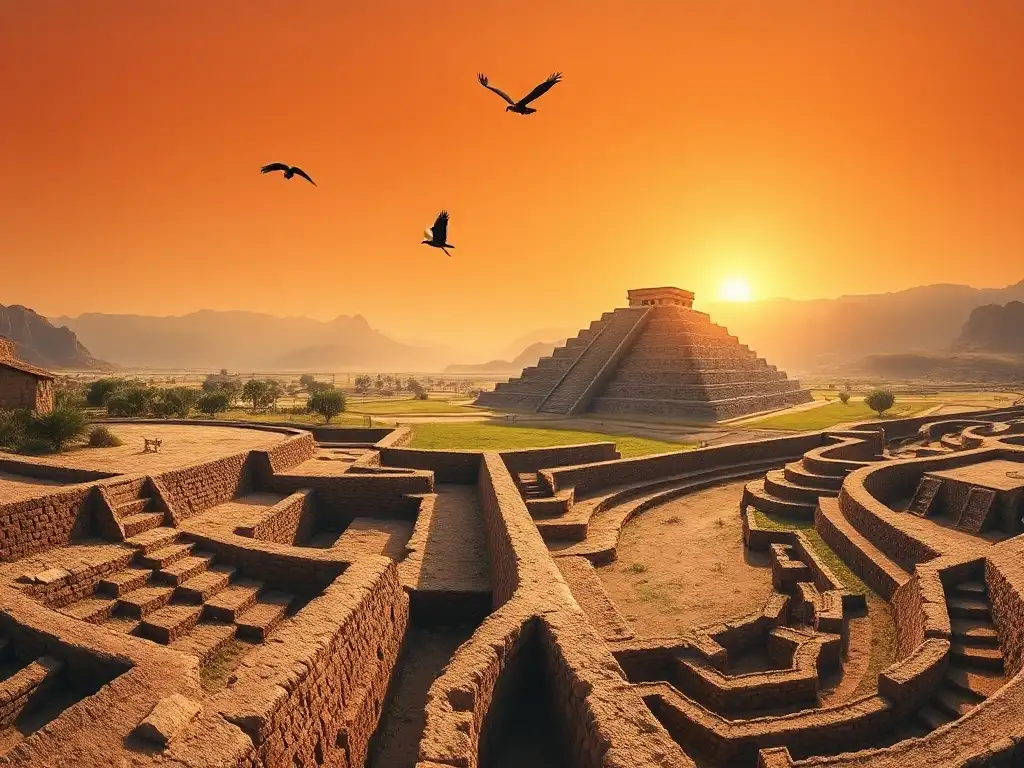
The Moche civilization, flourishing along the arid northern coast of Peru between 100 and 800 CE, achieved remarkable feats of engineering to overcome the challenges of their harsh environment. Their success hinged heavily on their sophisticated understanding and management of water resources. The Moche weren't simply passive recipients of rainfall; they actively shaped their landscape to maximize water availability, showcasing a deep understanding of hydrology and a sophisticated capacity for collective action.
This mastery of water resources was crucial for their agricultural success and the overall prosperity of their society, significantly impacting their societal structures and cultural practices. Analyzing their water management systems provides invaluable insight into the ingenuity and resilience of the Moche civilization and its profound interaction with the environment. The Moche's impact on the environment, while significant, was largely driven by their need to sustain themselves within a challenging ecosystem.
Construction of Canals and Reservoirs
The Moche constructed an extensive network of canals and reservoirs to capture and distribute water from rivers and ephemeral streams. These weren't haphazardly dug ditches; they were carefully planned and executed engineering projects. Evidence suggests the use of sophisticated surveying techniques to ensure the correct gradient for efficient water flow. The canals, often lined with stone or clay to prevent leakage, channeled water over considerable distances, irrigating vast stretches of otherwise unproductive desert land.
The construction involved immense labor, likely organized through a complex system of communal work or possibly under the direction of elite Moche leadership. Reservoirs, strategically located to store water during periods of heavy rainfall, further enhanced their water management capabilities. These reservoirs, some of considerable size, provided a crucial buffer against drought, ensuring a relatively stable water supply throughout the year.
The scale and complexity of these projects underscore the Moche's advanced understanding of hydraulic engineering and their capacity for large-scale coordinated efforts. Detailed archaeological studies of these structures continue to reveal new insights into their construction methods and the organizational prowess of the Moche. For example, recent excavations at [Specific site pending] have uncovered evidence of [Specific construction technique pending], illustrating the sophistication of their engineering.
The Significance of Water for Moche Agriculture and Society
Water was the lifeblood of the Moche civilization. Their agricultural practices, centered on the cultivation of maize, beans, squash, and cotton, were entirely dependent on a reliable water supply. The carefully constructed irrigation systems allowed the Moche to cultivate fertile valleys and coastal plains, supporting a dense population and a complex social structure.
The abundance of food produced through their irrigation systems fueled economic growth and supported the development of specialized crafts, trade networks, and a sophisticated social hierarchy. Without their ingenious water management, the Moche civilization would likely have never achieved the level of societal complexity and cultural richness that it did. The impact of water scarcity on Moche society is evident in archaeological findings showing a correlation between periods of drought and societal instability or shifts in settlement patterns.
This highlights the critical role water played not just in their economy, but in the very fabric of their society, shaping their social structures and political organization. The importance of water is also reflected in their art, with depictions of water deities and irrigation channels frequently appearing in their ceramics and textiles.
Moche Water Management and its Sociopolitical Implications
The construction and maintenance of the Moche's irrigation systems had profound sociopolitical implications. The organization and management of such large-scale projects required centralized authority and a sophisticated system of labor allocation. This likely contributed to the development of a hierarchical society, with elites holding considerable power and influence over the distribution of water resources.
Control over water access may have been a key factor in determining social status and political power within Moche society. The potential for conflict over water rights is also evident in the archaeological record, with evidence suggesting that some Moche settlements were strategically located to control access to vital water sources. Furthermore, the Moche's success in managing water resources may have played a significant role in shaping their interactions with neighboring groups, potentially contributing to both alliances and conflicts.
The study of Moche water management therefore offers a valuable lens through which to understand the complex interplay between engineering, social organization, and political power within this remarkable ancient civilization. Further research into the social organization of water management, including [Specific research area pending], is needed to fully comprehend its impact on Moche society. The Moche civilization's environmental impact, therefore, is intricately linked to their sophisticated water management strategies, showcasing a complex relationship between human ingenuity and environmental adaptation.
Moche Architecture and Environmental Integration
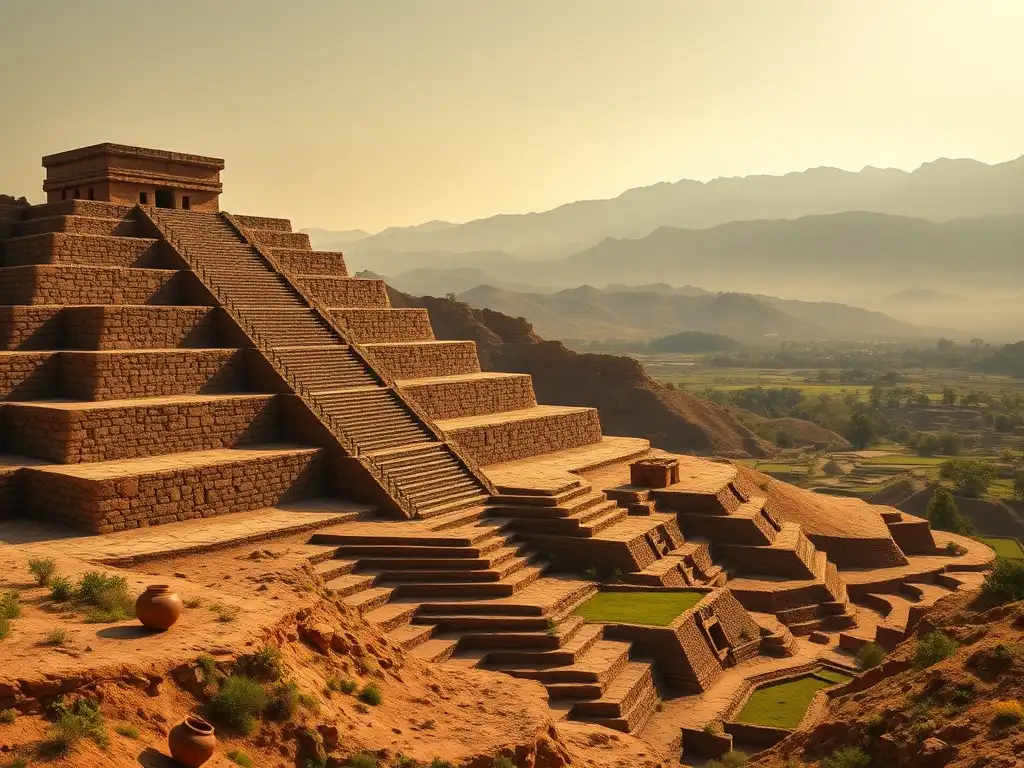
The Moche civilization's impressive architectural achievements weren't simply aesthetic feats; they were a testament to their deep understanding and skillful adaptation to the challenging Andean environment. Their buildings weren't just erected; they were integrated into the landscape, reflecting a sophisticated relationship between human ingenuity and the natural world. This section will delve into the specific ways the Moche interacted with their environment through their architecture, showcasing their remarkable ingenuity and sustainable practices. Analyzing the Moche civilization's environmental impact reveals a complex picture of both adaptation and alteration of the landscape.
Building Materials and Their Sourcing
The Moche cleverly utilized readily available local materials for their constructions, minimizing their environmental impact. This sustainable approach is evident in their choice of adobe bricks, made from sun-dried mud and straw. The ubiquitous availability of these materials reduced the need for extensive transportation, lessening the carbon footprint associated with construction.
The straw acted as a binder, increasing the bricks' strength and durability, demonstrating an understanding of material science. Furthermore, the use of local reeds and timber for roofing and scaffolding further minimized the environmental burden. The sourcing of these materials was likely managed through a system of communal labor and resource allocation, reflecting a societal structure that prioritized sustainability.
Analysis of Moche settlements reveals a preference for building near readily accessible sources of these materials, again highlighting their environmental awareness. Interestingly, evidence suggests that specific clay types were favored for their durability and aesthetic qualities, showcasing a level of sophistication in material selection beyond mere practicality. Further research is needed to fully understand the Moche's selection process and its potential impact on local ecosystems.
Moche Urban Planning and Environmental Considerations
Moche urban planning wasn't haphazard; it exhibited a keen awareness of the environmental context. Their cities, such as the Huaca del Sol and Huaca de la Luna, were strategically located to take advantage of natural resources and mitigate environmental challenges. For instance, the proximity to water sources like rivers and the ocean played a crucial role in the selection of settlement locations.
This minimized the effort required for water management, a critical factor in the arid coastal region. The layout of the cities themselves often incorporated natural features, such as hills and valleys, into their design, harmonizing the built environment with the existing landscape. Evidence suggests the Moche also considered prevailing winds and sunlight in their urban planning.
This is evident in the orientation of buildings, which often maximized natural ventilation and minimized exposure to harsh sunlight. This clever planning reduced the need for artificial climate control, reflecting a sustainable approach to urban development. Detailed analysis of Moche city layouts is needed to fully quantify the extent of this environmental awareness in their urban planning.
Adapting Moche Buildings to the Coastal Climate
The Moche coastal region is characterized by a unique climate, including strong winds, intense sunlight, and occasional seismic activity. The Moche architecture demonstrates a remarkable capacity to adapt to these challenges. Adobe bricks, while susceptible to water damage, were skillfully used in conjunction with drainage systems to prevent water accumulation and structural damage.
Thick walls provided thermal mass, helping to regulate indoor temperatures, mitigating the extremes of both heat and cold. The use of raised platforms elevated buildings above potential flooding, a crucial adaptation to the coastal environment. Furthermore, the architectural design often incorporated features that protected against strong winds, such as strategically placed walls and courtyards.
The integration of these various adaptive strategies demonstrates a deep understanding of the local climate and a commitment to creating resilient structures. Further investigation into the construction techniques and materials used in Moche buildings is needed to fully understand the extent of their environmental adaptation strategies. The resilience of these structures, many of which have withstood the test of time, underscores the ingenuity and environmental awareness of the Moche civilization.
Moche Environmental Impact: A Balanced Perspective
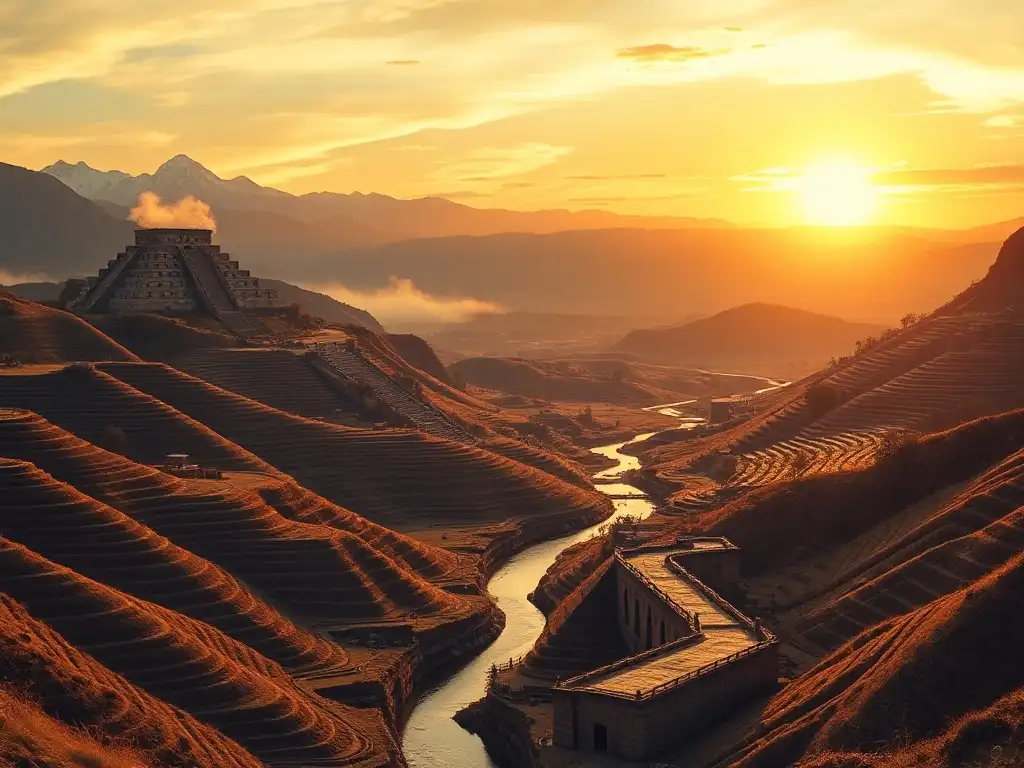
The Moche civilization, flourishing along the arid north coast of Peru from approximately 100 CE to 800 CE, presents a complex relationship with its environment. Often portrayed as solely exploitative, a closer examination reveals a more nuanced picture, incorporating both impactful resource utilization and surprisingly sophisticated sustainability practices. Understanding the Moche civilization's environmental impact requires a balanced perspective, acknowledging both the challenges posed by their environment and the ingenuity of their adaptive strategies.
This analysis explores the evidence for both the positive and negative aspects of their environmental footprint, highlighting the complexities of assessing the long-term effects of their actions on the delicate Andean ecosystem. The term "Moche civilization environmental impact" itself needs careful consideration, as the scale and nature of the impact varied across different aspects of their society and over time.
Evidence of Moche Resource Utilization
The Moche were masterful engineers and agriculturalists, demonstrating an impressive ability to extract resources from a challenging landscape. Their extensive irrigation systems, like the one at Pampa Grande, are testament to their understanding of water management. These canals, often miles long, channeled water from rivers and streams to irrigate vast stretches of land, allowing for intensive agriculture in otherwise arid zones.
This intensive agriculture, however, required significant labor and resource investment. The construction and maintenance of these systems involved substantial earthworks, potentially leading to soil erosion and deforestation in some areas. Furthermore, the Moche's reliance on specific crops, like maize and cotton, might have led to a reduction in biodiversity compared to the pre-existing ecosystem.
Evidence suggests a sophisticated understanding of resource management, including the use of waru waru agricultural techniques. This system involved raised fields, allowing for better water retention and enhanced soil fertility. The construction of these fields required considerable effort, demonstrating a commitment to sustainable agricultural practices.
However, the extent of their impact on the landscape remains a subject of ongoing research. Further investigation is needed to quantitatively assess the long-term effects of their agricultural practices, including the potential for soil salinization or depletion of specific nutrients. Analysis of pollen samples and soil cores from various Moche sites could provide valuable data on the extent of agricultural intensification and its consequences.
Examining the Moche Civilization's Footprint on the Environment
The Moche’s remarkable artistic achievements, including their intricate metalwork and stunning ceramics, also involved resource extraction. The sourcing of metals like gold, silver, and copper required mining activities, which could have had localized environmental consequences. The scale of these mining operations, however, is still under investigation. Furthermore, the production of their renowned ceramics involved the firing of kilns, which would have released pollutants into the atmosphere. The extent of this pollution, and its impact on air quality and surrounding ecosystems, is currently unknown and requires further research into the scale of ceramic production and the types of fuel used.
Beyond agriculture and craft production, the Moche's urban centers, such as the impressive adobe structures at Huaca del Sol and Huaca de la Luna, represent significant alterations to the landscape. The construction of these monumental buildings required the extraction of vast quantities of raw materials, such as adobe bricks and timber. The impact of this construction on deforestation and soil erosion, particularly in areas close to urban centers, needs further study.
Analyzing the distribution of settlements and the types of building materials used could provide insights into the spatial extent of their environmental impact. This analysis should include a comparison with pre-Moche land use patterns to better understand the degree of change.
Moche Sustainability Practices and Their Limitations
Despite the evident resource utilization, the Moche implemented several strategies that could be considered sustainable within the context of their time and technology. Their sophisticated irrigation systems, while demanding in their construction, allowed for efficient water use in an arid environment. The waru waru agricultural technique, as mentioned previously, demonstrates an understanding of water conservation and soil management. However, these practices were not without limitations. The success of these systems depended on a delicate balance between water availability, soil fertility, and population growth. Periods of drought or population pressure could easily overwhelm these systems, potentially leading to environmental degradation.
The Moche civilization's longevity – several centuries – suggests a degree of environmental stewardship. However, the collapse of the Moche civilization itself may have been partially linked to environmental factors, such as prolonged drought or resource depletion. This highlights the inherent fragility of even the most sophisticated sustainability practices in the face of significant environmental change or societal pressures.
Further research is needed to understand the specific interplay between Moche societal organization, environmental conditions, and the long-term consequences of their resource management strategies. A detailed analysis of sediment cores and paleoclimatic data could provide crucial insights into the environmental changes that occurred during the Moche period and the potential role these changes played in the civilization's decline. The study of Moche societal organization and its relationship to resource management is also crucial to understanding their environmental impact.
The Moche Legacy and Lessons for Today
The Moche civilization, flourishing along the arid northern coast of Peru from approximately 100 CE to 800 CE, left behind a remarkable legacy of sophisticated engineering, artistic expression, and surprisingly advanced agricultural practices. Their success, however, was intrinsically linked to their ability to adapt to and manage the challenging environmental conditions of their homeland. Understanding their strategies offers valuable insights into sustainable resource management and resilience in the face of environmental pressures – lessons particularly relevant in today's world grappling with climate change and resource scarcity. The Moche civilization's environmental impact, while significant, was largely shaped by their ingenious methods to thrive within a harsh ecosystem, rather than through environmentally destructive practices. Their story highlights the potential for human ingenuity to coexist with, rather than dominate, the natural world. This section explores some key aspects of this fascinating relationship, focusing on the Moche civilization's environmental impact and its enduring relevance.
Insights from Moche Environmental Strategies
The Moche people weren't passive recipients of their environment; they actively shaped it to meet their needs. Their ingenuity is evident in their sophisticated irrigation systems, which channeled water from rivers and streams across vast distances to irrigate their fields. These weren't simple canals; they involved complex engineering feats, including the construction of reservoirs, aqueducts, and even subterranean channels.
Archaeological evidence reveals the scale and complexity of these systems, highlighting the Moche's deep understanding of hydrology and their ability to manage water resources efficiently. Furthermore, their agricultural practices weren't limited to irrigation. They employed techniques like terracing to maximize arable land on steep slopes and developed sophisticated methods of soil fertilization using guano (bird droppings), a rich natural fertilizer.
The Moche's understanding and utilization of guano, a crucial resource, showcases their respect for the delicate balance of their ecosystem. Their careful management of this resource highlights a nuanced approach to environmental interaction, far removed from the image of destructive exploitation often associated with ancient civilizations. The Moche civilization's environmental impact was therefore a complex interplay of adaptation and modification, ultimately leading to a high level of societal sustainability for centuries.
Modern Applications of Moche Agricultural Techniques
The Moche's innovative agricultural techniques continue to hold relevance today. Their sophisticated irrigation systems, for example, provide valuable lessons for modern water management in arid and semi-arid regions. The principles of water conservation and efficient distribution employed by the Moche are being studied and implemented in contemporary agricultural projects around the world, particularly in regions facing water scarcity.
Similarly, their terracing techniques are being re-evaluated and adapted for modern sustainable agriculture, offering solutions for land management on sloping terrain. The use of guano, while needing careful modern management to avoid environmental damage, remains a valuable natural fertilizer, proving the wisdom of the Moche's approach to sustainable agriculture. The Moche civilization's environmental impact, in this context, serves as a testament to the long-term benefits of environmentally conscious agricultural practices.
Modern researchers are actively exploring how to integrate these ancient techniques with modern technology to create even more resilient and sustainable agricultural systems. This renewed interest underscores the enduring value of understanding the Moche's sophisticated approach to resource management.
The Importance of Understanding the Moche Civilization's Environmental Relationship
Understanding the Moche civilization's relationship with its environment is crucial for several reasons. First, it provides a compelling case study of how a sophisticated society successfully adapted to and thrived in a challenging environment. Their strategies demonstrate the potential for human ingenuity to overcome environmental limitations, offering valuable lessons for modern societies facing similar challenges.
Second, studying the Moche's environmental impact helps us understand the long-term consequences of human actions on the environment. Their success was not without its environmental consequences; however, their methods reveal a level of awareness and responsibility rarely seen in other ancient civilizations. Finally, the Moche's legacy offers valuable insights for the development of sustainable practices in modern agriculture and resource management.
Their innovative techniques, developed centuries ago, continue to inspire and inform contemporary approaches to environmental stewardship. By understanding the Moche civilization's environmental impact, we gain a deeper appreciation of the interconnectedness between human societies and the natural world, and we can draw valuable lessons for building a more sustainable future. The study of the Moche offers a powerful example of how a deep understanding of, and respect for, the environment can contribute to the long-term prosperity of a civilization.
Frequently Asked Questions
How did the Moche civilization adapt to the challenging Andean environment?
The Moche developed sophisticated irrigation systems to cultivate the arid coastal valleys. They also utilized terracing and other agricultural techniques to maximize food production in limited spaces. This ensured their survival in a harsh climate.
What was the Moche civilization's impact on the environment?
While the Moche were skilled at adapting, their intensive agriculture and resource extraction did impact the environment. Deforestation for fuel and construction, along with potential soil erosion, are areas of ongoing research.
Did the Moche civilization practice sustainable practices?
To some extent, yes. Their complex irrigation systems show a degree of environmental planning. However, the long-term sustainability of their practices is still debated by researchers, particularly regarding water management.
How did the Moche's environment influence their art and culture?
The arid coastal landscape and the powerful forces of nature (like the sea and rivers) heavily influenced Moche art. Depictions of these features are prominent in their pottery, textiles, and monumental architecture.
What are some ongoing research questions about the Moche and their environment?
Current research focuses on the long-term sustainability of Moche agricultural practices, the extent of deforestation, and the overall impact of their activities on the Andean ecosystem. Understanding the full picture is crucial for modern environmental management.
Final Reflection: A Legacy Etched in the Andean Earth
The ingenuity of the Moche in adapting to the harsh Andean environment remains a powerful lesson for us today, a testament to human resilience in the face of ecological challenges. Their sophisticated irrigation systems, carefully planned agricultural practices, and deep understanding of their landscape offer a stark contrast to our current struggles with climate change and resource management. The Moche's success wasn't simply about survival; it was about thriving within the limitations of their environment, a feat worthy of profound admiration and study.
The Moche's legacy extends far beyond their impressive architecture and artistry; it's a story of environmental stewardship and adaptation that continues to resonate. Their ability to create a flourishing civilization in a seemingly unforgiving landscape underscores the importance of understanding and respecting the delicate balance of nature. The earth provides enough to satisfy every man's needs but not every man's greed,
a sentiment that rings particularly true when considering the Moche's sustainable practices and the consequences of our own often unsustainable ones. Their story serves as a cautionary tale, reminding us of the potential consequences of ignoring the limits of our environment.
Consider the Moche's example. Reflect on how their innovative solutions to environmental challenges can inspire us to develop more sustainable practices in our own lives. What steps can you take, in your own community, to foster a more harmonious relationship with the environment? Let the legacy of the Moche—their ingenuity, their resilience, and their deep connection to the land—serve as a beacon, guiding us towards a future where human progress and environmental sustainability coexist.
Embrace the Andean Spirit: Take Action Today!
Thank you for exploring the fascinating world of the Moche civilization and their ingenious adaptations to the challenging Andean environment! You've discovered how cultures creatively respond to their surroundings, and now it's time to draw inspiration from their remarkable achievements.
Here are some simple yet impactful ways you can connect with this rich history and apply these lessons to your own life:
- Explore your local environment: Take a walk or hike in nature and reflect on how different communities and ecosystems interact. Consider keeping a journal to record your observations and thoughts.
- Share your knowledge: Discuss your newfound understanding with friends, family, or online using the hashtag #AndeanAdaptation. Inspire others to appreciate the intricate relationship between culture and the environment.
- Support sustainable practices: Seek out local organizations dedicated to environmental protection and consider volunteering your time or resources. Every contribution, no matter how small, helps create a positive impact.
How can you apply the wisdom of ancient civilizations to create positive change in your community today?