
Before the Incas: Exploring the PreCeramic Origins of Andean Life

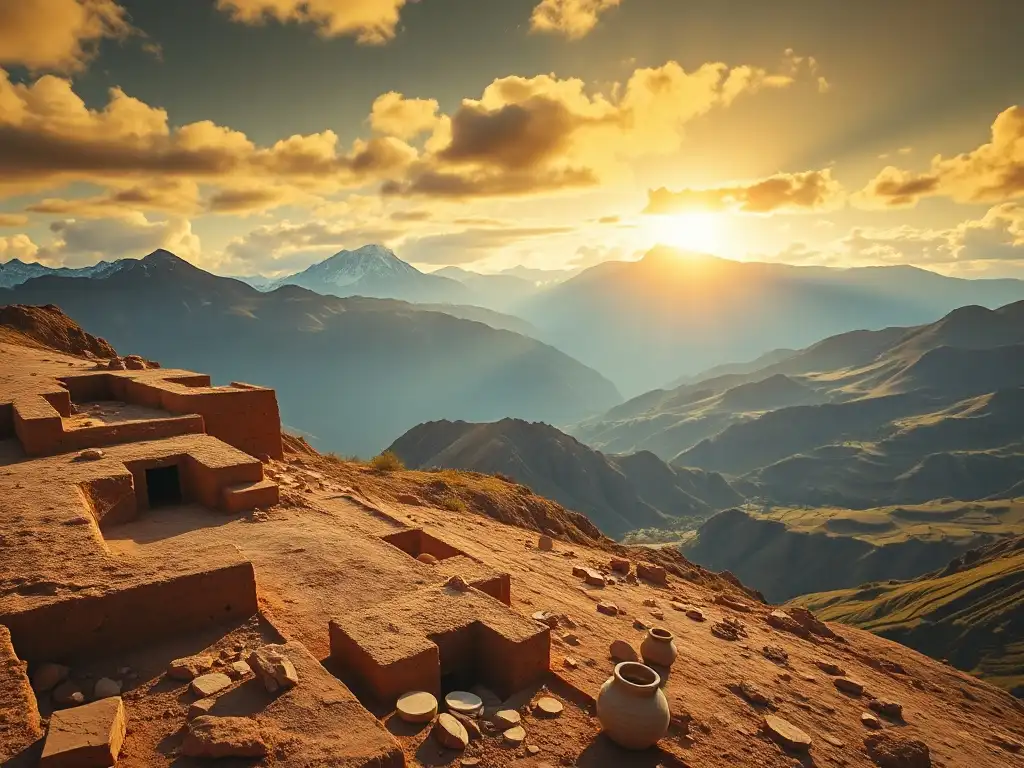
Step into a world lost to time, where majestic mountains cradled societies far older than the Incas. Intrigued? Then prepare to unravel the mysteries of the PreIncan Andean civilizations, a vibrant tapestry of cultures that laid the foundations for the empires that followed. Discover breathtaking artistry, ingenious engineering, and the enduring legacy of these fascinating peoples – their story is far more complex and captivating than you might imagine. Dive into our exploration of their preceramic origins and unlock the secrets they left behind.
-
Pre-Incan Andean Civilizations: Unveiling the Roots of Andean Life
- The Preceramic Period: A Foundation for Andean Societies
- Early Andean Settlers: Adapting to Diverse Environments
- Key Preceramic Sites: Tracing the Evolution of Andean Culture
- The Development of Agriculture in Pre-Incan Andes
- Social and Political Structures in Preceramic Andean Societies
- Technological Advancements in Pre-Incan Andean Civilizations
- Pre-Incan Art and Symbolic Expression
- The Legacy of Preceramic Andean Civilizations
- Understanding the Importance of Pre-Incan Andean History
- Frequently Asked Questions
- Final Reflection: Echoes of a Lost World: Reimagining Andean History
- Unveil the Rich History of the Andes!
Pre-Incan Andean Civilizations: Unveiling the Roots of Andean Life
The Andes Mountains, a majestic spine running down the western coast of South America, have witnessed millennia of human history. While the Inca Empire often dominates narratives of Andean civilization, a rich tapestry of pre-Inca cultures thrived for centuries before, laying the groundwork for the later empires.
This article delves into the fascinating world of Pre-Incan Andean civilizations, exploring their origins, adaptations, and the enduring legacy they left behind. We'll journey back to a time before the Incas, examining the Preceramic period and the remarkable achievements of early Andean settlers who shaped the cultural landscape of the region.
Understanding these pre-Inca societies is crucial to appreciating the full complexity and depth of Andean history, revealing the intricate threads that connect the past to the present. This exploration of "PreIncan Andean civilizations" will uncover the remarkable ingenuity and resilience of these early inhabitants and highlight their profound influence on subsequent Andean cultures.
The Preceramic Period: A Foundation for Andean Societies
The Preceramic Period, spanning roughly from 8000 to 1800 BCE, marks the beginning of settled life in the Andes. This era witnessed the gradual shift from nomadic hunter-gatherer societies to more sedentary lifestyles, driven by advancements in agriculture and resource management. Early inhabitants began cultivating plants like squash, beans, and chili peppers, laying the foundation for future agricultural advancements. Evidence suggests the development of complex social structures, albeit less hierarchical than later Andean societies.
Archaeological findings, such as the earliest known evidence of domesticated plants and the development of rudimentary irrigation systems, highlight the ingenuity and adaptive capabilities of these pioneering Andean communities. The transition to sedentary life during this period had profound implications for the development of subsequent Andean societies, shaping their social structures, technological innovations, and worldview. This era provides crucial insights into the slow but steady development of the complex Andean civilizations that would follow.
Early Andean Settlers: Adapting to Diverse Environments
The Andes Mountains present a stunning array of diverse ecosystems, from arid coastal deserts to high-altitude grasslands. Early Andean settlers demonstrated remarkable adaptability, developing unique strategies for survival and prosperity in these vastly different environments. Their ingenuity is evident in the diverse technologies and social structures that emerged, reflecting the challenges and opportunities offered by their surroundings. The success of these early settlements laid the foundation for the growth and expansion of Andean societies in later periods. The ingenuity of these early inhabitants was crucial to their survival and ultimately influenced the development of later civilizations.
Coastal Adaptations: Fishing and Resource Management
Along the Peruvian coast, early settlers developed sophisticated techniques for fishing and marine resource management. They utilized a variety of fishing methods, including nets, hooks, and traps, and developed a deep understanding of marine ecosystems. The abundance of seafood provided a crucial dietary supplement and supported the growth of coastal settlements.
Evidence suggests the development of specialized tools and technologies for processing and preserving fish, highlighting the importance of marine resources in their economy. The coastal settlements, while independent, often engaged in trade networks with highland communities, facilitating the exchange of goods and ideas. Coastal communities played a significant role in the overall development of Andean societies.
Highland Adaptations: Agriculture and Early Villages
In the highlands, early Andean settlers focused on agriculture, developing innovative techniques for cultivating crops in challenging terrains. They adapted to the varied altitudes and microclimates, creating terraced fields to maximize arable land and utilizing irrigation systems to manage water resources efficiently. The cultivation of potatoes, quinoa, and other Andean staples provided the nutritional basis for their communities. The development of early villages reflects the increasing complexity of social organization and the growing importance of agriculture in their lives.
These highland settlements, often located near water sources and fertile valleys, played a crucial role in the development of larger, more complex Andean societies. The agricultural innovations of the highland communities were critical to their sustenance and influenced the later development of sophisticated Andean empires. The resilience and adaptability shown by these early settlers are a testament to their ingenuity and resourcefulness.
Key Preceramic Sites: Tracing the Evolution of Andean Culture
The preceramic period in the Andes, preceding the rise of iconic civilizations like the Inca, is a fascinating era marked by the development of complex social structures and innovative technologies. Several key sites offer invaluable insights into this formative period, revealing the gradual evolution of Andean culture and paving the way for the later empires. These sites showcase not only advancements in architecture and technology but also the emergence of sophisticated religious beliefs and social organization.
Studying these locations allows us to understand the foundations upon which later Andean societies were built. The sheer diversity of these early settlements highlights the ingenuity and adaptability of the Andean peoples in navigating their challenging environment.
The meticulous excavations and ongoing research at these sites continue to reshape our understanding of the preceramic Andes, revealing a rich tapestry of human ingenuity and cultural development. This period laid the groundwork for the monumental achievements of later Andean civilizations.
Caral: Monumental Architecture and Early Urbanism
Caral, located in the Supe Valley of Peru, stands as a testament to the sophisticated urban planning and social organization of the early Andean societies. Dating back to approximately 2600 BCE, Caral is considered one of the oldest urban centers in the Americas. Its monumental architecture, including large platforms, plazas, and residential structures, reveals a complex social hierarchy and a centralized system of governance.
The absence of evidence for warfare or extensive agriculture initially puzzled archaeologists, leading to the hypothesis of a society focused on ritual and ceremonial activities. Recent research, however, suggests a more nuanced picture, indicating a sophisticated system of resource management and possibly long-distance trade networks that supported the city's development.
Caral's advanced urban planning and sophisticated social structures challenge previous assumptions about the development of early Andean societies, demonstrating a level of complexity previously underestimated. The scale of the structures and the precision of their construction show a remarkable understanding of engineering and social collaboration.
Kotosh: Ritual Centers and the Origins of Andean Religion
Kotosh, another significant preceramic site in the central Andes, offers compelling evidence of the early development of Andean religion. Located in the Huánuco region of Peru, Kotosh is renowned for its impressive architecture and the discovery of the "Temple of the Crossed Hands," a structure containing intricate carvings that are interpreted as representing early religious beliefs.
These carvings, depicting stylized hands in a crossed position, are considered among the earliest known representations of religious iconography in the Andes. The structures at Kotosh, including several temples and residential areas, suggest a complex social structure with specialized roles and a centralized religious authority.
The presence of elaborate ritual spaces suggests the importance of religious practices in the lives of the people of Kotosh. The site’s architecture and artifacts provide valuable clues to understanding the evolution of Andean religious beliefs and practices, shedding light on the spiritual world of these early Andean communities and their developing cosmology.
Huaca Prieta: Evidence of Early Textile Weaving
Huaca Prieta, located on the northern coast of Peru, is significant for its evidence of early textile weaving. Archaeological excavations at Huaca Prieta have unearthed fragments of woven textiles dating back to as early as 6000 BCE, among the oldest examples of textile production in the world. These textiles, made from cotton and other plant fibers, demonstrate a sophisticated understanding of weaving techniques and demonstrate the ingenuity of the early Andean people.
The discovery of these textiles at Huaca Prieta pushes back the timeline of textile production in the Americas and reveals the important role of textile production in the early Andean societies. The intricate designs and the variety of techniques employed suggest a high level of skill and artistry, indicating a well-established textile tradition. These early textiles not only provided clothing but also served social and ceremonial functions, highlighting the importance of craft production in early Andean societies.
The Development of Agriculture in Pre-Incan Andes

The development of agriculture was a crucial factor in the growth and development of pre-Incan Andean societies. The ability to cultivate crops allowed for the establishment of sedentary communities, leading to population growth and the emergence of complex social structures. The challenging Andean environment, however, necessitated the development of innovative agricultural techniques to maximize yields and ensure food security. This innovation was critical to the flourishing of these early civilizations. The ingenuity displayed in adapting to the diverse Andean landscapes is a testament to the resilience and adaptability of the Andean people.
Domestication of Andean Crops: Potatoes, Quinoa, and More
The domestication of various crops was paramount to the success of Andean agriculture. Potatoes, quinoa, beans, and other crops were domesticated in the Andes, providing a diverse and nutritious food source. The process of domestication involved selecting and breeding plants with desirable traits, such as larger yields, improved nutritional value, and resistance to pests and diseases.
This process took centuries and required a deep understanding of plant biology and agricultural practices. The domestication of these crops not only provided sustenance but also shaped the cultural landscape of the Andes, influencing social structures, religious beliefs, and artistic expression. The diversity of domesticated crops reflects the ingenuity and adaptability of Andean farmers in exploiting the varied ecological niches available in the region.
Irrigation Techniques and Terraced Farming in Pre-Incan Societies
The challenging geography of the Andes, with its steep slopes and arid climates, necessitated the development of sophisticated irrigation systems and terraced farming techniques. Pre-Incan societies developed ingenious methods for channeling water from rivers and streams to irrigate their fields, allowing them to cultivate crops in otherwise unsuitable areas. Terraced farming, involving the creation of flat platforms on hillsides, maximized arable land and reduced soil erosion.
These innovative techniques allowed for increased agricultural yields and supported the growth of larger, more complex societies. The construction and maintenance of these systems required considerable labor and social organization, highlighting the importance of collective effort in pre-Incan Andean societies. The impressive scale and sophistication of these systems are a testament to the engineering skills and collaborative spirit of the early Andean people.
Early Forms of Social Organization
The earliest Andean societies, predating the development of agriculture and complex ceramics (the Preceramic period, roughly 10,000 to 2500 BCE), were characterized by relatively egalitarian social structures. Archaeological evidence suggests small, mobile bands of hunter-gatherers, likely organized around kinship ties. These groups were nomadic or semi-nomadic, following seasonal migrations of game and plant resources.
Resource sharing and cooperation were likely crucial for survival in these challenging environments. While there's limited evidence of formal leadership, it's plausible that respected elders or skilled hunters held informal influence within these groups. The absence of significant material differences between individuals suggests a relative lack of social stratification.
However, even within these seemingly egalitarian societies, subtle power dynamics and social hierarchies likely existed, perhaps based on hunting prowess, knowledge of the landscape, or shamanistic abilities. Further research is needed to fully understand the nuances of social organization in these early Andean communities. The scarcity of monumental architecture or elaborate burial practices from this period reinforces the image of a relatively egalitarian social fabric.
Emergence of Chiefdoms and Complex Societies
As Andean societies transitioned towards sedentism and agriculture, around 5000 BCE, significant changes occurred in their social and political organization. The development of agriculture allowed for increased food surpluses, leading to population growth and the emergence of more complex social structures. This period witnessed the rise of chiefdoms— societies characterized by a hierarchical structure with a chief or leader at the apex, controlling access to resources and wielding considerable power.
Archaeological sites from this era, such as those found in the Caral Supe valley in Peru, show evidence of larger settlements with specialized structures, suggesting a division of labor and the emergence of social stratification. The construction of monumental architecture, like the pyramids at Caral, required significant coordination and labor mobilization, indicating a centralized authority capable of organizing large-scale projects. These chiefdoms, while more hierarchical than earlier bands, weren't necessarily tyrannical.
The chiefs likely maintained their power through a combination of charisma, kinship ties, and control over vital resources. The transition to chiefdoms marked a critical step towards the more complex state-level societies that would later emerge in the Andes. The development of sophisticated irrigation systems further strengthened the power of these emerging elites, who controlled access to water and fertile land.
Technological Advancements in Pre-Incan Andean Civilizations
Stone Tool Technology: From Simple to Complex Tools
The development of stone tool technology in the Andes is a remarkable story of innovation and adaptation. The earliest tools, dating back to the Paleoindian period, were simple, primarily consisting of chipped stone flakes used for cutting and scraping. Over time, however, Andean peoples developed increasingly sophisticated techniques, including pressure flaking, which allowed for finer control over tool shape and size.
The creation of projectile points, for hunting, represents a significant technological advance, reflecting improved hunting strategies and a greater reliance on animal protein. Later periods saw the development of ground stone tools, such as manos and metates (used for grinding grains) and polished stone axes, which were crucial for agriculture and woodworking. The sophistication of these tools reflects not only advancements in technology but also a growing understanding of the properties of different stone types.
The selection of specific materials, like obsidian for its sharpness, demonstrates a sophisticated knowledge of material science. The increasing complexity of stone tools mirrors the broader societal changes in the Andes, reflecting a growing capacity for innovation and technological development. The diversity of tools found at different sites also highlights regional variations in technology and adaptation to different environments.
Early Ceramics and Pottery Techniques
The invention of pottery marks a significant technological and cultural milestone in Andean prehistory. The earliest ceramic wares, dating to around 3000 BCE, are characterized by simple forms and undecorated surfaces. These early ceramics were likely used for storage and cooking. As ceramic technology advanced, so did the complexity of vessel forms and decorative techniques.
The development of the pottery wheel is not evident in early Andean ceramics; instead, Andean potters used a variety of hand-building techniques, including coiling and modeling. The emergence of painted pottery, with elaborate designs and motifs, reflects the growing sophistication of artistic expression and social complexity. The use of different clays and firing techniques led to variations in color and texture, indicating a high degree of skill and knowledge among Andean potters. The development of specialized ceramic forms, such as vessels for ritual use or elite consumption, further highlights the integration of pottery into the social and religious life of Andean societies.
Analysis of chemical residues on pottery fragments provides insights into the diets and culinary practices of these early Andean communities. The intricate designs and styles of pottery also provide valuable information about the beliefs and worldview of these ancient cultures. The evolution of ceramic technology in the Andes is a testament to the creativity and ingenuity of its people.
Pre-Incan Art and Symbolic Expression
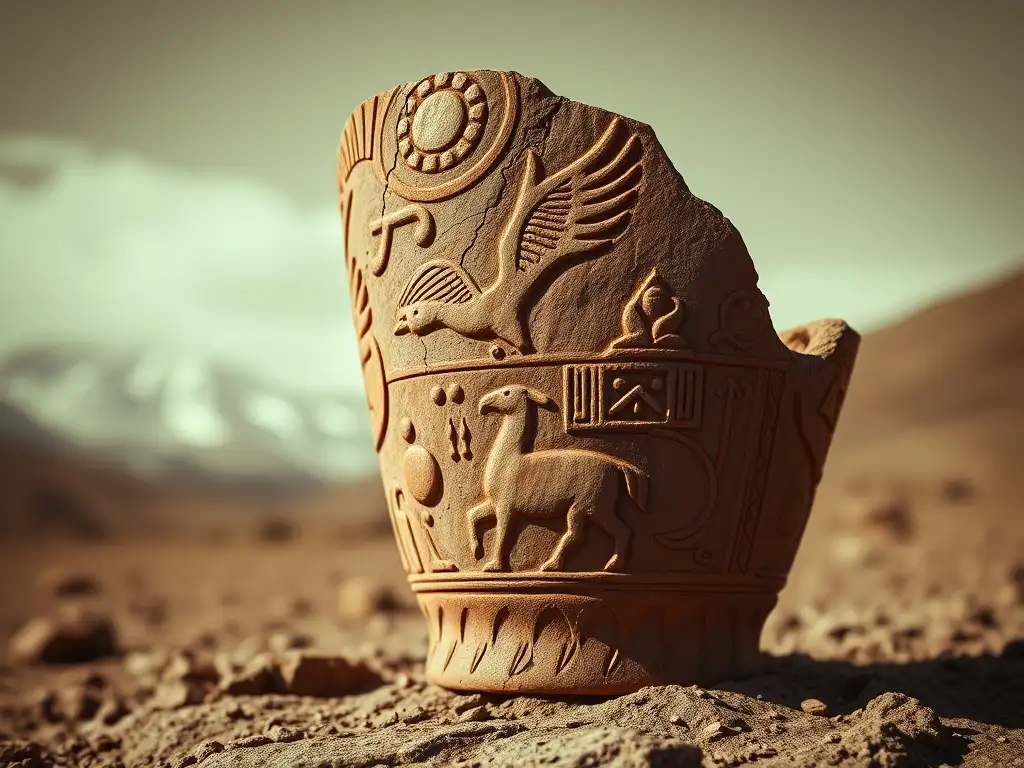
The artistic expressions of Pre-Incan Andean civilizations offer invaluable insights into their beliefs, social structures, and daily lives. These weren't merely decorative; they were powerful tools for communicating complex ideas and narratives. The scarcity of written records makes the interpretation of these artistic forms crucial for understanding their world.
Analyzing the styles, motifs, and materials used reveals a rich tapestry of cultural practices and spiritual beliefs that significantly shaped the development of later Andean societies. The vibrant colors, intricate designs, and the use of diverse materials reflect a deep understanding of their environment and a sophisticated artistic sensibility that foreshadowed the artistic achievements of the later Incan Empire. The enduring legacy of Pre-Incan art continues to inspire awe and fascination, prompting ongoing research and interpretation.
Rock Art and Cave Paintings
Rock art, a prominent feature of Pre-Incan artistic expression, provides a visual record of daily life, rituals, and beliefs. These paintings, often found in caves and rock shelters across the Andes, depict a variety of subjects, from hunting scenes and stylized human figures to geometric patterns and abstract symbols. The pigments used, often derived from minerals and plants, demonstrate an early understanding of color mixing and application techniques. Many of these paintings are remarkably well-preserved, providing a direct link to the artistic practices of these ancient peoples.
Scholars continue to decipher the meaning of the various symbols and motifs, often drawing parallels with later Andean iconography. For example, certain recurring motifs, such as stylized camelids or geometric patterns, may represent clan symbols, spiritual beliefs, or depictions of important events. Careful study of rock art and cave paintings continues to enrich our understanding of Pre-Incan cultures and their worldview.
Early Forms of Textile Art
The earliest forms of textile art in the Andes represent a remarkable achievement in craftsmanship and artistic expression. Pre-Incan textiles, made from cotton, camelid fibers (alpaca, llama, and vicuña), and other plant fibers, demonstrate a mastery of weaving techniques far exceeding what might be expected from a "preceramic" society. The intricate designs, often incorporating geometric patterns, zoomorphic figures, and symbolic motifs, reflect a sophisticated understanding of textile production and design.
These textiles served not only as clothing and decorative items, but also held significant symbolic value, sometimes functioning as markers of social status or used in religious ceremonies. The preservation of these delicate artifacts is a testament to the quality of the materials and the skill of the artisans.
The discovery of fragments of woven textiles in various archaeological sites continues to reveal new information about the artistic capabilities and social structures of these early Andean societies. The complexity of these textiles highlights the advanced technological and artistic achievements of the Pre-Incan peoples.
The Legacy of Preceramic Andean Civilizations
The Preceramic period, despite its lack of pottery, laid the groundwork for the subsequent development of complex Andean civilizations. Its significance cannot be overstated. The advancements in agriculture, social organization, and artistic expression during this era directly contributed to the later flourishing of cultures like the Chavín, Moche, and Nazca.
Understanding this period is essential to grasping the full scope of Andean history and the gradual evolution of its unique cultural identity. The innovations and achievements of the Preceramic era established a strong foundation upon which later Andean societies built their impressive accomplishments. The development of advanced agricultural techniques, for instance, was crucial for supporting larger, more complex populations.
The Foundation for Later Andean Cultures
The innovations and adaptations of the Pre-ceramic period provided the foundation for the later flourishing of Andean societies. The development of sophisticated agricultural techniques, such as irrigation systems and terracing, allowed for increased food production, supporting larger and more densely populated settlements. These advancements in agriculture, in turn, facilitated the development of specialized labor and social stratification.
The mastery of textile production, evidenced by the intricate and well-preserved textiles found in archaeological sites, also contributed to the economic and social development of these early societies. Moreover, the artistic and symbolic expressions of the Preceramic period laid the groundwork for the rich artistic traditions that characterized later Andean cultures.
The continuity and evolution of artistic styles and motifs can be traced from the Preceramic period to the later empires, indicating a deep-rooted cultural heritage. The legacy of the Preceramic period is evident in the foundations of later Andean civilizations, demonstrating its fundamental importance in the overall trajectory of Andean history.
The Transition to the Formative Period and the Rise of Complex Societies
The transition from the Preceramic period to the Formative Period marks a significant turning point in Andean history. The emergence of pottery, a key characteristic of the Formative Period, signifies a major technological and cultural shift. The development of more complex social structures, larger settlements, and specialized labor are also indicative of this transition.
This period witnessed the rise of ceremonial centers and the development of more elaborate religious practices, suggesting the emergence of centralized political authority. The Formative Period saw the beginnings of monumental architecture, indicating a greater capacity for collective labor and social organization. The changes that occurred during this transition represent a significant step towards the development of fully complex societies in the Andes, laying the foundation for the impressive achievements of later Andean cultures.
The appearance of pottery itself, often adorned with intricate designs and symbolic motifs, reveals a sophisticated artistic sensibility and a growing complexity of social and religious beliefs. This transition represents a critical juncture in the development of Andean civilization, setting the stage for the emergence of powerful empires and sophisticated cultural expressions.
Understanding the Importance of Pre-Incan Andean History
The study of Pre-Incan Andean civilizations is crucial for a complete understanding of the region's rich and complex history. It allows us to move beyond the often-dominant narrative focused solely on the Inca Empire, revealing a far more nuanced and layered past. Before the Inca, numerous sophisticated societies flourished, each contributing unique cultural, technological, and artistic achievements that shaped the Andean world.
Ignoring this pre-Inca heritage is akin to understanding only the final chapter of a long and captivating novel – the richness of the preceding chapters, the development of characters, and the evolution of the plot remain unexplored. By focusing on these earlier civilizations, we gain a deeper appreciation for the gradual evolution of Andean societies, their adaptations to diverse environments, and the continuity and change that characterized their development over millennia.
This broader perspective allows for a more accurate and complete understanding of the Inca's achievements, placing them within a larger historical context. Understanding the pre-Inca foundations is essential for contextualizing Inca innovations and appreciating the long-term processes that shaped Andean life.
Exploring the Deep Roots of Andean Identity
The Pre-Incan period laid the groundwork for many aspects of Andean identity that persisted even after the Inca expansion. Agricultural techniques, such as terracing and irrigation, developed over centuries, providing a foundation for the Inca's agricultural prowess. Religious beliefs and practices, including ancestor veneration and the worship of nature deities, evolved through various Pre-Inca cultures, influencing Inca religious ideology.
Artistic styles and motifs, evident in pottery, textiles, and metalwork, show clear lines of continuity across different eras, suggesting a shared cultural heritage. Even linguistic influences can be traced back to Pre-Inca roots, with some scholars arguing for the existence of proto-Quechuan languages long before the Inca's rise to power. The deep roots of Andean identity, therefore, are not solely attributable to the Inca but are a product of the cumulative contributions of numerous Pre-Inca societies.
Understanding these roots illuminates the complex tapestry of Andean culture and its enduring legacy. The vibrant traditions and resilient spirit of the Andean people are, in many ways, a testament to the enduring strength of this pre-Inca heritage.
The Significance for Modern Archaeology
The study of Pre-Incan Andean civilizations is of paramount importance to modern archaeology. These societies left behind a wealth of archaeological material, including monumental architecture, intricate textiles, sophisticated pottery, and elaborate burial sites. These artifacts provide invaluable insights into the social organization, religious beliefs, technological advancements, and daily lives of these ancient people.
The analysis of these materials challenges existing assumptions and expands our understanding of early human societies in the Andes. Furthermore, the study of Pre-Incan sites helps archaeologists develop better methodologies for excavating and interpreting ancient remains. Advances in techniques such as radiocarbon dating, ceramic analysis, and ancient DNA research have revolutionized our ability to reconstruct the past, providing more precise chronologies and a more nuanced understanding of cultural interactions.
The ongoing discoveries in Pre-Inca archaeology continually reshape our knowledge of the Andean region, highlighting the dynamic and evolving nature of human societies in this fascinating part of the world. The ongoing research in this field promises to reveal even more about the sophisticated and fascinating cultures that shaped the Andean world before the Inca.
Frequently Asked Questions
What are Pre-Incan Andean civilizations?
Pre-Incan Andean civilizations refer to the complex societies that flourished in the Andes region before the rise of the Inca Empire. These include cultures like the Moche, Nazca, Tiahuanaco, and many others, each with its unique characteristics. They laid the groundwork for later Andean developments.
How long did Pre-Incan civilizations exist?
The timeline varies greatly depending on the specific culture. Some, like the Caral civilization, date back to 3000 BCE, while others emerged and declined later. The period encompasses millennia of development and interaction.
What are some key achievements of Pre-Incan cultures?
Pre-Incan societies achieved significant advancements in agriculture, irrigation, ceramics, textiles, and architecture. They also developed intricate religious beliefs and sophisticated social structures. Their innovations shaped the Andes region profoundly.
How did Pre-Incan civilizations differ from the Inca?
While the Inca inherited and built upon earlier achievements, they differed in their political organization, administrative systems, and imperial scale. Pre-Incan societies were often regional, whereas the Inca created a vast, centralized empire.
Where can I learn more about Pre-Incan Andean civilizations?
You can explore further by researching specific cultures like the Moche, Nazca, or Tiahuanaco. Museums featuring Andean artifacts, academic journals, and books on Andean archaeology offer valuable insights into these fascinating societies.
Final Reflection: Echoes of a Lost World: Reimagining Andean History
The intricate tapestry of Andean civilization, often overshadowed by the Inca Empire, boasts a rich preceramic history that continues to reshape our understanding of human ingenuity and adaptation. Understanding these early societies is not merely an academic exercise; it's crucial for appreciating the full complexity and resilience of Andean cultures and their enduring legacy.
The impact of these preceramic societies resonates deeply, influencing everything from agricultural practices to spiritual beliefs that persist in modern Andean communities. Their innovative solutions to the challenges of the high Andes – their mastery of irrigation, their sophisticated social structures, and their artistic expressions – laid the groundwork for the later empires. The past is never dead. It's not even past.
– William Faulkner. This quote perfectly encapsulates the enduring influence of these early Andean peoples, whose innovations and traditions continue to shape the region's identity.
Consider the ingenuity of these early settlers, their ability to thrive in one of the world's most challenging environments. Their story is a testament to human resilience and adaptability. Let their achievements inspire you to explore the depths of your own potential, to appreciate the interconnectedness of history and the present, and to recognize the profound impact of seemingly forgotten civilizations. Let us strive to understand the past, not just to remember it, but to learn from it and build a more informed and appreciative future.
Unveil the Rich History of the Andes!
Thank you for joining us on this journey into the fascinating world of preceramic Andean life! You've already uncovered the remarkable origins of the vibrant civilizations that followed. Now, let's expand on that knowledge and explore the wonders of the Andes independently.
Here are a few ways to deepen your connection with this incredible history:
- Visit local museums and cultural centers showcasing Andean artifacts and civilizations. Immerse yourself in the exhibits and learn from the wealth of information available.
- Engage with online communities and forums dedicated to Andean history. Connect with fellow enthusiasts, share your discoveries, and ask questions to further your understanding.
- Experience Andean culture firsthand through crafts or cooking. Explore the region's artistry and unique flavors, bringing the history to life.
What aspect of preceramic Andean life captivates you most, and how will you continue to explore it?