
A Legacy in Stone: The Evolution of Building Techniques Across Andean Civilizations

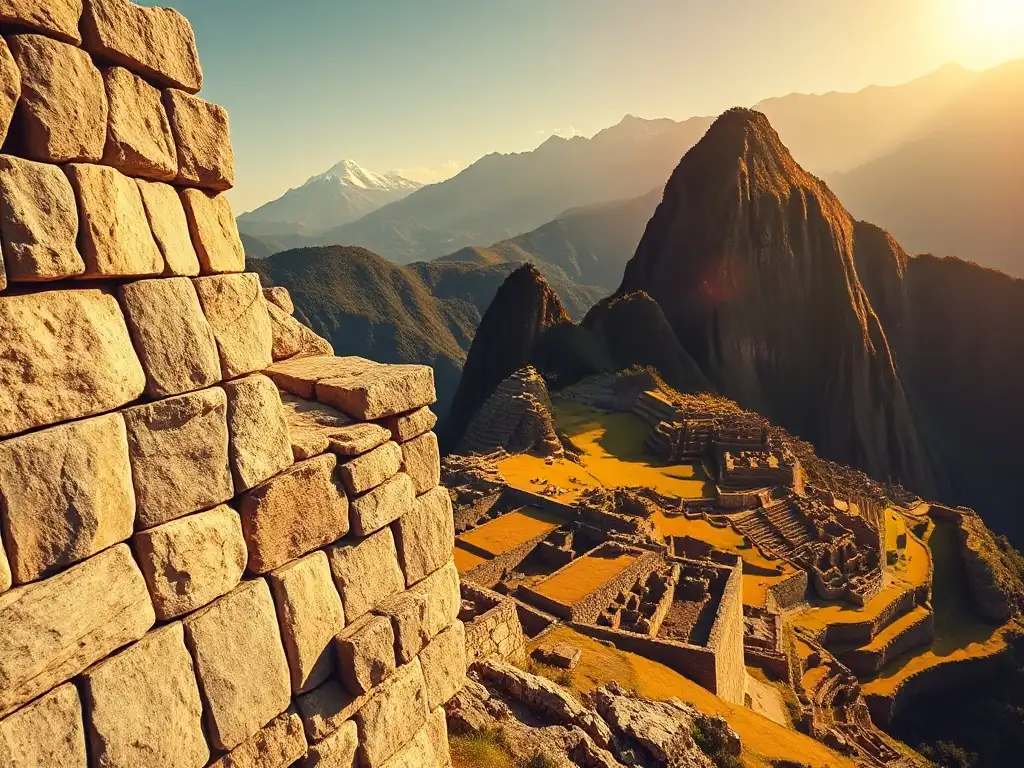
Step into a world lost to time, yet echoing with the whispers of masterful builders. Imagine towering structures defying gravity, intricate designs carved into mountain faces, and a legacy of ingenuity that continues to amaze. This is the story of Andean building techniques evolution, a journey through millennia of architectural innovation across the magnificent Andean civilizations. Uncover the secrets behind their astounding achievements and prepare to be captivated by the ingenuity of the Incas, Moche, Nazca, and Tiahuanaco – a testament to human resilience and creativity. Dare to explore...
The Andes Mountains, a spine of towering peaks running down the western coast of South America, are not just a geographical feature; they are the cradle of some of the most remarkable civilizations the world has ever known. For millennia, ingenious Andean societies adapted their building techniques to the challenging terrain and diverse climates, leaving behind a breathtaking legacy of architectural marvels.
This article delves into the fascinating evolution of Andean building techniques, exploring the innovations and ingenuity of cultures like the Incas, Moche, Nazca, and Tiahuanaco, highlighting their unique approaches to construction and the lasting impact on their societies and the landscape itself. We will examine the materials used, the construction methods employed, and the social and environmental factors that shaped these remarkable achievements, ultimately showcasing the impressive adaptability and sophisticated engineering skills of these ancient Andean builders.
Understanding this evolutionary process is crucial to appreciating the complexity and sophistication of Andean civilizations and their enduring connection to their environment. The keyword "Andean building techniques evolution" will be explored through specific examples and chronological analysis.
Early Andean Construction: Foundations of Ingenuity
The earliest Andean societies, predating the rise of the more well-known empires, already demonstrated remarkable building skills. These early communities, often inhabiting smaller, dispersed settlements, utilized readily available materials like adobe bricks (sun-dried mud bricks) and stone. Their structures, while simpler than later constructions, were adapted to the local environment. For example, techniques were developed to stabilize structures built on steep slopes, demonstrating a basic understanding of structural engineering principles.
The use of local stone, often rough-hewn and fitted together without mortar, showcases resourcefulness and adaptation to available materials. Evidence suggests the use of rudimentary scaffolding and ramps for the construction of even relatively modest buildings. The development of these early techniques laid the groundwork for the more sophisticated building practices of later Andean cultures. We can see a clear progression from simple, utilitarian structures to more complex, monumental architecture.
The Moche and Nazca: Mastering Adobe and Earthworks
The Moche and Nazca cultures, flourishing between roughly 100 CE and 800 CE, further refined construction techniques, particularly in the use of adobe. The Moche are renowned for their impressive adobe pyramids and monumental platforms, which often incorporated intricate designs and decorative elements. Their mastery of adobe brick production and construction allowed them to create large-scale structures that served both religious and administrative purposes.
The Nazca, on the other hand, are perhaps best known for their enigmatic geoglyphs, but they also demonstrated skill in adobe architecture and impressive earthworks, including canals and terraces, which showcased a deep understanding of hydraulic engineering and land management. These cultures utilized sophisticated techniques to ensure the stability of their adobe structures in the often-arid Andean climate. Precise measurements and careful planning were essential for the successful construction of these monumental works.
Tiahuanaco: The Rise of Megalithic Architecture
The Tiahuanaco culture (c. 500 – 1000 CE) stands out for its monumental stone architecture. Unlike earlier cultures that primarily used adobe, Tiahuanaco builders excelled in the precise cutting and fitting of massive stone blocks, creating structures of impressive scale and precision. The famous Gate of the Sun, a monolithic gateway adorned with intricate carvings, exemplifies their mastery of stonework.
The construction methods employed by the Tiahuanaco remain somewhat mysterious, but evidence suggests the use of sophisticated tools and a high degree of organizational skill. The transport and placement of these enormous stones across challenging terrain is a testament to their engineering prowess and the mobilization of significant labor forces.
The precise joining of stones without mortar is a remarkable feat of engineering and artistry, highlighting the advanced understanding of geometry and structural integrity. Further research is needed to fully understand the techniques employed in the construction of these megalithic structures.
Inca Engineering: A Pinnacle of Andean Building
The Inca Empire (c. 1438 – 1533 CE) inherited and significantly advanced the building techniques of previous Andean cultures. They mastered stonework to an even greater degree, developing techniques for incredibly precise stone fitting, creating walls that are almost seamless. Inca builders employed a variety of stones, carefully selecting and shaping them to fit together perfectly without mortar.
Their mastery of terracing, particularly in agriculture, was crucial to their success and demonstrated a deep understanding of environmental adaptation. The construction of impressive road networks, bridges, and fortifications throughout their vast empire showcases the Inca's exceptional organizational and engineering skills. The integration of stone, wood, and other materials in their structures demonstrates a sophisticated understanding of structural mechanics and material properties.
This period represents a pinnacle of Andean building techniques, achieving a remarkable level of precision and scale. The Inca’s legacy continues to inspire awe and admiration for their ingenuity and organizational capabilities.
- Early Andean Construction: Foundations of Ingenuity
- The Moche and Nazca: Mastering Adobe and Earthworks
- Tiahuanaco: The Rise of Megalithic Architecture
- Inca Engineering: A Pinnacle of Andean Building
Early Andean Construction Methods: Foundations of Ingenuity
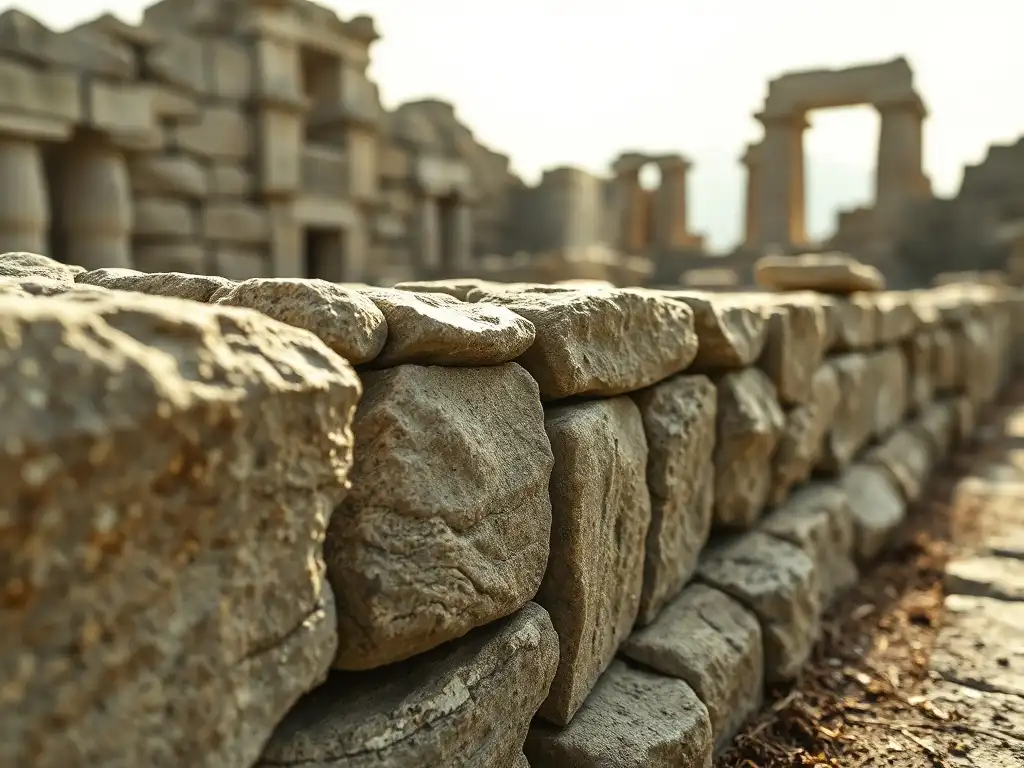
This section delves into the foundational building techniques employed by the earliest Andean civilizations, laying the groundwork for the more sophisticated architectural achievements that would follow. Understanding these initial methods provides crucial insight into the ingenuity and adaptability of Andean builders, who skillfully harnessed readily available resources to create durable and functional structures. The evolution of Andean building techniques is a fascinating journey reflecting both environmental adaptation and technological innovation.
Preceramic Period Architecture: Simple Structures and Materials
The preceramic period (circa 8000-1800 BCE) in the Andes witnessed the emergence of the first settled communities. Architectural styles during this era were characterized by simplicity, reflecting the limitations of available tools and technologies. Structures were predominantly small, rudimentary dwellings constructed primarily from readily available materials. These included:
- Wood: Used for posts and framing, sourced from local forests. The type of wood varied depending on the specific ecological zone.
- Thatch: Common roofing material, providing insulation and protection from the elements. Different grasses and reeds were used depending on altitude and availability.
- Mud and Wattle: Walls were often constructed using a wattle-and-daub technique, where interwoven branches or reeds (wattle) were plastered with mud (daub). This created relatively stable, albeit less durable, walls.
- Stone: While stone was present, its use was limited during this early period. It was primarily employed in the construction of rudimentary retaining walls or foundations for more substantial structures, often with minimal shaping or preparation.
The lack of sophisticated tools meant that shaping and fitting of materials was basic. Evidence suggests that these early structures were often temporary or easily replaced, reflecting a nomadic or semi-nomadic lifestyle. However, even these seemingly simple structures demonstrate a remarkable understanding of local materials and environmental conditions. The efficient use of readily available resources showcases the practical ingenuity of these early Andean communities and their adaptation to their environment.
The Use of Adobe in Early Andean Civilizations
The development of adobe marked a significant advance in Andean building techniques. Adobe, sun-dried mud bricks, offered a superior building material compared to the earlier wattle-and-daub constructions. The increased durability and stability of adobe structures allowed for larger and more complex buildings. The production of adobe bricks involved a relatively simple process:
- Mixing mud with organic materials like straw or dung to improve its binding properties and prevent cracking.
- Molding the mixture into bricks using wooden forms.
- Allowing the bricks to dry in the sun for several days or weeks.
The use of adobe spread across various Andean cultures, each developing its own techniques and variations. The size and shape of adobe bricks, as well as the methods of laying them, varied considerably depending on local traditions and available resources. This adaptability highlights the flexibility of adobe as a building material and its widespread adoption across diverse environments. The longevity of some adobe structures is a testament to the effectiveness of this simple yet ingenious building method. Many examples can still be found today, showcasing the enduring legacy of this early Andean construction technique.
Initial Stone Construction Techniques: Basic Shaping and Placement
As Andean societies developed, the use of stone in construction became increasingly prevalent. Early stone construction techniques were relatively rudimentary, focusing on the basic shaping and placement of stones. Unlike the later sophisticated stonework seen in Inca architecture, the initial approaches were less precise. Stones were often irregularly shaped and fitted together using mud or clay mortar. This type of construction is evident in a number of early Andean sites. The process involved:
- Selection of Stones: Stones were selected from nearby quarries or riverbeds, prioritizing readily available materials. Size and shape were less critical than availability.
- Basic Shaping: Minimal shaping was done, often involving only rudimentary hammering or chipping to achieve a somewhat flat surface.
- Placement: Stones were carefully placed, building up walls layer by layer. Mud or clay mortar was used to fill gaps and bind the stones together.
While less refined than later methods, these early stone constructions demonstrate a growing understanding of stone as a durable and long-lasting building material. The development of basic stonework laid the foundation for the increasingly sophisticated techniques that would characterize later Andean civilizations, showcasing the gradual evolution of Andean building techniques over time. The transition from simple mud-brick structures to more complex stone constructions reflects the increasing sophistication of Andean societies and their mastery of building technologies.
The Rise of Monumental Architecture: Advancements in Andean Engineering
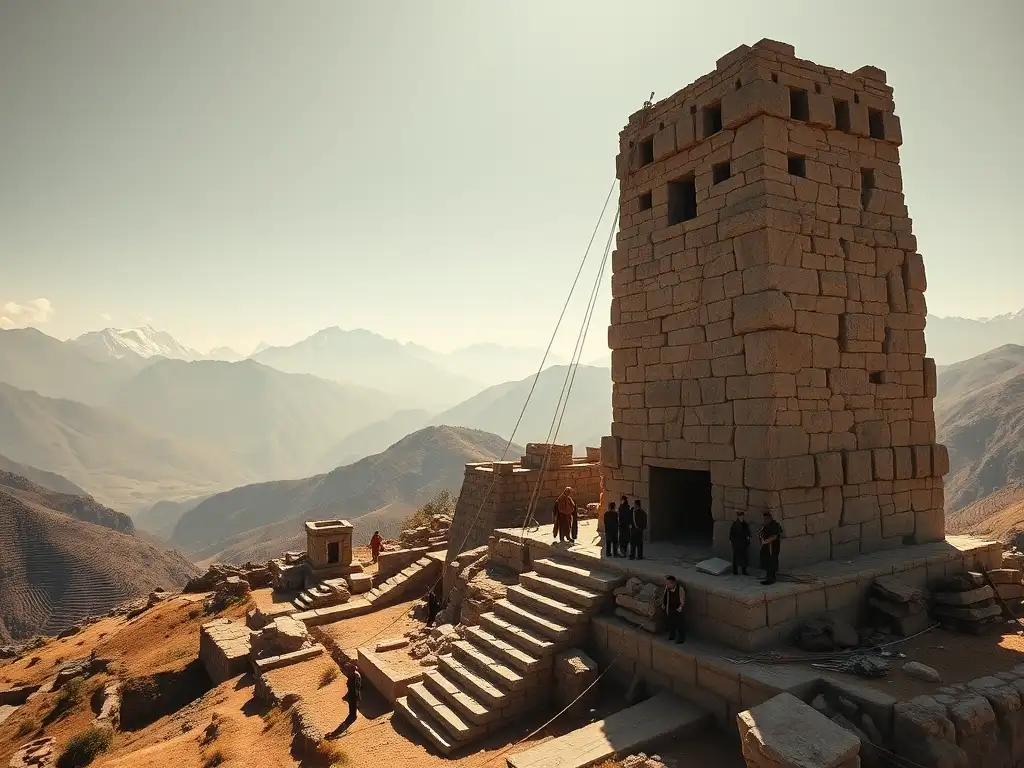
The evolution of Andean building techniques is a fascinating journey reflecting the ingenuity and adaptability of different civilizations across millennia. From simple structures to monumental complexes, the Andean peoples continuously refined their methods, pushing the boundaries of engineering and demonstrating a deep understanding of their environment. This section will focus on the key advancements in engineering that enabled the construction of the impressive structures we see today, focusing on the period from the early monumental architecture to the Inca Empire. Understanding the Andean building techniques evolution requires examining the interplay of materials, tools, and societal organization.
The Development of Complex Stone Cutting Techniques
Early Andean cultures, such as the Chavín, demonstrated impressive skills in stonework, albeit on a smaller scale. However, the later civilizations, particularly the Wari and Tiwanaku, took stone cutting to a new level of precision. They developed sophisticated techniques for shaping massive blocks of stone, often utilizing various types of andesite, basalt, and other readily available materials.
Evidence suggests the use of copper and bronze tools, alongside potentially rudimentary versions of stone hammers and chisels, to create incredibly tight-fitting joints. The precision achieved is remarkable; some stones fit together so seamlessly that even a knife blade cannot be inserted between them. This level of accuracy wasn't achieved through guesswork; it indicates a deep understanding of geometry and a highly skilled workforce.
Consider the intricate carvings found on many Tiwanaku structures. The meticulous detail and the smooth surfaces achieved are testaments to the mastery of their stone-cutting techniques. While the exact methods remain partially enigmatic, archaeological findings continually shed light on the processes involved, highlighting the evolution from rough shaping to the incredibly fine details seen in later periods. Further research into the tool marks and the types of stone used is crucial to fully understand the intricacies of this highly specialized craft. The Andean building techniques evolution in stone cutting is a testament to their resourcefulness and dedication.
Innovations in Mortar and Binding Agents
The impressive longevity of many Andean structures is not solely attributable to the precision of stone cutting. The development of effective mortar and binding agents played a crucial role. While early structures might have relied on simpler techniques, later civilizations developed sophisticated mixtures that enhanced the stability and durability of their buildings. These weren't simple mud-based mortars; analysis of surviving structures reveals the use of various additives, potentially including lime, volcanic ash, and even plant fibers, to improve the mortar's strength, water resistance, and adhesion.
The precise recipes and application methods varied across different cultures and time periods. However, the overall trend shows a clear progression towards more durable and effective binding agents. This innovation is especially apparent in the Inca Empire's impressive stonework, where the mortar often blends seamlessly with the stone, creating an incredibly strong and resilient bond.
The study of these ancient mortars continues to be an area of active research, potentially leading to the discovery of new construction materials and techniques inspired by Andean ingenuity. The evolution of Andean building techniques in this area significantly impacted the longevity and scale of their architectural feats.
The Emergence of Terraces and Retaining Walls
The challenging Andean terrain necessitated innovative solutions for agriculture and settlement. The development of sophisticated terrace and retaining wall systems exemplifies the remarkable adaptation of Andean building techniques to their environment. These weren't simply haphazard arrangements of stones; they were carefully planned and engineered systems designed to maximize arable land and prevent soil erosion in mountainous regions.
The construction of terraces involved significant earthworks, careful grading, and the precise placement of retaining walls. The scale of these projects was immense, requiring substantial labor and organizational skills. The precision with which terraces were built is astounding; many have survived for centuries, a testament to the effectiveness of their design and construction.
The Andean building techniques evolution in this area directly impacted the sustainability of their agricultural practices and the density of their settlements. The construction of terraces and retaining walls is a clear demonstration of the Andean peoples' deep understanding of both engineering principles and environmental factors. Further study of the different types of terracing systems and their construction methods is crucial to fully comprehend the ingenuity of this sophisticated agricultural technology.
Master Builders of the Andes: Unique Construction Styles and Techniques
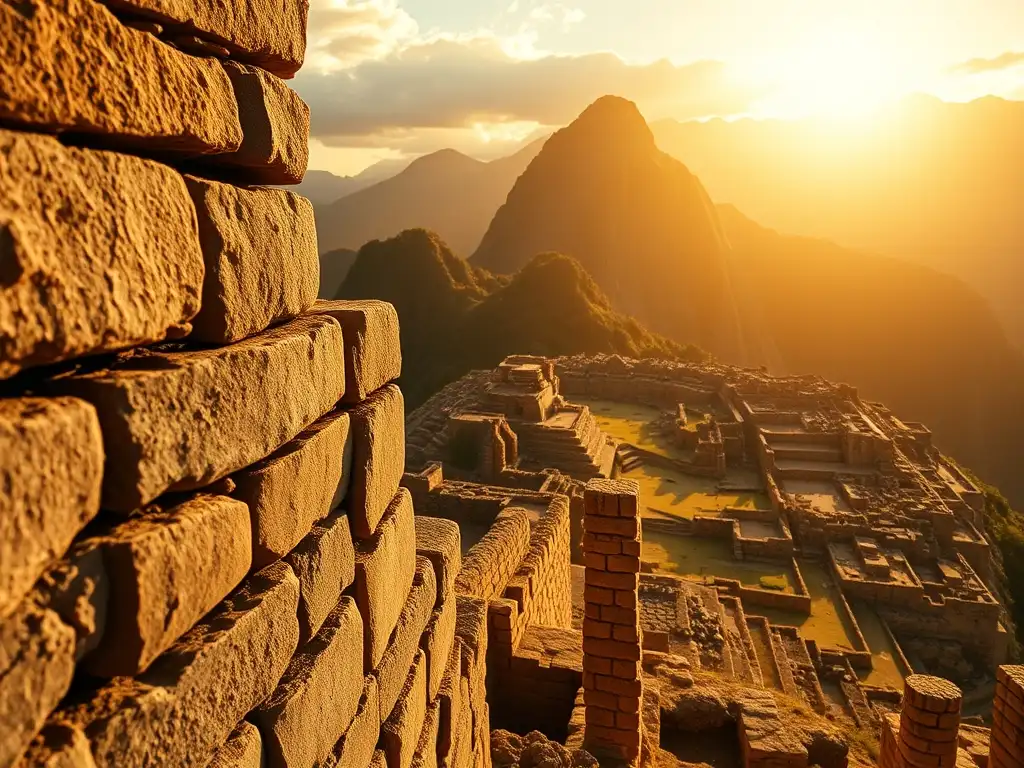
The Andean region boasts a remarkable legacy of architectural ingenuity, showcasing a fascinating evolution of building techniques across diverse civilizations. From the intricate earthworks of the Nazca to the precisely fitted stones of Tiahuanaco and the monumental pyramids of the Moche, each culture developed unique approaches to construction, reflecting their distinct environmental adaptations, social structures, and technological capabilities. This evolution wasn't simply a linear progression; rather, it involved periods of innovation, adaptation, and even the adoption of techniques from preceding cultures.
Studying these advancements offers invaluable insights into the resourcefulness, engineering prowess, and complex societal organization of these ancient Andean societies. Analyzing the "Andean building techniques evolution" reveals a story of remarkable human achievement. Understanding the specific challenges each civilization faced – from seismic activity to scarce resources – allows us to appreciate the ingenuity embedded in their building solutions.
Moche Architectural Techniques: Pyramids and Huacas
The Moche civilization (c. 100-800 CE), renowned for its sophisticated metalworking and vibrant pottery, also displayed exceptional architectural skills. Their signature constructions are the impressive adobe pyramids and huacas, ceremonial structures often adorned with intricate relief sculptures. The Moche mastered the technique of adobe brick construction, creating massive platforms and pyramids using sun-dried bricks. These structures were not simply mounds of earth; they were carefully planned and executed, often incorporating ramps, staircases, and internal chambers.
The construction process likely involved a highly organized workforce, with specialized laborers responsible for brick-making, transportation, and placement. Evidence suggests the use of scaffolding and ramps to facilitate the construction of these towering structures. The Moche also employed sophisticated techniques for decorating their structures, utilizing brightly colored pigments and intricate relief carvings to depict religious and mythological themes.
The scale and precision of Moche architecture highlight their advanced organizational abilities and sophisticated understanding of engineering principles. For example, the Huaca del Sol and Huaca de la Luna, near Trujillo, Peru, are testaments to the Moche's mastery of adobe construction and their ability to create monumental structures that have endured for centuries. The precise alignment of these structures also suggests an advanced understanding of astronomy and its relationship to their religious beliefs.
Nazca Building Methods: Geoglyphs and Subterranean Structures
While the Nazca civilization (c. 100 BCE – 800 CE) is most famous for its enigmatic geoglyphs, their architectural achievements are equally impressive, albeit less visually striking. The Nazca people demonstrated a remarkable ability to manipulate the landscape, creating extensive irrigation systems and subterranean structures. Their building techniques focused on practicality and resourcefulness, adapting to the arid coastal environment of southern Peru.
Unlike the monumental adobe structures of the Moche, Nazca architecture emphasized functionality and integration with the surrounding landscape. Their subterranean structures, often built using adobe bricks and stone, served as storage facilities, housing, and possibly ceremonial spaces. These structures are remarkable for their complexity and the engineering skills involved in their construction, particularly given the limited technology available.
The construction of the geoglyphs themselves, though not strictly "buildings" in the traditional sense, involved significant earthworks and a sophisticated understanding of land surveying and scale. The creation of these massive figures required meticulous planning and execution, employing techniques that remain partially mysterious even today. Further research is needed to fully elucidate the precise methods used in the creation of these iconic geoglyphs and the subterranean structures, which represent a unique approach within the "Andean building techniques evolution".
Tiahuanaco Architectural Marvels: Precise Stone Fitting and Monumental Gates
The Tiahuanaco civilization (c. 1500 – 1000 BCE), located on the shores of Lake Titicaca in present-day Bolivia, stands out for its mastery of monumental stonework. Their architecture is characterized by precisely fitted megalithic blocks, showcasing an unparalleled level of precision and engineering skill. The most iconic examples are the monumental gateways, such as the Gateway of the Sun, which are adorned with intricate carvings and demonstrate a profound understanding of stone cutting and shaping techniques.
The Tiahuanaco builders employed a remarkable technique of precisely fitting massive stone blocks without the use of mortar. The precision of these joints is astonishing, with many blocks fitting together so tightly that a knife blade cannot be inserted between them. The methods used to achieve this level of precision remain a subject of debate, but they likely involved advanced tools, meticulous planning, and a deep understanding of stone properties.
The monumental structures of Tiahuanaco, including the Kalasasaya platform and the Akapana pyramid, represent a significant advancement in Andean building techniques. Their construction involved the transportation of massive stone blocks over considerable distances, further highlighting the organizational capabilities and engineering expertise of the Tiahuanaco people.
The sophisticated stonework of Tiahuanaco represents a pinnacle in the "Andean building techniques evolution," demonstrating a remarkable level of skill and knowledge. Further investigation into the quarrying, transportation, and placement methods employed would provide crucial insights into the technological and organizational prowess of this remarkable civilization.
Inca Engineering and Construction Prowess: The Apex of Andean Techniques
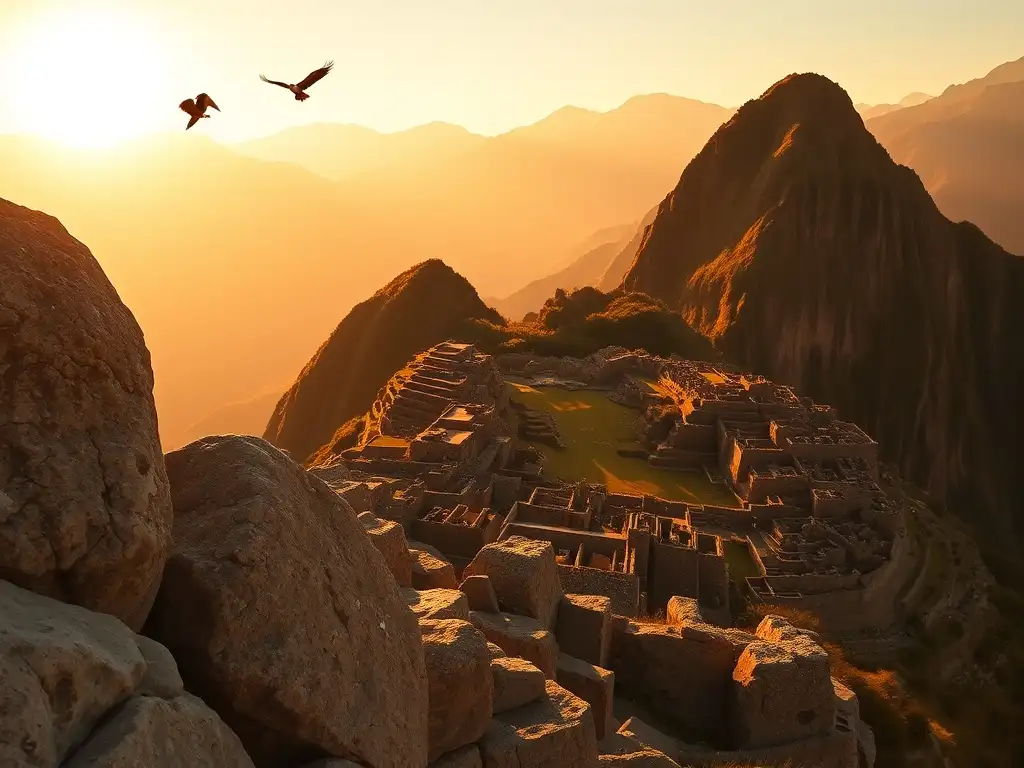
The Inca Empire, reaching its zenith in the 15th and 16th centuries, represents the pinnacle of Andean building techniques evolution. Their mastery wasn't simply about constructing impressive structures; it was about seamlessly integrating architecture with the challenging Andean landscape, demonstrating remarkable adaptability and ingenuity. This section will delve into specific examples of Inca engineering prowess, showcasing their understanding of materials, structural integrity, and urban planning.
The Inca's sophisticated approach to construction was a culmination of centuries of Andean architectural innovation, building upon the achievements of preceding cultures while forging a unique style. Their legacy continues to inspire awe and wonder, prompting ongoing research into their advanced techniques.
Inca Stonework Mastery: Polished Blocks and Earthquake Resistance
Inca stonework is legendary for its precision and durability. The Incas perfected the art of fitting stones together without mortar, creating incredibly strong and stable structures. This technique, known as ashlar masonry, involved meticulously shaping massive blocks of stone to fit together with astonishing accuracy. The resulting walls were not only aesthetically pleasing but also remarkably resistant to earthquakes, a frequent occurrence in the Andes. The level of precision is breathtaking; many joints are so tight that a knife blade cannot be inserted between the stones.
Consider the walls of Sacsayhuamán, near Cusco. These cyclopean structures feature enormous stones, some weighing many tons, fitted together with such precision that they appear almost perfectly seamless. This wasn't just aesthetic; the interlocking design dramatically increased the structure's resistance to seismic activity.
The Incas' understanding of earthquake engineering was far ahead of its time, allowing them to construct buildings that withstood centuries of tremors. Their mastery of stone cutting and placement, combined with their knowledge of geological principles, resulted in structures that remain remarkably intact even today. The precise techniques involved are still being studied and debated by archaeologists and engineers, highlighting the sophistication of Inca building practices.
The Inca Road System: Engineering Feats in Infrastructure
Beyond monumental architecture, the Inca road system stands as a testament to their engineering prowess. Spanning thousands of miles across diverse and challenging terrain, this network of roads facilitated communication, trade, and military movement throughout the vast empire. The roads weren't simply paths; they were meticulously engineered feats of infrastructure, demonstrating a deep understanding of topography, drainage, and construction materials.
The Inca road system incorporated suspension bridges, meticulously carved stairways, and strategically placed waystations. These roads were adapted to the landscape, traversing mountains, valleys, and deserts with remarkable ingenuity. The construction techniques employed varied depending on the terrain, showcasing the adaptability of Inca engineers. In mountainous regions, they used retaining walls and terraces to stabilize slopes and create pathways.
In areas prone to flooding, they implemented sophisticated drainage systems. The construction of the road system required immense organization, labor, and planning, highlighting the sophisticated administrative capabilities of the Inca empire. The Inca road network is a powerful demonstration of the sophisticated engineering skills that underpinned the Inca civilization's success and expansion.
Inca Urban Planning and Layout: Cusco as an Example
Cusco, the former capital of the Inca Empire, serves as a prime example of Inca urban planning. The city's layout is not random; it reflects a deliberate and sophisticated design, reflecting a deep understanding of both practical and symbolic considerations. The city's streets are arranged in a grid pattern, with major thoroughfares radiating from the central plaza. This efficient design facilitated movement and access to key areas, reflecting the empire's administrative and logistical capabilities.
Moreover, the placement of buildings within Cusco was not arbitrary. Religious structures, administrative centers, and residential areas were strategically located, reflecting the hierarchical structure of Inca society. The integration of the city with its surrounding landscape is also striking. Terraces and agricultural areas were incorporated into the urban fabric, demonstrating the Incas' understanding of sustainable urban development.
Cusco's layout, therefore, wasn't just about aesthetics or functionality; it was a powerful expression of Inca ideology and social organization. The city's enduring structure and layout serve as a testament to the ingenuity and foresight of Inca urban planners. The detailed planning and execution of Cusco demonstrate a high level of understanding of urban design and its implications for social structures and daily life within the Inca empire.
Advanced Techniques in Inca Wall Construction: Ashlar Masonry and Cyclopean Walls
Inca masonry represents the pinnacle of Andean building techniques, showcasing remarkable precision and ingenuity. Two prominent examples are ashlar masonry and cyclopean walls, both demonstrating sophisticated understanding of stonework and engineering principles. Ashlar masonry, characterized by its use of precisely cut, rectangular blocks of stone, is evident in many Inca structures, from imposing fortress walls to intricate temples.
The blocks, often fitted together without mortar, display an astonishing level of accuracy, with joints so fine that a knife blade can barely fit between them. This meticulous craftsmanship highlights the Inca's advanced understanding of geometry and stone cutting techniques. The precision wasn't merely aesthetic; it contributed to the structural integrity and longevity of their buildings, enabling them to withstand earthquakes and the test of time.
The quality of the stonework varied depending on the location and purpose of the structure, with more elaborate techniques reserved for important sites. For example, the walls of Sacsayhuamán near Cusco exhibit exceptionally fine ashlar masonry, reflecting the site's significance.
Cyclopean walls, on the other hand, are characterized by the use of massive, irregularly shaped stones, some weighing several tons. These colossal blocks, often fitted together with remarkable precision despite their irregular shapes, are a testament to the Inca's engineering prowess and organizational capabilities. The construction of cyclopean walls required not only skilled stonemasons but also a sophisticated system of transportation and lifting mechanisms to move these enormous stones to their designated locations.
The exact methods employed remain a subject of ongoing research and debate, but evidence suggests the use of ramps, levers, and possibly even sophisticated systems of ropes and pulleys. These walls, often found in strategic locations such as fortresses, served not only as defensive barriers but also as symbols of Inca power and dominance. The sheer scale and precision of cyclopean walls continue to inspire awe and admiration, underscoring the advanced engineering capabilities of the Inca civilization.
The mastery of both ashlar and cyclopean techniques showcases the Inca's adaptability and their capacity to tailor their building methods to the specific challenges presented by the terrain and the intended function of the structure. This flexibility, coupled with their exceptional craftsmanship, cemented their reputation as masters of Andean building techniques. The legacy of Inca stonework continues to influence modern construction practices, serving as a testament to the enduring power of ancient Andean ingenuity and the remarkable precision achievable with meticulous planning and execution.
Analyzing the Evolution: Key Factors in Andean Construction Development
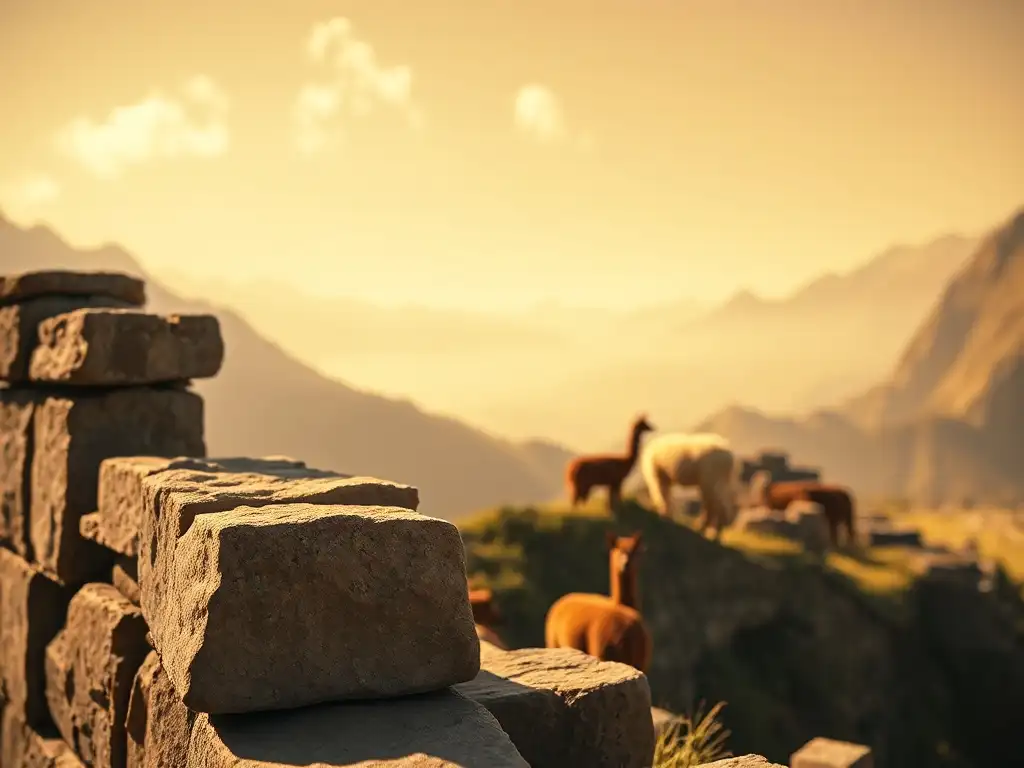
The evolution of Andean building techniques wasn't a linear progression; rather, it was a complex interplay of environmental adaptation, social structures, and spiritual beliefs. Understanding this intricate dance of factors is crucial to appreciating the ingenuity and sophistication of Andean architecture. The diverse landscapes and available resources directly shaped construction methods, while social organization and religious ideologies dictated the scale and purpose of buildings.
This section will delve into the key elements that fueled the remarkable advancements in Andean building techniques, showcasing the ingenuity of these ancient civilizations in overcoming environmental challenges and expressing their unique cultural identities through their architecture. The term "Andean building techniques evolution" perfectly encapsulates this dynamic process.
The Influence of Geography and Materials on Andean Building Styles
Andean building styles reflect a remarkable adaptation to the diverse geography of the region. From the arid coastal deserts to the high-altitude Andes, the availability of materials dictated construction methods. The coastal cultures, such as the Moche, often utilized adobe bricks, readily available from the rich alluvial soils, constructing impressive pyramids and monumental structures. These adobe structures, while susceptible to earthquake damage, were relatively easy to build and repair using locally sourced materials.
In contrast, the cultures of the high Andes, including the Inca, faced different challenges. The scarcity of timber in many areas led to innovative use of stone. The Incas mastered dry-stone masonry, fitting stones together with incredible precision without the use of mortar.
This technique, requiring exceptional skill and labor, resulted in incredibly strong and durable structures, capable of withstanding seismic activity. Their mastery of stonework is evident in the impressive walls of Machu Picchu and other Inca sites. The availability of specific stone types also influenced design; for instance, the use of reddish volcanic stone is frequently observed in Inca constructions.
The varied Andean climates also impacted building design. The need for protection from harsh weather conditions influenced the construction of tiered structures, utilizing natural slopes and incorporating features like internal courtyards to regulate temperature. The adaptation to specific geographical constraints and the ingenious use of readily available materials are hallmarks of the evolution of Andean building techniques.
The impressive scale of many Andean constructions underscores the highly organized nature of Andean societies. Massive projects, such as the Nazca lines or the monumental structures at Tiahuanaco, required significant labor mobilization and sophisticated logistical planning. The social organization of these civilizations, characterized by hierarchical structures and specialized labor forces, was essential for the successful completion of these ambitious undertakings.
Evidence suggests a system of mita, a form of mandatory labor service, played a crucial role in Inca construction projects. This system, while potentially demanding, ensured a consistent workforce for large-scale projects. Specialized craftsmen, such as masons and architects, held esteemed positions within society, reflecting the importance of construction expertise.
This intricate social organization and the efficient allocation of resources allowed for the construction of impressive cities, temples, and infrastructure networks that spanned vast distances. The effective management of labor and resources was a critical driver in the advancement of Andean building techniques. The Inca's sophisticated system of mita stands as a testament to this organizational prowess.
The Impact of Religious Beliefs on Architectural Design
Religious beliefs profoundly influenced the design and purpose of Andean structures. Temples, palaces, and other monumental buildings were not merely functional structures; they served as powerful symbols of religious authority and cosmological beliefs. The orientation of buildings, the use of specific materials, and the incorporation of symbolic motifs all reflected the spiritual worldview of the respective cultures.
For example, the Moche pyramids, often adorned with elaborate murals and sculptures, served as centers of religious ritual and possibly housed the elite. Similarly, Inca structures, such as the Temple of the Sun at Cusco, were meticulously designed to align with astronomical events and reflect the Inca's reverence for the sun god, Inti. The integration of religious symbolism within architectural design demonstrates the significant role of spirituality in shaping the evolution of Andean building techniques.
The careful alignment of structures with celestial bodies, the incorporation of specific motifs, and the selection of materials all served to reinforce religious beliefs and consolidate power. The interplay between religious beliefs and building practices is a key element in understanding the evolution of Andean construction.
Legacy and Modern Relevance: Lessons from Andean Builders
The ingenuity of Andean builders resonates far beyond their impressive structures. Their mastery of materials and techniques offers invaluable lessons for contemporary architecture and engineering. Understanding the evolution of Andean building techniques provides insights into sustainable practices, disaster resilience, and innovative material use—all crucial aspects of modern construction. The study of Andean architecture isn't merely an academic pursuit; it's a vital resource for addressing the challenges of the 21st century. We can learn from their successes and failures to build a more sustainable and resilient future. The Andean legacy in stone continues to inspire and inform.
The Enduring Impact of Andean Construction Techniques on Modern Architecture
Andean building techniques, particularly those employed by the Inca, continue to influence modern architectural design. The Inca's mastery of dry-stone masonry, for example, with its precise fitting of stones without mortar, has inspired contemporary architects seeking environmentally friendly and structurally sound methods. This technique, known for its seismic resistance, is being re-evaluated and adapted for modern construction in earthquake-prone regions worldwide.
Consider the use of interlocking stones in contemporary green building projects; this directly reflects the principles of Inca construction. The emphasis on local materials and the integration of buildings into their environment, also a hallmark of Andean architecture, is experiencing a revival among architects committed to sustainable design. Analyzing the longevity and resilience of Andean structures provides valuable data for improving the durability and lifespan of modern buildings.
This includes understanding the impact of climate, material selection, and construction techniques on long-term performance. The sophisticated understanding of structural mechanics employed by Andean builders offers a path to creating more efficient and environmentally conscious structures.
Sustainable Building Practices from Ancient Andean Wisdom
The Andean civilizations were masters of sustainable building practices, often using readily available local materials and minimizing environmental impact. Their ingenuity in adapting to varied terrains and climates offers valuable insights for modern sustainable architecture. For instance, the use of adobe bricks, a mixture of earth, water, and organic materials, represents a low-energy, low-carbon building solution.
This contrasts sharply with the high-energy demands of modern concrete and steel production. Furthermore, the integration of natural ventilation and passive solar design in Andean structures demonstrates a deep understanding of environmental factors and their impact on building performance. These principles, often overlooked in modern architecture, are crucial for reducing energy consumption and promoting healthier living spaces.
Studying the efficiency of Andean water management systems in relation to their buildings further highlights the holistic approach to sustainable design. The meticulous planning and integration of buildings into their surrounding ecosystems serve as a powerful model for contemporary sustainable building practices. We can learn much from their resourcefulness and environmentally conscious approaches.
Preserving and Learning from the Heritage of Andean Construction
The preservation of Andean architectural heritage is not just about protecting historical sites; it's about safeguarding valuable knowledge. Careful documentation and analysis of existing structures are crucial for understanding the evolution of Andean building techniques. This includes detailed studies of stonework, mortar compositions, and construction methods. The creation of digital archives and 3D models allows for the preservation and dissemination of this knowledge.
Furthermore, ongoing research into the properties of traditional Andean building materials, such as adobe and rammed earth, is essential for developing modern applications. This research can lead to the creation of new, sustainable building materials with similar properties. Collaborating with local communities and indigenous knowledge holders is vital for ensuring the accurate preservation and interpretation of Andean building traditions.
Their profound understanding of materials and construction techniques represents an irreplaceable resource for both historical preservation and future innovation. Through careful preservation and ongoing study, we can continue to learn from the remarkable achievements of Andean builders and apply that wisdom to modern challenges. The legacy of Andean building techniques is a resource that deserves careful stewardship and continuous exploration.
Frequently Asked Questions
What building materials did Andean civilizations primarily use?
Andean civilizations utilized readily available materials. Stone, especially andesite and granite, was prevalent, along with adobe bricks, wood, and thatched roofs. The choice often depended on regional availability.
How did Andean building techniques evolve over time?
Building techniques showed significant evolution. Early cultures used simpler methods, while later civilizations like the Incas developed sophisticated stonework, including precise fitting and complex architectural designs. Innovation was constant.
What are some examples of impressive Andean architecture?
Many examples showcase advanced techniques. Machu Picchu's intricate stonework, Sacsayhuamán's massive walls, and the Nazca's geoglyphs all demonstrate remarkable engineering skills and architectural ingenuity.
How did the environment influence Andean building techniques?
The challenging terrain and variable climates of the Andes significantly impacted building methods. Structures were adapted to withstand earthquakes, steep slopes, and extreme weather conditions. Adaptability was key.
What role did religious beliefs play in Andean architecture?
Religious beliefs strongly influenced architecture. Temples, pyramids, and ceremonial centers were built to honor deities and reflect cosmological beliefs. Sacred geometry and symbolic representations were integral to their design.
Final Reflection: Echoes in Stone: A Legacy of Andean Ingenuity
The ingenious building techniques of the Andean civilizations remain a testament to human adaptability and innovation, a legacy that continues to inspire architects and engineers today. Their mastery of materials, their understanding of seismic forces, and their profound connection to the landscape offer invaluable lessons for sustainable and resilient construction in a world facing unprecedented environmental challenges. We can learn much from their ingenuity, even today.
The enduring impact of Andean building techniques extends far beyond the impressive ruins that still stand. Their methods, often employing locally sourced materials and reflecting a deep understanding of their environment, offer a powerful counterpoint to modern, often unsustainable, construction practices. The mountains are our teachers; they show us how to build with strength and harmony.
– (Hypothetical quote from an Andean elder, reflecting the spirit of the article). Understanding this connection to the land, this respect for the materials and the environment, is crucial for building a more sustainable future.
Consider the intricate stonework, the masterful use of terraces, the ingenious irrigation systems – these are not merely historical artifacts; they are blueprints for a future where resilience and sustainability are paramount. You, the reader, are now part of this ongoing conversation. Take a moment to reflect on the ingenuity of these ancient builders and consider how their wisdom can inform your own perspective on architecture, engineering, and our relationship with the natural world. Let the echoes of their legacy inspire you to build a more sustainable and harmonious future.
Unveil the Ancient Craftsmanship of the Andes!
Thank you for exploring the fascinating evolution of building techniques in Andean civilizations! You've discovered a rich heritage of architectural innovation that has endured for centuries. Now, let's delve even deeper!
Here are some ways to further connect with and appreciate Andean architecture:
- Visit a local museum or historical site showcasing Andean artifacts—experience history firsthand!
- Share your newfound knowledge with friends and family, or post about it on social media—help spread the word about this incredible heritage!
- Join our online community to discuss Andean craftsmanship—share your thoughts, questions, and insights!
What aspect of Andean architecture inspires you most, and why? Let's start a conversation!