
Engineering Genius: How the Incas Built Roads Across the Andes

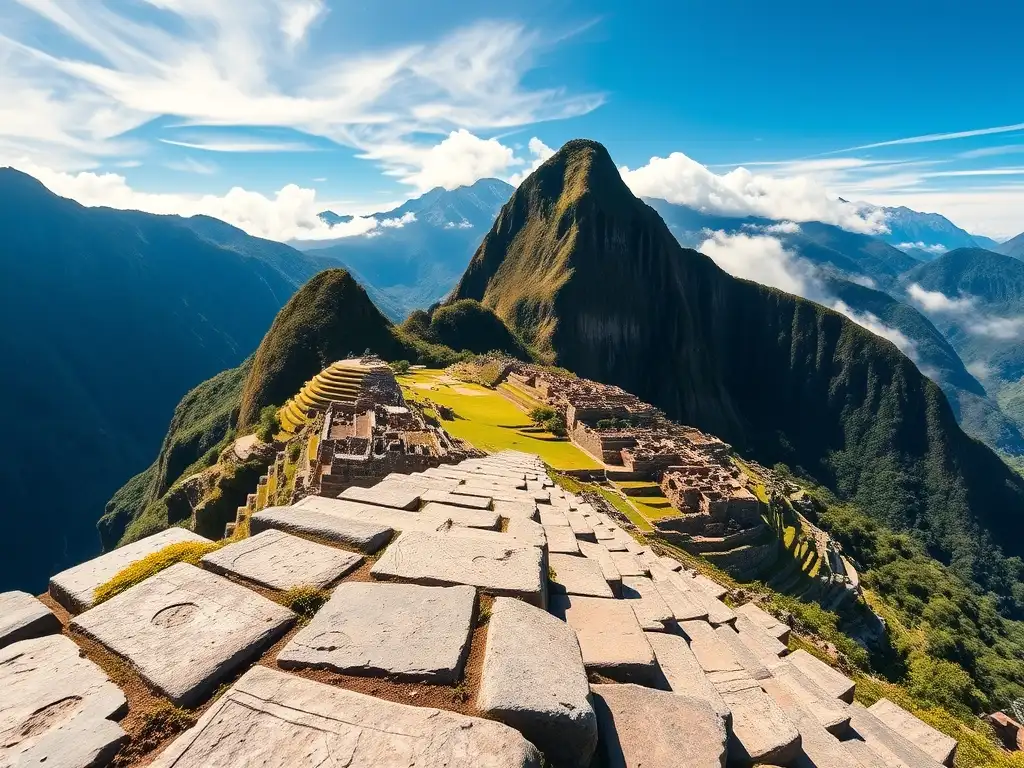
Step into a world lost in time, where breathtaking landscapes meet extraordinary ingenuity. Prepare to be amazed by the Andean Civilizations, a realm of vibrant cultures and astonishing achievements. But first, unravel the mystery behind the Inca road system engineering – a feat of architectural prowess that defied the treacherous Andes mountains. Discover how this intricate network connected an empire, and embark on a journey to uncover the secrets behind their remarkable engineering skills. Read on to delve into the heart of this ancient marvel…
- Inca Road System Engineering: A Masterpiece of Andean Ingenuity
- Key Engineering Principles of Inca Road Construction
- The Purpose and Functionality of the Inca Road Network
- Specific Examples of Inca Road Engineering Marvels
- The Legacy and Significance of the Inca Road System
-
Frequently Asked Questions
- What makes the Inca road system so remarkable?
- How did the Incas overcome the challenges of the Andes Mountains when building their roads?
- What materials did the Incas primarily use in their road construction?
- What was the purpose of the Inca road system beyond transportation?
- How did the Inca road system contribute to the success of the Inca Empire?
- Final Reflection: Echoes of Inca Ingenuity in a Modern World
- Unlock the Secrets of Inca Engineering Today!
Inca Road System Engineering: A Masterpiece of Andean Ingenuity
The Inca Empire, a civilization that flourished in the Andes Mountains from roughly 1438 to 1533 CE, achieved remarkable feats of engineering, none more impressive than their extensive road network, the Qhapaq Ñan. Spanning over 40,000 kilometers and traversing some of the most challenging terrain on Earth, this intricate system of roads, bridges, and pathways stands as a testament to the Inca's ingenuity, organizational prowess, and deep understanding of their environment.
This article delves into the engineering marvels behind the Inca road system, exploring the challenges faced by the builders and the innovative solutions they employed to create a transportation network that facilitated communication, trade, and military control across their vast empire. We will examine the ingenuity behind their road construction, considering the materials used, the techniques employed, and the lasting impact of this remarkable achievement on our understanding of Andean engineering.
Understanding the Inca road system is key to understanding the very fabric of the Inca Empire itself; it wasn't merely a logistical network, but a vital element of their social, political, and economic structure. The keyword "Inca road system engineering" will be explored in detail, revealing the complexities and brilliance of this ancient technology.
The Andean Challenge: Terrain and the Need for Inca Roads
The Andes Mountains present a formidable challenge to any form of construction. Steep slopes, treacherous cliffs, deep ravines, and unpredictable weather conditions all posed significant obstacles to the creation of a cohesive transportation network. The Inca's need for efficient communication and trade across their vast, geographically diverse empire necessitated the construction of a robust and adaptable road system. This wasn't simply about connecting settlements; it was about uniting a diverse population spread across drastically varied altitudes and terrains.
Imagine the logistical complexities: moving supplies, troops, and messages across towering mountain passes, through dense jungles, and across arid deserts. The Inca road system was not merely a practical solution; it was a crucial element in maintaining the stability and cohesion of their empire. The sheer scale of this undertaking is breathtaking, requiring a sophisticated understanding of engineering principles, meticulous planning, and a highly organized workforce.
The challenges were immense, but the Inca met them with remarkable skill and innovation. The strategic placement of roads, often traversing seemingly impassable terrain, highlights their deep knowledge of the Andean landscape and their ability to harness natural features to their advantage. Their success in overcoming these challenges is a testament to their organizational skills and engineering prowess.
Understanding the Inca Road Network: Qhapaq Ñan
The Qhapaq Ñan, meaning "Royal Road" in Quechua, was not a single road, but a complex network of interconnected pathways. This network varied considerably in width and construction, adapting to the specific needs and challenges of the terrain. Some sections were wide enough to accommodate large groups of people or pack animals, while others were narrow, winding paths suitable only for foot traffic. The construction involved a masterful understanding of stonework, with carefully cut and fitted stones forming durable and stable surfaces.
The roads were remarkably well-engineered, incorporating sophisticated drainage systems to prevent erosion and damage from heavy rains. They also employed innovative techniques for traversing difficult terrain, such as building suspension bridges across deep gorges and using retaining walls to stabilize steep slopes. The Inca's mastery of stonework is evident in the precision and durability of their road construction, showcasing a deep understanding of engineering principles and an exceptional level of craftsmanship. The Qhapaq Ñan wasn't just about transporting goods and people; it was also a vital communication artery, facilitating the swift transmission of messages across the empire.
This network played a crucial role in maintaining the Inca's political and military control, allowing for rapid response to threats and efficient distribution of resources. The Inca road system stands as a symbol of the remarkable engineering and organizational skills of this ancient civilization, a legacy that continues to inspire awe and admiration. The impact of the Qhapaq Ñan on the Inca Empire's success cannot be overstated; it was a truly remarkable feat of engineering.
Key Engineering Principles of Inca Road Construction
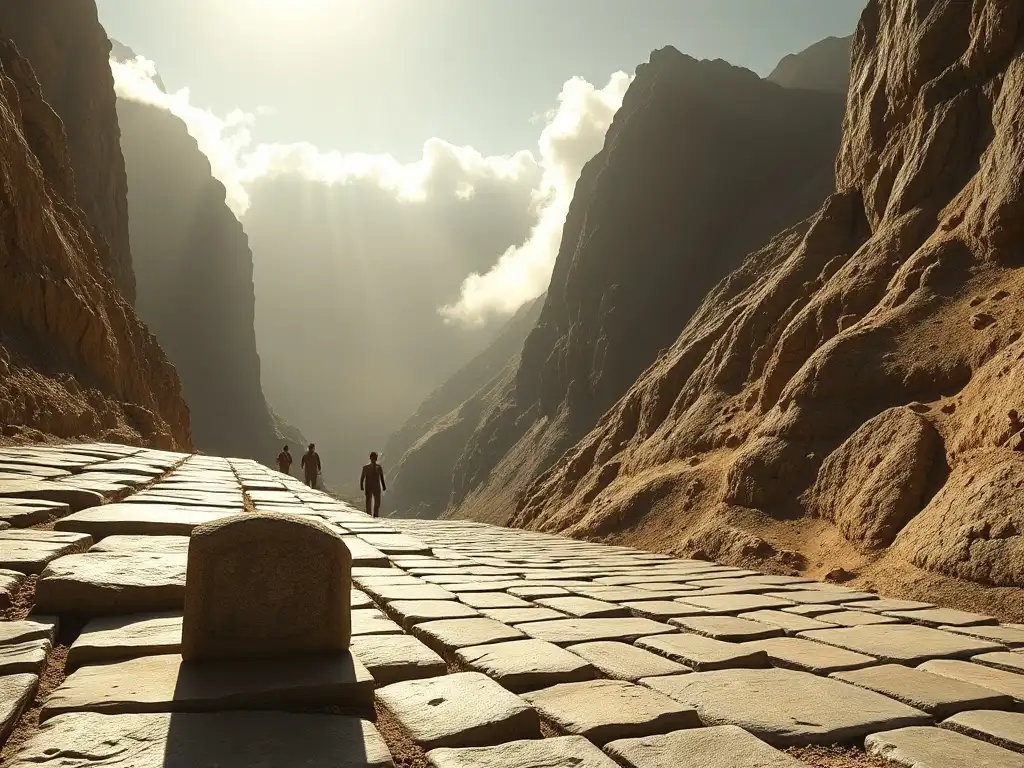
The Inca road system, a marvel of ancient engineering, wasn't simply a network of paths; it was a testament to sophisticated understanding of geography, materials science, and sustainable construction practices. Inca road system engineering prioritized adaptability, resilience, and integration with the environment. Key principles included meticulous surveying and planning, utilizing readily available local materials, and implementing innovative construction techniques tailored to the extreme Andean terrain.
The system's longevity and effectiveness are a direct result of these carefully considered approaches. The Inca's understanding of drainage, for instance, was crucial in preventing erosion and maintaining road stability in the frequently harsh weather conditions.
This wasn't merely about building roads; it was about creating a resilient and sustainable infrastructure capable of withstanding the challenges of the Andes Mountains for centuries. The success of the Inca road system highlights the importance of understanding and working with nature, a lesson still relevant in modern engineering projects.
Inca Road Design: Adapting to Diverse Landscapes
The Inca road system wasn't a uniform network; instead, it was a series of meticulously planned routes adapted to the dramatically diverse landscapes of the Andes. Routes varied significantly depending on the terrain, ranging from relatively flat, wide pathways in valleys to narrow, winding paths carved into steep mountain slopes. In high-altitude areas, roads were often terraced into the mountainsides, utilizing existing natural formations to minimize earthworks.
This adaptability is a hallmark of Inca road system engineering. Consider the dramatic changes in elevation: paths would ascend and descend, often utilizing switchbacks to navigate steep inclines. These weren't simply paths cut into the rock; they were carefully designed to minimize the impact on the environment and maximize the ease and safety of travel.
For example, in areas prone to landslides, Inca engineers employed retaining walls and drainage systems to mitigate risk. The strategic placement of bridges, both suspension and pontoon, further showcases the Inca's mastery in adapting to challenging landscapes. Data suggests that the average gradient of Inca roads was remarkably low, even in mountainous regions, showcasing their sophisticated understanding of grade design.
Inca Bridge Building Techniques: Suspension and Pontoon Bridges
The Inca's ability to construct bridges across deep gorges and raging rivers is a testament to their advanced engineering skills. Two primary bridge types were employed: suspension bridges and pontoon bridges. Suspension bridges, often constructed using strong, lightweight materials such as woven fibers (likely from ichu grass or similar tough plants) and secured to rock anchors, spanned narrower gaps. The remarkable strength and resilience of these bridges, which often survived for centuries, are indicative of a deep understanding of tension and load distribution.
Pontoon bridges, on the other hand, were used to cross wider rivers. These were constructed using bundles of reeds or logs, expertly tied together and anchored to the riverbanks. These floating bridges were remarkably stable, capable of supporting the weight of people, llamas, and even goods.
The construction of these bridges required not only skillful engineering but also a deep understanding of river currents and water dynamics. Archaeological evidence shows that the Inca employed ingenious techniques to adjust the pontoons according to water levels, ensuring the bridge's continued functionality throughout the year. The design and construction of these bridges are outstanding examples of Inca ingenuity and their capacity for innovative problem-solving within the context of their available resources.
Inca Road Construction Materials: Stone, Gravel, and Earth
The Inca road system's durability stems from the careful selection and use of locally sourced materials. Stone, readily available throughout the Andes, was a primary building material. Large, carefully fitted stones were used for retaining walls and paving in flatter areas, while smaller stones and gravel were employed for drainage and road surfaces. Earth, compacted and layered, formed the base of many roads, providing a stable foundation.
The Inca's understanding of soil mechanics is evident in the construction techniques used. They often employed techniques such as layering different types of soil to create a strong and durable road base, capable of withstanding the weight of traffic and the effects of weathering. The use of locally sourced materials not only ensured sustainability but also reduced transportation costs and environmental impact.
Analysis of surviving road sections reveals a sophisticated understanding of material properties and their optimal application. In some areas, they even used lime to bind stones together, creating a mortar-like substance that enhanced the road's strength and longevity. This meticulous attention to material selection and construction techniques contributed significantly to the remarkable durability of the Inca road system.
Inca Drainage Systems: Preventing Erosion and Damage
The Inca road system, a marvel of ancient engineering, wouldn't have endured the test of time without sophisticated drainage solutions. The Andes are a notoriously challenging environment, characterized by steep slopes, heavy rainfall, and frequent seismic activity. To mitigate the constant threat of erosion and damage to their meticulously constructed roads, the Inca engineers implemented ingenious drainage systems. These weren't mere afterthoughts; they were integral to the design and construction process, demonstrating a deep understanding of hydrology and geotechnical engineering.
One key element was the strategic placement of drainage channels. These weren't simply ditches; they were carefully designed pathways, often constructed from stone, that followed the contours of the landscape. Their size and depth varied depending on the terrain and anticipated water flow.
In flatter areas, shallower channels sufficed, while steeper inclines required deeper, more robust systems to manage increased water volume and velocity. These channels weren't just straight lines; they were often curved or terraced to slow the flow of water and prevent scouring, a process where the force of the water erodes the channel bed and banks. This intricate design prevented the rapid accumulation of water, which could lead to landslides and road damage.
Beyond the channels themselves, the Inca engineers employed a variety of techniques to manage water runoff. They used carefully graded surfaces, often subtly sloping away from the road's center to direct water towards the drainage channels. They also incorporated retaining walls, built from carefully fitted stones, to stabilize slopes and prevent erosion.
These walls weren't merely decorative; they were crucial for containing the soil and preventing landslides, which could easily destroy sections of the road. The use of locally sourced materials, like stone and earth, was not only practical but also ensured the drainage systems blended seamlessly with the surrounding environment.
The effectiveness of these Inca drainage systems is evident in the surviving sections of the road network. Many sections, despite enduring centuries of exposure to the elements, remain remarkably well-preserved, a testament to the ingenuity and foresight of the Inca engineers. Their understanding of water management was far beyond what one might expect from a pre-Columbian civilization, showcasing a level of sophistication comparable to many modern engineering practices.
The Inca’s mastery of drainage wasn't just about maintaining the roads; it was about ensuring the long-term stability of their entire empire, connecting its far-flung regions through a resilient and enduring infrastructure. The integration of drainage into the very fabric of road construction highlights a holistic approach to engineering, prioritizing longevity and resilience over short-term gains.
The Purpose and Functionality of the Inca Road Network
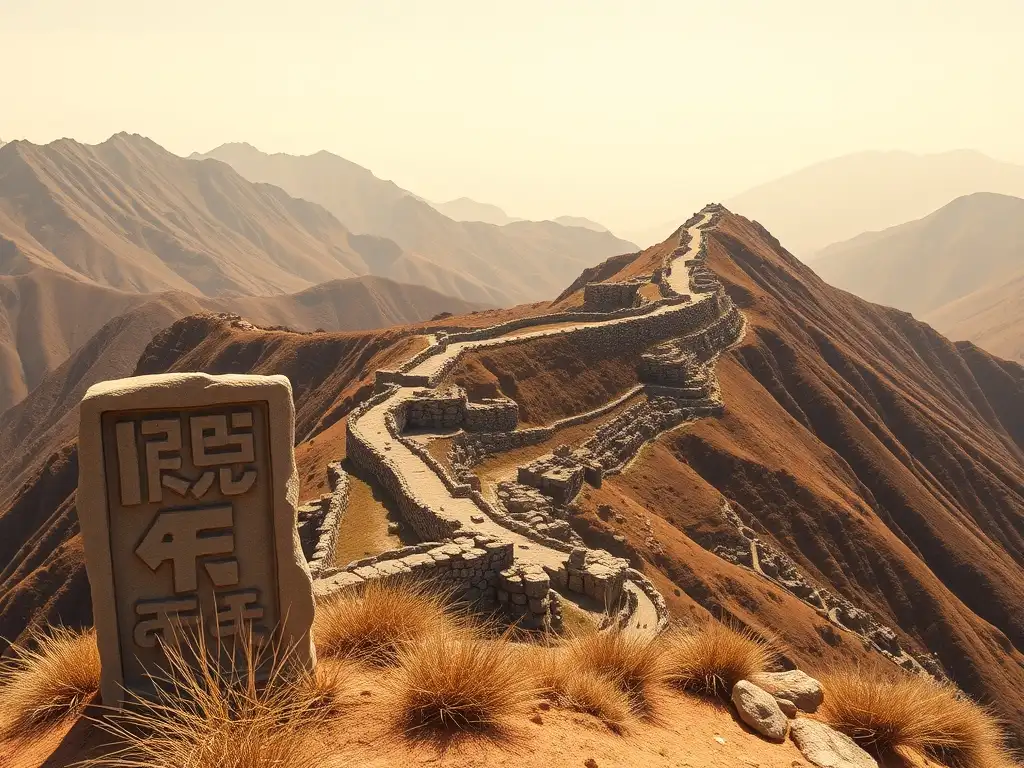
The Inca road system, a marvel of ancient engineering, wasn't merely a network of paths; it was the very artery of the vast Inca Empire, facilitating imperial control, trade, communication, and military movements across the challenging Andean terrain. Understanding its multifaceted purpose is key to appreciating the ingenuity and sophistication of Inca infrastructure. This intricate network, stretching over 40,000 kilometers, connected distant provinces, fostering a level of integration unprecedented in its time.
The Inca road system engineering achievements are still studied and admired today. This section will delve into the specific roles this remarkable network played in the daily life and governance of the Inca Empire.
Inca Road System and Imperial Control
The Inca road system served as a powerful tool for maintaining imperial control over their expansive territory. The meticulously planned network allowed for swift and efficient movement of officials, messengers, and troops. This facilitated the collection of taxes, the enforcement of laws, and the suppression of rebellions. The strategic placement of tambos (roadside inns) along the routes provided resting places for travelers and served as administrative centers, further solidifying Inca authority in remote regions. The control of these roads, therefore, was directly linked to the control of the empire itself. The efficiency of the system allowed for rapid response to any threat to Inca power, showcasing the sophisticated administrative capabilities of the empire. Historians believe that the speed of communication and movement afforded by the road system was a critical factor in the Inca Empire's ability to maintain stability and consolidate power across such a diverse and geographically challenging landscape.
Inca Road Network and Trade and Communication
Beyond its administrative functions, the Inca road system played a vital role in facilitating trade and communication across the empire. The network connected diverse ecological zones, allowing for the exchange of goods and resources. From the coastal regions, goods like fish and salt were transported to the highlands, while agricultural products from the fertile valleys were distributed throughout the empire. This efficient system of transportation contributed significantly to the economic prosperity of the Inca Empire.
Furthermore, the roads served as crucial communication arteries. Chasquis, a relay system of runners, used the roads to transmit messages with incredible speed, covering vast distances in record time. This efficient communication network was critical for coordinating imperial activities, disseminating information, and maintaining order across the empire. The seamless integration of trade and communication along the road network highlights the sophisticated understanding of logistics and resource management characteristic of Inca civilization.
Inca Road System and Military Movement
The Inca road system's strategic design also played a crucial role in the empire's military capabilities. The network allowed for the rapid deployment of troops to quell rebellions, defend borders, and project power. The strategic placement of tambos provided essential logistical support for the military, ensuring that soldiers had access to food, shelter, and supplies during campaigns. The high-altitude passes and strategically located fortifications along the routes further enhanced the empire's defensive capabilities.
The ability to move troops swiftly and efficiently across the challenging Andean terrain was a major factor in the Inca Empire's military success and the consolidation of their vast territory. The Inca road system engineering, therefore, contributed directly to the military strength and stability of the empire. The speed and efficiency of military movements, facilitated by the road network, underscore its importance as a key component of Inca imperial power.
Specific Examples of Inca Road Engineering Marvels
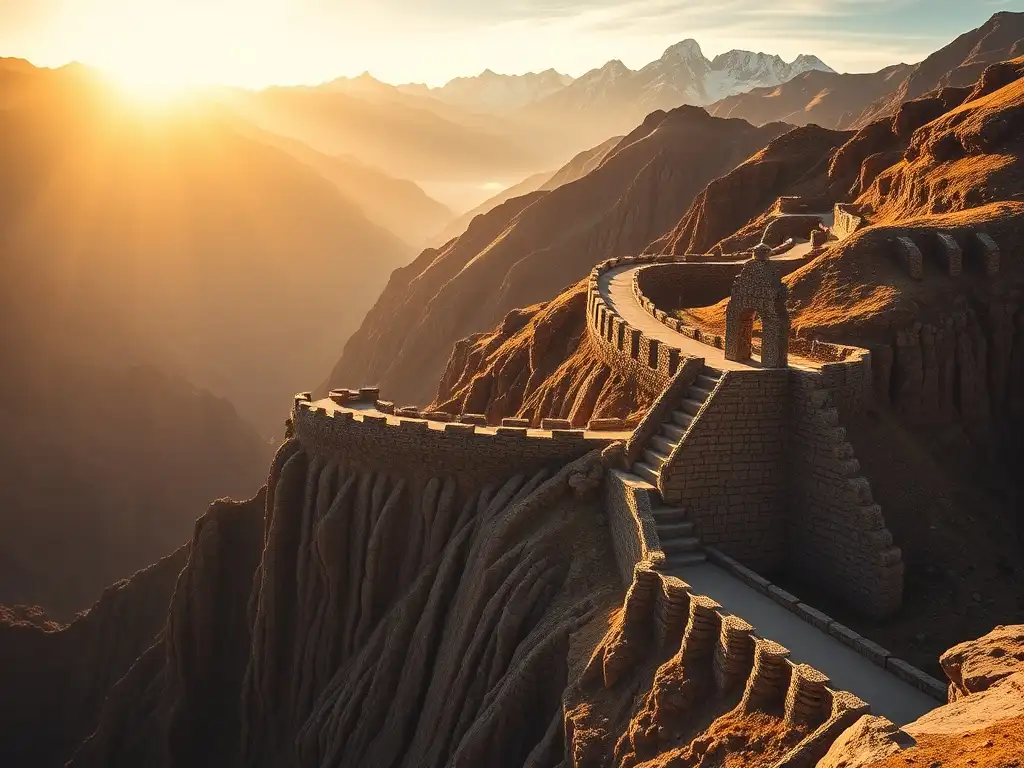
This section delves into specific examples showcasing the ingenuity of Inca road system engineering. The Inca's mastery wasn't just about connecting disparate regions; it was about adapting to incredibly diverse and challenging terrains. Their solutions, often elegant in their simplicity, demonstrate a deep understanding of both engineering principles and the Andean environment. Understanding these specific examples illuminates the scope and sophistication of Inca road construction. The keyword, "Inca road system engineering," is exemplified in the following detailed analyses.
The Inca Royal Road: A Detailed Analysis
The Qhapaq Ñan, or Inca Royal Road, is arguably the most famous example of Inca road system engineering. Stretching over 40,000 kilometers, this network of roads connected the vast Inca Empire, facilitating communication, trade, and military movements. Its construction wasn't a uniform undertaking; rather, it involved a complex interplay of techniques adapted to the local geography.
For instance, in flatter regions, the roads were relatively straightforward, often paved with stone and featuring well-defined drainage systems. However, in mountainous areas, the Inca engineers displayed remarkable skill in navigating steep inclines and treacherous terrain. They employed techniques like terracing, retaining walls constructed from meticulously fitted stones, and the strategic use of switchbacks to lessen the gradient. The road wasn't merely a path; it was a feat of environmental engineering, demonstrating a profound understanding of slope stability and water management.
The precision of the stonework, even on challenging slopes, is testament to their advanced skills and sophisticated planning. Consider the sheer logistical challenge of transporting massive stones across such difficult landscapes – a testament to their organized workforce and efficient logistics. The Royal Road wasn't just a route; it was a symbol of Inca power and a marvel of ancient engineering.
Inca Mountain Pass Engineering: Overcoming Altitude
The Andes Mountains presented formidable challenges to Inca road system engineering. High altitudes, unpredictable weather, and steep, rocky terrain demanded innovative solutions. The engineers didn't shy away from these challenges; instead, they tackled them head-on, developing specialized techniques for constructing roads at extreme elevations. One crucial aspect was the selection of routes. They carefully chose paths that minimized the steepness of ascents and descents, often utilizing natural features like existing trails and valleys to their advantage.
The construction itself involved significant adaptations. In areas prone to landslides, they built extensive retaining walls and terraces to stabilize the slopes. The use of locally sourced materials, such as stone and earth, ensured durability and minimized environmental impact. They also implemented sophisticated drainage systems to prevent erosion and road damage from melting snow and rain.
The integration of bridges, often made from stone or wood, allowed them to traverse rivers and gorges, further demonstrating their mastery of structural engineering. The ability to construct durable roads at such altitudes highlights the Inca's advanced understanding of structural mechanics and their ability to adapt their techniques to extreme environments. The integration of suspension bridges in some areas is particularly noteworthy, showcasing a level of engineering sophistication beyond what many might expect from an ancient civilization.
Inca Coastal Road Engineering: Adapting to the Coastline
The Inca road system engineering wasn't limited to the mountains; it extended to the challenging coastal regions of their empire as well. Here, the engineers faced different challenges, including shifting sands, coastal erosion, and the need to navigate steep cliffs and rocky headlands. Their response was a combination of innovative construction techniques and strategic route planning.
In areas where the terrain was relatively flat, they constructed roads similar to those found in the highlands, using stone paving and drainage systems. However, in more challenging areas, they adapted their techniques to the unique coastal environment. For example, they used materials like compacted earth and shells to create stable road surfaces, and they employed retaining walls and other structures to mitigate erosion.
They also cleverly integrated their roads into the natural landscape, using existing features like natural terraces and rock formations to their advantage. The successful integration of roads into this diverse environment points to the Inca's flexible approach to road building, adjusting their methods based on the specific challenges presented by each location. The utilization of different materials based on geographic location and the consideration of environmental factors speaks volumes about their sophisticated engineering practices.
The coastal roads, though less extensively documented than their mountain counterparts, represent another facet of their impressive road system engineering capabilities. Further research into the specific materials and techniques used in coastal road construction is needed to fully appreciate the scope of Inca engineering ingenuity in this particular context.
The Legacy and Significance of the Inca Road System
The Inca road system, a marvel of ancient engineering, wasn't merely a network of pathways; it was the very artery of the vast Inca Empire. Its impact resonates even today, shaping Andean culture and influencing modern infrastructure projects. Spanning thousands of miles across treacherous Andean terrain, the Qhapaq Ñan (main road) connected distant provinces, facilitating trade, communication, and the efficient movement of troops and resources.
This intricate system wasn't just about physical connectivity; it represented a sophisticated understanding of logistics, social organization, and environmental adaptation. The road's construction and maintenance involved a coordinated effort across the empire, demonstrating the Inca's remarkable organizational prowess and their ability to mobilize vast human resources. The system's longevity, enduring for centuries after the Spanish conquest, stands as a testament to the quality of Inca engineering and the enduring significance of their infrastructure.
Its influence is still felt in the patterns of settlement, trade routes, and even cultural practices in the Andes. The very fabric of Andean society was interwoven with the Qhapaq Ñan, a legacy that continues to inspire awe and admiration.
Inca Roads: A Lasting Impact on Andean Culture
The Inca road system's influence extends far beyond its physical presence. It profoundly shaped Andean culture, leaving an indelible mark on social structures, economic activities, and even spiritual beliefs. The roads fostered cultural exchange between diverse communities, leading to the blending of traditions and beliefs. The chasquis, a relay system of runners who used the roads to transmit messages across vast distances, played a crucial role in maintaining communication and facilitating rapid response to emergencies.
This system contributed significantly to the empire's administrative efficiency and its ability to maintain control over its far-flung territories. The roads also played a vital role in religious practices, with certain stretches of the road holding significant spiritual meaning. Many sacred sites and pilgrimage routes were integrated into the road network, further highlighting its cultural and spiritual significance.
Even today, some Andean communities continue to use parts of the Inca road system, reflecting its enduring relevance in daily life. The enduring legacy of the Inca road system in modern Andean culture is undeniable. It serves as a powerful reminder of the Inca’s ingenuity and the lasting impact of their infrastructure on the Andean world.
Inca Engineering: Lessons for Modern Construction
The Inca road system offers valuable lessons for modern construction and engineering practices. Their innovative techniques, such as the use of locally sourced materials adapted to specific environments, and their mastery of drainage systems to withstand harsh weather conditions, are particularly noteworthy. The Inca's sophisticated understanding of slope stability and their ability to construct durable roads on steep, mountainous terrain are impressive feats of engineering.
Their approach emphasizes sustainability and integration with the natural landscape, a concept increasingly relevant in contemporary construction. Modern engineers can learn from the Inca's emphasis on using readily available materials, minimizing environmental impact, and designing infrastructure that is resilient to natural disasters. By studying the Inca road system's design and construction methods, engineers can gain valuable insights into building durable, sustainable, and environmentally responsible infrastructure.
The Inca’s approach to construction provides a model for sustainable development and environmentally conscious engineering practices. This is particularly relevant in today’s context of climate change and environmental concerns. The Inca's ingenuity continues to inspire modern engineers seeking innovative and sustainable solutions.
The Preservation and Study of Inca Road System Today
The preservation and study of the Inca road system are crucial for understanding the Inca civilization and for informing modern engineering practices. Efforts are underway to protect and restore sections of the Qhapaq Ñan, recognizing its historical and cultural significance. Archaeological research continues to uncover new information about the road's construction, maintenance, and use.
The road system's inscription on the UNESCO World Heritage list underscores its global importance. Ongoing research involves detailed surveys, mapping, and analysis of the road's construction techniques. This work contributes to a deeper understanding of Inca engineering skills, their societal organization, and their interaction with their environment.
The preservation of the Inca road system is not just about preserving physical structures; it's about preserving a legacy of ingenuity, resilience, and cultural heritage. Continued research and preservation efforts are vital to ensure that the remarkable achievements of Inca road system engineering are appreciated and understood by future generations. The study and preservation of this incredible feat of Inca road system engineering are not only important for historical understanding but also for inspiring sustainable and resilient infrastructure development.
Frequently Asked Questions
What makes the Inca road system so remarkable?
The Inca road system is remarkable due to its extensive network spanning thousands of miles across challenging Andean terrain. Its sophisticated engineering, including innovative construction techniques and adaptability to diverse landscapes, is truly impressive. The system facilitated communication, trade, and military movement across the vast empire.
How did the Incas overcome the challenges of the Andes Mountains when building their roads?
The Incas overcame the Andes' challenges through skilled engineering. They utilized terracing, stone bridges, and tunnels to navigate steep slopes and treacherous cliffs. Their understanding of local materials and construction allowed them to build durable roads that lasted for centuries.
What materials did the Incas primarily use in their road construction?
The Incas primarily used stone for their road construction, carefully selecting and fitting stones to create smooth, durable surfaces. They also used earth, clay, and timber in various sections to adapt to the specific terrain and conditions.
What was the purpose of the Inca road system beyond transportation?
Beyond transportation, the Inca road system served crucial political and administrative purposes. It facilitated the efficient movement of messengers and officials, enabling centralized control and communication across the empire. It also played a key role in religious pilgrimages and trade.
How did the Inca road system contribute to the success of the Inca Empire?
The Inca road system was integral to the empire's success. It enabled effective communication, rapid troop deployment, and efficient trade, fostering political unity and economic prosperity across a vast and geographically diverse territory. This advanced infrastructure was a key factor in the Inca Empire's growth and power.
Final Reflection: Echoes of Inca Ingenuity in a Modern World
The Inca road system, a marvel of pre-Columbian engineering, remains a testament to human ingenuity and a powerful reminder of the enduring strength of collaborative effort. Its sophisticated design, adapted to the unforgiving Andean terrain, continues to inspire awe and serves as a valuable case study in sustainable infrastructure development, even in our technologically advanced age. The ingenuity displayed in its construction transcends time, offering lessons relevant to contemporary challenges in infrastructure and resource management.
The impact of the Inca road network extends far beyond its physical presence; it shaped the social, economic, and political fabric of the Inca Empire. Its strategic importance facilitated communication, trade, and military movements, binding together a vast and diverse population. The very existence of this intricate system speaks volumes about the Inca's advanced understanding of engineering principles, their organizational prowess, and their deep connection to their environment. The roads were not merely paths; they were arteries of life, connecting the heart of the empire to its furthest reaches.
This quote encapsulates the profound significance of the Inca road system, highlighting its role as a unifying force and a symbol of Inca power and civilization.
Consider the challenges we face today in building sustainable and resilient infrastructure. The Inca's innovative solutions, born from necessity and a deep understanding of their environment, offer valuable insights. You, the reader, are now equipped with a deeper appreciation for the ingenuity of the Inca engineers. Let this knowledge inspire you to seek innovative solutions to the challenges we face, to value collaboration and sustainable practices, and to appreciate the enduring power of human creativity in overcoming seemingly insurmountable obstacles. Let the echoes of Inca ingenuity resonate within you, prompting a renewed commitment to building a better future.
Unlock the Secrets of Inca Engineering Today!
Thank you for exploring the remarkable world of Inca road engineering! We hope you've gained valuable insights into the ingenuity and perseverance that enabled the Incas to overcome the challenges of the Andes Mountains. Now, let's put that inspiration to work!
Here are some ways to continue your journey of discovery and connection:
- **Join a community of like-minded individuals:** Connect with fellow history enthusiasts and engineers through online forums or local clubs. Share your knowledge and learn from others.
- **Experience the Andes:** Plan a trip to walk the ancient Inca trails and witness firsthand the paths that shaped a civilization. If travel isn't an option, explore detailed models or documentaries focusing on Inca road construction.
- **Share your newfound knowledge:** Discuss the impressive engineering feats of the Inca roads with friends and family. You could even give a short presentation to share your insights!
What aspect of Inca engineering most captivates you, and how could it influence your own life and work?