
Nazca Crop Cultivation: What Did They Grow and How?

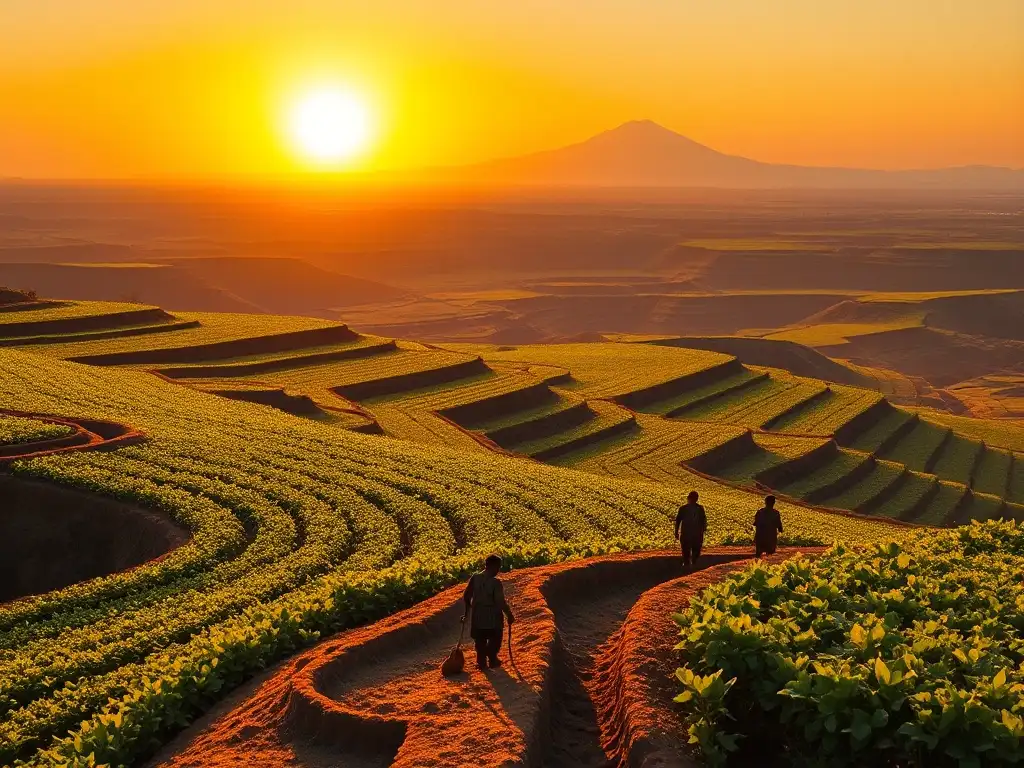
Unravel the mysteries of a lost world! Journey with us into the heart of the Andes, where ancient civilizations flourished and shaped the very landscape. From the intricate artistry of the Moche to the enigmatic lines of the Nazca, we delve into their captivating stories. But first, prepare to be amazed by the ingenuity of the Nazca people and their remarkable agricultural methods. Discover how they cultivated a thriving civilization in one of the world's most challenging environments – the secrets of their success await!
- Nazca Crop Cultivation: Understanding Ancient Farming Practices
- Key Crops Cultivated by the Nazca People
- Nazca Agriculture Methods: Adapting to a Harsh Environment
- Tools and Technology Used in Nazca Farming
- The Significance of Nazca Agriculture in Society
- The Legacy of Nazca Agricultural Practices
-
Frequently Asked Questions
- What agricultural methods did the Nazca civilization use?
- What were the main crops cultivated by the Nazca?
- How did the Nazca manage water scarcity in the arid coastal desert?
- What evidence exists to support our understanding of Nazca agriculture?
- How did Nazca agriculture contribute to their societal development?
- Final Reflection: Unraveling the Mysteries of Nazca Agriculture
- Unearth the Secrets of Nazca Crop Cultivation!
Nazca Crop Cultivation: Understanding Ancient Farming Practices
The Nazca civilization, renowned for its enigmatic geoglyphs, also possessed sophisticated agricultural techniques essential for sustaining a thriving population in the arid coastal plains of modern-day Peru. This article delves into the ingenious methods employed by the Nazca people to cultivate crops in a challenging environment, exploring their understanding of water management, crop selection, and farming practices. Understanding Nazca agriculture methods provides crucial insight into their societal organization, resource management, and overall resilience in the face of environmental limitations.
We will examine the specific crops they cultivated, the tools they used, and the innovative strategies they developed to overcome the scarcity of water and fertile land, ultimately revealing a remarkable level of agricultural expertise that allowed this civilization to flourish for centuries. This exploration of Nazca agriculture methods will highlight the ingenuity and adaptation that characterized this fascinating ancient society.
Introduction to Nazca Agricultural Techniques
The Nazca, inhabiting a desert environment, developed remarkable agricultural techniques to overcome the challenges of scarce water and infertile land. Their success relied heavily on a deep understanding of their environment and the implementation of innovative irrigation systems. Unlike many other ancient civilizations that relied on rainfall, the Nazca mastered the art of water management through a complex network of canals, aqueducts, and subterranean channels. These intricate systems harnessed limited water resources from rivers and underground streams, channeling it to their fields.
This mastery of hydraulic engineering is a testament to their advanced knowledge of hydrology and their capacity for collaborative labor. The Nazca's agricultural practices were not merely about survival; they were central to their social structure, religious beliefs, and economic prosperity. Evidence suggests that agricultural surpluses might have played a significant role in supporting a specialized labor force and the creation of their iconic art.
Principal Crops Cultivated by the Nazca
The Nazca diet was diverse, reflecting their adaptability and agricultural ingenuity. Archaeological evidence points to the cultivation of several key crops, each carefully selected for its resilience and suitability to the arid climate. These included:
- Cotton ( Gossypium barbadense): A crucial crop, cotton provided fiber for textiles, a significant component of Nazca society. Its cultivation required careful management of water and soil conditions.
- Maize ( Zea mays): A staple food source, maize was widely cultivated, likely using techniques such as terracing to optimize water use and soil fertility. The nutritional value of maize ensured its importance in the Nazca diet.
- Beans ( Phaseolus spp.): Various bean species provided valuable protein and complemented the carbohydrate-rich maize. Intercropping beans with maize was likely a common practice, enhancing soil fertility through nitrogen fixation.
- Squash ( Cucurbita spp.): Different types of squash provided additional nutrients and were likely cultivated in areas with access to better irrigation.
- Peppers ( Capsicum spp.): Various pepper species added flavor and spice to the Nazca diet and possibly also had medicinal uses.
Further research is needed to fully understand the relative importance of each crop within the Nazca agricultural system and the precise techniques used for their cultivation. [Specific information pending on precise crop yields and cultivation details].
Nazca Irrigation Systems: A Marvel of Engineering
The Nazca irrigation system is considered a masterpiece of ancient engineering. It involved a sophisticated network of canals, some running for kilometers, which diverted water from rivers and underground sources to agricultural fields. The construction of these canals required significant labor and planning, highlighting the level of social organization and cooperation within Nazca society.
These canals were not simply open channels; they incorporated ingenious techniques such as underground channels ( puquios) to minimize water loss through evaporation. The precise methods used in canal construction, including materials and techniques, are still being investigated, but evidence suggests the use of stone, clay, and possibly even plant materials to create durable and efficient water channels. This remarkable infrastructure enabled the Nazca to cultivate crops in areas that would otherwise have been unproductive.
The Nazca's understanding of water management went beyond simple irrigation. They also implemented techniques to optimize water use, such as terracing and the creation of artificial reservoirs. These strategies ensured that water was distributed effectively and prevented soil erosion. The effectiveness of their system is a testament to their profound knowledge of hydrology and engineering.
Tools and Techniques Used in Nazca Agriculture
While the specifics of many tools used by the Nazca remain somewhat elusive, archaeological evidence suggests the use of simple but effective implements. These likely included digging sticks for planting, hoes for weeding, and possibly rudimentary plows for tilling the soil. [Specific details on tool materials and designs pending further research]. The Nazca likely also employed techniques like intercropping and crop rotation to maintain soil fertility and prevent pest infestations.
Evidence of raised fields and terracing further suggests a sophisticated understanding of soil management and water conservation. The combination of these techniques allowed the Nazca to maximize their agricultural output in a challenging environment. The ingenuity of their methods showcases their deep understanding of ecological principles and their ability to adapt to the limitations of their surroundings. This expertise in agriculture was essential for their survival and prosperity.
Key Crops Cultivated by the Nazca People
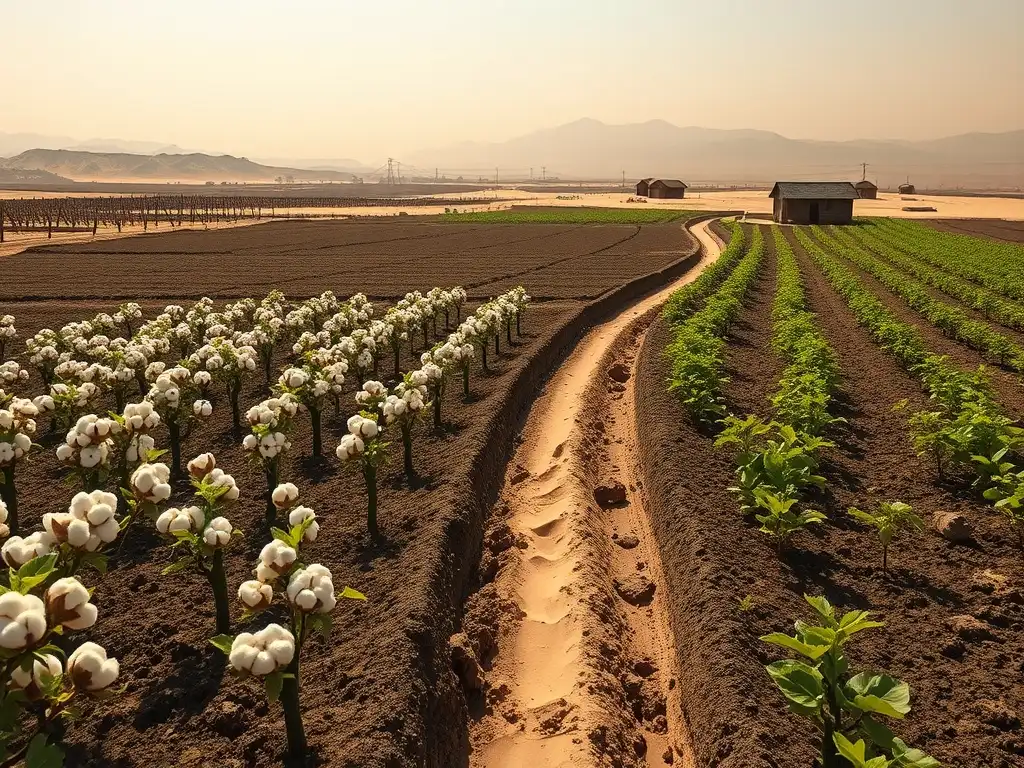
The Nazca people, renowned for their intricate geoglyphs, were equally adept at cultivating a diverse range of crops within the challenging environmental conditions of the coastal deserts of southern Peru. Their agricultural success stemmed from a sophisticated understanding of water management and innovative farming techniques, allowing them to thrive in a seemingly inhospitable landscape. Mastering "Nazca agriculture methods" was crucial for their survival and the development of their complex society.
Analyzing their agricultural practices offers valuable insights into their ingenuity and resilience. Their agricultural prowess wasn't simply about sustenance; it was integral to their religious beliefs, social structures, and economic stability. Understanding their crops helps us understand their civilization as a whole.
Staple Foods in the Nazca Diet
The Nazca diet relied heavily on several staple crops, providing the bulk of their caloric intake and essential nutrients. These staples formed the foundation of their daily meals and were integral to their social and economic systems.
- Cotton ( Gossypium barbadense ): While not a direct food source, cotton was a crucial staple for the Nazca. They cultivated various types of cotton, using the fibers for textiles, clothing, and even in some ceremonial contexts. The cultivation of cotton required significant labor and expertise, reflecting its importance in their society. Evidence of sophisticated weaving techniques demonstrates the high value placed on cotton production. The intricate designs found on Nazca textiles hint at a complex social hierarchy and symbolic meaning associated with cotton.
- Maize ( Zea mays ): Maize, or corn, was a cornerstone of the Nazca diet, providing carbohydrates and energy. Archaeological evidence points to various maize varieties being cultivated, adapted to the specific microclimates of the region. The Nazca likely employed techniques such as terracing and irrigation to optimize maize yields, given the arid conditions. Different maize varieties may have served different purposes, some for consumption, others for brewing chicha (a fermented maize beverage) – a significant element of their social and religious life.
- Beans ( Phaseolus spp.): Several types of beans, providing essential protein and nutrients, complemented the maize in the Nazca diet. Beans were likely intercropped with maize, a common practice in Andean agriculture, benefiting both crops. The combination of maize and beans provided a more balanced diet, crucial for sustaining a large population. The various bean types may have had different culinary uses, reflecting dietary diversity.
- Squash ( Cucurbita spp.): Various squash varieties, offering carbohydrates, vitamins, and minerals, constituted another crucial element of the Nazca diet. Like beans, squash likely benefited from intercropping with other crops, optimizing land use and nutrient cycling. Different squash varieties may have been used for different purposes, ranging from food to potential medicinal applications.
Specialized Crops and Their Uses
Beyond staple foods, the Nazca cultivated a range of specialized crops, each serving specific purposes within their society. These crops highlight the depth of their agricultural knowledge and the complexity of their economic and social structures.
- Lúcuma ( Pouteria lucuma ): This fruit tree, prized for its sweet and creamy fruit, was likely cultivated for both consumption and potential ceremonial uses. The presence of lúcuma in Nazca contexts suggests its value as a desirable food item and potentially a symbol of status or wealth.
- Chili Peppers ( Capsicum spp.): Various chili pepper varieties were grown, providing flavor and spice to their food. Chili peppers also had potential medicinal and ritualistic applications, further demonstrating their significance. The different types of chili peppers likely offered a range of flavors and heat levels, adding diversity to their cuisine.
- Aji Amarillo ( Capsicum baccatum ): This particular type of chili pepper, commonly used in modern Peruvian cuisine, was likely also a significant component of Nazca cooking, adding distinctive flavor and color to their dishes. Its cultivation would have required specific agricultural techniques, highlighting the Nazca's sophisticated understanding of plant needs.
The Nazca's mastery of "Nazca agriculture methods" allowed them to thrive in a challenging environment, creating a complex and vibrant society. Their agricultural practices were not just about survival; they were deeply intertwined with their culture, religion, and social structures. Further research is needed to fully understand the nuances of their agricultural system and the full extent of their cultivated plant diversity. [Specific information pending on precise yield data for each crop].
Nazca Agriculture Methods: Adapting to a Harsh Environment
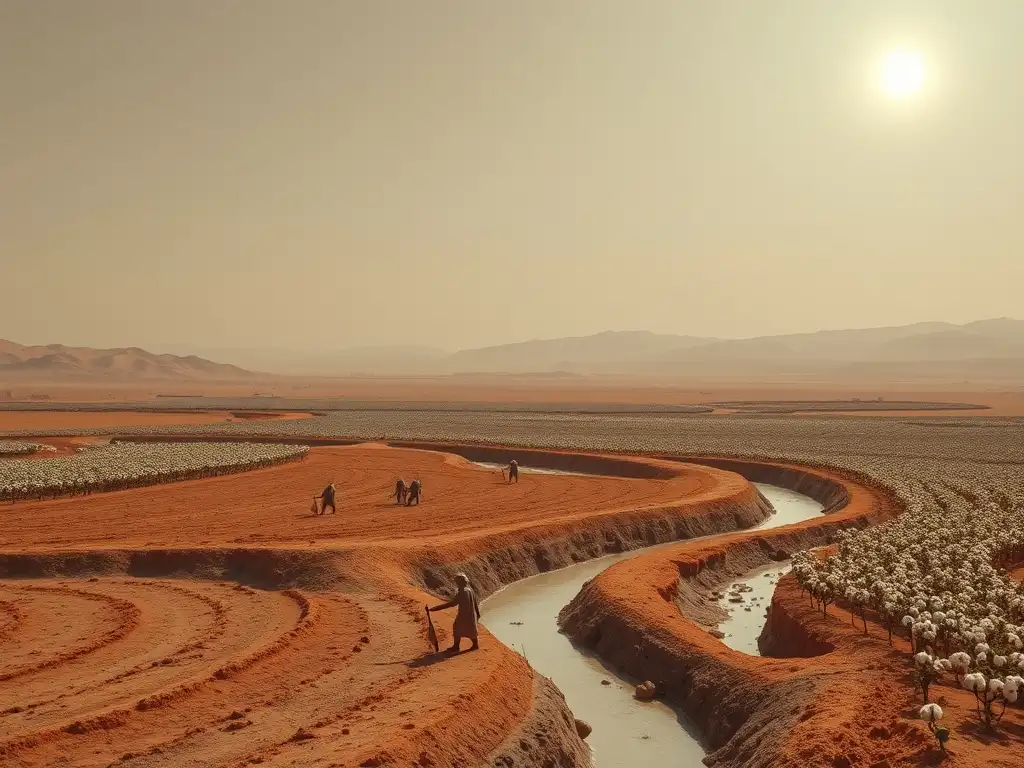
The Nazca civilization, renowned for its enigmatic geoglyphs, thrived in one of the most arid regions of the world. Their success was directly tied to their ingenious agricultural practices, which allowed them to cultivate crops in a seemingly impossible environment. Understanding their "Nazca agriculture methods" reveals a remarkable level of adaptation and ingenuity.
This section delves into the specific challenges faced by the Nazca and the sophisticated solutions they devised to overcome them. The key to their agricultural success was their mastery of water management and land optimization, techniques that allowed them to flourish in a landscape that today might seem barren and unproductive. Analyzing these methods provides valuable insight into their societal organization and technological prowess.
The Challenge of Arid Lands: Water Scarcity in Nazca
The Nazca desert, located on the southern coast of Peru, receives minimal rainfall annually. This extreme aridity presented a significant hurdle to the development of agriculture. The scarcity of water dictated every aspect of Nazca life, from settlement patterns to their social structures.
The survival of the Nazca depended entirely on their ability to collect, store, and distribute the limited water resources available. This wasn't simply a matter of digging wells; the Nazca faced the challenge of harnessing subsurface water sources and creating efficient irrigation systems to support a substantial population. The ingenuity displayed in overcoming these water scarcity issues is a testament to their advanced understanding of hydrology and engineering.
Evidence suggests that the Nazca carefully monitored seasonal changes and rainfall patterns, using this knowledge to optimize their farming practices and maximize crop yields, even in the face of unpredictable weather. This careful observation and planning was crucial to their long-term survival.
Innovative Nazca Irrigation Systems: Canals and Aqueducts
To combat the aridity of their environment, the Nazca developed sophisticated irrigation systems. These weren't simple ditches; they involved complex networks of canals and aqueducts that channeled water from rivers, springs, and underground sources to their fields. The construction of these systems required significant labor and engineering expertise.
Archaeological evidence reveals extensive canal networks, some stretching for kilometers, demonstrating the scale of their engineering projects. These canals were not only strategically placed to maximize water distribution but were also carefully designed to minimize water loss through evaporation. The precise gradients and the use of specific materials in canal construction suggest a deep understanding of hydraulic principles.
Furthermore, the Nazca likely utilized sophisticated techniques to maintain and repair their irrigation systems, ensuring the continuous flow of water to their crops. This highlights the importance of communal labor and shared resources in Nazca society. Their success in creating and maintaining these systems is a remarkable achievement, showcasing their advanced technological capabilities and their dedication to agriculture.
Nazca Terrace Farming: Maximizing Arable Land
In addition to their advanced irrigation systems, the Nazca also employed terrace farming to maximize the limited arable land available. By carving terraces into the hillsides, they created level platforms for cultivation, increasing the amount of land suitable for farming. This technique not only increased the area available for planting but also helped to conserve water by reducing runoff and erosion. The construction of terraces was a labor-intensive process, requiring careful planning and coordination.
The terraces were often supported by retaining walls made of stone or adobe, further indicating their engineering skills. The precision and scale of Nazca terrace farming are evident in the surviving remnants of these agricultural structures. This methodology allowed them to cultivate a greater variety of crops and support a larger population than would have been possible on flat land alone.
The implementation of terrace farming, alongside their irrigation systems, showcases the Nazca's holistic approach to agriculture, emphasizing both water management and land optimization. The combination of these techniques represents a remarkable adaptation to a challenging environment, providing a valuable case study in sustainable agricultural practices. The Nazca's legacy extends beyond their iconic geoglyphs; their agricultural achievements are a testament to their resilience and ingenuity.
Soil Management and Fertilization Practices in Nazca Agriculture
The Nazca people, inhabiting a coastal desert environment characterized by aridity and scarce rainfall, developed sophisticated soil management and fertilization techniques to ensure successful crop cultivation. Their agricultural practices were crucial for survival in this challenging landscape, showcasing remarkable ingenuity and adaptation. Understanding these methods provides insight into their resilience and agricultural prowess.
One key aspect of Nazca soil management was the careful selection of planting sites. They prioritized areas with access to subsurface water sources, often utilizing aguadas, which are artificial reservoirs designed to collect and store rainwater runoff. These aguadas, skillfully constructed along the slopes of hills and valleys, played a vital role in supplementing the meager rainfall and providing a consistent water supply for irrigation. The strategic placement of these water reservoirs demonstrates a deep understanding of hydrology and water management.
Beyond the strategic use of aguadas, the Nazca people also employed advanced irrigation techniques. They built extensive canal systems, some quite elaborate, channeling water from rivers and springs to their fields. These canals, often engineered to traverse challenging terrain, represent a significant feat of engineering and demonstrate a sophisticated understanding of hydraulic principles. The construction and maintenance of these irrigation systems required considerable community effort and collaboration, highlighting the importance of agriculture within their social structure.
Fertilization was another crucial element of Nazca agriculture. While the exact methods and materials used remain subject to ongoing research, evidence suggests the use of organic fertilizers. Guano, the excrement of seabirds, was likely a significant source of nutrients, providing essential nitrogen and phosphorus to the soil. Its use would have required careful collection and transportation, possibly involving trade networks and specialized labor.
Archaeological studies continue to uncover further evidence of the specific materials and techniques employed in Nazca fertilization practices, gradually revealing a more detailed picture of their agricultural strategies. Further research into ancient Nazca settlements and agricultural sites could uncover additional evidence of specific fertilizer types and application methods. The analysis of soil samples from ancient Nazca fields could also yield valuable information on the composition and fertility of the soil. These ongoing investigations promise to shed even more light on the sophistication of Nazca agricultural practices.
Tools and Technology Used in Nazca Farming

The Nazca, renowned for their enigmatic geoglyphs, also possessed sophisticated agricultural techniques crucial for their survival in the arid coastal plains of southern Peru. Their success wasn't solely reliant on ingenuity; it was deeply intertwined with the tools and technology they developed and employed. Understanding these aspects provides critical insight into their remarkable adaptation to a challenging environment and sheds light on the complexity of their "Nazca agriculture methods".
Agricultural Implements and Their Functions
The Nazca people, despite lacking metal tools on a wide scale, developed effective agricultural implements from readily available materials like wood, stone, bone, and fiber. Their tools, while seemingly simple, reflect a deep understanding of their environment and the needs of their crops.
Evidence suggests the use of:
- Wooden plows: While not as sophisticated as later metal plows, these likely served to till the soil, preparing it for planting. The exact design and effectiveness remain areas of ongoing research, with [specific information pending] on the size and shape of these implements. However, the presence of extensive cultivated fields implies a degree of soil preparation beyond simple hand-tilling.
- Stone hoes and digging sticks: These were likely used for a variety of tasks, including weeding, planting seeds, and harvesting crops. The durability of stone made these tools suitable for the often-rocky soil. Variations in size and shape likely reflected different applications. Analysis of wear patterns on recovered tools could provide further insights into their specific uses.
- Irrigation canals and channels: While not strictly "implements," these were essential tools for water management. These ingenious systems, discussed in greater detail below, were crucial for directing water from scarce sources to the fields. The construction and maintenance of these systems would have required significant community effort and specialized knowledge. This reflects a sophisticated understanding of hydrology and engineering far beyond simple tool use.
- Carrying baskets and containers: Made from woven plant fibers, these were vital for transporting water, seeds, and harvested crops. Their design often incorporated features to minimize spillage and maximize carrying capacity. [Specific details on basketry techniques and materials pending].
Evidence of Advanced Nazca Engineering for Irrigation
The Nazca's most impressive agricultural achievement was their mastery of irrigation. Facing a desert environment with limited water resources, they developed an extensive network of canals and aqueducts that brought water from distant sources to their fields. This sophisticated "Nazca agriculture methods" demonstrates an advanced understanding of hydraulic engineering and resource management, crucial for their survival.
The evidence supporting this claim includes:
| Feature | Description | Significance |
|---|---|---|
| Canals | Networks of channels carrying water from rivers and underground sources to fields. | Enabled cultivation in otherwise arid lands, supporting large populations. |
| Aqueducts | Elevated channels carrying water across valleys and uneven terrain. | Demonstrates advanced engineering skills and understanding of water flow. |
| Subterranean Channels (Puquios) | Underground channels tapping into groundwater sources. | Provided a reliable water supply even during periods of drought. |
| Check Dams & Reservoirs | Structures used to control water flow and create small reservoirs. | Improved water distribution and prevented erosion. |
The construction of these systems required significant labor, planning, and coordination. It showcases a high level of social organization and a deep understanding of the environment. The precision and scale of these irrigation networks are a testament to the ingenuity and resilience of the Nazca people, highlighting their sophisticated "Nazca agriculture methods" and their ability to thrive in a challenging environment.
Further research, including [specific information pending on radiocarbon dating of irrigation structures], is needed to fully understand the evolution and impact of these remarkable systems. The Nazca's success in harnessing water resources stands as a remarkable example of adaptation and innovation in ancient agriculture.
The Significance of Nazca Agriculture in Society
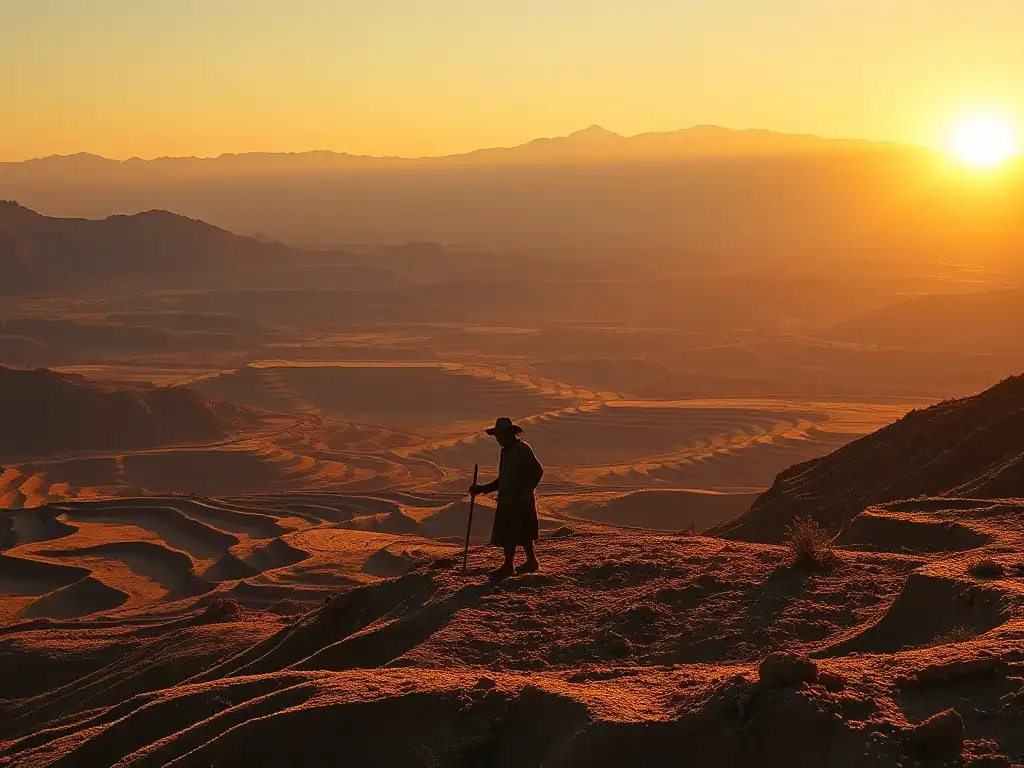
The Nazca civilization, flourishing along the southern coast of Peru from 100 CE to 800 CE, demonstrated remarkable ingenuity in adapting to their arid environment. Their success wasn't solely based on their iconic geoglyphs; it was fundamentally rooted in their sophisticated agricultural techniques. Understanding Nazca agriculture methods is key to comprehending their societal structure, economic prosperity, and religious beliefs. Their agricultural practices weren't simply a means of survival; they were deeply intertwined with every facet of Nazca life. This section will delve into the crucial role agriculture played in shaping Nazca society.
Nazca society, while hierarchical, wasn't rigidly stratified like some other Andean civilizations. Agricultural production likely played a vital role in determining social standing. Those with access to the most fertile land or possessing the most effective irrigation systems likely held greater influence. Evidence suggests a complex system of communal labor, with individuals contributing to the upkeep of irrigation canals and the cultivation of communal fields. This cooperative system fostered a sense of shared responsibility and may have contributed to a degree of social cohesion.
However, the precise nature of social stratification based on agricultural output requires further research. [Specific information pending on the correlation between land ownership/access and social status in Nazca society]. We can hypothesize that elites may have controlled access to prime agricultural lands, reinforcing their power. The distribution of surplus agricultural products likely played a significant role in maintaining social order and political stability.
Crop Production and Nazca Economic Stability
The Nazca economy was largely based on agriculture, with surplus crops forming the basis of trade and exchange networks. Their mastery of irrigation techniques, including the construction of extensive canal systems, allowed them to cultivate a variety of crops in their otherwise arid environment. Key crops included cotton (a crucial textile resource), maize (a staple food), beans, squash, and various other vegetables.
The successful cultivation of these crops was essential for the economic stability of the Nazca civilization. A good harvest meant food security, enabling population growth and supporting specialized labor. A poor harvest, conversely, could have led to social unrest and potentially even societal collapse.
The efficiency of their irrigation systems— evidence of careful planning and community involvement— played a crucial role in mitigating the risks associated with the unpredictable desert climate. Analyzing the distribution of settlements in relation to water sources further illuminates the economic importance of agriculture. The concentration of larger settlements near major irrigation canals suggests a direct link between agricultural productivity and population density.
Religious and Ritual Significance of Nazca Agriculture
Nazca agriculture was not merely a practical endeavor; it held profound religious and ritual significance. The careful planning and construction of irrigation systems, the meticulous cultivation of crops, and the reverence for water— a scarce and precious resource— suggest a deep spiritual connection between the Nazca people and their agricultural practices. Archaeological evidence, such as the discovery of ritual offerings associated with irrigation canals, further supports this notion.
These offerings, possibly including coca leaves, textiles, and other valuable items, suggest that the successful cultivation of crops was viewed as a divine blessing. Moreover, the Nazca's intricate iconography, including depictions of deities associated with fertility and agriculture, reinforces the religious importance of farming in their worldview. The annual cycle of planting and harvesting was likely interwoven with their religious calendar, with ceremonies and rituals marking key stages of the agricultural year.
This spiritual dimension of Nazca agriculture emphasizes the holistic nature of their society, where the practical and the sacred were inextricably linked. The deep connection between religious beliefs and agricultural practices reinforced social cohesion and provided a framework for understanding their relationship with the natural world. 🌱
The Legacy of Nazca Agricultural Practices
The Nazca people, renowned for their enigmatic lines etched into the desert, were equally masterful in their agricultural techniques. Their success in cultivating crops in the arid coastal plains of southern Peru stands as a testament to their ingenuity and deep understanding of their environment. This wasn't simply subsistence farming; it was a sophisticated system that supported a complex society.
Understanding their methods offers valuable insights into sustainable agriculture and resource management, even today. The ingenuity of the Nazca in overcoming the challenges of their environment is remarkable, showcasing a profound connection between human innovation and ecological adaptation. Their agricultural practices weren't just about survival; they were a cornerstone of their cultural identity and social structure.
The legacy of their achievements continues to inspire research and inform modern agricultural practices. Analyzing their techniques reveals a remarkable interplay between human ingenuity and the natural environment, highlighting the importance of sustainable practices in arid and semi-arid regions.
Lessons from Nazca Farming for Modern Agriculture
The Nazca's success in arid land farming offers valuable lessons for modern agriculture, particularly in regions facing water scarcity. Their sophisticated irrigation systems, including canals and underground aqueducts ( puquios), demonstrate efficient water management. These systems minimized water loss through evaporation and ensured a reliable water supply for their crops. Modern agricultural practices could learn from this efficient water usage – particularly relevant in the face of climate change and increasing water stress.
Furthermore, the Nazca's understanding of soil management was crucial. They employed techniques like terracing to create level planting surfaces, reducing soil erosion and maximizing water retention. This approach, combined with their use of fertilizers derived from guano (bird droppings), ensured optimal soil fertility. Modern agriculture could benefit from re-evaluating traditional soil management techniques and exploring sustainable fertilizer options.
The Nazca's crop diversification also contributed to their success. They cultivated a variety of crops, including cotton, beans, maize, squash, and chili peppers, reducing their reliance on a single crop and mitigating risks associated with crop failure. This approach mirrors modern agricultural principles of crop rotation and diversification, which enhance soil health and resilience. Analyzing their crop selection, based on the available resources and environmental conditions, offers insights into creating resilient and sustainable agricultural systems.
The Nazca's agricultural practices were not merely technological; they were deeply intertwined with their social and religious beliefs. This integrated approach, where agriculture wasn't just a means of subsistence but a fundamental aspect of their worldview, could inspire a more holistic and sustainable approach to modern agriculture.
Preserving the History of Nazca Agricultural Innovation
Preserving the knowledge of Nazca agriculture is crucial for understanding their remarkable achievements and for drawing inspiration for modern sustainable practices. Archaeological research continues to uncover new details about their techniques, revealing the sophistication and complexity of their systems. The careful documentation and analysis of these findings are essential for preserving this valuable heritage.
However, the preservation of Nazca agricultural sites also faces challenges. Erosion, land degradation, and human activity threaten the integrity of these important historical locations. Conservation efforts are needed to protect these sites, ensuring their long-term preservation for future generations. This includes not only physical preservation but also the dissemination of knowledge about Nazca agricultural practices through education and outreach programs. Promoting awareness of the Nazca's remarkable achievements can inspire innovation in modern agriculture and promote sustainable practices.
The ongoing research into Nazca agriculture provides valuable data that can be used to inform modern agricultural practices. By studying their techniques, we can learn how to improve water management, soil conservation, and crop diversification in arid and semi-arid regions. This interdisciplinary approach, combining archaeological research with agricultural science, is crucial for developing sustainable and resilient agricultural systems.
The legacy of Nazca agriculture is not merely a historical curiosity; it's a valuable resource for addressing the challenges of modern agriculture. Protecting and studying these sites is vital for our understanding of past societies and for informing future sustainable practices. The Nazca's innovative approach to agriculture serves as a powerful example of human adaptation and resilience, a legacy worth preserving and learning from.
Frequently Asked Questions
What agricultural methods did the Nazca civilization use?
The Nazca employed sophisticated techniques including canal irrigation to bring water to their crops from distant rivers and underground aquifers. They also used terracing on hillsides to maximize arable land and raised fields in swampy areas.
What were the main crops cultivated by the Nazca?
The Nazca cultivated a variety of crops, including cotton, beans, peppers, squash, maize, and potatoes. Their agricultural success allowed for a relatively dense population.
How did the Nazca manage water scarcity in the arid coastal desert?
Their mastery of water management was crucial. They built extensive irrigation canals and aqueducts, some of which are still visible today, to transport water over long distances.
What evidence exists to support our understanding of Nazca agriculture?
Archaeological evidence such as canal remnants, terraced fields, and agricultural tools provides significant insight. Furthermore, ancient Nazca art often depicts agricultural activities and crops.
How did Nazca agriculture contribute to their societal development?
Successful agriculture provided a surplus of food, supporting a complex society with specialized labor, trade, and the development of advanced technologies and artistic expressions.
Final Reflection: Unraveling the Mysteries of Nazca Agriculture
The ingenuity of Nazca agricultural practices continues to resonate today, a testament to human adaptability and resourcefulness in the face of challenging environments. Their sophisticated understanding of water management and crop selection, despite the arid coastal desert, offers invaluable lessons for sustainable agriculture in our increasingly water-stressed world. This knowledge, unearthed through meticulous archaeological research, challenges our assumptions about ancient civilizations and their capabilities.
The Nazca's ability to thrive in such a harsh climate underscores the profound connection between culture and environment. Their agricultural innovations weren't simply about survival; they were integral to their complex social structures, religious beliefs, and artistic expressions. The desert, though seemingly barren, yielded its secrets to those who understood its rhythms.
This quote, though not directly from a Nazca source, encapsulates the spirit of their achievement and the enduring power of human ingenuity in overcoming seemingly insurmountable obstacles. Their legacy inspires us to consider the delicate balance between human needs and environmental preservation.
Consider the challenges we face today: climate change, dwindling water resources, and the need for sustainable food production. The Nazca's story serves as a powerful reminder that innovation and a deep understanding of our environment are crucial for our future. I urge you to reflect on the resourcefulness of the Nazca and consider how their methods, adapted to modern contexts, might inspire solutions to our contemporary agricultural challenges. Let their legacy be a call to action, prompting us to cultivate a more sustainable and resilient relationship with the land.
Unearth the Secrets of Nazca Crop Cultivation!
Thank you for exploring the fascinating world of Nazca agriculture with us! You've discovered the ingenuity of this ancient civilization in cultivating crops within a challenging environment. Now, let's put your newfound knowledge to practical use!
Here are some ways to further engage with this captivating subject:
- Join a local gardening or farming community to experiment with time-tested techniques inspired by Nazca methods. Consider researching drought-resistant crops and water conservation strategies employed by the Nazca.
- Share your discoveries on social media—tag us and inspire others with the agricultural wisdom of the Nazca!
- Learn more about Nazca culture by visiting a museum or exploring online resources showcasing their artifacts and agricultural practices.
What aspect of Nazca agriculture most intrigues you, and how might those techniques be applied to modern sustainable farming? Share your thoughts below!