
Andean Ancestral Art and Symbolism: Decoding the Language of Death

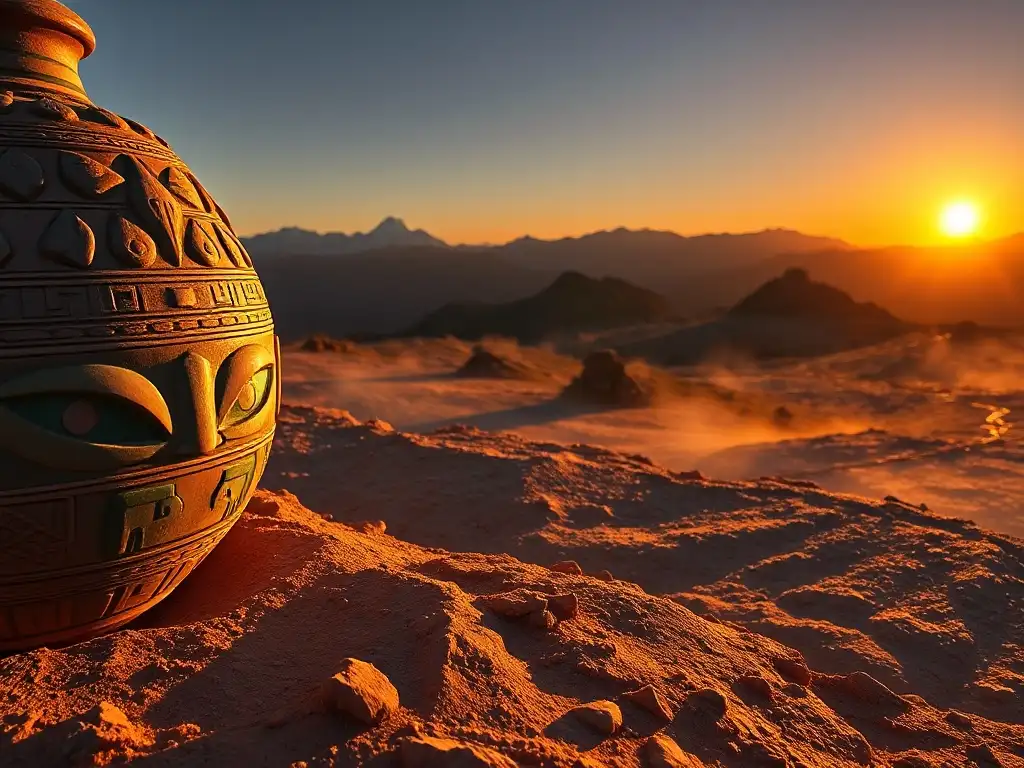
Welcome, explorer! Prepare to journey into the enigmatic world of Andean pre-Columbian art symbolism. For centuries, the breathtaking artistry of the Andes has whispered secrets of life, death, and cosmology. But what truly lies hidden within the intricate designs and potent imagery? Dive into the captivating world of Andean ancestral art and uncover the chilling beauty of their unique language of death—a language waiting to be deciphered.
- Andean Pre-Columbian Art Symbolism: Decoding the Language of Death
- Key Symbols in Andean Funeral Art
- Decoding Specific Andean Artistic Expressions
- The Persistence of Ancestral Symbolism in Modern Andean Cultures
- Conclusion: The Enduring Legacy of Andean Pre-Columbian Art Symbolism
-
Frequently Asked Questions
- What is the main focus of this article on Andean art?
- Which Andean cultures are discussed in relation to death symbolism?
- What types of art are analyzed for their symbolic meaning?
- How does the article connect Andean art to the concept of death?
- Where can I learn more about Andean pre-Columbian art symbolism?
- Final Reflection: Echoes of the Andes: A Legacy in Stone and Symbol
- Unveil the Mysteries of Andean Art and Symbolism!
Andean Pre-Columbian Art Symbolism: Decoding the Language of Death
The vibrant tapestry of Andean pre-Columbian art, encompassing the diverse cultures of the Incas, Moche, Nazca, and Tiahuanaco, offers a captivating window into their complex cosmology and worldview. This intricate artistic expression, far from being mere decoration, served as a powerful means of communication, conveying profound beliefs about life, death, and the cyclical nature of existence. This article delves into the symbolism embedded within Andean ancestral art, focusing specifically on how these ancient peoples represented and understood death, revealing a sophisticated understanding of the afterlife and the enduring connection between the living and the deceased.
We will explore the recurring motifs, their interpretations, and their significance within the broader context of Andean ancestor veneration and beliefs about the journey beyond this life. Understanding this "language of death" provides invaluable insight into the rich cultural heritage of the Andes and the enduring legacy of these remarkable civilizations.
The analysis will consider both the materiality of the art – the materials used, the techniques employed – and the symbolic meaning conveyed through iconography and narrative. Prepare to journey into a world where the line between life and death is blurred, and art serves as a conduit to the spirit world.
Introduction to Andean Ancestral Art and its Significance
Andean ancestral art is not simply aesthetically pleasing; it's a powerful record of a civilization's beliefs, values, and social structures. From intricately woven textiles to meticulously crafted ceramics and monumental architecture, these artifacts reflect a deep connection to the natural world and a profound reverence for their ancestors. The Andean worldview, deeply intertwined with the cyclical rhythms of nature, saw death not as an end but as a transformation, a passage to another realm.
This perspective profoundly shaped their artistic representations, where depictions of death are often interwoven with symbols of rebirth and renewal. Consider, for example, the recurring motif of the feline deity, often associated with both death and regeneration. This duality reflects the Andean understanding of the constant interplay between opposing forces in the cosmos.
The use of specific colors, materials, and iconographic elements further enhances the symbolic meaning within these artistic expressions. For instance, the use of gold, often associated with the sun and divinity, highlights the sacred nature of the deceased and their continued presence in the spiritual realm.
The Role of Death in Andean Cosmology
Death held a central place in Andean cosmology. It wasn't viewed as a terrifying end but rather as a transition, a continuation of the life cycle. The deceased were believed to maintain a powerful connection with the living world, acting as intermediaries between the human and spiritual realms.
Ancestor veneration was a cornerstone of Andean societies, with elaborate rituals and offerings performed to honor and appease their ancestors. This reverence is vividly reflected in their art. Mummy bundles, adorned with intricate textiles and accompanied by grave goods, provide compelling evidence of the importance placed on the deceased and their continued presence in family and community life.
The elaborate burial practices, often involving the inclusion of food, tools, and other personal belongings, underscore the belief that the deceased would continue to need these items in the afterlife. These practices, meticulously documented through archaeological findings, provide crucial context for understanding the symbolism embedded within the art. The careful selection and arrangement of grave goods, for example, reveal a sophisticated understanding of the afterlife and the needs of the departed.
Understanding the Andean Worldview and its Connection to Art
The Andean worldview, deeply rooted in the cyclical nature of life and death, is inextricably linked to their artistic expressions. The concept of pachakuti, a cyclical upheaval or transformation, is reflected in the recurring motifs of destruction and renewal found throughout Andean art. This concept emphasizes the constant flux of the cosmos and the cyclical nature of existence, where death is not an ending but a necessary part of a larger, ongoing process.
The intricate iconography found in textiles, ceramics, and metalwork often depicts scenes of both life and death, highlighting the interconnectedness of these two realms. The use of specific symbols, such as serpents, condors, and jaguars, often carries multiple layers of meaning, reflecting the complexity of their cosmological beliefs. These symbols are not merely decorative elements; they are integral parts of a rich symbolic language that conveys profound spiritual and cosmological meanings.
Further research into specific Andean cultures and their unique artistic styles will deepen our understanding of this intricate and fascinating system of beliefs. The careful study of Andean pre-Columbian art, therefore, offers a unique opportunity to decode the language of death and gain a deeper appreciation for the rich cultural heritage of the Andes.
Key Symbols in Andean Funeral Art
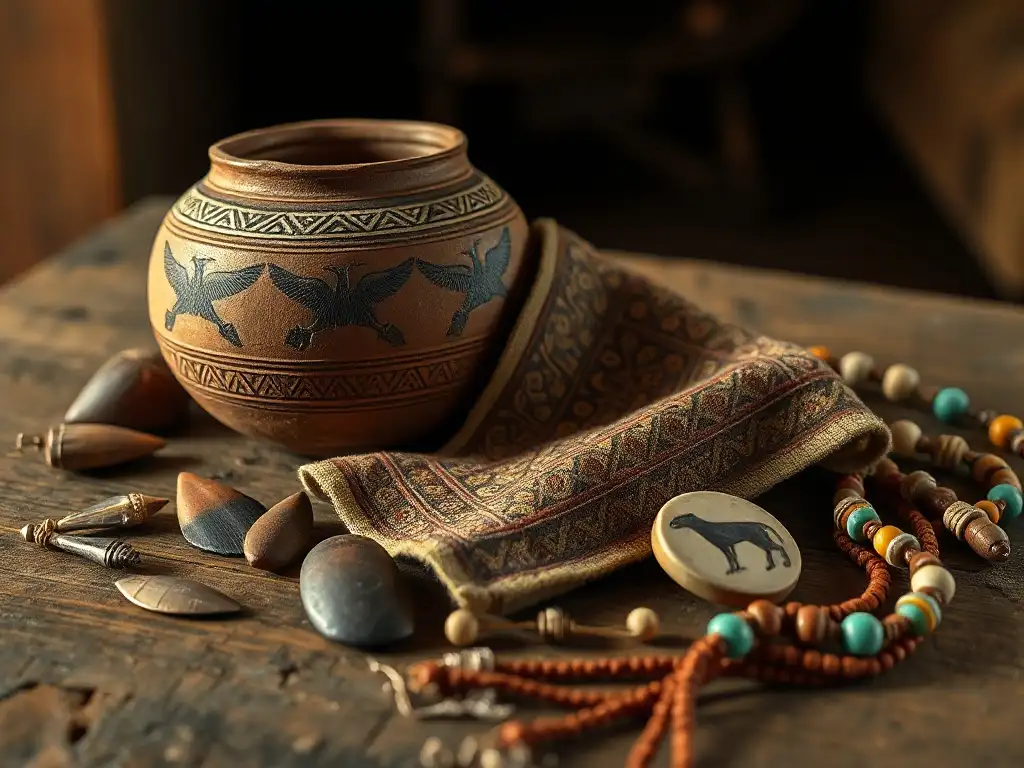
Andean pre-Columbian art symbolism, particularly within the context of funerary practices, offers a fascinating window into the complex cosmology and worldview of these ancient civilizations. The imagery found on textiles, ceramics, and metalwork associated with death rituals reveals a rich tapestry of beliefs about the afterlife, ancestor veneration, and the cyclical nature of life and death. Careful analysis of these symbols provides invaluable insights into the spiritual landscape of Andean societies.
The recurring motifs, often imbued with deep symbolic meaning, weren't merely decorative; they were integral to the funerary rites and reflected the profound connection between the living and the deceased. This section will explore some of the most prominent symbols, examining their significance and variations across different cultures within the Andes.
The Condor: Messenger Between Worlds
The condor, a majestic bird soaring high above the Andean peaks, held immense symbolic weight in Andean cultures. Its ability to traverse the vast expanse of sky linked it to the celestial realm, making it a potent symbol of mediation between the earthly and spiritual worlds. In funerary contexts, the condor frequently appears depicted in flight, suggesting the soul's journey to the afterlife. This is often emphasized by stylistic choices; the bird might be portrayed with outstretched wings, conveying a sense of ascension and transcendence.
The representation of the condor varies across different Andean cultures. For example, Moche pottery often depicts condors in dynamic poses, capturing their powerful presence. Conversely, Nazca textiles might show stylized condors, integrated into broader narrative scenes involving death and rebirth. The specific details of the depiction—the posture, the colors used, the accompanying iconography—can provide nuanced interpretations of the condor's role within a specific funerary context. Further research is needed to fully understand the regional variations in condor symbolism, but existing evidence strongly suggests its consistent association with the transition between life and death.
The Serpent: Symbol of Rebirth and Transformation
The serpent, a recurring motif in Andean pre-Columbian art symbolism, is frequently associated with themes of rebirth, transformation, and the cyclical nature of existence. Its ability to shed its skin symbolizes renewal and the continuous cycle of death and regeneration, mirroring the Andean worldview that emphasized the interconnectedness of life and death. In funerary art, the serpent's presence is often interpreted as a representation of the deceased’s journey through the underworld and their eventual return, or transformation, into a new form.
Examples of serpent imagery in Andean funerary contexts abound. Tiahuanaco textiles often feature intricate serpent designs woven into the fabric, subtly interwoven with other symbols of the afterlife. Similarly, the Moche, known for their mastery of ceramic art, incorporated serpent motifs into their funerary pottery, often intertwined with other symbolic elements, further enhancing the narrative of death and rebirth.
The specific attributes of the serpent, such as its colors or the presence of additional elements like feathers or human features, can significantly alter its meaning. However, the underlying theme of cyclical renewal remains a consistent feature of serpent symbolism across various Andean cultures.
Feline Imagery: Power and the Underworld
Feline imagery, particularly depictions of jaguars and pumas, frequently appears in Andean funerary art. These powerful predators, associated with strength, prowess, and the underworld, represent aspects of both earthly and spiritual authority. The feline's association with the night and the subterranean realm makes it a fitting symbol of the transition to the afterlife. Its predatory nature further emphasizes the power and mystery associated with death and the unknown.
The depiction of felines in Andean funerary art is highly variable. In some instances, they are portrayed as ferocious beasts, emphasizing their power and dominance. In others, they may be depicted in a more stylized or abstract manner, integrating them into complex narratives involving death and rebirth. The specific context of the depiction—the accompanying imagery, the medium used, and the overall composition of the artifact—is crucial for understanding the precise meaning.
Detailed analysis of these contextual elements is essential for a comprehensive understanding of feline symbolism in Andean funerary practices. The prevalence of feline imagery underscores the importance of these powerful animals in the Andean understanding of the spiritual world and the journey beyond death. Further research into specific regional variations and stylistic choices will undoubtedly reveal more nuanced interpretations of their symbolic significance.
The Sun and Moon: Cosmic Balance
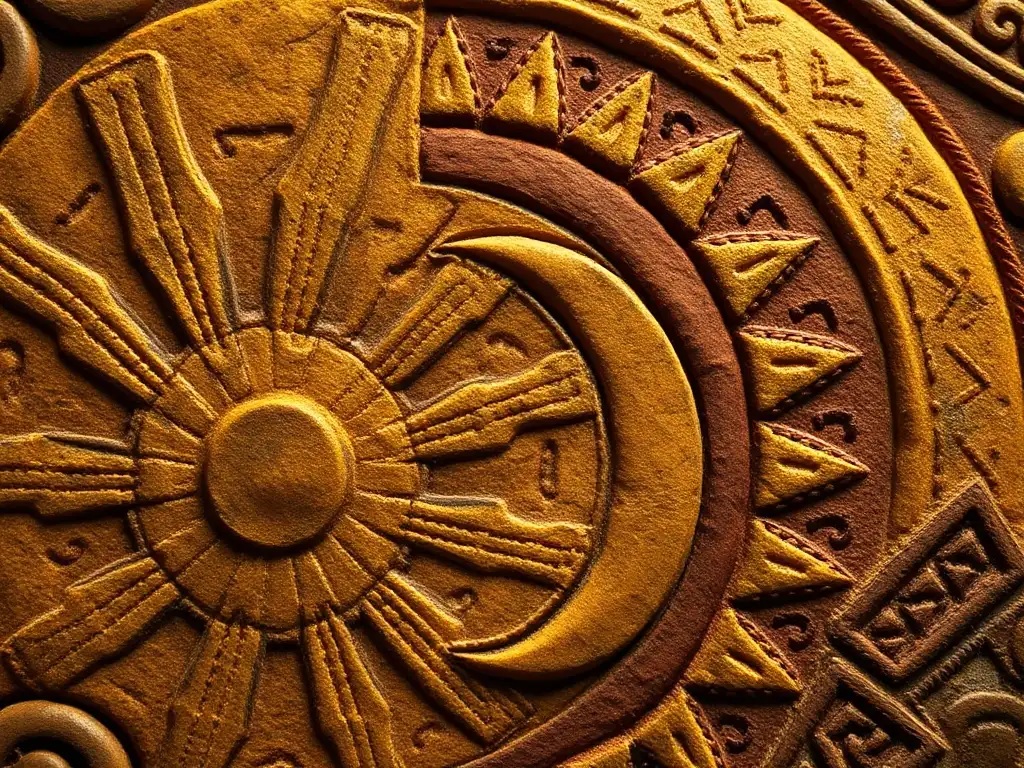
Andean pre-Columbian art symbolism frequently depicts the sun and moon, not merely as celestial bodies, but as powerful forces governing life, death, and the cyclical nature of existence. These representations are deeply intertwined with ancestor veneration, reflecting the belief that the deceased journeyed to a realm connected to these cosmic entities.
The sun, often portrayed as a radiating disc or a stylized human face, symbolizes life-giving energy, power, and the authority of rulers, mirroring the sun's influence over earthly affairs. The moon, frequently depicted as a crescent or a full disc, represents cycles, regeneration, and the feminine principle, often associated with fertility and the underworld.
The careful balance between the sun and moon in funerary art is significant. It doesn't depict a struggle for dominance, but a harmonious duality, representing the interconnectedness of life and death, light and darkness, male and female energies. This cosmic balance is crucial in understanding the Andean worldview, where death isn't an ending but a transformation within this continuous cycle.
Many artifacts, including textiles and ceramics from various Andean cultures like the Nazca and Inca, showcase this duality, with the sun and moon often appearing together, sometimes framed by other symbolic elements reinforcing this cosmic equilibrium. The precise arrangement and stylistic choices vary across different cultures and time periods, offering nuanced interpretations of this fundamental cosmological principle. For instance, the size and prominence of each celestial body might reflect the specific beliefs of a particular community or the importance of a particular event commemorated in the burial.
Geometric Patterns: Representing Ancestral Knowledge
Geometric patterns are ubiquitous in Andean pre-Columbian art symbolism, particularly within the context of funerary art. These aren't merely decorative elements; they are complex codes conveying profound meanings related to ancestry, cosmology, and social structures. The intricate designs woven into textiles, painted onto pottery, or carved into stone objects often represent abstract concepts and ancestral knowledge passed down through generations. These patterns, frequently involving repetitive motifs like triangles, squares, stepped frets, and spirals, are believed to represent the organization of the cosmos, the structure of society, or even the pathways of the ancestors in the afterlife.
Different geometric patterns hold varying significance. For example, stepped frets, commonly found in Tiahuanaco art, might symbolize agricultural terraces, representing the vital connection between humans and the land, and emphasizing the cyclical nature of life and death mirrored in agricultural practices. The use of spirals could represent the cyclical nature of time and the continuous regeneration of life.
Triangles, often interpreted as mountains, connect the earthly realm with the celestial, reflecting the Andean belief in the interconnectedness of the cosmos. The precise combination and arrangement of these patterns within a single artifact can create a complex narrative, revealing details about the deceased's social status, lineage, and the beliefs of their community. Analyzing these patterns requires a deep understanding of each culture's specific iconography and its evolution over time.
The intricate weaving techniques and precise placement of colors further enhance the symbolic meaning encoded within these geometric designs, offering a rich tapestry of ancestral knowledge. Decoding these intricate patterns provides invaluable insights into the complex worldview and sophisticated understanding of the cosmos held by Andean civilizations.
Decoding Specific Andean Artistic Expressions
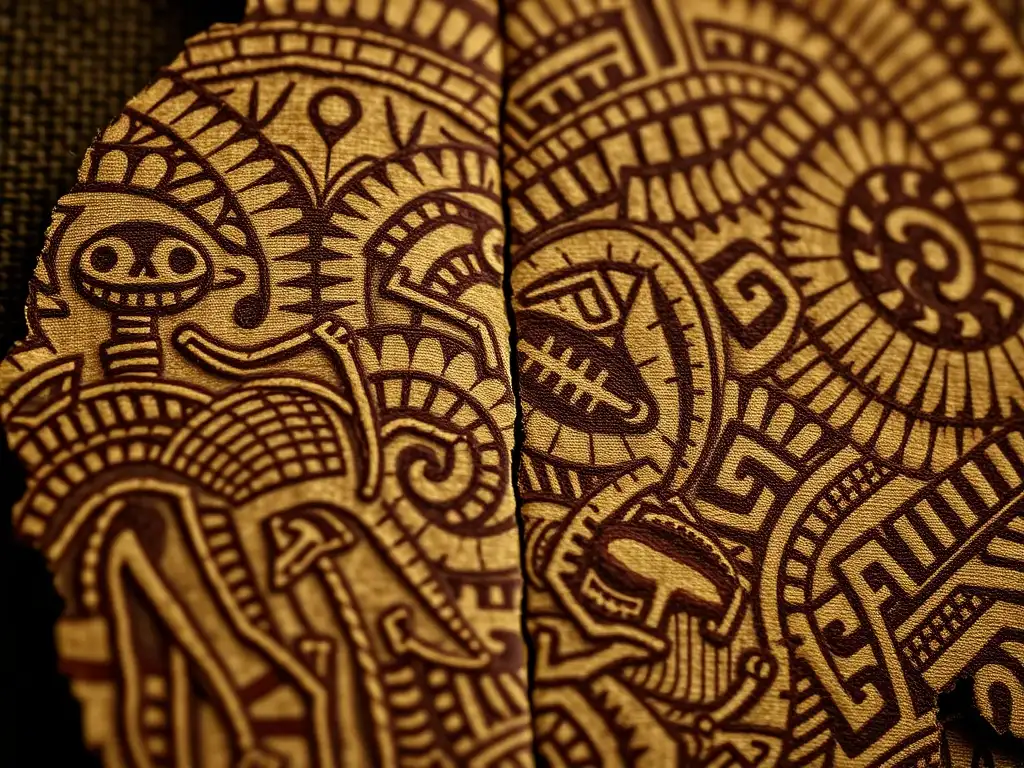
This section delves into the specific artistic expressions of different Andean cultures, focusing on how their art reflects beliefs about death and ancestor veneration. We will explore the rich symbolism embedded within these artifacts, revealing insights into their complex cosmological worldview. Analyzing these artistic expressions allows us to better understand the profound significance of death within Andean societies and their unique approach to the afterlife.
The intricate details and powerful imagery offer a window into the beliefs and practices surrounding death and ancestor veneration, illuminating the unique Andean perspective on mortality. This analysis will focus on the Andean preColumbian art symbolism present in Moche pottery and Nazca lines, two distinct examples of artistic expression with profound funerary connotations.
Moche Pottery and its Funerary Narratives
Moche pottery, renowned for its exquisite craftsmanship and vibrant depictions of daily life, also provides invaluable insights into their funerary practices and beliefs about the afterlife. The Moche, a pre-Columbian civilization flourishing on the northern coast of Peru (circa 100-800 CE), created elaborate ceramic vessels often found within tombs. These vessels aren't merely containers; they are narrative canvases, depicting scenes of sacrifice, rituals, and interactions with the supernatural world, all intricately linked to their understanding of death and ancestor veneration.
The vibrant colors, detailed figures, and dramatic scenes offer a glimpse into a complex belief system that profoundly impacted their artistic output. The careful placement of these vessels within tombs further emphasizes their importance in the funerary context, showcasing the Moche's deep respect for their ancestors and their belief in a continuous connection between the living and the dead.
Depictions of Death and Rituals in Moche Ceramics
Moche ceramics frequently depict scenes of death and elaborate funerary rituals. These depictions are not simply representations of death itself, but rather complex narratives illustrating the Moche understanding of the afterlife and the role of ancestors. For instance, many pots show scenes of human sacrifice, a practice believed to appease the gods and ensure a successful harvest or victory in battle.
These scenes are often highly detailed, showcasing the elaborate rituals surrounding the sacrifice and the participants' attire and expressions. Other pottery depicts individuals in the afterlife, interacting with supernatural beings or participating in feasts and ceremonies. The recurring motifs and symbolic elements, such as specific attire, headdresses, and gestures, provide clues to understanding the complex rituals and beliefs surrounding death and ancestor veneration within Moche society.
Analyzing these depictions reveals a nuanced understanding of their cosmology, where the boundary between the living and the dead was permeable and the ancestors played a vital role in the affairs of the living. The sheer variety of depicted scenes underscores the richness and complexity of Moche funerary beliefs. Furthermore, the high level of artistic skill evident in these depictions suggests the importance and prestige associated with funerary rituals and the commemoration of the deceased.
Nazca Lines and their Possible Connection to Ancestral Veneration
The Nazca Lines, a series of massive geoglyphs etched into the desert plains of southern Peru (circa 500 BCE – 500 CE), remain one of archaeology's greatest mysteries. While their precise purpose is still debated, a compelling argument suggests a connection to ancestral veneration and the broader Nazca cosmological worldview. The sheer scale and complexity of these figures, which include animals, plants, and geometric patterns, point to a significant investment of time, resources, and societal organization.
The lines' visibility from above raises intriguing questions about their function, suggesting a possible connection to ritual practices or astronomical observations. Their creation involved immense effort, implying the lines held substantial cultural and religious significance for the Nazca people.
Interpretations of Nazca Geoglyphs and their Symbolic Meaning
Interpretations of the Nazca Lines vary, but many scholars suggest a connection between specific geoglyphs and ancestral figures or deities. Some geoglyphs depict animals with clear symbolic significance in Nazca culture, possibly representing ancestral spirits or powerful deities. The intricate detail and precise execution of these designs showcase a deep understanding of geometry and a remarkable mastery of landscape manipulation.
The potential astronomical alignments of certain lines further suggest that the Nazca Lines might have been used for ritual purposes connected to the celestial calendar, reinforcing the link between the earthly and the spiritual realms. The immense effort involved in their creation, coupled with their prominent location, indicates their profound importance within Nazca society.
While a definitive conclusion regarding their precise purpose remains elusive, the Nazca Lines undeniably represent a powerful expression of Andean preColumbian art symbolism related to ancestor veneration and cosmology, showcasing the profound impact of ancestral beliefs on their artistic and cultural landscape. Further research and interdisciplinary studies are needed to fully unlock the secrets hidden within these enigmatic geoglyphs and their connection to the Andean worldview surrounding death and the afterlife.
Inca Textiles and their Symbolic Code
Inca textiles represent a pinnacle of Andean preColumbian art symbolism, showcasing intricate weaving techniques and profound symbolic meaning. These weren't merely functional garments; they were powerful statements of social status, religious beliefs, and ancestral lineage. The production of these textiles was a highly specialized craft, often undertaken by women within the acllahuasi (Houses of Chosen Women), who held a significant religious and social role.
The quality of the materials, the complexity of the design, and the choice of colors all contributed to the overall meaning encoded within each piece. The use of camelid fibers – alpaca and llama wool – speaks to the Inca's deep connection to their environment and the animals that sustained them.
These fibers were meticulously dyed using natural pigments derived from plants, minerals, and insects, resulting in a vibrant palette of colors with symbolic weight. For example, red often represented blood and sacrifice, while yellow signified royalty and divinity.
The Use of Color and Motifs in Inca Funeral Cloth
Funeral textiles offer a particularly rich lens through which to understand Inca preColumbian art symbolism related to death and the afterlife. These elaborate cloths, often intricately woven and adorned with intricate designs, were used to wrap mummies and adorn funerary bundles. The colors used in these funerary textiles were not arbitrary; they carried significant symbolic meaning. Deep reds, for instance, might represent the life force or the blood sacrifice necessary for a successful passage to the underworld.
Black, often associated with the earth and the ancestors, frequently appeared in burial contexts. Beyond color, recurring motifs played a crucial role. Geometric patterns, such as stepped frets and zigzags, might symbolize mountains, representing the connection between the living and the deceased, while depictions of animals, like the condor or puma, represented power and strength in the afterlife.
Specific motifs, like the tocapus (headbands) and the llantas (necklaces), further highlight the social standing of the deceased. The meticulous detail and the clearly defined symbolic language of these textiles speak volumes about the Inca worldview and their beliefs about death and the journey to the afterlife. The complexity of these designs, combined with the use of rare and valuable materials, underscores the importance of these rituals and the high value placed on the deceased within Inca society.
Tiahuanaco Stone Carvings and their Religious Implications
The stone carvings of Tiahuanaco, a pre-Inca civilization that flourished in the Bolivian Altiplano, represent a fascinating chapter in Andean preColumbian art symbolism. These monumental sculptures, intricately carved from andesite, are characterized by their unique artistic style and their profound religious significance. The Tiahuanaco artists displayed a mastery of stone carving, creating detailed representations of deities, mythical creatures, and symbolic motifs.
The human figures often depicted in these carvings are stylized and often wear elaborate headdresses and ceremonial garments. These representations are believed to depict powerful deities and ancestors, reflecting the civilization's complex religious beliefs and cosmology. The repeated appearance of certain motifs, such as the staff, the condor, and the feline, suggests a connection to the broader Andean worldview, with these symbols representing power, authority, and connection to the supernatural world.
The scale of these sculptures, many of which are monumental in size, underscores their importance within the Tiahuanaco religious system. Analysis of the carvings reveals intricate details, suggesting a sophisticated understanding of artistic techniques and a deep engagement with religious symbolism.
The Gateway of the Sun and its Symbolic Significance
The Gateway of the Sun, a massive monolithic stone structure located at Tiahuanaco, is perhaps the most iconic example of Tiahuanaco stone carving and a central piece in understanding Andean preColumbian art symbolism. This imposing gateway, carved from a single block of andesite, is adorned with a complex array of intricate carvings. The central figure is often interpreted as a deity, possibly Viracocha, a creator god in Andean mythology.
Surrounding this central figure are numerous smaller figures, often identified as deities, mythical creatures, and possibly representations of celestial bodies. The intricate details and the careful arrangement of these figures suggest a complex cosmological system and a sophisticated understanding of the universe. The Gateway of the Sun is not merely an architectural achievement; it is a powerful statement of religious belief and a visual manifestation of the Tiahuanaco worldview.
Its symbolic significance is multifaceted, encompassing themes of creation, power, and the relationship between humanity and the divine. Scholars continue to debate the precise meaning of the carvings, but the Gateway of the Sun remains a captivating testament to the artistic and spiritual achievements of the Tiahuanaco civilization and a key element in understanding Andean preColumbian art symbolism.
The Persistence of Ancestral Symbolism in Modern Andean Cultures
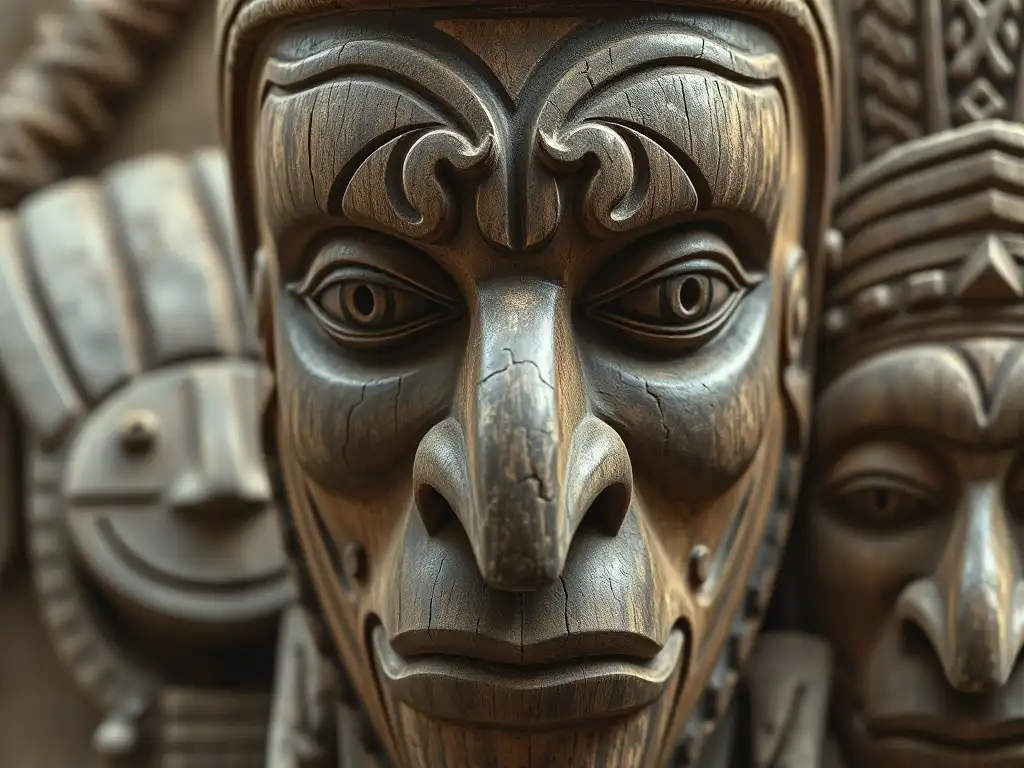
The vibrant tapestry of Andean preColumbian art symbolism continues to resonate deeply within contemporary Andean cultures. While centuries have passed since the flourishing of empires like the Inca, Moche, and Nazca, the visual language of their ancestors remains a powerful force, shaping artistic expression, spiritual practices, and even everyday life. This enduring legacy is not merely a nostalgic echo of the past; it's a living tradition, constantly reinterpreted and adapted to the present.
Understanding this continuity is key to deciphering the multifaceted meanings embedded within Andean art, both ancient and modern. The enduring power of these symbols speaks volumes about the strength and resilience of Andean cultural identity.
How Ancient Art Influences Contemporary Andean Art
Contemporary Andean artists frequently draw inspiration from pre-Columbian motifs, seamlessly weaving ancient symbols into their modern creations. Think of the ubiquitous use of the khipu knot system, once used for record-keeping, now reimagined in textiles, jewelry, and even digital art. The intricate geometric patterns found in Nazca pottery often reappear in contemporary textiles, demonstrating a direct lineage. Similarly, the stylized depictions of animals and deities, common in Moche ceramics, continue to inspire contemporary sculptures and paintings.
This isn't mere imitation; rather, it’s a conscious engagement with ancestral heritage, reinterpreting ancient forms through a modern lens. The use of traditional Andean dyes and techniques further reinforces this connection to the past, ensuring the authenticity and cultural significance of the artwork. The continued relevance of these ancient artistic forms demonstrates their enduring appeal and their capacity to adapt to changing times while retaining their core symbolic meaning.
Continuing Traditions of Death Rituals and Symbolism
The Andean worldview, deeply rooted in ancestor veneration, profoundly influenced death rituals and funerary practices. These traditions, while evolving, continue to reflect the symbolic language of pre-Columbian art. For example, the offering of coca leaves, a practice deeply ingrained in Inca culture, persists in many contemporary Andean communities as a way to honor deceased ancestors.
The use of specific colors in funerary textiles, mirroring those found in ancient burial sites, also speaks to the enduring significance of color symbolism in death rituals. Even the elaborate preparations for funerals, often involving intricate weaving and the creation of personalized offerings, reflect a continuity with ancient traditions. This continuity highlights the importance of maintaining a strong connection to ancestors, emphasizing the belief that the deceased continue to play a vital role in the lives of the living.
The rich symbolism associated with death, as reflected in both ancient and modern practices, provides invaluable insight into the Andean understanding of the afterlife and the cyclical nature of life and death. The persistence of these rituals showcases the enduring power of Andean preColumbian art symbolism in shaping contemporary life and beliefs.
The Importance of Preserving Andean Cultural Heritage
Preserving Andean cultural heritage, including its rich artistic and symbolic traditions, is crucial for maintaining cultural identity and understanding the deep historical roots of the region. The study of Andean preColumbian art symbolism offers a unique window into the past, providing insights into the beliefs, values, and social structures of these ancient civilizations. Furthermore, the ongoing use of these symbols in contemporary Andean societies underscores the importance of actively supporting and promoting these traditions.
This involves not only preserving ancient artifacts and sites but also supporting contemporary artists who continue to draw inspiration from their ancestral heritage. Efforts to document and share this knowledge with wider audiences are equally crucial, ensuring that the legacy of Andean preColumbian art symbolism continues to inspire and enrich future generations.
The preservation of this heritage is not merely a historical endeavor; it is a vital act of cultural continuity, ensuring that the unique artistic and symbolic language of the Andes remains a living testament to the enduring spirit of its people. Protecting this legacy is vital for understanding Andean preColumbian art symbolism and its influence on the world today.
Conclusion: The Enduring Legacy of Andean Pre-Columbian Art Symbolism
The study of Andean pre-Columbian art symbolism offers a profound window into the complex relationship these civilizations held with death. Far from viewing death as an ending, their artistic expressions reveal a nuanced understanding of the cyclical nature of life, the continuity of the community with its ancestors, and the enduring power of the spirit world.
Understanding this worldview is crucial to interpreting the intricate details and symbolic language woven into their pottery, textiles, and metalwork. The vibrant colors, intricate designs, and recurring motifs are not merely decorative; they are powerful statements about their beliefs, social structures, and cosmology.
The enduring legacy of this art lies not only in its aesthetic beauty but also in its ability to illuminate a rich and fascinating cultural past. The meticulous preservation and continued study of these artifacts are essential to unlocking further secrets of Andean pre-Columbian societies and their sophisticated understanding of life, death, and the cosmos.
Reflecting on the Meaning of Andean Art in Understanding Death
The Andean worldview, reflected vividly in their art, saw death not as a brutal end but as a transition, a continuation of life in a different form. This understanding profoundly shaped their artistic expressions. For example, the frequent depiction of skulls and skeletal remains wasn't a morbid fascination but a symbolic representation of ancestors, who were believed to remain active participants in the community's life, offering protection and guidance. These images were not meant to inspire fear, but rather to acknowledge and honor the continuing presence of the deceased.
The use of specific colors also held deep symbolic meaning. For instance, the color red, often associated with blood and sacrifice, symbolized life force and vitality, even in the context of death. It represented the continuous cycle of life, death, and rebirth, a fundamental tenet of Andean cosmology. Similarly, the intricate patterns and designs found on textiles and pottery weren't simply aesthetic choices but encoded messages, often related to specific deities, rituals, or ancestor lineages. These visual narratives served as a means of transmitting knowledge, beliefs, and history across generations.
Analyzing the context of discovery is also vital. Grave goods, for example, often included meticulously crafted objects intended to accompany the deceased into the afterlife, providing them with the necessities and comforts they would need in their journey. This demonstrates a belief in a continued existence beyond physical death, where the material world remained relevant and important.
The careful placement of these objects within the burial sites, along with the overall design of the tombs themselves, speaks volumes about their beliefs and rituals surrounding death and the afterlife. The meticulous detail and artistry lavished on these items underscores the significance placed on the transition and the ongoing connection between the living and the dead.
Furthermore, the prevalence of certain motifs, such as feline imagery (often associated with power and the spirit world) and stylized representations of supernatural beings, points towards the integral role of the spiritual realm in Andean life and death. These recurring symbols reinforce the interconnectedness between the human world and the supernatural, suggesting that death was not a separation but a continuation within a larger cosmic framework.
The art serves as a tangible link to this belief system, providing tangible evidence of their spiritual practices and cosmological beliefs. The study of “Andean preColumbian art symbolism” is therefore not merely an aesthetic pursuit but a crucial key to understanding a profoundly different and deeply spiritual worldview.
Frequently Asked Questions
What is the main focus of this article on Andean art?
This article explores the symbolism within Andean pre-Columbian art, specifically focusing on the representation and meaning of death in various ancient Andean cultures. It delves into how these cultures viewed and depicted the afterlife.
Which Andean cultures are discussed in relation to death symbolism?
While not exclusively focused on one culture, the article examines the artistic representations of death across several Andean civilizations, including, but not limited to, the Incas, Moche, Nazca, and Tiahuanaco. Their unique perspectives are compared and contrasted.
What types of art are analyzed for their symbolic meaning?
The article analyzes a range of artistic mediums, including textiles, ceramics, and metalwork, to understand how death and the afterlife were visually represented. The analysis considers the specific imagery and its cultural context.
How does the article connect Andean art to the concept of death?
The article examines how Andean cultures used art to express their beliefs about death, the afterlife, and the journey of the soul. It explores the use of specific symbols and motifs to convey these complex ideas.
Where can I learn more about Andean pre-Columbian art symbolism?
This article provides a starting point. For further research, explore academic journals, museum websites (e.g., the Metropolitan Museum of Art or the Field Museum), and books specializing in Andean archaeology and art history. Look for keywords like "Andean pre-Columbian art symbolism" in your searches.
Final Reflection: Echoes of the Andes: A Legacy in Stone and Symbol
The intricate artistry and symbolic language of Andean pre-Columbian cultures remain profoundly relevant today, offering a powerful lens through which to examine our own relationship with mortality and the enduring human spirit. These ancient expressions, far from being relics of a distant past, resonate with contemporary concerns about legacy, spirituality, and our place within the larger cosmos. Their enduring power lies in their ability to transcend time and speak directly to the fundamental human experience.
The enduring influence of Andean ancestral art continues to shape our understanding of pre-Columbian societies and their complex belief systems. It challenges simplistic narratives and encourages a deeper appreciation for the rich diversity of cultural expressions. The meticulous detail and profound symbolism embedded within these artifacts offer a window into a worldview that valued community, reciprocity, and a deep connection with the natural world. Art washes away from the soul the dust of everyday life.
- Pablo Picasso. This quote, while not directly referencing Andean art, perfectly encapsulates the transformative power of these ancient creations, allowing us to connect with something larger than ourselves.
Consider the profound messages woven into the textiles, ceramics, and metalwork of these ancient cultures. What can you learn from their sophisticated understanding of death and the afterlife? How can their artistic expressions inspire you to confront your own mortality with greater awareness and acceptance? Let the echoes of the Andes resonate within you, prompting a deeper exploration of your own beliefs and values, and inspiring you to create your own lasting legacy.
Unveil the Mysteries of Andean Art and Symbolism!
Thank you for exploring the intricate world of Andean ancestral art and its rich symbolism. You've gained valuable insights into how these traditions reflect beliefs about death and the afterlife. Let's deepen your connection with this fascinating culture!
Here are some ways to actively engage:
- Visit a museum or gallery to experience Andean art firsthand. Seeing these pieces in person provides a vibrant context that enhances understanding.
- Join an online community dedicated to Andean cultures. Share your insights and learn from others passionate about this topic.
- Explore Andean textiles by trying weaving or other traditional crafts. This hands-on experience brings the art to life.
What aspect of Andean art and symbolism resonates most with you, and how do you see it reflecting our contemporary understanding of life and death?