
Planning Your Trip: Practical Tips for Visiting Andean Sites

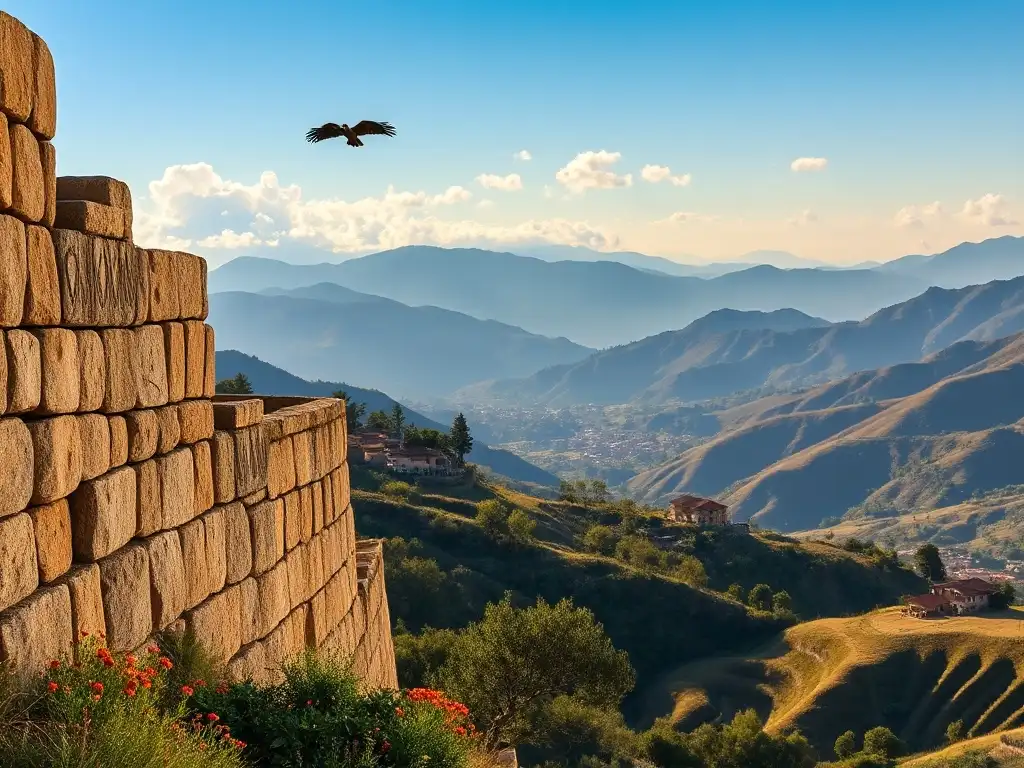
Dare to journey back in time? Uncover the mysteries of the Andes, a land sculpted by empires and echoing with forgotten voices. From the breathtaking heights of Machu Picchu to the enigmatic Nazca Lines, Andean archaeological sites hold secrets waiting to be revealed. This isn't just history; it's an adventure. Discover how to plan your unforgettable exploration with our practical guide to Andean archaeological sites travel planning. Let the journey begin!
-
Planning Your Trip: Practical Tips for Visiting Andean Archaeological Sites
- Introduction: Embarking on an Andean Adventure - Travel Planning Essentials
- Understanding the Scope: Andean Archaeological Sites and Your Travel Goals
- Choosing Your Destinations: Key Andean Sites for Your Itinerary
- Essential Preparations: Andean Travel Planning Checklist
- Maximizing Your Experience: Tips for Visiting Andean Sites
- Budgeting Your Trip: Estimating Costs for Andean Adventures
- Conclusion: Making Your Andean Archaeological Sites Travel a Reality
-
Frequently Asked Questions
- What are some must-see Andean archaeological sites for first-time visitors?
- How can I plan a trip to Andean archaeological sites that is both affordable and comfortable?
- What is the best time of year to visit Andean archaeological sites?
- What should I pack for a trip to visit Andean archaeological sites?
- How can I ensure a responsible and ethical visit to Andean archaeological sites?
- Final Reflection: Echoes of the Andes: A Legacy Worth Exploring
- Embark on Your Andean Adventure Today!
Planning Your Trip: Practical Tips for Visiting Andean Archaeological Sites
Exploring the breathtaking archaeological sites of the Andes is a journey into the heart of ancient civilizations. This guide provides practical tips for planning your trip, ensuring a rewarding and enriching experience amidst the majestic landscapes and fascinating ruins of the Inca, Moche, Nazca, and Tiahuanaco cultures. From understanding the sheer scale of these sites and setting realistic expectations to navigating logistical challenges, we'll equip you with the knowledge necessary to make the most of your Andean archaeological adventure. This article focuses on effective travel planning for those seeking to explore the rich tapestry of Andean history and culture, helping you navigate the intricacies of visiting these incredible locations and maximizing your experience. We will cover everything from essential travel preparations to on-site considerations, ensuring your journey is both informative and enjoyable. This comprehensive guide caters to "Andean archaeological sites travel planning" needs, offering practical advice for a memorable trip.
Introduction: Embarking on an Andean Adventure - Travel Planning Essentials
Before you set foot on Andean soil, meticulous planning is crucial. The vastness and diversity of the Andes region demand careful consideration of several factors. Your trip's success hinges on proper preparation, encompassing everything from visa requirements and travel insurance to packing appropriate clothing and gear. Consider the altitude: many sites are located at significant elevations, requiring acclimatization to avoid altitude sickness.
This might involve spending a few days at a lower altitude before venturing to higher sites. Furthermore, research the best time to visit, keeping in mind that weather conditions can significantly impact accessibility and overall experience. The dry season (typically May to September) generally offers the best weather for exploring, but it's also peak tourist season. Planning ahead and booking accommodations and tours in advance is highly recommended, especially during these months.
Remember to pack layers of clothing, as temperatures can fluctuate dramatically throughout the day, even within the same location. Don't forget sunscreen, a hat, and sunglasses to protect yourself from the strong Andean sun. Finally, learning a few basic Spanish phrases will enhance your interactions with locals and enrich your overall experience.
A well-structured itinerary is key to maximizing your time and minimizing travel stress. Consider the distances between sites and allocate sufficient travel time. Public transport options vary widely across the region, so research your transportation options thoroughly and book in advance when possible. For remote sites, guided tours might be necessary or preferable, offering invaluable historical context and logistical support.
Understanding the Scope: Andean Archaeological Sites and Your Travel Goals
The Andean region boasts a staggering array of archaeological sites, each with its unique characteristics and historical significance. Defining your travel goals is the first step in effective planning. Are you interested in a specific civilization, like the Inca Empire or the Nazca Lines? Or are you aiming for a broader overview of Andean history, encompassing multiple sites and cultures? Perhaps you're drawn to the dramatic landscapes surrounding these ruins, and want to incorporate hiking or other outdoor activities into your itinerary.
To illustrate, consider the difference between a trip focused solely on Machu Picchu versus one encompassing a wider exploration of the Sacred Valley. The former requires focused planning around train tickets and entry permits, while the latter allows for a more flexible itinerary with opportunities to explore various smaller sites and experience the rich cultural tapestry of the region. Similarly, a trip centered on the Nazca Lines requires arranging a flight over the desert, while exploring coastal sites like Chan Chan involves different logistical considerations.
Understanding your priorities – be it historical depth, geographical diversity, or a specific cultural focus – will allow you to tailor your itinerary accordingly and ensure a fulfilling experience. Remember to research each site individually; opening hours, accessibility, and entry fees can vary considerably. This groundwork will prevent unexpected delays or disappointments during your trip.
Choosing Your Destinations: Key Andean Sites for Your Itinerary
Planning a trip to explore Andean archaeological sites requires careful consideration of your interests and available time. The sheer number of incredible locations can be overwhelming! To help you narrow down your choices, let's explore some key destinations, categorizing them for easier planning based on the civilization you're most interested in:
For Inca enthusiasts: Machu Picchu, of course, is a must-see. However, consider extending your exploration beyond the iconic citadel. The Sacred Valley, encompassing sites like Ollantaytambo and Pisac, offers a deeper understanding of Inca agricultural techniques, urban planning, and religious practices. For a more adventurous journey, explore Choquequirao, a remote and less-visited Inca site offering breathtaking views and a more intimate connection with the past. Remember that access to some sites, like Choquequirao, may require more physical stamina and advance planning.
Delving into pre-Inca civilizations: If you’re captivated by the Moche culture, a visit to the Huaca del Sol and Huaca de la Luna near Trujillo is essential. These massive adobe pyramids reveal intricate murals and offer a glimpse into the sophisticated social and religious organization of this powerful civilization. For those fascinated by the Nazca Lines, a flight over the desert is a truly unique experience, revealing the enigmatic geoglyphs etched into the landscape.
Don't forget to visit the Nazca Museum to understand the context of these incredible creations. The Tiahuanaco site near Lake Titicaca presents a different perspective on Andean civilization, showcasing monumental architecture and a unique artistic style. The scale and mystery surrounding Tiahuanaco are truly awe-inspiring.
Balancing your interests: It's important to remember that many sites offer a blend of influences from different periods. For instance, exploring Cusco, the Inca capital, also offers insights into pre-Inca structures and colonial architecture, providing a layered understanding of the region's rich history. Therefore, carefully consider which aspects of Andean history most intrigue you when designing your itinerary. Prioritize sites and allocate sufficient time for each, rather than trying to cram too much into a short trip. Remember that travel time between sites can be significant, especially in more remote areas.
Essential Preparations: Andean Travel Planning Checklist
Planning a successful trip to explore Andean archaeological sites requires meticulous preparation. This checklist will help you ensure a smooth and enjoyable experience:
| Item | Importance | Notes |
|---|---|---|
| Visas and Passports | ⭐⭐⭐⭐⭐ | Check visa requirements well in advance. Ensure your passport has sufficient validity. |
| Flights and Accommodation | ⭐⭐⭐⭐⭐ | Book flights and accommodation in advance, especially during peak season. Consider location proximity to sites. |
| Travel Insurance | ⭐⭐⭐⭐ | Essential for medical emergencies, trip cancellations, and lost belongings. |
| Vaccinations and Medications | ⭐⭐⭐⭐ | Consult your doctor about necessary vaccinations and any required medications for altitude sickness or other health concerns. |
| Packing Essentials | ⭐⭐⭐⭐ | Pack layers of clothing suitable for varying weather conditions (including rain gear). Comfortable walking shoes are a must! Don't forget sunscreen, a hat, and insect repellent. |
| Altitude Sickness Prevention | ⭐⭐⭐⭐ | Acclimatize gradually to high altitudes. Consider coca tea or altitude sickness medication. |
| Local Currency | ⭐⭐⭐ | Exchange currency before your trip or at reputable exchange bureaus upon arrival. |
| Spanish Phrasebook/App | ⭐⭐⭐ | While English is spoken in tourist areas, knowing basic Spanish phrases will enhance your experience. |
| Guidebooks and Maps | ⭐⭐⭐ | Research the sites you plan to visit and obtain detailed maps. Consider hiring a local guide for a richer experience. |
| Physical Fitness | ⭐⭐⭐ | Many sites involve walking, sometimes at high altitudes. Assess your fitness level and plan accordingly. |
Remember to make copies of all important documents and store them separately from the originals. Consider using a cloud-based storage system for easy access. And most importantly, be prepared to be amazed by the wonders of Andean archaeology!
Maximizing Your Experience: Tips for Visiting Andean Sites
To truly appreciate the Andean archaeological sites, consider these tips for enriching your experience:
- Hire a local guide: A knowledgeable guide can provide invaluable context and insights into the history, culture, and significance of the sites you visit. They can also point out details you might otherwise miss. Choose reputable guides with experience and positive reviews.
- Respect the sites: These are ancient and sacred places. Refrain from touching artifacts, climbing on structures, or leaving litter. Follow all guidelines and instructions provided by site officials.
- Learn about the culture: Familiarize yourself with the history and culture of the Andean civilizations before your trip. This will enhance your appreciation and understanding of what you see. Read books, watch documentaries, or take an online course to prepare.
- Pace yourself: Don't try to cram too much into a single day. Allow ample time to explore each site thoroughly and avoid rushing through your experience. Remember that high altitudes can affect your energy levels.
- Engage with local communities: Support local businesses and interact respectfully with the communities surrounding the archaeological sites. This helps preserve the cultural heritage and contributes to sustainable tourism. Consider purchasing souvenirs from local artisans.
By following these tips and carefully planning your itinerary, you can ensure a memorable and enriching journey through the fascinating world of Andean archaeology. Remember to be respectful of the sites and the local cultures, and prepare to be captivated by the wonders you will discover. Enjoy your exploration of these incredible "Andean archaeological sites"! 🗺️✨
Budgeting Your Trip: Estimating Costs for Andean Adventures
Planning a trip to explore Andean archaeological sites requires careful budgeting. Costs vary significantly depending on the length of your stay, travel style, and the specific sites you plan to visit. Let's break down the key expense categories to help you create a realistic budget for your Andean adventure.
Firstly, flights can represent a substantial portion of your total cost. International flights to major cities like Lima, Peru, or Quito, Ecuador, can vary widely depending on your origin and the time of year. Consider booking flights in advance to secure better deals, especially during peak tourist season. Domestic flights within the Andes region might also be necessary to reach more remote sites, adding to your overall airfare expenses.
Secondly, accommodation costs depend on your preferences. Options range from budget-friendly hostels and guesthouses to luxurious hotels. Prices vary significantly between cities and rural areas. For example, accommodation in Cusco, a popular gateway to Machu Picchu, tends to be more expensive than in smaller towns further away from major tourist attractions. Remember to factor in the cost of accommodation for the entire duration of your trip.
Thirdly, ground transportation is another crucial element. This includes buses, trains, and taxis. While buses are a cost-effective option for longer distances, trains offer a more comfortable and scenic journey, particularly for routes like the one to Machu Picchu. Taxis are convenient for shorter distances within cities and towns but can be more expensive than using public transportation. Consider the distances between sites when planning your transportation budget.
Finally, entrance fees, food, and activities should be included in your budget. Entrance fees to many Andean archaeological sites vary depending on the site and the time of year. Food costs can range from inexpensive street food to fine dining experiences. Factor in the cost of guided tours, which can enhance your understanding and appreciation of the sites.
Remember to allocate funds for souvenirs and unexpected expenses. A reasonable budget for a week-long trip could range from [specific information pending] depending on your travel style. Careful planning and research will help you create a budget that aligns with your travel preferences and financial capabilities. Remember to account for potential fluctuations in exchange rates.
Conclusion: Making Your Andean Archaeological Sites Travel a Reality
Exploring the remarkable Andean archaeological sites is an enriching experience that should be on every traveler's bucket list. From the majestic ruins of Machu Picchu to the enigmatic Nazca Lines, the region offers a captivating journey through time. By understanding the logistical aspects and applying the practical tips outlined above, you can transform your dream of visiting these sites into a tangible reality.
Final thoughts and recommendations for planning your trip
Remember to prioritize thorough research. Understanding the specific requirements for each site, including necessary permits and booking procedures, is crucial for a smooth and enjoyable trip. Consider the altitude when planning your itinerary, allowing for acclimatization time to avoid altitude sickness. Packing appropriate clothing and gear suitable for varying weather conditions is essential, especially when visiting sites at high altitudes. Learning basic Spanish phrases can greatly enhance your interactions with locals and enrich your travel experience.
Encouraging exploration and discovery of Andean civilizations
The Andean civilizations left behind an extraordinary legacy, reflected in their intricate architecture, sophisticated technologies, and captivating art. Exploring these sites provides a unique opportunity to connect with the past and appreciate the ingenuity and resilience of these ancient cultures. Each site offers a distinct perspective on Andean history, from the monumental structures of Tiahuanaco to the intricate textiles of the Paracas culture. Embrace the opportunity to learn about the diverse cultures that flourished in this region, and let their stories inspire your journey.
Call to action: Book your Andean adventure today!
Don't delay your exploration of the magnificent Andean archaeological sites. Start planning your trip today, taking into account the practical tips and budgetary considerations discussed in this guide. The journey will undoubtedly be a rewarding and unforgettable experience, immersing you in the rich tapestry of Andean history and culture. Embark on this incredible adventure and discover the wonders awaiting you in the heart of the Andes! 🎉
Frequently Asked Questions
What are some must-see Andean archaeological sites for first-time visitors?
For first-timers, Machu Picchu in Peru and Sacsayhuamán near Cusco are essential. Consider also Chan Chan (Chimú culture) in Peru, or Tiwanaku in Bolivia for a broader perspective. These sites offer diverse architectural styles and insights into different Andean cultures.
How can I plan a trip to Andean archaeological sites that is both affordable and comfortable?
Budget travel is possible! Consider hostels and local transportation. Pre-booking tours and accommodations can offer better deals. Prioritize fewer sites for a more relaxed and less expensive trip.
What is the best time of year to visit Andean archaeological sites?
The dry season (May to September) is generally best for optimal weather and fewer crowds. However, this is also peak season, so book in advance. Shoulder seasons (April & October) offer a good balance of pleasant weather and fewer tourists.
What should I pack for a trip to visit Andean archaeological sites?
Pack layers of clothing as temperatures fluctuate greatly. Comfortable walking shoes are crucial, as well as sunscreen, a hat, insect repellent, and rain gear. Remember a good camera to capture the stunning scenery and ancient ruins.
How can I ensure a responsible and ethical visit to Andean archaeological sites?
Respect the sites and follow all posted guidelines. Support local communities by using their services and buying local crafts. Avoid touching artifacts and stay on marked paths to prevent damage to these precious historical locations.
Final Reflection: Echoes of the Andes: A Legacy Worth Exploring
The allure of the Andean archaeological sites remains potent today, a testament to the enduring power of human ingenuity and cultural resilience. These ancient cities, perched dramatically amidst breathtaking landscapes, offer not just a glimpse into the past, but a profound connection to the human spirit's capacity for innovation and adaptation. The meticulous planning required to visit these sites, as detailed in this article, underscores the respect and reverence we owe to these fragile yet magnificent historical treasures.
The impact of these sites extends far beyond the realm of history books; they continue to shape the cultural identity of Andean nations, inspiring art, literature, and a deep sense of national pride. Their preservation is a collective responsibility, a legacy we must safeguard for future generations. The past is never dead. It's not even past.
– William Faulkner. This quote rings especially true when considering the living legacy of the Andes, where ancient traditions intertwine with modern life, creating a vibrant tapestry of culture.
Now, as you prepare your own journey to these remarkable places, remember the importance of responsible travel. Let your exploration be guided not only by a thirst for adventure, but also by a deep respect for the history and culture you encounter. Embrace the opportunity to connect with the echoes of the past, to learn from the wisdom of those who came before, and to contribute to the preservation of these invaluable sites for years to come. Your journey to the Andes is not just a vacation; it's a pilgrimage into the heart of human history.
Embark on Your Andean Adventure Today!
Thank you for joining us on this journey through the breathtaking Andes! We hope you found our practical tips inspiring and helpful for planning your next adventure. Now, let's turn that inspiration into action! Here's how to elevate your travel experience:
- **Book your trip now** to secure the best deals on flights and accommodations. The Andean region offers incredible value at this time of year!
- Research and create a detailed itinerary, focusing on the unique sites and experiences each location offers. Consider prioritizing activities based on your interests and available time.
- Share your travel plans with friends and fellow travelers – you might gather valuable advice and discover hidden gems!
What are you most excited to experience in the Andes? Share your thoughts in the comments below!