
Inca Architecture: Marvels of Engineering and Design

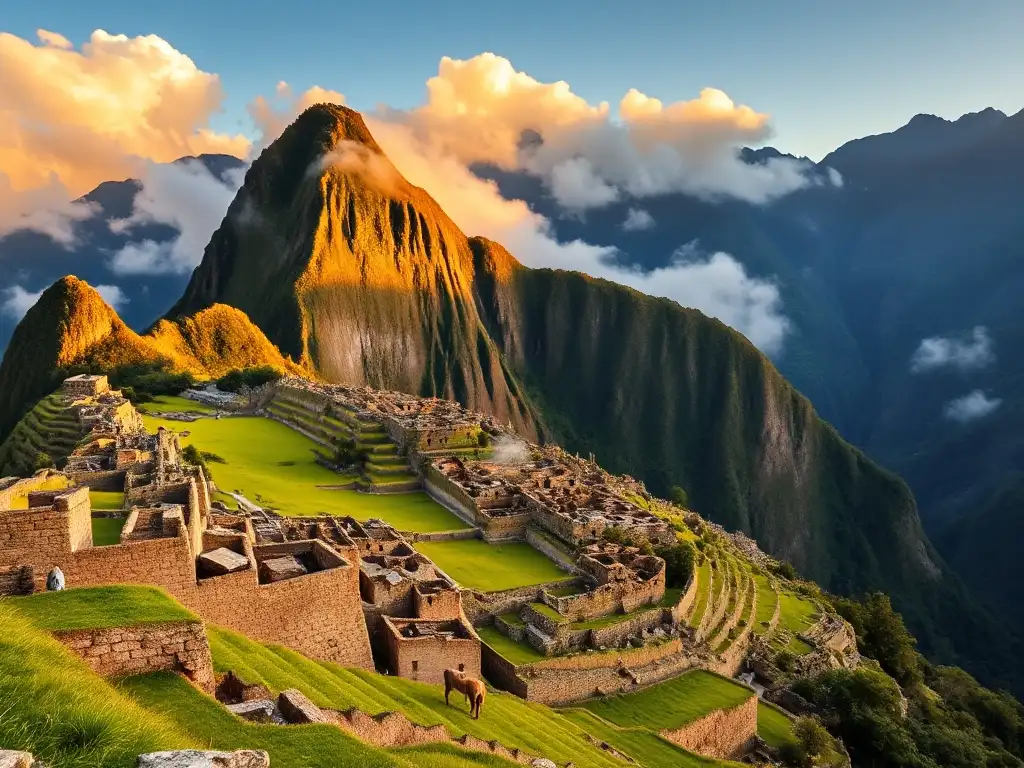
Uncover the secrets of a lost world. Journey through the breathtaking landscapes and awe-inspiring achievements of the Andean civilizations. From the intricate artistry of the Nazca lines to the sophisticated engineering of the Tiahuanaco, you'll discover a legacy that continues to fascinate. But prepare to be truly amazed by the Inca Empire: This site delves into the unparalleled ingenuity of Inca architecture examples, revealing structures that defy time and challenge our understanding of ancient capabilities. Dare to explore – the mysteries of the Andes await.
The Inca Empire, flourishing in the Andes Mountains from roughly 1438 to 1533 CE, left behind a breathtaking legacy of architectural marvels. Their sophisticated engineering and design, achieved without the benefit of wheeled vehicles or large draft animals, continues to inspire awe and wonder. This article delves into the remarkable achievements of Inca architecture, exploring the ingenuity behind their construction techniques, the unique characteristics of their buildings, and the lasting impact of their architectural style.
We'll examine specific examples that showcase the Inca's mastery of stonework, urban planning, and adaptation to their challenging environment, ultimately providing a comprehensive overview of what makes Inca architecture so significant and enduring. Prepare to be amazed by the ingenuity and skill of this remarkable civilization – and explore some prime examples of Inca architecture that solidify their place in history.
Introduction to Inca Architectural Achievements
Inca architecture is renowned for its precise stonework, impressive scale, and masterful adaptation to the Andean landscape. Unlike many other ancient civilizations, the Inca did not use mortar in much of their construction. Instead, they perfected the art of fitting stones together with such precision that even a knife blade couldn't be inserted between them.
This technique, known as ashlar masonry, resulted in structures of incredible strength and durability, many of which have withstood the test of time and the elements for centuries. The Inca also demonstrated a deep understanding of engineering principles, employing sophisticated techniques to manage water, create stable foundations on steep slopes, and build complex irrigation systems vital for agriculture in their high-altitude environment. Their architectural style, characterized by its symmetry, functionality, and integration with the natural environment, reflects a sophisticated understanding of both aesthetics and practicality.
The use of readily available materials, including stone, wood, and adobe, showcases a sustainable approach to construction that is equally impressive. Let's explore some key aspects of this remarkable architectural tradition.
Key Characteristics of Inca Architecture: Precision and Functionality
The hallmark of Inca architecture is undoubtedly its precise stonework. The incredibly tight fit of the stones, achieved without mortar, speaks to the advanced skills of Inca stonemasons. This wasn't merely an aesthetic choice; the precision was crucial for the structural integrity of their buildings, ensuring stability in earthquake-prone regions.
Furthermore, Inca structures were remarkably functional. Buildings were designed with specific purposes in mind, whether it was a temple for religious ceremonies, a fortress for defense, or a residential building for everyday life. The layout and design of these structures often reflected the social hierarchy and the needs of the community.
Consider, for example, the strategic placement of fortifications in relation to the terrain, or the careful design of agricultural terraces to maximize arable land. The Inca’s ability to combine aesthetics with practicality remains a remarkable feat of engineering and design. The integration of these structures into their environment further enhances their functionality, demonstrating a keen understanding of both the landscape and the needs of their society.
Notable Examples of Inca Architecture: From Machu Picchu to Sacsayhuamán
Numerous examples of Inca architecture survive to this day, showcasing the breadth and depth of their architectural achievements. Machu Picchu, perhaps the most iconic example, stands as a testament to their mastery of stonework and urban planning. Its terraced architecture seamlessly blends with the surrounding mountain landscape, while its intricate network of pathways and buildings reveals a sophisticated understanding of urban design.
Sacsayhuamán, a massive fortress near Cusco, demonstrates the Inca's impressive engineering skills, with its cyclopean walls constructed from enormous, precisely fitted stones. Other notable examples include Ollantaytambo, a significant agricultural and administrative center with impressive stone terraces and water management systems, and Pisac, known for its impressive agricultural terraces carved into the mountainside.
Each site presents unique characteristics while sharing the common threads of precision, functionality, and integration with the natural environment. These are just a few of the many breathtaking examples of Inca architecture that continue to captivate and inspire us today.
The Enduring Legacy of Inca Architectural Innovations
The impact of Inca architecture extends far beyond its physical structures. Their innovative techniques, such as ashlar masonry and their sophisticated understanding of engineering principles, continue to influence architectural design and construction methods. The ingenuity demonstrated in their adaptation to challenging terrain and their integration of structures with the natural environment offer valuable lessons for sustainable architecture today.
The enduring beauty and functionality of Inca structures serve as a reminder of the remarkable achievements of this ancient civilization and inspire ongoing research and appreciation for their cultural legacy. The study of Inca architecture provides valuable insights into their social structures, religious beliefs, and technological capabilities, enriching our understanding of this fascinating civilization. Their legacy continues to inspire architects, engineers, and historians alike, highlighting the enduring power of innovation and the remarkable achievements of the Inca people.
- Introduction to Inca Architectural Achievements
- Key Characteristics of Inca Architecture: Precision and Functionality
- Notable Examples of Inca Architecture: From Machu Picchu to Sacsayhuamán
- The Enduring Legacy of Inca Architectural Innovations
Key Characteristics of Inca Architectural Design
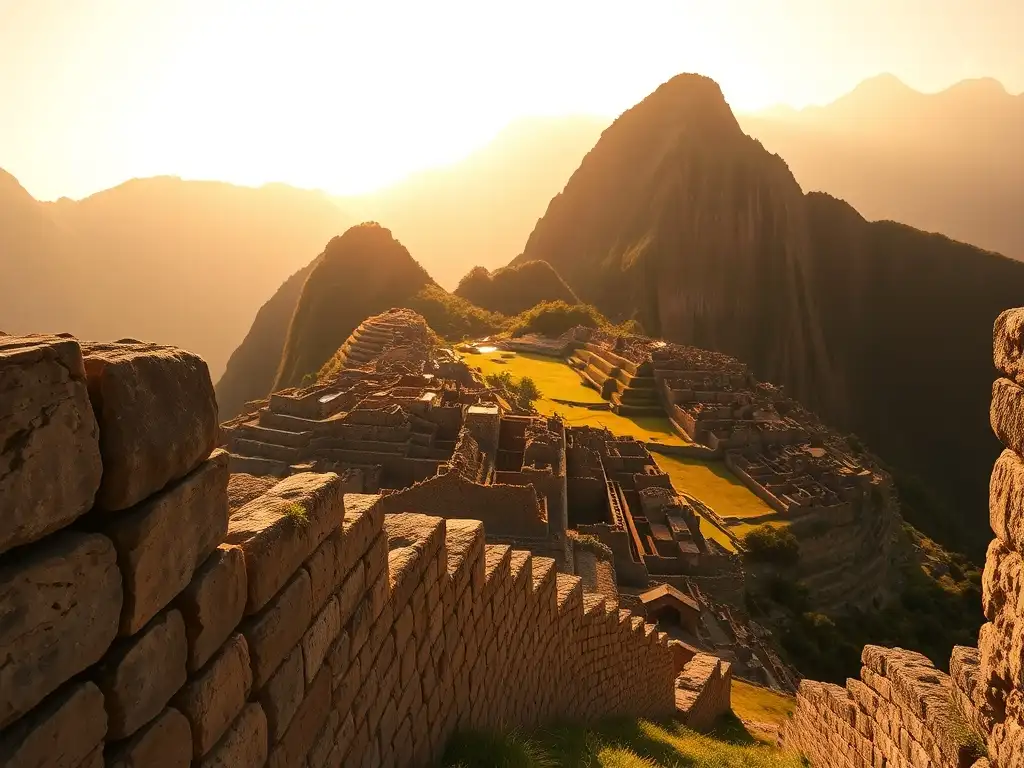
The Inca Empire, renowned for its sophisticated social and political organization, left behind a legacy of impressive architectural achievements. Understanding Inca architecture examples requires exploring the key principles that guided their construction techniques and design philosophy. These principles, honed over centuries, allowed the Inca to build structures that not only served their practical needs but also reflected their deep understanding of the Andean environment and their unique aesthetic sensibilities.
The Inca's mastery of engineering and design is evident in their ability to create structures that have withstood the test of time, many still standing today as testaments to their skill. Their buildings are not just functional; they are works of art that seamlessly integrate with the surrounding landscape.
Precision Stonework and Masonry Techniques
Inca stonework is legendary for its precision and the remarkable fit of the stones. The iconic examples of this are found throughout the empire, from the majestic walls of Sacsayhuamán to the intricate structures of Machu Picchu. The Incas didn't use mortar in many of their constructions; instead, they relied on the incredibly precise cutting and shaping of stones to achieve a perfect fit.
This "dry-stone" masonry technique required advanced knowledge of geometry and engineering. The stones, often massive in size, were fitted together with such accuracy that even a knife blade could not be inserted between them. This level of precision wasn't just aesthetic; it significantly increased the strength and stability of the structures, enabling them to withstand earthquakes and other natural disasters.
Consider the walls of Ollantaytambo. The perfectly fitted stones, some weighing several tons, demonstrate the Inca's mastery of quarrying, transportation, and stone manipulation. The sheer scale of the project, coupled with the precision of the work, is a testament to the Inca's organizational capabilities and their highly skilled workforce. Some theories suggest the use of sophisticated tools and techniques, possibly including advanced knowledge of astronomy to align structures with celestial bodies, though definitive evidence remains a topic of ongoing research. The level of craftsmanship involved in Inca stonework is truly remarkable and represents a pinnacle of ancient engineering.
Adaptation to the Andean Landscape
A defining characteristic of Inca architecture examples is their seamless integration with the challenging Andean terrain. The architects skillfully adapted their designs to the steep slopes, rugged mountains, and varied climates of the region. They didn't try to conquer the landscape; instead, they worked with it, using the natural contours of the land to inform their building plans.
Terracing, for example, was a crucial technique used to create level agricultural plots on steep hillsides. These terraces not only increased arable land but also helped to prevent soil erosion and manage water resources. This innovative approach to land management was not only essential for agriculture but also played a crucial role in their urban planning and architectural designs.
Furthermore, the Inca's structures were often built into the existing landscape, minimizing environmental impact. Machu Picchu, perched high in the Andes, is a prime example of this approach. The buildings are skillfully integrated into the mountainside, utilizing existing rock formations as part of the structures themselves. This ingenious approach not only reduced construction time and effort but also created structures that were remarkably stable and resistant to the elements. The utilization of natural features was not a mere convenience; it was a fundamental design principle that underscored the Incas' respect for and deep understanding of their environment.
Use of Local Materials in Inca Structures
The Incas prioritized the use of locally sourced materials in their constructions. This practice minimized transportation costs and environmental impact while also reflecting a deep connection to the local environment. The most commonly used material was stone, readily available throughout the Andean region. Different types of stone were chosen depending on their availability and properties, reflecting a practical and resource-conscious approach to building. The variety of stone types used, often seamlessly integrated within a single structure, adds to the visual complexity and beauty of Inca architecture.
Beyond stone, other materials such as wood, adobe, and thatch were used depending on the specific needs of the structure and the available resources in the region. Adobe bricks, for example, were commonly used in less mountainous regions for residential buildings. This adaptability in material selection demonstrates the Incas' flexibility and ingenuity in adapting their building techniques to different environments and resource availability.
Their architectural choices were always informed by practical considerations, demonstrating a profound understanding of the properties of different materials and their suitability for various construction purposes. This sustainable and resource-conscious approach to construction is a remarkable aspect of Inca architecture, highlighting their respect for the environment and their ability to work harmoniously within it.
Iconic Inca Architecture Examples
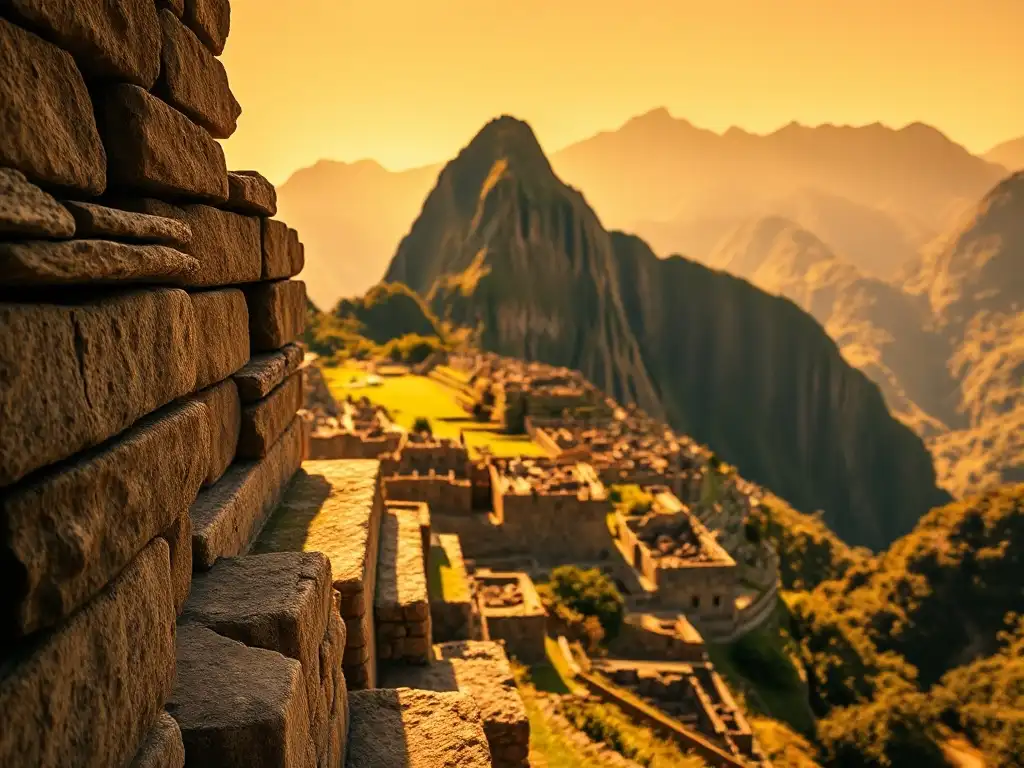
This section delves into specific examples of Inca architecture, showcasing the ingenuity and artistry of this remarkable civilization. We'll explore the masterful techniques and the enduring legacy reflected in these structures, solidifying their place as prime examples of Inca architecture. Understanding these specific instances helps us appreciate the broader context of Inca architectural achievements and their impact on the landscape. The keyword "Inca architecture examples" is central to this exploration.
Machu Picchu: A Citadel in the Clouds
Machu Picchu, arguably the most famous example of Inca architecture, stands as a testament to their sophisticated understanding of engineering and design. Perched high in the Andes Mountains, this "Lost City of the Incas" is a breathtaking display of architectural prowess. Its strategic location, combined with its intricate design, reveals a deep connection between the Inca people and their environment. The careful integration of the structures with the natural landscape is a hallmark of Inca architectural style, showcasing a profound respect for nature.
The precise stonework, the clever use of terraces, and the ingenious water management systems all contribute to the wonder of Machu Picchu. Many consider it the pinnacle of Inca architectural skill and a symbol of their advanced civilization. Analyzing Machu Picchu provides invaluable insights into Inca city planning and construction methods.
The Intihuatana Stone at Machu Picchu
The Intihuatana stone, located at the highest point of Machu Picchu, is a particularly intriguing element. Its precise function remains debated, but it's believed to have served as a significant astronomical and ritual site. The stone's meticulous carving and its alignment with celestial bodies highlight the Incas' advanced knowledge of astronomy and their sophisticated understanding of the cosmos.
Its intricate design and symbolic importance further underscore the multifaceted nature of Inca architecture, which seamlessly blended practical functionality with spiritual significance. The Intihuatana stone stands as a powerful symbol of the Inca worldview and their mastery of stone carving techniques. Further research into its precise astronomical alignments is ongoing, promising to reveal even more about Inca cosmology and architectural planning.
Architectural Terraces and Water Management
Machu Picchu's extensive system of agricultural terraces is a remarkable feat of engineering. These terraces, carved into the steep mountain slopes, not only provided valuable farmland but also helped prevent soil erosion and manage water effectively. The intricate network of canals and channels skillfully directed water to the crops, ensuring a reliable water supply even during dry seasons.
This demonstrates the Incas' advanced understanding of hydraulic engineering and their ability to adapt to the challenging mountainous terrain. The precision and efficiency of the terrace system are a testament to their planning and organizational skills, representing a sophisticated example of Inca agricultural architecture integrated seamlessly with the landscape. The terraces themselves are a stunning visual example of how Inca architecture harmonized with the environment, maximizing resource utilization.
Sacsayhuamán: The Fortress of Cusco
Sacsayhuamán, located near Cusco, is another impressive example of Inca architecture, showcasing their military and defensive capabilities. This imposing fortress, constructed from massive, precisely fitted stones, stands as a testament to the Incas' engineering skills and their ability to mobilize vast resources for monumental projects. Its strategic location overlooking Cusco provided excellent defense, while its imposing walls served as a powerful symbol of Inca power and authority. The sheer scale and precision of the stonework at Sacsayhuamán continue to amaze and inspire awe. The techniques used are a significant contribution to the study of Inca architecture and construction methods.
Massive Stone Walls and Zigzag Design
The massive stone walls of Sacsayhuamán are perhaps its most striking feature. These walls, constructed from enormous stones weighing many tons, are perfectly fitted together without mortar, showcasing remarkable precision and engineering skill. The zigzag design of the walls not only added to their defensive strength but also created a visually impressive and imposing structure.
The precise fitting of these colossal stones, many of which are larger than any used in other Inca constructions, represents a remarkable feat of engineering and logistics. It requires further study to understand fully the techniques used to transport and place these massive blocks. The use of such immense stones speaks to the Incas' immense organizational abilities and engineering prowess.
The Use of Cyclopean Masonry
The term "cyclopean masonry" is often used to describe the impressive stonework found at Sacsayhuamán. This refers to the use of extremely large, precisely fitted stones, creating walls of immense strength and durability. The challenge of moving and precisely placing these massive stones without modern machinery remains a topic of ongoing research and fascination.
The techniques employed, though not fully understood, are a testament to the Incas' advanced knowledge of engineering and their capacity for organized labor. The sheer scale of the cyclopean masonry at Sacsayhuamán underscores the remarkable achievements of Inca builders and the enduring legacy of their architectural skills. The precise methods remain a subject of ongoing debate and investigation among archaeologists.
This detailed exploration of specific examples provides a deeper understanding of "Inca architecture examples," highlighting the ingenuity and sophistication of Inca builders. Further research is needed to fully unravel the mysteries surrounding some of these architectural marvels.
Coricancha: The Temple of the Sun
The Coricancha, or Qorikancha (Quechua for "Golden Enclosure"), stands as a testament to Inca architectural prowess and religious devotion. Located in present-day Cusco, Peru, this temple was the most important religious site in the Inca Empire, dedicated to the sun god, Inti. Its original grandeur, however, is largely lost to time, as much of the structure was destroyed following the Spanish conquest and replaced with a colonial church.
Even so, the remaining foundations reveal an astonishing level of sophistication in Inca masonry. The precise cutting and fitting of the stones, without the use of mortar, is a remarkable feat of engineering, showcasing the Inca's advanced understanding of stonework and their capacity for meticulous detail. The walls, originally adorned with sheets of gold, demonstrate the Inca's wealth and mastery of metallurgy.
Archaeological evidence suggests the presence of intricate gold and silver ornaments throughout the temple, further emphasizing its sacred significance and the Inca's reverence for the sun. The Coricancha’s design, while partially obscured by later constructions, showcases the Inca's ability to integrate their religious beliefs into their urban planning, creating a powerful visual representation of their cosmological worldview.
Integration of Gold and Precious Materials
The use of gold and other precious materials in the Coricancha wasn't merely decorative; it held deep symbolic meaning. Gold, representing the sun's radiant energy, was lavishly used to cover the temple's walls, interior spaces, and even the statues of deities. Chroniclers like Garcilaso de la Vega describe the dazzling effect of the gold, reflecting the sun's light and creating a mesmerizing spectacle.
Beyond gold, silver, precious stones, and feathers were also incorporated into the temple's adornments, highlighting the Inca's access to resources and their skill in crafting intricate ornaments. The integration of these materials reinforced the temple's sacred character and emphasized the power and wealth of the Inca Empire.
The sheer volume of gold used suggests a highly organized and efficient system of mining, refining, and craftsmanship, all of which points to a sophisticated level of Inca technological and economic development. This lavish use of materials also served as a powerful display of Inca power and authority, effectively conveying their dominance and control over resources within their empire.
Inca Architectural Symbolism and Cosmological Beliefs
Inca architecture was deeply intertwined with their cosmology and religious beliefs. The Coricancha's design, while not fully understood due to the destruction caused by the Spanish conquest, likely reflected the Inca worldview. The temple's orientation, the placement of specific structures within the complex, and even the choice of building materials all held symbolic significance.
The sun, moon, and stars played a pivotal role in Inca cosmology, and the temple's design may have been aligned with celestial events, reflecting the Inca's deep understanding of astronomy and their belief in the interconnectedness of the terrestrial and celestial realms. Furthermore, the use of specific stones and their arrangement might have been linked to particular deities or cosmological concepts.
Further research is needed to fully decipher the symbolic meaning embedded within the Coricancha's architecture, but existing evidence strongly suggests a sophisticated system of religious and cosmological symbolism. The integration of these beliefs into their architecture showcases how inextricably linked the Inca's spiritual and material worlds were.
Ollantaytambo: A Royal Estate and Fortress
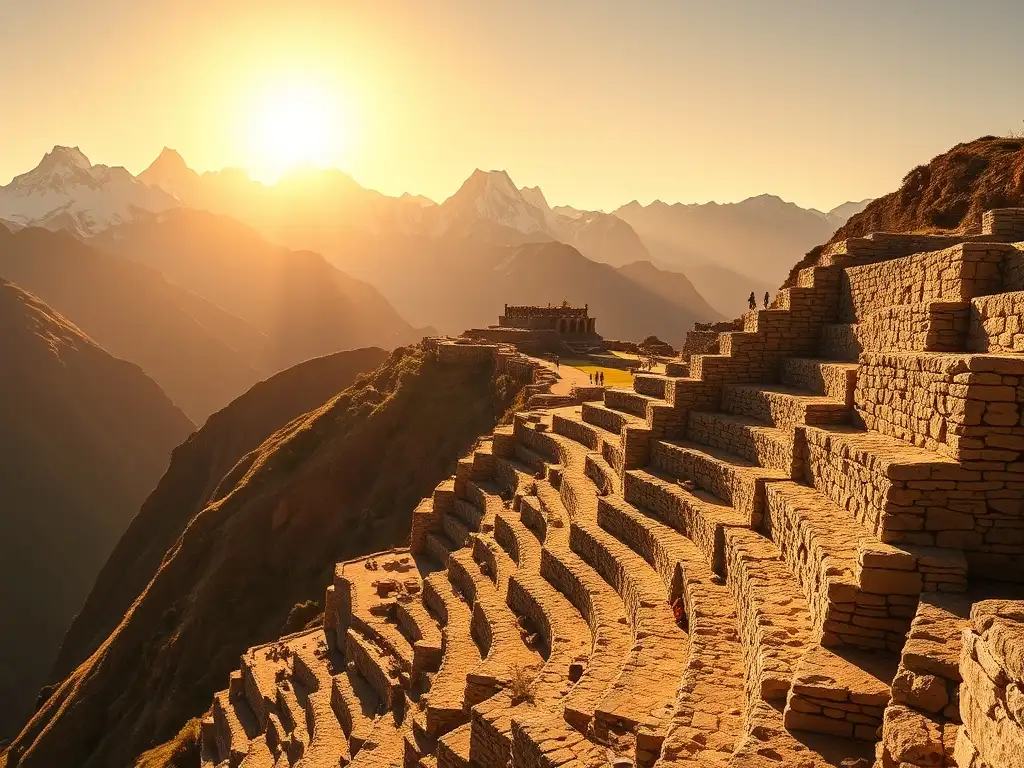
Ollantaytambo, located in the Sacred Valley of the Urubamba, is another outstanding example of Inca architecture. Unlike the Coricancha, which served primarily as a religious center, Ollantaytambo functioned as both a royal estate and a strategically important fortress. Its imposing terraces, intricate water channels, and massive stone structures testify to the Inca's impressive engineering and architectural skills. The site's construction showcases the Inca's masterful use of different types of stone and their ability to adapt their building techniques to the varied terrain.
The complex's layout, with its multiple levels and interconnected structures, reveals a sophisticated understanding of urban planning and defense strategies. The combination of residential and defensive elements highlights the integration of daily life and military preparedness within Inca society. The presence of royal residences and agricultural terraces within the fortress complex underscores the Inca's ability to effectively combine administrative, agricultural, and military functions within a single location.
Strategic Location and Defensive Structures
The strategic location of Ollantaytambo was crucial to its defensive capabilities. Situated on a steep hill overlooking the Urubamba River, the fortress commanded a commanding view of the surrounding valley, making it difficult for enemies to approach unnoticed. The complex's design included a series of strategically placed walls, terraces, and narrow passages that funneled attackers into vulnerable positions.
The massive stone blocks used in the construction of the walls were incredibly durable and resistant to damage, further enhancing the fortress's defensive capabilities. The ingenious use of natural obstacles, such as the steep slopes and the river itself, complemented the man-made defenses, creating a formidable barrier against invaders. The combination of natural and artificial fortifications made Ollantaytambo one of the most resilient Inca strongholds, effectively protecting the royal estate and the surrounding agricultural lands.
The Temple Hill and its Monolithic Blocks
The Temple Hill at Ollantaytambo is particularly noteworthy for its impressive monolithic blocks. These massive stones, some weighing many tons, were precisely cut and fitted together without mortar, demonstrating an exceptional level of skill and precision. The sheer size and weight of these blocks pose a significant challenge to modern engineers, raising questions about the Inca's techniques and the manpower involved in their transport and placement.
The precise alignment and fitting of these enormous stones are a testament to the Inca's advanced understanding of engineering principles and their ability to organize large-scale construction projects. The Temple Hill's construction is a powerful symbol of Inca ingenuity and the level of organization and technological sophistication within the empire. The mystery surrounding the exact methods employed in the construction of the Temple Hill continues to fascinate archaeologists and engineers alike, highlighting the enduring legacy of Inca architectural expertise.
Pisac: Agricultural Terraces and Ceremonial Center
Pisac, nestled high in the Sacred Valley of the Urubamba River, showcases the remarkable integration of Inca agricultural ingenuity and religious significance in its architecture. The site isn't just a collection of impressive structures; it's a testament to the Inca understanding of both environmental adaptation and spiritual practice. The dramatic landscape, carved into steep mountain slopes, was transformed by the Incas into a remarkably productive agricultural system, a feat of engineering that continues to inspire awe centuries later.
This wasn't simply a matter of practicality; the terraces themselves, meticulously crafted and arranged, became an integral part of the sacred geography, blending seamlessly with the ceremonial structures. The precision of the stonework, the careful consideration of water management, and the overall aesthetic harmony all point to a sophisticated and deeply meaningful design philosophy.
The very act of cultivating the land was interwoven with religious ritual, reflecting the Inca worldview that saw the natural world and the spiritual realm as inextricably linked. The location itself, perched high in the Andes, also underscores the Inca's mastery of challenging terrain, demonstrating their ability to adapt their architectural prowess to even the most demanding environments.
Inca Agricultural Engineering
The agricultural terraces at Pisac are a prime example of Inca agricultural engineering prowess. These weren't simply haphazardly carved steps; they were meticulously designed systems incorporating sophisticated water management techniques. The Incas understood the importance of irrigation, particularly in the high-altitude environment of the Andes. They constructed intricate channels and aqueducts to divert water from the river and distribute it evenly across the terraces.
This allowed for efficient irrigation even during the dry season, maximizing crop yields. The terraces themselves were built with remarkable precision, using precisely fitted stones to create level platforms ideal for cultivation. The soil was carefully managed, often enriched with organic matter to improve fertility. This integrated approach to agriculture, combining engineering and agricultural knowledge, allowed the Incas to support a large population in a challenging environment.
The sustainability of their methods is evident even today, as many of the terraces remain functional despite the passage of centuries. This highlights the Incas' deep understanding of both ecology and engineering, showcasing their ability to create a harmonious and productive relationship with their environment. The construction of these terraces required immense labor, underlining the importance of community and cooperation in Inca society.
The Significance of Ritual Areas
Beyond the agricultural terraces, Pisac boasts a significant ceremonial center, further emphasizing the intertwining of agriculture and religion in Inca life. The structures here, including temples and shrines, were not merely utilitarian; they served as focal points for religious rituals and ceremonies. The location of these structures, often overlooking the agricultural terraces, suggests a connection between the act of cultivation and the divine.
The precise arrangement of buildings, their orientation towards celestial bodies, and the presence of intricate carvings all point to a sophisticated understanding of cosmology and religious practice. The use of specific stones and materials in construction may have also held symbolic significance, reflecting the Inca belief system. Archaeological evidence suggests that these areas were used for ceremonies related to agricultural cycles, fertility, and the worship of deities associated with nature.
The presence of these ritual areas within the agricultural complex underscores the holistic worldview of the Inca, where the act of farming was not simply a means of subsistence but an act of worship and connection with the spiritual realm. The integration of these ceremonial areas with the agricultural terraces illustrates the strong link between the practical and the spiritual in Inca culture, a crucial aspect of understanding their architectural achievements. The scale and sophistication of these ritual areas further demonstrate the power and organization of the Inca state.
Engineering Principles in Inca Architecture
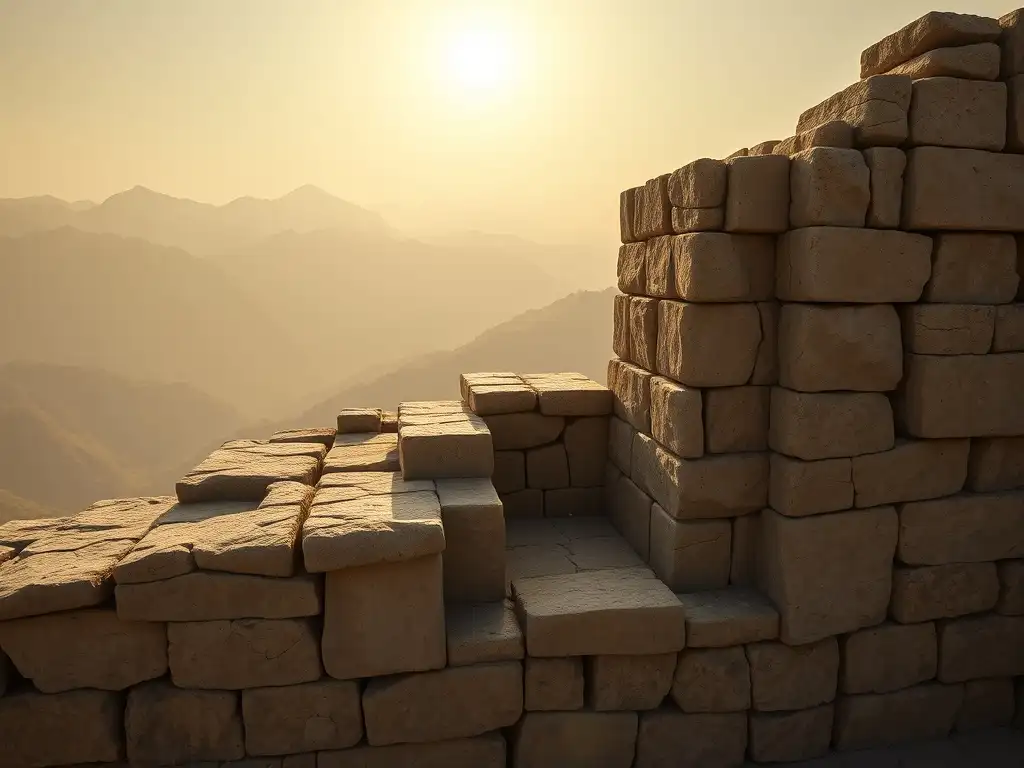
Inca architecture stands as a testament to the ingenuity and advanced engineering capabilities of the Inca civilization. Their structures, built without mortar and using sophisticated techniques, continue to inspire awe and intrigue. This section will delve into some of the key engineering principles that underpinned their architectural achievements, focusing on specific examples that showcase their mastery of materials and design. Understanding these principles provides crucial insights into the sophistication of Inca society and their remarkable ability to adapt to their challenging Andean environment. The term "Inca architecture examples" perfectly encapsulates the impressive scope of their architectural legacy.
Earthquake Resistance and Structural Stability
The Andes Mountains are a seismically active region, prone to frequent and powerful earthquakes. The Incas, acutely aware of this, incorporated ingenious techniques into their building designs to ensure structural stability and earthquake resistance. One key element was their use of ashlar masonry, precisely cut stones fitted together without mortar. This technique, while seemingly simple, allowed for flexibility in the structure, enabling it to absorb seismic shocks more effectively than rigid structures.
The stones themselves were carefully selected for their strength and durability. They were often shaped to interlock intricately, creating a strong bond that resisted displacement during seismic events. Furthermore, the Incas often incorporated irregular stone shapes and sizes, further enhancing the structure's ability to withstand tremors. This prevented the creation of uniform stress points that could lead to widespread collapse.
Consider the walls of Sacsayhuamán near Cusco. These massive structures, composed of colossal stones of varying shapes and sizes, are a prime example of this earthquake-resistant design. The stones are so precisely fitted together that a knife blade cannot be inserted between them – a testament to the Inca's meticulous craftsmanship and their deep understanding of structural mechanics. Their mastery of this technique is clearly observable in numerous Inca architecture examples across the empire. The ability of these structures to survive centuries of seismic activity is a clear demonstration of their sophisticated engineering.
Advanced Hydraulic Systems and Water Management
Water management was crucial for the Inca civilization, especially given the arid conditions in many parts of their empire. Their architectural achievements extended beyond impressive buildings to encompass sophisticated hydraulic systems that showcased their remarkable understanding of fluid dynamics and water control. This expertise is reflected in various Inca architecture examples that incorporated intricate water channels, fountains, and irrigation systems.
The Incas developed ingenious techniques for channeling water from mountain springs and rivers, using a network of carefully constructed canals and aqueducts. These systems often incorporated sophisticated features such as pressure regulators and spillways, allowing them to control the flow of water with precision. The canals were typically lined with stone or clay to prevent leakage and ensure a consistent water supply for agriculture and domestic use.
One striking example is the network of canals that once served the city of Cusco. These canals, carved into the rock and lined with precisely fitted stones, provided a reliable source of water for the city's inhabitants. The intricate design and the precision of the construction are a clear indication of the Incas' advanced knowledge of hydraulic engineering. Evidence shows careful planning and consideration for gradients and flow rates, ensuring efficient water distribution across the urban landscape. Such remarkable feats of hydraulic engineering are frequently seen in Inca architecture examples throughout their vast empire.
Road Networks and Infrastructure Development
The Inca road system, a marvel of engineering, connected the vast empire, facilitating communication, trade, and military movement. The roads themselves are often cited as some of the most impressive Inca architecture examples, showcasing their capacity for large-scale infrastructure projects. These weren’t simply paths; they were meticulously engineered pathways adapted to the challenging Andean terrain.
The construction of these roads involved remarkable feats of engineering, including the construction of bridges, tunnels, and retaining walls. The roads often followed contours of the mountains, minimizing the need for steep inclines and maximizing ease of travel. In areas with steep slopes or challenging terrain, the Incas employed innovative techniques such as terracing and retaining walls to stabilize the roadbed and prevent erosion.
The Inca road system is a testament to their advanced understanding of surveying, engineering, and logistics. The precision of the road construction, the integration with the natural landscape, and the sheer scale of the project are truly remarkable. The roads were not only functional but also strategically placed to connect major settlements, administrative centers, and military outposts. This efficient and robust road network—a significant aspect of Inca architecture examples—facilitated the effective governance and the economic prosperity of their expansive empire.
The Legacy of Inca Architecture
The Inca Empire, despite its relatively short lifespan compared to other ancient civilizations, left an indelible mark on the architectural landscape of the Andes. Their mastery of stonework, innovative construction techniques, and adaptation to challenging terrain resulted in structures that continue to inspire awe and wonder centuries later. Understanding Inca architecture examples is crucial to grasping the ingenuity and sophistication of this remarkable civilization. The legacy extends far beyond the impressive ruins; it's woven into the fabric of modern Andean life and continues to inform contemporary building practices.
Influence on Modern Andean Architecture
Inca architectural principles, particularly the emphasis on harmonious integration with the environment and the skillful use of local materials, continue to resonate in modern Andean architecture. Many contemporary buildings, especially in rural areas, incorporate traditional Inca techniques like dry-stone masonry ( pirca), demonstrating a conscious effort to preserve and adapt ancient building methods. The use of natural materials like stone and adobe, prevalent in Inca construction, remains popular due to their sustainability and aesthetic appeal.
This is not simply imitation; it's a conscious choice reflecting a deep-seated cultural connection to the past and a commitment to environmentally friendly building practices. For example, the design of certain community centers and schools in the Andes frequently incorporates features reminiscent of Inca architecture, such as trapezoidal doorways and tiered structures, subtly blending tradition with modernity.
This conscious integration exemplifies the enduring influence of Inca architectural heritage on contemporary design. The strategic use of available resources, a hallmark of Inca architecture, also informs modern sustainable building practices in the region.
Preservation and Conservation Efforts
The preservation of Inca architectural sites faces numerous challenges, including the effects of weathering, seismic activity, and, sadly, vandalism. However, significant efforts are underway to protect these invaluable historical monuments. International organizations and national governments collaborate on conservation projects, employing advanced techniques to stabilize structures and mitigate the impact of environmental factors.
Archaeological research plays a vital role in understanding the original construction methods and materials, guiding restoration efforts. Detailed surveys and meticulous documentation of existing structures are crucial for informing future conservation strategies. For instance, the use of 3D scanning technology allows for the creation of highly accurate digital models, facilitating both the monitoring of structural integrity and the planning of effective repairs.
Furthermore, educational initiatives aim to raise public awareness about the importance of preserving Inca heritage sites, fostering a sense of responsibility and encouraging responsible tourism practices. These combined efforts are essential to ensuring the long-term survival of these remarkable examples of Inca architecture for future generations.
Understanding Inca Culture Through their Buildings
Inca architecture provides invaluable insight into the social, political, and religious aspects of their culture. The scale and complexity of sites like Machu Picchu, Ollantaytambo, and Sacsayhuamán speak to the Inca Empire's impressive organizational capabilities and engineering prowess. The meticulous stonework, often fitted together without mortar, demonstrates a high level of craftsmanship and artistic skill.
The strategic placement of structures, often aligned with astronomical events or important geographical features, suggests a profound understanding of the natural world and a deep connection to their environment. For example, the intricate network of canals and terraces at sites like Moray reveals sophisticated agricultural techniques designed to maximize crop yields in challenging terrain. This intricate system of water management was a crucial element of Inca society and its success is reflected in the careful planning and execution of the associated infrastructure.
The design and layout of Inca buildings, from palaces to temples to agricultural terraces, offer a rich tapestry of clues about the Inca worldview, social hierarchy, and daily life, highlighting the inseparable link between architecture and culture in the Inca world. Analyzing these architectural marvels allows us to piece together a more comprehensive understanding of this fascinating civilization and its enduring legacy.
Frequently Asked Questions
What are some famous examples of Inca architecture?
Inca architecture is renowned for its precise stonework and innovative building techniques. Famous examples include Machu Picchu, Sacsayhuamán, and Ollantaytambo, all showcasing impressive stone fitting and terracing.
How did the Incas achieve such precise stonework?
The Incas employed incredibly skilled masons who used sophisticated techniques to create interlocking stones without mortar. Their understanding of stone cutting and shaping was remarkable.
What materials did the Incas primarily use in their constructions?
The Incas primarily used stone, often granite or andesite, due to its abundance in the Andes. They also utilized adobe bricks and wood in certain structures.
What are some defining characteristics of Inca architectural style?
Inca architecture is characterized by its massive stone structures, precisely fitted blocks, and extensive use of terracing to adapt to mountainous terrain. Symmetry and functionality were key principles.
How did the Inca's environment influence their architecture?
The challenging Andean terrain heavily influenced Inca architecture. Terracing was crucial for agriculture, while stone construction provided stability in earthquake-prone regions. Structures were adapted to the mountainous landscape.
Final Reflection: Echoes of the Andes: A Legacy in Stone
The ingenuity of Inca architecture continues to resonate today, a testament to human potential and a powerful reminder of a civilization's enduring legacy. From the meticulously crafted stonework of Machu Picchu to the intricate irrigation systems that sustained vast populations, the Inca's architectural achievements stand as a beacon of innovation and resilience, challenging our modern understanding of engineering and design. Their mastery of construction, even without the use of mortar, remains a source of wonder and inspiration.
The impact of Inca architecture extends far beyond its physical presence; it shapes our understanding of cultural adaptation and sustainable living. The harmonious integration of their structures with the Andean landscape serves as a powerful example of environmental consciousness, a lesson particularly relevant in our era of climate change. The mountains are our teachers,
a Quechua proverb reminds us, highlighting the deep connection between the Inca and their environment, a connection reflected in their architectural masterpieces. This profound respect for nature and the ingenuity in adapting to challenging terrain continues to inspire architects and engineers today.
Consider the enduring power of these structures, the stories they whisper across the centuries. You, the reader, are now part of this ongoing conversation. Take a moment to reflect on the ingenuity of the Inca, and how their achievements can inspire us to build a more sustainable and harmonious future. Let the echoes of the Andes resonate within you, prompting a deeper appreciation for human creativity and the enduring power of cultural heritage. Let us strive to build, not just structures, but legacies that will stand the test of time.
**Unveil the Wonders of Inca Architecture! **
Thank you for exploring the fascinating world of Inca architecture with us! You've uncovered the secrets behind these incredible structures and their brilliant engineering. Now, let's delve even deeper into this awe-inspiring history.
Here's how you can continue your journey:
- **Explore** more Inca sites by planning a visit to architectural marvels like Machu Picchu or Sacsayhuamán. Witness the breathtaking stonework and intricate designs firsthand.
- **Engage** with other enthusiasts by sharing this article on social media and sparking discussions about your favorite Inca designs and architectural achievements.
- **Discover** more through fascinating documentaries or books on Inca civilization. Expand your knowledge beyond the basics and learn about the society and culture that created these wonders.
What aspect of Inca architecture most captivates you, and how will you further explore it?