
The Inca Road System: More Than Just a Way to Travel, a Way of Life

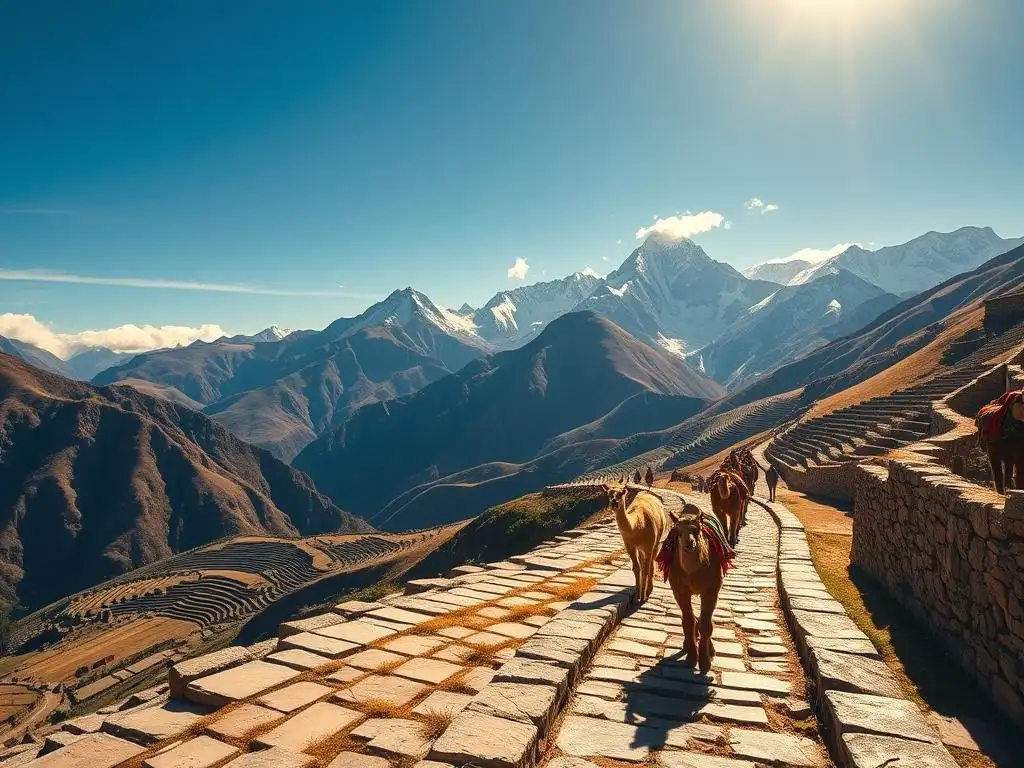
Step into a world lost to time, yet echoing with the whispers of a magnificent empire. Journey with us through the heart of the Andes, where ingenuity and power shaped civilizations beyond imagination. Discover how the Inca road system's impact transcended mere transportation, revealing a complex network that bound an entire empire together – a testament to Andean ingenuity and a crucial piece of their enduring legacy. Prepare to be captivated by the secrets waiting to be unearthed.
The Inca road system, known as the Qhapaq Ñan, was far more than a simple network of pathways; it was the very artery of the vast Inca Empire, pulsating with life and profoundly impacting every facet of Inca society. This intricate system of roads, bridges, and resting places facilitated not only the movement of people and goods but also the dissemination of information, religious practices, and administrative control across an incredibly diverse and challenging terrain.
Understanding the Inca road system's impact requires examining its influence on communication, trade, military strength, cultural exchange, and ultimately, the empire's remarkable longevity and cohesion. This article delves into the multifaceted influence of the Qhapaq Ñan, exploring its significance beyond mere transportation and revealing its crucial role in shaping Inca civilization.
We will uncover how this ingenious network fostered unity, facilitated economic prosperity, and cemented the power of the Inca emperors, leaving an indelible mark on the Andes and shaping our understanding of ancient Andean engineering and societal organization.
Introduction to the Qhapaq Ñan: The Great Inca Road
The Qhapaq Ñan, meaning "Royal Road" in Quechua, was a marvel of ancient engineering, stretching over 40,000 kilometers (approximately 25,000 miles) across the Andes Mountains. This wasn't just a single road, but rather a complex network of pathways, connecting the far-flung corners of the Inca Empire from present-day Colombia to Argentina. The construction itself was a testament to Inca ingenuity, utilizing sophisticated techniques to navigate treacherous mountain passes, dense jungles, and arid deserts.
The roads were meticulously constructed, often paved with stone, and incorporated features like suspension bridges, tunnels, and strategically placed tambos (resting places) for travelers. The impact of such a vast and well-maintained infrastructure was transformative, impacting every aspect of Inca life.
The construction of the Qhapaq Ñan required immense organization and manpower, reflecting the centralized authority and sophisticated administrative capabilities of the Inca state. Evidence suggests that the construction was a carefully planned and executed project, likely involving specialized labor forces and advanced surveying techniques. The precise methods employed remain a subject of ongoing research, but the sheer scale and precision of the Qhapaq Ñan speak volumes about the Inca's engineering prowess and their ability to mobilize resources on an unprecedented scale.
The strategic placement of tambos along the routes highlights the Inca's understanding of logistics and their commitment to ensuring the safe and efficient movement of people and goods across their vast empire. The system wasn't just about the roads themselves; it was about the entire supporting infrastructure that made it function.
This included everything from the tambos providing shelter and supplies to the relay runners who swiftly carried messages along the routes. The integration of these elements created a highly efficient and effective communication and transportation network.
- What was the primary purpose of the Inca road system?
- How did the Inca road system impact the Inca Empire's economy?
- What were some of the engineering challenges faced during the construction of the Inca roads?
- How did the Inca road system contribute to the political unity of the empire?
- What is the legacy of the Inca road system today?
The Genesis of the Inca Road Network: A History of Ingenuity
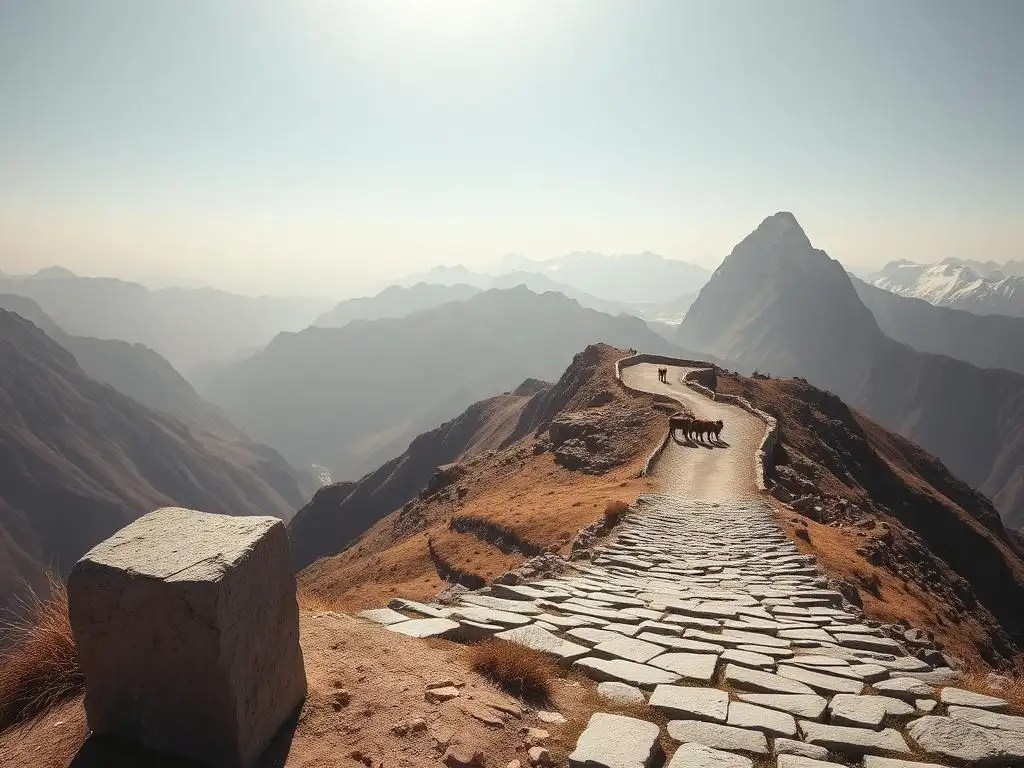
The Inca road system, a marvel of ancient engineering, didn't spring up overnight. Its creation represents a culmination of centuries of Andean ingenuity, building upon pre-existing infrastructure and adapting to the challenging Andean terrain. The Inca road system impact on the empire's social, political, and economic structures was profound, shaping its very existence. Understanding its genesis requires looking back at the foundations laid by preceding cultures.
Pre-Inca Influences on Road Construction in the Andes
Long before the Inca Empire rose to prominence, various Andean cultures had established rudimentary pathways and trails across the mountainous landscape. The Wari and Tiwanaku empires, for example, constructed networks of roads, albeit less extensive and sophisticated than the Inca system. These earlier networks provided crucial precedents, demonstrating the feasibility of traversing the challenging terrain and highlighting the importance of connecting disparate communities.
Evidence suggests that the Inca engineers likely incorporated existing routes and techniques from these predecessors, adapting and improving them to meet their own needs. This is evident in the use of similar materials and construction methods in certain sections of the Inca road system. The Inca road system impact on later Andean cultures is undeniable, shaping their own infrastructure projects.
The pre-Inca road networks were not merely paths; they were integral to the social and economic fabric of these earlier societies. They facilitated trade, communication, and the movement of people and resources, influencing settlement patterns and political organization. These early systems served as crucial building blocks for the later Inca road network, offering valuable lessons learned and established routes that the Inca could expand upon. Understanding these pre-Inca influences helps us appreciate the gradual evolution and sophistication of Andean road construction.
The Expansion of the Inca Empire and the Need for a Unified Road System
The Inca Empire's rapid expansion during the 15th and 16th centuries necessitated a unified and efficient communication and transportation network. The vast distances and challenging topography of the empire demanded a sophisticated road system to maintain control, facilitate trade, and move armies swiftly. This need is what fueled the ambitious construction of the Inca road system. The Inca road system impact on the empire's ability to consolidate power and manage its resources was immeasurable.
The Inca road system wasn't just about physical infrastructure; it was a carefully planned logistical masterpiece. The construction itself was a massive undertaking, requiring the mobilization of a large workforce organized through the mita system – a form of mandatory public service. This system, while demanding, allowed the Inca to complete projects of monumental scale, including the construction of bridges, tunnels, and strategically placed waystations (tambos) along the routes.
These waystations provided shelter, food, and supplies for travelers, further emphasizing the road's role in facilitating trade and communication. The Inca road system impact on the empire's ability to maintain control over its vast territory was crucial to its long-term success.
The network's strategic placement also reflects the Inca's understanding of geography and their ability to adapt their engineering to the diverse landscapes. High-altitude passes were carefully engineered, and bridges were built to span rivers and gorges. The choice of materials varied depending on the local availability – stone, earth, and wood were all used in the construction, demonstrating the Inca's adaptability and resourcefulness.
The Inca's ability to construct durable and efficient roads across such varied terrain highlights their superior engineering skills and the enormous Inca road system impact on their overall success. The construction and maintenance of this system required a complex administrative structure, further demonstrating the interconnectedness of the Inca's political, social, and technological achievements.
Key Features of the Inca Road System: Engineering Marvels
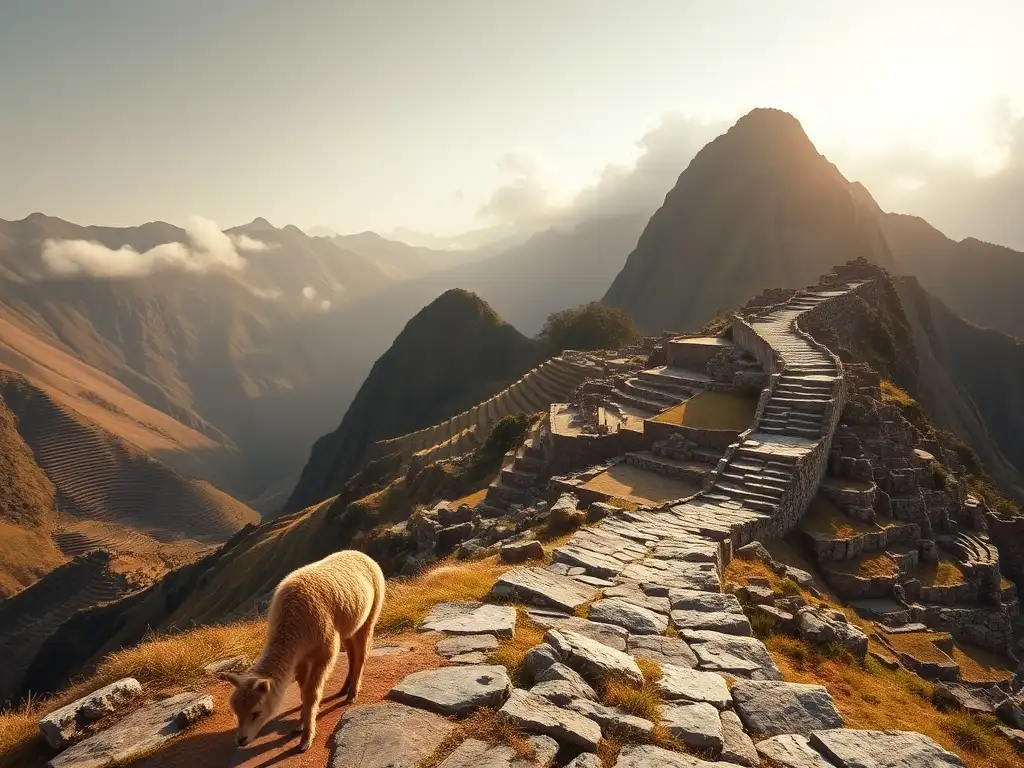
The Inca road system, or Qhapaq Ñan, wasn't merely a network of pathways; it was a sophisticated feat of engineering that profoundly impacted the Inca Empire's social, political, and economic landscape. Its impact is still felt today, shaping our understanding of Inca ingenuity and the scale of their civilization. The Qhapaq Ñan's success stemmed from several key features: its expansive reach, its adaptability to diverse terrains, and its integration with a complex system of support structures.
The roads connected the vast Inca Empire, stretching over 40,000 kilometers, traversing diverse and challenging terrains from the arid coastal deserts to the high Andes mountains and the lush Amazonian jungle. This remarkable infrastructure facilitated rapid communication, efficient trade, and swift military response, solidifying the Inca's control over their expansive realm. The Inca road system's impact on the empire's cohesion and longevity is undeniable.
Types of Inca Roads: Coastal, Highland, and Jungle Routes
The Inca road system wasn't a monolithic entity; instead, it comprised different types of roads tailored to the specific geographic challenges of each region. Coastal roads, often built on relatively flat terrain, tended to be wider and straighter, facilitating easier passage for goods and people. These routes were crucial for coastal trade and communication. Highland roads, conversely, were more challenging to construct, winding through steep mountains and traversing treacherous passes.
These routes often featured intricate stonework, showcasing the Inca's mastery of engineering in adapting to difficult terrain. Remarkably, some highland routes reached altitudes exceeding 4,000 meters above sea level. Finally, jungle roads presented unique difficulties due to the dense vegetation and unpredictable weather.
These routes were often narrower and required different construction techniques to withstand the humid climate and potential landslides. The diversity of the Qhapaq Ñan highlights the Inca's remarkable adaptability and engineering prowess. The impact of this adaptability on the empire's ability to unify such diverse regions is significant.
Construction Techniques of Inca Roads: Stones, Bridges, and Tunnels
The construction of the Inca road system showcases a profound understanding of engineering principles and materials science. The Inca utilized locally sourced materials, skillfully adapting their techniques to the specific geological conditions. Large, precisely cut stones were meticulously fitted together without mortar, a testament to their advanced stone-cutting and masonry skills.
This "dry-stone" construction technique ensured stability and durability, allowing the roads to withstand earthquakes and other natural disasters. The roads weren't just flat surfaces; they incorporated impressive feats of engineering, such as meticulously constructed bridges spanning rivers and gorges. These bridges, often made from stone or wood, were strategically placed to ensure continuous passage along the network.
In mountainous areas, tunnels were carved through rock faces, further demonstrating the Inca's ingenuity and dedication to creating a seamless and efficient transportation system. The impact of these advanced construction techniques on the efficiency and longevity of the Inca road system was substantial. The precision and durability of the roads are still evident in surviving sections today.
Tambos: Roadside Inns and Support Structures Along the Qhapaq Ñan
The Inca road system wasn't just a network of pathways; it was a comprehensively planned infrastructure interwoven with strategically placed tambos. These tambos served as roadside inns, providing accommodation, supplies, and rest stops for travelers, messengers, and officials. Their placement was carefully considered, ensuring that travelers were never too far from a place of refuge and replenishment.
Beyond accommodation, tambos played a crucial role in facilitating communication and trade along the Qhapaq Ñan. They acted as relay stations for messengers carrying vital information throughout the empire, ensuring efficient communication between distant regions. Moreover, tambos served as storage facilities for goods, contributing to the smooth flow of trade and the distribution of resources across the vast Inca Empire.
The strategic placement and multifaceted functions of tambos had a significant impact on the efficiency and effectiveness of the Inca road system, further strengthening the empire's administrative and economic control. The tambos exemplify the Inca's holistic approach to infrastructure development, highlighting the interconnectedness of their road system and the overall functioning of the state. The impact of this integrated system on the empire's stability and prosperity was profound.
The Inca Road System Impact on Society and Governance
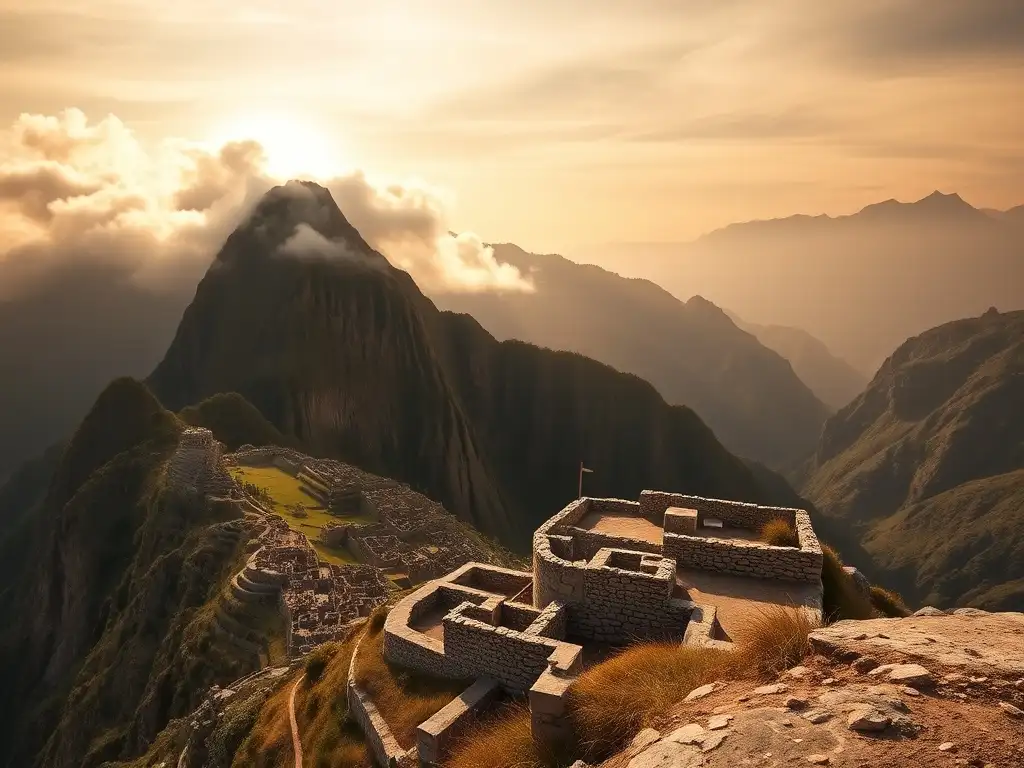
The Inca road system, a marvel of ancient engineering, profoundly impacted Inca society and governance. Its influence extended far beyond simple transportation; it was a crucial element shaping social structures, economic practices, and political control across the vast empire. The intricate network of roads facilitated the seamless flow of goods, people, and information, ultimately contributing to the empire's remarkable stability and longevity. Understanding the Inca road system's impact requires examining its multifaceted roles in trade, military operations, and communication. The keyword "Inca road system impact" is central to this analysis.
The Inca Road System's Role in Trade and Resource Distribution
The Inca road system was the backbone of the empire's sophisticated economy. It enabled efficient trade and the redistribution of resources across geographically diverse regions. The mita system, a form of labor tribute, relied heavily on the roads.
Resources from various provinces—agricultural products like maize and potatoes from fertile valleys, precious metals from the Andes, textiles from skilled artisans—were transported along these pathways to administrative centers and then redistributed throughout the empire. This ensured a relatively equitable distribution of goods, mitigating potential social unrest caused by resource scarcity in certain areas. The system wasn't solely about moving goods; it also facilitated the movement of skilled laborers and artisans to construction projects or to assist in times of need, further strengthening the empire's infrastructure and social cohesion.
The seamless flow of goods, facilitated by the Inca road system, played a crucial role in stabilizing the empire and minimizing potential conflicts arising from economic inequality. Evidence suggests that specific sections of the road system were optimized for different types of transport; for example, wider sections may have been designed for the transport of large quantities of agricultural goods using llamas, while narrower paths may have been more suited to foot traffic. This level of planning highlights the sophisticated understanding of logistics and resource management inherent in the Inca road system.
Military Applications of the Inca Road System and Empire Control
The Inca road system served as a vital artery for the empire's military might. Its strategic design allowed for the rapid mobilization of troops and resources, crucial for maintaining control over such a vast and geographically challenging territory. The chasquis, a relay runner system, used the roads to transmit messages across great distances with remarkable speed, enabling swift responses to rebellions or external threats.
The efficient movement of troops enabled the Inca to quickly quell uprisings and maintain order throughout the empire. The strategically placed tambos (roadside inns) provided rest and supplies for the military, ensuring their readiness for long-distance campaigns. The combination of rapid communication and efficient troop deployment, facilitated by the road system, was a key factor in the Inca empire's ability to maintain its power and territorial integrity.
The impact of this military efficiency on the empire's longevity cannot be overstated. This strategic advantage is a key aspect of understanding the full "Inca road system impact" on the empire's power structure.
The Inca Road System's Influence on Communication and Information Dissemination
Beyond trade and military applications, the Inca road system played a critical role in communication and information dissemination. The chasquis relay system, mentioned previously, was remarkably efficient, allowing messages to travel hundreds of miles in a single day. This rapid communication enabled the central government to maintain control and respond quickly to events across the empire.
The roads also facilitated the spread of Inca culture and ideology, unifying diverse populations under a common banner. Religious practices, artistic styles, and administrative practices were disseminated along these routes, contributing to the cultural homogeneity of the empire. The swift and efficient transmission of information, enabled by the Inca road system, fostered a sense of unity and contributed significantly to the empire's political stability.
The "Inca road system impact" on cultural unification and information management was arguably as important as its impact on trade and military power. The system's impact on the dissemination of information was a critical factor in the cohesion and longevity of the Inca Empire.
The Qhapaq Ñan and Inca Culture: A Deep Connection
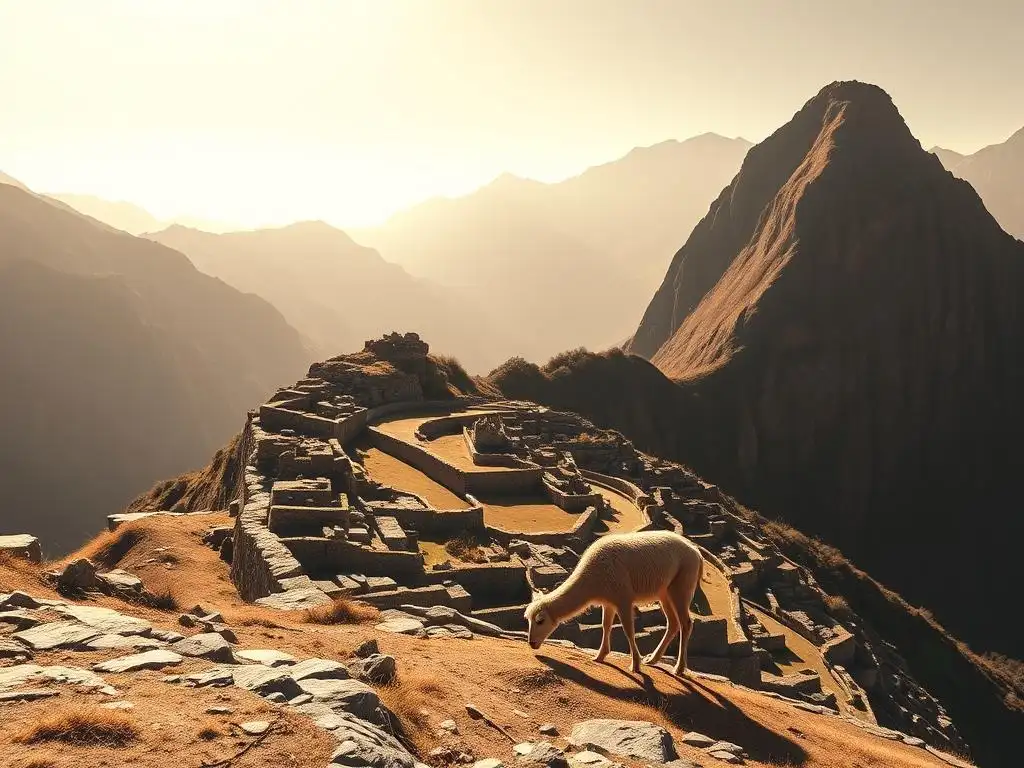
The Inca road system, known as the Qhapaq Ñan, wasn't merely a network of paths; it was the very artery of Inca culture, profoundly impacting every facet of their society. Its influence extended far beyond simple transportation, shaping their cultural exchange, religious practices, and political unity. Understanding the Inca road system impact requires appreciating its integral role in the fabric of Inca life.
The sheer scale of the project, stretching over 40,000 kilometers across diverse and challenging terrain, is a testament to Inca engineering prowess and their vision of a unified empire. This wasn't just about connecting distant provinces; it was about forging a shared identity and facilitating the flow of resources, ideas, and people across the vast Andean landscape. The Qhapaq Ñan’s impact reverberates even today, a legacy etched into the mountains and valleys of South America.
The Inca Road System and its Impact on Cultural Exchange
The Inca road system impact on cultural exchange was significant. The network facilitated the movement of not only goods but also ideas, traditions, and artistic styles. Artisans, musicians, and storytellers traveled along the roads, spreading their skills and knowledge across the empire.
This resulted in a fascinating blend of regional styles and traditions, with local customs adapting and evolving through interaction with other cultures. For example, textiles from the coastal regions found their way into the highlands, and highland agricultural techniques were adopted in lower-lying areas. This constant exchange prevented isolation and fostered a shared Inca identity, despite the empire's vast geographical extent.
The roads were not simply conduits for material goods; they were channels for the transmission of cultural knowledge, a vital aspect of the Inca's strategy for maintaining a cohesive and prosperous empire. The efficient movement of people and ideas, facilitated by the Qhapaq Ñan, played a crucial role in the empire's cultural cohesion and long-term stability.
Religious Significance of the Inca Roads and Sacred Sites
The Inca road system held profound religious significance. Many roads led directly to important huacas (sacred sites), emphasizing the spiritual connection between the Inca people and their landscape. These sites were not merely places of worship but also points of pilgrimage, with travelers using the roads to reach them for ceremonies and festivals.
The roads themselves were considered sacred pathways, often marked by apachetas (stone piles) used for offerings and prayers. The careful placement of these apachetas along the routes, often at significant geographical points, showcases the deep integration of the road system within the Inca worldview. The Inca road system impact on religious practices was far-reaching, unifying the empire not only politically but also spiritually.
This interconnected network strengthened the Inca's belief in their divine rulers and the sacredness of their empire. The Qhapaq Ñan was not just a physical infrastructure project but a vital element of the Inca's cosmology.
The Inca Road System's Role in Unifying Diverse Populations
The Inca road system's impact on unifying diverse populations was paramount to the empire's success. By connecting distant regions, the Qhapaq Ñan fostered a sense of shared identity and facilitated the integration of conquered peoples. The efficient movement of administrative officials and military forces along the roads allowed the Inca rulers to maintain control over their vast territory.
Furthermore, the system facilitated the distribution of resources and the implementation of standardized policies, contributing to a more unified and stable empire. The roads were not only a means of transport but a symbol of imperial power, visually demonstrating the Inca's control and fostering a sense of unity among diverse populations.
The Inca road system impact on social cohesion cannot be overstated; it was a key factor in the empire's longevity and success in managing such a geographically and culturally diverse population. The strategic placement of tambos (roadside inns) along the routes also played a significant role in fostering social interaction and the exchange of information among travelers from different regions.
The Legacy of the Inca Road System: Modern Perspectives
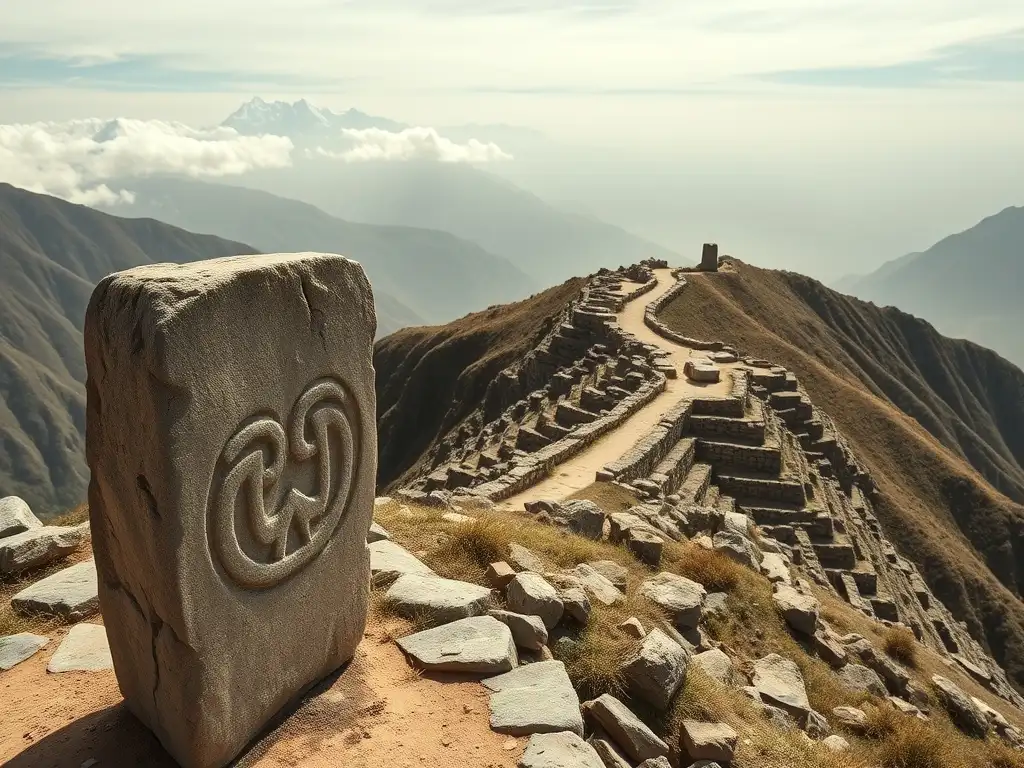
The Inca road system, a marvel of ancient engineering, continues to resonate deeply into the modern era, impacting various aspects of life in the Andes and beyond. Its influence extends far beyond its historical significance, shaping contemporary perspectives on infrastructure, cultural identity, and sustainable development. The sheer scale and ingenuity of the network, spanning thousands of miles across challenging terrain, remain a testament to the Inca's advanced understanding of construction and logistics. Understanding the Inca road system impact requires examining its enduring legacy in several key areas.
Preservation Efforts and UNESCO World Heritage Status
Significant efforts are underway to preserve the remaining sections of the Inca road system. Recognizing its unparalleled historical and cultural value, several sites are designated as UNESCO World Heritage sites, affording them protection and promoting their preservation. These initiatives not only safeguard physical remnants but also strive to protect the intangible cultural heritage associated with the roads. The challenge lies in balancing preservation with the needs of local communities who often live near or utilize these historical pathways.
For example, the Qhapaq Ñan, or Great Inca Road, a vast network extending across six South American countries, faces ongoing challenges in terms of funding, sustainable tourism management, and the integration of preservation efforts with local development initiatives. Careful planning and collaboration are crucial for ensuring the long-term preservation of this remarkable system. Detailed studies are continuously undertaken to understand the degradation processes affecting different segments of the road and to develop effective conservation strategies.
This includes analyzing the impact of climate change, human activity, and natural disasters on the ancient infrastructure. The goal is not just to maintain the physical structures, but also to preserve the cultural narratives and stories interwoven into the fabric of the Qhapaq Ñan. The success of these preservation efforts will depend on continued international cooperation, robust funding mechanisms, and the active engagement of local communities.
The Inca Road System as a Source of Inspiration for Modern Engineering
The Inca road system's ingenious design and construction techniques continue to inspire modern engineers. The innovative use of locally sourced materials, the adaptability to diverse terrains, and the remarkable durability of the roads offer valuable lessons for contemporary infrastructure projects, particularly in challenging environments. For example, the Inca's mastery of stonework, their understanding of drainage systems, and their ability to build stable structures on steep slopes are being studied and applied in modern road construction, particularly in mountainous regions.
Furthermore, the Inca's understanding of sustainable resource management, using locally available materials and minimizing environmental impact, provides a valuable model for environmentally conscious infrastructure development. The concept of building resilient infrastructure capable of withstanding natural disasters, a key feature of the Inca road system, is becoming increasingly relevant in the face of climate change.
Modern engineers are exploring ways to incorporate these principles into their designs, seeking to create more sustainable and resilient infrastructure for the future. The study of Inca road construction techniques is contributing to the development of new methods for building roads in challenging terrains, improving safety, and reducing the environmental footprint of construction.
The Inca Road System's Influence on Contemporary Andean Culture
The Inca road system remains deeply embedded in the cultural fabric of the Andean region. Many communities continue to use sections of the roads for transportation and trade, maintaining a living connection to their ancestral past. The roads serve as powerful symbols of cultural identity, connecting people to their history and heritage.
Furthermore, the road network plays a significant role in tourism, attracting visitors from around the world and generating economic opportunities for local communities. However, the rapid pace of modernization and development presents challenges to the continued integration of the Inca road system into contemporary Andean culture. The need to balance the preservation of cultural heritage with the demands of economic development and the integration of local communities is a critical issue that needs careful consideration.
For instance, sustainable tourism initiatives are being implemented to ensure that the economic benefits of tourism are shared equitably and that the cultural heritage associated with the roads is protected. Moreover, initiatives are underway to document and preserve the oral histories and traditions associated with the Inca road system, ensuring that the knowledge and stories are passed on to future generations. The continued relevance of the Inca road system to contemporary Andean culture highlights the enduring power of history and the importance of preserving cultural heritage for future generations.
Conclusion: The Enduring Significance of the Inca Road System
The Inca road system, the Qhapaq Ñan, stands as a monumental achievement in ancient engineering and a powerful testament to the Inca Empire's organizational prowess and far-reaching influence. Its impact extended far beyond mere transportation, shaping social structures, facilitating trade, and leaving an indelible mark on the Andean landscape and culture that resonates even today.
Understanding the Inca road system impact requires appreciating its multifaceted nature, going beyond the physical infrastructure to encompass its social, economic, and political implications. The network's strategic design, its integration with chasquis (relay runners), and its role in unifying a vast and diverse empire highlight the sophistication of Inca planning and execution.
The Inca Road System: A Testament to Inca Ingenuity and Vision
The Inca road system wasn't simply a collection of paths; it was a meticulously planned and flawlessly executed network spanning thousands of miles across diverse and challenging terrain. The sheer scale of the undertaking is astonishing. Consider the engineering feats involved: traversing towering mountains, navigating dense jungles, and bridging deep chasms.
The Inca’s mastery of stonework is evident in the construction of bridges, retaining walls, and pathways, many of which remain remarkably intact even after centuries of exposure to the elements. They utilized a sophisticated understanding of local geology and adapted their construction techniques to suit the specific challenges of each environment. This adaptability, coupled with their advanced understanding of logistics and organization, allowed them to create a system that facilitated efficient communication and trade across their vast empire.
The Inca road system is a testament to their ingenuity, vision, and unwavering commitment to infrastructure development. The precision and durability of the construction speak to a level of skill and planning far beyond what many other ancient civilizations achieved. Detailed records, though limited, and archaeological evidence, however, continue to reveal the complexity and sophistication of their engineering practices, further underscoring the Inca road system impact on their civilization’s development.
The Lasting Impact of the Qhapaq Ñan on the Andean Region
The legacy of the Qhapaq Ñan extends far beyond the Inca Empire's demise. The roads, though partially deteriorated over time, continue to shape the landscape and influence the lives of Andean communities. Sections of the original pathways are still used today, demonstrating the enduring quality of Inca construction. The Inca road system impact on modern infrastructure is undeniable, with many modern roads following or utilizing parts of the ancient network.
Moreover, the Qhapaq Ñan has become a powerful symbol of Andean identity and cultural heritage. Its recognition as a UNESCO World Heritage Site highlights its global significance and underscores the importance of preserving this invaluable historical and archaeological resource. The ongoing research and preservation efforts aim not only to understand the intricacies of the Inca road system but also to ensure its continued relevance for future generations.
The system's impact on trade routes, cultural exchange, and the overall development of the Andean region continues to be studied and appreciated, showcasing the enduring legacy of Inca ingenuity and the lasting Inca road system impact. The Qhapaq Ñan's influence is not just a historical footnote; it's a living testament to a civilization's remarkable achievement and its enduring impact on the world. Furthermore, the system’s impact on modern tourism, providing access to remote and historically significant sites, is another significant factor to consider when evaluating the Inca road system impact.
Frequently Asked Questions
What was the primary purpose of the Inca road system?
The Inca road system, or Qhapaq Ñan, served multiple purposes. Its primary function was facilitating communication and trade across the vast Inca Empire, connecting distant regions and enabling efficient movement of goods and people. It also supported military control and the dissemination of Inca culture.
How did the Inca road system impact the Inca Empire's economy?
The Qhapaq Ñan had a profound impact on the Inca economy. Efficient transportation of goods and resources facilitated trade and boosted economic activity. This also allowed for effective resource management and distribution across the empire.
What were some of the engineering challenges faced during the construction of the Inca roads?
Constructing the Inca road system presented significant challenges. The Incas overcame steep mountains, dense forests, and treacherous terrain using innovative techniques, including impressive stonework and suspension bridges. Adapting to diverse landscapes was crucial for their success.
How did the Inca road system contribute to the political unity of the empire?
The road system was crucial for maintaining political control across the vast Inca Empire. It allowed for rapid movement of officials, soldiers, and messengers, strengthening communication and enforcing imperial authority. This facilitated the integration and governance of diverse populations.
What is the legacy of the Inca road system today?
The Inca road system's legacy is still visible today. Sections of the Qhapaq Ñan remain, serving as a testament to Inca engineering prowess and ingenuity. Its historical and cultural significance has led to its recognition as a UNESCO World Heritage site, highlighting its enduring impact.
Final Reflection: Echoes of the Inca Road: A Legacy of Connection
The Inca road system wasn't merely a network of pathways; it was the very artery of a civilization, a testament to human ingenuity and a powerful symbol of interconnectedness, a relevance that resonates deeply even today. Its sophisticated design, meticulous construction, and far-reaching influence continue to inspire awe and wonder, prompting us to reconsider our own approaches to infrastructure and societal unity. The echoes of its impact reverberate through the landscapes and cultures of the Andes, a powerful reminder of a civilization's ability to overcome immense challenges through collaborative effort.
The Inca road system's influence extends far beyond its physical presence; it shaped the social, economic, and political fabric of the Inca Empire, fostering a sense of unity and shared identity that remains a powerful ideal. Its impact on the cultural landscape is undeniable, influencing everything from modern-day transportation networks to our understanding of ancient civilizations. The roads were not merely paths; they were the veins and arteries of the empire, carrying lifeblood in the form of goods, people, and news.
This quote encapsulates the vital role the road system played in the Inca's success, a success built upon a foundation of interconnectedness and efficient communication.
Consider the enduring legacy of the Inca road system. What can we learn from their commitment to infrastructure and its role in fostering a cohesive society? How can we, in our own time, build systems that connect us, not just physically, but also culturally and socially? Let the ingenuity and vision of the Inca inspire you to seek out connections, to build bridges, and to create a world where communication and collaboration flourish, echoing the enduring spirit of the Inca road.
Unveil the Inca Legacy: Take Action Today!
Thank you for exploring the incredible journey of the Inca Road System with us! You've learned about its significance and profound impact on the Andean world. Now, let's delve deeper into this fascinating history and embrace the Inca spirit.
Here are some ways to connect with the past and engage with the vibrant Andean culture:
- Explore the ruins: Visit a nearby Inca archaeological site, or plan a trip to Peru to walk the very roads that defined this great civilization. Imagine the footsteps of those who came before you!
- Join a community: Connect with others who share your interest in Andean history and culture through online forums or local groups. Sharing your passion will enrich your understanding and deepen your appreciation.
- Share your knowledge: Write a blog post, create a social media group, or simply tell your friends and family about the incredible Inca Road System. Inspire others to learn about this fascinating culture.
What aspect of Inca culture most inspires you, and how will you integrate that inspiration into your daily life?