
Trepanation in Paracas: Exploring Ancient Cranial Surgery

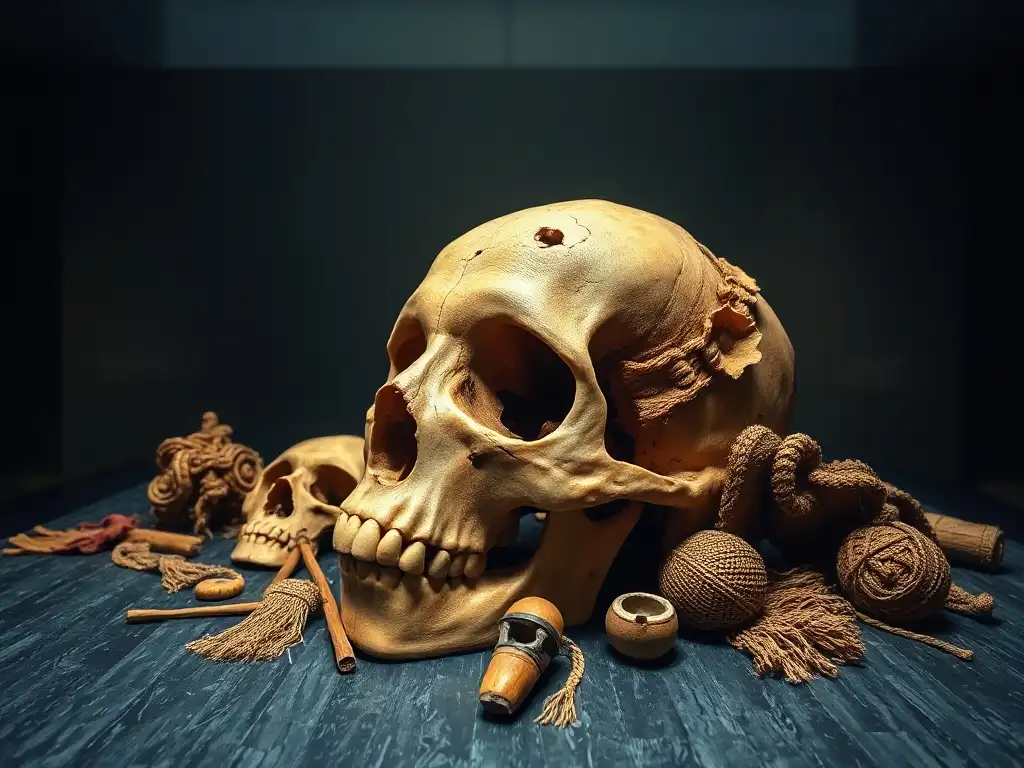
Step into a world lost to time, where the echoes of ancient Andean ingenuity still resonate. Prepare to be captivated by the intricate artistry and remarkable advancements of civilizations that thrived long before the Incas. This journey begins with a chilling yet fascinating glimpse into the Ancient Paracas trepanation techniques, a surgical practice so advanced it challenges our understanding of ancient medicine. Dare to uncover the secrets held within these extraordinary cultures – explore the mysteries that await.
The Paracas culture, a pre-Inca civilization flourishing along the southern coast of Peru between 700 BCE and 200 CE, left behind a legacy of remarkable artistry, complex social structures, and surprisingly advanced medical practices. Among their most intriguing contributions to the archaeological record is their mastery of trepanation—a surgical procedure involving the removal of a portion of the skull.
This article delves into the fascinating world of ancient Paracas trepanation, examining the techniques employed, the potential motivations behind the practice, and the remarkable survival rates achieved by these skilled surgeons. Understanding Paracas trepanation offers a unique window into the sophisticated medical knowledge and resilience of this remarkable Andean civilization, enriching our understanding of Ancient Paracas trepanation techniques.
The Techniques of Paracas Trepanation
Paracas surgeons employed several distinct techniques for performing trepanation, showcasing a remarkable understanding of cranial anatomy and surgical precision. Archaeological evidence reveals the use of at least three primary methods:
- Scraping: This involved carefully scraping away sections of the skull bone using sharp, obsidian or flint tools. This method, while time-consuming, allowed for meticulous control and minimized damage to surrounding tissue. The scraped bone fragments were often carefully removed, indicating a planned and deliberate approach.
- Drilling: In this technique, small holes were drilled into the skull using a rotating instrument, likely made from obsidian or other hard materials. Multiple holes were often connected to create a larger opening. The precision of these drill holes is astonishing, suggesting a high level of skill and experience among the Paracas surgeons.
- Cutting: This involved the use of sharp instruments to excise a section of the skull. This method, often leaving a more irregular opening than drilling or scraping, suggests a potentially faster, though arguably riskier, surgical approach.
The choice of technique may have been influenced by factors such as the size and location of the lesion, the surgeon's skill, and the availability of tools. Analysis of the trepanned skulls reveals a remarkably high success rate, suggesting a deep understanding of surgical procedures, hygiene, and post-operative care. Further research is needed to fully understand the nuances of each technique and how they were adapted to different circumstances. Detailed studies of the tools themselves, their manufacturing processes, and potential wear patterns would greatly enhance our understanding of Ancient Paracas trepanation techniques.
Motivations Behind Trepanation: Trauma and Beyond
While trauma, such as skull fractures resulting from warfare or accidents, was undoubtedly a significant factor prompting trepanation, evidence suggests other motivations may have been at play. Some skulls exhibit trepanation performed in areas not directly related to obvious trauma, implying that the procedure may have been used to treat other ailments. These might include:
- Epilepsy: Some researchers suggest that trepanation might have been attempted to alleviate symptoms of epilepsy.
- Headaches: Chronic headaches could have also been a reason for the procedure.
- Mental illness: Though speculative, some suggest that trepanation was used in attempts to treat various mental health conditions.
The precise reasons for non-traumatic trepanation remain a subject of ongoing research and debate. The absence of detailed written records from the Paracas culture necessitates reliance on careful analysis of skeletal remains and the archaeological context of the findings. Further interdisciplinary research, involving anthropologists, archaeologists, and medical professionals, is crucial to unravel the complex motivations behind these ancient surgical interventions. This is especially important for a comprehensive understanding of Ancient Paracas trepanation techniques.
Survival Rates and Post-Operative Care
One of the most striking aspects of Paracas trepanation is the surprisingly high survival rate indicated by the skeletal evidence. Many skulls show clear signs of healing after the procedure, demonstrating successful bone regeneration and the patient's survival for a significant period after surgery. This suggests the Paracas possessed advanced knowledge of post-operative care, including techniques for wound management, infection control, and pain relief.
The use of herbal remedies and other traditional methods is likely, although the precise techniques remain largely unknown. The remarkable survival rates highlight the sophistication of Paracas medical practices and challenge our preconceived notions of ancient medical capabilities. Further research into the materials used in post-operative care, such as bandages and potential medicinal plants, could shed light on the practices that contributed to these remarkable survival rates in the context of Ancient Paracas trepanation techniques.
The study of Paracas trepanation offers a compelling glimpse into the ingenuity and medical prowess of this ancient Andean civilization. The techniques used, the motivations behind the procedures, and the surprisingly high survival rates all contribute to a fascinating story of ancient medical innovation, underscoring the complexity and sophistication of the Paracas culture. Further research promises to uncover even more details about their surgical practices and their understanding of the human body.
- The Techniques of Paracas Trepanation
- Motivations Behind Trepanation: Trauma and Beyond
- Survival Rates and Post-Operative Care
The Paracas Culture and its Medical Prowess
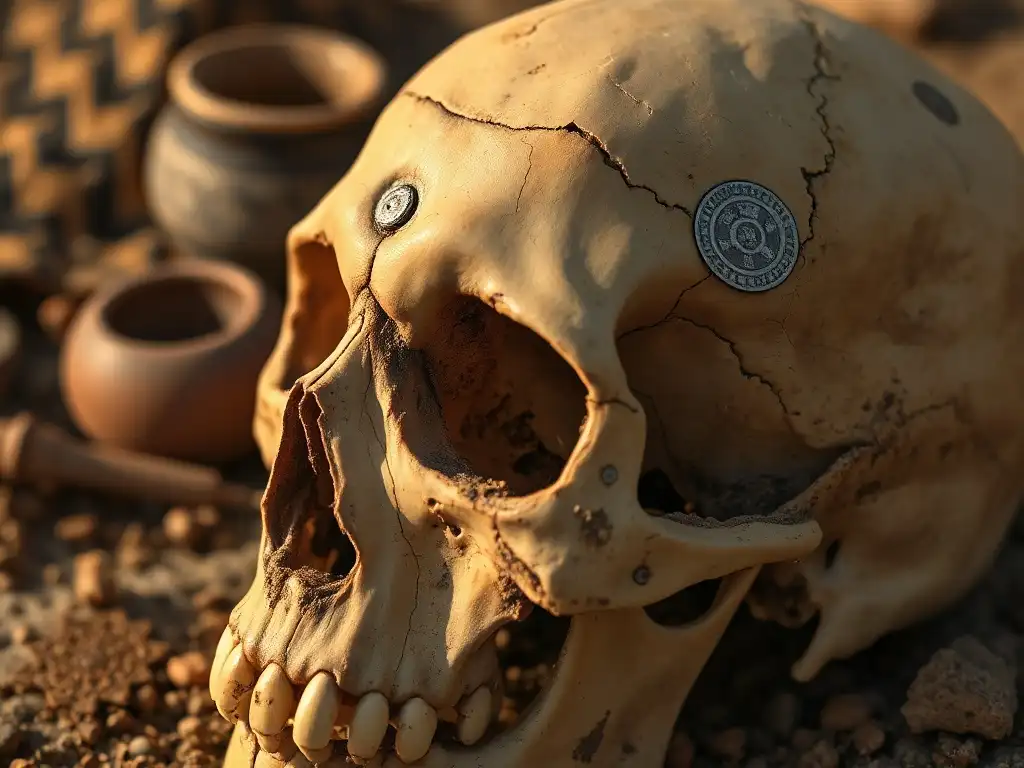
The Paracas culture, flourishing on the southern coast of Peru between approximately 800 BCE and 100 CE, stands out amongst Andean civilizations not only for its intricate textiles and elaborate burial practices but also for its surprisingly advanced medical knowledge, particularly in the field of neurosurgery. Their mastery of trepanation, the surgical procedure of drilling holes into the skull, is a testament to their understanding of human anatomy and surgical techniques. This wasn't simply a rudimentary procedure; Paracas surgeons demonstrated a sophisticated understanding of surgical tools, techniques, and post-operative care, highlighting a level of medical expertise rarely seen in other contemporary societies.
The prevalence of trepanned skulls found in Paracas cemeteries underscores the frequency of this practice, suggesting it played a significant role in their societal and medical landscape. Understanding their techniques provides invaluable insight into the ingenuity and resilience of this ancient civilization.
Paracas: A Coastal Civilization of Ancient Peru
The Paracas culture thrived in a geographically challenging yet resource-rich environment. Their coastal location provided access to abundant marine life, forming the basis of their diet and economy. However, the arid desert climate presented significant challenges, requiring sophisticated irrigation systems for agriculture.
Their mastery of textile production, using intricate weaving techniques and vibrant colors, is a hallmark of their artistic prowess. These textiles, often found adorning mummies in their elaborate burial sites, showcase not only their artistic skill but also their deep understanding of the natural world, reflected in the intricate designs and use of dyed fibers. The unique environmental context influenced their lifestyle, burial practices, and ultimately, their medical approaches, including the development of advanced trepanation techniques.
The Paracas people faced injuries and illnesses common to their environment, necessitating the development of effective medical solutions. This unique combination of environmental pressure and innovative solutions contributed to their remarkable achievements in medicine.
Contextualizing Paracas Culture within Andean History
The Paracas culture occupies a crucial position in the broader context of Andean civilization. Preceding the Nazca and Inca cultures, they left behind a rich legacy that influenced subsequent Andean societies. Their advanced textile techniques, for instance, were later adopted and refined by other cultures. While the exact nature of their interactions with other contemporary societies is still under investigation, archaeological evidence suggests trade networks and cultural exchange occurred.
This interconnectedness highlights the dynamic nature of Andean societies and the flow of ideas and innovations across different cultures. The Paracas' expertise in trepanation, in particular, may have influenced later Andean medical practices, although definitive evidence of direct transmission remains a subject of ongoing research. The study of Paracas trepanation, therefore, isn't isolated; it's crucial for understanding the broader development of Andean medicine and surgical practices over time.
The social structure and beliefs of the Paracas people heavily influenced their medical practices, particularly the widespread use of trepanation. While the precise social hierarchy remains a subject of ongoing debate among archaeologists, evidence suggests a stratified society with differentiated roles and responsibilities. The prevalence of elaborate burial sites containing numerous grave goods indicates a significant degree of social inequality.
The careful preservation of bodies and the inclusion of elaborate textiles and other artifacts suggest a belief in an afterlife and the importance of proper burial rituals. Whether trepanation was performed on individuals of all social classes or primarily on elites is still debated. The frequency of the procedure, however, suggests that it was a significant medical practice, integrated into their societal norms and beliefs.
Further research is needed to fully understand the role of social factors in the development and adoption of Paracas trepanation techniques. The relationship between social status, access to healthcare, and surgical intervention remains a key area of inquiry for researchers studying this fascinating ancient culture. Understanding these aspects will further illuminate the context within which their remarkable medical skills were developed and applied.
What is Trepanation? Understanding the Surgical Procedure
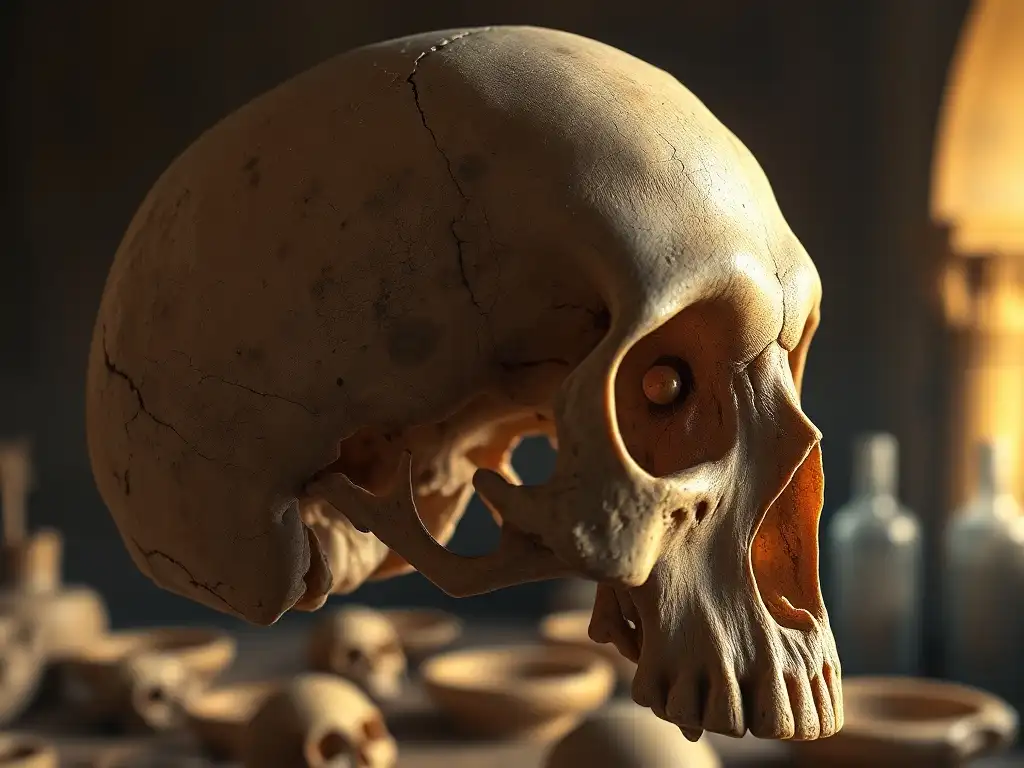
This section delves into the specifics of trepanation, a surgical procedure practiced by various ancient cultures, including the remarkable Paracas civilization. We will explore its definition, its role as a form of ancient cranial surgery, and how it differs from other cranial modifications. Understanding these nuances is crucial for appreciating the advanced medical knowledge and practices of the Paracas people.
The prevalence of trepanation in Paracas archaeology underscores its significance within their culture, highlighting a sophisticated understanding of the human skull and its intricate relationship to health and well-being. The sophisticated techniques employed in Paracas trepanation showcase an advanced understanding of the human anatomy and surgical practices.
Defining Trepanation: A Basic Overview
Trepanation, also known as trephination, refers to the surgical practice of creating a hole in the skull. This ancient surgical technique, while seemingly brutal, was surprisingly common across numerous ancient civilizations worldwide. The Paracas culture, known for its impressive textile arts and mummification practices, also stands out for its relatively high rate of trepanation.
Archaeological evidence suggests that the procedure involved removing a circular or rectangular section of the skull bone, often using various tools made from obsidian, stone, or shell. The precise methods varied depending on the culture and the available tools. The purpose of trepanation, however, remains a subject of ongoing debate among researchers and anthropologists, with multiple theories put forward over the years.
The sheer number of skulls exhibiting signs of trepanation found in Paracas cemeteries suggests it was a relatively common procedure, performed for a range of reasons, some of which we are only beginning to understand. The complexity of some of the techniques and the survival rates of some patients suggest a level of medical sophistication far beyond what was previously assumed for this time period.
Trepanation as a Form of Ancient Cranial Surgery
Ancient Paracas trepanation techniques were remarkably diverse. Evidence suggests that the Paracas utilized different methods to perform the procedure. Some skulls show evidence of scraping or grinding away the bone, while others display signs of drilling, suggesting the use of different tools and approaches. The survival rate, as indicated by the healing of the bone around the trepanation site, varied considerably.
Some individuals clearly survived the procedure for many years post-surgery. This suggests a level of surgical skill and aftercare that is truly impressive. The tools used, the techniques employed, and the post-operative care all contributed to the success or failure of the operation. Analysis of these skulls reveals that the Paracas surgeons possessed a surprisingly deep understanding of the skull’s structure and the potential consequences of the procedure.
Further research into these ancient surgical practices continues to reveal new insights into the medical knowledge of this remarkable ancient civilization. The precision of the cuts and the evidence of healing suggest a high degree of surgical skill and knowledge of anatomy. The careful removal of bone fragments and the lack of significant signs of infection in many cases point to a level of surgical expertise that was unexpected.
Distinguishing Trepanation from Other Cranial Modifications
It is crucial to differentiate Paracas trepanation from other cranial modifications. While some cultures practiced cranial deformation, intentionally altering the shape of the skull through binding or other methods, trepanation was a distinct surgical procedure involving the removal of a portion of the skull bone. Cranial deformation aimed to achieve a specific aesthetic effect, whereas trepanation, at least in some cases, appears to have been a therapeutic intervention.
Other cranial modifications, such as the intentional infliction of trauma, were also different from trepanation. While some skulls may exhibit both trepanation and other modifications, careful analysis is necessary to distinguish between these distinct practices. The purpose and the techniques employed were fundamentally different.
Understanding these differences is essential for accurately interpreting the archaeological record and grasping the full range of surgical and ritual practices in the ancient Paracas culture. It is important to note that many skulls show evidence of multiple trepanation attempts, highlighting the complexity and potential risks involved in the procedure. The careful examination of these skulls provides valuable insights into the surgical practices and medical knowledge of the Paracas people.
Ancient Paracas Trepanation Techniques: Methods and Tools
The Paracas culture, renowned for its elaborate textiles and mummification practices, also displayed remarkable advancements in cranial surgery, specifically trepanation. Understanding their techniques requires examining the tools and methods employed. The prevalence of trepanation within the Paracas culture suggests a sophisticated understanding of surgical procedures, far surpassing contemporary expectations for such an "ancient" civilization. The success rate, while not perfectly documented, points to a level of skill and knowledge that warrants further investigation. Research into "Ancient Paracas trepanation techniques" reveals a fascinating glimpse into their medical practices.
Examining Obsidian and Stone Tools Used in Paracas Trepanation
Paracas surgeons utilized a variety of tools, primarily made from obsidian and other fine-grained stones. Obsidian, a volcanic glass, offered an exceptionally sharp edge, ideal for precise incisions. The sharpness minimized trauma and bleeding, crucial for the success of the procedure. Archaeological findings have unearthed numerous obsidian blades and scrapers, exhibiting signs of wear consistent with surgical use. These weren't mass-produced; each tool was carefully shaped and honed, suggesting a high level of craftsmanship and specialization within the Paracas society.
The selection of obsidian wasn't arbitrary. Specific types of obsidian, known for their superior sharpness and fracture properties, were likely sourced from specific locations, suggesting established trade networks and a sophisticated understanding of material properties. Besides obsidian, other fine-grained stones, such as certain types of chert or quartzite, were also used, potentially for different stages of the trepanation process.
The exact purpose of each type of stone tool remains a subject of ongoing research, but evidence points to specialized tools for cutting, scraping, and possibly even drilling. Further analysis of tool wear patterns and microscopic examination of the tools themselves may shed more light on their specific functionalities. The careful selection and preparation of these tools underscore the deliberate and skillful nature of Paracas trepanation.
The Process of Trepanation in Paracas: Scraping and Cutting Techniques
While the exact sequence of steps varies depending on the individual case and the specific tools used, the general process of Paracas trepanation likely involved a combination of scraping and cutting techniques. The initial step may have involved making an incision in the skull using a sharp obsidian blade. This incision would have served as the starting point for the removal of a section of the skull.
Following the incision, the surgeons likely employed a scraping technique, using smaller obsidian tools to carefully remove bone fragments. This meticulous scraping would have required considerable skill and precision to avoid damaging the underlying brain tissue. Some trepanned skulls show evidence of multiple, overlapping cuts, indicating a gradual removal of bone rather than a single, forceful action.
This careful approach minimizes the risk of complications, such as excessive bleeding or brain injury. The development of such techniques demonstrates a level of surgical expertise that surpasses many expectations for the time period. Further research, involving detailed analysis of trepanned skulls and the tools used, is required to provide a more comprehensive understanding of the process.
The variation in techniques observed across different skulls suggests that Paracas surgeons adapted their approach based on various factors, including the location and size of the lesion, the patient's overall health, and the available tools. This adaptability underscores their practical knowledge and experience in performing this complex procedure. The lack of standardized procedures points to a more individualized approach to surgery, which further highlights their surgical prowess.
Evidence of Surgical Skill: Precision and Minimal Invasive Approaches
Examination of preserved Paracas skulls reveals remarkable evidence of surgical skill and precision. Many trepanned skulls show minimal damage beyond the surgical site, indicating a high degree of accuracy and control during the procedure. The precision of the cuts and the relatively small size of some trepanation openings suggest that Paracas surgeons were highly skilled in manipulating their tools and minimizing trauma to the surrounding tissues. In some cases, the bone margins around the trepanation site show evidence of healing, suggesting that the patients survived the procedure.
The survival rate, although difficult to quantify precisely due to limited data, suggests a remarkably high level of success for this ancient surgical technique. This success rate is further evidence of the Paracas surgeons' expertise and understanding of surgical principles. The relatively low incidence of post-operative infection also supports the hypothesis that the Paracas employed techniques to minimize the risk of infection, possibly through the use of antiseptic agents or advanced wound management practices.
The combination of precision, minimal invasiveness, and potentially effective infection control methods elevates Paracas trepanation to a level of sophistication rarely attributed to ancient surgical practices. Continued research into "Ancient Paracas trepanation techniques" promises to further illuminate this fascinating aspect of their culture. The meticulous nature of their work stands as a testament to their advanced medical knowledge and understanding of the human body.
Reasons Behind Paracas Trepanation: Beyond the Known
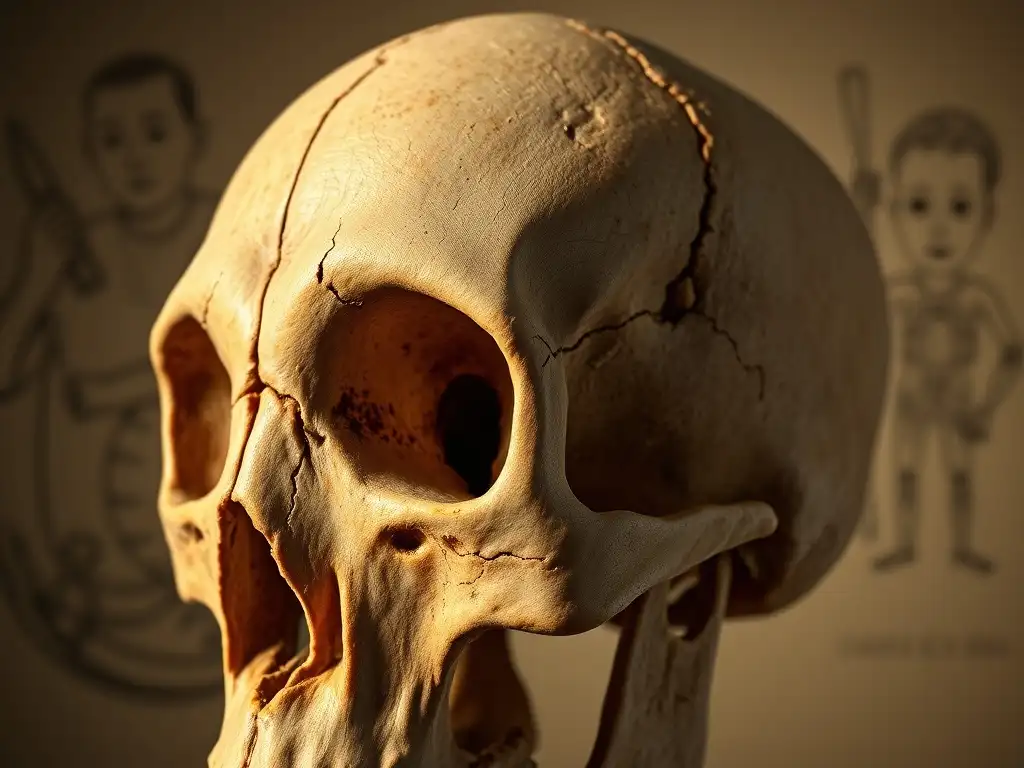
The practice of trepanation in the Paracas culture, while undeniably impressive from a surgical standpoint, remains shrouded in some mystery regarding its precise motivations. While the skill and success rate of Paracas surgeons are well-documented, understanding why they performed these complex procedures requires exploring a multifaceted range of potential factors. The prevailing theories suggest a combination of medical necessity, ritualistic practices, and perhaps even social signaling.
Analyzing the available evidence allows us to piece together a more comprehensive picture of this ancient Andean practice and its significance within Paracas society. The sheer number of trepanned skulls discovered indicates a widespread practice, suggesting these reasons were likely intertwined and not mutually exclusive. Further research and analysis of existing data are required to fully elucidate the complex motivations behind Paracas trepanation.
This section delves into the prominent theories surrounding the reasons for this ancient surgical practice, examining both practical and symbolic interpretations. Analyzing the techniques alongside the context of the discovered skulls offers valuable insights into the cultural significance of this unique practice within the Paracas civilization.
Possible Motivations: Treatment of Head Injuries and Skull Fractures
One of the most widely accepted explanations for Paracas trepanation centers on the treatment of head injuries and skull fractures. Evidence suggests that a significant portion of the trepanned skulls show signs of trauma, such as fractures or depressed skull fragments. The surgeons' skill in removing bone fragments and relieving pressure on the brain is evident in the high survival rates observed in some cases.
This suggests that trepanation served as a vital medical intervention, potentially saving the lives of individuals who would otherwise have succumbed to their injuries. The precision and sophistication of the techniques employed—including the use of various tools and methods—further support the hypothesis that trepanation was a deliberate medical procedure, rather than a haphazard or ritualistic act.
Analysis of the tools used and the surgical techniques employed reveals a level of medical understanding far exceeding expectations for a pre-Columbian society. The survival rates, although not uniformly high across all cases, suggest that the procedures were often successful in treating the underlying trauma.
Ritualistic and Spiritual Aspects: Altered States of Consciousness
Beyond its potential medical applications, trepanation in Paracas culture may have also held significant ritualistic and spiritual meaning. Some scholars propose that the practice could have been connected to attempts to induce altered states of consciousness or to communicate with the spiritual world. The careful placement and shape of some trepanation holes suggest a symbolic or ritualistic intent, rather than a purely medical one. This hypothesis is further supported by the presence of other ritualistic practices within Paracas culture, such as mummification and elaborate burial ceremonies. The incorporation of trepanation into these broader ritualistic contexts suggests a deeper symbolic significance beyond mere medical intervention. Further investigation into the cultural context surrounding death and the afterlife in Paracas society could provide a more complete understanding of the ritualistic aspects of trepanation. The positioning of the trepanation holes, their size and shape, could contain clues about the symbolic intent of the procedure.
Another intriguing theory suggests that trepanation in Paracas society may have served as a marker of social status or identity. The considerable time, skill, and resources required for the procedure may have made it accessible only to certain members of society, potentially those of high social standing or elite status. The survival of individuals who underwent trepanation could also have elevated their social standing, transforming them into figures of respect and admiration.
This theory requires further investigation into the social structure of Paracas civilization and the distribution of trepanned skulls within different social groups. Analyzing the burial contexts of individuals who underwent trepanation might offer valuable insights into their social standing and the role of trepanation in shaping social hierarchies.
The availability of the procedure to different social classes could reveal its significance as a marker of social status. The absence or presence of accompanying grave goods could also provide clues about the social standing of those who underwent the procedure.
Evidence of Successful Trepanation in Paracas Skulls
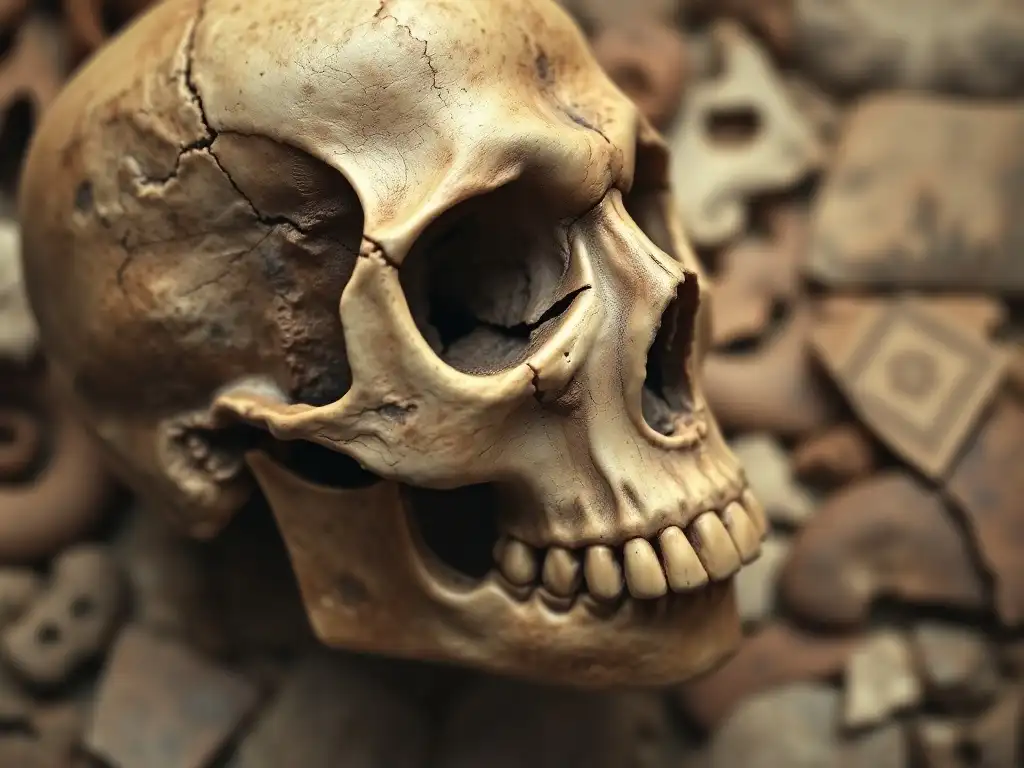
The remarkable skill of Paracas surgeons in performing trepanation is vividly demonstrated by the survival rates indicated in the archaeological record. Analysis of numerous Paracas skulls unearthed over the years reveals compelling evidence of successful cranial surgeries, showcasing not only the surgical proficiency but also the advanced post-operative care practiced by these ancient Andean healers. The presence of bone regeneration and callus formation around the trepanation sites strongly suggests that many patients survived the procedure and lived for extended periods afterward.
This evidence challenges the common misconception that ancient trepanation was a largely fatal undertaking. The sheer number of skulls exhibiting signs of healing underscores the routine nature of this complex surgical procedure within Paracas society, hinting at a well-established medical tradition.
Understanding the techniques employed and the high survival rate provides crucial insights into the sophistication of Paracas medicine and their advanced understanding of the human body. The successful application of ancient Paracas trepanation techniques stands as a testament to their remarkable medical knowledge.
Analysis of Paracas Skulls: Bone Regeneration and Callus Formation
Examination of Paracas skulls reveals clear evidence of bone regeneration and callus formation around the trepanation sites. Callus, a type of scar tissue, forms as the body attempts to repair a bone fracture or injury. Its presence in these skulls indicates successful healing following the surgical procedure.
The thickness and density of the callus can sometimes offer clues about the length of time the individual survived post-surgery. Detailed microscopic analysis of the bone structure around the trepanation sites further supports this conclusion. Researchers have observed the formation of new bone tissue, which is a clear indicator of the body's successful attempt at repair and the patient's survival.
This meticulous bone regeneration is not only a testament to the skill of the surgeons but also to the patient's resilience and the effectiveness of post-operative care. The quality and extent of bone regeneration observed in many Paracas skulls significantly contribute to the evidence supporting high survival rates following trepanation. Analyzing these details allows us to better understand the ancient Paracas trepanation techniques and their effectiveness.
Identifying Successful Trepanation Cases: High Survival Rates
Determining the success rate of ancient Paracas trepanation requires careful analysis of multiple factors. The presence of bone regeneration, as discussed above, is a primary indicator of survival. However, researchers also look for other clues, such as the absence of signs of infection or complications.
The complete closure of the trepanation site, with no evidence of ongoing inflammation or bone deterioration, further strengthens the conclusion of a successful operation. Studies have shown that a significant percentage of Paracas skulls exhibiting trepanation also show clear signs of healing and long-term survival. This high survival rate, compared to the expected mortality rate associated with such a procedure, highlights the advanced surgical and post-operative techniques employed.
The consistent observation of these successful cases among numerous excavated skulls strongly suggests a high degree of expertise and a well-established medical practice within the Paracas culture. The successful application of ancient Paracas trepanation techniques is a remarkable achievement in the history of medicine.
The Rate of Success: Factors Contributing to Patient Recovery
Several factors likely contributed to the surprisingly high survival rate observed in Paracas trepanation cases. The surgical techniques themselves, while rudimentary by modern standards, were clearly refined and effective. The use of specific instruments, possibly made from obsidian or other materials, may have minimized trauma and infection. Furthermore, the post-operative care provided to patients played a crucial role in their recovery.
This may have included the application of herbal remedies, wound dressings, and possibly even some form of pain management. The overall health and resilience of the patient would also have been significant factors. Individuals in good health before the surgery would have had a higher chance of survival.
[Specific information pending] on the prevalence of malnutrition or disease in the Paracas population could provide further insights into this aspect. The combination of skillful surgery, effective post-operative care, and the overall health of the patients likely contributed to the high success rate observed in ancient Paracas trepanation. The high survival rate associated with ancient Paracas trepanation techniques is a notable aspect of their medical practices.
The Legacy of Paracas Trepanation: Insights into Ancient Medicine
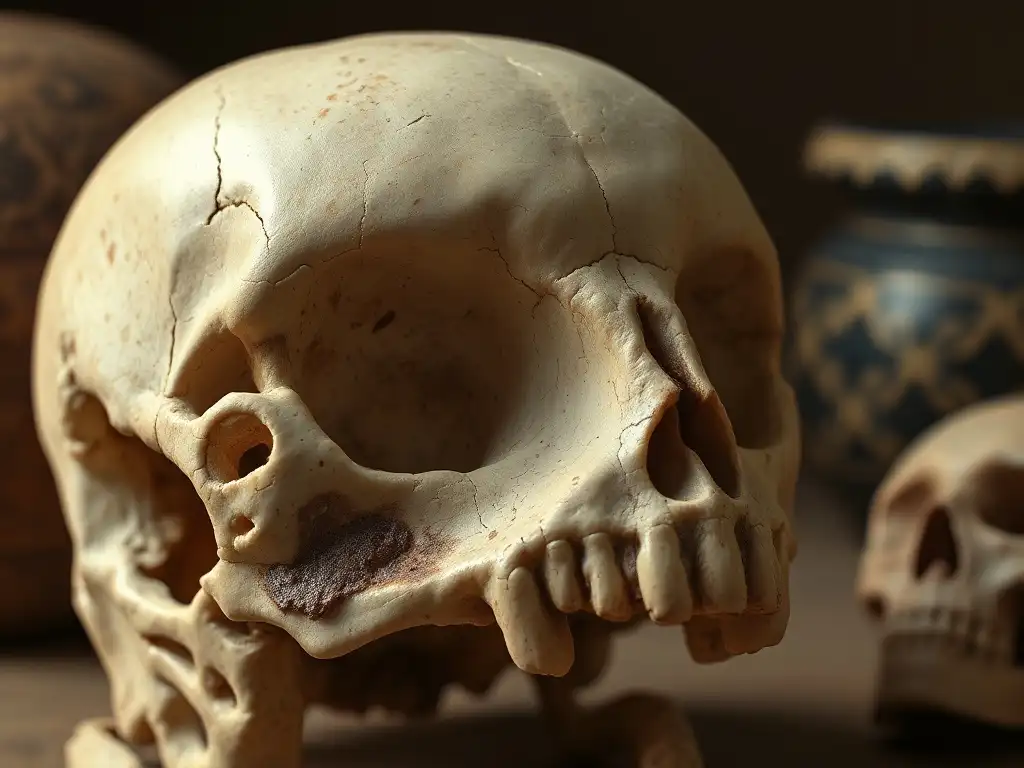
The Paracas culture, flourishing on the southern coast of Peru from roughly 800 BCE to 100 CE, left behind a remarkable legacy, not only in their intricate textiles and elaborate burial practices but also in their surprisingly advanced medical knowledge. One striking testament to their expertise is their extensive practice of trepanation – cranial surgery.
Analysis of numerous skulls unearthed from Paracas cemeteries reveals a sophisticated understanding of surgical techniques and post-operative care, far exceeding expectations for a pre-Columbian society. This section delves into the specific techniques employed, the potential use of anesthetics, and the broader implications of this practice within the context of ancient Andean healthcare.
The frequency of successful trepanation procedures amongst the Paracas people speaks volumes about their skill and knowledge of the human body, placing them at the forefront of ancient medical innovation. The study of "Ancient Paracas trepanation techniques" continues to illuminate our understanding of this fascinating culture and their medical achievements.
Paracas Trepanation: A Sophisticated Example of Pre-Incan Surgery
Paracas surgeons employed several techniques for trepanation, each demonstrating a high level of skill and precision. The most common method involved drilling a series of small holes around the intended area of the skull, eventually connecting them to create a circular opening. Other techniques included scraping or sawing away sections of the bone.
Analysis of the skulls shows that the surgeons were remarkably adept at avoiding vital areas of the brain, minimizing the risk of fatal injury. The tools used were likely made of obsidian, a volcanic glass known for its sharpness, and possibly also from bone or shell. The precision and skill displayed in these procedures suggest a long tradition of surgical practice, passed down through generations.
Furthermore, the survival rates of patients who underwent trepanation, indicated by bone regrowth around the surgical site, suggest a surprisingly high level of success. This success rate challenges many assumptions about the limitations of pre-Columbian medicine and highlights the advanced knowledge and expertise of Paracas surgeons. The careful execution of these procedures, evident in the preserved cranial remains, underscores the sophistication of their surgical practices.
The Significance of Paracas Medical Knowledge: Use of Anesthetics
A significant question surrounding Paracas trepanation is the use of anesthetics. While direct evidence is scarce, the complexity of the procedures and the survival rates of patients suggest the possibility of using some form of pain relief or sedation. Some researchers hypothesize the use of coca leaves, a natural anesthetic, while others point to the possible use of herbal concoctions with sedative properties.
The absence of clear signs of significant patient struggle during surgery further supports this hypothesis. The lack of conclusive evidence underscores the need for further research, particularly in the analysis of plant residues found in association with the surgical tools or within the burial contexts. However, the very survival of many patients points to the existence of methods to manage pain and discomfort during these intricate procedures.
Further research into ancient Paracas pharmacology may shed more light on the specific substances employed. The potential use of anesthetics is a crucial aspect of understanding the true extent of Paracas medical knowledge and its place in the broader context of ancient Andean medical practices.
The Impact of Paracas Trepanation: Understanding Ancient Andean Healthcare
The practice of trepanation in Paracas offers invaluable insights into ancient Andean healthcare systems. It demonstrates a level of surgical expertise and medical understanding that challenges conventional narratives about pre-Columbian societies. The high survival rates suggest a complex system of post-operative care, including wound management and infection control.
The prevalence of trepanation, as evidenced by the large number of skulls exhibiting surgical modifications, indicates that it was a relatively common procedure, possibly performed for a range of conditions including head trauma, infections, or even as a ritualistic practice. The impact of this practice extends beyond the immediate surgical outcomes. It reflects a sophisticated understanding of anatomy, physiology, and surgical techniques, showcasing the advanced medical knowledge of the Paracas civilization.
The study of Paracas trepanation provides a crucial lens through which to re-evaluate our understanding of ancient Andean healthcare, emphasizing its complexity and sophistication. Further research into related aspects of Paracas culture, such as their broader medicinal plant knowledge and burial rituals, may reveal further insights into their overall healthcare system and its impact on the community.
Comparing Paracas Trepanation with other Ancient Practices
Trepanation in other Ancient Cultures: Global Comparisons
Trepanation, the surgical practice of cutting a hole in the skull, wasn't unique to the Paracas culture. Evidence suggests it was practiced across various ancient civilizations, albeit with differing techniques and success rates. Comparing Paracas trepanation with practices in other cultures reveals fascinating insights into the evolution of surgical methods and medical understanding.
For instance, Neolithic trepanation, found in various parts of Europe and the Near East, often involved crude scraping or drilling techniques. These early methods frequently resulted in significant trauma and a high mortality rate. In contrast, the Inca civilization also practiced trepanation, but their techniques, while more advanced than the Neolithic examples, were generally less refined than those of the Paracas.
Inca trepanations often show less precision in the cut and a greater degree of surrounding bone damage. The use of different tools and techniques likely contributed to these variations. While the exact materials used by the Inca are still under investigation, evidence suggests that they employed tools made from obsidian and other hard stones.
The Egyptians, too, engaged in trepanation, although the evidence is less extensive than for the Paracas or Inca. Available data suggests a less frequent application of the procedure, possibly due to different cultural beliefs or medical practices. Further research is needed to fully understand the differences in frequency and techniques across these various cultures.
The motivations for trepanation also varied; while some cultures may have used it primarily for therapeutic purposes, others might have employed it in ritualistic contexts. Understanding these nuances requires a careful consideration of archaeological evidence and cultural context. The differences in the tools, techniques, and the overall success rate highlight the significant advancements made by the Paracas surgeons.
Unique Features of Paracas Trepanation Techniques: Precision and Skill
One of the most striking aspects of Paracas trepanation is the remarkable precision and skill demonstrated by their surgeons. Unlike many other ancient cultures, Paracas surgeons employed a variety of techniques, including scraping, drilling, and sawing, showcasing a sophisticated understanding of bone structure and surgical procedure. They often achieved remarkably clean cuts with minimal damage to the surrounding bone, indicating advanced knowledge of anatomy and surgical technique.
Analysis of Paracas skulls reveals a preference for certain tools and methods. Archaeological findings suggest the use of obsidian blades, potentially shaped into specialized instruments for precise cutting and scraping. The intricate nature of some trepanations, with their clean cuts and minimal fracturing, points towards specialized training and a high level of expertise among Paracas surgeons.
The use of these refined techniques likely contributed to the relatively high success rates observed in Paracas cranial surgery. The development of specialized instruments, which are currently under ongoing analysis, suggests a level of technological sophistication exceeding that of many contemporaneous cultures. Further investigation is needed to fully understand the manufacturing processes and the distribution of these tools within the Paracas society.
What Makes Paracas Cranial Surgery Distinctive: High Success Rates
Perhaps the most astonishing aspect of Paracas trepanation is the surprisingly high success rate. Studies of preserved skulls indicate that a significant percentage of patients survived the procedure, demonstrating a remarkable level of surgical skill and post-operative care. This contrasts sharply with trepanation practices in other ancient societies, where survival rates were often significantly lower.
The high survival rate strongly suggests several factors contributed to Paracas success. The precision of their surgical techniques minimized trauma and bleeding, while their post-operative care likely included effective wound management and infection control. While the exact methods of post-operative care remain partially unknown, evidence suggests that the use of herbal remedies and other traditional practices played a significant role in the patients' recovery.
The high success rate, evidenced by the number of skulls showing signs of healing after trepanation, points to a well-developed understanding of surgical techniques and post-operative care, far surpassing many other ancient cultures. Further investigation into their medical practices is crucial to fully understand the extent of their knowledge and skill. The high survival rate of Paracas trepanation significantly contributes to its reputation as one of the most sophisticated examples of ancient cranial surgery.
Frequently Asked Questions
What is trepanation?
Trepanation is an ancient surgical procedure involving the removal of a section of the skull. It was practiced by various cultures, including the Paracas. The exact reasons remain debated.
Why did the Paracas people perform trepanation?
The reasons are still unclear, but theories include treating head injuries, relieving pressure from brain swelling, or addressing spiritual beliefs. Further research is needed to understand their motivations fully.
How successful were Paracas trepanation techniques?
Surprisingly, many patients survived the procedure, as evidenced by healed skull bones. The Paracas developed advanced techniques, including different tools and methods, that improved the chances of survival.
What tools did the Paracas use for trepanation?
They used a variety of tools, including obsidian knives, shell instruments, and even copper instruments. The choice of tools may have depended on the specific circumstances and the individual surgeon's preferences.
How does Paracas trepanation compare to modern neurosurgery?
While incredibly crude by modern standards, Paracas trepanation demonstrates a surprisingly advanced understanding of cranial anatomy and surgical techniques for its time. The survival rates are remarkable considering the lack of sterile environments and modern medical knowledge.
Final Reflection: The Enduring Legacy of Paracas Trepanation
The intricate cranial surgeries performed by the Paracas culture remain a testament to the resilience and ingenuity of ancient civilizations, a stark reminder that advanced medical practices existed long before modern times. Their sophisticated techniques, though shrouded in mystery, challenge our assumptions about the capabilities of ancient peoples and continue to fascinate medical professionals and historians alike. The precision and survival rates associated with Paracas trepanation offer a compelling case study in the history of medicine and surgery.
The impact of this ancient practice extends far beyond the archaeological record; it forces us to reconsider our understanding of pain management, surgical skill, and the very definition of "primitive" societies. The sheer audacity of these procedures, performed with limited tools and understanding of anatomy, is breathtaking. The Paracas surgeons were not simply cutting holes in skulls; they were performing complex operations with a surprisingly high success rate, demonstrating a level of surgical skill that is truly remarkable.
This quote encapsulates the awe-inspiring nature of their achievements and highlights the continued relevance of their work in modern surgical contexts.
Consider the implications of this ancient knowledge. What can we learn from the Paracas's understanding of the human body and their ability to perform such intricate procedures? You, the reader, are now equipped with a deeper understanding of this fascinating aspect of ancient history.
I urge you to reflect on the ingenuity and resilience of the Paracas people and to consider how their legacy can inspire us to push the boundaries of our own knowledge and understanding. Let their story serve as a reminder of the enduring power of human innovation and the importance of preserving and learning from our shared past.
**Unearth the Secrets of Ancient Healing! **
Thank you for exploring the fascinating world of trepanation in Paracas! You've discovered intriguing insights into ancient cranial surgery and the medical practices of our ancestors. Now, let's build on that knowledge!
Here's how you can delve deeper into this captivating topic:
- **Investigate** ancient medical practices further. Research the techniques and cultural beliefs surrounding trepanation in various cultures, comparing and contrasting approaches, and share your findings with others.
- **Join** a local history group or online forum dedicated to ancient civilizations to discuss and exchange ideas. Connecting with like-minded individuals can significantly enhance your understanding and lead to stimulating conversations.
- **Volunteer** for archaeological projects focusing on Andean history. Become actively involved in preserving and uncovering these ancient mysteries!
Which aspect of ancient medical practices do you find most compelling, and how might it inform our understanding of modern healthcare?