
The Children of the Sun: Decoding the Inca's Celestial Lineage

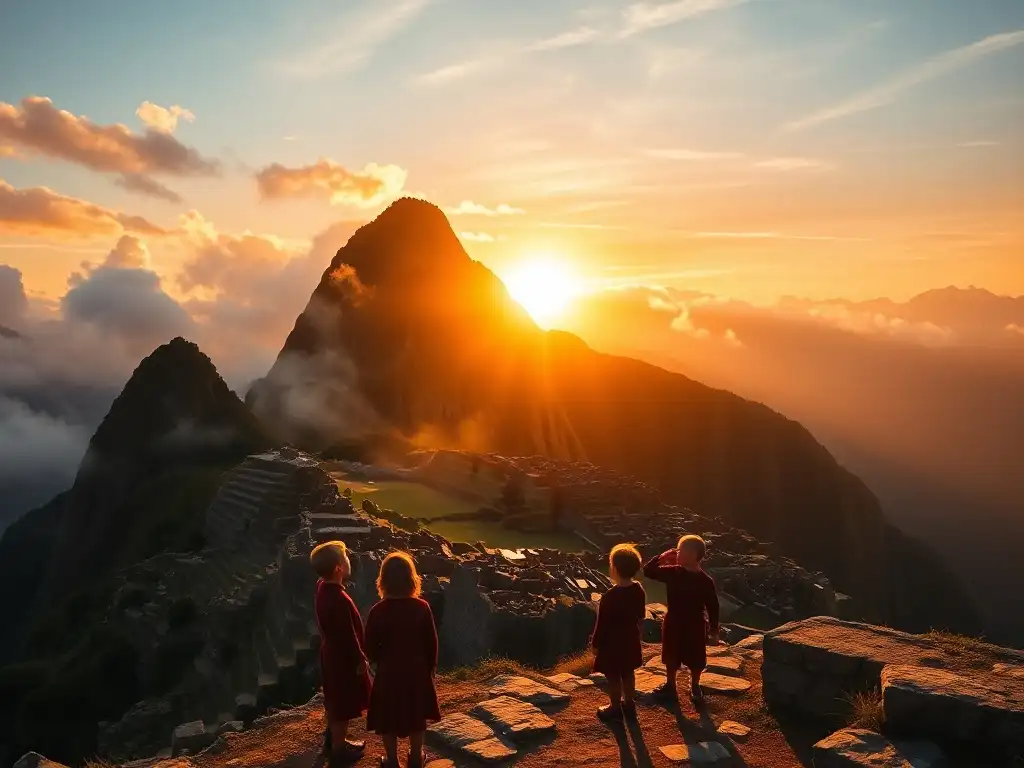
Step into a world lost to time, yet echoing with the whispers of a celestial legacy. For centuries, the Andes have guarded the secrets of powerful empires, their breathtaking artistry and advanced engineering hinting at a profound connection to the cosmos. But what does it truly mean to be a Child of the Sun? Unravel the mystery of Inca celestial lineage meaning and embark on an enthralling journey through the heart of the Inca Empire, uncovering the fascinating stories behind their celestial beliefs and their enduring impact on Andean civilizations.
The Inca Empire, a civilization that once dominated the Andes Mountains, left behind a legacy of breathtaking architecture, intricate social structures, and a fascinating mythology deeply intertwined with the celestial realm. Understanding their beliefs is key to unlocking the secrets of their power and enduring influence. This article delves into the Inca origin myth, exploring the concept of their "celestial lineage" and how this belief shaped their political ideology, social organization, and ultimately, their imperial ambitions.
We will examine the significance of the sun god, Inti, and how the Inca rulers strategically utilized their claimed divine ancestry to legitimize their rule and maintain control over their vast empire. The Inca’s belief in their connection to the cosmos wasn’t merely a religious tenet; it was the very foundation upon which their power structure rested, influencing every aspect of their society. Understanding this celestial lineage is crucial to understanding the Inca civilization itself.
This exploration will illuminate the intricate relationship between mythology, power, and the Inca's remarkable success in building and sustaining their empire. The keyword "Inca celestial lineage meaning" will be explored in depth throughout this article.
Understanding the Inca Origin Myth
The Inca origin myth centers around the sun god, Inti, and his children, Manco Capac and Mama Ocllo. Legend states that these siblings emerged from the sacred Lake Titicaca, tasked by Inti to establish a civilization and spread his worship. This narrative isn't just a simple creation story; it's a powerful statement of divine right.
The Inca rulers, the Sapa Inca, directly descended from Manco Capac, claimed a lineage directly connected to the sun god himself. This claim wasn't simply a matter of religious belief; it was a fundamental pillar of their political legitimacy. The Inca cleverly integrated this origin story into their societal structure, ensuring that their authority was perceived as divinely ordained and therefore unquestionable.
This carefully crafted narrative served a crucial purpose: to solidify the Sapa Inca’s position as supreme ruler and to maintain social order within the vast and diverse empire. The story was repeatedly told and reinforced through elaborate ceremonies, public displays, and artistic representations, ensuring its continued relevance and impact on the Inca population. Think of it as a sophisticated form of propaganda, but one deeply rooted in religious conviction and cultural identity.
The Divine Mandate: Inca's Claim to Power
The Inca's claim to a celestial lineage provided them with a powerful tool for consolidating and maintaining their power. Their divine ancestry served as the ultimate justification for their authority, allowing them to demand obedience and tribute from conquered peoples. This "divine mandate" wasn't simply a passive belief; it actively shaped Inca governance.
The Sapa Inca, as the direct descendant of Inti, wasn't just a political leader; he was considered a divine intermediary between the gods and the people, responsible for maintaining cosmic order. This elevated status allowed the Inca to implement intricate systems of control, including the mita labor system and a complex bureaucratic structure, all under the guise of fulfilling their divine responsibilities. The intricate sun temples, like the one at Cusco, served as powerful physical manifestations of this celestial connection, visually reinforcing the Inca's divine right to rule.
The elaborate ceremonies and rituals surrounding the sun god further solidified this narrative, ensuring that the Inca's claim to power remained unquestioned, at least within the context of their empire. The Inca's ability to effectively utilize their celestial lineage to maintain control stands as a testament to their political acumen and understanding of the power of religious belief. The Inca celestial lineage meaning, therefore, extends far beyond a simple mythology; it represents the very foundation of their imperial power.
- What is the significance of the Inca's "celestial lineage"?
- How did the Inca's celestial lineage impact their society?
- What role did Inti, the sun god, play in the Inca's celestial lineage?
- Are there any material artifacts that support the Inca's belief in celestial lineage?
- How did the belief in celestial lineage affect Inca interactions with other cultures?
Inca Celestial Lineage Meaning: Unveiling the Sun God Inti's Descendants
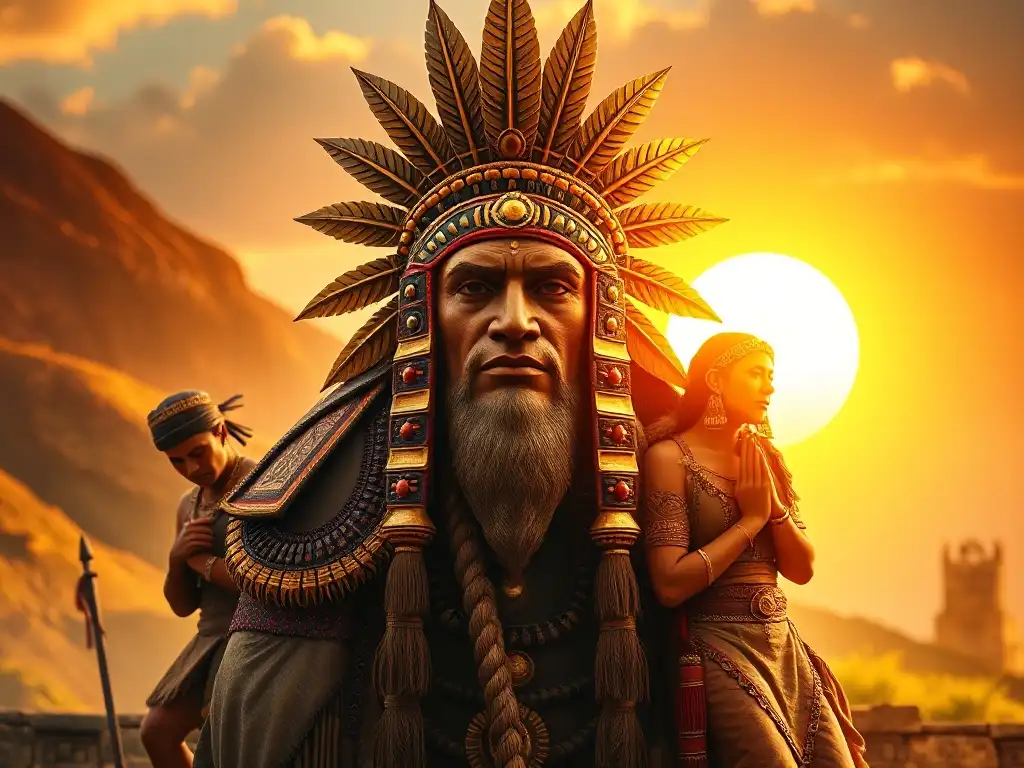
The Inca celestial lineage meaning is deeply rooted in their sophisticated cosmology and social structure. The Incas didn't merely believe in a divine ancestry; they actively cultivated and projected this lineage to legitimize their rule and maintain social order. Their belief system intertwined the earthly realm with the celestial, solidifying the emperor's position as a direct descendant of Inti, the Sun God, and thus, a divinely appointed ruler.
This concept wasn't merely a religious belief; it served as the cornerstone of Inca political ideology and social hierarchy. Understanding this intricate web of celestial and earthly power is key to deciphering the Inca civilization's enduring legacy. The very fabric of Inca society was woven with threads of this divine connection, influencing everything from royal succession to everyday life.
Inti, The Sun God: Supreme Deity of the Inca Pantheon
Inti, the Sun God, held the highest position in the Inca pantheon. He wasn't simply a deity; he was the source of life, the giver of warmth, and the ultimate symbol of power and authority. The Incas believed that Inti directly influenced the harvest, the weather, and the prosperity of their empire.
His worship was central to Inca religious practices, with elaborate ceremonies and festivals dedicated to ensuring his continued favor. Temples, such as the Coricancha in Cusco, were built in his honor, showcasing the immense importance placed upon his worship. The Inca emperors, claiming direct descent from Inti, inherited this sacred power and responsibility.
This divine connection wasn’t just a claim; it was a carefully constructed narrative, supported by elaborate rituals, genealogical records, and the very structure of Inca society. The sun's daily journey across the sky mirrored the emperor's reign over the land, reinforcing the celestial lineage and its inherent power. Even the Incas' intricate calendar system was deeply connected to the movements of the sun, further emphasizing Inti's influence on their lives.
The Significance of Royal Bloodline in Inca Society
The Inca’s celestial lineage wasn't just about the emperor; it extended to the entire royal family and the elite classes. The concept of ayllu, a kinship-based social unit, played a crucial role. Membership in the royal ayllu granted significant privileges and access to resources.
Maintaining the purity of this bloodline was paramount to maintaining social order and legitimizing the emperor's authority. Marriages within the royal family were carefully orchestrated to preserve the supposed divine bloodline, ensuring that the celestial connection remained unbroken. The concept of panacas, or royal lineages, ensured that the descendants of past emperors continued to hold significant influence and power, even after death.
These lineages often controlled vast tracts of land and resources, further solidifying their privileged position within Inca society. Challenging the established lineage could have severe consequences, highlighting the profound significance of this divine connection to the very structure of the Inca state. Deviation from the accepted genealogy could lead to political instability and even rebellion.
Pachacuti Inca Yupanqui: The Emperor Who Claimed Divine Descent
Pachacuti Inca Yupanqui, considered one of the greatest Inca emperors, epitomizes the Inca celestial lineage meaning. His rise to power is often intertwined with mythological narratives that emphasized his divine origins. He didn't merely claim descent from Inti; the stories surrounding his reign actively constructed and reinforced this narrative.
His military victories and the expansion of the Inca Empire were attributed to his divine right to rule, bestowed upon him by his celestial lineage. The construction of grand projects like Machu Picchu further solidified this image of a ruler blessed by the gods. Pachacuti’s reign showcases how the belief in a divine lineage wasn't merely a passive acceptance; it was an active tool employed to consolidate power, legitimize actions, and inspire loyalty amongst the subjects.
The legacy of Pachacuti, therefore, is not only one of military prowess and political acumen but also a testament to the effective deployment of the Inca celestial lineage narrative in shaping the empire's identity and its enduring impact on history. The meticulous record-keeping of the Inca, although fragmented, provides glimpses into the lengths to which they went to maintain and reinforce this powerful narrative. This meticulous approach to genealogy underscores the central role of the Inca celestial lineage in their worldview.
Tracing the Inca's Cosmic Ancestry
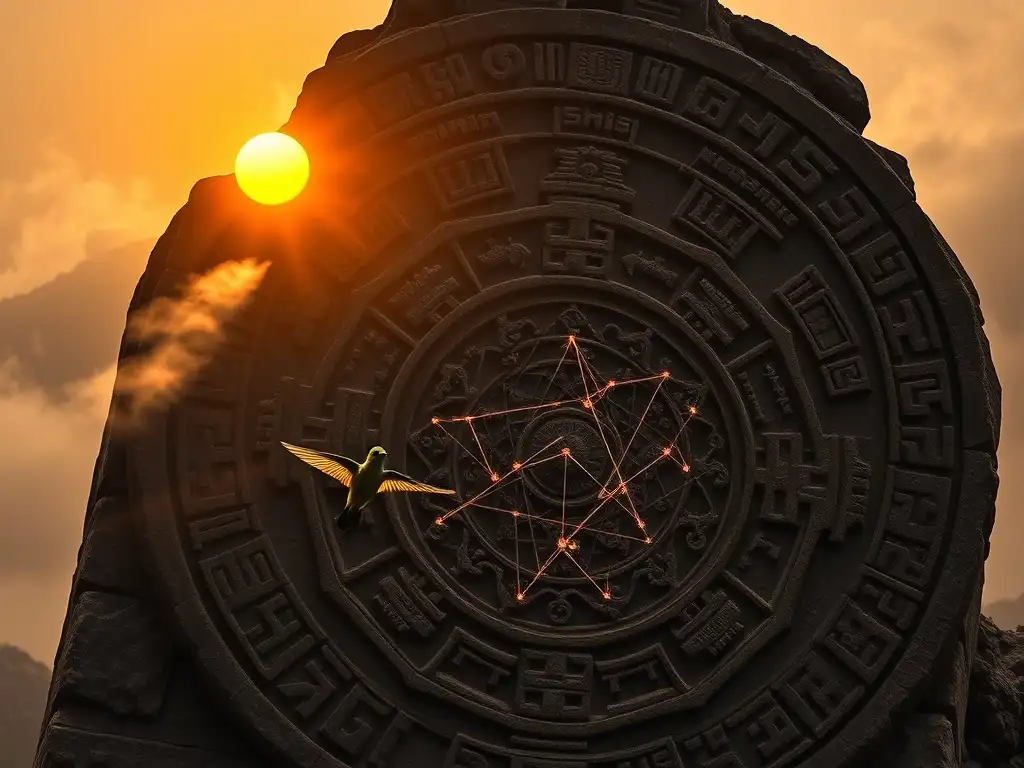
The Inca's belief in a celestial lineage wasn't merely a symbolic representation; it was deeply ingrained in their worldview, shaping their social structure, religious practices, and even their agricultural techniques. Understanding the Inca celestial lineage meaning requires delving into their rich mythology and intricate astronomical observations. Their cosmology wasn't a detached intellectual exercise but a living, breathing system that permeated every aspect of their lives.
The concept of a divine origin, connected to the sun and stars, provided legitimacy to their rulers and fueled their impressive feats of engineering and societal organization. This section will explore the key elements of this profound connection.
Creation Stories and the Emergence of the Incas
Inca creation myths are replete with celestial imagery and narratives explaining their origins from the cosmos. One prevalent narrative depicts the emergence of the Inca people from a cave, a symbolic womb, located near the sacred site of Pacaritambo. This cave, often associated with the celestial realm, represents a transition from the underworld to the earthly plane, a journey mirroring the Inca's perceived descent from the stars.
The Inca believed their first ancestors, often depicted as demigods or divine beings, descended from the sun, the moon, and the stars, imbuing them with a unique authority and power. These powerful beings, often represented in intricate tapestries and carvings, served as the foundation of their royal lineage, justifying the Inca emperor's rule as divinely ordained.
The specific details of these creation stories varied across different regions, reflecting the diverse cultural nuances within the vast Inca Empire. However, the core theme of celestial origins remained consistent, underscoring the Inca celestial lineage meaning as a cornerstone of their identity.
The narrative of Manco Cápac and Mama Ocllo, emerging from Lake Titicaca with a golden staff, is another example. Their mission to establish the Inca civilization is framed within a divine mandate, solidifying the connection between earthly power and cosmic origins. This narrative emphasizes the Inca's belief in their chosen status, guided by celestial forces to establish a grand empire. Their subsequent conquests and societal achievements were thus interpreted not merely as human endeavors but as the fulfillment of a cosmic plan.
The Role of the Stars and Constellations in Inca Cosmology
The Inca's deep understanding of astronomy was not merely a scientific pursuit; it was intrinsically linked to their religious beliefs and social structure. They meticulously charted the movements of celestial bodies, using their knowledge to predict agricultural cycles, plan ceremonies, and reinforce their celestial lineage. The constellations, far from being random arrangements of stars, held profound symbolic meaning, often representing deities, animals, or significant events in their mythology. The constellation of the Llama, for example, held great importance, reflecting the significance of this animal in their daily life and economy.
Detailed observations of the Milky Way, known as the Mayu, or "river," further illustrate their advanced astronomical capabilities. The Milky Way's path across the night sky was carefully tracked, providing a celestial map used for navigation and ritualistic purposes. This intricate understanding of the night sky allowed the Inca to develop a sophisticated calendar system, deeply intertwined with their agricultural practices and religious festivals.
The precise tracking of celestial events reinforced their belief in the divine order and their own connection to the cosmic realm. The Inca celestial lineage meaning extended to their ability to interpret and harness the power of the stars, showcasing a sophisticated blend of scientific observation and spiritual belief.
The Sun's Solstices and Equinoxes: Calendar Markers and Religious Significance
The sun, Inti, was the most revered deity in the Inca pantheon, considered the father of the Inca emperors and the source of their legitimacy. The solstices and equinoxes, marking the changing seasons, held immense religious significance. These celestial events were not simply astronomical occurrences; they were moments of profound spiritual importance, celebrated with elaborate ceremonies and rituals.
The Inti Raymi, the festival dedicated to the sun god, was a grand celebration held at the winter solstice, showcasing the profound impact of the sun's celestial movements on Inca society. This festival involved elaborate processions, sacrifices, and feasts, reaffirming the Inca's connection to the sun and their divine lineage. The precise timing of these ceremonies, determined through careful astronomical observations, demonstrates the sophistication of their calendar system and its integral role in their religious practices.
The solstice and equinox celebrations were not merely holidays; they were pivotal moments reinforcing the Inca celestial lineage meaning, reminding the populace of their connection to the divine and the emperor's sacred authority. The precise alignment of structures like Machu Picchu with significant celestial events further underscores the importance of these cosmic markers in Inca culture and reinforces their belief in their unique, divinely ordained heritage.
The Inca's Religious Practices and Celestial Worship
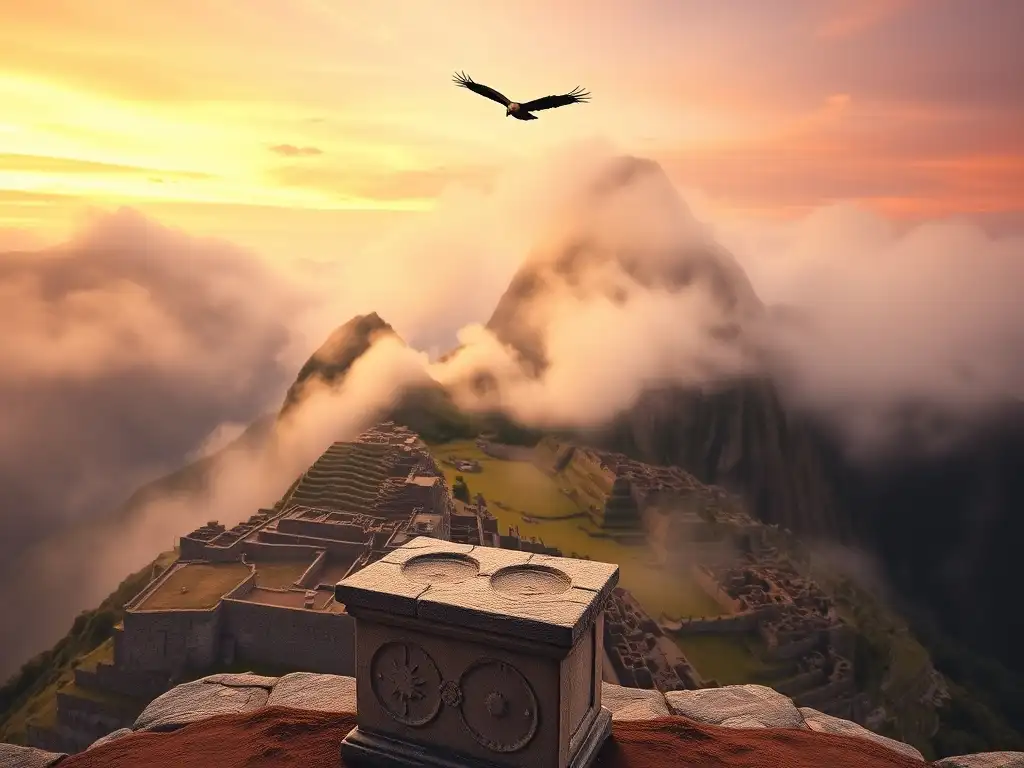
The Inca's deeply ingrained belief system revolved around a complex cosmology, with the sun, moon, and stars playing pivotal roles. Their religious practices weren't merely rituals; they were a way of life, inextricably linked to their understanding of the cosmos and their place within it. The Inca's celestial lineage meaning was not simply a metaphorical concept; it formed the bedrock of their imperial ideology and social structure. The Inca believed their rulers were descendants of Inti, the Sun God, thus legitimizing their authority and reinforcing their divine right to rule.
This belief profoundly impacted their daily lives, from agricultural practices to elaborate ceremonies. The intricate relationship between the Inca and the celestial bodies is evident in their architecture, rituals, and artistic expressions, providing invaluable insights into their worldview and societal organization. Understanding this connection is key to deciphering the true meaning of the Inca's "celestial lineage."
Temples and Sacred Sites Dedicated to the Sun
The Inca built magnificent temples and sacred sites dedicated to Inti, the Sun God, throughout their empire. These structures, meticulously aligned with astronomical events, served as focal points for religious ceremonies and reinforced the Inca's celestial lineage meaning. Coricancha, the Temple of the Sun in Cusco, stands as a prime example. This opulent temple, originally constructed from gold and adorned with precious stones, was the most important religious center in the Inca empire.
Its architecture, incorporating astronomical observations into its design, demonstrates the sophisticated understanding of celestial movements possessed by Inca priests and astronomers. Beyond Coricancha, numerous smaller shrines and temples dedicated to the sun were erected across the empire, each reflecting the local variations in Inca religious practices while maintaining a common thread of celestial reverence. These sites weren't merely places of worship; they were living testaments to the Inca's belief in their divine ancestry and the power of the sun.
The precise alignment of many of these sites with solstices and equinoxes further underscores the importance of astronomical observation in Inca culture and their understanding of the Inca celestial lineage meaning. Detailed records of these alignments are still being researched, however, many are already documented. For example, the precise orientation of Ollantaytambo, a significant Inca fortress, reveals a deep understanding of the sun's path across the sky.
Rituals and Ceremonies Honoring the Inca's Celestial Heritage
Inca religious practices were elaborate and multifaceted, involving a complex system of rituals and ceremonies aimed at honoring the sun and maintaining cosmic balance. These ceremonies, often led by high priests and involving the participation of the entire community, were integral to the Inca worldview. They believed that offerings and sacrifices appeased the gods and ensured a bountiful harvest and the continuation of their celestial lineage.
These rituals weren't simply religious acts; they were a powerful means of social control and reinforcement of the Inca's divine authority. The use of coca leaves, chicha (a fermented corn beverage), and llama sacrifices were common aspects of many ceremonies. The timing of these rituals often corresponded to significant astronomical events, further highlighting the close link between religion and celestial observations.
The specific rituals varied across different regions of the empire, reflecting local customs and beliefs, yet all shared the common goal of honoring the sun and maintaining the cosmic order. Understanding the intricacies of these rituals offers crucial insights into the Inca's worldview and the significance they attached to their celestial heritage. Further research into regional variations and specific ritual practices is needed to fully comprehend the depth and complexity of Inca religious life.
Inti Raymi: The Festival of the Sun and its Symbolic Offerings
Inti Raymi, the Festival of the Sun, was the most significant annual event in the Inca calendar. This grand celebration, held during the winter solstice, honored Inti, the Sun God, and reaffirmed the Inca's celestial lineage meaning. The festival involved elaborate processions, sacrifices, and feasts, all aimed at ensuring the sun's continued benevolence and a prosperous year ahead.
The main ceremony took place at the Coricancha in Cusco, where the Inca ruler, acting as a mediator between the celestial and terrestrial realms, performed rituals to ensure the sun's continued strength and the well-being of his people. The festival was a spectacular display of Inca power and religious devotion, involving thousands of participants and showcasing the empire's wealth and resources. Symbolic offerings, including gold and silver objects, precious stones, and llama sacrifices, were presented to Inti, reflecting the Inca's belief in their divine ancestry and the importance of maintaining a harmonious relationship with the celestial world.
The lavish nature of Inti Raymi underscored the centrality of the sun god in Inca religion and the profound implications of the Inca celestial lineage. Archaeological evidence continues to reveal new details about the scale and complexity of this significant festival, enriching our understanding of Inca culture and beliefs. Further research into the specific offerings and rituals performed during Inti Raymi is needed to fully appreciate its significance within the Inca's religious system.
Inca Cosmology and its Impact on Society
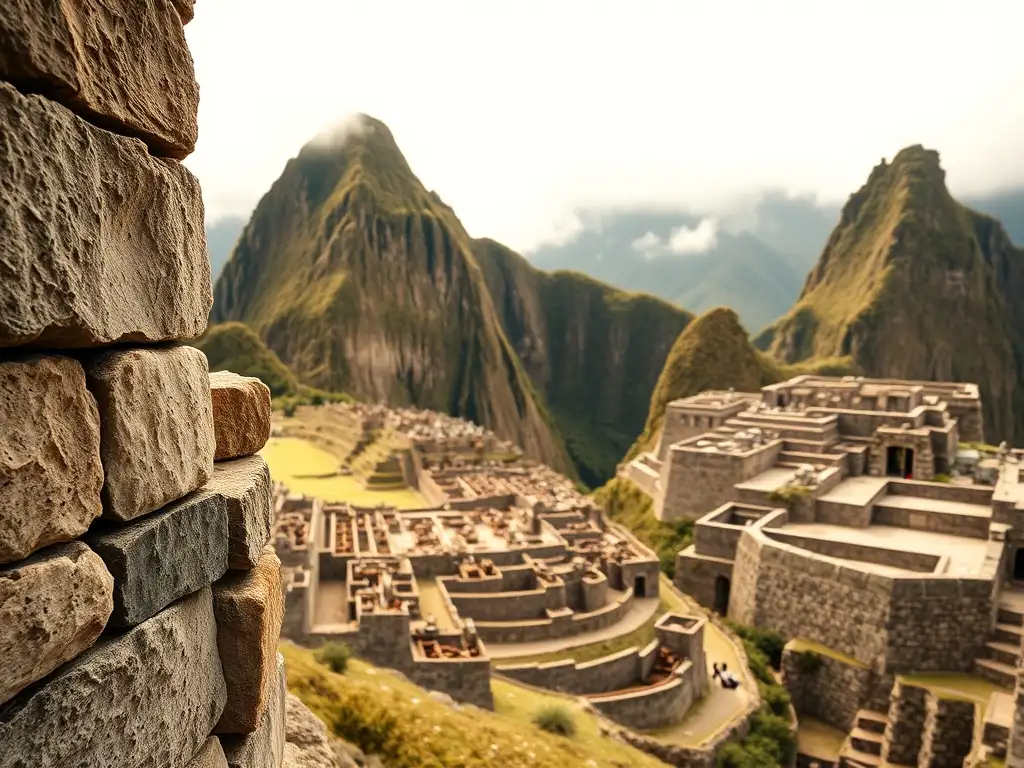
The Inca's understanding of the cosmos profoundly shaped their societal structures, beliefs, and practices. Their worldview wasn't simply a collection of myths; it was a living, breathing system that dictated everything from daily routines to imperial governance. The Inca believed their origins were inextricably linked to the celestial realm, a belief that solidified their social hierarchy and legitimized their rule. This "Inca celestial lineage meaning" wasn't just a symbolic concept; it was the very foundation of their empire.
Understanding this cosmological perspective is crucial to grasping the complexities of Inca civilization. The intricate relationship between the terrestrial and celestial spheres permeated every aspect of Inca life, from agriculture and architecture to religious rituals and political organization. The Inca didn't just observe the stars; they integrated them into the fabric of their existence.
The Inca's belief in their divine ancestry directly influenced their social stratification. The Sapa Inca, the emperor, was considered the direct descendant of Inti, the Sun God, and thus held the highest position in society. This divine lineage wasn't solely hereditary; it was also reinforced through elaborate rituals and ceremonies that constantly reaffirmed the Sapa Inca's connection to the celestial realm.
This celestial lineage extended downwards, creating a hierarchical structure where those closest to the royal family enjoyed higher social standing and privileges. The nobility, the curacas, also claimed some degree of celestial connection, albeit less direct than the Sapa Inca, further solidifying their positions of power.
The commoners, while not directly linked to the celestial lineage, were still integral to the Inca system, their labor and loyalty supporting the empire's divine rulers. This hierarchical structure wasn't simply about power; it was a reflection of the Inca cosmological order, mirroring the celestial hierarchy on Earth.
The intricate web of kinship and lineage, inextricably tied to their celestial beliefs, maintained social order and fostered a sense of unity within the vast Inca empire. Even the allocation of resources and land was often influenced by one's perceived proximity to the divine lineage, highlighting the pervasive nature of this cosmological belief system.
The Influence of the Sun God in Inca Governance
Inti, the Sun God, was the central figure in Inca cosmology and the ultimate source of authority for the Sapa Inca. The emperor's legitimacy rested on his perceived ability to maintain harmony between the earthly and celestial realms. This manifested in various ways, including elaborate religious ceremonies dedicated to Inti, the construction of magnificent temples like Coricancha in Cusco, and the meticulous observation of celestial events. The Sun God's influence extended far beyond mere religious rituals; it was deeply embedded in the Inca's political and administrative systems.
The Sapa Inca's decisions were often framed as divinely inspired, ensuring compliance and obedience from his subjects. The concept of the ayni, reciprocal labor, can also be interpreted through the lens of celestial harmony. By working together for the benefit of the empire, the Inca people were contributing to the maintenance of cosmic balance, thus pleasing Inti.
The intricate system of mit'a, mandatory labor service, was similarly justified as a contribution to the cosmic order, reinforcing the idea that the well-being of the empire was intrinsically linked to the celestial realm. This intricate connection between the Sun God and governance ensured the emperor's absolute power while simultaneously fostering a sense of shared purpose among the Inca people.
The Sapa Inca: The Living Embodiment of the Sun's Power
The Sapa Inca wasn't just a political leader; he was the living embodiment of the Sun God's power on Earth. This role wasn't solely symbolic; it entailed immense responsibility and power. The Sapa Inca was responsible for maintaining the cosmic balance, ensuring the prosperity of the empire, and mediating between the human and divine worlds. His authority was absolute, stemming directly from his perceived celestial lineage.
The Sapa Inca's daily life was structured around elaborate rituals and ceremonies designed to reinforce his divine status. He was adorned in opulent clothing, lived in lavish palaces, and was surrounded by a court of priests and nobles. The Capac Coya, the emperor's wife, also played a crucial role, often seen as a representation of the Moon Goddess, further emphasizing the celestial duality within the Inca imperial structure.
The Sapa Inca's power wasn't simply based on military might or political maneuvering; it was fundamentally rooted in his perceived connection to the Sun God, a belief that permeated every aspect of Inca society and cemented his position as the supreme ruler of the empire. The Inca celestial lineage meaning, therefore, was not just a belief; it was a system of governance.
The Legacy of the Inca's Celestial Ancestry
The Inca's belief in their celestial lineage wasn't merely a fanciful myth; it profoundly shaped their societal structure, religious practices, and even their architectural marvels. The idea that they descended from the sun god, Inti, imbued their empire with a divine authority, justifying their rule and influencing every aspect of life. This belief system, deeply rooted in their cosmology, provided a powerful unifying force across their vast and diverse empire, fostering a sense of shared identity and purpose.
The Inca's celestial heritage wasn't just a historical narrative; it was a living, breathing reality that guided their daily lives and shaped their destiny. Understanding this legacy is crucial to grasping the complexities and enduring influence of the Inca civilization.
The Enduring Relevance of the Inca's Origin Myth
The Inca origin myth, centered around the sun god Inti and his children, continues to resonate even today. While the Inca Empire itself fell centuries ago, the narrative of their divine ancestry persists within Andean cultures. This enduring legacy is evident in various forms, from oral traditions passed down through generations to contemporary celebrations and rituals that honor Inti and other celestial deities.
The myth serves as a powerful symbol of cultural identity and continuity, connecting modern Andean communities to their rich and complex past. The story of the Inca’s celestial lineage is not merely a historical account; it's a living testament to the power of mythology to shape cultural identity and inspire collective memory.
It provides a framework for understanding the deep-seated connection between the Andean people and their environment, a connection profoundly influenced by their perception of the cosmos. The enduring power of this myth highlights the continuing relevance of understanding the Inca celestial lineage meaning in comprehending Andean culture.
Contemporary Research on Inca Astronomy and Cosmology
Modern scholarship continues to uncover fascinating details about Inca astronomy and cosmology. Researchers are using advanced techniques to study Inca ruins, analyzing their precise alignment with celestial bodies. For example, studies of Machu Picchu have revealed intricate astronomical features integrated into the city’s design, suggesting a sophisticated understanding of solar cycles and constellations. Furthermore, the analysis of Inca textiles and ceramics has unearthed symbolic representations of celestial events, providing further insights into their cosmological beliefs.
This ongoing research is not only expanding our understanding of Inca science but also deepening our appreciation for the complexity of their worldview. Detailed analysis of Inca astronomical knowledge challenges previous assumptions about their scientific capabilities and highlights the sophisticated level of their understanding of the cosmos. The integration of astronomy into their daily life and religious practices underscores the profound influence of their celestial beliefs on their society.
The Inca's Celestial Heritage and its Impact on Andean Culture
The Inca's celestial heritage had a profound and multifaceted impact on Andean culture. Their belief in their divine origin influenced their political structure, religious practices, and artistic expressions. The emperor, considered a direct descendant of Inti, held absolute power, reinforced by the divine legitimacy conferred by his celestial lineage. Religious ceremonies were often aligned with astronomical events, emphasizing the interconnectedness between the earthly and celestial realms.
Inca art and architecture frequently incorporated celestial motifs, reflecting their deep reverence for the cosmos. Even agricultural practices were often synchronized with the celestial calendar, highlighting the practical application of their astronomical knowledge. The Inca's celestial lineage meaning is deeply woven into the fabric of Andean culture, profoundly shaping their worldview and influencing their daily lives. This legacy continues to resonate in contemporary Andean societies, underscoring the enduring power of their celestial heritage.
Frequently Asked Questions
What is the significance of the Inca's "celestial lineage"?
The Inca believed they were descendants of the sun god Inti. This divine lineage legitimized their rule and connected them to the cosmos, influencing their beliefs, rituals, and societal structure. This belief system was central to their empire's ideology.
How did the Inca's celestial lineage impact their society?
The belief in a divine ancestry shaped Inca society profoundly. It justified the emperor's absolute power and influenced aspects like religious practices, architecture, and social hierarchy. It permeated all levels of their civilization.
What role did Inti, the sun god, play in the Inca's celestial lineage?
Inti was considered the father of the Inca royal family. He was worshipped extensively, and the Inca emperors were seen as his direct representatives on Earth, maintaining a sacred connection between the heavens and the earthly realm. His influence is evident throughout Inca culture.
Are there any material artifacts that support the Inca's belief in celestial lineage?
Yes, many artifacts, including gold and silver objects depicting the sun, religious iconography, and royal tombs, provide strong evidence. These objects served as symbols of power and reinforced the divine right to rule associated with the celestial lineage.
How did the belief in celestial lineage affect Inca interactions with other cultures?
The Inca used their claimed divine lineage to legitimize their conquests and expansions. This ideological framework helped them consolidate power and influence over neighboring populations by presenting themselves as divinely appointed rulers. This belief played a significant role in their imperial ambitions.
Final Reflection: Echoes of the Sun God in Our Modern World
The Inca's profound connection to the celestial realm, as explored throughout this article, remains a potent symbol of humanity's enduring quest for meaning and understanding. Their intricate astronomical knowledge, woven into the very fabric of their society, continues to resonate today, reminding us of the power of observation, reverence, and the search for order in the cosmos.
The Inca's legacy extends far beyond impressive ruins; it's a testament to the human capacity for innovation and spiritual depth. Their sophisticated understanding of celestial mechanics, reflected in their precise calendar systems and monumental architecture, continues to inspire awe and wonder. The universe is within you, as much as it is all around you.
This ancient wisdom, though expressed in a different context, speaks to the enduring relevance of the Inca's celestial worldview. Their reverence for the sun, the moon, and the stars reminds us of our own place within the grand tapestry of the universe, a humbling and ultimately enriching perspective.
Consider the ways in which the Inca's celestial lineage informs your own understanding of the world. How can we, in our modern age, recapture a sense of wonder and respect for the natural world, mirroring the Inca's deep connection to the cosmos? Let the echoes of the Sun God inspire you to look up, to marvel at the night sky, and to find your own place within the grand celestial narrative. Embrace the legacy of the Inca, not just as a historical curiosity, but as a call to reconnect with the profound mysteries that surround us.
**Unveil the Celestial Secrets of the Incas! **
Thank you for exploring the fascinating connection between Inca civilization and the cosmos! You've gained valuable insights into their rich legacy and unique cultural practices. Now, let's delve deeper into the celestial wonders of this remarkable Andean civilization.
Here are some ways you can continue your exploration:
- **Join a local astronomy club** to experience the beauty of the night sky and learn about celestial navigation and ancient astronomical practices.
- **Share this article with friends and family** to spark conversations about the Inca's sophisticated understanding of astronomy and its enduring relevance.
- **Explore Andean mythology** through books and documentaries to understand how ancient cultures interpreted the stars and integrated them into their beliefs and daily lives.
Which celestial events or Inca stories have captivated you the most, and how will you share your newfound knowledge with others?