
The Forgotten Ingenuity of Andean Water Harvesting Techniques


Step into a world lost to time, yet echoing with ingenuity. For centuries, the Andes Mountains have held secrets whispered on the wind – secrets of civilizations that mastered their harsh environment with breathtaking skill. Prepare to be amazed by the forgotten ingenuity of Andean water harvesting techniques, a testament to the architectural and engineering prowess of ancient cultures. Discover how these remarkable civilizations harnessed the power of the Andes, and uncover the mysteries behind their survival in this captivating exploration of Andean Architecture and Engineering. Dive in and unravel the story.
- Andean Water Harvesting Techniques: A Legacy of Ingenuity
- Pre-Incan Water Harvesting Methods
- Inca Water Harvesting and Distribution
- Specific Andean Water Harvesting Techniques Explained
- The Importance of Traditional Andean Water Management Today
- Conclusion: Preserving the Legacy of Andean Water Wisdom
-
Frequently Asked Questions
- What were the main challenges related to water in the Andes?
- What innovative water harvesting techniques did Andean civilizations develop?
- How did terrace farming contribute to water harvesting?
- Which Andean cultures are most known for their advanced water management systems?
- How relevant are these ancient techniques for modern water management in the Andes?
- Final Reflection: The Enduring Legacy of Andean Water Wisdom
- Revitalize Ancient Wisdom: Embrace Andean Water Harvesting!
Andean Water Harvesting Techniques: A Legacy of Ingenuity
The Andes Mountains, a spine of towering peaks stretching along the western coast of South America, present a dramatic landscape of breathtaking beauty and formidable challenges. For millennia, diverse Andean civilizations—including the Incas, Moche, Nazca, and Tiahuanaco—flourished in this seemingly inhospitable environment, their survival intricately linked to their mastery of water management.
This article delves into the ingenious water harvesting techniques employed by these ancient cultures, showcasing their remarkable adaptation to the arid conditions and highlighting the lasting impact of their innovations on Andean agriculture and societal development. We will explore not only the how but also the why behind these sophisticated systems, revealing a legacy of ingenuity that continues to inspire modern approaches to water resource management in challenging environments.
Understanding these ancient techniques offers valuable insights for contemporary solutions to water scarcity, a growing global concern. The ingenuity of the Andean people in the face of environmental adversity is a testament to human resilience and adaptability, a story waiting to be unearthed.
Introduction to Ancient Andean Water Management
Ancient Andean civilizations didn't just survive in the arid Andes; they thrived. Their success hinged on a deep understanding of their environment and the development of sophisticated water management systems tailored to the specific ecological conditions of their regions. These systems weren't simply rudimentary canals; they represented a complex interplay of engineering, social organization, and spiritual beliefs. From intricate canal networks to ingenious storage systems, Andean water harvesting techniques demonstrate an impressive level of technological sophistication and a profound respect for the vital resource of water. We'll examine various techniques, including:
- Canals and Aqueducts: These transported water over long distances, often utilizing gravity and carefully graded slopes.
- Reservoirs and Storage Systems: These captured rainwater and meltwater for later use during dry periods.
- Terracing: This agricultural practice not only increased arable land but also helped to conserve water and reduce soil erosion.
- Subterranean Aqueducts (qanats): These ingenious systems tapped into underground water sources, providing a reliable water supply even during droughts.
The development and maintenance of these systems required significant collective effort, reflecting the strong social structures and communal values that characterized Andean societies. The integration of water management into their cosmology further underscores its central role in their worldview.
The Need for Water in the Arid Andes
The Andes Mountains are characterized by a highly variable climate, with significant differences in rainfall and temperature across different altitudes and regions. Many areas experience prolonged dry seasons, making access to reliable water sources crucial for agriculture and human survival. The scarcity of water in many Andean regions posed a significant challenge to the development and sustainability of ancient civilizations. This scarcity acted as the primary driver for the innovative water harvesting techniques that were developed.
The need for efficient water management was further intensified by:
- High Altitude: Higher elevations often experience colder temperatures and less rainfall, making agriculture more challenging.
- Steep Slopes: The steep terrain increased the risk of water runoff and erosion, necessitating the careful construction of terraces and canals.
- Variability of Rainfall: Unpredictable rainfall patterns made it essential to develop systems capable of storing and conserving water during periods of abundance for use during droughts.
- Population Density: Growing populations in certain areas placed increased pressure on available water resources, demanding more efficient and sustainable water management practices.
Understanding the specific challenges posed by the Andean environment is key to appreciating the sophistication and ingenuity of the water harvesting techniques that were developed.
Understanding Andean Environmental Challenges
The Andean environment presented a unique set of challenges that influenced the design and implementation of water harvesting techniques. These challenges included:
- Altitude Sickness: Working at high altitudes required specialized knowledge and adaptation to the physiological effects of reduced oxygen levels. This likely influenced the design and construction of water systems, optimizing for efficiency and minimizing labor-intensive tasks at high elevations.
- Seismic Activity: The Andes are seismically active, requiring water systems to be designed with resilience to earthquakes and other geological events. Evidence suggests that many Andean structures, including water systems, were built with techniques that allowed them to withstand seismic activity.
- Frost and Freeze-Thaw Cycles: Frequent freeze-thaw cycles could damage water infrastructure, necessitating the use of durable materials and construction techniques adapted to these conditions.
- Soil Erosion: The steep slopes and intense rainfall in some areas made soil erosion a significant concern, leading to the development of terraces and other soil conservation practices integrated with water management.
The successful adaptation of Andean civilizations to these environmental challenges underscores their deep understanding of their environment and their ability to develop innovative solutions to complex engineering problems. The integration of these considerations into their water harvesting techniques is a testament to their practical knowledge and resourcefulness.
Pre-Incan Water Harvesting Methods
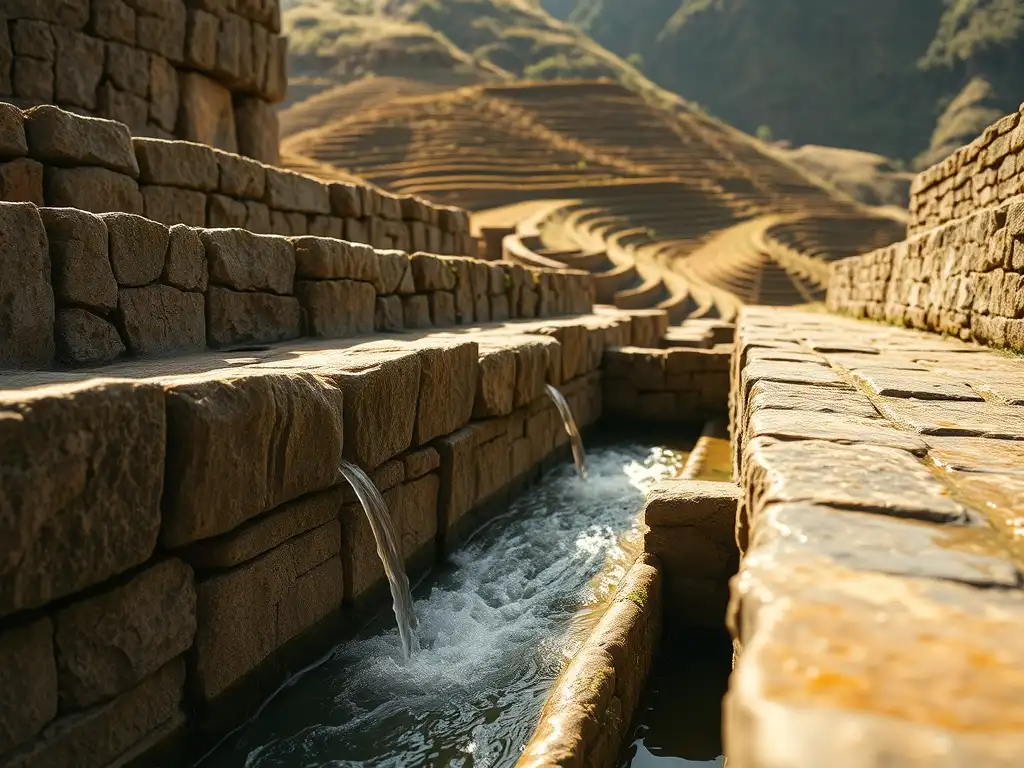
The Andes Mountains, a seemingly unforgiving landscape, were ingeniously shaped by pre-Inca civilizations into thriving agricultural hubs. Their success hinged on sophisticated water harvesting techniques, developed over millennia to manage scarce resources. These weren't simply rudimentary methods; they represented a deep understanding of hydrology and engineering, showcasing remarkable adaptation to the challenging terrain. Understanding these pre-Inca methods provides crucial context for appreciating the later, more expansive Inca systems. The ingenuity displayed underscores the long history of Andean innovation in water management, predating the Inca empire by centuries. We will explore some of the most remarkable examples below.
The Ingenious Wari Water Collection Systems
The Wari civilization (600-1000 CE), a powerful Andean empire predating the Inca, developed impressive water management systems. Unlike the later Inca emphasis on large-scale canal networks, the Wari focused on a decentralized approach. Their mastery lay in strategically placed reservoirs and intricate networks of smaller channels that collected rainwater runoff from mountainous slopes. This approach minimized water loss through evaporation, a significant concern in the high-altitude Andean climate.
Evidence suggests the Wari employed a combination of techniques: carefully constructed terraces slowed water flow, allowing for better infiltration into the soil. These terraces were often integrated with carefully placed channels that directed water to storage areas. Furthermore, their understanding of local geology allowed them to identify porous rock formations, which they used to create natural reservoirs, effectively storing water underground. This innovative approach ensured a consistent water supply for agriculture, even during periods of drought. The effectiveness of these systems is evident in the size and prosperity of Wari settlements, many of which thrived in relatively arid regions.
Nazca's Remarkable Underground Aqueducts: Puquios
The Nazca culture (100 BCE – 800 CE), famed for their enigmatic geoglyphs, also possessed advanced Andean water harvesting techniques. Their ingenuity is particularly evident in their puquios, a network of underground aqueducts that tapped into groundwater sources. These weren't simply dug tunnels; they were carefully engineered systems incorporating vertical shafts, horizontal tunnels, and strategically placed ventilation shafts.
The construction of these puquios involved remarkable feats of engineering. Workers, using rudimentary tools, dug deep shafts to reach underground water tables. These shafts were then connected by horizontal tunnels, often extending for considerable distances. The ventilation shafts ensured a constant flow of air, preventing the build-up of stagnant water.
The entire system was designed to maximize water flow while minimizing evaporation and contamination. The puquios represent a sustainable and remarkably efficient solution to water scarcity in a desert environment, highlighting the advanced understanding of hydrogeology possessed by the Nazca. The precise methods used in their construction remain partially a mystery, adding to the intrigue surrounding this lost technology.
Early Andean Terracing for Water Conservation
Terracing, a hallmark of Andean agriculture, represents a fundamental Andean water harvesting technique. While employed throughout the Andean region and throughout different periods, its earliest forms predate the Inca, showcasing its importance as a foundational element of water management. These early terraces were not simply carved into hillsides; they were meticulously planned and constructed to optimize water capture and soil conservation.
The construction involved building retaining walls, often made of stone, to create level platforms on steep slopes. These terraces slowed the flow of rainwater, minimizing runoff and maximizing water infiltration into the soil. Furthermore, the terraced structure reduced soil erosion, a significant problem in mountainous regions. The design also allowed for efficient irrigation, with water channeled along the terraces to irrigate crops.
The effectiveness of early Andean terracing is evident in the enduring agricultural productivity of many Andean valleys, testament to a sustainable and ingenious approach to water management in challenging environments. The careful planning and execution of these projects underscore the profound understanding of their environment and agricultural needs. Analysis of these early terraces reveals a remarkable degree of precision and foresight, demonstrating a sophisticated understanding of both hydrology and engineering principles.
Inca Water Harvesting and Distribution

The Inca Empire, renowned for its sophisticated road network and impressive stonework, also possessed a remarkable understanding of Andean water harvesting techniques. Their mastery of water management was crucial to their agricultural success and the sustenance of their vast population in a challenging, high-altitude environment. This wasn't simply about collecting water; it was a complex system involving careful observation of natural water sources, ingenious engineering solutions, and a deep respect for the environment.
Their methods, often adapted to the specific topography of the region, ensured a reliable water supply for both domestic use and intensive agriculture, even in areas with limited rainfall. Understanding these techniques offers a fascinating glimpse into the ingenuity and resourcefulness of this remarkable civilization.
The efficient use of water resources was directly linked to their political and economic stability, highlighting the crucial role of water management in their societal structure. This section will delve into the specific methods employed by the Inca, showcasing their impressive understanding of hydrology and engineering.
The Inca Mastery of Water Diversion and Storage
Inca water management wasn't merely reactive; it was proactive. They didn't simply wait for water to arrive; they actively sought it out and diverted it where needed. This involved meticulous observation of natural water flows, identifying springs, underground aquifers, and meltwater from glaciers.
Their ability to accurately assess the water potential of a region was paramount. They utilized intricate systems of channels and ditches to divert water from its natural course, channeling it towards agricultural fields, settlements, and ceremonial sites. This often involved traversing challenging terrain, requiring a sophisticated understanding of gravity and slope.
For example, the diversion of water from high-altitude sources to lower-lying agricultural terraces was a common practice, showcasing their expertise in hydraulic engineering. These diversion techniques, often integrated seamlessly into the landscape, minimized water loss and maximized efficiency, a testament to their sustainable approach to resource management. The precise methods used varied depending on the local geography, reflecting the adaptability of Inca engineering solutions.
Inca Canals and Aqueducts: Engineering Marvels
The Inca's construction of canals and aqueducts remains a testament to their advanced engineering capabilities. These weren't simply dug trenches; they were carefully planned and constructed water conveyance systems, often built with remarkable precision. Many canals were lined with stone to prevent water seepage and erosion, showcasing their understanding of material science and construction techniques.
They utilized a variety of materials, including stone, clay, and even wood, selecting the best option based on local availability and the specific requirements of the project. Some aqueducts spanned considerable distances, demonstrating their ability to plan and execute large-scale infrastructure projects. The construction often involved intricate techniques to manage gradients and ensure a consistent water flow.
The durability of many of these structures, some of which still exist today, underscores the high quality of Inca workmanship and their long-term vision for water management. The construction of these impressive systems demanded significant labor organization and expertise, further highlighting the sophisticated nature of Inca society.
Reservoirs and Storage Structures: Securing Water Resources
Beyond the conveyance of water, the Inca also developed ingenious methods for storing water, particularly crucial during the dry season. They constructed reservoirs of various sizes, ranging from small basins carved into rock faces to larger artificial lakes. These reservoirs served as crucial buffers, ensuring a continuous water supply even during periods of low rainfall.
The construction of reservoirs often involved complex earthworks and sophisticated techniques for waterproofing, ensuring minimal water loss. The location of reservoirs was strategically chosen, taking into account factors such as topography, soil type, and proximity to agricultural land. The design often incorporated spillways and overflow channels to prevent damage during periods of heavy rainfall.
These storage structures were integral to the Inca's agricultural system, providing a vital safety net during periods of drought and ensuring the reliable irrigation of crops. The scale and sophistication of these reservoirs highlight the Inca's long-term planning and their commitment to ensuring water security for their communities. [Specific examples of reservoir sizes and locations pending] The ingenuity of these structures is a testament to their ability to adapt to the challenges of the Andean environment.
Specific Andean Water Harvesting Techniques Explained
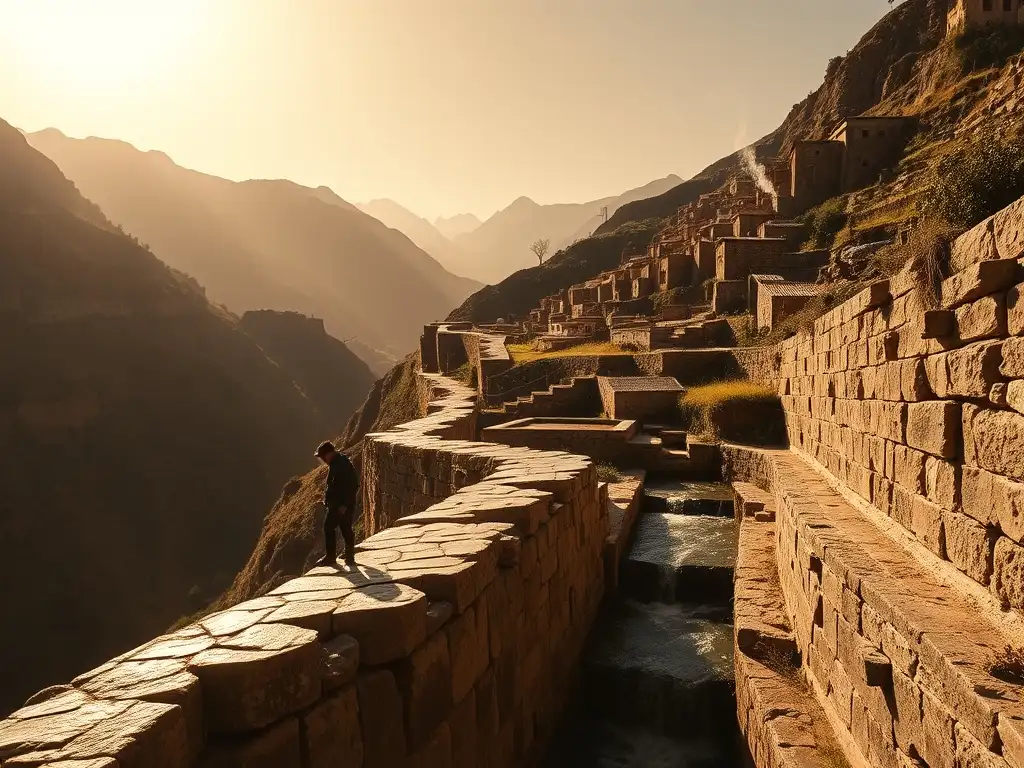
This section delves into the specifics of several ingenious Andean water harvesting techniques, showcasing the remarkable ingenuity of these ancient civilizations in managing their water resources. Understanding these methods provides crucial insight into their sophisticated agricultural practices and overall societal resilience in challenging environments. The techniques discussed here represent a small fraction of the diverse approaches employed across different Andean cultures, highlighting the adaptability and innovation inherent in their water management strategies.
These methods, refined over centuries, allowed for thriving populations and complex societies in regions characterized by variable rainfall and challenging terrains. The legacy of these "Andean water harvesting techniques" continues to inspire sustainable water management practices today.
Amunas: Recharge of Aquifers through Soil Infiltration
Amunas represent a particularly effective Andean water harvesting technique focused on aquifer recharge. These aren't structures in the traditional sense, but rather carefully planned and managed land areas designed to maximize water infiltration into the ground. The process involved strategically selecting permeable soils and gently sloping terrains. Water, often collected from runoff or diverted from streams, was then slowly channeled onto these areas. This controlled infiltration replenished underground water reserves, providing a reliable source of water for later use, particularly during dry seasons.
The effectiveness of the amunas system stemmed from a deep understanding of local hydrology. Indigenous communities carefully observed the soil's permeability and the water table's response to rainfall. They would adjust the channeling systems and land management practices based on these observations, ensuring optimal aquifer recharge.
This iterative process, passed down through generations, resulted in highly efficient and sustainable water management. The long-term benefits included increased water availability for both domestic use and agriculture, enhancing food security and community resilience. The success of amunas depended on a delicate balance between water input, soil characteristics, and the careful management of the land.
Qochas: Artificial Ponds for Water Storage
Qochas, artificial ponds, represent another sophisticated Andean water harvesting technique. These weren't simply dug-out holes; they were carefully engineered structures designed to maximize water storage and minimize evaporation. Their construction involved selecting locations with low permeability soil to minimize water seepage. The ponds were often lined with clay or other impermeable materials to further reduce water loss. Their size varied greatly depending on the local needs and available resources, ranging from small community ponds to larger reservoirs serving broader agricultural areas.
The design of qochas frequently incorporated ingenious features to enhance their functionality. Some qochas included overflow channels to prevent flooding during heavy rainfall, while others had strategically placed inlets and outlets to manage water levels. The construction process itself was a community endeavor, reflecting the collaborative nature of water management in Andean societies.
The strategic placement of qochas often considered factors such as proximity to agricultural fields, access to water sources, and the overall topography of the land. This meticulous planning ensured the efficient distribution of water to where it was most needed. The existence of qochas speaks to the advanced understanding of hydraulics and engineering possessed by these ancient Andean cultures.
Waru Waru: Raised Fields for Water Management and Agriculture
Waru waru, raised fields, exemplify the integrated approach to water management and agriculture characteristic of Andean civilizations. These weren't simply elevated planting beds; they were a sophisticated system combining water harvesting, soil improvement, and agricultural production. The raised fields were constructed by digging canals between them, creating a network of interconnected water channels. These canals served multiple purposes: they collected rainwater, regulated water flow, and provided irrigation for the crops grown on the raised fields.
The design of waru waru showcased a deep understanding of microclimates and soil properties. The raised fields acted as thermal buffers, protecting crops from frost in higher altitudes. The canals, filled with water, provided moisture to the surrounding soil, improving its fertility and water retention capacity. The system also facilitated efficient drainage, preventing waterlogging and maximizing crop yields.
The construction of waru waru involved considerable labor and planning, requiring community cooperation and a detailed knowledge of local environmental conditions. The lasting legacy of waru waru is evident in its continued use in some Andean communities today, demonstrating its enduring effectiveness as a sustainable agricultural practice. The successful implementation of waru waru relied on a holistic understanding of the interplay between water, soil, and climate.
The Use of Stone Mulch for Water Retention
Andean civilizations, renowned for their mastery of challenging terrains, developed ingenious water harvesting techniques to thrive in arid and semi-arid environments. One particularly effective method involved the strategic use of stone mulch. This wasn't simply scattering stones; it was a carefully planned system designed to maximize water infiltration and minimize evaporation.
Farmers would painstakingly collect and spread layers of small, dark-colored stones across their fields. This wasn't a haphazard process; the size and type of stone were selected based on local geological conditions and the specific needs of the crops. Larger stones were often placed at the bottom, creating a more stable base, while smaller stones formed the upper layers, providing better surface coverage.
The effectiveness of stone mulch stemmed from several key properties. Firstly, the dark color of the stones helped absorb solar radiation, warming the soil and promoting faster germination and growth. This is particularly crucial in high-altitude regions where the growing season is short and temperatures can fluctuate dramatically. Secondly, the stones acted as a physical barrier, reducing wind erosion and preventing the topsoil from drying out too quickly. This significantly improved water retention within the soil profile. Studies have shown that stone mulch can increase soil moisture content by up to 20% compared to unmulched areas, a considerable advantage in water-scarce regions. 1
Furthermore, the porous nature of the stone mulch allowed for efficient water infiltration. Rainfall or irrigation water readily percolated through the stone layer, reaching the roots of the plants without significant surface runoff. This contrasts sharply with bare soil, where water tends to run off, leading to erosion and water loss. The stone mulch also aided in suppressing weed growth, reducing competition for water and nutrients.
This minimized the need for additional irrigation and lessened the labor required for weeding, making the system both efficient and sustainable. The careful placement and layering of stones also helped create microclimates, further enhancing the overall productivity of the fields. Archaeological evidence from various Andean sites confirms the widespread adoption of this technique, highlighting its importance in supporting agriculture in challenging environments.
1 [Specific data on soil moisture increase with stone mulch pending – requires further research into Andean agricultural practices]
The Importance of Traditional Andean Water Management Today
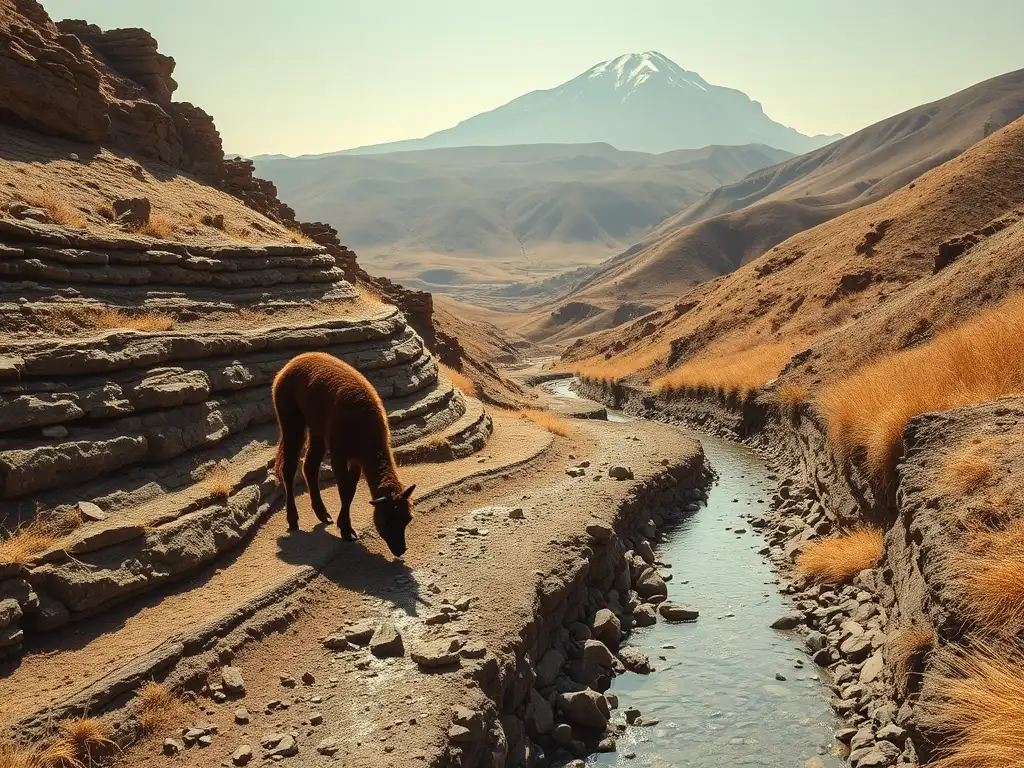
The ingenuity of Andean water harvesting techniques continues to resonate profoundly in the 21st century. Facing increasing challenges related to climate change and water scarcity, understanding and potentially adapting these ancient methods offers invaluable lessons for sustainable water practices. The Andes, a region characterized by dramatic elevation changes and variable rainfall, forced its inhabitants to develop sophisticated systems for capturing, storing, and distributing water.
These systems, far from being primitive, represent a remarkable feat of engineering and a deep understanding of hydrological processes. Their success lay not just in technological innovation but also in a strong connection between community, land, and water resources. This holistic approach, often overlooked in modern water management strategies, is crucial for long-term sustainability.
Studying the efficiency and resilience of these ancient systems allows us to critically evaluate and improve our current approaches, which often prioritize large-scale infrastructure over community participation and environmental harmony. The Andean experience offers a compelling counterpoint to unsustainable models, highlighting the importance of local knowledge, integrated water resource management, and a respect for the environment.
Lessons from the Past for Sustainable Water Practices
The Andean civilizations demonstrated a masterful understanding of water resource management. Their techniques, honed over centuries, offer valuable insights for modern sustainable practices. For example, the canales (channels) weren't simply conduits; they were carefully designed to minimize water loss through evaporation and infiltration. This involved using materials like stone and clay, which were locally sourced and readily available, and techniques like terracing, which slowed water flow and allowed for better infiltration.
The andenes (terraces) themselves played a crucial role not only in water conservation but also in soil fertility. By creating a series of level platforms, farmers were able to control erosion, reduce runoff, and improve water retention. Furthermore, the construction of reservoirs and qochas (artificial lakes) provided reliable water sources even during dry periods. The size and location of these water storage facilities were carefully chosen based on local hydrological conditions and community needs.
This meticulous planning ensured equitable access to water resources, a critical factor in maintaining social stability and preventing conflict. These examples demonstrate the importance of integrated, localized approaches to water management, an approach that sharply contrasts with the often-top-down and centralized nature of modern projects. The success of Andean water systems underscores the need for a more holistic and community-based approach to water management in the modern context.
Reviving Ancient Techniques for Modern Water Scarcity
The resurgence of interest in traditional Andean water harvesting techniques is not merely an academic exercise; it's a practical response to the growing crisis of water scarcity. Many regions across the globe are grappling with dwindling water supplies, exacerbated by climate change and unsustainable practices. Reviving and adapting ancient techniques can provide vital solutions for these communities. For instance, the construction of small-scale water harvesting systems, inspired by Andean methods, can provide reliable water sources for agriculture and domestic use.
These systems can be tailored to specific local conditions, ensuring their effectiveness and sustainability. Moreover, the integration of traditional knowledge with modern technologies can further enhance the efficiency and resilience of these systems. For example, combining traditional terracing techniques with modern soil moisture sensors can optimize irrigation and minimize water waste.
This collaborative approach, blending ancient wisdom with modern innovation, represents a powerful tool for addressing the challenges of water scarcity. However, the successful revival of these techniques requires careful consideration of social and cultural factors. Community involvement and empowerment are crucial to ensure the long-term sustainability and acceptance of these projects.
The Cultural Significance of Andean Water Systems
Andean water systems were not merely technological achievements; they were deeply embedded within the cultural and spiritual fabric of Andean societies. Water was not just a resource but a sacred element, essential for life and sustenance. This reverence for water is reflected in the meticulous design and careful maintenance of their water systems. Many rituals and ceremonies were associated with water sources, highlighting the profound connection between people and the environment.
This spiritual dimension is often overlooked in modern water management, which tends to prioritize purely utilitarian aspects. Understanding the cultural significance of Andean water systems is crucial for promoting sustainable water management practices. Respecting traditional beliefs and practices can foster a sense of ownership and responsibility among communities, ensuring the long-term protection and preservation of water resources.
Furthermore, integrating cultural values into modern water management strategies can enhance their social acceptance and promote community participation. By acknowledging the cultural and spiritual dimensions of water, we can move towards a more holistic and sustainable approach to water resource management that respects both human needs and environmental integrity. The Andean legacy underscores the crucial link between culture, spirituality, and responsible environmental stewardship.
Conclusion: Preserving the Legacy of Andean Water Wisdom
The ingenuity of Andean water harvesting techniques, developed over millennia in response to challenging geographical conditions, represents a remarkable feat of human adaptation and engineering. These systems, far from being merely functional, were deeply integrated into the social, religious, and cosmological beliefs of the various Andean cultures. Understanding their complexity and sophistication allows us to appreciate the depth of Andean knowledge and its potential relevance to contemporary challenges.
The legacy of these techniques is not simply a matter of historical curiosity; it offers valuable lessons for sustainable water management in a world grappling with increasing water scarcity and climate change. The careful study and preservation of these systems are crucial, not only for understanding the past, but for shaping a more sustainable future.
The Enduring Relevance of Andean Water Harvesting Techniques
The principles behind Andean water harvesting techniques – capturing, storing, and distributing water efficiently – remain remarkably relevant today. Many of the challenges faced by modern societies, such as drought resilience and efficient irrigation, were successfully addressed by Andean civilizations centuries ago. Their methods, often utilizing simple yet effective technologies, offer sustainable alternatives to energy-intensive modern systems. For example, the qanats—underground channels—employed by various Andean cultures, minimized water evaporation and provided a reliable source of irrigation even during dry periods.
Similarly, the intricate network of canals and reservoirs found in sites like Machu Picchu demonstrate a sophisticated understanding of water management and distribution. The integration of these systems into the landscape, minimizing environmental impact, is another valuable lesson for contemporary engineering projects. Understanding and adapting these techniques could contribute significantly to more sustainable and resilient water management practices globally.
The potential applications range from arid and semi-arid regions facing water stress to urban centers seeking to improve water efficiency. Further research into the specific materials, construction techniques, and social organization surrounding these systems can provide invaluable insights for addressing modern water challenges. The Andean experience provides a powerful case study for sustainable development, demonstrating how ingenuity and respect for the environment can lead to long-term solutions.
Further Research and Exploration of Andean Water Management
Further research into Andean water management systems is crucial for several reasons. Firstly, much remains unknown about the precise techniques employed by different cultures and the long-term effectiveness of their strategies. Detailed archaeological investigations, coupled with ethnohistorical studies of surviving communities, can shed light on the intricacies of these systems. For example, more research is needed on the precise methods used to construct and maintain andenes (terraced agricultural fields) and their impact on water retention and soil conservation.
Secondly, the application of modern technologies, such as remote sensing and GIS mapping, can assist in identifying and documenting previously unknown systems, allowing for a more comprehensive understanding of the extent and complexity of Andean water management. Finally, interdisciplinary research involving archaeologists, engineers, anthropologists, and hydrologists can provide a holistic perspective, allowing for a more accurate assessment of the sustainability and effectiveness of these ancient techniques. Such collaborative efforts can lead to the development of innovative and sustainable water management strategies inspired by the ingenuity of Andean civilizations.
This research will not only contribute to our understanding of the past but will also offer valuable solutions for the challenges of water scarcity in the present and future. The potential for collaboration and knowledge exchange between modern engineers and traditional communities holding knowledge of these techniques is also a vital area for future research. The preservation and adaptation of Andean water wisdom is not merely an academic pursuit; it is a critical step towards ensuring water security for generations to come.
Frequently Asked Questions
The Andes presented significant challenges due to high altitude, variable rainfall, and steep terrain. Access to reliable water sources was crucial for survival and agricultural success. Water management was therefore essential.
What innovative water harvesting techniques did Andean civilizations develop?
Andean civilizations developed ingenious systems including canals, terraces, reservoirs, and aqueducts. These techniques allowed them to capture and store water from melting snow and infrequent rainfall. Subsurface irrigation was also employed.
How did terrace farming contribute to water harvesting?
Terraces acted as giant water traps, slowing down the flow of water and allowing it to soak into the soil. This technique also reduced erosion and provided level planting surfaces for crops. Improved water retention was a key benefit.
Which Andean cultures are most known for their advanced water management systems?
The Inca, Nazca, and Moche cultures are particularly recognized for their sophisticated water management systems. Their achievements demonstrate a deep understanding of hydrology and engineering. Evidence of their ingenuity remains visible today.
How relevant are these ancient techniques for modern water management in the Andes?
These ancient techniques offer valuable lessons for contemporary water management challenges. Understanding and adapting these sustainable practices can help address modern issues of water scarcity and climate change. Traditional knowledge is crucial.
Final Reflection: The Enduring Legacy of Andean Water Wisdom
The ingenious water harvesting techniques of the Andes, once dismissed as primitive, are now more relevant than ever in a world grappling with climate change and water scarcity. These ancient practices offer a powerful blueprint for sustainable water management, demonstrating the profound connection between human ingenuity and environmental harmony. Their continued relevance underscores the urgent need to re-evaluate our modern approaches and learn from the past.
The impact of Andean water harvesting extends far beyond the immediate practicalities of water collection; it speaks to a deep-seated cultural understanding of the environment and a sustainable relationship with nature. These techniques weren't merely functional; they were integral to the social fabric of Andean communities, fostering cooperation and a shared responsibility for resource management. Water is life, and life is water,
a proverb often heard in the Andes, encapsulates this profound connection. The enduring legacy of these practices lies not only in their technical brilliance but also in the values they represent – values we desperately need to rediscover in our increasingly water-stressed world.
Consider the ingenuity of these systems, the deep understanding of hydrology embedded within them. Reflect on how these ancient methods can inform our own approaches to water conservation and management. You too can become a steward of water, embracing sustainable practices in your daily life, from reducing water consumption to advocating for responsible water policies. Let the wisdom of the Andes inspire you to act, to become part of a global movement towards water security and environmental sustainability.
Revitalize Ancient Wisdom: Embrace Andean Water Harvesting!
Thank you for exploring the fascinating world of Andean water harvesting techniques! Your interest in these sustainable practices is commendable and contributes to a more water-wise future.
Now, let's put this knowledge into action! Here are some ways you can integrate these ancient methods into your life:
- Start a personal project: Build a rain garden or small pond at home or in your community garden to collect and utilize rainwater. This is a practical way to begin experimenting with water harvesting on a smaller scale.
- Educate others: Share your newfound knowledge with friends, family, and neighbors. Consider hosting a workshop or simply engaging in conversations about sustainable water practices.
- Join a community initiative: Connect with like-minded individuals by joining a local permaculture group or online forum dedicated to sustainable living. Collaboration and shared learning are key to widespread adoption of these valuable techniques.
How will you apply the principles of Andean water harvesting to your own life, and how can you inspire others to value water more responsibly?