
The Power of the Inca Governors: Overseeing Provincial Life

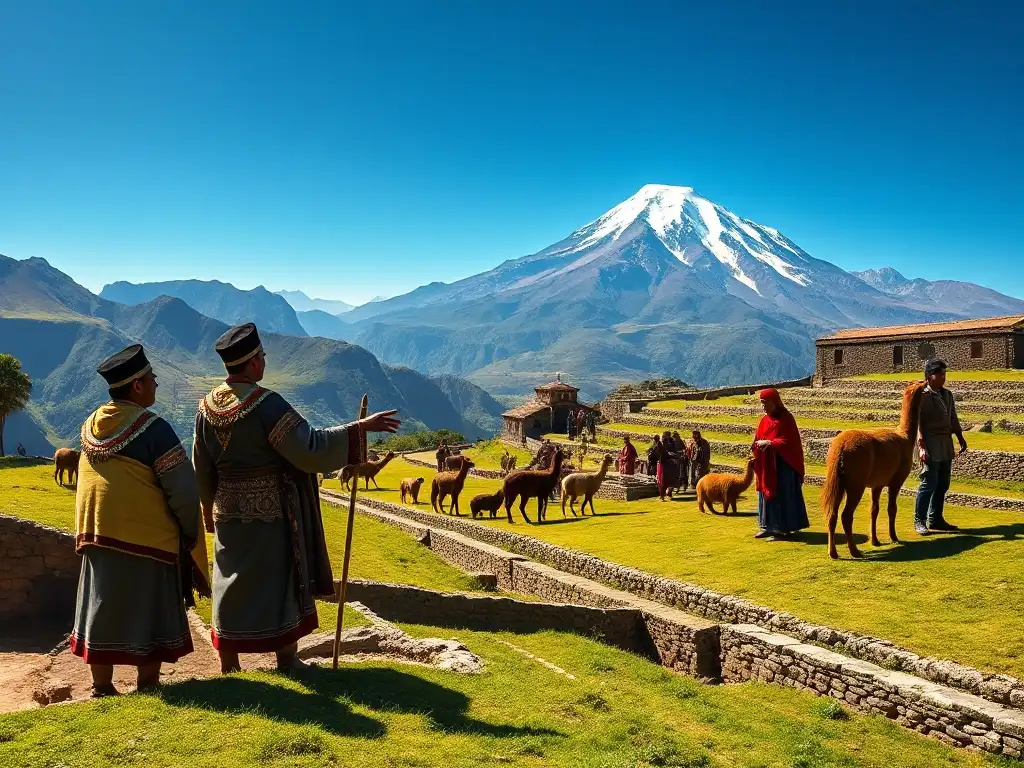
Unravel the mysteries of the Andes! Journey through millennia of breathtaking artistry, ingenious engineering, and complex societal structures. But what truly held the vast Inca Empire together? Discover the critical role of the Inca provincial governors, the unseen hands shaping life across this sprawling realm. Their story, a tapestry woven with power, influence, and intrigue, awaits you – delve into the heart of the Inca Empire and uncover its secrets.
The Inca Empire, a civilization that flourished in the Andes Mountains for centuries, was renowned for its sophisticated administrative system. This system, crucial to maintaining control over its vast territory, relied heavily on a network of highly skilled and powerful provincial governors, known as tukuykuq.
This article delves into the intricate world of Inca provincial administration, exploring the significant role these governors played in overseeing the daily lives of the people within their assigned provinces, and how their actions contributed to the empire's overall stability and prosperity. We will examine their responsibilities, authority, and the mechanisms that ensured their accountability to the central government in Cusco.
Understanding the power dynamics inherent in this system provides crucial insight into the very fabric of the Inca Empire's success and eventual decline. The effectiveness of the Inca provincial governors in managing diverse populations and vast territories remains a fascinating area of study for understanding the complexities of this remarkable civilization.
Introduction to Inca Provincial Administration
The Inca Empire, or Tawantinsuyu ("The Four Regions"), was meticulously organized into four quarters, each governed by a high-ranking official answering directly to the Sapa Inca, the emperor. However, the day-to-day governance of the empire rested on the shoulders of provincial governors, strategically placed throughout the vast territory. These governors were not simply administrators; they were the direct representatives of the Sapa Inca, wielding significant authority over the population, resources, and infrastructure of their assigned provinces. Their responsibilities encompassed a wide range of functions, from collecting taxes and tributes (including mita labor) to maintaining law and order, overseeing public works projects, and ensuring the smooth flow of goods and information throughout the empire.
The system was far from arbitrary. Governors were carefully selected, often based on merit and loyalty, and their performance was closely monitored. This involved regular inspections, reporting requirements, and, in some cases, reassignments or even punishment for negligence or misconduct. The Inca's administrative prowess is evident in the efficiency with which they managed such a diverse and geographically challenging empire, a feat made possible in no small part by the dedication and effectiveness of their provincial governors.
The Role of Inca Governors in the Tawantinsuyu
Inca provincial governors, the tukuykuq, held a pivotal position within the empire's hierarchical structure. Their responsibilities were multifaceted and crucial to the functioning of the Tawantinsuyu. They acted as the primary link between the central government in Cusco and the local populations, translating imperial decrees into practical actions and ensuring compliance. This included overseeing the implementation of the mita system, a form of mandatory labor service which contributed significantly to the construction of infrastructure projects such as roads, temples, and irrigation systems.
Beyond labor organization, the governors were also responsible for collecting taxes in the form of agricultural produce, textiles, and other valuable goods, which were then channeled to the imperial storehouses in Cusco for redistribution. Maintaining order and resolving disputes within their provinces was another key element of their role. They oversaw local justice systems, often mediating conflicts and ensuring the enforcement of Inca laws. Furthermore, they played a vital role in managing resources, including land allocation, water rights, and the distribution of goods, ensuring a degree of economic stability and equity within their respective provinces.
The success of the Inca Empire’s intricate system depended heavily on the competence and loyalty of these crucial officials. Their effective management contributed significantly to the empire's overall stability and prosperity for centuries. The detailed records kept by the Inca bureaucracy, though incomplete, offer valuable insights into the scope of their authority and the significance of their contribution to the empire's success.
- What role did Inca provincial governors play in the empire's administration?
- How were Inca provincial governors appointed?
- What kind of authority did Inca provincial governors wield?
- Were Inca provincial governors hereditary?
- What was the impact of Inca provincial governors on the daily lives of the people?
Functions of Inca Provincial Governors
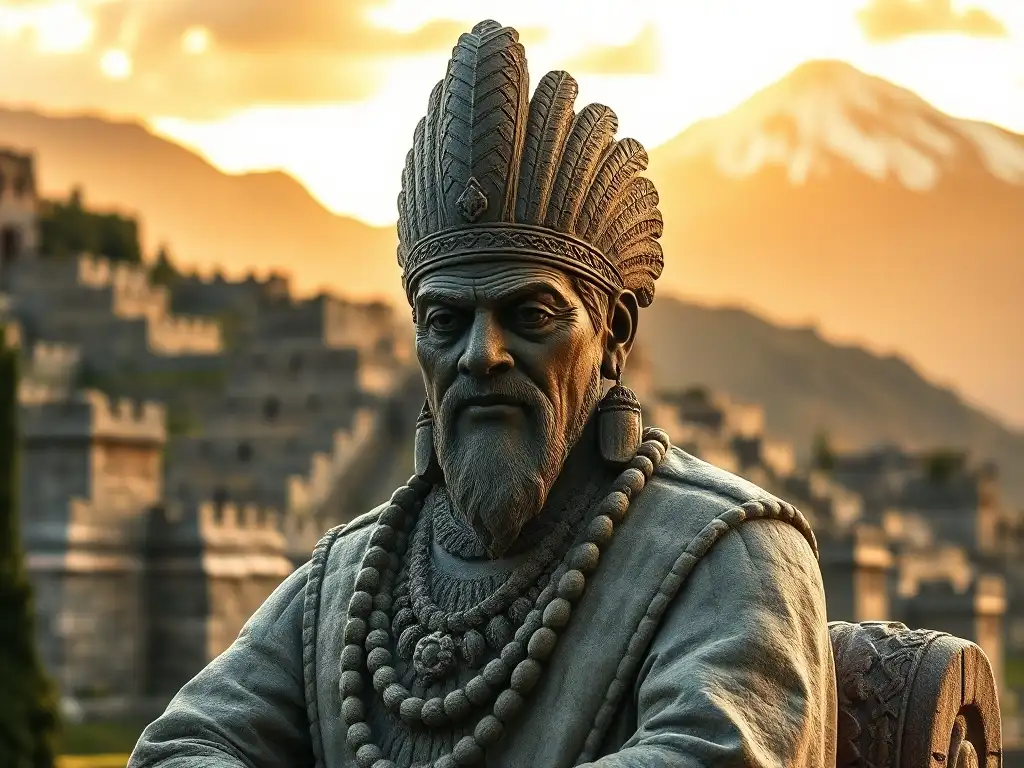
The Inca Empire, renowned for its sophisticated administrative system, relied heavily on a network of provincial governors, or tukuy rikuq, to maintain control and order across its vast territory. These individuals weren't simply representatives of the emperor; they were the crucial link between the central government in Cusco and the diverse populations under Inca rule. Their responsibilities were multifaceted and essential to the empire's stability and prosperity.
Understanding their roles offers invaluable insight into the intricacies of Inca governance and the mechanisms that allowed the empire to flourish for centuries. The effectiveness of the Inca provincial governors is a testament to the empire's ability to manage a geographically and culturally diverse population.
Political and Administrative Responsibilities of the Inca Governors
Inca provincial governors held significant political and administrative power within their assigned provinces. Their primary duty was to ensure the loyalty and compliance of the local population to the Inca emperor. This involved a range of tasks, from collecting taxes and tribute to managing public works projects. They were responsible for maintaining order, resolving local disputes (though major crimes would often be escalated), and ensuring the smooth functioning of the administrative machinery within their provinces. The governors frequently acted as intermediaries, conveying imperial decrees and expectations to the local communities and relaying local concerns and needs back to Cusco.
This intricate system of communication and control relied heavily on a well-established network of messengers ( chasquis) and administrative officials. The tukuy rikuq were not isolated figures; they worked closely with local leaders and officials, incorporating existing power structures where possible to minimize resistance and maximize efficiency. The success of this strategy is evident in the empire's longevity and relative stability, despite the challenges of governing such a large and diverse population. Detailed records, although scarce, suggest a system of regular reporting and accountability, ensuring that the emperor remained informed about conditions throughout the empire.
Economic Oversight by Inca Regional Administrators
Beyond political administration, Inca provincial governors played a vital role in the empire's economic management. Their responsibilities included overseeing agricultural production, ensuring the efficient distribution of resources, and collecting taxes and tribute. The Inca economy was largely based on a system of mita, a form of mandatory labor service, and the ayllu, the traditional community-based social and economic organization.
The governors were responsible for organizing and directing mita labor for projects like road construction, agriculture, and mining. They also oversaw the collection of agricultural surpluses, textiles, and other goods, which were then channeled to the central storehouses in Cusco for redistribution.
This economic oversight was crucial for the empire's ability to sustain its vast military, bureaucracy, and public works projects. The governors ensured that the ayllus met their production quotas and that resources were fairly distributed, although the system undoubtedly favored the central government. The meticulous record-keeping of the Inca, though much of it has been lost, suggests a sophisticated understanding of resource management and a commitment to ensuring the empire's economic stability. Evidence suggests a complex system of accounting and oversight, aimed at preventing corruption and ensuring fairness in the distribution of resources.
Inca provincial governors also held significant judicial authority within their provinces. While they didn't handle all legal matters—serious crimes were often referred to higher courts—they were responsible for settling local disputes and maintaining order. Their decisions were based on a combination of Inca law and customary practices of the local populations. This approach reflects the Inca Empire's pragmatic approach to governance: blending imperial authority with respect for existing social structures. The governors acted as mediators, striving to resolve conflicts peacefully and prevent escalation.
The emphasis was on maintaining social harmony and preventing unrest. While punishments could be severe, depending on the offense, the judicial system was primarily focused on resolving disputes and restoring order. [Specific details on the types of punishments and the judicial process are pending]. The integration of local customs into the judicial system likely contributed to the empire's stability and reduced the likelihood of widespread rebellion. The balance between imperial authority and local traditions was a key element in the success of Inca provincial governance.
The Hierarchy of Inca Governors and Officials
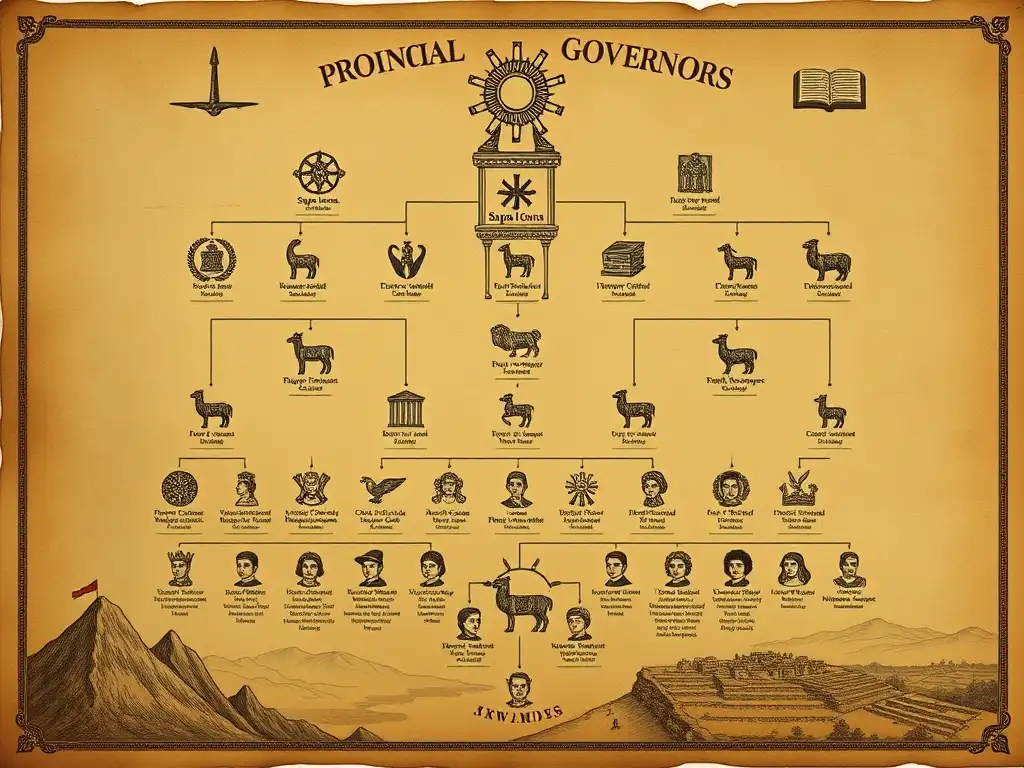
The Inca Empire, renowned for its sophisticated administrative system, relied heavily on a complex hierarchy of governors and officials to manage its vast territories. Understanding this structure is crucial to comprehending the power dynamics and effective governance that characterized the Inca state. The system wasn't simply a top-down command structure; it involved intricate checks and balances designed to ensure loyalty, efficiency, and the equitable distribution of resources across the empire.
The effectiveness of this system is evident in the empire's longevity and impressive achievements in infrastructure, agriculture, and social organization. Key to this system were the Inca provincial governors, individuals carefully selected and entrusted with significant authority.
The Appointment and Selection Process of Inca Governors
The selection of Inca provincial governors, or tukuy rikuq, wasn't arbitrary. It was a rigorous process that prioritized loyalty, competence, and experience. While hereditary succession played a role in some cases, particularly within powerful families, meritocracy was a significant factor. Potential candidates were carefully assessed based on their demonstrated leadership skills, administrative abilities, and knowledge of local customs and geography. Often, individuals who had proven themselves in lower administrative positions were promoted, ensuring a pool of experienced and reliable officials. This system minimized the risk of appointing unqualified or potentially rebellious governors. The Sapa Inca, the emperor, ultimately made the final decision, often consulting with his advisors and high-ranking officials.
The process involved extensive scrutiny. Reports from previous governors, local officials, and even commoners could influence the decision. This bottom-up element of the selection process helped to ensure that the chosen governor was someone acceptable to the governed population. Moreover, the Inca government valued a balance between regional expertise and central authority. While appointments often favored individuals from the core regions of the empire, the selection also considered the specific needs and characteristics of each province. This nuanced approach was instrumental in maintaining stability and preventing unrest.
The Relationship Between Inca Governors and the Sapa Inca
The relationship between the Inca governors and the Sapa Inca was one of hierarchical loyalty but also of mutual responsibility. While governors were appointed by and ultimately accountable to the Sapa Inca, they enjoyed significant autonomy within their provinces. They were responsible for the collection of taxes (in the form of mita labor and agricultural goods), the maintenance of infrastructure (roads, irrigation systems, temples), and the administration of justice. However, they were also expected to regularly report to the central government, providing updates on the province's condition, addressing any issues or conflicts, and remitting the collected tributes. This reporting system involved a complex network of messengers and officials, ensuring regular communication between the provinces and the capital.
This intricate balance of power was crucial for the empire's stability. It prevented the governors from becoming overly independent or powerful, while simultaneously granting them sufficient authority to effectively govern their assigned regions. The Sapa Inca maintained ultimate control through the appointment and removal of governors, as well as through the presence of inspectors and other officials who could monitor the governor's actions and ensure compliance with imperial directives. This system ensured that the vast empire remained unified under a single, strong central authority.
The Inca provincial government wasn’t solely reliant on the tukuy rikuq. A sophisticated, multi-layered structure existed to ensure effective administration. Below the governor, several levels of officials managed various aspects of provincial life. These included local chiefs ( kurakas), who retained considerable influence and acted as intermediaries between the Inca administration and the local population. They were responsible for organizing the mita labor system and ensuring the smooth functioning of local communities. Furthermore, specialized officials oversaw specific tasks, such as agriculture, construction, and religious ceremonies. This division of labor maximized efficiency and expertise.
The precise structure varied from province to province, depending on size, population, and economic activities. However, the core principle of hierarchical authority remained consistent. This intricate system ensured that even the most remote areas of the vast Inca Empire were effectively governed and integrated into the broader imperial system. The effective management of these different levels of authority was vital for the Inca Empire’s success, allowing for the efficient collection of resources and the maintenance of order across a diverse and geographically challenging landscape. The intricate web of officials and reporting structures ensured both efficient administration and a degree of accountability, further solidifying the power of the Inca provincial governors within the larger imperial framework.
Challenges Faced by Inca Governors
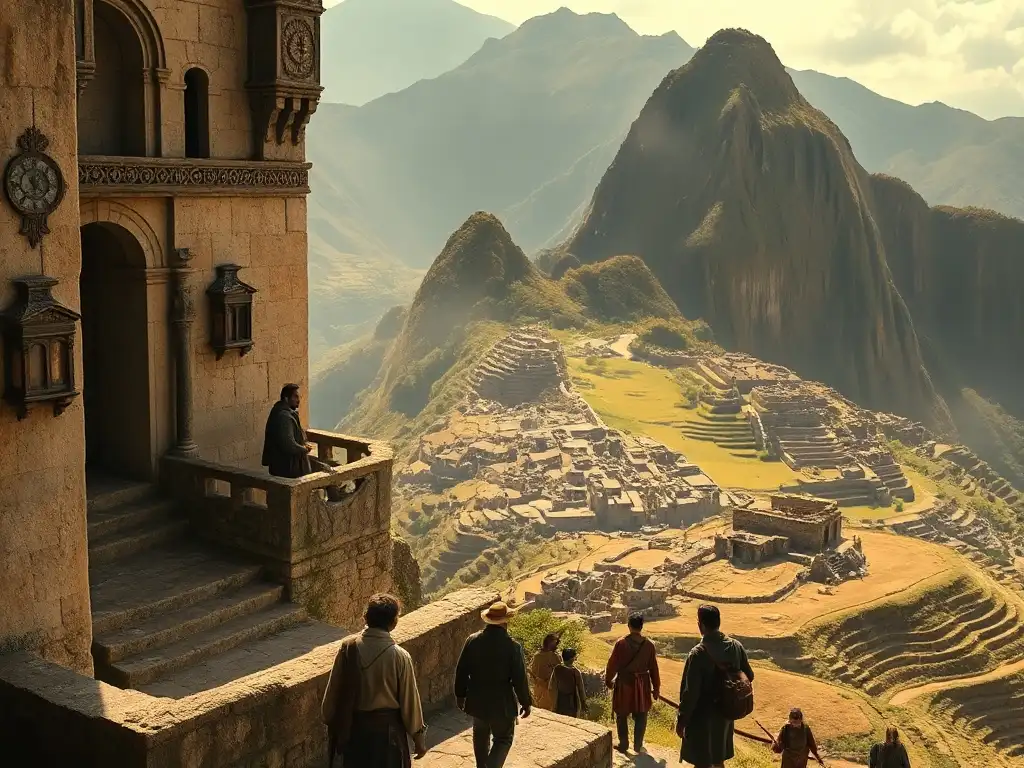
The role of Inca provincial governors, or tukuy rikuq, was far from straightforward. While wielding considerable authority within their assigned provinces, these officials faced numerous challenges in effectively governing diverse populations and maintaining loyalty to the Inca emperor. Their success hinged on a delicate balance of power, diplomacy, and efficient administration. Effective governance demanded a multifaceted approach, requiring shrewd political maneuvering and a deep understanding of local customs and sensitivities. The following sections delve into the key difficulties encountered by these crucial figures in the Inca administrative system.
Maintaining Control and Order in the Provinces
Maintaining order and control within the vast and diverse provinces of the Inca Empire presented a significant hurdle for the tukuy rikuq. These provinces often encompassed geographically diverse regions, inhabited by groups with varying levels of cultural assimilation and loyalty to the Inca. The sheer scale of the task is evident when considering the Empire's vast expanse and the diverse ethnicities within it. The tukuy rikuq relied on a complex system of local officials and networks of informants to monitor activity and address potential issues before they escalated.
Provincial governors implemented a system of checks and balances. They appointed local leaders, carefully selecting individuals known for their loyalty and administrative skills. These local officials acted as intermediaries, collecting taxes, managing resources, and relaying information to the governor.
However, this reliance on local authorities also presented a risk, as instances of corruption or disloyalty could easily undermine the governor's authority. The constant need to monitor and manage these local officials added another layer of complexity to the already demanding task of governing a province. The effectiveness of this system varied greatly depending on the specific province and the governor's ability to cultivate trust and cooperation.
In some cases, robust local networks proved invaluable in maintaining order, while in others, resistance and rebellion proved difficult to quell. Furthermore, the constant threat of natural disasters like earthquakes and floods added to the challenges of maintaining stability. Dealing with the aftermath of such events required swift action and effective resource management, which tested the administrative capabilities of even the most capable Inca governors.
Dealing with Local Resistance and Uprisings
Despite the Inca Empire's impressive military might and sophisticated administrative structure, resistance to Inca rule was a constant threat. Local populations, often deeply attached to their traditional ways of life and customs, frequently resented Inca interference and the demands placed upon them. This resistance manifested in various forms, ranging from passive non-compliance to outright rebellion. The Inca provincial governors were on the front lines of dealing with these challenges. They needed to be adept at both diplomacy and military strategy, balancing the need to maintain order with the imperative to avoid unnecessarily alienating local populations.
The tukuy rikuq employed various strategies to address resistance. These included negotiation and compromise, offering incentives for cooperation, and strategically deploying military forces to quell uprisings. However, the use of force was a delicate matter, as excessive brutality could lead to widespread resentment and further instability.
Evidence suggests that Inca governors often attempted to integrate local customs and beliefs into the administrative system, thereby mitigating resistance and fostering a sense of shared identity. However, the extent to which this policy was successful varied considerably across different provinces and time periods. In some cases, relatively peaceful integration was achieved, while in others, prolonged conflict and unrest were commonplace.
The success of an Inca governor in dealing with local resistance was often a crucial factor in determining their tenure and the overall stability of their province. This highlights the delicate balance between maintaining control and fostering cooperation that was central to the role of the Inca provincial governor.
Effective communication between provincial governors and the central Inca authority was paramount to the Empire's efficient functioning. The vast distances and challenging terrain across the Inca Empire posed a significant obstacle to timely and reliable communication. The tukuy rikuq were responsible for regularly reporting on conditions within their provinces, including matters of tax collection, resource management, and any signs of unrest or rebellion. The accuracy and timeliness of this reporting were critical for the central government's ability to make informed decisions and respond effectively to challenges.
The Inca utilized a sophisticated system of communication, including a network of runners ( chasquis) who relayed messages across the empire using a system of relay stations. This system, while efficient, was not without its limitations. The accuracy of information could be compromised by the long chain of transmission, and delays were inevitable.
Furthermore, the content of reports was often carefully curated to present a favorable picture to the central authority. Provincial governors might downplay negative developments or exaggerate successes to maintain their favor with the emperor. This created an inherent tension between the need to provide accurate information and the desire to secure one's position within the hierarchical Inca system.
The effectiveness of communication depended on several factors, including the loyalty and competence of the chasquis, the governor's willingness to provide honest and timely reports, and the capacity of the central authority to interpret and respond to the information received. The challenges associated with maintaining effective communication underscore the complexity of governing such a vast and diverse empire.
Impact of Inca Governors on Provincial Life

The Inca Empire's vast territorial expanse relied heavily on the effectiveness of its provincial governance. Inca provincial governors, known as tukuykuq, played a crucial role in maintaining order, collecting tribute, and integrating conquered populations into the imperial system. Their impact on provincial life was profound and multifaceted, shaping the social, economic, and cultural landscape of the Andes for centuries.
Understanding the power and influence of these governors is key to comprehending the success and longevity of the Inca Empire. The intricate system they managed ensured the efficient flow of resources and information across the empire, contributing significantly to its overall stability and prosperity. This section will delve into several key areas illustrating the significant influence of these crucial figures.
Implementation of Inca Laws and Policies
Inca provincial governors were responsible for the meticulous implementation of imperial laws and policies within their assigned provinces. This involved a complex system of administration, ensuring that the ayllu system—the traditional Andean communal organization—functioned effectively within the Inca framework. The governors oversaw the collection of taxes (typically in the form of labor mita and agricultural produce), ensuring that quotas were met and resources were channeled to the imperial center. They also acted as judges, resolving disputes within the ayllu and upholding Inca justice.
The effectiveness of this system depended on a robust communication network. Runners, known as chasquis, relayed messages and orders swiftly across the empire, keeping the governors informed of imperial decrees and allowing for rapid responses to local issues. The tukuykuq acted as intermediaries, translating imperial mandates into practical instructions for local communities, adapting policies to suit specific regional needs while ensuring compliance with central authority.
This efficient system of communication and enforcement was vital in maintaining order and stability throughout the vast empire. Failure to meet quotas or uphold laws could result in severe consequences for both the governor and the communities under their jurisdiction. Records, though limited, suggest that governors were regularly evaluated based on their success in this crucial aspect of their role.
Cultural Assimilation and Integration under Inca Rule
Beyond the implementation of laws, Inca provincial governors played a significant role in the cultural assimilation and integration of conquered populations. While the Inca Empire valued local traditions to some extent, a deliberate policy of cultural homogenization was implemented to consolidate power and facilitate imperial control. This involved promoting the Quechua language, the official language of the empire, and encouraging the adoption of Inca religious practices and beliefs. The governors were instrumental in this process.
The construction of Inca administrative centers and the resettlement of populations also contributed to cultural integration. These new settlements, often strategically located near vital resources or communication routes, fostered a sense of shared identity and facilitated interaction between different ethnic groups. However, this process was not always smooth.
Resistance to Inca rule was common, and governors had to employ both diplomacy and coercion to achieve their objectives. The delicate balance between maintaining order and respecting local customs was a constant challenge for these powerful figures. The degree of cultural assimilation varied across different regions of the empire, reflecting the diverse nature of the conquered populations and the varying approaches adopted by individual governors.
Infrastructure Development and Resource Management
Inca provincial governors were also responsible for overseeing infrastructure development and resource management within their provinces. This involved the construction and maintenance of roads, bridges, irrigation systems, and storage facilities, which were crucial for efficient communication, agriculture, and the overall functioning of the empire. The tukuykuq managed the allocation of labor and resources for these projects, ensuring that they were completed on time and to the required standards.
The management of resources was a critical task, involving the oversight of agricultural production, the control of trade routes, and the distribution of goods. The governors ensured that the mita system provided the necessary labor for public works projects while also ensuring that the imperial tribute was collected and delivered to the capital. Effective resource management was essential to the empire's economic prosperity and its ability to support its large population and extensive military.
The ability of a governor to manage these resources effectively directly correlated with the prosperity and stability of their assigned province. Records indicate that successful governors were often rewarded with promotions and increased responsibilities, while those who failed to meet expectations faced repercussions. This system of rewards and punishments incentivized effective governance and contributed to the overall success of the Inca administrative system.
The Legacy of Inca Provincial Governance
Lasting Influence of Inca Administration on Andean Regions
The Inca provincial governance system, while ultimately conquered by the Spanish, left an indelible mark on the Andean region. Its influence extended far beyond the immediate political structures, impacting social organization, infrastructure, and even agricultural practices for centuries after the fall of the empire. The mit'a system, a form of mandatory public service, although exploitative in later periods, initially provided a crucial framework for infrastructure development, including the construction and maintenance of the extensive Qhapaq Ñan road network.
This network facilitated trade, communication, and the swift movement of troops, unifying the vast empire and leaving behind a legacy of interconnectedness that continues to resonate today. Even the modern road systems in many Andean countries follow, in some cases, the routes established by the Inca.
The meticulous record-keeping systems employed by Inca tukuy rikuqkuna (inspectors) and provincial governors provided valuable insights into population demographics, agricultural yields, and resource allocation. While the precise methods of record-keeping remain a subject of ongoing scholarly debate, the sheer scale and sophistication of the administrative apparatus are undeniable. The utilization of quipus, complex knotted cords, for data storage demonstrates a remarkable level of organizational capability.
This system, though not fully deciphered, highlights the Inca's advanced understanding of data management and its crucial role in efficient governance. The impact on subsequent Andean societies is evident in their continued use of intricate accounting methods, adapted from the Inca’s sophisticated system.
The Inca's emphasis on agricultural innovation and resource management also had long-lasting consequences. Terracing techniques, irrigation systems, and crop diversification, all meticulously overseen by local governors, allowed for sustainable agriculture in challenging terrains. These practices, refined over generations, continue to inform modern agricultural techniques in the Andes, demonstrating the enduring relevance of Inca knowledge and ingenuity. The preservation of these systems, albeit with modifications, underscores the adaptability and effectiveness of Inca provincial governance in achieving food security, a critical factor in the long-term stability of Andean societies.
Lessons from Inca Governance for Modern Systems
Analyzing the Inca provincial governance system offers valuable lessons for modern administrative systems, particularly in managing diverse and geographically dispersed populations. The Inca's decentralized yet highly coordinated approach, with its emphasis on local autonomy within a larger imperial framework, presents a model for effective governance in complex societies.
The use of local officials familiar with their territories, empowered to address local needs while adhering to overarching imperial policies, mirrors the principles of effective local governance in many modern nations. The Inca's success in integrating diverse ethnic groups, while maintaining a degree of cultural autonomy, offers insights into strategies for managing multicultural societies.
The Inca system, however, also presents cautionary tales. The potential for abuse of power within the mit'a system and the lack of transparency in certain aspects of the administrative process highlight the need for robust checks and balances in any governance structure. The vulnerability of the centralized system to disruption, as evidenced by the relatively swift collapse of the empire following the Spanish conquest, underscores the importance of creating resilient and adaptable administrative structures.
A thorough understanding of both the strengths and weaknesses of the Inca system offers valuable perspectives for improving the efficiency and equity of modern governmental systems. Understanding the Inca's successes and failures in managing resources, resolving disputes, and maintaining social order provides a rich case study for contemporary governance challenges.
Conclusion: The Enduring Significance of Inca Provincial Governors
The Inca provincial governors played a pivotal role in the functioning of the vast empire. Their responsibilities extended far beyond simple tax collection; they were crucial in maintaining social order, managing resources, and ensuring the smooth operation of the empire's intricate administrative machinery.
The lasting impact of their work is visible in the enduring legacy of Inca infrastructure, agricultural practices, and administrative systems in the Andean region. The study of Inca provincial governance offers not only valuable insights into the history of the Inca Empire but also provides important lessons for modern administrative systems grappling with issues of decentralization, resource management, and multiculturalism.
Understanding the complexities of Inca provincial administration, including the successes and limitations of their methods, provides a rich and relevant framework for contemporary discussions on effective and equitable governance. The legacy of the Inca provincial governors continues to shape the Andean landscape and inform our understanding of governance itself.
Frequently Asked Questions
What role did Inca provincial governors play in the empire's administration?
Inca provincial governors, or tukuykuq, were crucial to the empire's effective governance. They oversaw tax collection, resource management, and local administration in their assigned provinces. Their power extended to maintaining order and ensuring loyalty to the Sapa Inca.
How were Inca provincial governors appointed?
Governors were typically appointed by the Sapa Inca or his representatives, often chosen from among the elite. The selection process prioritized loyalty, administrative skills, and military experience. This ensured a strong, reliable leadership structure.
They held significant power within their provinces, overseeing everything from agriculture and infrastructure to justice and religious practices. However, their authority was ultimately subject to the Sapa Inca's ultimate control.
Were Inca provincial governors hereditary?
No, the position of Inca provincial governor was not hereditary. Appointments were based on merit and loyalty to the emperor, fostering competition and ensuring the most capable individuals governed the provinces.
What was the impact of Inca provincial governors on the daily lives of the people?
Inca provincial governors directly impacted the daily lives of the people by managing resources, implementing policies, and maintaining order. Their actions significantly influenced the economic, social, and religious aspects of provincial life.
Final Reflection: The Enduring Legacy of Inca Provincial Governance
The sophisticated system of Inca provincial governance, far from being a relic of the past, offers crucial insights into effective administration and social cohesion in diverse, geographically challenging environments. Its principles of decentralized authority, meticulous record-keeping, and emphasis on community well-being remain strikingly relevant in our modern world grappling with issues of equitable resource distribution and sustainable development.
The Inca's ability to maintain a vast empire through a network of loyal and capable governors is a testament to the power of carefully chosen leadership and a deeply ingrained sense of shared purpose. Their system, while undeniably hierarchical, prioritized the needs of the provinces and fostered a sense of collective responsibility. The empire was not built on conquest alone, but on the skillful management of its diverse populations and resources.
This quote encapsulates the essence of Inca governance, highlighting the delicate balance between centralized control and local autonomy that allowed for such remarkable stability and prosperity.
Consider the challenges facing our world today – inequality, environmental degradation, and political fragmentation. The Inca's example encourages us to reflect on the importance of inclusive governance, sustainable practices, and a commitment to the well-being of all citizens, regardless of their location or social standing. You, the reader, are now empowered to consider how the principles of effective, decentralized leadership and community-focused governance can be applied to the challenges you face in your own sphere of influence. Let the legacy of the Inca governors inspire you to build a more just and sustainable future.
Unveil the Legacy: Connect with the Impact of Inca Governors!
Thank you for exploring the fascinating world of Inca governors and their crucial role in shaping provincial life. Your interest in this influential period is a key step towards understanding the rich tapestry of Andean civilization. Let's delve deeper!
Here are some engaging ways to continue your exploration:
- Visit a local museum showcasing Inca artifacts or exhibitions to experience this history firsthand.
- Connect with fellow history enthusiasts by joining an online forum or community dedicated to Andean history.
- Share your newfound knowledge about the Inca legacy on social media to spark discussions within your networks.
How might the Inca's governance strategies inform approaches to modern leadership challenges?