
The Rhythm of the Seasons: Andean Agricultural Practices and Cosmic Harmony

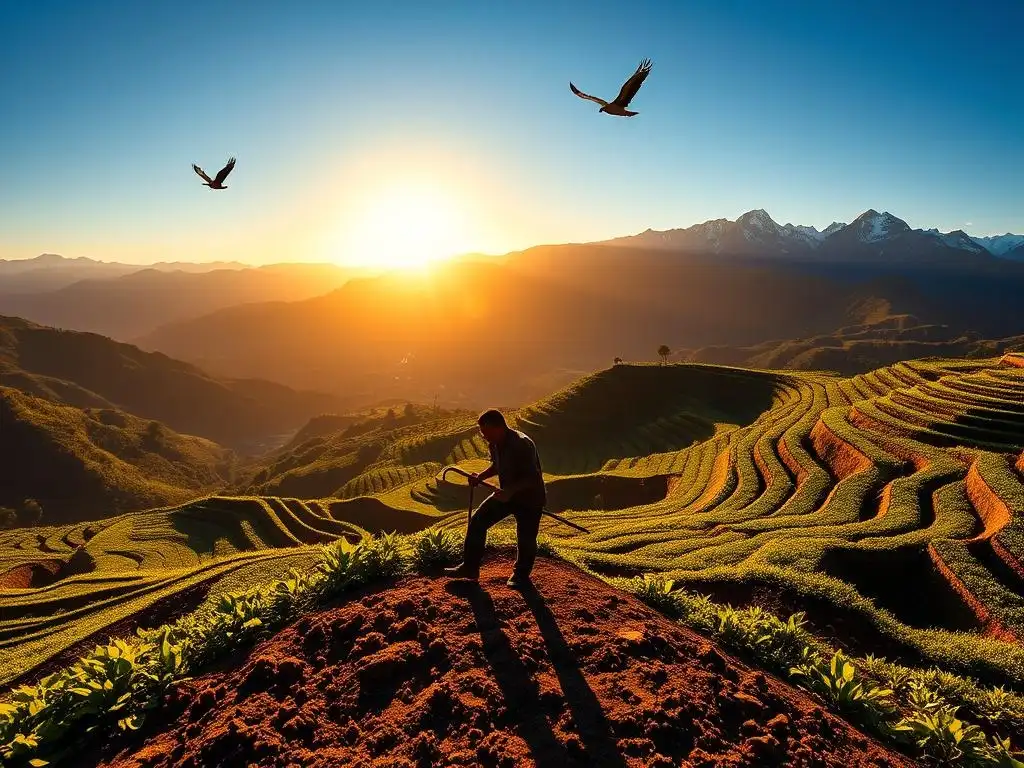
Uncover the secrets whispered on the wind across the Andes Mountains. For centuries, these majestic peaks witnessed the rise and fall of incredible civilizations, each leaving behind a legacy of breathtaking artistry and ingenuity. But how did they thrive in such challenging terrain? Dive into the fascinating world of the Andean agricultural calendar, a testament to the profound connection between Andean cosmology and the rhythm of life itself. Discover how their understanding of the cosmos shaped their agricultural practices, and unlock the mysteries of a harmony between humanity and nature that continues to inspire awe.
The Andes Mountains, a spine of towering peaks and fertile valleys, cradled some of the most sophisticated agricultural societies in pre-Columbian America. For centuries, civilizations like the Inca, Moche, Nazca, and Tiwanaku thrived, not in spite of their challenging environment, but because of their deep understanding and masterful manipulation of it. This article delves into the intricate relationship between Andean agricultural practices and their cosmology, exploring how their agricultural calendar wasn't merely a practical tool for planting and harvesting, but a fundamental expression of their worldview, a reflection of the cosmic rhythms that governed their lives.
We will examine how their intimate knowledge of the Andean environment, coupled with sophisticated astronomical observations, shaped their agricultural techniques and ensured the prosperity of their communities. Understanding their agricultural calendar is key to unlocking the secrets of their remarkable success and enduring legacy.
This exploration will reveal how the Andean people achieved agricultural feats in challenging terrains, highlighting the ingenuity and deep connection to nature that characterized these remarkable cultures. Prepare to be amazed by the harmony they achieved between human activity and the natural world.
Understanding Andean Cosmology and Agriculture
Andean cosmology wasn't a separate philosophical system; it was interwoven into the fabric of daily life, particularly agriculture. Their worldview saw the cosmos as a dynamic, interconnected whole, with the celestial bodies and earthly elements intimately related. The sun, moon, and stars weren't just distant lights; they were active participants in the cycle of life, influencing everything from the weather patterns to the growth of crops.
The Andean people meticulously observed these celestial bodies, developing a sophisticated understanding of astronomy that directly informed their agricultural practices. This wasn't a passive observation; it was an active engagement, a dialogue between the human and cosmic realms. They believed that aligning their agricultural activities with the celestial movements ensured abundance and prosperity, reflecting a deep respect for the natural order.
This holistic approach, where the spiritual and the practical were inseparable, is fundamental to understanding their agricultural success. The careful observation of the celestial bodies allowed them to predict seasonal changes with remarkable accuracy, optimizing planting and harvesting times.
For example, the appearance of certain constellations signaled the onset of the rainy season, prompting the planting of specific crops. Similarly, the position of the sun indicated the optimal time for irrigation and other agricultural tasks. This intricate interplay between celestial observation and agricultural practice showcases the sophisticated knowledge and deep understanding of their environment possessed by these ancient Andean communities.
The integration of cosmology and agriculture wasn't merely a coincidence; it was a deliberate strategy that ensured the survival and prosperity of their societies for centuries. Understanding this connection is crucial to appreciating the ingenuity and wisdom of these ancient cultures.
The Significance of the Andean Agricultural Calendar
The Andean agricultural calendar wasn't a simple list of planting and harvesting dates; it was a complex system reflecting the intricate interplay between celestial events, environmental conditions, and agricultural practices. It was a carefully calibrated system that took into account the altitude variations across the Andean landscape, the diverse microclimates, and the specific needs of different crops. This calendar wasn't static; it was adapted and refined over generations, accumulating the collective knowledge and experience of countless farmers.
The calendar wasn't just written down; it was embodied in rituals, songs, and oral traditions, passed down from one generation to the next, ensuring the continuity of their agricultural practices. The precise details of many specific calendars vary depending on the specific region and culture, but the underlying principle of aligning agricultural activities with the cosmic rhythms remained consistent.
The calendar also played a crucial role in social organization. Agricultural tasks often involved communal effort, requiring coordination and cooperation among community members. The calendar provided a framework for this collective activity, ensuring that resources were allocated effectively and that tasks were completed in a timely manner.
This communal aspect of agriculture further strengthened social bonds and contributed to the stability and resilience of Andean societies. The accurate prediction of seasonal cycles, facilitated by the Andean agricultural calendar, minimized risks associated with unpredictable weather patterns, ensuring food security and social harmony.
The calendar, therefore, wasn't just an agricultural tool; it was a cornerstone of their social and spiritual life, a testament to their sophisticated understanding of the natural world and their ability to harness its power for their benefit. The intricate details of the calendar, though not fully documented in every aspect, highlight the deep connection between Andean cosmology and their agricultural practices, demonstrating a remarkable level of integration between spiritual beliefs and practical realities.
The Andean Agricultural Year: A Cycle of Life
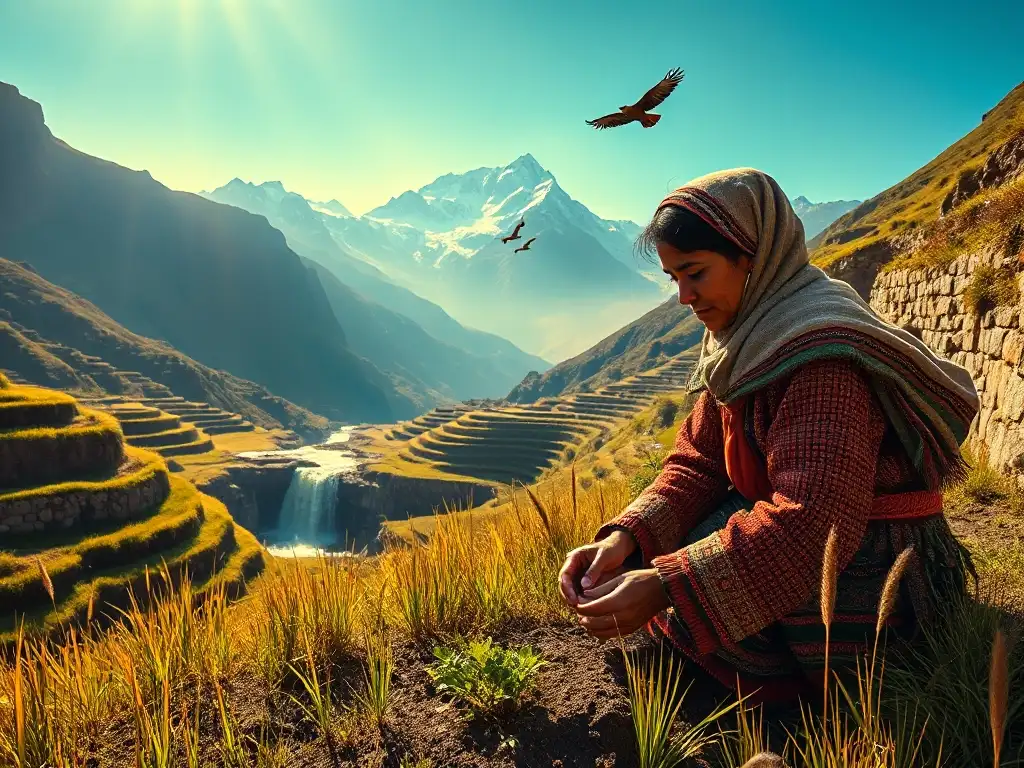
The Andean agricultural calendar wasn't simply a schedule of planting and harvesting; it was a deeply spiritual and intricately woven tapestry reflecting the Andean worldview and their profound connection to Pachamama, Mother Earth. This calendar, meticulously observed for centuries, dictated the rhythm of life for Andean communities, influencing not only their agricultural practices but also their social structures, religious ceremonies, and daily routines. Understanding this calendar is key to appreciating the sophistication and ingenuity of Andean agricultural techniques, which allowed them to thrive in diverse and challenging environments.
The success of Andean agriculture wasn't solely dependent on practical knowledge; it was inextricably linked to their understanding of the cosmos and their reverence for the natural world. This holistic approach to farming ensured the sustainability and prosperity of their communities for generations.
The precise details varied across different Andean groups – Inca, Moche, Nazca, etc. – but the underlying principles of respecting the cycles of nature remained consistent.
The Inca Agricultural Calendar: A Foundation for Andean Farming
The Inca Empire, known for its impressive administrative capabilities, developed a sophisticated agricultural calendar that integrated astronomical observations with practical farming knowledge. This calendar wasn't a single, monolithic system; rather, it was a complex network of local calendars adapted to specific ecological conditions. Evidence suggests the use of quipus (knotted cords) to record and transmit crucial agricultural information, including planting dates, harvest times, and weather predictions. These records, passed down through generations of amautas (wise men), ensured the continuity of agricultural practices and knowledge.
The Inca agricultural calendar was crucial for organizing labor, managing resources, and ensuring the timely production of food for the vast empire. It was a system of precise timing, deeply interwoven with their religious beliefs and their understanding of the seasonal changes. The ayllu (community) played a vital role in this system, with collective labor ensuring the success of agricultural endeavors.
The Inca calendar was also influenced by the observation of constellations and celestial events. For example, the appearance of certain constellations signaled the onset of specific agricultural tasks, highlighting the close relationship between Andean astronomy and agriculture. This intricate connection ensured that farming practices were optimally synchronized with the natural rhythms of the Andes.
Key Periods in the Andean Farming Cycle
The Andean farming cycle, guided by their detailed calendar, was divided into distinct periods, each marked by specific agricultural tasks and rituals. These periods weren't rigidly defined but rather adapted to the variations in altitude and microclimates across the Andes.
| Period | Key Activities | Associated Rituals |
|---|---|---|
| Planting Season | Preparing fields, sowing seeds, irrigation | Offerings to Pachamama, fertility rites |
| Growing Season | Weeding, pest control, irrigation, tending crops | Prayers for good weather, propitiatory offerings |
| Harvesting Season | Harvesting crops, storing produce | Thanksgiving ceremonies, feasts |
The precision of these activities was paramount. Slight deviations could mean the difference between a bountiful harvest and crop failure. This system demonstrated an advanced understanding of agronomy and environmental conditions, far surpassing the simple subsistence farming practices often attributed to pre-Columbian societies. The careful management of water resources, through sophisticated irrigation systems, was also crucial to the success of Andean agriculture.
Pachamama Rituals During Planting Season
The planting season was a period of intense activity and profound spiritual significance. Before planting, Andean communities would perform elaborate rituals to appease Pachamama, ensuring a successful harvest. These rituals often involved offerings of coca leaves, chicha (fermented corn beer), and other agricultural products. The act of offering to Pachamama wasn't merely a symbolic gesture; it was a fundamental aspect of their agricultural practices, reflecting their deep respect for the land and its capacity to provide sustenance. These offerings were not seen as mere gifts but rather as a reciprocal relationship, acknowledging the land's essential role in their survival.
The rituals varied among different Andean groups, but the central theme of seeking Pachamama's blessing remained consistent. The process often involved community participation, strengthening social bonds and reinforcing the shared responsibility for the success of the harvest. Failure to perform these rituals properly was believed to incur the wrath of Pachamama, leading to crop failure or other misfortunes.
The Andean agricultural calendar, therefore, was not just a practical guide; it was a sacred calendar, intimately linked to their spiritual beliefs and their deep-seated respect for nature. The success of Andean agriculture rested not only on their advanced techniques but also on their harmonious relationship with the natural world, exemplified by their reverence for Pachamama.
Harvesting Practices and Celebrations in the Andes
Harvesting in the Andes wasn't simply a matter of gathering crops; it was a deeply spiritual and communal event, intricately woven into the fabric of Andean cosmology. The timing of the harvest, dictated by the Andean agricultural calendar, varied depending on altitude and microclimate, but the overall significance remained consistent across different Andean cultures. Farmers didn't just harvest; they celebrated the bounty of the earth, expressing gratitude to the apus (mountain spirits) and other deities for their blessings.
These celebrations often involved elaborate rituals, music, dance, and feasting, strengthening social bonds and reinforcing the cyclical nature of life and agriculture. The harvest wasn't just an economic event; it was a reaffirmation of the harmonious relationship between humans and the natural world.
The specific practices varied significantly depending on the crop and the region. For example, the potato harvest, a staple in the Andean diet, involved careful digging to avoid damaging the tubers. In some areas, farmers would leave a portion of the harvest in the fields as an offering to the earth, ensuring future prosperity.
The quinoa harvest, another crucial crop, often involved a community effort, with families working together to gather the grains. Celebrations followed, often involving the sharing of chicha, a fermented corn beverage, and the performance of traditional dances reflecting the cycle of planting and harvesting. These festivities were not merely joyous occasions; they reinforced the community's collective identity and their shared dependence on the land.
The celebrations were also deeply symbolic. The abundance of the harvest represented the fertility of the land and the blessings of the deities. The shared food and drink symbolized the unity of the community and their shared dependence on the agricultural cycle.
Dances often mimicked the movements of nature, reflecting the cyclical patterns of planting, growth, and harvesting. These rituals were not merely entertainment; they were essential components of the Andean worldview, reinforcing the interconnectedness of human society and the natural world. The Andean agricultural calendar wasn't just a practical guide; it was a spiritual roadmap, guiding the lives and shaping the culture of Andean communities.
The harvest, therefore, wasn't merely the end of a cycle; it was the beginning of a new one, a promise of future abundance and continuity. The careful integration of agricultural practices with cosmic rhythms ensured the sustainability of their agricultural systems and the preservation of their unique cultural heritage.
The Influence of Astronomy on Andean Agriculture

The Andean agricultural calendar wasn't simply a pragmatic schedule; it was a sophisticated system deeply intertwined with astronomical observations and a profound understanding of the cosmos. Andean societies didn't passively react to the seasons; they actively observed and predicted celestial events to optimize their agricultural practices. This intricate relationship between celestial cycles and agricultural activities reveals a remarkable level of knowledge and a worldview where the human and the cosmic were inextricably linked.
The success of their farming, crucial for survival and societal stability, relied heavily on this astronomical expertise. This section will delve into the specific ways Andean astronomers and farmers collaborated to achieve agricultural success.
Andean Observatories and Celestial Alignments
Many scholars believe that specific sites within the Andean landscape served as observatories. These weren't necessarily grand structures like the observatories of later civilizations, but rather strategically chosen locations – mountain peaks, rock formations, or even carefully positioned agricultural terraces – that allowed for precise observation of the sun, moon, and stars.
These natural or subtly modified sites facilitated the tracking of solstices, equinoxes, and the heliacal risings and settings of key stars, providing crucial information about the timing of planting and harvesting. For example, the alignment of certain structures with the rising or setting sun during solstices suggests a deliberate attempt to mark these crucial points in the agricultural cycle.
Precise details about the specific sites and their alignments are still under investigation, but the evidence strongly suggests a sophisticated system of astronomical observation integrated directly into the Andean worldview. Further research is needed to fully map and understand the precise function of these locations.
The Role of the Sun and Moon in Andean Farming
The sun and moon held paramount importance in the Andean agricultural calendar. The sun, the life-giving force, dictated the growing season's length and intensity. Its movements were carefully observed, not just for the solstices and equinoxes, but also for subtle changes in its position throughout the year.
These observations helped predict variations in rainfall, temperature, and daylight hours, all crucial factors affecting crop yields. The moon, on the other hand, was associated with the moisture cycle and the fertility of the land. Specific lunar phases were considered auspicious for certain agricultural activities, such as planting or weeding.
Oral traditions, though often fragmented, hint at the existence of detailed lunar calendars used to guide agricultural practices. The precise relationship between specific lunar phases and agricultural actions remains an area of ongoing research. Ethnobotanical studies provide valuable insights, but more detailed records are needed to fully reconstruct the intricate details of this moon-based calendar.
The Importance of Solstices and Equinoxes for Planting and Harvest
The solstices (winter and summer) and equinoxes (spring and autumn) marked pivotal points in the Andean agricultural calendar. These celestial events were not simply astronomical occurrences; they were deeply symbolic moments, signifying crucial transitions in the agricultural cycle. The winter solstice, for example, often corresponded to the beginning of the planting season for certain crops, while the summer solstice might have marked the time for harvesting.
The equinoxes served as transitional periods, signifying the balance between light and darkness, and often associated with rituals aimed at ensuring a successful harvest. The precise dates and practices varied regionally, depending on altitude and microclimate. However, the overall significance of these celestial events in guiding agricultural activities remained consistent across diverse Andean communities.
Archaeological evidence, complemented by ethnohistorical accounts, reveals the importance of these celestial markers in the lives and agricultural practices of Andean peoples. The precise details of rituals and agricultural practices associated with each solstice and equinox require further investigation, particularly through a deeper analysis of archaeological remains and the careful study of surviving oral traditions.
Andean Agricultural Techniques: Working with Nature
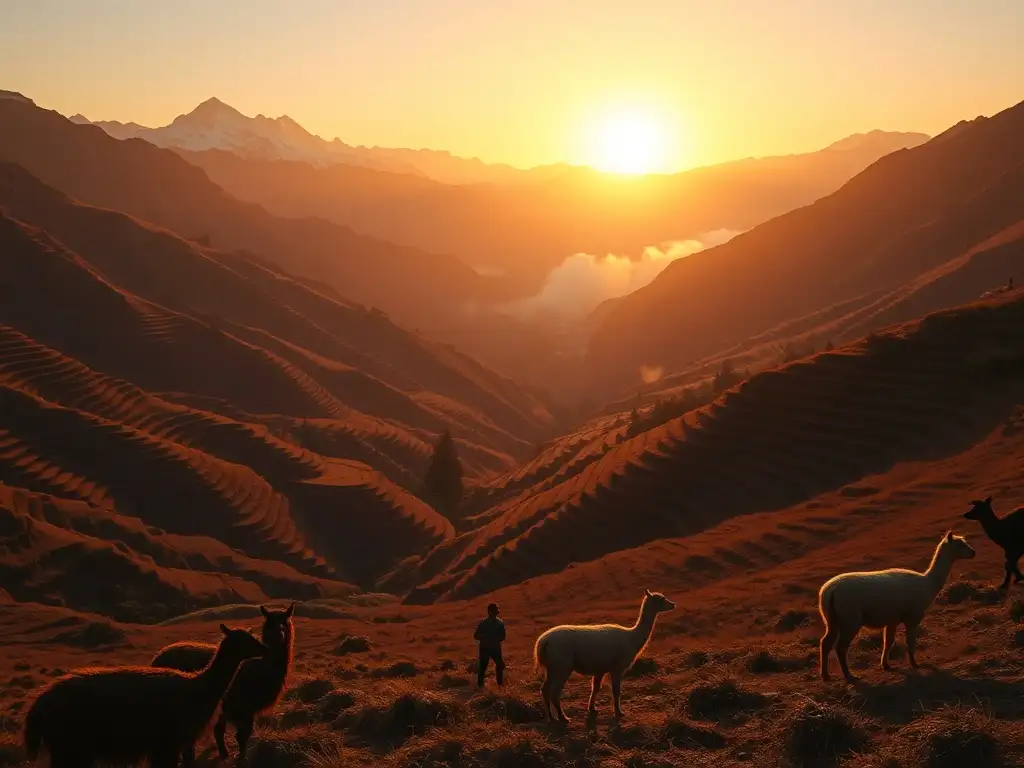
The ingenuity of Andean civilizations in adapting to diverse and challenging terrains is profoundly reflected in their sophisticated agricultural techniques. Their success wasn't merely about survival; it was about creating a thriving society deeply intertwined with the rhythms of the Andes. Understanding their agricultural practices reveals a deep understanding of ecology and a profound respect for the delicate balance of nature. The Andean agricultural calendar, intricately linked to the cosmos, guided these practices, ensuring both abundance and sustainability. This section will delve into some key techniques that allowed these civilizations to flourish.
Terraced Farming: Maximizing Land Use in the Andes
The steep slopes of the Andes presented a significant challenge for agriculture. However, Andean farmers ingeniously developed terraced farming, a technique that transformed the landscape and maximized arable land. These terraces, meticulously carved into hillsides, created a series of level platforms, reducing erosion and optimizing water retention. The construction was incredibly labor-intensive, involving careful planning, precise stonework, and a deep understanding of topography. The resulting system allowed for efficient cultivation on land that would otherwise be unusable. Different crops were often planted on different terraces depending on their sun and water requirements, showcasing a sophisticated understanding of microclimates.
Evidence of this mastery is visible in the surviving terraces across the Andes, some of which are centuries old, standing as testaments to the enduring legacy of Andean agricultural innovation. The scale of these projects speaks volumes about the organizational capabilities and social cohesion of these societies. The precision in their construction suggests a deep understanding of engineering principles, far exceeding the capabilities often attributed to "primitive" societies. The terraces weren't merely utilitarian; they also contributed to the aesthetic beauty of the landscape, integrating seamlessly with the natural environment.
Irrigation Systems: Managing Water Resources
Water management was crucial for Andean agriculture, particularly in drier regions. The civilizations developed sophisticated irrigation systems to channel water from rivers and streams to their fields. These systems often involved canals, aqueducts, and reservoirs, demonstrating a remarkable capacity for engineering and water resource management. The construction of these systems required significant cooperation and planning, reflecting the communal nature of Andean society.
The ingenuity of their designs is evident in their ability to adapt to varying terrains and water sources. Some systems utilized gravity to transport water across long distances, while others incorporated sophisticated techniques for water storage and distribution. The effectiveness of these systems is demonstrated by the sustained agricultural productivity in regions that would otherwise be arid.
The integration of these systems with the agricultural calendar ensured that water was available when and where it was needed most, optimizing crop yields. The precise management of water resources was a vital component of the Andean agricultural calendar, ensuring optimal conditions for cultivation throughout the year.
Crop Rotation: Ensuring Soil Fertility
Sustainable agriculture was paramount for the Andean civilizations. They employed crop rotation techniques to maintain soil fertility and prevent depletion. By alternating different crops in a given field, they prevented the exhaustion of specific nutrients and minimized the risk of pest infestations. This practice demonstrated a keen understanding of soil ecology and the importance of biodiversity in maintaining agricultural productivity. This practice, integrated with their sophisticated water management and terracing, contributed to the long-term sustainability of their agricultural systems.
The Andean agricultural calendar often dictated the sequence of crops, aligning planting and harvesting with the seasonal cycles and the availability of water. This cyclical approach ensured that the land remained productive over the long term. The choice of crops also reflected a deep understanding of the local environment and the specific needs of different plants.
Their practices highlight a holistic approach to agriculture, where sustainability was not just an ideal but a practical necessity for the survival and prosperity of their communities. The long-term success of their agricultural systems stands as a testament to their wisdom and foresight, offering valuable lessons for modern sustainable agriculture practices.
Andean Crops: A Legacy of Biodiversity
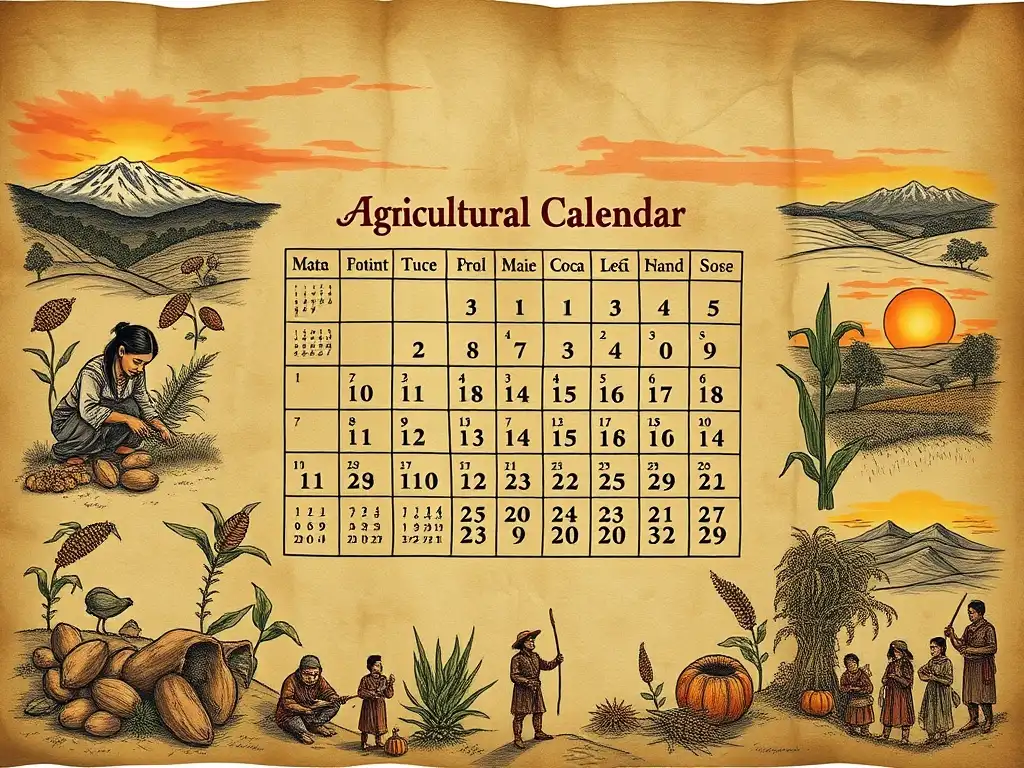
The Andean region boasts an unparalleled level of biodiversity, a crucial factor shaping the agricultural practices of its ancient civilizations. This biodiversity wasn't just a matter of chance; rather, it was the result of millennia of careful selection, adaptation, and cultivation by Andean farmers. Their intimate knowledge of their environment and the intricate relationship between plants, animals, and the cosmos allowed them to develop sophisticated agricultural systems capable of sustaining large populations in challenging terrains. Understanding the specific crops cultivated is key to understanding the Andean agricultural calendar and its profound influence on their society.
The Importance of Potatoes in Andean Agriculture
The potato ( Solanum tuberosum) is arguably the most iconic Andean crop, its significance extending far beyond mere sustenance. Indigenous peoples cultivated a vast array of potato varieties, each adapted to specific altitudes, climates, and soil conditions. This diversity is crucial – different varieties mature at different times, ensuring a continuous food supply throughout the year.
The potato’s adaptability allowed Andean farmers to cultivate it in diverse environments, from the high-altitude puna grasslands to the lower valleys. The remarkable genetic diversity of Andean potatoes, with thousands of varieties once existing, showcases the ingenuity and deep understanding of agricultural practices achieved by these cultures. This diversity is not only a testament to their agricultural prowess but also a vital resource for modern agriculture, offering resistance to disease and climate change.
The meticulous selection and preservation of these potato varieties represent a cornerstone of the Andean agricultural calendar, ensuring food security across varying seasons and microclimates. The potato was not just a staple food; it represented a cornerstone of their social and economic systems. Furthermore, its versatility in preparation—boiled, roasted, fried, or dried into chuño—underscored its importance in the daily life and cultural traditions of the Andean peoples.
Quinoa: The Grain of the Andes
Quinoa ( Chenopodium quinoa) stands as another vital component of the Andean agricultural system. This pseudocereal, often referred to as the "mother grain," possesses exceptional nutritional value, containing a complete protein profile and essential amino acids. Unlike many cereals, quinoa is highly adaptable to various soil types and altitudes, further contributing to its importance in the Andean agricultural calendar.
Its resilience to harsh environmental conditions made it a reliable crop, even during periods of drought or frost. Ancient Andean farmers developed numerous quinoa varieties, each tailored to specific ecological niches. The cultivation of quinoa was deeply intertwined with religious and ceremonial practices, further highlighting its significance in Andean society.
The harvest of quinoa, often celebrated with festivals, played a crucial role in the Andean agricultural calendar, marking a period of abundance and community celebration. The high nutritional content of quinoa ensured the health and well-being of Andean populations, providing essential nutrients crucial for survival in challenging environments.
Other Essential Andean Crops
Beyond potatoes and quinoa, a wide range of other crops contributed to the agricultural success of the Andean civilizations. These included:
- Maize (corn): A staple crop throughout the Americas, maize played a significant role in Andean diets and religious ceremonies. Different varieties were adapted to different altitudes and climates.
- Beans (various species): Beans, particularly varieties like Phaseolus vulgaris (common bean), were a vital source of protein and complemented the diet provided by other crops. Intercropping beans with maize and other plants was a common practice, enriching the soil and maximizing yields.
- Squash (various species): Various types of squash, including pumpkins and gourds, provided essential carbohydrates and vitamins. They were also used for a variety of purposes beyond food, including containers and tools.
- Tomatoes (various species): Andean farmers cultivated various tomato varieties, contributing to the rich culinary heritage of the region.
- Aji peppers (various species): A wide array of chili peppers added flavor and spice to Andean cuisine, and also held medicinal properties.
The diversity of these crops, and their carefully managed cultivation, reflects the sophisticated understanding of Andean agricultural practices and the crucial role they played in shaping the Andean agricultural calendar and the civilization's overall success. This intricate knowledge of plant life and its interaction with the environment was fundamental to their survival and cultural development. The careful management of these diverse crops, timed according to the rhythms of the Andean seasons, ensured a consistent and nutritious food supply, underpinning the prosperity and stability of these remarkable civilizations.
Modern Relevance of Andean Agricultural Practices
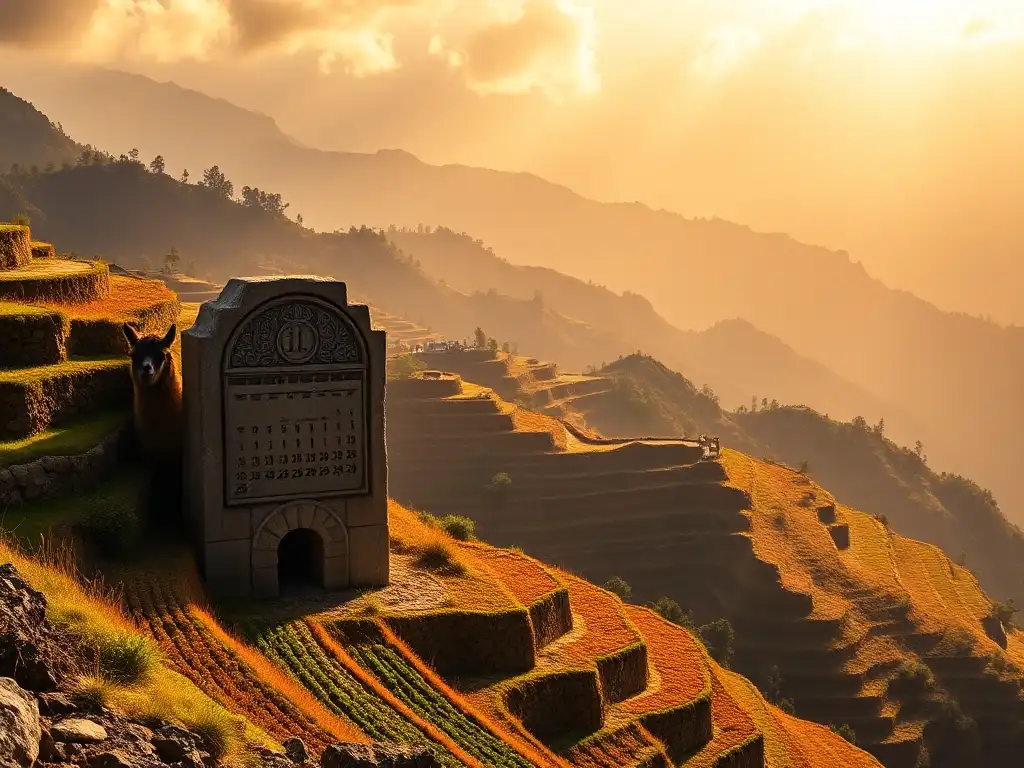
The ingenious agricultural techniques developed by Andean civilizations, honed over millennia in challenging environments, offer invaluable lessons for contemporary agriculture. Their deep understanding of ecological balance and their sophisticated calendar systems, intricately linked to the rhythms of the Andes, continue to inspire sustainable practices worldwide. The Andean agricultural calendar, a testament to their observational skills and intimate connection with nature, provides a framework for understanding their remarkable achievements and their enduring relevance today. This section will explore how these ancient practices resonate with modern concerns about sustainability and food security.
Sustainable Agriculture and Indigenous Knowledge
Andean agricultural practices were deeply intertwined with a holistic worldview that emphasized respect for the environment and the interconnectedness of all living things. This philosophy, often referred to as Sumak Kawsay (living well), is finding increasing resonance in the current global push for sustainable agriculture. Techniques like terracing, which minimized soil erosion on steep slopes, and the use of Andean potatoes with their remarkable genetic diversity and adaptability to varying altitudes and climates, are prime examples of sustainable practices that are being studied and re-implemented today.
The meticulous management of water resources through complex irrigation systems, adapted to the unique hydrological characteristics of the Andes, also offers important lessons for water-scarce regions facing climate change. These methods, often passed down through generations of farmers, represent a rich repository of indigenous knowledge that can contribute significantly to global food security and environmental sustainability.
The preservation and application of this knowledge are crucial to building resilient and adaptable agricultural systems. For instance, the use of diverse crop varieties, a hallmark of Andean agriculture, is now recognized as a key strategy for mitigating the risks associated with climate change and pest outbreaks.
Lessons from the Andes for Contemporary Farming
The sophistication of the Andean agricultural calendar is particularly relevant today. Their understanding of microclimates, soil types, and the precise timing of planting and harvesting, all guided by celestial observations, allowed them to maximize yields in challenging conditions. This knowledge translates directly to contemporary farming practices.
Precision agriculture, which utilizes data and technology to optimize resource use and improve yields, finds a historical parallel in the meticulous planning and execution of Andean agricultural cycles. Furthermore, the Andean emphasis on crop diversification and intercropping, where different crops are grown together to enhance soil fertility and pest control, offers valuable insights for modern agroecological approaches. The integration of livestock into agricultural systems, another key feature of Andean agriculture, showcases a holistic approach that minimizes environmental impact and maximizes resource utilization.
By studying and adapting these ancient practices, modern farmers can improve efficiency, reduce their environmental footprint, and build more resilient agricultural systems. One specific example is the growing interest in the use of traditional Andean fertilizer techniques, which often rely on organic materials and minimize the use of chemical inputs.
Community-Based Seed Banks in the Andes
The preservation of biodiversity was central to Andean agricultural practices. Communities maintained diverse seed banks, carefully safeguarding the genetic heritage of their crops. This practice is now gaining recognition as a crucial element of modern agricultural resilience.
The establishment of community-based seed banks in the Andes reflects a commitment to preserving traditional varieties and adapting them to changing conditions. These seed banks not only safeguard biodiversity but also empower local communities by providing them with control over their food security. This approach contrasts sharply with the homogenization of crops driven by industrial agriculture, which often leads to a loss of genetic diversity and increased vulnerability to pests and diseases.
The success of these community-based initiatives highlights the importance of local knowledge and community participation in ensuring long-term food security and environmental sustainability. The Andean model offers a powerful alternative to centralized seed systems, emphasizing the crucial role of indigenous communities in safeguarding agricultural biodiversity and promoting sustainable farming practices for future generations. The ongoing efforts to document and support these seed banks are vital for preserving invaluable genetic resources and promoting sustainable agricultural practices.
Preserving the Andean Agricultural Heritage
The Andean agricultural calendar, a sophisticated system interwoven with cosmology and practical knowledge, wasn't simply a farming schedule; it was a living testament to a deep connection between humanity and the natural world. Understanding its preservation is crucial to appreciating the enduring legacy of Andean civilizations. The meticulous observation of celestial events, coupled with intimate knowledge of microclimates and soil conditions, allowed for the successful cultivation of diverse crops in challenging terrains.
This intricate system, passed down through generations, represents a remarkable achievement in sustainable agriculture, a model worthy of study and emulation even today. The Andean agricultural calendar's survival hinges on multiple factors, from the resilience of indigenous communities to the support of modern conservation efforts.
The Role of Andean Communities in Sustaining Traditions
Andean communities remain the custodians of this invaluable agricultural heritage. Their continued practice of traditional farming methods, often involving intricate terracing techniques, water management systems (like acequias), and crop rotation strategies, ensures the ongoing viability of the Andean agricultural calendar. These communities actively maintain seed banks, preserving the genetic diversity of ancient crops crucial for resilience against climate change and pests.
For example, the Quechua communities in the Sacred Valley of Peru continue to cultivate a vast array of potato varieties, each adapted to specific altitudes and microclimates, showcasing the enduring strength of their agricultural traditions. Their deep-rooted knowledge, passed down orally and through practical experience, ensures the continuity of the Andean agricultural calendar, adapting it to modern challenges while retaining its core principles.
The active participation of these communities is not simply a matter of cultural preservation; it represents a vital contribution to global food security and biodiversity. Their traditional practices often offer sustainable alternatives to modern, intensive agriculture.
Challenges to Andean Agricultural Practices
Despite their resilience, Andean agricultural practices face significant challenges. Climate change, with its unpredictable weather patterns and increased frequency of extreme events (droughts, floods), poses a major threat to traditional farming systems. The introduction of modern agricultural techniques, while sometimes offering increased yields in the short term, can lead to soil degradation, loss of biodiversity, and dependence on external inputs. Furthermore, economic pressures, including competition from large-scale commercial agriculture, can push farmers to abandon traditional practices in favor of more lucrative, but less sustainable, alternatives.
Land encroachment and the loss of traditional territories further exacerbate these pressures. These challenges underscore the urgent need for supportive policies and initiatives that recognize the value of Andean agricultural traditions and provide the necessary resources for their continued practice. The delicate balance between preserving ancient knowledge and adapting to modern realities is a crucial aspect of safeguarding the Andean agricultural calendar.
Initiatives to Protect Andean Agricultural Biodiversity
Several initiatives are underway to protect the unique biodiversity associated with the Andean agricultural calendar. These include efforts to document and safeguard traditional seed varieties, support community-based conservation programs, and promote sustainable agricultural practices. Research projects focusing on the genetic diversity of Andean crops are providing valuable insights into their resilience and adaptability.
Furthermore, educational programs are raising awareness about the importance of preserving Andean agricultural heritage among both local communities and the wider public. The creation of protected areas and the promotion of fair trade practices also play a critical role in supporting sustainable agriculture. These initiatives highlight a growing global recognition of the importance of preserving this unique agricultural legacy, not only for its cultural significance but also for its potential contributions to global food security and environmental sustainability.
Continued investment in these initiatives is vital for the long-term survival of the Andean agricultural calendar and the rich biodiversity it supports. 🌱
Frequently Asked Questions
What is the Andean agricultural calendar?
The Andean agricultural calendar wasn't a single, unified system. Instead, it comprised various local calendars reflecting specific environmental conditions and agricultural cycles. These calendars guided planting, harvesting, and other agricultural activities.
How did the Andean people track time for agriculture?
They used a combination of astronomical observations, such as the solstices and equinoxes, and detailed knowledge of their local environment. This included understanding weather patterns and the behavior of plants and animals.
What role did cosmology play in Andean agriculture?
Cosmology played a vital role. Andean peoples believed that agricultural success was intimately linked to the harmony between the cosmos and the human world. Rituals and ceremonies were crucial aspects of agricultural practices.
Which crops were most important in the Andean agricultural system?
Potatoes, maize (corn), quinoa, and beans were staples. The diversity of crops grown varied across different regions, reflecting the varied ecological zones of the Andes.
How did the Andean agricultural calendar impact their society?
The calendar structured much of Andean life, impacting social organization, religious practices, and even political structures. Agricultural cycles dictated festivals, community work, and resource distribution.
Final Reflection: Weaving the Threads of Time and Harvest
The intricate relationship between Andean communities and their environment, as reflected in their agricultural calendar, remains a powerful testament to sustainable living and a profound connection with the cosmos. This ancient wisdom, far from being a relic of the past, offers crucial lessons for navigating the challenges of modern agriculture and fostering a more harmonious relationship with our planet. The precision and deep understanding embedded within the Andean agricultural calendar serve as a potent reminder of the interconnectedness of all things.
The enduring legacy of the Andean agricultural calendar extends far beyond the practicalities of farming; it speaks to a deeply spiritual understanding of the natural world. It's a system that not only provides sustenance but also shapes cultural identity, worldview, and social structures. The cyclical nature of the calendar, mirroring the rhythms of the cosmos, fosters a sense of belonging and responsibility towards the land and future generations. The earth is what we all have in common.
This simple truth, often overlooked in our modern, fragmented world, is powerfully embodied in the Andean approach to agriculture.
Consider, for a moment, the implications of this ancient wisdom for your own life. How can you integrate a deeper appreciation for the cyclical nature of time and the interconnectedness of all living things into your daily routines? Perhaps it's through mindful consumption, supporting sustainable practices, or simply taking a moment to appreciate the natural world around you. Let the rhythm of the seasons, as understood by the Andean people, inspire you to cultivate a more harmonious and sustainable relationship with the earth, ensuring a bountiful harvest for generations to come.
Embrace the Harmony of Seasons – Take Action Today!
Thank you for exploring the fascinating world of Andean agricultural practices and their deep connection to the rhythms of nature. You've discovered valuable insights into how culture and the environment intertwine to create sustainable living. Now, let's put that knowledge into practice!
Here are some ways you can further engage with these principles:
- Start a seasonal garden: Plant according to the natural cycles of your region, choosing native species that thrive in your local environment. Experience the satisfaction of growing your own food in harmony with nature.
- Learn about local traditions: Visit a local museum or cultural center to learn about Andean agricultural techniques and rituals. This will deepen your understanding of the land's history and your connection to it.
- Share your experiences: Connect with others by sharing your gardening journey and research on social media. Use hashtags like #AndeanInspiration and #SustainableGardening to join a community dedicated to traditional practices.
How can you apply the insights you've gained about the relationship between agriculture and the cosmos to your daily life? We'd love to hear your thoughts!