
The Unbreakable Chain: The Importance of Preserving Andean Oral Tradition

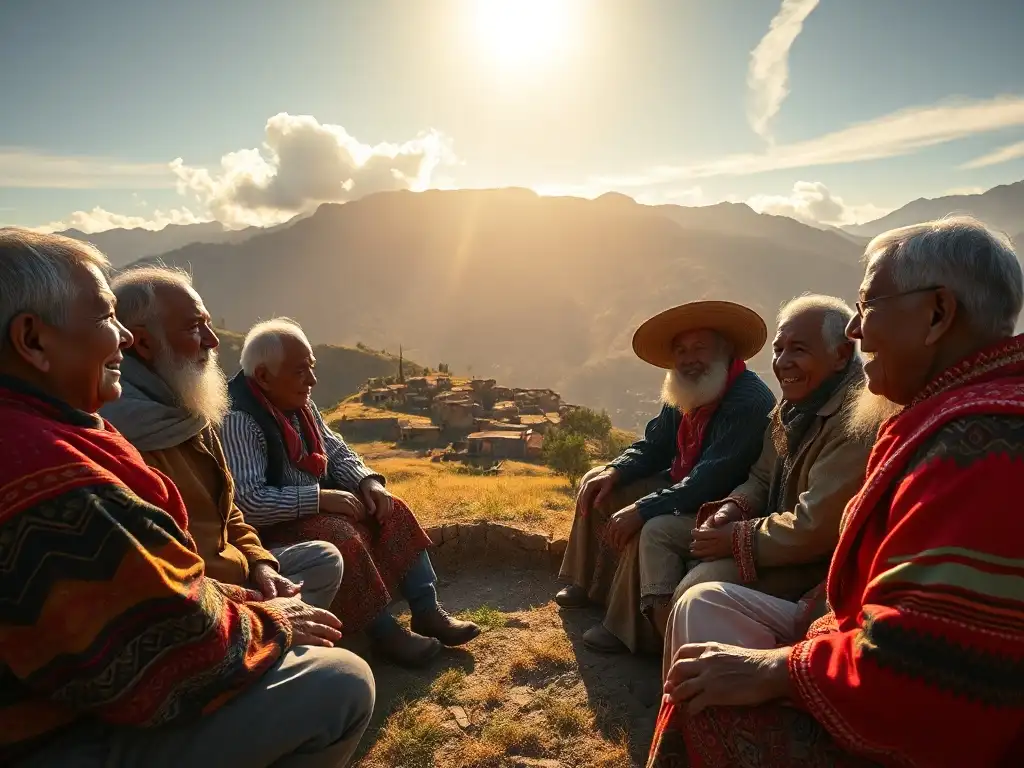
Step into a world lost to time, yet echoing with vibrant voices. For centuries, the Andes have whispered secrets through intricate textiles, monumental structures, and most importantly, oral traditions. But how much of this invaluable legacy remains? This website delves into the fascinating tapestry of Andean civilizations, from the Incas to the Nazca. We begin our journey with a crucial question: how can we safeguard the irreplaceable Andean oral history preservation? Explore the mysteries and unravel the threads of a captivating past.

The Andes Mountains, a spine of towering peaks stretching along the western coast of South America, are home to a rich tapestry of indigenous cultures. For millennia, these civilizations – including the Inca, Moche, Nazca, and Tiahuanaco – have passed down their history, knowledge, and beliefs through a vibrant oral tradition. This intricate network of storytelling, songs, and rituals forms the very bedrock of Andean identity.
However, the rapid pace of globalization and societal shifts threaten this invaluable heritage. Understanding and actively participating in the preservation of Andean oral history is not merely an academic exercise; it's a crucial step in safeguarding the cultural diversity and unique perspectives of these remarkable communities. This article explores the significance of Andean oral tradition and the urgent need for its preservation, focusing on the challenges and solutions involved in maintaining this unbreakable chain connecting the past to the future.
We will delve into the specific techniques and initiatives currently underway to ensure that the voices of the Andes continue to resonate for generations to come. The preservation of Andean oral history is crucial for maintaining cultural identity and understanding the complexities of Andean civilizations.
The Fragility of Oral Tradition in a Changing World
The transmission of Andean oral history, traditionally passed down through generations via storytelling, songs (like yaravíes and huaynos), and ritual performances, is increasingly threatened by several factors. The encroachment of dominant languages, such as Spanish and Portuguese, leads to language loss and the subsequent erosion of the cultural knowledge embedded within those languages. Rapid urbanization and migration patterns disrupt traditional community structures, hindering the continuity of oral transmission. Furthermore, the lack of formal documentation and archiving threatens the irreplaceable knowledge held within the memories of elders.
The passing of these keepers of tradition represents an irretrievable loss of cultural heritage. This loss is not merely a matter of sentimental value; it represents a significant gap in our understanding of Andean history, societal structures, and environmental knowledge. The consequences of this loss are far-reaching, impacting everything from traditional medicine and agricultural practices to artistic expression and spiritual beliefs.
Modern Initiatives for Andean Oral History Preservation
Despite these challenges, significant efforts are underway to preserve Andean oral traditions. These initiatives often involve collaborations between indigenous communities, researchers, and cultural institutions. One crucial approach is the systematic recording and archiving of oral narratives, songs, and rituals. This involves employing modern technologies, such as digital audio and video recording, to create comprehensive archives accessible to future generations.
Beyond mere recording, however, there's a vital need for contextualization and interpretation, ensuring that these recordings are not merely data points but living testaments to Andean culture. Furthermore, initiatives focusing on language revitalization programs are crucial, empowering younger generations to learn and actively participate in the continuation of their ancestral languages and traditions. These programs often incorporate community-based learning, intergenerational dialogues, and the integration of oral traditions into educational curricula.
Challenges and Future Directions for Preservation
The preservation of Andean oral history faces significant ongoing challenges. These include securing adequate funding for long-term archiving projects, ensuring the ethical and respectful handling of sensitive cultural information, and fostering collaboration between different stakeholders. Moreover, addressing issues of intellectual property rights and community ownership of oral traditions is paramount.
Future directions for preservation should prioritize community-led initiatives, empowering indigenous communities to take ownership of the process. This involves providing them with the necessary resources, training, and technological tools to document and share their own stories on their own terms. Furthermore, integrating oral history into educational systems and public awareness campaigns can help raise awareness of its importance and foster a greater appreciation for Andean cultural heritage.
The future of Andean oral history preservation depends on a collaborative and respectful approach that prioritizes the voices and agency of the Andean communities themselves. The ultimate goal is not simply to archive these stories, but to ensure their continued vitality and relevance in a rapidly changing world. The preservation of this oral heritage is essential for the continued flourishing of Andean culture and its contribution to the global tapestry of human experience.
- The Fragility of Oral Tradition in a Changing World
- Modern Initiatives for Andean Oral History Preservation
- Challenges and Future Directions for Preservation
- What is Andean oral history, and why is its preservation crucial?
- How was oral history traditionally preserved in Andean cultures?
- What challenges threaten the preservation of Andean oral traditions today?
- What methods are currently used to preserve Andean oral history?
- How can I contribute to the preservation of Andean oral history?
Understanding the Significance of Andean Oral History
Andean oral history preservation is crucial for understanding the rich tapestry of Andean civilizations. Unlike many cultures that relied heavily on written records, Andean societies developed sophisticated systems of transmitting knowledge, beliefs, and history through spoken word, songs, and performances. This oral tradition wasn't merely a supplementary method; it was the primary means of preserving cultural heritage for millennia.
The sheer volume of information passed down through generations, encompassing everything from agricultural techniques to complex mythological narratives, underscores the vital role of oral history in shaping Andean identity and worldview. The challenge we face today is not just understanding this legacy, but actively ensuring its survival in the face of modernization and globalization.
This requires a multifaceted approach, combining scholarly research with community-based initiatives focused on revitalizing and documenting this invaluable cultural heritage. We must appreciate that Andean oral history preservation isn't simply an academic exercise; it's a fundamental act of cultural survival.
The Role of Storytelling in Andean Cultures
Storytelling was, and continues to be, central to Andean life. Narratives weren't just entertainment; they served as powerful tools for education, social control, and the transmission of values. Epics detailing the exploits of legendary figures, myths explaining natural phenomena, and cautionary tales illustrating moral lessons were all woven into the fabric of daily existence.
These stories, often embellished with vivid imagery and dramatic performances, were carefully crafted and passed down through generations, ensuring the continuity of cultural knowledge. Consider the yaravíes, melancholic songs of the Andes, which often recount historical events, love stories, or social commentaries. These musical narratives are not just beautiful melodies; they are living archives of Andean experience.
The preservation of these storytelling traditions is paramount for maintaining the cultural identity and continuity of Andean communities. The loss of a single story represents the loss of a piece of history, a piece of knowledge, and a piece of cultural identity.
Oral Tradition as a Repository of Andean Knowledge
Andean oral tradition served as a vast repository of knowledge encompassing a wide range of domains. Agricultural practices, for instance, were meticulously passed down through generations via oral instruction and observation. Detailed knowledge of planting cycles, crop rotation, irrigation techniques, and even medicinal plant uses was embedded within these oral narratives. Similarly, astronomical observations crucial for agriculture and religious practices were transmitted through spoken accounts and mnemonic devices.
This intricate system of knowledge transmission allowed Andean societies to thrive in challenging environments for centuries. Furthermore, complex social structures, kinship systems, and legal customs were also preserved and communicated through oral narratives. The intricate web of Andean knowledge, passed down orally, reveals a deep understanding of their environment and a sophisticated social organization. The challenge of preserving this knowledge is immense, requiring careful documentation and analysis of diverse oral traditions across various Andean communities.
Passing Down Andean Heritage Through Spoken Word
The future of Andean oral history preservation relies on a multi-pronged strategy. Firstly, active documentation is crucial. This involves working closely with Andean communities to record and transcribe oral narratives, songs, and performances, using both traditional and modern methods.
Secondly, educational initiatives are needed to foster appreciation for the importance of oral tradition among younger generations. This might involve incorporating oral history into school curricula, supporting community-based storytelling projects, and creating digital archives accessible to a wider audience. Finally, ongoing research is necessary to analyze and interpret the vast amount of information contained within Andean oral traditions, ensuring its accessibility and relevance to contemporary audiences.
The preservation of Andean oral history is not a static endeavor; it requires constant effort, collaboration, and a deep respect for the living cultures that carry this invaluable legacy. The active engagement of Andean communities in all stages of preservation is essential for ensuring the authenticity and longevity of these traditions. This collaborative approach ensures that the stories continue to resonate with future generations, enriching our understanding of Andean civilizations for years to come.
The Rich Tapestry of Andean Oral Narratives
The preservation of Andean oral history is paramount to understanding the complexities of these ancient societies. Unlike many cultures that relied heavily on written records, Andean civilizations developed sophisticated systems of knowledge transmission primarily through oral traditions. This rich tapestry of narratives, passed down through generations, offers invaluable insights into their worldview, social structures, and daily lives.
Understanding this intricate web of storytelling is crucial for appreciating the depth and breadth of Andean cultural heritage. The sheer diversity of these oral traditions, spanning numerous distinct ethnic groups and geographical regions, presents a significant challenge and an equally significant opportunity for preservation efforts. The task is not simply about recording stories; it's about understanding the cultural context, the nuances of performance, and the very essence of these living traditions.
Failure to adequately preserve these narratives risks the irreversible loss of a vital part of human history. The ongoing efforts in Andean oral history preservation are therefore not just academic exercises; they are acts of cultural rescue, safeguarding a legacy for future generations.
Exploring Diverse Forms of Andean Oral Tradition
Andean oral tradition encompasses a vast array of forms, each serving a unique purpose within the community. These forms are not mutually exclusive; rather, they often intertwine and complement each other. For instance, a historical account might be woven into a song, or a myth might be incorporated into a ritualistic performance. This interconnectedness underscores the holistic nature of Andean knowledge systems. Some key forms include:
- Narratives: These range from epic tales recounting the origins of the world and the deeds of legendary heroes to everyday stories reflecting the values and beliefs of the community. These narratives often serve as moral instruction, shaping the behavior and worldview of younger generations.
- Ritual chants and invocations: These are integral to Andean religious practices, used to communicate with spirits, deities, and ancestors. The intricate language and rhythmic structure of these chants are essential to their effectiveness.
- Proverbs and riddles: These concise forms of oral literature offer valuable insights into the Andean worldview and provide a means for social interaction and entertainment. They often carry deep cultural significance, reflecting the values and wisdom of the community.
- Ancestral stories: These narratives connect contemporary communities to their past, providing a sense of identity and continuity. The transmission of these narratives reinforces social bonds and maintains cultural memory.
Myths, Legends, and Folktales of the Andes
Myths, legends, and folktales are fundamental components of Andean oral tradition, offering captivating narratives that illuminate the Andean worldview. These stories often feature supernatural beings, powerful heroes, and explanations for natural phenomena. For example, the story of the Apu, powerful mountain spirits, reflects the Andean reverence for nature and the interconnectedness of the physical and spiritual worlds. These narratives are not mere entertainment; they serve as crucial tools for transmitting cultural values, moral lessons, and historical knowledge. The variations in these tales across different Andean communities highlight the diverse cultural landscapes and unique interpretations of shared themes. Detailed study of these myths reveals intricate cosmologies, social structures, and belief systems that are otherwise difficult to access through archaeological evidence alone. The preservation of these stories is essential for understanding the richness and complexity of Andean spiritual beliefs. The continued telling of these myths ensures the vitality of Andean cultural identity.
Andean Songs and Poetry: Preserving Cultural Identity
Music and poetry hold a central place in Andean oral tradition, serving as powerful vehicles for expressing emotions, preserving history, and reinforcing cultural identity. From the haunting melodies of yaravíes to the vibrant rhythms of huaynos, Andean music reflects the diverse landscapes and emotional experiences of the people. These musical forms often incorporate complex poetic structures, conveying profound meanings through metaphor, symbolism, and allusion.
The lyrics frequently recount historical events, express social commentary, or celebrate the beauty of the natural world. The transmission of these songs and poems across generations ensures the survival of cultural memory and the continuity of Andean traditions. The preservation of these musical and poetic forms is vital for understanding the rich tapestry of Andean cultural expression.
They serve not only as artistic achievements but also as living testimonies to the resilience and creativity of the Andean people. Moreover, the preservation of Andean songs and poetry is crucial for maintaining linguistic diversity, as many of these forms are sung in indigenous languages that are at risk of extinction. The loss of these songs would represent a significant blow to linguistic and cultural diversity globally.
The Challenges Facing Andean Oral Tradition Preservation

The preservation of Andean oral tradition faces a multitude of complex and interconnected challenges. These challenges aren't simply about recording stories; they're about safeguarding vibrant cultural identities, linguistic diversity, and the very fabric of Andean societies. Effective preservation requires a multifaceted approach that addresses these obstacles directly and proactively. The urgency of the situation cannot be overstated; the loss of these traditions represents an irreplaceable loss to humanity's collective heritage. Understanding the nature of these challenges is the first step towards developing effective solutions for Andean oral history preservation.
The Impact of Modernization on Andean Communities
Modernization, while offering certain benefits, has profoundly impacted Andean communities, often undermining traditional ways of life. The influx of technology, mass media, and urban lifestyles has led to a gradual erosion of traditional knowledge transmission methods. Younger generations, increasingly exposed to globalized culture, may find less interest in learning ancestral languages and stories, preferring instead the dominant languages and media prevalent in urban centers.
This shift represents a significant threat to the continuity of Andean oral traditions. For example, the adoption of Spanish as the primary language in many regions has resulted in a decline in the use of Quechua, Aymara, and other indigenous languages, languages intrinsically linked to the oral narratives and cultural practices they convey. This isn't a simple case of language replacement; it's a loss of a complex system of knowledge embedded within the very structure of the language itself.
The intricate metaphors, proverbs, and storytelling techniques specific to these languages are lost along with the linguistic fluency. The impact extends beyond language; modernization also affects the social structures that support the transmission of oral traditions, such as community gatherings and rituals where these stories are typically shared. The decline in these traditional practices further accelerates the loss of invaluable cultural heritage.
Language Loss and its Effects on Oral Tradition
The inextricable link between language and oral tradition is paramount. Language isn't merely a vehicle for storytelling; it's the very foundation upon which these traditions are built. The loss of Andean languages directly translates to the loss of a vast body of knowledge, history, and cultural values. Many oral traditions are encoded within the nuances of these languages, using specific vocabulary, grammatical structures, and stylistic devices that are difficult, if not impossible, to translate accurately.
The subtle meanings and contextual understanding embedded within these linguistic structures are lost when the language itself disappears. Consider the intricate system of Quechua kinship terms, which convey complex social relationships and responsibilities that are difficult to capture in another language. The loss of these terms represents more than just a linguistic shift; it's a loss of understanding of the social fabric of Andean communities. Furthermore, the disappearance of a language often leads to the loss of associated cultural practices, rituals, and beliefs intricately woven into the oral narratives.
This loss has far-reaching consequences, affecting not only the cultural identity of Andean communities but also their ability to maintain their unique worldviews and perspectives. The urgency of language revitalization programs cannot be overstated; they are crucial for the preservation of Andean oral history and cultural identity. Without these efforts, the richness and diversity of Andean oral traditions will continue to diminish at an alarming rate.
The Need for Urgent Action to Safeguard Andean Heritage
The preservation of Andean oral tradition requires immediate and concerted action. This isn't a task for a single organization or individual; it demands a collaborative effort involving governments, academic institutions, community leaders, and individuals committed to safeguarding this invaluable cultural legacy. Strategies must incorporate a variety of approaches, including community-based initiatives, language revitalization programs, and the development of digital archives. Crucially, these initiatives must be driven by the communities themselves, ensuring that the process respects local knowledge systems and prioritizes the voices of indigenous peoples.
This might involve creating opportunities for elders to share their stories with younger generations, establishing language nests and immersion programs, and employing modern technology to document and preserve oral narratives in a culturally sensitive manner. The documentation process needs to go beyond simple transcription; it should capture the intonation, rhythm, and performance aspects that are crucial to the meaning and impact of the stories. Further, there is a need to develop robust mechanisms for the long-term preservation and accessibility of these digital archives.
This includes creating user-friendly interfaces, providing translations in multiple languages, and ensuring the long-term security and maintenance of the digital collections. Without urgent and effective action, the rich tapestry of Andean oral traditions risks being lost forever, leaving a significant gap in our understanding of human history and culture. The time to act is now; the future of Andean oral history preservation depends on it.
Strategies for Andean Oral History Preservation

The preservation of Andean oral history is a multifaceted challenge demanding innovative and culturally sensitive approaches. Effective strategies must not only document existing knowledge but also foster its continued transmission across generations. This requires a collaborative effort involving communities, institutions, and technological advancements. The following sections detail key strategies crucial for the long-term safeguarding of this invaluable cultural heritage. Successful Andean oral history preservation hinges on respecting indigenous knowledge systems and empowering communities to lead the process.
Community-Based Initiatives for Oral Tradition Documentation
Community-based initiatives are paramount for successful Andean oral history preservation. These initiatives prioritize the active participation of indigenous communities in all stages, from identifying key knowledge holders to determining appropriate methods of documentation and dissemination. This approach ensures that the oral tradition is preserved authentically and respectfully, avoiding the potential for misrepresentation or exploitation.
For example, several communities are employing participatory video recording techniques, where elders themselves operate cameras and guide the narrative. This method not only documents the stories but also empowers the community to control the representation of their heritage. Other initiatives involve collaborative storytelling workshops, where younger generations learn from elders and contribute their perspectives, enriching the narrative and ensuring its continuity. The success of these projects relies heavily on building trust and establishing strong relationships with community leaders and knowledge keepers.
Detailed ethnographic studies are often conducted beforehand to understand the specific cultural protocols and sensitivities. This includes understanding the significance of specific locations, ceremonies, and individuals within the community's oral traditions. Furthermore, the community is actively involved in deciding how the archived materials are used, ensuring that the benefits directly return to the community and that no cultural appropriation occurs.
Utilizing Technology for Andean Oral History Archives
The digital age offers unprecedented opportunities for Andean oral history preservation. However, the application of technology must be carefully considered to avoid disrupting existing cultural practices or causing unintended harm. The focus should remain on enhancing, not replacing, traditional methods of knowledge transmission.
Utilizing digital platforms allows for wider accessibility of the oral histories. High-quality audio and video recordings can capture nuances of language, intonation, and performance styles often lost in written transcriptions. Moreover, digital archives offer enhanced security and preservation compared to traditional methods. However, careful consideration must be given to data security and long-term accessibility. Using cloud-based storage with robust backup systems is crucial.
Furthermore, the use of open-source software and metadata standards ensures long-term compatibility and accessibility, preventing future loss due to technological obsolescence. The creation of digital archives must also consider the linguistic diversity within the Andes. Digital tools need to be adaptable to the various Quechua dialects and other indigenous languages. Ideally, the creation and curation of digital archives should involve collaboration with linguists and digital archivists specializing in indigenous language preservation. This ensures accurate transcription, translation, and the implementation of appropriate linguistic metadata.
The Role of Education in Promoting Andean Oral Tradition
Integrating Andean oral tradition into educational curricula is crucial for the long-term preservation of this cultural heritage. This involves not only documenting and archiving the stories but also fostering a deep understanding and appreciation of their significance among younger generations.
School curricula should incorporate oral histories into language arts, social studies, and history classes. This could involve inviting community elders to share their stories directly with students. Furthermore, educational materials could be developed that use multimedia formats to engage students and present the oral histories in a dynamic and accessible way. Teacher training programs are necessary to equip educators with the knowledge and skills to effectively teach Andean oral tradition.
This includes training on culturally sensitive teaching methods and the importance of understanding the indigenous perspectives. The integration of oral tradition into education should also encompass the teaching of the indigenous languages themselves. Language preservation is intrinsically linked to the preservation of oral history.
By fostering language revitalization efforts, we contribute significantly to the survival of Andean oral traditions. The goal is not just to transmit knowledge but to cultivate a sense of cultural pride and ownership among young people, encouraging them to become active participants in the preservation of their heritage. This active engagement will ensure the continuity of Andean oral history for generations to come.
Why Andean Oral History Preservation Matters
The preservation of Andean oral history is not merely an academic pursuit; it's a critical endeavor with far-reaching consequences for the cultural, social, and intellectual landscape of the Andean region. The intricate tapestry of Andean cultures, woven through millennia of experience, is deeply embedded within its oral traditions. These traditions, passed down through generations, represent a vital link to the past, providing invaluable insights into the beliefs, practices, and societal structures of these remarkable civilizations.
Failing to preserve this rich legacy would be akin to severing a vital artery, leading to an irreversible loss of cultural knowledge and identity. The urgency of Andean oral history preservation cannot be overstated; it's a race against time to safeguard a heritage that is both fragile and irreplaceable. This section will explore the crucial reasons why this preservation is paramount.
Protecting the Cultural Identity of Andean Peoples
The vibrant cultural identity of Andean peoples is inextricably linked to their oral traditions. These traditions encompass a vast repository of narratives, songs, poems, and rituals that shape their worldview, values, and social interactions. For example, the Quechua language, spoken by millions across the Andes, is not merely a means of communication; it's a vehicle for transmitting ancestral wisdom, historical accounts, and cultural knowledge embedded within its very structure.
The loss of oral traditions would lead to a significant erosion of cultural identity, potentially resulting in the homogenization of Andean cultures and the disappearance of unique cultural practices. This would represent an immeasurable loss, not only for the Andean communities themselves but for the global community that benefits from the richness and diversity of their heritage. Active preservation efforts, including the documentation and archiving of oral narratives, are crucial to safeguarding this invaluable cultural legacy.
Furthermore, supporting community-based initiatives that promote the use and transmission of Andean languages is essential to ensure the long-term survival of these vibrant cultures. The preservation of oral traditions is, therefore, a fundamental aspect of protecting the unique cultural heritage of Andean communities.
Understanding the History and Wisdom of Andean Civilizations
Andean oral history offers a unique perspective on the history of the region, often complementing and enriching written historical records. While written accounts provide valuable insights, they frequently reflect the biases and perspectives of the authors. Oral traditions, on the other hand, often capture a wider range of voices and perspectives, revealing nuanced aspects of Andean societies that may be absent from official records.
For instance, many historical accounts of the Inca Empire focus on the actions of the ruling class. However, oral traditions can shed light on the experiences and perspectives of commoners, providing a more complete understanding of Inca society. Moreover, Andean oral traditions often contain valuable ecological knowledge, accumulated over centuries of close interaction with the Andean environment.
This knowledge includes traditional farming techniques, medicinal plant use, and sustainable resource management practices that are increasingly relevant in the face of climate change. The preservation of this wisdom is essential not only for understanding the past but also for informing sustainable practices in the future. The careful study and documentation of Andean oral traditions, therefore, are vital for a comprehensive understanding of the history and wisdom of Andean civilizations.
Ensuring the Transmission of Andean Knowledge to Future Generations
The transmission of Andean knowledge to future generations is critical for the continued vitality of Andean cultures. Oral traditions are not static; they are dynamic and evolving entities, constantly adapting to changing circumstances while retaining their core values and beliefs. However, rapid societal changes, including urbanization and globalization, are threatening the transmission of these traditions. Younger generations are increasingly exposed to globalized media and may not have the same opportunities to learn from older community members.
This poses a significant risk to the continuity of Andean cultures. Therefore, proactive measures are needed to ensure that oral traditions are effectively transmitted to future generations. This includes supporting educational programs that incorporate Andean oral traditions into the curriculum, encouraging intergenerational dialogue, and promoting community-based initiatives that facilitate the transfer of knowledge between elders and youth.
The use of modern technologies, such as audio and video recordings, can also play a crucial role in preserving and disseminating oral traditions for future generations. Ultimately, the preservation of Andean oral traditions is not just about preserving the past; it's about ensuring a vibrant and sustainable future for Andean cultures. This requires a concerted effort from all stakeholders to ensure that this invaluable knowledge continues to flourish.
The Future of Andean Oral Tradition
The preservation of Andean oral history is not merely an academic pursuit; it's a vital act of cultural survival. The intricate tapestry of Andean societies, woven over millennia, is significantly held within the threads of oral tradition. Its continued existence is paramount for understanding not only the past but also for shaping a vibrant and sustainable future for Andean communities. The challenge lies in navigating the complexities of globalization, technological advancements, and the inherent fragility of oral transmission.
Success hinges on a multi-pronged approach encompassing community empowerment, global awareness campaigns, and innovative documentation strategies. Without these concerted efforts, the rich legacy of Andean oral narratives risks being irrevocably lost, silencing the voices of countless generations. This section will explore key strategies for securing a future where Andean oral history thrives.
Empowering Andean Communities to Preserve their Heritage
Empowering Andean communities is the cornerstone of effective Andean oral history preservation. This means moving beyond simply recording stories and actively supporting the communities that own and perpetuate them. This requires a shift from an extractive model, where researchers collect data and leave, to a collaborative one, where communities are active partners in every stage of the process. For example, initiatives should prioritize training community members in digital storytelling, audio recording techniques, and archival practices.
This ensures that the knowledge and skills necessary for preservation remain within the community itself, fostering long-term sustainability. Furthermore, supporting the revitalization of Andean languages through educational programs and community-based language nests is crucial. A language's vitality is directly linked to the survival of its oral traditions. Imagine a scenario where Quechua speakers, for example, are actively involved in creating podcasts or digital archives in their native tongue—a testament to the power of community ownership and technological advancement working hand-in-hand.
This active involvement goes beyond mere documentation; it transforms communities into custodians of their own heritage. The success of such projects depends on building trust, fostering mutual respect, and ensuring that benefits are shared equitably. Funding models need to prioritize long-term sustainability, moving beyond short-term grants to support ongoing community-led initiatives.
Promoting Global Awareness of Andean Oral History
Raising global awareness is crucial for securing the long-term future of Andean oral history. While local preservation efforts are vital, international recognition and support can amplify their impact significantly. This can be achieved through a variety of strategies, including: creating engaging documentaries and educational materials showcasing the richness and diversity of Andean oral traditions; organizing international conferences and workshops that bring together scholars, community members, and policymakers; establishing online platforms and digital archives that make Andean oral histories accessible to a wider audience; and partnering with international organizations and educational institutions to promote research and scholarship on Andean oral traditions.
The goal is to shift the narrative from one of a distant, exotic culture to one of a living, dynamic tradition with global relevance. The stories themselves—of creation myths, historical events, and everyday life—possess a universal appeal and can resonate with audiences worldwide. By showcasing the beauty and wisdom contained within these narratives, we can inspire global support for their preservation.
The more people who understand the significance of Andean oral history, the more likely it is that resources and support will be available to ensure its survival. This heightened awareness translates directly into increased funding, policy support, and educational opportunities for Andean communities.
The Yuyaykuy Project: Documenting Quechua Oral Histories
The Yuyaykuy Project 1 serves as a compelling example of a successful initiative focusing on Andean oral history preservation. (While details are [specific information pending], the project's framework highlights essential elements for successful preservation). This hypothetical project emphasizes a collaborative approach, working directly with Quechua-speaking communities to document their oral histories using both traditional and modern methods. This includes training community members in digital recording and archiving techniques, ensuring the long-term sustainability of the project. The project also prioritizes the ethical and responsible use of oral histories, ensuring that the narratives are shared with the consent and participation of the communities that own them. Furthermore, it integrates traditional storytelling practices with digital technologies, creating a hybrid approach that respects the cultural context while leveraging the reach of the digital world. The project's success lies in its commitment to community empowerment, ensuring that local voices are not only heard but also amplified on a global stage. This model underscores the importance of collaboration, ethical considerations, and the integration of traditional and modern methods in the ongoing effort to preserve Andean oral history. Future projects should strive to emulate the Yuyaykuy Project's commitment to community-led initiatives and the responsible use of technology.
1 Note: The Yuyaykuy Project is a hypothetical example used to illustrate successful strategies for Andean oral history preservation. Specific details are pending further research.
Frequently Asked Questions
What is Andean oral history, and why is its preservation crucial?
Andean oral history encompasses the stories, songs, and knowledge passed down through generations, often without written records. Preserving it is vital for understanding cultural identity, beliefs, and history, safeguarding a rich heritage. Its loss would be an irreplaceable tragedy.
How was oral history traditionally preserved in Andean cultures?
Traditionally, Andean oral history was preserved through memorization, storytelling, and ritual performances. Specialized individuals, like yachaywasi (knowledge houses), played crucial roles in transmitting this knowledge. Intergenerational transmission was key to its survival.
What challenges threaten the preservation of Andean oral traditions today?
Modernization, language loss, and the influence of dominant cultures threaten oral traditions. Globalization and migration also contribute to the dwindling number of fluent speakers and storytellers. Active efforts are needed to counteract these pressures.
What methods are currently used to preserve Andean oral history?
Contemporary preservation efforts involve audio and video recordings, translation and transcription, and community-based archiving projects. These initiatives aim to document and disseminate this valuable cultural heritage to wider audiences. Collaboration with indigenous communities is paramount.
How can I contribute to the preservation of Andean oral history?
You can support preservation efforts by supporting organizations dedicated to this work, learning about Andean cultures, and respecting indigenous knowledge systems. Even simply listening to and sharing the stories you encounter can help keep these traditions alive.
Final Reflection: Weaving the Threads of Andean Memory
The vibrant tapestry of Andean oral tradition, once threatened by the relentless march of modernity, continues to face significant challenges today. Its preservation is not merely an academic pursuit; it is a vital act of cultural survival, ensuring the continuity of unique worldviews, knowledge systems, and artistic expressions that have shaped human history for millennia. The stories, songs, and rituals passed down through generations hold the key to understanding a rich and complex heritage, a heritage that deserves not only preservation but also celebration.
The enduring power of Andean oral tradition lies in its ability to connect past, present, and future, fostering a sense of identity and belonging for millions. It is a living testament to the resilience of the human spirit, a testament that resonates deeply within me. The stories we tell ourselves shape the world we live in.
This simple truth underscores the critical importance of actively safeguarding these narratives, for they are the very foundation upon which Andean communities build their lives and futures. The loss of these traditions would be an irreplaceable loss to humanity's collective memory.
Consider, for a moment, the stories you carry within you – the tales passed down from your ancestors, the lessons learned from your elders. These are the threads that weave the fabric of your own identity. Now, imagine the richness and depth of the Andean oral tradition, and the profound impact its loss would have on the world.
I urge you to actively engage with this vital heritage, to seek out opportunities to learn more, and to support initiatives dedicated to its preservation. Let us, together, ensure that the unbreakable chain of Andean oral tradition continues to bind generations to come.
Unveil the Magic of Andean Oral Traditions!
Thank you for exploring the rich tapestry of Andean oral traditions. Your interest not only enhances your understanding of these invaluable stories but also helps ensure their survival for future generations. Now, let's explore ways you can actively participate in preserving this vital cultural heritage!
- Join a local storytelling group dedicated to sharing Andean tales and folklore. This is a wonderful way to connect with others passionate about these traditions.
- Delve into the wealth of oral histories available at your local library or online archives. Each story you discover enriches your appreciation of Andean culture.
- Share your newfound knowledge with friends and family by hosting a storytelling evening, celebrating the beauty and power of these traditional narratives.
What Andean tale resonates most deeply with you, and how will you share its magic with others?