
Moche Military Organization: Structure and Leadership

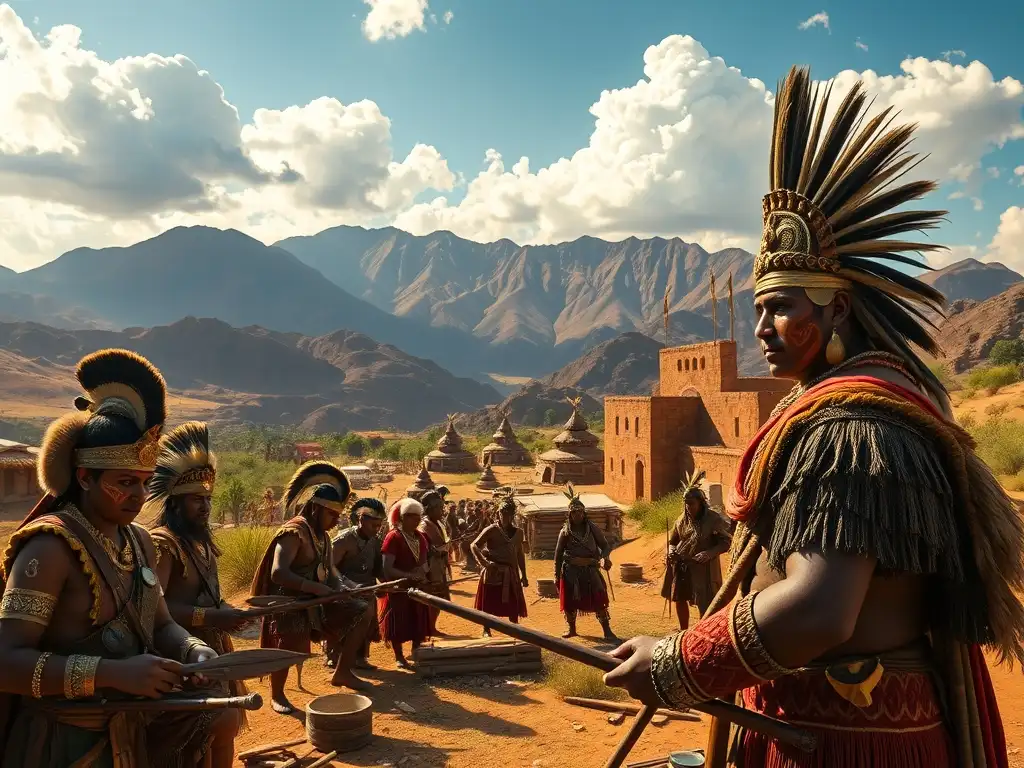
Uncover the mysteries of a lost world! Dive into the fascinating realm of Andean civilizations, where empires rose and fell, leaving behind a legacy of breathtaking artistry and sophisticated engineering. But what truly fueled the Moche's power? This website explores the rich tapestry of Andean history and culture, starting with a deep dive into the intriguing social structure of the Moche warrior class. Prepare to be amazed as we unravel the secrets behind their military might and societal organization. Read on to discover the hidden truths behind the Moche's remarkable achievements.
The Moche civilization (circa 100-800 CE), flourishing along the arid northern coast of Peru, was renowned not only for its sophisticated irrigation systems and breathtaking artistry but also for its powerful military. This article delves into the fascinating world of the Moche military, examining its intricate organizational structure and the leadership that propelled its success.
Understanding the Moche military is key to comprehending the broader context of their society, its expansion, and its ultimate demise. We will explore the intricate social hierarchy within the Moche warrior class, revealing how this structure contributed to their military prowess and shaped their societal dynamics.
This exploration will shed light on the complex interplay between military strength, social stratification, and political power within this remarkable ancient civilization. We will analyze archaeological evidence, iconography, and the limited textual records to paint a picture of the Moche warrior, their place in society, and their role in shaping the Moche world.
Understanding the Moche Military Power
The Moche military's effectiveness stemmed from a combination of factors: a highly organized structure, advanced weaponry (for the time), and a strong sense of discipline and loyalty. Archaeological evidence, such as the discovery of well-preserved weaponry and fortifications, suggests a considerable investment in military infrastructure and training. The Moche were skilled metalworkers, producing high-quality bronze and copper weapons, including spears, knives, and battle axes.
Furthermore, depictions in Moche pottery frequently showcase military scenes, battles, and the capture of prisoners, providing valuable insights into their warfare tactics and strategies. These depictions often highlight the elite warrior class, their elaborate adornments, and their prominent role in leading the army. The Moche army wasn't just a fighting force; it played a crucial role in maintaining social order, controlling resources, and expanding the Moche territory.
Their military expeditions were not only about conquest but also about securing access to vital resources and consolidating political power. The scale and sophistication of their military endeavors suggest a centralized command structure and a well-defined chain of command, characteristics rarely seen in other contemporaneous Andean societies. The extent of their military influence is evident in the distribution of Moche artifacts throughout the region, indicating a wide-reaching network of control and interaction.
The Moche warrior social structure was hierarchical, mirroring the broader societal organization. At the apex stood the elite warriors, often depicted in elaborate headdresses and adorned with prestigious symbols of power. These individuals were likely members of the ruling class or closely associated with it. Below them were likely ranks of professional soldiers, possibly organized into units based on geographic location or specialization. Evidence suggests the existence of specialized warrior units, perhaps focused on different aspects of warfare, such as ranged combat or close-quarters fighting.
The lower ranks likely consisted of conscripted warriors or those who served in auxiliary roles supporting the main fighting force. This hierarchical structure ensured efficient command and control on the battlefield, maximizing the effectiveness of Moche military operations. The social status of a warrior directly impacted their access to resources, weaponry, and opportunities for advancement. This system likely fostered a competitive environment among warriors, incentivizing loyalty and dedication to the Moche leadership.
The precise details of the Moche warrior social structure remain a subject of ongoing research, but the available evidence paints a picture of a highly organized and stratified military system. Further archaeological investigations and analysis of existing artifacts are needed to fully understand the nuances and complexities of this fascinating aspect of Moche society. The study of Moche iconography, particularly the detailed representations on pottery, continues to provide valuable insights into their social hierarchy and military organization. The careful examination of these visual records, combined with the analysis of burial contexts and associated grave goods, allows researchers to piece together a more complete understanding of the Moche warrior’s social standing and its implications for the society as a whole.
Core Elements of the Moche Army
The Moche army, a crucial component of their societal structure, wasn't a standing army in the modern sense. Instead, it was a highly organized and mobilized force, likely comprised of conscripted citizens and specialized warrior elites. The size of the army varied depending on the needs of the state, fluctuating with the demands of warfare or large-scale public works projects. Archaeological evidence suggests a sophisticated logistical system supported these military campaigns, including the transportation of supplies, weaponry, and personnel across significant distances.
This logistical prowess is reflected in the scale of some Moche constructions and the widespread distribution of their artifacts. The Moche's ability to rapidly mobilize and supply a substantial fighting force was a key factor in their success and expansion. The effective organization of their military was integral to their control over resources and their dominance in the northern Peruvian coastal region.
Moche Warrior Classes and Their Roles
The Moche military wasn't a monolithic entity; rather, it exhibited a clear hierarchy and specialization. Evidence suggests the existence of distinct warrior classes, each with specific roles and responsibilities on the battlefield. While precise details remain elusive due to limited textual sources, iconography on Moche pottery and metalwork provides valuable insights into these distinctions.
We see depictions of warriors armed with spears, clubs, slings, and bows and arrows, suggesting specialized units focused on ranged combat, melee combat, and possibly siege warfare. The organization of these units likely mirrored the broader social stratification of Moche society, with elite warriors enjoying higher status and privileges. Further research into the distribution of weaponry and burial goods could help refine our understanding of these divisions.
Elite Moche Warriors: Status and Training
Elite Moche warriors occupied a privileged position within the society. Their status is evident in their elaborate burial goods, often including finely crafted weaponry, gold ornaments, and intricate textiles. These elite warriors likely underwent rigorous training from a young age, developing specialized skills and tactical knowledge. This training may have included hand-to-hand combat, archery, the use of specialized weaponry, and strategic maneuvers.
Their extensive training, coupled with their access to superior weaponry and equipment, made them the backbone of the Moche military's offensive capabilities. The distinct imagery of elite warriors in Moche art, often depicted in ceremonial attire and carrying prestigious weapons, reinforces their high social standing and military importance. Furthermore, their role likely extended beyond combat, participating in important ceremonies and reinforcing the authority of the ruling class.
Moche Common Soldiers: Recruitment and Equipment
The bulk of the Moche army was likely composed of common soldiers, conscripted from the broader population. Their equipment was generally less elaborate than that of the elite warriors; however, they still played a critical role in Moche military campaigns. Their recruitment methods are unclear, but it's plausible that conscription was tied to civic duty, with obligations to serve based on factors such as age, physical fitness, and social standing.
The equipment of common soldiers likely consisted of basic weaponry, such as spears, clubs, and slings, which were produced more readily and in larger quantities than the highly crafted weapons of the elite. The common soldiers provided the necessary manpower for large-scale military operations, forming the essential mass of the Moche armies. Their role in maintaining order within the Moche state might also have extended beyond military campaigns.
Military Leadership in Moche Society
The Moche military's success was not solely dependent on the strength of its warriors; effective leadership played a crucial role in coordinating military operations and maintaining order. The structure of Moche military leadership reflected the hierarchical nature of their society, with authority concentrated in the hands of a select few. The interplay between religious authority and military command was particularly significant.
The Role of the Moche Priest-Kings in Warfare
In Moche society, the Priest-Kings held supreme authority, and their influence extended to the military. While they likely didn't personally lead troops into battle, their role was paramount in planning campaigns, allocating resources, and inspiring soldiers. The Priest-Kings' religious authority lent legitimacy to their military decisions, fostering loyalty and obedience within the ranks. Their image as powerful intermediaries between the human and supernatural realms instilled a sense of divine right, bolstering morale and strengthening the army's cohesion. The iconography of Priest-Kings in Moche art frequently depicts them adorned with military symbols, highlighting their connection to the military's success.
Moche Military Commanders: Authority and Responsibilities
Beneath the Priest-Kings, a hierarchy of military commanders likely existed. These commanders were responsible for the tactical organization and deployment of troops, ensuring effective coordination during battles. Their authority was likely derived from a combination of military experience, social standing, and perhaps hereditary lineage.
The specific structure of this command hierarchy remains uncertain, but it’s plausible it involved multiple levels of command, mirroring the complexity of Moche military operations. Further research is needed to identify the specific titles and responsibilities of these commanders. Analyzing the distribution of elite grave goods might provide clues about the status and influence of different military leaders.
Evidence of Moche Military Leaders in Art and Archaeology
While textual sources are lacking, Moche art and archaeology offer compelling evidence of military leadership. Depictions of warriors in elaborate attire and carrying prestigious weaponry suggest the existence of high-ranking military officials. The presence of elaborate tombs containing finely crafted weapons and other grave goods associated with warfare indicates the status and power of these leaders.
These findings, though not explicitly identifying individuals by name or rank, provide strong indirect evidence of a sophisticated military command structure. Further investigation of Moche burial sites and a more detailed analysis of the iconography in their art could shed additional light on the identities and roles of specific Moche military leaders. The study of elite burials, in particular, holds the potential to reveal clues regarding the social structure and power dynamics within the Moche military.
Moche Military Tactics and Strategies
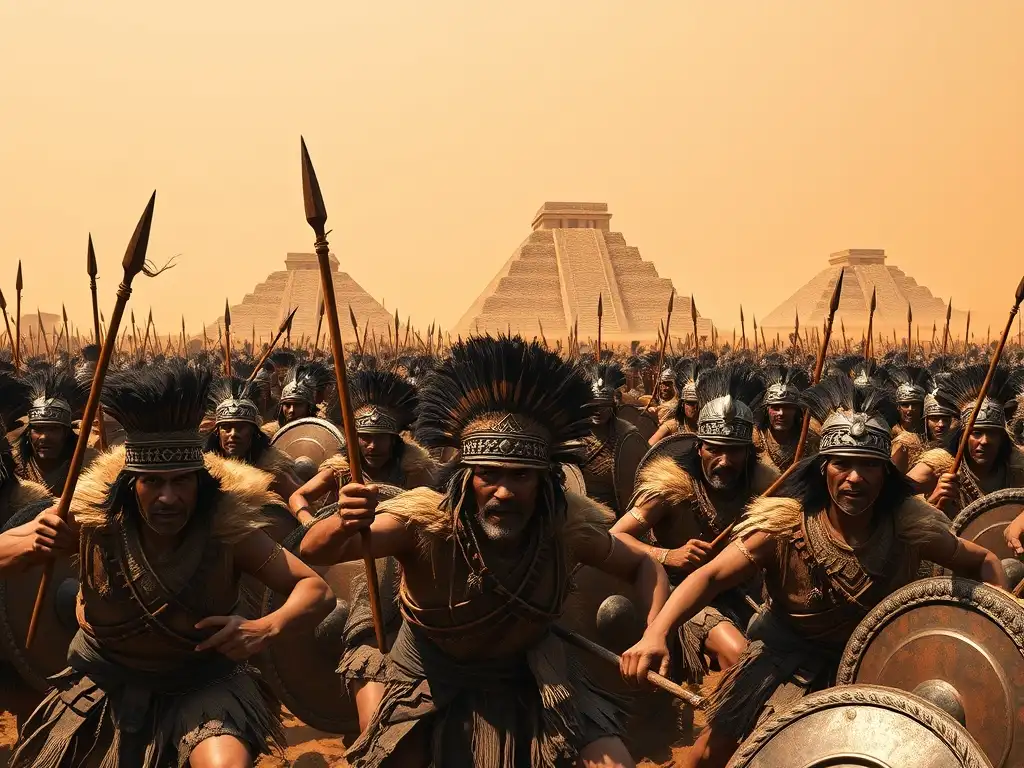
The Moche military's success stemmed not only from its weaponry but also from sophisticated tactics and strategies. Archaeological evidence suggests a high degree of organization and planning in their military operations. While specific battle plans remain elusive, analysis of their settlements, fortifications, and weaponry points to a flexible approach adapted to diverse terrains and enemy types. They likely employed both offensive and defensive strategies, depending on the situation and their objectives.
For instance, the construction of strategically located forts and defensive structures indicates a preparedness for protracted sieges and defensive maneuvers. Conversely, the apparent ease with which they expanded their territory suggests effective offensive strategies, perhaps involving swift, decisive attacks and skillful exploitation of enemy weaknesses. Further research into Moche military records, if discovered, would provide a much more complete picture of their tactical repertoire.
Moche Battle Formations and Combat Techniques
While detailed descriptions of Moche battle formations are scarce, we can infer some aspects from their weaponry and the overall structure of their society. It's plausible they employed formations designed to maximize the effectiveness of their weaponry – likely spear and javelin formations for ranged attacks, followed by close-quarters combat with clubs and macanas (a type of club). The use of shields, evidenced in iconography, suggests a degree of coordinated defense.
Individual warrior prowess likely played a significant role, but the overall success of Moche military campaigns suggests a level of tactical coordination exceeding simple individual heroism. The lack of large-scale, organized cavalry suggests that their combat tactics were primarily geared towards infantry-based warfare, adapted to the mountainous and coastal terrain of their region.
Moche Weaponry: An Arsenal of the Ancient Andes
The Moche arsenal was diverse and well-suited to their environment and warfare style. Their primary weapons included spears, javelins, clubs (including the macana), and slings. These weapons were crafted from various materials, including wood, stone, and obsidian, reflecting the available resources and technological capabilities. The production of these weapons was likely centralized, indicating a degree of state control over military resources.
Metalworking, while present in Moche society, didn't feature prominently in their weaponry to the same extent as in later Andean cultures. The effectiveness of their weaponry is evident in their military success, demonstrating a practical understanding of projectile weaponry and close-quarters combat. The quality of craftsmanship and the sophistication of their weapon design point to a skilled and organized arms production system.
Sieges and Fortifications in Moche Warfare
The construction of extensive defensive fortifications demonstrates the Moche's understanding of siege warfare. Many Moche settlements feature strategically placed defensive walls, ramparts, and watchtowers. These structures were designed to withstand prolonged sieges, reflecting a clear understanding of defensive strategies.
The presence of these fortifications suggests that sieges were a significant aspect of Moche warfare, both in defending their own settlements and in attacking enemy strongholds. The size and complexity of some fortifications indicate the investment of considerable resources and manpower, underscoring the importance of defense in their military doctrine. Further research into the construction techniques and materials used in these fortifications could reveal additional insights into Moche military engineering skills.
The Significance of Moche Military Might
The Moche military played a crucial role in shaping their society and influencing their neighbors. Their military strength was instrumental in establishing and maintaining their political control, facilitating their expansion, and securing access to vital resources.
Expansion and Control of Moche Territory
The Moche civilization's considerable geographic extent is a testament to their effective military strategies and organizational capabilities. Their control extended across the arid coastal valleys and into the Andean foothills, encompassing a diverse range of environments and resources. This expansion wasn't achieved through mere conquest; it likely involved a combination of military force, diplomacy, and economic control.
The ability to project military power across such a wide area speaks to their logistical capabilities and their capacity for coordinating military operations over significant distances. The precise mechanisms of their territorial expansion remain a subject of ongoing research, but the evidence strongly points to a powerful and well-organized military as a key factor.
The Impact of Moche Warfare on Society and Culture
Moche warfare significantly impacted their societal structure and cultural expressions. The military played a prominent role in the hierarchy, with warriors likely holding positions of power and prestige. This is reflected in their iconography, where warriors are often depicted prominently in ceremonial contexts.
The constant need for military preparedness also influenced their economy, with resources directed towards the production of weapons and the maintenance of fortifications. The impact of warfare on daily life, however, is less clear and requires further investigation. There is evidence to suggest that the constant threat of conflict shaped their worldview, as reflected in certain aspects of their art and religious practices.
Moche Military Influence on Neighboring Cultures
The Moche military’s influence extended beyond their own territory. Their military successes likely impacted the political landscape of neighboring cultures, forcing them to adapt their own strategies and alliances. The Moche military's prestige and power may have led to tributary relationships or even outright submission by some neighboring groups.
The extent of this influence remains a topic of ongoing research, but the evidence suggests that the Moche military was a significant force in the broader Andean region. Further investigation into the interactions between the Moche and their neighbors is crucial for understanding the full extent of their military influence and its impact on the development of other Andean cultures.
Archaeological Evidence of Moche Warfare
The Moche's military prowess is vividly documented through archaeological findings across their territory. Evidence isn't limited to weapons; instead, it paints a broader picture of their warfare, including its scale, organization, and impact on society. The sheer quantity of weaponry unearthed—from meticulously crafted spears and clubs to sophisticated projectile points and metal knives—indicates a significant investment in military resources.
Furthermore, the discovery of mass graves containing numerous skeletons with traumatic injuries, consistent with battlefield casualties, points to large-scale conflicts. These discoveries provide compelling evidence for a well-organized and powerful military machine. The distribution of these artifacts across various Moche sites suggests a widespread military presence, not confined to a single location or elite group.
The consistent style and quality of weaponry suggest a degree of standardization and potentially centralized production, further supporting a structured military system. The presence of these artifacts in both elite and commoner contexts suggests that participation in warfare wasn't solely the province of a select few.
Analysis of Moche Battle Scenes in Pottery
Moche pottery offers invaluable insights into their military organization and warfare tactics. Intricate depictions of battles, often featuring highly stylized warriors and elaborate weaponry, provide visual records of combat scenarios. These scenes often portray organized formations, suggesting a degree of tactical sophistication.
Analysis of these depictions reveals details about weaponry, armor, and fighting styles. For example, we can observe the use of spears, clubs, slings, and perhaps even early forms of bows and arrows. The portrayal of individual warriors in distinct roles—possibly officers, standard-bearers, or specialized units—suggests a hierarchical structure within the Moche military.
Furthermore, the attention to detail in these scenes, including the depiction of captives and trophies, highlights the social and political significance of military success. The pottery not only illustrates the actual fighting but also potentially propagandistic imagery, glorifying military achievements and reinforcing social hierarchies. Careful study of these scenes allows researchers to piece together a more complete understanding of Moche military strategy and organization.
Moche Burials and the Warrior Elite
Moche burials offer a unique window into the social status and prestige associated with military prowess. The presence of elaborate grave goods, such as finely crafted weaponry, ornate clothing, and precious metals, in certain burials indicates a warrior elite. These individuals were likely high-ranking officers or commanders who played crucial roles in the Moche military.
The sheer scale of some of these burials, along with the presence of human sacrifices, underscores their importance within Moche society. The careful arrangement of grave goods, often reflecting the warrior's military status and achievements, allows researchers to reconstruct aspects of Moche social hierarchy. The discovery of multiple burials with similar grave goods suggests the existence of specialized military units or clans.
Comparative analysis of these burials with those of non-military elites provides a clearer picture of the social stratification within Moche society and the privileged position occupied by the warrior class. The study of these burials thus reveals not just the military organization but also its crucial role in shaping Moche social structures.
Moche Defensive Structures and Fortifications
The construction of defensive structures and fortifications further supports the significance of military organization within the Moche civilization. Archaeological evidence reveals the existence of strategically located settlements, fortified hilltop sites, and elaborate irrigation systems that could also serve as defensive barriers. These structures were not merely haphazard defenses; rather, they exhibit careful planning and engineering expertise.
Their placement often commands strategic vantage points, indicating a sophisticated understanding of defensive strategy. The scale and complexity of these fortifications suggest significant investment of resources and labor, indicating the importance of defense within Moche society. The construction of these defenses likely involved the coordinated effort of numerous individuals, further highlighting the organizational capacity of the Moche military.
Analyzing the design and construction techniques allows researchers to understand the Moche's engineering capabilities and their approach to defensive warfare. The study of these structures provides crucial insights into the Moche's ability to protect their territory and resources.
The Decline of Moche Military Power and its Consequences
The once-dominant Moche military eventually experienced a decline, leading to significant consequences for the civilization as a whole. While the precise causes remain a topic of ongoing research, several factors likely contributed to this weakening. The decline wasn't a sudden collapse but rather a gradual process, marked by internal strife and external pressures that eroded Moche military dominance.
This shift had profound implications for the political landscape, social structures, and economic stability of the civilization. The loss of military power likely resulted in a loss of control over resources and trade routes, impacting the overall prosperity of the Moche state. The weakening of the military also likely contributed to increased internal conflict and social unrest, further destabilizing the civilization.
Factors Contributing to the Moche Decline
Several factors likely contributed to the decline of Moche military power. Environmental changes, such as prolonged droughts or flooding, could have severely impacted agricultural production and the Moche's ability to support a large military. Internal conflicts, possibly stemming from power struggles between different factions or elites, could have weakened the centralized authority needed to maintain a strong military. External pressures, such as incursions from neighboring groups or rival states, also likely played a significant role.
These external threats could have overstretched Moche military resources, leading to a gradual erosion of their power. The interplay of these factors—environmental stress, internal conflict, and external pressures—likely contributed to the weakening of the Moche military and the subsequent decline of the civilization. Further research is needed to fully elucidate the relative importance of each factor.
The End of Moche Military Dominance
The end of Moche military dominance wasn't a single event but rather a gradual process of decline and fragmentation. As the Moche military weakened, its ability to control its territory and resources diminished. This led to increased instability and ultimately the collapse of the centralized state. The once-powerful military machine gradually disintegrated, and the Moche civilization lost its capacity for large-scale warfare.
This decline likely resulted in territorial losses, the disruption of trade networks, and widespread social upheaval. The consequences of this decline were far-reaching, leading to a significant transformation in the political and social landscape of the northern coast of Peru. The exact timeline and specific events surrounding this decline continue to be subjects of ongoing archaeological research and scholarly debate.
Legacy of the Moche Military Tradition
Despite its eventual decline, the Moche military left a significant legacy. Their sophisticated military organization, advanced weaponry, and strategic fortifications influenced subsequent Andean societies. The Moche's military achievements are reflected in the archaeological record, and their legacy continues to be studied and interpreted by archaeologists and historians. The Moche military's impact is evident in the development of warfare strategies and military technologies throughout the Andean region.
The legacy of their military traditions is evident in the art and iconography of subsequent cultures, suggesting a lasting influence on the cultural imagination. The study of the Moche military provides valuable insights into the dynamics of warfare and state formation in ancient Andean societies. Their military achievements remain a testament to their innovative spirit and organizational prowess.
- Understanding the Moche Military Power
- The Moche Warrior Social Structure: A Hierarchical Overview
- Core Elements of the Moche Army
- Military Leadership in Moche Society
- Moche Military Tactics and Strategies
- The Significance of Moche Military Might
- Archaeological Evidence of Moche Warfare
- The Decline of Moche Military Power and its Consequences
Frequently Asked Questions
The Moche social structure was hierarchical, with warriors occupying a high position. Their status was reflected in their elaborate burials and the prestige items they were interred with, indicating a powerful and influential elite group. Military success directly impacted their social standing.
How did the Moche organize their military forces?
The Moche military was likely organized into units, possibly based on geographic location or kinship ties. Evidence suggests a centralized command structure, with high-ranking officers leading large groups of soldiers. Specialized roles within the military, such as archers and spearmen, are also suggested.
What role did leadership play in the Moche military?
Elite warriors and possibly priests held significant leadership positions. Their authority was likely reinforced through religious beliefs and demonstrations of power, such as elaborate rituals and displays of military prowess. Symbols of power, including weaponry and adornments, further solidified their leadership status.
Archaeological evidence, such as elaborate tombs containing weaponry and artifacts, provides insight into the Moche warrior social structure. Depictions in Moche art, like ceramics and textiles, also illustrate military organization and the status of warriors. Analysis of skeletal remains can also reveal information about the health and lifestyle of warriors.
How did the Moche military impact their society?
The Moche military played a crucial role in maintaining social order, expanding the empire, and acquiring resources. Military success likely contributed to economic prosperity and political stability, shaping the culture and development of Moche society. Conquest and control of territories directly impacted the social and economic landscape.
Final Reflection: Echoes of Power in the Moche Sands
The sophisticated military organization of the Moche civilization remains a potent reminder of the complex social structures that shaped ancient societies, and its echoes resonate even in our modern world. Understanding their hierarchical system, from elite warriors to the broader populace involved in military support, offers crucial insights into the dynamics of power, resource management, and societal cohesion in pre-Columbian America. The Moche's ability to maintain a powerful military force for centuries speaks volumes about their effective leadership and social engineering.
The Moche's dedication to military prowess, evident in their elaborate iconography and monumental architecture, continues to fascinate and inspire researchers today. Their military structure wasn't simply about conquest; it was deeply intertwined with their religious beliefs, artistic expression, and economic prosperity. The intricate interplay between these aspects of their culture highlights the interconnectedness of societal elements, a lesson relevant to understanding the complexities of any civilization. The past is never dead. It's not even past.
- William Faulkner. This quote perfectly encapsulates the enduring relevance of studying the Moche military, as their legacy continues to inform our understanding of ancient societies and the enduring human drive for power and organization.
Consider the parallels between the Moche's carefully structured military and the organizational challenges faced by modern societies. How do we, in our own time, balance the need for security and order with the preservation of individual rights and social justice?
Reflect on the Moche's legacy, not just as a study of the past, but as a mirror reflecting our own ongoing struggles with power, leadership, and the enduring human quest for both dominance and community. Let the echoes of their power inspire you to examine the structures that shape your own world, and to consider how we might build societies that are both strong and just.
Unleash Insights into Moche Military Mastery!
Thank you for exploring the fascinating world of Moche military organization! We hope you've gained valuable insights into the structure and leadership of this remarkable civilization. Now, let's put that knowledge to use!
Here are a few ways to further your understanding and engagement:
- **Explore** related articles on our website to learn more about Andean civilizations and their historical context.
- **Join the discussion** by sharing your thoughts and discoveries in the comments below. Which aspects of Moche military strategies were most intriguing to you?
- Consider **visiting a museum or exhibition** featuring Moche artifacts to experience their fascinating military history firsthand.
How might the Moche's military strategies inform modern leadership and organizational practices? Let's discuss!