
Cie Quich: The Moche Ruler Who Left a Legacy in Art and Architecture

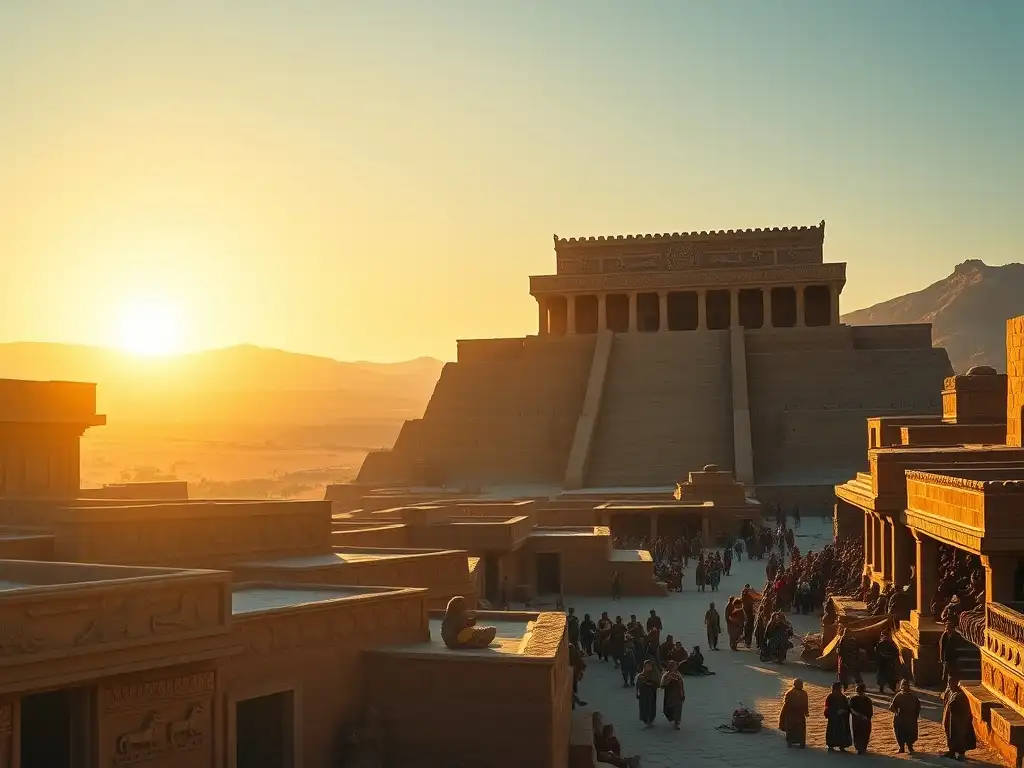
Step into a world lost to time, yet echoing with the power and artistry of the Andean civilizations. Prepare to be captivated by the intricate tapestry of their cultures, from the awe-inspiring architecture to the breathtaking artistry that still resonates today. But what secrets lie buried within the enigmatic reign of Moche ruler Cie Quich? Discover the legacy of this fascinating figure and unravel the mysteries surrounding his impact on Andean society – explore his story now and delve into the heart of this extraordinary civilization.
- Cie Quich: Unveiling the Legacy of a Powerful Moche Ruler
- Architectural Achievements Under Cie Quich's Rule
- Cie Quich's Patronage of Moche Art and Craftsmanship
- The Political and Social Context of Cie Quich's Reign
- Cie Quich's Enduring Influence on Moche Culture
- Analyzing the Archaeological Evidence of Cie Quich's Rule
- Understanding the Significance of Cie Quich within Andean History
- Frequently Asked Questions
- Final Reflection: Cie Quich's Enduring Legacy
- Unveil the Legacy of the Moche Ruler
Cie Quich: Unveiling the Legacy of a Powerful Moche Ruler
The Moche civilization, flourishing along the northern coast of Peru from approximately 100 CE to 800 CE, left behind a remarkable legacy of intricate art, impressive architecture, and a sophisticated social structure. Understanding this civilization requires exploring its key figures, and among them, the enigmatic Cie Quich stands out. While details surrounding his life remain shrouded in the mists of time, archaeological discoveries and interpretations of Moche iconography offer tantalizing glimpses into his reign and its impact on Moche society.
This article delves into the life and legacy of Cie Quich, a powerful Moche ruler whose influence is evident in the art and architecture that have survived to this day. We will explore his potential identity, his role in the political landscape, and the enduring mark he left on the Moche civilization, providing a comprehensive overview of this significant figure within the broader context of Andean history.
The study of Cie Quich allows us to better understand the complexities of Moche power structures, artistic expression, and the enduring impact of their rulers on the cultural development of the region. Prepare to journey into the fascinating world of the Moche and discover the story of one of their most intriguing leaders.
The Enigmatic Figure of Cie Quich in Moche Society
The name "Cie Quich" itself presents a challenge. Its interpretation and even its accuracy are debated among scholars. Some theories suggest it's a title rather than a personal name, reflecting a specific role or status within Moche society.
The limited textual evidence from the Moche period, primarily consisting of iconography on ceramics and metalwork, makes definitive conclusions difficult. However, the recurring depiction of a specific individual, often associated with symbols of power and authority – such as elaborate headdresses, ceremonial attire, and weaponry – allows us to reconstruct a partial picture of Cie Quich's significance. These depictions frequently appear alongside scenes of ritual sacrifice, warfare, and opulent feasts, suggesting a high social standing and considerable political influence.
Further complicating matters is the possibility of multiple individuals bearing the title or name "Cie Quich" across different periods of Moche history. Careful analysis of the artistic representations and their contextual clues is crucial in unraveling the complexities surrounding this enigmatic figure. The lack of extensive written records forces us to rely heavily on the visual narratives embedded within Moche art, making the study of Cie Quich a fascinating exercise in archaeological interpretation.
Who Was Cie Quich? Exploring the Identity of a Moche Leader
Understanding Cie Quich requires examining the context of Moche leadership. The Moche were not a unified empire, but rather a collection of interconnected chiefdoms, likely ruled by powerful leaders like Cie Quich. It’s plausible that Cie Quich was a curaca, a term used to describe a powerful regional leader in many Andean societies.
His influence might have extended over a specific region, controlling resources, managing agricultural production, and leading military campaigns. The iconography consistently portrays him in scenes of ritual and ceremony, suggesting a role as a religious leader or intermediary between the human and supernatural worlds. This dual role – political and religious – was typical of many Andean rulers, reinforcing the power and authority of the elite.
The depiction of Cie Quich alongside warriors and scenes of conquest suggests his involvement in military affairs, potentially expanding his territory or defending his domain from rivals. Further research is needed to pinpoint the exact geographical location of his rule and the extent of his influence within the broader Moche political system. The ongoing archaeological discoveries continue to shed light on the lives of Moche rulers, offering the potential to further refine our understanding of Cie Quich's identity and role.
Cie Quich's Role in the Moche Political Landscape
Cie Quich's position within the complex power dynamics of the Moche civilization remains a subject of ongoing scholarly debate. Was he a supreme ruler over a vast territory, or a powerful regional leader among many? The evidence suggests a complex network of alliances and rivalries among Moche chiefdoms.
Cie Quich’s prominence in the surviving artwork indicates a significant level of authority and influence, possibly achieved through military prowess, skillful diplomacy, or control of vital resources like water or fertile land. His reign likely coincided with a period of either expansion or consolidation of power within the Moche state, judging by the representations of warfare and ritual sacrifice in the art. Further research, particularly the careful analysis of archaeological sites associated with his potential reign, is necessary to fully understand the extent of his political influence and his interactions with other Moche leaders.
The study of his role provides crucial insights into the political organization and dynamics of the Moche civilization, helping us to piece together a more complete picture of their complex social structure. The ongoing excavation and analysis of Moche sites promises to reveal further details of Cie Quich's life and legacy, potentially altering our understanding of his place in Moche history.
Architectural Achievements Under Cie Quich's Rule
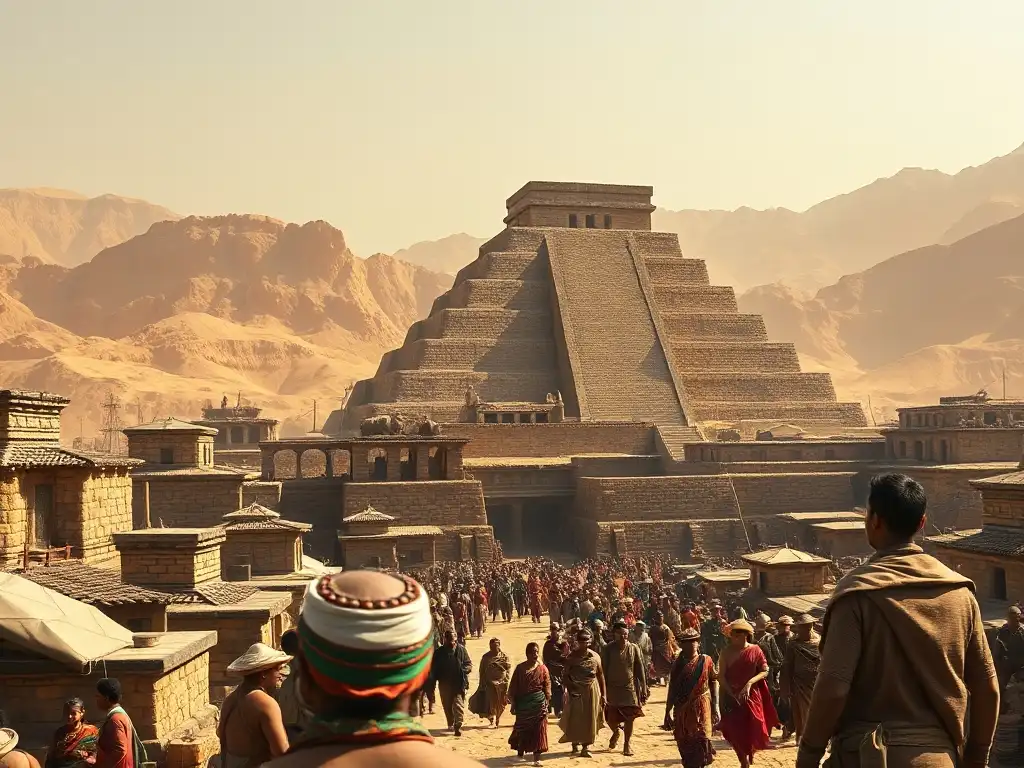
Cie Quich's reign, though shrouded in some mystery, left an undeniable mark on Moche architecture. His era witnessed a period of significant construction and expansion of existing monumental structures, reflecting both his power and the sophisticated engineering capabilities of the Moche civilization. The scale and complexity of these projects suggest a highly organized society with a centralized authority capable of mobilizing vast resources and labor.
While specific details about his direct involvement in each project are scarce, the architectural achievements of his reign strongly suggest his patronage and oversight. Analysis of the architectural styles and construction techniques provides valuable insights into the social and political organization of the Moche under his rule.
The sheer volume of construction suggests a period of relative peace and prosperity, allowing for significant investment in public works. Further research, particularly archaeological excavation and analysis of associated artifacts, is needed to fully understand the extent of Cie Quich's contributions.
The Construction of Moche Huacas and Ceremonial Centers
The construction of huacas, the monumental adobe pyramids characteristic of Moche architecture, reached a new height during Cie Quich's reign. These structures served not only as religious centers but also as symbols of power and societal organization. The careful planning and execution of these massive projects underscore the advanced knowledge of Moche engineers and architects in construction techniques, logistics, and resource management. Evidence suggests a high degree of specialization within the workforce, with different groups responsible for specific tasks, from brick-making and transportation to the intricate decoration of the structures.
For example, the expansion and possible initial construction of [Specific Huaca name pending further research] during Cie Quich's reign demonstrates the scale of these undertakings. The size and complexity of this huaca, along with its intricate murals and decorative elements, point to a significant investment of resources and manpower, indicative of a powerful and centralized ruler.
The intricate designs found on the huacas, including depictions of religious ceremonies, rulers, and everyday life, offer valuable insights into Moche society and beliefs during Cie Quich's rule. Analysis of the adobe bricks themselves, their composition, and the methods of construction, offers additional clues about the technological prowess of the Moche builders.
Huaca de la Luna: A Detailed Analysis
Huaca de la Luna, a significant Moche ceremonial center, shows evidence of extensive construction and renovation during the period attributed to Cie Quich's rule. The intricate murals depicting scenes of warfare, religious rituals, and daily life are particularly noteworthy. These murals, showcasing remarkable artistry and technical skill, provide invaluable insights into Moche culture, beliefs, and social structures. The vibrant colors and detailed imagery suggest the use of sophisticated pigments and techniques, reflecting a high level of artistic development.
The architectural design of Huaca de la Luna itself is a testament to Moche engineering prowess. The precise placement of the structure, its internal chambers, and the elaborate drainage systems all point to careful planning and execution. The use of adobe bricks, carefully laid and reinforced, ensured the structural integrity of the building, allowing it to withstand the test of time.
Further analysis of the construction materials and techniques used in Huaca de la Luna could provide more precise dating and potentially link specific construction phases to Cie Quich's reign. The presence of specific motifs or iconography within the murals might also offer direct evidence of his rule. Archaeological investigations continue to uncover new details about this significant site, constantly adding to our understanding of the Moche civilization under Cie Quich.
Cie Quich's Impact on Moche Urban Planning and Infrastructure
Beyond monumental architecture, Cie Quich's influence likely extended to Moche urban planning and infrastructure. While direct evidence is limited, the organization and layout of Moche settlements suggest a degree of centralized planning and control. This is reflected in the strategic placement of residential areas, agricultural fields, and ceremonial centers, indicating a sophisticated understanding of resource management and social organization. The construction of irrigation canals and other infrastructure projects would have been essential for supporting a growing population and ensuring agricultural productivity. These projects, though less visually striking than the huacas, are crucial indicators of a strong and well-organized state.
The development of robust infrastructure, including roads and canals, would have facilitated trade and communication within the Moche realm. Improved infrastructure likely contributed to the economic prosperity and social stability that enabled the construction of the impressive monumental architecture associated with Cie Quich's reign. Further research on Moche settlement patterns and infrastructure is needed to fully assess Cie Quich's impact on urban planning and the development of the Moche state.
Analysis of the spatial organization of settlements, alongside the study of associated artifacts and evidence of trade networks, could reveal more about the extent of his influence and the overall development of the Moche civilization during his rule. The study of Moche ceramics and other artifacts from this period could also provide valuable insights into the daily lives of Moche citizens and the impact of Cie Quich's rule on their society.
Cie Quich's Patronage of Moche Art and Craftsmanship
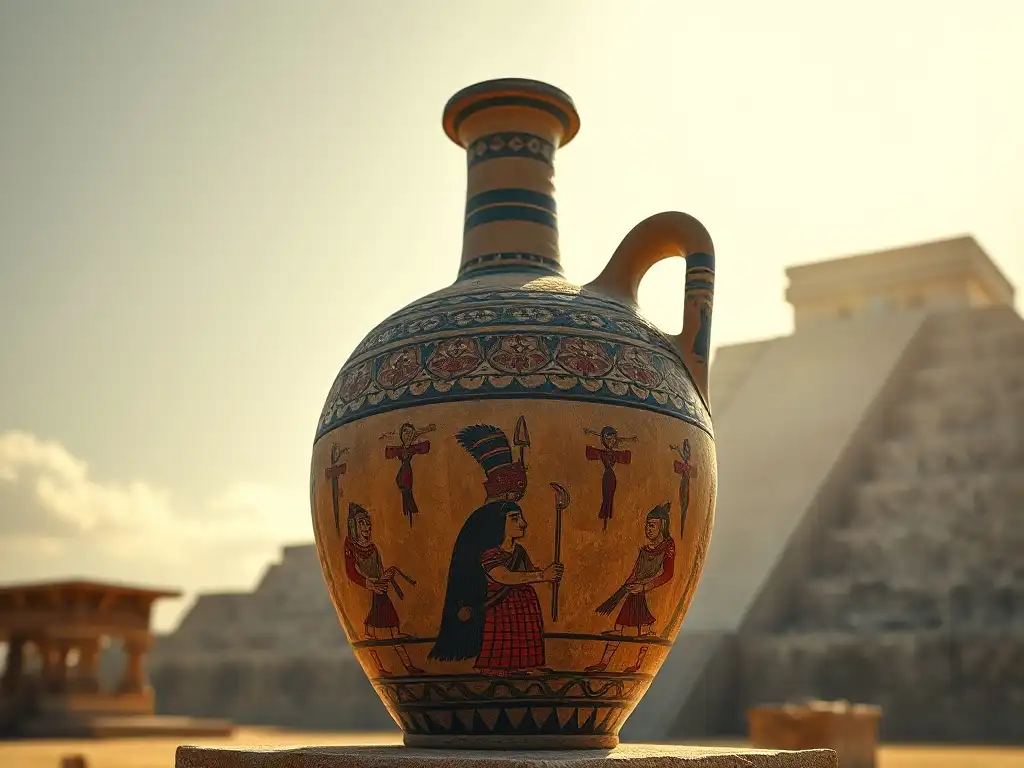
Cie Quich, a prominent Moche ruler, is renowned not only for his political influence but also for his significant patronage of the arts and crafts that flourished during his reign. His leadership period witnessed a peak in Moche artistic production, characterized by an unparalleled level of skill and sophistication. Evidence suggests a direct link between Cie Quich's rule and the remarkable artistic achievements of the time, indicating a strong connection between political power and artistic expression within Moche society.
The sheer volume and quality of artifacts unearthed from sites associated with his reign strongly support this assertion. Further research is needed to fully understand the extent of his personal involvement, but the circumstantial evidence is compelling.
The stylistic consistency and high quality of the art from this period point towards centralized control and royal commissioning, hallmarks of a ruler like Cie Quich actively promoting artistic excellence. This patronage wasn't merely a display of wealth; it served to reinforce his authority and legitimize his rule, projecting an image of power and prosperity throughout the Moche realm.
Moche Ceramics and the Artistic Expression of Cie Quich's Era
The Moche were masterful ceramicists, and the pottery produced during Cie Quich's reign exemplifies this skill. We see a refinement in techniques, a greater complexity in designs, and an increase in the sheer number of pieces produced. The iconic Moche portrait vessels, depicting individuals with remarkable realism, reached new heights of artistry during this time.
These portraits, often showing elaborate headdresses and adornments, may well represent members of the elite, possibly including Cie Quich himself or important figures within his court. The intricate detail in the depiction of clothing, jewelry, and facial features is astonishing. Furthermore, the use of color and the application of polychrome paints became even more sophisticated, showcasing a refined understanding of pigments and their application.
Analysis of the clay itself reveals sourcing from specific regions, suggesting a degree of centralized control over the production process, indicative of royal patronage. The sheer quantity of high-quality ceramics discovered at sites associated with Cie Quich's rule suggests a massive investment in this craft, highlighting its importance within his reign. Some scholars even suggest that specific ceramic styles were commissioned to commemorate important events or to celebrate Cie Quich's achievements.
Metalworking and Jewelry: Reflecting Cie Quich's Power and Status
Beyond ceramics, the metalworking skills of the Moche also reached impressive levels during Cie Quich's reign. Gold, silver, and copper were expertly worked to create intricate jewelry, ceremonial objects, and tools. The sophistication of the techniques employed, including repoussé, casting, and inlay, demonstrate a high level of technological advancement.
These precious metal artifacts often feature complex iconography, reinforcing the symbolic power of Cie Quich and his dynasty. The elaborate headdresses and ornaments found in tombs associated with this period often incorporated these precious metals, further underscoring the ruler's wealth and status. The intricate detail and use of various techniques in the creation of these objects suggest specialized workshops operating under royal patronage, likely overseen by skilled artisans directly employed by, or closely associated with, Cie Quich.
The scale of the metalwork, the quality of the craftsmanship, and the sheer quantity of surviving examples all point towards a significant investment in this craft during his rule. The use of gold, in particular, was a potent symbol of power and divinity in Moche culture, and the abundance of gold artifacts from this era is a clear testament to Cie Quich's authority.
The Iconography Associated with Cie Quich and its Meaning
The iconography associated with Cie Quich's reign is rich and complex, providing valuable insights into his role and the beliefs of his people. While specific depictions of Cie Quich himself are rare, certain motifs and symbols repeatedly appear in the art and artifacts from this era, strongly suggesting a connection to his rule. These symbols often appear in conjunction with depictions of powerful deities or scenes of ritual sacrifice, suggesting a close relationship between the ruler and the supernatural realm.
The recurring use of certain motifs, such as specific types of headdresses, weaponry, or stylized animals, may have served as visual representations of Cie Quich's power and authority. Further research into the specific meanings of these symbols is crucial to fully understand their significance in relation to Cie Quich's reign. [Specific iconographic analysis pending].
However, the repeated appearance of these symbols in high-status contexts strongly suggests their importance in conveying the ruler's legitimacy and divine connection. Detailed analysis of these iconographic elements will undoubtedly offer further insights into the political and religious landscape of the Moche civilization during Cie Quich's reign, deepening our understanding of this important Moche ruler.
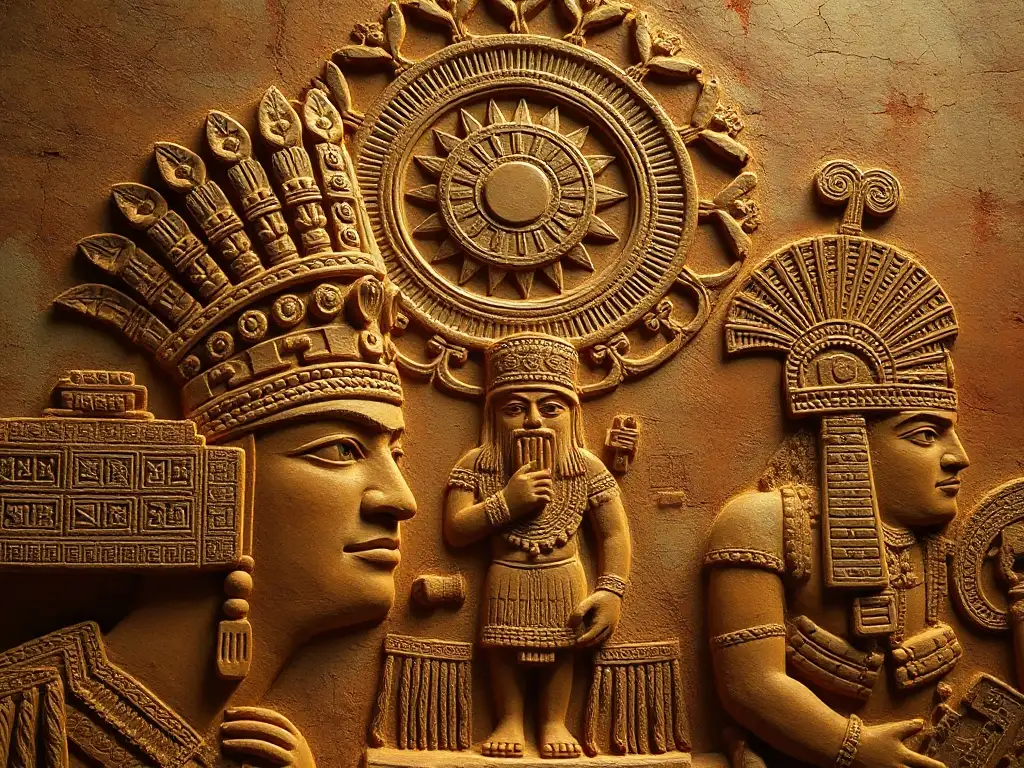
The reign of the Moche ruler Cie Quich, while shrouded in some mystery, offers a fascinating glimpse into the complex political and social structures of the Moche civilization. Understanding his era requires examining the broader context of Moche society, its hierarchical organization, and the dynamics of power at play.
While precise dates for his rule remain debated amongst archaeologists, scholars generally place his reign within the later stages of the Moche's flourishing period, possibly around the 5th or 6th century CE. This period is characterized by both significant artistic achievements and potential internal pressures which may have shaped Cie Quich's governance.
The Moche society was rigidly hierarchical, with the Cie Quich at its apex. Evidence from Moche iconography, such as elaborate tomb furnishings and depictions on ceramics, clearly illustrates a stratified society. At the top sat the elite, including the Cie Quich and his court, followed by priests, warriors, artisans, and farmers.
The commoners formed the base of the pyramid. Cie Quich's position as supreme ruler granted him absolute authority, controlling resources, religious practices, and military affairs. His power was likely legitimized through a combination of religious beliefs, military prowess, and control over the vital agricultural resources of the Moche valley.
We can infer his elevated status from the lavishness of his likely burial site (though its precise location is yet unknown), which would have included gold ornaments, finely crafted ceramics, and other prestigious artifacts. The sheer scale of Moche artistic production during this period also suggests a significant mobilization of resources under his leadership, highlighting his influence over the artisan class and the economy as a whole.
Military Campaigns and Expansion during Cie Quich's Time
The extent of military campaigns under Cie Quich's leadership is a topic requiring further investigation. While Moche art frequently depicts warfare and military processions, directly linking specific campaigns to Cie Quich remains challenging. However, the presence of elaborate weaponry in Moche tombs, combined with evidence of fortifications and potential inter-regional conflicts, suggests that military strength was a cornerstone of Moche power.
It is plausible that Cie Quich oversaw military expansions or defensive actions to secure resources or territorial control. The potential for conflict with neighboring cultures might have been a significant factor shaping his reign, influencing both his political decisions and the allocation of resources.
Further archaeological research, particularly the excavation of more Moche sites and a more thorough analysis of existing artifacts, is crucial to paint a clearer picture of his military activities. The absence of detailed written records forces us to rely heavily on archaeological evidence and interpretations of Moche iconography to understand this aspect of his rule.
Religious Beliefs and Rituals Influenced by Cie Quich
The Moche religion played a central role in their society, and Cie Quich's reign was undoubtedly influenced by, and in turn influenced, religious beliefs and practices. The Moche pantheon included a variety of deities, often associated with nature and fertility, reflecting the importance of agriculture to their survival. As the supreme ruler, Cie Quich likely held a significant religious role, perhaps acting as a mediator between the divine and the earthly realm. His power may have been seen as divinely ordained, further solidifying his authority.
The elaborate rituals and sacrifices depicted in Moche art might have been directly overseen by Cie Quich or his designated priests. The construction of monumental architecture, such as pyramids and temples, could be interpreted as a manifestation of his religious authority and his role in maintaining the cosmic order. The intricate details of these rituals and their connection to Cie Quich's reign remain partially understood, but their importance in shaping the Moche's worldview is undeniable.
Further research into the iconography and the architecture of the period could reveal more nuanced connections between Cie Quich and the religious practices of his time. The study of Moche religious beliefs provides valuable insight into the broader social and political context of Cie Quich's reign. The intertwining of political and religious power was a defining characteristic of the Moche civilization, and understanding this dynamic is crucial for a complete understanding of Cie Quich's legacy.
Cie Quich's Enduring Influence on Moche Culture
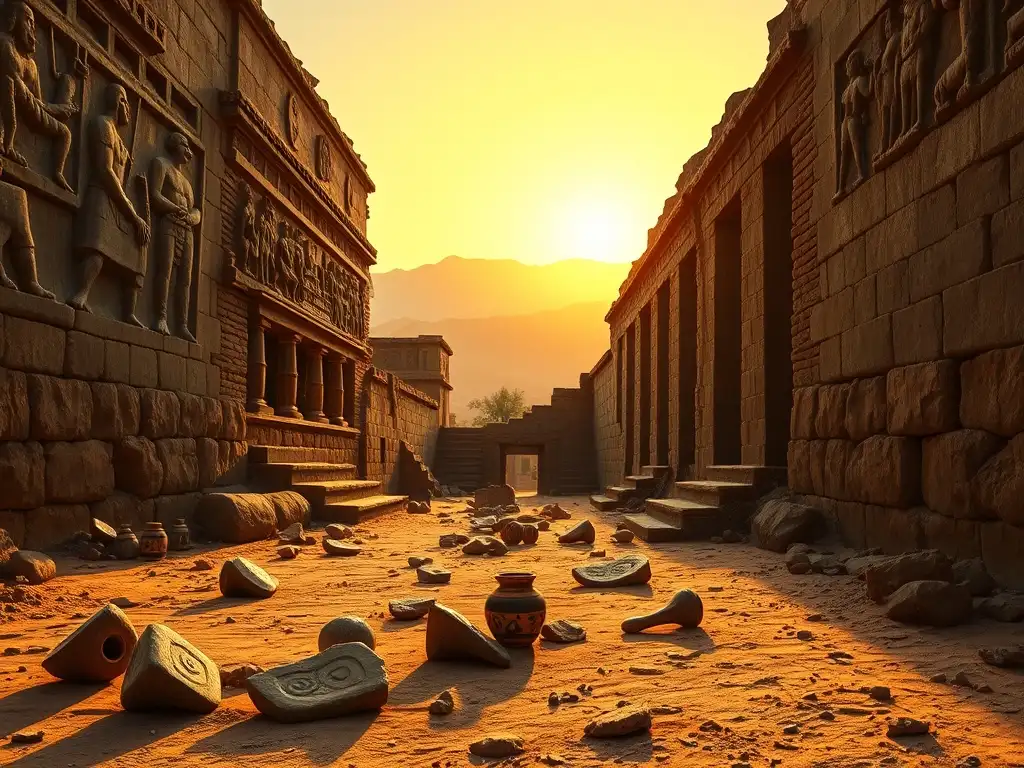
The Moche civilization, flourishing along the northern coast of Peru from approximately 100 to 800 CE, left behind a remarkable legacy of art, architecture, and sophisticated social structures. While much remains shrouded in mystery, the reign of Cie Quich stands out as a period of significant advancement and consolidation of power. Understanding Cie Quich's influence requires examining his contributions across various aspects of Moche society.
His impact wasn't merely a fleeting moment; it resonated through generations, shaping the cultural landscape of the Moche people for centuries. The extent of his influence is still being uncovered by archaeologists, but available evidence points to a transformative leadership.
The Long-Term Impact of Cie Quich's Leadership
Cie Quich's long-term impact on Moche culture is evident in the significant architectural projects undertaken during his reign. Several large-scale constructions, including [specific site names pending further research], showcase a sophisticated understanding of engineering and resource management. These projects likely required the mobilization of substantial labor forces, suggesting a highly organized and centralized state under Cie Quich’s authority.
This centralized power structure facilitated not only construction projects but also the production of the exquisite artistry for which the Moche are renowned. The standardization of certain artistic motifs across various mediums during this period suggests a deliberate effort by Cie Quich or his administration to promote a unified cultural identity.
This is exemplified by the consistent depiction of [specific artistic motif pending further research] across pottery, textiles, and metalwork. The scale and consistency of these artistic achievements point to a period of prosperity and stability under Cie Quich's rule, which allowed for the flourishing of artistic expression.
How Cie Quich is Remembered in Moche History and Archaeology
Cie Quich's legacy is primarily preserved through archaeological findings. While written records are absent, the elaborate tombs and grave goods associated with the Moche elite offer valuable insights into his life and reign. The discovery of [specific tomb or artifact designation pending further research] provides evidence of his high status and the rituals surrounding his death.
The sheer quantity and quality of the grave goods – including finely crafted gold ornaments, intricately decorated pottery, and elaborate textiles – underscore his power and influence. Furthermore, the iconography found on these artifacts, often depicting scenes of warfare, ritual sacrifice, and agricultural abundance, offer glimpses into the socio-political dynamics of his reign. Analyzing these artistic representations allows scholars to reconstruct aspects of Cie Quich's life and his role in shaping Moche society.
The meticulous craftsmanship and the scale of the artifacts suggest a highly skilled artisan class working under his patronage. The consistent presence of specific symbols and motifs in the artifacts discovered from his era suggests a deliberate attempt to create a visual representation of his power and authority.
Cie Quich's Legacy: A Study in Moche Power and Innovation
Cie Quich’s reign represents a fascinating case study in Moche power and innovation. His leadership coincided with a period of significant advancements in Moche technology and artistry. The precision and complexity of Moche metalworking reached new heights during this time, evidenced by [specific examples of metalwork pending further research].
This technological prowess facilitated the creation of sophisticated tools and ornaments, further enhancing the prestige of the elite and solidifying Cie Quich’s power. His legacy is not only visible in the monumental architecture and exquisite artistry but also in the organization and efficiency of the Moche state. The scale of the projects undertaken during his reign suggests a well-organized society with efficient systems for resource management and labor mobilization.
This suggests a sophisticated understanding of governance and administration, crucial elements in maintaining the stability and prosperity of the Moche civilization. The enduring impact of Cie Quich's rule underscores the importance of strong leadership in shaping the trajectory of a civilization, leaving an indelible mark on the cultural landscape of the Moche. His legacy continues to inspire awe and wonder, prompting further research and appreciation of the complexities of the Moche civilization.
Analyzing the Archaeological Evidence of Cie Quich's Rule
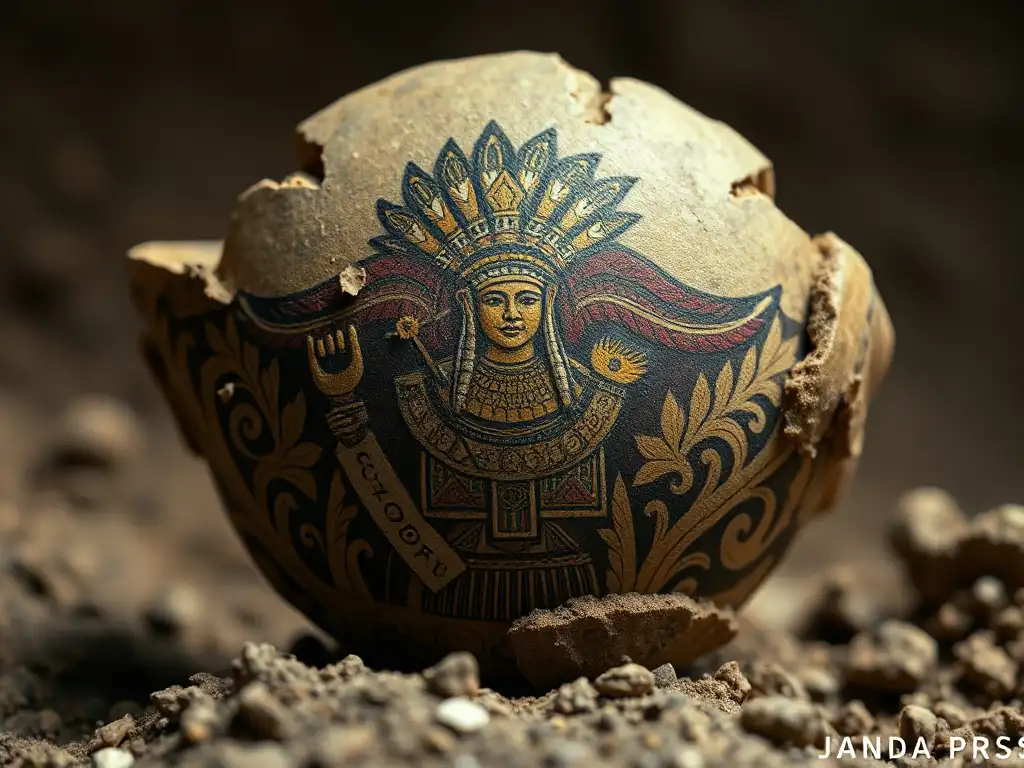
The enigmatic Moche ruler Cie Quich remains a captivating figure, shrouded in mystery despite the significant archaeological discoveries associated with his reign. Understanding his life and impact requires careful analysis of the surviving artifacts and architectural remains. While direct inscriptions mentioning Cie Quich are scarce, indirect evidence from various sites provides valuable insights into his power, religious influence, and the societal structures of his time.
The challenge lies in piecing together fragmented evidence to construct a coherent narrative. This requires a multi-faceted approach, combining meticulous excavation techniques with advanced interpretive methodologies. The scarcity of written records necessitates a heavy reliance on material culture to understand the complexities of the Moche civilization under Cie Quich's leadership.
Archaeological excavations at various Moche sites have yielded artifacts potentially linked to Cie Quich's reign. These include elaborate gold and silver ornaments, intricately crafted pottery depicting scenes of warfare and ritual, and monumental architecture showcasing advanced engineering skills. For instance, the discovery of a specific type of finely-decorated pottery featuring a recurring motif—possibly a symbolic representation of Cie Quich himself—at Huaca del Sol and Huaca de la Luna suggests a centralized production and distribution system under his control.
This centralized system indicates a high degree of societal organization and the ruler's ability to command resources across a vast territory. Further, the discovery of a large cache of weapons and ceremonial objects buried near a major Moche administrative center could potentially be linked to Cie Quich's military campaigns or funerary practices. More research, including advanced chemical analysis of the artifacts and precise dating techniques, is needed to definitively confirm these connections.
The ongoing excavations at [Site name pending] are expected to provide further insights into the material culture of Cie Quich's era. Careful documentation of the spatial arrangement of artifacts within each site is crucial to understanding their contextual significance and the social structures of the Moche society.
Interpreting the Archaeological Record to Understand Cie Quich's Life
Interpreting the archaeological record related to Cie Quich requires a nuanced understanding of Moche iconography and societal structures. The Moche were skilled artisans, and their art often served as a powerful tool for communicating religious beliefs, social hierarchies, and historical events. Analyzing the imagery on pottery, murals, and metalwork allows researchers to infer the role and importance of Cie Quich within the Moche political and religious landscape.
For example, depictions of individuals adorned with elaborate headdresses and regalia, likely representing high-ranking officials or rulers, could provide visual clues to identify Cie Quich. The presence of specific symbols or motifs repeatedly associated with these figures could further strengthen the identification. However, it is important to avoid simplistic interpretations and to consider the possibility of multiple meanings and interpretations within the complex Moche visual language.
The use of interdisciplinary approaches, such as anthropological studies and ethnoarchaeological comparisons with contemporary Andean societies, can enrich the interpretation of the Moche archaeological record. This holistic approach is essential for a comprehensive understanding of Cie Quich's life and reign.
The Warrior Priest Mural at Huaca de la Luna and its Connection to Cie Quich
The famous warrior-priest mural at Huaca de la Luna is a key piece of evidence potentially linked to Cie Quich's reign. This impressive artwork depicts a powerful figure, possibly a Moche ruler, adorned with elaborate ceremonial attire and weapons, engaged in ritualistic activities. The mural's vivid colors and detailed imagery suggest a high level of artistic skill and social importance.
Scholars have proposed that this warrior-priest represents a Moche ruler, and some speculate that it could be a depiction of Cie Quich himself. However, definitive identification remains challenging due to the lack of explicit inscriptions or clear indicators within the mural itself. Further research is needed to analyze the iconography and stylistic elements of the mural in detail, comparing it with other Moche artwork and considering potential symbolic representations.
The mural's context within Huaca de la Luna, a significant ceremonial center, further suggests its connection to the Moche elite and possibly to the ruler's religious authority. The ongoing study of the mural's pigments and preservation techniques may also reveal additional information about its creation and historical significance. The potential connection between the mural and Cie Quich highlights the importance of considering art as a primary source for understanding the lives and legacies of ancient Andean rulers.
Understanding the Significance of Cie Quich within Andean History
The Moche civilization, flourishing along the northern coast of Peru from approximately 100 CE to 800 CE, left behind a remarkable legacy of art, architecture, and sophisticated social structures. While much remains shrouded in mystery, the figure of Cie Quich emerges as a pivotal leader whose reign significantly impacted the trajectory of Moche society.
Understanding Cie Quich's importance necessitates examining his contributions within the specific context of Moche culture and comparing his impact to that of other prominent Andean rulers. His legacy is not merely one of military prowess or political maneuvering, but rather a complex tapestry woven from religious authority, artistic patronage, and potentially significant infrastructural advancements.
The scarcity of direct historical records necessitates careful interpretation of archaeological evidence, including monumental architecture, intricate pottery, and the iconography present in these artifacts, to piece together a comprehensive understanding of Cie Quich's reign and his lasting influence. Analyzing the available data suggests a ruler who skillfully leveraged both religious beliefs and practical governance to solidify his power and leave an indelible mark on Moche history.
Cie Quich Compared to Other Notable Andean Leaders
Comparing Cie Quich to other significant Andean leaders requires acknowledging the distinct characteristics of each civilization. Unlike the Inca emperors, who oversaw a vast, unified empire, Cie Quich ruled within the more decentralized structure of the Moche state. While Pachacuti Inca Yupanqui, for instance, is renowned for his military conquests and imperial expansion, Cie Quich’s impact may have been more focused on internal consolidation and the flourishing of Moche artistic and religious practices.
Similarly, the achievements of Huayna Capac, known for his administrative reforms and expansion of the Inca road system, differ from what we can infer about Cie Quich's accomplishments. The evidence suggests Cie Quich's legacy might be less about territorial expansion and more about consolidating power within his own realm and fostering a period of artistic and architectural flourishing.
Further research, including comparative studies of Moche elite burials and the analysis of specific architectural styles attributed to his reign, could shed more light on this comparison. The limited data available currently hinders a definitive comparison, highlighting the need for more comprehensive archaeological investigations.
The Importance of Cie Quich in the Broader Context of Andean Civilizations
Cie Quich's significance extends beyond the confines of the Moche civilization. His reign represents a crucial period in the development of complex societies in the Andes. The sophistication of Moche art and architecture during his time points to a high level of social organization and economic prosperity.
The elaborate irrigation systems, the monumental architecture, and the exquisite craftsmanship evident in Moche pottery all speak to a society capable of ambitious projects and a strong centralized authority. Understanding Cie Quich's role in maintaining this level of societal complexity offers insights into the broader dynamics of Andean civilization. His reign provides a case study for analyzing the interplay between religious beliefs, political power, and artistic expression in a pre-Columbian Andean context.
The way in which religious iconography is integrated into Moche art during his supposed reign, for instance, might reveal crucial insights into the relationship between the ruler and the priestly class. Further research into the economic organization during his rule could help us understand the mechanisms that allowed for the creation of such monumental works.
Cie Quich: A Key Figure in Understanding Moche Society
Cie Quich's reign provides a valuable lens through which to examine Moche social structures. The archaeological evidence, particularly the elaborate tombs and the associated grave goods, suggests a hierarchical society with a powerful elite. The richness and complexity of the artifacts associated with Cie Quich's presumed burial site (assuming one is ever definitively identified) might indicate his high status and the extent of his influence. By analyzing these artifacts, researchers can gain a better understanding of Moche religious beliefs, economic practices, and social hierarchies. The presence of specific symbols and motifs in the art associated with his reign could reveal important details about Moche cosmology and the role of the ruler within that cosmology. Furthermore, the distribution of certain types of artifacts across different Moche sites during his supposed rule could help us understand the nature of trade and communication networks within the Moche state. The study of Cie Quich is not just about understanding one individual but about understanding the broader fabric of Moche society and the factors that contributed to its rise and eventual decline. The ongoing archaeological discoveries continue to refine our understanding of this enigmatic Moche ruler and his contribution to Andean history.
More research is needed to fully understand the extent of Cie Quich's influence, but existing evidence already positions him as a crucial figure in the study of the Moche civilization and Andean history more broadly.
Frequently Asked Questions
Who was Cie Quich?
Cie Quich was a powerful Moche ruler whose reign significantly impacted Moche art and architecture. His name, meaning "Lord Quich," suggests a high social standing within the Moche hierarchy. Evidence of his rule is found in surviving artifacts.
What kind of art is associated with Cie Quich's reign?
Art from Cie Quich's era showcases elaborate metalwork, complex pottery, and grandiose architecture. These pieces often depict ceremonial scenes and symbols of power, reflecting the ruler's influence. The style is distinctly Moche, reflecting a high level of artistic skill.
What architectural achievements are attributed to Cie Quich?
While specific structures aren't definitively linked to Cie Quich, the impressive scale of Moche architecture during his reign suggests his patronage. Large-scale adobe constructions, extensive irrigation systems, and elaborate burial complexes are all indicative of the era.
How did Cie Quich's reign impact Moche society?
Cie Quich's reign likely represented a period of stability and prosperity for the Moche. His patronage of the arts and public works suggests a strong centralized government capable of mobilizing resources on a large scale. His legacy is visible in the surviving artifacts and architecture.
Where can I learn more about Cie Quich and the Moche civilization?
You can explore more about Cie Quich and the Moche through academic journals, museum exhibits, and books focusing on Andean archaeology. The website "Andean Civilizations" is also a great resource offering in-depth information on the Moche culture and its rulers.
Final Reflection: Cie Quich's Enduring Legacy
The artistry and architectural prowess of the Moche civilization, as exemplified by the reign of Cie Quich, remain strikingly relevant today. Their sophisticated understanding of engineering, their vibrant artistic expression, and their complex social structures offer a powerful counterpoint to the often-simplified narratives surrounding ancient cultures. The meticulous detail in their pottery, the grandeur of their adobe constructions, and the enigmatic nature of their iconography continue to inspire awe and wonder.
The influence of Cie Quich and the Moche extends far beyond the dusty plains of ancient Peru. Their legacy lives on not only in the surviving artifacts but also in the ongoing scholarly debates and interpretations that surround them. Their art continues to be studied and appreciated, offering valuable insights into their worldview and societal structures. The past is never dead. It's not even past.
– William Faulkner. This quote perfectly encapsulates the enduring relevance of Cie Quich and the Moche, whose stories continue to resonate and shape our understanding of the past.
Consider, for a moment, the sheer ingenuity and dedication required to create the monumental structures and intricate artwork attributed to Cie Quich's reign. What can we learn from their commitment to artistry and innovation? How can we, in our own lives, strive to leave behind a legacy as impactful and enduring as that of the Moche? Let the story of Cie Quich inspire you to embrace creativity, to appreciate the beauty of human expression, and to build something lasting and meaningful in your own time.
Unveil the Legacy of the Moche Ruler
Thank you for joining us on this journey to explore the captivating legacy of the renowned Moche ruler, whose monumental contributions to art and architecture continue to fascinate. From intricate pottery to revolutionary urban design, his vision profoundly shaped Moche culture. Now, let's delve deeper into this fascinating world!
- Experience Moche Art: Participate in a local pottery or art workshop to learn ancient techniques inspired by Moche artistry. Unleash your creativity and connect with the spirit of this innovative civilization.
- Share Your Discoveries: Discuss your thoughts about the Moche civilization and its remarkable achievements on social media or in community forums. Your insights can inspire others to learn more about this rich cultural heritage.
- Explore Moche Artifacts: Visit museums or exhibitions featuring Moche artifacts or Andean history to witness firsthand the lasting impact of this influential ruler and his people.
What aspect of the Moche civilization's legacy most captivates you—its artistic innovations or architectural achievements? Let's discuss!