
The Role of Music and Dance in Inca Religious Ceremonies

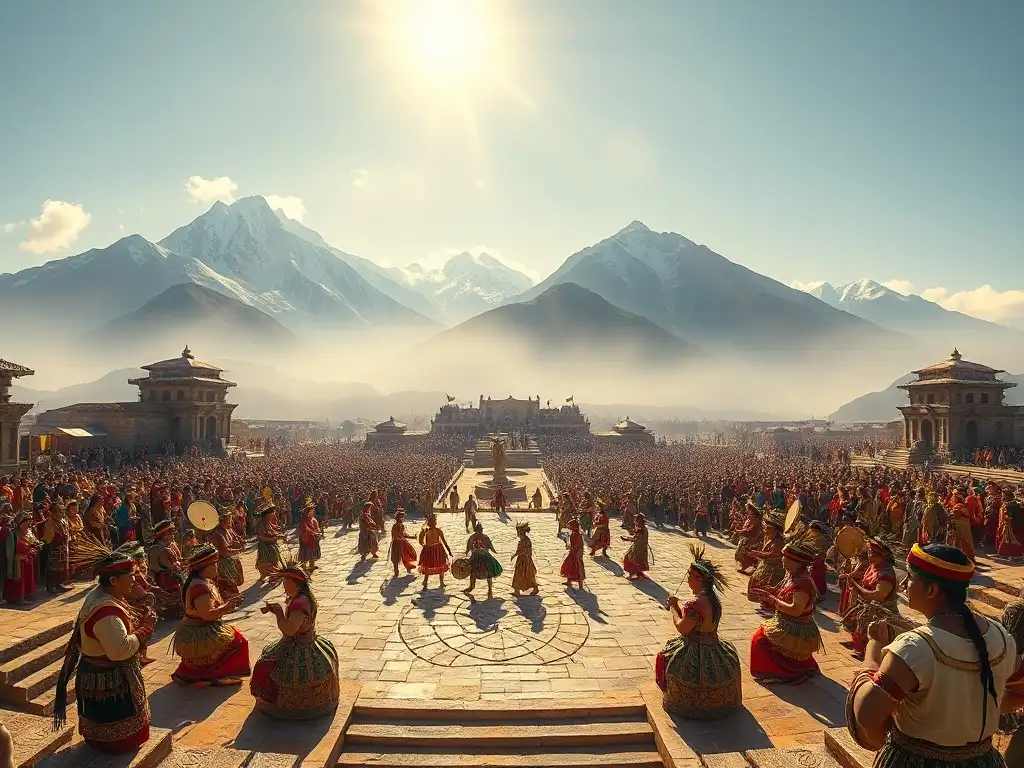
Step into a world lost to time, yet echoing with vibrant rhythms and captivating movements. Imagine the grandeur of the Inca Empire, not just through its breathtaking architecture, but through the soul-stirring sounds and mesmerizing dances that fueled its spiritual heart. This website unveils the secrets of the Andean civilizations, from the Incas to the Nazca, but our journey begins with the truly enthralling story of Inca music and dance ceremonies. Prepare to be captivated as we delve into the profound role these rituals played in their religious life – a world waiting to be rediscovered.
The Inca Empire, a civilization that flourished in the Andes Mountains from the 15th to the 16th century, left behind a rich legacy of intricate religious practices. Understanding Inca religion requires delving into the complex interplay of beliefs, rituals, and societal structures. Central to their spiritual life was the profound integration of music and dance into their ceremonies, not merely as entertainment, but as integral components of their connection to the divine and the cosmos.
This article explores the vital role of Inca music and dance ceremonies, examining the instruments used, the styles performed, and the deeper meaning embedded within these vibrant expressions of faith. We will uncover how these performances served to honor deities, appease ancestral spirits, and maintain the cosmic balance crucial to Inca worldview.
The analysis will shed light on the sophisticated understanding of sound and movement within the Inca religious context, revealing the profound connection between the earthly and spiritual realms in their culture. This exploration will provide a deeper appreciation for the complexity and artistry of Inca religious life, highlighting the enduring power of music and dance as vehicles for spiritual expression.
Understanding Inca Rituals and Their Significance
Inca religious rituals were not merely formal events; they were deeply ingrained in the fabric of daily life. The Inca worldview was profoundly animistic, believing that spirits inhabited both the natural world and the human realm. Maintaining harmony between these realms was paramount, and elaborate ceremonies were performed to ensure the continued prosperity of the empire and its people. These rituals involved a complex hierarchy of priests and specialists who oversaw the preparations and execution of the ceremonies.
The Inca music and dance ceremonies were not simply performances; they were meticulously choreographed actions intended to invoke specific deities, appease ancestral spirits, or celebrate significant events such as the harvest or solstices. The precision and symbolism of the movements, combined with the evocative sounds of the music, served to create a powerful and transformative experience for both the performers and the participants. Specific offerings, such as coca leaves, llama blood, and other sacred items, were also incorporated into the rituals, further emphasizing the importance of these events within the Inca belief system.
Detailed accounts from Spanish chroniclers, although often biased, provide valuable, albeit incomplete, glimpses into these ceremonies. Further research continues to uncover new insights into the nuances and significance of Inca religious practices. Archaeological findings, such as the discovery of ceremonial sites and artifacts, are constantly adding to our understanding of this fascinating aspect of Inca culture.
The Sacred Sounds: Musical Instruments in Inca Ceremonies
The musical landscape of Inca ceremonies was rich and varied, featuring a range of instruments crafted from natural materials. These instruments were not just tools for creating sound; they were imbued with spiritual significance, believed to channel the voices of the gods and ancestors. Among the most prominent instruments were the pututu, a long shell trumpet used to summon people to ceremonies and announce important events; the antara, a panpipe often played in ensembles to create complex harmonies; and the tunkas, cylindrical drums that provided a powerful rhythmic backbone to the musical performances.
Smaller percussion instruments, such as rattles and clappers, added to the overall sonic texture, creating a vibrant and dynamic soundscape. The construction of these instruments often involved intricate craftsmanship, reflecting the high value placed on both their musical and spiritual properties. The materials used, such as wood, bone, shell, and metal, were carefully selected, and their decoration often included symbolic designs that further reinforced their sacred function.
The sounds produced by these instruments were not merely intended to entertain; they were believed to possess the power to influence the natural world and interact with the spirit realm. The melodies and rhythms played during Inca music and dance ceremonies were likely deeply symbolic, reflecting the specific purpose of each ritual and the deities being invoked. While precise details regarding specific musical scores are limited due to the lack of written notation, analysis of surviving instruments and ethnomusicological studies of related Andean traditions provide valuable clues about the nature of Inca music.
Types of Inca Musical Instruments Used in Rituals
The vibrant religious ceremonies of the Inca civilization were deeply intertwined with music, utilizing a variety of instruments to create a powerful and evocative soundscape. These instruments weren't merely for entertainment; they were considered sacred objects, believed to connect the earthly realm with the spiritual world. The sounds produced were integral to invoking deities, appeasing spirits, and ensuring the prosperity of the empire.
The craftsmanship of these instruments was also highly valued, often incorporating precious metals, intricate carvings, and symbolic designs. The choice of instrument and the specific melodies played were carefully selected based on the nature of the ceremony and the deity being honored. Variations in musical style existed across different regions of the empire, reflecting the diverse cultural traditions incorporated into the Inca worldview.
The use of music wasn't limited to formal ceremonies; it also played an important role in everyday life, shaping community cohesion and spiritual well-being. The Inca's sophisticated understanding of acoustics and the symbolic power of sound made their musical practices a crucial element of their religious beliefs. The legacy of Inca music continues to resonate today, influencing contemporary Andean musical traditions.
Wind Instruments: Antaras, Quenas, and Pututus
Among the most prominent wind instruments used in Inca rituals were the antara, quena, and pututu. The antara was a panpipe, typically consisting of several bamboo or cane pipes of varying lengths, bound together. Different lengths produced different notes, allowing for the creation of melodies and harmonies. The quena, a simple transverse flute, was widely used for its sweet and plaintive tone.
It was often played solo or in ensembles, adding depth and texture to the overall musical performance. The pututu, a long, shell trumpet, possessed a powerful, resonant sound, capable of carrying its message across considerable distances. Its use was often reserved for special occasions and announcements of significant events, creating a dramatic and awe-inspiring effect.
The materials used to craft these instruments—bamboo, cane, shells, and sometimes even precious metals—further enhanced their sacred significance. The skill required to make these instruments was highly specialized, passed down through generations of artisans. The precision in crafting these instruments ensured the production of high-quality sounds which were essential to the success of the religious ceremonies.
Percussion Instruments: Tinya and Wankara
Percussion instruments, such as the tinya and wankara, provided the rhythmic foundation for many Inca ceremonies. The tinya, a small, hand-held drum, often made of wood or clay, produced a sharp, percussive sound. Its compact size made it highly portable, allowing for its use in a wide variety of settings.
The wankara, a larger, cylindrical drum, was usually played with two mallets, creating a deeper, more resonant sound. Its larger size and louder sound likely made it suitable for larger ceremonies and public events. Both instruments were crucial in setting the tempo and mood of the ceremonies, complementing the melodies produced by wind instruments and vocalists.
The rhythmic patterns produced by these instruments were not arbitrary; they often held specific meanings and symbolic connotations, further reinforcing the spiritual significance of the ceremonies. The use of percussion instruments in religious contexts extended beyond the Inca civilization, reflecting a widespread appreciation for rhythm and its power to enhance spiritual experiences.
The Role of Vocal Music in Inca Religious Practices
Vocal music played a pivotal role in Inca religious practices, with chanting and singing forming an integral part of many ceremonies. These vocal performances were not simply melodic improvisations but carefully structured pieces with specific lyrics and musical patterns. The texts often included prayers, invocations to deities, narratives of mythical events, or expressions of gratitude for the bounty of the land.
The voices of the singers, sometimes accompanied by instruments, would fill the sacred spaces, creating an atmosphere of reverence and devotion. The skill of the singers was highly valued, and they often held positions of prestige within their communities. The vocal styles varied depending on the nature of the ceremony and the deity being honored.
Some ceremonies featured solo performances, while others involved large choruses of singers, creating a powerful and moving experience. The use of vocal music was closely tied to the Inca belief system, aiming to communicate with the spiritual realm and strengthen the bond between the living and the deceased ancestors.
Inca Dance as a Form of Religious Expression
Inca dance was not merely a form of entertainment; it was a powerful form of religious expression, intricately woven into the fabric of their ceremonies and rituals. Religious dances were often performed by specially trained priests and priestesses, who dedicated their lives to serving the deities. These dances were not spontaneous; they were meticulously choreographed, with movements and gestures possessing specific symbolic meanings.
The dances often depicted myths, legends, and historical events, reinforcing the Inca worldview and transmitting cultural knowledge. Costumes played a significant role, with dancers adorned in elaborate headdresses, masks, and garments that represented specific deities or mythological figures. The use of vibrant colors and intricate designs further enhanced the visual spectacle of the performances.
The dances were not performed in isolation; they were often accompanied by music, creating a holistic sensory experience that connected the participants to the spiritual realm. The rhythmic movements, combined with the evocative music, served as a powerful means of communicating with the gods and ensuring the well-being of the community. The legacy of Inca dance continues to inspire contemporary Andean dance traditions, preserving a vital aspect of their cultural heritage.
Specific Inca Dance Forms and Their Religious Meanings
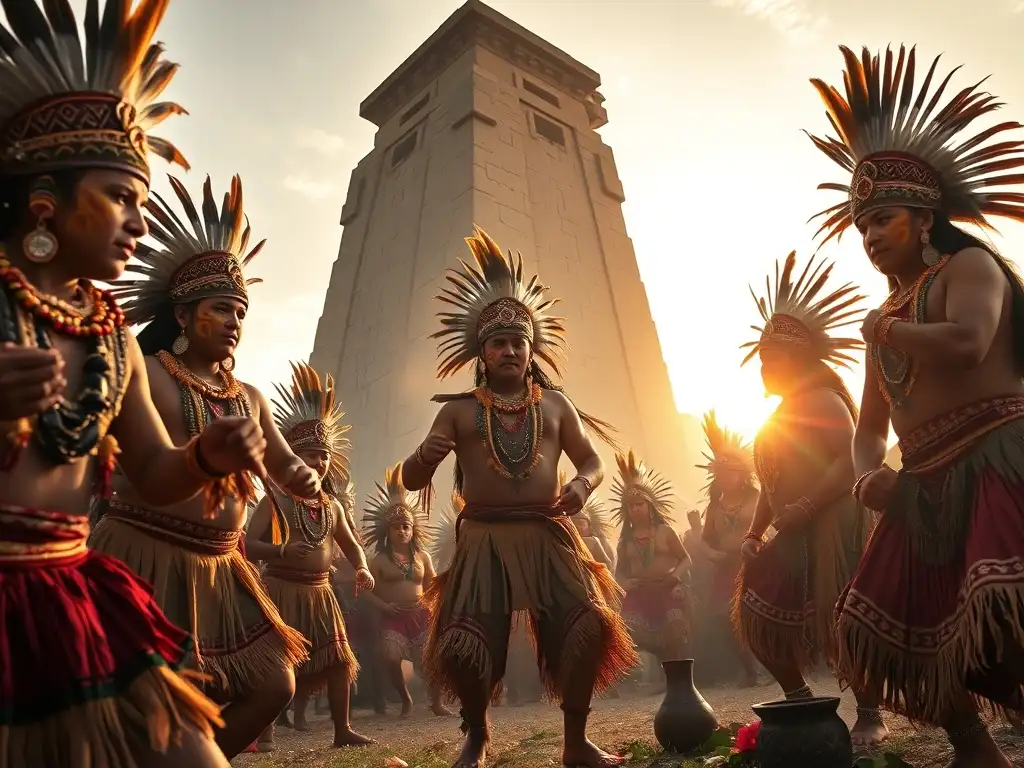
Inca religious ceremonies were deeply intertwined with elaborate dance forms, each carrying specific religious meanings and significance. While detailed records are scarce, archaeological evidence and surviving accounts from Spanish chroniclers offer glimpses into the diverse range of these dances. These dances weren't merely entertainment; they were vital components of rituals aimed at appeasing deities, ensuring bountiful harvests, and maintaining cosmic balance.
The dances often involved complex movements and formations, reflecting the intricate worldview of the Inca people. For example, dances dedicated to the sun god, Inti, likely involved movements mimicking the sun's journey across the sky, while dances honoring the earth goddess, Pachamama, might have incorporated gestures representing the fertility of the land. The specific steps and rhythms varied depending on the deity or occasion, adding layers of meaning to the performance.
Unfortunately, the precise details of many Inca dances remain lost to history, but their importance in Inca religious life is undeniable. Further research and analysis of archaeological findings could potentially shed more light on these fascinating practices. The limited surviving information highlights the need for continued scholarly investigation into this aspect of Inca culture.
The Importance of Choreography in Inca Rituals
The choreography of Inca sacred dances was far from arbitrary; it was meticulously planned and executed, reflecting a profound understanding of cosmology and ritual symbolism. Each movement, step, and formation held specific meaning, contributing to the overall message and efficacy of the ceremony. The dancers, often highly trained specialists, were not simply performers but active participants in a sacred dialogue with the divine.
Their movements communicated with the gods, expressing supplication, praise, or requests for blessings. The precision and synchronization of the dancers amplified the impact of the ritual, creating a powerful visual and emotional experience. The choreography often involved complex patterns and formations, mirroring the intricate designs found in Inca textiles and architecture.
This connection between dance and other art forms underscores the holistic nature of Inca religious expression, where all aspects of life were interwoven with spiritual significance. The loss of detailed documentation makes reconstructing the precise choreography of these dances a challenge, but the surviving evidence clearly indicates its crucial role in the religious practices of the Inca Empire.
The Yaqui Dance and its Connection to Rain Rituals
While the Yaqui dance is not strictly an Inca practice, it's important to note that many Andean traditions, including rain rituals, share similarities across different cultures and time periods. The Yaqui people, inhabiting a region distinct from the Inca heartland, developed their own rain dances, which, while geographically separate, echo the underlying themes of agricultural dependence and the need to appease nature spirits prevalent in Inca culture. These dances, often involving masked figures and rhythmic movements, are designed to invoke rain and ensure a successful harvest.
The similarities in the focus on water and fertility suggest a broader Andean worldview shared across various cultural groups. This highlights the interconnectedness of Andean traditions and the common anxieties surrounding agricultural success.
Understanding the Yaqui dance, while not directly related to Inca practices, provides valuable context to the broader Andean cultural landscape and the shared concerns regarding weather patterns and agricultural prosperity. Further research comparing and contrasting these practices would provide valuable insights into the evolution and spread of Andean religious traditions.
Symbolic Gestures and Costumes in Inca Sacred Dances
The costumes and gestures used in Inca sacred dances were rich in symbolism, further enhancing the ritual's meaning and power. Costumes often incorporated feathers, precious metals, and textiles adorned with intricate designs, reflecting the status of the deity being honored or the importance of the occasion. Certain colors held specific significance, with red possibly representing blood and sacrifice, while yellow might have symbolized the sun.
The gestures employed during the dances were equally significant, with specific movements conveying messages of supplication, praise, or requests. For example, certain hand gestures might have represented offerings to the gods, while particular steps could have symbolized the movement of celestial bodies. The combination of costume and gesture created a powerful visual language that communicated directly with the spiritual realm.
Unfortunately, the precise meaning of many costumes and gestures remains a subject of ongoing research and scholarly debate. The richness and complexity of this visual language underscore the sophistication of Inca religious practices and the depth of their spiritual beliefs.
The Interplay of Music and Dance in Inca Religious Practices
Music and dance were inextricably linked in Inca religious ceremonies, creating a powerful and immersive experience. The music, often played on instruments like panpipes, drums, and flutes, provided the rhythmic foundation for the dances, setting the mood and guiding the movements of the performers. The music was not merely background accompaniment; it was an integral part of the ritual, adding another layer of meaning and power to the performance.
The combination of music and dance created a synergistic effect, amplifying the emotional impact and enhancing the ritual's communicative power. The musicians, like the dancers, were often highly trained specialists who played a crucial role in the success of the ceremony. Their skill and precision contributed to the overall effectiveness of the ritual, ensuring a proper connection between the human and spiritual realms.
The surviving accounts and archaeological evidence point to a sophisticated and deeply meaningful interplay between music and dance within the Inca religious system. Further investigation is required to fully understand the nuances of this relationship and its impact on Inca religious life. The combined power of music and movement fostered a profound spiritual experience for both participants and observers, further cementing the importance of these practices within Inca society.
How Music and Dance Enhanced Inca Spiritual Experiences
Creating a Sacred Atmosphere Through Sound and Movement
The Incas understood the power of sensory experience to elevate the spiritual state. Music and dance played a pivotal role in creating a sacred atmosphere during religious ceremonies. The rhythmic drumming, the haunting melodies played on panpipes and pututus (long horns), combined with the graceful, often ritualistic movements of dancers, transported participants to a different realm.
The repetitive nature of many musical pieces and dance sequences induced a trance-like state, fostering a connection between the physical and spiritual worlds. This carefully orchestrated sensory experience was not merely entertainment; it was a deliberate strategy to prepare participants for communion with the divine. The precise arrangement of musicians and dancers, often positioned strategically around sacred spaces, further amplified this effect, creating a powerful and immersive experience.
The use of specific instruments and rhythms associated with particular deities further enhanced the atmosphere, ensuring the appropriate tone and energy for each ceremony. For example, the deep, resonant sound of the pututu might have been reserved for ceremonies honoring powerful deities associated with storms and mountains.
Fostering Community Unity and Religious Devotion
Beyond the individual spiritual experience, Inca music and dance played a crucial role in fostering a sense of community and shared religious devotion. Large-scale ceremonies often involved hundreds, even thousands, of participants, all engaging in synchronized movements and singing. This collective participation fostered a powerful sense of unity and shared purpose. The repetitive nature of the music and dance acted as a unifying force, binding participants together in a shared spiritual experience.
This collective act of worship reinforced social cohesion and strengthened the bonds of the Inca community. The intricate choreography of many dances, often involving complex formations and patterns, required intense coordination and practice, further strengthening the bonds between the participants. This communal aspect of Inca music and dance was essential for maintaining social order and reinforcing the authority of the Inca state.
Music and Dance as a Means of Communication with the Gods
Inca cosmology viewed music and dance as powerful means of communication with the gods. The rhythmic patterns, melodies, and movements were believed to carry messages and offerings to the supernatural realm. Specific instruments and dances were associated with particular deities, and their use during ceremonies was believed to attract the attention and favor of those divinities.
The intensity and precision of the performance were thought to demonstrate the devotion and respect of the participants, increasing the likelihood of a positive response from the gods. The intricate symbolism woven into the music and dance, often reflecting the natural world and Inca mythology, further enhanced their communicative function.
For instance, certain dance movements might mimic the movements of animals sacred to particular deities, while specific musical motifs could represent natural phenomena like the rising sun or the flow of a river. This symbolic language allowed the Incas to engage in a complex dialogue with their gods, seeking their blessings and guidance.
The Significance of Inca Music and Dance in Specific Ceremonies
Inca music and dance held different significance depending on the specific ceremony. For example, during the Capac Raymi, the most important Inca festival celebrating the Inca's power and the sun god Inti, elaborate processions featuring musicians and dancers played a central role. These performances served to honor Inti and reinforce the Inca ruler's divine authority.
The music would have been grand and celebratory, reflecting the importance of the occasion. Conversely, ceremonies honoring earth deities or those associated with the agricultural cycle might have featured music and dance that were more subdued and reflective, reflecting the cycle of life and death. Similarly, funerary rites likely involved music and dance intended to guide the deceased into the afterlife, with mournful melodies and somber movements reflecting the gravity of the occasion.
The specific types of instruments used, the choice of melodies, and the style of dance all varied depending on the purpose and context of the ceremony, underscoring the rich diversity and complexity of Inca religious practices. Unfortunately, detailed descriptions of the specific music and dance used in these different ceremonies are scant, requiring further research to fully comprehend their nuances. However, the surviving archaeological evidence and ethnohistorical accounts give us glimpses into this vibrant and integral aspect of Inca religious life.
Examples of Major Inca Religious Festivals and Rituals
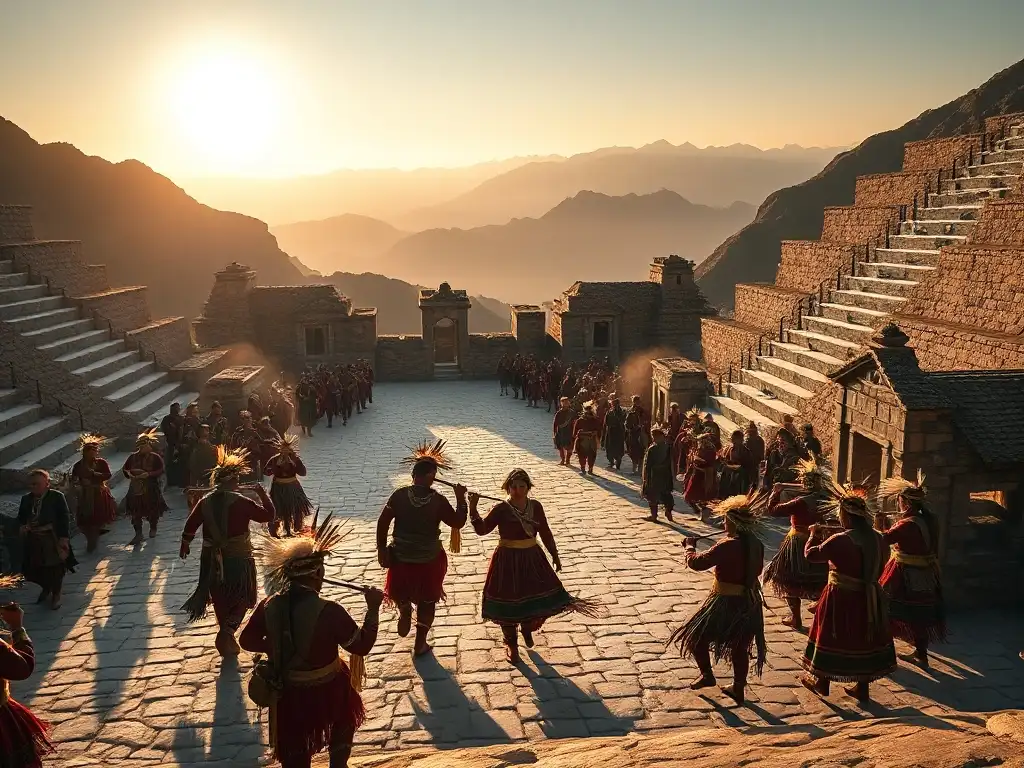
The Inca Empire, renowned for its sophisticated social structures and impressive architectural feats, also possessed a vibrant and deeply spiritual musical and dance tradition intricately woven into its religious ceremonies. These weren't mere performances; they were integral parts of religious rituals, aimed at appeasing deities, ensuring bountiful harvests, and maintaining cosmic balance. The Inca calendar was punctuated by numerous festivals, each with its own unique musical and dance components, reflecting the diverse aspects of Inca cosmology.
The scale and importance of these events varied, ranging from smaller community-based celebrations to massive, empire-wide festivities involving thousands of participants. The music and dance styles themselves were diverse, reflecting regional variations and the specific deities or events being honored.
Instruments like the pututu (a long shell trumpet), antara (panpipes), and various drums played crucial roles in setting the atmosphere and communicating with the supernatural world. The dances, often highly stylized and choreographed, served as visual representations of myths, stories, and the relationship between humans and the divine.
The Inti Raymi and Its Sacred Music and Dances
The Inti Raymi, or Festival of the Sun, was arguably the most significant religious festival in the Inca Empire. Celebrated during the winter solstice (around June 24th), this grand event honored Inti, the sun god, the supreme deity in the Inca pantheon. The Inti Raymi was a multi-day affair involving elaborate processions, sacrifices, and feasting.
Music played a central role, with pututu blasts announcing the beginning of the festivities and creating a powerful, awe-inspiring atmosphere. The antara panpipes, with their haunting melodies, likely accompanied the sacred dances, which often depicted the sun's journey across the sky, the agricultural cycle, and the emperor's role as a mediator between the human and divine realms. Thousands of participants, including priests, nobles, and commoners, would converge on Cusco, the Inca capital, for this spectacular event.
The dances were highly formalized, with specific steps and movements dictated by tradition and religious significance. The costumes, often adorned with feathers, gold, and other precious materials, further emphasized the sacred nature of the performance. The intensity and grandeur of the Inti Raymi’s music and dance underscored its importance as a pivotal moment in the Inca religious calendar.
The Capac Raymi and Its Rhythmic Expressions
The Capac Raymi, or Festival of the Harvest, was another major Inca festival celebrating the successful completion of the agricultural cycle and expressing gratitude for the bounty provided by the earth and the sun. Unlike the Inti Raymi's focus on the sun god, the Capac Raymi honored Pachamama, the Earth Mother, acknowledging her role in providing sustenance. This festival was celebrated in the autumn, with the timing varying slightly based on the region’s agricultural calendar.
The music for the Capac Raymi likely featured a different character than that of the Inti Raymi, with rhythms and melodies that emphasized the earth's fertility and abundance. While precise details about the music and dances are limited due to the lack of written records, we can infer that the performances were likely more grounded and earthy in nature, reflecting the connection to the land. The dances may have involved movements mimicking agricultural activities like planting and harvesting, further emphasizing the festival's theme.
The use of drums, possibly in combination with other percussion instruments, would have provided a strong, rhythmic foundation for the dances, reflecting the earth's powerful energy. The overall atmosphere of the Capac Raymi's musical and dance performances likely contrasted with the Inti Raymi's more celestial and majestic tone, reflecting the festival's different focus and spiritual significance.
The Situa Ceremony and its Role in Cleansing and Healing
The Situa ceremony held a unique position within Inca religious practices. Unlike the large-scale festivals like Inti Raymi and Capac Raymi, the Situa was a more localized ritual focusing on purification and healing. Performed by specialized priests, the Situa involved the use of coca leaves, music, and dance to cleanse individuals and communities from negative energies or illnesses.
The music used in the Situa likely had a gentler, more therapeutic character than the music of the major festivals. The instruments used might have included smaller, more portable versions of the antara or other instruments suited to a more intimate setting. The dances accompanying the Situa were likely less elaborate than those of the grand festivals, focusing instead on gentle, flowing movements aimed at promoting balance and harmony.
The coca leaves, chewed and offered as part of the ritual, were believed to enhance the effectiveness of the music and dance in promoting healing and spiritual cleansing. This intimate and healing-oriented ritual highlights the diverse ways in which Inca music and dance were integrated into various aspects of religious life, extending beyond the grand, public spectacles to the personal and communal spheres.
Legacy of Inca Music and Dance in Andean Culture
The legacy of Inca music and dance is profound and enduring, continuing to shape Andean cultural expressions today. Many traditional Andean musical instruments, such as the antara, pututu, and various types of drums, are direct descendants of Inca instruments. Similarly, many traditional Andean dances retain elements of Inca choreography and symbolism, though often blended with influences from later periods and cultures.
The vibrant and diverse musical and dance traditions of modern-day Andean communities are a testament to the resilience and enduring influence of Inca cultural heritage. The continued performance of these traditions, particularly during festivals and religious celebrations, represents a living link to the rich spiritual and cultural world of the Inca Empire. Studying these contemporary expressions offers valuable insights into understanding the complexities and significance of Inca music and dance in their original context.
This cultural continuity underscores the deep impact of Inca traditions on the identity and cultural landscape of the Andes, showcasing the power of music and dance to transcend time and generations. The preservation and study of these traditions are crucial for understanding not only the Inca Empire but also the ongoing evolution of Andean culture.
The Influence of Inca Rituals on Modern Andean Traditions
Inca religious ceremonies, deeply intertwined with music and dance, left an indelible mark on the cultural landscape of the Andes. The vibrant traditions of music and dance prevalent in modern Andean communities are, in many ways, direct descendants of these ancient practices. While the specifics of rituals may have evolved over centuries, the fundamental role of music and dance in expressing spirituality, celebrating harvests, and commemorating important events remains strikingly similar.
The use of panpipes, drums, and other instruments, though perhaps modified in form, echoes the soundscapes of Inca religious ceremonies. Similarly, the intricate steps and symbolic movements found in many Andean dances today bear a clear lineage to the ritualistic dances performed by the Inca. This continuity demonstrates the enduring power and resilience of Inca cultural heritage, woven into the fabric of Andean life.
The strong connection between past and present highlights the importance of preserving and understanding these traditions for a complete appreciation of Andean culture. Furthermore, the study of modern Andean traditions provides valuable insights into the complexities and nuances of Inca religious practices, offering a deeper understanding of their social and spiritual significance. Ethnomusicologists and anthropologists continue to uncover these connections, enriching our knowledge of both past and present.
Surviving Musical Instruments and Dance Forms
Several musical instruments and dance forms from the Inca era have survived, albeit often in modified forms. The pututu, a long shell trumpet used for ceremonial announcements and summoning, is still used in some Andean communities. While the exact construction and ritualistic applications might differ from Inca times, the instrument itself continues to hold symbolic significance.
Similarly, the antara, a panpipe instrument, remains a popular and widely played instrument across the Andes, its melodies evoking echoes of Inca religious music. Many Andean dances, such as the huayno and yaraví, incorporate steps and movements that can be traced back to Inca ritual dances. These dances, often accompanied by traditional instruments, are not merely entertainment; they serve as vital links to the past, carrying forward the expressive power of movement and music found in Inca ceremonies.
The survival of these instruments and dance forms is a testament to the enduring legacy of Inca culture and its integration into the rich tapestry of modern Andean traditions. Their continued use underscores the profound impact of Inca religious practices on contemporary Andean societies.
The Enduring Spiritual Significance of Music and Dance in the Andes
The spiritual significance of music and dance, deeply rooted in Inca religious practices, continues to resonate strongly in modern Andean communities. Music and dance are not simply forms of artistic expression; they are integral components of religious rituals, community celebrations, and personal expressions of faith. Many Andean communities still use music and dance to invoke deities, communicate with spirits, and express gratitude for harvests and blessings.
The melodies and rhythms carry spiritual power, acting as conduits for communication with the supernatural world. The dances themselves often incorporate symbolic movements representing agricultural cycles, ancestral spirits, or sacred narratives. This enduring spiritual connection highlights the profound influence of Inca religious beliefs on the worldview and practices of contemporary Andean peoples.
The continuity of these traditions underscores the resilience of indigenous spiritualities in the face of colonization and globalization. This enduring spiritual dimension provides valuable insight into the enduring power of Inca religious ideas and their continued relevance in modern Andean society.
Modern Andean Folkloric Dance Troupes and their Inspirations
Modern Andean folkloric dance troupes play a crucial role in preserving and promoting the legacy of Inca music and dance. These troupes, often found in cities and rural communities alike, dedicate themselves to recreating and reinterpreting traditional dances and musical forms. Their performances, frequently incorporating elements of Inca ritual dance and music, provide valuable insight into the rich cultural heritage of the Andes.
Many troupes meticulously research historical sources, striving for authenticity in their costumes, choreography, and musical arrangements. Others incorporate contemporary elements, creating a dynamic blend of tradition and innovation. Through their performances, these troupes educate audiences about the history and significance of Inca music and dance, fostering cultural awareness and appreciation.
The dedication of these troupes to preserving and showcasing traditional arts ensures that the legacy of Inca religious ceremonies continues to inspire and engage future generations. Their work is essential for maintaining the vitality of Andean cultural heritage and ensuring that the spiritual and artistic richness of Inca traditions is not lost to time.
- Understanding Inca Rituals and Their Significance
- The Sacred Sounds: Musical Instruments in Inca Ceremonies
- Types of Inca Musical Instruments Used in Rituals
- Inca Dance as a Form of Religious Expression
- Specific Inca Dance Forms and Their Religious Meanings
- The Interplay of Music and Dance in Inca Religious Practices
- How Music and Dance Enhanced Inca Spiritual Experiences
- The Significance of Inca Music and Dance in Specific Ceremonies
- Examples of Major Inca Religious Festivals and Rituals
- Legacy of Inca Music and Dance in Andean Culture
- The Influence of Inca Rituals on Modern Andean Traditions
Frequently Asked Questions
What role did music play in Inca religious ceremonies?
Music was integral to Inca religious ceremonies. It was used to honor deities, communicate with the spiritual world, and enhance the overall experience of the ritual. Ceremonial music often involved panpipes, drums, and other instruments.
What types of dances were performed in Inca ceremonies?
Inca ceremonies featured a variety of dances, often reflecting agricultural cycles, mythological narratives, or honors to specific deities. These dances were highly stylized and involved intricate movements and costumes. Religious dances were performed by trained priests and dancers.
What instruments were commonly used in Inca music?
Common Inca instruments included the pututu (a shell trumpet), antara (panpipes), tinku (a type of drum), and various types of flutes and rattles. These instruments created a powerful and evocative soundscape, critical to the ceremonies' success. The materials used were often symbolic.
How did Inca music and dance relate to their agricultural practices?
Inca music and dance were deeply connected to their agriculture. Many ceremonies were timed to coincide with planting and harvesting seasons, seeking divine favor for bountiful crops. Dances often mimicked agricultural activities, reinforcing the spiritual connection between humans and nature.
Where can I learn more about Inca music and dance ceremonies?
You can explore further by researching Inca iconography, studying ethnomusicology resources focusing on Andean cultures, and visiting museums with Andean collections. Many academic papers and books delve deeper into this fascinating subject.
Final Reflection: Echoes of the Andes: Music, Dance, and the Enduring Spirit of the Inca
The vibrant tapestry of Inca religious ceremonies, woven with the threads of music and dance, continues to resonate in the cultural landscape of South America and beyond. These weren't mere performances; they were vital expressions of spirituality, social cohesion, and a profound connection to the natural world, a connection that remains strikingly relevant in our increasingly disconnected times. The echoes of their rituals still whisper to us, reminding us of the power of collective expression and the importance of honoring our heritage.
The enduring influence of Inca music and dance is undeniable, shaping not only the artistic traditions of modern Andean cultures but also influencing our understanding of ritual and its societal impact. Their intricate choreography, the haunting melodies played on panpipes and drums, and the deeply symbolic costumes all served to connect the Inca people to their gods and ancestors. As the anthropologist, Clifford Geertz, eloquently stated: Religion is a system of symbols which acts to establish powerful, pervasive, and long-lasting moods and motivations in men by formulating conceptions of a general order of existence and clothing these conceptions with such an aura of factuality that the moods and motivations seem uniquely realistic.
This perfectly encapsulates the power and purpose behind Inca ceremonial music and dance.
Consider the legacy of these ancient practices. Think about the ways in which music and dance still unite communities, express emotions, and transmit cultural knowledge. You, too, can find your own connection to this rich heritage by exploring the music and dance of your own culture, appreciating the power of collective expression, and recognizing the enduring human need for ritual and connection. Let the echoes of the Andes inspire you to find your own voice, your own dance, your own way to connect with the deeper rhythms of life.
Experience the Rhythm of Inca Spirituality!
Thank you for exploring the fascinating world of music and dance in Inca religious ceremonies with us! You've gained valuable insights into how these dynamic art forms shaped the spiritual landscape of the Andes. Now, let's put that inspiration into practice.
Here are a few ways you can deepen your connection with this rich heritage:
- Attend a local cultural event or workshop featuring traditional Inca dances or music. Immerse yourself in the rhythms that have echoed through the centuries!
- Share this article with friends who appreciate the arts and history. Start a conversation about the vital role of music and dance in culture and community.
- Learn more about Andean traditions by visiting a museum showcasing indigenous cultures. Discover artifacts and exhibits that illuminate the vibrant Inca legacy.
What aspects of Inca music and dance resonate most with you, and how do you believe they can influence contemporary practices? Let's discuss!