
How Did Andean Civilizations Prevent Food Spoilage? Uncovering the Secrets

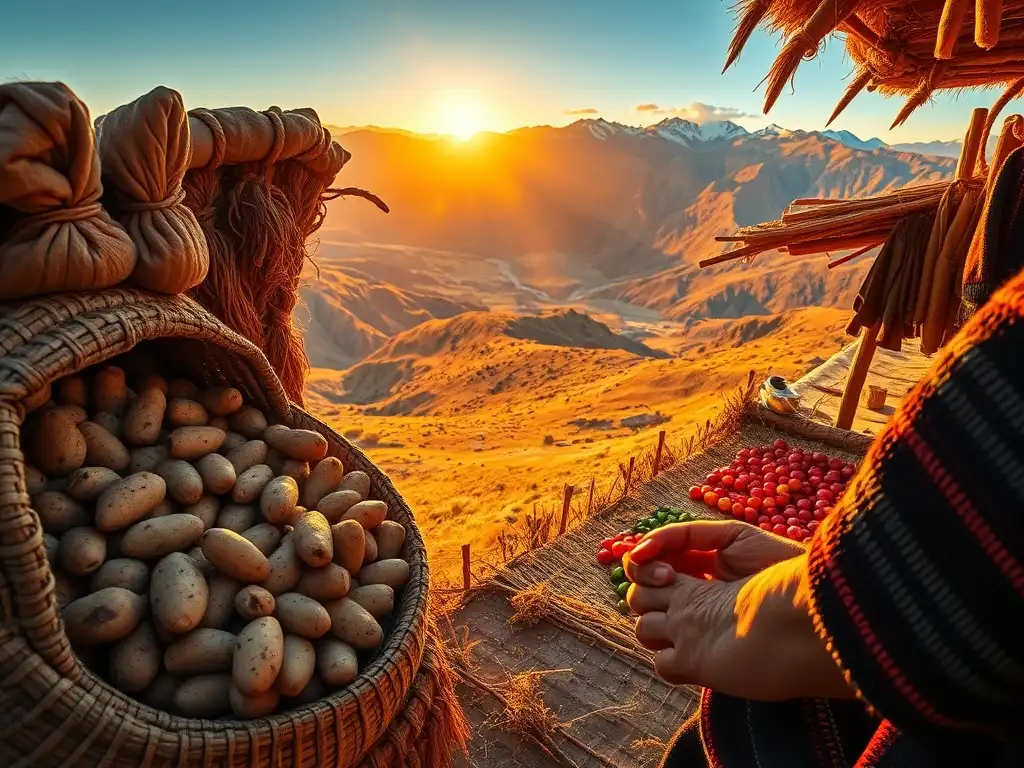
Step into a world lost to time, yet echoing with innovation. For centuries, the towering Andes Mountains witnessed the rise and fall of magnificent civilizations. But how did these ingenious cultures, from the Incas to the Nazca, conquer the challenges of food spoilage in such a demanding environment? Discover the surprising secrets behind their remarkable Andean food preservation techniques, and unlock the mysteries of their agricultural prowess. Prepare to be amazed by the ingenuity of a bygone era.
- Andean Food Preservation Techniques: Unveiling Ancient Secrets
- Key Andean Food Preservation Methods
- The Importance of Andean Food Preservation for Civilization
- Comparing Andean Preservation with Other Ancient Methods
- Conclusion: The Enduring Wisdom of Andean Food Preservation
-
Frequently Asked Questions
- What were the main challenges faced by Andean civilizations in preserving food?
- What role did altitude play in Andean food preservation methods?
- Did the Incas use specific techniques for food preservation?
- What were some common preservation techniques across different Andean cultures?
- How did Andean food preservation methods contribute to their societal success?
- Final Reflection: Echoes of Ingenuity: Preserving the Past, Nourishing the Future
- Uncover the Secrets: Take Action Against Food Spoilage!
Andean Food Preservation Techniques: Unveiling Ancient Secrets
The Andes Mountains, a formidable yet breathtaking landscape, presented ancient civilizations with unique challenges and opportunities. While the high altitude and diverse climates offered a range of agricultural possibilities, they also posed significant hurdles in preserving precious food resources. This article delves into the ingenious techniques employed by Andean civilizations – including the Incas, Moche, Nazca, and Tiahuanaco – to overcome these obstacles and ensure food security.
We will explore their innovative methods of food preservation, highlighting the ingenuity and resourcefulness that allowed these societies to thrive in such a demanding environment. Understanding these ancient practices offers valuable insights into not only Andean history but also sustainable food preservation strategies relevant even today. This exploration will focus specifically on the challenges and solutions related to Andean food preservation techniques, providing a detailed look at how these civilizations successfully addressed the issue of food spoilage in their unique context.
Introduction to Food Preservation in the Andes
Food preservation was paramount for the survival of Andean civilizations. Unlike societies with readily available refrigeration or advanced preservation technologies, Andean communities relied on a combination of environmental understanding, clever techniques, and meticulous planning to prevent spoilage. Their methods were intimately linked to their environment and agricultural practices, reflecting a deep knowledge of the properties of different foods and their susceptibility to decay.
These techniques were not merely practical solutions; they were integral to the social and economic fabric of Andean societies, influencing trade, storage strategies, and even religious practices. The success of these methods allowed for the accumulation of surplus food, supporting population growth, trade networks, and the development of complex social structures. We will examine specific techniques, exploring how they addressed the unique challenges posed by the Andean environment.
The Challenges of Food Storage in the Andean Highlands
The Andean highlands presented several significant challenges to food preservation. The high altitude, characterized by fluctuating temperatures, intense UV radiation, and low humidity, accelerated the spoilage process. Furthermore, the unpredictable climate, including periods of drought and frost, added further complexity. The lack of consistent refrigeration necessitated creative solutions to extend the shelf life of harvested crops and livestock products.
For example, the extreme temperature swings between day and night could rapidly spoil perishable goods, demanding methods to mitigate these fluctuations. Additionally, the presence of pests and rodents posed constant threats to stored food supplies, requiring protective measures to prevent infestation and loss. These challenges spurred the development of sophisticated and effective preservation techniques that demonstrated a remarkable understanding of food science and environmental adaptation.
Understanding the Andean Environment and its Impact on Food
The Andean environment significantly influenced the development of specific food preservation techniques. The diverse microclimates, ranging from arid coastal deserts to high-altitude grasslands, dictated which preservation methods were most effective for particular foods. For instance, the dry climate of certain regions facilitated techniques like sun-drying, while cooler, higher altitudes favored methods like freeze-drying or storage in cool, dark cellars. The availability of specific plants and materials also shaped preservation practices.
For example, certain plants were used for wrapping and storing foods, extending their shelf life by absorbing moisture or providing a protective barrier against pests. The interplay between the environment, available resources, and the ingenuity of Andean civilizations resulted in a diverse array of preservation strategies, each carefully tailored to the specific conditions and food items involved. Understanding this complex relationship is crucial to appreciating the sophistication and adaptability of Andean food preservation practices.
Key Andean Food Preservation Methods
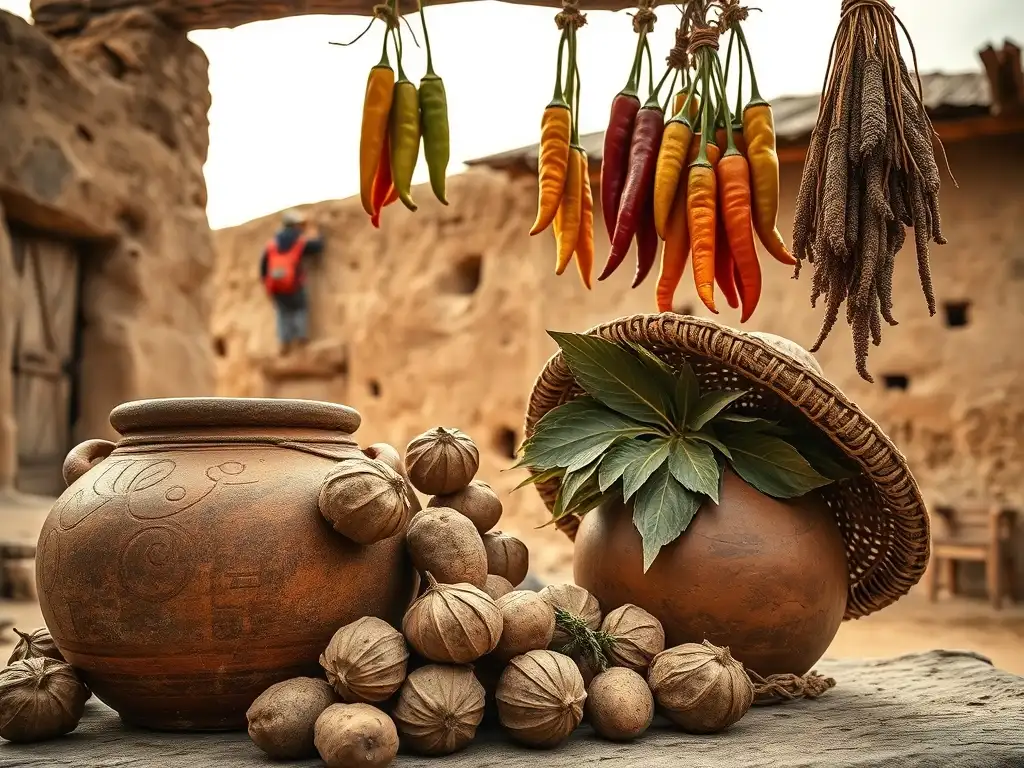
Andean civilizations, renowned for their agricultural prowess in challenging terrains, developed sophisticated food preservation techniques crucial for survival and societal stability. These methods, passed down through generations, ensured food security throughout the year, even in the face of unpredictable harvests and harsh weather conditions. Understanding these techniques provides invaluable insight into the ingenuity and resilience of Andean cultures, highlighting their deep connection with their environment.
The effective preservation of food was not merely a matter of survival; it was integral to their complex social structures, religious practices, and economic systems. The optimization of these "Andean food preservation techniques" allowed for trade, feasts, and the accumulation of surplus, which contributed significantly to the development and growth of these remarkable societies.
Drying Techniques: Sun-Drying and Freeze-Drying
The Andean highlands, characterized by intense sun and freezing nights, provided a natural setting for two primary drying methods: sun-drying and freeze-drying. These techniques, applied to a wide range of agricultural products, significantly extended shelf life and reduced spoilage. The mastery of these methods demonstrates a profound understanding of environmental factors and their impact on food preservation. This knowledge was essential for ensuring consistent food supplies, supporting population growth, and facilitating long-distance trade.
The Art of Sun-Drying: Chuno
Chuno, a freeze-dried potato, stands as a testament to Andean ingenuity. Potatoes, a staple crop, were harvested and left to freeze overnight. The following day, the frozen potatoes were trampled to remove excess moisture, then left to dry in the sun for several weeks. This process, repeated several times, resulted in a lightweight, durable product that could be stored for extended periods.
Chuno represented a vital food source during lean times, providing essential carbohydrates and nutrients throughout the year. The meticulous process, passed down through generations, reflects a deep understanding of the delicate balance between freezing temperatures and sun exposure needed to achieve optimal preservation. The production of chuno showcases not just a practical solution to food preservation but also a cultural practice deeply embedded in Andean traditions.
The Freeze-Drying Marvel: Charqui
Charqui, or jerky, represents another remarkable application of freeze-drying. This method, primarily used for preserving meat, involved cutting the meat into thin strips, salting it lightly, and then exposing it to the sun and cold Andean nights. The freezing temperatures removed moisture, while the sun aided in the drying process.
The resulting charqui was highly durable and could be stored for months, providing a valuable source of protein. The preparation of charqui was not only a practical method of food preservation but also an important part of Andean social and economic activities, often traded across vast distances. The process required specific knowledge of suitable meats and optimal environmental conditions, demonstrating a nuanced understanding of both food science and environmental factors.
Salting and Curing: Preserving Meats and Fish
Salt, a precious commodity in the Andean region, played a crucial role in preserving meats and fish. The effective use of salt, combined with other techniques like drying and smoking, significantly extended the shelf life of these perishable goods. Access to salt sources and the mastery of salting techniques were essential factors influencing trade routes and economic development within Andean societies.
Salt's Crucial Role in Andean Food Preservation
The use of salt in Andean food preservation wasn't simply a matter of adding flavor; it was a scientifically sound method of inhibiting microbial growth. Salt's ability to draw moisture out of food created an environment hostile to bacteria and other spoilage organisms. This process, combined with other preservation methods like drying or smoking, ensured that food remained edible for extended periods, even without refrigeration.
The scarcity of salt in some regions elevated it to a valuable commodity, influencing trade networks and social hierarchies within Andean communities. The strategic use of salt in preserving food demonstrates a sophisticated understanding of food science and its economic implications.
The Preparation of Salted Fish
Salted fish, a vital source of protein in coastal Andean communities, was prepared through a process involving meticulous salting and drying. Fish were cleaned, gutted, and then liberally coated with salt. This initial salting process drew out moisture and inhibited bacterial growth. The fish were then often further processed by sun-drying or smoking, further extending their shelf life.
The techniques used varied depending on the specific type of fish and available resources, highlighting the adaptability and resourcefulness of Andean fishing communities. This method allowed for the preservation of fish for extended periods, providing a crucial food source even during times when fresh catches were scarce. The preparation of salted fish provides a tangible example of the sophisticated preservation techniques employed across diverse Andean environments.
Fermentation: A Natural Way to Preserve Andean Crops
Fermentation, a process utilizing microorganisms to break down organic matter, was a cornerstone of Andean food preservation. This technique not only extended the shelf life of food but also enhanced its nutritional value and created unique flavors. The Andean people's ingenuity in harnessing this natural process is evident in their diverse fermented products, which varied across different regions and cultures depending on available resources and climate.
The process, passed down through generations via oral tradition and practical demonstrations, played a vital role in ensuring food security, particularly during times of scarcity. Understanding the nuances of Andean fermentation provides critical insight into their sophisticated agricultural practices and adaptive strategies for survival in challenging environments. The success of this method hinged on understanding the right conditions for microbial activity – temperature, humidity, and the specific microorganisms present in the environment all played significant roles.
Fermentation of Grains and Tubers
Andean civilizations skillfully fermented various grains and tubers, including maize (corn), quinoa, and potatoes. The fermentation of these staples produced not only longer-lasting food sources but also created unique flavors and textures, significantly improving their palatability. For instance, fermented maize was used in various dishes, adding a tangy or sour element. The fermentation process also significantly increased the digestibility of certain grains and tubers, enhancing their nutritional value and making them more easily absorbed by the body.
Different fermentation techniques were employed depending on the specific food item, reflecting a deep understanding of the microorganisms involved and their optimal growth conditions. The diversity of fermented products highlights the adaptability and innovation of Andean agricultural practices. Archaeological evidence, such as residue analysis on pottery shards, continues to shed light on the extensive use and sophistication of these ancient fermentation techniques.
The Process of Making Chicha
Chicha, a fermented beverage made from maize, is perhaps the most well-known example of Andean fermentation. Its production involved a complex process, varying slightly depending on the region and specific ingredients used. Generally, the process started by soaking and cooking the maize, followed by chewing or grinding to initiate the fermentation process.
This initial step, often performed by women, was crucial for introducing the necessary enzymes to break down the starches into sugars, which the yeast then fermented into alcohol. The resulting drink had varying degrees of alcoholic content, depending on the length of fermentation. Chicha held significant cultural importance, playing a crucial role in religious ceremonies, social gatherings, and daily life.
The brewing of chicha was not simply a method of food preservation; it was a deeply embedded cultural practice reflecting a profound connection between the Andean people, their environment, and their food. The production of chicha also demonstrates the advanced understanding of fermentation processes held by Andean civilizations.
Storage Techniques: Underground and Elevated Storage Solutions
The Andean civilizations developed ingenious storage techniques to preserve their harvested crops from spoilage and pests. These methods were tailored to the specific environment and climate of each region, demonstrating remarkable adaptability and resourcefulness. The use of both underground and elevated storage solutions showcases a comprehensive approach to food preservation, highlighting the importance of food security in Andean societies.
These techniques were crucial for ensuring sufficient food supplies throughout the year, especially in regions with harsh climates and unpredictable growing seasons. The effectiveness of these methods is a testament to the advanced knowledge and practical skills of the Andean people in managing their agricultural resources.
Underground Storage Pits: Colcas
Colcas, underground storage pits, were a common feature in the Andean landscape. These structures, often built into hillsides or cliffs, provided a cool, dark, and relatively humid environment ideal for preserving food. The construction of colcas required significant engineering skill, demonstrating the advanced technological capabilities of Andean societies. Their design varied across different regions, reflecting local geological conditions and building materials.
The temperature regulation within colcas helped slow down the decomposition process, significantly extending the shelf life of stored food. By regulating temperature and humidity, the colcas helped prevent spoilage and the growth of molds and bacteria, thus preserving the quality and nutritional value of the stored crops. The strategic location of colcas often minimized risks of flooding or other environmental damage, ensuring the safety of the stored food reserves.
Elevated Granaries: Protecting Food from Pests
Elevated granaries, often constructed from stone or wood, served as another vital element in Andean food preservation strategies. These structures were raised off the ground to protect the stored food from rodents, insects, and other pests. The design of elevated granaries varied, but the common element was the elevation, which created a physical barrier against ground-dwelling pests. Ventilation within the granaries was often incorporated into the design, allowing for air circulation to prevent moisture buildup and mold growth.
The construction of these granaries also demonstrates a sophisticated understanding of pest control and the importance of maintaining dry storage conditions to prevent spoilage. The materials used in the construction varied by region, reflecting the ingenuity and adaptability of the Andean people in their use of local resources. The careful consideration of design and construction techniques highlights the emphasis placed on food security and the preservation of vital food supplies.
The Importance of Andean Food Preservation for Civilization
Andean civilizations, renowned for their ingenuity and adaptation to challenging environments, developed sophisticated food preservation techniques crucial to their survival and prosperity. Understanding these methods is key to appreciating the complexity of their societies and their remarkable achievements. The need for effective preservation wasn't merely a matter of convenience; it was fundamental to their very existence. Without reliable methods to extend the shelf life of harvested foods, these advanced cultures would have faced constant threats of famine and societal instability.
The development and implementation of Andean food preservation techniques were therefore not simply technological advancements, but integral components of their social, economic, and political structures. The success of these techniques directly impacted population density, the development of specialized labor, and the overall stability of the Andean world. Analyzing these methods offers valuable insights into the resourcefulness and foresight of these ancient peoples.
Ensuring Food Security in a Challenging Environment
The Andes Mountains present a formidable challenge for agriculture. Variable altitudes, unpredictable weather patterns, and often-infertile soil made consistent food production a constant struggle. This unpredictable agricultural landscape necessitated advanced preservation techniques to mitigate the risks of crop failure and ensure food security year-round.
Andean communities employed a diverse range of methods, including freeze-drying, sun-drying, and storage in underground cellars. The chullpas, cylindrical stone towers found throughout the Andes, likely served as both tombs and storage facilities, potentially utilizing the cool, dry conditions within to preserve food for extended periods. The effectiveness of these techniques is demonstrated by the ability of Andean societies to support large, densely populated urban centers, despite the environmental constraints.
For example, the Inca Empire, with its vast population, relied heavily on these preservation methods to maintain food supplies across its expansive territory. The ingenuity demonstrated in overcoming these challenges underscores the importance of food preservation for the stability and growth of Andean societies. The meticulous planning and execution of these preservation strategies represent a significant feat of ancient engineering and resource management.
Enabling Long-Distance Trade and Resource Management
Effective food preservation wasn't just about local survival; it was also a catalyst for long-distance trade and resource management within the Andean region. The ability to preserve surplus agricultural products enabled the transport of goods over significant distances, facilitating complex trade networks and the redistribution of resources between different communities. Dried potatoes, chuño, for instance, were lightweight and durable, making them ideal for long journeys and storage.
This facilitated the exchange of goods and services, strengthening economic ties and fostering inter-regional cooperation. The Incas, in particular, mastered this aspect, utilizing sophisticated storage facilities and transportation systems to manage the flow of food and other resources throughout their vast empire. This intricate network, supported by effective preservation techniques, played a pivotal role in maintaining the empire's stability and prosperity.
The scale of this logistical operation highlights the significant impact of food preservation on the socio-economic fabric of Andean civilizations. The ability to move and store food efficiently enabled the growth and stability of the empire.
The Legacy of Andean Food Storage Practices
The Andean food preservation techniques weren't simply relics of the past; many of these practices continue to be used today by Andean communities. The knowledge and wisdom accumulated over millennia are still relevant in modern times. The enduring legacy of these traditions reflects their effectiveness and adaptability.
The use of chuño and other dried products remains common in Andean cuisine, illustrating the practical application of ancient preservation techniques. This continuity showcases the resilience and ingenuity of Andean cultures and their ability to adapt traditional practices to changing circumstances. Understanding and appreciating these ancient methods can offer valuable insights for modern food preservation strategies, particularly in regions facing similar environmental challenges.
The study of Andean food preservation techniques provides a rich source of knowledge for sustainable and efficient food management, illustrating the lasting impact of ancient ingenuity. The continued use of these techniques in modern times underscores their enduring value and the rich heritage of Andean food culture. Preserving and understanding these methods is essential for appreciating the holistic knowledge system of Andean civilizations and for potentially informing modern sustainable food practices.
Comparing Andean Preservation with Other Ancient Methods
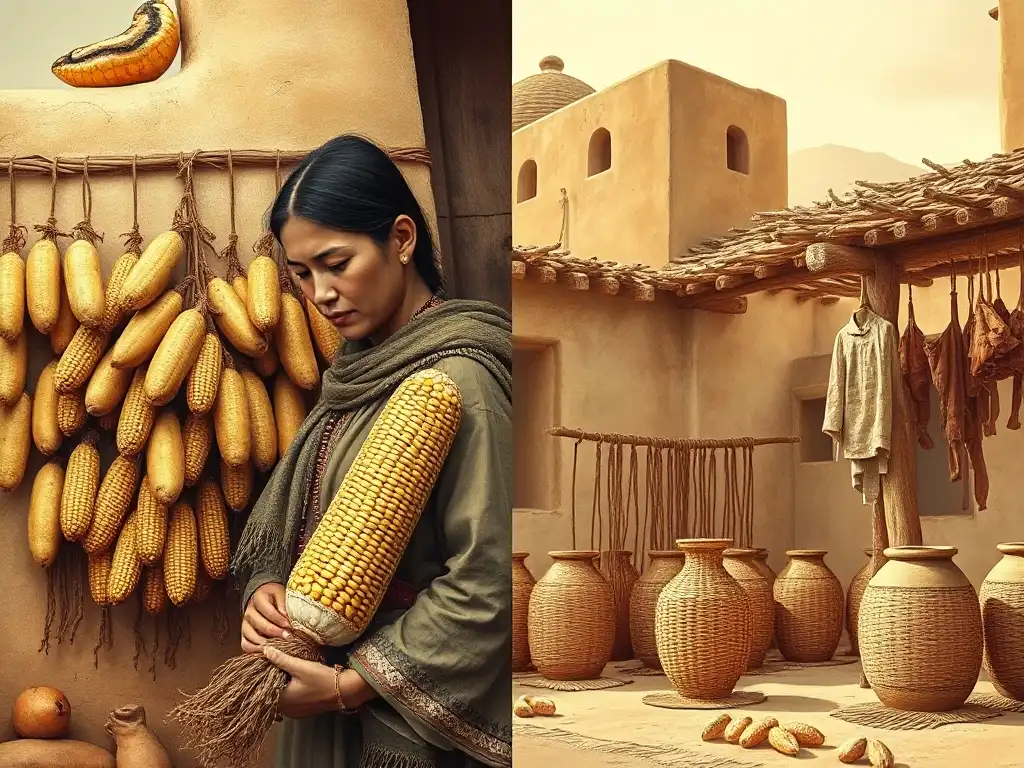
The Andes Mountains presented unique challenges and opportunities for food preservation, forcing the development of techniques distinct from those employed in other ancient civilizations. While methods like salting, drying, and fermentation were common across various cultures, the specific applications and ingenuity demonstrated in the Andes warrant closer examination. The high altitude, varied climates within relatively short distances, and the diversity of crops cultivated all contributed to a complex and sophisticated system of Andean food preservation.
Understanding these differences allows us to appreciate the remarkable adaptability and innovation of Andean peoples. Analyzing Andean techniques alongside those of other ancient societies reveals both commonalities and striking contrasts, highlighting the ingenuity of each culture in responding to its particular environment. We can, for example, compare the methods used to preserve potatoes in the Andes with the techniques used to preserve grains in ancient Egypt.
This comparison reveals the significant impact of the environment and available resources on the development of unique preservation strategies. The impact of these techniques on the overall success and stability of Andean societies cannot be overstated.
Unique Aspects of Andean Techniques
Andean food preservation techniques were characterized by several unique aspects. One key feature was the utilization of freeze-drying, a method particularly well-suited to the high-altitude, cold, and dry environments of the Andes. This natural process, often aided by carefully selected storage locations, allowed for the preservation of various products, including potatoes and other root vegetables, for extended periods. This contrasts sharply with other ancient methods that relied more heavily on controlled temperature and humidity, like the use of underground storage cellars in Mesopotamia.
Another distinctive element was the sophisticated understanding and application of microclimates. Andean communities carefully selected storage locations based on their specific microclimatic conditions – the combination of temperature, humidity, and airflow – to optimize preservation. This knowledge, often passed down through generations, allowed them to maintain optimal conditions for different food types. For instance, certain caves or elevated structures were better suited for preserving dried meats, while others were ideal for storing grains. This level of environmental awareness and control is a distinguishing characteristic of Andean preservation strategies.
Finally, the innovative use of natural materials played a crucial role. The Andean people utilized a wide array of native plants and materials for packaging and storage, including woven baskets, pottery, and specially treated containers. These materials not only provided protection from pests and the elements but also contributed to maintaining suitable humidity levels for different foods.
This contrasted with other civilizations that may have relied more heavily on imported materials for storage. The detailed knowledge of these materials and their properties speaks to a deep understanding of the natural world and its resources. Further research is needed to fully document the variety of materials used and their specific applications, uncovering more secrets of Andean ingenuity.
Andean vs. Egyptian Storage
Comparing Andean and ancient Egyptian food preservation reveals interesting contrasts. While both civilizations employed drying and salting, the approaches and the types of food preserved differed significantly. Ancient Egyptians, with their abundance of grain crops, focused heavily on preserving wheat and barley, utilizing techniques like granaries and airtight storage containers. Their climate allowed for long-term preservation through desiccation alone.
Conversely, Andean civilizations, with their emphasis on potatoes, quinoa, and other Andean crops, developed techniques tailored to these specific products. The high-altitude environment and fluctuating temperatures necessitated different strategies, including freeze-drying and the use of unique storage structures that leveraged microclimates. The sheer diversity of crops and environments in the Andes necessitated a more nuanced and versatile approach to preservation than that seen in the relatively homogenous environment of ancient Egypt.
| Feature | Andean Preservation | Egyptian Preservation |
|---|---|---|
| Climate | High altitude, variable temperatures, dry periods | Hot, arid climate |
| Primary Crops | Potatoes, quinoa, maize | Wheat, barley |
| Key Techniques | Freeze-drying, microclimate utilization, natural materials | Granaries, airtight containers, desiccation |
| Storage Structures | Caves, elevated structures, woven baskets | Granaries, jars, underground storage |
The table above highlights the key differences, showcasing how the environmental context shaped the preservation methods employed by each civilization. Further research into specific preservation techniques for individual crops in each region would provide a more comprehensive understanding of the unique challenges and solutions employed by these ancient societies. The contrasting strategies demonstrate the adaptive capacity of humans in response to diverse ecological conditions.
Conclusion: The Enduring Wisdom of Andean Food Preservation
The ingenuity of Andean civilizations in developing effective food preservation techniques is truly remarkable. Their methods, born out of necessity in challenging high-altitude environments, demonstrate a deep understanding of both their environment and the principles of food science. From the sophisticated qollqas (storage structures) to the innovative use of drying, freezing, and fermentation, these techniques ensured food security and contributed significantly to the stability and prosperity of these complex societies.
Understanding these ancient practices not only enriches our knowledge of Andean history but also offers valuable lessons for modern food preservation strategies. The challenges of food spoilage remain relevant today, and the wisdom of the Andes provides a rich source of inspiration for sustainable and effective solutions.
The focus on minimizing waste and maximizing the nutritional value of food, inherent in these traditional methods, is particularly pertinent in our current context of increasing concerns about food security and environmental sustainability. The legacy of Andean food preservation is not merely a historical curiosity; it's a testament to human adaptability and ingenuity, offering valuable insights for the future.
The Relevance of Ancient Methods Today
Many Andean food preservation techniques are surprisingly relevant in the 21st century. The principles behind sun-drying, for example, are still used today, albeit with more sophisticated equipment. Dehydration removes moisture, inhibiting microbial growth—a fundamental principle across all preservation methods. Similarly, the utilization of freezing temperatures, naturally occurring at high altitudes, mirrors modern freezing technologies.
While we use freezers, the Andes relied on the natural cold of the mountains. Furthermore, traditional fermentation techniques, resulting in products like chicha (a fermented corn beverage) and various preserved meats, are experiencing a revival as interest in artisanal and locally sourced foods grows. These methods not only preserve food but also contribute to unique flavors and nutritional benefits.
The sustainable practices of the ancient Andean cultures, focusing on minimal processing and utilizing natural resources, provide a model for modern food systems seeking to reduce their environmental impact. The study of Andean food preservation offers valuable insights into developing more sustainable and resilient food systems capable of addressing the challenges of a changing climate and growing global population. The enduring legacy of these methods is a testament to their effectiveness and adaptability.
Further Research on Andean Food Storage
Further research into Andean food preservation techniques could yield significant benefits. Detailed studies on the construction and effectiveness of qollqas could inform the design of modern, sustainable storage facilities, particularly in regions with limited access to refrigeration. Analyzing the microbial communities associated with traditional fermentation processes could lead to the discovery of new probiotics and enzymes with potential applications in food science and biotechnology.
Comparative studies examining the nutritional value of foods preserved using traditional Andean methods versus modern techniques could provide valuable data for improving food quality and health outcomes. Ethnobotanical research focusing on the plants used in Andean food preservation could lead to the identification of new natural preservatives with antimicrobial properties. Investigating the long-term effects of different preservation methods on the nutritional composition and sensory qualities of food is crucial for optimizing these techniques.
Finally, documenting and preserving traditional knowledge through collaboration with Andean communities is essential for ensuring the continuity of these valuable practices and preventing their loss. The potential for discovery and innovation in this area is vast, offering exciting opportunities for interdisciplinary research and collaboration. The exploration of Andean food storage methods represents not only a journey into the past, but also a path towards a more sustainable and secure food future.
Frequently Asked Questions
What were the main challenges faced by Andean civilizations in preserving food?
The harsh Andean climate, with its fluctuating temperatures and altitudes, presented significant challenges. Limited refrigeration and seasonal availability of food necessitated innovative preservation methods. Spoilage was a constant threat to food security.
What role did altitude play in Andean food preservation methods?
Altitude significantly impacted food preservation. The lower temperatures at higher altitudes naturally slowed down spoilage, but freezing wasn't always reliable. This led to the development of techniques tailored to different altitudes.
Did the Incas use specific techniques for food preservation?
Yes, the Incas utilized various methods, including freeze-drying (chuño) for potatoes, sun-drying, and storage in underground cellars (qollqas). These techniques ensured food availability throughout the year.
What were some common preservation techniques across different Andean cultures?
Many techniques were shared among different Andean cultures, such as sun-drying, fermentation, and salting. These methods extended the shelf life of various foods like potatoes, maize, and meat.
How did Andean food preservation methods contribute to their societal success?
Effective food preservation was crucial for Andean societies. Reliable food storage allowed for population growth, stable settlements, and the development of complex social structures. It prevented widespread famine and ensured social stability.
Final Reflection: Echoes of Ingenuity: Preserving the Past, Nourishing the Future
The ingenious food preservation techniques of the Andean civilizations remain remarkably relevant today, offering sustainable solutions to a world grappling with food waste and resource scarcity. Their mastery of natural processes, born from necessity and deep ecological understanding, stands as a powerful testament to human adaptability and ingenuity. We can learn much from their resourcefulness, especially as we face the challenges of climate change and a growing global population.
The enduring legacy of Andean food preservation methods extends far beyond historical significance; they continue to shape culinary traditions and inspire modern approaches to sustainable food systems. Their methods, passed down through generations, are a living embodiment of cultural resilience and a profound connection to the land. The earth provides us with everything we need, if only we learn to listen to it.
– This ancient wisdom, though not directly attributed to a specific Andean source, perfectly encapsulates the philosophy behind their successful preservation techniques. Understanding their practices allows us to appreciate the intricate relationship between culture, environment, and food security.
Consider the ingenuity of these ancient peoples, their deep understanding of their environment, and the effectiveness of their methods. You too can embrace a more sustainable approach to food. Explore the principles of natural preservation—think about reducing waste in your own kitchen, experimenting with traditional methods adapted to your context, and appreciating the interconnectedness of food, culture, and the environment. Let the echoes of Andean ingenuity inspire you to build a more resilient and sustainable future, one mindful meal at a time.
Uncover the Secrets: Take Action Against Food Spoilage!
Thank you for exploring the fascinating food preservation techniques of Andean civilizations! This knowledge empowers you to adopt sustainable practices that benefit both you and the environment.
Here's how you can put these ancient insights into action:
- **Preserve your own food. ** Experiment with drying, fermenting, or pickling to extend the shelf life of your favorite foods and enjoy fresh flavors throughout the year.
- **Explore Andean cuisine. ** Discover and share delicious, traditional Andean recipes that incorporate time-tested preservation methods with family and friends.
- **Support local food sustainability. ** Connect with community groups working to reduce food waste and promote sustainable preservation techniques.
What innovative preservation methods have you tried, or which ones are you eager to explore? Share your experiences and join the conversation!