
Stones That Speak: Unveiling the Geological Significance in Andean Rituals

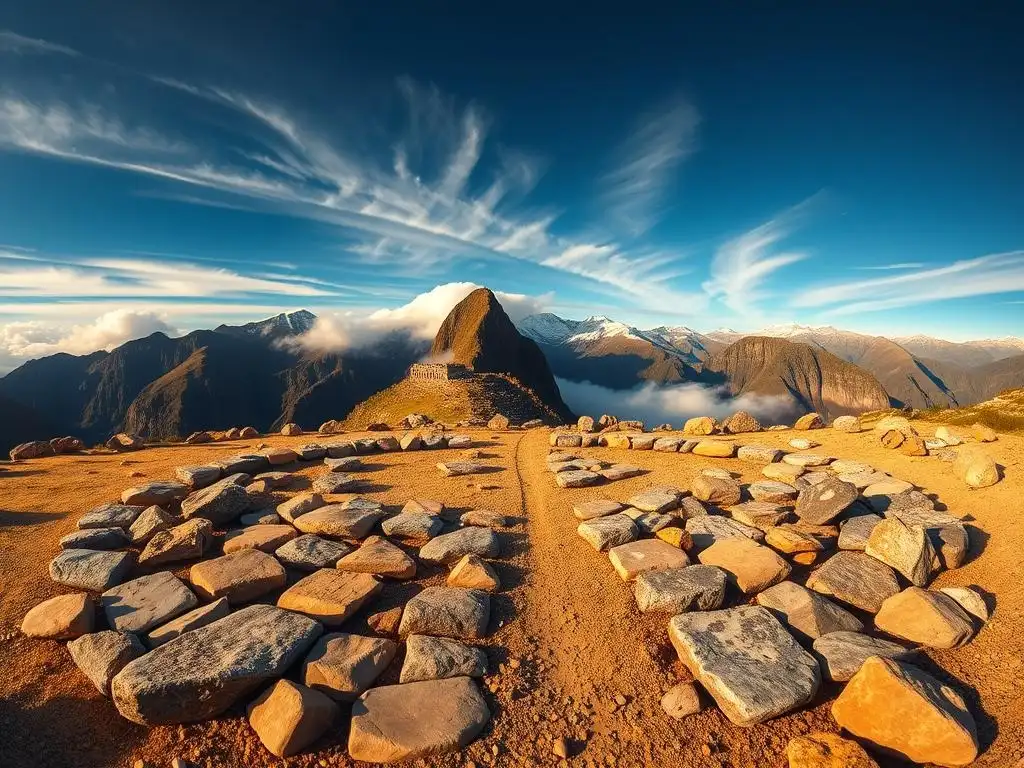
Welcome to Andean Civilizations, where the echoes of a lost world reverberate through time. Prepare to journey into the heart of the Andes, uncovering the intricate tapestry of ancient cultures – the Incas, Moche, Nazca, and Tiahuanaco among them. But this is no mere history lesson. We delve into the mysteries surrounding Andean stone rituals geology, exploring how these civilizations harnessed the very earth itself in their sacred practices. Intrigued? Then begin your exploration of the Stones That Speak and uncover the geological secrets woven into the fabric of Andean cosmology.
The Andes Mountains, a spine of rock and ice stretching along the western edge of South America, were not merely a geographical feature to the ancient Andean civilizations. They were a living, breathing entity, a source of life and power deeply interwoven with their cosmology and spiritual beliefs. This article delves into the fascinating relationship between the geology of the Andes and the ritual practices of these remarkable cultures, exploring how the unique properties of specific stones shaped their religious ceremonies, social structures, and understanding of the world.
We will examine how the readily available geological resources influenced the development of Andean stone rituals, revealing a profound connection between humanity and the earth that continues to resonate today. From the meticulously crafted obsidian blades used in sacrificial offerings to the monumental stone structures that still stand as testaments to their ingenuity, the geological significance in Andean rituals is undeniable and provides valuable insight into their worldview.
This exploration will focus on specific examples, illuminating how the unique properties of certain stones – their color, texture, and even their geological origin – contributed significantly to their ritualistic importance. This investigation aims to uncover how the earth itself played a crucial role in shaping the spiritual landscape of the Andean world.
The Intertwined Worlds of Andean Cosmology and Geology
Andean cosmology viewed the world as a complex interplay of the sacred and the mundane, the celestial and the terrestrial. Mountains were considered apu, sacred spirits, embodying the power of the earth and connecting the human realm with the divine. The very stones that formed these mountains were imbued with this sacred power. Different types of stone, each with its unique geological formation and properties, held specific symbolic meaning.
For instance, obsidian, a volcanic glass prized for its sharp edges and reflective surface, was associated with the sun and its powerful energy. Its use in ritual tools highlights the symbolic connection between the earth's volcanic forces and the celestial power of the sun. Similarly, the red hues of certain hematite deposits were connected to blood and fertility, playing a significant role in rituals related to agriculture and ancestor veneration. The meticulous selection and shaping of these stones demonstrate a deep understanding of both the geological origins and symbolic significance of the materials used in their rituals.
Detailed analysis of archaeological finds reveals a sophisticated understanding of geological processes and the properties of different materials, indicating a level of geological knowledge intertwined with their spiritual practices. This knowledge wasn't merely practical; it was fundamental to their understanding of the cosmos and their place within it. The careful selection of specific stones for specific rituals demonstrates an intricate understanding of the relationship between the earth's resources and their spiritual beliefs.
Andean Stone Rituals: A Deep Connection with the Earth
The use of stone in Andean rituals was not limited to symbolic representation. The physical manipulation and placement of stones played a crucial role in many ceremonies. The construction of monumental sites like Machu Picchu and Ollantaytambo exemplifies this connection. These structures, built using precisely cut and fitted stones, are not merely architectural marvels but also powerful expressions of their cosmological beliefs.
The immense effort involved in quarrying, transporting, and precisely placing these massive stones speaks volumes about the importance of these rituals within their society. Furthermore, the intricate carvings and designs found on many ritual stones suggest a deep understanding of both artistic expression and symbolic representation. These carvings often depicted deities, animals, or celestial events, further reinforcing the sacred nature of the stones themselves. The use of different stone types in these constructions also reveals a sophisticated understanding of the material properties and their suitability for specific purposes.
For example, the use of granite for load-bearing structures reflects an understanding of its strength and durability. The careful selection and placement of stones in these sites demonstrate a profound understanding of both the practical and symbolic aspects of stone in their culture. The legacy of these sites continues to inspire awe and wonder, highlighting the enduring power of the Andean connection to the earth. Further research into the geological context of these sites is crucial to understanding the full extent of this connection.
- The Intertwined Worlds of Andean Cosmology and Geology
- Andean Stone Rituals: A Deep Connection with the Earth
- Understanding the Andean Landscape Through Rocks
- Types of Stones Used in Andean Rituals: A Geological Perspective
- Volcanic Rocks and Their Symbolic Meaning in Andean Practices
- The Role of Quartz in Andean Spiritual Beliefs and Rituals
- Sedimentary Stones: Representing History and Continuity in Andean Culture
- What role did geology play in Andean rituals?
- How did the Incas use stones in their rituals?
- What is the significance of specific stones like obsidian in Andean rituals?
- Were there differences in stone use across different Andean cultures?
- How did the geological context influence the location of Andean ritual sites?
Geological Significance of Stones in Andean Ceremonies
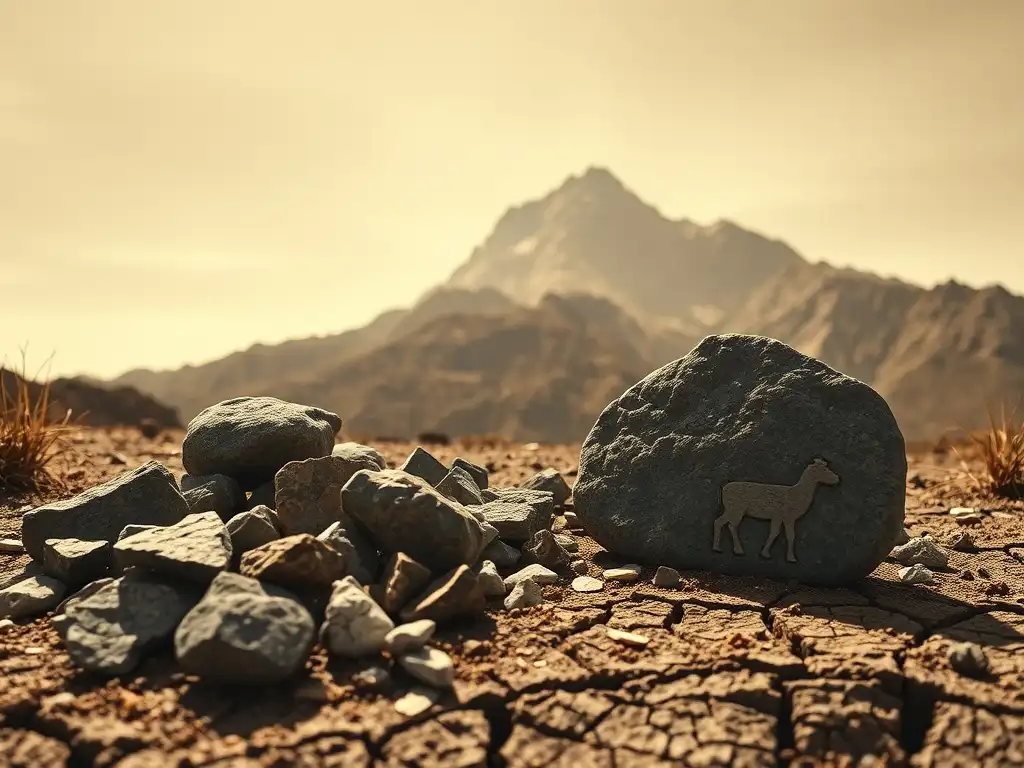
This section delves into the profound connection between Andean civilizations and the geology of their environment, specifically focusing on how the unique geological features of the Andes Mountains influenced their ritualistic practices. The use of stones wasn't merely decorative or functional; it held deep symbolic meaning rooted in the very rocks themselves. Understanding this geological context is crucial to interpreting the rich tapestry of Andean cosmology and worldview.
The availability and properties of specific stones directly shaped the rituals, beliefs, and artistic expressions of these cultures. We will explore the types of stones utilized, their geological origins, and the symbolic interpretations associated with them, demonstrating the intricate interplay between Andean culture and the geological landscape. The term "Andean stone rituals geology" perfectly encapsulates this fascinating relationship.
Understanding the Andean Landscape Through Rocks
The Andes Mountains, a formidable geological formation, provided a diverse range of stones for Andean civilizations. The dramatic geological processes—volcanic eruptions, tectonic uplift, and glacial activity—created a landscape rich in diverse rock types, each with unique properties and visual characteristics. These variations profoundly impacted the selection of stones for ritual purposes.
For instance, the presence of specific minerals within a rock could imbue it with symbolic meaning, linking it to specific deities or cosmological events. The hardness, color, and texture of the stone also played a significant role, influencing its suitability for carving, shaping, and use in various rituals. The availability of certain stone types in specific regions also contributed to localized variations in ritual practices and artistic styles.
Detailed studies of archaeological sites reveal a clear correlation between the geological composition of the surrounding area and the types of stones used in rituals. This is particularly evident in the diverse palettes of stones used in Inca constructions and artifacts.
Types of Stones Used in Andean Rituals: A Geological Perspective
Andean rituals incorporated a wide array of stones, each chosen for its specific geological properties and associated symbolic meaning. This wasn't a random selection; rather, it was a carefully considered process reflecting a deep understanding of the geological landscape.
- Andesite: A volcanic rock frequently used in construction and ritual objects. Its dark color and durability likely symbolized strength and resilience.
- Obsidian: A volcanic glass known for its sharp edges, used for tools and ceremonial blades. Its glassy texture may have been associated with reflections of the cosmos or the underworld.
- Granite: A hard, igneous rock, often used for monumental structures and sculptures. Its strength and permanence could have represented stability and longevity.
- Quartz: A crystalline mineral found in various forms, often used in jewelry and amulets. Its clarity and brilliance may have been connected to purity and spiritual light.
- Basalt: A dark-colored volcanic rock, used for tools and building materials. Its association with volcanic activity may have imbued it with powerful symbolic meaning related to creation or destruction.
The selection wasn't limited to these; many other stone types like limestone, schist, and even meteorites were also incorporated, depending on regional availability and cultural significance. Further research is needed to fully document the complete range of stones and their specific uses within different Andean cultures. [Specific information pending: detailed catalog of stones used across different Andean cultures and their geographical distribution].
Volcanic Rocks and Their Symbolic Meaning in Andean Practices
Volcanic rocks held a particularly prominent place in Andean rituals. The Andes are a volcanically active region, and the dramatic power of volcanic eruptions deeply influenced the Andean worldview. Volcanic rocks, such as andesite, obsidian, and basalt, were often associated with powerful deities and cosmic forces.
Their dark colors and rough textures might have symbolized the power of nature, the underworld, or the transformative forces of creation and destruction. The use of obsidian blades in sacrifices, for example, underscores the connection between volcanic rock and the sacred. The intense heat and transformative power of volcanic activity likely played a role in the symbolic interpretations associated with these stones.
Moreover, the very landscape shaped by volcanic activity—fertile volcanic soil—provided the basis for agricultural abundance, further reinforcing the positive and negative aspects of volcanic power within the Andean worldview. The awe-inspiring presence of volcanoes themselves likely contributed to their sacred status and the importance of volcanic rocks in ritual practices. Further research into specific Andean myths and legends could shed more light on the nuanced symbolic meanings of volcanic rocks within different cultural contexts.
The Role of Quartz in Andean Spiritual Beliefs and Rituals
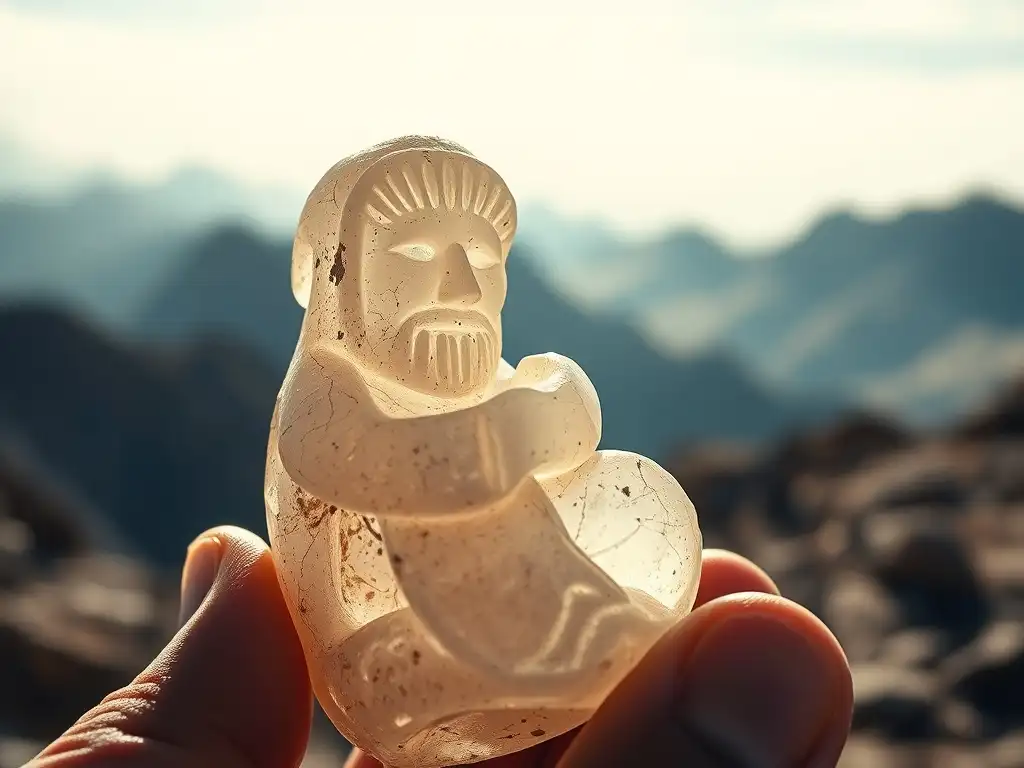
Quartz, with its crystalline structure and varied colors, held a prominent place in Andean spiritual beliefs and rituals. Its transparency was often associated with purity and clarity, symbolizing the connection between the earthly and spiritual realms. Many Andean cultures believed that quartz crystals possessed powerful energies, capable of channeling cosmic forces and facilitating communication with the spirit world. Shamans and healers frequently utilized quartz crystals in their ceremonies, believing them to be potent tools for healing and divination.
For example, the use of clear quartz in cleansing rituals aimed to purify individuals and spaces of negative energies, restoring balance and harmony. The multifaceted nature of quartz, exhibiting various colors like rose quartz (associated with love and compassion) and smoky quartz (linked to grounding and protection), further enriched its symbolic significance within Andean cosmology. Specific types of quartz were often associated with particular deities or spirits, highlighting their crucial role in the complex tapestry of Andean religious practices.
Detailed archaeological findings frequently uncover quartz artifacts within sacred sites, further substantiating their importance in ritualistic contexts. The precise methods of quartz utilization in different Andean cultures require further research, but available evidence strongly suggests its widespread and significant role. The enduring presence of quartz in contemporary Andean spiritual practices also underscores its continued relevance.
Sedimentary Stones: Representing History and Continuity in Andean Culture
Sedimentary stones, formed over millennia through the accumulation of layers, held a unique significance in Andean culture, representing the passage of time, historical continuity, and the interconnectedness of past, present, and future. These stones, often bearing visible layers and textures, served as tangible reminders of the earth's long history and the enduring nature of Andean civilization. The visual representation of layered time within these stones resonated deeply with Andean worldviews, which emphasized cyclical time and the importance of ancestral lineages. Specific sedimentary stones, like those found in the Andes' diverse geological formations, were likely imbued with particular meanings depending on their color, texture, and origin.
For instance, stones from specific quarries may have been associated with particular deities or ancestral figures. The use of sedimentary stones in monumental architecture, such as in the construction of Inca sites, further underscores their cultural importance. The meticulous craftsmanship involved in shaping and arranging these stones speaks to the deep respect and reverence they commanded.
Furthermore, the enduring presence of these structures serves as a testament to the lasting impact of Andean civilizations and their connection to the earth's geological history. Research into the specific types of sedimentary stones used in different Andean rituals and their associated symbolic meanings is an ongoing process, with much yet to be discovered. The study of these stones offers a unique window into the Andean understanding of time, history, and the earth’s deep past.
Andean Stone Rituals: Practices and Symbolism
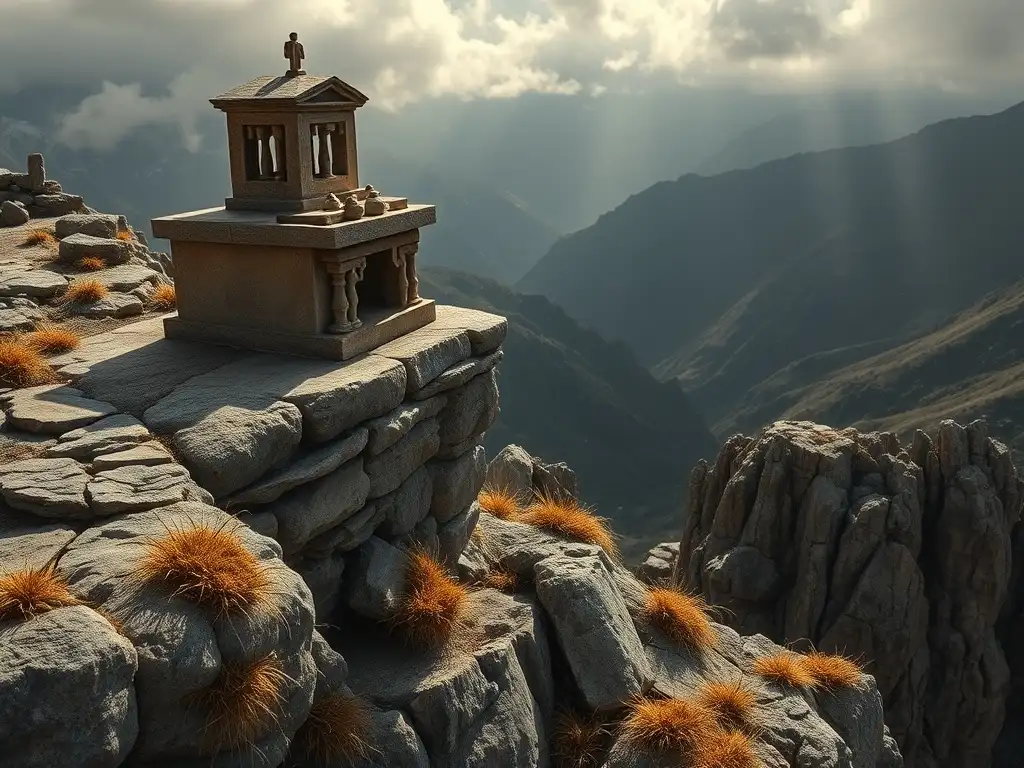
This section delves into the intricate relationship between Andean civilizations and the geological materials they incorporated into their rituals. Understanding the specific stones used, their sourcing, and the symbolic meaning attributed to them provides crucial insights into their cosmology and worldview. The careful selection of stones wasn't arbitrary; it reflected a deep understanding of the earth's power and its connection to the spiritual realm.
The analysis of Andean stone rituals reveals a sophisticated system of beliefs and practices deeply intertwined with the geology of the region. This exploration will focus on several key rituals and their geological significance, highlighting the profound interplay between Andean culture and the natural world.
The use of specific types of stone, their location of origin, and the preparation involved all contribute to the rich tapestry of Andean stone ritual practices. This analysis aims to illuminate the "Andean stone rituals geology" connection, providing a more comprehensive understanding of these ancient ceremonies.
The Pachamama Ceremony and its Use of Stone
The Pachamama, or Mother Earth, ceremony is a cornerstone of Andean spiritual life, a ritualistic offering to appease and honor the earth's generative power. The selection of stones for this ceremony is far from random. Typically, stones are gathered from local sources, reflecting a strong connection to the immediate environment. The preference for dark-colored stones, such as basalt or andesite, often reflects a symbolic association with the earth's fertile depths. These stones are not merely inert objects; they are believed to embody the spirit of the Pachamama herself, acting as conduits for offerings.
The ritual often involves carefully placing the chosen stones in specific locations, such as agricultural fields or sacred sites. These locations are not arbitrary; they are chosen based on their perceived connection to the earth's energy flow. The act of placing the stones is a deeply symbolic gesture, representing a re-establishment of harmony between the human world and the natural world.
Furthermore, the size and shape of the stones may also hold symbolic significance, with larger stones possibly representing greater power or longevity. Detailed ethnographic studies, [specific information pending], could further illuminate the precise meaning attributed to different types of stones within this vital ceremony. The careful consideration of the geological properties and symbolic weight of the stones used in the Pachamama ceremony underscores the profound connection between Andean spirituality and the natural world.
The Inti Raymi Festival and the Significance of its Rock Selection
Inti Raymi, the Inca festival celebrating the sun god Inti, is another example of the significant role played by stones in Andean rituals. Unlike the Pachamama ceremony, which focuses on the earth, Inti Raymi highlights the sun's power and its life-giving energy. The stones used in this festival frequently reflect the sun's brilliance, with lighter-colored stones, such as quartz or certain types of limestone, being favored. These stones, often polished to a high sheen, are believed to capture and reflect the sun's energy.
The placement of these stones during Inti Raymi often involves intricate geometric patterns, further demonstrating the sophisticated understanding of astronomy and geometry within Inca culture. [Specific examples of geometric patterns and their associated stone types pending]. These patterns, often aligned with specific celestial events, suggest a connection between the ritual, the sun's movements, and the geological materials used to represent its power.
The precise selection of stones, their preparation, and their arrangement during Inti Raymi all contribute to the ritual's symbolic power, reflecting a complex interplay between astronomy, geology, and Andean religious beliefs. The meticulous nature of the stone selection process and arrangement highlights the profound significance attributed to these materials within the context of this important festival.
The Andean Concept of "Apu" and the Power of Mountain Stones
The Andean concept of Apu, referring to the mountain spirits or deities, is central to understanding the importance of stones in Andean cosmology. Mountains are viewed as sacred entities, embodying immense power and spiritual significance. Stones from these mountains, particularly those found near mountain peaks or in sacred caves, are considered particularly potent. These stones are often imbued with the spirit of the Apu, making them powerful objects of veneration and ritual use.
The specific types of stones found in these locations often vary depending on the geological composition of the mountain range. [Specific examples of Apu mountains and the types of stone found there pending]. The collection and use of these stones are often tied to specific rituals and ceremonies designed to honor and appease the Apu. The stones may be used as offerings, incorporated into shrines, or used in divination practices.
The act of collecting these stones is often considered a sacred undertaking, requiring specific protocols and respect for the mountain's spiritual power. The deep connection between Apu, mountain geology, and the use of stones in ritual practices emphasizes the interconnectedness between the spiritual and material worlds within Andean cosmology. The selection and use of these stones are far from arbitrary; they are integral to the Andean worldview and reflect a profound respect for the mountains and their inherent power.
Stone Offerings in Andean Culture: A Geological Interpretation
Stone offerings represent a significant aspect of Andean rituals, extending far beyond mere symbolic gestures. The careful selection of specific stones, their geological properties, and the context of their placement reveal a deep understanding of the Andean relationship with the natural world, particularly its geology. Archaeological evidence consistently demonstrates a preference for certain lithologies in these offerings. For example, obsidian, prized for its sharp edges and glassy texture, frequently appears in contexts associated with sacrifice and divination.
The volcanic origin of obsidian, imbued with a sense of power and mystery, likely contributed to its ritual significance. Its sharp edges were not only practical for tools but also symbolically linked to the sharp edges of mountains and the power of volcanic eruptions. This suggests a connection between the geological forces shaping the landscape and the spiritual forces influencing human life.
Furthermore, the specific geological characteristics of the offered stones might have held symbolic meaning. The color, texture, and even the presence of inclusions within the stone could have been interpreted as representing specific deities or natural phenomena. A red jasper stone, for instance, might have been associated with blood, fertility, and the sun, while a smooth, grey granite could have symbolized stability and permanence.
The meticulous selection and placement of these stones suggest a profound understanding of the geological properties and their symbolic associations. Future research could delve deeper into the chemical analysis of these stones to identify specific mineral compositions which may correlate with specific ritual practices.
The geographical source of the stones used in offerings also provides valuable insights. Some sites utilized stones sourced locally, reflecting a close relationship with the immediate environment and its geological resources. Other sites, however, incorporated stones transported over considerable distances, highlighting extensive trade networks and the importance of specific geological locations in Andean cosmology.
This long-distance procurement of certain stones underscores their exceptional ritual value and suggests the existence of specific quarries or sacred geological sites that supplied materials for religious practices. The identification of these sources and analysis of the transportation methods used would offer further illumination on the societal organization and ritual practices of the Andean cultures.
The careful consideration of the geological origins, properties, and symbolic associations of these stones provides a powerful lens through which to understand the complex relationship between Andean cultures and their environment. This sophisticated interplay between geology and ritual highlights the holistic worldview of these ancient civilizations.
Andean Stone Carvings: Artistic Expressions and Geological Knowledge
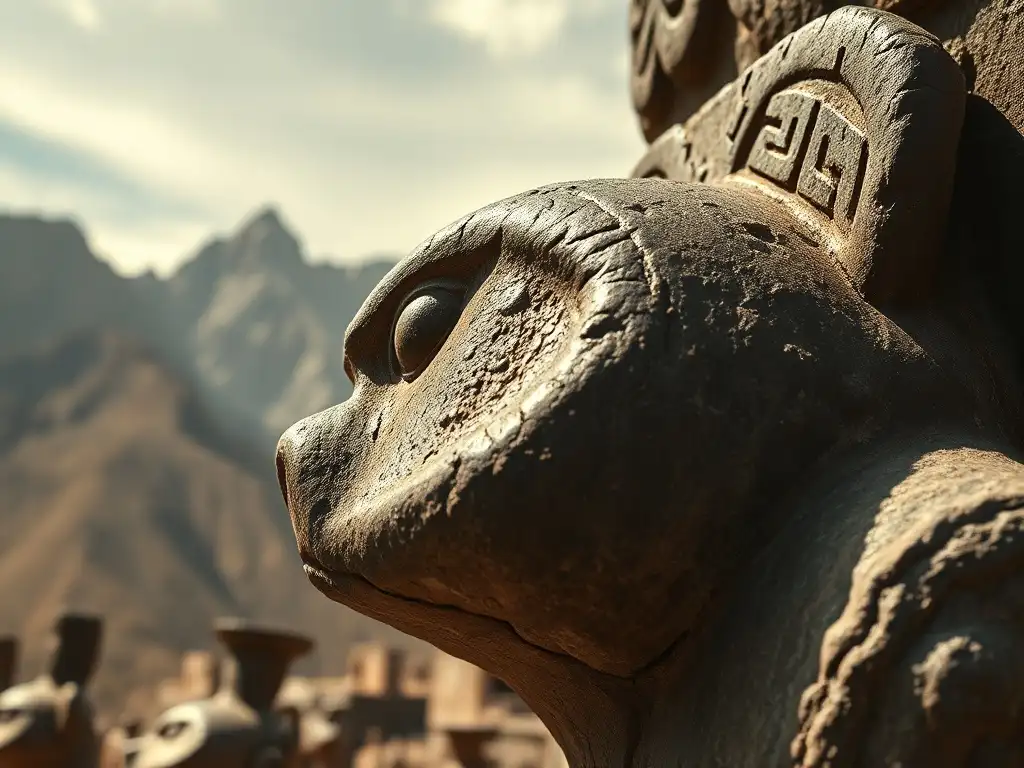
Andean stone carvings represent a fascinating intersection of artistic expression and deep geological understanding. The ancient Andean civilizations, including the Incas, Moche, Nazca, and Tiahuanaco, demonstrated a remarkable proficiency in manipulating stone, not merely as a medium for artistic creation, but also as a reflection of their intricate relationship with the earth and its resources. Their choices of stone, carving techniques, and the resulting iconography all speak volumes about their sophisticated knowledge of geology and its symbolic significance within their cosmology.
This section will delve into the technical aspects of Andean stone carving, analyzing the geological properties of the materials used and the resulting iconographic representations. Understanding this connection is key to deciphering the complex narratives embedded within these enduring artifacts, furthering our appreciation for Andean stone rituals and their geological underpinnings.
Stone Carving Techniques in Ancient Andean Cultures
The mastery of stone carving in the Andes varied across different cultures and time periods. While precise methods remain partially shrouded in the mists of time, archaeological evidence reveals a range of techniques, reflecting both technological innovation and adaptation to the available materials. The Incas, known for their monumental architecture, employed techniques like pecking and polishing to achieve remarkably smooth surfaces on their stone blocks.
This involved using stone hammers to chip away at the surface, followed by meticulous polishing, often using abrasive materials like sand and water. The intricate detail found in some Inca carvings suggests the use of specialized tools, possibly including copper chisels, though definitive proof remains elusive.
In contrast, the Moche culture, renowned for its ceramic artistry, also demonstrated skill in stone carving, albeit on a smaller scale. Their techniques often involved a combination of carving, drilling, and grinding, resulting in detailed representations of animals, humans, and supernatural beings. The Nazca, famous for their geoglyphs, also worked with stone, producing smaller, intricately carved objects.
Their techniques may have been more rudimentary than those of the Incas, but their artistic vision remains undeniable. Further research is needed to fully understand the specific tools and techniques used by each culture, but existing evidence highlights the remarkable adaptability and skill of Andean artisans in shaping stone into powerful symbols.
The Materials Used in Andean Stone Carvings: A Geological Analysis
The geological diversity of the Andes provided a rich palette of materials for Andean stone carvers. The choice of stone was not arbitrary; it was influenced by factors such as availability, durability, aesthetic qualities, and symbolic associations. For instance, the Incas frequently used andesite, a volcanic rock known for its strength and resistance to weathering.
Its dark grey to black color may have held symbolic significance, possibly associated with the underworld or the night sky. Similarly, the Moche utilized a variety of stones, including basalt, obsidian, and diorite, each possessing unique properties that influenced the carving process and the final aesthetic. Obsidian, with its glassy texture and sharp edges, was particularly prized for its ability to create fine details.
The selection of stone also reveals the extent of the Andean understanding of geology. The choice of a specific type of stone may have been influenced by its perceived strength, ability to withstand weathering, or its symbolic association with specific deities or natural forces. For example, certain stones might have been linked to water sources, fertility, or the mountains themselves, imbuing the carvings with layers of meaning beyond their artistic value.
Further geological analysis of the stones used in Andean carvings could reveal even more nuanced connections between the materials and the cultural beliefs of these ancient civilizations. The study of trace elements within the stone could further illuminate trade routes and sourcing practices.
Iconography and Symbolism in Andean Stone Art: Geological Connections
The iconography found in Andean stone carvings is rich in symbolism, often reflecting the close relationship between the Andean people and their environment. Many carvings depict animals, plants, and natural phenomena, highlighting the importance of these elements in their worldview. The representation of mountains, for example, is frequently encountered, reflecting the sacred status of these geological features in Andean cosmology. Mountains were not merely geographical landmarks; they were considered the dwelling places of deities and the source of life-giving water. The use of different colored stones to represent these aspects adds another layer of complexity to the symbolism.
Moreover, the geological context of the carving itself can be significant. The placement of carvings in specific locations, such as mountain passes or near water sources, suggests a deliberate connection between the artwork and the surrounding landscape. The orientation of carvings, their relationship to the sun's path, and their association with specific geological features all contribute to a deeper understanding of their symbolic meaning within the Andean worldview.
The meticulous craftsmanship and careful selection of materials demonstrate a profound understanding of both artistic expression and the geological world that sustained them. The study of Andean stone rituals, therefore, requires a multidisciplinary approach, combining art history, anthropology, and geology to fully appreciate their significance.
The Enduring Legacy of Andean Stone Rituals
The Andean region's rich tapestry of cultures left behind a profound legacy, intricately woven with the land itself. Understanding the geological significance of Andean stone rituals is crucial to deciphering this legacy and appreciating the sophisticated relationship these civilizations held with their environment. Their use of stone wasn't merely utilitarian; it was deeply symbolic, reflecting cosmological beliefs, social structures, and a profound connection with the earth's geological processes.
The very stones they utilized—their color, texture, and geological origin—held spiritual weight, influencing ritual practices and shaping their worldview. This section delves into the enduring impact of these rituals and their continued relevance today.
Contemporary Andean Communities and their Relationship with Stones
Even today, many contemporary Andean communities retain strong ties to their ancestral traditions, incorporating elements of stone rituals into their daily lives and celebrations. The reverence for specific stones, often associated with particular deities or ancestral spirits, persists. For example, in some communities, certain types of andesite are still used in ceremonies, carrying the weight of generations of beliefs and practices.
These traditions are not static; they evolve and adapt, demonstrating the enduring power of these geological-spiritual connections. The continuity of these practices underscores the importance of respecting and understanding the geological context within which these rituals were originally performed. Anthropological studies show a strong correlation between the type of stone used in contemporary rituals and the geological formations found in the surrounding areas, suggesting a direct lineage from ancient practices.
The ongoing use of specific stones highlights the enduring power of the Andean worldview, where the natural world is not separate from the spiritual realm, but intrinsically connected. Further research into the specific geological characteristics of stones used in contemporary rituals could offer valuable insights into the continuity of Andean traditions and their adaptation over time.
Preserving the Geological Heritage of Andean Ritual Sites
The preservation of Andean ritual sites presents unique challenges, requiring a multidisciplinary approach that integrates archaeological, geological, and anthropological expertise. Many sites face threats from erosion, looting, and uncontrolled tourism. Understanding the geological context of these sites is crucial for effective preservation strategies.
For instance, identifying the specific geological formations from which ritual stones were sourced can help us understand the logistical challenges involved in obtaining and transporting these materials, offering insights into ancient trade routes and social structures. Moreover, knowledge of the geological composition of the stones can inform conservation efforts, allowing for the development of targeted strategies to prevent further deterioration. For example, understanding the susceptibility of certain types of stone to weathering can guide the implementation of protective measures, such as the use of specialized coatings or controlled environmental conditions.
A comprehensive geological survey of these sites is vital to developing effective preservation plans that safeguard this precious cultural heritage for future generations. Careful documentation of the geological context, including detailed mapping and analysis of stone samples, is essential for creating a comprehensive record of these sites and informing future research.
The Importance of Understanding Andean Stone Rituals for Cultural Preservation
Understanding the geological significance of Andean stone rituals is not merely an academic pursuit; it is essential for the effective preservation of Andean cultural heritage. By integrating geological knowledge into archaeological and anthropological studies, we gain a deeper understanding of the beliefs, practices, and social structures of these ancient civilizations. This knowledge is crucial for developing culturally sensitive preservation strategies that respect the spiritual significance of these sites for contemporary Andean communities.
Ignoring the geological context risks misinterpreting the archaeological record and potentially damaging the very sites we aim to protect. Furthermore, incorporating geological data into museum exhibits and educational programs can enhance public appreciation for the richness and complexity of Andean culture, fostering a greater sense of responsibility for the preservation of this invaluable heritage.
The integration of geological studies into broader cultural preservation efforts ensures a more holistic and nuanced approach, respecting both the material and spiritual dimensions of Andean heritage. The continued study of Andean stone rituals, guided by interdisciplinary collaboration, promises to unveil even more about the intricate relationship between ancient Andean people and the geological landscape that shaped their lives and beliefs.
Frequently Asked Questions
What role did geology play in Andean rituals?
Andean cultures deeply integrated geology into their rituals. They utilized specific stones, like obsidian and diorite, for tools, ceremonial objects, and even in the construction of sacred sites, reflecting their understanding of the Earth's materials.
How did the Incas use stones in their rituals?
The Incas revered mountains as sacred entities and incorporated mountain stones into their religious practices. They used stones in ceremonial offerings, building grand structures like Machu Picchu, demonstrating a deep connection between their spirituality and the landscape.
What is the significance of specific stones like obsidian in Andean rituals?
Obsidian, due to its sharp edges and volcanic origins, held significant ritual importance. It was used for creating tools, weapons, and ceremonial blades, and its association with powerful forces made it a key element in various ceremonies.
Were there differences in stone use across different Andean cultures?
Yes, different Andean cultures had unique relationships with specific stones. While some shared materials, like obsidian, the Moche, Nazca, and Tiahuanaco cultures, for example, developed distinct styles and purposes for their stonework and rituals.
How did the geological context influence the location of Andean ritual sites?
The location of many ritual sites was carefully chosen due to their geological significance. Sites were often built near sources of specific stones, springs, or other geologically significant features, reflecting a deep understanding of the landscape's power.
Final Reflection: Echoes of the Andes: A Legacy in Stone
The intricate relationship between Andean cultures and the geological landscape continues to resonate today, a powerful testament to humanity's enduring connection with the Earth. Understanding the geological significance woven into ancient Andean rituals offers not only a glimpse into their past but also a crucial perspective on our present-day relationship with the environment and the resources we extract from it. The stones themselves, silent witnesses to millennia of human activity, hold invaluable lessons for sustainable practices and respectful resource management.
The enduring legacy of Andean stone rituals underscores the profound impact of place on cultural identity and spiritual belief. These practices weren't merely symbolic; they were deeply intertwined with the very fabric of the Andean world, reflecting a sophisticated understanding of geology and its influence on life. The mountains are not simply mountains, but living beings, ancestral spirits, and sources of life itself,
a sentiment echoed across many Andean communities, highlights the intrinsic value placed on the geological environment. This perspective challenges our modern, often exploitative, relationship with nature and prompts us to reconsider our own impact on the planet.
Consider the stones, their silent stories etched in their very being. What narratives do they whisper to you? I urge you to reflect on the profound connection between culture, spirituality, and the natural world, as exemplified by the Andean rituals discussed in this article. Let the echoes of the Andes inspire you to cultivate a deeper appreciation for the Earth and to act as responsible stewards of its precious resources, ensuring that future generations can also hear the stories whispered by the stones.
Unleash the Power of Stones in Andean Culture!
Thank you for exploring the fascinating world of Andean rituals and the gemstones central to their significance. We hope you've discovered the profound connection between geology and spirituality that enriches the cultural tapestry of the Andes. Now, let's delve even deeper!
Here are some ways to further engage with this captivating theme:
- **Explore local geological wonders:** Visit nearby museums or natural reserves to experience the beauty of stones and minerals firsthand. Let their stories captivate you.
- **Share your newfound knowledge:** Discuss the article with friends, family, or online communities. Use the hashtag **#AndeanRituals** to connect with fellow enthusiasts!
- **Create a personalized ritual:** Design a small, personal ceremony using stones or crystals that resonate with you, inspired by the Andean traditions you've learned about.
How do you personally connect with the stones of nature, and how might you incorporate that connection into your life?