
Inca Engineering: Advanced Techniques for Construction and Infrastructure

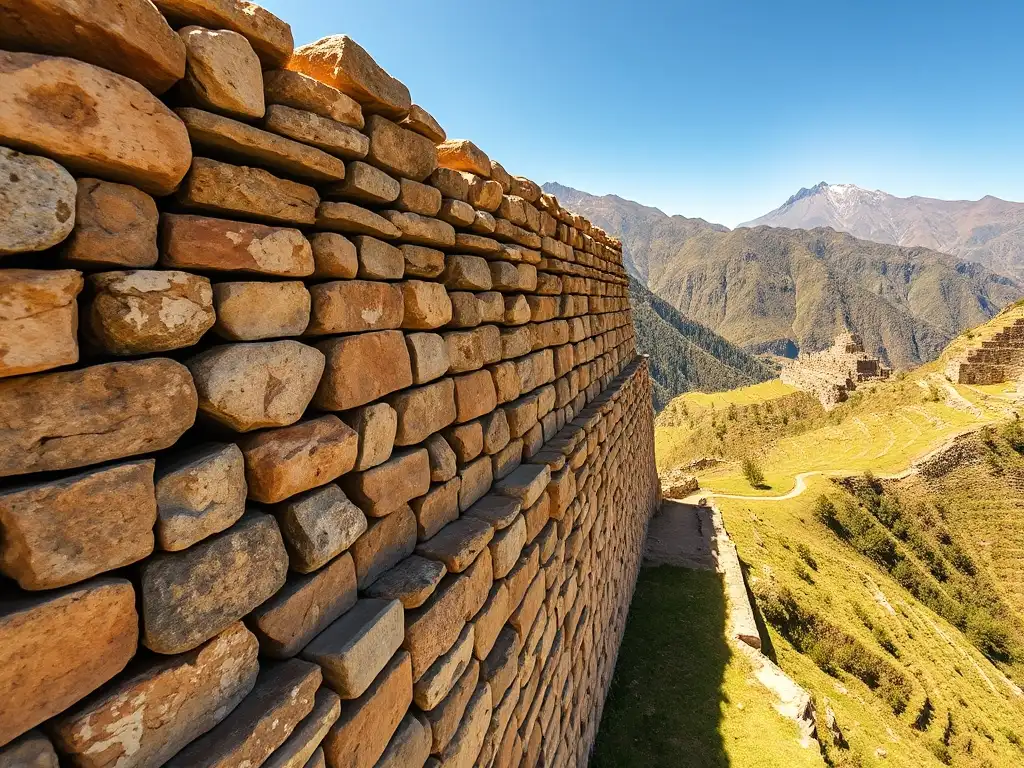
Step into a world lost to time, yet echoing with the ingenuity of a civilization that defied the Andes' formidable heights. Imagine cities carved into mountains, roads spanning treacherous landscapes, and agricultural terraces clinging precariously to steep slopes. This is the legacy of the Andean civilizations, and within these pages, we unravel the secrets of their remarkable achievements. Prepare to be amazed by the Inca construction techniques that transformed the Andes into a masterpiece of human engineering – a story waiting to be discovered.
The Inca Empire, a civilization that flourished in the Andes Mountains from the 15th to the 16th century, left behind a remarkable legacy of sophisticated engineering feats. Their mastery of construction and infrastructure, achieved without the benefit of iron tools or draft animals, stands as a testament to their ingenuity and organizational prowess.
This article delves into the advanced techniques employed by Inca engineers, examining the innovative methods they used to build impressive structures, intricate road networks, and complex irrigation systems, all while adapting to the challenging Andean terrain. Understanding these techniques provides invaluable insight into the Inca worldview, their societal structure, and their remarkable ability to harness resources and mobilize labor for monumental projects.
We will explore specific examples showcasing their expertise in stonework, road construction, and water management, highlighting the enduring impact of their engineering achievements on the region. The keyword "Inca construction techniques" will be explored in depth throughout this analysis.
Introduction to Inca Civil Engineering
Inca civil engineering wasn't simply about building; it was a deeply integrated part of their societal and spiritual fabric. Their infrastructure wasn't just functional; it was a statement of power, a reflection of their sophisticated understanding of the environment, and a crucial element in maintaining control over their vast empire. Unlike many other ancient civilizations, the Inca lacked wheeled vehicles and draft animals, forcing them to develop unique solutions for transporting massive stones and materials across challenging mountain passes and treacherous terrain.
This necessitated a highly organized workforce and a sophisticated understanding of logistics and project management. Their achievements in stonework, particularly, are legendary, demonstrating a precision and artistry that continues to amaze modern engineers.
The Inca's ability to precisely cut and fit massive stones without the use of mortar, a technique known as ashlar masonry, remains a source of wonder and ongoing research. This section will lay the groundwork for understanding the broader context of Inca engineering, setting the stage for a more detailed examination of specific techniques and projects.
Stonework Techniques: Precision and Mastery
The hallmark of Inca engineering is undoubtedly their mastery of stonework. Their ability to create perfectly fitted stones, some weighing many tons, without the use of mortar, is a testament to their advanced understanding of geometry and engineering principles. They employed a variety of techniques, including the use of highly refined tools made of copper and bronze alloys, and likely a combination of methods involving precise measurements, shaping, and fitting. This wasn't just about aesthetics; the precision was crucial for creating strong, earthquake-resistant structures that could withstand the harsh Andean climate. Consider the impressive walls of Sacsayhuamán, near Cusco, where massive stones are interlocked with such accuracy that even a knife blade cannot be inserted between them. The sheer scale and precision of this work are truly awe-inspiring. Further research is needed to fully understand the exact methods they employed for transporting and lifting these colossal stones, but evidence suggests the use of ramps, levers, and possibly even a rudimentary form of rollers. The Inca's understanding of the properties of stone, coupled with their innovative techniques, allowed them to create structures that have stood the test of time, many still standing today, a remarkable feat of engineering.
Road Networks: Connecting the Empire
The Inca road system, a marvel of engineering, is another testament to their organizational and technological prowess. This vast network of roads, stretching thousands of kilometers across the Andes, played a crucial role in maintaining control over the empire, facilitating communication, and enabling the efficient movement of goods and people. The roads were designed to withstand the harsh conditions of the mountainous terrain, featuring ingenious drainage systems and strategically placed bridges.
These were not just simple paths; they were meticulously constructed pathways, often paved with stone and featuring strategically placed resting points and waystations. The Inca's understanding of topography and their ability to adapt their construction techniques to varying terrains is evident in the diverse features of their road network.
The construction of these roads required immense organization and labor, further highlighting the Inca's ability to mobilize large-scale projects effectively. The network's efficient design allowed for rapid communication and troop deployment, which was essential for maintaining control over such a geographically diverse empire.
Irrigation Systems: Harnessing Water Resources
The Inca's ingenuity extended to their mastery of water management. Their sophisticated irrigation systems, essential for agriculture in the arid Andean climate, were crucial for their survival and prosperity. These systems involved the construction of canals, terraces, and reservoirs, which allowed them to effectively channel water from rivers and streams to their cultivated fields.
The construction of these systems required careful planning and a detailed understanding of hydrology, demonstrating a sophisticated level of engineering knowledge. The terraces, in particular, were a remarkable innovation, allowing for the cultivation of crops on steep slopes, maximizing arable land in a challenging environment. These carefully constructed terraces not only improved water management but also reduced soil erosion, ensuring sustainable agricultural practices.
The effectiveness of these systems is evidenced by the abundance of agricultural production throughout the Inca Empire, a testament to their ability to harness water resources effectively. Further research on the specific techniques and materials used in the construction of these systems is needed to fully appreciate the ingenuity of Inca irrigation engineering.
- Introduction to Inca Civil Engineering
- Stonework Techniques: Precision and Mastery
- Road Networks: Connecting the Empire
- Irrigation Systems: Harnessing Water Resources
- What makes Inca construction techniques so unique?
- How did the Incas transport massive stones for their buildings?
- What were some of the key tools used in Inca construction?
- Beyond stonework, what other impressive feats of Inca engineering exist?
- How did the Incas achieve such precise fits between stones in their buildings?
Master Builders of the Andes: Inca Construction Prowess
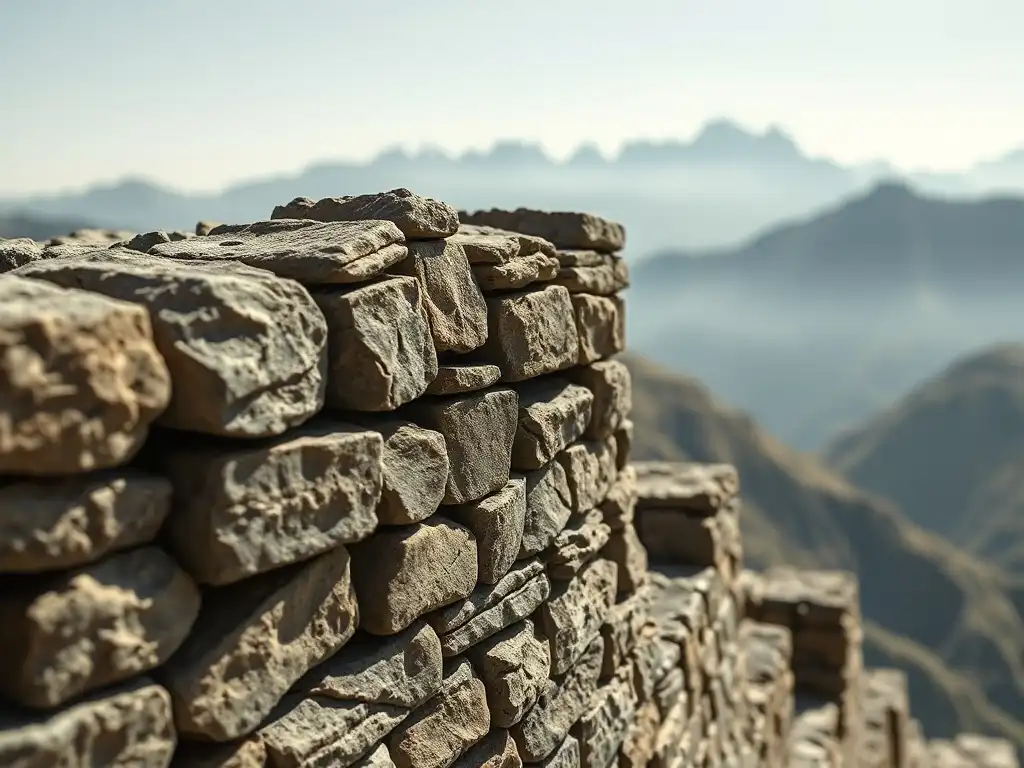
The Inca Empire, renowned for its vast territorial expanse and sophisticated societal organization, left behind a legacy of impressive architectural achievements. Understanding Inca construction techniques reveals a deep understanding of engineering principles, resource management, and a remarkable ability to adapt to diverse geographical challenges. Their mastery of stonework, particularly in the Andes' rugged terrain, remains a testament to their ingenuity and organizational capabilities. This section delves into the key elements that defined Inca construction prowess, focusing on planning, materials, and execution.
The impact of these techniques extended beyond mere aesthetics; they reflected a complex interplay of social, political, and environmental factors crucial to the empire's success and longevity. The very survival of the Inca Empire was intrinsically linked to its ability to build durable infrastructure, from monumental structures to extensive road networks. This ability is a key element in understanding the Inca Empire's success.
The Foundation of Inca Infrastructure: Planning and Design
Before a single stone was laid, meticulous planning and design were essential to Inca construction projects. The process began with surveying the land, carefully considering factors such as terrain, geological stability, and access to resources. This involved detailed assessments of the site's suitability, including evaluating the availability of suitable stone quarries and water sources. The Inca's extensive road network played a crucial role in facilitating the transportation of materials and labor to construction sites, often located in remote and challenging areas.
This meticulous planning was not simply a matter of logistics; it reflected a deep understanding of the environment and a commitment to building structures that would endure for generations. Evidence suggests that Inca planners considered seismic activity and other natural hazards in their designs, incorporating features to enhance the stability and resilience of their constructions. For example, the use of interlocking stones and carefully graded foundations minimized the impact of earthquakes, a feature still evident in surviving structures.
Furthermore, the integration of structures with the natural landscape demonstrates a sophisticated understanding of both engineering and aesthetics. Detailed records of planning phases are unfortunately limited, but archaeological evidence consistently points towards a highly organized and sophisticated approach to infrastructure development. The sheer scale of projects like Machu Picchu underscores the advanced organizational capabilities of the Inca Empire.
Inca Stone Masonry: Techniques for Precision and Stability
Inca stone masonry is renowned for its precision and stability. The Inca utilized various techniques, adapting their methods to the specific characteristics of the available stone and the intended purpose of the structure. One of the most striking aspects of Inca stonework is the precision with which stones were cut and fitted together. They achieved incredibly tight joints, often without the use of mortar, relying instead on the precise shaping and interlocking of the stones themselves.
This required a high degree of skill and craftsmanship, evident in the seamless integration of stones of varying sizes and shapes. The Inca's mastery of stone cutting and shaping is evident in the diverse array of tools they employed, including copper chisels, hammers, and mallets. Archaeological finds reveal a sophisticated understanding of metallurgy, enabling them to craft tools capable of working with the hard, volcanic rock prevalent in the Andes.
The techniques involved in preparing and placing the stones were likely passed down through generations of skilled masons, creating a highly specialized workforce crucial to the empire's construction projects. The precise fitting of stones not only created aesthetically pleasing structures but also enhanced their structural integrity, contributing to their remarkable longevity. The use of different types of stone, based on their properties, further showcases their engineering expertise.
Ashlar Construction: The Art of Seamless Stonework
Ashlar construction represents the pinnacle of Inca stone masonry. This technique involved the precise cutting and fitting of large, rectangular blocks of stone, creating walls with incredibly tight joints, often without the use of mortar. The remarkable precision of ashlar masonry is evident in many Inca structures, particularly at sites like Sacsayhuamán and Ollantaytambo. At Sacsayhuamán, for example, massive stones weighing many tons were precisely fitted together, creating impressive cyclopean walls that defied gravity and time.
The sheer scale and precision of these structures continue to amaze and inspire awe, even today. The process of ashlar construction was undoubtedly labor-intensive, requiring a highly organized workforce and a sophisticated understanding of engineering principles. The Inca's ability to transport and manipulate these enormous stones, often over challenging terrain, is a testament to their organizational and engineering skills.
The absence of mortar in many ashlar structures further highlights the precision of the stonework, as the stability of the walls relied entirely on the precise fit of the stones themselves. While the exact methods used by the Inca remain partially shrouded in mystery, ongoing research continues to shed light on the sophisticated techniques they employed, revealing a level of engineering mastery rarely seen in other ancient civilizations. The legacy of Inca ashlar construction endures as a powerful symbol of their ingenuity and architectural prowess.
Cyclopean Masonry: Utilizing Large, Unshaped Stones
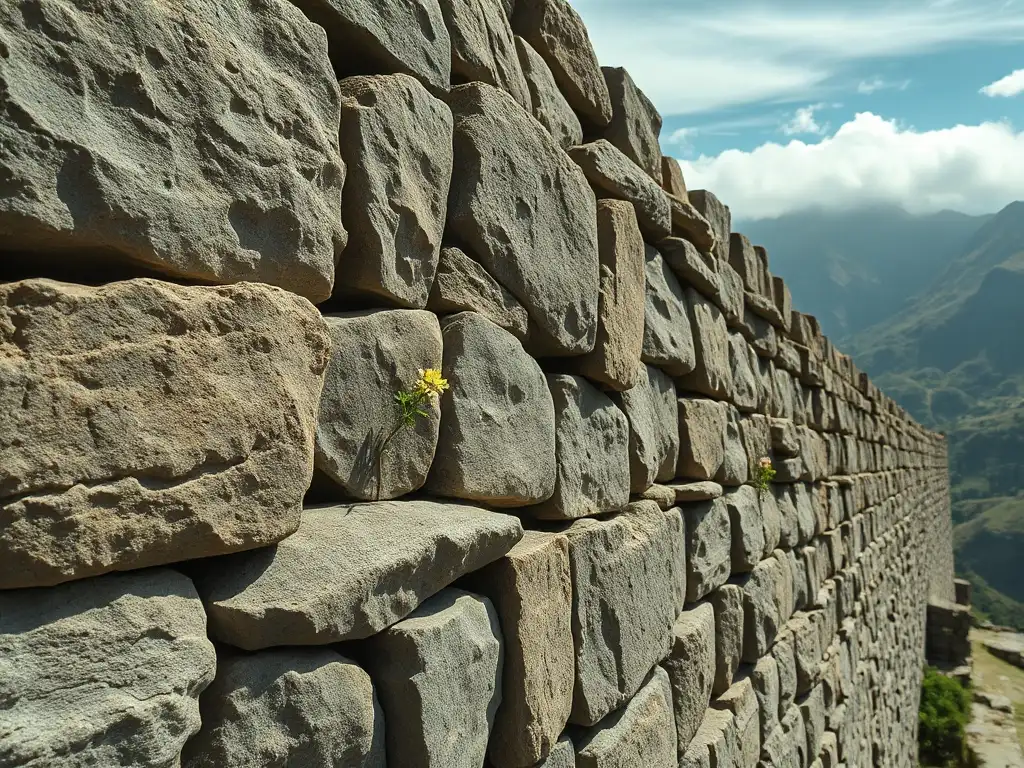
Inca construction techniques are renowned for their impressive scale and precision, particularly evident in their use of cyclopean masonry. This method involved fitting together massive, irregularly shaped stones without the use of mortar. The precision with which these colossal stones were cut and placed is truly astonishing. Some stones weighed many tons, requiring incredible feats of engineering and manpower to move and position them accurately.
The sheer size of these stones, some exceeding several meters in length, is a testament to the Inca's mastery of stonework and their sophisticated understanding of leverage and physics. The lack of mortar further highlights the skill involved, as the stones had to be perfectly fitted together to create stable and durable structures. This wasn't simply a matter of brute force; it involved meticulous planning, careful measurement, and a deep understanding of the properties of stone. The famously precise joins between the stones, often thinner than a human hair, are a testament to this expertise.
The longevity of many Inca structures built using this technique, despite seismic activity in the Andes, underscores the effectiveness and ingenuity of cyclopean masonry. The construction process likely involved sophisticated tools, possibly including copper chisels and mallets, along with a system of ramps and levers to maneuver the massive stones into place. Archaeological evidence suggests a high degree of organization and specialized labor within Inca society, facilitating the construction of these monumental structures. The precise methods employed, however, remain a subject of ongoing research and debate among scholars.
Terracing Techniques: Engineering for Agriculture and Stability
The Inca's mastery extended beyond monumental architecture to encompass sophisticated agricultural practices. Their ingenious terracing techniques were crucial for maximizing arable land in the steep Andean slopes. These terraces, carved into hillsides, created a series of level platforms, dramatically increasing the amount of land suitable for cultivation. The construction of these terraces wasn't merely about creating flat surfaces; it also involved sophisticated drainage systems to prevent erosion and waterlogging. The terraces were often built with intricate channels and retaining walls to manage water flow, ensuring that crops received adequate irrigation while preventing soil degradation.
The design also considered the specific microclimates of different slopes, adapting the terrace size and orientation to optimize crop yields. This demonstrates a deep understanding of both agriculture and engineering principles. The construction of these terraces required considerable labor and planning, often involving entire communities working together. The scale of these projects is staggering, with some terrace systems stretching for kilometers along mountain slopes.
The Inca's terracing techniques not only increased food production but also contributed to the stability of the slopes, reducing the risk of landslides and erosion. The enduring legacy of these terraces is visible throughout the Andes, a testament to the ingenuity and foresight of Inca engineers and their profound impact on the landscape. The Inca’s understanding of soil types, water management, and the Andean environment played a crucial role in the success of their agricultural engineering. This sophisticated approach to agriculture was essential for sustaining the large Inca population.
Inca Roads and Transportation Systems
The Inca Empire, renowned for its sophisticated governance and administrative prowess, relied heavily on an extensive and remarkably well-engineered infrastructure. Nowhere is this more evident than in their mastery of road construction and transportation systems. The Inca's success in unifying such a vast and geographically diverse territory hinged on their ability to efficiently move armies, goods, and messages across challenging mountain ranges, deserts, and dense jungles.
This sophisticated network facilitated trade, communication, and military control, contributing significantly to the empire's longevity and power. The keyword "Inca construction techniques" is directly applicable here, as the techniques used in road building were innovative and highly effective for the time. Understanding these techniques offers insight into the Inca's practical ingenuity and organizational capabilities.
The Qhapaq Ñan: The Extensive Inca Road Network
The Qhapaq Ñan, meaning "Royal Road" in Quechua, was the backbone of the Inca transportation system. This network of roads, stretching over 40,000 kilometers, connected the farthest reaches of the empire, from present-day Colombia to Argentina and Chile. The construction of the Qhapaq Ñan was a monumental undertaking, requiring a high level of engineering skill and organizational capacity. Inca construction techniques for this network involved the careful selection of routes, often utilizing natural features such as valleys and mountain passes to minimize construction effort.
The roads themselves were meticulously built, with varying widths depending on their importance. Major highways were wider to accommodate the movement of large groups and goods, while secondary routes were narrower. The surfaces were typically paved with stones, meticulously fitted together without mortar, demonstrating a remarkable understanding of stonework and drainage. The roads also featured intricate systems of drainage ditches and retaining walls to ensure their stability and longevity, even in challenging terrains.
This demonstrates advanced knowledge of hydrology and civil engineering. The Qhapaq Ñan wasn't just a network of roads; it was a sophisticated system, incorporating resting places (tambos), strategically placed to provide shelter and supplies for travelers. The meticulous planning and execution of the Qhapaq Ñan stand as a testament to the Inca's engineering prowess and their ability to mobilize vast resources for large-scale projects. The ingenuity of Inca construction techniques in creating this impressive road network is still studied and admired today.
Inca Bridge Building: Suspension and Pontoon Bridges
Inca bridge building represents another impressive facet of their engineering capabilities. Faced with the challenge of crossing deep ravines and fast-flowing rivers, the Inca developed innovative bridge designs, primarily suspension and pontoon bridges. Inca construction techniques for suspension bridges involved the use of strong, naturally occurring materials such as vines and lianas, often reinforced with wood. These materials were woven together to create incredibly strong suspension bridges capable of supporting considerable weight.
Some bridges were even designed to sway gently with the wind, a testament to their understanding of structural dynamics. Pontoon bridges, on the other hand, utilized bundles of reeds or other buoyant materials tied together to create floating platforms. These platforms were then anchored to the riverbanks using ropes and stakes.
While seemingly simple, these designs were remarkably effective, showcasing the Inca's practical approach to problem-solving. These bridges were crucial for maintaining communication and transportation across geographical barriers, further highlighting the importance of infrastructure in the Inca Empire. The design and construction of these bridges reveal both the adaptability and ingenuity of Inca construction techniques, adapted to the specific environmental challenges of each location.
Inca Tunnels and Passages: Overcoming Geographical Obstacles
The Inca's mastery of construction extended to the creation of tunnels and passages, particularly in mountainous regions. These structures were often carved directly into rock faces, demonstrating a remarkable understanding of rock mechanics and excavation techniques. Inca construction techniques for tunnels often involved sophisticated drainage systems to prevent water buildup and collapse.
Some tunnels were relatively short, serving as shortcuts through difficult terrain, while others were significantly longer, facilitating access to remote areas or facilitating water management systems. The construction of these tunnels required highly specialized tools and labor, further highlighting the sophisticated organizational structure of the Inca Empire. The precision and skill evident in these structures underscore the advanced level of engineering knowledge within Inca society.
The precision and scale of these projects suggest highly organized labor forces and a detailed understanding of surveying and engineering principles, further illustrating the sophisticated nature of Inca construction techniques. Many of these tunnels remain remarkably well-preserved, a lasting testament to the durability and ingenuity of Inca engineering.
Inca Water Management and Hydraulic Engineering
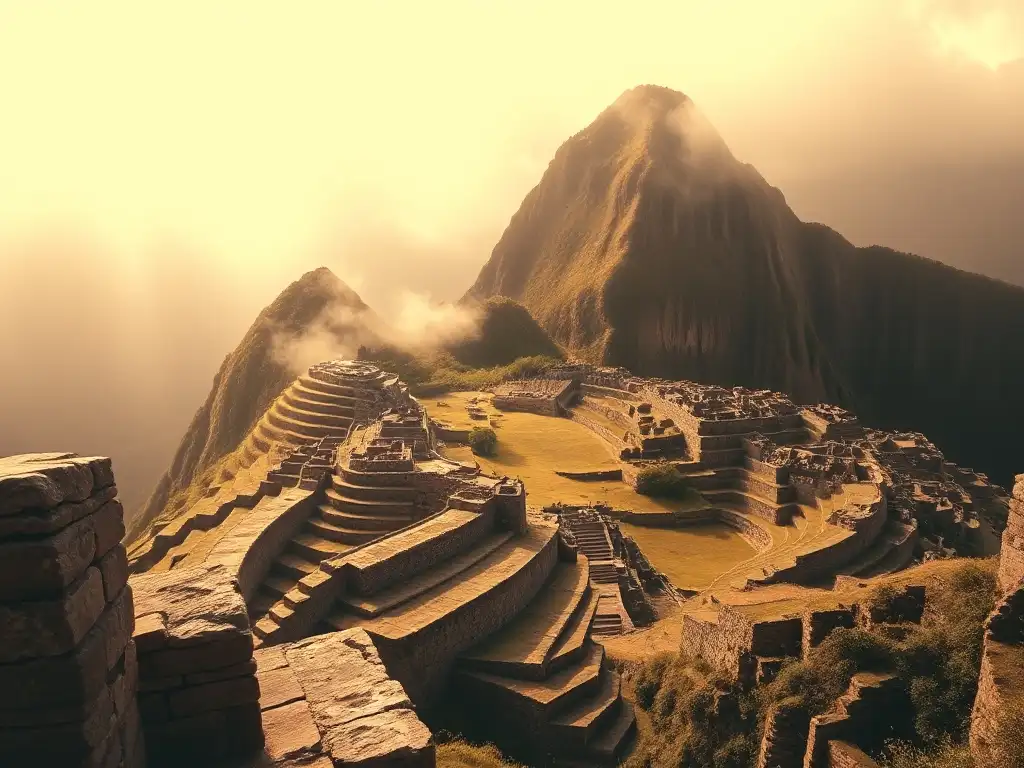
The Inca Empire, renowned for its sophisticated road network and impressive stonework, also possessed a mastery of hydraulic engineering that underpinned its agricultural success and urban development. Their understanding of water management wasn't merely practical; it was deeply integrated into their worldview, reflecting a profound respect for this vital resource.
This section explores the ingenuity of Inca water management, highlighting their advanced techniques in irrigation, water diversion, and the creation of public water features. Understanding Inca construction techniques in this context reveals a civilization deeply connected to its environment and capable of feats of engineering that continue to impress modern observers.
Inca Irrigation Systems: Channels, Aqueducts, and Reservoirs
Inca irrigation systems were remarkable for their scale and efficiency. They constructed extensive networks of canals, aqueducts, and reservoirs, skillfully channeling water from mountain sources to arid agricultural lands. These weren't simple ditches; they were carefully engineered systems that incorporated sophisticated techniques to manage water flow and prevent erosion. For example, the use of carefully graded channels ensured a consistent flow of water, minimizing loss through seepage or overflow. The construction of these channels often involved cutting through solid rock, a testament to their advanced stoneworking skills.
The construction of reservoirs played a crucial role in ensuring a reliable water supply, particularly during dry seasons. These reservoirs were often built at high elevations, using carefully constructed embankments and sophisticated drainage systems to prevent leaks and maintain water quality. The size and complexity of these reservoirs varied depending on local needs and topography, reflecting a flexible approach to engineering solutions.
Evidence suggests that the Incas also used sophisticated methods for measuring water flow, ensuring optimal distribution across their agricultural lands. These methods, while not fully understood, demonstrate a level of hydrological knowledge that was far ahead of its time. The precise methods used for determining gradients and managing water pressure in their complex systems remain an area of ongoing research; however, the enduring effectiveness of their designs speaks volumes about their engineering prowess.
Water Diversion and Control: Engineering for Agriculture
Beyond simply transporting water, the Incas developed ingenious methods for controlling its flow and directing it to specific areas. This involved the construction of diversion channels, which allowed them to regulate the water supply to different fields based on their needs. This sophisticated system ensured that water was distributed efficiently, maximizing agricultural yields.
The ability to divert water also allowed them to cultivate terraces on steep slopes, significantly increasing arable land in challenging terrains. These terraces, often supported by sophisticated retaining walls, were crucial to the Inca agricultural system, demonstrating their ingenuity in adapting their engineering skills to diverse environments.
The precise techniques used to manage water pressure and erosion in these terraced fields are still being studied today, revealing the depth of their understanding of hydraulic principles. The integration of agriculture and water management was not just a matter of practical necessity but a fundamental aspect of Inca social and political organization.
Inca Baths and Fountains: Engineering for Public Use
Inca construction techniques extended beyond agriculture to create public works that served both practical and symbolic purposes. The construction of baths and fountains demonstrates their mastery of hydraulic engineering in urban settings. These structures were not merely functional; they were also important social spaces, reflecting the Inca's concern for public health and well-being. The precise construction methods used to create these features, including the channeling of water and the careful placement of drainage systems, reveal a high level of technical expertise.
Many Inca baths were integrated into larger complexes, such as palaces or religious centers. The precise methods of heating water in some of these baths remain a subject of ongoing study, but the evidence suggests that they employed sophisticated techniques to regulate temperature and maintain water quality. The construction of fountains, often adorned with intricate carvings, served as both aesthetic and practical features, providing clean water for the public.
These public water features highlight the Inca's commitment to providing essential services to their population and their ability to integrate engineering and artistry in their public works. The combination of practical functionality and symbolic significance in these structures underscores the holistic approach of Inca engineering, where technology served not only practical needs but also cultural and social purposes.
Inca Urban Planning and Architectural Marvels
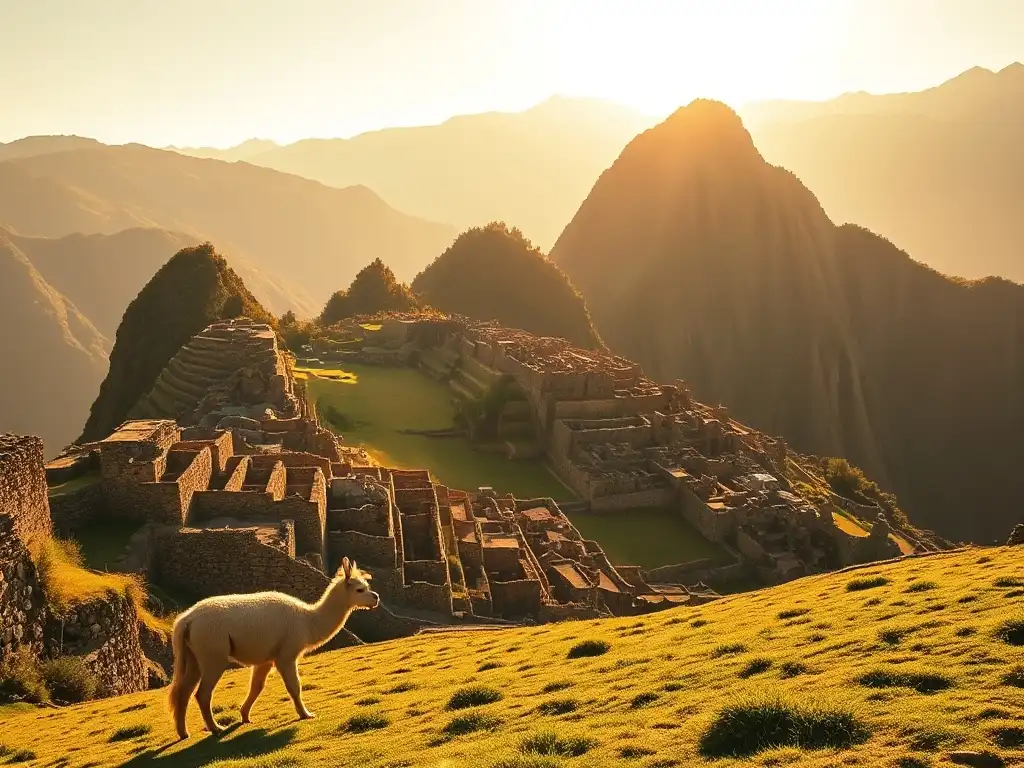
The Inca Empire, renowned for its vast expanse and sophisticated political organization, also displayed remarkable prowess in urban planning and architecture. Their cities weren't merely haphazard collections of buildings; they were meticulously designed to optimize functionality, resource management, and social cohesion. This sophisticated approach to urban planning, deeply intertwined with their understanding of the Andean landscape, is a key element of what makes "Inca construction techniques" so fascinating to study. We'll explore some key aspects of this remarkable achievement.
Inca City Design: Organization and Functionality
Inca city design prioritized practicality and efficiency. Cities were typically built on terraces carved into hillsides, maximizing usable land in the often-challenging Andean terrain. This terracing technique, a hallmark of Inca construction techniques, not only provided space for housing and agriculture but also helped prevent soil erosion and manage water runoff. The streets, often paved with stone, were laid out in a grid pattern, facilitating easy navigation and promoting a sense of order.
Furthermore, the placement of buildings was strategic, taking into account factors such as sunlight, wind direction, and proximity to water sources. This careful consideration exemplifies their mastery of Inca construction techniques. For example, the placement of temples and palaces at elevated points, offering panoramic views, not only served a practical purpose but also underscored the Inca's hierarchical social structure.
The integration of agriculture within the urban fabric was another defining characteristic. Many cities incorporated agricultural terraces and gardens, ensuring food security and reducing reliance on external sources. This close connection between urban and rural life is a testament to the Inca's holistic approach to urban planning. Detailed records of these practices, while scarce, suggest a sophisticated understanding of crop rotation, irrigation, and soil management, all contributing to the success of their agricultural systems and reflecting the ingenuity of their Inca construction techniques.
Machu Picchu: A Testament to Inca Engineering Skill
Machu Picchu, often called the "Lost City of the Incas," stands as a breathtaking example of Inca architectural and engineering skill. The city's location, perched high in the Andes Mountains, is itself a testament to the Inca's ability to overcome geographical challenges. The precision with which the buildings were integrated into the landscape, seamlessly blending with the surrounding mountains and terraces, showcases their mastery of Inca construction techniques.
The precise fitting of massive stone blocks, without mortar, is a marvel of engineering, requiring an advanced understanding of stone cutting, transportation, and construction methods. The complex network of water channels and irrigation systems, still functional today, underscores their ability to manage water resources in a challenging environment. The city's design, incorporating religious, residential, and agricultural areas, demonstrates a sophisticated urban plan, a testament to the advanced Inca construction techniques employed.
Sacsayhuaman: The Fortress of Immense Stone Blocks
Sacsayhuaman, a massive fortress located near Cusco, is another striking example of Inca engineering prowess. Its cyclopean walls are constructed from enormous, precisely fitted stones, some weighing over 100 tons. The sheer scale of the project, coupled with the precision of the stonework, points to highly organized labor and advanced engineering knowledge.
The precise joining of these massive blocks, without the use of mortar, demonstrates a deep understanding of stone cutting, shaping, and placement. The arrangement of the stones, forming intricate interlocking patterns, added to the fortress's strength and stability, enhancing its defensive capabilities. The construction of Sacsayhuaman exemplifies the remarkable abilities of the Inca people and their expertise in Inca construction techniques.
The complexity of the project, especially considering the tools available at the time, highlights the advanced organizational and engineering skills that characterized the Inca Empire. Further research into the quarrying, transportation, and placement of these massive stones is needed to fully understand the impressive "Inca construction techniques" employed at Sacsayhuaman. The sheer scale and precision of this construction remain a source of ongoing fascination and scholarly inquiry.
Materials and Tools Used in Inca Construction
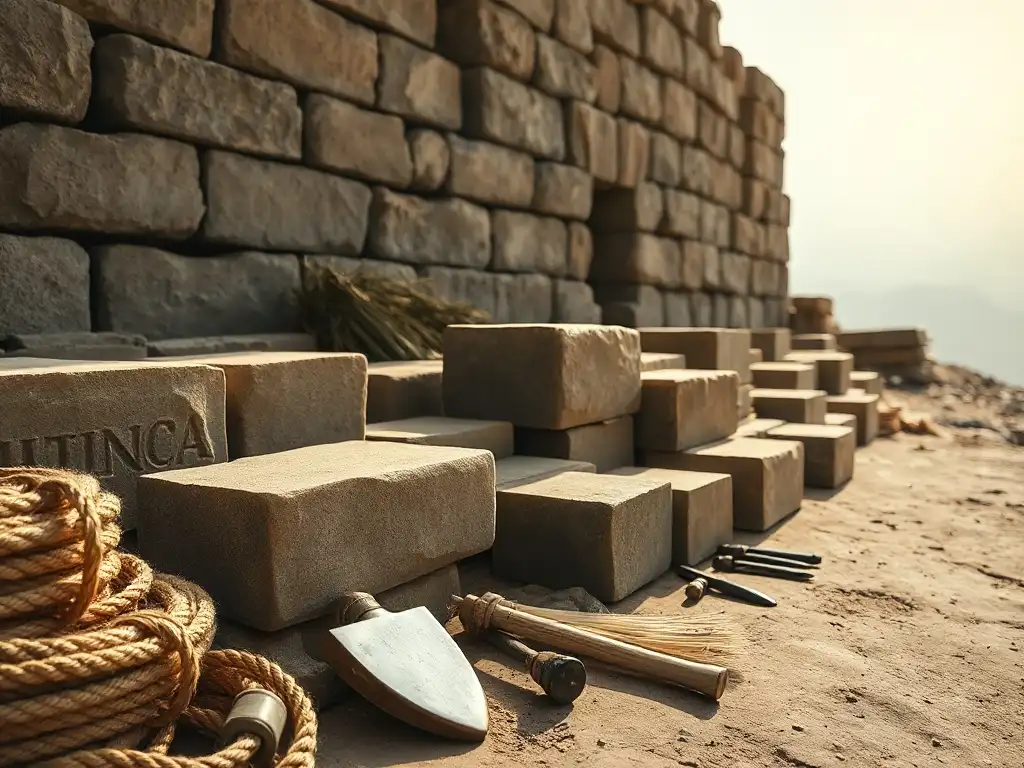
The remarkable achievements of Inca engineering are inextricably linked to the materials and tools employed. Understanding these aspects provides crucial insight into the ingenuity and practicality of Inca construction techniques. While seemingly rudimentary compared to modern technology, their methods were remarkably effective in creating structures that have withstood the test of time, showcasing impressive adaptability to the challenging Andean environment. The success of Inca construction wasn't solely reliant on advanced planning, but also on the careful selection and skillful manipulation of readily available resources.
Quarrying Techniques: Extracting Stone from the Andes
Extracting massive stone blocks from the rugged Andean terrain was a monumental task, demanding sophisticated quarrying techniques. Inca builders weren't simply hewing stones from random outcrops; they carefully selected specific locations based on the quality and type of stone. Evidence suggests the use of several methods, including:
- Fire-setting: This involved heating rock surfaces with intense fires, followed by rapid cooling with water. The resulting thermal shock created cracks, allowing for easier separation of large blocks. This technique, though seemingly simple, required precise control to avoid damaging the stone beyond use.
- Wedging: Wooden or copper wedges were driven into pre-existing cracks or carefully drilled holes to split larger stones into manageable sizes. The precise placement of these wedges demonstrates a high level of skill and understanding of rock mechanics. This method was particularly useful for shaping and refining blocks after initial extraction.
- Stone hammers and chisels: While seemingly basic, the Inca's stone hammers and chisels, crafted from hard stone like andesite, were incredibly effective. Their craftsmanship allowed for precise shaping and fitting of the massive blocks used in their constructions. The meticulous nature of their work is evident in the incredibly tight fits of stones in Inca walls.
The choice of quarrying method depended largely on the type of stone, its geological context, and the desired size and shape of the blocks. The precision and efficiency displayed in Inca quarrying operations are a testament to their deep understanding of geology and material science. Further research into specific quarry sites is needed to fully elucidate the exact techniques employed in different regions of the empire. [Specific details on different quarry locations and their respective techniques pending].
Inca Tools: Simple but Effective Construction Instruments
The Inca's tool kit, while appearing relatively simple, was remarkably effective. Their construction instruments were primarily made from stone, copper, and wood, reflecting the readily available resources. The sophisticated use of these tools, however, is what truly distinguishes Inca engineering:
| Tool Type | Material | Function | Precision/Effectiveness |
|---|---|---|---|
| Stone Hammers | Andesite, Basalt | Breaking and shaping stones | High |
| Copper Chisels | Copper | Fine shaping and carving of stone | High |
| Wooden Mallet | Wood | Striking stone hammers and chisels | Moderate |
| Wooden Levers | Wood | Moving and positioning large stone blocks | High |
| Ropes and Cordage | Fiber (Llama, Alpaca) | Lifting and securing stones during construction | Moderate |
The effectiveness of these tools stemmed not only from their design but also from the skill and experience of the Inca builders. Generations of accumulated knowledge and expertise ensured that even with relatively simple tools, they could achieve remarkable feats of construction. The precision with which blocks were cut and fitted demonstrates a deep understanding of geometry and engineering principles. The absence of mortar in many Inca constructions highlights the importance of precise stone cutting and placement.
The Role of Labor in Inca Building Projects
The construction of monumental Inca structures was a massive undertaking, requiring a highly organized and efficient workforce. The mita system, a form of mandatory labor service, played a crucial role in mobilizing the necessary manpower. This system, while demanding, ensured a continuous supply of skilled and unskilled labor for infrastructure projects across the vast Inca empire. The mita system wasn't simply about brute force; it involved a hierarchical structure with specialized roles and responsibilities. Skilled masons, stone cutters, and architects worked alongside unskilled laborers to ensure the smooth execution of projects.
The Inca state carefully managed the allocation of labor, ensuring that projects were completed efficiently and effectively. Evidence suggests that work was often organized around specific seasons, taking advantage of favorable weather conditions. The organization and management of such a large and diverse workforce represent a significant achievement in Inca administration and logistics, directly contributing to the scale and sophistication of their building projects.
Further analysis of administrative records and archaeological evidence could provide a more detailed understanding of the organizational structure and efficiency of Inca labor deployment. The integration of different skill sets and the logistical prowess demonstrated in mobilizing this workforce are key factors in understanding the remarkable achievements of Inca construction techniques. 👷♀️
Inca Engineering: Legacy and Impact
The Enduring Influence of Inca Construction Techniques
Inca construction techniques, characterized by their ingenuity and adaptation to challenging Andean terrains, continue to inspire awe and admiration centuries later. The mastery of stonework, particularly the precise fitting of massive blocks without mortar, remains a testament to their advanced understanding of engineering principles. This sophisticated approach, often referred to as ashlar masonry, is evident in iconic structures like Machu Picchu and Sacsayhuamán, where stones are fitted together with such accuracy that even a knife blade cannot be inserted between them.
This precision wasn't merely aesthetic; it significantly enhanced the structural integrity and seismic resistance of their buildings, crucial given the region's susceptibility to earthquakes. The Inca's understanding of load-bearing walls, coupled with their innovative use of materials like andesite and granite, allowed them to create structures that have withstood the test of time, even in the face of natural disasters. The legacy of Inca construction techniques is not limited to their monumental architecture; their sophisticated irrigation systems, road networks, and agricultural terraces also demonstrate a profound understanding of engineering principles applied to practical solutions.
This knowledge continues to be studied and analyzed by modern engineers, offering valuable insights into sustainable and environmentally conscious construction practices. The Inca's ability to integrate their constructions seamlessly into the landscape, minimizing environmental disruption, is a lesson that resonates strongly in contemporary discussions on sustainable development and responsible engineering.
Lessons from Inca Engineering for Modern Construction
Modern construction can learn much from analyzing Inca engineering marvels. Their innovative use of local materials, minimizing transportation costs and environmental impact, provides a blueprint for sustainable building practices. The Inca's understanding of seismic engineering, demonstrated in the resilience of their structures to earthquakes, offers invaluable insights for constructing earthquake-resistant buildings in seismically active regions. For instance, the interlocking nature of their stonework distributed seismic forces effectively, a principle that modern engineers are actively exploring for advanced structural designs.
Furthermore, the Inca's ability to work effectively with challenging terrains, adapting their techniques to mountainous landscapes and steep slopes, showcases their adaptability and problem-solving skills. This adaptability is crucial for modern engineers facing increasingly complex construction projects in diverse and challenging environments. The precision and efficiency demonstrated in Inca stonework, achieved without the aid of modern machinery, underscores the importance of skilled craftsmanship and meticulous planning, principles that remain central to successful construction projects today.
Studying their techniques can lead to innovations in material science, construction management, and structural design, ultimately improving the efficiency, durability, and sustainability of modern buildings. There is a renewed interest in exploring ancient techniques to inform modern construction, particularly in areas of sustainability and resilience. Further research into the specific techniques employed and materials used would provide even more valuable data for modern applications.
Preservation of Inca Engineering Sites: A Global Responsibility
The preservation of Inca engineering sites is a global responsibility, demanding collaborative efforts from archaeologists, engineers, governments, and the international community. These sites are not merely historical landmarks but invaluable sources of knowledge about ancient engineering practices and sustainable living. The challenge lies in balancing the need for preservation with the desire for tourism and research. Sustainable tourism practices, which minimize environmental impact and protect the integrity of the sites, are crucial.
This includes responsible visitor management, limiting the number of visitors to prevent damage, and providing educational resources to raise awareness about the importance of conservation. Moreover, ongoing research and monitoring are necessary to assess the condition of these sites and identify potential threats, such as erosion, weathering, and human activity. Implementing appropriate conservation measures, including structural reinforcement and environmental protection strategies, is essential to ensure the long-term survival of these invaluable historical treasures. International collaboration is key, facilitating the sharing of expertise and resources to support preservation efforts.
The development of advanced preservation techniques, informed by our understanding of Inca construction methods, is crucial for ensuring the continued existence of these remarkable sites. Protecting these sites is not just about preserving the past but also about safeguarding valuable knowledge for future generations, ensuring that the legacy of Inca engineering continues to inspire and inform. [Specific funding and collaborative initiatives pending].
Frequently Asked Questions
What makes Inca construction techniques so unique?
Inca builders were masters of stonework, employing precise dry-stone masonry techniques. Their structures demonstrate incredible precision and stability, even without mortar. They expertly adapted to the challenging Andean terrain.
How did the Incas transport massive stones for their buildings?
The Incas utilized a sophisticated system of roads and trails, along with human and animal power, to move huge stones across difficult landscapes. Ingenious ramps and levers were also employed to lift and position the stones.
What were some of the key tools used in Inca construction?
Inca builders used relatively simple tools, such as stone hammers, chisels, and ropes. Despite their simplicity, these tools, combined with mastery of technique, allowed for incredibly precise construction.
Beyond stonework, what other impressive feats of Inca engineering exist?
Inca engineering extended to extensive road networks, irrigation systems, and suspension bridges, showcasing their understanding of civil engineering principles. These infrastructure projects facilitated trade and communication across their vast empire.
How did the Incas achieve such precise fits between stones in their buildings?
The incredibly tight fits between stones were achieved through meticulous planning and craftsmanship. Precise cutting and shaping of the stones, combined with careful placement, resulted in structures that have stood the test of time.
Final Reflection: The Enduring Legacy of Inca Ingenuity
The sophisticated engineering prowess of the Inca civilization remains a testament to human ingenuity, a beacon shining brightly even in our modern age of advanced technology. Their innovative solutions to complex logistical and environmental challenges continue to inspire awe and offer valuable lessons for sustainable construction practices today. We can learn much from their resourcefulness and adaptability, particularly in the face of climate change and the growing need for resilient infrastructure.
The Inca's mastery of stonework, their understanding of seismic activity, and their ability to create vast networks of roads and irrigation systems across diverse terrains continue to fascinate and inform contemporary researchers. Their achievements were not merely feats of physical strength, but also demonstrations of intricate social organization and collaborative effort. The Inca were not just builders; they were architects of a society, shaping the landscape to reflect their values and needs.
This quote encapsulates the profound impact of their engineering not just on the physical world, but also on the cultural and social fabric of their empire.
Consider the ingenuity of the Inca for a moment. Imagine the scale of their projects, the precision of their work, and the sheer determination required to overcome the obstacles they faced. You too possess the capacity for innovation and problem-solving. Let the legacy of Inca engineering inspire you to approach challenges with creativity, resourcefulness, and a commitment to sustainable solutions. Embrace the spirit of collaboration and strive to build a future as resilient and awe-inspiring as the structures they left behind.
Unveil the Secrets of Inca Engineering Today!
Thank you for exploring the fascinating world of Inca engineering! We hope you've gained insights into their remarkable construction techniques and enduring infrastructure. Now, it's your turn to embrace their innovative spirit and explore the wonders of ancient engineering.
Here’s how you can get involved:
- Start a DIY Project: Incorporate Inca-inspired techniques into your next project! Whether you're working with natural materials or designing a sustainable structure, draw inspiration from Inca ingenuity and share your experience.
- Join a Community: Connect with others who share your passion for ancient engineering. Join online forums or local groups focused on historical architecture to exchange ideas on adapting these time-tested methods to modern designs.
- Explore Further: Visit a local museum or archaeological site dedicated to Andean civilizations. Experiencing these ancient methods firsthand will deepen your appreciation and inspire new approaches in your own work.
What aspect of Inca engineering most captivates you, and how do you envision applying these ancient techniques in the modern world?