
Beyond the Inca: Climate's Influence on PreIncan Societies

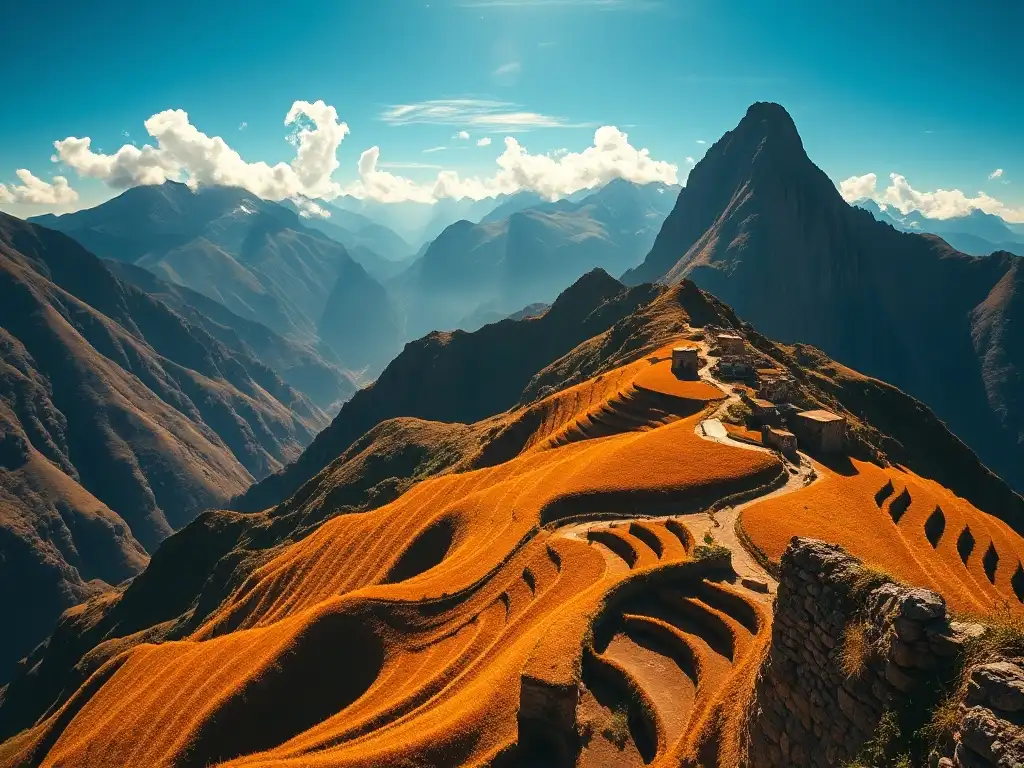
Step into a world lost to time, yet echoing with the whispers of mighty empires. Beyond the Inca's shadow lie the secrets of PreIncan Andean societies, shaped by a landscape as breathtaking as it was unforgiving. Discover how the PreIncan Andean climate impact profoundly influenced their rise and fall – a story of ingenuity, resilience, and ultimately, the delicate dance between civilization and nature. Unravel the mysteries that await within.
-
Pre-Incan Andean Climate Impact: Understanding Environmental Influences
- The Andean Environment Before the Inca Empire
- Early Andean Societies and Climate Variability
- The Impact of El Niño on Pre-Incan Cultures
- Climate Change and the Rise and Fall of Pre-Incan Civilizations
- Pre-Incan Water Management Techniques and Climate
- Studying Pre-Incan Climate Data: Archaeological and Paleoclimatic Evidence
- Lessons from Pre-Incan Societies: Climate Resilience and Sustainability
- Conclusion: Pre-Incan Climate Impact, a Key to Understanding Andean History
-
Frequently Asked Questions
- How did climate change affect PreIncan Andean societies?
- What specific PreIncan cultures were most affected by climate?
- What technological advancements helped PreIncan societies cope with climate variability?
- Were there any societal changes resulting from climate-related challenges?
- How can studying PreIncan climate impacts inform us today?
- Final Reflection: Echoes of the Andes: Climate's Enduring Legacy on Pre-Inca Societies
- Unveiling the Secrets of Pre-Inca Civilizations!
Pre-Incan Andean Climate Impact: Understanding Environmental Influences
The Andes Mountains, a spine of towering peaks stretching along the western coast of South America, have shaped not only the dramatic landscape but also the trajectory of human civilization for millennia. While the Inca Empire often dominates narratives of Andean history, understanding the profound influence of climate on pre-Incan societies is crucial to a complete picture.
This article delves into the complex relationship between climate variability and the development of various pre-Incan cultures, exploring how environmental challenges fostered innovation, adaptation, and ultimately, the rise and fall of entire civilizations. We will examine how fluctuating temperatures, unpredictable rainfall patterns, and El Niño events profoundly impacted agricultural practices, settlement patterns, and societal structures across the diverse Andean regions.
Understanding this pre-Incan history offers critical insights into the resilience and vulnerability of Andean communities facing environmental change, both historically and in the context of contemporary climate challenges. This exploration of "PreIncan Andean climate impact" will reveal a rich tapestry of human ingenuity and environmental adaptation, enriching our appreciation for the complexities of Andean history.
The Andean Environment Before the Inca Empire
The Andean environment is characterized by extreme geographical diversity. From the arid coastal deserts to the high-altitude puna grasslands and the lush Amazonian foothills, the region presents a spectrum of challenging climates. Prior to the Inca Empire, this diversity fostered the development of highly localized adaptations to specific environmental conditions.
The pre-Incan period witnessed significant climatic fluctuations, including periods of drought and intense rainfall, significantly impacting agricultural productivity and resource availability. Understanding the environmental baseline—the prevailing climatic conditions and their variability—is essential to interpreting the societal responses that shaped pre-Incan cultures. These variations weren't simply random events; they were part of a complex interplay of factors, including the El Niño Southern Oscillation (ENSO), which continues to exert a powerful influence on the region’s climate today.
The impact of these fluctuations is clearly visible in the archaeological record, revealing shifts in settlement patterns, agricultural techniques, and even the very structures of pre-Incan societies. Analyzing these changes allows us to better understand the resilience and adaptability of these early Andean communities.
Early Andean Societies and Climate Variability
Pre-Incan Andean societies, while diverse, shared a fundamental dependence on agriculture. Their survival hinged on successfully adapting to the capricious nature of the Andean climate. The Caral civilization, for example, thrived in the arid coastal regions, developing sophisticated irrigation systems to cope with scarce rainfall.
Similarly, the Nazca culture, renowned for its enigmatic geoglyphs, implemented intricate water management techniques to sustain their agricultural practices in a harsh desert environment. Further inland, highland communities faced different challenges. The variability in rainfall and temperature in the high Andes necessitated the development of frost-resistant crops and strategies for managing limited water resources.
The evidence suggests that pre-Incan societies developed a deep understanding of their local environments, employing sophisticated techniques to predict and mitigate the impact of climate variability. Their success in adapting to these challenges is a testament to their ingenuity and resilience. However, periods of extreme climate events, such as prolonged droughts or unusually heavy rainfall, undoubtedly contributed to societal stress and, in some cases, collapse.
Coastal Adaptations to Pre-Incan Climate
Coastal societies faced the challenge of limited freshwater resources in arid environments. Pre-Incan cultures along the Peruvian coast developed sophisticated irrigation systems, channeling water from rivers and streams to their fields. The construction of canals, reservoirs, and aqueducts demonstrates a remarkable understanding of hydraulic engineering.
These systems not only provided a reliable water source for agriculture but also played a crucial role in the social and political organization of these communities. Access to water resources often determined wealth and power, shaping social hierarchies and influencing political structures. Furthermore, evidence suggests that coastal communities diversified their food sources, relying on marine resources in addition to agriculture to mitigate the risks associated with climate variability.
The ability to exploit both terrestrial and marine resources enhanced their resilience to environmental shocks. The sophisticated water management systems developed by these coastal communities stand as a testament to their ingenuity and adaptive capacity in the face of challenging climatic conditions.
Highland Strategies in Response to Climate Shifts
Highland societies adapted to the unique challenges of high altitude, including cold temperatures, frost, and unpredictable rainfall. The development of frost-resistant crops, such as potatoes and quinoa, was crucial for their survival. Terracing, a technique that involved creating flat platforms on steep slopes, allowed for efficient water management and increased agricultural productivity.
These terraces also helped to protect crops from frost and strong winds. Evidence suggests that highland communities also developed sophisticated strategies for storing food, enabling them to cope with periods of scarcity. The construction of storage facilities, such as qollqas (storage buildings) in the Andes, allowed for the preservation of crops and other resources, providing a buffer against climate-related disruptions.
These adaptations demonstrate the ingenuity and resilience of highland communities in responding to the challenges of their harsh environment. The integration of agricultural practices with sophisticated storage and social organization enabled these societies to thrive despite the unpredictable nature of the Andean climate.
The Impact of El Niño on Pre-Incan Cultures
El Niño, a climate pattern characterized by unusually warm ocean temperatures in the equatorial Pacific, has profoundly impacted Andean societies for millennia. Its effects, felt across the coastal regions and even inland, manifested in unpredictable weather patterns, significantly altering agricultural cycles and resource availability. The intensity and frequency of El Niño events varied over time, leading to periods of both abundance and devastating hardship for pre-Incan cultures.
Archaeological evidence suggests that societies adapted their agricultural practices and societal structures to mitigate some of the risks associated with El Niño's unpredictability. However, the extent of this adaptation varied greatly depending on the specific location and the resilience of the culture itself. Understanding the impact of El Niño is crucial to comprehending the trajectory of pre-Incan civilizations and their complex relationship with their environment.
For instance, the sudden shifts in rainfall patterns could have contributed to societal instability and even triggered conflicts over scarce resources. The severity of these events varied, with some causing minor disruptions and others leading to widespread famine and societal upheaval.
El Niño's Effect on Agriculture and Resource Management
El Niño's influence on agriculture was dramatic. The normally predictable rainy seasons could become erratic, leading to crop failures in some years and floods in others. Pre-Incan societies, heavily reliant on agriculture for sustenance, developed sophisticated irrigation systems and terracing techniques to manage water resources. However, even these advanced systems were often overwhelmed by the extreme weather events associated with El Niño.
The availability of other resources, such as fish and shellfish along the coast, also fluctuated, with El Niño events sometimes leading to depletion of fish stocks. This forced communities to diversify their food sources and develop strategies for storing and preserving food to withstand periods of scarcity. The management of these resources required intricate social organization and often involved complex systems of redistribution and communal storage. The effectiveness of these systems varied among different cultures and directly influenced their capacity to survive periods of El Niño-induced stress.
Societal Responses to Extreme Climatic Events
Pre-Incan societies developed various strategies to cope with the challenges posed by El Niño and other extreme climate events. These responses ranged from technological innovations, such as improved irrigation and storage techniques, to social adaptations, such as the development of more flexible social structures and improved resource management. Some cultures developed sophisticated systems of ritual and religious practices aimed at appeasing the gods and ensuring favorable weather patterns. Evidence suggests that political and social organization played a crucial role in the success or failure of these adaptations.
Societies with strong leadership and effective communication networks were often better equipped to handle crises. Conversely, those lacking such structures were more vulnerable to the destabilizing effects of climate variability. The study of ancient settlements and artifacts provides valuable insights into the diverse range of coping mechanisms employed by these communities, illustrating their adaptability and resilience in the face of environmental challenges.
Climate Change and the Rise and Fall of Pre-Incan Civilizations
The impact of climate change on pre-Incan civilizations was profound and multifaceted, playing a significant role in their rise, expansion, and decline. While the precise mechanisms are still being researched, evidence strongly suggests that prolonged droughts, floods, and shifts in temperature profoundly affected agricultural productivity, resource availability, and social stability. These climatic shifts often acted as catalysts for societal transformations, including migrations, conflicts, and the emergence of new power structures.
Some scholars argue that periods of prolonged drought contributed to the decline of certain cultures, while others suggest that climate change facilitated the rise of new, more resilient societies better adapted to the changing environment. The interplay between climate variability and human actions is complex and requires a nuanced understanding of the specific environmental and socio-political context of each culture.
The Role of Drought in Societal Transformation
Drought, a recurring feature of the Andean climate, acted as a powerful force shaping the trajectory of pre-Incan societies. Extended periods of drought frequently led to crop failures, famine, and social unrest. The severity of these droughts varied over time, with some causing relatively minor disruptions and others triggering major societal transformations. Archaeological evidence reveals shifts in settlement patterns, changes in agricultural practices, and even the collapse of entire societies in response to prolonged drought.
Analyzing the isotopic composition of ancient human remains can help reconstruct past dietary changes and the impact of drought on human health. Furthermore, the study of ancient water management systems provides insights into the strategies used by pre-Incan communities to cope with water scarcity. These strategies, often ingenious and highly adapted to local conditions, highlight the resilience and adaptability of these societies.
The Moche Culture and its Climate Challenges
The Moche civilization (c. 100-800 CE), known for its impressive irrigation systems and elaborate artistic traditions, faced significant climate challenges. While their sophisticated irrigation networks allowed them to thrive during periods of normal rainfall, they were vulnerable to extreme weather events, such as El Niño-related floods and droughts. Archaeological evidence suggests that periods of drought coincided with periods of social instability and potential conflict within the Moche state.
The Moche's capacity to manage water resources played a critical role in their success, but the limitations of their technology in the face of extreme climate events eventually contributed to their decline. Their sophisticated understanding of water management, however, is a testament to their ingenuity and adaptability in a challenging environment. The collapse of the Moche, while complex and multi-causal, highlights the vulnerability of even advanced societies to the unpredictable forces of climate change.
The Tiwanaku Culture: Adaptation and Resilience
The Tiwanaku culture (c. 300-1100 CE), located on the shores of Lake Titicaca, developed remarkable adaptations to the challenging high-altitude environment. They implemented advanced agricultural techniques, including raised fields and intricate irrigation systems, to maximize crop yields in the often harsh conditions. These innovations allowed them to support a large population and build a powerful empire.
While the Tiwanaku also faced periods of drought and climate variability, their sophisticated adaptations enabled them to withstand these challenges more effectively than many other contemporary cultures. However, the ultimate decline of the Tiwanaku is still debated, with some scholars pointing to a combination of internal conflicts and environmental pressures as contributing factors. Their remarkable engineering feats and agricultural innovations serve as an example of human ingenuity and resilience in the face of environmental adversity, offering valuable lessons for understanding the interaction between climate and society.
Pre-Incan Water Management Techniques and Climate
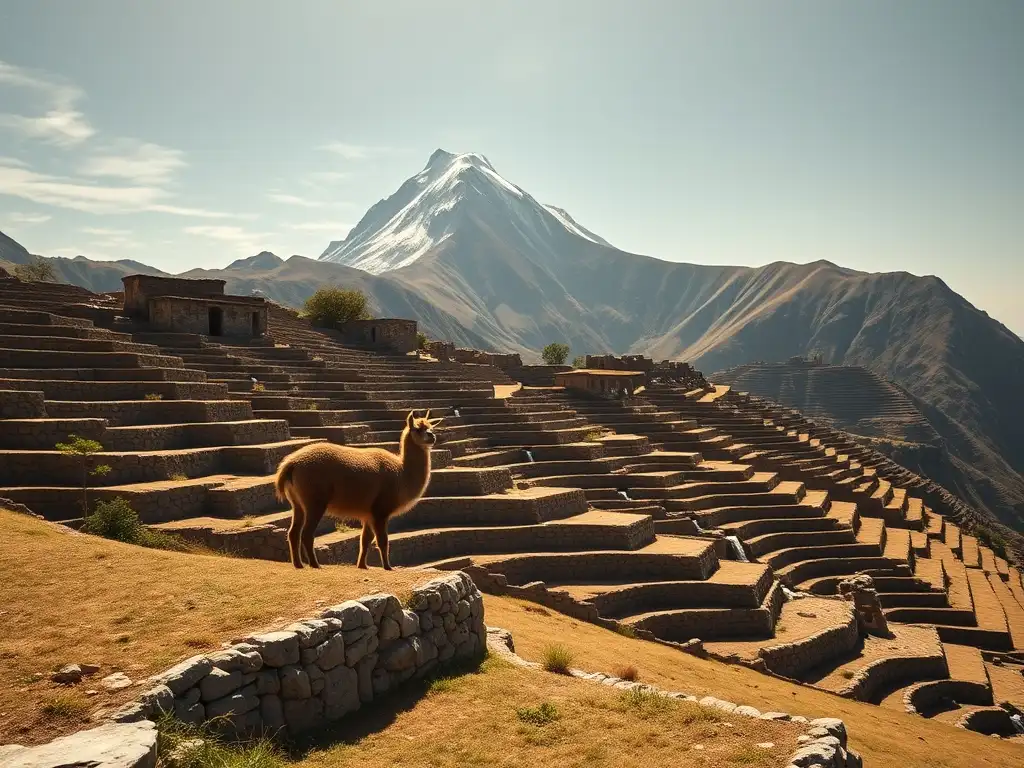
The impact of climate on Pre-Incan societies was profound, shaping their agricultural practices and societal structures. Water, or rather the lack thereof, was a primary concern. These societies developed ingenious water management techniques to cope with the arid and semi-arid conditions prevalent in much of the Andes. Their success in harnessing water resources was directly linked to their ability to thrive and flourish, even in the face of fluctuating climate patterns.
The ingenuity of these systems is a testament to their deep understanding of their environment and their capacity for adaptation. Understanding these techniques provides crucial insights into how Pre-Incan communities responded to and mitigated the effects of climate variability. This sophisticated understanding of water management allowed for the cultivation of crops that were essential for their survival and prosperity. The efficiency of these systems allowed for population growth and the development of complex social structures.
Terracing and Irrigation in the Face of Environmental Change
Terracing, the creation of level platforms on hillsides, was a ubiquitous feature of Pre-Incan agriculture. This technique dramatically increased the amount of arable land available, particularly in mountainous regions. Terraces not only provided level surfaces for planting but also helped to conserve water.
The sloped terraces slowed the runoff of rainwater, allowing it to soak into the soil and nourish crops. Furthermore, intricate irrigation systems channeled water from rivers and streams to the terraces, ensuring a consistent water supply, even during periods of drought. The effectiveness of this system is evidenced by the extensive terrace networks still visible in the Andes today, a testament to their resilience and adaptability in the face of environmental challenges.
The construction and maintenance of these systems required considerable labor and community organization, highlighting the importance of agriculture and water management in Pre-Incan society. Studies of terrace construction techniques reveal sophisticated engineering knowledge and a deep understanding of hydrology.
Raised Fields (Waru Waru) and their Significance
Raised fields, known as waru waru, represent another remarkable adaptation to the Andean environment. These elevated platforms, constructed in wetlands, provided a fertile growing surface above the water table. The raised fields offered several advantages: improved drainage, reduced frost risk, and enhanced soil fertility.
The water trapped between the raised fields acted as a natural reservoir, moderating soil temperature and providing moisture during dry periods. The design and construction of waru waru demonstrate a sophisticated understanding of hydrology and soil science. Their effectiveness is particularly significant in areas prone to flooding and extreme temperature fluctuations.
The presence of waru waru across different regions of the Andes highlights their widespread adoption as a successful strategy for coping with environmental variability. The scale of some waru waru systems suggests substantial community effort and centralized planning, showcasing the importance of agricultural productivity in Pre-Incan social organization. The legacy of waru waru continues to inspire modern agricultural practices aimed at sustainable water management.
Studying Pre-Incan Climate Data: Archaeological and Paleoclimatic Evidence
Reconstructing Pre-Incan climates relies on a combination of archaeological findings and paleoclimatic data. This interdisciplinary approach allows researchers to piece together a more complete picture of past environmental conditions and their impact on human societies. The challenge lies in integrating diverse data sources, each with its own limitations and strengths, to create a coherent narrative of climate change and its influence on Pre-Incan civilizations.
This multi-faceted approach is essential for a thorough understanding of the complex interplay between climate and human activity in the Andes. The integration of these diverse data sources is crucial for a holistic understanding of the environmental context of Pre-Incan societies.
Analyzing Sediment Cores for Climate Reconstructions
Sediment cores extracted from lakes and bogs provide valuable paleoclimatic information. These cores contain layers of sediment that accumulate over time, preserving pollen, diatoms, and other organic matter. By analyzing these materials, scientists can reconstruct past vegetation patterns, water levels, and temperature fluctuations. For example, the presence of specific pollen types indicates the type of vegetation that thrived in a particular period, which in turn reflects the prevailing climatic conditions.
Changes in the abundance of these indicators can reveal shifts in climate over time, providing insights into both gradual changes and abrupt events. The dating of sediment layers allows researchers to establish a chronological framework for these climate changes, enabling them to correlate them with archaeological evidence of human activity and societal responses. This detailed chronological framework is essential for understanding the timing and impact of past climate events.
Archaeological Findings and Environmental Adaptations
Archaeological excavations offer direct evidence of human responses to climate variability. The types of crops cultivated, the construction techniques employed in buildings and irrigation systems, and the distribution of settlements all reflect adaptations to environmental conditions. For instance, the presence of drought-resistant crops in certain regions suggests that those areas experienced periods of water scarcity. Similarly, the construction of sophisticated irrigation systems indicates a proactive response to water management challenges.
The analysis of ancient tools and artifacts can also reveal how Pre-Incan societies adapted their technologies to cope with changing environmental conditions. By combining archaeological evidence with paleoclimatic data, researchers can gain a comprehensive understanding of the complex interplay between climate, environment, and human societies in the Andes. The detailed examination of these adaptations offers valuable insights into the resilience and adaptability of Pre-Incan societies.
Lessons from Pre-Incan Societies: Climate Resilience and Sustainability
The study of pre-Incan Andean societies offers invaluable insights into climate resilience and sustainable practices. These civilizations, facing fluctuating weather patterns and unpredictable environmental conditions for centuries, developed sophisticated strategies for adapting to and mitigating the effects of climate variability. Their ingenuity provides a rich source of knowledge applicable to modern climate change challenges.
For example, the intricate terrace farming systems employed by societies like the Moche and the Inca allowed for efficient water management and maximized agricultural yields even on steep slopes. These terraces not only prevented soil erosion but also created microclimates, protecting crops from harsh weather. Further, their understanding of water resources was remarkable; they constructed sophisticated irrigation canals and reservoirs, ensuring a reliable water supply even during droughts.
The Nazca lines, while their purpose remains debated, might also represent a sophisticated understanding of celestial events and agricultural cycles, possibly used to predict weather patterns and optimize planting times. The careful observation of nature and the development of adaptive technologies demonstrate a deep understanding of the interconnectedness between human society and the environment. This resonates strongly with modern calls for sustainable development and environmental stewardship.
Understanding Pre-Incan Strategies for Modern Climate Challenges
Many pre-Incan strategies for adapting to climate variability offer valuable lessons for addressing modern climate change challenges. Their diverse agricultural techniques, such as the cultivation of a wide variety of crops adapted to different altitudes and microclimates, are relevant to contemporary efforts to develop climate-resilient agriculture. The sophisticated water management systems they created – including canals, reservoirs, and aqueducts – provide models for efficient water use and conservation in regions facing water scarcity.
Furthermore, their localized and diversified economies, which reduced reliance on single crops or resources, offer a blueprint for building resilience against climate-related shocks. Understanding and adapting these ancient practices could significantly enhance our capacity to manage the impacts of climate change, particularly in vulnerable regions. For instance, studying the effectiveness of pre-Incan terrace farming techniques can inform the design of modern sustainable agricultural systems.
Similarly, analyzing their water management systems can provide valuable insights for improving water resource management in arid and semi-arid regions. The pre-Incan experience highlights the importance of community-based approaches to environmental management, emphasizing collaborative efforts and resource sharing.
The Legacy of Pre-Incan Andean climate impact on contemporary societies
The impact of climate on pre-Incan Andean societies continues to resonate in contemporary Andean communities. The legacy of their adaptations and innovations is evident in the agricultural practices, water management techniques, and settlement patterns of modern populations. For example, many Andean communities still utilize traditional terrace farming methods, demonstrating the enduring relevance of these ancient technologies.
Moreover, the knowledge of local ecosystems and climate patterns passed down through generations informs current agricultural practices and resource management strategies. However, the increasing frequency and intensity of extreme weather events associated with climate change are posing new challenges to these communities, testing the limits of their traditional adaptation strategies.
This necessitates a careful examination of both the successes and limitations of pre-Incan approaches to climate variability, informing the development of more robust and sustainable strategies for the future. The need to balance the preservation of traditional knowledge with the adoption of modern technologies is a crucial aspect of addressing the impact of climate change in the Andes.
Conclusion: Pre-Incan Climate Impact, a Key to Understanding Andean History
The impact of climate on pre-Incan Andean societies is not merely a historical curiosity; it is a crucial element in understanding the trajectory of Andean civilizations. By examining the ways in which these societies adapted to and were shaped by environmental fluctuations, we gain a deeper understanding of their resilience, their ingenuity, and their vulnerability.
The study of pre-Incan responses to climate variability provides invaluable insights into the complex interplay between human societies and their environment, offering lessons that are profoundly relevant to modern climate change challenges. The sophisticated agricultural techniques, water management systems, and societal structures developed by these civilizations provide a rich source of knowledge for developing sustainable and climate-resilient strategies in the Andes and beyond.
Further research into these pre-Incan societies' experiences with climate change is essential for informing policy decisions and promoting sustainable development in the face of contemporary environmental challenges. The enduring legacy of pre-Incan Andean climate impact underscores the critical need for a holistic understanding of the relationship between human societies and their environment, past and present.
Frequently Asked Questions
How did climate change affect PreIncan Andean societies?
Climate change significantly impacted PreIncan societies. Droughts and floods caused agricultural failures, leading to social unrest and sometimes civilizational collapse. Adaptability to these changes was crucial for survival.
What specific PreIncan cultures were most affected by climate?
Many PreIncan cultures felt the impact, but the Moche and Nazca civilizations, heavily reliant on irrigation, experienced significant difficulties during periods of drought. The Tiahuanaco culture also showed evidence of adapting to climate shifts.
What technological advancements helped PreIncan societies cope with climate variability?
PreIncan societies developed impressive irrigation systems and sophisticated agricultural techniques to manage water resources. They also adapted their crop choices and developed storage methods for food preservation.
Yes, climate stress often caused population migrations, changes in social structures, and shifts in political power. Some societies collapsed, while others adapted and innovated to survive the changing conditions.
How can studying PreIncan climate impacts inform us today?
Understanding how past Andean societies responded to climate change provides valuable insight for addressing modern challenges. Studying their adaptive strategies can offer crucial lessons for dealing with current and future climate variability.
Final Reflection: Echoes of the Andes: Climate's Enduring Legacy on Pre-Inca Societies
The intricate dance between human societies and their environment is nowhere more evident than in the Andes, where climate change profoundly shaped the rise and fall of Pre-Inca civilizations. Understanding this dynamic is not merely an academic exercise; it offers crucial insights into our own era of rapid climate change and its potential impacts on vulnerable communities worldwide. The lessons learned from the past hold a powerful mirror to our present challenges.
The enduring influence of climate on Andean societies continues to resonate today, shaping not only our understanding of history but also our approach to sustainable development in fragile ecosystems. The resilience and adaptability demonstrated by these ancient cultures, despite facing significant climatic shifts, offer a compelling narrative of human ingenuity. The past is never dead. It's not even past.
– William Faulkner. This quote rings particularly true when considering the ongoing relevance of Pre-Inca societal responses to climate variability in informing contemporary strategies for climate change mitigation and adaptation. Their successes and failures provide invaluable lessons for navigating the uncertainties of our own future.
Consider the ingenuity and foresight of these ancient peoples, their intimate knowledge of their environment, and the sophisticated agricultural techniques they developed to thrive in challenging conditions. You, too, can cultivate a deeper awareness of your own relationship with the environment, recognizing the interconnectedness of all living things and the importance of sustainable practices. Let the story of the Pre-Inca societies inspire you to become a responsible steward of our planet, ensuring a future where human societies and the environment can coexist harmoniously, learning from the echoes of the Andes.
Unveiling the Secrets of Pre-Inca Civilizations!
Thank you for exploring the fascinating world of Pre-Inca societies and their intricate relationship with climate. Your interest highlights the profound impact of environmental factors on cultures that flourished long before the Inca Empire. Let's delve deeper into the lives and achievements of these remarkable ancient peoples!
Here are some ways you can further your understanding and connect with fellow enthusiasts:
- Explore our extensive library of resources on indigenous Andean practices at Andean Civilizations .
- Share this article with friends and on social media to spread awareness of these captivating, often overlooked, histories.
- Join our vibrant online community forum to discuss your insights and learn from others who share your passion for ancient civilizations.
What new perspectives on the interplay of climate and culture have you discovered? How might this knowledge reshape our understanding of our own environment today?