
Llama's Burden: Symbolism of Labor and Sustenance in Andean Culture

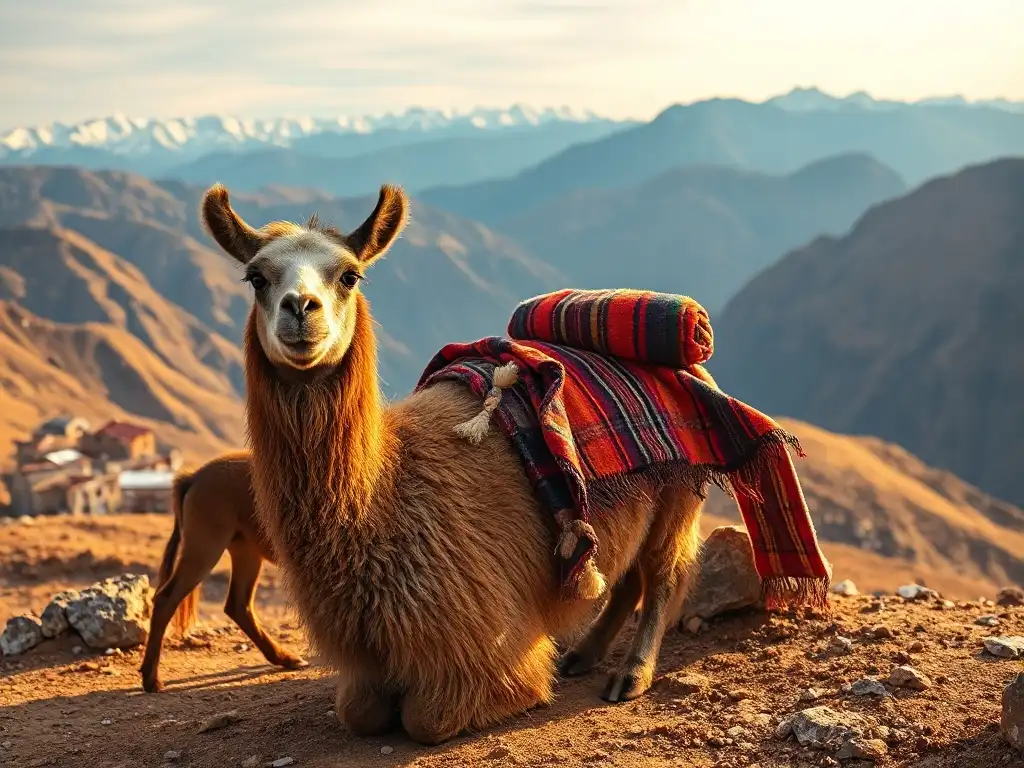
Welcome, explorer! Prepare to journey into the heart of the Andes, a land where majestic mountains whisper tales of ancient empires. This is where the Andean Civilizations website unlocks the secrets of the Incas, Moche, Nazca, and Tiahuanaco. But first, consider this: what hidden meanings lie within the seemingly simple form of the llama? Dive into our exploration of Andean llama symbolism, and uncover the profound connection between this iconic animal and the very fabric of Andean life – a connection far deeper than mere sustenance. Unravel the mysteries within.
The llama, a seemingly humble camelid, holds a position of profound significance within the tapestry of Andean culture. Far from being merely a beast of burden, the llama's image permeates Andean art, mythology, and daily life, representing a complex interplay of labor, sustenance, and spiritual connection.
This article delves into the multifaceted symbolism of the llama in Andean civilizations, exploring its representation across various cultures and time periods, from the pre-Inca societies to the Inca Empire and beyond. We will examine how the llama's portrayal in textiles, ceramics, and other artifacts reflects its crucial role in the economic, social, and religious fabric of Andean life.
Understanding the llama's symbolism provides a crucial lens through which to appreciate the ingenuity and worldview of these remarkable civilizations. This exploration will reveal the profound respect and interdependence that existed between the Andean peoples and these crucial animals, highlighting the llama's enduring legacy as a powerful symbol of Andean identity.
The Llama as a Provider: Sustenance and Economic Significance
The llama's undeniable economic importance is reflected in its pervasive presence in Andean art. Depictions frequently emphasize its role as a provider of wool, meat, and milk – essential resources for survival in the challenging Andean environment. Consider the intricate textiles, often adorned with llama imagery, that served both as clothing and as expressions of social status.
The quality and detail of these textiles, many of which have survived for centuries, speak to the high value placed upon the llama's fleece. Furthermore, numerous ceramic vessels depict llamas, sometimes in scenes of shearing or herding, further underscoring the animal's vital contribution to the Andean economy. The sheer quantity of llama-related artifacts unearthed by archaeologists testifies to the animal's central role in the daily lives of Andean communities.
Detailed analyses of ancient agricultural practices and animal husbandry techniques reveal the sophisticated strategies employed to manage llama herds and maximize their economic output. This demonstrates a deep understanding of animal behavior and a commitment to sustainable resource management. 🦙
The Llama as a Spiritual Symbol: Religious and Mythological Connotations
Beyond its practical value, the llama also held significant spiritual meaning in various Andean cultures. In some mythologies, the llama is associated with deities or supernatural forces. For example, [Specific examples of llama's role in Andean mythology pending].
The llama's appearance in funerary contexts suggests a belief in its connection to the afterlife or the spirit world. The careful placement of llama remains alongside human burials, along with the frequent depiction of llamas on funerary textiles and ceramics, suggests a powerful symbolic association between the animal and the realm of the dead. The use of llama wool in sacred rituals and ceremonies further reinforces its spiritual significance.
The intricate designs and patterns found on textiles used in religious contexts often incorporate llama imagery, suggesting a deeper, symbolic meaning beyond mere ornamentation. This symbolic association suggests a complex relationship between the Andean people and the spiritual world, with the llama acting as a mediator or a conduit between the two realms.
Regional Variations in Llama Symbolism: A Diverse Iconography
While the llama's overall symbolism remains relatively consistent across various Andean cultures, regional variations exist. The specific iconographic representations of llamas can differ significantly between the Moche, Nazca, Tiahuanaco, and Inca cultures. For instance, [Specific examples of regional variations in llama depictions pending]. These variations often reflect differences in artistic styles, religious beliefs, and economic practices across these diverse regions.
Analyzing these regional differences provides a deeper understanding of the diverse cultural expressions within the broader Andean context. The subtle changes in artistic representation, such as posture, color, and accompanying imagery, offer valuable insights into the unique cultural nuances of each civilization and their respective relationships with the llama. Further research is needed to fully comprehend the extent of these regional variations and their underlying significance.
The Enduring Legacy: The Llama in Contemporary Andean Culture
Even today, the llama remains a powerful symbol of Andean identity and heritage. Its image continues to be featured prominently in contemporary Andean art, textiles, and tourism. The llama's enduring presence reflects its continued importance in the lives of Andean communities, serving as a reminder of the rich cultural heritage and the enduring connection between humans and animals in the Andes.
The llama's significance transcends time and continues to inspire artists, artisans, and cultural practitioners. Its enduring presence in contemporary Andean culture serves as a testament to its deep historical roots and its continued relevance in the lives of Andean communities. The llama, therefore, remains a powerful symbol of resilience, adaptation, and cultural continuity in the Andes.
- The Llama as a Provider: Sustenance and Economic Significance
- The Llama as a Spiritual Symbol: Religious and Mythological Connotations
- Regional Variations in Llama Symbolism: A Diverse Iconography
- The Enduring Legacy: The Llama in Contemporary Andean Culture
- What is the significance of llamas in Andean culture?
- How did the symbolism of the llama change over time?
- What role did llamas play in Andean religious beliefs?
- Beyond their practical uses, what other symbolic meanings did llamas possess?
- Where can I learn more about the Andean llama's symbolic role?
The Significance of the Llama in Andean Civilizations
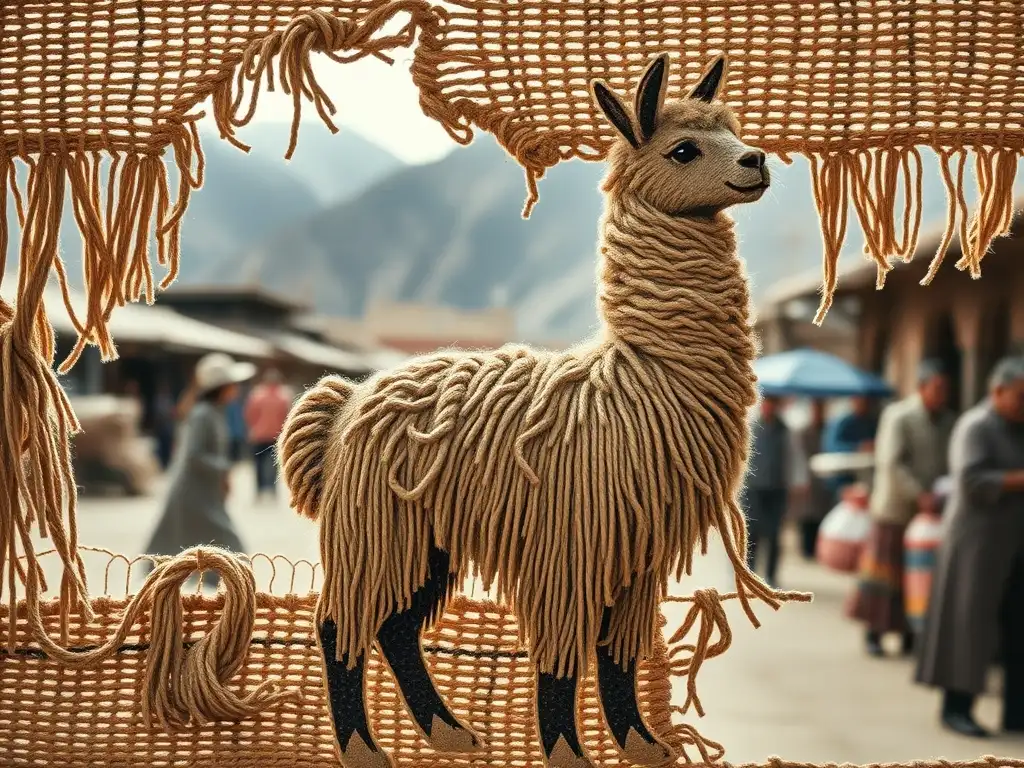
The llama ( Lama glama) holds a position of profound significance within Andean civilizations, extending far beyond its practical utility as a beast of burden. Its symbolism is deeply interwoven with the fabric of Andean life, reflecting spiritual beliefs, economic realities, and social structures. Understanding the multifaceted symbolism of the llama provides crucial insight into the worldview and societal organization of these remarkable cultures.
This section will explore the llama's importance as a crucial resource and its role in trade and transportation, revealing the layers of meaning embedded within this seemingly humble creature. Analyzing Andean llama symbolism reveals a sophisticated understanding of the interconnectedness of humans and their environment. The enduring presence of the llama in Andean art and iconography underscores its persistent cultural relevance, showcasing its continued symbolic power across generations.
Llamas as Essential Resources in the Andes
Llamas were, and continue to be, indispensable to the Andean way of life. Far from being merely pack animals, they provided a diverse range of essential resources that sustained Andean communities. Their fleece provided warm and durable textiles, crucial for clothing and shelter in the harsh Andean climate. The quality of llama wool varied depending on the animal's breed and the altitude of its habitat, with some producing exceptionally fine and soft fibers. This wool was meticulously processed, spun, and woven into intricate textiles, often adorned with symbolic patterns reflecting the Andean worldview.
Beyond their fleece, llamas offered a reliable source of meat, providing a vital protein source for Andean diets. Llama meat was, and remains, a staple in many Andean communities, incorporated into various traditional dishes. Their dung served as a valuable fertilizer, enriching the soil and contributing to agricultural productivity. This holistic utilization of the llama demonstrates a deep understanding of sustainable resource management, a characteristic of many Andean societies.
The llama's contributions extended beyond sustenance; their milk provided a source of nourishment, and their hides were used to create sturdy leather goods. This comprehensive utilization highlights the llama's central role in the economic and social fabric of Andean life. The meticulous care given to llamas reflects the deep respect and value placed upon them.
The Llama's Role in Transportation and Trade
The llama's role in transportation and trade was equally crucial. Their remarkable endurance and ability to navigate challenging Andean terrains made them ideal pack animals, facilitating the movement of goods across vast distances. Caravans of llamas, laden with textiles, precious metals, agricultural products, and other trade goods, traversed the intricate network of Andean trails, connecting distant communities and empires. The efficiency of llama caravans allowed for the exchange of vital resources and the dissemination of cultural ideas, contributing significantly to the economic prosperity and cultural integration of Andean societies.
The sheer volume of goods transported by llamas speaks to their economic importance. Imagine the scale of these operations: hundreds, even thousands, of llamas forming long, winding lines across mountain passes, carrying the weight of trade and cultural exchange. 1 This wasn't just a matter of transporting goods; it was a complex logistical undertaking requiring skilled herders, well-maintained trails, and a deep understanding of the animals' capabilities and needs. The organization and management of these caravans highlight the sophisticated social and economic structures of Andean civilizations. The llama, therefore, wasn't just a beast of burden; it was a key player in the economic engine of Andean societies, a symbol of connectivity and trade. Their contribution to the vibrant exchange networks of the Andes is undeniable.
1 Further research is needed to quantify the precise number of llamas used in trade caravans across different Andean cultures and time periods.
Andean Llama Symbolism: Beyond Utility
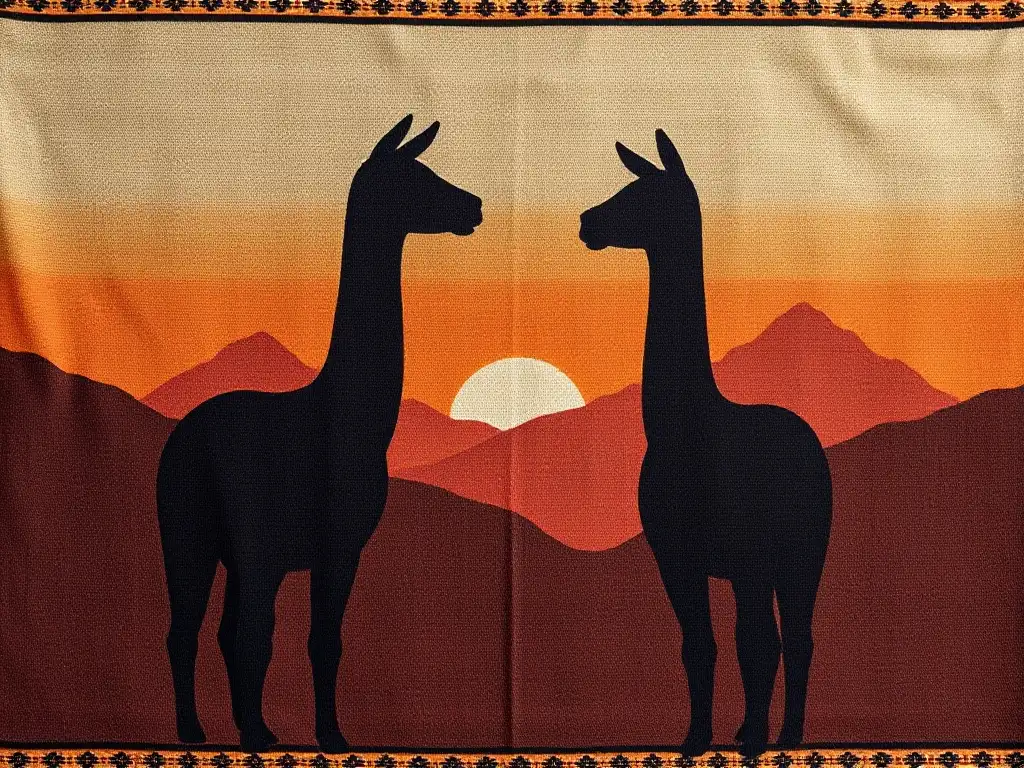
The llama, far from being merely a beast of burden in Andean societies, held profound symbolic significance deeply intertwined with the cultural fabric of the region. Understanding Andean llama symbolism requires moving beyond its practical uses—transportation of goods, wool production, and meat—to appreciate its spiritual and ideological dimensions. This powerful symbolism permeated various aspects of Andean life, from religious rituals to everyday artistry, reflecting a complex relationship between humans and the animal world.
The llama's representation wasn't simply decorative; it conveyed potent messages about social structures, economic prosperity, and the spiritual connection to the Andes' ecosystem. This section will explore the multifaceted symbolism of the llama in Andean culture, revealing its rich tapestry of meaning. The keyword "Andean llama symbolism" will be explored through different lenses, highlighting its cultural impact.
Llamas and the Concept of Ayni
The Andean concept of ayni, reciprocal exchange and mutual obligation, is fundamentally linked to the llama's symbolic importance. Llamas, as vital contributors to the community's well-being, embodied the principle of ayni itself. Their contributions—wool for clothing, meat for sustenance, and labor for transportation—were not taken for granted but rather acknowledged through reciprocal acts of care and respect. The llama's role wasn't solely utilitarian; it fostered social cohesion by requiring communal participation in its care and the equitable distribution of its products.
The relationship between humans and llamas exemplified the ideal of ayni: mutual dependence and the shared responsibility for the community's prosperity. This symbiotic relationship is a cornerstone of understanding Andean llama symbolism, demonstrating that the animal's worth transcended mere economic value. The concept of ayni, therefore, provides crucial context for interpreting various llama representations in Andean art and artifacts.
The Llama as a Symbol of Sustenance and Abundance
The llama's association with sustenance and abundance is readily apparent in Andean iconography. Depictions of llamas often appear alongside representations of agricultural fertility, emphasizing their role in ensuring the community's survival. The llama's provision of wool, meat, and transportation capabilities directly contributed to economic stability and food security. Consequently, the animal became a potent symbol of prosperity and a visual reminder of the interconnectedness between human well-being and the natural world.
This symbolism is particularly evident in ceremonial contexts, where llamas were often sacrificed to ensure bountiful harvests and appease the gods. The sacrifice wasn't simply a utilitarian act; it was a symbolic offering designed to maintain the delicate balance between the human and spiritual realms, reflecting the critical importance of the llama in sustaining Andean life. The abundance provided by llamas was not just material; it represented a spiritual abundance, a harmonious relationship with the environment.
Llama Imagery in Andean Art and Textiles
Llama imagery is ubiquitous in Andean art and textiles, showcasing the animal's deep-seated cultural significance. The stylistic variations in these representations offer valuable insights into the diverse beliefs and practices of different Andean cultures. The way llamas are depicted—their posture, the colors used, and the associated motifs—reveal a nuanced understanding of the animal's symbolic role within specific cultural contexts.
Llama Representations on Ceramics and Pottery
Ceramics and pottery from various Andean cultures, such as the Moche and Nazca, frequently feature llama depictions. These representations often showcase llamas in various activities, from grazing peacefully to participating in ceremonial processions. The level of detail and artistry varies considerably, reflecting the sophistication and skill of the artisans involved.
For instance, Moche pottery often portrays llamas with remarkable anatomical accuracy, while Nazca ceramics tend to feature stylized llamas integrated into complex narrative scenes. These variations highlight the diverse aesthetic preferences and symbolic interpretations across different Andean societies. Analyzing these artistic choices provides a deeper understanding of how the llama's symbolism was adapted and reinterpreted across different cultural groups and time periods.
Llama Motifs in Weaving and Textiles
Llama motifs are prevalent in Andean weaving and textiles, often appearing as intricate patterns woven into clothing, tapestries, and other artifacts. The colors and styles used in these textile representations often carry symbolic meaning. For instance, the use of specific colors might be associated with particular deities or social statuses. The complexity and precision of the weaving techniques further underscore the importance of the llama's symbolic representation.
These textiles served not only as clothing and decorative items but also as powerful visual statements, conveying important messages about social identity, religious beliefs, and the community's relationship with the natural world. The intricacy of these designs emphasizes the deep reverence and respect that Andean cultures held for the llama. The llama's presence on these textiles is not merely decorative; it actively participates in the narrative and communicates significant cultural information.
The Llama's Connection to Andean Labor
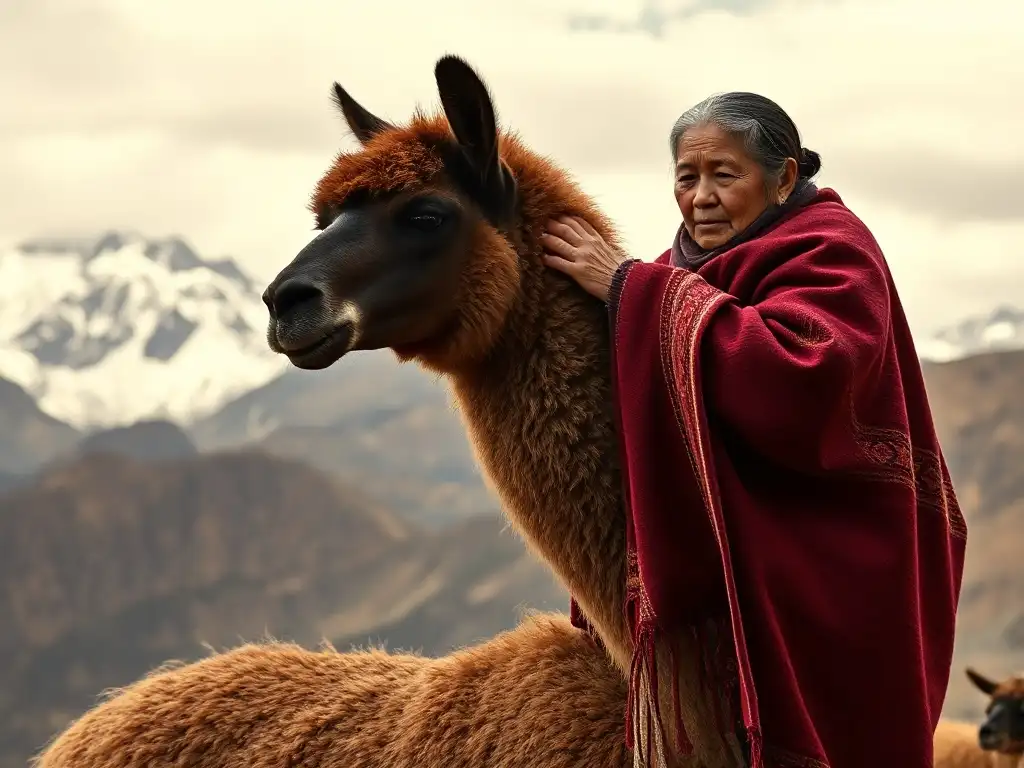
The llama, far from being merely a pack animal, holds a deeply significant place in the tapestry of Andean life, representing not only a crucial source of sustenance but also a potent symbol of labor and community resilience. Understanding the llama's role requires examining its multifaceted contributions to Andean societies, from herding practices and trade to agricultural support.
The enduring presence of the llama in Andean iconography reflects its profound impact on the daily lives and cultural beliefs of these ancient civilizations. The very image of a llama carrying burdens became a visual metaphor for the hard work and perseverance that characterized Andean life.
This section delves into the intricacies of this vital relationship, exploring the diverse ways in which the llama shaped Andean labor and provided the foundation for their thriving societies. The enduring Andean llama symbolism continues to resonate today, reflecting the animal's persistent importance in the region's cultural identity.
Llama Herding: A Traditional Practice in Andean Communities
Llama herding wasn't merely a task; it was a way of life, deeply ingrained in the social fabric of Andean communities. This practice demanded significant skill, knowledge, and dedication, passed down through generations. Herding wasn't a solitary pursuit; it involved intricate cooperation within families and communities.
Young children often assisted in tending to the younger llamas, learning valuable lessons about animal husbandry and responsibility. Older members of the community shared their expertise, ensuring the continuation of traditional herding techniques. The llamas themselves weren't simply treated as livestock; a strong bond often developed between herder and animal, fostering a deep respect for the creatures and their contributions.
The herding practices varied according to altitude and climate, reflecting the adaptability of both the llamas and the Andean people. For instance, higher-altitude herding required different strategies and techniques compared to herding in lower, warmer regions. The success of llama herding directly impacted the economic well-being and social stability of Andean communities, underscoring its importance in their survival and prosperity.
Llama Caravans and Their Importance in Trade Routes
The llama's remarkable carrying capacity played a vital role in the extensive trade networks that crisscrossed the Andes. Llama caravans, often consisting of dozens or even hundreds of animals, traversed challenging mountain passes and treacherous terrains, transporting goods across vast distances. These caravans weren't simply logistical operations; they represented a complex system of organization, requiring careful planning, skilled handlers, and effective communication between different communities.
The goods transported included textiles, precious metals, agricultural products, and other essential resources. The establishment of these trade routes facilitated cultural exchange and economic interdependence between different Andean societies. The impressive scale of some of these caravans—some historical accounts speak of thousands of llamas—highlights the significance of the llama in the Andean economy and the sophisticated logistical capabilities of the time.
The successful navigation of these routes, often across vast distances and challenging landscapes, showcases the ingenuity and adaptability of Andean civilizations. The sheer scale of these operations, demanding careful planning and coordination, underscores the animal's economic and logistical importance in Andean society.
The Llama's Contribution to Agricultural Practices
Beyond transportation, the llama offered significant contributions to Andean agricultural practices. Their dung provided a valuable fertilizer, enriching the soil and boosting crop yields. This natural fertilizer played a crucial role in sustaining Andean agriculture, particularly in challenging terrains where soil fertility could be limited. Furthermore, llamas played a crucial role in land management.
Their grazing habits helped prevent overgrowth and maintain the health of pasturelands. This careful management of resources reflects the deep understanding of ecological balance that characterized Andean agricultural practices. The integration of the llama within the agricultural system demonstrates a holistic approach to resource management, highlighting the interconnectedness of different aspects of Andean life.
The llama's contribution wasn't just about providing fertilizer; it was about fostering a sustainable and resilient agricultural system that could withstand environmental challenges. This symbiotic relationship between llama and Andean agriculture was essential to the survival and prosperity of these ancient societies. The holistic approach to resource management, in which the llama played a central role, was a key factor in the success of Andean agriculture.
Spiritual and Ritualistic Aspects of the Llama
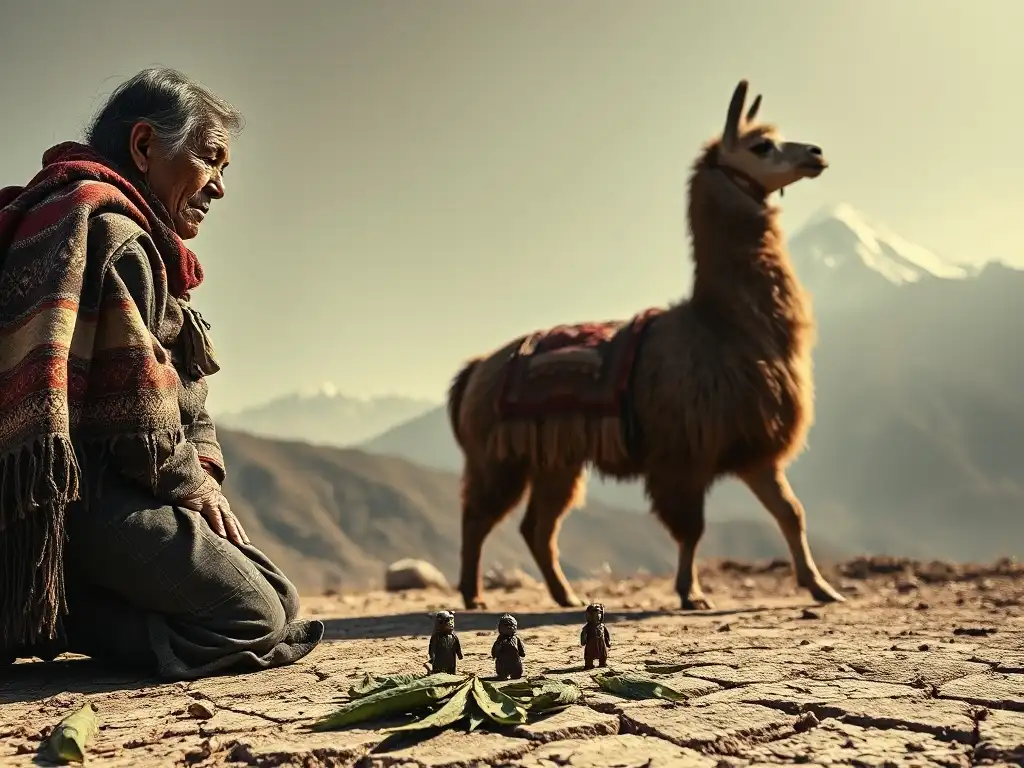
The llama, far from being merely a beast of burden in Andean culture, held profound spiritual and ritualistic significance. Its symbolism transcended practical utility, deeply interwoven with Andean cosmology, religious practices, and societal structures. Understanding this multifaceted symbolism offers crucial insight into the Andean worldview and the integral role the llama played in shaping their lives. The Andean llama symbolism is not simply about its physical contributions; it's about its spiritual power and connection to the divine.
Llamas in Andean Cosmology and Beliefs
Andean cosmology, a complex system of beliefs encompassing the interaction between the earthly and spiritual realms, positioned the llama as a crucial intermediary. The animal was often associated with the apus, the powerful mountain spirits, considered sacred protectors and sources of life-giving water. Llamas, with their ability to navigate the challenging Andean terrain, were seen as embodying the resilience and adaptability of the Andean people themselves.
Their fleece, strong and warm, mirrored the protective power of the apus and provided a tangible link to the spiritual world. Narratives and myths frequently depict llamas as messengers or even manifestations of these powerful deities, highlighting their elevated status within the Andean belief system.
The color of the llama's fleece also held symbolic meaning; for example, white llamas were often associated with purity and sacrifice, while brown or black llamas might represent fertility or connection to the earth. Archaeological evidence, including depictions in textiles and ceramics, further supports the deeply ingrained cosmological significance of the llama.
Ritualistic Sacrifices and the Llama's Spiritual Significance
The practice of llama sacrifice played a vital role in Andean religious rituals. These sacrifices weren't simply acts of slaughter; they were carefully orchestrated ceremonies aimed at appeasing the apus, ensuring successful harvests, or invoking healing. The choice of llama, its age, color, and even the specific location of the sacrifice were all meticulously determined, underscoring the ritual's importance. The llama's sacrifice was viewed as a gift to the deities, a form of communion that strengthened the bond between the human and spiritual worlds.
Analysis of archaeological sites has uncovered evidence of these sacrifices, including skeletal remains and artifacts associated with ritual practices. This evidence allows researchers to reconstruct the details of these ceremonies and gain a deeper appreciation for the spiritual significance attributed to the llama's sacrifice. The act wasn’t simply about the animal’s death, but about its transformation into a conduit for communication with the supernatural realm.
The Llama as a Messenger to the Apus
Beyond their role in sacrifices, llamas were often viewed as messengers, carrying offerings and prayers to the apus. This belief stemmed from the animal's perceived ability to traverse the treacherous mountain landscapes and reach the heights where the apus resided. The llama, therefore, served as a tangible link between the human world and the divine, facilitating communication and ensuring the continued favor of the powerful mountain spirits.
This role is reflected in numerous Andean myths and legends, which depict llamas as carrying sacred objects or transporting souls to the afterlife. In essence, the llama transcended its practical function as a pack animal, becoming a potent symbol of communication and connection with the spiritual realm.
The visual representation of llamas in Andean art frequently depicts them in this role, often laden with symbolic objects, further solidifying their status as messengers of the Andean gods. The integration of the llama into these narratives highlights its importance not just in daily life but in the spiritual fabric of Andean society.
The Enduring Legacy of the Llama in Andean Culture
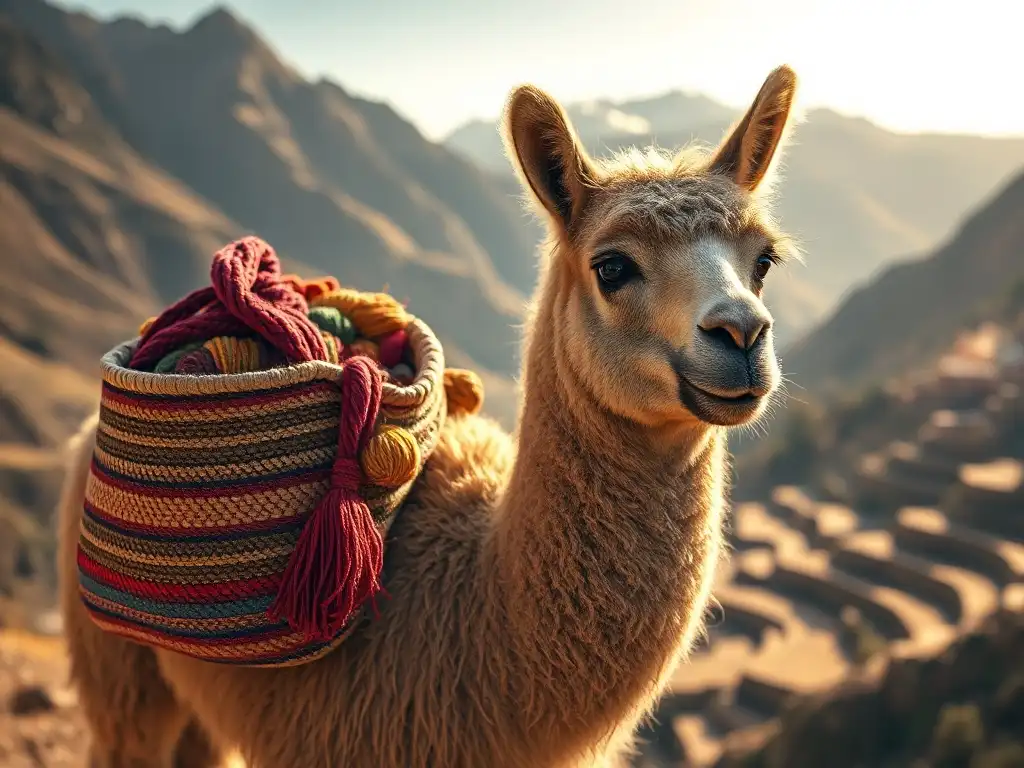
The llama, far from being merely a beast of burden, holds a deeply significant place within the tapestry of Andean culture. Its enduring legacy is woven into the very fabric of Andean life, reflecting a complex interplay of practical utility and profound symbolism. For millennia, the llama has provided sustenance, transportation, and a potent source of inspiration for artistic expression.
Understanding the llama's role requires examining its multifaceted contributions to Andean societies, from its economic importance to its symbolic representation in art, religion, and daily life. This enduring relationship highlights the interwoven nature of human and animal life in the Andes, a symbiotic bond that continues to shape the region's identity.
The deep-seated respect for the llama, evident in Andean traditions and beliefs, speaks volumes about the animal's crucial role in shaping the cultural landscape. This section will explore the various aspects of the llama's enduring legacy, demonstrating its significance as more than just a working animal – it is a cultural icon.
Modern Day Importance of Llamas in the Andes
Even today, the llama remains an integral part of Andean life. In many rural communities, llamas continue to serve as vital pack animals, transporting goods across challenging terrains where roads are scarce or nonexistent. Their surefootedness and adaptability make them invaluable for transporting agricultural products, building materials, and other essential supplies.
This practical utility contributes significantly to the economic well-being of many Andean families. Beyond transportation, llamas provide high-quality wool, used to create warm and durable textiles, a crucial aspect of Andean craftsmanship. Their meat also serves as a source of protein, contributing to food security in the region.
The llama's continued economic significance underscores its ongoing importance in sustaining Andean livelihoods and traditions. The resilience of the llama, coupled with its adaptability to high-altitude environments, makes it a crucial element of the Andean ecosystem and economy. Quantifying the exact economic impact is difficult, but anecdotal evidence and studies on Andean economies consistently point to the llama as a key factor in rural sustainability.
Preserving the Cultural Heritage of Llama Herding
The practice of llama herding is not merely an economic activity; it represents a rich cultural heritage passed down through generations. Traditional llama herding techniques, knowledge of animal behavior, and associated rituals are integral aspects of Andean identity. These practices are often closely tied to specific communities and families, embodying a deep connection to the land and its resources. Efforts to preserve this cultural heritage involve documenting traditional herding practices, supporting local communities involved in llama rearing, and promoting sustainable herding techniques. Organizations dedicated to preserving Andean traditions often focus on supporting llama herders, ensuring the continuation of these vital practices. The preservation of llama herding is not just about safeguarding an economic activity; it's about preserving a vital part of Andean cultural identity and ensuring its continuity for future generations. The passing down of these skills and traditions is a testament to the resilience and adaptability of Andean culture.
The Llama as a Symbol of Andean Identity
The llama transcends its practical utility, serving as a powerful symbol of Andean identity. Its image appears frequently in Andean art, textiles, and religious ceremonies, representing concepts such as strength, resilience, and connection to the land. The llama's soft, gentle nature is often contrasted with its ability to endure harsh conditions, making it a potent symbol of adaptation and perseverance.
In many Andean communities, the llama is considered a sacred animal, embodying spiritual significance and playing a role in religious rituals and beliefs. This symbolic representation underscores the deep-rooted connection between Andean people and the natural world. The llama's enduring presence in Andean art and culture serves as a powerful reminder of the region’s rich history and enduring traditions.
Further research into specific Andean communities and their unique interpretations of llama symbolism would enrich our understanding of this multifaceted cultural icon. The continued use of llama imagery in contemporary art and design further demonstrates its enduring relevance and significance as a symbol of Andean identity.
Understanding the Multifaceted Symbolism of the Llama
The llama, far from being merely a beast of burden in Andean cultures, holds a deeply significant symbolic position, interwoven with spiritual beliefs, social structures, and economic realities. Its representation in Andean art and iconography transcends simple depiction; it embodies a complex interplay of meanings that shifted subtly across different Andean societies and time periods. Understanding this multifaceted symbolism requires examining its role not only as a provider of sustenance but also as a spiritual entity connected to the very fabric of Andean cosmology.
The llama's significance is deeply rooted in the Andean worldview, reflecting a profound respect for nature and a sophisticated understanding of its interconnectedness. This section will explore the diverse interpretations of llama symbolism, highlighting its enduring presence in Andean culture and its ongoing relevance in contemporary society.
We will delve into specific cultural contexts to better understand the nuances of this potent symbol. The enduring power of Andean llama symbolism is a testament to the resilience and rich tapestry of Andean traditions.
Llama Symbolism in the Aymara and Quechua Cultures
The Aymara and Quechua peoples, two of the largest indigenous groups in the Andes, share some common ground in their reverence for the llama, yet their interpretations differ in subtle yet important ways. For the Aymara, the llama often represents ayni, the principle of reciprocity and mutual exchange that governs social relations. The llama's labor is seen as a gift that demands respect and careful stewardship.
Art depicting llamas in Aymara culture often showcases their connection to the land and the cyclical nature of life, death, and rebirth. This is frequently symbolized through the depiction of llamas alongside agricultural scenes or in contexts related to fertility rites.
Conversely, while Quechua culture also values the llama's practical contributions, its symbolism often extends to a more spiritual realm. In some Quechua communities, the llama is associated with Pachamama, the Earth Mother, embodying her fecundity and life-giving power. Ceremonial offerings often include llamas, reflecting their vital role in maintaining balance within the cosmos.
Textiles, a cornerstone of Quechua artistry, frequently feature llama motifs, intricately woven into designs that reflect the community’s beliefs and social structures. The llama's fleece, used to create these textiles, further underscores its integral connection to daily life and spiritual practices. The vibrant colors and patterns used in these textiles often hold additional symbolic meanings, further enriching the overall interpretation of the llama's representation.
The Llama's Integration with the Andean Pachamama Concept
The Andean concept of Pachamama, the Earth Mother, plays a crucial role in understanding the llama's symbolic significance. The llama's close association with the land and its agricultural productivity directly links it to Pachamama's life-giving power. The llama's grazing habits, its contribution to the fertilization of the land through its dung, and its role in providing essential resources (meat, wool, and transportation) all reinforce its symbolic connection to Pachamama's bounty. Many Andean rituals involving llamas are directly aimed at appeasing or honoring Pachamama, seeking her favor for successful harvests and overall well-being.
The offering of llamas in ceremonies is not simply a sacrifice; it's an act of reciprocity, a way of acknowledging the interconnectedness between humans, animals, and the Earth. These offerings are seen as a means of sustaining the delicate balance of the Andean ecosystem and ensuring the continuation of life.
The llama, therefore, acts as a mediator, a conduit between the human world and the spiritual realm, reflecting the deep reverence and respect Andean cultures hold for the natural world. The very act of herding llamas is imbued with spiritual significance, highlighting the intricate relationship between human activity and the natural order.
The Future of Llama Herding and Cultural Preservation
The future of llama herding and its associated cultural practices face significant challenges in the modern world. Globalization, modernization, and economic pressures threaten traditional ways of life, potentially leading to the erosion of the rich symbolism associated with the llama. However, efforts to preserve traditional knowledge and practices are underway. These efforts include initiatives focused on sustainable llama herding techniques, the promotion of llama-related crafts and textiles, and the revitalization of traditional ceremonies and rituals.
The continued appreciation and understanding of Andean llama symbolism are integral to the preservation of this cultural heritage. Education plays a vital role in ensuring that future generations understand the deep-seated significance of the llama within Andean societies. By promoting cultural tourism that respects local traditions and supports local communities, we can help ensure the continuity of these practices and the preservation of a unique and valuable aspect of Andean culture.
The llama, a symbol of resilience and adaptation, serves as a powerful reminder of the importance of protecting cultural heritage and the delicate balance between tradition and modernity. The future of Andean llama symbolism rests not only on the survival of the llama itself but also on the preservation of the rich cultural context that gives it such profound meaning.
Frequently Asked Questions
What is the significance of llamas in Andean culture?
Llamas held immense importance, representing labor, sustenance, and spiritual connection. They were crucial for transport, textiles, and meat, deeply woven into the fabric of Andean life.
How did the symbolism of the llama change over time?
Llama symbolism evolved across different Andean cultures and periods. While always vital for survival, its religious and spiritual significance varied, reflecting changing beliefs and practices.
What role did llamas play in Andean religious beliefs?
Llamas were often sacrificial animals, linked to fertility and appeasement of deities. Their significance varied between cultures, with some attributing specific powers or characteristics to them.
Beyond their practical uses, what other symbolic meanings did llamas possess?
Llamas symbolized wealth, status, and power within Andean societies. Their presence in art and textiles often indicated social hierarchy and spiritual connection to the gods.
Where can I learn more about the Andean llama's symbolic role?
Explore further research on Andean iconography and religious practices. Many museums and academic resources offer detailed information on the llama's multifaceted symbolism.
Final Reflection: The Enduring Legacy of the Andean Llama
The llama's role in Andean culture extends far beyond mere beast of burden; it represents a profound interconnectedness between humanity and nature, a relationship still deeply relevant in a world grappling with sustainability and equitable resource management. The enduring image of the llama, patiently carrying its load across the harsh Andean landscape, serves as a potent reminder of the delicate balance required for survival and prosperity.
The symbolism of the llama, woven into the fabric of Andean society for millennia, continues to resonate today. It speaks to the importance of respecting the environment, valuing community, and understanding the intricate web of life that sustains us. The llama is not just an animal; it is a member of the family, a partner in survival, a symbol of our connection to the land.
This sentiment, though perhaps paraphrased, encapsulates the deep-seated respect and interdependence that characterize the relationship between Andean communities and their llamas. The ongoing challenges of climate change and economic disparity only amplify the importance of understanding and appreciating this ancient wisdom.
Consider the llama's quiet strength, its unwavering resilience in the face of adversity. This is a lesson we can all learn from. Let the image of the llama, patiently bearing its load, inspire you to reflect on your own relationship with the natural world and the communities you belong to. Embrace sustainability in your daily life, seek out equitable practices, and recognize the interconnectedness of all living things. The llama's legacy is not just one of history, but a call to action for a more just and sustainable future.
Embrace the Spirit of the Andes: Take Action Today!
Thank you for exploring the rich symbolism of labor and sustenance within Andean culture, focusing on the llama's important role. We hope this exploration inspired you and deepened your appreciation for the traditions that shape these vibrant communities. Now, let's consider how to connect more deeply with this culture.
- Engage with your local community by attending Andean festivals or cultural events to experience the traditions firsthand.
- Explore the delicious cuisine of the Andes by trying traditional recipes. Share your culinary adventures with friends and family, or post your creations on social media to spread awareness and appreciation.
- Learn more about the Andean way of life by reading books or articles that explore their customs and agricultural practices. This will provide a broader understanding of their unique culture.
How can you incorporate the Andean values of hard work and sustainable living into your daily life? Share your thoughts and experiences in the comments below!