
Warp and Weft: Understanding the Basic Structures of Andean Weaving

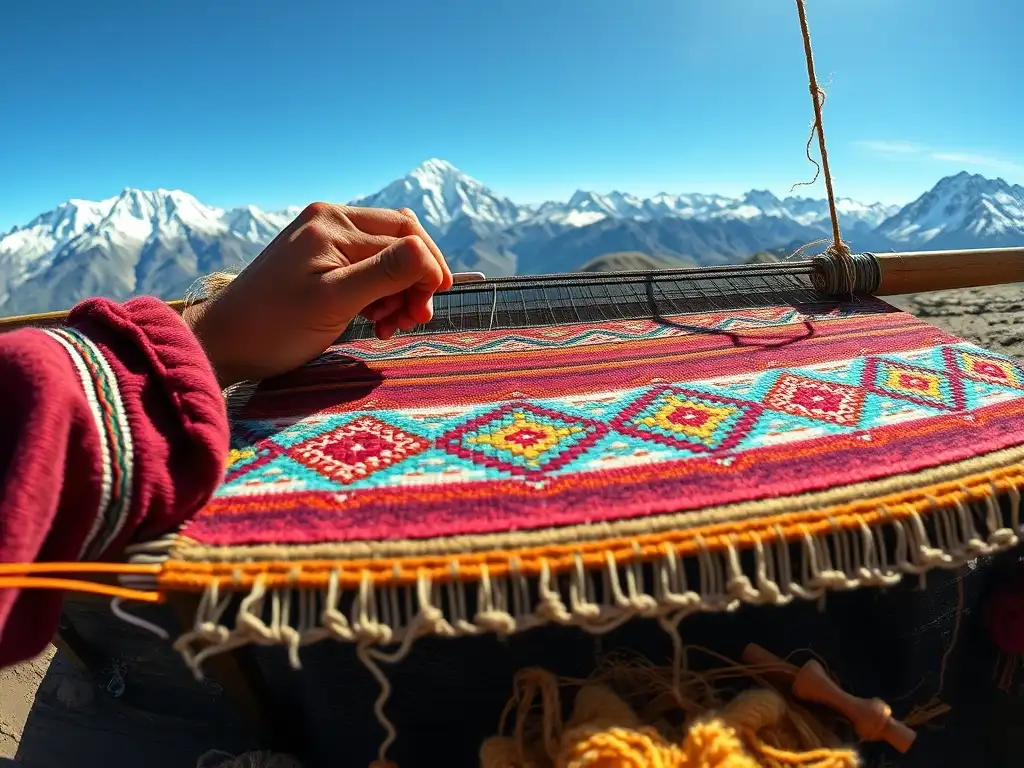
Unravel the mysteries of the Andes! Journey with us through a tapestry of time, exploring the breathtaking artistry and ingenuity of ancient civilizations. From the Incas to the Nazca, their legacy is woven into every fiber of their existence – a legacy most vividly expressed in their masterful Andean weaving techniques. Prepare to be amazed as we delve into the intricate world of warp and weft, unlocking the secrets behind these enduring masterpieces. Discover how these threads connect to a much larger story...
- Andean Weaving Techniques: An Introduction
- The Warp: The Foundation
- The Weft: Creating Patterns
- Andean Weaving Structures: Beyond Interlacing
- Materials: Fibers and Dyes
- Andean Weaving Tools: Looms and Implements
- The Cultural Significance
- Specific Examples of Andean Weaving
- Frequently Asked Questions
- Final Reflection: The Enduring Threads of Andean Weaving
- Unveil the Artistry of Andean Weaving Today!
Andean Weaving Techniques: An Introduction
The Andes Mountains, a spine of towering peaks running down the western coast of South America, are not only a breathtaking landscape but also the cradle of incredibly sophisticated textile traditions. For millennia, Andean cultures—from the Nazca and Moche to the Inca and beyond—have mastered the art of weaving, creating textiles of unparalleled beauty, complexity, and symbolic significance. This article delves into the fundamental structures of Andean weaving, exploring the techniques that allowed these ancient artisans to produce such remarkable works of art.
We will uncover the secrets behind their mastery of warp and weft, revealing the intricate processes and profound cultural meanings embedded within their textiles. Understanding these techniques provides a crucial lens through which we can appreciate the ingenuity and artistry of Andean civilizations and their enduring legacy. This exploration will help you understand the rich tapestry of “Andean weaving techniques” and the cultural context behind them.
Understanding the Fundamentals of Andean Textile Art
Andean weaving wasn't simply a craft; it was a deeply ingrained cultural practice, reflecting social status, religious beliefs, and cosmological understandings. The production of textiles involved complex processes, from the preparation of the fibers to the intricate weaving techniques themselves. The most basic element is understanding the difference between the warp and the weft. The warp consists of the lengthwise threads that are stretched taut on a loom, while the weft threads are woven horizontally across the warp, creating the fabric's structure.
This seemingly simple interaction of warp and weft allowed Andean weavers to create an astonishing variety of textures, patterns, and designs. The choice of fiber itself—alpaca, llama, vicuña, cotton—further contributed to the textile's final characteristics, influencing its softness, durability, and color. Consider the incredible softness of a vicuña shawl compared to the strength of a llama fiber rope—both products of the Andean weaving tradition.
Warp Preparation: Setting the Foundation for Masterful Weaving
Before any weaving could begin, the warp threads had to be meticulously prepared. This process, often involving multiple stages, ensured the evenness and strength of the finished textile. First, the fibers were carefully spun into yarn, a process that required considerable skill and patience. The thickness and twist of the yarn varied depending on the desired outcome, influencing both the texture and the drape of the final fabric.
Then, the spun yarn had to be carefully measured and wound onto the loom's warp beam. The tension of the warp threads was crucial; too tight, and the threads would break; too loose, and the resulting fabric would be uneven. This careful preparation laid the foundation for the intricate weaving patterns to come. Evidence suggests that certain communities developed specialized tools and techniques for warp preparation, reflecting a high level of technological sophistication.
Weft Techniques: Creating Intricate Patterns and Designs
The weft threads, interwoven horizontally across the warp, are where the true artistry of Andean weaving shines. Different techniques were used to create a wide range of textures and patterns. Simple plain weave, where the weft thread passes alternately over and under the warp threads, formed the basis for many textiles. However, Andean weavers mastered far more complex techniques, including tapestry weaving, where multiple colors of weft yarn are used to create intricate designs.
This technique required exceptional skill and precision, as the weaver had to carefully control the placement of each weft thread to achieve the desired image. Other techniques, such as brocade, supplementary weft, and gauze weaving, further expanded the possibilities, allowing for the creation of richly textured and visually stunning textiles. The development and use of these techniques demonstrate a deep understanding of textile structure and design principles.
The Significance of Andean Weaving: Beyond the Textile
Andean textiles were not merely functional objects; they held profound cultural and spiritual significance. Complex patterns and symbols, often reflecting cosmological beliefs, were woven into the fabric, narrating stories and conveying messages across generations. The colors themselves also held symbolic meaning, with different hues representing specific deities, events, or social structures.
For instance, particular colors might have been associated with specific agricultural cycles or religious ceremonies. The use of specific fibers also carried social implications, with certain materials reserved for elite members of society. Understanding these symbolic elements is essential to fully appreciating the richness and complexity of Andean textile art and its role in the social and spiritual life of these ancient cultures.
The study of these textiles provides invaluable insights into the beliefs, values, and social structures of these fascinating civilizations. The intricate details reveal a world far richer than simply the technical skill involved in creating these masterpieces.
The Warp: The Foundation
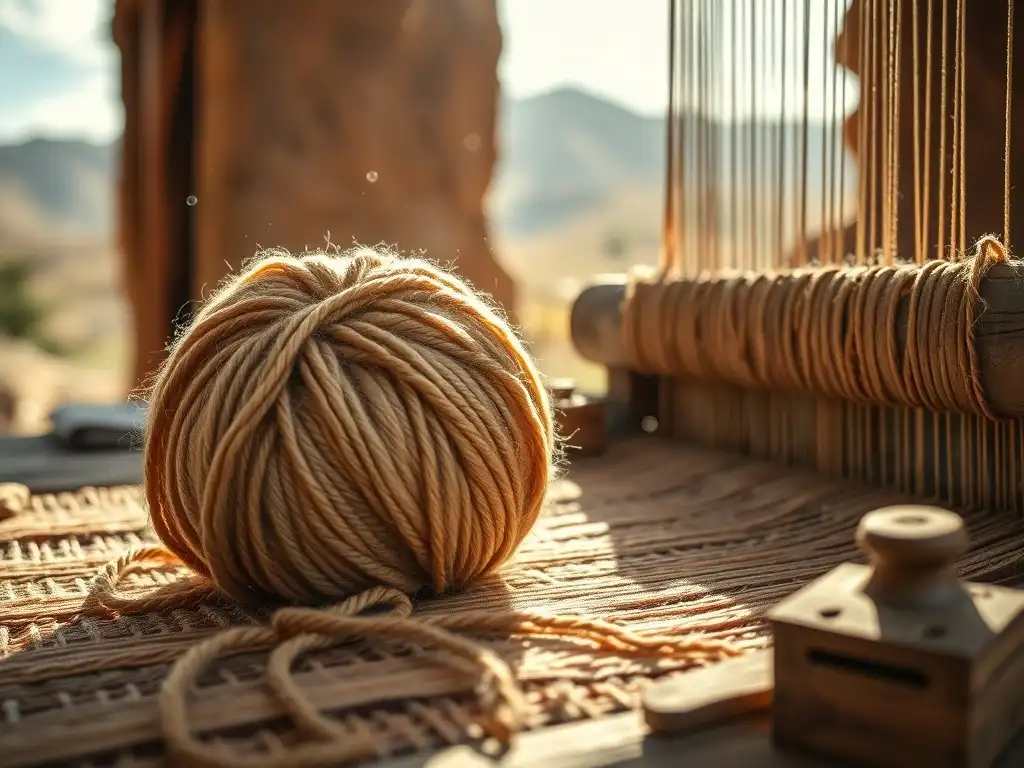
The warp, the lengthwise threads in Andean textiles, forms the structural base upon which the weft threads are interwoven, creating the fabric's overall design and texture. Understanding the preparation and tensioning of the warp is crucial to appreciating the complexity and skill involved in Andean weaving techniques. The quality of the warp directly impacts the final product's strength, drape, and aesthetic appeal.
Mastering warp manipulation was a key element in the sophisticated textile production of Andean cultures. Variations in warp preparation, including the type of fiber, spinning techniques, and pre-weaving treatments, contributed to the enormous diversity observed in Andean textiles. This section delves into the intricacies of warp preparation and tension control, highlighting the importance of these seemingly simple aspects in achieving the remarkable results seen in surviving examples.
Preparing Warp Threads for Andean Textiles
Before a single weft thread is even considered, the warp threads undergo a meticulous preparation process. This process, often overlooked, significantly impacts the final textile's quality and durability. The Andean weavers demonstrated an impressive mastery of fiber preparation, utilizing a variety of native plants like alpaca, llama, vicuña, and cotton. These fibers, harvested and processed with painstaking care, were then spun into threads of varying thicknesses and strengths, depending on the intended purpose of the textile.
The spinning itself was a highly skilled craft, with different techniques producing threads with different characteristics. Some threads were spun tightly, resulting in strong, durable warps suitable for heavy textiles like blankets or clothing. Others were spun more loosely, creating softer, more delicate warps ideal for fine garments or decorative pieces. This careful control over the spinning process allowed Andean weavers to tailor the warp to the specific demands of each project.
Beyond spinning, the warp threads often underwent pre-weaving treatments to enhance their properties. These treatments, which varied regionally and depending on the fiber used, might include washing, dyeing, or even sizing. Sizing, for instance, involved coating the threads with a starch-like substance to add strength and improve their handling during the weaving process. These pre-weaving steps, although seemingly minor, contributed significantly to the overall quality and longevity of the finished textile. They reflect a deep understanding of material properties and an unwavering commitment to excellence in craftsmanship.
Warp Tension in Andean Weaving
Maintaining consistent warp tension is paramount in Andean weaving. Too much tension can cause the warp threads to break, while too little tension can result in a loose, uneven weave. Andean weavers employed various techniques to manage warp tension, showcasing an advanced understanding of mechanics and textile engineering. The backstrap loom, a ubiquitous tool in Andean weaving, allowed for precise control over tension. The weaver could adjust the tension by shifting their body weight and manipulating the backstrap itself, demonstrating remarkable dexterity and physical control.
The use of heddles, a series of vertical rods or strings that lift and lower individual warp threads, further enhanced the weaver's ability to control tension. The intricate arrangement of heddles allowed for the creation of complex patterns and textures. The weaver's skill in manipulating the heddles and the backstrap loom in concert was essential to achieving a consistent, even tension across the entire warp.
The resulting textiles, with their even weaves and intricate patterns, are a testament to the weaver's mastery of this critical aspect of the craft. Variations in tension could also be deliberately employed to create specific textural effects, showcasing the weaver’s ability to manipulate the warp for both structural integrity and artistic expression. The control over warp tension was not merely a technical skill but a crucial artistic element in Andean weaving techniques.
The Weft: Creating Patterns
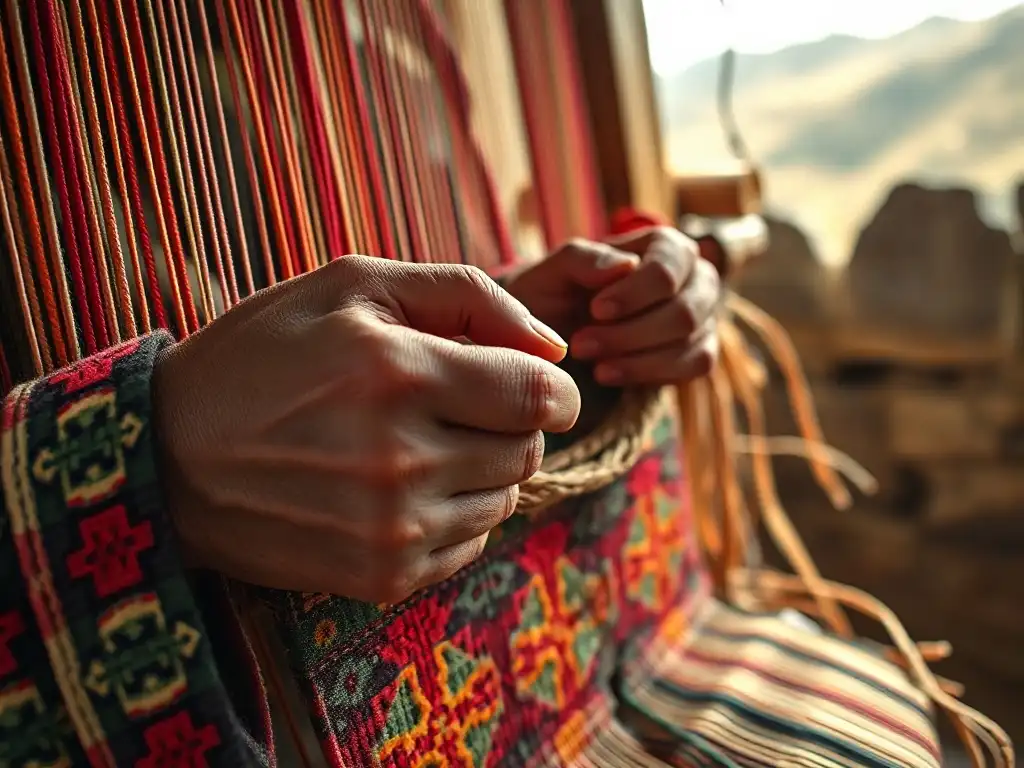
The weft, the threads that are woven over and under the warp threads, is the key to creating intricate patterns and textures in Andean weaving. Unlike many modern weaving techniques that rely heavily on machinery, Andean weaving traditionally utilizes a hand-operated backstrap loom, demanding a high degree of skill and precision from the weaver. The manipulation of the weft threads is what allows for the stunning visual complexity seen in surviving textiles.
Understanding the weft's role is crucial to appreciating the artistry and technical prowess of Andean weavers. The careful placement and manipulation of each weft thread—a testament to patience and skill—directly impacts the final aesthetic and symbolic meaning of the woven piece.
Variations in weft color, thickness, and even the type of fiber used create a remarkable range of visual effects, reflecting both practical considerations and deep cultural significance. This section will delve into the techniques used to manipulate the weft and explore the symbolic meanings often encoded within the resulting patterns.
Weaving Techniques: Passing the Weft
The process of passing the weft thread through the warp is not simply a matter of over-and-under; Andean weavers employed a variety of sophisticated techniques to create different textures and effects. One fundamental technique is the simple weft, where the weft thread consistently passes over and under each warp thread. This creates a plain weave, a solid base often used as a foundation for more complex patterns. However, even this seemingly simple technique required considerable skill to maintain even tension and avoid imperfections. Variations in tension could create subtle textural shifts, adding depth and interest to the finished product.
Beyond the simple weft, Andean weavers mastered techniques like:
- Supplementary Weft: This involves adding extra weft threads to create decorative elements on top of the base weave. These supplementary wefts could be of a different color or material, allowing for intricate designs and three-dimensional effects. This technique allows for the incorporation of complex iconography and symbolic motifs.
- Float Weaves: This technique involves passing the weft thread over several warp threads before going under, creating a "float" that can be used to create patterns or textures. The length and placement of these floats are carefully controlled to achieve the desired effect. Mastering float weaves demonstrates a high level of skill, as incorrect placement can easily lead to weak points in the fabric.
- Rep Weave: In this technique, the weaver uses multiple weft threads simultaneously, creating a broader, denser fabric. This technique is often used for creating strong and durable textiles, suitable for clothing or other functional items. The ability to manage multiple wefts simultaneously showcases exceptional dexterity and control.
Consider the following table illustrating the differences in these techniques:
| Technique | Description | Complexity Level | Durability |
|---|---|---|---|
| Simple Weft | Consistent over-and-under pattern | Low | Moderate |
| Supplementary Weft | Added weft threads for decoration | Medium | Moderate to High |
| Float Weaves | Weft threads pass over multiple warp threads before going under | Medium to High | Moderate |
| Rep Weave | Multiple weft threads used simultaneously | High | High |
The mastery of these techniques, passed down through generations, is a testament to the enduring legacy of Andean weaving traditions. The precision and artistry involved are truly remarkable. The seemingly simple act of passing the weft thread becomes a complex interplay of skill, knowledge, and cultural expression.
Weft Patterns and Their Significance
The patterns created by the manipulation of weft threads are not merely decorative; they often carry profound symbolic meaning within Andean cultures. Geometric designs, often incorporating stripes, zigzags, and stepped patterns, frequently represent cosmological concepts, social status, or specific events. Animals, plants, and deities are also common motifs, woven into the fabric to convey narratives and beliefs. For example, the use of specific colors could indicate a particular clan or community affiliation, while certain patterns might be associated with specific rituals or ceremonies.
Analyzing the weft patterns requires careful consideration of several factors:
- Color: The choice of colors is rarely arbitrary. Specific dyes, often derived from natural sources, were associated with particular meanings and status. The vibrant hues seen in many Andean textiles are not only aesthetically pleasing but also hold deep cultural significance.
- Symmetry: The symmetry or asymmetry of a pattern can convey different meanings. Symmetrical patterns might represent balance and harmony, while asymmetrical patterns could symbolize movement or change.
- Motif: The specific motifs woven into the fabric are often carefully chosen to communicate specific messages or narratives. These motifs can represent a wide range of concepts, from agricultural cycles to spiritual beliefs.
The intricate designs woven into Andean textiles serve as a powerful visual language, capable of conveying complex ideas and beliefs. The careful study of these patterns offers a valuable insight into the rich cultural tapestry of Andean civilizations. Further research into specific regional styles and their associated meanings would greatly enhance our understanding of this fascinating aspect of Andean weaving techniques. The decoding of these patterns is an ongoing process, offering researchers and enthusiasts a continuous source of discovery and appreciation for the profound artistry and cultural richness of Andean textiles.
Andean Weaving Structures: Beyond Interlacing
This section delves into the intricate structural variations found within Andean weaving, moving beyond the simple concept of warp and weft interlacing. Understanding these structural complexities reveals the ingenuity and artistry of Andean textile production, showcasing the diverse techniques employed across different cultures and time periods. Mastering these techniques allowed Andean weavers to create textiles of unparalleled beauty, durability, and symbolic richness. We'll explore key structural variations that significantly impacted the final product's appearance, function, and cultural significance. The artistry of Andean weaving techniques is truly remarkable, showcasing a deep understanding of material properties and design principles.
Complementary Warp Weaving
Complementary warp weaving is a sophisticated technique where multiple warps are employed, each with a distinct color or texture. These warps are not simply interwoven; instead, they are strategically manipulated to create complex patterns and designs. The weaver controls the visibility of each warp thread, resulting in intricate surface effects. This is achieved by selectively raising and lowering different warp sets during the weaving process. Imagine a tapestry where intricate floral motifs appear to float on the surface—this is often a hallmark of complementary warp weaving.
Consider the textiles from the Paracas culture (circa 200 BC – 200 AD). Their mastery of complementary warp weaving allowed them to create incredibly detailed and vibrant designs, often depicting stylized figures and mythical creatures. The precision and control required for this technique are staggering, highlighting the advanced skills of Paracas weavers.
The use of multiple colored warps, often combined with supplementary weft techniques, allowed for a level of complexity rarely seen in other textile traditions. This technique wasn't limited to a single style; variations existed across different Andean regions, each with its own unique characteristics and patterns. Further research into specific regional styles is needed to fully map the diversity of this impressive technique.
Complementary Weft Weaving
In contrast to complementary warp weaving, this technique uses multiple wefts to create complex designs. While the warp threads remain relatively consistent, the weaver manipulates the weft threads to achieve the desired effect. Different colors or textures of weft are introduced and interwoven in a controlled manner, creating patterns that are often more subtle and less overtly geometric than those seen in complementary warp weaving. This technique often involved the use of supplementary weft threads, adding an additional layer of complexity and visual interest.
The Nazca culture (circa 100 BC – 800 AD) is known for its exquisite textiles, many of which utilize complementary weft weaving. Their textiles often incorporate intricate geometric patterns and stylized representations of animals and plants. The subtle variations in weft color and texture create a depth and richness not easily replicated with simpler weaving techniques.
Unlike the bold, more immediately visible patterns in some complementary warp examples, the Nazca's style often presents a more nuanced, layered effect. Analyzing surviving examples reveals a sophisticated understanding of color theory and pattern design, further emphasizing the level of skill involved in Andean weaving techniques. Further study is needed to fully catalog the diverse range of patterns and stylistic variations within this technique.
Double Weave Techniques
Double weave techniques represent a significant advance in Andean weaving technology. In this method, two separate layers of fabric are created simultaneously, allowing for the creation of reversible textiles with distinct patterns on each side. This advanced technique requires exceptional skill and precision. The weaver must manage two independent sets of warp and weft threads, creating two distinct fabrics that are interwoven to create a single, double-layered piece.
The Inca Empire (1438 – 1533 AD) is particularly renowned for its mastery of double weave. Their textiles, often featuring intricate geometric designs and symbolic motifs, demonstrate an advanced understanding of this complex technique. The ability to create reversible textiles with distinct patterns on each side was not simply a matter of technical skill; it held significant cultural and symbolic meaning. The double weave technique allowed for the creation of textiles that were both aesthetically pleasing and highly functional, suitable for a wide range of uses, from clothing to ceremonial objects.
Detailed analysis of surviving Inca textiles reveals a complex interplay of color, pattern, and symbolism, reflecting the rich cultural context in which they were produced. The precision and complexity of double weave demonstrate the peak of Andean weaving techniques during the Inca period. [Specific examples of Inca double weave patterns pending].
Materials: Fibers and Dyes
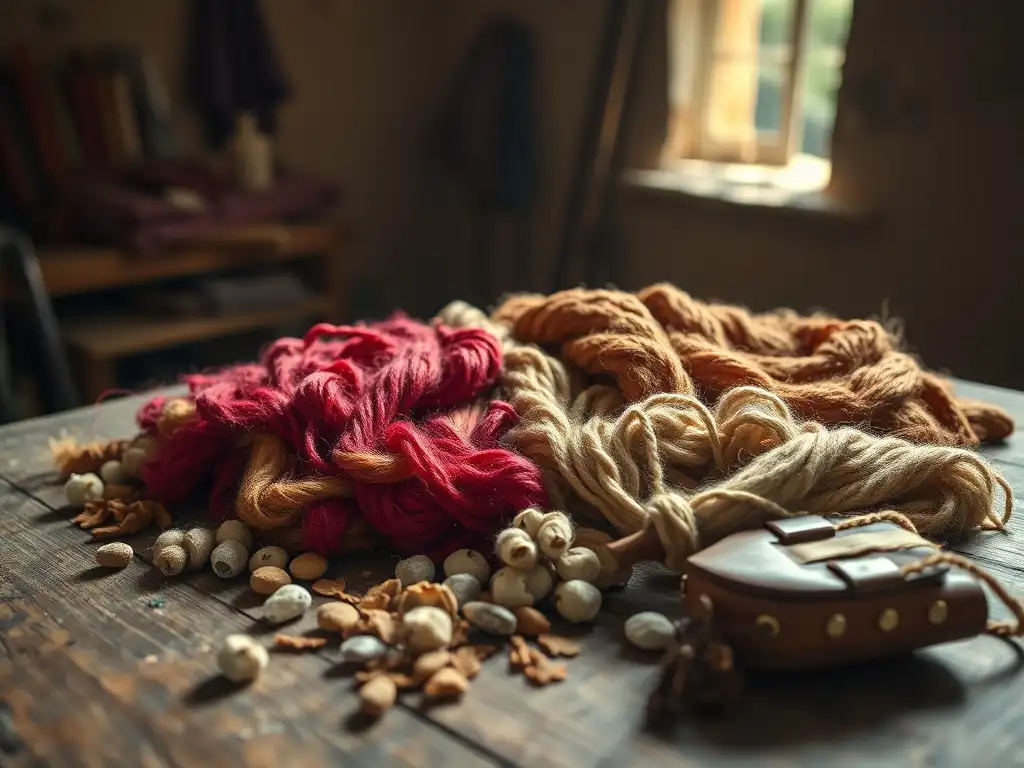
This section delves into the fundamental materials used in Andean weaving, exploring the diverse range of fibers and dyes that shaped the vibrant tapestry of Andean textile art. Understanding these materials is crucial to appreciating the ingenuity and artistry of Andean weavers, who skillfully transformed readily available resources into breathtaking textiles. The choice of fiber and dye often held symbolic meaning, reflecting social status, religious beliefs, and regional identity. Mastering these materials was a key element in the transmission of Andean weaving techniques across generations.
Natural Fibers: Alpaca, Llama, and Cotton
Andean weavers utilized a variety of natural fibers, each with unique properties influencing the final textile's texture, durability, and appearance. Alpaca and llama, camelids native to the Andes, provided luxurious and warm fibers. Alpaca fiber, prized for its softness and fineness, was often reserved for elite garments and ceremonial textiles. Llama fiber, while coarser, offered excellent durability and was widely used for everyday clothing and utilitarian items. The different breeds of alpaca and llama yielded fibers varying in color and texture, offering a natural palette for weavers.
The use of cotton, though less prevalent at higher altitudes, was significant in warmer coastal regions. Andean cotton, a distinct variety, boasted exceptional strength and absorbency. It was often blended with other fibers or used independently for lighter garments and intricate weaving patterns. The skillful combination of alpaca, llama, and cotton fibers allowed Andean weavers to create textiles suited to diverse climates and purposes, demonstrating a deep understanding of material properties and their application.
| Fiber Type | Characteristics | Typical Uses | Social Significance |
|---|---|---|---|
| Alpaca | Soft, fine, luxurious | Elite garments, ceremonial textiles | High status, ritual importance |
| Llama | Durable, coarser, warm | Everyday clothing, utilitarian items | Practicality, everyday life |
| Andean Cotton | Strong, absorbent, lightweight | Lighter garments, intricate weaving patterns | Adaptability, regional variation |
Natural Dyes and Their Significance
The vibrant colors found in Andean textiles were achieved through the use of natural dyes derived from plants, insects, and minerals. These dyes were not merely decorative; they held profound symbolic meaning, often reflecting the spiritual and cosmological beliefs of the Andean cultures. The preparation and application of these dyes were complex processes passed down through generations, representing a significant aspect of Andean weaving techniques.
Cochineal, a scale insect found on prickly pear cacti, yielded a rich crimson dye highly valued for its intensity and longevity. This vibrant red was often associated with power, royalty, and ritual. Other plant sources provided a range of colors, including yellows from various flowers and herbs, blues from indigo, and browns and greens from various barks and leaves.
The specific plants used varied regionally, contributing to the diversity of colors found in Andean textiles. The precise recipes and techniques for dye preparation remain partly shrouded in mystery, with some knowledge lost to time. However, ongoing research continues to uncover the secrets of these ancient dyeing practices.
The colors themselves were not arbitrary but rather carried symbolic weight, reflecting the Andean worldview and its intricate relationship with the natural world.
The use of natural dyes reflects not only the technical skill of Andean weavers but also their profound connection to their environment. The careful selection and preparation of these dyes highlight the holistic approach to textile production, where every element, from fiber to dye, carried cultural and spiritual significance. The enduring beauty and symbolic richness of Andean textiles stand as a testament to the masterful integration of art, technology, and spiritual belief.
Andean Weaving Tools: Looms and Implements
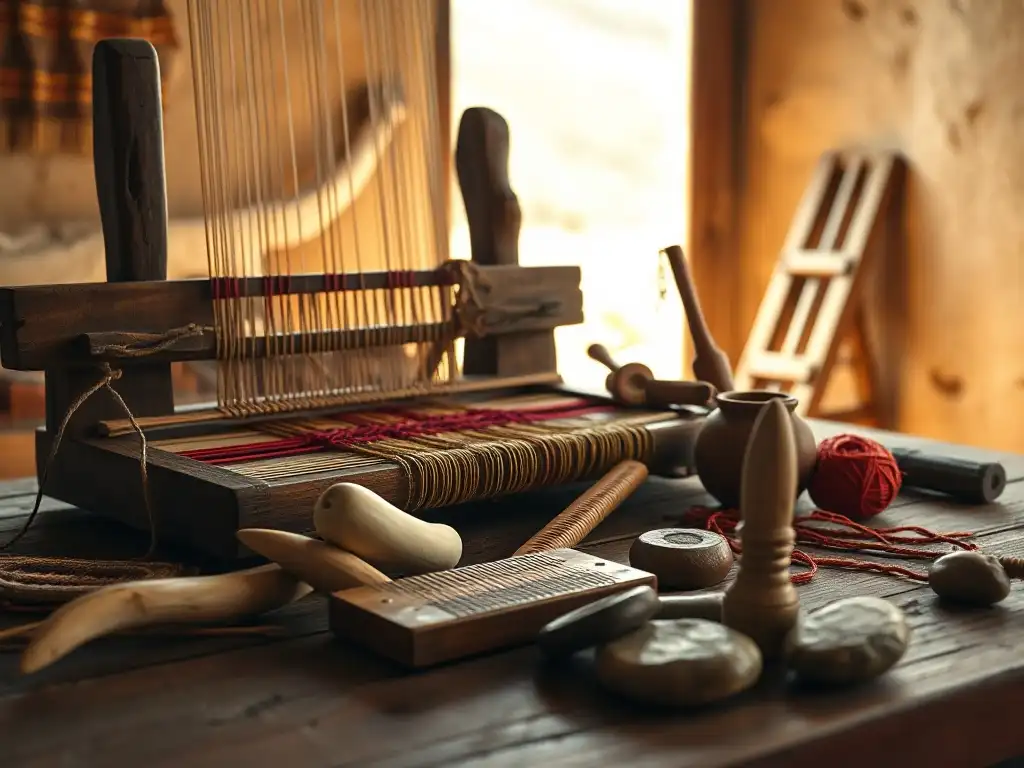
Andean weaving techniques are renowned for their intricate designs and masterful execution, a testament to the sophisticated tools and methods employed by ancient artisans. Understanding these tools is crucial to appreciating the complexity and artistry of Andean textiles. The most prominent tool, and the one that shaped the very fabric of Andean textile production, is undoubtedly the loom. While various types existed, the backstrap loom stands out as a particularly significant and widespread example.
The Backstrap Loom
The backstrap loom is a portable and versatile weaving tool, its design allowing for both simple and incredibly complex textile creation. Its ingenious simplicity belies its effectiveness. It consists of a warp beam (where the lengthwise threads, or warp, are wound), a heddle (a device to separate warp threads to create the shed for weft insertion), a backstrap (a strap attached to the warp beam and secured around the weaver's waist), and a shed stick (used to separate the warp threads).
The weaver's body provides the tension necessary for weaving. The backstrap loom's portability allowed Andean weavers to work virtually anywhere – in their homes, fields, or while traveling.
This adaptability is a key factor in understanding the prevalence of this loom across diverse Andean cultures. The materials used in the construction of the backstrap loom varied depending on the region and available resources. Wood, reeds, and even bone were commonly used for the beams and heddles. The backstrap itself could be made from strong fibers like cotton or llama wool.
The process of weaving on a backstrap loom requires skill and patience. The weaver manipulates the warp threads with the heddle and shed stick, creating openings (sheds) for the insertion of the weft (crosswise) threads. The weft is then beaten down tightly against the previously woven rows using a comb-like tool, creating a dense and durable fabric.
The intricate designs found in many Andean textiles are achieved through a variety of techniques, including supplementary weft, tapestry weaving, and brocade, all executed with remarkable precision on this relatively simple device. The backstrap loom's enduring legacy is visible in the vibrant textiles still produced today, demonstrating the continuity of Andean weaving traditions.
Other Weaving Implements
Beyond the backstrap loom, a variety of other tools played essential roles in the Andean weaving process. These implements, often crafted from readily available materials, contributed significantly to the quality and intricacy of the finished product.
- Spindles and Distaves: These were essential for spinning the yarn used in weaving. Spindles, weighted sticks used to twist fibers into yarn, were often adorned with decorative elements reflecting regional styles. Distaves, small sticks used to hold the spindle, helped maintain tension during spinning.
- Weaving Combs: These tools, typically made of wood or bone, were used to beat down the weft threads, compacting the fabric and creating a dense, even texture. The design of the comb could influence the final appearance of the textile.
- Shears and Knives: Sharp tools were necessary for preparing fibers and cutting the yarn to the required length. These were often made of obsidian or other readily available sharp materials.
- Needles: While not always used, needles were employed in certain techniques like embroidery or for mending. Bone and wood were common materials for needle construction.
The mastery of Andean weaving wasn't solely dependent on the loom; it was the skillful combination of the loom with these supplementary tools, and the weavers’ expertise, that yielded the magnificent textiles that continue to captivate us today. The careful selection and skillful use of these implements, often passed down through generations, ensured the consistent creation of high-quality textiles, showcasing the advanced understanding of material science and textile production within Andean societies. The enduring legacy of these tools is a testament to the ingenuity and innovation of Andean artisans.
The Cultural Significance
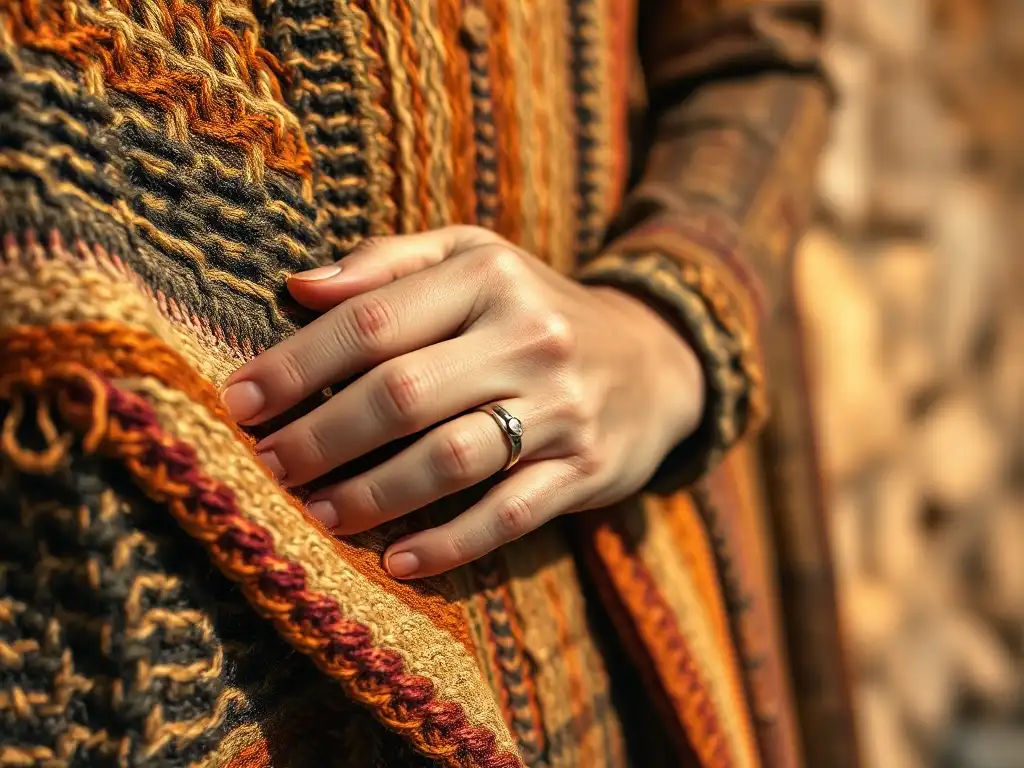
Andean weaving techniques weren't merely practical skills; they were deeply embedded in the cultural fabric of Andean societies. The intricate designs, vibrant colors, and complex structures of Andean textiles served as powerful mediums for expressing identity, beliefs, and social status. Understanding the cultural significance of these textiles is crucial to appreciating their artistry and the societies that created them.
The production and use of textiles were integral aspects of daily life, religious ceremonies, and social hierarchies across various Andean cultures, from the Nazca to the Inca. The meticulous attention to detail evident in even seemingly simple pieces highlights the profound respect given to the craft and its symbolic power. This section will explore the multifaceted roles of weaving within Andean societies, examining its function as a form of expression, its importance in rituals, and its enduring legacy in contemporary art.
Weaving as Expression and Communication
Andean textiles served as a powerful form of visual communication, conveying complex narratives and social messages through intricate patterns and symbolic motifs. Each design element – from the type of fiber used to the specific color combinations and weaving techniques – held significant meaning, often reflecting the weaver's social status, clan affiliation, or spiritual beliefs. For example, the use of specific camelid fibers (alpaca, llama, vicuña) indicated not only the quality of the textile but also the economic and social standing of the individual or community.
The vibrant colors, often derived from natural dyes like cochineal (producing rich reds) and various plant extracts, carried their own symbolic weight, often linked to specific deities, events, or concepts. Detailed iconography, including representations of animals, deities, and celestial bodies, further enriched the narrative capacity of these textiles. The arrangement and repetition of these motifs further added layers of meaning, creating a visual language understood within the Andean communities.
Consider, for instance, the intricate geometric patterns found in Paracas textiles, believed to represent cosmological concepts or shamanistic journeys. The ability to decipher these visual codes provides invaluable insights into the worldview and beliefs of ancient Andean cultures. Further research into specific regional styles and their variations is needed to fully understand the nuances of this visual language.
Beyond their expressive qualities, Andean textiles played a vital role in religious rituals and social practices. Textiles were frequently used in ceremonies, adorning temples, statues of deities, and participants themselves. The quality and intricacy of the textiles often reflected the importance of the ritual or the social standing of those involved. For instance, elaborate mantles and tunics, adorned with intricate designs and precious materials, were reserved for elite members of society or used in important ceremonies.
Textiles also served practical functions within daily life. From warm clothing to bags and carrying cloths, their use was ubiquitous. The creation of textiles was often a communal activity, with women playing a central role in their production and transmission of weaving techniques across generations.
This communal aspect further reinforced the social and cultural significance of weaving. Specific examples of ritual use include the use of chumpi (woven belts) as symbols of authority or the use of lliclla (shawls) in ceremonies and daily life, often indicating social status and identity. More research is needed to fully document the specific uses of different types of textiles in various Andean cultures and ceremonies.
The Legacy in Contemporary Art
The legacy of Andean weaving techniques continues to thrive in contemporary art. Many Andean communities continue to practice traditional weaving methods, producing textiles that blend ancient techniques with modern aesthetics. Contemporary Andean artists often incorporate traditional motifs and techniques into their works, creating textiles that engage with both the past and the present.
This ongoing practice ensures the survival of these invaluable traditions and provides a powerful link to the rich cultural heritage of the Andean region. The enduring appeal of Andean textiles in the global art market also underscores their aesthetic and cultural significance. However, the challenges faced by contemporary Andean weavers, including access to resources and the preservation of traditional knowledge, warrant attention and support.
Further study into the challenges and successes of contemporary Andean weavers will shed light on how these traditions are being adapted and preserved in a changing world. The vibrant tapestry of Andean weaving, from its ancient origins to its modern expression, stands as a testament to the enduring power of artistic tradition and cultural resilience. Preserving these techniques is essential to safeguard a vital part of Andean heritage.
Specific Examples of Andean Weaving
This section delves into the diverse tapestry of Andean weaving traditions, showcasing specific examples that highlight the ingenuity and artistry of these ancient cultures. We will explore the unique characteristics of different regions and communities, revealing the subtle variations in techniques and designs that reflect their distinct identities. Understanding these specific examples offers a deeper appreciation for the complexity and significance of Andean weaving techniques.
The Mantas of the Tarabuco Region
The Tarabuco region of Bolivia is renowned for its vibrant and intricate mantas, large rectangular textiles traditionally used for ceremonial purposes and everyday wear. These exceptional examples of Andean weaving techniques are characterized by their bold geometric designs, often incorporating symbolic motifs related to Andean cosmology and agricultural cycles. The colors used are intensely saturated, achieved through the use of natural dyes derived from plants and minerals found locally.
The creation of a Tarabuco manta is a labor-intensive process, often involving entire families. The warp threads, typically made from alpaca or llama wool, are meticulously prepared and stretched on a backstrap loom. The weft threads are then interwoven using a variety of techniques, including supplementary weft and tapestry weaving, creating intricate patterns and textures.
A key feature of Tarabuco mantas is the incorporation of chumpi, decorative bands woven separately and then attached to the main body of the textile. These bands often feature highly stylized representations of animals, such as llamas and condors, and geometric patterns that represent different aspects of Andean life. The precision and skill required to create these complex designs demonstrate a deep understanding of Andean weaving techniques and a profound connection to the region's cultural heritage.
Many modern Tarabuco mantas still incorporate traditional designs and techniques, ensuring the continuation of this rich artistic legacy. The intricate detail and vibrant colors make these mantas highly sought-after items, both domestically and internationally, contributing significantly to the local economy.
Weaving Traditions of the Q'ero People
The Q'ero people, a Quechua-speaking community living high in the Andes mountains of Peru, maintain a remarkably preserved tradition of Andean weaving. Their textiles, primarily woven by women, are characterized by their subtle elegance and symbolic richness. Unlike the bold geometric patterns of Tarabuco mantas, Q'ero textiles often feature more muted colors and intricate designs that are deeply rooted in their spiritual beliefs and social structures.
The Q'ero utilize a variety of natural dyes, carefully extracted and prepared using traditional methods passed down through generations. These dyes create a range of earthy tones, from deep browns and reds to soft yellows and greens. The wool, typically sourced from their own alpacas and llamas, is meticulously spun and prepared before being woven on backstrap looms. The process is slow and meticulous, reflecting the deep respect the Q'ero have for their ancestral traditions and the sacred nature of their craft.
The designs woven into Q'ero textiles often incorporate symbolic motifs related to their cosmology, including representations of the sun, moon, stars, and mountains. These designs are not merely decorative; they serve as powerful reminders of their connection to the land and their spiritual beliefs. The techniques used, such as the intricate tapestry weaving and the incorporation of supplementary weft, demonstrate a mastery of Andean weaving techniques that has been refined over centuries.
Studying the Q'ero weaving traditions offers a glimpse into a living culture that continues to thrive while preserving its ancient heritage. The subtle beauty and spiritual significance of their textiles make them highly valued both within the community and by collectors of Andean art. Their continued practice serves as a powerful testament to the enduring legacy of Andean weaving.
Frequently Asked Questions
What are the basic structures of Andean weaving?
Andean weaving primarily uses two basic structures: warp and weft. The warp are the longitudinal threads, while the weft are the horizontal threads that are interwoven through the warp to create the fabric. These structures are fundamental to all Andean textile techniques.
How did Andean weavers create such intricate designs?
Andean weavers employed various techniques to create intricate designs, including different types of weaves, such as tapestry, brocade, and sumptuary weaving. They also used multiple colors and complex patterns to achieve stunning visual effects.
What materials did Andean civilizations use for weaving?
Andean weavers utilized a variety of natural fibers, including alpaca, llama, vicuña, and cotton. The choice of fiber often depended on the intended use and availability of the material. The quality of the fiber directly impacted the textile's quality and value.
How did Andean weaving techniques vary across different cultures?
While warp and weft formed the basis, specific techniques and stylistic preferences varied significantly across different Andean cultures. Inca textiles, for example, often featured geometric patterns, while Nazca textiles are known for their complex figurative representations.
Where can I learn more about Andean weaving techniques?
You can explore further by researching specific Andean cultures (Inca, Moche, Nazca, Tiahuanaco) and their textile traditions. Museums and academic articles provide in-depth information on specific weaving techniques and their cultural significance.
Final Reflection: The Enduring Threads of Andean Weaving
The intricate artistry of Andean weaving isn't merely a historical artifact; it's a living testament to resilience, innovation, and cultural continuity that continues to inspire and influence textile traditions worldwide. The techniques detailed in this article, from the preparation of the fibers to the complex interplay of warp and weft, represent a profound connection to the land and a sophisticated understanding of material culture that remains relevant and deeply impactful today.
The enduring power of Andean weaving lies not just in its aesthetic beauty, but in its ability to transmit stories, beliefs, and cultural identity across generations. The threads themselves are a language, speaking of history, of community, and of the enduring spirit of the Andes.
This quote, though fictional, encapsulates the profound significance of these techniques, which continue to shape the cultural landscape of the Andes and inspire contemporary artists and designers globally. The vibrant colors, intricate patterns, and enduring strength of these textiles serve as a powerful reminder of the ingenuity and artistry of Andean peoples.
Consider the threads of your own life. What are the enduring patterns and structures that shape your experiences? How can you weave together the diverse elements of your own life, drawing inspiration from the resilience and artistry of Andean weaving? Take a moment to appreciate the intricate beauty of craftsmanship, both in the textiles of the Andes and in the tapestry of your own existence. Let the enduring legacy of Andean weaving inspire you to create your own rich and meaningful narrative.
Unveil the Artistry of Andean Weaving Today!
Thank you for exploring the rich tapestry of Andean weaving! You've gained valuable insight into a vital aspect of Andean culture and heritage. Now, let's put your newfound knowledge to work!
- Participate in a hands-on weaving workshop to experience the intricate patterns and techniques firsthand.
- Share this article on social media, inspiring others to discover the beauty of Andean weaving.
- Learn more about Andean textiles and their cultural significance by visiting local museums or online communities dedicated to textile arts.
What aspect of Andean weaving most captivates you, and how will you share your appreciation with others?