
Moche Warfare and Ritual Combat: Religious Significance of Conflict

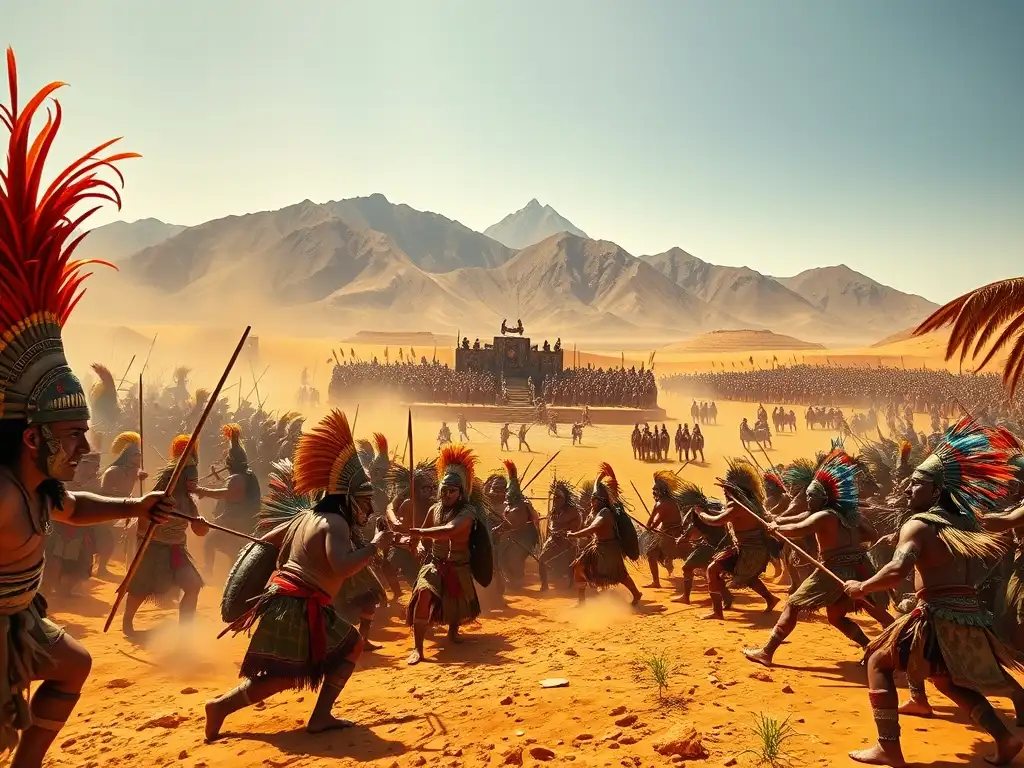
Uncover the mysteries shrouded in the Andes! Journey with us into the heart of ancient Andean civilizations, where vibrant cultures thrived and breathtaking artistry flourished. But what fueled the fierce conflicts of the Moche? Delve into the surprising world of Moche warfare ritual significance, and discover how their battles were far more than mere conquest—they were deeply intertwined with their religious beliefs. Prepare to be amazed by the intricate tapestry of their society, a civilization waiting to reveal its secrets.
The Moche civilization (c. 100 – 800 CE), flourishing along the arid north coast of Peru, left behind a remarkable legacy of art, architecture, and intricate social structures. Beyond their stunning ceramics and sophisticated irrigation systems, the Moche also possessed a complex military organization and engaged in warfare, but not solely for territorial expansion or resource control. This article delves into the fascinating intersection of Moche warfare and ritual combat, exploring the profound religious significance attributed to conflict within their society.
We will examine the evidence suggesting that warfare wasn't simply a matter of conquest, but rather a deeply ingrained ritualistic practice intertwined with their religious beliefs and the maintenance of cosmic order. Understanding this nuanced perspective is crucial to appreciating the full complexity of Moche society and its unique worldview.
The evidence presented here will demonstrate how the Moche incorporated warfare into their religious cosmology, highlighting the powerful symbolism and ritualistic elements embedded within their military practices. This analysis will shed light on how these practices contributed to social cohesion, political power, and the overall functioning of their sophisticated civilization.
Understanding Moche Warfare Practices
Moche warfare wasn't a haphazard affair. Archaeological evidence, primarily from elite tombs and monumental architecture, reveals a highly organized military system. Depictions on Moche pottery vividly illustrate the weaponry and military tactics employed. We see warriors equipped with spears, clubs, slings, and possibly bows and arrows, engaging in both individual combat and coordinated group warfare.
The Moche seem to have employed a combination of strategies, ranging from ambushes and raids to larger-scale battles. The scale of some of the depicted battles suggests the involvement of significant numbers of warriors, indicating a substantial military capability. Furthermore, the presence of fortifications and defensive structures at some Moche sites supports the idea of organized military campaigns and defense against rival groups. However, the nature of these conflicts and their frequency remain areas of ongoing research.
Analysis of skeletal remains could provide additional insights into the causes and consequences of Moche warfare, including the prevalence of injuries and mortality associated with combat. [Specific data on skeletal analysis pending]. Careful study of settlement patterns and the distribution of defensive structures may also reveal more about the strategic context of Moche warfare, identifying potential areas of conflict and territorial disputes.
The Role of Ritual in Moche Warfare
While the Moche certainly engaged in warfare with practical goals, the available evidence strongly suggests that ritual and religious beliefs played a pivotal role. Moche iconography frequently portrays scenes of warfare intertwined with religious symbolism. For example, many ceramic vessels depict warriors alongside deities or supernatural beings, suggesting a connection between military prowess and religious power. The warriors themselves often appear adorned with elaborate headdresses and costumes, which likely had symbolic significance related to their religious roles.
Moreover, the careful arrangement of grave goods in elite Moche tombs, including weapons and ceremonial objects, reinforces the idea that warfare was not simply a secular activity but was deeply embedded within their religious practices. The ritualistic treatment of captured enemies, possibly involving sacrifice or ritualistic combat, is also indicated in some artistic representations. [Further investigation into specific rituals is needed]. The symbolic use of trophies and captured weapons in religious ceremonies further suggests that warfare served a ritualistic purpose, enhancing the social standing and power of the elite.
The capture of enemies may have been seen as a validation of their religious beliefs and a demonstration of divine favor. The Moche's sophisticated understanding of cosmology and their belief in a complex pantheon of deities strongly suggests that warfare was not viewed as a mere exercise of power, but as a ritualistic means of maintaining cosmic balance and affirming their relationship with the supernatural world. The very act of combat, therefore, was infused with religious significance, contributing to the broader framework of Moche religious practices.
Moche Combat as a Sacred Act
The Moche people, inhabiting the northern coast of Peru from approximately 100 CE to 800 CE, did not view warfare solely as a means of territorial expansion or resource acquisition. Instead, their conflicts held profound religious significance, woven into the fabric of their societal and spiritual beliefs. Moche warfare was a sacred act, a ritualized performance intended to appease deities, maintain cosmic balance, and ensure the prosperity of their communities.
The battles weren't simply chaotic clashes; they were meticulously choreographed events, often involving specific rituals and symbolic gestures performed before, during, and after the fighting. These rituals, likely overseen by priests and shamans, aimed to imbue the conflict with spiritual power, transforming it from a mere physical struggle into a sacred interaction with the supernatural realm. The outcome of these battles, therefore, held implications beyond the purely material, affecting the overall well-being and spiritual standing of the Moche society.
The warriors themselves were not simply soldiers; they were active participants in a complex religious drama, their actions imbued with sacred meaning. The precise nature of these rituals remains a subject of ongoing research, but available evidence strongly suggests a deep integration of warfare and religious practice in Moche culture.
Evidence of Moche Ritual Combat in Art
The Moche's sophisticated artistic tradition provides compelling evidence of the ritualistic nature of their warfare. Their art, primarily manifested in intricate pottery and murals, vividly depicts scenes of combat, offering invaluable insights into their beliefs and practices. These depictions are not mere representations of violence; they are carefully constructed narratives that reveal a complex interplay of religious symbolism and martial prowess.
Through detailed analysis of these artistic expressions, we can begin to understand the symbolic meaning embedded within Moche warfare. The recurring motifs, the specific poses and gestures of the warriors, and the overall composition of the scenes all contribute to a deeper understanding of the ritual aspects of Moche conflict. The artistic evidence, combined with archaeological findings, allows researchers to reconstruct a more complete picture of the religious significance of Moche warfare, moving beyond simplistic interpretations of conflict.
Depictions of Moche Warfare in Pottery
Moche pottery is renowned for its exquisite detail and realistic portrayals of daily life and religious ceremonies. Many vessels depict scenes of intense combat, often featuring warriors adorned in elaborate headdresses and armor engaging in hand-to-hand fighting. These scenes aren't simply chaotic battles; they are meticulously composed, with individual warriors exhibiting distinct poses and gestures, suggesting a structured and ritualistic nature.
The warriors often display symbolic markings or attire, further reinforcing the religious context of their actions. For example, specific weapons, such as clubs or spears, might symbolize particular deities or sacred powers. The careful arrangement of bodies and the inclusion of other symbolic elements within the scenes all point toward a deliberate attempt to communicate religious narratives.
The style and execution of these depictions are consistently high, suggesting the importance placed upon representing these events accurately and with reverence. The prevalence of warfare scenes on Moche pottery emphasizes the central role of combat within their religious worldview.
Moche Iconography and Ritual Battles
Moche iconography, the system of visual symbols used in their art, provides further evidence of the ritualistic nature of their warfare. Certain recurring motifs, such as specific types of weaponry, attire, or body paint, appear repeatedly in depictions of combat, suggesting symbolic meanings connected to religious beliefs. For example, certain headdresses might represent specific deities or shamanistic powers, while particular weapons could symbolize sacred forces or the power of nature.
Analyzing the iconography across various artistic media—pottery, murals, and metalwork—reveals a consistent system of visual language that conveys the religious significance of Moche warfare. This iconographic analysis allows researchers to interpret the meaning behind different combat scenes, revealing the specific deities or spiritual forces invoked during battle. The consistent use of these symbols reinforces the idea that Moche warfare was not simply a physical act, but a religiously charged performance.
Analyzing Moche Murals for Combat Representations
Moche murals, though less numerous than their pottery, provide large-scale depictions of warfare and religious ceremonies, offering a different perspective on the ritualistic aspects of combat. These murals, often found within elite tombs or ceremonial structures, frequently depict elaborate scenes of battle, featuring a greater number of participants than those shown on pottery. The scale of these murals allows for a more detailed representation of the setting and the overall context of the battle, revealing potential ritual elements that might be less evident in smaller-scale artwork.
The use of color and composition in these murals further enhances their narrative power, conveying the religious significance of the events. Unfortunately, many Moche murals are poorly preserved or have been damaged over time, limiting the scope of analysis.
However, those that remain provide valuable insights into the grandeur and ritualistic complexity of Moche warfare, highlighting the importance of organized combat within their religious practices. Further research and preservation efforts are crucial for fully understanding the religious narratives depicted in these monumental artworks.
Moche Warfare and Sacrifice Rituals
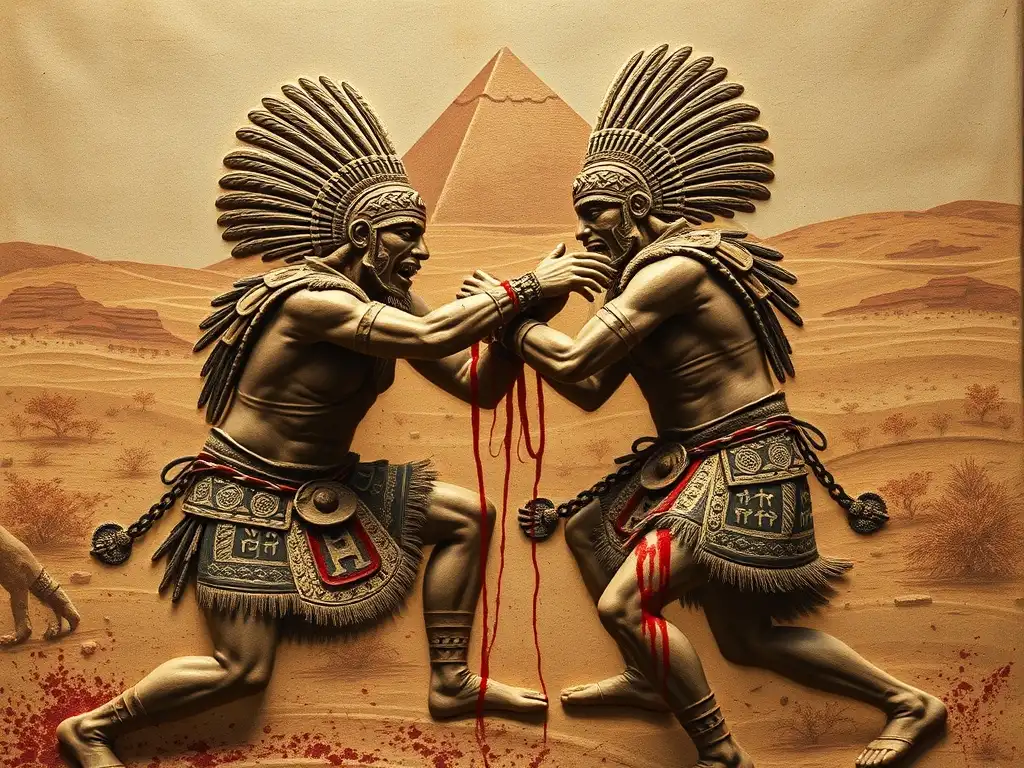
The Moche people, renowned for their sophisticated artistry and complex social structures, integrated warfare and sacrifice deeply into their religious practices. These weren't simply brutal acts of violence but rather ritualistic events imbued with profound spiritual meaning, reflecting their worldview and cosmology. Evidence from their elaborate tombs and stunning ceramics reveals a nuanced understanding of the relationship between warfare, sacrifice, and the maintenance of cosmic order.
The Moche believed that these actions were essential to ensuring the fertility of the land, the success of their harvests, and the continued prosperity of their society. The scale and complexity of these rituals underscore their central role in Moche religious life. Detailed depictions on pottery show elaborate ceremonies, often involving the sacrifice of prisoners of war, highlighting the ritualistic nature of conflict and its connection to their religious beliefs.
The Significance of Prisoner Sacrifice in Moche Culture
Prisoner sacrifice was a prominent feature of Moche warfare and ritual. Captured enemies weren't simply eliminated; they served as crucial components in elaborate ceremonies designed to appease deities, ensure agricultural bounty, and maintain the balance of the cosmos. These sacrifices were likely performed by specialized priests or individuals holding high social standing, further emphasizing their religious importance.
The victims, often adorned in elaborate regalia, were depicted in a manner suggesting a degree of acceptance or even willing participation, possibly reflecting a belief in the sacred nature of their sacrifice. Archaeological findings, such as the well-preserved remains found in certain Moche tombs, provide invaluable insights into these practices and the beliefs they reflect. The careful placement of the bodies and associated artifacts suggests a deliberate and ritualistic process, far removed from simple acts of violence.
Moche Religious Beliefs and Human Sacrifice
The Moche religion was deeply intertwined with the natural world, particularly agriculture and the cycles of life and death. Human sacrifice, within this context, was not merely a violent act but a necessary offering to maintain cosmic equilibrium and ensure the continuity of life-giving forces. The Moche pantheon included a diverse range of deities, each associated with specific aspects of nature and human life.
Some scholars suggest that human sacrifice was intended to strengthen the power of these deities, ensuring abundant harvests and protection from natural disasters. The choice of victims, their treatment before sacrifice, and the specific rituals performed all held symbolic meanings reflecting the Moche understanding of their relationship with the supernatural world. Further research is needed to fully understand the nuanced details of their beliefs and the intricate connections between their rituals and their cosmology.
Connecting Moche Warfare to Fertility and Renewal
The Moche viewed warfare and sacrifice as integral parts of a larger cycle of renewal and regeneration. The shedding of blood, whether human or animal, was believed to revitalize the land and ensure bountiful harvests. This connection between warfare, sacrifice, and agricultural fertility is clearly illustrated in numerous Moche artifacts, depicting scenes of battle alongside images of agricultural abundance.
This cyclical worldview emphasizes the interconnectedness of life and death, violence and renewal, and highlights the Moche's pragmatic and deeply spiritual approach to their environment. The rituals were not simply acts of violence but essential steps in maintaining the balance of nature and ensuring the continued prosperity of their society. Understanding this connection is key to understanding the Moche worldview and their complex religious practices.
Moche Weaponry and its Symbolic Significance
Moche weaponry wasn't merely functional; it also served as a powerful medium for expressing social status, religious beliefs, and political power. The meticulous craftsmanship evident in many surviving artifacts suggests that weapons held significant symbolic value beyond their practical use in warfare. The materials used, the decorative elements incorporated, and even the specific types of weapons employed all conveyed important messages about the warriors who wielded them and the society they represented. Analysis of these artifacts reveals a fascinating interplay between practical considerations and symbolic representation.
Moche Spears, Clubs, and Shields: Materials and Design
Moche weaponry consisted primarily of spears, clubs, and shields. Spears were crafted from wood, often tipped with obsidian or other sharp materials. Clubs were similarly made from wood, sometimes adorned with intricate carvings or inlaid with precious stones. Shields were often constructed from woven materials, providing protection during combat. The materials used varied depending on availability, reflecting the Moche's adaptation to their environment. The construction techniques employed, however, consistently demonstrated a high level of skill and craftsmanship. The design of these weapons, frequently decorated with symbolic motifs, further emphasizes their significance beyond their practical function.
Symbolic Meanings Attributed to Moche Weapons
The symbolic meanings attributed to Moche weapons are complex and varied, often requiring detailed analysis of artistic representations and archaeological context. Certain motifs, such as stylized animal figures or geometric patterns, likely represented specific deities or held cosmological significance. The materials used also carried symbolic weight, with certain stones or metals potentially representing specific powers or attributes.
For instance, the use of obsidian, a volcanic glass, might have held special significance due to its association with fire and volcanic activity. The decoration of weapons with such motifs and materials elevated them beyond mere instruments of war, imbuing them with religious and social power.
The Role of Moche Warriors and Elite Combatants
Moche warriors held a prominent position within their society, reflecting the importance of warfare in their culture and religious practices. Elite combatants, often depicted in elaborate attire and wielding finely crafted weapons, likely held high social standing and played a significant role in religious ceremonies. Their role extended beyond simply fighting battles; they also participated in ritual combat and sacrifices, reinforcing the deep connection between warfare and religious practice.
The portrayal of these elite warriors in Moche art emphasizes their status and the significant role they played in maintaining social order and religious harmony. Further research into burial sites and iconography is needed to fully understand the complexities of their social hierarchy and their roles within Moche society.
The Religious Context of Moche Warfare
The Moche civilization, flourishing along the northern coast of Peru from approximately 100 to 800 CE, wasn't simply a society engaged in warfare for territorial expansion or resource control. Their conflicts were deeply intertwined with their complex religious beliefs and practices. Evidence suggests that battles, even seemingly brutal ones, were not solely about conquest but served as crucial rituals reinforcing their cosmological worldview and societal structure.
The Moche elite, often depicted in elaborate funerary contexts armed and adorned with weaponry, were not just warriors; they were religious figures, mediating between the human and supernatural realms through acts of violence and sacrifice. The very act of warfare itself was imbued with religious significance, a performance enacted to appease deities, maintain cosmic balance, and solidify political power.
This intricate connection between religious beliefs and warfare is evident in their iconography, architecture, and the archaeological record itself. The careful staging of battles, the use of specific weapons, and the treatment of captives all point to a ritualized system of conflict far removed from simple territorial disputes.
Moche Gods and Their Association with Conflict
Several Moche deities are directly associated with warfare and conflict. For example, the Ai Apaec, a fearsome deity often depicted with fanged mouth and clawed hands, is frequently portrayed in scenes of battle and sacrifice. His terrifying visage underscores the power and violence inherent in the Moche worldview and the importance of appeasing this powerful god through ritual combat.
Other deities, while not explicitly war gods, were nonetheless associated with aspects of conflict. The Moche pantheon encompassed a range of supernatural beings, each with their own specific roles and powers; some might have been invoked for protection during battle, others for ensuring victory, and still others for managing the consequences of war.
The intricate iconography found on Moche ceramics and textiles often depicts these deities within the context of conflict, illuminating the religious beliefs surrounding warfare and highlighting the close relationship between the earthly and supernatural realms. Further research into the iconography and the context of discovery of these artifacts could reveal even more nuanced associations.
Moche Shamanistic Practices and Warfare
Moche shamans played a crucial role in mediating the relationship between the human and supernatural worlds, including during warfare. They likely acted as intermediaries between the warriors and the gods, performing rituals to ensure victory, protect the soldiers, and interpret omens. Their involvement in warfare suggests a strong connection between spiritual practices and military campaigns.
Shamans might have used hallucinogenic substances, such as San Pedro cactus, to induce altered states of consciousness, enabling them to communicate with the supernatural and to guide the warriors. The use of such substances could have enhanced the ritualistic aspects of warfare, transforming the battles into sacred events.
The intricate details of these shamanistic practices remain partially obscured, but ongoing research continues to shed light on their essential role in the Moche worldview and their influence on their military actions. Further analysis of archaeological findings, particularly those relating to ritual paraphernalia and burial contexts, is needed to fully understand the extent of the shamans' involvement.
Moche Cosmovision and the Cycle of Conflict
The Moche cosmology likely viewed conflict as an integral part of a larger cosmic cycle. Their worldview, deeply intertwined with nature and its cyclical processes, likely incorporated warfare as a necessary element in maintaining balance within the cosmos. Victory in battle may have been seen as a restoration of cosmic order, while defeat could have been interpreted as a temporary disruption that would eventually be rectified. This perspective casts warfare not as an aberration but as a recurring phenomenon intrinsic to the natural order.
The imagery found on Moche artifacts often reflects a preoccupation with cycles of life, death, and regeneration. This perspective could explain why Moche warfare, though violent, wasn't necessarily viewed as purely destructive, but rather as part of a larger, ongoing process of renewal and restoration. Further research into Moche mythology and cosmology could provide a more comprehensive understanding of this cyclical view of conflict.
Moche Warfare Rituals: Beyond Physical Combat
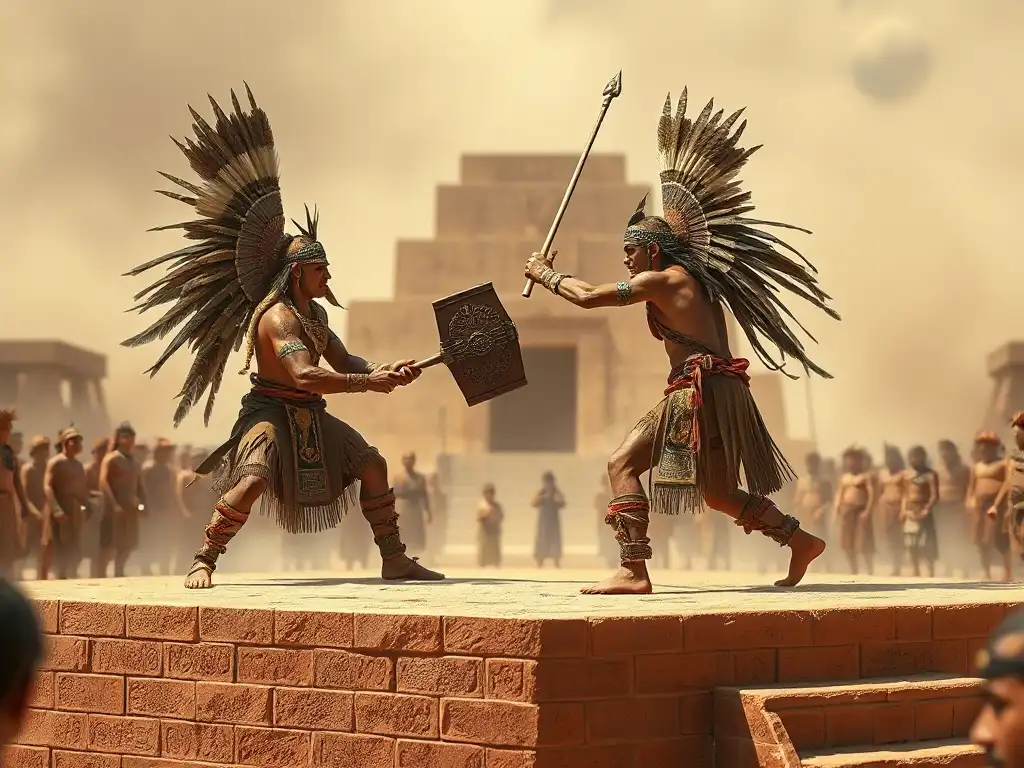
Beyond the actual physical battles, the Moche engaged in a range of rituals surrounding warfare that further highlight the religious significance of conflict. These rituals weren't merely supplementary to combat but constituted an integral part of the Moche's martial practices, showcasing a complex system of beliefs and symbolic actions. The rituals encompassed preparation for battle, actions during conflict, and post-battle ceremonies, all designed to ensure success, appease deities, and maintain societal order.
Moche Ceremonial Battles and Their Purpose
The Moche likely staged ceremonial battles, mock fights, or ritual combats that served a symbolic purpose rather than a purely destructive one. These events may have been used to train warriors, reinforce social hierarchies, or enact mythological narratives. The scale and frequency of these ceremonial battles remain unclear, but their existence is suggested by the iconographic evidence depicting stylized combat scenes on pottery and metalwork.
These scenes frequently depict warriors engaging in ritualized combat, often with exaggerated movements and stylized weaponry. The purpose of these ceremonial battles likely extended beyond mere training; they may have served as public displays of power, reinforcing the authority of the ruling elite and strengthening social cohesion. Further research is needed to ascertain the precise nature and frequency of these events.
Moche Ritual Displays of Power and Dominance
Ritual displays of power and dominance were likely a crucial component of Moche warfare and its religious significance. Captive-taking, human sacrifice, and the display of trophies—like severed heads or body parts—were probably integral parts of these displays, designed to assert dominance over conquered groups and to reinforce the power of the Moche elite.
The elaborate burial practices of Moche rulers, often including weaponry and symbolic artifacts, further underscore this emphasis on power and dominance. The iconography of Moche artifacts vividly depicts scenes of human sacrifice and the display of trophies, suggesting that these acts were not merely acts of brutality but were imbued with religious meaning, serving to strengthen the ruler's authority and reinforce the social order.
Moche Practices and the Aftermath of War
Following a battle, the Moche likely engaged in a series of rituals to address the aftermath of conflict. These rituals might have involved offerings to the gods, the veneration of fallen warriors, and the treatment of captives. Evidence of elaborate funerary practices associated with warriors suggests that the dead were not simply buried but honored as heroes or sacrifices, further emphasizing the sacred nature of warfare.
The treatment of captives also likely held religious significance, possibly involving sacrifice or integration into the Moche society. The specific practices involved in the aftermath of war remain partly unknown, but the archaeological record offers clues indicating the importance of these post-battle rituals in maintaining the cosmic balance and consolidating the power of the Moche elite. Further detailed archaeological studies are needed to completely illuminate the intricacies of Moche post-battle rituals.
The Impact of Moche Warfare on Society
The Moche's dedication to warfare significantly shaped their societal structure, economy, and daily life. Military success was paramount, influencing everything from resource allocation to social status. The constant need for preparedness and the potential for conflict permeated Moche society, demanding a significant investment of resources and manpower.
This wasn't simply a matter of soldiers and weapons; the entire societal apparatus, from agriculture to craftsmanship, was geared towards supporting the military enterprise. The construction of impressive irrigation systems, for instance, not only ensured food security but also freed up labor for military activities during times of peace. Furthermore, the production of high-quality ceramics and metalwork, often depicting warfare scenes, suggests a cultural glorification of military prowess and a strong connection between military success and economic prosperity.
The very architecture of Moche cities likely reflected their military priorities, with strategic placement and defensive features indicating a society constantly aware of the threat of conflict. The impact extended beyond the purely material; it shaped social norms, religious practices, and even artistic expression, leaving an indelible mark on Moche civilization.
Moche Social Hierarchy and Warrior Class
Moche society, like many ancient civilizations, was hierarchical. Archaeological evidence points to a stratified society with elites at the top, likely comprising priests and military leaders, controlling the vast majority of resources and wielding considerable power. A distinct warrior class existed, enjoying privileged status and wielding significant influence.
Their high standing is evident in the elaborate burials of warriors, often accompanied by luxurious grave goods such as weaponry, ornaments, and even human sacrifices. These burials highlight the importance of the warrior class within Moche society and suggest a close relationship between military achievement and social mobility.
The depiction of warriors in Moche art, often portrayed as powerful and dominant figures, further reinforces their elevated status. The precise structure of the warrior class and its relationship to other social groups remains a subject of ongoing research, but it is clear that military prowess was a key factor in determining social position within Moche society.
Moche Political Power and Military Strength
Military strength was intrinsically linked to political power within the Moche state. Successful military campaigns expanded Moche territory, increased access to resources, and solidified the rulers' authority. The Moche state's expansion suggests a powerful and well-organized military capable of undertaking large-scale campaigns. Control of vital resources, such as water and fertile land, was undoubtedly a key factor in Moche political power, and the military played a crucial role in securing and maintaining this control. The construction of monumental architecture, such as pyramids and ceremonial centers, likely served not only religious purposes but also as a demonstration of military power and political dominance. The ability to mobilize and equip a large army required considerable administrative and organizational skills, showcasing a complex political system capable of coordinating resources and manpower on a substantial scale. The scale and sophistication of Moche military organization suggest a centralized state with a strong, well-defined political structure.
Moche Warfare and its Influence on Art and Culture
Moche art provides invaluable insight into their warfare practices and their societal attitudes towards conflict. Ceramic vessels, textiles, and metalwork frequently depict scenes of warfare, ritual combat, and military processions. These depictions are not merely decorative; they offer a glimpse into Moche military tactics, weaponry, and the social significance of warfare. The detailed representations of warriors, weapons, and battle scenes suggest a profound cultural obsession with military prowess and a desire to commemorate and celebrate military victories. The artistic style itself often reflects the power and authority associated with warfare, with warriors depicted in dynamic and imposing poses. The prevalence of warfare motifs in Moche art underscores the central role of military conflict in their worldview and demonstrates how deeply integrated warfare was into their cultural fabric. The study of Moche art, therefore, is critical to understanding the complexities of their warfare system and its broader social and religious implications.
The Enduring Legacy of Moche Warfare Ritual Significance
The Moche's sophisticated warfare practices and ritualistic combat left a lasting impact on subsequent Andean cultures. Aspects of their military organization, weaponry, and even religious beliefs regarding warfare appear to have influenced later civilizations, such as the Chimú and the Inca. The Moche's emphasis on ritual combat, in particular, seems to have resonated with later Andean societies, suggesting a continuity in religious beliefs and practices related to conflict.
The study of Moche warfare, therefore, is not only crucial for understanding the Moche themselves but also for illuminating the broader development of Andean warfare traditions and the evolution of their religious and cultural practices. This enduring legacy underscores the significance of studying Moche warfare in the context of a larger Andean history and cultural continuum.
Moche Warfare Practices and their Influence on Later Andean Cultures
Evidence suggests that certain Moche warfare practices, such as the use of specific weapons and military formations, were adopted or adapted by later Andean cultures. The influence of Moche military technology and tactics is a topic that requires further research, but some similarities in weaponry and military organization between the Moche and their successors point to a possible transmission of knowledge and cultural practices.
The continuity of certain ritualistic elements related to warfare also suggests a cultural inheritance, indicating that the Moche's religious beliefs and practices concerning conflict had a lasting impact on later Andean societies. This cultural transmission is a complex process, and the extent of Moche influence on later cultures needs further investigation, but the available evidence suggests a significant legacy.
Moche Ritual Combat: A Window into their Religious Beliefs
Moche ritual combat, as depicted in their art and possibly evidenced in their burials, was not simply a matter of physical conflict; it was deeply intertwined with their religious beliefs. It likely served as a means of communicating with the supernatural, appeasing deities, or even establishing a connection with the ancestors. The ritualistic nature of these combats, as suggested by the artistic representations, suggests a symbolic meaning beyond simple military conflict.
This aspect of Moche warfare highlights the close relationship between the religious and the secular spheres of their lives, and further research into Moche religious practices could shed more light on the exact nature and significance of these ritualistic combats. The symbolic interpretations embedded within these rituals offer a rich understanding of Moche cosmology and their relationship with the divine.
The Importance of Studying Moche Warfare for Understanding Andean Civilizations
The study of Moche warfare is essential for a comprehensive understanding of Andean civilizations. It provides crucial insights into their social structure, political organization, religious beliefs, and artistic expressions. By examining their military practices, we gain a deeper understanding of their worldview and their interaction with the environment and other cultures.
Moche warfare was not merely a practical matter of conquest and defense; it was deeply integrated into their social, political, and religious life. Therefore, a thorough investigation of their warfare system is crucial for a complete and nuanced interpretation of this fascinating and influential Andean civilization. The study of Moche warfare contributes significantly to the broader field of Andean archaeology and allows for a more comprehensive understanding of the region's complex history and cultural development.
- Understanding Moche Warfare Practices
- The Role of Ritual in Moche Warfare
- Moche Combat as a Sacred Act
- Evidence of Moche Ritual Combat in Art
- Moche Warfare and Sacrifice Rituals
- Moche Weaponry and its Symbolic Significance
- The Religious Context of Moche Warfare
- Moche Warfare Rituals: Beyond Physical Combat
- The Impact of Moche Warfare on Society
- The Enduring Legacy of Moche Warfare Ritual Significance
Frequently Asked Questions
What was the significance of warfare in Moche society?
The Moche viewed warfare not simply as conquest, but as a sacred ritual deeply intertwined with their religious beliefs. Military success was seen as a demonstration of divine favor and power.
How did Moche warfare relate to their religious practices?
Moche warfare was inextricably linked to their religion. Ritual combat, depicted in their art, likely played a crucial role in honoring their gods and ensuring the prosperity of their society.
What evidence supports the religious significance of Moche warfare?
Ceramics, textiles, and metalwork depicting battles and ritual sacrifices provide strong evidence. These artifacts suggest the deeply spiritual nature of their conflicts.
What role did sacrifice play in Moche warfare rituals?
Human sacrifice, as depicted in Moche iconography, was likely a significant element of their warfare rituals. It was believed to appease the gods and guarantee success in battle.
How did Moche warfare impact their societal structure?
Moche warfare helped shape their social hierarchy, with successful warriors achieving high status. It also contributed to their expansion and control over resources and territories.
Final Reflection: Echoes of Sacrifice: The Enduring Legacy of Moche Warfare
The brutal realities of Moche warfare, far from being a relic of a distant past, resonate powerfully with contemporary discussions of violence, ritual, and the complex relationship between power and belief. The Moche's elaborate rituals surrounding combat, their intricate depictions of sacrifice and conquest, offer a chilling yet compelling window into the human capacity for both brutality and profound spiritual expression. Understanding their motivations allows us to better comprehend the enduring human need to grapple with questions of mortality, power, and the divine.
The Moche's legacy extends far beyond their impressive artistry and sophisticated societal structures; their preoccupation with warfare and ritual combat continues to shape our understanding of ancient Andean civilizations and the very nature of religious belief. Their actions, though alien to our modern sensibilities, force us to confront the uncomfortable truth that violence has often been inextricably linked to spiritual practice throughout history. The gods demand sacrifice,
a phrase echoing across millennia, highlights the enduring power of this belief system, even if the specific rituals and deities have changed. This compels us to examine the ways in which our own beliefs and actions, even those seemingly unrelated to violence, might be rooted in similar, albeit often less overtly expressed, power dynamics.
Consider the implications of the Moche's actions. How do their beliefs challenge our own assumptions about the relationship between religion and violence? What can we learn from their intricate rituals, even those that seem barbaric to us?
You, the reader, are now invited to reflect on these questions, to engage with the unsettling beauty of the Moche legacy, and to consider the enduring power of ritual in shaping human societies, both past and present. Let the echoes of sacrifice inspire a deeper understanding of the complexities of human experience and the enduring search for meaning in a world often marked by conflict.
Unveiling the Power of Moche Warfare and its Religious Significance
Thank you for exploring the fascinating world of Moche warfare and its profound religious implications! You've discovered the remarkable ways conflict shaped not only the Moche civilization but also their spiritual beliefs. Let's delve deeper into this rich tapestry of Andean history.
Here's how you can further your understanding:
- Explore our website's extensive resources on Moche culture to learn more about their rituals, daily life, and societal structures.
- Share this article with friends or fellow history enthusiasts to spark discussions about the complex interplay between warfare and religion in ancient societies.
- Attend local workshops or lectures on ancient civilizations to gain a firsthand appreciation for the intricacies of Andean history.
What parallels can you draw between Moche rituals and modern conflicts? Share your insights below!