
The Importance of Andean Biodiversity: A Treasure Trove of Genetic Resources

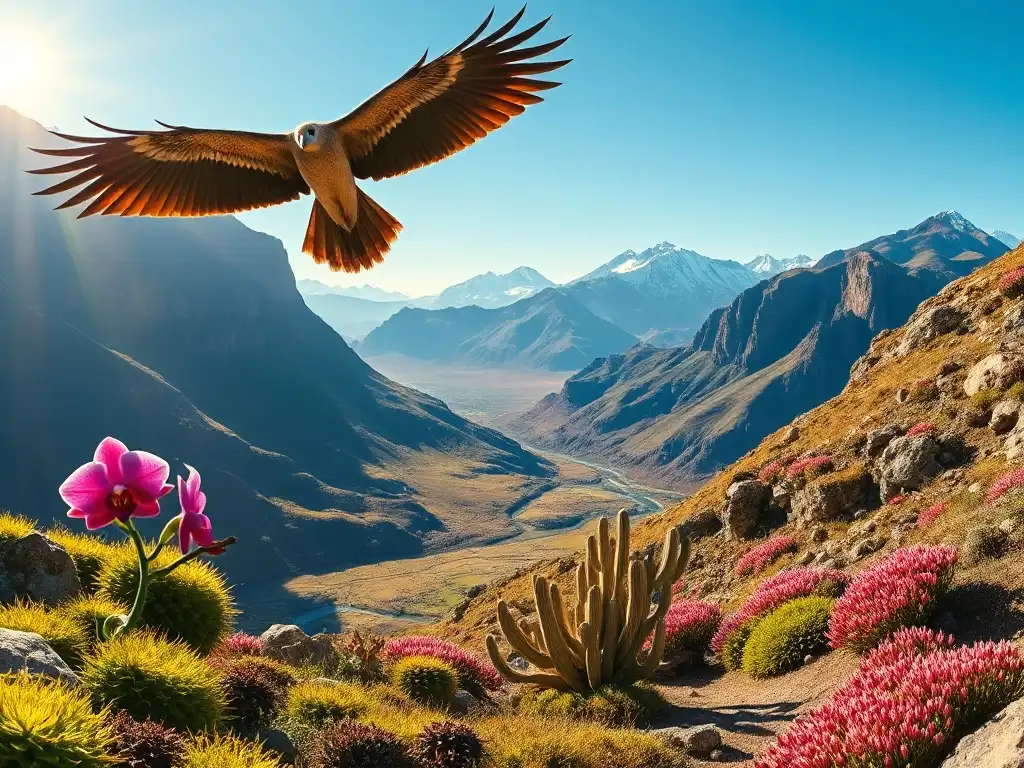
Welcome, explorer! Prepare to journey into the heart of the Andes, a land brimming with mysteries and marvels. For centuries, these towering peaks have witnessed the rise and fall of incredible civilizations, leaving behind a legacy richer than gold. But what secrets lie hidden within the very fabric of this landscape? Discover the astonishing story of Andean biodiversity genetic resources and unlock the ancient ingenuity that shaped a world unlike any other. Explore the breathtaking tapestry of Andean Agriculture and Food, and prepare to be amazed.
The Andes Mountains, a colossal spine running down the western edge of South America, are not just a breathtaking spectacle of towering peaks and plunging valleys; they are also a globally significant center of biodiversity. This incredible variety of life, honed over millennia by unique climatic conditions and diverse ecosystems, has provided the foundation for the development of remarkable Andean civilizations and continues to hold immense potential for the future.
This article explores the crucial role of Andean biodiversity as a treasure trove of genetic resources, highlighting its importance for food security, medicine, and overall human well-being, focusing specifically on its impact on the agricultural practices and crop diversity of the region. Understanding and preserving this rich heritage is paramount not only for celebrating the legacy of Andean cultures but also for securing a sustainable future for the planet.
We will delve into specific examples of Andean crops and their genetic diversity, examining the cultivation techniques employed and the ongoing efforts to conserve these invaluable resources for generations to come. The importance of Andean biodiversity in relation to genetic resources is multifaceted and deeply intertwined with the history and future of the region.
Andean Crops: A Legacy of Domestication and Adaptation
The Andes boast an astonishing array of domesticated crops, many of which are uniquely adapted to the challenging high-altitude environments. Potatoes, for example, exhibit an incredible range of genetic diversity, with thousands of varieties displaying variations in size, color, taste, and nutritional content. This diversity is a direct result of centuries of selective breeding by Andean farmers, who meticulously adapted crops to specific microclimates and soil conditions.
Similarly, quinoa, a highly nutritious grain, thrives in harsh, arid conditions thanks to its remarkable tolerance to drought and salinity. Other significant crops include maize (corn), beans, tomatoes, and various tubers, each showcasing a wealth of genetic variations that have sustained Andean communities for centuries.
The genetic diversity within these crops represents a vast library of potential solutions to future challenges in agriculture, including climate change and the need for more resilient and nutritious food sources. Understanding the genetic makeup of these crops is crucial for developing improved varieties that can withstand environmental stress and provide greater yields.
Traditional Andean Farming Practices: A Symphony of Biodiversity
Andean farmers have developed sophisticated agricultural techniques over generations, intimately linked to the region's unique biodiversity. These practices, often passed down orally through generations, include terracing, irrigation systems, and crop rotation, all of which contribute to maintaining soil fertility and promoting biodiversity. Terracing, for instance, transforms steep slopes into cultivatable land, reducing erosion and optimizing water usage. Ingenious irrigation systems, often utilizing gravity-fed channels and reservoirs, provide a reliable water supply even in arid regions.
Crop rotation, the strategic planting of different crops in succession, helps to maintain soil health and prevent pest infestations. These sustainable practices, deeply rooted in the knowledge and traditions of Andean communities, provide valuable insights into effective and environmentally friendly agricultural methods that can inspire modern agricultural practices. The preservation of this traditional knowledge is crucial for ensuring the long-term sustainability of Andean agriculture and the conservation of its genetic resources.
Conservation Efforts and the Future of Andean Biodiversity
The preservation of Andean biodiversity and its genetic resources is a pressing global concern. Climate change, habitat loss, and the encroachment of modern agricultural practices pose significant threats to the unique ecosystems and crop diversity of the region. However, various organizations and communities are working tirelessly to conserve this invaluable heritage.
These efforts include the establishment of seed banks, the promotion of traditional farming practices, and the development of sustainable agricultural strategies. Research into the genetic diversity of Andean crops is also crucial for identifying genes that confer resistance to diseases, pests, and environmental stresses. This research can be instrumental in developing improved crop varieties that are better adapted to the challenges of a changing climate.
The future of Andean biodiversity depends on a collaborative effort between scientists, policymakers, and Andean communities to ensure the sustainable use and protection of these vital genetic resources. The continued study and preservation of this genetic wealth are essential for global food security and the well-being of future generations.
- Andean Crops: A Legacy of Domestication and Adaptation
- Traditional Andean Farming Practices: A Symphony of Biodiversity
- Conservation Efforts and the Future of Andean Biodiversity
Understanding Andean Biodiversity and its Significance
The Andes Mountains, stretching over 7,000 kilometers along the western edge of South America, harbor an astonishing level of biodiversity. This "Andean biodiversity," a treasure trove of genetic resources, is crucial not only for the region's cultural heritage but also for global food security and ecological resilience. The unique environmental conditions—ranging from arid deserts to lush cloud forests—have driven the evolution of a remarkable array of plant and animal species, many found nowhere else on Earth.
This extraordinary diversity represents a vast, largely untapped potential for advancements in agriculture, medicine, and other fields. Understanding and protecting this biodiversity is paramount for ensuring the sustainable development of the Andean region and the well-being of its inhabitants, and for contributing to global solutions for challenges such as food security and climate change resilience. The genetic resources within this biodiversity represent a potential solution for future challenges in agriculture and beyond.
Unique Adaptations of Andean Species
Andean species have evolved remarkable adaptations to survive in the challenging high-altitude environments. For instance, many plants exhibit cold tolerance, enabling them to withstand freezing temperatures and short growing seasons. This is particularly evident in potato ( Solanum tuberosum) varieties, which boast an incredible range of genetic diversity, reflecting their adaptation to diverse Andean ecosystems.
Some potatoes can grow at altitudes exceeding 4,000 meters above sea level! Similarly, Andean grains like quinoa ( Chenopodium quinoa) and amaranth ( Amaranthus) possess exceptional resilience to drought and nutrient-poor soils. Their genetic makeup holds valuable information for developing more climate-resilient crops for global agriculture.
Furthermore, many Andean animal species exhibit high-altitude adaptations, including increased lung capacity and specialized circulatory systems to cope with low oxygen levels. These remarkable adaptations provide valuable insights into evolutionary biology and potential applications in various fields, including biomedicine. The study of these unique adaptations is crucial for unlocking the potential of Andean biodiversity genetic resources.
The Diversity of Andean Ecosystems: From Glaciers to Rainforests
The Andes' diverse ecosystems are fundamental to its incredible biodiversity. The altitudinal gradient creates a mosaic of habitats, ranging from glaciers and high-altitude grasslands (páramos) to cloud forests, dry forests, and even coastal deserts. Each ecosystem supports a unique array of species, contributing to the overall richness of Andean biodiversity.
| Ecosystem | Characteristics | Key Species Examples |
|---|---|---|
| Glaciers | Permanent ice and snow | Few specialized organisms, primarily microorganisms |
| Páramo | High-altitude grasslands, often fog-shrouded | Frailejones (Espeletia spp. ), various grasses |
| Cloud Forest | Moist forests shrouded in clouds | Orchids, bromeliads, amphibians, birds |
| Dry Forest | Lower-altitude forests with dry seasons | Cacti, succulents, various reptiles and mammals |
| Coastal Desert | Arid coastal plains | Cacti, drought-resistant shrubs, marine organisms |
The complex interplay between these ecosystems is vital for maintaining the overall health and resilience of the Andean biodiversity and its genetic resources. The loss of even one ecosystem can have cascading effects throughout the entire region. Understanding these interactions is essential for effective conservation strategies.
Andean Biodiversity: Crucial for Local and Global Food Systems
Andean biodiversity is the foundation of the region's agricultural systems and plays a significant role in global food security. For centuries, Andean communities have cultivated a wide array of crops, many of which are uniquely adapted to the high-altitude conditions. These crops, including potatoes, quinoa, maize, and various beans, provide essential nutrients and livelihoods for millions of people.
The genetic diversity within these crops is crucial for developing varieties resistant to pests, diseases, and climate change. The genetic resources from these crops have the potential to improve agricultural productivity and enhance food security worldwide. Furthermore, Andean biodiversity offers a rich source of medicinal plants and other natural products with potential applications in pharmaceuticals and other industries.
The continued study and conservation of Andean biodiversity are not only crucial for preserving the region's cultural heritage but also for ensuring a sustainable future for the planet. The potential benefits of Andean biodiversity genetic resources are vast and far-reaching.
Genetic Resources in the Andean Region: A Natural Heritage
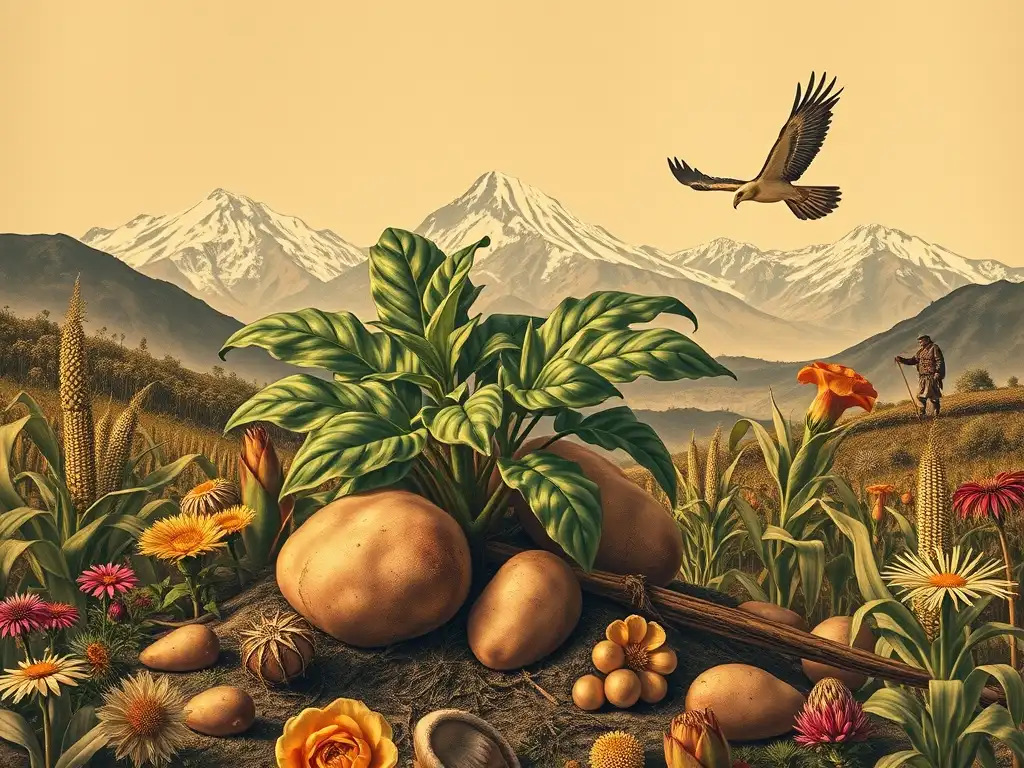
The Andean region, a geographically diverse area encompassing the Andes Mountains and adjacent coastal regions, boasts an unparalleled concentration of genetic resources. This incredible biodiversity, honed over millennia of adaptation to extreme altitudes, variable climates, and diverse ecosystems, represents a treasure trove of potential benefits for humanity. Understanding and preserving this Andean biodiversity, specifically its genetic resources, is crucial not only for the region's continued prosperity but also for global food security and the development of new medicines and technologies.
The unique genetic makeup of Andean plants and animals provides a vast library of traits that can be harnessed for improving existing crops and livestock, developing climate-resilient varieties, and discovering novel bioactive compounds. The term "Andean biodiversity genetic resources" encapsulates this vast potential, highlighting the significance of this unique natural heritage.
The Genetic Wealth of Andean Plants: From Wild Relatives to Cultivars
Andean agriculture is renowned for its remarkable diversity of crops, many of which are uniquely adapted to the challenging Andean environment. The genetic diversity within these crops, and their wild relatives, is exceptionally high. For example, potatoes ( Solanum tuberosum), a staple crop of the Andes, exhibits an astonishing array of genetic variations, resulting in thousands of different cultivars, each with unique characteristics in terms of size, shape, color, taste, and disease resistance.
These variations are not merely aesthetic; they represent a critical resource for breeding programs aimed at developing new potato varieties that are resistant to pests, diseases, and climate change. Similarly, quinoa ( Chenopodium quinoa), another Andean staple known for its nutritional value and resilience, possesses a wide range of genetic diversity, offering opportunities for improving yield, nutritional content, and adaptability to various growing conditions. The wild relatives of these crops, often found in remote and high-altitude ecosystems, hold even more untapped genetic potential, potentially harboring genes for traits that are currently lacking in cultivated varieties.
Understanding and cataloging this genetic wealth is crucial for ensuring the long-term sustainability of Andean agriculture and global food security. The preservation of these Andean biodiversity genetic resources is paramount for future food production.
Andean Animals: Diversity in Form and Function
Andean biodiversity extends beyond plants to encompass a remarkable array of animal species, many of which possess unique genetic adaptations. From the high-altitude vicuña ( Vicugna vicugna) with its exceptional fleece to the diverse array of camelids (llamas, alpacas, guanacos) adapted to harsh environments, the region’s fauna represents a significant reservoir of genetic resources. These animals have played, and continue to play, crucial roles in Andean economies and cultures.
Their genetic diversity offers valuable insights into adaptation to extreme conditions and provides opportunities for improving livestock breeds. For example, research into the genetic basis of the vicuña’s fleece could lead to the development of new, more sustainable textiles. Furthermore, the study of Andean animal genetic resources can contribute to our understanding of evolutionary processes and the development of disease-resistant livestock.
The Andean biodiversity genetic resources within its animal kingdom are equally important as those of its plant life. Further research is needed to fully understand and exploit this potential.
Conserving Andean Genetic Resources: Challenges and Opportunities
Conserving the rich Andean biodiversity genetic resources faces significant challenges. Habitat loss due to deforestation, urbanization, and agricultural expansion poses a major threat. Climate change, with its unpredictable weather patterns and increased frequency of extreme events, further exacerbates the risks. Furthermore, the lack of adequate funding and infrastructure for research and conservation efforts hinders progress.
However, there are also significant opportunities. The growing recognition of the importance of Andean biodiversity genetic resources is leading to increased investment in research and conservation programs. The development of community-based conservation initiatives, empowering local communities to actively participate in the protection of their natural heritage, is proving effective.
Moreover, advances in biotechnology and genomics offer powerful tools for characterizing, preserving, and utilizing Andean genetic resources. By integrating traditional ecological knowledge with modern scientific techniques, we can develop effective strategies for the long-term conservation and sustainable use of this invaluable natural heritage. The future of Andean biodiversity and its genetic resources depends on collaborative efforts between scientists, policymakers, and local communities.
Andean Crops: A Legacy of Genetic Wealth
Andean biodiversity represents a vast, largely untapped reservoir of genetic resources crucial for global food security and agricultural resilience. For millennia, Andean civilizations meticulously cultivated a remarkable array of crops, adapting them to diverse and challenging environments. This careful selection and cultivation resulted in an unparalleled level of genetic diversity, offering a wealth of potential benefits for modern agriculture.
The genetic makeup of these ancient crops holds the key to developing more resilient, nutritious, and productive varieties capable of withstanding the pressures of climate change and increasing global food demands. Understanding and preserving this genetic legacy is paramount for ensuring future food security, not just in the Andes, but worldwide. The importance of Andean biodiversity, specifically its genetic resources, cannot be overstated.
The Genetic Diversity of Ancient Andean Crops
The genetic diversity within Andean crops is astonishing. Consider the potato ( Solanum tuberosum): thousands of varieties exist, each uniquely adapted to specific altitudes, climates, and soil conditions. These varieties differ not only in their appearance – from the small, intensely flavored papa negra to the large, creamy papa blanca – but also in their nutritional content, disease resistance, and cooking properties.
Similarly, quinoa ( Chenopodium quinoa), a staple crop of the Andes, boasts a wide array of genetic variations, impacting factors like yield, nutritional profile (protein content, amino acid composition), and tolerance to drought and salinity. This inherent diversity within each species is a crucial buffer against environmental stresses and disease outbreaks. The loss of this diversity represents a significant threat to global food security, as it limits our capacity to adapt to future challenges.
Preserving this genetic heritage is not simply a matter of historical preservation; it's a vital investment in our future. Careful study and cataloging of these genetic resources are crucial for effective conservation and responsible utilization. The sheer number of landraces (locally adapted varieties) for crops like amaranth and various beans further underscores the remarkable genetic richness of the Andean region.
Potato Diversity: A Cornerstone of Andean Agriculture
The potato's importance to Andean agriculture and culture cannot be overstated. Its genetic diversity is a cornerstone of food security in the region. Studies have revealed thousands of potato varieties, each possessing unique characteristics.
For instance, some varieties thrive at high altitudes, while others are adapted to warmer, lower-lying areas. Some are exceptionally resistant to specific diseases, while others boast high nutritional value, offering a rich source of carbohydrates, vitamins, and minerals. This remarkable diversity allowed Andean communities to cultivate potatoes in a wide range of environments, ensuring a stable food supply even in the face of environmental variability.
The genetic variations within potato varieties also provide opportunities for breeding new, improved cultivars that are more resistant to pests and diseases, more productive, and better adapted to changing climatic conditions. Moreover, the preservation of these traditional potato varieties is vital for maintaining cultural heritage and food sovereignty within Andean communities. The loss of these unique varieties would represent an irreplaceable loss of both genetic and cultural capital.
Quinoa and Amaranth: Adaptable Crops for a Changing World
Quinoa and amaranth, two pseudo-cereals native to the Andes, are gaining global recognition for their nutritional value and adaptability. Quinoa, a complete protein source, is exceptionally resilient to harsh environmental conditions, including drought, salinity, and frost. Its genetic diversity allows for the selection of varieties tailored to specific agro-ecological zones.
Similarly, amaranth, another highly nutritious grain, exhibits remarkable adaptability to diverse climates and soil types. Both quinoa and amaranth are proving to be valuable crops in the face of climate change, offering a sustainable and nutritious food source in regions experiencing increasing environmental stress. The genetic resources within these crops hold immense potential for developing improved varieties with enhanced yield, nutritional content, and stress tolerance.
Research into these genetic resources is vital for unlocking their full potential and contributing to global food security in a changing world. The ongoing study of these plants' genetic diversity allows scientists to identify genes responsible for desirable traits, enabling the development of superior cultivars through breeding programs. This process is crucial for ensuring the long-term sustainability and productivity of these important crops.
Other Key Andean Crops: Yacon, Maca, and Oca
Yacon ( Smallanthus sonchifolius), maca ( Lepidium meyenii), and oca ( Oxalis tuberosa) represent a fascinating trio of Andean crops, each boasting unique nutritional properties and cultural significance, contributing significantly to the region's rich biodiversity and genetic resources. These plants, adapted to the challenging high-altitude environments of the Andes, showcase the ingenuity of Andean agricultural practices and offer valuable insights into sustainable food production. Their cultivation and use highlight the deep connection between Andean communities and their environment, a relationship that has shaped their dietary habits and cultural identities for millennia.
The genetic diversity within these crops, honed over centuries of selective breeding, holds immense potential for future food security and agricultural innovation. Understanding this diversity is crucial for conserving these valuable genetic resources and harnessing their potential for improved crop varieties.
The cultivation of these crops often involves intricate techniques adapted to the specific environmental conditions of different Andean regions. For instance, the precise timing of planting and harvesting, along with water management strategies, varies considerably depending on altitude, rainfall patterns, and soil type. This knowledge, passed down through generations, represents a vital body of traditional ecological knowledge (TEK) that is essential for maintaining the genetic integrity and productivity of these valuable crops. Loss of this TEK poses a significant threat to the long-term sustainability of Andean agriculture, emphasizing the importance of documenting and preserving these traditional practices.
Yacon, for example, is prized for its sweet, low-glycemic index root, making it a suitable alternative sweetener for individuals with diabetes. Maca, on the other hand, is renowned for its purported energizing and aphrodisiac properties, while oca offers a variety of colorful tubers with varying levels of sweetness and acidity.
Each crop presents a diverse array of cultivars, reflecting the adaptive capacity of the plants and the ingenuity of Andean farmers in selecting and preserving desirable traits. This genetic diversity within each species is a treasure trove of potential for future crop improvement programs, allowing breeders to develop improved varieties that are better adapted to climate change, disease resistance, and enhanced nutritional content.
The preservation of this genetic diversity is paramount for ensuring food security and nutritional diversity in the Andes and beyond. Studies on the genetic makeup of these crops are ongoing, revealing the complex interplay of genes that contribute to their unique characteristics and highlighting the potential for utilizing this knowledge in breeding programs.
Furthermore, the sustainable cultivation practices employed in the Andes for these crops offer valuable lessons for modern agriculture. Many Andean farmers utilize traditional techniques such as crop rotation, intercropping, and minimal tillage, which contribute to soil health, biodiversity conservation, and reduced reliance on synthetic inputs. These practices are increasingly recognized as crucial for promoting sustainable and resilient agricultural systems in the face of climate change and other environmental challenges.
The integration of traditional Andean agricultural knowledge with modern scientific techniques holds significant potential for developing more sustainable and productive agricultural systems globally. The genetic resources within these crops, therefore, are not only valuable for food security in the Andes but also hold broader implications for global agriculture and food systems.
Threats to Andean Biodiversity and Genetic Resources
The remarkable Andean biodiversity, a crucial source of genetic resources for agriculture and medicine, faces numerous significant threats. The unique ecosystems of the Andes, shaped by altitude, climate, and geological history, harbor a wealth of plant and animal life found nowhere else on Earth. However, the delicate balance of this biodiversity is increasingly threatened by human activities and environmental changes, jeopardizing the invaluable genetic resources they contain. Understanding these threats is paramount to implementing effective conservation strategies and safeguarding the future of Andean biodiversity and its associated genetic resources.
Deforestation: A Major Threat to Andean Habitats
Deforestation poses a severe and immediate threat to Andean biodiversity. The clearing of forests for agriculture, logging, and urbanization fragments habitats, reducing the range and genetic diversity of countless species. This is particularly damaging in cloud forests, which are biodiversity hotspots and crucial water sources.
For instance, the conversion of cloud forests in the Ecuadorian Andes to pastureland has led to a significant decline in the populations of several endemic bird species and a reduction in the genetic diversity of native plant species. The loss of these forests also contributes to soil erosion and reduces the resilience of the ecosystem to climate change. The consequences extend beyond the loss of individual species; entire ecosystems are at risk, including the genetic resources they contain, such as unique medicinal plants and crop wild relatives with valuable traits.
Accurate data on deforestation rates in specific Andean regions is crucial for targeted conservation efforts. [Specific deforestation data for key Andean regions pending]. Effective strategies must include sustainable forestry practices, reforestation initiatives, and community-based conservation programs that provide alternative livelihoods to local communities.
Climate Change Impacts: Glacial Melt and Shifting Ecosystems
Climate change presents a multifaceted threat to Andean biodiversity and its genetic resources. The most visible impact is the rapid melting of Andean glaciers, which are vital water sources for millions of people and ecosystems downstream. This glacial melt alters water availability, impacting agricultural practices and the distribution of species.
Furthermore, changing temperature and precipitation patterns are shifting the distribution of ecosystems, forcing species to adapt or migrate. Many species, particularly those with limited mobility or specialized habitat requirements, are unable to adapt quickly enough, leading to population declines and even extinction. For example, the range of the spectacled bear, an Andean endemic, is shrinking due to habitat loss and changes in food availability linked to climate change.
The genetic diversity of these species is also affected, as smaller, isolated populations are more vulnerable to genetic bottlenecks and inbreeding depression. Mitigation strategies require a global commitment to reducing greenhouse gas emissions and local adaptation measures, such as developing drought-resistant crop varieties and implementing water conservation techniques. [Data on the impact of glacial melt on specific Andean ecosystems pending].
Unsustainable Resource Use: Mining and Overgrazing
Unsustainable resource extraction, particularly mining and overgrazing, significantly degrades Andean ecosystems and threatens biodiversity. Mining activities often involve deforestation, habitat destruction, and water pollution, negatively impacting the genetic resources associated with these areas. The release of heavy metals and other pollutants into water sources contaminates soil and water, affecting plant and animal life. Overgrazing, especially by livestock introduced by humans, leads to soil erosion, desertification, and the loss of native vegetation, reducing the habitat available for numerous species and diminishing the genetic diversity within plant communities.
For example, overgrazing in the Altiplano region has led to the degradation of grasslands and the decline of several native plant species with potential medicinal properties. Sustainable resource management practices are essential, including responsible mining techniques that minimize environmental impact, sustainable grazing practices, and the promotion of alternative livelihoods for communities dependent on these resources. [Specific data on the impacts of mining and overgrazing on Andean genetic resources pending].
The implementation of stricter environmental regulations and community involvement in resource management are crucial for the long-term preservation of Andean biodiversity and its genetic resources. Careful monitoring and assessment of the impact of these activities on biodiversity is essential to develop effective mitigation strategies. 🌱
Genetic Erosion: Loss of Traditional Crop Varieties
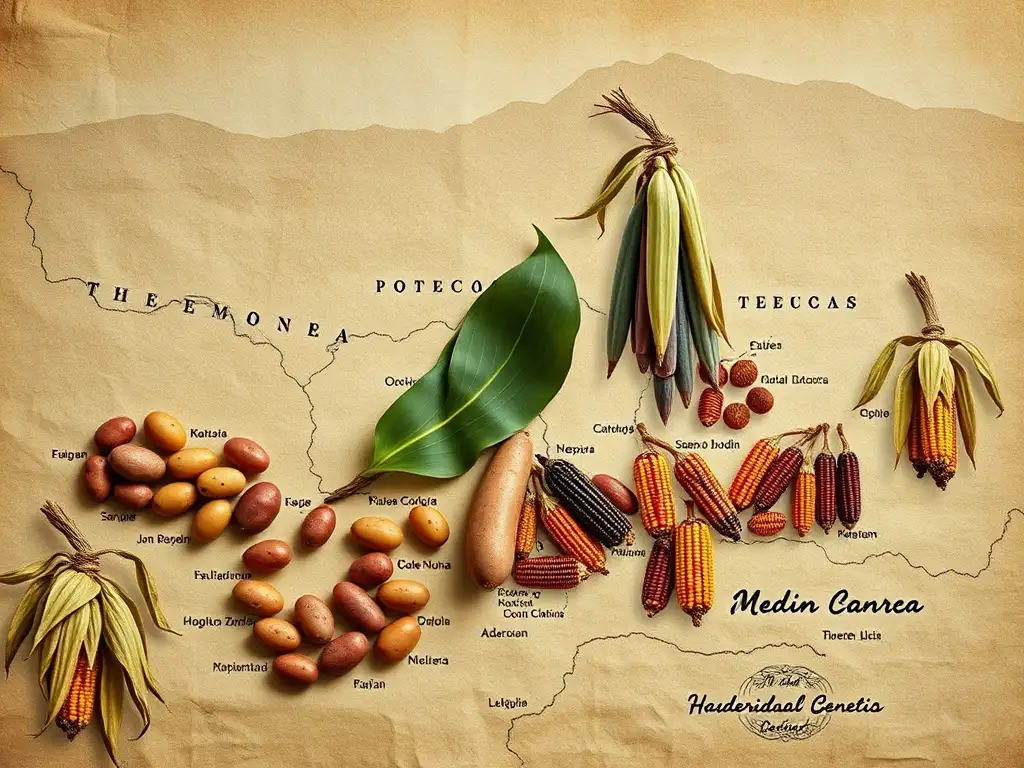
Genetic erosion, the loss of genetic diversity within a species, poses a significant threat to Andean biodiversity and its valuable genetic resources. This erosion is particularly acute concerning traditional crop varieties, many of which have been cultivated for millennia and possess unique characteristics adapted to the challenging Andean environment. These characteristics include resilience to harsh climates, pests, and diseases, along with nutritional qualities often superior to modern, commercially available crops.
The replacement of these heirloom varieties with high-yielding, homogenous cultivars, driven by globalization and market forces, leads to a drastic reduction in the gene pool. This loss is irreversible and diminishes the potential for future crop improvement and adaptation to changing environmental conditions. For example, the disappearance of ancient potato varieties, each with unique flavors, textures, and disease resistance, represents a significant loss not only for culinary heritage but also for future food security.
The vulnerability of these traditional crops further increases with climate change, as their specific adaptations might not be sufficient to withstand rapidly shifting weather patterns. The consequences of this genetic erosion extend beyond the agricultural sector, impacting the cultural identity and traditional knowledge systems deeply intertwined with these crops. Safeguarding these varieties requires concerted efforts towards conservation, documenting traditional farming practices, and promoting their continued cultivation.
Climate Change Impacts on Andean Biodiversity
Climate change significantly impacts Andean biodiversity and the genetic resources it holds. The Andes are particularly vulnerable due to their complex topography and high altitude ecosystems. Rising temperatures, altered precipitation patterns, and increased frequency of extreme weather events disrupt delicate ecological balances, threatening both wild and cultivated species. Glacier retreat, a direct consequence of climate change, affects water availability, crucial for agriculture and the survival of many Andean species.
Changes in temperature and rainfall directly impact the growth and reproduction of both native plants and the traditional crops dependent on specific climatic conditions. For instance, changes in frost patterns can devastate potato crops, while altered rainfall can affect the yields of quinoa and other important Andean staples. Furthermore, the shifting distribution of species leads to habitat loss and increased competition, further exacerbating the challenges to biodiversity.
The impacts extend beyond individual species; entire ecosystems are at risk, jeopardizing the intricate web of life that supports the genetic richness of the Andes. Addressing climate change is therefore essential for preserving Andean biodiversity and the valuable genetic resources it encompasses. Mitigation strategies and adaptation measures are crucial to safeguard this irreplaceable heritage.
The Threat of Invasive Species
The introduction of invasive species presents a significant threat to Andean biodiversity and its genetic resources. These non-native species, often introduced unintentionally through human activities, can outcompete native plants and animals for resources, disrupting established ecosystems and leading to biodiversity loss. Invasive species can alter habitats, introduce new diseases, and even hybridize with native species, potentially diluting the unique genetic characteristics of Andean flora and fauna.
For example, the spread of certain weeds can outcompete native crops, reducing yields and impacting the genetic diversity of traditional agricultural systems. The introduction of invasive pests and diseases can devastate native plant populations, further diminishing the genetic resources available. Controlling the spread of invasive species requires careful management strategies, including early detection, prevention, and effective eradication programs.
This necessitates strong biosecurity measures and public awareness campaigns to educate communities about the dangers of introducing non-native species. The long-term preservation of Andean biodiversity requires a proactive and sustained approach to managing the threat of invasive species. This includes strengthening border controls, promoting responsible tourism practices, and investing in research to better understand and combat the impacts of these invaders.
Protecting Andean Biodiversity: Strategies for the Future
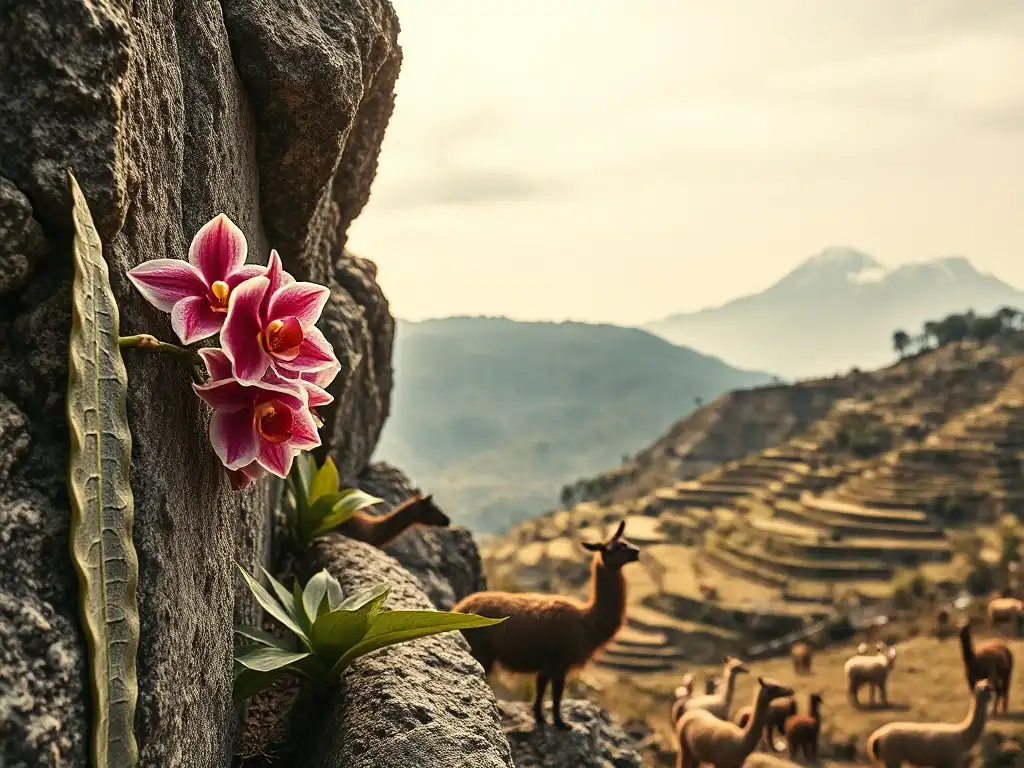
The preservation of Andean biodiversity and its invaluable genetic resources is paramount not only for the region's cultural heritage but also for global food security. The unique genetic diversity found within Andean crops holds immense potential for developing climate-resilient varieties and enhancing nutritional value in crops worldwide. However, this treasure trove is under threat from various factors, including habitat loss, climate change, and unsustainable agricultural practices.
Therefore, a multifaceted approach encompassing sustainable agriculture, community engagement, and robust scientific research is crucial for its long-term protection. The following sections delve into specific strategies designed to safeguard this precious legacy for future generations.
Sustainable Agriculture: Agroforestry and Traditional Practices
Sustainable agricultural practices are fundamental to protecting Andean biodiversity. Agroforestry, a system that integrates trees and shrubs with crops and livestock, offers a powerful tool for biodiversity conservation. By mimicking natural ecosystems, agroforestry enhances soil fertility, reduces erosion, and provides habitat for a wide range of species. The integration of native tree species, such as the Polylepis (Queuña) – a keystone species in many Andean ecosystems – is particularly important. Studies have shown that Polylepis forests improve water infiltration and reduce runoff, benefiting both agricultural productivity and biodiversity.
Furthermore, reviving traditional Andean agricultural techniques, such as waru waru (raised field agriculture) and terracing, can significantly enhance both productivity and environmental sustainability. These methods, developed over centuries, demonstrate remarkable ingenuity in adapting to challenging Andean environments. Waru waru, for instance, improves water management and reduces the impact of frost, while terracing prevents soil erosion on steep slopes.
The revival of these practices not only safeguards biodiversity but also contributes to the cultural preservation of the Andean region. Data comparing the yields and biodiversity associated with traditional and modern agricultural techniques in the Andes is currently being compiled by [Specific research institution pending]. This data will provide a more comprehensive understanding of the effectiveness of these traditional methods in supporting Andean biodiversity.
Community-Led Conservation: Empowering Local Stewards
Indigenous communities in the Andes have a profound understanding of their environment and have historically played a crucial role in conserving its biodiversity. Empowering these communities is essential for long-term conservation success. This involves recognizing and supporting their traditional knowledge, ensuring their participation in decision-making processes related to natural resource management, and providing them with access to resources and training necessary to implement sustainable practices. Community-based conservation initiatives, such as the establishment of community-managed protected areas and the promotion of eco-tourism, are proving effective in both protecting biodiversity and improving local livelihoods.
For example, [Specific community-based conservation project pending] illustrates the success of a community-led approach in safeguarding a specific Andean ecosystem. This project demonstrates how community involvement leads to improved biodiversity outcomes, economic benefits for local populations, and increased environmental awareness within the community and surrounding areas. The success of this and similar projects highlights the importance of recognizing indigenous knowledge and empowering local communities as key stakeholders in biodiversity conservation. This participatory approach is crucial for ensuring the long-term sustainability of conservation efforts and the equitable distribution of benefits.
Scientific Research: Understanding and Protecting Andean Biodiversity
Scientific research plays a vital role in understanding and protecting Andean biodiversity. This includes detailed studies of the genetic diversity of Andean crops and wild relatives, the identification of threatened species, and the development of effective conservation strategies. Genomic studies, for example, are crucial for identifying valuable traits, such as disease resistance and drought tolerance, which can be used in crop improvement programs. Furthermore, research on the impacts of climate change on Andean ecosystems is essential for developing adaptation strategies.
The development of comprehensive databases documenting Andean biodiversity, including the genetic resources of various crops, is also crucial. This information will provide a foundation for future research and conservation efforts. [Specific database initiative pending] is an example of an ongoing effort to create a comprehensive repository of information on Andean biodiversity.
Such initiatives, coupled with ongoing research on the ecological interactions within Andean ecosystems, will be critical in developing effective strategies to protect this invaluable resource. This research-driven approach, combined with community participation and sustainable agricultural practices, will ensure the long-term preservation of Andean biodiversity and its genetic resources for generations to come.
International Collaboration: Supporting Andean Conservation Efforts
International collaboration is paramount in safeguarding Andean biodiversity and its genetic resources. The sheer scale of the challenge—preserving vast and diverse ecosystems across multiple nations—requires a unified, coordinated approach. This involves sharing knowledge, resources, and best practices amongst researchers, conservation organizations, and governments. Successful collaborations often leverage the expertise of different institutions, bringing together botanists, geneticists, agronomists, and policymakers to address the complexities of conservation in the Andes.
For example, initiatives focused on in situ conservation (protecting biodiversity within its natural habitat) often benefit from international partnerships. These partnerships may involve the establishment of transboundary protected areas, collaborative monitoring programs, and joint research projects studying the impacts of climate change on Andean ecosystems. The sharing of data and technologies is crucial for efficient monitoring and effective management strategies. Furthermore, international collaborations can facilitate the exchange of germplasm—seeds, plant tissues, etc.—between research institutions and gene banks, ensuring the preservation of a wide range of genetic diversity.
Another critical aspect of international collaboration centers on capacity building. Many Andean nations have limited resources and expertise in biodiversity conservation. International partnerships can provide training and technical assistance to local communities and government agencies, empowering them to actively participate in conservation efforts. This includes training in sustainable agricultural practices, biodiversity monitoring techniques, and the management of protected areas. By strengthening local capacity, international collaborations contribute to long-term sustainability and ownership of conservation projects.
Furthermore, financial support from international organizations and developed nations is essential for funding conservation projects in the Andes. These funds can support research, infrastructure development (e.g., gene banks, research labs), community-based conservation initiatives, and the implementation of effective policies. Securing sustainable funding mechanisms, such as international grants and dedicated conservation funds, is crucial for the long-term success of these endeavors.
The effective allocation of these resources requires transparency and accountability to ensure maximum impact and minimize waste. Ultimately, a robust network of international collaboration is vital for the future of Andean biodiversity and the genetic resources it holds. The collective strength of multiple nations working together far surpasses the capacity of any single nation acting alone.
The Future of Andean Biodiversity and Genetic Resources
The future of Andean biodiversity and its associated genetic resources is intrinsically linked to the well-being of the Andean region and the global community. The unique genetic diversity found in this region holds immense potential for addressing pressing challenges in food security, medicine, and environmental sustainability. However, realizing this potential requires a concerted effort towards conservation, sustainable utilization, and equitable benefit-sharing.
The preservation of these resources is not merely an academic pursuit; it's a crucial step towards ensuring a secure and healthy future for generations to come. The Andean region's biodiversity is a treasure trove of genetic resources, offering solutions to global challenges. Understanding and utilizing this genetic wealth sustainably is paramount.
Utilizing Andean Genetic Resources for Future Food Security
Andean biodiversity has long been a cornerstone of food security in the region, providing a wide array of crops adapted to challenging high-altitude environments. These crops, including potatoes ( Solanum tuberosum), quinoa ( Chenopodium quinoa), and various beans, possess remarkable genetic diversity, offering resistance to pests, diseases, and harsh climatic conditions. This inherent resilience is crucial in the face of climate change and increasing food insecurity globally.
For example, research into wild potato relatives in the Andes has identified genes conferring resistance to late blight, a devastating disease that has historically ravaged potato crops worldwide. Harnessing this genetic potential through breeding programs can lead to the development of more resilient and productive potato varieties, significantly enhancing food security, not only in the Andes but also in other regions facing similar challenges. Furthermore, the nutritional value of Andean crops, particularly their high protein and micronutrient content, makes them vital components of healthy diets.
Continued research and investment in the sustainable cultivation and utilization of these crops are essential for ensuring future food security. The potential for crop improvement using Andean genetic resources is vast and largely untapped, promising a more resilient and sustainable food system.
The Potential of Andean Biodiversity for Pharmaceutical Discovery
Beyond agriculture, Andean biodiversity holds significant promise for pharmaceutical discovery. The region's unique flora and fauna have evolved to produce a remarkable array of bioactive compounds with potential medicinal applications. Many traditional Andean communities have long utilized these plants for healing purposes, passing down invaluable knowledge through generations.
Scientific research is now beginning to unravel the chemical and pharmacological properties of these plants, revealing their potential to treat a range of diseases. For example, several Andean plants are being investigated for their anti-cancer, anti-inflammatory, and antimicrobial properties. The discovery of novel compounds with therapeutic potential offers hope for the development of new drugs to combat diseases that currently lack effective treatments.
However, it is crucial to approach this research with respect for traditional knowledge and to ensure equitable benefit-sharing with Andean communities who hold this knowledge. The responsible exploration and development of Andean biodiversity for pharmaceutical purposes offers a significant opportunity to improve global health while simultaneously preserving cultural heritage and biodiversity itself. Careful research and ethical considerations are crucial for successful outcomes.
The Ongoing Need for Conservation and Sustainable Development
The conservation of Andean biodiversity and its genetic resources is a pressing concern. Habitat loss, climate change, and unsustainable agricultural practices are all contributing to the erosion of this invaluable resource. Protecting this biodiversity requires a multi-faceted approach that integrates conservation efforts with sustainable development strategies. This includes establishing protected areas, promoting sustainable agricultural practices, and supporting local communities in their efforts to conserve biodiversity.
Moreover, there is a critical need for increased investment in research and monitoring programs to better understand the extent and status of Andean biodiversity and to develop effective conservation strategies. Sustainable development initiatives should prioritize the integration of traditional ecological knowledge with scientific approaches, fostering a collaborative effort between researchers, policymakers, and local communities. The long-term preservation of Andean biodiversity is not only essential for maintaining ecological balance but also for securing the future benefits derived from its genetic resources.
A collaborative and sustainable approach is vital for the ongoing success of conservation and development efforts. This requires a commitment from various stakeholders, including governments, research institutions, and local communities. 🌱
Future Directions: Integrating Traditional Knowledge and Modern Science
The preservation and sustainable utilization of Andean biodiversity's genetic resources demand a forward-looking strategy that skillfully blends traditional ecological knowledge (TEK) with modern scientific advancements. For centuries, Andean communities have developed sophisticated agricultural practices intimately tied to their environment. Their deep understanding of plant varieties, soil conditions, and water management represents an invaluable resource often overlooked in conventional conservation efforts.
Integrating this TEK with modern genomic tools, such as DNA sequencing and marker-assisted selection, offers unparalleled opportunities. For instance, combining traditional knowledge about drought-resistant potato varieties with modern genomic analysis can accelerate the development of climate-resilient crops crucial for food security in a changing climate. This collaborative approach not only safeguards biodiversity but also empowers local communities, ensuring their continued participation in the management of their natural heritage.
This process requires careful consideration of intellectual property rights and equitable benefit-sharing agreements to avoid the exploitation of indigenous knowledge. Successful integration hinges on respectful partnerships, fostering mutual learning and empowerment.
The future also lies in strengthening research collaborations between Andean institutions, international research centers, and universities globally. This interconnected network facilitates the exchange of knowledge, resources, and expertise, accelerating the pace of discovery and innovation. Joint research projects focusing on the characterization, conservation, and utilization of Andean genetic resources are crucial. These collaborative efforts can lead to the development of new crop varieties, pharmaceuticals, and other valuable products, while simultaneously contributing to the conservation of biodiversity. Furthermore, the establishment of regional gene banks and seed banks, managed collaboratively with local communities, is essential for safeguarding the genetic diversity of Andean crops and ensuring their long-term availability. These repositories serve as crucial resources for research, breeding programs, and the restoration of degraded ecosystems. Investing in capacity building within Andean countries is equally important, equipping local scientists and researchers with the necessary skills and tools to participate fully in these global initiatives.
A crucial aspect of this future direction involves promoting the development of sustainable agricultural practices that minimize environmental impact. This includes promoting agro-ecological techniques that enhance soil fertility, conserve water, and reduce reliance on synthetic inputs. Traditional Andean farming systems, often characterized by their low-impact nature, can serve as valuable models for sustainable agriculture in the region.
By integrating these practices with modern technologies, such as precision agriculture and remote sensing, it is possible to enhance both productivity and environmental sustainability. This approach not only safeguards biodiversity but also contributes to climate change mitigation and adaptation, improving the resilience of Andean communities to environmental challenges. Furthermore, promoting sustainable consumption patterns and reducing food waste are essential components of this strategy.
By valuing and appreciating the unique genetic resources of the Andes, we can ensure their long-term conservation and contribute to a more sustainable and equitable future for the region. The emphasis should always be on building a resilient food system that benefits both people and the planet.
Frequently Asked Questions
What is meant by "Andean biodiversity"?
Andean biodiversity refers to the vast array of plant and animal life found in the Andes Mountains, a region characterized by diverse ecosystems ranging from high-altitude deserts to lush cloud forests. This incredible diversity has been shaped by millions of years of evolution.
How are Andean genetic resources important?
Andean genetic resources are crucial because they hold the key to developing crops and livestock that are resistant to diseases, pests, and climate change. They also offer potential for new medicines and other valuable products.
Which Andean civilizations utilized these resources?
Many Andean civilizations, including the Incas, Moche, Nazca, and Tiahuanaco, skillfully utilized the region's biodiversity for agriculture, medicine, and textiles. Their knowledge and practices shaped the landscape and its genetic resources.
What are the threats to Andean biodiversity and its genetic resources?
Threats include habitat loss due to deforestation and mining, climate change, invasive species, and unsustainable agricultural practices. These factors endanger both the unique species and the valuable genetic information they hold.
How can we protect Andean biodiversity and its genetic resources?
Conservation efforts require collaborative actions, including sustainable land management, the creation of protected areas, and the promotion of traditional ecological knowledge. Supporting local communities is also critical for long-term success.
Final Reflection: A Legacy of Life: Protecting Andean Biodiversity
The unparalleled biodiversity of the Andes is not merely a collection of fascinating species; it represents a critical global resource, a treasure trove of genetic material vital for future food security and medical breakthroughs. The implications of its loss are staggering, threatening not only the unique ecosystems of the region but also the well-being of billions worldwide. We are at a crucial juncture, where the choices we make today will determine the fate of this invaluable heritage for generations to come.
The ongoing erosion of Andean biodiversity, driven by climate change, habitat destruction, and unsustainable practices, is a profound loss, impacting not only the intricate web of life in the region but also the potential for scientific advancements. The greatest threat to our planet is the belief that someone else will save it.
– Robert Swan. This quote underscores the individual responsibility we all share in protecting this irreplaceable resource. The vibrant tapestry of life woven across the Andean slopes, from the towering peaks to the lush cloud forests, holds the key to countless undiscovered medicines, resilient crops, and ecological solutions. Ignoring its plight is not only a scientific failure but a moral one.
Consider the potential within each unique Andean species, each gene a potential solution to future challenges. Imagine the medicines waiting to be discovered, the crops capable of withstanding a changing climate, the ecological lessons embedded within these ancient ecosystems. You have the power to make a difference. Learn more about the challenges facing Andean biodiversity, support organizations working to protect it, and advocate for sustainable practices in your own life. Let us collectively safeguard this legacy of life, ensuring that the vibrant biodiversity of the Andes continues to thrive for generations to come.
**Unveil the Wonders of Andean Biodiversity Today! **
Thank you for exploring the rich tapestry of Andean biodiversity with us! Your interest in these incredible ecosystems highlights their significance and empowers you to make a difference. Let's work together to protect and celebrate this precious heritage.
Here are a few ways you can get involved:
- **Explore local Andean ecosystems:** Visit a botanical garden or nature reserve showcasing Andean flora to experience these unique species firsthand. Witness the vibrant colors of the orchids and the resilience of the high-altitude plants.
- **Join a conservation group:** Partner with organizations dedicated to protecting Andean biodiversity and contribute your time or resources to their vital work. Many organizations offer volunteer opportunities or welcome donations.
- **Share your knowledge:** Discuss the importance of Andean biodiversity with friends and family, or share your insights on social media to raise awareness. Even a simple post can make a difference in educating others about this critical issue.
Protecting Andean biodiversity will have a profound impact on future generations, ensuring the survival of unique species and preserving the region's rich cultural heritage for years to come. What are your thoughts on its long-term significance?