
The Significance of Cusco: The Navel of the World and Center of Inca Power

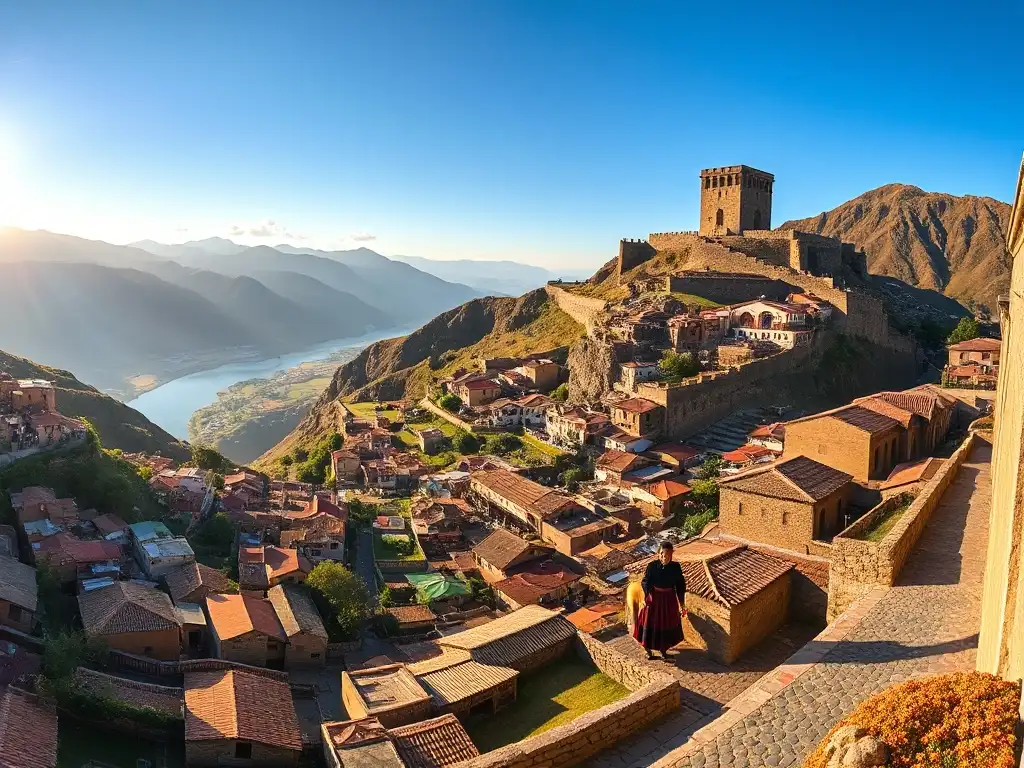
Step into a world lost to time, yet echoing with the power of empires. Journey with us through the breathtaking landscapes and captivating mysteries of the ancient Andean civilizations. Discover the intricate artistry, innovative technologies, and enduring legacy of cultures like the Moche, Nazca, and Tiahuanaco. But first, prepare to be amazed by the Inca Cusco significance: unravel the secrets of this sacred city, considered the navel of the world and the heart of Inca power. Dare to delve deeper and uncover the truth behind its enduring allure.
Cusco, the ancient capital of the Inca Empire, holds a position of unparalleled importance in Andean history and mythology. Far from being merely a political center, Cusco was considered the umbilicus mundi, the "navel of the world," a sacred place imbued with deep spiritual and cosmological significance for the Inca people.
This article delves into the multifaceted reasons why Cusco was so vital to the Inca, exploring its role as a religious hub, administrative center, and symbolic heart of their vast empire. Understanding Cusco's significance is key to comprehending the Inca worldview and the enduring legacy of their civilization.
We will examine the city's strategic location, its intricate urban planning, and the rich tapestry of myths and legends woven into its very fabric, all contributing to its enduring power and influence. The keyword "Inca Cusco significance" will be explored throughout this analysis, revealing the layers of meaning embedded within this remarkable city.
Cusco's Strategic Location and Urban Planning
The Inca's choice of Cusco as their capital was not arbitrary. Situated in a fertile valley of the Andes Mountains, Cusco benefited from a relatively temperate climate and access to vital resources. Its location also provided strategic advantages, allowing for relatively easy communication and control over a vast territory. The city itself was masterfully planned, reflecting the Inca's sophisticated understanding of urban design and engineering.
The city's layout, with its meticulously aligned streets and impressive stonework, wasn't merely functional; it was a deliberate reflection of the Inca worldview, mirroring the cosmos and embodying their beliefs about the relationship between humans and the natural world. [Specific data on the city's dimensions and population at its peak pending]. The intricate network of roads radiating outwards from Cusco facilitated trade, communication, and the movement of troops throughout the empire, further solidifying its central role.
Cusco as a Religious Center: The Sacred Plaza and Temples
Cusco was not just a political capital; it was a profoundly sacred city. The central plaza, or Haucaypata, served as the heart of Cusco's religious life. This expansive square was the site of numerous important ceremonies and festivals, often involving the participation of the Inca emperor and the elite. Surrounding the plaza were magnificent temples dedicated to various Inca deities, including the Temple of the Sun ( Qorikancha), a breathtaking structure adorned with gold and precious stones.
These temples were not merely places of worship; they were repositories of knowledge, power, and immense spiritual significance, reflecting the Inca’s deep connection to their gods and ancestors. The Qorikancha, in particular, epitomizes this fusion of religious and political power. Its elaborate construction and the abundance of gold within its walls served as a powerful symbol of the Inca empire's wealth and divine mandate.
The Inca believed Cusco to be the center of the world, the point from which their empire radiated outwards. This belief is deeply rooted in Inca cosmology, which saw the world as a carefully structured system, with Cusco occupying a central and sacred position. The city's layout, with its streets aligned with the cardinal directions, further reinforced this cosmological significance.
[Further details on specific Inca cosmological beliefs and their reflection in Cusco's architecture pending]. Many myths and legends associated with Cusco reinforce its symbolic importance, emphasizing its connection to the gods and the origins of the Inca people. These narratives were carefully preserved and transmitted through generations, ensuring the perpetuation of Cusco's sacred status.
The enduring power of these myths highlights the profound impact of Cusco on the Inca worldview and its lasting influence on Andean culture. The very name "Cusco" itself, potentially derived from the Quechua word for "navel," underscores its central role in Inca cosmology. The city was not just a place; it was a powerful symbol, representing the very heart of the Inca world.
The Legacy of Cusco: Enduring Influence on Andean Culture
Even after the Spanish conquest, Cusco retained a significant cultural and symbolic importance. Although much of the Inca city was destroyed or altered during the colonial period, many aspects of its original layout and spiritual significance remain. The city continues to be a major pilgrimage site for many Andean peoples, a testament to the enduring power of Inca traditions and beliefs.
Cusco's legacy extends beyond its physical remains; it is deeply embedded in the cultural identity of the Andean region. The city's enduring significance underscores the power of place and the lasting impact of a civilization that profoundly shaped the landscape and culture of the Andes.
The study of Cusco, therefore, offers not only a glimpse into the Inca Empire but also a window into the rich and complex tapestry of Andean culture. The continued relevance of Cusco today, as a vibrant city and a center of cultural tourism, further emphasizes the lasting significance of this remarkable place.
- Cusco's Strategic Location and Urban Planning
- Cusco as a Religious Center: The Sacred Plaza and Temples
- The Symbolism of Cusco: The Navel of the World and Inca Cosmology
- The Legacy of Cusco: Enduring Influence on Andean Culture
Understanding the Importance of Inca Cusco
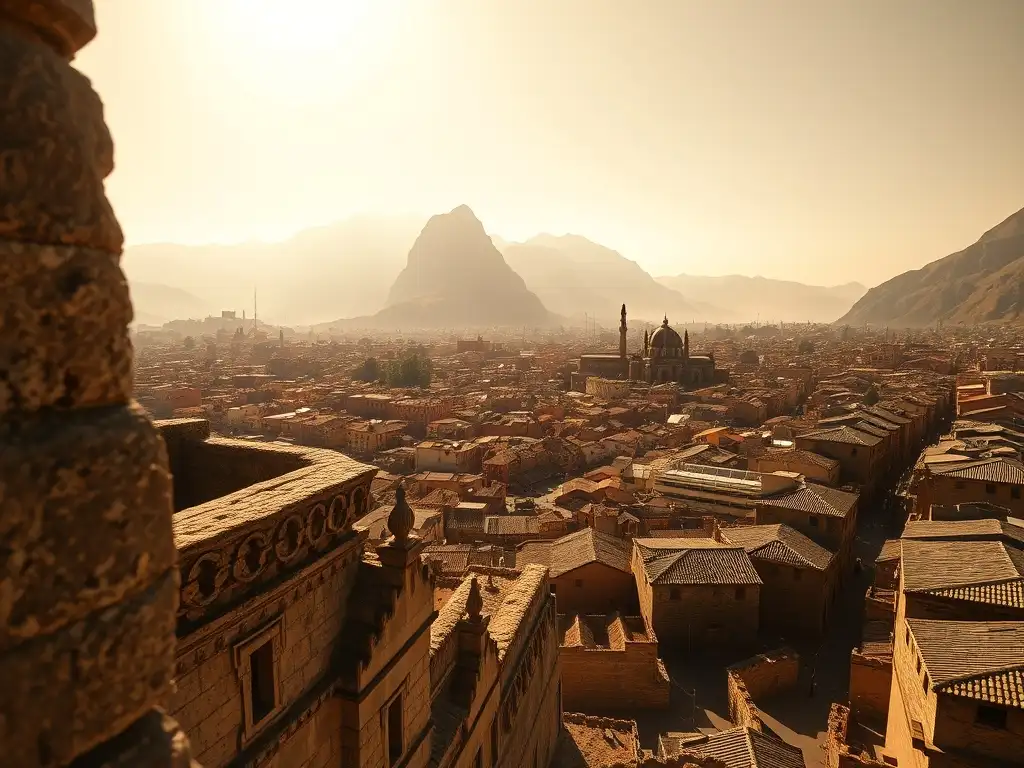
Cusco's significance within the Inca Empire transcends its status as a mere city; it represents the very core of Inca identity, power, and cosmology. Understanding its importance requires delving into its multifaceted role as a political, religious, and logistical center. The Inca considered Cusco the umbilicus mundi, the "navel of the world," a symbolic representation of their connection to the cosmos and their dominion over the earthly realm.
This belief profoundly shaped the city's layout, architecture, and overall importance within the empire. The meticulous planning and construction evident in Cusco's infrastructure reflect the Inca's deep-seated reverence for their capital and its symbolic weight. The strategic placement of temples, palaces, and administrative buildings further underscores the city's carefully crafted role as the heart of the Inca world.
The sheer scale of construction and the sophisticated engineering involved in Cusco's development highlight the immense resources and manpower dedicated to its creation and maintenance, providing further insight into the Inca's valuation of their capital. Analysis of the city's layout and the distribution of its significant structures provides a powerful lens through which to understand the Inca's complex social, political, and religious organization. This section will explore these aspects in detail, focusing on the multifaceted significance of Inca Cusco and its enduring legacy.
Cusco: More Than Just a City, the Heart of the Inca Empire
Cusco was not simply a city; it was the symbolic and actual center of the Inca Empire, a place imbued with deep religious and political significance. The Incas believed Cusco to be the center of the world, the point from which their empire radiated outwards. This belief is reflected in the city's layout, which was meticulously planned to align with the cardinal directions and incorporate significant geographical features into its sacred geography.
The huacas, or sacred sites, scattered throughout Cusco, played crucial roles in Inca religious practices and ceremonies. These were not merely religious spaces; they were integral to the functioning of the empire, reinforcing the Inca rulers' authority and legitimacy.
The city's architecture further exemplifies its importance. The impressive stonework, the intricate designs, and the monumental scale of structures such as Sacsayhuamán, Q'enqo, Puka Pukara, and Tambomachay, all located near Cusco, showcase the Inca's advanced engineering skills and their dedication to creating a magnificent capital. These structures served not only practical purposes but also played critical roles in Inca rituals and ceremonies, underscoring the city's pivotal position within the Inca worldview.
The sheer volume of resources dedicated to the construction and maintenance of Cusco speaks volumes about its central role in the Inca's political and social organization. The presence of royal palaces, administrative buildings, and temples within the city itself demonstrates its function as the seat of power and the center of religious life. The concentration of elite residences and the elaborate infrastructure further highlight its unique status within the Inca empire.
The Strategic Location of Cusco in the Inca Realm
Cusco’s strategic location within the Andes Mountains played a crucial role in the empire's expansion and control. Situated in a fertile valley, Cusco benefited from access to vital resources and served as a crucial transportation hub. The city's location facilitated the efficient movement of goods, people, and messages across the vast Inca Empire. The Inca road system, a marvel of engineering, radiated outwards from Cusco, connecting the empire's far-flung provinces to the capital. This sophisticated network allowed for the rapid transmission of information and the efficient distribution of resources, solidifying Inca control over their vast domain.
The placement of Cusco within the Andean highlands provided natural defenses and facilitated control over important agricultural regions. The surrounding mountains offered strategic vantage points, allowing for the monitoring of approaching threats and the efficient deployment of troops. Furthermore, the fertile valley around Cusco provided sufficient agricultural resources to sustain the large population of the capital.
This strategic combination of defensibility and resource availability contributed significantly to the Inca empire's longevity and success. The accessibility of Cusco via well-maintained roads also facilitated the movement of tribute and other goods from the provinces to the capital, further solidifying the empire's economic and political power.
The strategic location of Cusco was not just a fortunate coincidence; it was a critical factor in the Inca's ability to build and maintain their empire. The meticulous planning and execution of the Inca road system and the selection of Cusco as the capital demonstrate the empire's sophisticated understanding of geography and its strategic importance.
Cusco's Role in Inca Cosmology and Mythology
Cusco's importance to the Inca Empire extended far beyond its political and administrative functions. The city held profound cosmological and mythological significance, deeply embedded in the Inca worldview. Understanding this spiritual dimension is crucial to grasping the true weight of Cusco's influence on the Inca civilization.
The Inca believed Cusco to be the center of the world, a sacred place imbued with divine power and connected to the cosmos. This perception shaped their urban planning, religious practices, and even their understanding of time and space. The Inca's meticulous attention to detail in the city's construction and layout reflects this deep-seated belief.
The strategic placement of buildings, temples, and plazas—aligned with celestial bodies and geographical features—emphasizes their commitment to harmonizing the earthly realm with the celestial. This cosmological orientation wasn't merely symbolic; it was integral to their societal structure and daily life. Further research into the astronomical alignments within Cusco could reveal even more intricate details about their cosmology and further illuminate the Inca's sophisticated understanding of the universe.
The Inca term for Cusco, Qosqo, translates to "navel." This wasn't a simple metaphor; it represented the city's central position within their cosmological model. They believed Cusco was the physical and spiritual center of their world, the point from which the universe expanded.
This concept is mirrored in many other cultures' cosmologies, highlighting a universal human tendency to locate the center of existence within a specific place. The Inca's "navel of the world" wasn't just a geographical point; it was a nexus of energy, a place where the earthly and heavenly realms intersected. This idea is reflected in the city's layout, with its radial streets emanating from the central plaza, Huacaypata, symbolizing the expansion of the cosmos from a single point.
The meticulous orientation of buildings towards significant celestial events underscores the cosmological importance of precise alignment and their deep understanding of astronomy. Analysis of the architectural design and its astronomical alignments provides compelling evidence of this sophisticated cosmological system. The precise positioning of structures and the incorporation of astronomical observations into urban planning demonstrate a sophisticated understanding of the cosmos and its relationship to the earthly realm.
The Mythical Origins of Cusco and its Inca Founders
Inca mythology weaves a rich tapestry around the founding of Cusco. Legends describe the city's origins as divinely ordained, often involving divine intervention and miraculous events. One prominent myth speaks of Manco Cápac and Mama Ocllo, the founders of the Inca dynasty, emerging from the sacred lake Titicaca.
These figures, often considered demigods, were tasked with establishing a new civilization, and Cusco became the chosen site for their capital. The story isn't just a fanciful tale; it serves as a foundational myth, establishing Cusco's sacred status and legitimizing the Inca's rule. The narrative reinforces the idea of Cusco as a divinely appointed center, strengthening its importance in the Inca worldview and providing a powerful narrative for the Inca empire's origins.
This mythology, passed down through generations, solidified Cusco's role as a sacred place, a center of power and a linchpin of Inca identity. The story's enduring influence is evident in the cultural and religious practices that continued to thrive in Cusco long after the fall of the Inca Empire.
Cusco's Sacred Sites and Their Spiritual Significance
Cusco is replete with sacred sites that further underscore its spiritual importance. The Coricancha, or Temple of the Sun, was the most significant religious center in the Inca Empire, a testament to the city’s central role in Inca religion. This temple, adorned with gold and precious stones, was dedicated to Inti, the sun god, a central figure in Inca mythology.
Other significant sites included the Sacsayhuamán fortress, a monumental structure with astronomical alignments, and Q'enqo, a cave complex used for religious ceremonies. These sites were not merely architectural marvels; they were integral to Inca religious practices, reinforcing Cusco's status as a sacred city. The intricate details of these structures, from their astronomical alignments to their symbolic decorations, speak to the profound religious significance of Cusco and its role in the Inca worldview.
Detailed studies of these sites continue to reveal new insights into Inca cosmology, religious practices, and the significance of Cusco within their spiritual landscape. The enduring presence of these sites, even after centuries of alteration and decay, is a testament to their enduring spiritual power and the central role Cusco played in Inca life. The careful study of these sites and their remaining features can unlock further understanding of Inca religious beliefs and practices.
Cusco as the Political and Administrative Center of the Inca Empire
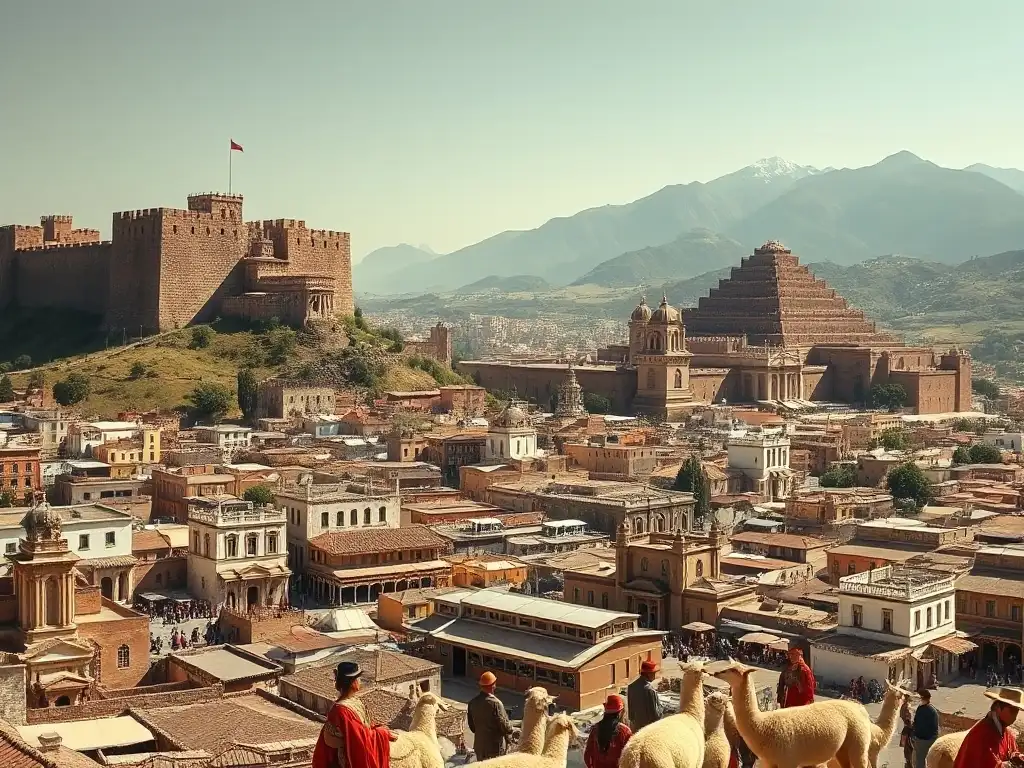
Cusco's significance in the Inca Empire is undeniable. It wasn't merely a city; it was the umbilical cord connecting the vast empire to its heart. The Inca government, a highly centralized system, operated directly from Cusco, radiating its power and control outwards across the Andes. This strategic location, nestled in a fertile valley, provided both agricultural sustenance and easy access to critical trade routes. The city's strategic importance was further amplified by its location in a relatively defensible position within the Andes mountains.
The Inca Government and its Centralization in Cusco
The Inca government, headed by the Sapa Inca (emperor), was a complex bureaucracy. All aspects of life, from agriculture and construction to religion and warfare, were meticulously managed from Cusco. The city housed the Qhapaq Ñan, the extensive Inca road system, which facilitated communication and the efficient movement of goods and troops across the empire. This intricate network ensured the rapid transmission of decrees and the swift response to any threats or emergencies.
This centralized control enabled the Inca to effectively manage a diverse and geographically vast empire with remarkable efficiency. Records, meticulously kept by quipu (a system of knotted strings), were stored and interpreted in Cusco, providing critical information for governance and planning. The city also served as a repository for the vast wealth accumulated through tribute and conquest, further solidifying its position as the nerve center of the Inca state.
Cusco's Architectural Marvels: Symbols of Inca Power
Cusco's architecture serves as a powerful testament to Inca ingenuity and imperial might. The city's layout, with its intricate network of streets and plazas, reflects a sophisticated urban planning system. The use of precisely cut stone, fitted together without mortar, showcases the advanced engineering skills of Inca builders. Structures like the Sacsayhuamán fortress, with its massive stone blocks, stand as enduring symbols of Inca power and military prowess.
The impressive scale of these constructions underscores the immense resources and manpower at the Inca's disposal, resources carefully managed and deployed from the administrative heart of Cusco. The intricate stonework, often featuring complex geometric patterns, also served as a powerful symbol of Inca identity and cultural pride. These architectural marvels, strategically positioned within and around Cusco, served not only practical purposes but also powerfully reinforced the Inca's authority and legitimacy.
The Role of Cusco in Inca Expansion and Conquest
Cusco played a crucial role in the Inca's expansionist ambitions. As the administrative and military hub, it served as the launching point for many conquests. The Sapa Inca, surrounded by his advisors and generals, would plan and direct military campaigns from Cusco.
The strategic location of the city allowed for the rapid mobilization of troops and resources, enabling the Inca to swiftly conquer neighboring territories. The Qhapaq Ñan road system, again, proved invaluable in facilitating these military campaigns. Conquered populations were often relocated to Cusco or nearby areas, contributing to the city's burgeoning population and further strengthening its position as the center of the Inca world.
The city's growth directly mirrored the empire's expansion, demonstrating the inseparable link between Cusco's prosperity and the Inca's military successes. The city's cultural and religious significance also played a key role in consolidating Inca power over newly conquered territories. The Inca skillfully integrated conquered peoples by incorporating their beliefs and practices into the existing religious system, with Cusco serving as the central point of this integration.
The Legacy of Cusco: A Living Testimony to Inca Civilization
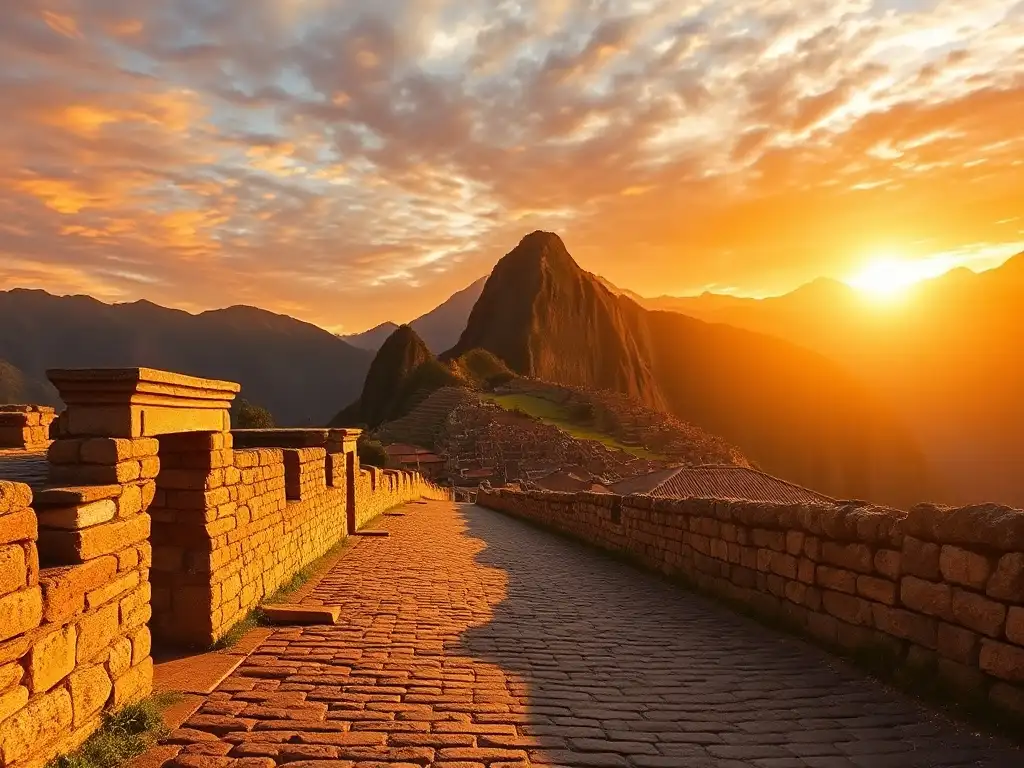
Cusco's significance within the Inca Empire transcended mere political control; it represented the very heart and soul of their civilization. The city's enduring legacy is a testament to the Inca's sophisticated urban planning, architectural prowess, and deeply rooted spiritual beliefs. Understanding Cusco's lasting impact requires exploring its intricate relationship with Inca mythology, its role as a crucial administrative center, and its enduring influence on subsequent Andean cultures.
The Inca Cusco significance is deeply woven into the fabric of the region, influencing everything from its physical layout to its cultural identity. This section will delve into the multifaceted aspects of Cusco's enduring legacy, examining its cultural heritage, its modern evolution, and the ongoing efforts to preserve its rich history.
Cusco's Enduring Cultural Heritage and Traditions
Cusco's cultural heritage is profoundly intertwined with Inca traditions, even after centuries of Spanish colonial rule and subsequent societal shifts. Many indigenous customs and beliefs persist, demonstrating the resilience of Inca cultural practices. The vibrant textiles, intricate weaving techniques, and traditional Andean music all reflect a continuity with the past. For example, the qoya (Inca princess) traditions, though modified over time, still hold symbolic weight within the community.
Furthermore, the Quechua language, the lingua franca of the Inca Empire, remains widely spoken in the region, serving as a living link to the Inca past. The annual Inti Raymi festival, a celebration of the Inca sun god Inti, is a powerful example of how Inca traditions are kept alive and adapted to modern times. This festival attracts thousands of visitors, showcasing the enduring appeal and cultural importance of Inca heritage.
The meticulous craftsmanship evident in traditional ceramics and metalwork also demonstrates a continuing legacy of Inca artistic skill and attention to detail. These practices are not merely nostalgic recreations; they are actively practiced and evolved, demonstrating a dynamic and living connection to Inca roots. The preservation of these traditions is crucial for understanding the Inca Cusco significance and its lasting impact.
Cusco Today: A Blend of Inca and Colonial Influences
Modern Cusco is a fascinating tapestry woven from Inca foundations and superimposed Spanish colonial architecture. The city's layout still reflects the Inca's meticulous urban planning, with its straight lines and grid-like structure. However, superimposed on this Inca base are the Baroque churches, elegant plazas, and colonial mansions that represent the Spanish colonial era.
This juxtaposition creates a unique urban landscape, where the remnants of Inca walls often support colonial buildings, a literal and symbolic representation of the interplay between these two historical periods. The iconic Sacsayhuamán fortress, with its cyclopean masonry, stands as a stark reminder of Inca engineering skills, contrasting sharply with the adjacent colonial structures. This blending of architectural styles is not just aesthetic; it reflects the complex historical processes that shaped Cusco's identity.
The city's vibrant markets, filled with both traditional Andean goods and modern products, further illustrate this blend of old and new, reflecting the ongoing cultural exchange and adaptation. The Inca Cusco significance in the modern city is not only found in its historical sites but also in the everyday life of its inhabitants, who navigate this layered history daily.
Preserving Cusco's Inca Legacy for Future Generations
Preserving Cusco's Inca legacy is a multifaceted challenge requiring a concerted effort from various stakeholders. Archaeological research, preservation of historical sites, and the promotion of responsible tourism are all crucial elements. The careful restoration of Inca sites, such as the Qorikancha (Temple of the Sun), requires meticulous techniques and expertise to ensure the preservation of these invaluable historical resources.
Additionally, promoting sustainable tourism practices is essential to prevent damage to the historical sites and to ensure the economic benefits of tourism are shared equitably with the local communities. Furthermore, supporting the continuation of traditional Inca arts and crafts is vital for safeguarding intangible cultural heritage. This includes providing resources for artisans, promoting their work, and integrating these traditions into educational programs.
The ongoing efforts to protect and promote Cusco's Inca heritage are not only vital for preserving the past but also for fostering a sense of cultural identity and pride within the community. The long-term preservation of the Inca Cusco significance relies on a collaborative approach that balances cultural preservation with sustainable economic development. This requires ongoing investment, research, and a commitment to ensuring that future generations can appreciate and benefit from this exceptional cultural legacy.
Exploring the Inca Cusco Significance Through Key Landmarks
Cusco's importance to the Inca Empire transcended mere geographical location; it was deeply embedded in their cosmology and served as the political, religious, and economic heart of their vast realm. Understanding the Inca Cusco significance requires examining the city's key landmarks, each imbued with symbolic power and reflecting the sophistication of Inca civilization. The strategic placement of these structures, combined with their architectural and artistic merit, solidified Cusco's position as the "Navel of the World" – Qosqo – in Inca mythology. This section will delve into three crucial sites that exemplify this profound Inca Cusco significance.
Sacsayhuamán: A Fortress Reflecting Inca Engineering Prowess
Sacsayhuamán, perched high above Cusco, stands as a testament to Inca ingenuity and military might. More than just a fortress, it was a powerful symbol of Inca dominance and control, strategically positioned to defend the capital. Its cyclopean walls, constructed from massive, precisely fitted stones, are a marvel of engineering.
The sheer size and weight of these stones, some weighing over 100 tons, defy easy explanation, fueling speculation about the techniques employed by Inca builders. The precise fitting of these colossal blocks, without the use of mortar, remains a source of wonder and debate among archaeologists and engineers. The Inca Cusco significance of Sacsayhuamán is further enhanced by its complex layout, incorporating multiple terraces, ramps, and strategically placed towers, suggesting a sophisticated understanding of defensive architecture.
Its location, commanding panoramic views of Cusco and the surrounding valleys, reinforced its role as a crucial defensive position, protecting the heart of the Inca empire. The sheer scale of the construction project speaks volumes about the Inca's organizational capabilities and their command over labor resources, highlighting the immense power concentrated in Cusco. Furthermore, the astronomical alignments of certain structures within Sacsayhuamán suggest a deeper cosmological significance, linking the fortress to the Inca worldview and reinforcing the Inca Cusco significance in their spiritual landscape.
Coricancha: The Golden Temple and Center of Inca Spirituality
Coricancha, or the Temple of the Sun, was the most sacred site in Cusco and the epicenter of Inca religious life. Its significance extended far beyond its architectural grandeur; it represented the cosmic order and the Inca's relationship with the sun god, Inti. The temple's walls were originally covered in sheets of gold, reflecting the sun's rays and further emphasizing its sacred nature.
The Inca Cusco significance of Coricancha is evident in its meticulous design and the rich symbolism embedded within its structure. Accounts from Spanish chroniclers describe a breathtaking display of gold and precious stones, underscoring the immense wealth and power concentrated in Cusco. The temple's importance is also reflected in the fact that it served as the central point for various religious ceremonies and festivals, attracting pilgrims from across the empire.
The meticulous craftsmanship displayed in the surviving remnants of the temple, despite the extensive damage inflicted by the Spanish conquistadors, continues to inspire awe and highlights the advanced level of Inca artistry and engineering. The destruction of Coricancha after the conquest tragically obscures some aspects of its significance, but surviving evidence still powerfully communicates the centrality of the temple to Inca religious practice and the Inca Cusco significance.
Q'enqo: A Religious Site with Intricate Carvings
Q'enqo, another significant site near Cusco, served as a religious center with intricate carvings and subterranean chambers. Unlike the overtly military nature of Sacsayhuamán or the opulence of Coricancha, Q'enqo offers a more enigmatic glimpse into Inca spirituality. Its labyrinthine passages and carved figures suggest a complex ritualistic function, possibly associated with ancestor veneration or other significant religious ceremonies.
The Inca Cusco significance of Q'enqo lies in its unique blend of architectural complexity and symbolic representations. The site's intricate carvings, including depictions of animals and possibly deities, provide valuable insights into Inca mythology and cosmology. The subterranean chambers, some of which are still partially unexplored, suggest a connection to the underworld, a crucial element in Inca beliefs.
The presence of water channels further enhances the site’s mystical quality, reinforcing its role as a sacred space. While the precise functions of Q'enqo are still debated by scholars, its unique features and strategic location near Cusco clearly indicate its importance within the Inca religious landscape, further solidifying the Inca Cusco significance in the context of their spiritual world. Ongoing research continues to reveal new details about this fascinating site, gradually uncovering more of its secrets and expanding our understanding of Inca Cusco significance.
Tambomachay: The Inca Bath and Water Temple
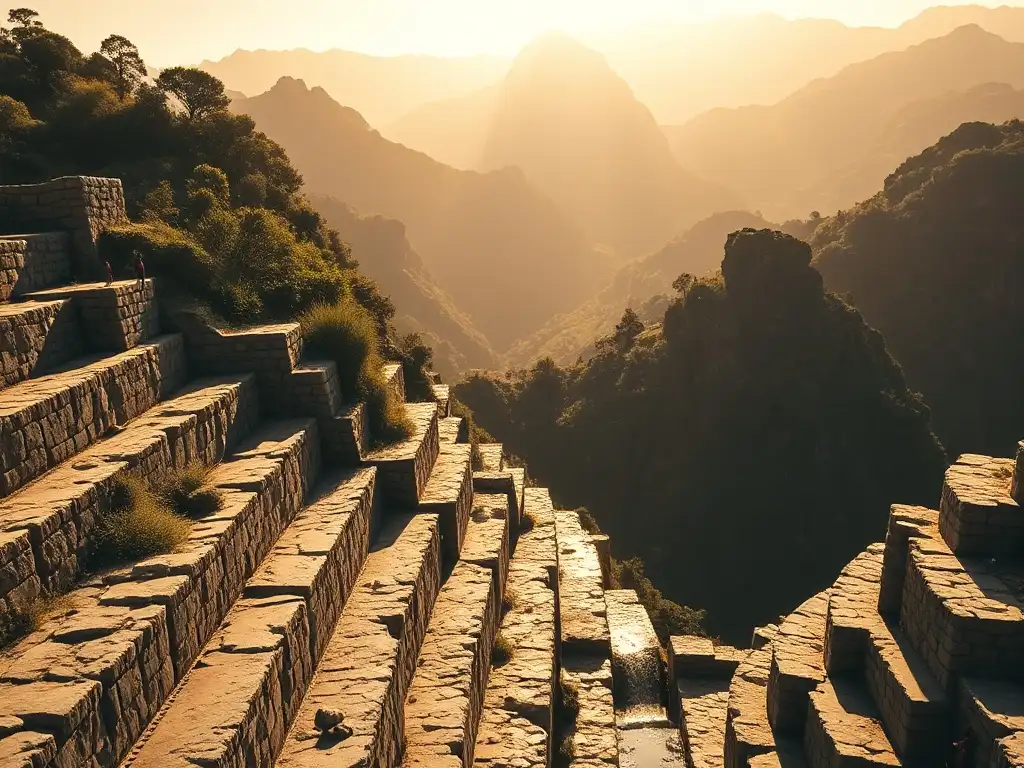
Tambomachay, situated a short distance from Cusco, is a captivating testament to Inca ingenuity and their profound reverence for water. More than just a series of intricately carved baths, Tambomachay functioned as a water temple, a place of ritual and spiritual significance. The site's carefully channeled water cascades down a series of terraces, flowing through meticulously crafted channels and fountains. These weren't merely decorative; the Incas possessed an advanced understanding of hydraulics, utilizing these systems to manage water flow for both practical and sacred purposes.
The precision of the stonework, the perfect alignment of channels, and the overall design suggest a deep understanding of both engineering and cosmology. The water, a life-giving force in the Andean world, was not just a resource but a vital element in Inca religious beliefs, connecting the earthly realm to the spiritual. Scholars believe Tambomachay's location, nestled amidst stunning mountain scenery, enhanced its spiritual power, creating a sacred space for ritual cleansing and communion with the divine. The site's enduring appeal lies not only in its architectural marvel but also in its evocative connection to Inca spirituality and their profound respect for the natural world.
The intricate system of aqueducts and channels showcases the Inca's mastery of hydraulic engineering, highlighting their ability to harness and control water resources with remarkable precision. This sophisticated water management system was crucial for agricultural productivity and underscored the importance of water in their daily lives and religious practices. The precise carvings and the overall symmetry of the site suggest a deep understanding of both engineering and cosmology, reflecting the advanced level of Inca civilization.
Puka Pukara: A Military Fortress and Administrative Site
Puka Pukara, meaning "red fortress" in Quechua, is a fascinating site that challenges simplistic interpretations. While its reddish hue and strategic location on a hill overlooking Cusco initially suggest a primarily military function, evidence suggests a more nuanced role. The structures at Puka Pukara are not solely defensive; they also exhibit features consistent with administrative and residential functions. The presence of finely crafted stonework, intricate channels, and residential quarters points towards a complex site with multiple purposes.
Some scholars believe Puka Pukara served as a royal estate or a key administrative center, possibly housing officials or overseeing the surrounding agricultural areas. Its proximity to Cusco and its commanding view of the surrounding valley made it an ideal location for monitoring trade routes and potentially managing the flow of goods and resources. The site's strategically placed walls and defensive features, however, cannot be ignored, indicating a capacity for defense if necessary. Therefore, Puka Pukara likely functioned as a multifaceted complex, combining military preparedness with administrative and possibly residential functions.
The Inca's ability to integrate these various aspects into a single site showcases their sophisticated approach to urban planning and their capacity to adapt structures to serve multiple purposes. The precise nature of Puka Pukara's functions remains a subject of ongoing research, but its enduring presence near Cusco underscores its importance within the Inca empire's organizational structure. The site's intricate design and strategic location reflect the Inca's sophisticated understanding of both military strategy and administrative needs, offering valuable insights into the intricacies of their urban planning and governance. Further study and archaeological investigation are needed to fully unravel the mysteries of Puka Pukara and its crucial role in Inca Cusco.
The Lasting Impact of Cusco on Andean Culture
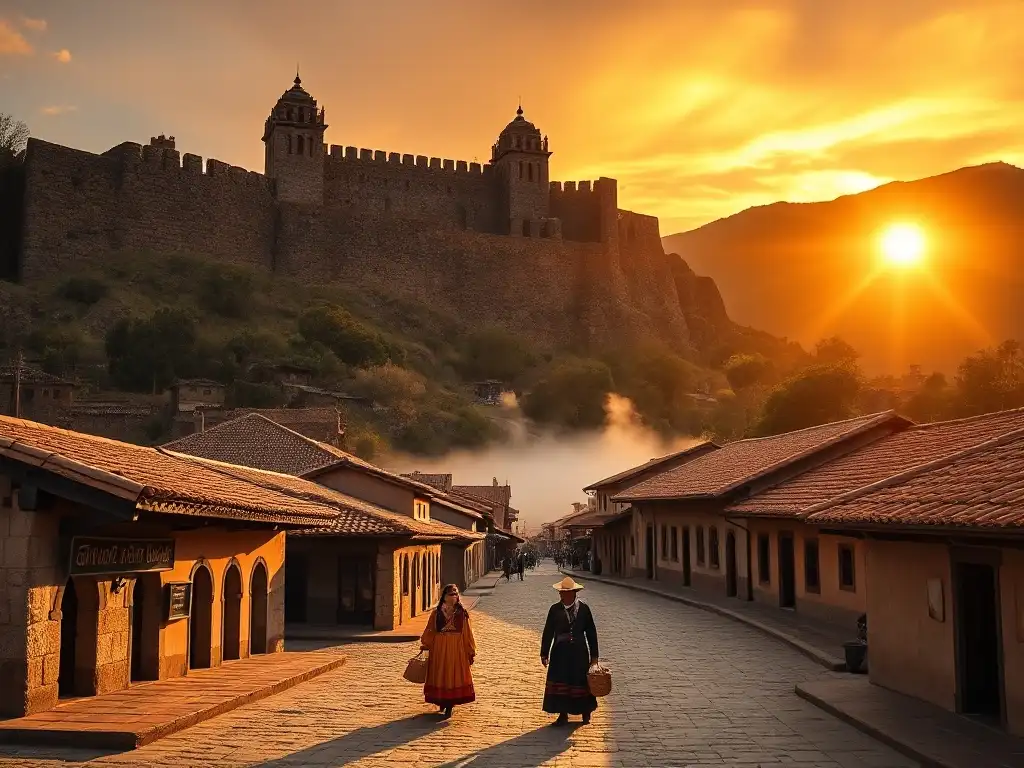
Cusco's significance extends far beyond its role as the Inca capital. Its enduring legacy profoundly shaped Andean culture, leaving an indelible mark on its identity, art, traditions, and spiritual practices. The city's strategic location, nestled high in the Andes, combined with its rich history, fostered a unique cultural tapestry that continues to influence the region today.
Understanding Cusco's lasting impact requires exploring its multifaceted influence on various aspects of Andean life. The Inca's meticulous city planning, impressive architecture, and sophisticated social structures all contributed to Cusco's enduring power and influence. The keyword "Inca Cusco significance" perfectly encapsulates this enduring legacy.
Cusco as a Symbol of Inca Identity and Heritage
Cusco remains a potent symbol of Inca identity and heritage. The very stones of the city whisper tales of a powerful empire, a sophisticated civilization that thrived for centuries. For many Andean people, Cusco represents a connection to their ancestors, a tangible link to a glorious past.
The preservation of Inca ruins, such as Sacsayhuamán and Qorikancha, serves as a constant reminder of the Inca's ingenuity and architectural prowess. These sites are not merely historical landmarks; they are living testaments to a rich cultural heritage, attracting visitors from around the globe and fueling tourism that supports the local economy. The intricate stonework, the precise alignments, and the sheer scale of these structures continue to inspire awe and wonder, reinforcing Cusco's position as a cornerstone of Andean identity.
The continued use of Quechua, the Inca language, in Cusco further strengthens this cultural connection. Many local festivals and traditions directly relate to Inca practices, highlighting the enduring influence of Cusco on modern Andean identity.
The Influence of Cusco on Modern Andean Art and Traditions
The artistic legacy of Cusco is undeniable. The city's rich history and unique aesthetic have profoundly influenced modern Andean art and traditions. Traditional Andean weaving, pottery, and metalwork often incorporate motifs and designs inspired by Inca artistry. The vibrant colors, intricate patterns, and symbolic imagery found in these crafts reflect the enduring influence of Cusco's artistic heritage. For instance, the use of geometric shapes and stylized representations of animals, common in Inca textiles, continues to be prevalent in contemporary Andean art. Furthermore, the city's renowned artisan workshops and schools actively preserve and promote these traditional techniques, ensuring the continuity of this artistic legacy for future generations. This preservation of traditional crafts not only upholds cultural heritage but also provides economic opportunities for Andean communities, supporting livelihoods and fostering cultural pride. The artistic vibrancy of Cusco serves as a constant reminder of the city's crucial role in shaping Andean artistic expression.
Cusco's Influence on Andean Festivals and Rituals
Cusco's influence permeates Andean festivals and rituals. Many contemporary celebrations retain elements of Inca traditions, reflecting a continuity of spiritual practices and beliefs. The Inti Raymi, the festival of the sun, is a prime example, showcasing the enduring importance of Inca cosmology and religious practices.
This annual event attracts thousands of participants and spectators, demonstrating the vibrant continuation of ancient traditions. Other festivals and ceremonies, often held in and around Cusco, incorporate Inca-inspired rituals, dances, and music, preserving a connection to the past. These celebrations provide a platform for the expression of Andean cultural identity, reinforcing community bonds, and transmitting cultural knowledge across generations.
The preservation of these traditions is vital for maintaining cultural diversity and fostering a sense of collective heritage within Andean communities. The enduring legacy of Cusco's significance is palpable in the continued practice of these ancient rituals, demonstrating the city's lasting impact on the spiritual life of the Andes.
Conclusion: The Enduring Significance of Inca Cusco
Cusco's importance within the Inca Empire is undeniable. Its strategic location, rich symbolism, and enduring legacy continue to fascinate historians and archaeologists alike. Understanding Cusco's significance allows us to grasp the intricate workings of Inca society, their sophisticated urban planning, and their profound spiritual beliefs.
The city served not only as a political center but also as a vital religious hub, reflecting the deep interconnectedness of Inca power and spirituality. The meticulous planning evident in Cusco's layout, coupled with the stunning architecture that remains, provides invaluable insights into Inca engineering prowess and their mastery of stonework. This section will delve deeper into the lasting impact of Cusco's Inca heritage.
Reflecting on the Importance of Cusco in Inca History
The Inca considered Cusco the Qosqo, meaning "navel of the world," a sacred place at the heart of their empire. This wasn't merely a symbolic designation; it reflected the city's crucial role in the Inca's worldview and governance. Cusco's central location facilitated efficient administration and communication across the vast empire.
The intricate network of roads, qhapaq ñan, radiating from Cusco connected distant provinces, enabling the swift movement of troops, goods, and messages. This strategic infrastructure significantly contributed to the Inca Empire's stability and expansion. Furthermore, the city's religious significance, with its numerous temples and sacred sites, cemented its position as the spiritual heartland of the Inca civilization.
The presence of the Coricancha, the Temple of the Sun, highlights the importance of solar worship and the emperor's divine status within Inca cosmology. The Inca's meticulous planning and construction of Cusco also demonstrated their advanced understanding of engineering, urban planning, and architectural design. The precise fitting of massive stone blocks without mortar remains a testament to their skill and ingenuity, showcasing the Inca's deep understanding of engineering principles and their ability to adapt to the challenging Andean terrain.
Cusco's Role in Understanding the Inca Empire
Cusco serves as a key to understanding the complexities of the Inca Empire. Analyzing its urban layout reveals much about Inca social organization, political structure, and religious beliefs. The city's concentric design, with the Coricancha at its center and residential areas radiating outwards, reflects a hierarchical social structure with the emperor at the apex.
Archaeological findings within Cusco, such as intricate textiles, gold artifacts, and ceramic vessels, provide further insight into Inca artistry, craftsmanship, and daily life. The study of Inca Cusco significance sheds light on the Inca's sophisticated system of agriculture, water management, and resource allocation. The city's location and infrastructure facilitated the efficient distribution of agricultural products and resources across the empire, ensuring the sustenance of its vast population.
Evidence suggests a highly organized system of terraces and irrigation channels, showcasing the Inca's ability to adapt to their environment and maximize agricultural productivity. The study of Cusco's Inca past is therefore crucial to understanding the totality of the Inca Empire – its administrative capabilities, its religious beliefs, and its economic strength. This detailed understanding allows for a more comprehensive and nuanced appreciation of one of the most fascinating civilizations in history.
The Ongoing Study and Appreciation of Cusco's Inca Heritage
The study of Inca Cusco significance continues to evolve, with ongoing archaeological excavations and research constantly revealing new insights. Modern technologies, such as LiDAR and ground-penetrating radar, are being employed to uncover hidden structures and gain a better understanding of the city's layout and expansion over time. The preservation and restoration efforts undertaken at various Inca sites within Cusco are also crucial in ensuring that this invaluable heritage is protected for future generations.
Moreover, the ongoing study of Inca Cusco significance goes beyond mere archaeological investigation. It involves a multidisciplinary approach, incorporating historical analysis, anthropological studies, and linguistic research to gain a more holistic understanding of Inca culture and society. This interdisciplinary approach allows scholars to delve deeper into the complexities of Inca life, including their social structures, religious practices, and technological advancements.
The rich Inca heritage of Cusco continues to inspire awe and wonder, reminding us of the remarkable achievements of this ancient civilization and the enduring legacy of their sophisticated culture. The continued appreciation and study of Cusco ensures that the story of the Inca Empire, and its heart, Cusco, remains vibrant and relevant for years to come.
Frequently Asked Questions
What is the significance of Cusco in Inca culture?
Cusco held immense religious and political significance for the Inca. It was considered the center of the Inca world, the umbilical point from which their empire radiated. Its strategic location in the Andes also contributed to its importance.
The Incas believed Cusco was the center of the universe, a sacred place where the human and spiritual realms intersected. This belief shaped their urban planning and religious practices within the city. The name reflected their cosmological worldview.
How did Cusco's location contribute to its importance?
Cusco's location in a fertile valley, surrounded by mountains, provided access to agricultural resources and strategic trade routes. This facilitated the growth and prosperity of the Inca empire, solidifying Cusco's role as its capital.
What are some examples of Inca architecture in Cusco?
Cusco boasts remarkable examples of Inca architecture, including stonework of exceptional precision, temples, and royal residences. Many structures were incorporated into the later Spanish colonial city, showcasing a blend of Inca and Spanish styles.
Today, Cusco offers numerous sites reflecting its Inca past, such as Sacsayhuamán, Qorikancha, and the Cusco Cathedral. These sites provide valuable insights into Inca culture, engineering, and beliefs, making Cusco a significant historical destination.
Final Reflection: Cusco's Enduring Legacy: A City Woven into Time
The echoes of Inca power still resonate in Cusco, a city whose significance transcends its historical boundaries. Its strategic location, its intricate urban planning, and the enduring spiritual power attributed to it continue to captivate and inspire, reminding us of the ingenuity and cultural depth of the Inca civilization. The very stones of Cusco whisper tales of a sophisticated empire, a testament to human achievement that continues to shape our understanding of the past.
Cusco's influence extends far beyond its physical presence; it remains a potent symbol of resilience, cultural identity, and the enduring power of a people's connection to their land. The city's enduring appeal speaks to a deeper human need to connect with our history and heritage. The past is never dead. It's not even past,
wrote William Faulkner, and this rings profoundly true when considering Cusco's ongoing impact on Peruvian identity and global perceptions of Inca civilization. The city's vibrant cultural scene, its preservation efforts, and its ongoing archaeological discoveries ensure that the story of the Inca continues to unfold, enriching our understanding of this remarkable civilization.
As you reflect on the legacy of Cusco, consider the ways in which we can honor and protect the historical sites and cultural traditions that shape our world. Let the story of this ancient city inspire you to explore your own connections to history and heritage, to appreciate the richness of diverse cultures, and to champion the preservation of our shared past for future generations. Embrace the enduring power of history, and let Cusco's legacy guide you towards a deeper understanding of ourselves and the world around us.
**Unveil the Wonders of Cusco Today! **
Thank you for exploring the rich tapestry of Cusco with us! You've uncovered the deep significance of this ancient city, known as the **Navel of the World** and the heart of Inca power. Now, let's delve even deeper into its captivating history and culture.
Here are some ways to continue your journey:
- **Embark on a virtual tour** of Cusco's iconic sites—explore Machu Picchu, Sacsayhuamán, and Qorikancha from the comfort of your home! Many excellent virtual tours are available online.
- Share your favorite Cusco fact with friends and family, or post it on social media to inspire others to discover the magic of this awe-inspiring destination. Perhaps share a captivating image alongside your fact!
- Expand your knowledge of Inca civilization by reading a book or watching a documentary that explores their fascinating history and culture. There are many excellent resources available, from academic texts to engaging films.
What aspect of Cusco captivates you most, and what kind of adventure do you envision for your next visit?