
The Inca's Belief in Omens and Their Interpretation

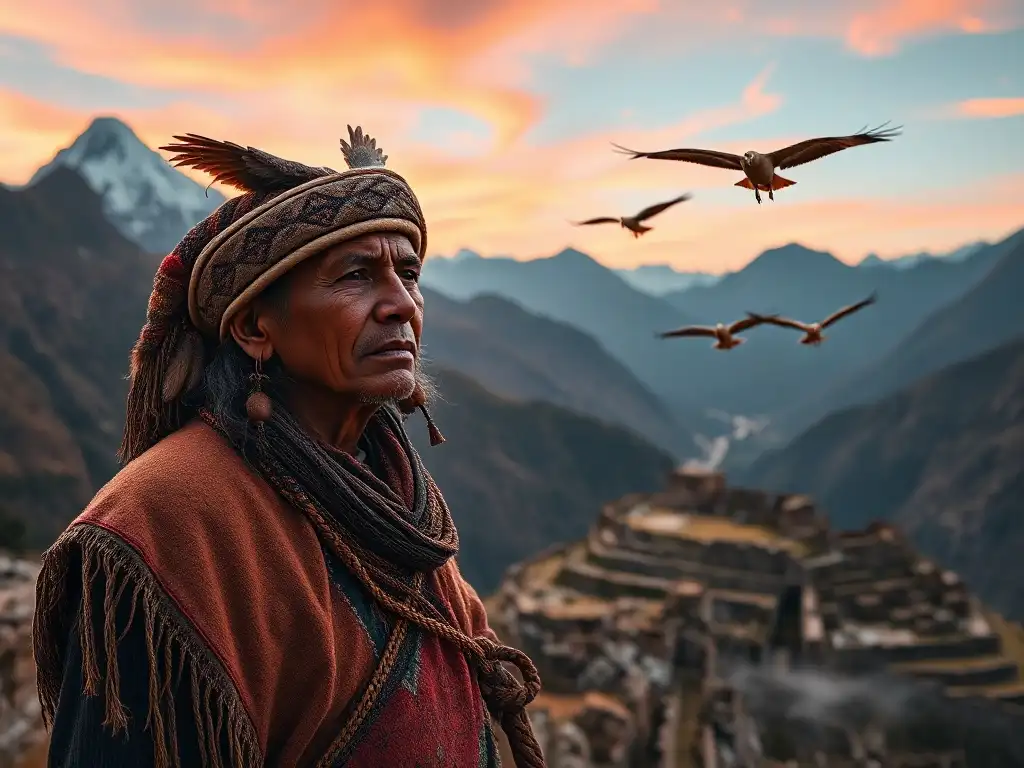
Step into a world lost to time, yet echoing with the whispers of a magnificent empire. Dive into the fascinating realm of the Andes, where towering mountains held secrets and celestial events dictated destinies. Uncover the intricate methods the Inca used to interpret omens, a practice that shaped their lives and their empire's destiny. Prepare to be captivated by the enigmatic world of Inca omen interpretation – a journey that will challenge your perceptions and leave you yearning for more.
- Inca Beliefs in Omens and Prophecy
- Methods of Inca Omen Interpretation
- Types of Inca Omens and Their Meanings
- The Importance of Inca Omen Interpretation Methods in Daily Life
- Legacy of Inca Beliefs in Omens and Divination
- Frequently Asked Questions
- Final Reflection: Echoes of the Andes: The Enduring Power of Inca Omen Interpretation
- Unveil the Secrets of Inca Omens and Take Action Today!
Inca Beliefs in Omens and Prophecy
The Inca Empire, renowned for its sophisticated engineering, intricate social structures, and vast territorial expanse, also possessed a deeply ingrained belief system centered around the interpretation of omens. This wasn't simply superstition; the Inca's understanding and interpretation of omens played a crucial role in their daily lives, influencing decisions ranging from agricultural practices to imperial policy.
Their belief system, intertwined with nature and the supernatural, offered a framework for understanding the world and predicting the future. This article delves into the fascinating world of Inca omen interpretation, exploring the significance of these signs within their society and the methods employed by their diviners to decipher the messages from the gods and the cosmos.
Understanding their approaches provides valuable insight into the Inca worldview and the profound influence of religious belief on their civilization. We will examine specific methods used for Inca omen interpretation, shedding light on the intricate relationship between the Inca people and their environment.
The Significance of Omens in Inca Society
Omens held immense significance within Inca society. They weren't merely coincidences; rather, they were believed to be direct communications from the gods or spirits, offering guidance and warnings. The Inca worldview was deeply intertwined with the natural world; mountains, rivers, stars, and even animal behavior were all considered potential sources of prophetic insight. A sudden storm, an unusual animal sighting, or an unusual celestial event could all be interpreted as omens, carrying profound implications for the community. The accuracy of omen interpretation was considered paramount, as the decisions made based on these interpretations could affect everything from the success of a harvest to the outcome of a military campaign. The Inca believed that paying close attention to these signs was essential for maintaining harmony with the spiritual realm and ensuring the well-being of the empire. Ignoring these omens was seen as a dangerous act of defiance against the divine will.
The interpretation of omens wasn't solely the domain of religious specialists. While priests and diviners played a significant role, everyday Inca people were also expected to observe and interpret natural phenomena, sharing their observations and contributing to a collective understanding of divine messages. This widespread participation fostered a strong sense of community and collective responsibility in understanding the will of the gods. The social implications were significant; accurate interpretations could enhance social standing and influence, while inaccurate or negligent interpretations could lead to social repercussions.
The Role of Divination in Inca Religious Practices
The Inca employed various methods of divination to interpret omens. These methods often involved careful observation of natural phenomena, but also incorporated specialized rituals and tools. Priests, known as hamacs, held a privileged position in society, acting as intermediaries between the human and spiritual worlds. They possessed specialized knowledge of Inca cosmology, mythology, and the interpretation of omens. Their expertise was crucial in deciphering complex signs and guiding the Inca rulers in their decision-making processes.
One common method involved observing the behavior of animals. The flight patterns of birds, the movements of llamas, and even the behavior of insects were all carefully noted and interpreted. Specific animals were associated with particular deities or spiritual forces, and their actions could provide insights into the future or the divine will. For example, a condor circling overhead might have been interpreted as a sign of good fortune, while a snake crossing one's path might have been seen as an ominous sign.
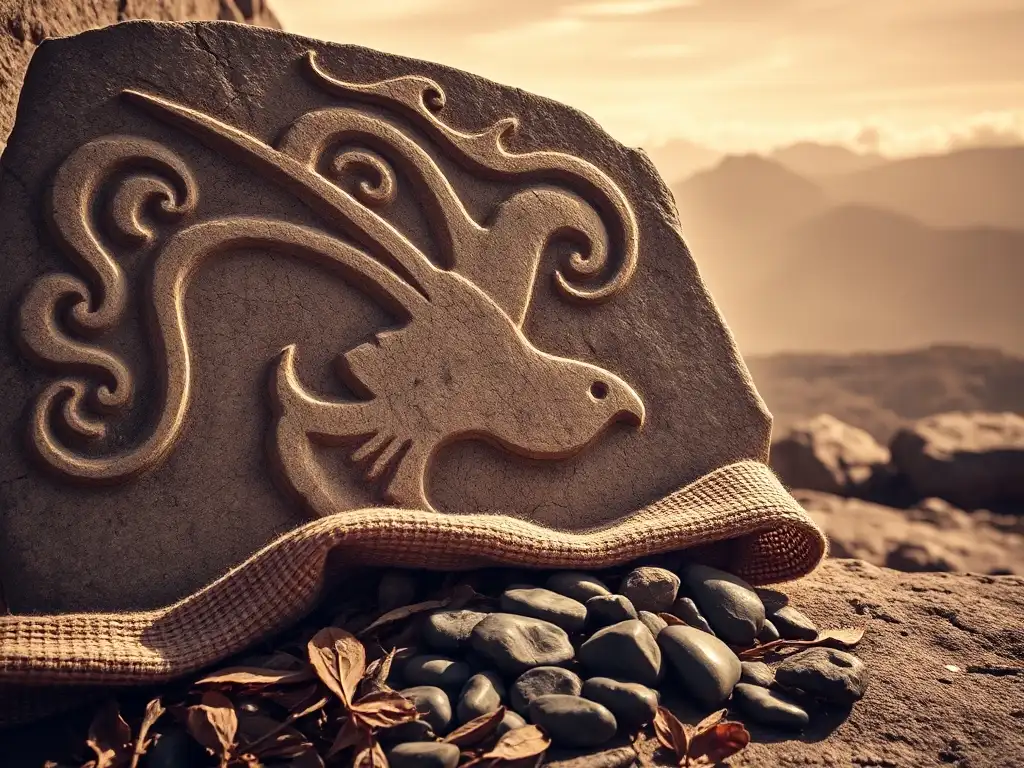
Another significant method involved interpreting the patterns of coca leaves. Coca leaves were sacred to the Inca and played a vital role in their religious practices. Hamacs would spread a handful of coca leaves on a cloth and interpret their arrangement, looking for specific patterns that revealed divine messages. This practice, akin to tasseography, provided a way to gain insights into the future or receive guidance from the spiritual realm. The detailed interpretation of the leaf patterns required extensive training and intimate knowledge of the symbolic language of coca.
The Inca also utilized other forms of divination, including astrology and the examination of entrails. While detailed information on these practices remains scarce, evidence suggests their importance in predicting the future and understanding the will of the gods. Further research is needed to fully understand the nuances of these additional practices and their role in Inca society. The lack of extensive written records presents a challenge for scholars, but archaeological evidence continues to unveil new insights into the rich and complex spiritual world of the Inca.
Methods of Inca Omen Interpretation
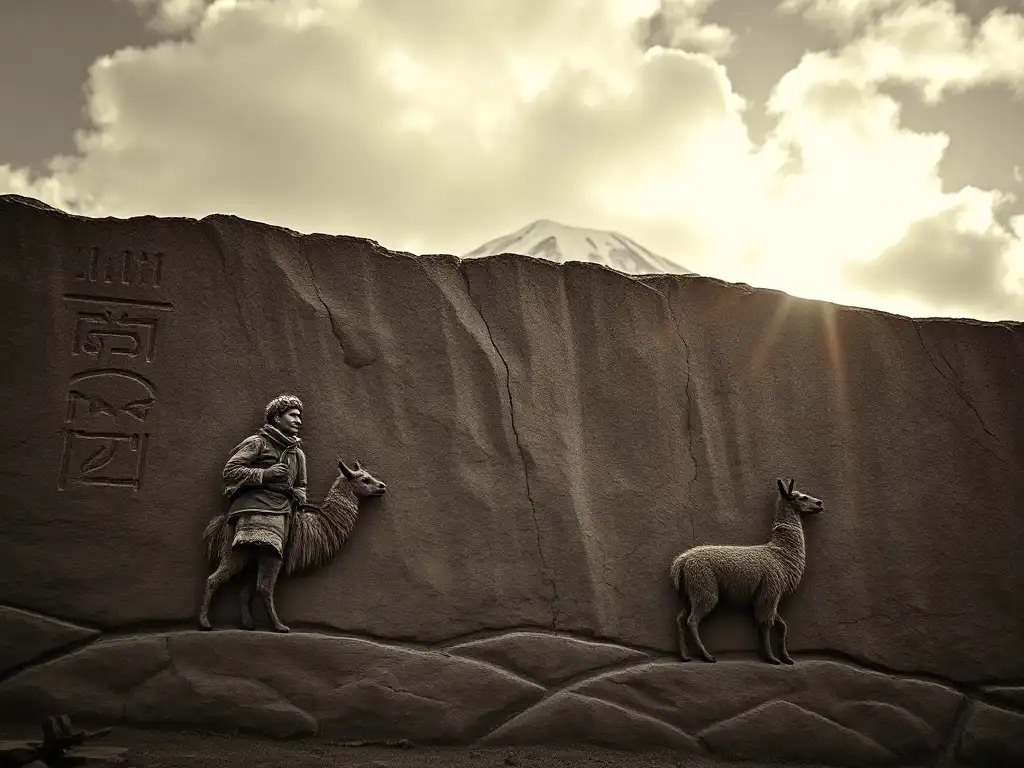
The Inca civilization, renowned for its sophisticated engineering and intricate social structures, also possessed a deeply ingrained belief system centered around interpreting omens. Their worldview was profoundly shaped by the belief that the natural world, celestial bodies, and even animal behavior held significant clues about the future, influencing decisions ranging from agricultural practices to military campaigns. Understanding Inca omen interpretation methods reveals a fascinating blend of observation, ritual, and spiritual insight, providing valuable insight into their rich culture and worldview.
This section delves into the specific techniques employed by Inca priests and diviners to decipher these signs, exploring their sophisticated understanding of the cosmos and their environment. The meticulous observation and detailed interpretation of omens reveal a complex system of divination that played a vital role in Inca society.
Observing Natural Phenomena for Omens
The Inca's understanding of the world was deeply intertwined with their ability to read the signs present in nature. They believed that the gods communicated through various natural phenomena, and the accurate interpretation of these signs was critical for maintaining cosmic balance and ensuring societal prosperity. This section will explore the specific natural phenomena that held particular significance for Inca omen interpretation.
Interpreting Celestial Events: The Sun's Eclipses, Lunar Phases, and Star Conjunctions
Celestial events held immense importance in Inca cosmology. The sun, moon, and stars were not merely astronomical bodies but powerful deities whose movements and behaviors held prophetic significance. Solar eclipses, for instance, were often interpreted as ominous signs, potentially foretelling misfortune, famine, or even the death of a ruler. The meticulous observation of lunar phases also played a crucial role, with different phases associated with varying degrees of auspiciousness or ill omen.
Furthermore, the conjunctions of stars and planets were carefully tracked and interpreted by Inca astronomers-priests, who possessed detailed knowledge of the night sky. These interpretations were often recorded using sophisticated quipu systems, providing a valuable record of celestial events and their associated prophecies. The intricate understanding of celestial mechanics and their symbolic significance showcases the advanced astronomical knowledge of the Inca civilization and their profound reliance on celestial omens for guidance.
Decoding Animal Behavior as Signs
Animal behavior provided another significant source of omens for the Inca. Specific animals and their actions were believed to carry symbolic weight, offering insights into the future. For example, the flight patterns of condors, the behavior of llamas, or even the appearance of unusual animals were all carefully observed and interpreted. Unusual animal behavior, such as a condor flying unusually low or a llama refusing to eat, might have been seen as a warning of impending danger or misfortune.
Conversely, certain animal behaviors were considered auspicious, indicating good fortune or the favor of the gods. The precise interpretations varied depending on the specific animal, its behavior, and the context in which it was observed, highlighting the nuanced nature of Inca omen interpretation. Further research is needed to fully delineate the specific interpretations associated with each animal and behavior. [Specific information pending on detailed animal omen interpretations].
Understanding Weather Patterns as Omens
Weather patterns were yet another crucial source of omens for the Inca. Given their reliance on agriculture, the Inca meticulously observed weather patterns, interpreting them as indicators of the coming harvest and overall societal well-being. Unusual weather events such as prolonged droughts, unexpected floods, or unusual storms were often viewed as unfavorable omens, potentially signaling a period of hardship and scarcity.
Conversely, favorable weather conditions were interpreted as auspicious signs, indicating a bountiful harvest and prosperity for the community. The Inca’s keen observation of the environment and their ability to connect weather patterns with broader societal implications demonstrates a deep understanding of their ecosystem and its influence on their lives. The integration of weather observation into their divination system highlights the practical and spiritual interconnectedness of their worldview.
The Use of Rituals in Inca Divination Practices
Beyond observing natural phenomena, the Inca also employed various rituals to enhance their ability to interpret omens and commune with the divine. These rituals, often performed by specialized priests and diviners, played a crucial role in seeking guidance and understanding the will of the gods.
Coca Leaf Reading and its Interpretations
Coca leaves held significant spiritual importance in Inca culture. Coca leaf reading, or taqui, was a common form of divination employed to gain insight into the future or seek guidance on important decisions. The diviner would carefully arrange and interpret the patterns formed by the coca leaves, seeking clues about upcoming events or the intentions of the gods. The interpretation was not standardized, and the meaning of different leaf patterns was often context-dependent and based on the diviner's experience and intuition.
This practice highlights the significant role of intuition and spiritual insight in Inca divination. Unfortunately, detailed records of specific coca leaf interpretations are scarce, leaving much of the specific meanings shrouded in mystery. [Specific information pending on detailed coca leaf interpretations].
Sacrifice and Prophecy in Inca Beliefs
Sacrifice played a vital role in Inca religious practices and was closely linked to their belief in omens and prophecy. While human sacrifice was practiced, it was not as commonplace as often portrayed. Animal sacrifices, however, were frequently performed to appease the gods, seek their favor, or avert misfortune.
The manner in which the sacrifice was conducted and the animal chosen could carry symbolic meaning, influencing the interpretation of omens. The outcome of the sacrifice, such as the animal’s behavior or the state of its internal organs, could also be interpreted as an omen, offering further insight into the future or the gods’ intentions. The careful consideration of all aspects of the sacrifice underscores the complexity and depth of Inca religious practices and their profound connection to their system of omen interpretation.
Further research into specific sacrifice rituals and their relation to omen interpretation is needed for a comprehensive understanding. [Specific information pending on detailed examples of sacrifice rituals and their relation to omen interpretation].
Types of Inca Omens and Their Meanings
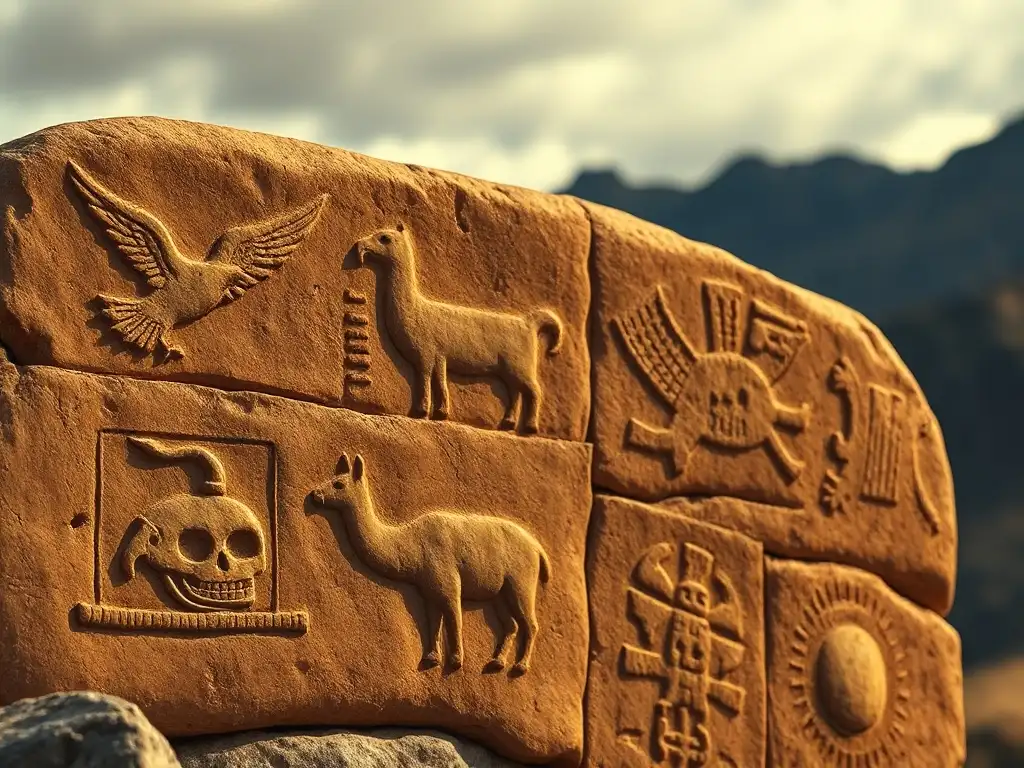
The Inca civilization, renowned for its sophisticated social structures and engineering marvels, also possessed a deeply ingrained belief system centered around the interpretation of omens. These weren't simply superstitious beliefs; omen interpretation played a vital role in Inca decision-making, influencing everything from agricultural practices to military campaigns and even the succession of Sapa Inca. The Inca's understanding of the world was profoundly intertwined with the celestial and terrestrial realms, with natural phenomena often perceived as divine messages.
This section delves into the various types of omens recognized by the Inca and the methods employed to decipher their meanings, focusing specifically on how these interpretations shaped Inca society and its trajectory. Understanding Inca omen interpretation methods is crucial to grasping the complexities of their worldview.
Auspicious Signs in Inca Culture
Auspicious omens were eagerly sought after, providing reassurance and guidance to the Inca leadership. These signs often signified prosperity, success, and the favor of the gods. Their appearance was met with celebration and ritualistic reinforcement, reinforcing the perceived divine approval. The Inca meticulously recorded these auspicious events, often integrating them into their elaborate record-keeping systems using quipus.
Omens of Successful Harvests and Abundant Resources
The Inca, deeply reliant on agriculture, considered bountiful harvests paramount. Omens related to successful harvests were particularly significant. The appearance of unusually vibrant rainbows after periods of drought, for example, was interpreted as a positive sign, promising plentiful yields. Similarly, the sighting of specific birds, such as the kenti, considered sacred messengers, near agricultural fields was seen as a harbinger of a prosperous harvest.
The unusual abundance of certain fish species in rivers and lakes was also viewed as an auspicious sign, indicating good fortune and prosperity for the coming year. These positive omens were carefully documented and celebrated, potentially influencing decisions regarding resource allocation and agricultural planning. The precise details of these celebrations, however, remain partly shrouded in mystery, with further research needed to fully understand their nuances.
Signs of Imperial Expansion and Military Victory
Military success was also heavily influenced by omen interpretation. The Inca believed that the gods favored certain military campaigns and provided signs to guide their actions. The appearance of a double rainbow before a battle, for instance, could have signified an impending victory. Unusual celestial events, such as meteor showers or comets, might have been interpreted as divine approval for military expansion into new territories.
Even the behavior of animals, such as the unusually aggressive nature of a condor, could have been interpreted as a sign of impending military triumph. These interpretations, undoubtedly, played a significant role in the Inca’s successful expansion across the Andes. Specific examples are lacking from readily available historical sources, but the influence of omens on such crucial decisions is undeniable.
Inauspicious Signs and Their Implications
Conversely, inauspicious omens were treated with grave concern, often prompting immediate action to appease the gods and mitigate potential negative consequences. These omens, perceived as warnings from the divine realm, were interpreted as harbingers of misfortune and societal upheaval. The Inca's response to such signs often involved elaborate rituals, sacrifices, and changes in policy.
Omens of Famine and Disease
Perhaps the most feared omens were those predicting famine and disease. Unusual weather patterns, like prolonged droughts or unexpected floods, were interpreted as divine displeasure, foreshadowing crop failure and widespread hunger. The appearance of certain insects or animals, often associated with disease, also served as ominous warnings.
The sudden death of livestock or unusual behavior among llamas, critical to the Inca economy, was interpreted as a sign of impending famine or disease. These omens triggered immediate responses, likely involving increased religious activity, changes in agricultural practices, and potentially even the redistribution of resources to alleviate potential suffering. Further research is needed to detail the specific rituals and responses employed in such circumstances.
Signs of Rebellion and Social Unrest
Omens also played a role in predicting social unrest and rebellion. Unusual natural phenomena, such as earthquakes or volcanic eruptions, were sometimes interpreted as signs of divine anger, potentially indicating an impending rebellion or societal upheaval. The behavior of animals could also serve as a warning.
For instance, the unusual aggression of normally docile animals might have been interpreted as a sign of impending conflict within the empire. Likewise, unusual dreams experienced by high-ranking officials or priests might have been interpreted as warnings of rebellion or social unrest, necessitating proactive measures to maintain social order and prevent conflict. Understanding the specific methods used to interpret these omens and the actions taken in response requires further investigation into less-explored aspects of Inca society.
Specific Inca Omens and Their Associated Interpretations
The Inca civilization, renowned for its sophisticated social structures and engineering marvels, also possessed a deeply ingrained belief system heavily reliant on omen interpretation. Their worldview was intricately woven with the natural world, and seemingly insignificant events were often imbued with profound spiritual significance. Inca priests, known as hamacs, played a crucial role in deciphering these omens, using their knowledge of celestial events, animal behavior, and even the patterns of coca leaves to advise the Sapa Inca and other leaders on matters of state and individual well-being.
The accuracy of these interpretations was believed to directly influence the prosperity and stability of the empire. Misinterpretations, or a failure to heed the warnings, were seen as potentially catastrophic. The methods of interpretation varied depending on the nature of the omen, with some requiring intricate rituals and detailed observations over extended periods.
The Inca's meticulous record-keeping, though not always surviving to the present day, undoubtedly played a significant role in building a comprehensive understanding of omen patterns and their historical correlations. This allowed for a more refined system of interpretation over time, constantly adapting and evolving based on observed outcomes. The system was not merely superstitious; it was a sophisticated method of risk assessment woven into the fabric of Inca society.
The Appearance of a Comet: Foretelling a Ruler's Death or Major Upheaval
The appearance of a comet in the Inca sky was considered an exceptionally ominous sign, often interpreted as a harbinger of the Sapa Inca's death or a period of significant societal upheaval. The comet's trajectory, brightness, and the specific constellations it traversed were all carefully observed and meticulously recorded by the hamacs. A comet streaking across the night sky with a fiery tail, for instance, might foretell not only the death of the ruler but also widespread famine or war.
Conversely, a less dramatic comet might suggest a period of instability, perhaps internal conflict within the court or a challenge to the Sapa Inca's authority. The interpretations were complex and nuanced, considering not only the comet's visual characteristics but also the prevailing social and political climate. Historical accounts, though fragmented, suggest that the appearance of a comet often led to intensified religious rituals, including sacrifices and public displays of penance, aimed at appeasing the gods and averting the predicted calamity.
The Inca believed that through careful observation and appropriate responses, they could potentially mitigate the negative consequences foretold by these celestial events. Understanding the specific interpretations associated with different cometary appearances provided a framework for proactive governance and crisis management.
The Unusual Behavior of the Royal Llama Herd: Indicating an Impending Disaster
The royal llama herd, a symbol of Inca wealth and power, held significant symbolic importance. The llamas' behavior was closely monitored, and any deviation from their normal routines was considered a potential omen. Unusual behavior, such as a mass stampede, unexplained illness among the herd, or even a sudden change in their feeding habits, could signal impending disaster.
For example, a sudden and inexplicable illness sweeping through the royal llamas might be interpreted as a warning of a widespread epidemic amongst the human population. Similarly, a mass stampede could be seen as a premonition of a military defeat or a natural catastrophe like an earthquake. The hamacs would meticulously analyze these events, considering factors like the specific animals affected, the timing of the event, and the overall health and well-being of the herd.
This detailed analysis, combined with other observations and astrological readings, helped to paint a complete picture of the potential threats facing the empire. The interpretation of these omens wasn't simply a matter of superstition; it was a sophisticated system of risk assessment integrated into the administrative structure of the Inca state. The well-being of the royal llama herd was, therefore, not only a matter of economic importance but also a vital component of the Inca's predictive system.
The Importance of Inca Omen Interpretation Methods in Daily Life
Inca society was deeply interwoven with a belief in the power of omens. These weren't simply superstitions; they were integral to daily life, impacting decisions ranging from agricultural planting to military campaigns and even matters of royal succession. The meticulous observation and interpretation of omens formed a crucial framework for understanding the will of the gods and navigating the uncertainties of the world.
The Inca's belief in the interconnectedness of the natural and supernatural worlds meant that seemingly insignificant events—the flight of a bird, the behavior of a llama, unusual weather patterns—could carry profound significance, offering glimpses into the future or divine pronouncements about the present. This pervasive influence on daily life underscores the profound role of omen interpretation in the Inca worldview. Understanding these methods provides critical insight into the complexities of Inca society and its unique relationship with the spiritual realm.
Analyzing Inca omen interpretation methods reveals a sophisticated system of divination, reflecting a culture deeply attuned to the natural world and its subtle signs. The accuracy and effectiveness of these methods are debated by modern scholars, but their importance in shaping Inca culture is undeniable.
How Omens Influenced Inca Decision-Making
The Inca's reliance on omen interpretation profoundly shaped their decision-making processes. Before embarking on any significant undertaking, whether it was launching a military expedition, initiating a major construction project, or even making personal choices concerning marriage or family matters, consultation with diviners was commonplace. For example, the planting of crops was not simply a matter of seasonal timing; it was intricately linked to the interpretation of celestial events and the behavior of animals.
A favorable omen might signify a bountiful harvest, while an unfavorable one could lead to a postponement or a change in plans altogether. Similarly, decisions regarding warfare were often predicated on the interpretation of omens. The flight of condors, the patterns of stars, or even the behavior of sacrificial llamas could influence strategic choices, determining whether to engage in battle, retreat, or seek a diplomatic solution.
The pervasive influence of omen interpretation on Inca decision-making processes demonstrates the deep integration of the spiritual and practical aspects of their lives. This wasn't a matter of blind faith; rather, it was a sophisticated system of risk management informed by careful observation and interpretation of the natural world.
The Role of Priests and Diviners in Inca Society
The interpretation of omens wasn't a task undertaken lightly; it was the province of specialized individuals within Inca society: priests and diviners. These individuals held positions of significant power and influence, acting as intermediaries between the human and spiritual realms. Their expertise was highly valued, and their pronouncements carried considerable weight in shaping both public policy and individual lives.
They were not simply soothsayers but also held responsibilities in maintaining temples, conducting rituals, and interpreting the will of the gods. Their deep understanding of Inca cosmology, mythology, and ritual practices allowed them to effectively analyze omens and provide guidance to the Inca rulers and the broader population. The precise methods they employed varied, encompassing a wide range of techniques from observing natural phenomena to interpreting dreams and entrails.
Their role was essential in maintaining social order and providing a framework for understanding the unpredictable nature of life within the Inca empire. The prestige and influence of these priestly figures underscore the importance of divination in Inca culture.
The Hierarchy of Inca Divination Specialists
The Inca system of divination wasn't monolithic; it featured a hierarchy of specialists, each with their own area of expertise. At the apex stood the Willaq Uma, the highest-ranking priest, who often advised the Sapa Inca directly on matters of state. Below this position were various levels of priests and diviners, some specializing in specific types of divination, such as interpreting the flight of birds ( Ayarachi), reading the entrails of sacrificial animals ( Harawi), or interpreting dreams ( Yacumama).
This hierarchical structure ensured a degree of specialization and expertise, and it also helped maintain the authority and legitimacy of the divinatory process. The precise details of this hierarchy remain somewhat obscure, with much information still needing to be uncovered through archaeological research and interpretation of existing texts.
Further research is needed to fully understand the intricate relationships and responsibilities within this specialized priestly class. [Specific information pending on the precise number of levels and titles within the divination hierarchy].
The Education and Training of Inca Seers
Becoming a skilled Inca diviner wasn’t a matter of chance; it required extensive training and education, often beginning in early childhood. Aspiring diviners underwent rigorous apprenticeships under the tutelage of experienced priests, learning to interpret a wide range of omens, from the patterns of stars and the flight of birds to the behavior of animals and the subtle nuances of natural phenomena. This education was not simply rote memorization; it involved a deep immersion in Inca cosmology, mythology, and ritual practices.
The training emphasized keen observation skills, a profound understanding of the natural world, and the ability to discern subtle patterns and meanings. This process fostered a deep connection between the diviner and the spiritual realm, enabling them to effectively interpret the will of the gods and provide guidance to the Inca people.
[Further research is needed to determine the precise length and curriculum of the training programs for Inca diviners]. The demanding nature of this education highlights the high value placed on accurate omen interpretation within Inca society.
Legacy of Inca Beliefs in Omens and Divination
The Inca Empire, renowned for its sophisticated engineering and intricate social structures, also possessed a deeply ingrained belief system centered around omens and divination. This wasn't a superstitious quirk; rather, it was a fundamental aspect of their worldview, informing crucial decisions ranging from agricultural practices to military campaigns and even imperial succession. The Inca's meticulous observation of natural phenomena and their intricate interpretation of these signs reveal a complex understanding of their environment and a profound connection to the spiritual realm.
Their methods of Inca omen interpretation weren't arbitrary; they were carefully codified and passed down through generations of amautas (wise men) and palla (priestesses). This deep-seated belief in the power of omens significantly shaped their society and left an enduring legacy on Andean culture. The very fabric of Inca society was woven with threads of divination, impacting every level, from the emperor to the commoner.
The Influence of Inca Omens on Andean Culture
The pervasive influence of Inca omen interpretation extended far beyond individual choices. It profoundly shaped the empire's political, economic, and social landscapes. For instance, agricultural cycles were heavily reliant on interpreting omens. The planting and harvesting seasons were not merely determined by astronomical observations but also by careful consideration of signs such as the behavior of animals, unusual weather patterns, or the flight of birds.
A particularly auspicious omen might signal a bountiful harvest, while an unfavorable one could lead to adjustments in planting strategies or even ritualistic appeasement of the gods. Similarly, military campaigns were often preceded by elaborate divination ceremonies. The outcome of battles was believed to be partly determined by the favor of the gods, indicated through various omens.
Even the selection of the Sapa Inca (emperor) was not solely based on lineage but also involved a complex process of divination and omen interpretation, ensuring the chosen ruler possessed divine favor. The Inca's meticulous recording of these omens, though largely lost to time, speaks to their importance in the shaping of their civilization. The legacy of this practice continues to resonate in contemporary Andean culture, albeit in modified forms.
Surviving Traditions of Inca Divination in Modern Times
While the Inca Empire fell centuries ago, echoes of their divination practices persist in various Andean communities today. While the formalized system of Inca omen interpretation is largely lost, many indigenous communities still maintain traditions that reflect the enduring influence of these beliefs. For example, the interpretation of animal behavior, particularly that of birds and llamas, remains relevant in certain regions.
Unusual animal behavior might be seen as a portent of good or bad fortune, influencing decisions related to farming, travel, or even marriage. Furthermore, the use of coca leaves for divination, a practice with ancient roots, continues in some areas. The way the leaves fall or their arrangement is interpreted to provide guidance or insight.
These surviving traditions, while often adapted and blended with other beliefs, represent a direct link to the Inca's rich legacy of omen interpretation. Further research into these contemporary practices could provide valuable insights into the evolution of Inca beliefs and their continued relevance in modern Andean society. The study of these practices offers a unique window into the enduring cultural memory of a sophisticated civilization.
Understanding Inca Omens as a Window into Their Worldview
The Inca's profound belief in omens provides invaluable insight into their worldview. It reveals a society deeply interconnected with the natural world and acutely aware of its subtle nuances. Their meticulous observation of the environment—from the behavior of animals to the patterns of the stars—demonstrates a profound understanding of ecological processes. This wasn't merely a matter of superstition; it was a practical approach to understanding and managing their environment.
The Inca's emphasis on interpreting omens also highlights their spiritual beliefs. The natural world was not seen as separate from the spiritual realm; rather, it was considered a powerful source of divine communication. Omens weren't random events; they were messages from the gods, guiding the Inca in their daily lives and shaping their destiny.
By studying their methods of Inca omen interpretation, we gain a deeper appreciation for their sophisticated understanding of the world and their profound connection to the cosmos. The intricate system of omen interpretation employed by the Inca serves as a powerful testament to their rich cultural heritage and its enduring influence. Their legacy continues to inspire awe and wonder, even centuries after the fall of their empire.
Frequently Asked Questions
What were omens to the Inca?
The Inca believed omens were divine messages, often signifying future events or the will of the gods. These could be interpreted to guide decisions impacting everything from agriculture to warfare.
How did the Inca interpret omens?
Inca omen interpretation involved specialized priests called haraucus who studied various phenomena. These included animal behavior, natural events like earthquakes, and patterns in the stars. Their interpretations held significant weight.
What types of omens did the Inca consider important?
Important omens encompassed a wide range of observations. Unusual weather patterns, dreams, and even the flight of birds were all carefully considered and interpreted for their symbolic meaning.
Were all Inca omen interpretations consistent across the empire?
While there were shared beliefs, local variations existed in omen interpretation. Regional differences in geography, culture, and traditions influenced how omens were understood and acted upon.
How did Inca omen interpretation influence their society?
Omen interpretation significantly impacted Inca decision-making at all levels. From agricultural practices to military campaigns and even royal succession, these interpretations played a crucial role in shaping Inca society.
Final Reflection: Echoes of the Andes: The Enduring Power of Inca Omen Interpretation
The Inca's sophisticated system of omen interpretation, far from being a relic of the past, offers a compelling lens through which to examine our own relationship with uncertainty and the search for meaning in the present day. The meticulous observation of nature, the intricate weaving of symbolism, and the profound respect for the interconnectedness of all things remain remarkably relevant in a world grappling with complex challenges and an ever-increasing need for understanding.
The Inca's deep engagement with omen interpretation wasn't simply superstition; it was a sophisticated framework for navigating life's complexities and maintaining a harmonious relationship with the cosmos. Their belief system highlights the enduring human need to find patterns and meaning in the seemingly random events of life. The universe is a book written in the language of mathematics,
Galileo Galilei once wrote, and the Inca, in their own way, were diligently deciphering its intricate script through the careful observation of natural phenomena. This resonates deeply with our own contemporary search for meaning, whether through scientific inquiry or spiritual practice.
Consider the ways in which you interpret the world around you. Do you find yourself seeking patterns and meaning in everyday occurrences? How might a deeper understanding of the Inca's approach to omen interpretation—their attentiveness to detail, their respect for the natural world, and their commitment to community—enrich your own perspective and empower you to navigate the uncertainties of your life with greater wisdom and resilience? Let the echoes of the Andes inspire you to cultivate a more mindful and meaningful connection with the world around you.
Unveil the Secrets of Inca Omens and Take Action Today!
Thank you for exploring the fascinating world of Inca beliefs and their interpretations of omens. We hope you've gained valuable insights into Andean civilization and its profound connection to nature and spirituality.
Inspired? Now's the time to delve deeper:
- Explore further: Discover more about Inca spirituality through our related articles on Andean rituals and symbolism.
- Share your thoughts: Discuss how omens might influence your own life. Share this article with friends and family to spark a conversation.
- Connect with our community: Join our online forum to connect with fellow enthusiasts, share your interpretations, and ask questions about Andean cultures.
Reflecting on the Inca's mystical beliefs, consider how omens might shape our understanding of the world today. We invite you to share your perspectives in the comments below!