
Patterned Power: How Textiles Displayed Authority in Andean Societies

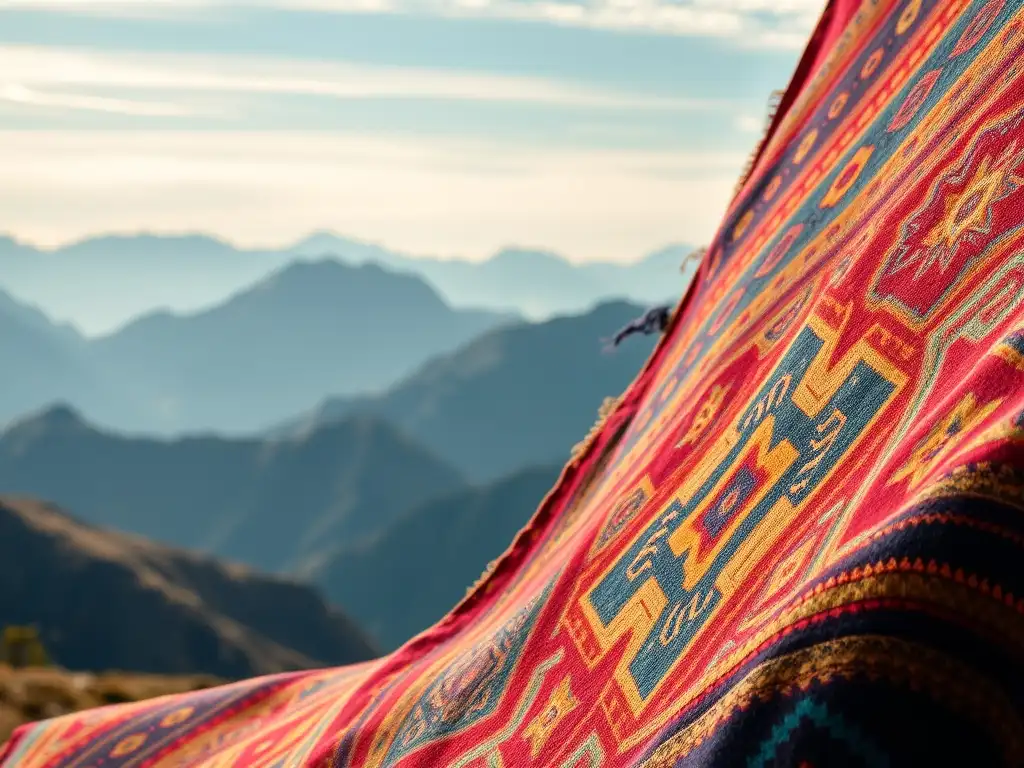
Unravel the mysteries woven into the very fabric of Andean history. For centuries, Andean textiles weren't just clothing; they were potent symbols of power, status, and spiritual significance. Discover how intricate designs, like those found in Andean textiles authority symbols, revealed the complex social hierarchy and beliefs of the Inca, Moche, Nazca, and Tiahuanaco civilizations. Prepare to be captivated by the artistry and meaning behind these remarkable artifacts – a story waiting to be unveiled.
The vibrant tapestry of Andean civilization is woven not only with threads of alpaca and llama wool, but also with intricate symbols of power and prestige. For centuries, textiles in the Andes served as far more than mere clothing; they were powerful visual statements, meticulously crafted to communicate social status, religious beliefs, and political authority.
This article delves into the fascinating world of Andean textiles, exploring how their designs, materials, and techniques functioned as potent symbols of power within various Andean societies, including the Inca, Moche, Nazca, and Tiahuanaco cultures. We will examine the specific motifs, colors, and weaving techniques used to distinguish elites from commoners, and how these textiles played a crucial role in reinforcing social hierarchies and political legitimacy.
Understanding the nuanced language of Andean textiles offers a unique window into the complexities of these remarkable civilizations and their sophisticated systems of social control. Prepare to unravel the intricate threads of power embedded within these stunning works of art.
The Significance of Textiles in Andean Culture
Textiles held a deeply significant place within Andean societies, permeating nearly every aspect of life. From cradle to grave, individuals interacted with textiles daily. Their importance transcended mere practicality; they were deeply intertwined with religious beliefs, social structures, and political power. The creation of textiles was often a communal activity, with women playing a central role in their production.
However, the designs and the quality of the materials used were directly related to the wearer's social standing. Elaborate garments, adorned with intricate patterns and rare materials, were reserved for elites, while simpler textiles were worn by commoners. This distinction wasn't merely aesthetic; it was a powerful visual marker of social hierarchy, reinforcing the existing power structures within Andean societies.
The use of specific colors, such as purple dye derived from shellfish (a rare and costly commodity), further emphasized the status and authority of those who could afford it. The intricate weaving techniques themselves, passed down through generations, represented a form of knowledge and skill that added to the prestige of the textile and, by extension, its wearer. Consider, for example, the highly complex tapestry weaving techniques of the Paracas culture, which produced textiles of unmatched artistry and sophistication, further cementing their societal importance.
Andean Textiles: More Than Just Fabric
Andean textiles weren't simply decorative; they were active participants in the construction and maintenance of power. Specific motifs, repeatedly appearing across different cultures and time periods, acted as visual shorthand for authority. For instance, the depiction of specific animals, such as the puma or the condor, frequently signified power and strength, associating the wearer with these potent symbols. Geometric patterns, often complex and highly stylized, could represent clan affiliation, lineage, or even specific religious beliefs.
The use of particular colors also played a crucial role. The vibrant reds, yellows, and blues, achieved through the use of natural dyes, were not only aesthetically pleasing but also held symbolic significance, often associated with specific deities or important events. The meticulous detail and technical mastery evident in many Andean textiles further underscored their importance as objects of power and prestige.
The sheer time and skill required to create these works of art made them extremely valuable, reinforcing the authority of those who commissioned or possessed them. Furthermore, the use of rare and precious materials, such as gold thread or feathers, further elevated their status as symbols of elite power and influence. The intricate interplay of color, pattern, and material in Andean textiles reveals a sophisticated system of visual communication, where every thread contributes to a powerful narrative of authority and social control.
- What role did textiles play in Andean societies?
- How did Andean textiles display authority?
- What specific symbols were used to represent authority in Andean textiles?
- Which Andean cultures were particularly known for their sophisticated textile work?
- Where can I learn more about Andean textiles and their authority symbols?
Decoding Andean Textiles: Symbols of Power
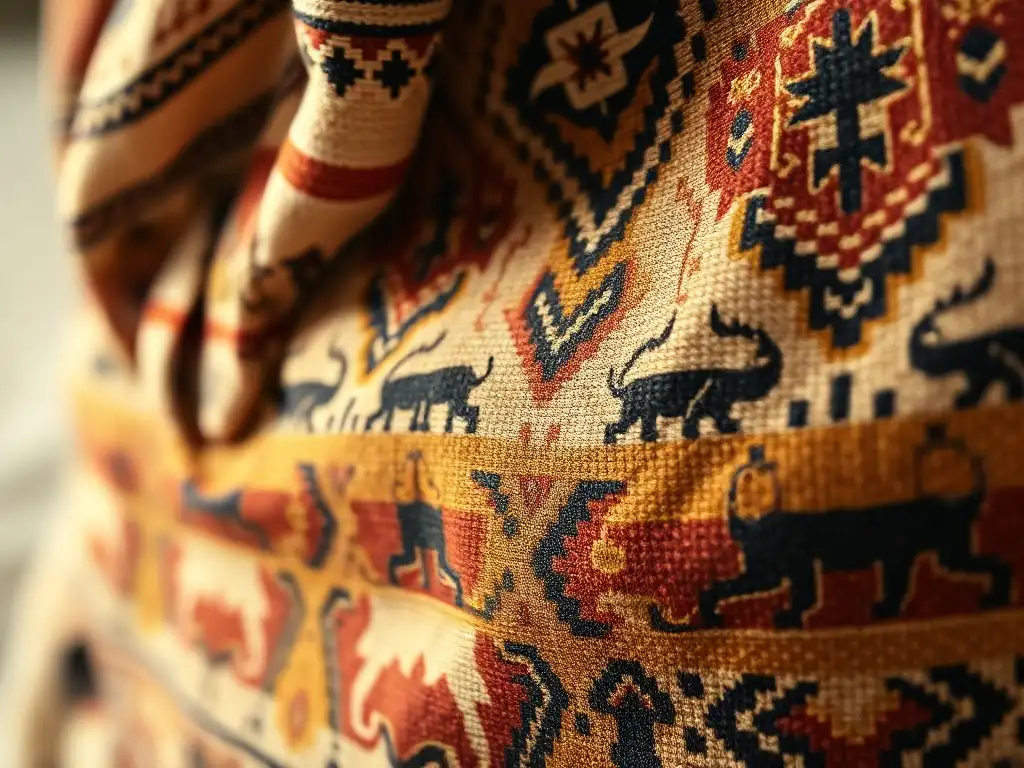
Andean textiles weren't merely functional; they were potent symbols of power, meticulously crafted to reflect social standing, religious beliefs, and political authority. The intricate designs woven into these fabrics served as visual declarations of status, communicating complex messages about the wearer's place within the intricate social hierarchy of Andean societies. Analyzing these textiles provides invaluable insight into the sophisticated systems of power that characterized these ancient cultures. The careful study of "Andean textiles authority symbols" reveals a fascinating interplay between artistry and social control.
Geometric patterns in Andean textiles frequently signified social hierarchy. The complexity and precision of the designs, the types of fibers used (e.g., the finer the fiber, the higher the status), and the color palette all contributed to conveying social rank. For instance, the use of intricate stepped patterns, often seen in the textiles of elite individuals, could represent the layered structure of Andean society itself. Simpler geometric patterns, conversely, were associated with lower social strata.
Detailed analysis of surviving textiles reveals consistent correlations between pattern complexity and archaeological evidence of social status. Burial sites containing elaborately patterned textiles often also contain grave goods indicative of high social standing, such as gold ornaments or fine ceramics. Conversely, simpler textiles are found in burials associated with individuals of lower social standing. This strong correlation supports the assertion that textile patterns directly reflected and reinforced social hierarchies.
The choice of color also held significant meaning. Certain colors, like deep purples and vibrant reds, were associated with royalty and religious authority, while other colors held different connotations within specific Andean cultures. For example, [Specific color associations pending further research on specific Andean cultures]. Further research into color symbolism within different Andean societies is needed for a complete understanding of this aspect of textile-based social signaling.
Beyond geometric patterns, iconographic representations played a crucial role in displaying religious authority. Many textiles feature depictions of deities, mythical creatures, and sacred symbols, visually connecting the wearer to the spiritual realm. These images weren't randomly placed; their careful arrangement and size often indicated the wearer's proximity to religious power.
For example, the depiction of a specific deity, like the Andean creator god Viracocha, would have held immense significance. The larger and more prominently featured the deity, the more powerful the religious authority of the individual wearing the textile. This is supported by [Specific archaeological evidence pending]. The presence of specific motifs, such as stylized representations of mountains or celestial bodies, further reinforced the religious context. These elements were not simply decorative; they were potent symbols of spiritual authority, visually linking the wearer to the divine world and reinforcing their position within the religious hierarchy.
The use of specific weaving techniques also played a role in conveying religious authority. For example, the use of complex techniques like tapestry weaving, which requires high skill and time investment, could signify the wearer's connection to religious specialists or elite groups who could afford such labor-intensive production.
Specific Motifs Representing Power and Status
Certain motifs recurrently appear in Andean textiles, directly representing power and status. These motifs often included stylized representations of animals, such as condors (symbols of power and altitude), jaguars (symbols of strength and ferocity), and snakes (symbols of fertility and life). The size and prominence of these animal representations, again, directly correlated with the wearer's social standing.
A larger, more detailed depiction of a condor, for instance, would be indicative of a higher social status than a smaller, less detailed representation. The use of specific materials, such as rare feathers incorporated into the textile, could further enhance the symbolic significance of such motifs. Moreover, [Specific examples of motifs and their associated meanings pending further research].
The presence of specific symbolic elements, such as staffs of authority or ritual objects, also directly indicated power and status. These elements weren't merely decorative; they were visual representations of the wearer's political and religious influence, reinforcing their position within the Andean social structure. The intricate detail and craftsmanship involved in these depictions further emphasized their importance as symbols of authority. The study of these recurring motifs provides a powerful lens through which to understand the complex system of power dynamics in Andean societies.
The Role of Andean Textiles in Political Control
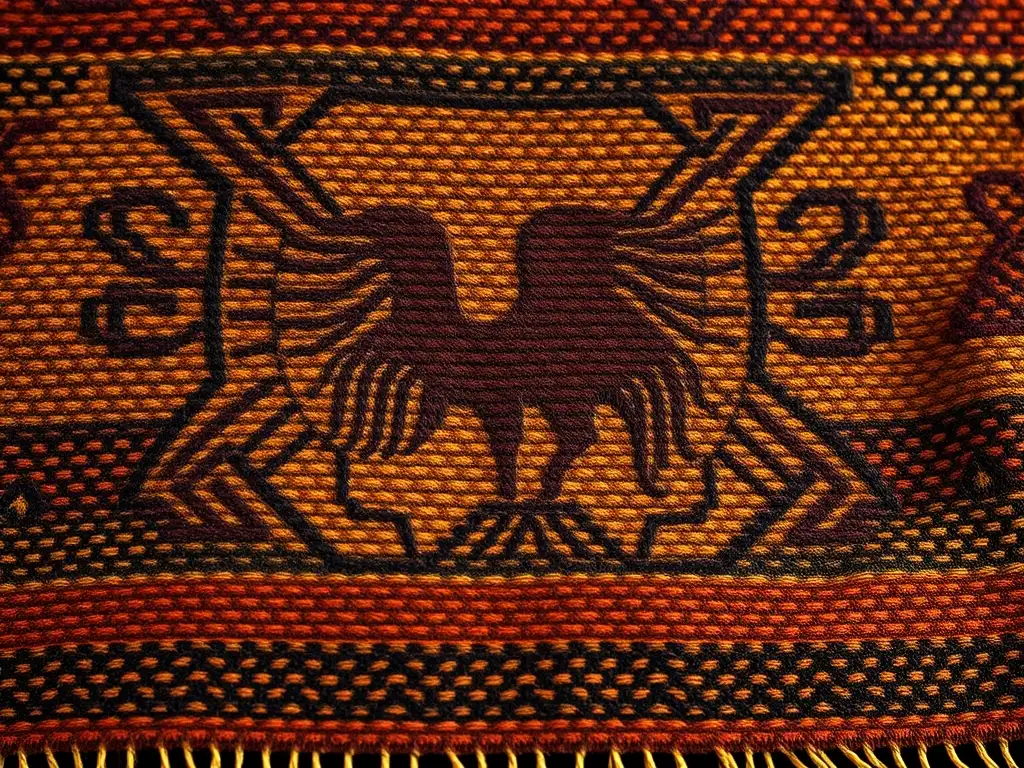
Andean textiles weren't merely decorative; they were powerful symbols of authority, intricately woven into the fabric of political control across various Andean societies. Their production, distribution, and use served as potent tools for reinforcing social hierarchies, expressing power, and maintaining political stability. Understanding the role of textiles in Andean societies requires examining their use in diplomacy, the control over their production, and the organization of workshops that created them. The vibrant colors, complex designs, and luxurious materials used in these textiles all communicated status and power, effectively conveying messages of authority and legitimacy.
The very act of wearing specific textiles signaled membership in an elite group, directly tied to political power. This intricate relationship between textiles and power is a key aspect of understanding Andean civilizations and their complex social structures. Analyzing these aspects reveals a sophisticated system of political control where the loom became a tool of governance.
Textiles as Diplomatic Gifts and Tribute
Textiles served as crucial instruments in Andean diplomacy. Elaborately woven cloths, often adorned with intricate designs and rare dyes, were presented as gifts to solidify alliances, appease potential enemies, and reinforce tributary relationships. The quality and quantity of the textiles directly reflected the power and prestige of the giver.
For example, the Inca Empire utilized cumbi (fine textiles) as diplomatic gifts to secure loyalty from conquered territories. These weren't merely presents; they were carefully curated statements of power, signaling the Inca's dominance and the recipient's subordinate status within the empire. The choice of colors, motifs, and materials carried symbolic weight, often reflecting the specific relationship between the giver and recipient.
Detailed records, though scarce, suggest that the failure to provide appropriate textiles as tribute could lead to severe consequences, highlighting their importance in maintaining political order. The exchange of textiles was a carefully orchestrated act, a tangible manifestation of political power and control. The act of giving and receiving these finely crafted pieces was a powerful demonstration of the intricate balance of power within the Andean world.
The Production and Distribution of Elite Textiles
The production of elite textiles was strictly controlled, ensuring that only those sanctioned by the ruling power could access the finest materials and techniques. This exclusivity contributed significantly to their power as symbols of authority. Access to specific dyes, such as the vibrant purple derived from the murex snail, was often restricted to the elite, further enhancing the status of textiles produced using them.
The production itself was frequently organized within royal workshops, employing specialized artisans who held high status within the society. This controlled production ensured the consistent high quality and unique designs associated with elite textiles, reinforcing their symbolic value. The distribution of these textiles was equally controlled, with specific garments and fabrics reserved for royalty, high priests, or other members of the ruling class.
The intricate patterns and designs often included specific symbols representing power, lineage, and religious beliefs, further emphasizing their role in displaying authority. This system ensured that only those within the ruling elite could wear these garments, visibly showcasing their position within the social hierarchy. The carefully managed production and distribution of elite textiles served as a powerful mechanism for maintaining social order and reinforcing the authority of the ruling class.
Textile Workshops and Royal Control
The organization of textile workshops directly reflects the level of royal control exerted over textile production. These workshops, often located near palaces or religious centers, were not simply places of production; they were sites of political power. Evidence suggests that the Inca Empire, for example, established large-scale workshops employing hundreds of artisans, ensuring a steady supply of textiles for the royal court, the military, and religious institutions. The sheer scale of these workshops indicates a high degree of central planning and control, reflecting the importance of textiles in the Inca's political strategy.
The artisans working in these workshops were highly skilled specialists, often inheriting their craft through family lines. Their work was not only economically important but also held significant religious and symbolic meaning. The royal control over these workshops extended beyond mere production; it encompassed the selection of materials, the design of patterns, and the distribution of the finished products.
This level of control allowed the ruling elite to utilize textiles as a tool for both propaganda and control, ensuring that the symbols of power remained firmly within their grasp. The organization of these workshops served as a microcosm of the broader political control exerted by the Andean ruling classes, highlighting the deep connection between textiles and power. Further research into the specific organization and management of these workshops would illuminate further the relationship between textile production and political authority.
Andean Textiles as Markers of Identity and Rank
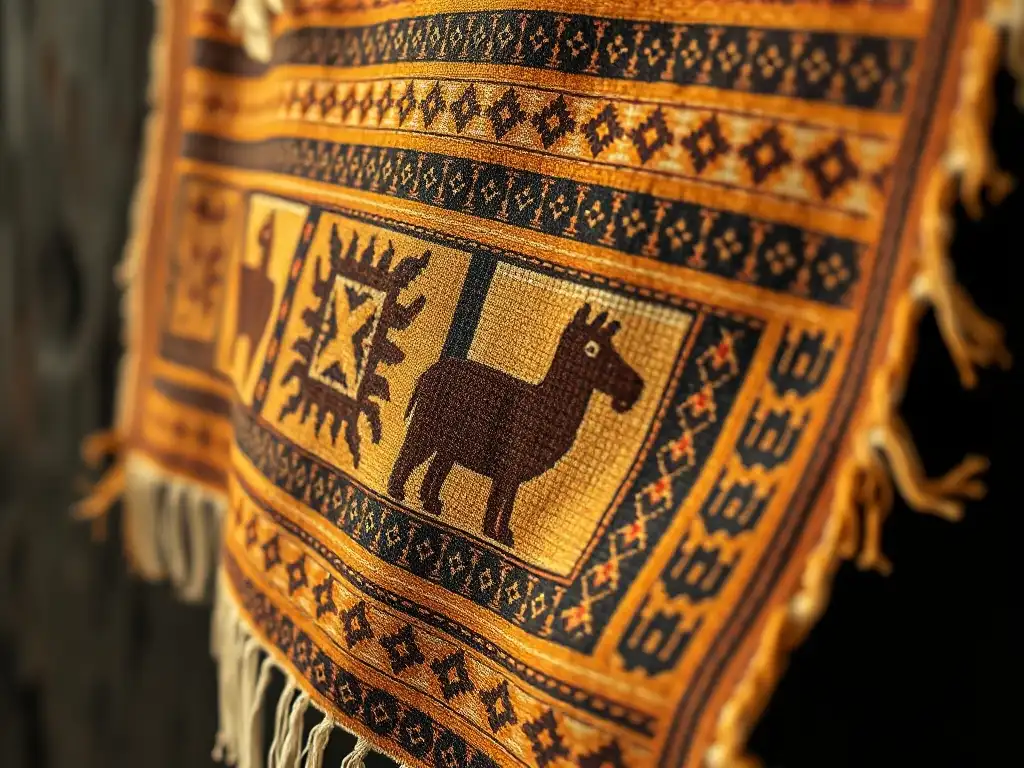
Andean textiles weren't merely functional; they were powerful symbols of identity and social standing, intricately woven into the very fabric of Andean societies. The complexity of the design, the quality of the materials, and the techniques employed all served to communicate a person's place within the social hierarchy. From the commoner to the elite, clothing and textiles served as visual representations of their social role and status within the community.
The careful study of surviving textiles provides invaluable insights into the intricate social structures of these ancient civilizations. Analyzing the surviving examples, we can begin to understand the nuanced ways in which Andean people used textiles to project power and belonging. The sheer variety of textile styles across different Andean cultures – from the intricate tapestry of the Inca to the vibrant motifs of the Nazca – underscores the importance of textiles as a fundamental aspect of Andean identity.
The careful preservation of these artifacts, often discovered within burial sites and ceremonial contexts, further confirms the profound significance attributed to these objects. This section will delve into the specific ways textile design, techniques, and materials conveyed social rank and identity within Andean societies.
The most obvious way Andean textiles displayed authority was through variations in design complexity. Elites, such as Inca royalty and high-ranking officials, wore garments adorned with intricate designs, often featuring geometric patterns, stylized animals (like the puma or condor, significant Andean symbols), and representations of deities. These designs required immense skill and time to create, reflecting the wearer's high social standing and access to skilled artisans.
In contrast, textiles worn by commoners featured simpler designs, often employing repetitive motifs and fewer colors. For instance, while Inca royalty might have worn cumbi (a type of woven tunic) with elaborate depictions of mythical beings, a commoner's cumbi might feature a simpler, geometric pattern.
Analysis of surviving textiles reveals a clear correlation between the intricacy of the design and social status. Researchers have identified distinct stylistic elements associated with different social groups, allowing for a more precise understanding of the social hierarchy. For example, the use of specific colors or the inclusion of certain symbolic motifs could indicate membership in a particular clan or lineage, further reinforcing the social significance of these garments.
The size and quality of the textiles also played a significant role, with larger, more finely woven pieces reserved for the elite. This is evidenced by the substantial differences in both the scale and craftsmanship of textiles found in elite versus commoner burials.
Textile Techniques and Their Association with Status
Beyond design, the techniques used in creating Andean textiles were also indicators of social status. Advanced techniques, such as tapestry weaving, brocade, and resist dyeing, were time-consuming and required specialized skills. These techniques were predominantly used in the production of textiles for the elite, demonstrating their access to skilled artisans and valuable resources. Simpler techniques, such as plain weave, were more common among the general population.
The use of specific weaving techniques like spindle whorls and backstrap looms varied across social classes. While the elite might have had access to more sophisticated looms and tools, commoners often relied on simpler, more portable tools. The resulting differences in textile quality and finish were readily apparent, further emphasizing the social distinctions. The level of skill required for certain techniques, such as the creation of complex knotted fringes or intricate embroidered details, also served as a marker of social status. The more sophisticated the technique, the higher the social standing of the wearer.
The materials and dyes used in Andean textiles also contributed to their symbolic power. Rare and expensive materials, such as vicuña wool (considered a luxury fiber), were reserved for the elite, while commoners typically used alpaca or llama wool. The use of vibrant, richly saturated colors further enhanced the status of the textile. Certain colors, like purple (obtained from mollusks) were particularly rare and expensive, making them exclusive to the elite. The sourcing and processing of these dyes themselves represented a significant investment of resources and expertise.
The use of specific dyes also carried symbolic meaning. Certain colors might be associated with particular deities or social groups, further reinforcing their social significance. The meticulous preparation and application of these dyes, often involving complex chemical processes, highlighted the skill and knowledge of the artisans and the high value placed on the resulting textiles.
The combination of rare materials and exclusive dyes created a powerful visual language that clearly communicated social hierarchy and authority within Andean societies. The careful study of dye composition in surviving textiles continues to reveal fascinating insights into the technological sophistication and symbolic significance of Andean textile production.
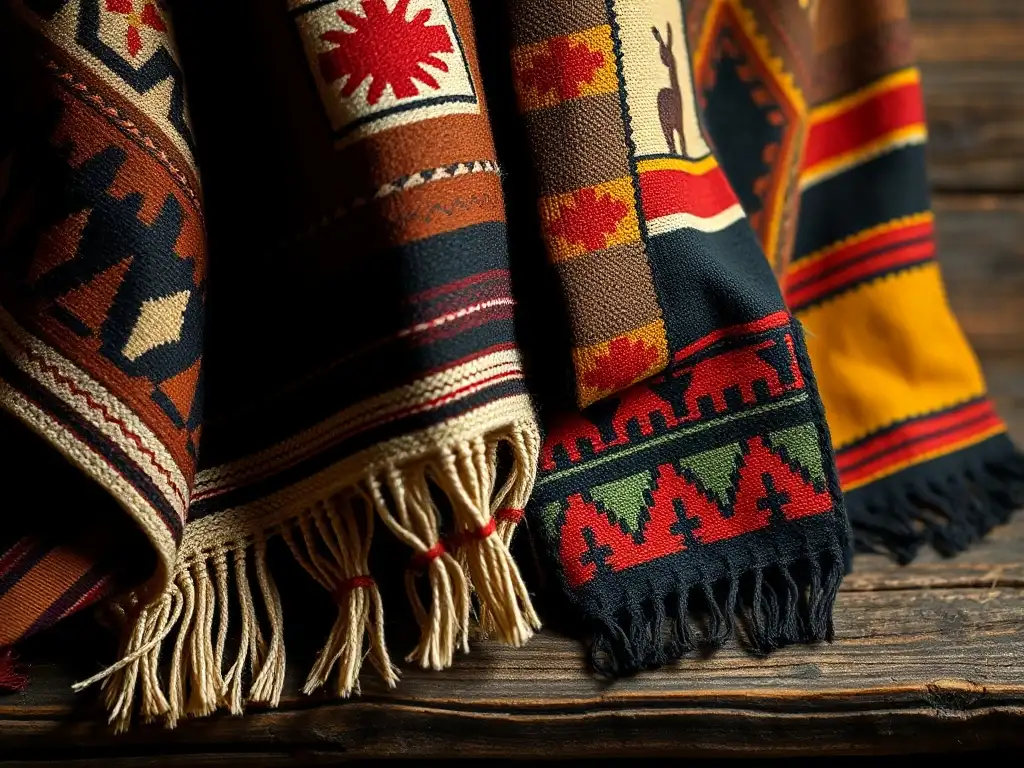
This section explores specific examples of Andean textiles that powerfully conveyed authority and social status. The intricate designs, materials, and techniques employed weren't merely decorative; they were potent symbols of power, reflecting the complex social hierarchies and belief systems of these ancient societies. Understanding these textiles provides crucial insight into the nuanced ways Andean civilizations expressed and maintained their political and religious structures.
The use of specific colors, motifs, and weaving techniques served as visual codes, instantly recognizable to those within the society, communicating the wearer's position and significance. The creation and ownership of these textiles were often tightly controlled, further emphasizing their role as markers of authority. Analyzing these artifacts allows us to decipher the visual language of power in the Andean world.
Paracas Mantles
The Paracas culture (ca. 800 BCE – 200 CE) produced some of the most visually stunning and technically impressive textiles of the pre-Columbian Andes. Their mantles, large rectangular cloths often used for burial purposes, are particularly rich in symbolic imagery related to power and authority. These mantles, frequently made from fine cotton and camelid fibers, often incorporated complex iconography, including stylized representations of deities, mythical creatures, and scenes of ritual activities. The sheer scale and intricacy of the weaving, demanding immense skill and time, further emphasized the status of the individuals interred with them.
Analysis of Symbolism and Authority in Paracas Mantles
The symbolism in Paracas mantles is multifaceted and requires careful analysis. For instance, the frequent depiction of feline figures, such as jaguars and pumas, is often interpreted as a representation of power, strength, and shamanistic abilities. These powerful animals were linked to the supernatural world and their presence on the mantles likely indicated the wearer's connection to the spiritual realm or their role as a religious leader.
Furthermore, the use of specific colors, such as deep reds and vibrant blues, likely had significant meaning, possibly reflecting social rank or affiliation with specific deities or clans. [Specific color symbolism pending further research]. The presence of intricate geometric patterns, often woven into complex borders, may have also represented clan affiliations or specific cosmological beliefs.
The sheer size and quality of the mantles themselves served as a visual display of wealth and power, signifying the high status of the individual buried with them. The labor involved in producing these textiles would have been considerable, indicating a level of control over resources and manpower.
Inca Unku
The Inca Empire (1438-1533 CE) developed its own distinct textile traditions, emphasizing the use of high-quality materials and intricate weaving techniques. The unku, a type of finely woven cloth, was particularly associated with royal authority. These textiles were often incorporated into royal garments, ceremonial objects, and even used as prestigious gifts to solidify alliances and maintain control within the vast empire. The Inca's sophisticated administrative system ensured the control of textile production, with specialized workshops and skilled artisans working under strict royal supervision.
Analysis of Symbolism and Authority in Inca Unku
Inca unku textiles are characterized by their use of high-quality camelid fibers, such as vicuña and alpaca wool, creating incredibly soft and luxurious fabrics. The designs often featured geometric patterns and stylized representations of royal symbols, such as the tocapu (a knot used in record-keeping) and the chasqui (a swift-running messenger). These motifs were instantly recognizable as symbols of imperial power. The use of specific colors, such as purple and yellow, further reinforced the royal connection.
Purple dye, derived from a rare mollusk, was particularly expensive and associated with royalty. The unku were not merely garments; they were powerful statements of Inca authority and control. The complex weaving techniques and the use of precious materials served as visual reminders of the Inca's mastery over resources and their control over skilled labor.
The very act of wearing an unku conveyed a message of power and status within the Inca social hierarchy. The distribution of these textiles was tightly controlled, ensuring that only those within the elite circles had access to them, reinforcing the social structure. The production, distribution, and use of the unku were all carefully managed aspects of Inca imperial power.
Andean textiles weren't merely clothing; they were powerful statements of social standing, religious belief, and political authority. The intricate designs, vibrant colors, and the very act of weaving itself conveyed messages of power and prestige within Andean societies. From the intricate spangles of the Moche elite to the meticulously planned patterns of Inca royalty, textiles served as tangible representations of authority, shaping social hierarchies and reinforcing political structures.
The use of specific fibers, techniques, and motifs all contributed to a complex system of visual communication, allowing for the subtle yet impactful display of power. Understanding these symbols is crucial to grasping the intricacies of Andean social dynamics.
The legacy of this visual language continues to resonate today, informing our understanding of ancient Andean civilizations and their sophisticated systems of governance. The analysis of Andean textiles authority symbols offers a unique lens through which to examine the complex interplay between material culture and social power.
Continuing Significance of Andean Textile Traditions
The enduring legacy of Andean textile traditions is a testament to their cultural importance. Even today, traditional weaving techniques and designs are preserved and practiced in many Andean communities. This continuity provides invaluable insights into the past, allowing researchers to connect contemporary practices with ancient traditions.
The knowledge passed down through generations provides a living link to the past, enriching our understanding of the original meanings and techniques. Many contemporary Andean artisans continue to use traditional dyes derived from natural sources, maintaining the vibrant color palettes that characterized ancient textiles. These techniques, passed down orally and through demonstration, ensure the continuation of a rich artistic heritage.
The preservation of these traditions also contributes to the economic empowerment of Andean communities, demonstrating the ongoing relevance of these ancient skills in the modern world. The continued use of ancient patterns and motifs also highlights their enduring symbolic power, reminding us of their importance in Andean culture and identity. The vibrant colors and intricate designs found in contemporary Andean textiles are a striking illustration of this enduring legacy.
Andean Textiles: A Window into the Past
The study of Andean textiles provides a remarkably detailed window into the past, offering insights into various aspects of Andean life. Archaeological excavations have unearthed countless examples of exquisitely preserved textiles, revealing intricate designs and sophisticated weaving techniques. Analysis of these textiles allows researchers to reconstruct social hierarchies, religious beliefs, and even historical events.
For instance, the presence of specific motifs on textiles associated with elite burials can indicate the individual's social status and power within the community. Similarly, the use of certain colors or fibers could signal membership in specific clans or lineages. The diversity of techniques and motifs found across different Andean cultures reveals the rich tapestry of regional variations and interactions.
Moreover, the study of textile technology itself—from the preparation of fibers to the construction of looms—provides crucial information about the technological sophistication of these societies. The sheer complexity of some Andean textiles speaks volumes about the skill and knowledge of the weavers, highlighting the importance of this craft within their societies.
Preserving and Understanding Andean Textile Art
Preserving and understanding Andean textile art requires a multifaceted approach. Careful excavation and preservation techniques are crucial to protect these fragile artifacts from deterioration. Detailed documentation, including high-resolution photography and meticulous cataloging, is essential for researchers to study these textiles effectively.
Furthermore, collaborations between archaeologists, textile conservators, and Andean communities are vital to ensure the ethical and responsible study of these cultural treasures. This collaborative approach respects the cultural heritage of Andean communities and ensures the preservation of traditional knowledge. Digital archiving initiatives can also play a crucial role in making these artifacts accessible to a wider audience, promoting a deeper understanding and appreciation of Andean textile art.
Finally, supporting the continued practice of traditional weaving techniques is essential to ensuring the survival of this vital aspect of Andean cultural heritage. The preservation of these textiles is not merely an academic exercise; it is a crucial step in honoring the rich history and cultural identity of the Andean peoples. Through careful preservation and collaborative research, we can continue to unlock the secrets held within these remarkable artifacts and appreciate their enduring power.
Frequently Asked Questions
What role did textiles play in Andean societies?
Textiles were incredibly important, serving not just as clothing but also as symbols of status, power, and religious beliefs. Their intricate designs and materials conveyed social hierarchy and identity.
Elaborate textiles, often featuring specific motifs and colors, indicated high social standing. Royal garments, for example, were distinct from those of commoners, showcasing the wearer's authority and lineage.
Authority symbols varied across cultures but often included depictions of animals (e.g., jaguars, condors), mythical beings, and geometric patterns. These symbols communicated power and connection to the divine realm.
Which Andean cultures were particularly known for their sophisticated textile work?
Many Andean cultures were skilled weavers, but the Inca, Moche, Nazca, and Paracas are particularly renowned for their complex techniques and symbolic designs. Their textiles are considered masterpieces of ancient art.
You can explore museums with Andean collections, academic articles, and books focusing on Andean textile art and iconography. Websites dedicated to Andean civilizations also offer valuable information.
Final Reflection: Weaving Narratives of Power in the Andes
The intricate artistry of Andean textiles isn't merely decorative; it's a powerful testament to the enduring legacy of social hierarchy and cultural identity. These vibrant threads, meticulously woven across centuries, continue to resonate today, offering invaluable insights into the complex power dynamics of past Andean societies and reminding us of the enduring power of symbolic representation.
The enduring influence of Andean textile traditions is palpable, even in contemporary society. Their intricate designs, imbued with meaning and authority, continue to inspire artists, designers, and scholars alike. The textiles are not simply objects; they are living documents, narrating stories of power, belief, and social organization.
The sheer artistry and the depth of symbolism embedded within these fabrics speak to a sophisticated understanding of visual communication and its ability to reinforce and challenge social structures. This legacy compels us to consider how visual language, even today, shapes our perceptions of power and status.
Consider the intricate details, the symbolic colors, the carefully chosen motifs – each element contributes to a larger narrative of authority. You, the reader, are now equipped with a deeper understanding of this powerful visual language. Take a moment to reflect on how visual symbols shape our own perceptions of power and status in the modern world.
What narratives are being woven in the fabrics of our contemporary society? What stories do you want to tell through your own actions and expressions? Let the legacy of Andean textiles inspire you to examine the power of visual communication and its impact on our lives.
Embrace the Power of Andean Textiles: Take Action Today!
Thank you for exploring the fascinating role of textiles in Andean societies. This is just the beginning of understanding their profound influence on power and culture. Let's delve deeper and celebrate these vibrant traditions.
Here are some ways you can get involved:
- Discover Authentic Andean Textiles: Visit a local artisan market or browse online retailers to find authentic pieces. Support the skilled craftspeople who create these works of art and appreciate the artistry involved in each textile.
- Share Your Appreciation: Help spread awareness of the significance of textiles in Andean culture. Share your discoveries on social media or discuss them with friends and family.
- Connect with the Andean Textile Community: Participate in workshops or join groups dedicated to Andean arts and textiles. Connect with fellow enthusiasts to deepen your knowledge and appreciation.
Which aspect of Andean textiles resonated most with you, and how do you believe it reflects the cultural identity of the Andean people? We'd love to hear your thoughts!