
How Inca Mythology Justified Their Conquests and Expansion

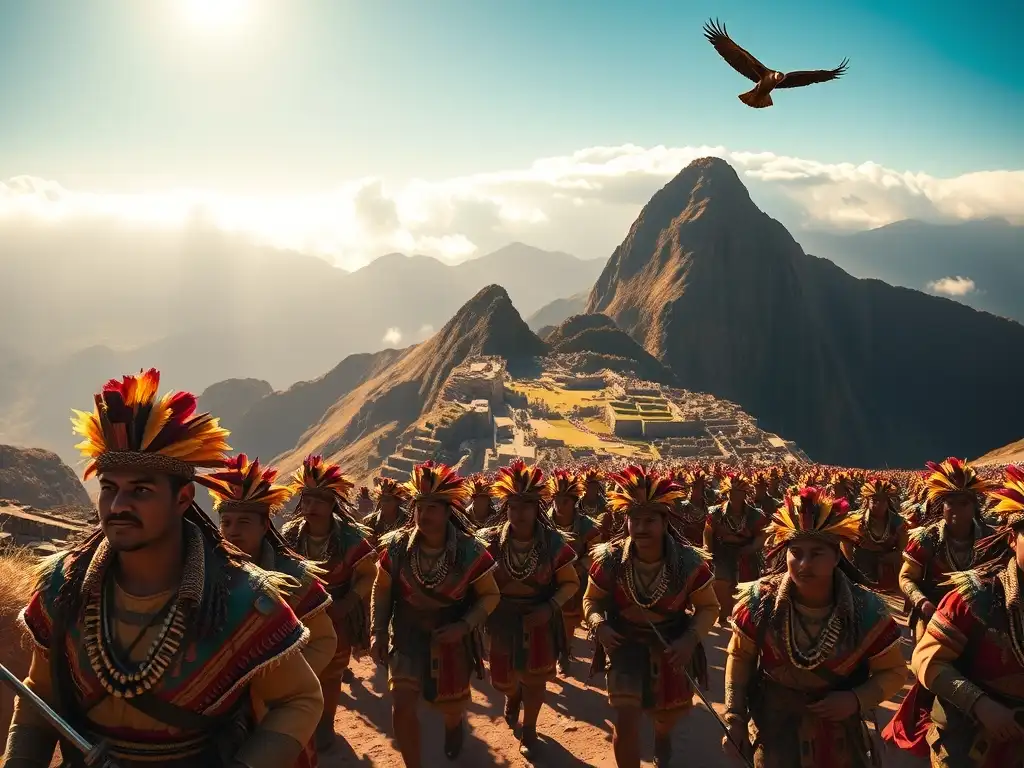
Unravel the mysteries of the Andes! Dive into a world of towering empires and breathtaking artistry, where the echoes of ancient civilizations still resonate. But what fueled the Inca's relentless expansion? Discover how Inca mythology provided the justification for their conquests and the creation of their vast empire – a story far more complex and fascinating than you might imagine. Prepare to be captivated by the intricate tapestry of belief and power that shaped one of history's most remarkable civilizations. Explore the secrets now.
- Inca Mythology and the Justification of Conquest: An Andean Perspective
- How Inca Myths Fueled Imperial Expansion
- Inca Deities and the Ideology of Domination
- The Impact of Inca Mythology on Their Expansionist Policy
- Inca Mythology Conquest Justification: A Summary
-
Frequently Asked Questions
- How did Inca mythology contribute to their imperial expansion?
- What specific myths supported Inca conquests?
- Did Inca mythology influence how conquered peoples were treated?
- Were there any dissenting voices or resistance to the Inca's conquest justifications?
- How did Inca mythology shape the relationship between the Inca and their conquered subjects?
- Final Reflection: Echoes of Empire in Inca Mythology
- Embrace the Power of Inca Mythology Today!
Inca Mythology and the Justification of Conquest: An Andean Perspective
The Inca Empire, a civilization that once dominated a vast swathe of the Andes Mountains, left behind a legacy of breathtaking architecture, intricate social structures, and a complex mythology deeply intertwined with their imperial ambitions. This article delves into the fascinating relationship between Inca mythology and their conquests, exploring how their belief system provided a powerful justification for their expansion across the Andes. We will examine key mythological narratives and their interpretation by Inca leaders to legitimize their rule and the subjugation of other Andean cultures.
Understanding this intricate connection offers a crucial perspective on the Inca Empire's rise to power and its lasting impact on the region. The Inca weren't simply driven by military might; their conquests were profoundly shaped by a deeply held belief in their divine right to rule, a conviction rooted firmly in their rich and complex mythology.
This exploration will examine how the Inca skillfully wove their religious beliefs into their political strategy, effectively using mythology as a tool for conquest and empire building. We will uncover how their stories of creation, divine ancestry, and chosen rulers served to solidify their authority and subdue resistance, illustrating the powerful role of ideology in shaping the course of history.
The Divine Mandate: Inca Origins and Expansion
The Inca creation myth, a cornerstone of their belief system, played a crucial role in justifying their expansionist policies. The Inca believed they were descended from the sun god, Inti, and that their emperors were his direct descendants. This divine lineage conferred upon them a sacred mandate to rule, a divinely ordained right to conquer and unite the disparate Andean peoples under their authority.
This belief wasn't merely a matter of faith; it was actively propagated through elaborate state rituals, monumental architecture, and carefully crafted narratives that emphasized the Inca's divine origins and their destiny to govern. The emperors used these narratives to inspire loyalty among their subjects and to intimidate potential rivals. The construction of magnificent temples dedicated to Inti, such as the Coricancha in Cusco, served as powerful visual reminders of the Inca's divine connection and their right to rule.
Furthermore, the Inca carefully curated their history, emphasizing their victories and downplaying their defeats, further reinforcing the image of an unstoppable, divinely favored empire. This carefully constructed narrative successfully legitimized their conquests in the eyes of both their own people and those they conquered. The Inca's expansion wasn't seen as mere aggression; it was presented as a divinely ordained mission to bring order and prosperity to the Andes, a mission fueled by their belief in their unique, sun-god-granted destiny.
The Creation Myth and the Inca Right to Rule
The Inca creation myth, often involving the creator god Viracocha, provided a framework for understanding the Inca's place in the world and their authority over it. Different versions exist, but the core idea consistently centers on Viracocha's creation of the world and the emergence of the Inca as a chosen people. These stories often depict Viracocha bestowing upon the Inca ancestors the power and responsibility to govern, solidifying the concept of a divine right to rule.
The Inca skillfully utilized this narrative to justify their expansion, portraying their conquests as a fulfillment of Viracocha's will and a necessary step in establishing a unified and prosperous Andean world. This interpretation served to neutralize resistance, as challenging the Inca's authority was equivalent to defying the divine will itself. Detailed accounts of these creation myths, unfortunately, are fragmented due to the destruction of Inca records post-conquest.
However, surviving accounts from Spanish chroniclers, albeit filtered through a colonial lens, provide valuable insights into the pervasive influence of these creation stories on Inca ideology and their justification for conquest. Further research and archeological discoveries continue to shed light on the complexities of Inca mythology and its role in shaping their imperial ambitions.
Viracocha and the Emergence of the Inca
Viracocha, the supreme creator god in Inca mythology, held a central position in legitimizing Inca rule and conquest. Viracocha's role in creating the world and humanity, and his subsequent involvement in the emergence of the Inca lineage, provided a powerful theological basis for their imperial claims. The Inca presented themselves as Viracocha's chosen people, destined to rule over the land and bring order to the world. This divine connection not only enhanced their legitimacy but also instilled fear and respect in conquered populations.
The Inca's military campaigns were often presented as acts of divine will, with victories attributed to Viracocha's favor. Defeat, conversely, was often interpreted as a temporary setback, a test of faith that ultimately strengthened their resolve. The Inca's skillful manipulation of this religious narrative played a crucial role in their success, turning conquest into a divinely ordained mission.
The widespread veneration of Viracocha throughout the Andes further facilitated the integration of conquered peoples into the Inca empire, as they were presented with a unifying religious framework that incorporated both Inca and pre-existing Andean beliefs. This religious syncretism fostered a sense of shared identity and purpose, strengthening the Inca's hold on power and consolidating their empire. The strategic use of Viracocha’s mythology underscores the sophisticated interplay between religion and politics in the Inca Empire.
Inti, the Sun God, and the Inca Lineage
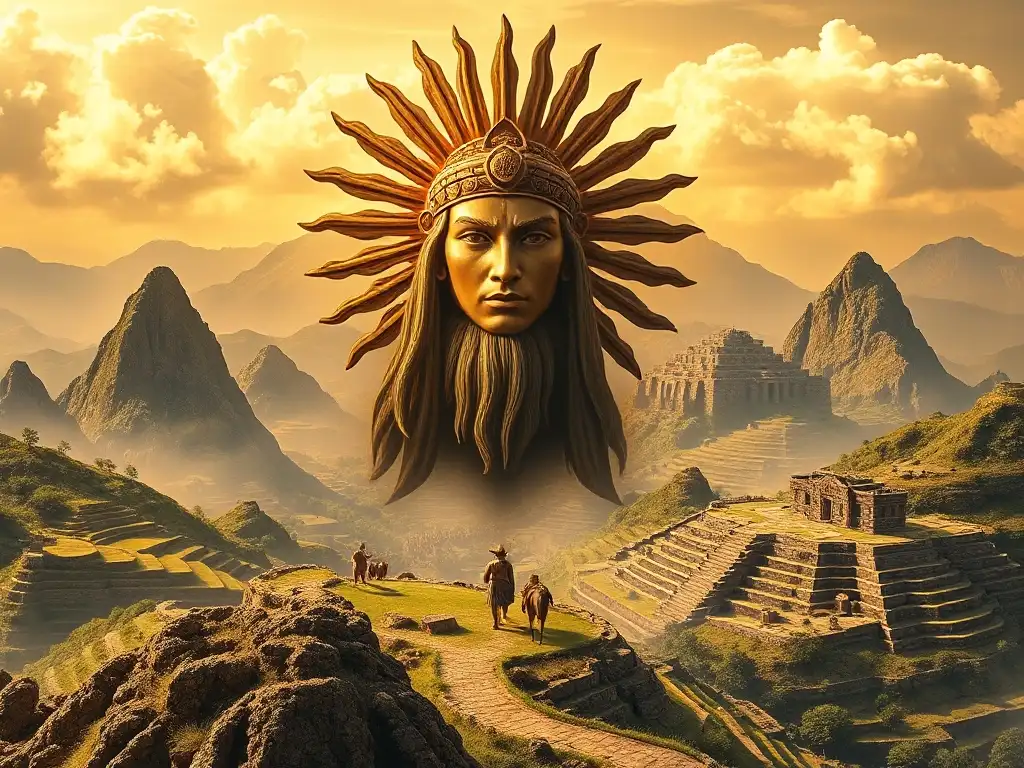
Inca mythology intricately linked the legitimacy of their rule to the divine. At the heart of this belief system lay Inti, the sun god, considered the ultimate ancestor and source of power for the Inca dynasty. The Inca emperors, the Sapa Inca, weren't merely earthly rulers; they were considered direct descendants of Inti, a lineage meticulously maintained and reinforced through elaborate rituals and narratives. This divine connection wasn't simply a matter of religious belief; it served as a powerful tool for legitimizing their authority and justifying their expansionist policies.
The claim of divine descent instilled a sense of awe and reverence in the conquered populations, making resistance seem not only futile but also sacrilegious. The Inca cleverly used this narrative to present their conquests as a divinely ordained mission, a restoration of cosmic order under the rightful rule of Inti's descendants. They weren't merely conquering; they were bringing civilization and order, guided by the will of the sun god himself.
This carefully crafted mythology fostered loyalty and obedience, crucial elements in managing a vast and diverse empire. The elaborate sun temples, festivals dedicated to Inti, and the emperor's role as the intermediary between the divine and the human world all served to solidify this divine connection and reinforce the legitimacy of Inca rule. The very fabric of Inca society was woven with the threads of this divine lineage, bolstering their claim to power and justifying their imperial ambitions.
The Role of Manco Capac and Mama Ocllo in Inca Legitimacy
The founding myth of the Inca Empire played a critical role in justifying their conquests. The story of Manco Capac and Mama Ocllo, emerging from Lake Titicaca, served as the cornerstone of Inca legitimacy. This narrative presented them not as mere conquerors but as divinely appointed founders, charged with civilizing the Andean world. Manco Capac and Mama Ocllo, often depicted as siblings or even children of the sun god Inti, were credited with establishing Cusco, the Inca capital, and imparting knowledge of agriculture, weaving, and social organization to the early inhabitants.
This foundational myth provided a powerful narrative that explained the Inca's rise to power and their right to rule over the diverse populations they encountered. By portraying themselves as the bringers of civilization, the Inca subtly framed their conquests as acts of benevolent assimilation, rather than brutal subjugation. The myth of Manco Capac and Mama Ocllo wasn't just a historical account; it was a potent ideological tool, shaping the Inca worldview and legitimizing their imperial expansion.
It provided a sacred foundation for their claim to authority, allowing them to present their conquests as a natural progression of a divinely ordained plan, further enhancing their control over the conquered territories. The consistent reiteration of this origin story through oral traditions, religious ceremonies, and artistic representations ensured its enduring power and influence throughout the Inca Empire. This narrative successfully intertwined religious belief with political power, justifying the Inca's expansionist ambitions within the framework of their divinely ordained destiny.
How Inca Myths Fueled Imperial Expansion
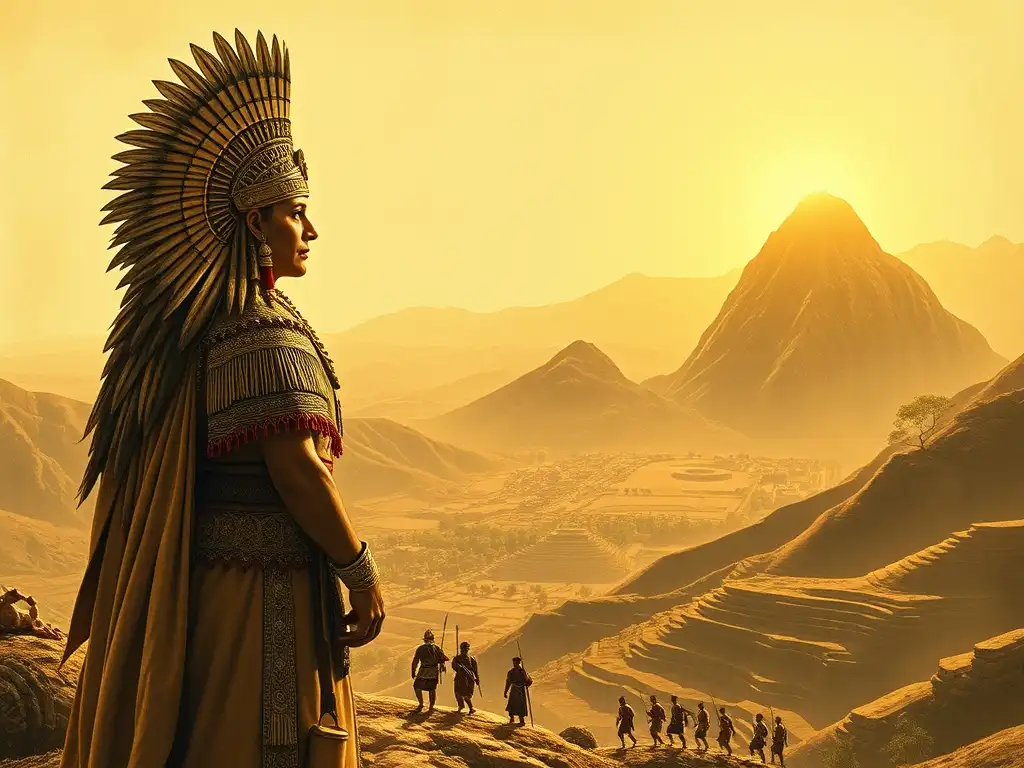
The Inca Empire's astonishing growth wasn't solely a product of military prowess; it was deeply intertwined with a sophisticated and strategically deployed mythology. The Inca worldview, meticulously crafted and disseminated by the ruling elite, provided a powerful justification for their relentless expansion, transforming conquest into a divinely ordained mission.
This section explores how Inca myths served as the ideological bedrock for their imperial ambitions, shaping their political strategies and solidifying their control over a vast and diverse population. Understanding this intricate relationship between myth and conquest is crucial to grasping the true nature of the Inca Empire and its lasting legacy.
Mythological Basis for Inca Territorial Claims
The Inca's claim to legitimacy rested heavily on their origin myths. The most prominent narrative centered around the emergence of Manco Cápac and Mama Ocllo from the sacred Lake Titicaca. This foundational myth wasn't just a story of origins; it was a powerful tool for territorial expansion. The Inca believed they were divinely appointed to rule the land, their authority stemming directly from the creator god, Viracocha.
This divine mandate extended geographically, with the expansion of their empire portrayed as the fulfillment of a preordained destiny. The Inca often used this narrative to legitimize their conquest of neighboring territories, claiming that these lands were rightfully theirs, destined to be incorporated into the burgeoning empire under their divinely sanctioned rule. This wasn't simply a matter of conquest; it was a divinely ordained reunification of lands already spiritually connected to the Inca heartland.
The Inca meticulously documented their conquests and presented them not as acts of aggression, but as the natural unfolding of a divinely written script. They carefully integrated conquered populations, incorporating their local deities and customs into the broader Inca pantheon, further solidifying their claim to legitimacy and fostering a sense of shared destiny. This process of integration, while often coercive, was also profoundly symbolic, demonstrating the Inca's belief in their divinely ordained role as unifiers.
Prophecies and the Justification of Military Campaigns
Inca expansion wasn't a haphazard process; it was guided by prophecies and omens, meticulously interpreted by the empire's religious elite. These prophecies often predicted the conquest of specific territories or the subjugation of particular groups. Military campaigns were frequently launched not just for strategic advantage, but also to fulfill these divinely revealed pronouncements.
The successful fulfillment of a prophecy further solidified the Inca's claim to divine favor and strengthened their authority. The failure to conquer a predicted territory, however, could be interpreted as a sign of divine displeasure or a lack of proper ritual observance, leading to introspection and renewed efforts to appease the gods. For example, [specific prophecy and associated military campaign pending].
This intricate interplay between prophecy, military strategy, and religious ritual demonstrates the powerful role of mythology in shaping Inca imperial policy. The Inca leadership skillfully manipulated these prophecies to maintain control and justify their aggressive expansionist policies, framing military campaigns as sacred duties rather than acts of aggression. This sophisticated blend of religious and political maneuvering ensured that the Inca's conquests were viewed not just as territorial gains, but as the divinely ordained fulfillment of destiny.
The Inca's Divine Mission to Unify the World
The Inca believed their empire was destined to encompass the entire world, a belief rooted in their mythology and reinforced by their expansionist policies. Their worldview transcended mere territorial control; it envisioned a unified world under the benevolent rule of the Sapa Inca, the divinely appointed emperor. This grand vision of a unified world provided a powerful ideological framework for justifying their conquests.
Conquered peoples were not simply subjugated; they were incorporated into a larger, divinely ordained cosmic order. The Inca's relentless expansion was not driven solely by material gain, but by a deeply held belief in their sacred mission to unify all people under the banner of the sun god, Inti. This unifying ideology, woven into the fabric of their religious beliefs and meticulously disseminated throughout the empire, ensured that even conquered populations gradually accepted their place within the Inca world order.
This acceptance wasn't always enthusiastic, but it was facilitated by the Inca's skillful manipulation of religious beliefs and their ability to weave conquered peoples into the narrative of their divinely ordained mission. The Inca's ambition to unify the world was not merely a political aspiration; it was a deeply held religious conviction, inextricably linked to their mythology and shaping their imperial ambitions in profound and lasting ways.
The Use of Religious Narratives in Conquests
The Inca Empire's expansion wasn't solely driven by military might; religious narratives played a crucial role in justifying and legitimizing their conquests. The Inca rulers, the Sapa Inca, presented themselves not merely as political leaders but as divine intermediaries, chosen by the gods to unite the Andean world under their rule. This divine mandate was cleverly woven into the fabric of their military campaigns.
Before launching an attack, Inca armies would often perform elaborate religious ceremonies, seeking divine favor and blessings for their endeavors. These rituals served a dual purpose: to inspire their own troops and to instill fear and awe in their enemies. The very act of conquest was portrayed as a divinely ordained mission, a necessary step in establishing a unified and prosperous empire under the benevolent rule of the Sapa Inca, a direct descendant of the sun god Inti.
The Inca's superior military technology and organization certainly contributed to their success, but the religious narratives provided the ideological framework, the justification for their actions in the eyes of both the conquered and the conquerors. This skillfully crafted narrative allowed for a smoother assimilation of conquered peoples, who, faced with both military prowess and the weight of divine authority, were more likely to accept Inca rule.
The manipulation of religious beliefs wasn't limited to pre-battle rituals. After a successful conquest, the Inca would often incorporate the local deities and religious practices into their own pantheon. This wasn't a simple act of cultural appropriation; it was a strategic maneuver to solidify their control.
By integrating local gods into the Inca religious system, they subtly presented themselves as the legitimate successors, the chosen ones to guide these deities and their followers. This process of religious syncretism helped to minimize resistance and foster a sense of shared identity, albeit one dominated by Inca ideology. The Inca cleverly avoided direct confrontation with deeply entrenched local beliefs, instead strategically incorporating them into their own narrative of divine right to rule.
This sophisticated approach to religious assimilation was a key factor in the Inca Empire's remarkable expansion and enduring influence. The Inca's success in seamlessly weaving religious narratives into their military and political strategies offers a compelling example of the potent power of ideology in shaping historical events.
Inca Deities and the Ideology of Domination
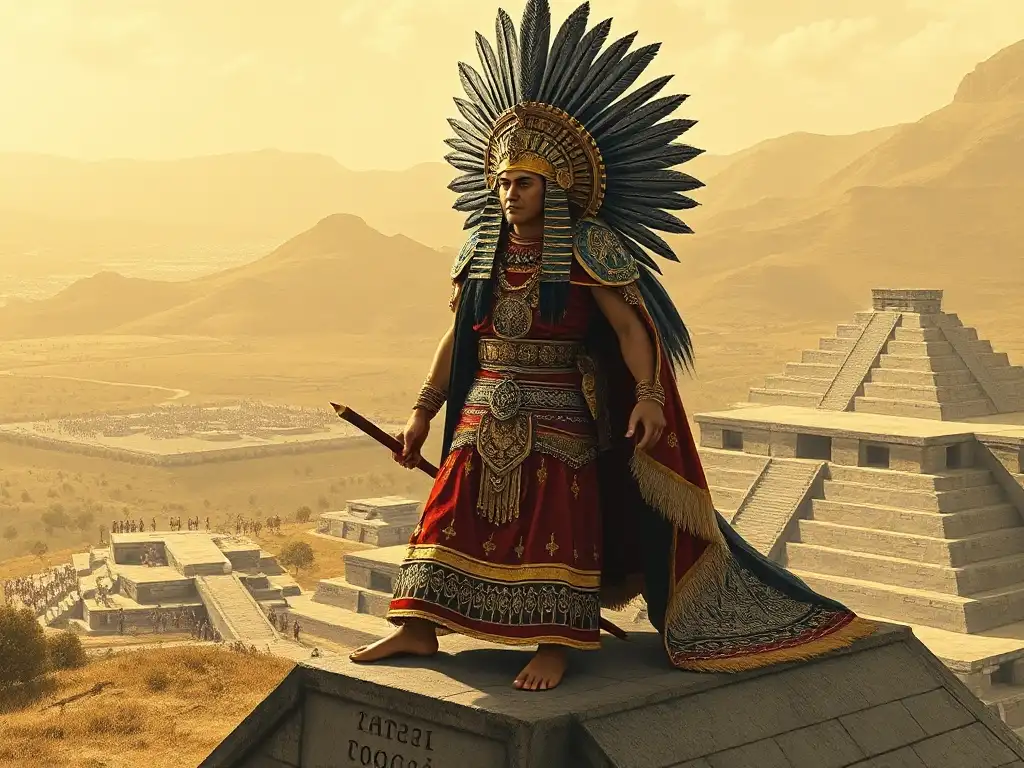
Inca mythology wasn't merely a collection of stories; it served as a powerful tool to legitimize and justify the Inca empire's relentless expansion. The Inca worldview, deeply intertwined with their religious beliefs, presented their conquests not as acts of aggression, but as divinely ordained events, a necessary step in establishing order and prosperity across the Andes. This ideology, carefully cultivated by the Inca elite, permeated all aspects of society, reinforcing the emperor's authority and ensuring the cooperation of conquered populations.
The Inca's sophisticated understanding of their religious system helped them forge a vast empire through skillful manipulation of religious beliefs and practices. This section will explore how specific deities and religious practices supported this ideology of domination.
The Pantheon's Support for Inca Supremacy
The Inca pantheon, a complex tapestry of gods and spirits, played a crucial role in justifying Inca expansion. The Inca believed that their emperor, the Sapa Inca, was a direct descendant of Inti, the sun god, and thus held a divine right to rule. This divine lineage inherently granted the Sapa Inca authority over all other peoples.
Conquests, therefore, were not seen as acts of violence, but as the fulfillment of a divine mandate—expanding the sun god's influence and bringing order to the chaotic world. This belief system wasn't merely accepted passively; it was actively promoted through elaborate state rituals, festivals, and the construction of magnificent temples dedicated to the gods. The Inca state carefully controlled the dissemination of religious knowledge, ensuring that the narrative of divine legitimacy remained firmly entrenched in the minds of the population.
This control extended to the interpretation of omens and prophecies, ensuring that any challenges to Inca rule were swiftly dismissed as contrary to the will of the gods. The Inca cleverly used religious practices to consolidate their power and maintain social order across their vast and diverse empire.
Illapa, the God of Thunder, and His Role in Warfare
Illapa, the god of thunder and lightning, held a particularly significant position within the Inca ideology of conquest. He was often depicted as a powerful warrior, wielding his thunderbolts to subdue enemies and protect the Inca army. The Inca cleverly associated Illapa's destructive power with their military victories, portraying their conquests as manifestations of Illapa's wrath against those who resisted Inca rule.
Military success was interpreted as a sign of Illapa's favor, further solidifying the divine legitimacy of Inca expansion. The use of Illapa’s imagery on weaponry and in military ceremonies served as a powerful psychological tool, instilling fear in opponents while boosting the morale of Inca soldiers. For example, the thunderous sounds of battle were often interpreted as Illapa himself participating in the conflict, lending divine support to the Inca army.
This association between Illapa and military might played a crucial role in the Inca's ability to conquer and control such a vast territory. Detailed accounts of Inca warfare often describe how thunder and lightning storms during battles were viewed as direct divine intervention, confirming the righteousness of their cause.
The Cult of the Inca Ruler as a Divine Figure
The Sapa Inca wasn't merely a political leader; he was considered a divine figure, a direct descendant of the sun god Inti. This divine status was meticulously cultivated through elaborate rituals, ceremonies, and the construction of magnificent palaces and temples. The Inca elite carefully managed the image of the Sapa Inca, presenting him as a powerful intermediary between the gods and the people. The Sapa Inca's divine authority served as the ultimate justification for Inca expansion.
Conquests were framed as acts of divine will, necessary for spreading the benefits of Inca civilization and establishing order throughout the Andes. The Sapa Inca's power wasn't solely based on military might; it was deeply rooted in religious belief. This divine legitimacy was reinforced by the elaborate rituals surrounding the Sapa Inca, including the Capac Raymi, the most important Inca festival dedicated to the sun god.
This festival, with its lavish ceremonies and human sacrifices, served as a powerful reminder of the emperor's divine status and the empire's divinely sanctioned authority. The Inca skillfully used this religious framework to justify their expansionist policies and maintain control over their vast empire. The cult of the Inca ruler, intricately woven into the fabric of Inca society, helped to legitimize their conquests and ensured the long-term stability of their rule.
How the Inca Used Religion to Control Conquered Populations
The Inca Empire's vast expansion wasn't solely achieved through military might; religious ideology played a crucial role in subjugating conquered populations and ensuring their compliance. The Inca cleverly integrated their religious beliefs into their system of governance, effectively using religion as a tool of political control. This wasn't merely a matter of imposing religious practices; it involved a sophisticated strategy of incorporating existing local beliefs and deities into the Inca pantheon, creating a syncretic religious system that served the empire's interests.
One key aspect of this strategy was the huacas. These were sacred objects or places, often pre-existing sites of veneration for conquered peoples. The Inca would carefully incorporate these huacas into their own religious system, presenting them as manifestations of Inca deities or as powerful symbols of Inca authority.
This act of appropriation served a dual purpose: it undermined the religious legitimacy of local leaders and simultaneously reinforced the authority of the Inca rulers. By controlling access to and interpretation of these sacred sites, the Inca maintained their dominance and prevented the resurgence of local religious traditions that might challenge their rule.
Furthermore, the Inca employed a sophisticated system of religious rituals and festivals to consolidate their power. These events were not just religious ceremonies; they were carefully orchestrated displays of Inca power and might, designed to impress and awe the conquered populations. The sheer scale and grandeur of these events, often involving thousands of participants and elaborate sacrifices, served as a constant reminder of the Inca's divine mandate to rule.
The participation of conquered peoples in these rituals, even in subservient roles, further solidified their integration into the Inca system and reinforced their acceptance of Inca authority. This subtle manipulation of religious practice effectively neutralized potential resistance and fostered a sense of shared identity, albeit one heavily skewed in favor of the Inca. The successful integration of conquered populations through religious means ensured the empire's long-term stability and growth.
The Inca understood that a truly conquered people was one who had not only submitted to military power but also embraced the ideology of their conquerors. This subtle blend of force and faith was the cornerstone of Inca imperial control.
The Impact of Inca Mythology on Their Expansionist Policy
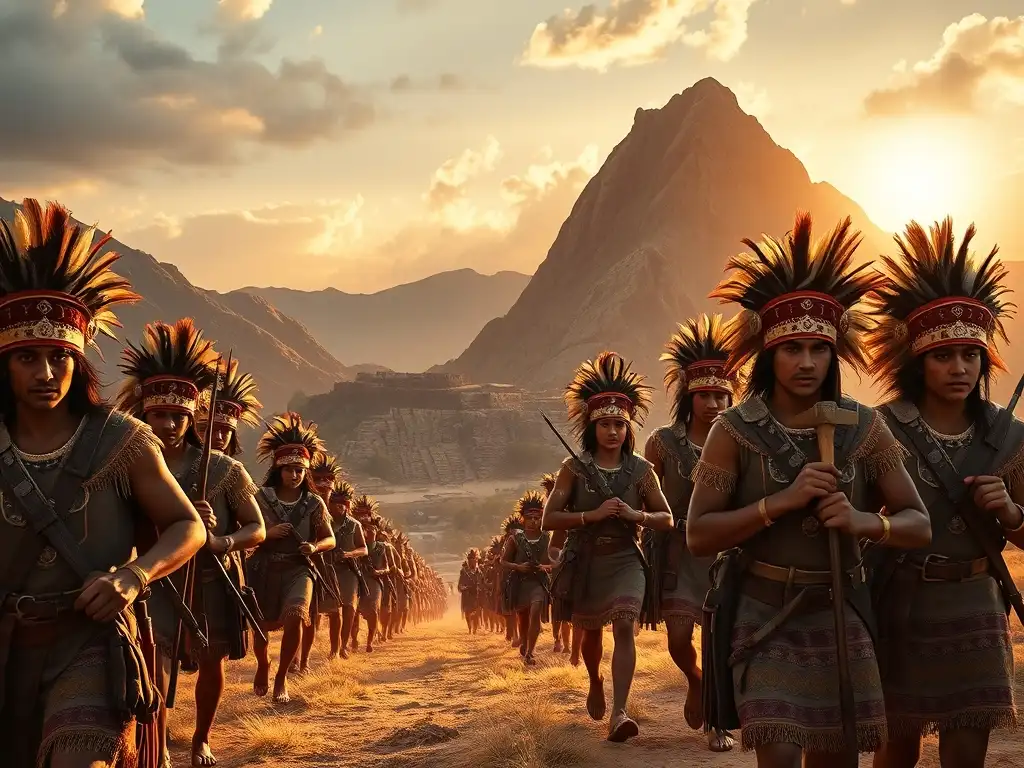
The Inca Empire's remarkable expansion across the Andes wasn't solely a product of military prowess. A powerful ideological framework, deeply rooted in Inca mythology, played a crucial role in justifying and facilitating their conquests. This intricate system of beliefs provided a divine mandate for their actions, fostering both internal cohesion and external subjugation.
Understanding this interplay between mythology and imperial ambition is key to comprehending the Inca Empire's extraordinary rise and lasting legacy. The Inca worldview, heavily influenced by their cosmology and origin myths, provided a compelling narrative that legitimized their expansionist policies and ensured the cooperation – or at least the subdued compliance – of conquered populations. This section will explore the multifaceted ways Inca mythology served as a cornerstone of their imperial project.
How Myths Shaped the Inca Worldview
Inca mythology presented a hierarchical cosmos, reflecting the social structure of the empire itself. The creator god, Viracocha, was at the apex, followed by a pantheon of deities associated with various aspects of nature and human life. The Inca ruler, the Sapa Inca, was considered a direct descendant of the sun god, Inti, divinely appointed to rule and expand the empire.
This divine lineage provided the Sapa Inca with unparalleled authority and legitimacy. The myth of the Inca origin, often involving a journey from a mythical birthplace, reinforced the idea of a divinely ordained destiny to unite the disparate Andean populations under a single, unified rule. This narrative of chosen destiny permeated Inca society, justifying their actions not as mere conquest but as a divinely sanctioned mission to bring order and prosperity to the land.
The belief that the Sapa Inca was a direct descendant of Inti was not merely a religious belief; it was the very foundation of his power and the engine of the empire's expansion. This divine right to rule, deeply embedded in Inca cosmology, significantly influenced their military strategies and political decisions.
Inca Mythology as a Tool for Political Consolidation
The Inca skillfully employed mythology to solidify their control over newly conquered territories. The incorporation of local deities into the Inca pantheon was a common tactic. This syncretism, far from erasing local identities, often served to reinforce Inca dominance by presenting it as a natural extension of existing religious beliefs.
By incorporating local deities into their own pantheon, the Incas subtly suggested that their rule was not a disruption but a natural evolution, a continuation of the existing spiritual order. For example, the worship of local mountain spirits (apus) was integrated into the Inca state religion, thereby associating the Inca rulers with the protection and prosperity of those very mountains. This strategy facilitated the smoother assimilation of conquered peoples.
The Inca leadership cleverly leveraged this religious syncretism to minimize resistance and encourage cooperation. This approach was significantly more effective than outright suppression, resulting in a more stable and unified empire. This pragmatic approach to religious policy is a testament to the sophisticated understanding of power dynamics within the Inca state.
Justifying Warfare and the Incorporation of New Territories
Inca mythology provided a powerful justification for warfare and territorial expansion. The concept of pachacuti, a cyclical renewal of the world, was often invoked to legitimize military campaigns. Conquest was framed not as aggressive expansion but as a necessary act to restore cosmic balance and order. The expansion of the empire was presented as a divinely ordained mission to bring civilization and the Inca way of life to "uncivilized" populations.
This narrative, skillfully disseminated throughout the empire, served to both motivate Inca soldiers and pacify conquered communities. The Inca's efficient administrative system and their ability to integrate conquered peoples into the empire further solidified this ideology. The construction of roads, temples, and administrative centers in newly conquered regions served as powerful symbols of Inca power and the benefits of their rule, reinforcing the narrative of divinely ordained expansion.
Even the use of mit'a (labor tribute) could be presented within this ideological framework, as a contribution to the collective good and the maintenance of cosmic order under Inca rule. The effectiveness of this narrative is evident in the empire's remarkable longevity and the relative peace that characterized much of its existence. The strategic use of Inca mythology in justifying their conquests represents a sophisticated form of ideological warfare, highlighting the crucial role of belief systems in shaping the course of history.
The Legacy of Inca Mythology in the Andean Region
Inca mythology wasn't merely a collection of stories; it served as a powerful tool for legitimizing the Inca empire's expansionist policies and maintaining social order. The pervasive influence of these myths extended far beyond the Inca's lifetime, deeply shaping the Andean region's cultural landscape for centuries to come. Even after the Spanish conquest, elements of Inca mythology persisted, subtly influencing the beliefs and practices of subsequent generations.
The stories of powerful gods and emperors, of cosmic battles and creation myths, continued to be whispered and retold, forming a crucial part of Andean cultural identity. This enduring legacy is evident in surviving textiles, pottery, and oral traditions that echo the themes and characters central to Inca cosmology.
The intricate narratives, imbued with symbolic meaning, provided a framework for understanding the world, their place within it, and the justification for the Inca's dominion. The continued relevance of these myths highlights their profound impact on the collective consciousness of the Andean people.
The stories of Viracocha, the creator god, and Inti, the sun god, provided powerful ideological justifications for the Inca expansion. The Inca rulers presented themselves as descendants of Inti, divinely appointed to rule over the land. This divine mandate, woven into the fabric of Inca mythology, was used to legitimize their conquests, portraying them not as acts of aggression but as divinely ordained expansions of the Inca empire.
Consequently, conquered peoples were often incorporated into the empire more smoothly due to the acceptance of this divine right to rule. This acceptance, while often coerced, was facilitated by the already established influence of Inca mythology and its inherent power to shape perceptions and beliefs. The skillful manipulation of mythology by the Inca state was a crucial element in their ability to consolidate their power and expand their territory.
Furthermore, the Inca's sophisticated system of huacas (sacred places) played a vital role in solidifying their control. Many huacas were strategically located throughout the empire, reinforcing the Inca's claim to divine authority. These locations, imbued with mythological significance, served as potent symbols of Inca power and control.
Rituals and ceremonies performed at these sites further strengthened the Inca's claim to legitimacy and helped to maintain social order across the vast and diverse empire. The strategic integration of mythology into the political and social fabric of the Inca empire ensured its enduring influence on the Andean region, even after the empire's collapse. The legacy of Inca mythology continues to resonate in contemporary Andean cultures, demonstrating its lasting power and impact.
Understanding this legacy is crucial to grasping the complex dynamics of Inca expansion and its profound consequences. The echoes of these stories continue to shape the cultural landscape and collective memory of the Andean people.
Inca Mythology Conquest Justification: A Summary
Inca mythology played a crucial role in justifying their conquests and imperial expansion across the Andes. The Inca worldview, deeply intertwined with religious beliefs and practices, provided a powerful ideological framework for legitimizing their dominance and integrating conquered populations. This wasn't simply a matter of brute force; the Inca strategically employed their mythology to create a narrative of divinely ordained rule, fostering acceptance and minimizing resistance.
This section delves into the key aspects of Inca mythology that supported their imperial ambitions, highlighting the intricate relationship between religious beliefs and political power. Understanding this interplay is key to comprehending the Inca Empire's remarkable growth and lasting impact on Andean history. The keyword "Inca mythology conquest justification" is central to this analysis.
Key Takeaways on Inca Myths and Imperial Expansion
Several key takeaways emerge from examining the relationship between Inca mythology and their imperial expansion:
- Divine Mandate: The Inca emperors, the Sapa Inca, were considered descendants of the sun god, Inti. This divine lineage provided a powerful justification for their rule, presenting conquest not as aggression, but as the fulfillment of a cosmic destiny. The expansion of the empire was thus portrayed as a divinely ordained mission to unite the Andean world under the sun god's benevolent authority. This belief system fostered loyalty and obedience among subjects.
- Propaganda and Ideology: Inca mythology was actively used as a tool of propaganda. Elaborate rituals, festivals, and narratives reinforced the emperor's divine status and the legitimacy of Inca rule. These carefully crafted stories, passed down through generations, instilled a sense of shared identity and purpose among diverse conquered populations. The Inca cleverly incorporated elements of pre-existing Andean beliefs into their own mythology, creating a more inclusive and less resistant narrative of unification.
- Integration of Conquered Peoples: The Inca weren't solely focused on subjugation. Their mythology facilitated the integration of conquered populations into the empire. By incorporating local deities and traditions into the Inca pantheon, they created a more syncretic religious system that promoted a sense of unity and shared cultural heritage. This strategic approach minimized resistance and fostered a degree of cultural assimilation.
The Interplay Between Religion and Imperial Power
The Inca state skillfully used religion to bolster its political power. The Sapa Inca wasn't merely a political leader; he was the supreme religious authority, the intermediary between the human and divine realms. This fusion of religious and political power was central to the Inca's success.
The elaborate state-sponsored religious ceremonies, such as the Inti Raymi festival celebrating the sun god, served multiple purposes. They reinforced the emperor's divine authority, fostered social cohesion, and demonstrated the empire's immense power and resources. These events were carefully orchestrated displays of imperial might, designed to impress and awe both the Inca populace and conquered peoples. The sheer scale and magnificence of these rituals further solidified the belief in the Inca's divine right to rule. The control over religious practices and the vast temple complexes also ensured the Inca's continued political dominance.
The Role of Inca Mythology in Shaping Andean History
Inca mythology wasn't just a set of beliefs; it actively shaped the course of Andean history. The belief in a divinely ordained empire provided the ideological foundation for their expansionist policies. This wasn't a passive force; the Inca actively utilized and manipulated their mythology to achieve their political goals.
The legacy of Inca mythology continues to resonate in the Andean region today. Many aspects of Inca beliefs and traditions have survived, often intertwined with later influences. Understanding the role of Inca mythology in justifying their conquests is crucial for a complete understanding of the Inca Empire's rise, its impact on Andean societies, and the enduring cultural legacy it left behind.
The study of Inca mythology offers invaluable insights into the complex interplay between religion, power, and the construction of imperial identity. The enduring influence of Inca mythology underscores its importance in shaping the historical narrative of the Andean world, even centuries after the fall of the empire.
Frequently Asked Questions
How did Inca mythology contribute to their imperial expansion?
Inca mythology portrayed the Sapa Inca as a divine descendant, divinely appointed to rule and unite all under the sun. This belief legitimized their conquests as a manifest destiny, divinely ordained to expand their empire.
What specific myths supported Inca conquests?
Myths surrounding the origin of the Inca, often involving divine intervention and prophecies of empire, provided a powerful justification for expansion. Stories of past victories and divine favor further bolstered their claims to legitimacy and authority.
Did Inca mythology influence how conquered peoples were treated?
Yes, Inca mythology played a role in integrating conquered populations. The myth of Inca origin often linked them to the conquered peoples, suggesting a shared heritage, while simultaneously emphasizing the Sapa Inca's superiority and right to rule.
Were there any dissenting voices or resistance to the Inca's conquest justifications?
While evidence is limited, it's likely that resistance existed among conquered groups who didn't accept the Inca's divine right to rule. Their own religious beliefs and traditions would have clashed with Inca mythology.
How did Inca mythology shape the relationship between the Inca and their conquered subjects?
Inca mythology helped to establish a hierarchical social structure within the empire. By linking the Sapa Inca to the gods, the Inca fostered a system where conquered peoples were expected to accept their rule as divinely ordained and thus maintain a sense of order and stability within the empire.
Final Reflection: Echoes of Empire in Inca Mythology
The echoes of Inca conquest, justified through a complex tapestry of mythology and imperial ideology, resonate powerfully even today. We see similar patterns in modern narratives of power, where justifications for expansion and dominance often draw on selectively interpreted histories and beliefs. Understanding this historical precedent is crucial for critically analyzing contemporary geopolitical events and the narratives that shape them.
The Inca's sophisticated system of belief, interwoven with their ambition for territorial expansion, offers a compelling case study in the potent relationship between mythology and political power. Their myths, while seemingly ancient and distant, continue to shape our understanding of imperial ambition and the lasting consequences of conquest. Myth is a powerful instrument of social control, and the Inca were masters of its manipulation.
This quote highlights the enduring relevance of studying how societies utilize their belief systems to legitimize their actions, both past and present. The legacy of the Inca Empire, both its achievements and its brutality, serves as a potent reminder of the complexities of power and the enduring influence of belief.
Consider the ways in which narratives shape our own understanding of the world. How do we, as individuals and as societies, justify our actions and choices? Take a moment to reflect on the power of narrative and the responsibility that comes with shaping our own stories and those of others. By understanding the Inca's use of mythology to justify their conquests, we gain a valuable lens through which to examine the narratives that shape our own world, fostering a more critical and informed perspective on power, belief, and the enduring legacy of empire.
Embrace the Power of Inca Mythology Today!
Thank you for exploring the fascinating world of Inca mythology and its influence on their history. Your interest in these ancient narratives offers a unique perspective on their profound impact. Now, let's put that understanding into action!
- Delve Deeper: Research a specific Inca myth and analyze its cultural significance. Share your discoveries with friends, family, or on social media to spark further interest.
- Join the Discussion: Connect with other enthusiasts on our forums to explore how mythology continues to shape societies today. Discuss the enduring relevance of these ancient stories in a modern context.
- Share Your Knowledge: Write a blog post or create a video exploring how the themes of Inca mythology resonate with contemporary issues and perspectives. Consider how these ancient stories might offer new insights into modern challenges.
What lessons can we learn from Inca mythology that might inspire modern approaches to leadership and community building?