
The Enduring Mystery of How Ancient Andean Food Was Preserved

Step into a world lost to time, yet echoing with the ingenuity of the ancient Andean civilizations. For centuries, their mastery over the harsh mountain terrain yielded bountiful harvests, but the secrets behind their remarkable food preservation techniques remain tantalizingly elusive. Discover the intriguing story of ancient Andean food preservation methods and unlock the mysteries behind their enduring legacy. Prepare to be amazed by what these ingenious cultures achieved – a testament to human resilience and innovation.
The Andes Mountains, a formidable and breathtaking landscape, presented ancient civilizations with unique challenges, not least of which was the preservation of food. Unlike societies in more temperate climates, Andean communities faced extreme altitudes, fluctuating temperatures, and unpredictable weather patterns. This article delves into the fascinating, and often mysterious, methods employed by the ancient Andean peoples – including the Incas, Moche, Nazca, and Tiahuanaco – to overcome these hurdles and ensure the survival of their populations through effective food preservation techniques.
We will explore the ingenuity and adaptation required to store and maintain vital food sources, revealing the sophisticated knowledge systems behind their remarkable success in ancient Andean food preservation methods. Understanding these techniques offers a glimpse into the resourcefulness and resilience of these remarkable cultures and sheds light on their complex relationship with their environment.
Introduction to Ancient Andean Food Storage
Ancient Andean food preservation wasn't a single, monolithic practice. Instead, it was a complex interplay of techniques adapted to the specific climates and available resources of different regions and cultures. The diverse geography of the Andes, ranging from arid coastal deserts to high-altitude plains and lush cloud forests, dictated a variety of approaches.
For example, the coastal communities relied heavily on techniques suited for preserving fish and seafood, while those in the highlands focused on preserving potatoes, maize, and other Andean staples. The ingenuity of these methods is remarkable, considering the limited technology available. Let's explore some of the key elements:
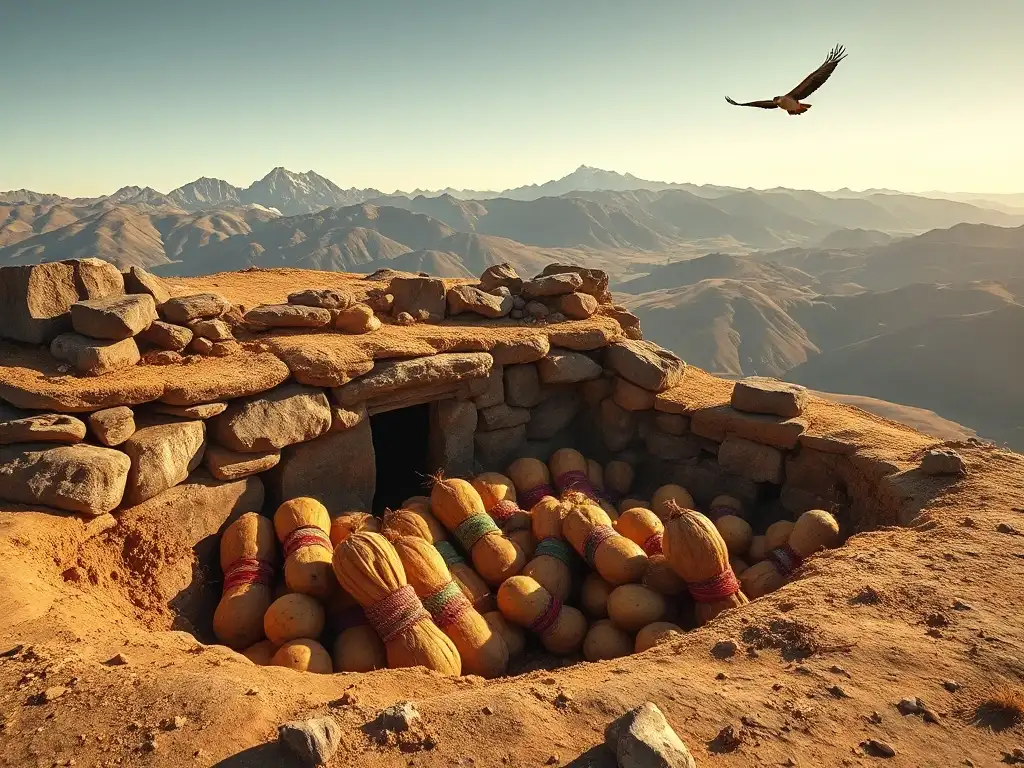
- Storage Structures: Many Andean cultures constructed sophisticated storage facilities, such as qollqas (Inca storehouses) built from stone and designed to maintain a stable temperature and humidity. These structures played a crucial role in long-term food preservation. The precise techniques of construction and their effectiveness in different climatic zones remain areas of ongoing research.
- Drying and Sun-Drying: A fundamental technique across various Andean cultures was drying, particularly sun-drying. This method, still used today in many Andean communities, effectively removes moisture, inhibiting microbial growth and extending the shelf life of foods like potatoes, maize, and various fruits. The efficiency of sun-drying varied depending on the altitude and solar radiation.
- Freezing at High Altitudes: The high altitude of many Andean settlements provided a natural form of cold storage. This, combined with other techniques like drying, allowed for longer preservation periods, especially for certain root vegetables and grains. The effectiveness of this natural refrigeration is still being studied in relation to specific altitudes and seasonal variations.
The Challenge of Food Preservation in the Andes
The Andes presented unique challenges to food preservation. The sheer altitude significantly impacted the rate of food spoilage. Lower oxygen levels at higher altitudes can slow down some spoilage processes, but other factors, such as intense UV radiation and unpredictable weather patterns, posed significant threats. Furthermore, the diverse range of climates across the Andes meant that different preservation techniques were necessary in different regions. For instance:
- High Altitude Challenges: The cold temperatures at high altitudes slowed decomposition but didn't eliminate it entirely. Freezing wasn't a reliable method for all foods, and the risk of frost damage to crops remained a constant concern. Understanding the precise impact of specific altitudes on different food types is a key area of ongoing research. Data on the exact temperature fluctuations at different altitudes and their impact on preservation methods is still needed for a complete understanding.
- Coastal Challenges: Coastal communities faced different issues. The humidity and heat accelerated spoilage, requiring techniques to combat moisture and microbial growth. The preservation of fish and seafood was particularly crucial, necessitating the development of specialized methods. [Specific details on coastal preservation methods pending further research].
- Pest Control: Protecting stored food from pests, such as rodents and insects, was another significant hurdle. Andean communities developed ingenious strategies, including the use of natural repellents and carefully constructed storage facilities to minimize pest damage. [Further research is needed to identify the specific types of repellents and their effectiveness].
The enduring mystery surrounding ancient Andean food preservation methods is a testament to the resourcefulness and adaptability of these cultures. While significant progress has been made in understanding these techniques, much remains to be discovered, highlighting the importance of continued research and investigation. Further investigation into specific techniques, regional variations, and the long-term impacts of these methods on Andean societies is crucial for a more complete understanding of their remarkable achievements.
- What techniques did ancient Andean civilizations use to preserve food?
- How effective were these ancient Andean food preservation methods?
- What role did altitude play in Andean food preservation?
- Were any specific foods particularly well-suited to ancient Andean preservation methods?
- What can modern food preservation learn from ancient Andean techniques?
Traditional Techniques of Andean Food Preservation
The ingenuity of ancient Andean civilizations is vividly reflected in their sophisticated food preservation methods. Facing challenging geographical conditions and a need for year-round sustenance, they developed a remarkable array of techniques to extend the shelf life of their harvests and livestock. These methods, passed down through generations, represent a crucial aspect of their agricultural success and cultural identity. Understanding these ancient Andean food preservation methods provides valuable insights into their resourcefulness and adaptation to their environment. The techniques discussed below showcase the diverse approaches employed, highlighting the importance of both natural resources and meticulous human intervention.
Drying: The Sun and the Wind's Role in Food Preservation
Drying, a cornerstone of ancient Andean food preservation, harnessed the power of the sun and wind to reduce the moisture content of food, thereby inhibiting microbial growth and spoilage. This simple yet effective method extended the usability of a wide range of products, from fruits to meats. The specific techniques varied depending on the foodstuff and the local climate, demonstrating a nuanced understanding of environmental factors.
Sun Drying Methods for Fruits like Lúcuma and Cherimoya
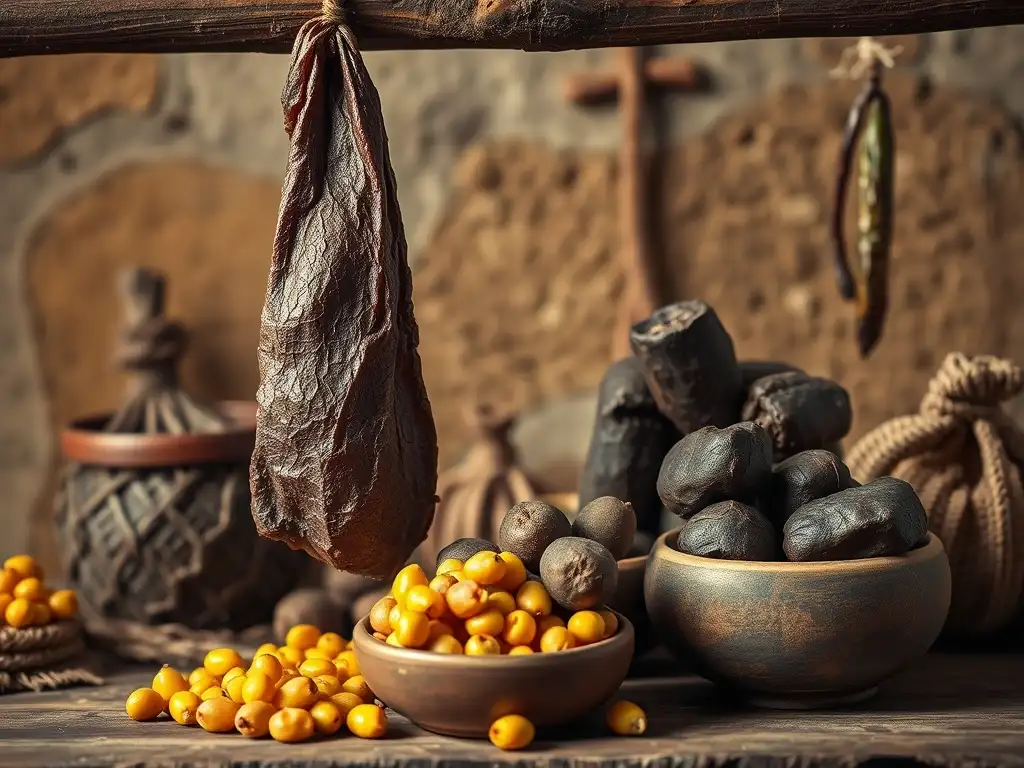
Fruits like lúcuma and cherimoya, prized for their sweetness and nutritional value, were commonly sun-dried. This involved slicing the fruits thinly to maximize surface area exposure to the sun's rays. The process often included pre-treatment steps, such as blanching or treating with sulfur dioxide to prevent enzymatic browning and maintain color and flavor.
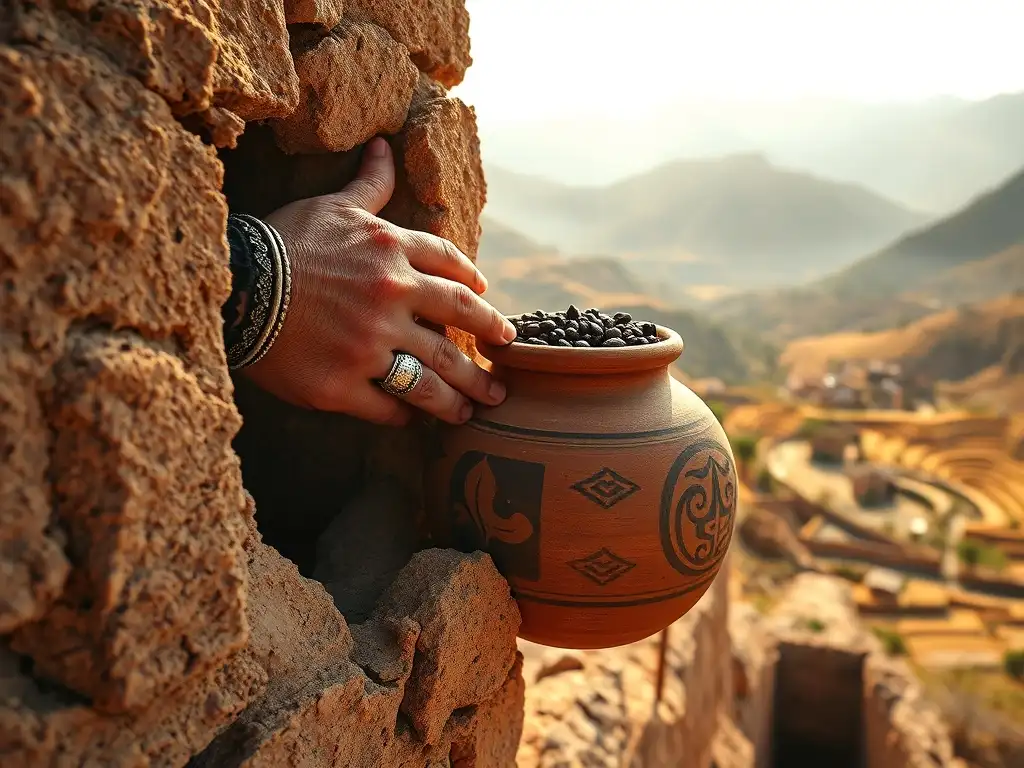
The dried fruits were then stored in cool, dry places, often in woven baskets or clay pots, to further protect them from moisture and pests. The resulting product, significantly reduced in weight and volume, could be stored for months, providing a valuable source of nutrients during lean periods. Precise measurements of moisture content reduction during these processes are unfortunately not readily available from ancient sources, but archaeological evidence strongly suggests the effectiveness of these methods.
Dehydration Techniques for Alpaca and Llama Meats
The preservation of alpaca and llama meat was crucial for Andean communities. Similar to fruit drying, meat was often cut into thin strips and exposed to the sun and wind. However, meat required a longer drying time and often involved additional techniques to ensure thorough dehydration. Salting was a common practice, drawing out moisture and acting as a preservative. Smoking, using locally sourced woods, was another method employed to both dry the meat and impart a distinctive flavor profile, further inhibiting spoilage. The dried and salted meat, charqui, became a staple food, readily transportable and capable of long-term storage.
The Importance of Altitude in Andean Drying
The high altitude of the Andes significantly influenced drying techniques. The lower air pressure and increased solar radiation at these elevations accelerated the drying process, resulting in a shorter preservation time. However, the intense UV radiation could also lead to nutrient degradation if not carefully managed. This required a keen understanding of the optimal drying time and conditions to balance preservation with nutrient retention. Further research is needed to quantify the impact of altitude on the specific drying rates of different foods and the preservation of their nutritional value.
Fermentation: Ancient Andean Methods of Food Transformation
Fermentation, another vital ancient Andean food preservation method, involved harnessing the activity of microorganisms to transform food into more stable and palatable forms. This process not only extended shelf life but also enhanced the nutritional value and digestibility of certain foods.
Chicha and its Preservation Properties
Chicha, a fermented beverage made from maize or other grains, was a staple in Andean societies. The fermentation process, which involved various yeast strains, produced lactic acid and alcohol, creating an environment unfavorable for spoilage microorganisms. This enhanced the beverage's shelf life and also contributed to its unique flavor profile. Different regions developed unique chicha variations, reflecting the diversity of grains and fermentation techniques. While the precise mechanisms of preservation varied depending on the specific recipe and fermentation conditions, the resulting product was significantly more stable than fresh maize.
Fermented Cabbage and its Long Shelf Life
Fermented cabbage, a common practice in many cultures, was also employed in the Andes. The lactic acid bacteria naturally present on cabbage leaves convert sugars into lactic acid, creating an acidic environment that prevents the growth of harmful bacteria. This process, similar to that used in making sauerkraut, resulted in a product with a considerably extended shelf life, providing a valuable source of vitamins and fiber during times of scarcity. Specific details on the Andean variations of fermented cabbage, including the types of cabbage used and the precise fermentation techniques, require further investigation.
The Role of Microorganisms in Andean Fermentation
The success of Andean fermentation relied heavily on the understanding of the role of microorganisms. While the ancient Andeans lacked the scientific knowledge to fully comprehend the microbiology involved, their empirical observations and practical experience allowed them to master the processes.
The selection of appropriate raw materials, control of temperature and humidity, and even the use of specific vessels all played a crucial role in ensuring successful fermentation and the production of safe and palatable foods. Further research into the specific microbial communities involved in traditional Andean fermentations could reveal valuable insights into both ancient practices and potentially beneficial microorganisms.
Freezing: Natural Cold Storage in the High Andes
The high altitude of the Andes Mountains provided ancient Andean cultures with a natural refrigeration system. Temperatures plummeted far below freezing, particularly at night, offering a simple yet effective method of food preservation. This wasn't sophisticated technology in the modern sense, but it was a crucial adaptation to the challenging environment. The availability of this natural cold storage significantly impacted dietary practices and allowed for the preservation of certain foods throughout the year, especially during lean seasons.
This natural freezing, coupled with other preservation techniques, formed a cornerstone of Andean food security. The ingenuity of utilizing readily available environmental factors stands as a testament to the resourcefulness of Andean civilizations. They understood the principles of freezing, even without the scientific understanding we possess today. This understanding allowed them to strategically store perishable foods, extending their shelf life and ensuring food availability beyond the growing season.
Utilizing High Altitude Freezing for Food Conservation
The effectiveness of high-altitude freezing relied heavily on the selection of appropriate foods and appropriate storage conditions. Certain foods, like potatoes and some meats, were particularly well-suited to this method. The freezing process itself slowed down enzymatic activity, inhibiting microbial growth and preventing spoilage. This natural freezing wasn't solely about placing food outside; Andean communities likely developed rudimentary cold storage structures, perhaps utilizing caves or rock shelters to enhance the freezing effect and protect food from the elements.
The location of these storage areas was crucial, prioritizing areas with consistent sub-zero temperatures and protection from strong winds and sunlight. Further research is needed to fully understand the extent of these storage structures and their precise designs, but the evidence suggests a sophisticated understanding of environmental factors and their impact on food preservation. Archaeological excavations may one day reveal more details about these early cold storage techniques.
Chuno: The Freeze-Dried Potato
Chuno is a prime example of the effectiveness of Andean freezing techniques. This freeze-dried potato, a staple in the Andean diet for millennia, is a testament to the ingenuity of ancient food preservation methods. By freezing and then drying potatoes, the ancient Andeans created a lightweight, long-lasting food source that could be stored for extended periods.
This process not only preserved the potatoes but also concentrated their nutritional value, making chuno a highly valuable food during times of scarcity. The ability to produce chuno significantly enhanced the sustainability of Andean agriculture and contributed to the long-term stability of their communities. The resilience of chuno, its ability to withstand harsh conditions, reflects the adaptability of Andean cultures to their challenging environment.
The Process of Making Chuno
The creation of chuno involved a multi-stage process leveraging the natural freeze-thaw cycles of the high Andes. First, carefully selected potatoes – often specific varieties resistant to frost – were exposed to freezing temperatures overnight. Then, during the day, the frozen potatoes were trampled or pounded to remove excess water. This process was repeated several times over several days, until a significant amount of moisture was removed.
Finally, the partially dehydrated potatoes were left to dry completely under the sun. The resulting chuno was a hard, dehydrated potato that could be stored for years without spoiling. This meticulous process showcases the deep understanding that Andean communities possessed of both agricultural practices and the principles of food preservation. The precise techniques and variations in the chuno-making process likely differed across various Andean communities, reflecting regional adaptations and preferences.
Salting: Preserving Food with Salt in Ancient Andes
Salt played a crucial role in ancient Andean food preservation. Its antimicrobial properties effectively inhibited the growth of bacteria and fungi, significantly extending the shelf life of various foods. The availability of salt, however, wasn't uniform across the Andes. Coastal regions and areas near salt flats had easier access, while communities in the high Andes relied on trade networks to acquire this essential preservative. The strategic importance of salt in the ancient Andean economy is evidenced by its use in ritual and trade, highlighting its value beyond its role in food preservation.
Salt Sources from Uyuni and Coastal Regions
The vast salt flats of Uyuni in Bolivia, and the coastal regions of the Pacific Ocean, served as major sources of salt for the ancient Andean civilizations. The Uyuni salt flat, one of the largest salt deserts in the world, provided an abundant and readily available source of salt. Coastal communities harvested salt from seawater through evaporation, a technique used for centuries.
The transportation of salt from these regions to inland communities involved complex trade networks, illustrating the importance of salt in the Andean economy and the interconnectedness of different regions. The control and distribution of salt likely played a significant role in the political and social structures of these societies.
Salting Techniques for Alpaca Meat and Fish
Salting techniques varied depending on the food being preserved. Alpaca meat, a staple protein source, was often cured with salt to extend its shelf life. This process involved rubbing salt liberally onto the meat, allowing it to draw out moisture and inhibit microbial growth. Similarly, fish caught along the coast were preserved using salting techniques.
The specific methods likely differed based on the type of fish and the available salt. These salting techniques not only preserved the food but also added flavor, making the preserved meats and fish palatable and desirable even after prolonged storage. The skill in properly salting food was likely passed down through generations, forming an integral part of Andean culinary traditions.
The Use of Salt in Long-Term Food Storage
The use of salt in conjunction with other preservation methods, such as drying and freezing, enhanced the effectiveness of long-term food storage. Salt, combined with sun-drying, created a potent preservation method, particularly for meats and vegetables. This combination of techniques allowed Andean communities to store food for extended periods, ensuring food security throughout the year and mitigating the risks associated with fluctuating agricultural yields.
The strategic use of salt, combined with other preservation methods, demonstrates a comprehensive understanding of food science and the challenges of preserving food in a high-altitude environment. The impact of salt on the diet and the economy of ancient Andean civilizations cannot be overstated. It was a crucial component of their survival and cultural development.
Specific Examples of Preserved Andean Foods
This section delves into the specifics of ancient Andean food preservation, focusing on two key examples: grains and meats. Understanding these methods reveals the ingenuity and resourcefulness of Andean civilizations in ensuring food security in challenging environments. The techniques employed weren't merely about extending shelf life; they were deeply intertwined with their cultural and spiritual beliefs, highlighting the holistic approach to food production and consumption. Mastering these ancient Andean food preservation methods was crucial for survival and prosperity.
The Longevity of Andean Grains: Quinoa and Cañihua
Quinoa and cañihua, staple crops of the Andes, demonstrate the effectiveness of ancient preservation techniques. These grains, resilient to harsh conditions, were further protected through meticulous storage and processing methods, ensuring food availability throughout the year. Their nutritional value, coupled with effective preservation, contributed significantly to the health and sustenance of Andean communities. The high protein and nutrient content of these grains also meant that even small quantities could provide substantial energy and sustenance.
Storage Methods for Grains in Qullqas
The qollqas, ingenious stone structures, played a vital role in grain preservation. These storehouses, often built into cliffsides or hills, offered a cool, dry environment ideal for protecting grains from moisture and pests. Their design, incorporating ventilation and sun protection, showcases a sophisticated understanding of environmental factors affecting food preservation. The qollqas were not just storage spaces; they were carefully planned structures demonstrating advanced engineering skills, demonstrating a deep understanding of the importance of preserving the food supply.
Preventing Spoilage and Pests with Natural Repellents
Beyond the physical environment of the qollqas, Andean people employed natural methods to further protect their grains. The use of dried herbs, such as muña and huacataya, within the storage areas acted as natural pest repellents. These plants, with their strong aromas, deterred insects and rodents, preventing infestation and spoilage. Furthermore, the meticulous cleaning and sorting of grains before storage minimized the presence of impurities that could accelerate decomposition. Evidence suggests that the selection and preparation of grain for storage was a ritualistic practice, adding a layer of cultural significance to the preservation process.
Importance of Grain Storage in Andean Culture
Grain storage wasn't simply a practical necessity; it was deeply embedded in Andean culture and spirituality. Successful harvests were celebrated, and the careful storage of grains was seen as a vital step in ensuring community well-being and continuity. The qollqas themselves often held symbolic meaning, representing abundance and prosperity. The act of preserving food was a ritual, a demonstration of respect for the land and its bounty. The community's collective effort in harvesting, processing and storing the grains reinforced social bonds and shared responsibility.
Preserved Meats: Charqui and its Significance
Charqui, or dried meat, stands as a powerful example of ancient Andean food preservation. This method allowed for the long-term storage of meat, a crucial resource in regions with limited access to fresh protein. The process, involving sun-drying and salting, transformed perishable meat into a shelf-stable product, providing sustenance for extended periods. The effectiveness of this ancient Andean food preservation method is a testament to the ingenuity of the Andean peoples.
Production Methods of Charqui Using Sun and Salt
The production of charqui involved several steps. First, the meat (typically llama, alpaca, or vicuña) was carefully butchered and cut into thin strips. These strips were then heavily salted, a crucial step in drawing out moisture and inhibiting microbial growth. Finally, the salted meat was spread out to dry in the sun, a process that could take several days depending on weather conditions. The sun's heat, combined with the salt's preservative properties, effectively prevented spoilage. The process required careful observation and adjustment based on weather patterns, highlighting the detailed knowledge of the environment required for successful preservation.
Variations in Charqui Preparation with Different Spices
While sun and salt formed the core of the charqui preservation process, variations existed depending on the region and available resources. Different spices and herbs were sometimes added, not only for flavor enhancement but also potentially for their additional antimicrobial properties. These additions might have contributed to extending the shelf life further and adding variety to the diet.
The specific combinations of spices used varied widely and reflect the regional diversity of Andean culinary traditions. Further research is needed to fully document the range of spices and their effects on preservation. [Specific information pending on spice variations and their impact on preservation].
Charqui as a Staple Food and Travel Provision
Charqui's significance extends beyond mere food preservation. Its portability made it an ideal food source for travelers and traders, ensuring sustenance during long journeys across the challenging Andean terrain. It was a staple food, providing a vital source of protein throughout the year, particularly during times when fresh meat was scarce. The importance of charqui in the Andean diet is reflected in its frequent depiction in archaeological findings and historical accounts, underscoring its role in the economic and social life of the Andean communities. Its enduring presence in modern Andean cuisine is a testament to its lasting legacy.
Preserved Tubers: Potatoes and Oca
Potatoes, a staple of the Andean diet, were preserved using a variety of ingenious methods developed over centuries. The methods varied depending on the potato variety, the altitude, and the climate. For example, high-altitude communities often relied on freezing techniques, taking advantage of the naturally cold temperatures to preserve potatoes for extended periods.
Lower-altitude communities, on the other hand, might utilize sun-drying or storage in cool, dark cellars. The specific techniques employed often involved meticulous selection of the potatoes – only the healthiest and most robust specimens were chosen for long-term storage, ensuring the best chance of survival during the preservation process. This careful selection process, combined with the clever use of environmental factors, speaks to the sophisticated understanding of agriculture and food preservation that existed within these communities.
The preservation of potatoes was crucial for the Andean civilizations' survival, ensuring a reliable food source throughout the year, even during harsh weather conditions. This ensured food security and facilitated population growth and stability.
Techniques for Preserving Different Types of Tubers
The Andean region boasts an incredible diversity of tubers, each requiring slightly different preservation techniques. While potatoes dominated, other tubers like oca, ulluco, and mashua also played significant roles in the diet. Oca, for instance, with its tart flavor, required different strategies than the milder potato.
The techniques varied based on the tuber's water content, its susceptibility to spoilage, and its overall texture. Tubers with higher water content, like certain types of potatoes, were better suited for freezing or drying methods to prevent rot. Those with lower water content, like some varieties of ulluco, could be stored for longer periods in cool, dry environments.
The knowledge of these subtle differences, passed down through generations, was essential to successful food preservation and the overall sustenance of the Andean communities. This knowledge wasn't simply a matter of preserving food; it represented a profound understanding of the specific properties of each tuber and the environmental conditions best suited for its preservation. This highlights the deep connection between the Andean people and their agricultural environment.
Methods for Oca Preservation using Sun-Drying and Freezing
Sun-drying was a common method for preserving oca, particularly in areas with ample sunlight and relatively low humidity. The oca was carefully washed, sliced, and then spread out on mats or rocks to dry under the intense Andean sun. This process removed much of the moisture content, significantly extending the shelf life of the oca. This method was particularly effective in reducing the risk of spoilage caused by microorganisms.
However, sun-drying was weather-dependent. Cloudy days or unexpected rain could easily spoil the harvest. As such, it was often complemented by other methods, such as storage in cool, dry spaces. Freezing, another effective technique, was primarily used in high-altitude regions where natural freezing temperatures occurred regularly.
The oca was often harvested before the first significant frosts and then left to freeze naturally. This method, though effective, required precise timing and careful monitoring to avoid spoilage. The combination of sun-drying and freezing, or their individual application depending on the circumstances, illustrates the adaptive strategies employed by the Andean people in their food preservation practices.
The Importance of Tubers in the Andean Diet
Tubers, especially potatoes and oca, formed the cornerstone of the ancient Andean diet, providing essential carbohydrates and nutrients crucial for survival in the challenging Andean environment. Their ability to thrive in diverse climates and altitudes made them a reliable food source throughout the year, despite the variability of weather conditions. Their high caloric density provided the energy needed for physical labor, while their nutritional value contributed to overall health and well-being.
The development of sophisticated preservation techniques allowed for the storage of surplus crops, ensuring food security during lean times. This is evidenced by the vast array of potato varieties cultivated in the Andes, each adapted to specific environmental conditions. The importance of tubers is not simply a matter of nutrition; it is a testament to the ingenuity and resourcefulness of the Andean people in harnessing the natural resources of their environment to sustain their populations.
The long-term sustainability of their agricultural practices and the crucial role of tubers in their social and economic structures are undeniable aspects of their rich history. The importance of these preservation methods cannot be overstated in understanding the resilience and prosperity of these ancient civilizations.
The Significance of Food Preservation in Andean Societies
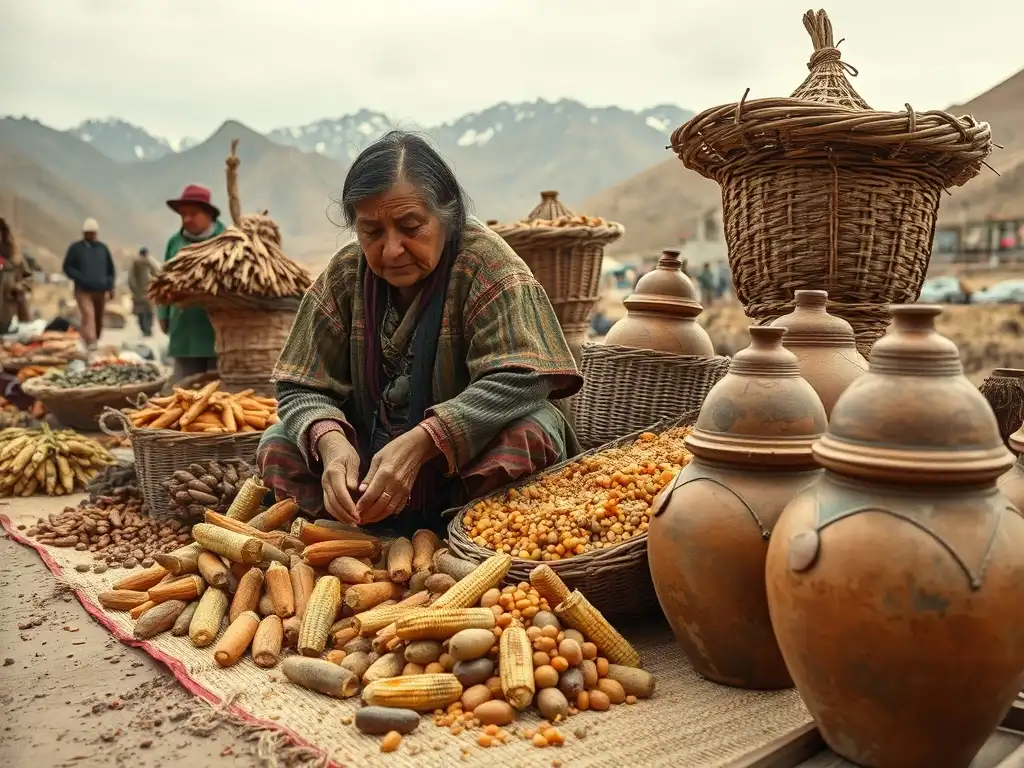
The success and longevity of ancient Andean civilizations were intrinsically linked to their sophisticated approaches to food preservation. Understanding these methods provides crucial insight into their agricultural prowess, social structures, and spiritual beliefs. The challenges posed by the varied Andean terrains—from high-altitude plains to arid coastal deserts—necessitated the development of innovative techniques to ensure food security year-round. Without effective preservation, these societies would have faced constant vulnerability to famine and instability.
This section will explore the multifaceted importance of ancient Andean food preservation methods, examining their practical and symbolic dimensions. The mastery of these techniques speaks volumes about the ingenuity and resilience of these remarkable cultures. Effective preservation of "ancient Andean food" wasn't merely a practical skill; it was a cornerstone of their societal and spiritual well-being.
Food Security and Storage Strategies in Ancient Andean Civilizations
Food security was paramount in the Andes, where unpredictable weather patterns and challenging geography could easily disrupt agricultural cycles. Ancient Andean societies developed a range of strategies to mitigate these risks, ensuring a stable food supply throughout the year. These strategies weren't simply about storing surplus; they involved complex systems of resource management, labor organization, and community cooperation.
The success of these systems is evidenced by the impressive scale of some of their agricultural projects and storage facilities. The effective preservation of food directly impacted population density, social stability, and the ability to support specialized labor and large-scale construction projects. Without robust preservation methods, the impressive achievements of Andean civilizations would have been significantly constrained.
The Role of Storage Facilities such as Colcas
Colcas, the iconic stone structures built by various Andean cultures, represent a remarkable feat of engineering and a testament to their advanced understanding of food preservation. These structures, often found in elevated and dry locations, were designed to maintain stable temperatures and humidity levels, ideal for long-term storage. Their construction varied depending on the specific needs and resources of each community, ranging from simple, single-chamber structures to complex, multi-level complexes.
The precise techniques used in their construction – including the use of specific building materials and ventilation systems – are still being studied today, revealing the sophisticated understanding of environmental control possessed by the ancient Andean builders. Analysis of archaeological findings within colcas often reveals the presence of preserved grains, tubers, and other food items, providing direct evidence of their effectiveness. The efficient use of colcas highlights the importance of long-term planning and resource management in ancient Andean societies.
Community Storage Systems and Labor Organization
The construction and maintenance of colcas and other storage facilities were not the work of individuals but rather the result of community-wide effort. This collective approach underscores the importance of social organization and cooperation in ensuring food security. Labor organization likely varied across different Andean societies, but evidence suggests a system of reciprocal labor exchange and communal responsibility.
This system ensured that everyone contributed to the collective good and had access to stored resources during times of need. The efficient and equitable distribution of stored food was crucial for maintaining social harmony and preventing conflict. The integration of food preservation into the social fabric highlights the deep understanding of communal responsibility and the interconnectedness of individual and collective well-being.
Managing Food Resources for Trade and Sustenance
Beyond ensuring local food security, preserved foods also played a crucial role in trade and exchange networks across the Andes. Dried or preserved foods, such as chuño (freeze-dried potatoes), could be easily transported over long distances, facilitating trade between different communities and regions. This exchange of goods contributed to economic stability and fostered cultural exchange.
The ability to store and transport surplus food also allowed for the support of specialized labor, such as artisans and priests, who were not directly involved in food production. This demonstrates the sophisticated economic and social systems that were built upon the foundation of effective food preservation. The impact of preserved food on trade and social stratification cannot be overstated.
The Cultural and Ritualistic Aspects of Food Preservation
The preservation of food in ancient Andean societies transcended mere practicality; it was deeply intertwined with their spiritual beliefs and rituals. The act of preserving food was not just about ensuring survival; it was also a way of honoring the earth, maintaining balance, and ensuring the continuity of life. Understanding these cultural and ritualistic aspects provides a richer understanding of the holistic approach to food management in these societies. The connection between food, spirituality, and community was fundamental.
Andean Beliefs Related to Pachamama and Food Storage
The Andean worldview centered around the concept of Pachamama, the Earth Mother, who was revered as the source of all life and sustenance. Food preservation was seen as a way of respecting and honoring Pachamama by carefully storing and utilizing her gifts. Rituals associated with planting, harvesting, and storage were designed to maintain a harmonious relationship with the earth and ensure its continued bounty.
Failures in the harvest or spoilage of food were often attributed to a disruption in this relationship. This spiritual dimension underscores the profound connection between food preservation and the broader Andean cosmology. The reverence for Pachamama profoundly influenced all aspects of Andean life, including their approach to food preservation.
Preservation Techniques in Harvest Ceremonies
Harvest ceremonies were more than just celebrations; they were integral to the preservation process itself. Specific rituals and techniques were employed during the harvest to ensure the successful preservation of the crop. These practices might have involved specific prayers, offerings to Pachamama, or the use of particular tools and techniques.
The careful handling of the harvested food reflected a deep respect for its origins and a desire to maintain its quality and longevity. The integration of spiritual practices into the practicalities of food preservation highlights the holistic and integrated nature of ancient Andean culture. These ceremonies were likely vital for maintaining community cohesion and reinforcing shared beliefs.
The Significance of Food in Andean Cosmology
Food held a central place within Andean cosmology, symbolizing life, fertility, and abundance. The preservation of food, therefore, was not merely a practical activity but also a symbolic act of ensuring the continuity of life and the cosmic order. The careful storage and distribution of food reflected a deep understanding of the cyclical nature of life and the interconnectedness of all living things.
This cosmological perspective provided a framework for understanding the importance of food preservation within the broader context of Andean society and spirituality. The symbolic significance of food preservation helps us understand the deep-seated beliefs and values that underpinned these societies' remarkable achievements.
Conclusion: The Legacy of Ancient Andean Food Preservation Methods
The ingenuity of ancient Andean civilizations in developing effective food preservation methods is undeniable. Their techniques, born out of necessity in challenging high-altitude environments, represent a remarkable blend of observation, experimentation, and deep understanding of their ecosystem. From the meticulous drying of potatoes and quinoa to the sophisticated freeze-drying processes inherent in chuño production, these methods ensured food security and societal stability for centuries.
The enduring legacy of these practices is not merely historical; it offers valuable insights for addressing contemporary food challenges. Understanding these ancient Andean food preservation methods allows us to appreciate the sophistication of pre-Columbian technology and its potential relevance to modern food systems.
The Potential of Applying Ancient Techniques to Modern Food Security
The world faces increasing pressure to ensure food security for a growing global population. Climate change, resource scarcity, and fluctuating market prices pose significant threats to stable food supplies. In this context, revisiting and adapting ancient Andean food preservation techniques holds immense potential. Many of these methods, such as sun-drying and freeze-drying, are environmentally friendly and require minimal energy input – crucial considerations in a world striving for sustainable practices.
For instance, the chuño production process, which involves repeated freezing and thawing of potatoes, is a remarkably effective method of preservation that extends shelf life significantly without the need for refrigeration or additives. This approach could be particularly relevant in regions with limited access to modern refrigeration infrastructure, offering a sustainable and accessible solution to food spoilage. Similarly, the Andean practice of storing grains in airtight containers lined with natural materials like herbs, could inspire the development of innovative, eco-friendly packaging solutions for modern food storage.
Moreover, the traditional Andean understanding of biodiversity and crop diversification, crucial to their food preservation strategies, offers valuable lessons for modern agriculture. The cultivation of a wide range of crops, each with its own unique preservation properties, ensured resilience against crop failures and fluctuations in climate. This approach, when combined with the efficient preservation techniques employed by the ancients, could significantly enhance the robustness and sustainability of modern food systems.
Further research and investigation into these ancient techniques could lead to the development of innovative and sustainable solutions to address global food security challenges. The potential benefits extend beyond simple preservation; the adaptation of these techniques could also contribute to reduced food waste and improved nutritional outcomes. The study of ancient Andean food preservation methods is not simply an academic pursuit; it's a vital resource for building a more resilient and sustainable food future.
Modern Applications and Challenges
While the potential benefits are clear, adapting ancient Andean food preservation methods to modern contexts presents certain challenges. Scaling up production to meet the demands of a global market requires careful consideration of infrastructure, technology, and labor. Furthermore, rigorous scientific research is necessary to fully understand the microbiological and nutritional aspects of these techniques, ensuring food safety and optimizing nutritional value. For example, while chuño is a staple in many Andean communities, ensuring consistent quality and safety in large-scale production requires careful monitoring of processing conditions and hygiene standards.
Another challenge lies in integrating these techniques into existing food systems. This requires addressing potential conflicts with established food processing industries and consumer preferences. Public awareness campaigns and education initiatives are crucial to promoting the acceptance and adoption of these traditional, yet sustainable, food preservation practices.
Nonetheless, the potential rewards of incorporating the wisdom of ancient Andean civilizations into our modern food systems are substantial, offering a path towards more resilient, sustainable, and equitable food security for all. The study of ancient Andean food preservation methods is a crucial step towards achieving this goal. The potential for innovation is vast, and continued research is vital to unlocking its full potential.
Future Research Directions
Future research should focus on several key areas. Firstly, a more comprehensive scientific analysis of the microbial communities involved in traditional Andean preservation techniques is needed. This would enable a better understanding of the mechanisms of preservation and inform the development of safe and effective large-scale production methods. Secondly, further research is required to assess the nutritional value of foods preserved using ancient Andean techniques, particularly in comparison to modern preservation methods.
Thirdly, studies exploring the economic viability of integrating these techniques into modern food systems are crucial for successful implementation. This includes analyzing production costs, market demand, and potential economic benefits for producers and consumers. Finally, research should focus on developing appropriate technologies and infrastructure to facilitate the scaling-up of these traditional methods, while ensuring that they remain environmentally sustainable and culturally sensitive.
The study of ancient Andean food preservation methods is a dynamic and evolving field with significant implications for food security and sustainable development. By investing in further research, we can unlock the full potential of this invaluable legacy.
Frequently Asked Questions
What techniques did ancient Andean civilizations use to preserve food?
Ancient Andean peoples employed a variety of ingenious methods, including sun drying, freeze-drying, and storage in underground cellars. These techniques helped them survive harsh climates and ensure food security year-round.
How effective were these ancient Andean food preservation methods?
The effectiveness varied depending on the method and the foodstuff. Sun-drying was particularly successful for grains and fruits, while freeze-drying (at high altitudes) preserved potatoes and other produce remarkably well. Underground cellars provided cool, dark environments that slowed spoilage.
What role did altitude play in Andean food preservation?
Altitude played a crucial role. The high-altitude, cold, and dry conditions naturally aided preservation processes like freeze-drying. Lower altitudes required more sophisticated techniques like sun-drying and storage in carefully constructed cellars.
Were any specific foods particularly well-suited to ancient Andean preservation methods?
Yes, potatoes, maize, quinoa, and various fruits and vegetables were well-suited to the prevalent methods. Their natural properties, combined with the preservation techniques, ensured their availability throughout the year.
What can modern food preservation learn from ancient Andean techniques?
Modern food preservation can learn from the sustainability and resourcefulness of ancient Andean methods. Exploring these techniques can offer insights into environmentally friendly and energy-efficient preservation strategies for the future.
Final Reflection: Echoes of the Andes: A Legacy in Preservation
The ingenious food preservation techniques of the ancient Andes remain a testament to human ingenuity and a vital lesson for our increasingly fragile food systems. Their mastery of techniques like freeze-drying, sun-drying, and fermentation, developed over millennia, offers a powerful counterpoint to the unsustainable practices of modern food production and distribution. These ancient methods, far from being relics of the past, hold the key to a more sustainable and resilient future.
The impact of these ancient Andean practices extends far beyond the realm of archaeology; they resonate deeply with contemporary concerns about food security and environmental sustainability. The ingenuity and resourcefulness displayed by these ancient cultures serve as a powerful reminder of the importance of respecting and learning from traditional knowledge. The earth provides enough to satisfy every man's needs but not every man's greed.
- Mahatma Gandhi. This quote highlights the crucial balance between human needs and the planet's resources, a balance the Andean people seemingly understood intuitively.
Consider the implications of these ancient methods for your own life. Can you incorporate elements of sustainable preservation into your own food choices and practices? Perhaps exploring local, seasonal produce and experimenting with simple drying or fermentation techniques. By embracing these ancient wisdoms, we can not only honor the legacy of the Andean people but also contribute to a more sustainable and equitable food future for generations to come. Let the echoes of the Andes inspire you to act.
Unlock Ancient Secrets of Food Preservation!
Thank you for exploring the fascinating world of ancient Andean food preservation with us! We hope you gained valuable insights into the innovative techniques that sustained these remarkable civilizations. Now, let's delve deeper!
Here are a few ways to continue your journey:
- Experiment with ancient preservation methods at home. Try simple techniques like drying herbs or fermenting vegetables to experience the process firsthand.
- Join a local food preservation workshop to connect with others who share your passion and learn new skills from experienced practitioners.
- Share this article with friends interested in Andean history and cuisine; help spread the word about this rich culinary heritage!
What preservation technique are you most eager to try, and how do you envision it enhancing your cooking?