
The Aftermath of Andean Battles: Consequences and Rebuilding

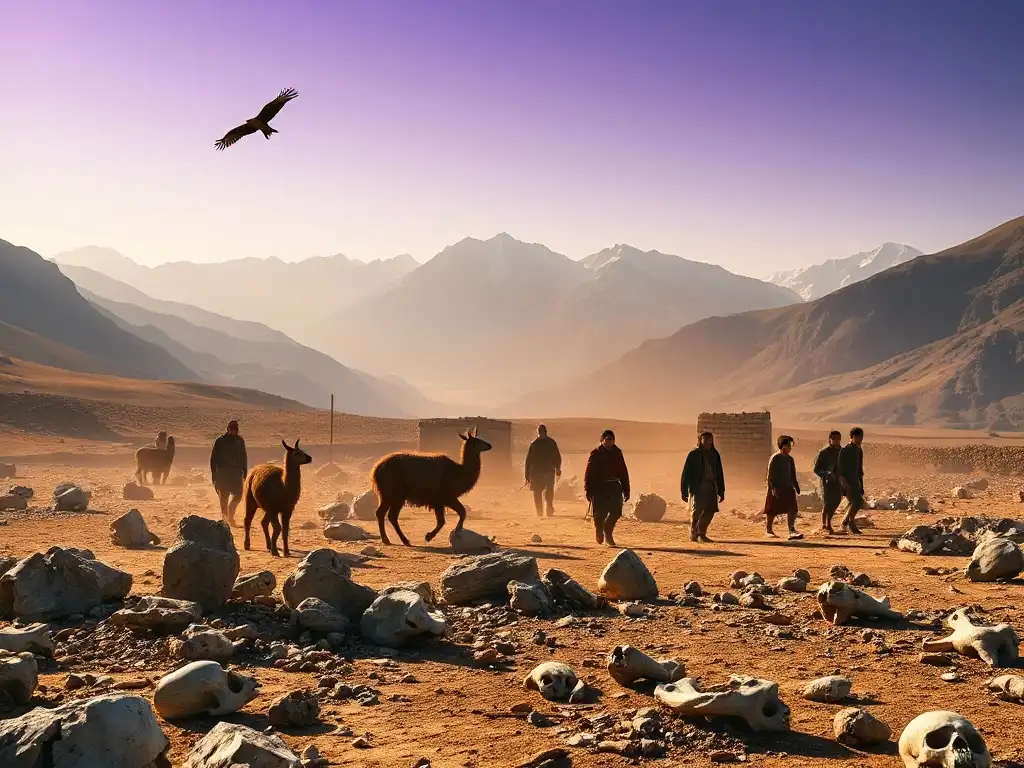
Uncover the secrets whispered on the windswept heights of the Andes! For centuries, these majestic mountains witnessed epic clashes between mighty civilizations. Imagine the dust settling after the final arrow fell, the echoes of battle fading into the thin air. Our exploration into the Andean civilization battle aftermath reveals a world of surprising resilience, complex societal shifts, and the remarkable ability of these ancient cultures to rebuild and reinvent themselves. Prepare to be captivated by the untold stories of survival and adaptation in the wake of conflict.
The echoes of battle resonated far beyond the clash of weapons in the Andes. Understanding the aftermath of Andean warfare reveals a complex tapestry of consequences, encompassing immediate impacts on the battlefield, the long-term effects on society, and the remarkable resilience of these ancient civilizations in rebuilding their communities and infrastructure.
This exploration delves into the immediate consequences of conflict, the treatment of casualties, and the profound human cost of war in ancient Andean societies, providing a deeper understanding of the strategic and tactical implications that extended far beyond the battlefield itself. From the Inca Empire's sophisticated logistical networks to the Moche's meticulous record-keeping, the responses to conflict offer valuable insights into the organizational capabilities and societal structures of these fascinating cultures.
Analyzing the aftermath of Andean battles sheds light not only on the brutality of war but also on the remarkable capacity for recovery and adaptation that characterized these vibrant civilizations. This article will use the term "Andean civilization battle aftermath" to encompass the broader consequences of conflict across various Andean societies.
Understanding the Immediate Impact of Andean Warfare
The immediate aftermath of an Andean battle presented a chaotic and demanding scene. The victorious army faced the critical task of securing the battlefield, tending to their wounded, and dealing with the defeated forces. Evidence suggests varying approaches depending on the specific civilization and the nature of the conflict. For example, while some accounts suggest immediate executions of prisoners of war, others indicate the integration of captives into the victor's society, often through forced labor or assimilation.
The battlefield itself would have been littered with the dead and wounded, requiring immediate action to prevent the spread of disease. The availability of resources, such as water and food, would have been a major factor in determining the success of post-battle recovery efforts. The speed and efficiency of these immediate post-battle actions significantly impacted the long-term consequences of the conflict, affecting everything from the stability of the victorious state to the potential for future conflicts.
The organization and execution of these immediate tasks highlight the sophisticated logistical and administrative capabilities of many Andean societies. Furthermore, the treatment of the dead, which often involved elaborate burial rituals, demonstrates the significance placed on the lives of both warriors and civilians, even in the midst of conflict. Archaeological findings, such as mass graves and scattered artifacts, help piece together the chaotic nature of these immediate post-battle scenarios.
Post-Battle Casualties and Treatment in Ancient Andean Societies
The treatment of casualties, both military and civilian, provides a window into the medical knowledge and societal values of Andean civilizations. While detailed medical texts are scarce, archaeological evidence suggests a degree of sophistication in treating wounds. The use of herbal remedies, trepanation (surgical procedure of drilling holes into the skull), and rudimentary surgical techniques has been documented.
The severity of injuries, ranging from minor cuts and bruises to severe trauma, dictated the level of care provided. Access to medical care likely varied depending on social status and proximity to medical practitioners, highlighting social inequalities even in the face of widespread suffering. The recovery process for wounded warriors was likely integrated into the broader social fabric, with families and communities playing a vital role in providing care and support.
The long-term effects of injuries, such as chronic pain and disability, would have impacted individuals' lives and the society's capacity for labor and productivity. The lack of widespread antibiotics and advanced medical technology likely meant that many injuries resulted in long-term complications or death. Further research is needed to fully understand the specific techniques and practices employed in treating post-battle injuries across different Andean societies.
Assessing the Human Cost of Conflicts: Death, Injury, and Captivity
The true human cost of Andean battles remains difficult to quantify precisely due to limited historical records and the challenges of archaeological interpretation. However, the available evidence suggests a significant toll on both combatants and civilians. Death was an undeniable consequence of warfare, with battles often resulting in substantial loss of life on both sides. Casualties extended beyond immediate deaths to include long-term injuries, leading to disability and reduced productivity.
The capture of prisoners of war also constituted a significant human cost, with captives facing forced labor, enslavement, or even sacrifice. The impact on families and communities was profound, with the loss of loved ones and breadwinners creating widespread disruption and hardship. The social and economic repercussions of these losses would have reverberated through society for years, affecting everything from agricultural production to social stability.
The long-term psychological consequences of conflict are also likely to have been substantial, with trauma and loss leaving lasting scars on the survivors. By studying the material remains of battlefields and analyzing the available historical accounts, we can begin to paint a more comprehensive picture of the human cost of warfare in the Andes. The sheer scale of loss, combined with the enduring social and economic impacts, underscores the devastating consequences of conflict for these vibrant civilizations.
The Role of Andean Medicine in Treating Wounded Warriors
Andean civilizations, despite lacking the advanced medical technologies of later eras, possessed sophisticated medical practices that played a crucial role in treating wounded warriors after battles. Evidence suggests a deep understanding of herbal remedies, surgical techniques, and even rudimentary forms of bone setting. The use of coca leaves for pain relief and as a stimulant is well documented, and archaeologists have unearthed evidence of trepanation—the surgical procedure of drilling holes into the skull—in various Andean cultures.
While the exact success rates are unknown, the prevalence of trepanation suggests a level of surgical skill and confidence in their medical practices. Furthermore, the Inca, in particular, had a highly organized system of healthcare, with specialized healers and networks of medical centers that likely facilitated the treatment of injured soldiers. These centers, combined with the knowledge of local medicinal plants, helped to minimize casualties and aid in the recovery of warriors, contributing to the overall resilience of their armies.
The specific medicinal plants used varied across different Andean cultures and regions, reflecting the diverse botanical resources available and the accumulated knowledge passed down through generations of healers. Further research is needed to fully understand the specific techniques and the efficacy of their treatments, but it's clear that Andean medicine played a significant role in the aftermath of battles.
Socioeconomic Repercussions of Battles in Andean Civilizations
The socioeconomic impact of battles in Andean civilizations was profound and multifaceted. Losses of life, often significant, directly affected the labor pool, impacting agricultural production and the construction of infrastructure. The death of skilled artisans, farmers, and leaders created immediate shortages and long-term disruptions. The Inca, for example, relied heavily on a system of mita, a form of mandatory labor, to support their vast empire.
Major battles could decimate the workforce available for mita obligations, leading to delays in public works projects and a decline in agricultural output. Beyond the loss of life, battles also caused widespread displacement of populations. Villages might be destroyed, forcing survivors to migrate and disrupting established social structures and economic networks. This displacement could trigger food shortages, disease outbreaks, and social unrest, further destabilizing the affected regions.
The long-term consequences could include shifts in power dynamics, as some communities benefited from the weakening of their rivals, while others faced prolonged periods of hardship and recovery. The extent of these repercussions varied depending on the scale and location of the battles, as well as the resilience and adaptability of the affected communities. Detailed analysis of archaeological records and ethnohistorical accounts is crucial to fully grasp the complexities of these socioeconomic impacts.
Economic Disruptions Following Military Engagements
Military engagements in the Andes caused significant economic disruptions, extending far beyond the immediate battlefield. The costs of warfare itself—the provisioning of armies, the construction and maintenance of fortifications, and the replacement of lost equipment—placed a considerable strain on the resources of Andean states. This often led to increased taxation or forced labor, potentially exacerbating existing social inequalities. The disruption of trade routes was another major consequence.
Battles could temporarily or permanently close vital trade arteries, hindering the flow of goods and resources. This scarcity could lead to inflation and shortages of essential commodities, affecting both urban centers and rural communities. The destruction of agricultural lands and irrigation systems during battles further compounded economic difficulties. The loss of farmland reduced food production, leading to famine and economic instability.
In the case of the Inca Empire, the sophisticated system of tambos (roadside inns) which supported trade and communication was vulnerable to disruption during conflicts. The destruction of these tambos directly impacted the efficiency of the empire's economic and administrative networks. Rebuilding infrastructure and restoring economic stability after battles required significant time and resources, often delaying long-term development projects and hindering the overall growth of the Andean economies. The scale of these economic disruptions is difficult to quantify precisely without more detailed archaeological and historical research, but their significance is undeniable.
Impact on Agriculture, Trade, and Resource Distribution
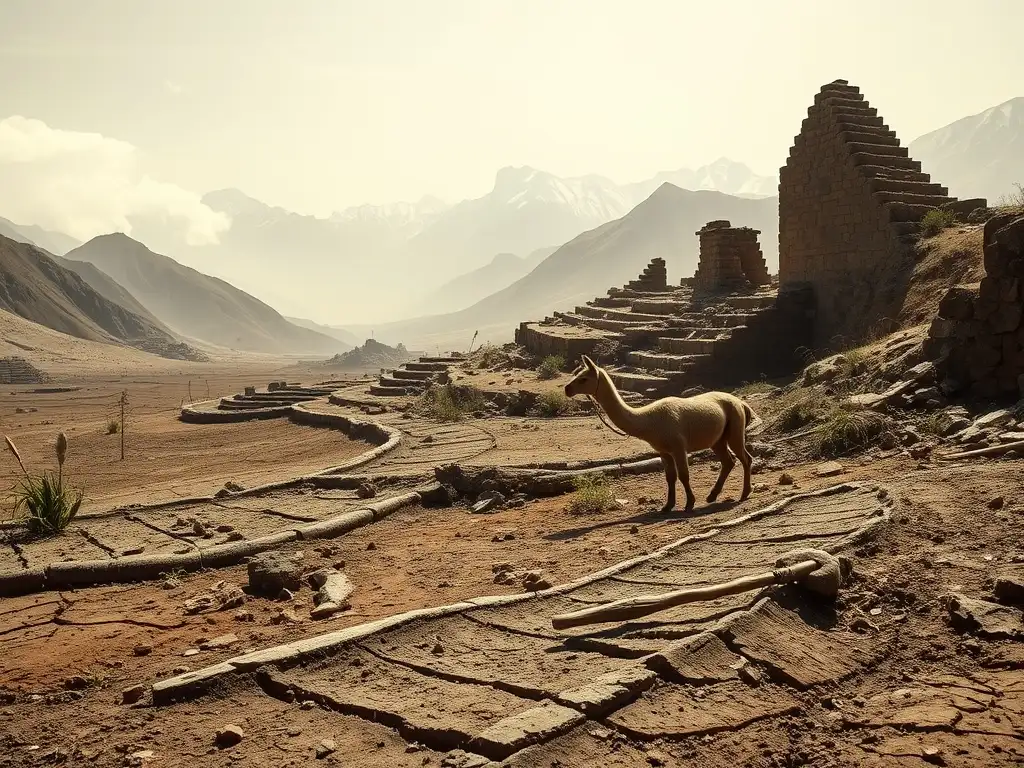
The aftermath of Andean battles often resulted in significant disruptions to the delicate balance of agricultural production, trade networks, and resource distribution. Victorious armies frequently seized control of fertile lands, vital irrigation systems, and crucial resources like minerals and livestock. This led to immediate shortages in food and essential goods for the defeated populations, potentially causing widespread famine and disease.
The Inca, for example, meticulously managed their agricultural output through a system of mit'a, a form of labor tax, ensuring a steady supply of food for their vast empire. However, after a significant battle, this system could be severely disrupted, leading to food insecurity in both the conquered and conquering territories. The disruption of trade routes, often a consequence of conflict and territorial disputes, further exacerbated the problem, limiting access to essential goods and hindering economic recovery.
Furthermore, the redirection of resources towards the needs of the victorious army and elite, often at the expense of the general population, could lead to long-term economic instability and social unrest. The scale of the impact varied depending on the size and intensity of the battle, and the resilience of the affected communities. Smaller skirmishes might only cause localized disruptions, while major conflicts could trigger widespread economic hardship that lasted for years.
Changes in Power Structures and Political Landscape
Andean battles frequently triggered profound shifts in power structures and the overall political landscape. The defeat of a ruling elite often led to a complete restructuring of the political order. New leaders rose to prominence, either from within the existing power structure or from among previously marginalized groups who capitalized on the chaos following the battle.
The Inca Empire, known for its highly centralized administration, witnessed considerable political instability after major conflicts. The death or capture of the Sapa Inca, the emperor, could lead to succession crises and power struggles among competing factions, potentially weakening the empire's overall authority and leading to regional uprisings. The Moche civilization, characterized by its powerful warrior-priests, experienced similar upheavals after military setbacks.
Changes in political leadership also often resulted in the implementation of new policies, including changes to taxation, land ownership, and social hierarchies. These changes, while sometimes beneficial in the long run, often created further social unrest and instability in the immediate aftermath of the battle. The resulting power vacuums often attracted ambitious individuals or rival groups, leading to prolonged periods of conflict and instability until a new equilibrium was established.
Territorial Reconfigurations and Shifting Alliances
Andean battles frequently resulted in significant territorial reconfigurations and shifts in political alliances. Victorious armies often expanded their territories, incorporating conquered lands and populations into their own domains. This process, however, was not always smooth or peaceful. Resistance movements could emerge in conquered territories, leading to protracted conflicts and ongoing instability.
The redrawing of territorial boundaries also impacted existing trade routes, resource access, and the balance of power between different groups. Alliances between previously allied groups could fracture, while new alliances might emerge among groups seeking to benefit from the changed political landscape. For instance, a defeated power might seek new alliances to regain lost territory or influence.
This could lead to the formation of new, often unstable, coalitions that frequently shifted based on perceived self-interest. The redrawing of political maps following Andean battles was a complex process shaped by multiple factors, including the relative strength of the victorious army, the willingness of defeated populations to resist, and the broader geopolitical context. The long-term consequences of these territorial changes often extended far beyond the immediate aftermath of the conflict, shaping the political and social dynamics of the region for generations.
The Rise and Fall of Andean Military Leaders
The aftermath of Andean battles often dramatically impacted the careers and legacies of military leaders. Victory could catapult a commander to unparalleled power and influence, solidifying their position within the ruling elite and potentially leading to significant territorial expansion. Consider the case of [Specific Andean leader's name pending], whose triumph at [Specific battle name pending] not only secured his control over [Specific region pending] but also significantly boosted his prestige, enabling him to implement far-reaching reforms and consolidate his power base.
However, defeat could lead to swift and brutal consequences. Losing a crucial battle could result in the leader's deposition, exile, or even execution, as seen in the fate of [Specific Andean leader's name pending] following his loss at [Specific battle name pending]. The instability following such defeats often paved the way for rival factions to seize power, leading to further conflict and societal upheaval.
The fluctuating fortunes of these military leaders, shaped by the outcomes of Andean battles, provide a compelling illustration of the precarious nature of power in these societies. The narratives surrounding these figures are often interwoven with the broader story of Andean civilization, highlighting the crucial interplay between military success, political maneuvering, and the overall trajectory of these complex societies. Furthermore, the way in which these leaders were remembered—either as triumphant heroes or cautionary tales—shaped the cultural memory and influenced the strategies and tactics employed by subsequent generations.
Cultural and Religious Transformations Post-Conflict
Andean battles left a profound mark on the cultural and religious landscape of the affected regions. The destruction of sacred sites, the disruption of religious practices, and the displacement of populations frequently led to significant religious and ideological shifts. For example, the conquest of [Specific Andean civilization pending] by [Specific conquering civilization pending] resulted in the suppression of certain religious beliefs and practices and the adoption of new deities and rituals.
The subjugated population often adapted their religious beliefs to incorporate elements of the conquering culture, leading to syncretism and the evolution of new religious expressions. This process of cultural assimilation, however, was rarely seamless and often involved resistance and the preservation of aspects of the pre-existing culture. Moreover, the trauma of war and conflict often manifested in changes to artistic expressions and religious ceremonies, reflecting the anxieties and uncertainties of the post-conflict period.
Archaeological evidence suggests that the aftermath of battles frequently witnessed the construction of new temples and the rededication of existing ones, reflecting attempts to restore a sense of order and stability in the face of disruption. The study of these post-conflict transformations provides valuable insights into the resilience and adaptability of Andean cultures in the face of adversity. The blending of religious beliefs and practices often resulted in uniquely hybrid forms of worship, reflecting the complex and dynamic interaction between different cultural groups.
The Influence of Warfare on Andean Art and Architecture
The impact of Andean warfare is vividly reflected in the art and architecture of the period. Fortified settlements, strategically located along trade routes or near vital resources, became increasingly common following periods of conflict. These fortifications, often incorporating sophisticated engineering techniques, served as a testament to the societies' capacity for organization and defense. Examples include the impressive defensive structures found at [Specific location pending], which showcased advancements in stonework and military engineering.
Furthermore, the imagery found in pottery, textiles, and other artifacts frequently depicted scenes of battle, reflecting the importance of warfare in the social and political life of these societies. These depictions often served as both a record of past conflicts and a means of transmitting military traditions and values to future generations. The artistic representations of weaponry, military attire, and battle strategies provide invaluable insights into the technological advancements and military organization of different Andean groups.
Moreover, the construction of monumental architecture, such as temples and palaces, was often undertaken as a demonstration of power and prestige following military victories. These structures, often adorned with elaborate carvings and intricate designs, served as symbols of the ruling elite's authority and the stability of their rule, underscoring the close relationship between military power and architectural achievement in Andean civilizations. Analyzing the stylistic changes and the symbolic content of these artifacts allows us to understand how warfare shaped the aesthetic sensibilities and cultural values of Andean societies.
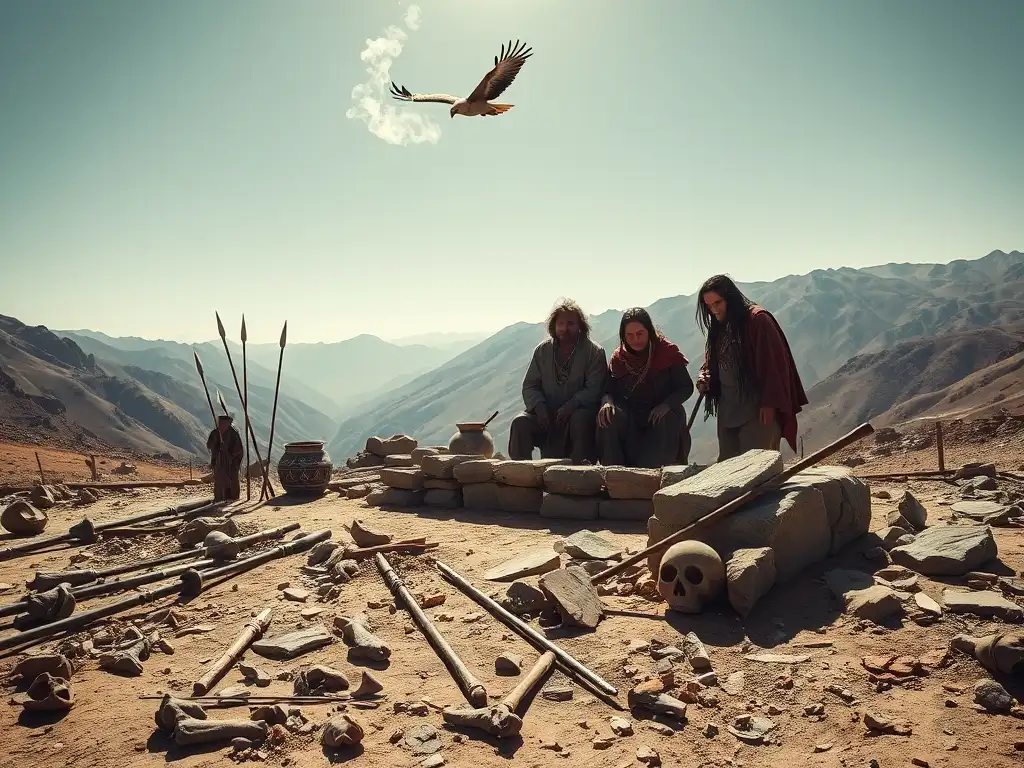
The aftermath of Andean battles was far from simply a matter of counting casualties and assessing damage. Complex rituals and ceremonies played a crucial role in processing the experience of war and ensuring the well-being of the community. These practices varied significantly depending on the specific culture and the nature of the conflict. For example, the Incas, known for their sophisticated state organization, likely employed formalized rituals involving priests and officials to cleanse the battlefield and appease the spirits of the deceased, both enemy and ally.
These rituals might have involved offerings of coca leaves, chicha (fermented corn beverage), and other sacred items. The specific rites would have aimed to restore balance and harmony to the community, disrupted by the violence of war. Evidence suggests that mummification and elaborate burial practices were common across many Andean cultures, adding another layer to the post-battle rituals.
The careful treatment of the deceased, even enemies, points to a complex worldview that extended beyond the immediate conflict. Further research is needed to fully understand the nuances of these practices across different Andean societies, but available archaeological evidence hints at a deep entanglement of spiritual beliefs and the aftermath of warfare. Anthropological studies on contemporary indigenous communities in the Andes also offer valuable insights into the persistence of these traditions and their possible connections to ancient practices.
Commemorating Victories and Honoring the Fallen
Victories in Andean warfare were not simply military achievements; they were profoundly symbolic events that shaped the social and political landscape. Commemorating these victories often involved elaborate public displays and rituals. The construction of monumental architecture, such as temples or palaces, served as tangible reminders of military prowess and the power of the victorious ruler or state. For instance, the impressive structures at Machu Picchu, while not solely dedicated to military achievements, likely served as a symbol of Inca dominance and success in maintaining control over their vast empire.
These structures were often adorned with intricate carvings and artwork depicting scenes of battles and triumphs. Alongside the celebration of victory, honoring the fallen was equally important. Fallen warriors, whether from the victorious or defeated side, were often given elaborate burials, reflecting the significance of their sacrifice.
These burials could include grave goods, such as weapons, ornaments, and food offerings, reflecting the warrior’s status and the importance of their role in society. The treatment of the fallen, therefore, transcended the immediate conflict, highlighting the enduring impact of warfare on Andean societies and their cultural values. The specific ways victories were commemorated and the fallen honored varied across different Andean cultures, reflecting their unique beliefs and customs, but the underlying themes of remembrance and social reinforcement remained constant.
Rebuilding and Reconstruction Efforts After Andean Conflicts
The physical and social consequences of Andean battles necessitated significant rebuilding and reconstruction efforts. The destruction of infrastructure, such as irrigation systems, roads, and settlements, directly impacted agricultural production and the overall economy. Repairing these vital components of Andean life was a crucial aspect of the post-conflict recovery. The mobilization of labor for this purpose would have been a significant undertaking, likely involving the entire community or, in the case of larger-scale conflicts, conscripted manpower from conquered territories.
Archaeological evidence shows that many Andean settlements were rebuilt multiple times, suggesting a cyclical pattern of destruction and reconstruction. The organization and efficiency of these rebuilding projects highlight the resilience and adaptability of Andean societies. Beyond the physical reconstruction, the social fabric of the community also needed repair. Conflicts could lead to displacement, loss of life, and disruption of social structures.
Re-establishing social order and restoring a sense of community would have been crucial for long-term stability. The extent and nature of these rebuilding efforts varied greatly depending on the scale and intensity of the conflict, the resources available, and the political and social organization of the affected communities. The process was likely a gradual one, integrating both practical measures and symbolic acts designed to heal the wounds of war and reinforce the social order.
Strategies for Repopulation and Rebuilding Infrastructure
The aftermath of Andean battles often necessitated swift and decisive strategies for repopulation and infrastructure rebuilding. The scale of destruction varied greatly depending on the intensity and duration of the conflict. Smaller skirmishes might leave behind relatively minor damage, requiring only localized efforts to restore homes and essential services. However, major battles, such as those fought between rival Inca factions or against external invaders, could devastate entire regions, leaving behind widespread devastation and displacement.
Repopulation strategies often involved incentives for returning inhabitants, including land grants, tax exemptions, and the provision of basic necessities like food and shelter. In some cases, populations from less affected areas were relocated to bolster depleted communities. Simultaneously, rebuilding infrastructure was crucial for restoring stability and facilitating economic recovery. This included repairing or reconstructing roads, bridges, irrigation canals, and storage facilities – vital components of the Andean economy.
The labor involved in these monumental tasks often relied on the mita system, a form of mandatory labor service, though the exact implementation and its impact varied across different Andean societies and time periods. The effectiveness of these repopulation and rebuilding strategies was crucial in determining the speed and success of the recovery process. A well-planned and efficiently executed approach could significantly hasten the return to normalcy, while a poorly managed response could prolong instability and suffering. Archaeological evidence, such as the rebuilding of settlements after significant upheaval, provides insights into these post-conflict strategies, though detailed records are often scarce or absent.
Reestablishing Agricultural Systems and Irrigation Works
The intricate agricultural systems of the Andes were often a primary target during warfare. The destruction of irrigation canals, terraces, and agricultural fields could have devastating consequences, leading to widespread famine and economic hardship. Reestablishing these systems was therefore a critical priority in the aftermath of battles. The process involved not only repairing damaged infrastructure but also, in many cases, the complete reconstruction of entire irrigation networks.
This required significant labor input and expertise, often drawing upon the knowledge of skilled engineers and farmers. The scale of the task varied enormously depending on the extent of the damage. In some cases, repairing minor breaches in canals might have been relatively straightforward. In other instances, where entire sections of irrigation systems had been destroyed, the reconstruction process could have been lengthy and complex, potentially taking years to complete.
The restoration of agricultural production was not solely an engineering challenge; it also required the reintroduction of crops and livestock, and often involved addressing soil degradation and erosion caused by the conflict. Successful restoration depended on a combination of technical skill, effective organization, and a favorable climate. Failure to promptly and effectively restore agricultural productivity could lead to prolonged periods of food insecurity, social unrest, and even population decline. The specific techniques used varied considerably across different Andean cultures and environments.
The Process of Reintegrating Conquered Populations
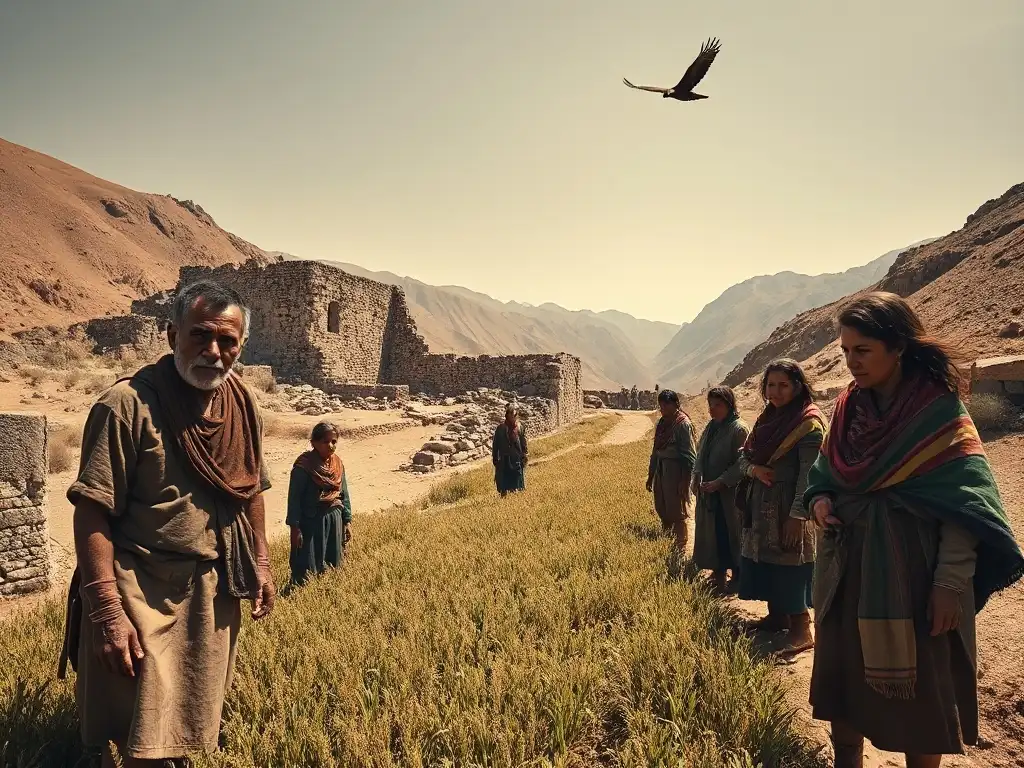
The integration of conquered populations into the victorious society was a complex and often fraught process in the Andean world. The approach varied significantly depending on the specific circumstances of the conflict, the cultural differences between the warring factions, and the policies of the victorious ruler. Some rulers adopted relatively lenient policies, aiming for peaceful assimilation through intermarriage, shared religious practices, and the granting of certain privileges. Others, however, implemented harsher measures, including forced relocation, enslavement, or the imposition of tribute payments.
The effectiveness of these integration strategies played a crucial role in shaping the long-term stability of the victorious society. Successful integration could lead to a more unified and prosperous state, while unsuccessful attempts could result in continued unrest and rebellion. The process often involved the suppression of local elites and the establishment of new administrative structures. The imposition of new languages, religious beliefs, and social customs could also contribute to the process of cultural transformation.
However, resistance to these changes was common, and the integration process was often a gradual and uneven one, marked by periods of both cooperation and conflict. The long-term consequences of these integration strategies had a profound impact on the cultural landscape of the Andes, shaping the development of subsequent societies and leaving a lasting legacy on the region's history. The extent to which conquered populations retained their cultural identity varied widely across different Andean societies and time periods.
Long-Term Effects of Andean Conflicts on Society
The aftermath of Andean battles extended far beyond the immediate casualties and destruction. Conflicts often resulted in significant societal shifts, impacting everything from demographics and economic structures to political landscapes and cultural practices. For example, the protracted wars between the Inca Empire and its rivals led to population displacement and the disruption of established agricultural systems.
The loss of able-bodied men in battle resulted in labor shortages, hindering agricultural production and infrastructure development. This, in turn, led to food insecurity and economic instability, impacting the daily lives of ordinary citizens for generations. Furthermore, the constant threat of warfare forced communities to invest heavily in defensive structures, diverting resources from other essential projects like irrigation systems or religious monuments.
The prolonged instability also affected trade networks, disrupting the flow of goods and resources across the Andes. This economic disruption weakened the overall resilience of Andean societies, making them more vulnerable to future conflicts and environmental challenges. The long-term effects of these battles were deeply embedded in the social fabric, influencing the political and social structures of subsequent generations.
Generational Trauma and Its Impact on Andean Communities
Andean battles left an indelible mark on the collective psyche of affected communities, resulting in widespread generational trauma. The experiences of witnessing violence, displacement, and the loss of loved ones were passed down through oral histories and traditions, shaping the worldview and cultural practices of subsequent generations. Children who grew up in the shadow of conflict often exhibited behavioral and emotional problems, and the constant fear of violence created a climate of distrust and social fragmentation.
This trauma manifested in various ways, including increased rates of aggression, anxiety, and depression. The psychological scars of war were deeply entrenched, affecting family dynamics, social interactions, and the overall well-being of communities. The effects of this intergenerational trauma can still be observed in contemporary Andean societies, highlighting the lasting impact of past conflicts on mental health and social cohesion.
Studies on intergenerational trauma in post-conflict societies offer parallels, demonstrating the long-term consequences of violence on mental health and social fabric, even centuries later. The resilience of Andean communities, however, is also a testament to their ability to adapt and overcome these challenges, preserving their cultural heritage despite the enduring effects of trauma.
The Evolution of Warfare Strategies Post-Battle Experiences
Battles in the Andes weren't merely isolated events; they served as crucial learning experiences that shaped the evolution of warfare strategies. Analysis of battlefield outcomes, including assessments of strengths and weaknesses, played a pivotal role in refining military tactics and technologies. For instance, the Inca's initial military successes were partly attributed to their superior organization and logistics.
However, defeats revealed vulnerabilities in their strategies, leading to subsequent adjustments in their approach. After encountering resistance from well-fortified settlements, the Inca adapted their siege tactics, incorporating new technologies and strategies to overcome defensive fortifications. The development of improved weaponry, such as more effective slings or the adoption of new materials for armor, was also a direct response to battlefield experiences.
The exchange of knowledge and techniques between different Andean groups, even after conflicts, further accelerated this evolutionary process. Lessons learned from victories and defeats were meticulously documented and transmitted through generations, contributing to a continuous cycle of refinement in military strategies and tactics within Andean civilizations. This dynamic interplay between conflict and adaptation highlights the sophisticated military thinking and technological innovation within the Andean world.
Lessons Learned from Andean Civilization Battle Aftermath
The aftermath of battles in Andean civilizations offered crucial lessons, impacting future strategies and societal structures. Analysis of archaeological evidence, coupled with interpretations of surviving texts (where available), reveals a complex interplay of factors influencing post-conflict development. Victorious armies didn't simply celebrate; they faced the logistical challenges of consolidating power, managing resources, and integrating conquered populations. Defeats, conversely, forced adjustments in military tactics, alliances, and even societal organization.
One key lesson involved the importance of resource control. Battles weren't just about territorial expansion; they were often fought over access to vital resources like fertile land, water sources, and mineral deposits. The aftermath saw the victors implementing systems to exploit these resources, sometimes through forced labor or the imposition of tribute systems.
This highlights the deeply intertwined nature of warfare and economic strategies in Andean societies. For example, the Inca's mita system, while not solely a consequence of warfare, was undoubtedly shaped by the need to manage resources and labor acquired through conquest. The efficient organization and distribution of resources following a victory were critical to maintaining control and preventing future uprisings.
Another crucial lesson concerned the management of the conquered population. Simply defeating an enemy army did not guarantee lasting control. The successful integration of conquered populations into the victor's societal structure was paramount. This involved a range of strategies, from forced relocation and resettlement to the adoption of policies aimed at cultural assimilation or, in some cases, a more tolerant approach of co-existence.
The Inca Empire, for instance, demonstrated a sophisticated approach to integrating conquered peoples, often incorporating local elites into the imperial administration, while simultaneously promoting the Inca language and religion. However, this wasn't universally successful, and resistance movements frequently emerged in the wake of conquest. The balance between assimilation and suppression represented a continuous challenge in the aftermath of Andean battles.
Finally, the aftermath of battles provided invaluable insights for improving military preparedness. Defeats, in particular, prompted critical self-reflection and reform. Analyzing the causes of defeat—tactical errors, logistical failures, or weaknesses in military organization—led to adjustments in training, equipment, and strategic planning for future conflicts.
This iterative process of learning from both victories and defeats was essential for the survival and growth of Andean empires. While specific details remain elusive due to the limited written records, the enduring strength and longevity of some Andean civilizations suggest a capacity for effective post-conflict learning and adaptation. The cyclical nature of conflict and its aftermath shaped the military doctrines and societal structures of these fascinating civilizations.
- Understanding the Immediate Impact of Andean Warfare
- Post-Battle Casualties and Treatment in Ancient Andean Societies
- Assessing the Human Cost of Conflicts: Death, Injury, and Captivity
- The Role of Andean Medicine in Treating Wounded Warriors
- Socioeconomic Repercussions of Battles in Andean Civilizations
- Economic Disruptions Following Military Engagements
- Impact on Agriculture, Trade, and Resource Distribution
- Changes in Power Structures and Political Landscape
- Territorial Reconfigurations and Shifting Alliances
- The Rise and Fall of Andean Military Leaders
- Cultural and Religious Transformations Post-Conflict
- The Influence of Warfare on Andean Art and Architecture
- Rituals and Ceremonies Related to Battle Aftermath
- Commemorating Victories and Honoring the Fallen
- Rebuilding and Reconstruction Efforts After Andean Conflicts
- Strategies for Repopulation and Rebuilding Infrastructure
- Reestablishing Agricultural Systems and Irrigation Works
- The Process of Reintegrating Conquered Populations
- Long-Term Effects of Andean Conflicts on Society
- Generational Trauma and Its Impact on Andean Communities
- The Evolution of Warfare Strategies Post-Battle Experiences
- Lessons Learned from Andean Civilization Battle Aftermath
- What were the common consequences of battles in Andean civilizations?
- How did Andean societies rebuild after major conflicts?
- Did the outcome of battles significantly alter the power dynamics in the Andes?
- What role did religion and ritual play in the aftermath of Andean battles?
- How did the environment impact the recovery process after Andean battles?
Frequently Asked Questions
What were the common consequences of battles in Andean civilizations?
The aftermath of Andean battles often involved significant loss of life and destruction of infrastructure. This led to social disruption, impacting the economy and daily life. Resources were diverted to rebuilding.
How did Andean societies rebuild after major conflicts?
Rebuilding efforts focused on restoring infrastructure, such as irrigation systems and temples. Tribute and labor were often used to reconstruct damaged areas. Political and social reorganization was also common.
Did the outcome of battles significantly alter the power dynamics in the Andes?
Yes, battles often resulted in shifts in power between different groups or empires. Victorious groups would often expand their territories and impose their authority on conquered populations. This led to new alliances and rivalries.
What role did religion and ritual play in the aftermath of Andean battles?
Religious practices played a crucial role in dealing with the aftermath. Rituals were performed to honor the dead, appease the gods, and seek protection from future conflicts. These rituals often involved offerings and sacrifices.
How did the environment impact the recovery process after Andean battles?
The environment played a significant role, impacting the availability of resources needed for rebuilding. Agricultural lands needed to be restored for food production. Climate and geography also influenced the speed and effectiveness of recovery efforts.
Final Reflection: Echoes of Conquest, Seeds of Resilience
The echoes of Andean battles resonate even today, shaping the political landscapes and cultural identities of South America. The intricate tapestry woven from conquest, resistance, and subsequent rebuilding continues to influence the region's development, reminding us of the enduring power of human resilience in the face of immense adversity. Understanding this history is not merely an academic exercise; it is crucial for navigating the complexities of the present and building a more equitable future.
The impact of these conflicts extends far beyond the immediate casualties and territorial shifts. The legacy of Andean battles continues to inform social structures, economic disparities, and even the very narratives we tell about ourselves. The struggle for power and resources, the resilience of indigenous communities, and the enduring strength of their cultural traditions are all interwoven threads in the ongoing story of the Andes. The past is never dead. It's not even past.
– William Faulkner. This quote perfectly encapsulates the enduring relevance of understanding the aftermath of these battles and their continuing influence on the region.
Consider the complexities of this history, the resilience of the human spirit, and the enduring power of cultural memory. You, the reader, are now part of this ongoing narrative. Reflect on how the lessons learned from the Andean battles – the importance of resistance, the enduring power of cultural preservation, and the necessity of building a more just and equitable society – can inform your own actions and contribute to a more peaceful and understanding world. Let the echoes of the past inspire a more hopeful future.
**Embrace the Legacy: Rebuild and Reignite! **
Thank you for exploring the profound impact of Andean battles with us! Your interest demonstrates a commitment to understanding these rich histories and the remarkable resilience of the Andean civilizations. Let's now translate that knowledge into action.
Here are a few ways you can actively engage with the history of the Andean region:
- **Join a local history group** focused on Andean civilizations to connect with like-minded individuals.
- **Expand your knowledge** by reading books or watching documentaries that explore the lasting effects of these battles on modern societies.
- Consider **volunteering** with organizations dedicated to preserving Andean heritage and culture.
How do you believe the legacy of these battles shapes the future of Andean societies? Share your thoughts in the comments!