
Headdresses and Adornments: Symbolic Meanings in Andean Personal Ornaments

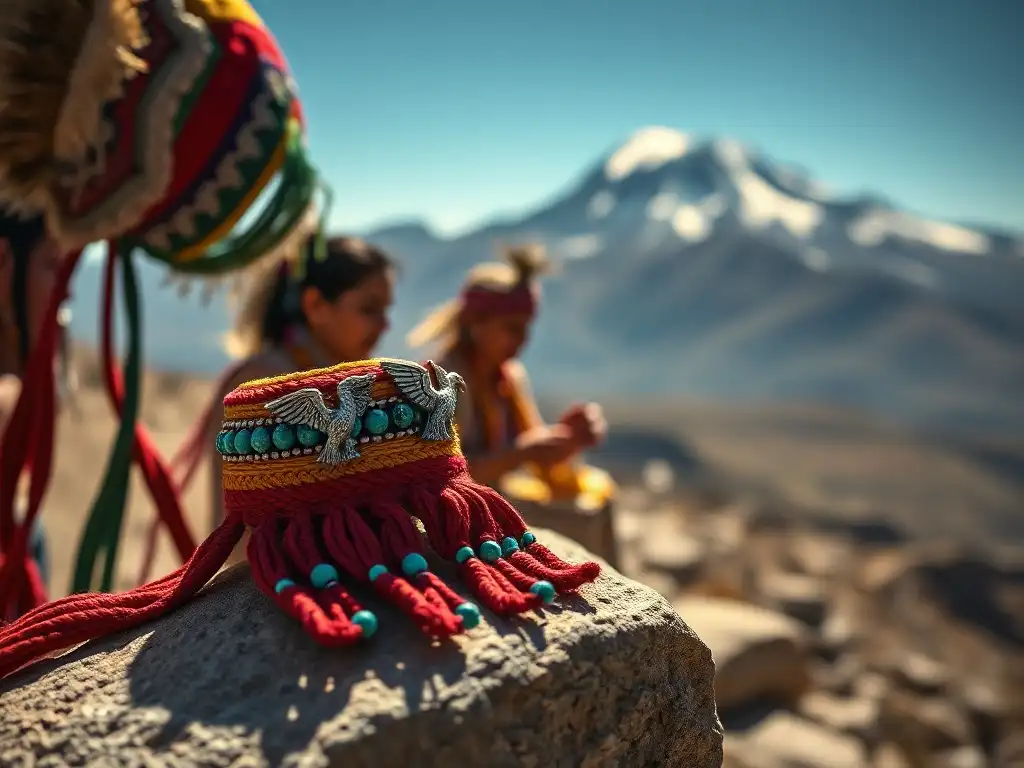
Step into a world lost to time, yet echoing with vibrant stories. Imagine the breathtaking artistry of the Andes, where intricate headdresses weren't mere adornments, but powerful symbols of status, spirituality, and cosmic connection. Discover the hidden meanings woven into the feathers, gold, and precious stones of Andean civilizations – from the Incas to the Nazca – and unravel the captivating secrets behind Andean headdress symbolism. Prepare to be amazed by the artistry and ingenuity of these ancient cultures. Journey with us to uncover the fascinating truth.
- Andean Headdress Symbolism: Unveiling Meanings in Personal Adornments
- Types of Andean Headdresses and their Symbolic Representations
- Symbolic Meanings Embedded in Andean Headdress Design
- Regional Variations in Andean Headdress Traditions
- The Legacy of Andean Headdress Symbolism in Modern Andean Communities
- Conclusion: The Enduring Significance of Andean Headdresses
- Frequently Asked Questions
- Final Reflection: Unraveling the Whispers of Andean Adornments
- Embrace Your Inner Andean Elegance!
Andean Headdress Symbolism: Unveiling Meanings in Personal Adornments
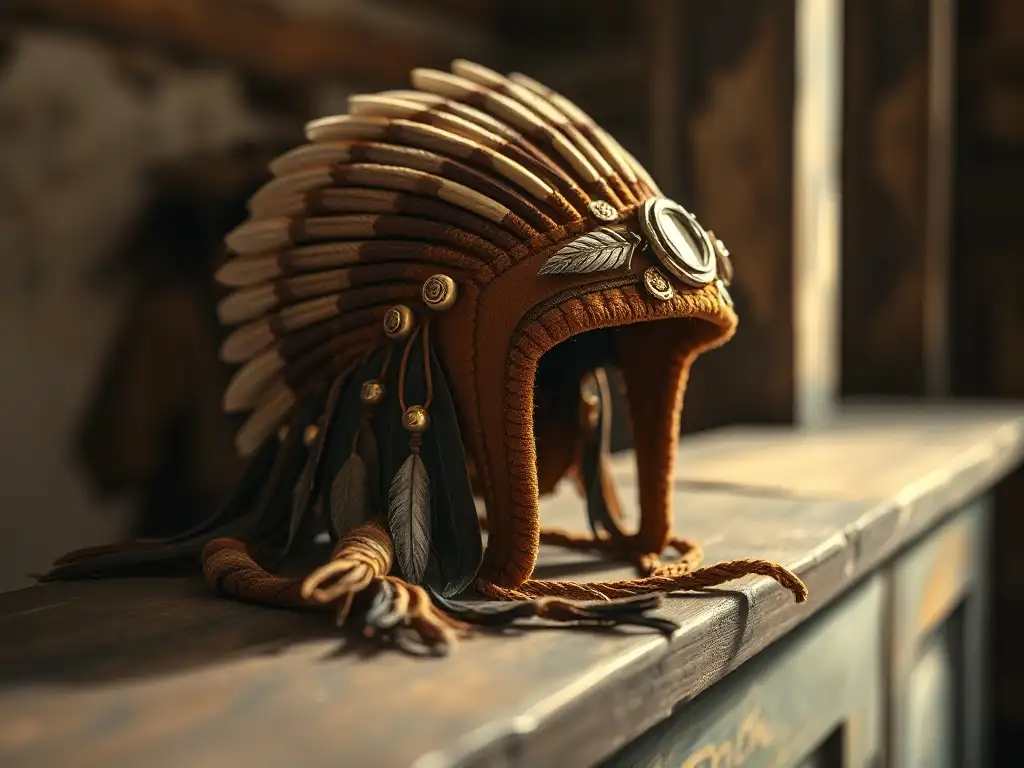
The Andean region, home to a vibrant tapestry of ancient civilizations, boasts a rich legacy of artistic expression. Nowhere is this more evident than in the intricate personal ornaments, particularly headdresses, crafted by cultures such as the Inca, Moche, Nazca, and Tiahuanaco.
These weren't mere decorations; they were powerful symbols imbued with deep religious, social, and political meanings, reflecting the wearer's status, identity, and connection to the spiritual world. This article delves into the fascinating world of Andean headdress symbolism, exploring the diverse forms, materials, and interpretations of these captivating artifacts, providing insights into the complex belief systems and societal structures of these remarkable ancient societies.
We will examine how seemingly simple adornments reveal a wealth of information about the lives, beliefs, and power dynamics of the people who created and wore them, offering a unique window into the rich cultural heritage of the Andes. Understanding Andean headdress symbolism is key to unlocking a deeper understanding of these ancient civilizations and their lasting impact on the world.
Introduction to Andean Personal Adornments and their Significance
Andean personal adornments, encompassing everything from intricate headdresses to delicate earrings and elaborate necklaces, served as much more than simple aesthetics. They were integral components of Andean identity, signifying social status, religious affiliation, and even political power. The meticulous craftsmanship and the use of precious materials like gold, silver, feathers, and precious stones highlight the immense cultural value placed upon these objects.
For example, the use of gold, often associated with the sun god Inti, signified divinity and royal lineage within Inca society. Similarly, the vibrant colors and intricate designs of feather headdresses often indicated a person's position within the social hierarchy, with specific patterns and bird species holding particular significance. The creation and wearing of these ornaments were deeply ritualistic acts, often connected to ceremonies and festivals that reinforced social order and spiritual beliefs.
The meticulous attention to detail displayed in these artifacts underscores their importance as visual representations of Andean cosmology and worldview. Further research is needed to fully understand the nuanced symbolism embedded within specific designs and materials across different Andean cultures, but the available evidence strongly suggests a complex system of visual communication far exceeding mere ornamentation.
The Role of Headdresses in Ancient Andean Cultures
Headdresses occupied a prominent position within the spectrum of Andean personal adornments. Their size, complexity, and the materials used directly correlated with the wearer's social standing and spiritual role. Inca royalty, for instance, frequently wore elaborate headdresses adorned with gold, feathers, and precious stones, signifying their divine connection and authority.
These headdresses were not only visually striking but also weighty and imposing, further reinforcing the power and prestige of the wearer. The Moche culture, known for its intricate metalwork and pottery, created equally impressive headdresses, often depicting stylized animals and mythical creatures, reflecting their complex religious beliefs and shamanistic practices. The use of specific feathers, such as those from the Andean condor, held deep symbolic meaning, often associated with power, strength, and spiritual connection to the upper world.
Detailed analysis of surviving headdresses, combined with iconographic evidence from textiles and pottery, reveals a rich tapestry of symbolism that continues to fascinate and challenge researchers today. The study of Andean headdresses provides invaluable insight into the complex interplay of social structures, religious beliefs, and artistic expression within these remarkable ancient cultures. Further investigation into regional variations and the evolution of headdress styles over time will undoubtedly enrich our understanding of Andean symbolism and social dynamics.
Types of Andean Headdresses and their Symbolic Representations
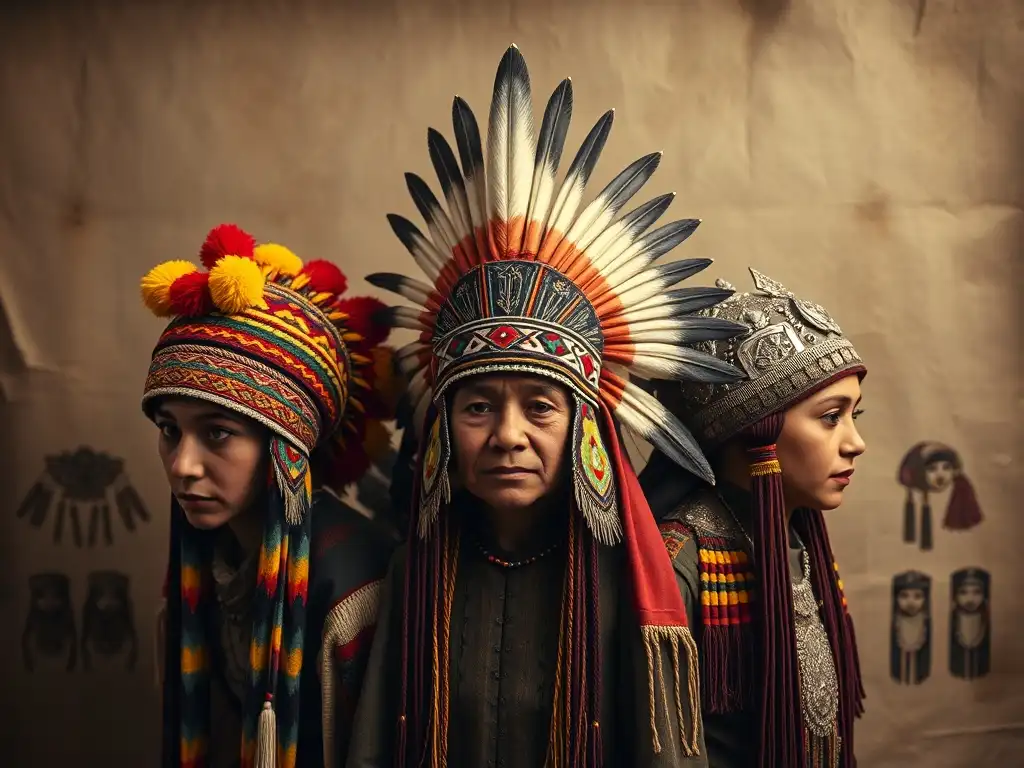
This section delves into the diverse types of headdresses and adornments used by Andean civilizations, exploring their intricate symbolic meanings within the context of social status, religious beliefs, and political power. Understanding these symbolic representations provides crucial insight into the complex social structures and spiritual worldviews of these fascinating cultures. The analysis will focus on the materials used, the craftsmanship involved, and the specific iconography present in the artifacts. The keyword "Andean headdress symbolism" is central to this exploration.
Feathered Headdresses: Status and Ritualistic Use
Feathered headdresses were highly prized possessions in various Andean societies, serving as powerful symbols of status, power, and connection to the spiritual realm. The type of feathers used, their arrangement, and the overall design all conveyed specific messages. For instance, the use of rare and brightly colored feathers, such as those of the Andean condor or the hummingbird, indicated high social rank and often denoted a connection to elite lineages or religious authority.
The meticulous craftsmanship involved in creating these headdresses further emphasized their importance. The creation process itself might have held ritualistic significance, perhaps involving specific prayers or ceremonies.
The Significance of Specific Feathers in Andean Rituals
The use of specific feathers in Andean rituals held profound symbolic meaning. For example, the feathers of the Andean condor ( Vultur gryphus), a creature revered for its majestic flight and association with the sun god, were reserved for the highest-ranking individuals, often priests or rulers. These feathers symbolized power, strength, and divine connection.
Conversely, the smaller, brightly colored feathers of hummingbirds might have represented agility, grace, and communication with the spirit world. Detailed studies of surviving artifacts reveal a complex system of symbolism, with different feather types carrying distinct meanings within specific cultural contexts. Further research is needed to fully understand the subtle nuances of feather symbolism across different Andean cultures.
For example, [specific information pending] on the use of parrot feathers in coastal communities. We can hypothesize that their vibrant colors and association with tropical environments might have held specific meanings within those societies. The arrangement of feathers, whether in intricate patterns or simple displays, also contributed to the overall symbolic message.
Metal headdresses, particularly those crafted from gold and silver, were potent symbols of power and authority in Andean societies. The use of precious metals highlighted the wearer's wealth, social status, and often divine connection. The intricate designs incorporated into these headdresses frequently featured stylized animal figures, geometric patterns, and other motifs that reinforced the wearer's power and legitimacy.
The weight and size of these headdresses further emphasized their importance, signifying both the wearer's high social standing and the immense resources required for their creation. These headdresses were not merely decorative items; they were powerful tools used to project authority and reinforce social hierarchies.
Gold and Silver Symbolism in Andean Headwear
The use of gold and silver in Andean headwear carried deep symbolic significance. Gold, with its association with the sun, represented divinity, power, and immortality. Gold headdresses were often worn by rulers and religious leaders to visually represent their connection to the divine realm.
Silver, associated with the moon and water, symbolized fertility, prosperity, and the cyclical nature of life. The combination of gold and silver in certain headdresses might have represented the balance between opposing forces or the integration of different aspects of the Andean worldview. The specific techniques used to work the metals, such as hammering, repoussé, and casting, further added to the symbolic value of the artifacts.
The intricate details and careful craftsmanship demonstrate the high level of skill and artistry possessed by Andean metalworkers, reflecting the importance placed on these objects within Andean society. The careful study of Andean headdress symbolism provides a window into the rich cultural tapestry of these ancient civilizations.
Textile Headdresses: Regional Variations and Cultural Identity
Textile headdresses in the Andes weren't merely functional; they were powerful symbols of social status, regional affiliation, and spiritual beliefs. The intricate weaving techniques and the choice of materials – from alpaca and llama wool to cotton – varied significantly across different Andean regions, reflecting the unique cultural identities of each group. For instance, the vibrant colors and geometric patterns found in the headdresses of the Lake Titicaca region often incorporated symbolic representations of water, fertility, and the Andean deities associated with these elements. In contrast, the coastal cultures, like the Moche, might have employed different fibers and designs, reflecting their distinct relationship with the sea and its resources.
The headdresses weren't simply decorative; they were integral parts of a complex system of visual communication, conveying information about the wearer's social standing, clan membership, and even their spiritual journey. The meticulous craftsmanship involved in creating these headdresses speaks to the high value placed upon them within Andean societies. Archaeological evidence reveals the use of specialized dyes derived from natural sources, showcasing a deep understanding of both textile arts and the symbolic power of color.
The careful selection and arrangement of colors weren't arbitrary; they followed established codes, understood and interpreted by members of the community. The preservation of these textiles, often found in burial contexts, provides invaluable insights into the worldview and social structures of ancient Andean civilizations. The durability of these fabrics, coupled with the sophistication of the weaving techniques, highlights the advanced technological skills of Andean artisans and their deep understanding of the symbolic meaning woven into each textile.
Woven Patterns and their Meanings in Andean Headbands
Andean headbands, a common type of textile headdress, frequently featured complex woven patterns carrying profound symbolic meaning. These patterns, often geometric but sometimes incorporating zoomorphic or anthropomorphic elements, communicated a wealth of information about the wearer. For example, repeating motifs like stepped frets or interlocking triangles might represent agricultural terraces, symbolizing the importance of agriculture in Andean societies and the connection between humans and the land. Other patterns, incorporating stylized representations of animals like condors or jaguars, alluded to shamanistic practices and the belief in animal spirits as intermediaries between the human and spiritual worlds.
The use of specific colors within these patterns further enhanced their symbolic significance. Red, for instance, might represent blood, fertility, or power, while white could signify purity or the Andean highlands. The careful arrangement of these colors and patterns wasn't haphazard; it followed established conventions, understood and interpreted by members of the Andean communities. The creation of these headbands was a highly skilled craft, requiring extensive knowledge of weaving techniques and a deep understanding of the cultural significance of the patterns employed.
Scholars continue to decipher the complex iconography of these woven patterns, uncovering more about the beliefs and practices of ancient Andean civilizations. The study of these headbands offers a fascinating glimpse into the rich tapestry of Andean symbolism and the intricate relationship between textile art and Andean cosmology. The precise meanings of specific patterns are still subject to ongoing research, highlighting the complexity and richness of Andean artistic expression. The careful analysis of these patterns, combined with archaeological context, allows for a deeper understanding of Andean worldview and social organization.
Symbolic Meanings Embedded in Andean Headdress Design
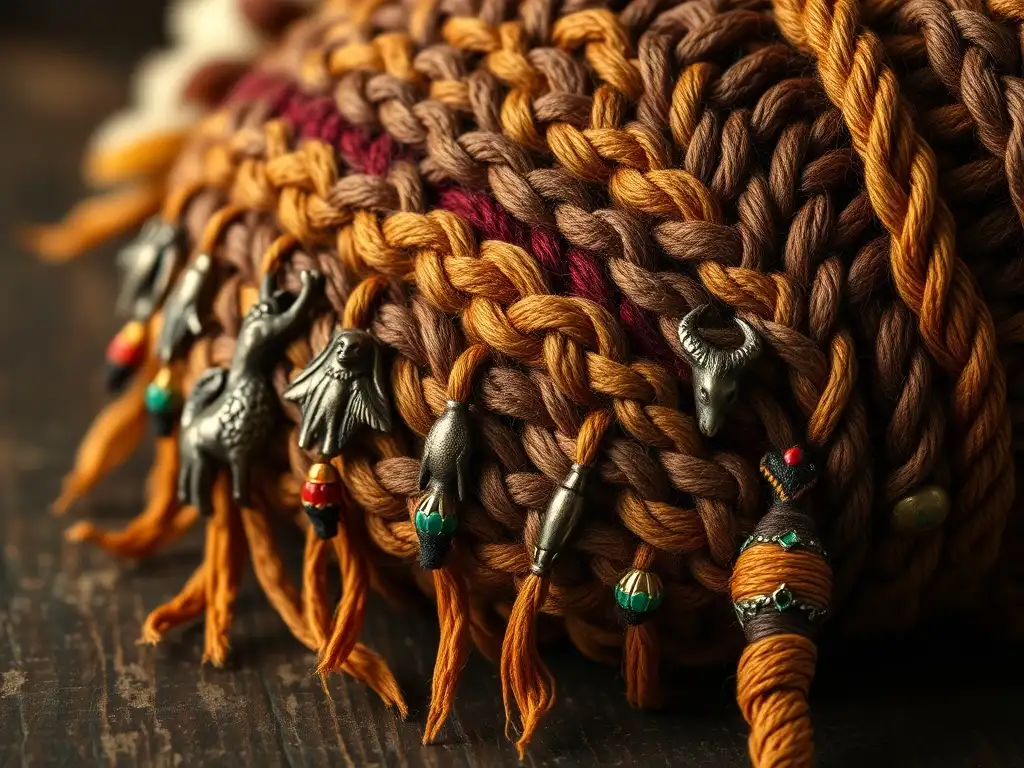
Andean headdress symbolism offers a captivating window into the complex worldview and social structures of ancient Andean societies. Elaborate headdresses, crafted from feathers, textiles, gold, and precious stones, weren't merely decorative; they served as powerful symbols of status, power, religious affiliation, and connection to the Andean cosmos. Understanding these symbols requires examining the materials used, the specific designs incorporated, and the context in which the headdresses were worn.
The intricate artistry reveals a deep understanding of the natural world and a sophisticated system of symbolic representation, reflecting a rich tapestry of beliefs and rituals. This section delves into the key elements of Andean headdress design and their associated meanings, providing insights into the cultural significance of these remarkable artifacts. The careful analysis of Andean headdress symbolism reveals a sophisticated system of communication, reflecting the profound spiritual and social dimensions of Andean life.
Variations in design and materials often indicated social standing, religious roles, or participation in specific ceremonies. The use of vibrant colors, intricate weaving techniques, and the incorporation of symbolic motifs all contributed to the potent communicative power of these ancient adornments.
Animal Motifs in Andean Headgear: Jaguar, Condor, and Serpent
The Andean Cosmovision and Animal Symbolism
The Andean worldview was deeply interconnected with the natural world. Animals held significant symbolic meaning, often representing powerful forces or deities within the Andean cosmology. The jaguar, condor, and serpent were particularly prominent motifs in Andean art and iconography, including headdresses. The jaguar, a powerful predator, symbolized strength, ferocity, and shamanic power. Its image frequently appeared on headdresses worn by elite individuals or those with religious authority.
Conversely, the condor, a majestic bird of prey soaring high above the Andes, represented the upper world and was associated with the sun, leadership, and spiritual insight. Condor feathers were highly prized and frequently used in the creation of elaborate headdresses worn by rulers and priests. The serpent, a symbol of fertility, life, and the underworld, often appeared in intertwined or coiled patterns, symbolizing the cyclical nature of life and death. The presence of these animal motifs in headdresses provided powerful visual cues about the wearer's status, role, and connection to the spiritual realm.
Detailed analysis of these motifs reveals a complex interplay of symbolism, reflecting the nuanced understanding of the Andean relationship with the natural world. For example, the specific posture of the animal, the colors used, and the materials employed could all subtly alter the meaning conveyed. Further research into specific regional variations in animal symbolism within Andean headdress design is needed to fully understand the intricate details of this aspect of Andean culture. The precise arrangement and combination of these animal motifs often conveyed specific messages, underscoring the sophisticated symbolic language embedded within Andean art.
Geometric Patterns and their Interpretations in Andean Adornments
Geometric patterns, ubiquitous in Andean textiles and ceramics, also featured prominently in headdresses. These patterns, far from being merely decorative, conveyed complex meanings rooted in Andean cosmology and social organization. The use of specific geometric shapes, such as triangles, squares, and stepped patterns, often reflected the Andean understanding of the cosmos, representing mountains, celestial bodies, and the interconnectedness of the different realms. The precise arrangement and repetition of these patterns could also indicate social status, lineage, or clan affiliation.
The complexity and precision of these geometric designs further highlight the advanced technical skills and artistic sophistication of Andean artisans. The consistent use of geometric patterns across various Andean cultures suggests a shared symbolic language, albeit with regional variations. This consistency points to a deep-seated cultural understanding of the meaning and significance of these patterns.
Understanding the Language of Andean Geometry
The interpretation of Andean geometric patterns requires careful attention to detail. For instance, the direction of a zigzag pattern could signify the movement of water or the path of the sun. The repetition of a specific motif could represent cyclical processes or the interconnectedness of different aspects of the Andean worldview. Color also played a crucial role, with specific hues carrying symbolic weight related to deities, the natural world, or social hierarchies.
The use of specific colors often associated with particular deities, such as red for blood and sacrifice, or yellow for the sun, further enhanced the symbolic power of these geometric patterns. Further research, particularly comparative studies across different Andean regions and cultures, is needed to fully decipher the complex language of Andean geometry. However, preliminary analysis suggests a rich and nuanced system of symbolic representation that goes beyond simple aesthetic considerations.
The use of these geometric patterns in headdresses highlights their importance as powerful visual statements, communicating complex meanings related to cosmology, social organization, and individual identity within the Andean world. The study of Andean headdress symbolism unveils a sophisticated system of communication, highlighting the advanced cultural understanding of these ancient civilizations. The intricate details and precise execution of these patterns emphasize the skill and artistry of Andean artisans and their profound understanding of symbolism.
Color Symbolism in Andean Headdresses: Red, Yellow, and Black
The vibrant hues adorning Andean headdresses weren't merely aesthetic choices; they carried profound symbolic weight, reflecting the wearer's status, spiritual beliefs, and connection to the cosmos. Red, yellow, and black, in particular, held prominent positions within this complex system of visual communication. Red, often derived from cochineal insects, frequently symbolized blood, sacrifice, power, and the sun—a vital source of life and energy in the Andean worldview.
Its presence on a headdress could indicate a connection to leadership, military prowess, or even shamanistic abilities, suggesting a potent link to the spiritual realm. Elaborate headdresses featuring intricate red patterns might have been reserved for elite members of society, signifying their elevated position within the community. The intensity of the red, and the techniques used to apply it, could also have further nuanced the meaning.
Yellow, often obtained from minerals like ochre, frequently represented gold, wealth, and the sun's radiant power. It was associated with divinity and fertility, linking the wearer to the abundance and prosperity granted by the sun god. Headdresses incorporating yellow, especially in combination with other colors, could convey a message of royal lineage, divine favor, or spiritual authority. The specific shade of yellow, from a pale lemon to a deep golden hue, might have further refined its symbolic meaning, hinting at different aspects of the sun's power or the wearer's connection to it.
Black, while often associated with death and the underworld in other cultures, held a more complex significance in the Andean context. It could represent the earth, fertility, and the mysteries of the unseen world. Black dyes, derived from plants and minerals, could have been used to create headdresses that symbolized connection to the ancestors, the land, and the hidden forces of nature.
The use of black could also represent humility or a connection to the spiritual world, suggesting a deep understanding of the cyclical nature of life and death. Intricate black designs on a headdress might have depicted cosmological patterns or shamanic journeys into the spirit world.
The Use of Natural Dyes and their Cultural Significance
The creation of these richly symbolic headdresses relied heavily on natural dyes, derived from plants, insects, and minerals found within the Andean landscape. This process itself held deep cultural significance, connecting the creation of the headdress to the very land and its resources. The sourcing and preparation of these dyes were often intricate processes, potentially involving specialized knowledge and rituals passed down through generations.
Cochineal insects, for example, were carefully cultivated and harvested to produce the vibrant red dyes, while various plants and minerals provided a range of yellows, blacks, and other colors. The specific source of a dye might have added another layer of meaning to the headdress, connecting it to a particular region, deity, or natural phenomenon. Moreover, the preparation of the dyes and the application of the colors to the headdress materials likely involved ritualistic practices, further embedding the cultural and spiritual significance within the final product.
The entire process, from dye sourcing to final adornment, was not simply a craft but a ritualistic act that imbued the headdresses with their powerful symbolic meanings, firmly linking the wearer to the Andean worldview and its complex relationship with the natural world. The precise methods and cultural beliefs associated with specific dyes unfortunately remain a subject of ongoing research, and further archeological and anthropological studies are needed to fully illuminate this aspect of Andean headdress creation.
Regional Variations in Andean Headdress Traditions
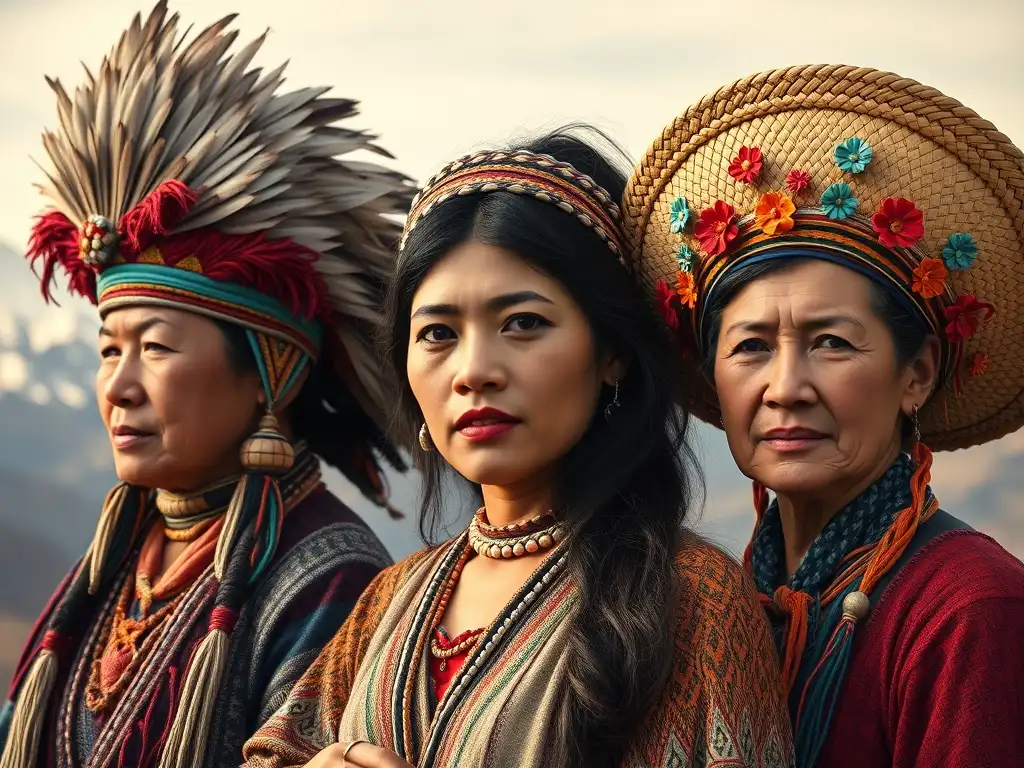
The Andean region, encompassing a vast geographical area and diverse cultures, saw a remarkable variety in headdress styles and their associated symbolism. Understanding the nuances of Andean headdress symbolism requires recognizing these regional differences. While certain motifs, like feathers and precious metals, held pan-Andean significance, their specific arrangement and meaning varied considerably depending on the culture and social context. This section will explore some key regional variations, focusing on the Moche and Inca civilizations, two of the most prominent Andean cultures.
The complexity of Andean headdress symbolism underscores the intricate social structures and belief systems of these societies. Analyzing these variations provides a richer understanding of the power dynamics and spiritual beliefs embedded within these seemingly simple adornments. The careful consideration of materials, craftsmanship, and iconography is crucial for deciphering the complex messages conveyed through these artifacts.
Headdresses in the Moche Culture: Warrior and Elite Adornments
Moche society, flourishing on the northern coast of Peru from approximately 100 to 800 CE, produced striking examples of headdresses, often depicted in their exquisite ceramic art. The Moche, known for their sophisticated metalworking and pottery, incorporated a wide range of materials into their headdresses, reflecting both social status and religious beliefs. The symbolism embedded in these headdresses is multifaceted, often conveying messages of power, authority, and connection to the supernatural world. The use of specific feathers, for example, could indicate a warrior's bravery or a shaman's spiritual power.
Moche Ceramic Art and the Depiction of Headdresses
Moche pottery serves as an invaluable source for understanding their headdress traditions. Figurines and vessels frequently depict individuals adorned with elaborate headdresses, providing detailed insights into their styles and potential meanings. These depictions show a diverse range of headdresses, from simple bands to complex structures incorporating feathers, textiles, and metal ornaments.
For example, warriors are often portrayed wearing headdresses with fierce animal motifs, emphasizing their strength and prowess in battle. Elite figures, on the other hand, might be shown with headdresses featuring more ornate designs and precious materials, signifying their high social standing. The level of detail in Moche pottery allows researchers to analyze the intricate weaving techniques, the types of feathers used (often from rare and exotic birds), and the arrangement of decorative elements, all contributing to a more comprehensive understanding of Andean headdress symbolism in the Moche context.
Careful examination of these ceramic artifacts reveals a nuanced system of visual communication, where every element holds symbolic weight. The meticulous craftsmanship evident in these pieces highlights the importance placed on these adornments within Moche society.
The Inca Empire, dominating the Andes from the 15th century until the Spanish conquest, developed a distinct system of headdress symbolism closely tied to imperial power and social hierarchy. Inca headdresses were not merely decorative; they served as potent symbols of authority, religious status, and lineage. The use of specific materials, colors, and designs communicated social standing and affiliation, reinforcing the rigid social structure of the empire. The meticulous craftsmanship and the use of rare and valuable materials further emphasized the importance of these headdresses as markers of power and prestige.
The Mascapaicha and the Inca Emperor's Authority
The mascapaicha, a distinctive headdress worn by the Inca emperor, epitomizes the power and sacredness associated with Inca headwear. This richly adorned headdress, often depicted in colonial-era accounts and surviving artistic representations, typically featured a red and yellow striped band, symbolic of the imperial authority and the connection to the sun god, Inti. The mascapaicha was not simply an ornament; it was a visible manifestation of the emperor's divine right to rule and his central role in the Inca religious and political system.
The use of specific feathers, often from birds considered sacred, further enhanced its symbolic significance. The mascapaicha served as a powerful visual reminder of the emperor's absolute authority and his connection to the cosmic order, reinforcing his legitimacy and consolidating his power.
The intricate details and the use of precious materials in the mascapaicha highlight the importance placed on this headdress as a symbol of imperial power and divine authority within the Inca Empire. Its creation and wearing were highly ritualized processes, emphasizing its sacred nature and its role in the Inca worldview.
Headdresses in the Nazca Culture: Ritual and Shamanic Use
The Nazca culture, famed for its enigmatic lines etched into the desert landscape, also possessed a rich tradition of elaborate headdresses. These weren't merely decorative; they played a significant role in ritual practices and shamanic ceremonies. Analysis of unearthed textiles and ceramic artifacts reveals a striking variety of styles, ranging from simple bands adorned with feathers to complex structures incorporating animal imagery, precious metals, and vibrant pigments.
The materials themselves held symbolic weight. For example, the use of hummingbird feathers, often depicted in Nazca art, likely signified speed, agility, and a connection to the spirit world. Similarly, the inclusion of feline motifs, such as jaguars or pumas, could represent power, strength, and nocturnal shamanic journeys.
The vibrant colors used—reds, yellows, and blues—were likely not arbitrary choices but rather reflected specific cosmological beliefs and connections to the natural world. Studies suggest that the creation and wearing of these headdresses were not merely craft-based activities, but rather integral parts of a complex ritual system, possibly involving altered states of consciousness and communication with the divine. The intricate detail and craftsmanship evident in these headdresses point to a highly specialized class of artisans, possibly linked to the religious elite.
Nazca Lines and the Connection to Ritual Adornment
The relationship between the Nazca Lines and the culture's elaborate headdresses remains a topic of ongoing research and debate. However, it is plausible to suggest a connection between the monumental scale of the geoglyphs and the symbolic significance of headdresses worn during associated rituals. Some scholars propose that the lines themselves served as pathways or visualizations of spiritual journeys undertaken by shamans, mirroring the transformative experiences believed to be facilitated by the use of specific headdresses.
The meticulous planning and execution of the lines, akin to the intricate craftsmanship of the headdresses, suggest a deep-seated preoccupation with cosmological order and the representation of sacred spaces. The possibility of aerial observation during rituals, perhaps aided by the ingestion of hallucinogenic substances, adds another layer of complexity to the interpretation of the lines in relation to headdresses.
Further research into the spatial distribution of Nazca sites and the discovery of additional artifacts could shed more light on this intriguing connection between monumental art and personal adornment. The potential for advanced surveying techniques to reveal new details about the lines and their relationship to ceremonial sites could significantly enhance our understanding of Nazca cosmology and ritual practices.
Tiahuanaco Headdresses: Complex Iconography and Religious Beliefs
The Tiahuanaco culture, flourishing in the Andes around Lake Titicaca, developed a distinct style of headdresses characterized by complex iconography reflecting their sophisticated religious beliefs. Unlike the Nazca, Tiahuanaco headdresses often incorporated representations of deities, mythical creatures, and symbolic motifs related to their pantheon. Analysis of surviving artifacts, including stone sculptures and textiles, reveals the use of intricate weaving techniques, precious metals like gold and silver, and the incorporation of feathers and other materials.
The headdresses were often associated with elite members of society, particularly priests and rulers, signifying their status and their connection to the divine. The recurring motifs found in Tiahuanaco headdresses, such as stylized feline figures, serpents, and condor heads, point to a complex system of beliefs involving a hierarchical cosmology, with powerful deities representing natural forces and cosmic energies. The use of specific colors and materials likely held specific meanings, reflecting the power and attributes of the represented deities or spiritual forces.
The craftsmanship and the symbolic richness of Tiahuanaco headdresses highlight the importance of religious ritual and the role of the priestly class in this advanced Andean civilization. Further research into the stylistic variations and regional differences in Tiahuanaco headdresses could provide valuable insights into the complexities of their religious system and social hierarchy.
The Gateway of the Sun and the Depiction of Deities
The Gateway of the Sun, a monumental stone structure at Tiahuanaco, provides valuable insights into the culture's religious iconography and its potential connection to headdresses. The intricate carvings on the Gateway depict various deities and mythical beings, many of which bear striking similarities to motifs found on Tiahuanaco headdresses. The central figure, often interpreted as the creator god Viracocha, is frequently represented with elaborate headgear, suggesting a direct link between the supreme deity and the symbolic power attributed to headdresses.
The surrounding figures, representing other deities and possibly ancestral figures, also frequently display distinctive headwear. The detailed depictions of these figures provide invaluable information about Tiahuanaco cosmology, religious practices, and the social hierarchy within the society. The Gateway's monumental scale emphasizes the importance of these deities and their associated symbols within the Tiahuanaco worldview.
The careful study of the Gateway's carvings, combined with the analysis of surviving headdresses, offers a richer understanding of the religious beliefs and the symbolic systems employed by this influential Andean culture. Further comparative analysis of the Gateway's iconography and headdress motifs could reveal additional layers of meaning and enhance our understanding of Tiahuanaco religious practices and social structure.
The Legacy of Andean Headdress Symbolism in Modern Andean Communities
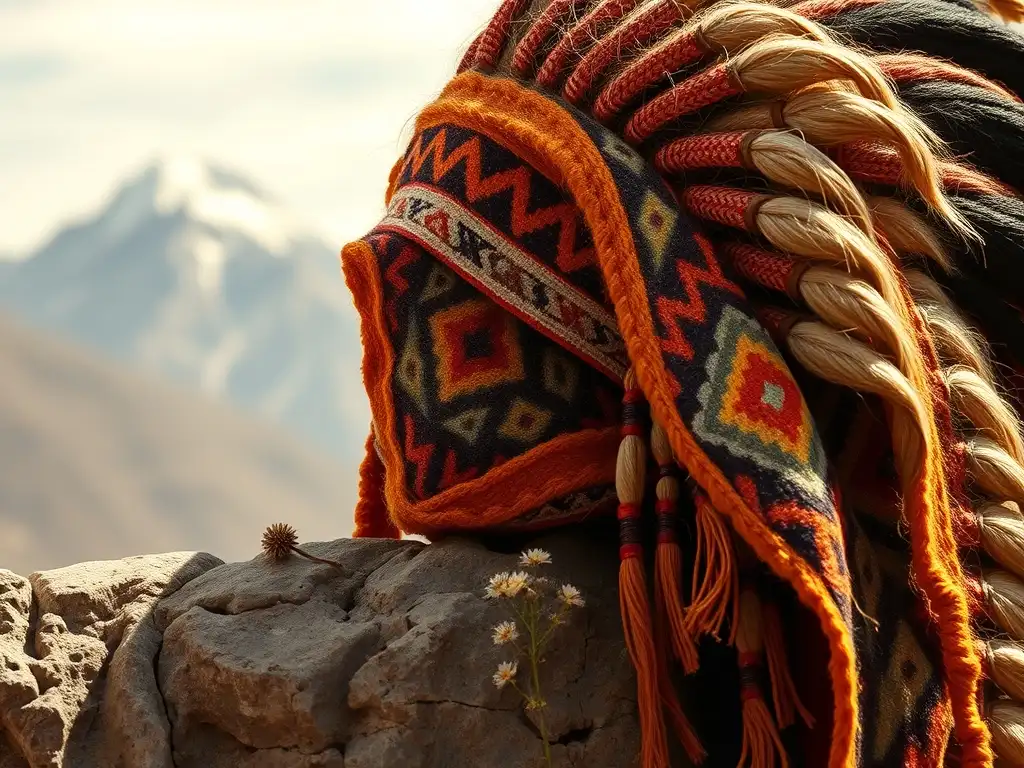
The vibrant symbolism embedded within Andean headdresses hasn't faded with the passage of time. While the grandeur of the Inca Empire and other pre-Columbian societies is largely a historical record, the echoes of their artistic expressions—particularly in the realm of personal adornment—continue to resonate in contemporary Andean communities. The enduring significance of these headdresses and ornaments is not merely aesthetic; they serve as powerful links to ancestral traditions, cultural identity, and spiritual beliefs, shaping social structures and daily life in profound ways.
Understanding this ongoing legacy requires examining how these symbols are actively utilized and preserved in the present day. This section explores the contemporary manifestations of Andean headdress symbolism, focusing on its role in festivals, rituals, and the preservation of traditional crafts. Analyzing this continuity provides a crucial perspective on the enduring power of Andean artistic expression and its impact on modern Andean cultures.
The continued use of these symbols demonstrates a remarkable cultural resilience and a deep connection to the past. This living legacy challenges simplistic interpretations of Andean history and art, revealing a dynamic relationship between tradition and modernity.
Contemporary Use of Andean Adornments in Festivals and Rituals
Many Andean festivals and rituals continue to incorporate traditional headdresses and adornments. For example, during the Inti Raymi festival (celebrating the Inca sun god), participants often wear replicas or stylized versions of ancient headdresses, reflecting a conscious effort to connect with ancestral practices. These are not mere costumes; they are imbued with symbolic meaning, representing status, lineage, and spiritual connection.
The specific types of adornments used, their colors, and the way they are worn can convey complex messages about social standing and participation in the ritual. Detailed ethnographic studies show a rich diversity in the contemporary use of these ornaments, varying significantly based on region, specific community, and the nature of the festivity. The careful selection and placement of feathers, textiles, and metalwork are not arbitrary; they adhere to established codes understood within the community, reflecting a deep knowledge of Andean symbolism passed down through generations.
The continued use of these adornments in such contexts underscores their enduring relevance to Andean cultural identity and the transmission of cultural heritage. The vibrant colors and intricate designs of these headdresses are not just decorative; they are integral components of the ritual experience, reinforcing the connection between past and present.
Preservation of Andean Headdress Traditions and Crafts
The creation of traditional Andean headdresses remains a vital craft, actively preserved and passed down through generations of artisans. This preservation effort is not merely about maintaining a historical practice; it's a fundamental aspect of cultural continuity. The skills involved, ranging from textile weaving to featherwork and metalworking, demand years of apprenticeship and meticulous attention to detail.
Many communities have established workshops and training programs to ensure the survival of these intricate techniques. These workshops not only transmit technical knowledge but also preserve the associated cultural knowledge, including the symbolic meanings embedded within the designs and materials. This proactive preservation is crucial for maintaining the authenticity and integrity of Andean artistic traditions.
Moreover, the economic benefits derived from the production and sale of these handcrafted items contribute to the sustainability of the communities themselves, reinforcing the value of preserving these traditions. The effort to preserve these crafts is a testament to the pride and cultural identity of Andean communities.
Case Study: The Ch'ullu and its Contemporary Significance
The ch'ullu, a type of Andean hat traditionally made of wool, serves as an excellent case study for understanding the enduring legacy of Andean headdress symbolism. While its practical function provided warmth and protection, its symbolic significance is far richer. The ch'ullu's design, colors, and materials often convey information about the wearer's social status, geographic origin, and even marital status.
In modern times, the ch'ullu continues to be worn, particularly in rural communities, reflecting its enduring presence in daily life. However, it has also seen a resurgence in popularity in urban areas, becoming a symbol of Andean identity and cultural pride. This renewed interest has led to a revival of traditional ch'ullu production, supporting local artisans and promoting the preservation of this significant aspect of Andean cultural heritage.
The ch'ullu exemplifies the adaptability and resilience of Andean traditions, demonstrating how ancient symbols can be reinterpreted and reappropriated in contemporary contexts while retaining their core significance. Its continued use, both in traditional and modern settings, underscores its enduring relevance as a powerful symbol of Andean identity and cultural continuity. The vibrant colors and diverse styles of contemporary ch'ullus showcase the creativity and adaptability of Andean artisans while preserving a vital piece of their cultural heritage.
Conclusion: The Enduring Significance of Andean Headdresses
The study of Andean headdresses reveals a complex tapestry woven from threads of power, spirituality, and social identity. These weren't merely decorative items; they were potent symbols, meticulously crafted and strategically worn to communicate a wealth of information about the wearer's status, lineage, and connection to the divine. From the towering headdresses of Inca royalty, signifying their closeness to the sun god Inti, to the intricate feathered creations of the Moche elite, reflecting their mastery over both the natural world and their own sophisticated artistry, each adornment tells a unique story.
The enduring legacy of these headdresses is not simply aesthetic; it's a testament to the sophisticated systems of belief and social organization that characterized Andean civilizations. Their continued study provides invaluable insight into the rich cultural landscape of the Andes. Understanding Andean headdress symbolism offers a deeper appreciation for the complexity and nuance of these ancient cultures.
The Ongoing Research and Exploration of Andean Adornments
Research into Andean headdresses continues to evolve, benefiting from advancements in archaeological techniques and interdisciplinary collaborations. New discoveries regularly challenge existing interpretations and expand our understanding of the symbolic meanings embedded within these artifacts. For example, recent analyses of textile dyes have revealed previously unknown connections between specific colors and deities, further enriching our understanding of the symbolic language of Andean adornments. Moreover, the application of advanced imaging technologies allows for non-invasive examination of delicate artifacts, revealing intricate details previously hidden from view.
This allows researchers to explore the craftsmanship in greater detail, providing insights into the social organization and specialized skills required for their creation. The ongoing study of Andean headdress symbolism is an exciting field, promising further revelations about the beliefs, practices, and social structures of these remarkable civilizations. The meticulous record-keeping and careful preservation of these artifacts are crucial for future generations of researchers to continue unraveling the rich stories embedded within each feather, bead, and textile. The meticulous attention to detail evident in these headdresses underscores the profound significance placed upon these items by Andean societies.
Further research into the specific materials used, their sources, and their symbolic associations will undoubtedly continue to deepen our understanding of Andean headdress symbolism for years to come. Indeed, the study of these adornments represents a continuous journey of discovery, enriching our understanding of Andean culture and its enduring legacy. The ongoing investigation into Andean headdress symbolism promises to yield even more fascinating insights into the lives and beliefs of these ancient people.
| Material | Associated Deity/Meaning | Cultural Context |
|---|---|---|
| Gold | Sun, power, royalty | Inca, Moche |
| Feathers | Birds (spiritual messengers), specific bird species | Diverse Andean cultures |
| Textiles (Alpaca) | Fertility, wealth, social status | Inca, pre-Inca cultures |
| Spondylus Shells | Fertility, sea deities | Coastal cultures (e.g., Moche) |
| Turquoise | Sky, water, healing | Widespread across Andean cultures |
The headdresses were not just ornaments; they were living expressions of belief and power.
- Dr. [Name of Expert Pending]
The careful study of Andean headdress symbolism continues to shed light on the intricate social structures and spiritual beliefs of these fascinating ancient cultures. The detailed craftsmanship, careful selection of materials, and the specific placement of adornments all speak to the profound importance of these artifacts within their respective societies. The ongoing research promises to unveil even more captivating insights into the world of the Andes.
Frequently Asked Questions
What is the significance of headdresses in Andean cultures?
Headdresses held immense symbolic meaning in Andean societies. They indicated social status, religious affiliation, and power, varying greatly between different cultures and periods. The materials and styles used were crucial to their interpretation.
How did the Incas use headdresses?
Inca headdresses, often made of feathers, gold, and silver, were worn by the elite and religious leaders. They displayed rank and authority, with intricate designs symbolizing their connection to the gods and the Inca empire.
What materials were commonly used in Andean headdresses?
Andean headdresses utilized a wide variety of natural materials, including feathers from rare birds, precious metals like gold and silver, textiles, and shells. The specific materials used further emphasized the wearer's status and spiritual significance.
Did different Andean cultures have unique headdress styles?
Yes, each Andean civilization—the Incas, Moche, Nazca, and Tiahuanaco, among others—possessed distinct headdress styles. These differences reflected their unique belief systems and social structures, offering valuable insights into their diverse cultures.
Where can I learn more about Andean headdress symbolism?
To delve deeper into Andean headdress symbolism, explore academic journals, museum exhibits dedicated to Andean civilizations, and reputable online resources such as the website "Andean Civilizations." Scholarly articles provide detailed analysis of these fascinating artifacts.
Final Reflection: Unraveling the Whispers of Andean Adornments
The vibrant tapestry of Andean headdresses and adornments continues to resonate today, a powerful testament to the enduring strength of cultural identity and spiritual expression. These weren't merely decorative items; they were living narratives, meticulously crafted to communicate social status, spiritual beliefs, and intricate connections to the Andean landscape. Their enduring legacy challenges us to reconsider our own relationship with adornment and the stories we choose to wear.
The impact of these symbolic objects extends far beyond the archaeological record. Their influence permeates contemporary Andean art, fashion, and spiritual practices, a vibrant echo of ancient traditions. The intricate designs, the carefully selected materials, and the meticulous craftsmanship all speak to a deep-seated connection to the land and the cosmos. As the anthropologist, Clifford Geertz, wisely observed: Man is an animal suspended in webs of significance he himself has spun.
These headdresses and adornments are threads in that web, meticulously woven to create a rich and meaningful existence.
Consider the stories embedded within these artifacts. Reflect on the artistry, the symbolism, and the enduring power of cultural expression. You too, possess the ability to craft your own narrative, to adorn yourself with symbols that reflect your values, beliefs, and connection to the world around you. Let the legacy of Andean adornments inspire you to explore your own personal symbolism and to share your unique story with the world.
Embrace Your Inner Andean Elegance!
Thank you for exploring the rich tapestry of Andean culture and the symbolic meanings behind traditional headdresses and adornments. You've discovered how these stunning personal ornaments connect deeply to identity and heritage. Now, let's put that knowledge into practice!
- Learn more about Andean culture by researching local artisans and their traditional craft methods. Consider supporting their work by purchasing an authentic piece.
- Share your knowledge with friends and family. Use social media to spread awareness about the beauty and significance of Andean adornments.
- Visit a local museum or cultural center that showcases Andean artifacts to experience the art and history firsthand.
What unique way will you celebrate Andean traditions today? Share your thoughts below!