
The Chimu Fishermen: Sustaining a Coastal Civilization

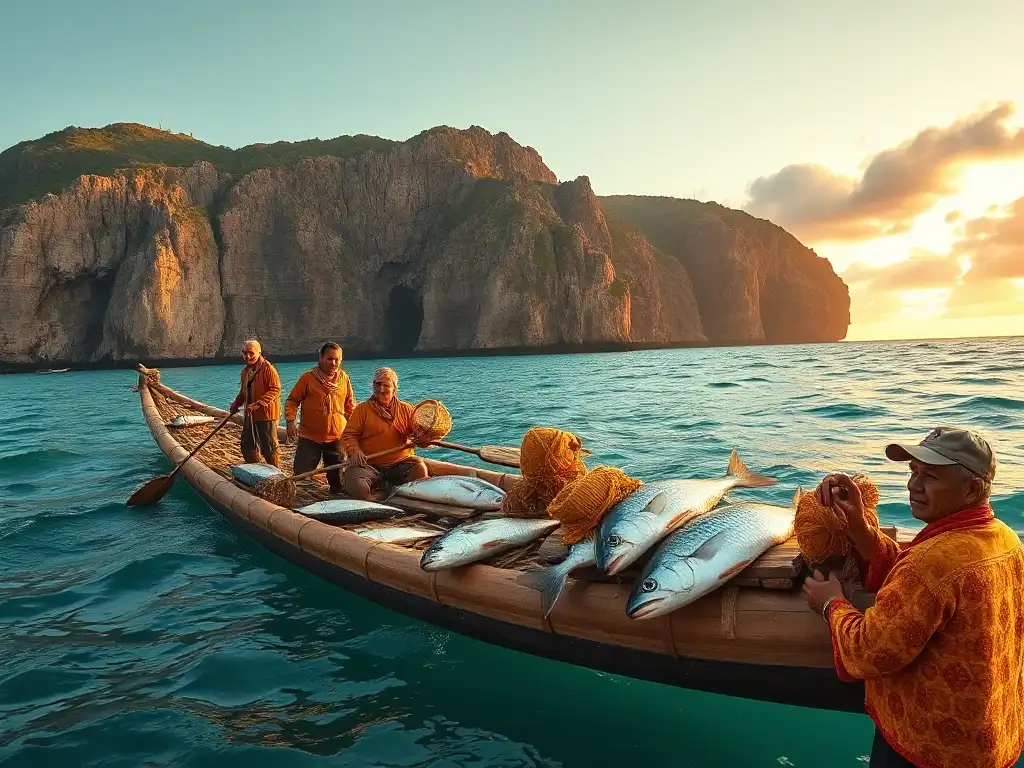
Dive into the enigmatic world of the Andean civilizations! Prepare to be amazed by the ingenuity and resilience of these remarkable cultures. But first, consider this: how did the Chimu, masters of coastal Peru, sustain their vast empire? Their innovative fishing techniques, a testament to their understanding of the ocean and their environment, are far more complex than you might imagine. Journey with us to uncover the secrets behind their success and explore the fascinating story of the Chimu, a civilization defined by its mastery of the sea.
The Chimu, a powerful pre-Columbian civilization flourishing along the arid northern coast of Peru from roughly 1300 to 1470 CE, stand as a testament to human ingenuity and adaptation. Unlike their contemporaries in the Andes highlands, the Chimu carved out a thriving empire not through agriculture in fertile valleys, but through mastery of the unforgiving coastal environment.
This article delves into the sophisticated fishing techniques employed by the Chimu, highlighting their crucial role in sustaining their expansive urban centers and powerful state. We will explore how their fishing practices not only provided sustenance but also shaped their social structures, economy, and ultimately, their remarkable cultural achievements.
Understanding Chimu fishing techniques offers invaluable insight into the resourcefulness and adaptability of this remarkable Andean civilization, revealing a complex interplay between human ingenuity and the natural world. This exploration will reveal the intricate relationship between the Chimu and their marine environment, demonstrating how their fishing prowess directly contributed to the rise and longevity of their impressive coastal empire.
Introduction to the Chimu Civilization and its Coastal Dependence
The Chimu kingdom, also known as the Chimú Kingdom, was characterized by its impressive urban planning, particularly evident in the capital city of Chan Chan. This massive adobe city, a UNESCO World Heritage site, is a sprawling testament to the Chimu's organizational abilities and technological prowess. However, the very existence of such a large urban center relied heavily on access to consistent and abundant food resources.
Unlike many Andean civilizations that thrived on agricultural production in the fertile valleys, the Chimu faced the challenges of a largely desert coastline. Their success hinged upon their mastery of marine resources, transforming the seemingly barren coast into a source of immense wealth and power. The Chimu cleverly developed and refined sophisticated fishing techniques to exploit the rich marine life off their shores, sustaining a population estimated to be in the hundreds of thousands.
This ingenuity is reflected in their intricate irrigation systems that channeled water for agriculture where possible, alongside their advanced understanding and exploitation of marine resources. Their reliance on the sea is reflected in their art, mythology, and even their social structures. The societal importance of fishing is evidenced by the archaeological remains of fishing ports, specialized tools, and depictions of fishing scenes in their pottery and textiles.
The Vital Role of Fishing in Chimu Society
Fishing formed the cornerstone of the Chimu economy and social structure. Archaeological evidence reveals a highly organized and specialized fishing industry. The Chimu employed a range of techniques, including:
- Use of various fishing nets: These varied in size and mesh depending on the target species. Evidence suggests the use of both small-scale nets for nearshore fishing and larger nets for open-water operations.
- Development of specialized fishing boats: These boats, often crafted from reeds or wood, were designed for navigating the coastal waters and were likely adapted to different fishing strategies. The size and design of these boats would have varied depending on the fishing grounds and the type of fish being targeted.
- Implementation of sophisticated fishing techniques: Beyond simple netting, the Chimu likely employed advanced techniques such as trapping and spearfishing, indicating a nuanced understanding of marine ecology and fish behavior. [Specific details on trapping methods pending further research].
- Preservation techniques: The Chimu developed methods to preserve their catch, ensuring year-round food security. This likely involved techniques such as sun-drying, salting, and possibly fermentation. [Further research is needed to specify the exact preservation methods employed].
The abundance of fish provided not only sustenance for the population but also fueled the Chimu's economic growth. Fish and fish products were likely traded extensively, contributing to the empire's wealth and power. This intricate system of fishing, processing, and distribution showcases the sophisticated social organization and economic management of the Chimu civilization.
The integration of fishing into the Chimu's social fabric is evident in artistic representations and the organization of their settlements, indicating its central role in their daily lives and prosperity. The importance of fishing in the Chimu's social structure and economy cannot be overstated, highlighting their remarkable ability to harness the resources of their coastal environment. 🎣
Chimu Fishing Techniques: An Overview
The Chimu, a powerful pre-Columbian civilization inhabiting the northern coast of Peru, developed sophisticated fishing techniques to sustain their large urban centers. Their mastery of the sea allowed them to thrive in a relatively arid environment, where agriculture alone could not support their population. Understanding their fishing practices reveals a deep understanding of marine ecology and a remarkable level of technological innovation for its time.
The Chimu's success was directly linked to their ability to efficiently exploit the abundant marine resources of the Pacific Ocean, impacting not only their sustenance but also their social structure, economy, and religious beliefs. The ingenuity of their fishing methods allowed them to capture a wide variety of fish and marine life, forming the foundation of their diet and contributing significantly to their overall prosperity.
Their techniques were adapted to the specific challenges of the coastal environment, showcasing a remarkable adaptability and resilience. The study of these techniques provides valuable insights into the daily lives and societal organization of this fascinating civilization.
Traditional Chimu Fishing Methods
Chimu fishermen employed a variety of methods to catch fish, reflecting both their technological capabilities and their deep knowledge of marine ecosystems. Evidence suggests they used techniques like hook and line fishing, a relatively simple yet effective method. This involved using handcrafted hooks, likely made from bone or shell, attached to lines made from natural fibers like cotton or plant reeds.
They likely employed different types of hooks depending on the target species, reflecting a degree of specialization. Another common method was spearfishing, especially for nearshore species. Divers, potentially using rudimentary diving equipment, would spear fish underwater.
Archaeological findings reveal the remains of sharpened bone or wooden spears, suggesting their prevalence in Chimu fishing practices. The effectiveness of these methods depended heavily on the knowledge of fish behavior and migration patterns, demonstrating a strong connection between the Chimu and the marine environment. Furthermore, the use of traps and weirs, constructed from reeds or wood, also played a significant role, allowing for passive fishing and the capture of large quantities of fish.
The Use of Nets in Chimu Fishing Practices
Nets were a crucial element of Chimu fishing techniques. Archaeological evidence suggests the use of different types of nets, ranging from small hand-held nets to large, complex nets used for larger-scale fishing operations. These nets were likely made from plant fibers such as cotton or reeds, and their construction would have required significant skill and knowledge.
The weave and size of the net would have been adapted to the type of fish being targeted. The use of nets allowed the Chimu fishermen to capture large quantities of fish efficiently, which was essential for supporting their large population. The design and production of the nets themselves would have been a skilled craft, possibly passed down through generations within specific fishing communities.
The scale of some Chimu fishing operations, as evidenced by the size of certain settlements near fishing grounds, suggests the coordinated use of large nets requiring multiple individuals to operate. The development and refinement of net-making technology likely contributed significantly to the Chimu's success as a coastal civilization.
Chimu Fishing Boats: Construction and Types
The Chimu constructed a variety of fishing boats, expertly adapted to the coastal conditions of the Pacific Ocean. Evidence suggests they used reed boats, similar to those used by other coastal cultures in the region. These were likely constructed from bundles of reeds, expertly lashed together to create a buoyant and relatively durable vessel.
The construction of these boats would have required specialized knowledge and skill, likely passed down through families or communities. They might have also utilized larger, more complex vessels, perhaps incorporating planks of wood, though the extent of their wooden boat construction remains a subject of ongoing research. The size and design of the boats would have varied depending on the intended fishing grounds and the type of fishing methods employed.
Smaller boats would have been suitable for nearshore fishing, while larger vessels might have been used for venturing further offshore. The construction and maintenance of these boats were vital to the Chimu economy and their ability to exploit the vast marine resources available to them. The sophistication of their boat-building techniques reflects their advanced understanding of naval architecture and their adaptation to the specific challenges posed by the Pacific Ocean.
The Significance of Marine Resources for the Chimu
Marine resources were not just a source of food for the Chimu; they formed the cornerstone of their civilization. The abundance of fish and other marine life allowed for a large and densely populated society to flourish in a region where arable land was limited. The sea provided essential protein, contributing significantly to the overall health and well-being of the population. The impact of marine resources extended beyond sustenance, playing a crucial role in the economic and social organization of the Chimu.
The fishing industry likely provided employment for a significant portion of the population, contributing to the wealth and power of the Chimu state. The distribution and control of marine resources likely played a role in the societal hierarchy and the organization of labor. The importance of fishing is reflected in Chimu art and iconography, further highlighting its centrality to their culture and way of life.
Anchovies, Sardines, and Bonito Consumption
Anchovies, sardines, and bonito were among the most important fish species exploited by the Chimu. These schooling fish were abundant in the coastal waters, making them an easily accessible and sustainable food source. Archaeological evidence, such as fish remains found in middens (ancient garbage heaps), confirms their widespread consumption. The high protein content of these fish would have been crucial for maintaining the health and energy levels of the Chimu population.
Their abundance allowed for large-scale harvesting, likely contributing to the scale of Chimu settlements and their economic prosperity. The methods for processing and preserving these fish, such as sun-drying or salting, would have been vital for ensuring food security throughout the year. The consistent availability of these fish likely shaped the Chimu diet and culinary traditions, becoming integral parts of their cultural identity.
Other Marine Resources Exploited by the Chimu
Beyond the abundant schooling fish, the Chimu also exploited a variety of other marine resources. Shellfish, such as mussels, clams, and oysters, were likely a significant part of their diet, providing additional protein and nutrients. Seabirds, whose guano deposits were also a valuable resource, were likely hunted for their meat and eggs.
Marine mammals, such as seals or sea lions, may have also been hunted, although the extent of this practice is less certain. The diverse range of marine resources exploited by the Chimu demonstrates their comprehensive understanding of the coastal ecosystem and their ability to utilize its resources efficiently and sustainably (to a degree).
The exploitation of these resources contributed to the overall richness and diversity of the Chimu diet, contributing to the robustness of their society in the face of environmental challenges. The variety of resources also suggests a degree of diversification in their fishing and foraging practices, mitigating the risk associated with relying solely on a single food source.
Advanced Chimu Fishing Technology
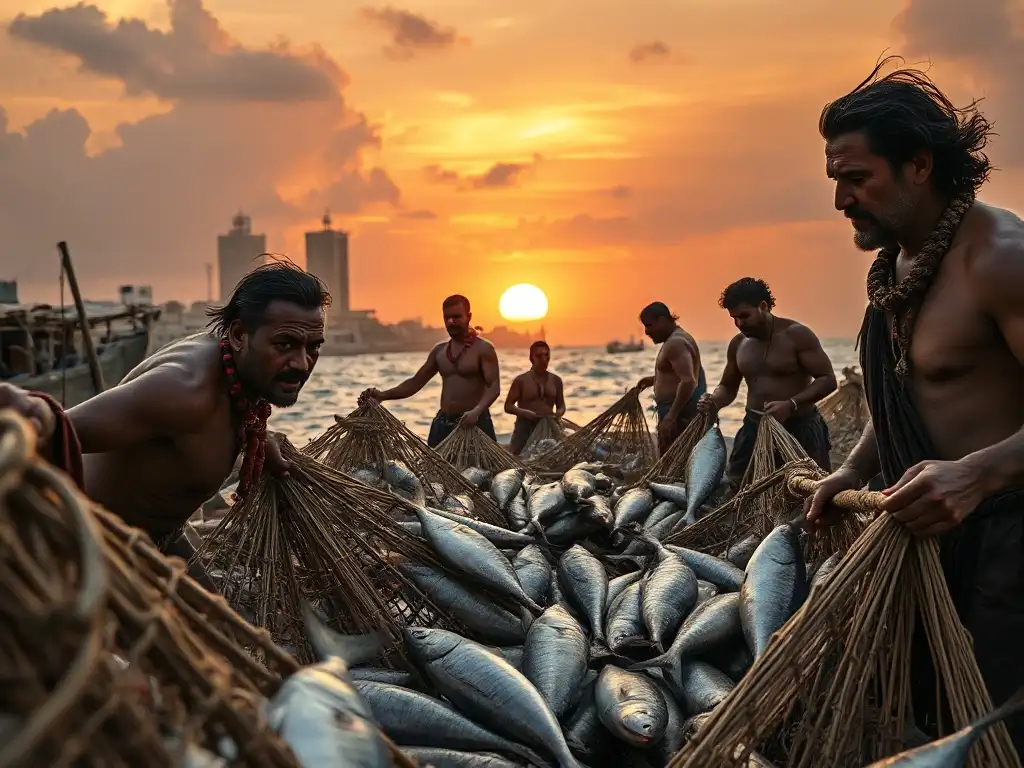
The Chimu, renowned for their sophisticated urban planning and intricate metalwork, also possessed remarkably advanced fishing technologies. Their mastery of the sea wasn't simply a matter of luck or basic survival; it was a finely tuned system that supported a large, densely populated coastal civilization. This technological prowess is evident in their innovative fishing tools, their understanding of marine ecosystems, and their ability to exploit various fishing methods to maximize yields.
The Chimu weren't just fishermen; they were skilled engineers of the marine environment. Their success highlights the importance of technological innovation in supporting complex societies, even in challenging coastal environments. The development of these technologies was crucial to the Chimu's economic success and ultimately, the prosperity of their empire.
Their advancements in fishing techniques allowed them to provide a stable food source for their large population, contributing significantly to the overall strength and stability of the Chimu civilization. This highlights the interconnectedness between technological progress and societal development in the pre-Columbian Andes.
Chimu Innovations in Fishing Tools
Chimu fishermen employed a variety of ingenious tools, far surpassing the simple implements used by many other coastal cultures. Evidence suggests they crafted specialized nets, likely made from strong, locally sourced fibers like cotton or possibly even camelid hair. These nets were likely of different sizes and mesh configurations depending on the target species.
Beyond nets, they utilized sophisticated hooks, often made of bone or meticulously crafted from metals like copper, demonstrating advanced metallurgical skills. The design of these hooks, often featuring barbs and intricate shaping, suggests a deep understanding of fish behavior and the need for effective capture. Furthermore, the discovery of various weights and sinkers indicates the use of advanced fishing techniques, such as weighted lines for deeper fishing.
These innovations allowed the Chimu to target a wider variety of fish and increase their overall fishing efficiency. The sophistication of their tools is a testament to their technological ingenuity and their understanding of the marine environment.
Evidence of Advanced Chimu Fishing Practices
Archaeological evidence strongly supports the notion of advanced Chimu fishing practices. Excavations at numerous Chimu sites along the Peruvian coast have unearthed a wealth of artifacts, including fish remains, fishing tools, and even depictions of fishing scenes in pottery and textiles. The sheer quantity of fish bones found at these sites underscores the importance of fishing to the Chimu diet and economy.
The variety of fish species represented in these remains indicates a diverse fishing strategy, suggesting the utilization of different techniques to target various species in different habitats. Moreover, the presence of specialized tools, like the aforementioned hooks and weights, directly points to a level of technological sophistication not often seen in other contemporary coastal cultures.
The detailed representations of fishing activities in Chimu art further corroborate the importance and complexity of their fishing practices, providing valuable insights into their methods and techniques. This combination of archaeological and artistic evidence paints a compelling picture of a highly developed fishing industry that played a critical role in the Chimu civilization’s success.
The Impact of Chimu Fishermen on the Coastal Environment
The Chimu fishermen's activities had a profound impact on the coastal environment, both positive and negative. While their fishing practices supported a large population, they were not without consequences. The scale of their fishing operations likely placed considerable pressure on certain fish stocks, potentially leading to localized depletion of some species.
However, evidence also suggests that the Chimu may have implemented some sustainable practices to mitigate these impacts. The extent to which their actions altered the coastal ecosystem remains a subject of ongoing research, requiring more detailed analysis of environmental data from Chimu sites. Understanding this interplay between human activity and the environment is crucial for comprehending the long-term sustainability of the Chimu civilization and for drawing parallels with modern-day fishing practices.
Sustainable Fishing Practices of the Chimu
While the scale of Chimu fishing suggests potential environmental strain, there's evidence suggesting they employed some sustainable practices. The diversity of their fishing techniques, targeting various species, may have helped to prevent over-reliance on any single species, reducing the risk of depletion. Additionally, the use of different fishing gear, tailored to specific species and habitats, might indicate a conscious effort to manage fishing pressure and minimize ecological damage.
However, concrete evidence of deliberate conservation efforts is limited, and further research is needed to fully understand the extent and effectiveness of any sustainable practices. This lack of clear evidence does not preclude the possibility that some form of informal resource management occurred, perhaps through customary practices or traditional ecological knowledge.
Environmental Challenges Faced by Chimu Fishermen
The Chimu fishermen faced various environmental challenges in their pursuit of sustenance. The El Niño Southern Oscillation (ENSO) events, characterized by fluctuating ocean temperatures and unpredictable weather patterns, likely posed significant threats to their fishing activities. These events could disrupt marine ecosystems, leading to fluctuations in fish populations and making fishing more unpredictable. Furthermore, the coastal environment itself presented challenges.
Strong currents, unpredictable waves, and potential hazards like rocky coastlines all contributed to the inherent risks associated with fishing. Successfully navigating these challenges required significant skill, knowledge of marine conditions, and advanced fishing techniques, all of which contributed to the overall sophistication of Chimu fishing practices. The resilience of the Chimu in the face of these environmental obstacles highlights the adaptability and ingenuity of their fishing communities.
The Chimu Legacy: Lessons from their Fishing Expertise
The Chimu, a pre-Columbian civilization flourishing along the northern coast of Peru from roughly 1000 to 1470 CE, weren't just masterful builders of impressive adobe cities like Chan Chan. Their success was profoundly intertwined with their sophisticated understanding and exploitation of marine resources. Their fishing techniques, far from being rudimentary, were complex and highly effective, allowing them to sustain a large, densely populated coastal society.
This mastery of the sea wasn't merely a matter of survival; it was a cornerstone of their economic and social structures, shaping their culture and influencing their interactions with neighboring groups. Understanding Chimu fishing techniques provides crucial insight into their ingenuity, resourcefulness, and overall societal organization. Their advanced knowledge of ocean currents, fish migration patterns, and the construction of specialized fishing equipment demonstrates a deep connection with their environment and a remarkable ability to harness its bounty.
This expertise allowed them to thrive in a challenging coastal environment, leaving behind a rich legacy that continues to fascinate and inspire. The advanced understanding of marine ecosystems displayed by the Chimu stands as a testament to their intellectual capabilities and their ability to adapt and innovate. Their methods serve as a valuable case study for sustainable resource management, particularly relevant in today's world grappling with overfishing and environmental degradation.
The Importance of Chimu Fishing Knowledge for Understanding Andean History
The Chimu's fishing expertise wasn't isolated; it played a crucial role in shaping their society and influencing the broader Andean historical narrative. The abundance of fish provided a reliable food source, fueling population growth and supporting the development of large urban centers like Chan Chan. This economic stability allowed for the specialization of labor, the development of complex social hierarchies, and the flourishing of art and craftsmanship.
The control and distribution of fish resources likely played a significant role in political power dynamics, with access to and control over fishing grounds potentially being a source of conflict and competition between different Chimu groups or even with neighboring cultures. Furthermore, studying Chimu fishing techniques provides valuable data on their understanding of the environment, their technological innovations, and their social organization. The intricate details of their fishing practices, revealed through archaeological findings and ethnographic parallels, offer a glimpse into their daily lives, their beliefs, and their relationship with the natural world.
Their success in managing their marine resources serves as a compelling example of human adaptation and ingenuity in the face of environmental challenges. By understanding their strategies, we gain a deeper appreciation for the complex interplay between human societies and their environment in the Andean region. The integration of Chimu fishing into the larger narrative of Andean history underscores the significance of environmental factors in shaping cultural development and societal structures.
Modern Echoes of Chimu Fishing Traditions
While centuries separate us from the Chimu civilization, echoes of their fishing traditions persist in modern Peruvian coastal communities. Many current fishing practices, particularly those involving small-scale artisanal fishing, share similarities with ancient Chimu techniques. This continuity is evident in the use of traditional fishing boats, nets, and other tools, albeit often with modern modifications.
The knowledge of marine ecosystems and fish migration patterns, passed down through generations, reflects a deep-rooted understanding that has its origins in the Chimu era. This cultural heritage is not merely a matter of historical curiosity; it represents a vital connection to the past and provides valuable insights for sustainable fisheries management in the present. The expertise of modern Peruvian fishermen, informed by centuries of tradition, offers a powerful example of how indigenous knowledge can contribute to the conservation of marine resources.
Studying the modern applications of these techniques allows us to understand the long-term sustainability of Chimu-inspired practices and their relevance in addressing contemporary challenges related to overfishing and environmental preservation. The preservation of these traditional fishing methods is crucial for both cultural and environmental reasons, ensuring the continuation of sustainable practices and the safeguarding of biodiversity.
Conclusion: The Enduring Legacy of the Chimu Fishermen
The Chimu fishermen stand as a testament to the ingenuity and adaptability of ancient Andean civilizations. Their sophisticated fishing techniques, far from being a mere aspect of their survival, were fundamental to the development and prosperity of their society. By analyzing their mastery of the sea, we gain a deeper understanding of their social structures, technological advancements, and their profound connection to their environment.
The legacy of Chimu fishing extends beyond the historical record; its echoes resonate in modern-day fishing practices and offer valuable lessons for sustainable resource management. The study of Chimu fishing techniques is not simply an archaeological endeavor; it is a crucial component in understanding the broader context of Andean history and its relevance to contemporary challenges. Their enduring legacy serves as a reminder of the importance of respecting and learning from the wisdom of past civilizations, particularly concerning the sustainable use of natural resources.
The Chimu's success in harnessing the bounty of the sea offers a powerful model for navigating the complexities of human interaction with the environment, both in the past and in the present. 🐠
- Introduction to the Chimu Civilization and its Coastal Dependence
- The Vital Role of Fishing in Chimu Society
- Chimu Fishing Techniques: An Overview
- The Significance of Marine Resources for the Chimu
- Advanced Chimu Fishing Technology
- The Impact of Chimu Fishermen on the Coastal Environment
- The Chimu Legacy: Lessons from their Fishing Expertise
- Conclusion: The Enduring Legacy of the Chimu Fishermen
- What were the primary fishing techniques used by the Chimu?
- How did the Chimu adapt their fishing techniques to the Pacific Ocean?
- What role did fishing play in Chimu society and economy?
- What types of boats did the Chimu use for fishing?
- What evidence exists to support our understanding of Chimu fishing techniques?
Frequently Asked Questions
What were the primary fishing techniques used by the Chimu?
The Chimu employed a variety of techniques, including large-scale netting, hook and line fishing, and diving for shellfish. Their mastery of these methods allowed them to support a large coastal population.
How did the Chimu adapt their fishing techniques to the Pacific Ocean?
The Chimu adapted their fishing to the unique challenges of the Pacific, developing specialized boats and gear suited to the currents and marine life of the region. They also understood seasonal variations in fish stocks.
What role did fishing play in Chimu society and economy?
Fishing was essential to the Chimu economy, providing a crucial source of protein and supporting a complex social structure. Fish and seafood were also used in trade and religious ceremonies.
What types of boats did the Chimu use for fishing?
The Chimu utilized reed boats (caballitos) and larger rafts, often employing sails to navigate the coastal waters. The design of these vessels reflected their advanced understanding of marine technology.
What evidence exists to support our understanding of Chimu fishing techniques?
Archaeological evidence, including preserved fishing tools, artwork depicting fishing scenes, and fish remains found in settlements, provides valuable insights into Chimu fishing practices. These findings are crucial to understanding their sophisticated maritime culture.
Final Reflection: Echoes of the Chimu: A Legacy of Coastal Ingenuity
The ingenious fishing techniques of the Chimu civilization remain a powerful testament to humanity's capacity for innovation and adaptation, a legacy that resonates deeply with our current concerns about sustainable resource management. Their sophisticated understanding of the marine environment and their commitment to responsible harvesting offer valuable lessons for modern societies grappling with overfishing and environmental degradation. The ingenuity of the Chimu serves as a stark reminder of the delicate balance between human needs and ecological preservation.
The Chimu's success wasn't merely about technological prowess; it was a holistic approach that intertwined their culture, spirituality, and daily life with the ocean. Their deep respect for the marine ecosystem, evident in their intricate fishing practices and religious beliefs, fostered a sustainable relationship that allowed their civilization to thrive for centuries. The sea gave them life, and they, in turn, respected its bounty.
This simple truth holds profound implications for our own relationship with the natural world, urging us to reconsider our exploitative practices and embrace a more harmonious coexistence.
Consider the ingenuity of the Chimu fishermen – their intricate nets, their knowledge of migratory patterns, their sustainable harvesting methods. These weren't just tools; they were expressions of a deep understanding and respect for the ocean.
You too can cultivate a deeper appreciation for the delicate balance of our ecosystems. By making conscious choices in your daily life – from the seafood you consume to the way you interact with the natural world – you can contribute to a more sustainable future, echoing the wisdom of the Chimu and ensuring that their legacy of coastal ingenuity continues to inspire generations to come.
Dive Deeper into the Legacy of Chimu Fishermen!
Thank you for exploring the fascinating world of Chimu fishermen with us! You've discovered the vital role these remarkable people played in sustaining their coastal civilization. Let's continue to explore this rich history and deepen your understanding and appreciation of their culture.
Take action today and:
- Visit museums and heritage sites showcasing Andean civilizations to see artifacts and learn about their intricate way of life. Many museums offer detailed exhibits on Chimu culture and technology.
- Connect with others who share your interest in Andean cultures. Join a community group or online forum dedicated to this topic to discuss insights and learn from experts and fellow enthusiasts.
- Share this article with friends and family to spread awareness of the ingenuity and sustainability of Chimu fishing practices. Let's help keep their story alive!
How can the sustainable practices of the Chimu fishermen inform our modern approaches to coastal living and environmental stewardship? Their innovative methods offer valuable lessons for responsible resource management today.