
Inca Water Management: Engineering for Survival

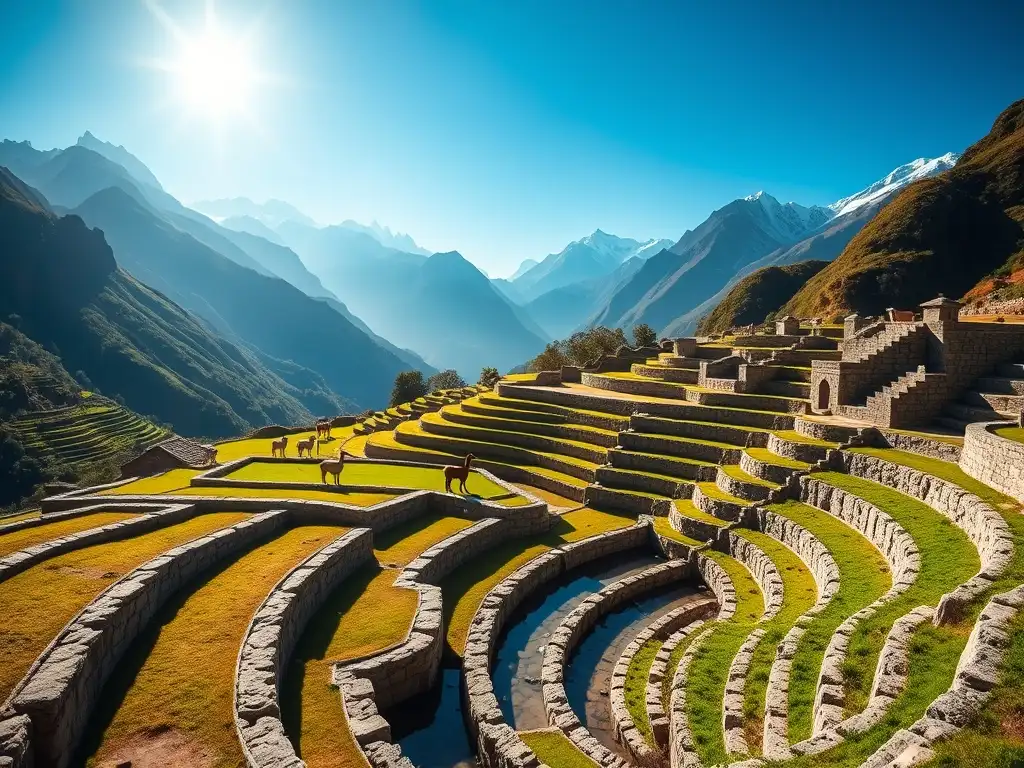
Unravel the mysteries of the Andes! Journey through time and discover the ingenuity of ancient civilizations, from the breathtaking artistry of the Nazca lines to the sophisticated urban planning of Tiahuanaco. But prepare to be amazed by the Inca Empire's mastery of water, a feat of engineering that secured their survival. Dive into the fascinating world of Inca irrigation systems – a testament to their advanced knowledge and resourcefulness. Read on to uncover the secrets behind their remarkable achievements and learn how they shaped a civilization that still captivates us today.
The Inca Empire, renowned for its sophisticated social structures and architectural marvels, also possessed a remarkable understanding of hydraulic engineering. Their survival, particularly in the challenging Andean terrain, hinged on their ability to effectively manage water resources. This article delves into the ingenuity of Inca irrigation systems, exploring their design, construction, and lasting impact on the empire's prosperity and longevity.
We will examine how these intricate networks not only sustained agriculture but also shaped the social and political landscape of the Inca civilization, highlighting their mastery of water control as a crucial element of their success. The effectiveness of Inca irrigation systems serves as a testament to their advanced engineering capabilities and their deep understanding of their environment, offering valuable lessons even today in sustainable water management.
Understanding the intricacies of Inca irrigation systems is key to comprehending the very foundation of the Inca Empire's power and resilience. We will explore specific examples, highlighting the challenges overcome and the innovative solutions implemented.
The Challenges of Andean Agriculture
The Andes Mountains present a formidable challenge for agriculture. Steep slopes, unpredictable rainfall, and high altitudes create harsh conditions. Traditional farming techniques would have yielded meager results. The Incas, however, overcame these obstacles through the development of sophisticated irrigation systems, demonstrating remarkable adaptability and ingenuity.
They harnessed scarce water resources with a level of precision and planning rarely seen in pre-industrial societies. Their success was not merely a matter of technical skill, but also required a deep understanding of hydrology, topography, and the seasonal variations of water availability in the diverse Andean ecosystems. This understanding allowed them to create sustainable systems that supported a large and densely populated empire. The sheer scale of their projects is astonishing, considering the tools and technology available at the time.
Inca Irrigation Techniques: Canals, Aqueducts, and Reservoirs
Inca irrigation systems were characterized by a complex network of canals, aqueducts, and reservoirs. These weren't simply haphazard ditches; they were meticulously planned and constructed using advanced techniques.
- Canals: These carried water from rivers and streams over long distances, often across challenging terrain. The Incas employed sophisticated techniques to ensure a consistent water flow, including the use of graded channels and strategically placed diversion structures. They often lined canals with stone to prevent erosion and leakage, showcasing their understanding of material science.
- Aqueducts: Where canals couldn't follow the contours of the land, aqueducts were built to carry water across valleys and ravines. Some aqueducts were remarkably long and high, a testament to their mastery of stonework and engineering principles. The construction of these aqueducts required a significant investment of labor and resources, reflecting the importance of water to the Inca economy.
- Reservoirs: To store water during the dry season, the Incas constructed reservoirs of varying sizes. These reservoirs played a crucial role in ensuring a reliable water supply for agriculture, particularly in areas with unreliable rainfall. The design and location of these reservoirs demonstrate a deep understanding of hydrology and water management principles.
The construction and maintenance of Inca irrigation systems were not simply engineering feats; they were also deeply intertwined with the social and political organization of the empire. The mita, a system of mandatory labor, was crucial in the construction and upkeep of these vital infrastructure projects. The efficient distribution of water was essential for maintaining social order and preventing conflicts over scarce resources. Control over water resources also conferred significant power, highlighting the importance of irrigation in the Inca political system.
The organization required for such large-scale projects reflects the sophisticated administrative capabilities of the Inca state. The success of the Inca irrigation systems was not only a technological achievement but also a testament to their effective governance and social organization. The intricate network of canals and reservoirs not only provided water for agriculture but also served as a symbol of Inca power and control.
Legacy of Inca Water Management
The legacy of Inca water management continues to resonate today. Many of their irrigation systems are still in use, a testament to their durability and ingenuity. Their innovative techniques offer valuable lessons for modern water management practices, especially in regions facing water scarcity.
The Inca approach to water management, characterized by sustainability and community involvement, provides a valuable case study for contemporary efforts to address water challenges. The principles of careful planning, community participation, and sustainable resource management employed by the Incas remain remarkably relevant in the 21st century. Their achievements serve as a powerful reminder of the importance of responsible water stewardship.
The study of Inca irrigation systems provides valuable insights into sustainable practices and offers inspiration for future water management strategies. The intricate networks built by the Inca continue to inspire researchers and engineers alike. The effectiveness and longevity of these systems are a striking example of human ingenuity and adaptation to challenging environments.
- The Challenges of Andean Agriculture
- Inca Irrigation Techniques: Canals, Aqueducts, and Reservoirs
- Social and Political Implications of Inca Irrigation
- Legacy of Inca Water Management
The Importance of Water in the Inca Empire

Water was not merely a necessity for the Inca Empire; it was the lifeblood of their civilization. Their ingenuity in harnessing and managing water resources directly correlates with their impressive agricultural achievements and the overall prosperity of their vast empire, spanning across diverse and challenging Andean terrains. Understanding the Inca's relationship with water is crucial to grasping the complexity and sophistication of their society.
The intricate network of Inca irrigation systems they developed wasn't simply a feat of engineering; it was a testament to their deep understanding of their environment and their profound spiritual connection to the natural world. This section will delve into the significance of water in various aspects of Inca life, highlighting the challenges they faced and the innovative solutions they implemented.
Water as a Sacred Resource for the Incas
For the Incas, water was far more than a practical resource; it held immense spiritual significance. They revered water as a sacred element, a gift from the gods, essential for life and fertility. Many Inca ceremonies and rituals centered around water sources, such as springs and rivers. These were not just places of practical importance; they were sites of veneration and worship.
Evidence suggests that specific water sources were associated with particular deities, and their maintenance and protection were crucial religious duties. The Inca worldview deeply intertwined the spiritual and the physical, and their approach to water management reflected this holistic perspective. The careful planning and construction of their Inca irrigation systems weren't just about practicality; they were also acts of reverence, demonstrating respect for the sacred nature of water. Think of the intricate sucanas (water channels) – not just conduits but sacred pathways for the life-giving fluid.
The meticulous care taken in their construction and maintenance highlights the profound respect the Incas held for this vital resource. This spiritual dimension played a crucial role in the success of their water management strategies, fostering a sense of collective responsibility and ensuring the long-term sustainability of their systems. The reverence for water fostered a culture of conservation and responsible use, an ethos that contributed significantly to the empire's longevity.
The Role of Water in Inca Agriculture
The Inca Empire's agricultural prowess was largely contingent upon their mastery of water management. The challenging Andean terrain, characterized by steep slopes, high altitudes, and variable rainfall, demanded innovative solutions. The Incas rose to this challenge by developing sophisticated Inca irrigation systems, including extensive networks of canals, aqueducts, and terraces. These systems allowed them to cultivate crops in otherwise unsuitable areas, maximizing agricultural output and ensuring food security for their large population.
The waru waru system, a unique form of raised-field agriculture, is a prime example of their ingenuity. This system involved creating raised beds separated by canals, which helped retain moisture, regulate temperature, and improve soil fertility. This system allowed for increased yields even in arid regions, showcasing the Incas' deep understanding of both hydrology and soil science. Furthermore, the construction of extensive terraces transformed steep mountain slopes into productive farmland, further increasing agricultural capacity.
This intricate network of Inca irrigation systems wasn't just about transporting water; it was about strategically managing water resources to optimize agricultural productivity across diverse environments. The scale and complexity of these projects are impressive, highlighting the advanced engineering skills and sophisticated organizational capabilities of the Inca civilization. Detailed records, though scarce, suggest a highly organized system of labor and resource allocation, underpinning the success of their agricultural endeavors.
Challenges of Water Scarcity in the Andes
Despite their advanced water management techniques, the Incas faced significant challenges related to water scarcity. The Andes are characterized by highly variable rainfall patterns, with some regions experiencing prolonged droughts. These droughts could severely impact agricultural production and threaten the food supply of entire communities. To mitigate these risks, the Incas developed a range of strategies, including the construction of reservoirs and storage facilities to collect and store rainwater during periods of abundance.
They also employed sophisticated techniques for water harvesting, such as collecting condensation from fog and diverting meltwater from glaciers. Evidence suggests that they carefully monitored water levels and implemented water rationing measures during periods of scarcity. The management of water resources was clearly a complex and dynamic process, requiring constant adaptation and innovation to meet the changing demands of the environment. The Inca's response to water scarcity demonstrates their resilience and adaptability, showcasing their ability to develop sustainable solutions in the face of environmental challenges.
Their experience offers valuable lessons for modern water management strategies, particularly in regions facing similar environmental constraints. Further research into the specific techniques employed and the social structures that supported these water management strategies would provide a more complete understanding of their achievements. The impact of climate change on water availability in the Andes further highlights the relevance of studying the Inca's experience in addressing water scarcity.
Inca Irrigation Systems: A Marvel of Engineering

The Inca Empire, renowned for its sophisticated social structures and architectural prowess, also possessed a remarkable understanding of hydraulic engineering. Their mastery of water management, particularly their extensive irrigation systems, was crucial to their agricultural success and the overall sustenance of their vast empire. This intricate network of canals, aqueducts, and terraces allowed them to cultivate crops in diverse and challenging terrains, transforming arid landscapes into productive farmland.
The ingenuity of their techniques, adapted to the specific geographical conditions across the Andes, remains a testament to their engineering skills and their deep connection to the environment. Understanding these systems provides valuable insights into Inca societal organization, resource management, and their remarkable ability to thrive in a demanding environment. The effectiveness of these Inca irrigation systems is a key factor in explaining the empire's longevity and prosperity.
Understanding Inca Hydraulic Engineering
Inca hydraulic engineering wasn't merely about digging ditches; it was a sophisticated system incorporating meticulous planning, precise execution, and a deep understanding of water flow and topography. They employed a variety of techniques, including:
- Canal Construction: Canals were carefully designed and built using stone, earth, and other readily available materials. The gradients were meticulously calculated to ensure a steady flow of water, avoiding erosion and maximizing efficiency. Some canals were remarkably long, transporting water across significant distances to reach distant fields.
- Aqueducts: For crossing valleys or ravines, the Inca utilized impressive aqueducts, often constructed from carefully fitted stone blocks. These structures demonstrated a sophisticated understanding of gravity and pressure, ensuring a consistent water supply even across challenging terrain.
- Water Storage: In addition to transportation, the Inca also developed innovative methods for water storage. This included the construction of reservoirs, which helped to regulate water flow and provide a reserve during periods of drought. These reservoirs were often integrated into the overall irrigation system, demonstrating a holistic approach to water management.
- Diversion Systems: The Inca were adept at diverting water from rivers and streams, channeling it into their irrigation networks. They used sophisticated techniques to control water flow, ensuring that sufficient water reached all parts of their agricultural lands. This often involved the construction of weirs and other structures to regulate the flow of water.
The Inca's success stemmed from their ability to adapt their techniques to the specific conditions of each region. They understood the importance of maintaining the integrity of the system, regularly inspecting and repairing canals and other structures to ensure a continuous supply of water. This involved a considerable workforce and a high degree of organizational skill, highlighting the central role of water management in their society.
Types of Inca Irrigation Techniques
The Inca weren't limited to a single approach; they employed a range of irrigation techniques depending on the specific geographical and environmental challenges. This adaptability is a key factor in their success. Some examples include:
- Surface Irrigation: This was the most common method, involving open canals that carried water directly to the fields. The gradient of the canals was crucial for efficient water distribution.
- Subsurface Irrigation: In some areas, particularly where water scarcity was a concern, subsurface irrigation was employed. This involved the use of porous materials to allow water to seep into the ground, minimizing evaporation and improving water retention.
- Gravity-fed Systems: The Inca cleverly utilized the natural topography of the Andes, employing gravity to transport water across long distances. This minimized the need for pumps or other mechanical devices, demonstrating their practical understanding of physics.
- Siphons and Tunnels: For traversing obstacles like hills or valleys, the Inca used siphons and tunnels to transport water. These impressive feats of engineering highlight their advanced knowledge of hydraulics.
| Irrigation Technique | Description | Advantages | Disadvantages |
|---|---|---|---|
| Surface Irrigation | Open canals carrying water directly to fields. | Simple, relatively inexpensive. | Prone to water loss through evaporation and seepage. |
| Subsurface Irrigation | Water seeps into the ground through porous materials. | Minimizes evaporation, improves water retention. | Requires careful planning and execution. |
| Gravity-fed Systems | Uses gravity to transport water. | Energy-efficient, reliable. | Limited by topography. |
| Siphons and Tunnels | Used to transport water across obstacles. | Allows for water transport across challenging terrain. | Complex construction, requires skilled labor. |
Terraces and their Role in Water Management
Inca terraces are perhaps the most visually striking example of their water management prowess. These meticulously constructed agricultural platforms, carved into hillsides, served multiple purposes:
- Increased Cultivable Land: Terraces dramatically increased the amount of land available for cultivation, maximizing agricultural output in mountainous regions.
- Water Conservation: The terraced design helped to retain water, preventing erosion and runoff. The flat surfaces of the terraces allowed for efficient irrigation, minimizing water waste.
- Erosion Control: Terraces acted as barriers against soil erosion, protecting the fertile topsoil from being washed away by rainfall. This ensured long-term agricultural productivity.
- Microclimates: The terraced structure created microclimates, modifying the local temperature and humidity to benefit specific crops. This allowed for the cultivation of a wider variety of plants.
The construction of Inca terraces was a monumental undertaking, requiring a significant workforce and advanced engineering skills. The precision and scale of these structures are remarkable, reflecting the Inca's deep understanding of agriculture and their commitment to sustainable resource management. The enduring legacy of Inca terraces is a testament to their ingenuity and their ability to adapt to the challenges of the Andean environment.
The meticulous planning and execution involved in creating these Inca irrigation systems, specifically their use of terraces, showcase the empire's remarkable capabilities. The design and construction of terraces significantly contributed to the empire's agricultural success and overall stability.
Construction and Design of Inca Waterworks
The Inca Empire's mastery of water management is a testament to their advanced engineering skills and deep understanding of their environment. Their impressive irrigation systems, crucial for sustaining a large population and intensive agriculture in diverse terrains, weren't haphazardly constructed. Instead, they represent a sophisticated approach to water control, reflecting careful planning, precise execution, and remarkable adaptability to varied geographical challenges.
The scale and complexity of these systems, stretching across vast distances and varying altitudes, are truly remarkable and continue to inspire awe and wonder. Understanding the construction and design of these waterworks offers a window into the ingenuity and resilience of Inca civilization. This section delves into the specifics of their construction methods, showcasing the technological prowess of the Inca engineers.
Materials Used in Inca Canal Construction
Inca canal construction showcased an impressive understanding of both material science and environmental adaptation. The choice of materials varied depending on the specific location and the needs of the project. Stone, readily available in the Andes, was a primary building material.
However, it wasn't just any stone; the Incas selected stones with specific properties – durability, resistance to erosion, and ease of shaping – to ensure the longevity and efficiency of their canals. Larger stones were carefully fitted together without mortar, a testament to their advanced stone-cutting and masonry techniques. This technique, known as ashlar masonry, resulted in incredibly strong and watertight structures.
Smaller stones and earth were used to fill gaps and reinforce the canal walls, particularly in less stable areas. In some cases, clay and other binding agents were employed to improve stability and water retention. The selection and use of these materials were highly context-specific, reflecting a deep understanding of local geology and hydrological conditions. For example, in areas prone to flooding, they might employ stronger, more resistant stones, while in areas with more stable terrain, they might use a mixture of stone and earth.
This adaptability is a key element in understanding the success of Inca irrigation systems. The use of readily available materials minimized transport costs and environmental impact, demonstrating a sustainable approach to construction. Archaeological evidence consistently supports this nuanced approach to material selection, revealing the meticulous planning that went into each project.
The Precision of Inca Engineering Techniques
The precision evident in Inca water management systems is astonishing. Their engineers demonstrated a remarkable ability to create perfectly graded canals, ensuring a consistent water flow across significant distances and varying terrains. This involved an intricate understanding of surveying and leveling techniques, often achieved without the sophisticated instruments available to later civilizations. They cleverly utilized natural contours and strategically placed channels to minimize the need for extensive earthworks, maximizing efficiency and minimizing disruption to the landscape. Evidence suggests they employed sophisticated leveling techniques, potentially using rudimentary instruments or relying on visual cues and careful observation.
Furthermore, the construction of aqueducts, siphons, and other water-control structures highlights their advanced understanding of hydraulics. They understood the principles of pressure and flow, employing innovative solutions to overcome obstacles such as valleys and mountains. For instance, they constructed ingenious systems of tunnels and bridges to carry water across challenging terrain, demonstrating a remarkable grasp of engineering principles.
The integration of these structures into the landscape was seamless, minimizing environmental impact while maximizing functionality. The longevity of many of these structures is further testament to the precision and skill of their construction. Detailed analysis of surviving structures reveals a level of precision that surpasses many later engineering projects.
The Function of Aqueducts and Reservoirs
Aqueducts and reservoirs played vital roles within the broader Inca irrigation system, acting as crucial components in a complex network designed to manage water resources effectively. Aqueducts, often constructed from stone, were used to transport water across valleys and other obstacles, enabling the irrigation of otherwise inaccessible land. These impressive structures, some of which spanned considerable distances, showcased the Inca's mastery of hydraulic engineering and their ability to overcome geographical challenges. Their design often incorporated ingenious methods for controlling water flow, preventing leaks and maintaining a consistent supply.
Reservoirs, on the other hand, served as vital storage facilities, collecting water during periods of high rainfall and releasing it during dry periods. This ensured a continuous water supply for agriculture, even during times of scarcity. The construction of reservoirs involved careful site selection, considering factors such as water capacity, soil stability, and proximity to agricultural land. The size and design of reservoirs varied depending on local needs and available resources.
Some were relatively small, serving local communities, while others were large-scale projects capable of supporting extensive agricultural areas. The strategic placement and design of both aqueducts and reservoirs demonstrate a sophisticated understanding of water resource management and a commitment to ensuring the sustainability of Inca agriculture. The effective functioning of these systems was critical to the success of Inca civilization and its ability to support a large and thriving population.
Key Inca Irrigation Systems and Sites
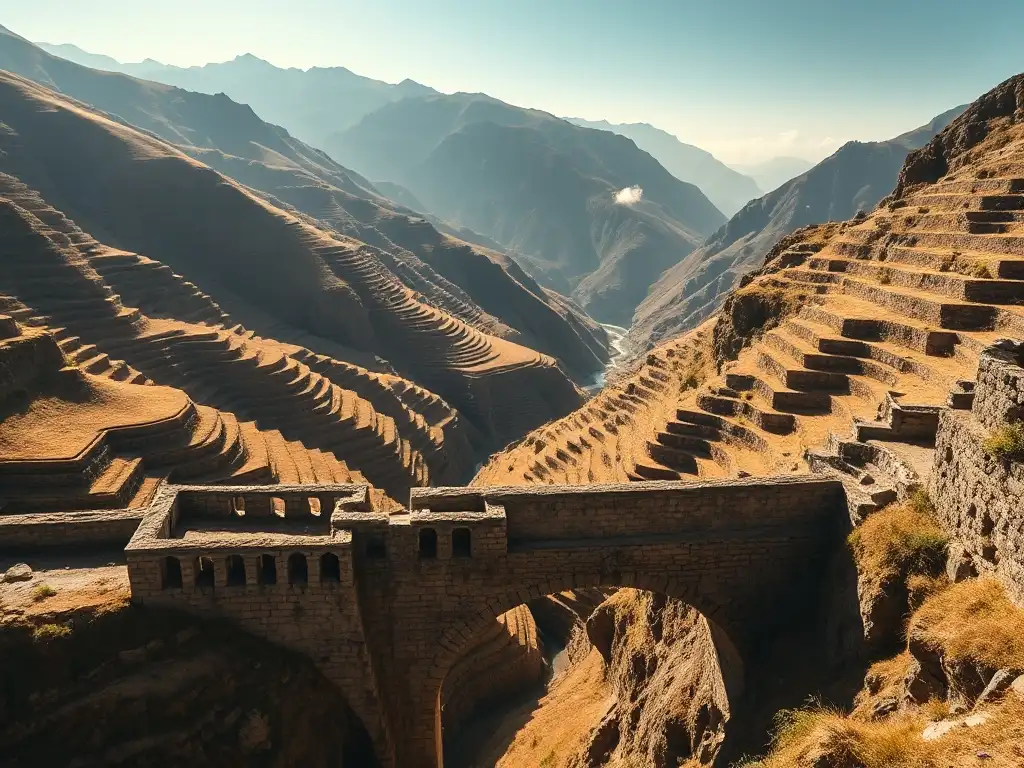
The Inca Empire, renowned for its sophisticated infrastructure, developed incredibly effective irrigation systems crucial for its agricultural success and the sustenance of its vast population. These weren't merely canals; they represented a complex interplay of engineering, societal organization, and deep understanding of Andean geography. The ingenuity of Inca irrigation is evident in the scale of projects, the adaptation to diverse terrains, and the long-lasting impact on the landscape.
Understanding these systems provides valuable insight into the advanced technological capabilities and resource management strategies of the Inca civilization, directly impacting their ability to thrive in challenging environments. The effective management of water resources was fundamental to the Inca's economic and political power, ensuring food security and stability across their expansive empire. Several key sites highlight the diverse approaches employed by Inca engineers.
Tipón: A Complex Water Management System
Tipón, located near Cusco, Peru, showcases the pinnacle of Inca water management. This site isn't just about irrigation; it's a testament to their mastery of hydraulic engineering. The system features a network of canals, aqueducts, and fountains, drawing water from springs high in the Andes. The water was meticulously channeled down the mountainside, utilizing a sophisticated system of pressure and gravity to irrigate terraced agricultural fields.
What's truly remarkable is the precision of the engineering. The canals, carved into the rock, were designed to minimize water loss through evaporation and leakage. The system also included ingenious mechanisms for regulating water flow, ensuring an even distribution across the fields. The presence of multiple fountains and water features suggests that the site may have also served ceremonial and aesthetic purposes, highlighting the integration of practical and symbolic elements in Inca society.
The complexity and scale of the Tipón system underscore the significant investment the Inca made in water management, reflecting its central role in the empire's economy and spiritual life. Further research is needed to fully understand the long-term sustainability of this impressive system and its impact on the surrounding ecosystem. [Specific data on water flow rates and canal dimensions pending].
Moray: Agricultural Terraces and Water Experimentation
Moray, another remarkable site near Cusco, offers a unique perspective on Inca agricultural practices and water management. Instead of a linear canal system like Tipón, Moray features a series of concentric circular terraces descending into a deep depression. These terraces, varying in altitude, created distinct microclimates, allowing the Inca to experiment with different crops and growing conditions.
Water was channeled strategically between the terraces, creating a controlled environment for agricultural experimentation. The temperature variations between the terraces, combined with the controlled water supply, enabled the cultivation of a wide range of crops, from frost-sensitive plants at the higher altitudes to more heat-tolerant varieties at the lower levels. This innovative approach to agriculture suggests a sophisticated understanding of environmental factors and their impact on crop yields.
Moray is not just an irrigation system; it's an agricultural laboratory, demonstrating the Inca's commitment to innovation and their ability to adapt their farming techniques to diverse environmental conditions. The precise mechanisms for water distribution within the terraces remain a subject of ongoing research, but the site’s design clearly demonstrates a remarkable level of agricultural and engineering expertise. This focus on experimentation contributed significantly to the Inca's agricultural success and food security.
Analyzing the Effectiveness of Inca Water Projects
The effectiveness of Inca irrigation systems can be assessed through multiple lenses. Firstly, their longevity speaks volumes. Many of these systems, or remnants thereof, are still visible today, attesting to their robust construction and effective design. Secondly, the scale of the projects, encompassing vast areas and supporting large populations, highlights their success in providing reliable water access for agriculture.
Thirdly, the diversity of techniques employed, as seen in the contrasting approaches at Tipón and Moray, demonstrates adaptability and a deep understanding of local environmental conditions. However, challenges remain in fully quantifying the success of these systems. Precise data on crop yields and water usage efficiency are often difficult to obtain. Furthermore, the impact of Inca irrigation on the environment, both positive and negative (e.g., potential soil erosion or changes in water tables), requires further investigation.
Future research should focus on integrating archaeological evidence with hydrological modeling to gain a more comprehensive understanding of the long-term ecological and societal impacts of Inca water management. The study of Inca irrigation systems offers valuable lessons for modern water resource management, particularly in regions facing similar environmental challenges. The Inca's ingenuity and sustainable practices provide valuable insights for addressing contemporary issues of water scarcity and agricultural sustainability. Understanding their strategies is crucial for developing innovative and effective approaches to water management in the 21st century.
Inca Agricultural Practices and Water Usage
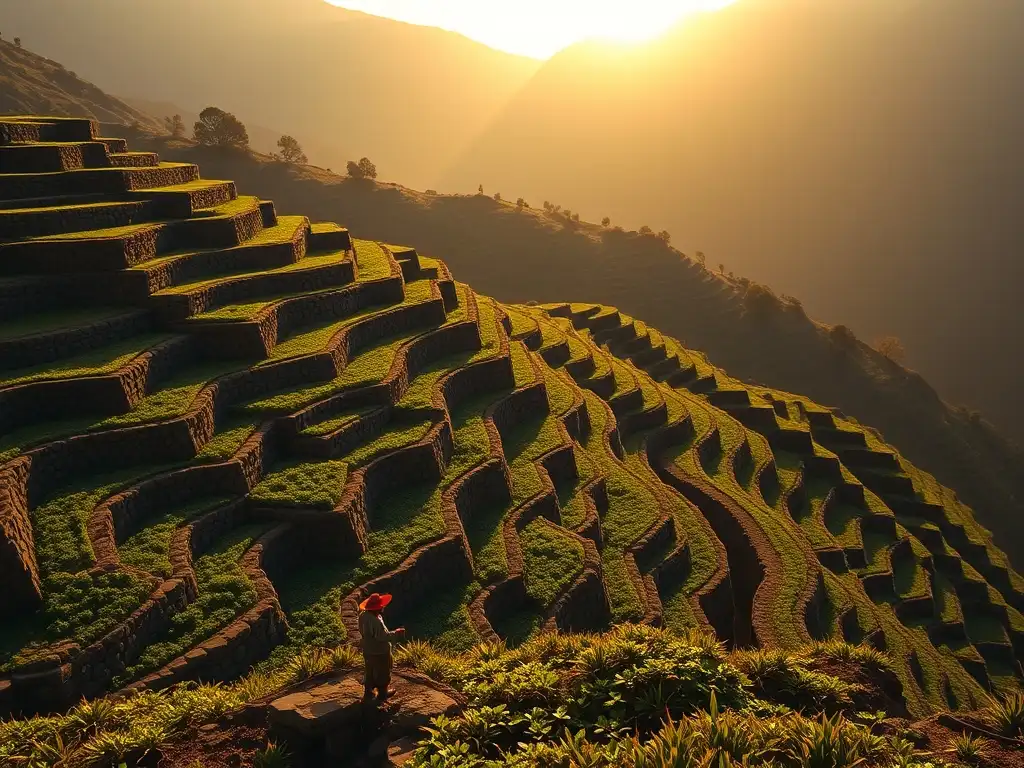
The Inca Empire's success hinged on its sophisticated agricultural practices, particularly its mastery of water management. Their ability to cultivate diverse crops across varied terrains, from the arid coastal deserts to the high-altitude Andes, was directly linked to their ingenious Inca irrigation systems. This section explores the intricate relationship between Inca agriculture and water usage, showcasing their remarkable engineering skills and deep understanding of their environment. The effectiveness of their techniques ensured food security and sustained population growth, contributing significantly to the empire's power and longevity.
Crop Selection and Irrigation Needs
Inca farmers exhibited a keen awareness of the specific water requirements of different crops. Their selection wasn't arbitrary; it was a carefully considered strategy based on the available water resources and the characteristics of the terrain. For instance, crops like maize (corn), a staple of the Inca diet, demanded substantial water, necessitating proximity to reliable irrigation channels. These channels, often carved into mountain slopes, channeled meltwater from glaciers and rivers to thirsty fields.
In contrast, more drought-tolerant crops, such as quinoa and potatoes, could be cultivated in areas with less abundant water sources, although supplemental irrigation was often employed to maximize yields. The diversity of crops cultivated reflected a sophisticated understanding of both hydrology and agricultural science. This careful selection and placement of crops, considering their irrigation needs, was a crucial element of their agricultural success.
The Inca's understanding extended beyond simple water availability. They factored in soil types and microclimates. Terracing, for instance, wasn't just about creating level planting surfaces; it was about optimizing water retention and drainage in different soil conditions. This intricate approach to cultivation ensured efficient water use and maximized crop yields, even in challenging environments. Detailed records, though not extensively available, suggest sophisticated crop rotation techniques were also employed to maintain soil fertility and further optimize water usage. Further research into Inca agricultural archives could reveal even more about their nuanced approach to crop selection and irrigation.
The Relationship between Irrigation and Food Production
The correlation between the sophistication of Inca irrigation systems and the empire's food production is undeniable. The scale of their engineering projects is impressive; vast networks of canals, aqueducts, and terraces covered extensive areas. These systems not only provided water for crops but also regulated water flow, preventing flooding and erosion. The effectiveness of these systems is evident in the high agricultural yields achieved, supporting a large and densely populated empire. Studies of archaeological sites consistently reveal evidence of abundant food production, a testament to the success of their water management strategies.
Data on specific crop yields is unfortunately limited. However, considering the empire's size and population, the sheer volume of food required necessitates a highly efficient agricultural system. The Inca's ability to cultivate diverse crops across varying altitudes and climates, all facilitated by their irrigation systems, ensured a reliable food supply, minimizing the risk of famine and maximizing the empire's resilience. This, in turn, fostered social stability and economic prosperity, contributing to the empire's remarkable longevity. The intricate integration of irrigation and food production was a key factor in the Inca's success.
Inca Agricultural Calendar and Water Distribution
The Inca agricultural calendar was deeply intertwined with their water management practices. The calendar wasn’t just a means of tracking time; it was a vital tool for planning and coordinating agricultural activities around seasonal water availability. Specific tasks, such as canal maintenance, planting, and harvesting, were scheduled to coincide with the rainy and dry seasons. This precise timing was crucial for maximizing the effectiveness of their irrigation systems. The Inca irrigation systems weren't static; they required continuous maintenance and adaptation.
The intricate network of canals and aqueducts needed regular cleaning to prevent blockages and ensure efficient water flow. The calendar guided this maintenance, ensuring that crucial tasks were undertaken at the optimal time. Furthermore, water distribution was often managed on a community basis, with ayllus (kinship-based communities) responsible for the upkeep and equitable distribution of water within their designated territories.
This communal approach ensured the sustainability of the irrigation systems and promoted cooperation among farmers. The integration of the agricultural calendar and water management demonstrates the Inca's sophisticated organizational and logistical skills, vital for the success of their agricultural practices and the overall stability of their empire. Further research into the specific details of the Inca calendar and its correlation with water management practices would provide a deeper understanding of this crucial aspect of their civilization.
The Impact of Inca Water Management on Society
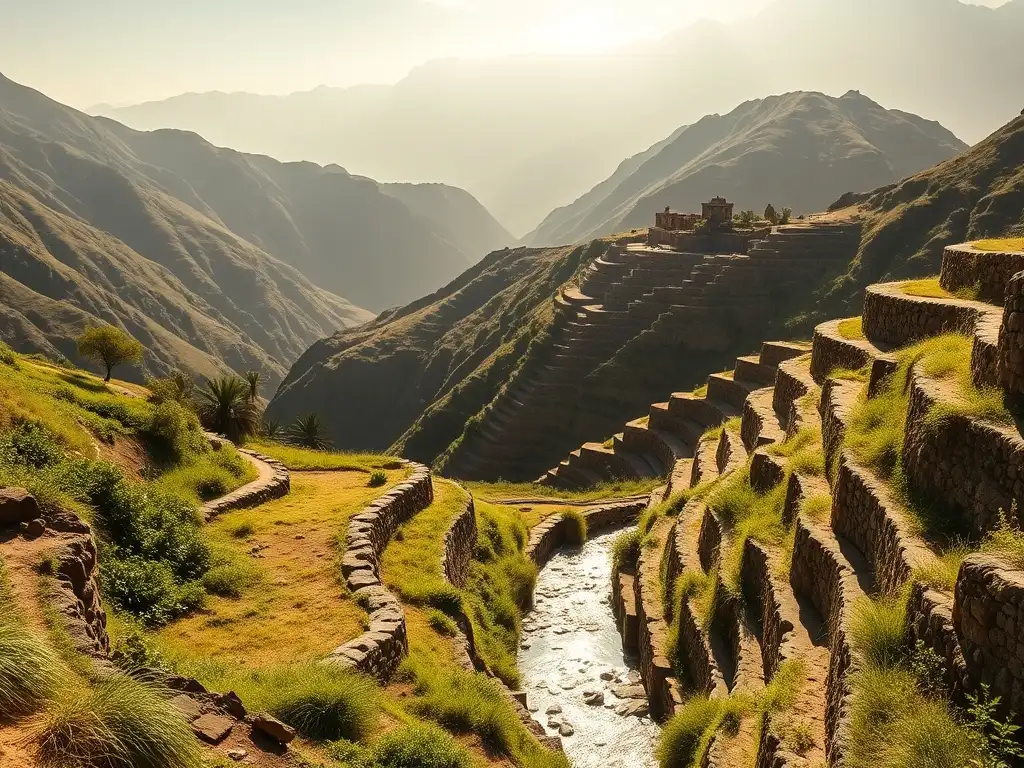
The Inca Empire's success was intrinsically linked to its mastery of water management. Their sophisticated irrigation systems, far from being merely technological achievements, profoundly shaped Inca society, influencing its social structure, political organization, and even its religious beliefs. Understanding the impact of Inca irrigation systems allows us to grasp the complexity and ingenuity of this remarkable civilization. The keyword "Inca irrigation systems" is central to this understanding, as it highlights the crucial role water played in all facets of Inca life.
Inca society was highly structured, with a hierarchical system that extended to the management of water resources. Ayllus, or community groups, played a vital role in the construction and maintenance of irrigation canals. This collaborative effort fostered a sense of community and shared responsibility, crucial for the success of large-scale irrigation projects. The allocation of water, a precious resource, was carefully regulated, reflecting the Inca’s understanding of the importance of equitable distribution. Evidence suggests that water rights were tied to land ownership and social standing, with higher-ranking individuals potentially having access to more water. This system, while potentially creating inequalities, also ensured that water resources were used efficiently and sustainably, contributing to the overall stability of the empire. Detailed records of water allocation, though unfortunately often incomplete, are crucial to understanding the intricate social dynamics surrounding water management within the Inca Empire. The intricate network of canals and aqueducts wasn't just a feat of engineering; it was a testament to the Inca's social organization and ability to mobilize large-scale labor for the common good.
The Role of the State in Irrigation Projects
The Inca state played a central role in planning, overseeing, and maintaining large-scale irrigation projects. Unlike some earlier Andean cultures where irrigation was primarily a local affair, the Inca expanded the scale and complexity of water management dramatically. This was facilitated by the Inca's centralized political structure and their ability to mobilize vast labor forces through the mita system.
The mita, a form of mandatory labor service, was instrumental in the construction of massive canals, terraces, and other water management infrastructure. The state's involvement ensured that irrigation projects were planned strategically, often connecting distant communities and facilitating trade and communication. It also meant that maintenance was carried out consistently, ensuring the long-term viability of these crucial systems.
The state’s control over water resources also extended to its use in agriculture, influencing crop production and food distribution throughout the empire. This centralized control, while potentially authoritarian, was fundamental to the empire's ability to support a large and complex population.
How Water Management Shaped Inca Society
The Inca irrigation systems were not merely functional; they were deeply intertwined with Inca cosmology and religious beliefs. Water was considered sacred, and its successful management was seen as a sign of divine favor. This sacred association further emphasized the importance of water in daily life, reinforcing the social structures and obligations surrounding its use.
The abundance of water, thanks to effective irrigation, supported a thriving agricultural sector, which in turn fueled population growth and economic prosperity. This prosperity, in turn, allowed for the development of sophisticated urban centers, monumental architecture, and a complex social hierarchy. The impact of the Inca irrigation systems extended beyond the immediate agricultural benefits; it shaped the very fabric of Inca society, influencing social organization, political power, religious beliefs, and the overall trajectory of the empire.
The ingenuity and scale of these systems remain a testament to the Inca's remarkable engineering skills and their profound understanding of the vital connection between water, society, and survival. The legacy of Inca irrigation systems continues to inspire awe and admiration, showcasing the enduring impact of effective water management on a civilization's success.
Legacy of Inca Water Management
The Inca Empire, renowned for its sophisticated social structures and architectural marvels, also possessed a remarkable understanding of hydraulic engineering. Their mastery of water management, particularly their intricate Inca irrigation systems, wasn't merely a feat of engineering; it was the cornerstone of their agricultural success and, ultimately, their empire's survival in the challenging Andean terrain. This sophisticated system, characterized by its adaptability to diverse environments and its resilience against environmental fluctuations, provides invaluable lessons for contemporary water resource management.
The ingenuity displayed in their canal construction, water storage techniques, and overall resource allocation continues to inspire researchers and engineers today. Understanding the nuances of Inca water management offers a unique perspective on sustainable resource utilization and the importance of community-based approaches to infrastructure development. The scale and complexity of their achievements stand as a testament to their advanced knowledge and societal organization.
Lessons from Inca Engineering for Modern Water Management
The Inca's approach to water management offers several key lessons applicable to modern challenges. Their emphasis on sustainable practices, evident in the careful planning and construction of their irrigation systems, is particularly relevant in a world facing increasing water scarcity. The Inca understood the importance of water conservation and employed techniques such as terracing, which minimized water runoff and maximized soil moisture retention. Their systems were designed to be resilient and adaptable, able to withstand droughts and other natural events. This resilience is crucial in the face of climate change, which is making water resources increasingly unpredictable.
Furthermore, the Inca irrigation systems highlight the importance of community involvement in water management. These projects were not undertaken by a centralized authority alone; rather, they involved the collective effort of communities, fostering a sense of shared responsibility and ownership. This communal approach ensured the long-term sustainability of the systems, as individuals had a vested interest in their upkeep and maintenance.
This stands in contrast to some modern approaches where water management is viewed as the sole responsibility of government agencies, potentially leading to neglect or unsustainable practices. The Inca model demonstrates the effectiveness of community-based management in ensuring the equitable distribution and responsible use of water resources. Modern projects could benefit from incorporating this collaborative ethos.
The Enduring Impact of Inca Irrigation on Andean Agriculture
The impact of Inca irrigation systems on Andean agriculture is profound and enduring. Even today, many agricultural practices in the Andes rely on the infrastructure built by the Inca, showcasing the remarkable longevity and effectiveness of their engineering. The terraces, canals, and aqueducts constructed centuries ago continue to provide water to fields, supporting a vital agricultural sector.
This legacy demonstrates the long-term benefits of investing in sustainable water infrastructure. The Inca's ability to transform harsh, mountainous terrain into fertile agricultural land is a testament to their skill and understanding of the environment. This success directly contributed to the empire's economic prosperity and its ability to support a large population.
The continued use of Inca irrigation systems highlights the lasting value of sustainable design and the importance of considering long-term impacts when developing water infrastructure. Their techniques allowed for the cultivation of diverse crops, contributing to food security and resilience within the empire.
The following table illustrates the diversity of crops cultivated thanks to Inca irrigation:
| Crop | Andean Region | Use |
|---|---|---|
| Potatoes | Throughout | Staple food, various varieties |
| Maize | Primarily lower altitudes | Staple food, animal feed |
| Quinoa | High altitudes | Staple food, high nutritional value |
| Beans | Various altitudes | Protein source, diverse varieties |
| Tomatoes | Various altitudes | Food, medicine |
Preservation and Study of Inca Water Systems
The preservation and study of Inca water systems are crucial for understanding both their historical significance and their potential for informing modern practices. Archaeological research continues to uncover new details about the complexity and ingenuity of these systems, revealing sophisticated techniques that are still relevant today. Efforts to preserve existing infrastructure are essential not only for historical preservation but also for ensuring the continued productivity of Andean agriculture.
Many of these systems face threats from neglect, climate change, and urbanization. Therefore, understanding their vulnerability is key to developing effective conservation strategies. The study of Inca irrigation can inform the design of more resilient and sustainable water management systems in modern contexts, particularly in regions with similar environmental challenges.
This includes incorporating traditional knowledge alongside modern engineering techniques to achieve optimal results. The ongoing investigation into Inca water management offers valuable insights into sustainable resource utilization and community-based infrastructure development. Preserving this legacy is not only a matter of historical preservation but also a crucial step towards ensuring future water security.
Frequently Asked Questions
What made Inca irrigation systems so effective?
Inca irrigation systems were incredibly effective due to their sophisticated understanding of hydraulics and their use of terracing, canals, and aqueducts to manage water flow across diverse terrains. This allowed them to cultivate crops in otherwise arid regions.
How did the Incas manage water in different altitudes?
The Incas adapted their irrigation techniques to varying altitudes. They built systems capable of transporting water over long distances and across significant elevation changes, utilizing gravity and carefully engineered channels. This ensured water availability for farming at diverse heights.
What crops did the Inca irrigation systems support?
Inca irrigation systems supported a wide variety of crops vital to their survival, including potatoes, maize, quinoa, and beans. The reliable water supply enabled high agricultural yields and sustained a large population.
What materials did the Incas use to build their irrigation systems?
The Incas primarily used stone, earth, and wood in the construction of their irrigation systems. Their mastery of stonework is evident in the precision and durability of many canals and aqueducts that still exist today.
How did Inca irrigation systems contribute to their empire's success?
The efficient water management provided by Inca irrigation systems was crucial to the empire's success. It ensured food security, supported population growth, and fostered economic stability. Reliable agriculture was fundamental to their power and longevity.
Final Reflection: The Enduring Legacy of Inca Water Wisdom
The ingenuity of Inca water management systems remains a potent lesson in sustainable resource management, a lesson desperately needed in our era of climate change and increasing water scarcity. Their sophisticated understanding of hydrology and their commitment to community-based solutions offer a powerful counterpoint to modern, often unsustainable, approaches to water resource utilization. The challenges faced by the Inca, and their innovative responses, resonate deeply with the pressing issues we face today.
The impact of Inca irrigation on the Andes continues to shape the landscape and the lives of its people, a testament to the enduring power of well-designed infrastructure. Their systems weren't merely functional; they were integral to the social fabric, fostering cooperation and ensuring the survival of entire communities. Water is life, and without it, there is no civilization.
This simple truth, understood deeply by the Inca, holds even greater significance in our increasingly water-stressed world. Their achievements serve as a powerful reminder of the interconnectedness between human society and the natural environment.
Consider the ingenuity of the Inca for a moment. Imagine the collaborative effort, the meticulous planning, the unwavering dedication required to build and maintain such complex systems. Now, reflect on your own relationship with water. What steps can you take, in your daily life, to honor the legacy of Inca water wisdom? Can you conserve more effectively? Can you advocate for sustainable water practices in your community? Let the enduring legacy of the Inca inspire you to become a more responsible steward of this precious resource.
Unveil the Secrets of Inca Water Wisdom!
Thank you for exploring the fascinating world of Inca water management! You've learned how their innovative engineering enabled these ancient civilizations to thrive in challenging environments. Now, let's consider how to apply these valuable lessons to our modern world.
Here are some ways to connect more deeply with this knowledge:
- **Participate in local water conservation projects:** Become involved in community initiatives focused on sustainable water management.
- **Share your knowledge:** Discuss the remarkable Inca water techniques and their modern relevance with friends, family, or online.
- **Expand your research:** Learn about how other ancient civilizations overcame environmental obstacles, and draw parallels to contemporary challenges.
Which aspect of Inca water management most inspires you, and how could you apply these principles in your community?