
Valdivia's Agricultural Innovations: Mastering the Coastal Landscape

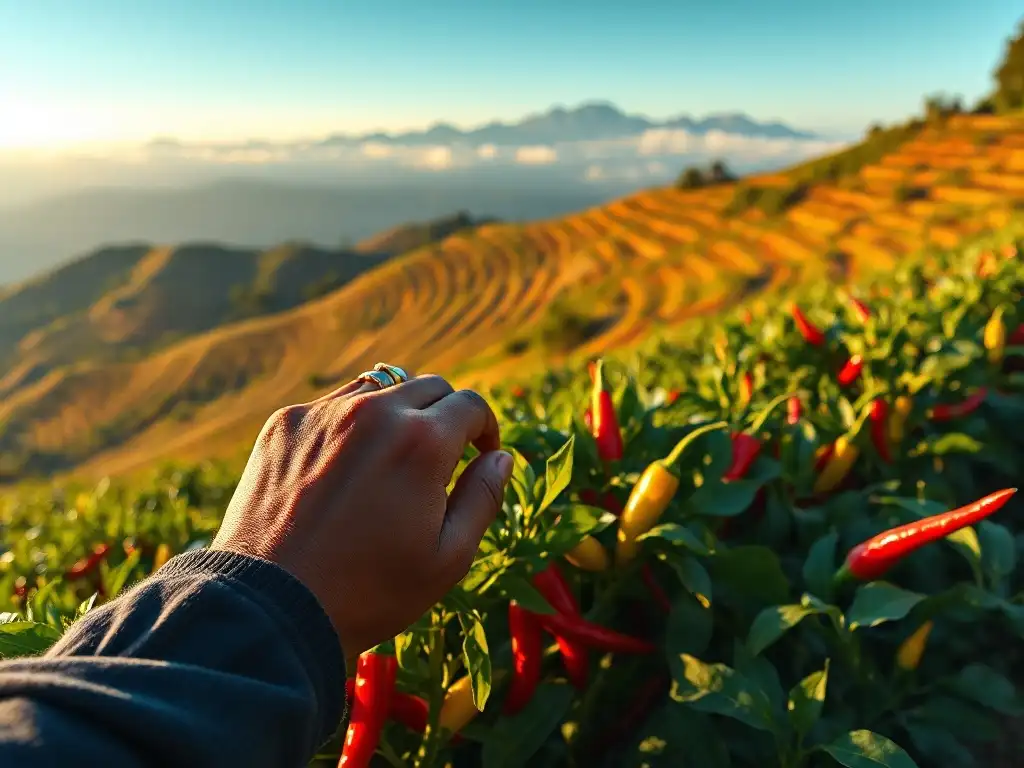
Step into a world lost to time, yet echoing with innovation. Forget everything you think you know about ancient agriculture. The Andean civilizations were masters of their environment, and nowhere is this more evident than in the astonishing Valdivia agricultural techniques employed along the challenging coastal landscape. Prepare to be amazed by the ingenuity of these early pioneers—their secrets to thriving in seemingly impossible conditions await discovery. Dive into the fascinating story of the Valdivia and unlock the mysteries of their remarkable achievements.
The Valdivia culture, flourishing along the coast of present-day Ecuador from approximately 3500 to 1800 BCE, stands as a testament to human ingenuity and adaptation. This article delves into the remarkable agricultural innovations employed by the Valdivia people, showcasing their mastery of a challenging coastal environment.
Their agricultural techniques, developed over centuries, allowed them to thrive in a region where resources were not readily available, laying the foundation for future Andean civilizations. We will explore the sophisticated methods they used to cultivate crops, manage water resources, and adapt to the unique ecological conditions of the Ecuadorian coast, highlighting the significance of agriculture in shaping their society and culture.
Understanding the Valdivia agricultural techniques provides invaluable insight into the resilience and ingenuity of early Andean societies and their profound impact on the development of agriculture in the region. This exploration of "Valdivia agricultural techniques" will reveal a fascinating story of human interaction with nature.
The Agricultural Prowess of the Valdivia Culture
Early Farming Practices in Coastal Ecuador
The Valdivia people were among the earliest agriculturalists in South America. Evidence suggests they cultivated a variety of crops, including squash, beans, and possibly maize (although the evidence for maize is still debated amongst researchers). Their success wasn't simply a matter of planting seeds; it involved a deep understanding of their environment and the development of sophisticated techniques to overcome the challenges posed by the coastal ecosystem.
Unlike the high-altitude Andean civilizations that relied on terracing, the Valdivia people faced a different set of constraints, namely the limited availability of freshwater and fertile soil in the coastal region. Their agricultural practices were thus uniquely adapted to this environment.
The Significance of Agriculture for Valdivia Society
Agriculture was not merely a means of subsistence for the Valdivia; it was integral to the very fabric of their society. The surplus produced through their agricultural innovations likely facilitated population growth, the development of settled villages, and the specialization of labor. The cultivation of crops allowed for a more stable food supply, reducing reliance on foraging and hunting.
This stability likely played a crucial role in the development of complex social structures and the emergence of early forms of social hierarchy within the Valdivia culture. The availability of surplus food also likely contributed to the development of trade networks and interactions with neighboring groups. Archaeological evidence suggests a relatively complex social organization, indicating the profound impact of their successful agricultural practices.
Valdivia Agricultural Techniques: Adapting to the Environment
Understanding the Unique Coastal Ecology of Valdivia
The coastal region inhabited by the Valdivia people presented unique challenges for agriculture. The soil was often sandy and lacked essential nutrients, while freshwater sources were scarce. The climate was characterized by distinct wet and dry seasons, demanding careful planning and resource management. The proximity to the ocean, while providing a source of protein, also introduced the risk of saltwater intrusion into freshwater sources and agricultural fields. Overcoming these challenges required ingenuity and a profound understanding of the local ecology. This understanding was crucial in developing successful agricultural strategies.
Innovative Water Management Techniques of the Valdivia People
Given the scarcity of freshwater, the Valdivia developed innovative water management techniques. While the specifics of these techniques are still being researched, evidence suggests the use of irrigation systems, possibly involving canals and channels to divert water from rivers and streams to agricultural fields. [Specific details on irrigation systems pending further research]. They may have also employed techniques to collect rainwater and manage groundwater resources effectively. The ability to access and manage water resources efficiently was undoubtedly a key factor in their agricultural success. The effective management of water resources was critical to their survival and prosperity.
Advanced Soil Management and Cultivation Strategies
To address the poor soil quality, the Valdivia likely employed advanced soil management techniques. This might have involved the use of organic fertilizers, such as compost, to enrich the soil and improve its fertility. [Specific details on fertilization techniques pending further research]. They may have also practiced crop rotation or other strategies to maintain soil health and prevent nutrient depletion. Their cultivation techniques likely incorporated knowledge of plant cycles and soil conditions to maximize yields. Understanding these techniques is crucial to fully appreciating their agricultural achievements. The Valdivia's success demonstrates a remarkable understanding of sustainable agricultural practices.
Key Crops Cultivated by the Valdivia
The Valdivia people, despite their coastal location, developed sophisticated agricultural techniques to thrive. Their success was built upon a diverse range of crops, carefully selected to maximize yields in their unique environment. The coastal climate, with its distinct wet and dry seasons, presented challenges, demanding resilient and adaptable crops. Understanding the specifics of Valdivia agriculture requires examining the key plants that formed the backbone of their food system.
The careful selection and cultivation of these crops showcase a deep understanding of plant biology and environmental adaptation. This knowledge, passed down through generations, allowed the Valdivia to create a sustainable and productive agricultural system in a challenging coastal setting. Their agricultural practices laid the foundation for later Andean civilizations, demonstrating the ingenuity and resilience of early coastal communities.
Maize Cultivation in Valdivia Agriculture
While maize (corn) is often associated with later Andean cultures, evidence suggests its presence, albeit perhaps in limited quantities, during the Valdivia period. Archaeological findings reveal the presence of small amounts of maize pollen and phytoliths in some Valdivia sites, indicating experimental cultivation or trade with inland communities. However, it's crucial to note that maize was not a dominant crop for the Valdivia, unlike its later prominence in the Andean region.
The environmental conditions along the coast, particularly the lack of extensive, flat, arable land, may have limited large-scale maize cultivation. The relatively small quantities found suggest its role was more supplementary than foundational to the Valdivia diet. Further research is needed to fully understand the extent of maize cultivation and its significance in the Valdivia agricultural system.
The Role of Beans and Squash in the Valdivia Diet
Beans and squash, however, played a much more significant role in the Valdivia diet. These crops were ideally suited to the coastal environment, requiring less intensive land preparation and irrigation than maize. Archaeological evidence points to the widespread cultivation of various bean and squash varieties.
The combination of beans and squash provided a balanced source of protein and carbohydrates, essential for a healthy diet. The cultivation of these complementary crops highlights the Valdivia's understanding of crop diversification and the importance of nutritional balance in their agricultural practices. This sophisticated approach to food production demonstrates a level of agricultural knowledge often underestimated in early coastal communities.
Other Essential Crops and Food Sources
Beyond beans and squash, the Valdivia likely cultivated other crops, although the evidence is less definitive. It's plausible that they cultivated various root vegetables adapted to the coastal soils and climate. Additionally, they were likely skilled in gathering wild plants, fruits, and seafood, which complemented their agricultural production.
This mixed subsistence strategy, combining agriculture and foraging, provided a resilient food system capable of weathering environmental fluctuations. The precise composition of the Valdivia diet remains an area of ongoing research, with new archaeological discoveries constantly refining our understanding of their foodways. The integration of agriculture and foraging provided a vital buffer against crop failure or environmental stresses.
Evidence of Valdivia Agricultural Practices
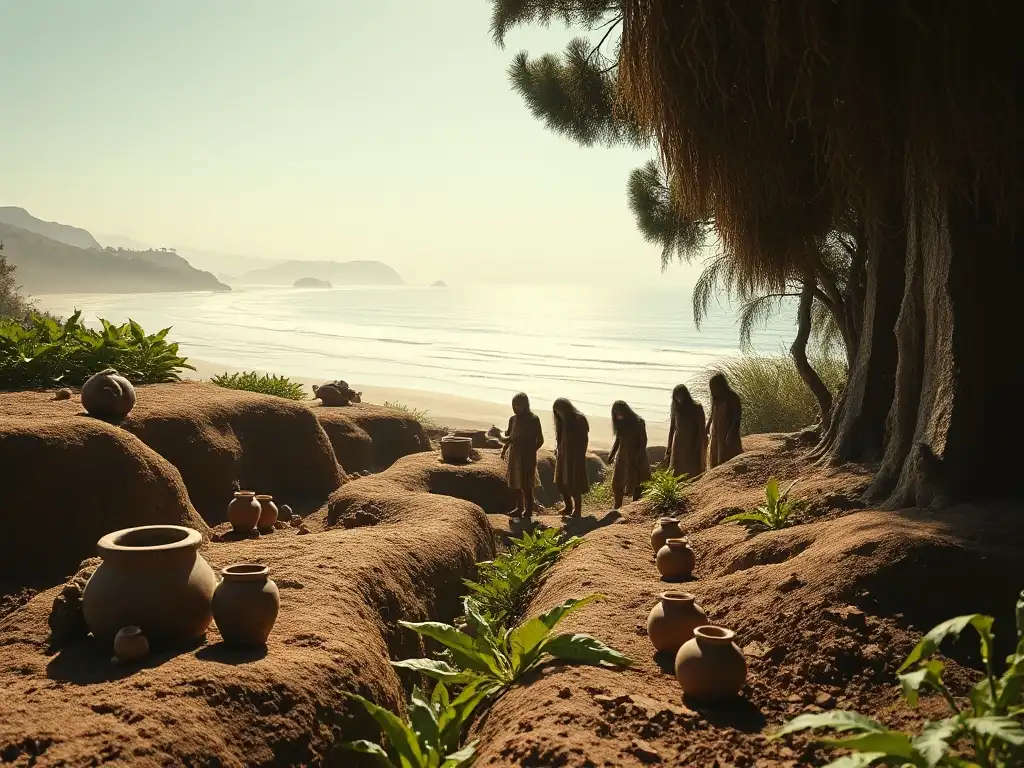
Understanding the agricultural practices of the Valdivia requires meticulous examination of archaeological evidence. The absence of extensive written records compels researchers to rely on indirect evidence to reconstruct their agricultural systems. The careful analysis of artifacts, plant remains, and settlement patterns provides crucial insights into their farming techniques and the organization of their agricultural activities. This evidence, pieced together from various sources, paints a picture of a sophisticated and adaptive agricultural system.
Archaeological Discoveries Revealing Valdivia Farming
Archaeological excavations at numerous Valdivia sites have unearthed compelling evidence of agricultural activity. The discovery of various types of seeds, pollen, and phytoliths in residential areas and storage facilities confirms the cultivation of crops. The presence of agricultural tools, such as grinding stones and manos, further substantiates the importance of agriculture in the Valdivia economy. The spatial distribution of settlements and agricultural fields suggests a planned approach to land use, reflecting an organized agricultural system. These discoveries provide tangible evidence of Valdivia agricultural practices, showcasing their skill and ingenuity.
Analysis of Tools and Implements Used in Agriculture
The tools and implements used by the Valdivia provide valuable insights into their agricultural techniques. Analysis of grinding stones, manos, and other tools reveals their purpose and effectiveness in processing crops. The materials used in crafting these tools, their design, and wear patterns offer clues about the types of crops cultivated and the methods employed in their cultivation. Careful examination of these artifacts sheds light on the technological sophistication of Valdivia agriculture. The diversity and complexity of these tools suggest a well-developed understanding of agricultural technology.
Agricultural Terraces and Fields: Valdivia Engineering
While less prominent than in later Andean cultures, evidence suggests the Valdivia might have employed rudimentary terracing techniques in some areas to maximize agricultural land and control water runoff. The precise extent of terracing is still under investigation, but the potential presence of such structures indicates a sophisticated understanding of land management and water conservation. This suggests a level of agricultural engineering that allowed the Valdivia to optimize their limited arable land.
Further research, including geophysical surveys and detailed site mapping, is needed to fully understand the extent of Valdivia terracing and its impact on their agricultural production. The potential use of terracing demonstrates a remarkable level of foresight and adaptation to the challenging coastal environment.
The Legacy of Valdivia Agricultural Techniques
The Valdivia culture's agricultural innovations weren't merely a means of subsistence; they represent a significant milestone in the development of Andean agriculture. Their mastery of coastal farming laid the groundwork for future advancements and profoundly influenced subsequent societies. The techniques they developed, honed over generations, demonstrated an intimate understanding of their environment and a remarkable capacity for adaptation.
This legacy extends far beyond the Valdivia period itself, shaping agricultural practices across the Andes for millennia. Their success wasn't simply about producing enough food; it was about creating a sustainable system capable of supporting a growing population in a challenging environment. The ingenuity and resourcefulness displayed by Valdivia farmers continue to inspire and inform our understanding of sustainable agriculture today.
Influence on Later Andean Farming Systems
Valdivia's agricultural techniques, particularly their sophisticated irrigation systems and crop diversification, directly impacted the development of later Andean farming systems. Evidence suggests that the knowledge of cultivating specific crops, like maize and beans, along with their techniques for managing water resources, were adopted and refined by subsequent cultures. The intricate understanding of the coastal ecosystem, including the use of raised fields and controlled drainage, became a model for future agricultural development in the region.
This continuity is evident in the similarities between Valdivia agricultural practices and those of later cultures like the Moche and Inca, highlighting the enduring influence of Valdivia's pioneering methods. The transition wasn't a sudden break but rather a gradual evolution, with later cultures building upon the foundation laid by the Valdivia.
Valdivia's Contribution to Sustainable Agriculture
The Valdivia culture's approach to agriculture can be considered a remarkable example of sustainable practices. Their focus on crop diversification, minimizing environmental impact, and efficient water management laid the groundwork for long-term agricultural success. Unlike some later, more intensive agricultural systems, the Valdivia methods prioritized the health of the ecosystem, ensuring the long-term viability of their food production.
The use of raised fields, for instance, not only increased arable land but also improved drainage and soil fertility. This emphasis on sustainability highlights the Valdivia's deep understanding of the delicate balance between human needs and environmental preservation – a lesson that resonates powerfully in our current era of environmental concern. Further research into Valdivia agricultural practices could provide valuable insights for modern sustainable agriculture techniques.
Impact on Subsequent Coastal Cultures
The impact of Valdivia's agricultural innovations extended beyond the immediate region, influencing the development of farming practices along the entire Ecuadorian coast. Subsequent coastal cultures, such as the Chorrera and Guangala, likely inherited and adapted Valdivia's techniques, incorporating them into their own agricultural systems. This cultural transmission of agricultural knowledge is evident in the archaeological record, which reveals similarities in crop selection, irrigation systems, and land management practices across these different cultures.
The Valdivia's success in mastering the coastal environment provided a blueprint for later coastal communities, allowing them to thrive in a relatively challenging landscape. This illustrates the profound and long-lasting impact of their agricultural innovations on the development of coastal Andean societies.
Conclusion: The Enduring Impact of Valdivia's Farming Mastery
The Valdivia culture's agricultural innovations stand as a testament to their ingenuity and adaptability. Their ability to thrive in a challenging coastal environment, utilizing sophisticated techniques to maximize food production, is a remarkable achievement. The legacy of their farming practices extends far beyond their own time, shaping the agricultural landscapes of the Andes for centuries to come. Their sustainable methods offer valuable lessons for modern agriculture, highlighting the importance of careful resource management and environmental stewardship.
The Ingenuity of Valdivia Farmers
The Valdivia farmers demonstrated remarkable ingenuity in their approach to agriculture. Faced with the challenges of a coastal environment, they developed innovative techniques to overcome limitations in water resources and arable land. Their understanding of soil types, drainage, and irrigation was sophisticated, allowing them to maximize yields and ensure food security.
They weren't simply reacting to their environment; they were actively shaping it to meet their needs, demonstrating a level of technological sophistication that is often overlooked in discussions of early Andean civilizations. This ingenuity is reflected in their diverse crop selection, advanced irrigation systems, and sustainable land management practices.
Lessons from the Past for Modern Agriculture
Studying Valdivia agricultural techniques offers valuable lessons for modern agriculture. Their emphasis on sustainability, crop diversification, and efficient water management provides a model for environmentally responsible farming practices. In an era of growing concerns about climate change and resource depletion, understanding how the Valdivia managed to cultivate food sustainably in a challenging environment can provide valuable insights for modern farmers. Their success underscores the importance of adapting agricultural practices to local conditions and prioritizing long-term sustainability over short-term gains. By learning from the past, we can potentially improve the efficiency and sustainability of modern agricultural systems.
- The Agricultural Prowess of the Valdivia Culture
- Valdivia Agricultural Techniques: Adapting to the Environment
- Key Crops Cultivated by the Valdivia
- Evidence of Valdivia Agricultural Practices
- The Legacy of Valdivia Agricultural Techniques
- Conclusion: The Enduring Impact of Valdivia's Farming Mastery
- What were the main agricultural techniques employed by the Valdivia culture?
- How did the Valdivia's agricultural practices differ from those of later Andean civilizations?
- What crops did the Valdivia people primarily cultivate?
- What is the significance of Valdivia's agricultural innovations in the broader context of Andean history?
- How did the Valdivia's agricultural techniques contribute to their societal development?
Frequently Asked Questions
What were the main agricultural techniques employed by the Valdivia culture?
The Valdivia people utilized a variety of techniques, including raised fields and irrigation systems to cultivate crops in the challenging coastal environment. They also practiced crop diversification, growing a range of plants adapted to the climate.
How did the Valdivia's agricultural practices differ from those of later Andean civilizations?
While later Andean civilizations also relied on terracing and irrigation, the Valdivia's focus was on adapting to the coastal environment, utilizing techniques like raised fields that were less prevalent in the highlands. Their methods were crucial for their early development of agriculture.
What crops did the Valdivia people primarily cultivate?
Their diet included squash, beans, and peppers, alongside other plant foods. The exact range of crops is still under investigation, but evidence points to a diverse agricultural system capable of supporting their population.
What is the significance of Valdivia's agricultural innovations in the broader context of Andean history?
The Valdivia's early mastery of agriculture in a challenging coastal environment laid the groundwork for later Andean agricultural advancements. Their techniques demonstrate the ingenuity and adaptability of early Andean societies.
How did the Valdivia's agricultural techniques contribute to their societal development?
Successful agriculture enabled sedentary lifestyles, population growth, and the development of more complex social structures. A reliable food supply was essential for the growth and prosperity of the Valdivia culture.
Final Reflection: Harvesting the Legacy of Valdivia's Agricultural Ingenuity
The ingenious agricultural techniques developed by the Valdivia culture remain a potent testament to humanity's capacity for adaptation and innovation, offering invaluable lessons for sustainable practices in the face of modern challenges. Their mastery of the coastal landscape, despite limited technology, stands as a powerful example of how deep understanding of an environment can lead to thriving communities. This understanding, coupled with their sophisticated irrigation systems and diverse crop cultivation, provides a blueprint for environmentally conscious agriculture today.
The enduring impact of Valdivia's agricultural practices extends far beyond their historical context. Their methods, honed over centuries, continue to resonate in the region's agricultural landscape, influencing modern farming techniques and shaping our understanding of sustainable food production. The past is never dead. It's not even past.
- William Faulkner. This quote perfectly encapsulates the ongoing relevance of Valdivia's legacy; their innovations are not simply relics of the past, but living influences shaping our present and future. Their success reminds us of the importance of respecting the delicate balance of nature and working with it, rather than against it.
Consider the ingenuity of the Valdivia people, their deep connection to their environment, and their remarkable achievements. Now, reflect on your own relationship with food and agriculture. What can we learn from their example? How can we apply their principles of sustainability and resourcefulness to address the pressing agricultural challenges of our time? Let the legacy of Valdivia inspire you to cultivate a more conscious and responsible approach to food production, ensuring a thriving future for generations to come.
Embrace Valdivia's Innovations and Transform Your Garden!
Thank you for exploring the remarkable agricultural innovations of the Valdivian people! Their ancient techniques, perfectly suited to coastal environments, offer valuable lessons for modern gardeners. Let's put these insights into practice in your own garden.
Here's how you can begin:
- Choose native plants: Select varieties that flourish in your local coastal climate. They offer both beauty and exceptional resilience.
- Employ intercropping: Plant a diverse mix of crops to optimize space and encourage healthy growth, mirroring the successful methods of the Valdivian people.
- Share your experience: Connect with local gardening groups or online forums to exchange ideas and celebrate your successes.
What innovative techniques will you adopt to honor the legacy of Valdivia's gardening wisdom? Let's discuss!