
Moche Iconography: The Sun, Moon, and Cosmic Beliefs

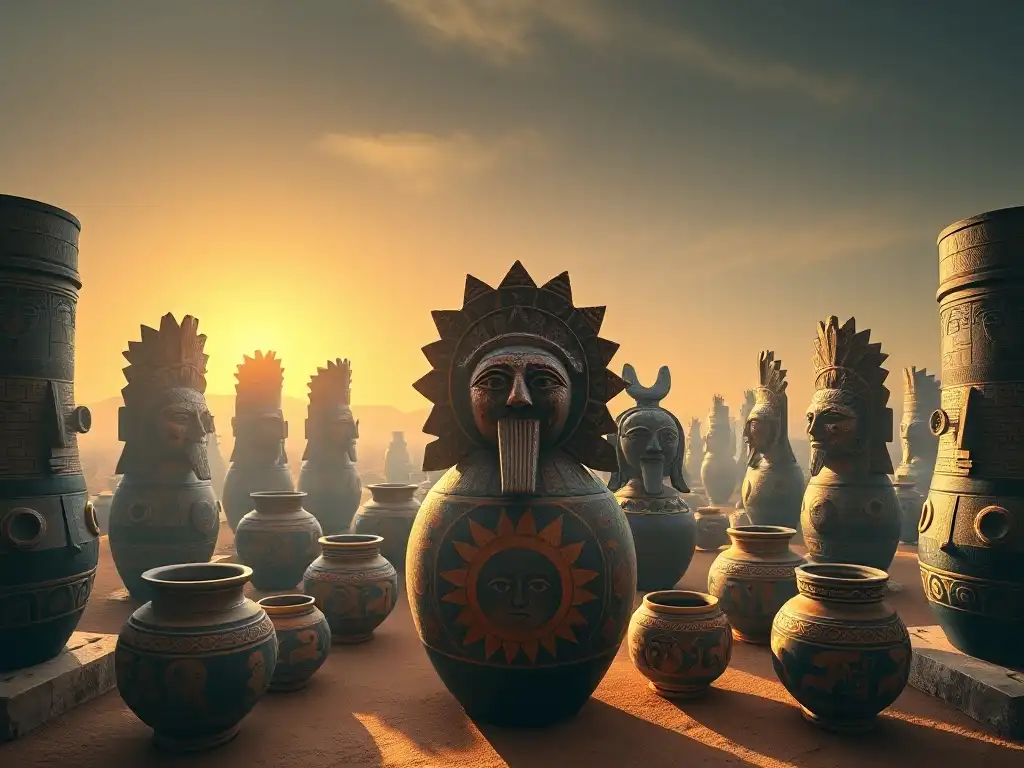
Uncover the secrets whispered across millennia! Journey into the heart of the Andes and witness the breathtaking artistry of the ancient civilizations. From the intricate weavings of the Incas to the enigmatic Nazca lines, prepare to be amazed. But first, delve into the captivating world of Moche pottery symbolism – a realm of sun, moon, and cosmic beliefs that will redefine your understanding of this fascinating culture. What hidden meanings lie within these vibrant vessels? Explore the Moche Iconography: The Sun, Moon, and Cosmic Beliefs and discover the answers.
The Moche civilization (circa 100-800 CE), flourishing along the arid northern coast of Peru, left behind a remarkable legacy of art and architecture. Their sophisticated understanding of their environment and their intricate belief system are vividly portrayed in their exquisite pottery. This article delves into the compelling symbolism found in Moche ceramics, focusing on their fascinating representations of the sun, moon, and their broader cosmic beliefs, offering insights into the Moche worldview and their understanding of the universe.
We will explore how these celestial bodies, and other cosmological elements, were integral to their daily life, religious practices, and social structures, revealing a complex and nuanced culture often overlooked in broader discussions of Andean civilizations. This exploration of Moche pottery symbolism will uncover the rich tapestry of meaning woven into these captivating artifacts, providing a deeper appreciation for the artistry and cosmology of this remarkable pre-Columbian society.
The Sun God in Moche Art
Moche pottery frequently depicts a powerful sun deity, often portrayed anthropomorphically with elaborate headdresses and adornments. These representations vary in detail, sometimes showing the deity in a dynamic pose, perhaps engaged in battle or a ritualistic act. The sun god's presence underscores the crucial role the sun played in the Moche worldview, directly influencing agriculture and the very survival of the civilization in their harsh desert environment.
Detailed analysis of these depictions reveals a range of symbolic elements associated with the sun god, such as rays emanating from the figure, or representations of solar eclipses, suggesting a sophisticated understanding of celestial phenomena. The sun god's prominence in Moche iconography highlights its central position within their religious and cosmological beliefs.
We know from archaeological evidence, such as the presence of large-scale ceremonial structures potentially linked to solar observation, that the sun held significant importance for the Moche. Further research on the precise iconographic variations of the sun god across different Moche pottery styles could unlock a deeper understanding of regional variations in belief systems.
Lunar Deities and Nighttime Symbolism
Unlike the often-dominant representation of the sun god, lunar deities in Moche pottery appear with less frequency, but their presence remains significant. Depictions of the moon are often associated with nocturnal scenes and mythical beings, possibly representing different aspects of the moon's phases or its connection to the underworld. The stylistic differences between depictions of the sun and moon in Moche pottery may reflect the contrasting roles these celestial bodies played in their cosmology, with the sun associated with life-giving energy and the moon perhaps linked to the cycles of death and rebirth, or to the nocturnal world. Some scholars suggest that the scarcity of lunar imagery compared to solar imagery reflects a societal emphasis on the sun's importance for agriculture, while the moon's more subtle role is expressed through less prominent, but still significant, iconography. [Specific data on the ratio of sun to moon depictions in Moche pottery pending].
Beyond Sun and Moon: Other Cosmic Elements in Moche Pottery
The Moche worldview extended beyond the sun and moon, encompassing a rich tapestry of cosmic elements reflected in their pottery. Stars, constellations, and other celestial bodies are frequently depicted, often integrated into larger narratives or scenes. These depictions may represent specific constellations, significant astronomical events, or mythical journeys through the cosmos. The integration of these elements into the broader context of Moche iconography suggests a complex understanding of the universe and its influence on human life.
For instance, certain motifs may represent specific astronomical events important to the Moche calendar or agricultural cycle. Detailed studies of these cosmic motifs are crucial for a complete understanding of Moche cosmology and their relationship with the celestial realm. [Further research on the identification of specific constellations depicted in Moche pottery is needed].
The Significance of Moche Pottery Symbolism for Understanding their Culture
The study of Moche pottery symbolism provides invaluable insights into the beliefs, rituals, and social structures of this fascinating civilization. The careful attention to detail and the rich variety of symbolic representations found in their ceramics demonstrate their sophisticated artistic skills and their profound understanding of the cosmos.
By analyzing the iconography of Moche pottery, we can piece together a more complete picture of their worldview, revealing a complex interplay of religious beliefs, social hierarchies, and environmental factors that shaped their unique culture. The enduring appeal of Moche pottery lies not only in its aesthetic beauty but also in its capacity to transport us to a distant time and place, allowing us to connect with the rich cultural heritage of the ancient Andean world.
The meticulous study of Moche pottery symbolism continues to yield new discoveries, enriching our understanding of this remarkable civilization and its place within the broader landscape of Andean prehistory.
- The Sun God in Moche Art
- Lunar Deities and Nighttime Symbolism
- Beyond Sun and Moon: Other Cosmic Elements in Moche Pottery
- The Significance of Moche Pottery Symbolism for Understanding their Culture
Understanding Moche Pottery Symbolism
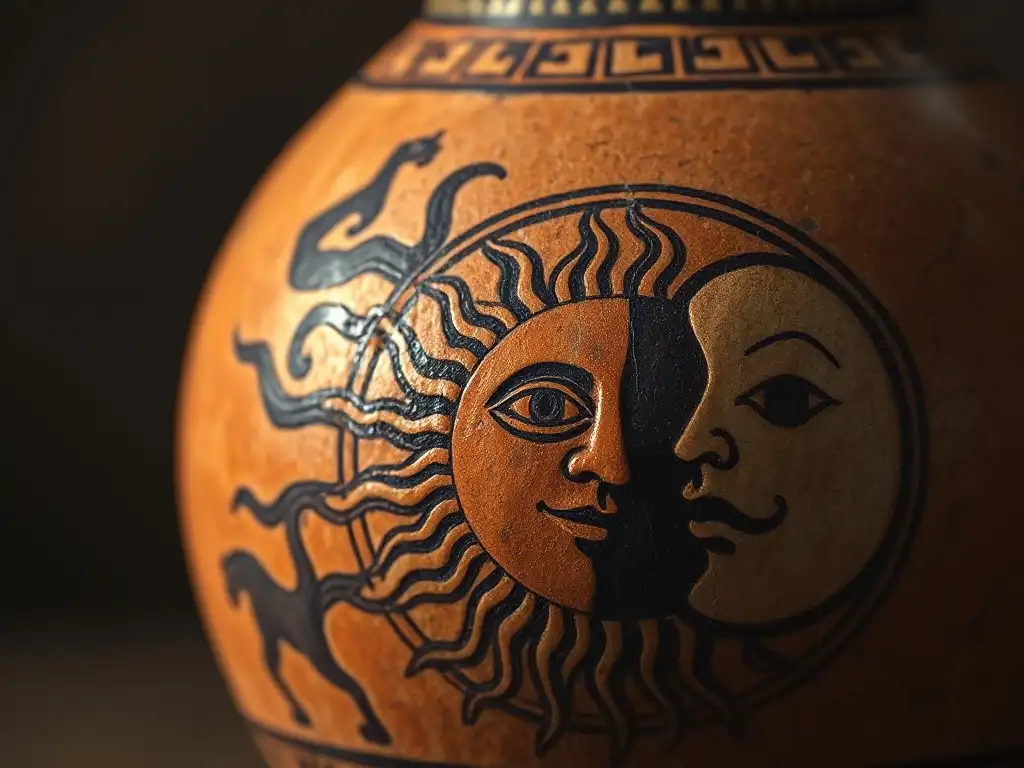
The vibrant and intricate artistry of Moche pottery offers a unique window into the cosmology and beliefs of this fascinating pre-Columbian civilization. Moche pottery symbolism, far from being mere decoration, served as a powerful means of communication, conveying complex narratives, social structures, and religious ideologies. Analyzing these symbols allows us to reconstruct aspects of their daily life, rituals, and spiritual understanding of the world.
The sheer variety of motifs—from anthropomorphic figures and zoomorphic representations to intricate geometric patterns—reflects the richness and complexity of Moche culture. This section will delve into the intricacies of Moche iconography, focusing on the prominent role of celestial bodies – the sun and moon – in their worldview. Understanding these symbols helps us appreciate the depth and sophistication of Moche artistic expression and its profound connection to their spiritual beliefs.
The meticulous detail and stylistic consistency across numerous artifacts demonstrate the highly organized and formalized nature of their artistic practices, suggesting a strong connection between artistic production and religious or political institutions. Furthermore, the sheer number of surviving pieces allows for a robust analysis of recurring motifs and their potential symbolic meanings.
The Significance of Iconography in Moche Culture
Moche iconography wasn't simply aesthetically pleasing; it was deeply embedded within the fabric of their society. It played a crucial role in their religious practices, social hierarchies, and political systems. The imagery found on their pottery often depicted scenes of ritual ceremonies, warfare, and everyday life, providing invaluable insights into their social structures and beliefs.
For example, depictions of elite figures, often adorned with elaborate headdresses and jewelry, highlight the importance of social status and power within Moche society. Similarly, scenes of human sacrifice, a practice documented in other Moche artifacts, are sometimes rendered with striking realism on their ceramic vessels. The careful attention to detail in these depictions suggests a level of artistic skill and a deep understanding of the religious significance of these events.
The use of specific colors and materials also likely held symbolic meaning, further enriching the narrative conveyed by the imagery. Analyzing the context of discovery—tombs, temples, or domestic settings—can also provide further clues to the meaning and function of specific motifs. For instance, pottery found within elite tombs might carry different symbolic weight compared to pieces found in common households.
Moche Art as a Window into their Worldview
The Moche worldview, as reflected in their art, was profoundly shaped by their environment and their understanding of the natural world. The coastal location of their civilization, with its close relationship to the sea and the fertile valleys of the Andes, is evident in the frequent depiction of marine life, agricultural scenes, and landscapes in their pottery. However, beyond the earthly realm, the Moche also demonstrated a keen interest in the cosmos.
The sun and moon, prominent figures in their iconography, were likely central to their religious beliefs and possibly linked to agricultural cycles and the rhythms of life and death. The meticulous representation of celestial events suggests a sophisticated understanding of astronomy and its influence on their society. Furthermore, the recurring motifs of supernatural beings and mythical creatures suggest a rich tapestry of beliefs and legends, reflecting a complex spiritual world beyond the tangible.
The presence of these elements in their artistic expressions is a testament to the profound spiritual significance they held for the Moche people, shaping their worldview and influencing various aspects of their culture. Further research and cross-referencing with other archaeological findings are needed to fully understand the nuances of their complex belief system, but Moche pottery provides a powerful starting point.
The Sun in Moche Cosmology
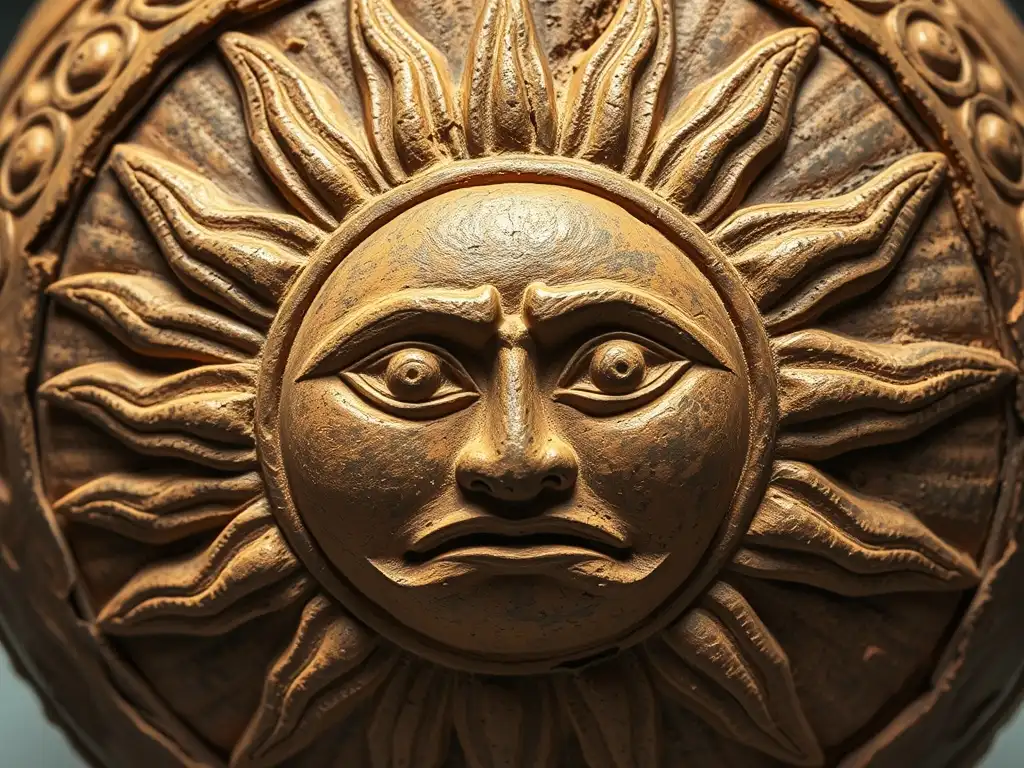
The Moche civilization, flourishing along the northern coast of Peru from approximately 100 CE to 800 CE, developed a complex cosmology deeply intertwined with the natural world. Central to their beliefs was the sun, a life-giving force that dictated agricultural cycles, influenced social structures, and played a crucial role in their elaborate religious rituals. Understanding the Moche's veneration of the sun is key to deciphering the intricate symbolism found in their remarkable pottery, a primary source of information on their beliefs and practices.
This section will explore the multifaceted representation of the sun within Moche cosmology, analyzing its iconographic depictions and its significance in their daily lives and religious ceremonies. The pervasive presence of solar imagery in Moche pottery symbolism highlights its paramount importance in their worldview.
Inti: The Moche Sun Deity
While the Moche didn't leave behind written texts detailing their religious beliefs, their art provides invaluable clues. The sun god, likely identified as Inti (though the exact name might differ from later Inca terminology), is frequently depicted in Moche ceramics. These depictions vary, ranging from anthropomorphic representations of a powerful, often fierce deity, to symbolic representations like stylized sun discs or radiant bursts of light.
Sometimes, Inti is shown interacting with other deities or participating in cosmic events, further illuminating the complexity of their pantheon and their understanding of the universe. For example, some vessels show Inti in battle with other celestial beings or controlling the weather, emphasizing his power and influence. The detailed rendering of these scenes, combined with the high quality of the Moche pottery itself, underscores the importance placed on these religious narratives.
Analyzing these images provides insights into the Moche conception of the sun god as a dynamic and active force in their world. The consistent presence of Inti in Moche pottery symbolism confirms his central position in their religious system.
Solar Symbolism in Moche Ceramics
Moche pottery symbolism frequently employs solar motifs beyond direct representations of Inti. Stylized sun discs, often adorned with radiating lines or intricate geometric patterns, are common decorative elements on a wide range of ceramic pieces, from simple bowls to elaborate stirrup-spout vessels. These motifs aren't merely aesthetic choices; they carry symbolic weight, representing the sun's life-giving energy and its connection to the earth.
The meticulous craftsmanship involved in creating these designs, with their precise lines and vibrant colors, demonstrates the reverence with which the Moche approached their religious imagery. Furthermore, the placement of these solar symbols on different types of vessels suggests a potential association with specific rituals or ceremonies.
For instance, vessels used for offerings might prominently feature sun imagery, while others might have more subtle solar motifs integrated into their overall design. This nuanced use of solar pottery symbolism demonstrates the depth of Moche understanding and appreciation of the sun's significance.
The Sun's Role in Moche Rituals and Beliefs
The sun's influence extended beyond the realm of religious iconography; it profoundly impacted Moche daily life and rituals. The Moche's agricultural practices were heavily reliant on the sun's cycles, with planting and harvesting timed to coincide with the changing seasons. This dependence led to the development of elaborate rituals aimed at ensuring a successful harvest and appeasing the sun god.
Evidence suggests that these rituals involved offerings of food, drink, and precious objects, often placed in carefully constructed tombs or deposited in ceremonial contexts. The discovery of such offerings alongside ceramics featuring prominent solar pottery symbolism further strengthens the link between sun worship and Moche agricultural practices. The Moche's reverence for the sun is not simply a matter of faith; it's deeply intertwined with their survival and prosperity.
This demonstrates a pragmatic yet deeply spiritual approach to their relationship with the cosmic order, highlighting the integral role of the sun in all aspects of Moche society. The sun, therefore, wasn't merely a deity; it was a vital element of their entire worldview, shaping their culture, economy, and religious beliefs.
The Moon's Influence on Moche Iconography
The Moche civilization, renowned for its sophisticated artistry and intricate pottery, deeply revered the celestial bodies, particularly the sun and moon. While the sun often symbolizes power and authority in Moche iconography, the moon held a distinct and equally important place, representing cyclical processes, fertility, and the feminine principle. Understanding the moon's role provides crucial insight into the Moche worldview and their complex belief system, enriching our understanding of Moche pottery symbolism.
The careful observation of lunar phases and their impact on agriculture likely shaped their cosmology, reflected vividly in their ceramic artwork. Analysis of numerous Moche artifacts reveals a consistent and multifaceted representation of the moon, going beyond mere decorative elements to convey profound spiritual and societal meanings.
Si: The Moche Moon Deity
The Moche didn't have a singular, anthropomorphic god solely dedicated to the moon in the same way some cultures did. However, evidence suggests the existence of a powerful moon deity, often depicted alongside other supernatural beings. While not always explicitly identified as "the moon god," certain iconographic features strongly suggest its lunar association.
These depictions often feature a feminine figure, sometimes adorned with crescent moon-shaped ornaments or surrounded by celestial motifs. The figure's headdress, clothing, and accompanying symbols provide clues to its identity and cosmological significance. Further research is needed to fully identify and catalog all instances of this moon deity within Moche pottery symbolism, but preliminary studies suggest a strong connection to fertility and the cyclical nature of life and death.
[Specific examples of pottery depicting this deity pending]. The stylistic variations across different Moche pottery pieces hint at regional differences in the representation of this important figure, offering a fascinating glimpse into the diversity of beliefs within the civilization.
Lunar Motifs in Moche Art
Beyond the possible depiction of a moon deity, lunar motifs are prevalent in Moche pottery. Crescent moons, full moons, and star-and-moon combinations frequently appear as decorative elements, but their placement and context within the larger composition reveal their symbolic importance. These motifs are not randomly scattered; they often appear alongside depictions of agricultural scenes, suggesting a direct link between the moon's cycles and agricultural practices.
This connection is further emphasized by the frequent appearance of moon symbols on vessels used for ritual ceremonies or those depicting scenes of fertility and abundance. For example, many Moche vessels depicting harvests feature prominent crescent moon imagery, reinforcing the moon's role in the agricultural cycle.
The meticulous detail in these depictions shows the Moche's deep understanding of astronomy and their ability to weave cosmological beliefs into their daily life and artistic expression. Their mastery of Moche pottery symbolism is evident in the subtle yet powerful ways lunar motifs are integrated into their artwork.
The Moon's Connection to Fertility and Agriculture
The Moche's agrarian society heavily relied on the predictable cycles of nature, with the moon playing a pivotal role in their agricultural practices. The moon's phases were likely used as a calendar to determine planting and harvesting times, a crucial aspect of their survival. This close relationship between the moon and agriculture is reflected in the abundance of lunar imagery associated with fertility and abundance in Moche pottery.
The cyclical nature of the moon mirrored the cyclical nature of life, death, and rebirth—essential themes in Moche cosmology. Many scholars believe the moon's association with the feminine principle further reinforced its connection to fertility and the life-giving power of the earth.
The presence of lunar symbols on vessels used in rituals related to planting and harvesting underscores the importance of the moon in maintaining the balance of the ecosystem and ensuring a bountiful harvest. This close intertwining of celestial observation and agricultural practices demonstrates the sophisticated level of astronomical knowledge possessed by the Moche and its profound impact on their cultural and spiritual beliefs, as reflected in the nuanced Moche pottery symbolism.
Cosmic Beliefs and Moche Representation
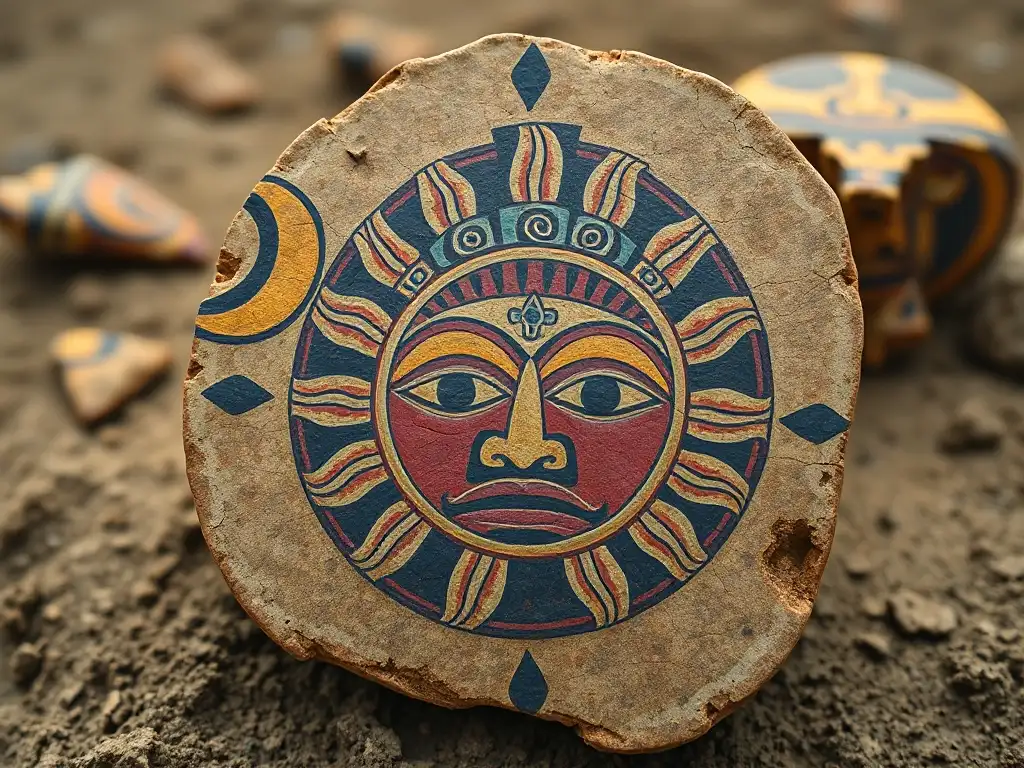
The Moche civilization, flourishing along the northern coast of Peru from approximately 100 CE to 800 CE, left behind a rich legacy of artistic expression, particularly in their exquisite pottery. Their ceramic artistry wasn't merely decorative; it served as a powerful window into their complex cosmology and deeply held beliefs about the sun, moon, stars, and the afterlife. Understanding Moche pottery symbolism is key to unlocking the secrets of their spiritual world.
This section delves into the Moche's representation of their cosmic beliefs, demonstrating how their worldview is intricately woven into the very fabric of their artistic creations. Analyzing Moche pottery symbolism reveals a sophisticated understanding of celestial events and their impact on daily life. The recurring motifs found across numerous vessels reveal a consistent and compelling narrative about their relationship with the cosmos.
Moche Concepts of the Universe and the Afterlife
Moche cosmology, as depicted in their pottery, suggests a cyclical view of the universe, with a strong emphasis on the interplay between the terrestrial and celestial realms. The afterlife wasn't viewed as a separate entity but rather as a continuation of life, albeit transformed. Depictions of shamans interacting with supernatural beings, often depicted in elaborate headdresses and ritualistic attire, suggest a belief in spirit guides and intermediaries between the living and the dead.
These figures are frequently shown engaging in ceremonies involving celestial bodies, implying a connection between ritual practice and cosmic events. For example, many Moche vessels show scenes of individuals interacting with the sun and moon, suggesting the importance of these celestial bodies in their spiritual practices.
Furthermore, the frequent depiction of warriors and sacrificial scenes within a celestial context suggests that these actions were not merely earthly events but also held cosmic significance. The Moche believed their actions had repercussions in both the earthly and spiritual spheres.
The intricate details in the pottery, such as the use of different colors and techniques, further enhance the narrative. The vibrant hues used in the paintings often symbolize specific deities or celestial elements. For instance, the use of gold often signifies the sun's power and radiance, while darker colors might represent the night or the underworld. The masterful craftsmanship itself suggests a deep reverence for the creation process and the sacred nature of the objects created. This level of detail emphasizes the importance of their artistic representations as a means of conveying religious and cosmological beliefs.
The Importance of Celestial Bodies in Moche Society
The sun and moon held paramount importance in Moche society, influencing their agricultural practices and religious rituals. The sun, a life-giving force, is often depicted as a powerful deity, sometimes anthropomorphized as a regal figure with elaborate ornaments. The moon, associated with fertility and the cyclical nature of life and death, is frequently portrayed alongside the sun, reflecting the Moche's understanding of their interconnectedness. The regular appearances of these celestial bodies within their pottery highlight their significance in shaping the Moche worldview.
Detailed analysis of numerous Moche vessels reveals recurring motifs associated with celestial events. For instance, the depiction of eclipses, though rare, suggests an awareness of these phenomena and their potential impact on the community. The careful observation and artistic representation of these celestial occurrences indicate a sophisticated understanding of astronomy and its role in their cultural practices.
The Moche's keen observation of the celestial sphere provided a framework for their calendar system and helped them predict seasonal changes, crucial for their agricultural success. This close relationship between celestial observation and agricultural practices underscores the deep integration of astronomy into the fabric of their daily life. The importance of celestial bodies wasn't limited to the religious sphere; it had practical implications for their survival and prosperity.
The Presentation of the Milky Way in Moche Art
While less prominent than the sun and moon, the Milky Way also finds its place in Moche iconography, albeit in more subtle ways. Often represented as a swirling band of light or a series of interconnected stars, it symbolizes the vastness of the cosmos and the interconnectedness of all things. The representation is often less direct than the portrayal of the sun and moon, suggesting a more abstract understanding of its significance.
The presence of the Milky Way in Moche art, though less frequent, reinforces the notion of a comprehensive cosmological understanding. It reveals a broader perspective that extends beyond the immediate celestial neighbors. The subtle integration of the Milky Way within the larger narrative of their pottery indicates that the Moche didn't just focus on the most easily observable celestial bodies; they possessed a wider awareness of the universe.
Further research is needed to fully understand the symbolic meaning of the Milky Way in Moche art, but its presence nevertheless enriches our understanding of their complex and nuanced worldview. The subtle inclusion of the Milky Way in the Moche's artistic depictions reveals a depth of cosmological understanding that deserves further investigation. The stylistic choices made in representing the Milky Way reflect a sophisticated approach to artistic expression and cosmological thought.
Depictions of Power and Divinity through Moche Iconography
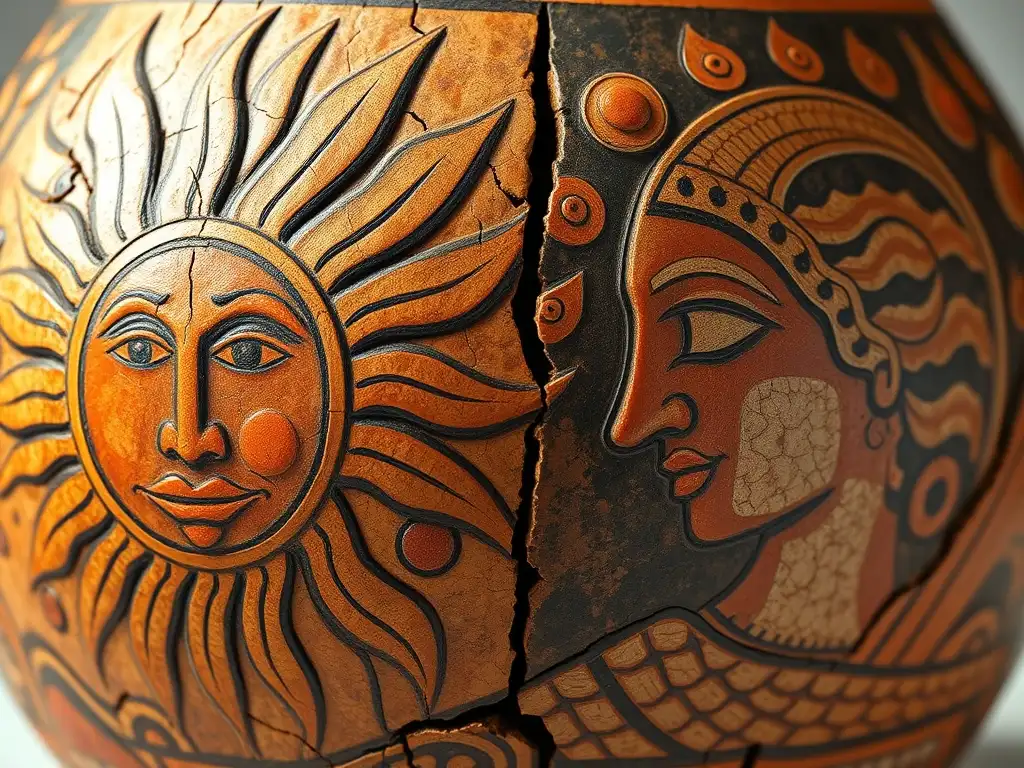
The Moche civilization, flourishing along the northern coast of Peru from approximately 100 to 800 CE, left behind a remarkable legacy of art, particularly in their intricate and vibrant pottery. Moche pottery symbolism, a rich tapestry of imagery, offers invaluable insights into their complex worldview, social structures, and beliefs. The careful examination of Moche ceramics reveals a sophisticated system of visual communication, where depictions of the sun, moon, and other celestial bodies weren't merely decorative elements but powerful symbols reflecting their cosmological beliefs and the power dynamics within their society.
Analyzing this iconography allows us to understand how the Moche perceived their relationship with the cosmos and how this relationship shaped their social and political structures. The recurring motifs found in their pottery provide a window into their rituals, mythology, and the hierarchical organization of their society.
Further research into the specific pigments and techniques used could offer further clues to the meaning and significance of these artistic expressions. The meticulous detail and vibrant colors employed in Moche pottery emphasize the importance of these symbolic representations in their culture.
The Moche Elite and their Connection to the Cosmos
Moche iconography frequently portrays elite figures, often depicted in elaborate regalia, interacting with celestial elements. This suggests a close connection between the ruling class and the cosmos. The elite were likely seen as intermediaries between the earthly realm and the supernatural, possessing the power to influence the forces of nature, critical for a society heavily reliant on agriculture.
For example, depictions of rulers performing rituals involving the sun and moon are common. These scenes often feature elaborate headdresses adorned with celestial motifs, further highlighting the link between the elite and cosmic power. The presence of these powerful symbols on vessels used in rituals and ceremonies underscores their importance in maintaining social order and ensuring agricultural prosperity.
The sheer number of surviving examples of this type of pottery indicates the prevalence of this belief system within Moche society. Detailed analysis of the postures and gestures of the depicted figures could reveal further information about the specific rituals and ceremonies they performed. [Further research needed on specific examples and their locations].
The Use of Mythological Figures in Moche Art
Mythological figures play a crucial role in Moche pottery symbolism. These figures, often depicted in dynamic and expressive poses, represent powerful beings with significant influence over the natural world and human affairs. The identification of these figures remains a subject of ongoing research, with interpretations varying among scholars. However, recurring motifs and consistent attributes allow for some tentative conclusions.
For instance, certain figures, often depicted with feline features or supernatural attributes, are frequently associated with warfare, fertility, or other crucial aspects of Moche life. One example is the recurring image of a powerful warrior-god, often depicted with weaponry and adorned with elaborate headdresses. This god, possibly linked to the sun or moon, likely symbolized the power and authority of the Moche rulers.
The careful study of these mythical figures and their contexts within the pottery provides invaluable insights into Moche mythology, beliefs, and social structures. The emotional intensity conveyed through the figures' expressions and poses suggests a deep engagement with the spiritual realm. Further analysis of iconographic details, such as the use of specific colors and symbols, could provide more precise interpretations of their roles and significance.
The Decapitator God and its Symbolism in Moche Ceramics
The "Decapitator God," a recurring figure in Moche iconography, is perhaps one of the most striking and enigmatic examples of Moche pottery symbolism. Depicted wielding a knife or other sharp instrument, this figure is often shown engaged in the act of decapitation. The meaning and significance of this gruesome imagery have been the subject of much scholarly debate. Some scholars suggest that the Decapitator God represents a powerful deity associated with warfare, sacrifice, or perhaps even the control of life and death.
Others interpret the imagery as a representation of ritual sacrifice, a practice potentially linked to fertility rites or the appeasing of supernatural forces. The repetitive nature of the depiction, with only minor variations in style, suggests a significant role for this deity in Moche religious beliefs. The context in which the figure appears—often alongside other figures or symbols—can also offer clues to its meaning. Analyzing the surrounding iconography and the type of vessels on which it is depicted could reveal more about the specific rituals and beliefs associated with the Decapitator God.
[Further research is needed on the varying depictions and potential regional differences in interpretation]. The intensity and graphic nature of these depictions highlight the importance of this figure in Moche religious practices and their worldview. The careful study of the Decapitator God's portrayal helps us understand the complexities of Moche religious beliefs and their relationship with violence and ritual.
Analyzing the Symbolism of Moche Art
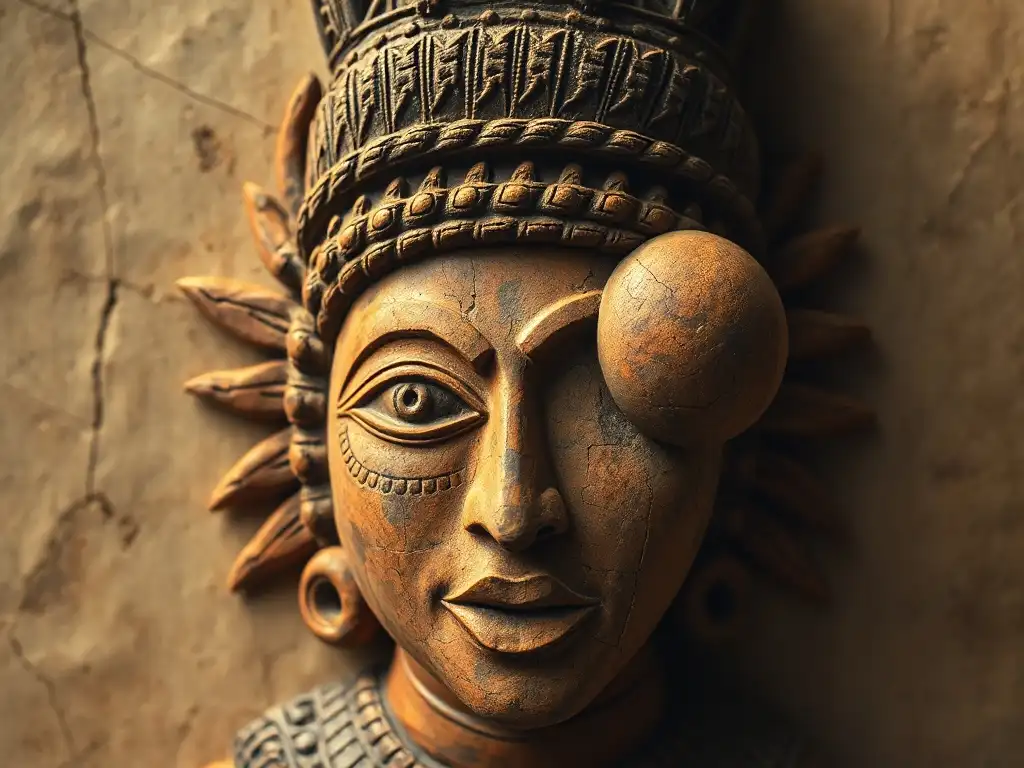
The Moche civilization (c. 100 – 800 CE), renowned for its sophisticated artistry, left behind a rich legacy of ceramic artifacts. These aren't mere vessels; they are intricate narratives etched in clay, offering invaluable insights into their worldview, religious beliefs, and social structures. Understanding Moche pottery symbolism is key to unlocking the secrets of this fascinating culture. The analysis of Moche iconography reveals a complex system of symbols, often interwoven to create multifaceted meanings.
Many motifs recur, hinting at consistent themes and beliefs across different periods and regions of Moche territory. The vibrant colors, detailed depictions, and the sheer variety of imagery found on Moche pottery make it a captivating field of study for archaeologists and art historians alike. The seemingly simple act of creating a pot transformed into a ritualistic act, imbuing each piece with spiritual significance.
Decoding the Meanings Behind Moche Iconography
Moche pottery symbolism is far from arbitrary. Researchers have identified several recurring motifs that appear to represent specific deities, events, or concepts. For example, the depiction of a feline deity, often associated with water and fertility, is frequently found on ceremonial vessels. This feline figure, sometimes depicted with human-like features, likely held a prominent position within the Moche pantheon.
Another prevalent theme is that of warriors and battle scenes. These depictions, often highly detailed and dynamic, may reflect the importance of warfare in Moche society or illustrate specific mythological battles. Furthermore, the presence of specific plants, animals, and natural elements within the imagery often holds symbolic meaning, reflecting the Moche's close connection with their environment and their understanding of the natural world.
Careful study of the context—the type of vessel, its size, the accompanying motifs—further enhances our understanding of the intended meaning. For instance, a small, intricately decorated vessel might have been used in a ritual context, while a larger, more utilitarian pot might have served a purely practical function, though still potentially adorned with symbolic elements. The absence of written language necessitates a meticulous approach to interpreting these visual narratives.
The Interplay of Sun, Moon, and other Cosmic Elements
The Moche deeply revered celestial bodies. The sun and moon, often depicted in a complementary or opposing manner, frequently feature prominently in Moche pottery symbolism. The sun, a symbol of power and life-giving energy, is often represented as a radiant disc or a stylized anthropomorphic figure. The moon, on the other hand, is sometimes portrayed as a crescent or a full disc, potentially representing different phases or aspects of lunar influence.
The careful observation of the relative positions and sizes of the sun and moon in different depictions may hint at specific cosmological beliefs or ritual practices. Beyond the sun and moon, other celestial elements, such as stars and constellations, also appear, suggesting a sophisticated understanding of astronomy and its role in their culture. The integration of these cosmic elements with other symbolic motifs further complicates the interpretation, indicating a rich and interwoven cosmology.
For example, the combination of a feline deity with celestial bodies might signify the deity's control over weather patterns or its connection to the celestial realm. Further research is needed to fully understand the nuanced interplay between these different cosmic symbols. [Specific astronomical interpretations pending further research].
Interpreting the Presentation Ceremony Scenes in Moche Art
Many Moche pots depict elaborate scenes of ritual ceremonies, often involving offerings, sacrifices, and elaborate costumes. These scenes provide critical insights into Moche religious practices and social hierarchies. The depictions show individuals, often elites, participating in ceremonies, offering food, drink, and other valuable items. The careful arrangement of figures and objects within these scenes suggests a structured and formalized ritual system.
The prominence given to certain individuals in these depictions, often indicated by their attire or the size of their portrayal, may reflect their social standing within Moche society. Analysis of these scenes helps to reconstruct the social dynamics and the religious beliefs that shaped Moche life. The level of detail in these depictions—the clothing, the expressions on the faces of the figures, the arrangement of objects—is remarkable, offering a unique window into the daily lives and beliefs of this ancient civilization.
The careful study of these scenes, compared with other archaeological evidence, allows for a more complete understanding of the complex social and religious fabric of Moche culture. Further investigation into the specific rituals depicted and their significance within the broader context of Moche society is needed to fully elucidate their meaning. The potential for uncovering further details through advanced imaging techniques and comparative analysis with other Andean cultures remains significant.
Conclusion: The Enduring Legacy of Moche Iconography
The intricate and evocative iconography found on Moche pottery offers a unique window into the worldview of this fascinating pre-Columbian civilization. Their artistic expression, far from being mere decoration, served as a powerful tool for communicating complex religious beliefs, social structures, and cosmological understandings. The meticulous detail and vibrant colors employed in their ceramics speak volumes about the skill and dedication of Moche artisans, and the enduring appeal of their work continues to captivate audiences worldwide.
The Moche's profound connection to the natural world, their sophisticated understanding of astronomy, and their complex social hierarchy are all vividly reflected in their symbolic imagery. Studying Moche pottery symbolism provides invaluable insights into a civilization that thrived centuries ago, leaving behind a legacy of artistic brilliance and cultural richness.
The enduring fascination with Moche art highlights the power of visual culture to transcend time and offer glimpses into the lives and beliefs of past societies. This rich legacy continues to inspire contemporary artists and researchers alike, ensuring that the Moche's story remains alive and relevant.
The Impact of Moche Symbolism on Andean Art
The influence of Moche iconography extends far beyond the confines of their own civilization. Their distinctive artistic style, particularly their mastery of ceramic techniques and symbolic representations, left an indelible mark on subsequent Andean cultures. Many motifs and stylistic elements found in Moche pottery reappear in later Andean art forms, demonstrating a clear lineage and continuity of artistic traditions.
For example, the depiction of deities, mythological creatures, and scenes of daily life, frequently seen in Moche ceramics, reappear with variations in the art of later cultures such as the Chimú and Inca. This artistic exchange and adaptation highlight the dynamic nature of cultural interaction and artistic evolution in the Andean region. While the specific meanings might have evolved over time, the underlying principles of symbolic representation and artistic skill clearly reflect the enduring impact of the Moche legacy.
Further research into the stylistic similarities and differences across various Andean cultures can reveal much about the transmission and transformation of artistic ideas and beliefs. The analysis of such patterns can help us understand the broader context of Andean art history and the interconnectedness of different Andean societies. The study of Moche pottery symbolism, therefore, is not only crucial for understanding the Moche themselves but also for understanding the larger artistic landscape of the Andes.
Understanding Moche Culture Through their Art
Moche pottery symbolism offers a unique opportunity to reconstruct aspects of their complex society and belief system. The detailed depictions of rituals, warfare, and daily life, preserved on the surfaces of their vessels, provide invaluable insights into their social structures, religious practices, and cosmological perspectives. For instance, the frequent portrayal of elite figures, often adorned with elaborate headdresses and jewelry, underscores the importance of hierarchy and social stratification within Moche society.
Similarly, depictions of ritual sacrifices and shamanistic practices shed light on their religious beliefs and their understanding of the supernatural world. Furthermore, the recurring motifs of agricultural scenes and marine life reflect the importance of these resources to their economy and sustenance. By carefully analyzing the iconography on Moche pottery, researchers can piece together a more complete picture of their daily life, social organization, and spiritual beliefs.
The combined study of these symbolic representations allows for a more nuanced understanding of the Moche civilization, moving beyond simple descriptions of their material culture towards a richer comprehension of their complex social and cultural dynamics. The interpretation of Moche pottery symbolism requires a multidisciplinary approach, combining art historical analysis with anthropological and archaeological perspectives to fully appreciate the depth and complexity of their artistic expression. This interdisciplinary approach is crucial in achieving a comprehensive understanding of the Moche culture and their place in the broader Andean context.
Frequently Asked Questions
What is the significance of Moche pottery?
Moche pottery is incredibly important because it provides invaluable insights into their daily life, religious beliefs, and social structures. The intricate details and vibrant colors offer a unique window into their world. Ceramics are a primary source for understanding Moche culture.
How did the Moche depict the sun and moon in their pottery?
The Moche depicted the sun and moon using stylized representations often incorporating human-like features or anthropomorphic figures. These celestial bodies held significant religious importance and were frequently shown interacting with other deities or in ceremonial contexts.
What role did cosmic beliefs play in Moche culture?
Cosmic beliefs were central to Moche culture, influencing their art, rituals, and social organization. The sun and moon were revered as powerful deities, and astronomical observations likely played a role in their agricultural practices and societal structure.
Common symbols include the sun and moon, various deities, animals (such as felines and birds), and plant life. These symbols often appear in complex scenes depicting myths, rituals, or everyday life, offering clues to their religious and social systems.
Where can I learn more about Moche pottery symbolism?
To delve deeper, explore academic journals and books on Andean archaeology and Moche culture. Museums with significant collections of Moche pottery, such as those in Peru, also offer extensive resources and exhibits dedicated to this fascinating subject.
Final Reflection: Decoding the Cosmos in Moche Pottery
The intricate iconography adorning Moche pottery isn't just ancient art; it's a vibrant window into a sophisticated cosmology that continues to resonate with us today. These depictions of celestial bodies, mythical creatures, and ritualistic scenes offer invaluable insights into a civilization's worldview, reminding us of the enduring human fascination with the heavens and our place within the universe.
The Moche's profound connection to the sun and moon, as evidenced by their meticulous artistic representations, speaks volumes about the importance of these celestial bodies in their daily lives and spiritual beliefs. Their understanding of the cosmos, reflected in the dynamic interplay of deities and natural forces depicted on their pottery, continues to inspire awe and wonder. The past is never dead. It's not even past.
– William Faulkner. This quote perfectly encapsulates the enduring legacy of the Moche and their artistic expressions, which continue to speak to us across millennia.
Consider the intricate detail, the vibrant colors, the sheer artistry poured into each piece. What stories do these ancient vessels whisper to you? Take a moment to reflect on the power of art to transcend time and culture, to connect us with civilizations long gone, and to illuminate the enduring human quest for meaning and understanding in the face of the vast cosmos. Let the Moche's legacy inspire you to explore your own connection to the world around you, to appreciate the beauty of the natural world, and to seek out the stories hidden within the seemingly ordinary.
Unveil the Mysteries of Moche Cosmic Beliefs!
Thank you for exploring the fascinating world of Moche iconography with us! You've delved into the rich tapestry of their beliefs about the sun, moon, and stars. Now, let's deepen your understanding and share the wonders of Moche culture.
Here are some engaging ways to learn more and connect with this ancient civilization:
- Join a local archaeology group or an online forum dedicated to pre-Columbian cultures to discuss Moche iconography and its significance. Sharing your insights with others can be a rewarding way to expand your knowledge.
- Visit a museum with a significant collection of Moche artifacts. Seeing these incredible symbols firsthand will significantly enrich your understanding.
- Share your newfound knowledge on social media or with friends and family, sparking curiosity about the Moche civilization and its celestial beliefs.
What Moche cosmic symbol resonates most with you, and why do you think it held such importance in their culture?