
The Voices of the Ancestors: Learning from the Women of the Andes

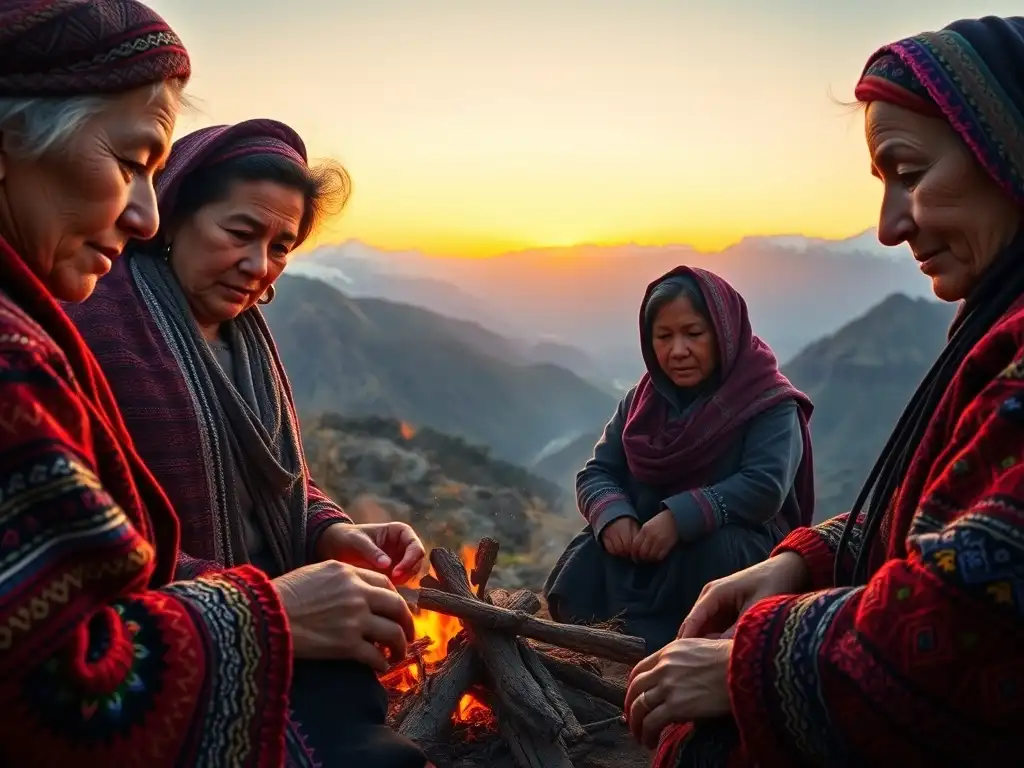
Uncover the hidden narratives of a lost world. For centuries, the towering achievements of the Andean civilizations have captivated us, but what about the unsung heroines? This website delves into the fascinating history, culture, and artistry of the Incas, Moche, Nazca, and Tiahuanaco—but today, we begin with Andean women's history. Prepare to be amazed by their resilience, ingenuity, and the indelible mark they left on the Andes. Their stories await—dare to explore them?
The history of the Andes is often told through the lens of powerful male rulers and military achievements. However, a richer, more nuanced understanding emerges when we listen to the – often silenced – voices of Andean women. This article delves into the significant, yet frequently overlooked, roles women played in shaping Andean societies, from the pre-Inca cultures to the Inca Empire and beyond.
We will explore their contributions to agriculture, textile production, religious practices, and social structures, challenging the patriarchal narratives that have historically dominated Andean historical accounts. By uncovering the stories of these remarkable women, we gain a more complete and accurate picture of Andean civilization and its enduring legacy. This exploration is crucial for understanding the complexities of Andean history and challenging existing biases in historical interpretations, ultimately enriching our understanding of "Andean women's history".
The Weaver's Loom: Women and Textile Production in the Andes
Andean women were renowned for their mastery of textile production. This wasn't merely a domestic chore; weaving was a sophisticated art form deeply intertwined with social status, religious beliefs, and economic activity. From the intricate designs of the Paracas textiles to the vibrant tapestries of the Inca, women's skill with the loom produced not just clothing, but also ceremonial garments, ritual objects, and highly valued trade goods.
The techniques employed, the symbolic meanings woven into the fabrics, and the economic power derived from this skill all point to the significant role women played in Andean economies and societies. Detailed analysis of surviving textiles reveals complex social structures and cosmologies, offering invaluable insights into the beliefs and practices of Andean women.
The use of different fibers, dyes, and weaving techniques, often specific to particular regions or social groups, further underscores the complexity and artistry of their work. The legacy of Andean textile production continues to this day, reflecting the enduring impact of these skilled craftswomen.
Beyond the Loom: Women's Roles in Agriculture and Food Production
While weaving is frequently highlighted, Andean women's contributions to agriculture and food production were equally vital. They were not simply passive participants in agricultural activities; they played active roles in cultivating crops, managing resources, and ensuring food security for their communities. Archaeological evidence suggests women's involvement in various aspects of agriculture, including planting, harvesting, and processing crops like potatoes, maize, and quinoa.
Their knowledge of agricultural techniques, understanding of local ecosystems, and expertise in food preservation were crucial for the survival and prosperity of Andean societies. Furthermore, women likely held significant knowledge about medicinal plants and their uses, contributing to the health and well-being of their communities. This knowledge, often passed down through generations, represents a critical aspect of their contribution to Andean societies, often overlooked in traditional historical narratives.
Priestesses and Shamans: Women's Spiritual Influence in Andean Societies
The role of women in Andean religious practices is another area deserving of greater attention. While often overshadowed by male priests and rulers, women served as priestesses, shamans, and spiritual leaders in various Andean cultures. They held significant influence in religious ceremonies, rituals, and divination practices. Archaeological discoveries, such as the depictions of female figures in ceremonial contexts and the discovery of female burials with ritual objects, provide evidence of their importance in the spiritual realm.
Their roles extended beyond simply assisting male priests; they often held autonomous positions of power and influence within religious organizations. Understanding the roles of these women is crucial to a comprehensive understanding of Andean spirituality and cosmology. Further research is needed to fully uncover the extent of women's spiritual influence in different Andean societies.
Challenging the Narrative: Reinterpreting Andean History Through a Feminist Lens
The study of Andean women's history requires a critical examination of existing historical narratives, many of which are biased towards the perspectives and achievements of men. By adopting a feminist lens, we can begin to uncover the silenced voices and challenge the assumptions that have marginalized women's contributions. This includes examining the sources themselves – often written by men and reflecting their biases – and seeking alternative sources of information, such as oral histories, archaeological findings, and ethnographic studies.
This reassessment is essential for constructing a more accurate and inclusive understanding of Andean civilizations and their complexities. The ongoing re-evaluation of Andean history through a feminist lens continues to reveal new insights into the remarkable lives and achievements of Andean women.
- The Weaver's Loom: Women and Textile Production in the Andes
- Beyond the Loom: Women's Roles in Agriculture and Food Production
- Priestesses and Shamans: Women's Spiritual Influence in Andean Societies
- Challenging the Narrative: Reinterpreting Andean History Through a Feminist Lens
Unearthing the History of Andean Women
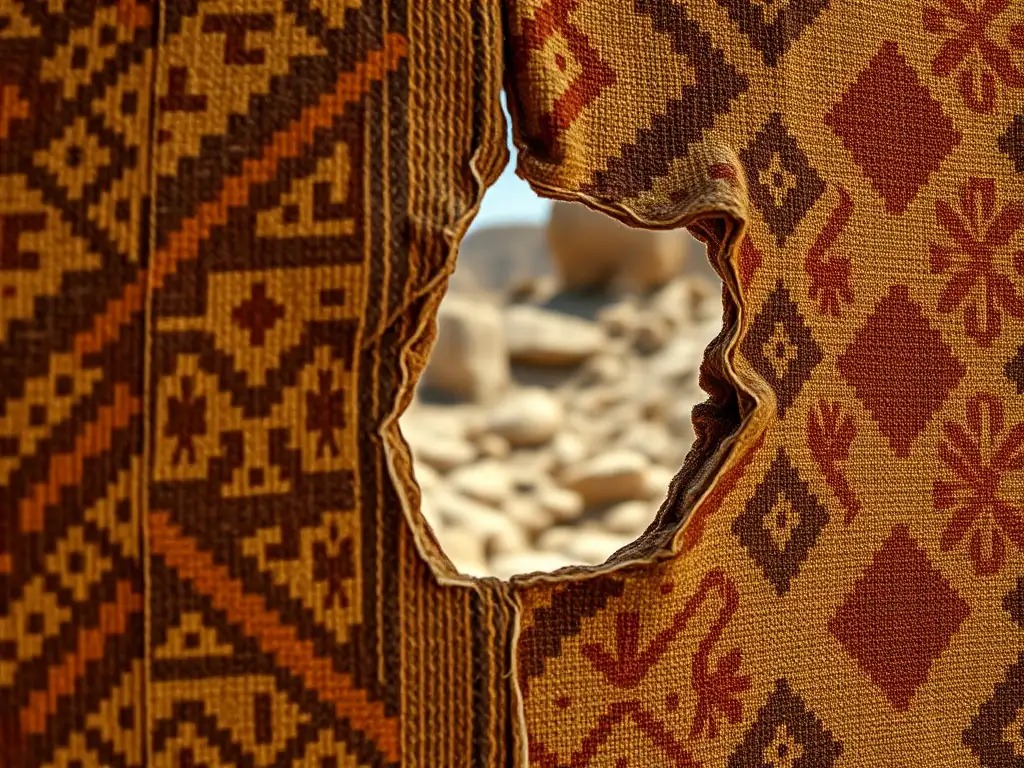
This section delves into the challenges and triumphs involved in reconstructing the history of Andean women, a narrative often obscured by patriarchal biases inherent in historical records. We aim to illuminate the lives of these remarkable individuals, moving beyond the limited perspectives often presented. Understanding their contributions necessitates a critical examination of the sources we have available, recognizing their inherent limitations and biases.
The Often-Silenced Narratives of Andean Women
The historical record concerning Andean women is, unfortunately, fragmented and incomplete. Traditional historical accounts, largely written by men and from a male-centric perspective, frequently overlook or minimize the roles and contributions of women. This isn't to say that no information exists, but rather that the information we do possess requires careful interpretation and contextualization.
For instance, while we find depictions of women in textiles and pottery, these representations often reflect societal ideals rather than a complete picture of their daily lives. The absence of women's voices in written sources is a significant obstacle. The Incas, for example, did not have a written language in the same way as many other ancient civilizations.
Their history was primarily transmitted orally, and the perspectives of women within this oral tradition are often lost in translation or simply not recorded. We must therefore rely heavily on archaeological evidence – textiles, ceramics, and skeletal remains – to piece together a more complete understanding. Even then, interpretation is crucial, as the meanings embedded within these artifacts are not always immediately apparent.
The limited nature of the sources necessitates a multi-faceted approach, drawing from diverse disciplines such as archaeology, anthropology, and gender studies. Analyzing the existing data with a critical eye, considering the potential biases embedded within, is key to uncovering a more nuanced and accurate portrayal of Andean women's history. We must actively seek alternative perspectives, challenging established narratives and actively searching for traces of women's lives in seemingly insignificant details.
The process is painstaking, but the rewards—a more complete and accurate understanding of Andean societies and the vital role women played within them—are immense. This requires embracing interdisciplinary collaborations and recognizing the limitations of relying solely on traditional historical accounts.
Why Studying Andean Women's History Matters
Understanding Andean women's history is not merely an academic exercise; it is crucial for several reasons. Firstly, it corrects a historical imbalance, giving voice to those often silenced and ensuring a more accurate and representative portrayal of the past. By acknowledging their contributions, we achieve a more complete and nuanced picture of Andean civilizations.
Secondly, studying Andean women's history offers valuable insights into the complexities of gender roles and power dynamics in pre-Columbian societies. Analyzing their roles in agriculture, textile production, and religious practices reveals the multifaceted nature of their lives and their significant influence on their communities. This challenges Eurocentric notions of gender roles and provides a valuable comparative perspective on the diversity of social structures across different cultures and time periods.
Furthermore, the study of Andean women's history provides important lessons for contemporary society. Their resilience, resourcefulness, and contributions to the survival and prosperity of their communities serve as inspiring examples. By learning from their experiences, we can gain a deeper appreciation for the importance of gender equality and the lasting impact of social injustices. Examining their lives allows us to better understand the long-term consequences of patriarchal structures and the enduring strength of women in the face of adversity.
Their stories are not just stories of the past; they are relevant and resonant in the present, offering valuable insights for building a more equitable future. The study of Andean women's history is, therefore, essential for a more complete and just understanding of the past, present, and future. It’s a vital step in challenging biases and building a more inclusive narrative of human history.
Key Roles of Women in Ancient Andean Societies
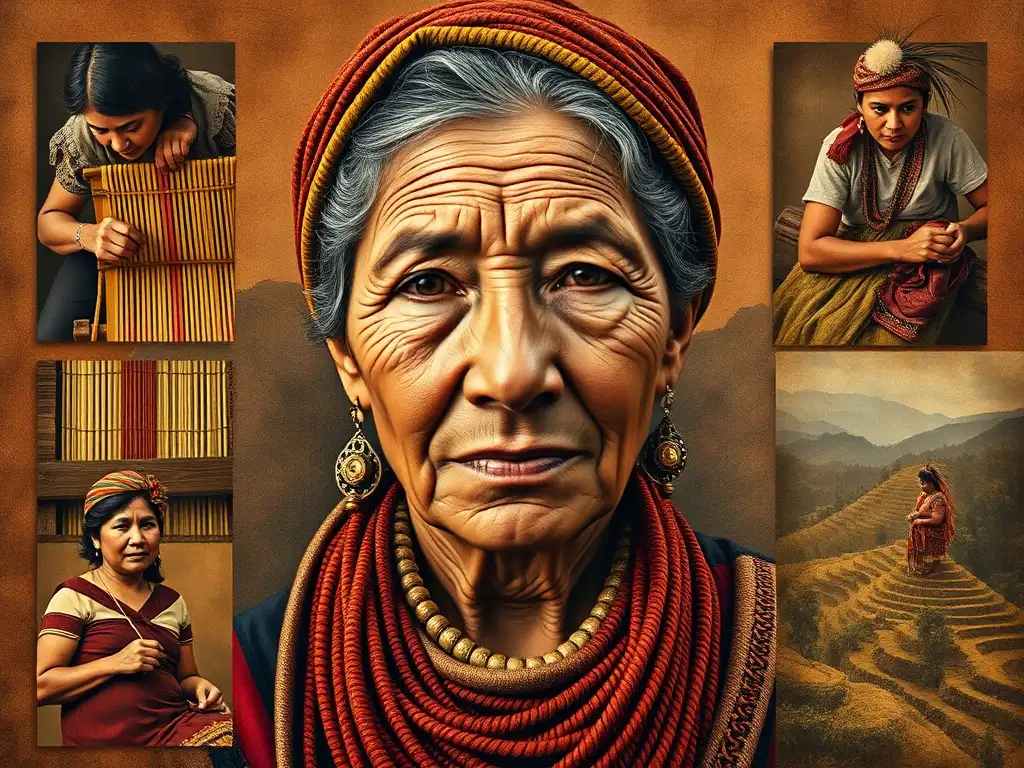
This section delves into the multifaceted roles women played in ancient Andean societies, challenging the often-overlooked narratives of Andean women's history. Contrary to popular misconceptions, women were not merely passive figures; they were active participants in all aspects of life, contributing significantly to the social, economic, and spiritual fabric of their communities. Their influence extended far beyond the domestic sphere, shaping the very foundations of these remarkable civilizations. Understanding their contributions is crucial for a complete and accurate understanding of Andean women's history.
Women's Contributions to Andean Agriculture and Economy
Andean agriculture was a complex and sophisticated system, and women were integral to its success. Their contributions went far beyond simple tasks; they possessed specialized knowledge and skills that were vital for the sustenance and prosperity of their communities. Archaeological evidence suggests a significant female presence in agricultural activities, from planting and harvesting to processing and storage.
For instance, in the Nazca culture, women were likely involved in the intricate irrigation systems that allowed for successful cultivation in the arid coastal regions. Their understanding of water management, soil conditions, and crop rotation was crucial for optimizing yields. Furthermore, women were often responsible for cultivating specific crops, like chilis and other vegetables, vital components of the Andean diet.
Their expertise in preserving and processing food, through techniques like drying and fermentation, ensured food security throughout the year. This knowledge was passed down through generations, solidifying women's crucial role in the Andean economy. The economic value of their agricultural expertise, often overlooked in traditional historical accounts, is undeniable and crucial to understanding Andean women's history.
The economic contributions extended beyond agriculture. Women were involved in various forms of trade and commerce, exchanging goods and services within their communities and beyond. While the exact nature of this involvement requires further research, archaeological discoveries provide hints of their participation in market activities and the production of valuable goods. Further study is needed to fully quantify their economic influence.
The Vital Role of Andean Women in Textile Production
Textiles held immense cultural and economic significance in Andean societies. The production of textiles, from shearing alpaca and llama to spinning, dyeing, and weaving, was largely a female domain. Andean women were masters of textile arts, creating intricate and colorful fabrics that served a multitude of purposes. Their skill in weaving was not simply a craft; it was an art form that reflected their deep understanding of symbolic language and cultural traditions.
The intricate designs woven into Andean textiles often depicted stories, myths, and beliefs, acting as visual records of their history and worldview. The use of different colors and patterns held specific meanings, varying across different Andean cultures and regions. The production of textiles was also a source of economic independence for women, allowing them to participate in trade and exchange networks.
High-quality textiles were highly valued, and women were often able to generate income or barter goods through their textile production. This economic agency further challenges the simplistic portrayal of Andean women as solely domestic figures. The complex knowledge and skills involved in textile production underscore their critical role in Andean societies and their contribution to Andean women's history.
Andean Women as Spiritual Leaders and Healers
The spiritual roles of Andean women were as diverse and significant as their contributions to the economy. While patriarchal structures existed in some Andean societies, evidence suggests that women held positions of spiritual authority and played vital roles as healers and shamans. Their knowledge of medicinal plants and healing practices was highly valued, and they often served as intermediaries between the spiritual and physical worlds.
Archaeological discoveries and historical accounts reveal the existence of female shamans and priestesses who held significant power and influence within their communities. These women were often responsible for conducting ceremonies, interpreting dreams, and providing spiritual guidance. Their knowledge of herbal remedies and healing techniques was crucial for the health and well-being of their communities.
While more research is needed to fully understand the extent of their influence, the existing evidence strongly suggests the significant role of women in the spiritual life of Andean societies and further enriches our understanding of Andean women's history. Their spiritual leadership challenges the narrow focus on male figures often found in traditional historical narratives. The impact of these women on their communities was profound and lasting.
Notable Women in Andean History: Examples of Influence
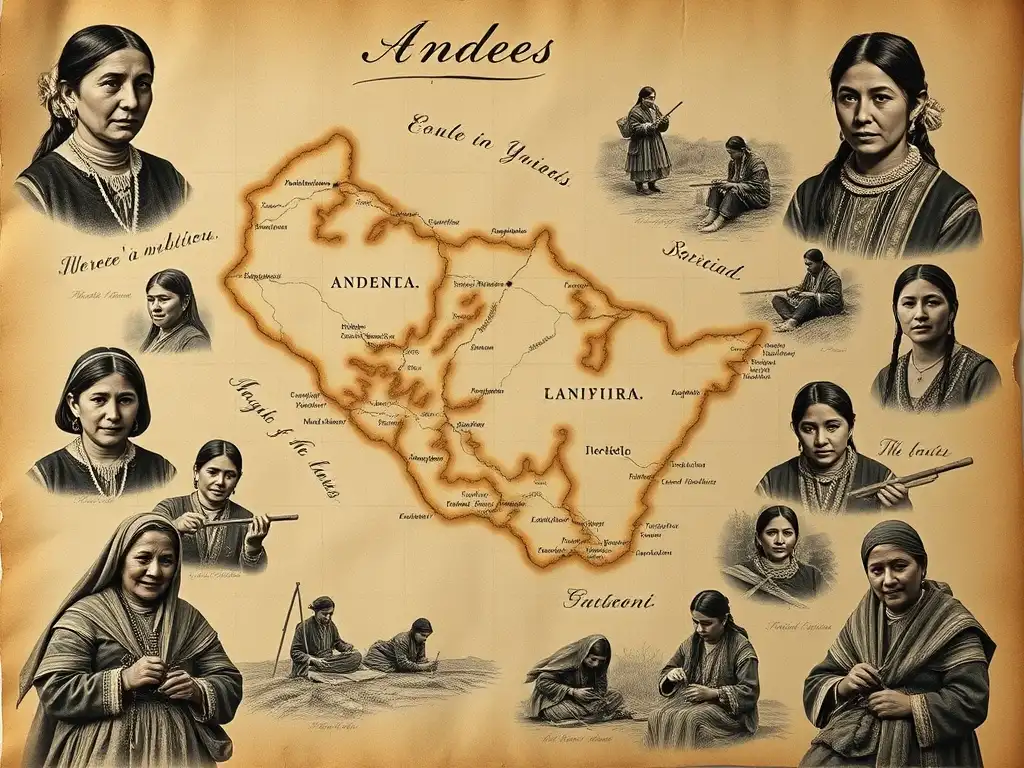
This section delves into the lives and legacies of several influential Andean women, showcasing their diverse roles and contributions to their societies. While historical records often prioritize male figures, careful research reveals the significant impact women had on the political, religious, and cultural landscapes of the Andes. Understanding their stories enriches our comprehension of Andean women's history and challenges traditional narratives. The following examples highlight the multifaceted roles women played, demonstrating that their influence extended far beyond the domestic sphere.
Mama Ocllo: Co-Founder of the Inca Empire
Mama Ocllo, often portrayed as the wife of Manco Cápac, holds a central position in Inca origin myths. While the historicity of these myths is debated, the figure of Mama Ocllo represents the powerful role attributed to women in shaping the Inca state. She's not merely a passive consort; narratives depict her as a skilled administrator, teacher, and weaver, vital in establishing social order and Inca cultural practices.
Mama Ocllo's legendary contributions extend beyond the realm of myth. She is credited with establishing weaving techniques and textile production, crucial to Inca economy and social hierarchy. The intricate tapestries and clothing produced under her influence were not simply functional; they were powerful symbols of status and identity.
The meticulous detail in Inca textiles reflects the high regard for women's craft and their essential role in the economic structure of the empire. Furthermore, she's often associated with the introduction of agricultural practices, demonstrating the vital link between women and the sustenance of the Inca population. Her legacy underscores the significant contribution of women to the Inca Empire's foundation and its subsequent prosperity.
Further research into archaeological findings might shed more light on the actual historical figure behind the legend, offering a more nuanced perspective on Mama Ocllo's influence. The ongoing debate surrounding her existence highlights the challenges faced in reconstructing Andean women's history from limited primary sources.
The Priestess of Pachacamac: Guardian of a Sacred Oracle
The role of women in Andean religion was significant, and the Priestess of Pachacamac exemplifies this. Pachacamac, a powerful deity worshipped across much of the central coast, had a prominent female priestess who served as the guardian of the sacred oracle. This position granted her immense political and social influence. The priestess didn't merely interpret the oracle's pronouncements; she acted as an intermediary between the divine and the earthly realm, shaping political decisions and influencing societal practices.
The importance of the Pachacamac oracle is underscored by the significant pilgrimage sites associated with the deity. The temple complex itself attracted people from across the Andean region, seeking guidance and divine intervention. The priestess, as the interpreter of the oracle, held considerable power, influencing matters of war, peace, and agricultural cycles. Her pronouncements could sway the decisions of rulers and affect the lives of countless individuals.
While specific names of these priestesses are often lost to time, their influence remains palpable through archaeological evidence and the enduring legacy of Pachacamac worship. The very existence of this powerful female role challenges the common misconception that Andean societies were strictly patriarchal. Further research into the iconography and artifacts associated with Pachacamac might reveal more details about the lives and responsibilities of these influential women.
Yma Sumac: Global Ambassador of Andean Music
While not a figure from the ancient Andean past, Yma Sumac's impact on the global perception of Andean culture warrants inclusion. Her extraordinary vocal range and performances brought Andean music to a worldwide audience in the mid-20th century. Her career transcends the purely musical; she became a powerful cultural ambassador, showcasing the beauty and complexity of Andean musical traditions to a global audience previously largely unaware of them.
Yma Sumac's influence on promoting Andean music is undeniable. She skillfully blended traditional Andean melodies with modern arrangements, creating a unique sound that captivated audiences internationally. Her recordings and performances sparked renewed interest in Andean musical heritage, leading to greater appreciation and understanding of the region's rich cultural tapestry. Her legacy extends beyond her own performances; she paved the way for future Andean musicians to gain international recognition and helped preserve and promote traditional musical forms.
Her story demonstrates the power of individual agency in shaping cultural narratives and influencing global perceptions of Andean culture. Studying her career provides a valuable lens through which to examine the ongoing preservation and evolution of Andean musical traditions. Her impact serves as a testament to the enduring power of Andean culture and its capacity to resonate with global audiences.
Andean Women's Legacy: Impact on Modern Andean Culture
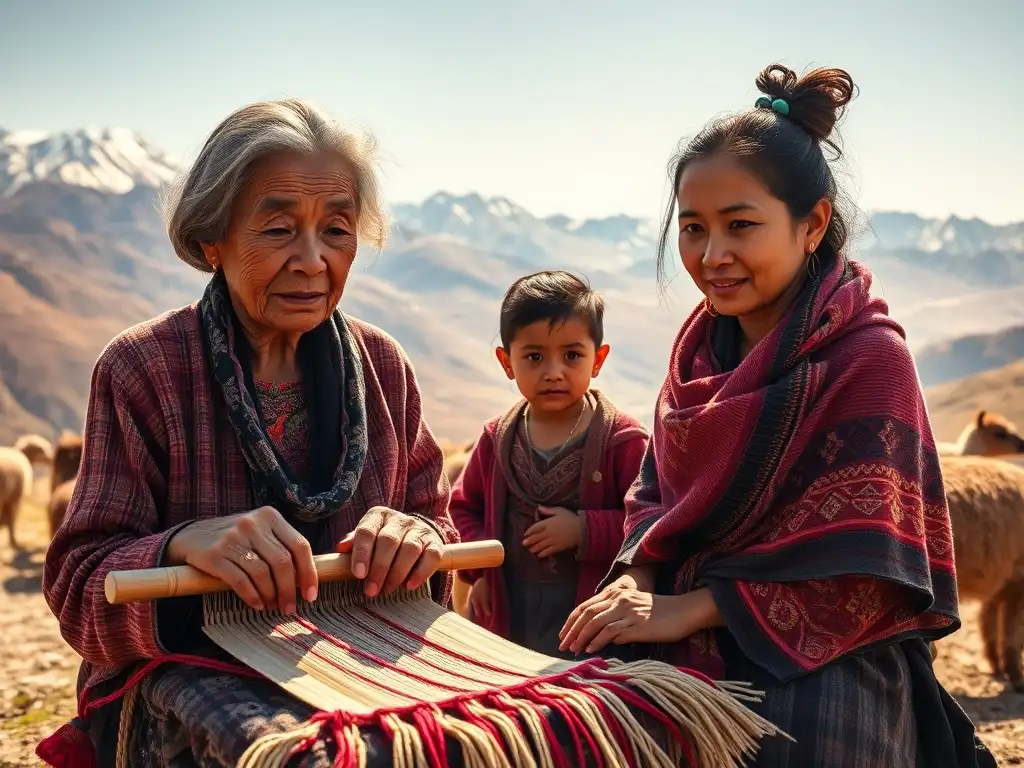
This section explores the profound and lasting influence of Andean women throughout history, demonstrating their crucial role in shaping contemporary Andean societies. We will examine how their traditions, skills, and resilience continue to resonate in modern Andean culture, challenging traditional narratives that often overlook their contributions. Understanding this legacy is key to a complete understanding of "Andean women's history."
The Enduring Traditions Passed Down by Andean Women
Andean women have historically been the keepers of vital cultural knowledge and practices. Their roles extended far beyond domestic spheres; they were active participants in agriculture, textile production, and religious ceremonies. These roles continue to shape modern Andean life.
For example, the intricate textile techniques passed down through generations, showcasing vibrant designs and symbolic meanings, remain a cornerstone of Andean identity and a significant source of economic activity for many women. These textiles, often incorporating traditional Andean dyes derived from natural sources, are not merely clothing; they are living testaments to the enduring legacy of Andean women's artistry and cultural preservation.
The knowledge of medicinal plants and healing practices, traditionally held and practiced by women, also persists. Many contemporary Andean communities rely on these traditional healing methods, passed down through oral histories and practical training within families. This knowledge represents a powerful connection to ancestral wisdom and a valuable contribution to healthcare systems in the region. Furthermore, the cultivation and preservation of traditional crops, including potatoes and quinoa, remain predominantly women's work, ensuring food security and biodiversity in challenging Andean environments.
This deep connection to the land and its resources continues to be a defining characteristic of Andean women's contribution to their communities. The preservation of these traditions is not simply nostalgic; it represents a resilient and powerful link to the past, informing and enriching the present. This understanding enriches our comprehension of "Andean women's history."
The Role of Women in Contemporary Andean Communities
While significant progress has been made, challenges remain for Andean women in contemporary society. Despite their crucial roles in maintaining cultural traditions and economic stability, they often face disparities in access to education, healthcare, and economic opportunities. However, Andean women are actively working to overcome these obstacles.
They are increasingly involved in community leadership, advocating for their rights and participating in political processes. The emergence of women-led cooperatives focused on sustainable agriculture and fair-trade practices demonstrates their entrepreneurial spirit and commitment to economic empowerment. These initiatives not only improve their livelihoods but also contribute to the preservation of traditional Andean practices and the promotion of sustainable development.
The participation of Andean women in contemporary art and cultural expressions further highlights their resilience and creativity. Their art often reflects their experiences, challenges, and triumphs, providing powerful narratives that challenge traditional perspectives and celebrate their unique contributions to Andean culture. Many contemporary Andean artists are women, using their art as a powerful voice to tell their stories and share their perspectives. From weaving to painting to music, their artistic expressions are a significant part of the vibrant cultural landscape of the Andes.
This active participation strengthens their position within their communities and enhances our understanding of "Andean women's history," showcasing their strength and agency in the modern world. Further research is needed to quantify the precise economic impact of women-led initiatives and to fully document the diversity of their artistic expressions across different Andean communities. [Specific data on women's economic contributions and artistic output pending].
Recovering the Lost Voices: Challenges and Opportunities
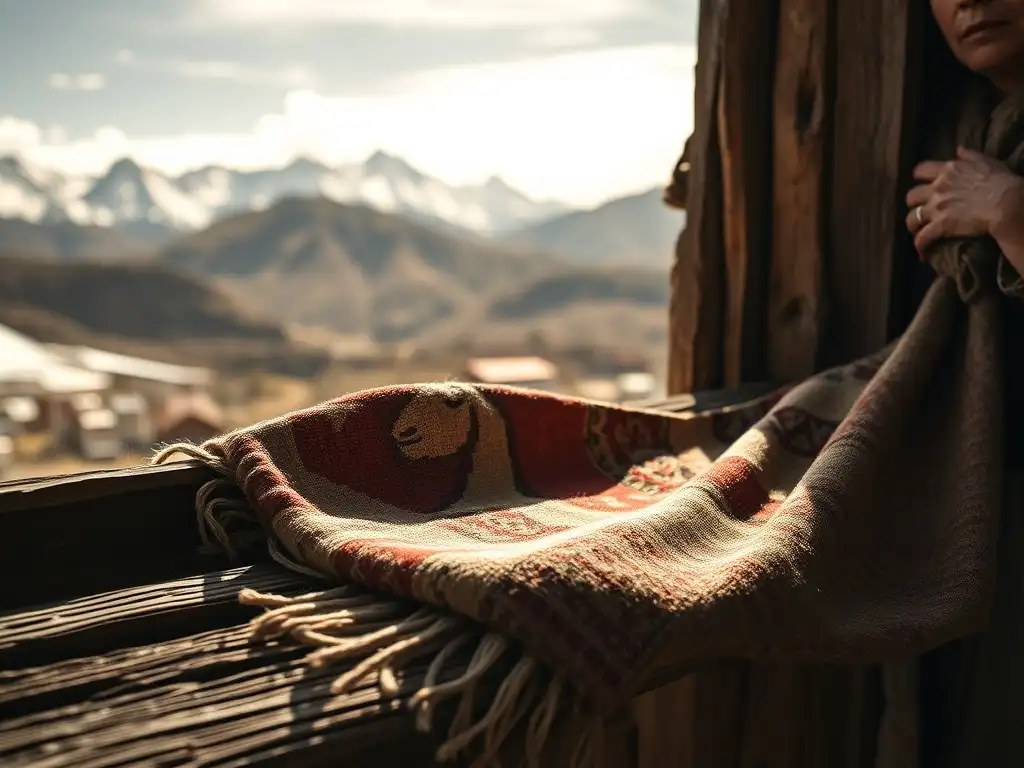
The study of Andean women's history presents unique challenges, primarily stemming from the inherent biases in the historical record. Traditional historical accounts, often compiled by colonial authorities or male elites, frequently marginalized or omitted the contributions of women. This skewed perspective necessitates a critical and nuanced approach to reconstructing a more complete picture of Andean women's lives.
The scarcity of primary sources directly authored by women further complicates the task. While we possess rich archaeological evidence and some colonial-era documents, these sources often require careful interpretation to uncover the experiences of women within their broader social and political contexts. Therefore, interdisciplinary approaches are crucial, combining archaeological findings with ethnohistorical research, oral histories, and even anthropological studies of contemporary Andean communities to build a more comprehensive narrative.
This holistic approach allows us to piece together a more accurate and representative understanding of Andean women's roles across various societies and time periods. The rewarding aspect of this challenge lies in the potential to unearth untold stories, giving voice to those previously silenced and significantly enriching our understanding of Andean civilizations. This work is essential to achieving a more equitable and accurate historical record, reflecting the full spectrum of human experience in the Andes.
The Importance of Archaeological Research for Understanding Andean Women
Archaeological research plays a pivotal role in recovering the lost voices of Andean women. While written records are scarce, material culture offers invaluable insights into their lives. Textiles, for instance, provide compelling evidence of women's craftsmanship and artistic skill. The intricate designs and techniques employed reveal a high level of expertise and social significance.
Analysis of textile production, distribution, and consumption patterns can illuminate women's economic roles, their social networks, and their participation in ritual practices. Furthermore, the excavation of burial sites often yields artifacts reflecting the status and roles of deceased women. Grave goods, such as jewelry, tools, and ceramics, can provide clues about their social standing, occupations, and beliefs. The study of skeletal remains can also offer insights into women's health, nutrition, and lifespans.
For example, isotopic analysis of bones can reveal dietary habits, indicating their access to resources and their place within the food chain. By meticulously examining these archaeological remains, researchers can piece together a more comprehensive understanding of the diverse experiences and contributions of Andean women throughout history, challenging traditional narratives that often relegated them to secondary or domestic roles. This meticulous approach allows us to appreciate the full extent of their influence and agency within their societies.
Empowering Contemporary Andean Women Through Historical Awareness
The recovery and dissemination of Andean women's history are not merely academic exercises; they possess significant contemporary implications. By highlighting the achievements and resilience of women in the past, we can inspire and empower women in Andean communities today. Understanding the historical roles and contributions of women can challenge existing gender inequalities and promote greater gender equality.
For example, showcasing the economic power and political influence wielded by certain women in pre-Columbian societies can serve as a powerful counter-narrative to patriarchal structures that have persisted in many Andean communities. Furthermore, the study of traditional Andean knowledge systems, often passed down through generations of women, can contribute to the preservation of cultural heritage and promote sustainable development initiatives. This knowledge encompasses agricultural techniques, medicinal practices, and artistic traditions, all of which can empower women economically and socially.
By integrating historical awareness into educational programs and community initiatives, we can foster a sense of pride and agency among contemporary Andean women, enabling them to build upon the rich legacy of their ancestors and contribute to the ongoing development of their communities. This is a vital step in creating a more just and equitable future for Andean women, building on a foundation of historical understanding and empowerment.
Conclusion: Celebrating the Strength and Resilience of Andean Women
This exploration into the lives and legacies of Andean women reveals a complex tapestry woven with threads of strength, resilience, and ingenuity. Far from being passive figures in history, these women actively shaped their societies, leaving behind a rich heritage that continues to inspire and inform us today. Their stories, often untold or marginalized in traditional historical narratives, deserve to be brought to the forefront, enriching our understanding of Andean civilizations and challenging conventional perceptions of gender roles in pre-Columbian societies.
The study of Andean women's history is not merely an academic pursuit; it's a crucial step towards a more complete and nuanced understanding of the past. By acknowledging their contributions, we gain a deeper appreciation for the complexities and richness of Andean cultures.
This understanding allows us to appreciate the enduring impact of these remarkable women and their ongoing influence on contemporary Andean societies. The legacy of their strength and resilience serves as a powerful reminder of the enduring human spirit and the importance of recognizing the contributions of all members of a society, regardless of gender.
The Importance of Recognizing Andean Women's Contributions to History
Recognizing the contributions of Andean women is vital for several reasons. Firstly, it corrects a historical imbalance. Traditional narratives often overlooked or minimized the roles of women, presenting a skewed and incomplete picture of the past. By actively seeking out and amplifying the voices of Andean women, we build a more accurate and representative historical record.
This is crucial not only for academic integrity but also for creating a more equitable and inclusive understanding of the past. Secondly, acknowledging their contributions challenges ingrained gender stereotypes. The roles of Andean women—as farmers, weavers, healers, political actors, and religious leaders—demonstrate the diversity and complexity of their agency within their societies. These examples refute the simplistic and often inaccurate portrayal of women in pre-Columbian societies as solely domestic figures.
Finally, studying Andean women's history provides valuable insights into broader social structures, economic systems, and religious beliefs. Their experiences offer a unique lens through which to analyze the complexities of Andean civilizations and gain a richer understanding of their social dynamics. For example, analyzing the textiles produced by Andean women reveals intricate details about social hierarchies, trade networks, and symbolic representations of power and spirituality. The intricate designs and techniques employed tell stories far beyond the aesthetic; they are historical documents woven into fabric.
Continuing to Learn from the Wisdom of Andean Ancestors
The study of Andean women's history is an ongoing process, a journey of discovery that requires continuous research and collaboration. Much remains to be uncovered, and new perspectives are constantly emerging. Further research is needed to unearth more stories, analyze existing archaeological evidence with a gendered lens, and interpret textual sources (where available) with a greater sensitivity to the experiences of women. This ongoing exploration will enrich our understanding not only of Andean women but of Andean societies as a whole.
The wisdom of these ancestors, passed down through generations, continues to hold valuable lessons for us today. Their resilience in the face of adversity, their innovative solutions to challenging circumstances, and their profound connection to the land and their communities all offer timeless insights that can inform and inspire us. By continuing to learn from their experiences, we can foster a greater appreciation for the enduring power of human spirit and the importance of recognizing the contributions of all people in shaping our world.
The voices of the Andean women, though sometimes faint, are powerful and enduring. It is our responsibility to listen carefully and learn from their legacy. 👩🌾 🧶 👑
Frequently Asked Questions
What roles did women play in Andean societies?
Andean women held diverse and crucial roles. They were farmers, weavers, traders, and religious figures, contributing significantly to the economic and social fabric of their communities. Their influence extended beyond the domestic sphere.
How did Andean women's lives differ across different cultures?
While generalizations are difficult, variations existed across cultures like the Inca, Moche, and Nazca. Roles and status often depended on factors such as social class and specific cultural practices. Further research is needed to fully understand the nuances.
What sources reveal information about Andean women's history?
Information comes from various sources, including archaeological findings, such as textiles and burial sites, colonial-era chronicles, and ethnohistorical accounts. Interpreting these sources requires careful consideration of biases.
Were Andean women involved in political life?
While their political roles may not have been as visible as those of men, evidence suggests Andean women held influence and power in various ways. Some held significant religious positions or wielded power within their families and communities.
How can we learn more about the lives of Andean women?
By supporting further archaeological research and the study of primary sources, we can continue to uncover and understand the stories of Andean women. Promoting diverse voices and perspectives in historical scholarship is also crucial.
Final Reflection: Echoes of the Andes, Whispers of the Future
The resilience and wisdom of Andean women, documented throughout history, remain profoundly relevant today. Their struggles against colonialism, their contributions to their communities, and their enduring connection to the land offer invaluable lessons for navigating the complexities of the modern world. Their stories are not relics of the past; they are vibrant threads woven into the fabric of contemporary social justice movements and ecological awareness.
The enduring legacy of Andean women continues to shape cultural identities and inspire activism worldwide. Their unwavering spirit in the face of adversity serves as a powerful reminder of the strength inherent in collective action and the importance of preserving cultural heritage. The past is never dead. It's not even past.
– William Faulkner. This quote perfectly encapsulates the ongoing influence of these women's experiences, reminding us that understanding their history is crucial to building a more equitable future. Their stories challenge dominant narratives and offer alternative perspectives on power, resilience, and community.
Consider the echoes of their voices. Reflect on the ways in which their struggles for land rights, their knowledge of traditional medicine, and their roles as keepers of cultural memory resonate with contemporary challenges. You, too, can be a voice for change, amplifying the stories of marginalized communities and working towards a future where the wisdom of the past informs a more just and sustainable present. Let the voices of the ancestors guide you on this path.
Uncover the Wisdom of the Andean Women!
Thank you for exploring the remarkable stories of Andean women! Your journey has not only celebrated their voices but also revealed invaluable lessons for modern life. Now, let's use this inspiration to make a difference.
Here are some ways to further connect with this rich heritage:
- **Connect with the Community:** Join online groups or forums dedicated to Andean culture to share your experiences and learn from others.
- **Explore Local Events:** Seek out cultural festivals or workshops in your area that showcase Andean traditions and crafts. Many communities host events celebrating this vibrant heritage.
- **Share Your Insights:** Write a reflective post on social media about what you've learned. Share your experience and inspire others to learn more!
Which aspects of the Andean women's lives and perspectives resonated most with you, and how will you integrate their wisdom into your own life?