
Sacred Geography: How Machu Picchu's Location Influenced Inca Spirituality

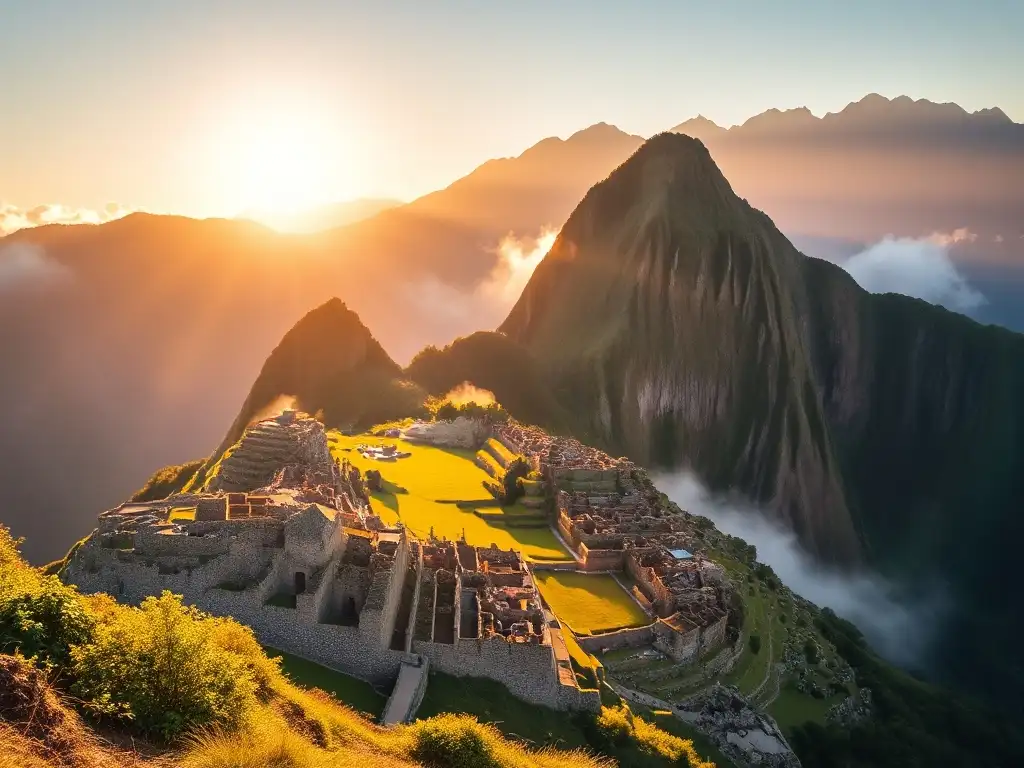
Step into a world lost to time, yet echoing with the whispers of a powerful empire. Uncover the secrets of the Andes, where towering mountains and breathtaking landscapes shaped not only the physical world but also the spiritual beliefs of the ancient civilizations that thrived there. This journey begins with Inca Machu Picchu's spiritual geography, a captivating exploration of how the Incas strategically chose their sacred sites, and the profound influence this had on their cosmology and daily life.
Prepare to be amazed by the ingenuity and mysticism of a civilization that continues to inspire awe. Dive in and discover the mysteries that await!
Machu Picchu, the iconic "Lost City of the Incas," stands as more than just a marvel of engineering; it's a testament to the profound connection between Inca spirituality and the natural world. This article delves into the sacred geography of Machu Picchu, exploring how its strategic location atop a mountain ridge, nestled within a breathtaking landscape, profoundly shaped Inca religious beliefs and practices.
We will examine the deliberate placement of structures, the use of astronomical alignments, and the symbolic significance of the surrounding environment to understand how Machu Picchu served as a vital center for Inca spiritual life, reflecting a worldview deeply intertwined with the Andean landscape. Understanding Machu Picchu's sacred geography provides crucial insights into the Inca worldview, revealing a sophisticated cosmology that viewed the mountains, rivers, and celestial bodies as integral parts of their spiritual reality.
This exploration will unveil how the Inca's understanding of Inca Machu Picchu spiritual geography shaped their society and continues to resonate today.
The Strategic Location: A Mountaintop Sanctuary
The choice of Machu Picchu's location wasn't arbitrary. Perched high in the Andes Mountains, the city commands a panoramic view of the surrounding valleys and peaks. This elevated position, often shrouded in mist and cloud, likely held significant symbolic meaning for the Inca. Mountains were revered as sacred entities, the abode of powerful deities and ancestral spirits.
The Inca believed that the apus (mountain gods) held dominion over the land and its resources, and Machu Picchu's elevated position symbolically placed it closer to these divine beings. Furthermore, the city's strategic location provided natural defenses, reinforcing its importance as a sanctuary and a place of spiritual refuge. The surrounding landscape, a complex interplay of mountains, rivers, and agricultural terraces, further contributed to the sacred aura of the site.
Astronomical Alignments: Celestial Connections
Evidence suggests that the placement of certain structures within Machu Picchu was carefully aligned with celestial events. The Intihuatana stone, for instance, a monolithic rock formation, is believed to have been used for astronomical observations, possibly marking solstices and equinoxes. These alignments underscore the Inca's sophisticated understanding of astronomy and their belief in the interconnectedness of the earthly and celestial realms.
By aligning structures with celestial cycles, the Inca reinforced the sacred nature of Machu Picchu, linking it to the cosmic order and the cyclical rhythms of nature. The precision of these alignments speaks volumes about the Inca's advanced knowledge and their deep reverence for the cosmos. Further research into these alignments continues to yield fascinating insights into Inca cosmology and their spiritual practices.
The Sacred Landscape: Integrating Nature and Spirituality
Machu Picchu wasn't merely a city; it was an integral part of a larger sacred landscape. The surrounding environment, with its intricate agricultural terraces, abundant water sources, and diverse flora and fauna, played a crucial role in Inca spiritual life. The Inca worldview emphasized a harmonious relationship between humanity and nature, and Machu Picchu reflected this philosophy.
The city's integration into the landscape, with its structures seamlessly blending with the natural contours of the mountain, highlights the Inca's deep respect for their environment. The agricultural terraces, meticulously crafted to maximize food production, were not just functional; they were also a testament to the Inca's ability to work in harmony with nature, reflecting a spiritual connection to the land. This interconnectedness between the built environment and the natural world is a key element in understanding the sacred geography of Machu Picchu.
Symbolism and Rituals: Unveiling Sacred Practices
While much remains unknown, archaeological evidence hints at a variety of rituals and ceremonies that took place within Machu Picchu. The presence of specific structures, such as temples and plazas, suggests that the city served as a focal point for religious practices.
The use of specific materials, such as finely crafted stonework and intricate carvings, further emphasizes the sacred nature of the site. The symbolism embedded within the architecture and the landscape likely played a vital role in Inca spiritual life, reinforcing their beliefs and fostering a sense of community.
Further research is needed to fully understand the specific rituals and ceremonies that were performed at Machu Picchu, but the existing evidence strongly suggests that the site held immense spiritual significance for the Inca civilization. The careful placement of structures, the astronomical alignments, and the overall design of the city all contribute to a greater understanding of Inca religious practices and beliefs.
This detailed exploration of Machu Picchu’s location and its influence on Inca spirituality helps us appreciate the city not just as a historical site, but as a living testament to a sophisticated and deeply spiritual civilization. The intricate interplay between the physical landscape and the Inca worldview continues to fascinate and inspire, enriching our understanding of this remarkable culture.
- The Strategic Location: A Mountaintop Sanctuary
- Astronomical Alignments: Celestial Connections
- The Sacred Landscape: Integrating Nature and Spirituality
- Symbolism and Rituals: Unveiling Sacred Practices
- What is the significance of Machu Picchu's location in Inca spirituality?
- How did the Incas use the landscape to express their beliefs at Machu Picchu?
- What role did Machu Picchu play in Inca religious practices?
- How does the concept of "spiritual geography" relate to Machu Picchu?
- Beyond Machu Picchu, how did geography influence Inca spirituality in other areas?
The Inca Worldview and the Significance of Place
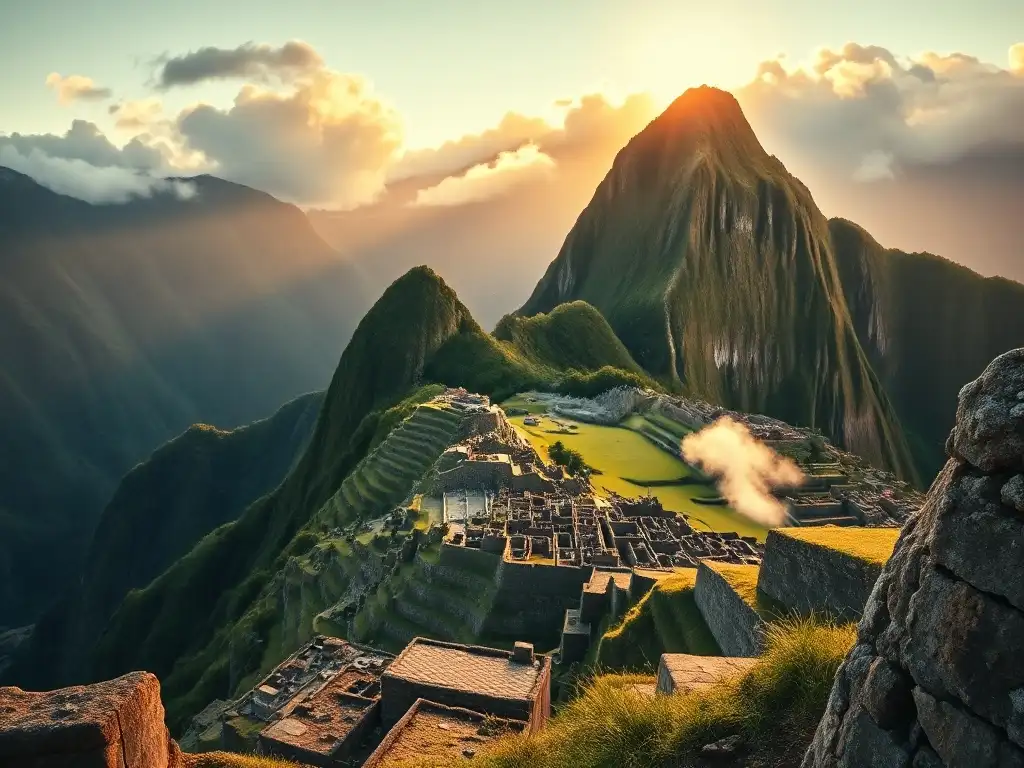
The Inca worldview, or cosmovision, deeply intertwined the physical world with the spiritual realm. Unlike many Western perspectives that see a sharp division between the material and the immaterial, the Inca saw them as inextricably linked. Their understanding of Pacha, the cosmos, shaped their relationship with the environment, influencing everything from urban planning to agricultural practices.
Machu Picchu's location, carefully selected and meticulously integrated into the surrounding landscape, exemplifies this profound connection. The Inca's selection of Machu Picchu wasn't arbitrary; it was a deliberate act, reflecting their deep understanding of the spiritual power inherent in specific geographical features. This sacred geography, intricately woven into Inca society, profoundly impacted their spiritual beliefs and practices.
The very placement of Machu Picchu, perched high in the Andes, speaks volumes about their reverence for the natural world and their belief in its sacred power. The meticulous integration of the site with its surroundings—the mountains, the rivers, the agricultural terraces—further underscores this deep spiritual connection. This section will explore the intricate relationship between Inca spirituality and the geographical location of Machu Picchu, highlighting how the site’s placement reinforced their cosmological beliefs.
Understanding Inca Cosmovision and its Connection to the Land
Inca cosmovision was a holistic system that viewed the universe as a unified whole, interconnected and interdependent. The three realms of Pacha – the upper world ( Hanan Pacha), the human world ( Kay Pacha), and the underworld ( Ukhu Pacha) – were not separate entities but rather parts of a continuous, vibrant reality. The Inca believed that the physical world was permeated with spiritual energy, and that certain places held particular spiritual significance.
Mountains, rivers, and other natural features were considered sacred, imbued with the power of ancestral spirits and deities. The Inca's understanding of the land was not merely practical; it was spiritual. Their agricultural practices, for example, weren't simply about sustenance; they were about maintaining a harmonious relationship with the Pacha, ensuring the continued flow of energy between the three realms.
The careful cultivation of terraced fields on the slopes of Machu Picchu demonstrates this holistic approach, reflecting a deep understanding of the interconnectedness of the physical and spiritual worlds. This attention to detail wasn't simply about efficient farming; it was a ritualistic act, a way of honoring the land and the spirits it contained. The Inca worldview, therefore, provides the essential framework for understanding the significance of Machu Picchu’s location.
The Concept of "Pacha" and its Manifestation in Inca Architecture
The concept of Pacha is central to understanding Inca spirituality and the selection of Machu Picchu's location. Pacha encompasses the entire cosmos, including the heavens, the earth, and the underworld. It represents a dynamic equilibrium, a constant interplay of forces. Inca architecture reflects this understanding of Pacha.
Buildings were not simply structures; they were carefully designed to harmonize with the surrounding landscape, reflecting the balance and order of the cosmos. Machu Picchu’s architecture, with its intricate stonework, terraces, and water management systems, perfectly embodies this principle. The integration of the city into the mountainside, the alignment of buildings with celestial events, and the precise placement of sacred spaces all contribute to a sense of harmony and unity with Pacha.
The very stones used in construction were carefully selected, reflecting the Inca belief in the inherent energy of the natural world. The precise fitting of stones, without mortar, demonstrates not only exceptional engineering skill but also a spiritual connection to the materials themselves. This attention to detail, extending to every aspect of the construction, showcases the profound importance of Pacha in Inca culture and its influence on Machu Picchu's design.
The Importance of Mountains ("Apus") in Inca Religious Beliefs
Mountains, known as Apus in Quechua, held immense spiritual significance for the Inca. They were considered sacred entities, dwelling places of powerful deities and ancestral spirits. The Apus were not merely geographical features; they were revered as living beings, integral to the cosmic order. Machu Picchu's location, nestled between towering peaks, underscores the importance of Apus in Inca religious beliefs.
The site's strategic placement allowed the Inca to maintain a close relationship with these sacred mountains, reinforcing their connection to the spiritual realm. The Inca performed rituals and offerings to the Apus, seeking their favor and protection. The orientation of certain structures within Machu Picchu may have been deliberately aligned with specific Apus, further emphasizing the site’s connection to the spiritual power of the mountains.
This strategic positioning wasn't simply a matter of defense or practicality; it was a deliberate act of aligning the city with the sacred forces of the Apus, ensuring the spiritual well-being of the community. The Inca’s reverence for the Apus is undeniable, and Machu Picchu’s location, carefully chosen amidst these sacred mountains, serves as a powerful testament to this profound belief. The spiritual power emanating from the Apus permeated every aspect of Inca life, and Machu Picchu stands as a remarkable example of how this sacred geography shaped their civilization.
Machu Picchu's Unique Topography: A Sacred Site
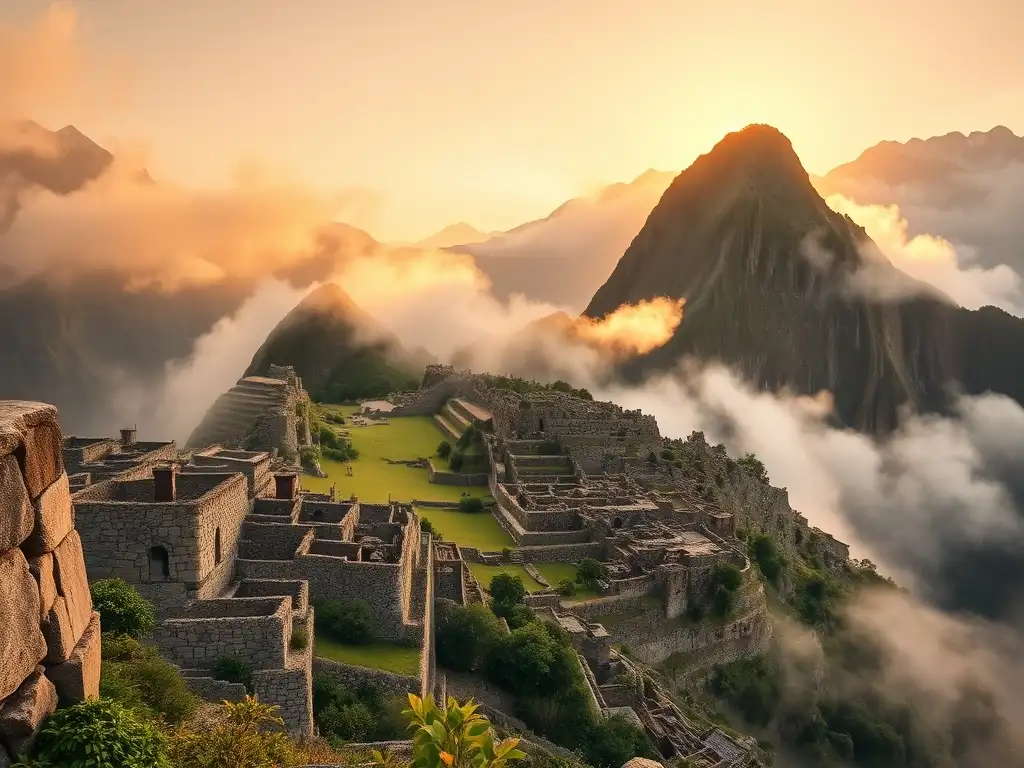
Machu Picchu's breathtaking location wasn't merely a matter of military strategy; it was deeply intertwined with Inca cosmology and spiritual beliefs. The Inca worldview saw the natural world as imbued with spiritual power, and Machu Picchu's unique topography – its dramatic mountain setting, intricate water management systems, and carefully chosen agricultural terraces – perfectly embodied this sacred geography. The careful selection of this site for the Inca's most important religious complex demonstrates a sophisticated understanding of the relationship between the physical environment and spiritual well-being.
This understanding, central to Inca cosmovisión, elevated Machu Picchu beyond a simple settlement to a place of profound spiritual significance. The very essence of Inca Machu Picchu spiritual geography is rooted in this harmonious blend of nature and sacred space.
The Strategic Location of Machu Picchu: A Mountain Sanctuary
The Incas, masters of mountain engineering, didn't select Machu Picchu randomly. Its position high in the Andes, nestled amongst towering peaks and shrouded in cloud forest, provided a natural defense. This strategic location, however, was more than just a military advantage; it reflected a deep-seated belief in the sacred power of mountains. Mountains were considered the abode of powerful deities, and Machu Picchu's elevated position symbolically placed it closer to these divine beings.
The imposing presence of Huayna Picchu and Machu Picchu Mountain themselves, framing the site, reinforced this spiritual significance. This strategic positioning, therefore, wasn't simply about protection; it was about establishing a sacred sanctuary, a place of communion between the earthly and spiritual realms. The careful selection and integration of the mountain landscape into Inca Machu Picchu spiritual geography is a testament to their sophisticated planning and profound spiritual beliefs.
The Convergence of Rivers and Mountains: Defining Sacred Space
The interplay of water and mountains at Machu Picchu further enhanced its sacred character. The Urubamba River, a vital source of life, flows dramatically through the Sacred Valley below, its energy palpable. The intricate network of canals and fountains within Machu Picchu itself expertly harnessed this water, distributing it to agricultural terraces and ceremonial sites. This control over water, a life-giving force, was deeply symbolic.
The convergence of the river and the mountains, with Machu Picchu nestled between them, created a powerful nexus of energy, a place where the earthly and spiritual realms intersected. This convergence wasn’t just a practical achievement; it was a deliberate act of shaping Inca Machu Picchu spiritual geography. The carefully planned water systems were not merely utilitarian; they were integral to the spiritual life of the city.
The Natural Features of Machu Picchu as Expressions of Divinity
Machu Picchu's natural features weren't simply passive elements of the landscape; they were active participants in Inca spirituality. The Intihuatana stone, for example, a significant astronomical feature, was believed to be a place where the sun was "tied" or anchored. This demonstrates a direct link between the natural world and the Inca pantheon.
The agricultural terraces, meticulously carved into the mountainside, were not only practical but also symbolic of Inca mastery over nature. This control, however, wasn't exploitative; it was a form of reverence, a recognition of the interconnectedness of all things. The very act of cultivating the land in such a challenging environment was a sacred act, reflecting the Inca’s deep respect for the natural world and its integration into Inca Machu Picchu spiritual geography.
Each element of the landscape, from the towering mountains to the flowing water, contributed to the city's spiritual power, creating a truly sacred site. The intricate relationship between the environment and the religious beliefs of the Inca civilization is clearly reflected in the very design of Machu Picchu. This is not just a historical site; it is a testament to a sophisticated and deeply spiritual worldview.
The Spiritual Alignment of Machu Picchu's Structures
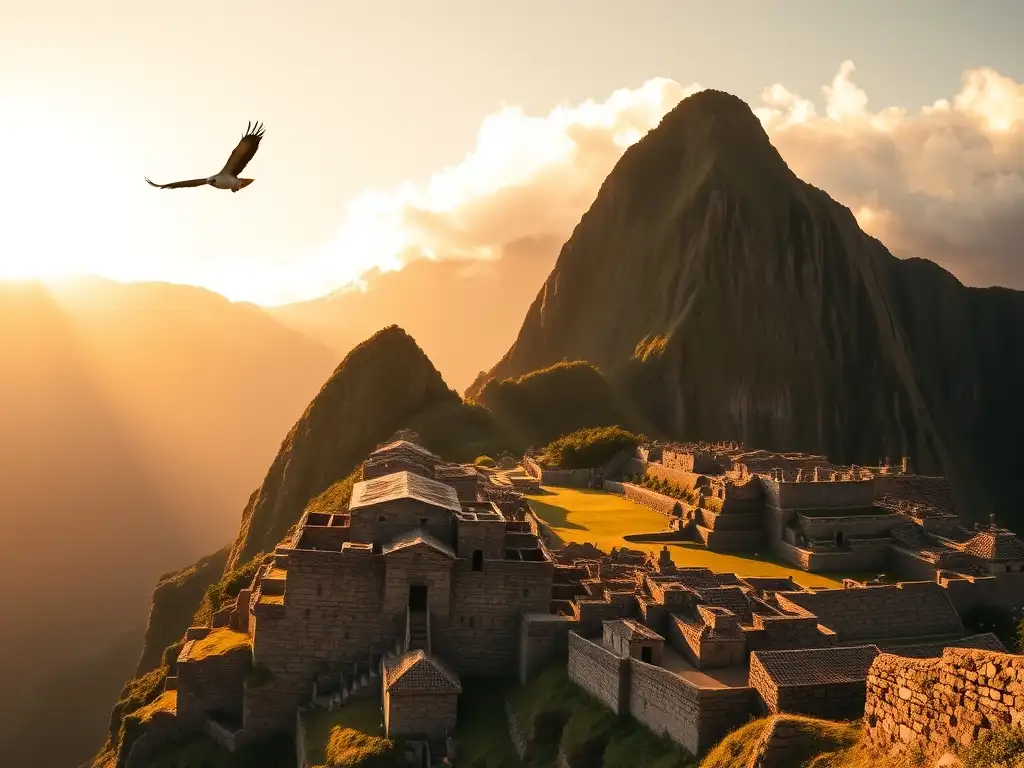
Machu Picchu's breathtaking setting wasn't merely a matter of practicality; its strategic location within the Andes Mountains was deeply intertwined with Inca cosmology and spirituality. The Inca's understanding of Inca Machu Picchu spiritual geography extended beyond mere aesthetics; it was a meticulously planned integration of architecture, landscape, and celestial events designed to foster a profound connection between the earthly and divine realms. The precise placement of structures within the complex wasn't accidental; it reflects a sophisticated understanding of astronomy and a deeply spiritual worldview.
This deliberate alignment of buildings with key geographical features and celestial bodies underscores the sacred nature of Machu Picchu as a site of immense spiritual significance for the Inca Empire. This section will delve into specific examples demonstrating this profound connection.
Temple of the Sun: Alignments with Celestial Events
The Temple of the Sun, a remarkably preserved structure at Machu Picchu, stands as a prime example of the Inca's astronomical knowledge and its integration into their religious practices. Evidence suggests that its design incorporates precise alignments with key celestial events, particularly the solstices and equinoxes. While precise data on the specific alignments is still being researched and refined, preliminary studies indicate that windows and doorways within the temple were strategically positioned to frame the rising or setting sun on significant dates.
This careful orientation allowed for the observation of solar movements and the precise marking of the changing seasons, events of paramount importance in the Inca agricultural calendar and religious practices. The Inca Machu Picchu spiritual geography is clearly demonstrated in this meticulously planned structure, a testament to the sophisticated astronomical knowledge of Inca priests and architects.
It wasn't merely a building; it was a living calendar, a tangible link between the earthly and celestial realms. The interplay of light and shadow within the temple on these specific days likely played a crucial role in Inca rituals and ceremonies, further emphasizing the sacred nature of the site.
The precision involved in these alignments suggests a deep understanding of geometry and astronomy far exceeding what was previously thought possible for pre-Columbian civilizations. Further research employing modern astronomical software and techniques is needed to fully uncover the intricacies of the Temple of the Sun's celestial alignments and their impact on Inca spirituality. This ongoing research promises to reveal even more about the sophisticated system of knowledge underpinning the Inca Machu Picchu spiritual geography.
Intihuatana Stone: Connecting with Solar Energy
The Intihuatana Stone, meaning "place where the sun is tied," is another pivotal element within Machu Picchu's sacred landscape. This monolithic structure, located on a high vantage point within the complex, is believed to have served as a crucial focal point for solar observations and rituals. Its unique shape and precise orientation suggest that it was used to mark the solstices and equinoxes, allowing Inca priests to track the sun's movements with remarkable accuracy. The Inca Machu Picchu spiritual geography is powerfully illustrated by this stone, considered a potent symbol of the Inca's connection to the sun god, Inti.
The Intihuatana Stone is not merely a calendar marker; it represents a deeper spiritual connection. Inca beliefs emphasized the sun's life-giving energy, and the stone's positioning likely facilitated rituals aimed at harnessing this energy for agricultural prosperity and spiritual renewal. The stone's placement, combined with the surrounding landscape, likely created a powerful symbolic and energetic connection between the earthly and celestial realms.
The precise nature of these rituals, however, remains a subject of ongoing scholarly debate and requires further investigation. More research into the stone's possible symbolic meanings within the broader context of Inca mythology is needed to fully understand its role in the Inca Machu Picchu spiritual geography.
Sacred Plaza and its Role in Inca Rituals
The Sacred Plaza, the central hub of Machu Picchu, played a crucial role in the city's spiritual life. Its location at the heart of the complex, combined with its carefully designed layout and the surrounding structures, suggests that it served as the primary venue for a range of important Inca rituals and ceremonies. The Inca Machu Picchu spiritual geography is evident in the plaza's design, which facilitated the gathering of large groups of people for important events.
The plaza's design, including its orientation towards significant geographical features and celestial bodies, further underscores its spiritual significance. The carefully planned placement of fountains, shrines, and other structures within the plaza suggests a deliberate attempt to create a sacred space that fostered a connection between the earthly and spiritual realms. Further research is needed to fully understand the specific rituals that were performed in the Sacred Plaza, but its central location and carefully planned design leave little doubt about its importance in the religious life of Machu Picchu.
The size and layout of the plaza allowed for large-scale ceremonies and public gatherings, reflecting the importance of communal participation in Inca religious practices. The interplay of architectural features and the surrounding landscape within the Sacred Plaza created a powerful and evocative setting for these rituals, confirming its pivotal role in the Inca Machu Picchu spiritual geography.
Royal Residences and their Connection to Inca Power and Spirituality
The placement of royal residences within Machu Picchu wasn't arbitrary; it was meticulously planned to reflect and reinforce Inca power and spirituality. The principal structures, such as the Intihuatana stone and the main temples, were positioned to maximize their alignment with celestial events and significant geographical features. This deliberate arrangement symbolized the Inca emperor's divine right to rule and his connection to the cosmos. The very act of inhabiting these strategically located residences served to legitimize the emperor's authority and maintain the sacred order.
The Intihuatana stone, for example, is believed to have been used for solar observations, its positioning allowing for precise tracking of the solstices and equinoxes. This demonstrates a sophisticated understanding of astronomy and its integration into the Inca worldview. By controlling and interpreting these celestial phenomena, the Inca emperor further solidified his role as a divine intermediary between the earthly and spiritual realms. The emperor's residence, situated in close proximity to the Intihuatana, directly linked his dwelling place with these crucial astronomical markers, underscoring his divine authority.
Furthermore, the layout of the royal residences themselves reflected the hierarchical structure of Inca society. The size and location of individual buildings within the complex mirrored the social standing of their occupants. The most prominent structures, naturally, belonged to the emperor and his closest advisors, emphasizing their privileged position within the sacred geography of Machu Picchu.
This spatial arrangement not only reinforced social hierarchy but also visually manifested the spiritual authority of the ruling class. The more prominent the placement, the closer the individual was perceived to be to the spiritual power emanating from the site. This created a visual and physical manifestation of Inca spiritual beliefs and social order.
The careful arrangement of these buildings, therefore, wasn't just a matter of practical design; it was a powerful statement about power, divinity, and the intricate connection between the earthly and spiritual realms within the Inca worldview. The meticulous planning underscores the Inca's deep understanding of the symbolic power of space and its role in maintaining both political and spiritual control.
The Influence of Geography on Inca Rituals at Machu Picchu
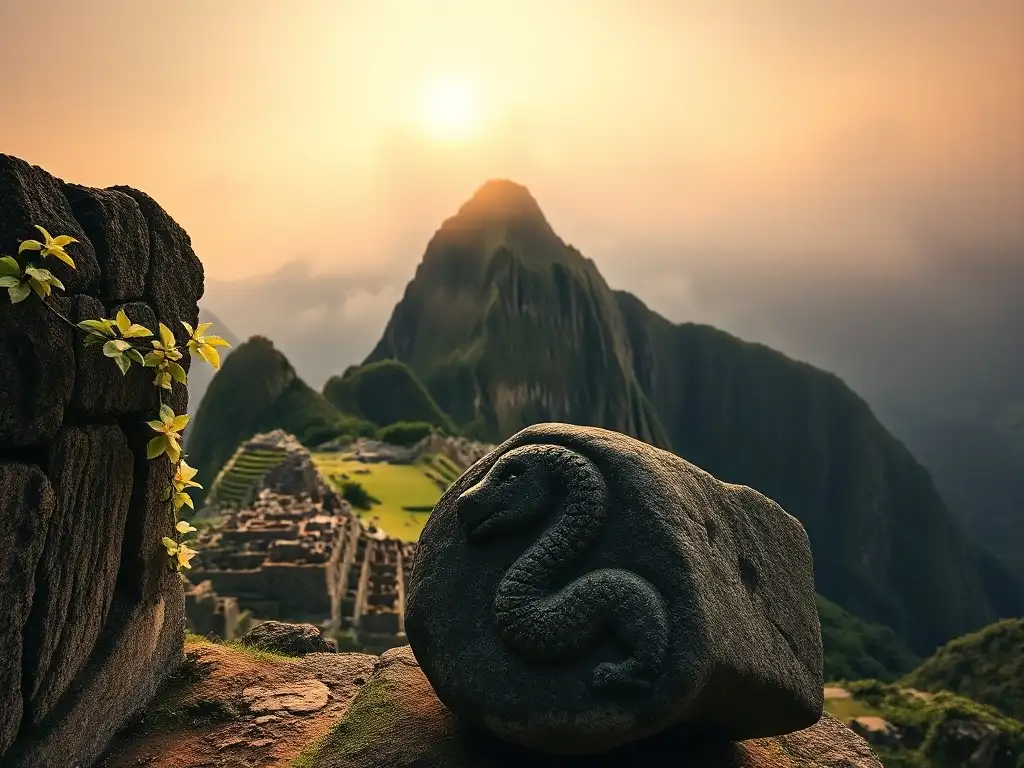
The breathtaking location of Machu Picchu, nestled high in the Andes Mountains, wasn't merely a strategic defensive position for the Inca; it was a sacred site deeply intertwined with their spiritual beliefs and practices. The Inca worldview, profoundly shaped by their environment, saw the landscape as a living entity, a manifestation of the divine. Understanding the Inca's spiritual geography at Machu Picchu requires examining how its unique geographical features – the agricultural terraces, intricate water channels, and the harmonious blend of architecture and nature – formed the backdrop for their religious rituals and ceremonies.
This intricate relationship between the physical environment and Inca spirituality profoundly shaped their worldview and daily lives. The concept of Inca Machu Picchu spiritual geography highlights this deep connection.
Agricultural Terraces: Rituals of Gratitude to Pachamama
The iconic agricultural terraces of Machu Picchu weren't simply a marvel of engineering; they were integral to the Inca's spiritual life. These meticulously crafted terraces, carved into the mountainside, represented their connection to Pachamama, the Earth Mother. The act of cultivating the land was a sacred ritual, a way of honoring Pachamama and ensuring her continued bounty. Evidence suggests that specific ceremonies, involving offerings of coca leaves, chicha (a fermented corn beverage), and other sacred items, were performed at various points during the agricultural cycle. These weren't merely practical actions; they were deeply spiritual expressions of gratitude and reciprocity.
The terraces themselves, with their carefully planned layout and orientation, may have also held symbolic significance, potentially reflecting the Inca cosmology and their understanding of the cosmos. Further research is needed to fully decipher the potential astronomical alignments and symbolic meanings embedded within the terrace system. This meticulous agricultural system, therefore, served not only a practical purpose but also a crucial spiritual one within the Inca Machu Picchu spiritual geography. The abundance of crops wasn't just a result of human ingenuity; it was a blessing from Pachamama, earned through respectful cultivation and ritualistic offerings.
Water Channels and their Symbolic Significance
Machu Picchu's sophisticated water management system, comprising intricate channels and fountains, further underscores the spiritual significance of its geography. Water, a life-giving force, held immense religious importance for the Inca. The carefully engineered channels that directed water throughout the city weren't merely functional; they were conduits of sacred energy. The precise control of water flow, the creation of fountains, and the placement of water features within the site likely symbolized the Inca's ability to harness and control the forces of nature, reflecting their mastery over the divine.
The presence of ceremonial baths and other water-related structures within the site suggests that water played a central role in purification rituals and ceremonies. It is likely that these water features were used for cleansing before religious ceremonies, mirroring the importance of water in many Andean spiritual traditions.
The strategic placement and design of these channels and fountains are key components of understanding the Inca Machu Picchu spiritual geography, reflecting the Inca belief in the sacredness of water and its connection to the divine. More research into the chemical composition of water found in these channels could provide further insights into their ritualistic significance.
The Integration of Nature and Architecture in Inca Ceremonies
The Inca's architectural prowess at Machu Picchu is inseparable from their spiritual worldview. The city itself was designed in harmony with its natural surroundings, seamlessly integrating architecture and nature. The buildings were not simply placed on the landscape; they were part of the landscape, with structures carefully positioned to align with significant geographical features and celestial events. This intimate relationship between architecture and nature formed the basis for many Inca ceremonies.
For example, the placement of temples and other sacred structures on prominent vantage points likely enhanced their spiritual power, allowing for direct interaction with the divine forces believed to inhabit the mountains and skies. The use of local materials, such as stone, wood, and thatch, further emphasized the connection between the built environment and the natural world. This harmonious integration of human construction and the natural environment was not just an aesthetic choice; it was a fundamental aspect of the Inca's spiritual understanding.
The Inca Machu Picchu spiritual geography is, therefore, best understood as a holistic system, where the built environment and the natural environment were inextricably linked. This deep integration of nature and architecture significantly shaped the context and meaning of Inca rituals performed at Machu Picchu. Further archaeological investigation could uncover more evidence supporting this holistic understanding of the Inca's spiritual geography.
Decoding the Spiritual Geography of Machu Picchu
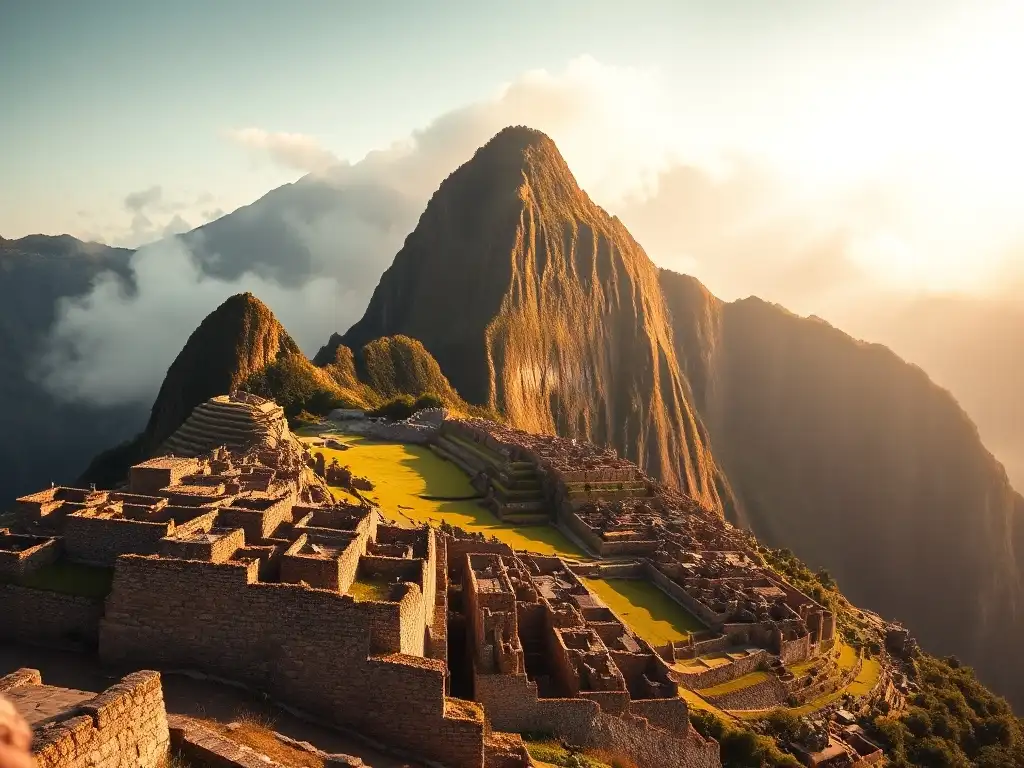
Machu Picchu's fame rests not only on its breathtaking architecture but also on its profound connection to Inca spirituality. Understanding this connection requires examining the site's deliberate placement within the sacred landscape. The Incas weren't simply building a city; they were constructing a cosmovision, a tangible representation of their worldview.
This section explores the intricate relationship between Machu Picchu's physical location and its spiritual significance, focusing on the interplay of celestial alignments, natural features, and ritual practices. We will delve into the meticulous planning that went into choosing this specific location, revealing how the Incas strategically used the geography to reinforce their religious beliefs and strengthen their connection to the divine. This analysis will illuminate how Inca Machu Picchu spiritual geography influenced every aspect of life within the citadel.
The Symbolic Meaning of Machu Picchu's Layout
The layout of Machu Picchu itself is a testament to Inca cosmology. The city's precise orientation towards the cardinal directions, coupled with its integration into the surrounding mountain landscape, reflects the Inca belief in the harmonious relationship between the human world and the cosmos. The placement of key structures, such as the Intihuatana (sun dial) and the Temple of the Sun, wasn't arbitrary.
These were carefully positioned to mark solstices and equinoxes, highlighting the Inca's deep understanding of astronomy and their reverence for the sun, a central deity in their pantheon. For example, the Intihuatana's alignment with the winter solstice sunrise suggests a deliberate attempt to synchronize the city's rhythm with the celestial cycles. This precise alignment wasn't just a feat of engineering; it was a sacred act, reinforcing the power of the Inca rulers and their divine mandate.
The meticulous planning and execution demonstrate a sophisticated understanding of both astronomy and symbolic representation, transforming Machu Picchu into a living testament to Inca beliefs. The integration of the urban layout with the natural environment further underscores the spiritual significance: mountains represented deities, while rivers symbolized life-giving forces.
Interpreting the Sacred Landscape through Inca Beliefs
Inca beliefs regarding mountains, water sources, and celestial bodies significantly impacted the selection and design of Machu Picchu. Mountains were considered sacred entities, often dwelling places of powerful deities. The towering peaks surrounding Machu Picchu, such as Huayna Picchu and Machu Picchu Mountain, were not merely geographical features; they were integral components of the sacred landscape, imbued with spiritual power.
Similarly, the water sources within and around the citadel held profound symbolic meaning. The intricate network of canals and fountains wasn't just for practical purposes; it represented the life-giving force of water, essential to both agricultural prosperity and spiritual well-being. The integration of these natural elements into the city's design underscores the Inca's holistic worldview, where the sacred and the profane were inextricably linked.
This holistic approach to the environment is exemplified by the careful consideration given to the city's agricultural terraces, which were not only functional but also symbolically linked to the fertility of the land and the abundance provided by the gods. The Inca worldview is thus reflected in the very fabric of Machu Picchu.
The Legacy of Inca Spiritual Geography in Modern Understanding
The legacy of Inca spiritual geography continues to resonate today. The enduring fascination with Machu Picchu stems not only from its architectural marvel but also from its profound spiritual significance. While many aspects of Inca religion remain shrouded in mystery, the careful study of Machu Picchu's location and layout offers valuable insights into their cosmological beliefs.
Modern scholars continue to research the site, utilizing advanced technologies to further unravel the mysteries of its design and the intricate relationship between the Incas and their sacred landscape. Furthermore, the site’s enduring power attracts millions of visitors annually, highlighting the continuing global interest in the Inca civilization and their profound connection to the natural world.
The enduring appeal of Machu Picchu serves as a potent reminder of the enduring power of place and the importance of understanding the spiritual dimensions of ancient civilizations. The continued study of Inca Machu Picchu spiritual geography promises to reveal even more about the sophisticated beliefs and practices of this remarkable civilization.
Conclusion: Machu Picchu as a Testament to Inca Spirituality and Geography
Machu Picchu's strategic location wasn't merely a matter of military defense or agricultural advantage; it was a deliberate choice reflecting profound Inca beliefs about the relationship between humanity and the cosmos. The meticulous planning evident in its layout, the careful selection of building materials, and the orientation of structures towards significant celestial events all point to a sophisticated understanding of sacred geography, deeply intertwined with Inca spiritual practices.
Understanding Machu Picchu requires acknowledging its role not just as a city, but as a living embodiment of Inca cosmology and a testament to their profound reverence for the natural world. This understanding enriches our appreciation of Inca civilization and provides valuable insights into the complexities of their worldview.
The meticulous integration of spiritual beliefs into the very fabric of Machu Picchu highlights the holistic nature of Inca society, where the physical and spiritual realms were inextricably linked. Further research into Inca astronomical knowledge and its influence on urban planning could illuminate additional aspects of this fascinating interplay between geography and spirituality.
Reflecting on the Intertwined Relationship Between Nature and Spirituality
The Inca worldview emphasized a harmonious relationship between humanity and nature. Mountains, rivers, and celestial bodies were not simply geographical features; they were powerful spiritual entities, imbued with huacas—sacred power. Machu Picchu's location, nestled within a breathtaking mountain landscape and strategically positioned near significant water sources, reflects this deep-seated reverence.
The Inca’s meticulous construction techniques, often incorporating local materials like granite and carefully fitting stones together without mortar, demonstrate a respect for the landscape and a desire to integrate their structures seamlessly into the environment. This wasn't simply practical construction; it was a spiritual act, reinforcing the interconnectedness of the built environment and the natural world.
The carefully planned agricultural terraces, for example, were not just for food production; they were part of a larger system that connected the human realm to the spiritual forces of the earth. This intricate relationship between nature and spirituality is a crucial element in understanding the significance of Machu Picchu’s location.
Machu Picchu: A Living Example of Inca Sacred Geography
Machu Picchu is a prime example of Inca sacred geography, a concept that emphasizes the spiritual significance of specific locations and their relationship to the cosmos. The city's layout, with its precise alignment of structures with celestial bodies and its incorporation of natural features into its design, showcases a sophisticated understanding of astronomy and its connection to spiritual beliefs. The Intihuatana stone, for instance, believed to be used for solar observations and rituals, exemplifies this integration of astronomy and religion.
The city's location itself, high in the Andes, was likely chosen for its proximity to powerful huacas, enhancing its spiritual significance. Furthermore, the carefully planned agricultural terraces, water management systems, and the overall layout of the city all contribute to its function as a living manifestation of Inca cosmology.
The placement of buildings, pathways, and even individual stones wasn't arbitrary; it was a deliberate act, reflecting a deep understanding and respect for the sacred landscape. Analyzing these aspects reveals a complex system of beliefs and practices that shaped not only the physical layout of Machu Picchu but also the very essence of Inca society.
The Enduring Significance of Inca Spiritual Practices
The spiritual practices of the Inca civilization continue to resonate today. The enduring legacy of Machu Picchu as a site of pilgrimage and spiritual significance speaks volumes about the power of Inca beliefs. While many details of Inca religion remain shrouded in mystery, the tangible evidence left behind in sites like Machu Picchu provides valuable clues to their worldview.
The meticulous planning, construction, and overall design of Machu Picchu suggest a society deeply connected to the natural world and guided by sophisticated spiritual beliefs. The survival of these practices, albeit transformed over time, highlights the resilience of cultural memory and the enduring power of place. Further research into the surviving traditions and beliefs of Andean communities can offer additional insights into the continuity and transformation of Inca spiritual practices.
Machu Picchu stands not only as a testament to Inca ingenuity and architectural skill but also as a powerful reminder of the enduring influence of their spiritual beliefs on the landscape and the people who inhabited it. The careful study of Inca spiritual practices, as reflected in Machu Picchu, offers a unique lens through which to understand the complexities and richness of Andean civilization.
Frequently Asked Questions
What is the significance of Machu Picchu's location in Inca spirituality?
Machu Picchu's location was crucially important to Inca spirituality. Its placement within the Andes mountains, with its connection to celestial bodies, and access to agricultural terraces and water sources, reflected their worldview and religious practices. It was considered a sacred site, a place of spiritual power.
How did the Incas use the landscape to express their beliefs at Machu Picchu?
The Incas skillfully integrated their religious beliefs into the very fabric of Machu Picchu's landscape. The precise alignment of structures with celestial events, and the symbolic use of mountains and water, all contributed to the site's sacred character. It was a living expression of their cosmology.
What role did Machu Picchu play in Inca religious practices?
Machu Picchu served as a significant religious center, potentially used for ceremonies, rituals, and pilgrimages. Evidence suggests it may have housed priests and played a role in maintaining cosmological balance. Its remote location also enhanced its sacred aura.
How does the concept of "spiritual geography" relate to Machu Picchu?
"Spiritual geography" highlights the intertwining of physical space and spiritual beliefs. At Machu Picchu, the sacred landscape itself was integral to Inca spirituality. The site's design and location were not arbitrary, but rather deliberately chosen to reflect and reinforce their cosmology.
Beyond Machu Picchu, how did geography influence Inca spirituality in other areas?
Inca spirituality was deeply connected to geography across their empire. Sacred sites were established in strategically significant locations, often linked to mountains, water sources, and celestial alignments. This spatial arrangement reflected their understanding of the cosmos and their place within it.
Final Reflection: Echoes of the Andes: Machu Picchu's Enduring Spiritual Legacy
The breathtaking heights of Machu Picchu resonate not only with the echoes of Inca civilization but also with the persistent human need to connect with the sacred. Its strategic location, meticulously chosen by the Inca, continues to inspire awe and wonder, reminding us of the profound relationship between humanity and the natural world. The enduring power of this connection transcends time, offering valuable lessons for our own understanding of spirituality and place.
Machu Picchu's influence extends far beyond its physical boundaries; it permeates our understanding of Inca cosmology and the deep spiritual significance they attributed to geography. The careful placement of temples, agricultural terraces, and urban structures within the mountain landscape speaks volumes about their worldview. It's a testament to the Inca's profound respect for nature, a respect that is increasingly relevant in our modern world grappling with environmental challenges. The mountains are not simply stones, but living beings, imbued with spiritual power.
– (Hypothetical quote from an Inca scholar, adapt as needed). This resonates deeply with me, highlighting the need to reconnect with the earth and acknowledge the sacredness inherent in our surroundings.
Consider, for a moment, the profound impact of place on your own life. Where do you find solace? Where do you feel most connected to something larger than yourself? Machu Picchu's enduring legacy invites us to reflect on our own relationship with the sacred, urging us to seek out those places that nourish our souls and inspire a deeper connection with the world around us. Let the echoes of the Andes inspire you to find your own sacred geography, and to cultivate a more mindful and reverent relationship with the natural world.
**Embrace the Spirit of the Andes! **
Thank you for exploring the wonders of Machu Picchu and its profound influence on Inca spirituality. You've discovered how geography shaped ancient beliefs, and now it's time to delve even deeper!
Here's how you can further connect with this captivating culture:
- **Plan your journey:** A visit to Machu Picchu is an unforgettable experience, allowing you to feel its sacred energy firsthand. Research the best time to travel and start planning your adventure today!
- **Share your knowledge:** Discuss your newfound understanding of the spiritual significance of Machu Picchu's geography with friends and family, or share your insights on social media. Inspire others to explore the wonders of ancient civilizations!
- **Continue your exploration:** Discover more about Andean civilizations through our other articles, enriching your understanding and appreciation of the region's rich heritage.
Which aspect of Machu Picchu's spiritual significance resonated most with you?