
Geometric Genius: Exploring the Intricate Patterns in Andean Metal Art

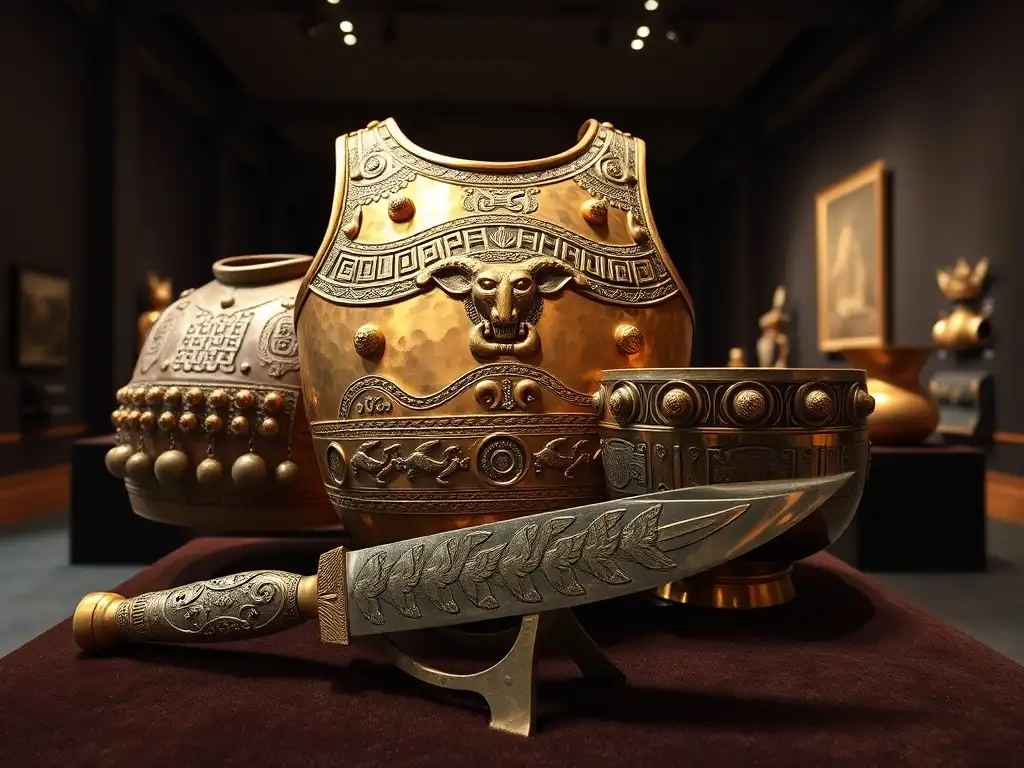
Step into a world lost to time, yet echoing with the brilliance of Andean civilizations. Prepare to be captivated by the intricate artistry and complex societies that flourished in the Andes Mountains. Discover the secrets hidden within Andean metalwork patterns, a testament to the ingenuity and sophisticated techniques of these ancient cultures. Their geometric genius awaits – dare to unravel the mysteries?
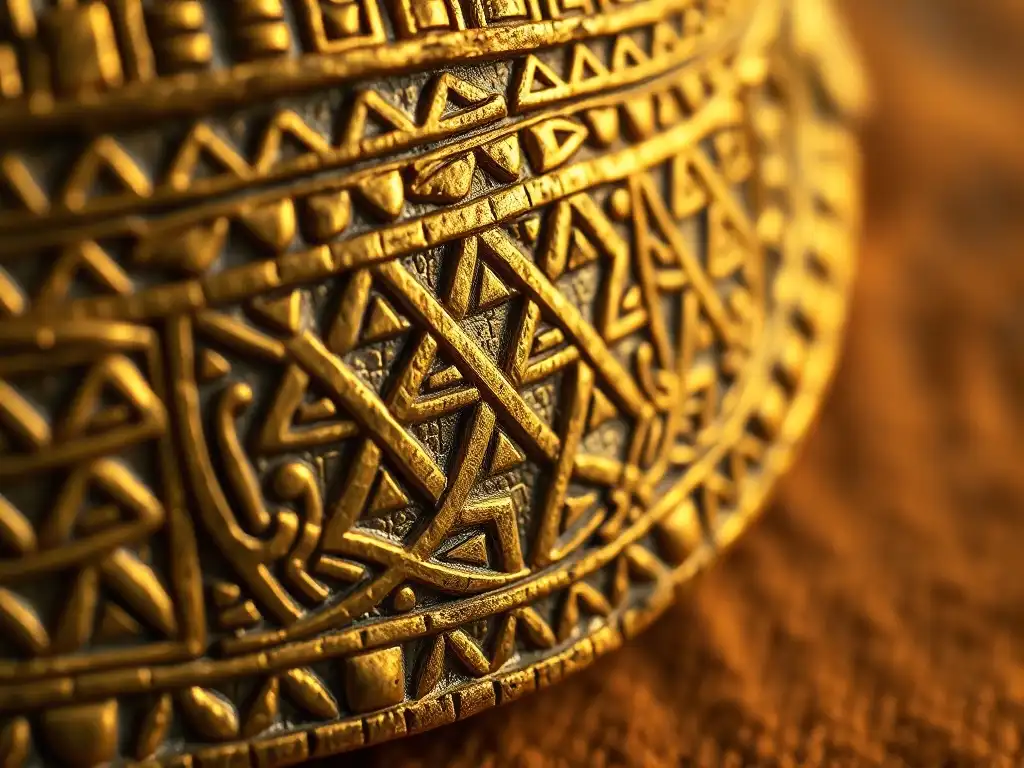
The Andes Mountains, a spine of towering peaks stretching along the western edge of South America, were home to a dazzling array of pre-Columbian civilizations. Beyond their impressive architectural feats like Machu Picchu and the Nazca Lines, these cultures—including the Incas, Moche, Nazca, and Tiahuanaco—left behind a remarkable legacy of artistry, particularly in metalworking.
This article delves into the fascinating world of Andean metal art, focusing on the intricate geometric patterns that define much of its aesthetic appeal and reveal profound insights into the beliefs and societal structures of these ancient societies. We will explore the techniques, symbolism, and cultural significance embedded within these meticulously crafted designs, showcasing the unparalleled skill and ingenuity of Andean artisans.
Understanding these patterns provides a key to unlocking a deeper appreciation for the sophisticated cultures that created them, demonstrating their mastery not just of metallurgy, but also of complex mathematical and symbolic systems. Prepare to be amazed by the geometric genius of the Andes!
The Materials and Techniques of Andean Metalworkers
Andean metalworkers demonstrated an astonishing mastery of diverse techniques. Their access to various metals, including gold, silver, copper, and alloys like tumbaga (a gold-copper alloy), allowed for a wide range of aesthetic and functional possibilities. The process began with mining the raw materials, often in challenging high-altitude environments.
Subsequently, complex techniques like hammering, casting (using lost-wax methods), soldering, and repoussé (hammering from the back to create raised designs) were employed to shape the metal into intricate forms. The precision and detail achieved in these pieces are truly remarkable, especially considering the tools available at the time.
For example, the incredibly fine details found in some gold sheets suggest the use of highly specialized hammering techniques and possibly even rudimentary forms of annealing to improve the metal's malleability. The creation of these pieces wasn't simply a matter of technical skill; it was a deeply symbolic act, imbued with cultural and religious significance.
Deciphering the Geometry: Common Patterns and Their Meanings
The geometric patterns found in Andean metalwork are far from random; they are carefully planned and executed, reflecting a deep understanding of mathematics and cosmology. Common motifs include:
- Step patterns: These represent the terraced agricultural landscapes characteristic of the Andes, symbolizing agricultural productivity and abundance. They also likely held deeper spiritual connotations, connecting the earthly realm with the celestial.
- Zigzags: Often interpreted as representations of mountains, rivers, or lightning, zigzags frequently appear in conjunction with other patterns, adding complexity and depth to the overall design. Their dynamic nature may have symbolized the energy and power of the natural world.
- Spirals: These represent cyclical processes, such as the sun's journey across the sky or the cycle of life, death, and rebirth. Spirals are found in various cultures worldwide, but their specific interpretation in Andean art requires further research.
- Crosses: While often associated with Christianity, crosses in Andean metalwork predate the Spanish conquest and likely held different meanings, potentially symbolizing the four cardinal directions, the intersection of different realms, or even specific deities.
- Geometric Interlocking Designs: These intricate patterns, often combining triangles, squares, and other shapes, suggest a sophisticated understanding of geometry and spatial relationships. Their complexity likely served to demonstrate the artisans' skill and the prestige of those who commissioned the works.
Regional Variations in Andean Metalwork Patterns
While certain patterns appear across different Andean cultures, regional variations are also significant. For instance, the Moche culture is known for its elaborate depictions of mythical beings and scenes of daily life integrated within their geometric designs, while Inca metalwork often displays a more formal and symmetrical style. The Nazca, renowned for their ground drawings, also incorporated similar geometric motifs into their metalwork, though the specific interpretations may differ.
Further research is needed to fully understand the nuanced regional differences in both style and symbolic meaning. Each region’s unique environment and cultural beliefs likely influenced the specific patterns and techniques employed. This diversity underscores the rich tapestry of artistic expression within the Andes.
The Legacy of Andean Metalwork Patterns
The intricate geometric patterns found in Andean metal art continue to fascinate and inspire. These pieces serve as a testament to the ingenuity and artistic vision of the ancient Andean cultures. Their enduring appeal lies not only in their aesthetic beauty but also in the profound cultural and historical insights they offer.
By studying these patterns, we gain a deeper understanding of the mathematical, cosmological, and religious beliefs of these remarkable civilizations, enriching our appreciation for their rich legacy. The enduring influence of Andean art is evident in contemporary designs, showcasing the timeless beauty and enduring relevance of these ancient traditions. The study of Andean metalwork patterns remains a vibrant area of research, with new discoveries and interpretations continually enriching our understanding of these captivating works of art.
- The Materials and Techniques of Andean Metalworkers
- Deciphering the Geometry: Common Patterns and Their Meanings
- Regional Variations in Andean Metalwork Patterns
- The Legacy of Andean Metalwork Patterns
The Significance of Geometric Designs in Ancient Andean Metalwork
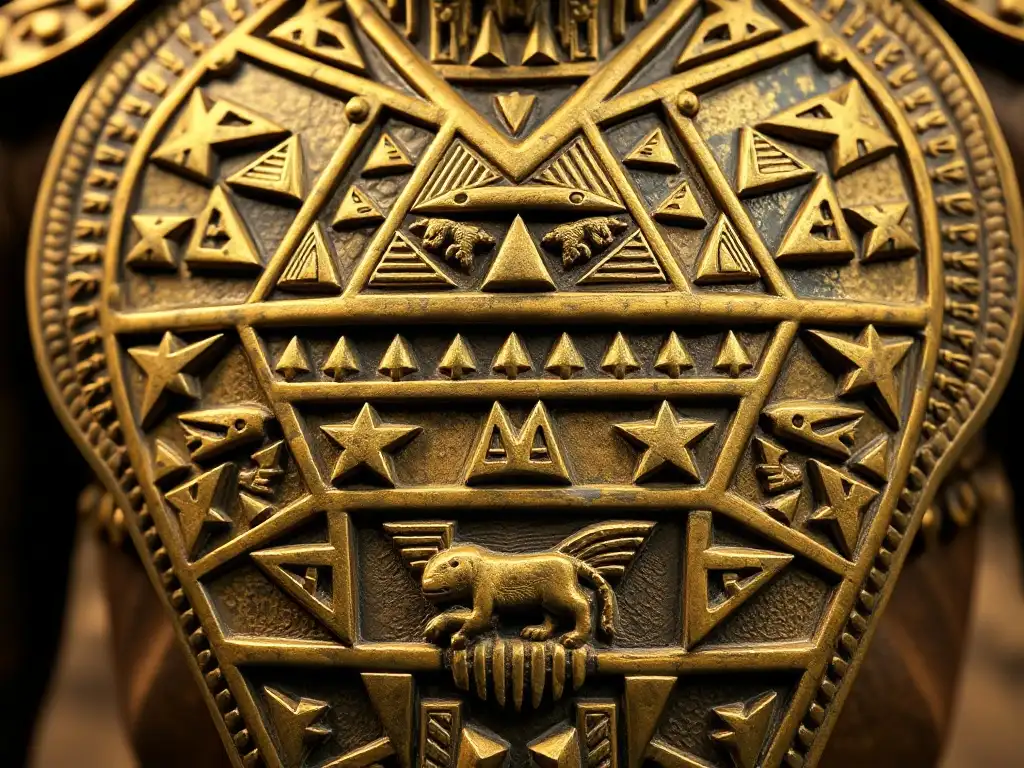
Geometric designs weren't merely decorative flourishes in Andean metalwork; they held profound cultural and symbolic significance. These patterns, meticulously crafted into gold, silver, and copper alloys, served as powerful visual languages, conveying complex narratives, social status, and cosmological beliefs. The precision and intricacy of the designs reveal a deep understanding of mathematics and geometry, far surpassing what many might expect from "pre-Columbian" societies. The prevalence of specific motifs across different Andean cultures – from the Incas to the Moche – suggests a shared symbolic system, albeit with regional variations.
Further research into the specific meanings attributed to these patterns is crucial to fully understanding the rich tapestry of Andean culture. Analyzing the context of discovery – whether in tombs, temples, or everyday settings – provides valuable clues about the intended function and significance of these objects. For instance, the presence of specific geometric patterns on ceremonial objects might indicate their use in rituals or religious ceremonies.
Similarly, the patterns found on personal adornments could reveal insights into social hierarchies and individual identities. The study of Andean metalwork patterns, therefore, offers a unique window into the beliefs, practices, and social structures of these fascinating civilizations. The sheer artistry involved, combined with the profound cultural meaning, makes these pieces invaluable artifacts for understanding Andean history.
Andean Metalworking Techniques and Their Impact on Pattern Creation
The remarkable precision of Andean metalwork patterns was achieved through a variety of sophisticated techniques. The artisans employed techniques such as hammering, repoussé (hammering from the back to create relief), chasing (hammering from the front to refine details), and casting, often combining these methods to achieve intricate results. The availability of different metals also influenced the design possibilities. Gold, for example, allowed for fine detail and delicate filigree work, while copper alloys offered greater durability and potential for larger-scale pieces.
Consider the intricate hammered designs of the Moche culture, contrasting with the lost-wax casting used to create elaborate ceremonial objects by the Incas. These variations in technique directly impacted the types of patterns that could be created. The limitations and possibilities offered by each technique shaped the aesthetic characteristics of the final product, impacting the choice of motifs and complexity of the designs. The level of skill required to create these patterns was astonishing, demanding years of apprenticeship and mastery of these complex processes.
Evidence suggests specialized workshops existed, where artisans collaborated on large-scale projects, sharing knowledge and techniques across generations. Understanding these techniques is vital to appreciating the ingenuity and artistry behind the creation of these remarkable pieces of Andean metalwork. Further research into specific tools and workshops could provide even greater insight into the process and the resulting patterns.
The Cultural Context of Geometric Motifs in Andean Art
The geometric motifs found in Andean metalwork are deeply intertwined with the broader cultural context of Andean art. Many patterns reflect cosmological beliefs, representing the Andean worldview and their understanding of the cosmos. For instance, the repetition of stepped patterns might represent the Andean landscape, the terraces of agricultural fields, or even the layers of the underworld. Similarly, spiral motifs could symbolize the cyclical nature of life, death, and rebirth, reflecting their deep connection to the natural world. Furthermore, specific shapes and combinations of shapes often held distinct meanings.
Triangles, squares, and other geometric forms might have represented deities, ancestors, or important events. The use of color, although limited in the case of metalwork (primarily through the use of different metals), also played a symbolic role. The use of gold, for example, often associated with the sun and divinity, contrasted with the more utilitarian use of copper alloys. The cultural context of these patterns is not static; it evolved over time, reflecting changes in beliefs and practices.
Detailed comparative analysis of patterns across different periods and cultures would reveal how these meanings changed and adapted. More research is needed to fully decipher the complex symbolic language embedded within these geometric motifs, particularly by studying the relationship between the patterns and the specific contexts in which they were found. The meticulous study of these patterns offers a unique perspective on Andean cosmology and spirituality. This level of cultural significance underscores the importance of preserving and studying these remarkable artifacts.
Decoding the Symbolism Behind Andean Metalwork Patterns
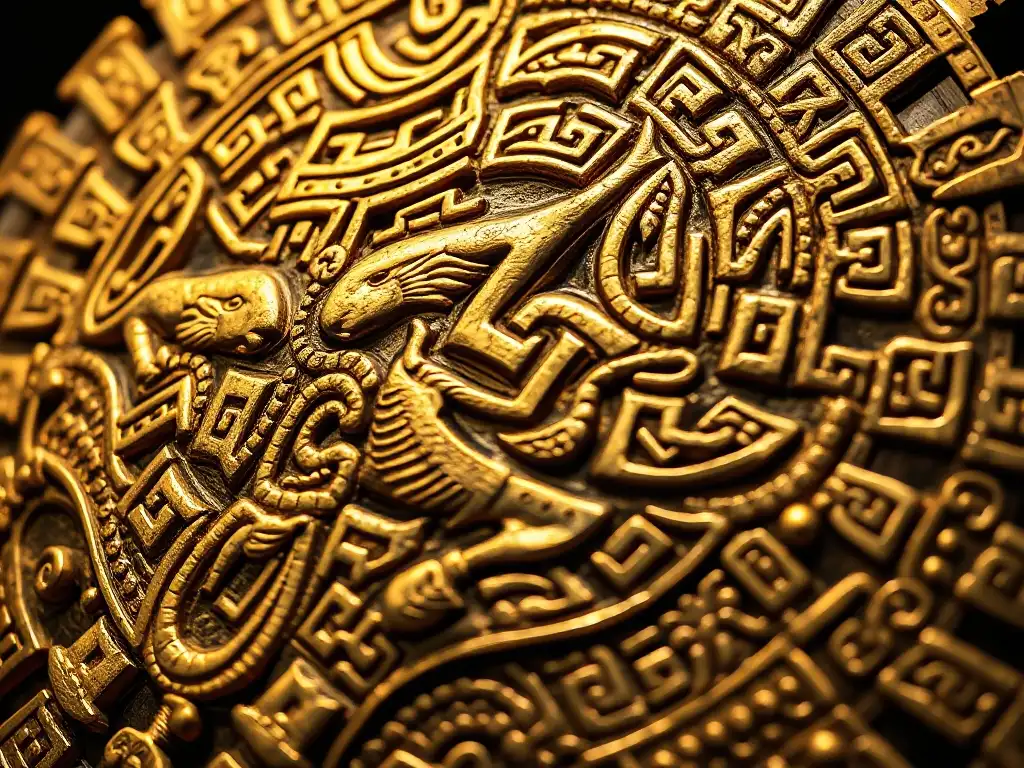
The intricate patterns adorning Andean metalwork are far more than mere decoration; they are a rich tapestry woven with symbolic meaning, reflecting cosmological beliefs, social structures, and the profound connection these cultures held with their environment. Understanding these patterns requires delving into the specific shapes, their repetition, and the regional variations that distinguish the artistic traditions of different Andean civilizations. Analyzing Andean metalwork patterns reveals a sophisticated system of visual communication, a testament to the intellectual and artistic prowess of these ancient societies.
The study of these patterns provides invaluable insights into the worldview and cultural practices of these remarkable societies. This section will explore the key elements that shaped the visual language of Andean metalwork, focusing on the symbolism embedded within the geometric designs.
Common Geometric Shapes and Their Meanings: Spirals, Diamonds, and Stepped Frets
Several recurring geometric shapes dominate Andean metalwork patterns, each carrying specific symbolic weight. The spiral, for instance, frequently represents the cyclical nature of life, death, and rebirth, mirroring the Andean understanding of the cosmos and the agricultural cycle. Its swirling form may also symbolize celestial bodies, such as the sun or stars, reflecting the importance of astronomical observations in Andean societies. Examples can be found in numerous artifacts from various cultures, demonstrating the widespread significance of this motif.
The diamond shape, often appearing in repeating patterns, is often associated with fertility and the earth's bounty. Its symmetrical form could represent the duality inherent in Andean cosmology, such as the balance between the sun and moon, or the contrasting forces of nature. The precise interpretation, however, can vary depending on the context and the accompanying motifs.
The stepped fret pattern, characterized by a series of interlocking zigzags, is another prevalent design element. While its precise meaning remains a subject of ongoing scholarly debate, many researchers suggest it represents mountains, terraces, or even the pathways of the celestial bodies across the Andean sky. Its connection to agriculture and the landscape is undeniable, given its frequent appearance on agricultural tools and ceremonial objects. The meticulous craftsmanship involved in creating this pattern, often seen in intricate gold and silver work, underscores its importance.
Repetition and Symmetry: Core Principles in Andean Metal Art Design
Repetition and symmetry are fundamental principles underpinning the aesthetic and symbolic structure of Andean metalwork patterns. The meticulous repetition of geometric shapes creates a sense of order and harmony, reflecting the Andean worldview's emphasis on balance and cosmic order. This deliberate repetition is not merely decorative; it reinforces the symbolic meaning of the individual motifs, amplifying their impact and significance.
Symmetry, similarly, plays a crucial role. Many patterns exhibit bilateral or radial symmetry, further reinforcing the sense of balance and equilibrium. This symmetry isn't always perfect; subtle variations can be observed, suggesting that the artisans weren't striving for mechanical precision but rather for a harmonious visual effect that conveyed deeper meaning. The deliberate imperfections, in fact, often add to the artistic merit and symbolic richness of the piece. The careful arrangement of these elements showcases the advanced understanding of design principles present in Andean cultures.
Regional Variations in Geometric Patterns Across Andean Cultures
While certain geometric motifs appear across various Andean cultures, significant regional variations exist, reflecting the diverse artistic traditions and cultural practices of different groups. For example, the Moche civilization is known for its elaborate iconography, often incorporating zoomorphic and anthropomorphic elements within its geometric patterns, unlike the more abstract styles found in Nazca metalwork. The Tiahuanaco culture, on the other hand, often favored bold, geometric designs characterized by intricate stepped patterns and stylized representations of deities.
The Inca, while known for their mastery of gold and silver, developed their own distinct style, often incorporating knotted patterns and intricate designs that reflect their sophisticated textile traditions. These regional differences highlight the rich diversity within Andean metalwork and the unique artistic expressions of each civilization.
Further research into specific regional styles is needed to fully appreciate the nuances of Andean metalwork patterns. The differences in style and motifs are not just aesthetic; they reflect the distinct cultural identities and belief systems of the various Andean societies.
Examples of Intricate Geometric Patterns in Andean Metal Artifacts

This section delves into the fascinating world of geometric patterns found in Andean metal artifacts, showcasing the sophisticated mathematical and artistic understanding of ancient Andean cultures. The precision and complexity of these designs, often achieved using limited tools and techniques, highlight the exceptional skill and ingenuity of the metalworkers. Analyzing these patterns offers valuable insights into the cultural beliefs, social structures, and technological capabilities of these remarkable civilizations.
We will explore examples from various Andean cultures, focusing on the unique characteristics of their respective styles. Understanding the nuances of Andean metalwork patterns allows us to appreciate the artistry and the profound cultural significance embedded within these objects.
The Moche Culture and Their Exquisite Metalwork Geometry
The Moche civilization (c. 100 – 800 CE) on the northern coast of Peru is renowned for its highly developed metalworking techniques. Their artisans created intricate and often highly stylized geometric patterns on various metal objects, including ceremonial vessels, ornaments, and tools. These patterns frequently incorporated stepped frets, concentric circles, triangles, and zigzags, often arranged in complex and dynamic compositions.
The Moche frequently used repoussé, a technique where metal is hammered from the back to create raised designs, to achieve stunning three-dimensional effects in their geometric motifs. For example, many Moche gold and silver vessels showcase elaborate stepped fretwork patterns, arranged in bands that encircle the vessel's body. The precision of these patterns is astonishing, demonstrating a remarkable level of skill and control in metal manipulation.
The use of these geometric designs wasn't merely decorative; scholars believe they held symbolic meaning, potentially representing cosmological concepts or social hierarchies. Further research is needed to fully decipher the intricate symbolism within Moche geometric patterns.
Inca Metal Art: A Display of Precise and Symmetrical Patterns
Inca metalwork (c. 1438 – 1533 CE), characterized by its precise and symmetrical patterns, reflects a different aesthetic sensibility compared to the Moche. While the Moche favored dynamic and flowing compositions, the Inca often employed more structured and repetitive designs. Common Inca geometric patterns include repeating motifs of triangles, squares, and stepped patterns, often arranged in highly symmetrical grids.
The Inca were masters of tumbaga, a gold-copper alloy, and used it extensively in their metalwork. The use of this alloy allowed for a wider range of colors and textures, adding depth and complexity to their geometric designs. Inca artisans often incorporated these geometric patterns into elaborate textiles, ceramics, and stone carvings, highlighting the importance of these motifs in their broader artistic and cultural expressions.
Examples of precise symmetrical patterns can be found in their champi, small, decorative plates often used as offerings, and in the intricate designs adorning their ceremonial objects. The consistency and precision observed in these patterns underscore the high level of standardization and control within Inca metalworking workshops. The prevalence of symmetrical patterns might reflect the Inca's highly centralized and structured political system.
Tiahuanaco Metalworking: The Use of Complex Geometric Compositions
The Tiahuanaco culture (c. 500 – 1000 CE), located in the Andes region of Bolivia, produced distinctive metalwork characterized by complex geometric compositions. Unlike the more linear patterns of the Inca or the dynamic forms of the Moche, Tiahuanaco metalwork often features intricate interweaving and overlapping geometric shapes, creating a sense of depth and visual complexity. Their designs frequently incorporated stepped pyramids, crosses, and stylized animal figures integrated within intricate geometric frameworks.
The Tiahuanaco artisans were skilled in the use of various techniques, including casting, hammering, and inlaying, to achieve a remarkable level of detail in their work. Although less abundant than metalwork from other Andean cultures, the surviving Tiahuanaco pieces reveal a unique aesthetic sensibility, characterized by its sophisticated use of geometric forms and its symbolic richness. Further investigation into the materials and techniques employed by Tiahuanaco metalworkers is needed to fully appreciate the technical mastery underpinning their artistic achievements.
The complex geometric compositions likely reflected their elaborate religious beliefs and cosmological worldview. The limited surviving examples suggest a more limited production compared to other Andean cultures, perhaps indicating specialized workshops or a different approach to metalworking production.
The Tumi Knife: A Study in Functional and Geometric Design
The tumi, a ceremonial knife characteristic of the pre-Columbian Andean cultures, particularly the Chimú and Inca civilizations, is a prime example of how Andean metalworkers masterfully integrated geometric patterns into functional objects. These knives, far from being mere tools, served important ritualistic and symbolic roles, often used in ceremonies and possibly even human sacrifice. 1 The careful and precise execution of the geometric designs further emphasizes their significance.
The tumi's defining feature is its distinctive crescent shape, a semi-circular blade attached to a handle. This shape itself can be considered a fundamental geometric form. However, the true artistry lies in the intricate decoration adorning the blade and handle. Common geometric motifs include stepped frets, triangles, zigzags, and concentric circles, often arranged in repeating patterns that demonstrate a sophisticated understanding of symmetry and balance. 2 These patterns were not randomly applied; they were meticulously planned and executed, showcasing the high level of skill possessed by the metalworkers.
The choice of geometric patterns was likely not arbitrary. Scholars suggest that certain motifs held specific cultural or religious meanings, potentially representing deities, celestial bodies, or abstract concepts relevant to Andean cosmology. For instance, the stepped fret pattern, frequently found on tumis, is believed by some researchers to symbolize agricultural terraces, reflecting the importance of agriculture in Andean societies. 3 Further research is needed to fully decipher the symbolic language encoded within these intricate designs. The precision in the execution of these patterns, even on relatively small tumis, highlights the dedication and skill of the artisans. The consistent repetition and symmetry found across different examples suggest a standardized aesthetic, possibly indicating the existence of workshops or guilds where techniques and designs were passed down through generations.
The materials used in creating these knives also contributed to the overall aesthetic effect. The gleam of polished gold or silver, often inlaid with other metals like copper, enhanced the visual impact of the geometric patterns, creating a dazzling effect. The combination of sophisticated design, high-quality materials, and meticulous craftsmanship elevated the tumi from a simple tool to a powerful symbol of status and ritual significance, representing the pinnacle of Andean metalworking artistry.
The careful consideration of both form and function is a testament to the ingenuity and artistic sensibility of Andean cultures. Studying the geometric patterns on tumis offers a window into the rich symbolic world of these ancient civilizations, revealing a sophisticated understanding of geometry, art, and the cosmos.
1 [Specific information pending: Citation needed for the use of tumis in human sacrifice.]
2 [Specific information pending: Citation needed for common geometric motifs on tumis.]
3 [Specific information pending: Citation needed for the interpretation of stepped fret patterns.]
How Andean Metalwork Patterns Influenced Later Art Forms
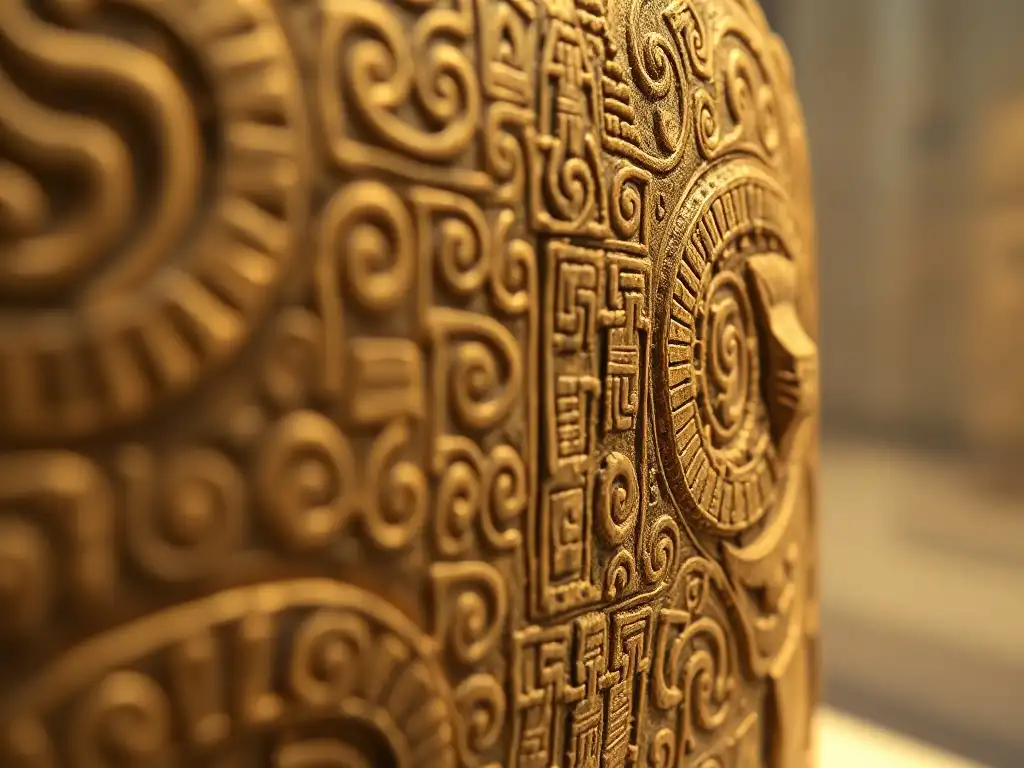
The intricate geometric patterns found in Andean metalwork didn't simply vanish with the decline of the pre-Columbian empires. Their influence echoes through centuries, subtly shaping artistic expressions in the region and beyond. Understanding this legacy requires acknowledging the continuity of cultural practices and the enduring appeal of these aesthetically powerful designs.
The vibrant tapestry of Andean art, from textiles to ceramics, continues to draw inspiration from these ancestral motifs. This enduring influence speaks to the deep-seated cultural significance and artistic ingenuity of the Andean metalworkers. Their mastery of hammering, casting, and repoussé techniques allowed them to create stunningly complex designs that continue to inspire awe and admiration.
The Legacy of Geometric Design in Contemporary Andean Art
Contemporary Andean artists frequently incorporate traditional geometric patterns in their work, demonstrating a powerful connection to their heritage. This isn't mere imitation; it's a conscious engagement with ancestral knowledge and aesthetic principles. Many modern artisans utilize techniques similar to those employed by their ancestors, showcasing both a respect for tradition and a willingness to experiment with new materials and styles.
For example, the use of khipus inspired patterns—complex knot systems used for record-keeping—in modern textiles showcases this beautiful blend of old and new. The enduring presence of stepped frets, zigzags, and other geometric forms in contemporary Andean jewelry and textiles reveals the persistent influence of the metalwork traditions. These patterns are not just decorative elements; they often carry symbolic meaning, connecting modern creations to a rich historical and spiritual context.
The vibrant colors and bold designs seen in modern Andean art often directly reflect the palettes and patterns seen in ancient metalwork. This continuous artistic dialogue ensures the survival and evolution of these aesthetic traditions. The use of these patterns in modern art helps maintain a cultural identity, reminding the Andean people of their rich history and heritage.
The Impact of Andean Metalwork on Global Art and Design
The influence of Andean metalwork extends far beyond the Andes. The unique aesthetic of these pieces, characterized by their intricate geometric patterns, has captivated artists and designers worldwide. The bold geometric designs, often incorporating animal and human figures, have found their way into various global art forms. Think of the impact of the stepped fret pattern, a common motif in Andean metalwork, which has been incorporated into everything from modern textiles to architectural designs.
The influence can be subtle, a subconscious echo of a form seen centuries ago, or overt, a direct homage to the artistic skill of the ancient Andean masters. The global art community's fascination with these patterns demonstrates their timeless appeal and enduring artistic value. This cross-cultural appreciation highlights the universal nature of aesthetic appreciation and the lasting impact of ancient Andean artistic achievements.
The study of Andean metalwork patterns continues to inform and inspire contemporary design, offering valuable insights into both ancient techniques and enduring aesthetic principles. The global reach of these patterns underscores the lasting impact of Andean artistic innovation. The unique and complex designs continue to capture the imagination of contemporary designers, impacting various fields, from fashion to architecture.
Preserving and Appreciating the Art of Andean Metalwork
The Importance of Research and Conservation Efforts
The study and preservation of Andean metalwork are crucial for understanding the sophisticated techniques and cultural significance of these remarkable artifacts. Research efforts, often involving painstaking archaeological excavation and meticulous analysis, help us unlock the secrets embedded within these objects. For example, analyzing the alloys used in different pieces reveals insights into trade networks and technological advancements across various Andean cultures.
The precise composition of gold, silver, copper, and other metals employed, along with the trace elements detected, can pinpoint the origin of the materials and provide clues about the metallurgical expertise of the artisans. Furthermore, advanced imaging techniques, such as X-ray fluorescence (XRF) and scanning electron microscopy (SEM), allow researchers to examine the internal structure of the metalwork without causing damage, revealing intricate details of the manufacturing processes.
Conservation is equally vital. Many pieces of Andean metalwork have suffered from centuries of exposure to the elements, looting, and improper handling. Deterioration due to corrosion, oxidation, and mechanical damage threatens the survival of these invaluable cultural treasures. Conservation specialists employ a range of techniques, including cleaning, stabilization, and repair, to ensure the longevity of these artifacts.
This delicate work requires specialized knowledge and often involves the use of environmentally controlled environments and advanced materials science techniques. The goal is not only to preserve the physical integrity of the pieces but also to maintain their aesthetic qualities, ensuring that future generations can appreciate the artistry and craftsmanship of the ancient Andean metalworkers. The investment in research and conservation directly translates to safeguarding our understanding of Andean civilizations and their rich legacy. Without these concerted efforts, a significant part of our collective heritage would be lost forever.
Recognizing the Cultural Value of Ancient Andean Metal Patterns
The intricate patterns adorning Andean metalwork are far more than mere decoration; they represent a complex system of visual communication reflecting cosmology, social structure, and religious beliefs. Understanding these patterns requires a multifaceted approach, integrating archaeological findings with anthropological interpretations and art historical analysis. The recurring motifs, such as stylized animals (e.g., jaguars, condors, snakes), geometric shapes (e.g., spirals, triangles, stepped frets), and anthropomorphic figures, were deeply symbolic within Andean societies.
For example, the repeated use of serpent imagery in Moche metalwork likely alludes to their worldview, associating serpents with fertility, water, and the underworld. Similarly, the intricate geometric designs found in Nazca textiles and metalwork might represent astronomical observations or calendrical systems.
The cultural value is further enhanced by the technical skill demonstrated in creating these patterns. The artisans employed a variety of techniques, including repoussé, chasing, casting, and inlay, to achieve remarkable precision and detail. The mastery of these techniques showcases not only their artistic prowess but also their deep understanding of metallurgy.
Analyzing the repetition and variation in these patterns across different regions and time periods can illuminate cultural exchange, stylistic evolution, and regional identities within the Andean world. The study of Andean metalwork patterns, therefore, offers a unique window into the beliefs, values, and social structures of these ancient civilizations, providing invaluable insights into their rich and complex cultural heritage.
The preservation and interpretation of these patterns is essential for a complete understanding of Andean metalwork and the civilizations that produced them. The intricate details, often overlooked, speak volumes about the sophistication of Andean artistry and their profound connection to their environment and beliefs.
Frequently Asked Questions
What makes Andean metalwork patterns unique?
Andean metalwork patterns are unique due to their geometric precision and the innovative techniques used, such as repoussé and hammering, to create intricate designs. They often incorporate zoomorphic and anthropomorphic motifs, reflecting their rich cosmology.
What were the primary metals used in Andean metalworking?
The primary metals used were gold, silver, copper, and bronze, often combined to create alloys with varying colors and properties. The availability of these metals influenced regional styles and techniques.
How did Andean artisans create such intricate patterns?
Andean artisans employed sophisticated techniques like lost-wax casting, hammering, and repoussé to craft intricate patterns. They also used molds and stamps to reproduce designs efficiently.
What are some common motifs found in Andean metalwork patterns?
Common motifs include geometric shapes like triangles, stepped frets, and zigzags, along with zoomorphic (animal) and anthropomorphic (human) figures, often reflecting religious beliefs and cosmological views.
Where can I learn more about Andean metalwork patterns?
You can explore museums with Andean collections, such as the Larco Museum in Lima, Peru, or research online resources and academic articles focusing on Andean art history and archaeology. Many books also delve into the details of Andean metalworking techniques and patterns.
Final Reflection: The Enduring Legacy of Andean Metalwork
The intricate patterns found in Andean metal art are not merely aesthetic achievements; they are powerful expressions of a rich cultural heritage that continues to resonate today. These designs, born from a deep understanding of geometry and symbolism, offer a window into the beliefs, social structures, and artistic mastery of ancient Andean civilizations. Their enduring appeal speaks to a universal human appreciation for beauty and the profound connection between art and spirituality.
The influence of Andean metalwork patterns extends far beyond the archaeological record. These designs, with their captivating blend of geometric precision and organic fluidity, have inspired artists and designers for centuries, influencing everything from textiles to contemporary jewelry. Their enduring presence in modern art and design demonstrates the timeless quality of their aesthetic appeal and the enduring power of cultural heritage. The past is never dead. It's not even past.
- William Faulkner. This quote perfectly encapsulates the continued relevance and influence of Andean metalwork patterns in our contemporary world.
Consider, for a moment, the intricate detail and the sheer skill required to create these masterpieces. Now, imagine the stories whispered into the metal by the artisans who crafted them, the beliefs they embodied, and the communities they connected. You too can carry this legacy forward.
By appreciating the artistry and the cultural significance of Andean metalwork, you become part of a larger conversation, a dialogue across time that celebrates human creativity and the enduring power of cultural expression. Let the geometric genius of the Andes inspire you to seek beauty, understand history, and appreciate the enduring power of artistic expression in your own life.
Unveil the Beauty of Andean Metal Art!
Thank you for exploring the fascinating world of Andean metal art! Discovering its intricate designs provides a glimpse into the rich cultural heritage and artistry behind these stunning pieces. Let's delve deeper into this art form.
Here's how you can continue your exploration:
- Visit local artisan markets and galleries showcasing Andean metalwork. Supporting these craftspeople directly enhances your appreciation and understanding of their skill.
- Share this article with friends and family to introduce them to the beauty of Andean art.
- Create your own artwork inspired by the geometric patterns you've learned about. Gather your materials and let your creativity flow.
What aspect of Andean metal art most captivates you, and how can you integrate its inspiration into your daily life?