
Moche Music and Dance: Rhythms of Ritual and Celebration

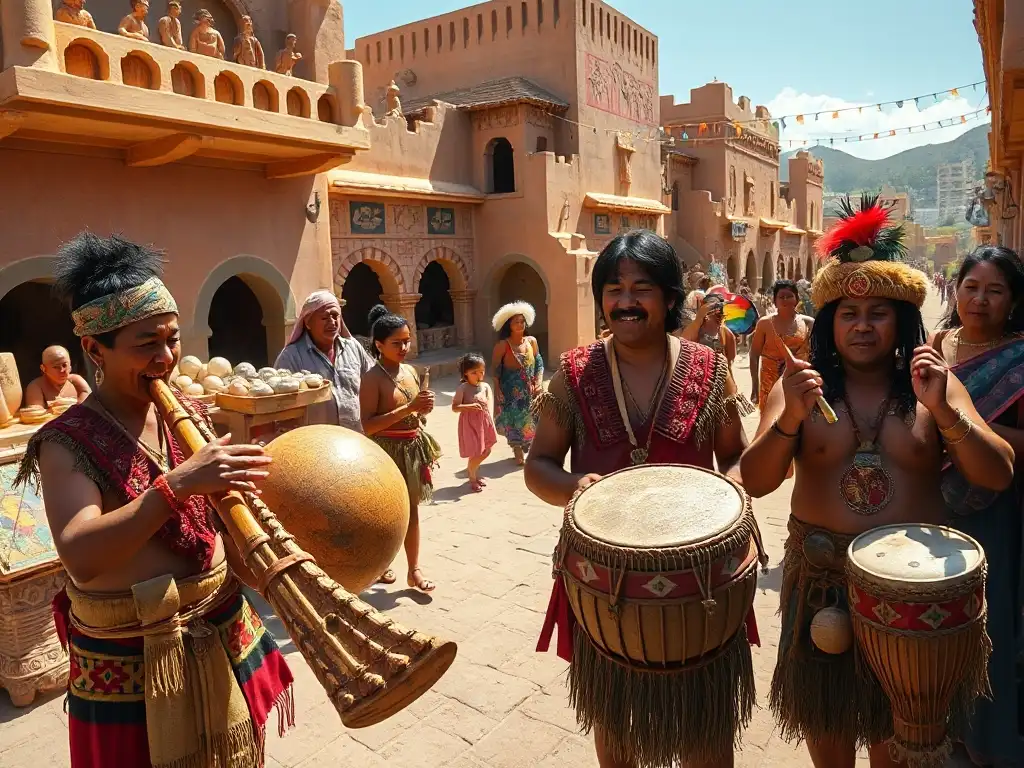
Step into a world lost to time, yet echoing with vibrant rhythms and ancient secrets. Prepare to be captivated by the Andean Civilizations, a journey through the breathtaking artistry, ingenuity, and spiritual beliefs of empires like the Incas, Nazca, and Tiahuanaco. But our exploration begins with a pulse-pounding mystery: the Moche music instruments—objects that whisper tales of ritual and celebration, hinting at a sophisticated culture far beyond what we can fully imagine. Discover their enigmatic power and unlock the secrets of their music in our feature article, "Moche Music and Dance: Rhythms of Ritual and Celebration."
The Moche civilization, flourishing along the northern coast of Peru from approximately 100 CE to 800 CE, left behind a remarkable legacy encompassing sophisticated artistry, impressive engineering feats, and a vibrant cultural life. While their architectural achievements and intricate pottery are widely studied, the sounds of their music and the movements of their dances remain tantalizingly elusive, reconstructed primarily through archaeological findings and interpretations of their art.
This article delves into the fascinating world of Moche music and dance, exploring the instruments they used, the potential styles of their music, and the role these artistic expressions played in their society, revealing how rhythm permeated their rituals and celebrations. We will analyze the available evidence to understand the soundscapes of this ancient civilization, focusing on the types of Moche music instruments used and their significance within the Moche worldview.
Understanding Moche music offers a crucial window into their spiritual beliefs, social structures, and daily lives.
Archaeological Evidence of Moche Musical Instruments
Archaeological excavations at various Moche sites have unearthed fragments of musical instruments, providing tangible evidence of their musical traditions. These finds, though often incomplete, offer valuable clues about the types of instruments used. For example, fragments of pottery vessels showing depictions of musicians playing instruments, along with actual fragments of instruments themselves (though often damaged or incomplete), have been discovered.
These include potential examples of panpipes, flutes, and possibly drums. The materials used in the construction of these instruments – likely wood, bone, and possibly even shells – suggest a range of sonic possibilities. Unfortunately, the exact sounds these instruments produced remains largely speculative, although careful analysis of the surviving fragments and comparative studies with similar instruments from other contemporaneous cultures may help to shed further light on this topic.
Further research and analysis of these artifacts are crucial to reconstructing a more complete picture of Moche musical practices. Detailed studies of the size and shape of the fragments, coupled with acoustic modeling, could provide valuable insights into their sound.
Depictions of Music and Dance in Moche Art
Moche artistry provides invaluable insights into their cultural practices, including music and dance. Their elaborate pottery, often depicting scenes of daily life, rituals, and ceremonies, frequently features musicians and dancers. These depictions offer visual clues about the types of instruments used, the styles of music and dance, and their social context.
For instance, many Moche ceramics showcase musicians playing instruments resembling panpipes or flutes, often in ceremonial or ritual settings. The imagery suggests a strong connection between music, dance, and religious practices. Furthermore, the dynamic movements depicted in the artwork suggest that Moche dances were likely energetic and expressive, perhaps telling stories or conveying spiritual messages.
The vibrant colors and detailed artistry of these ceramics highlight the importance of music and dance within Moche society. A careful analysis of these depictions, considering body language, instrument types, and the overall context of the scene, can help researchers interpret the significance of music and dance in Moche culture.
The Role of Music and Dance in Moche Society
Music and dance likely played a multifaceted role in Moche society, serving both ritualistic and social functions. In religious contexts, music and dance were probably integral components of ceremonies aimed at appeasing deities or celebrating harvests. The rhythmic and repetitive nature of music may have been considered conducive to inducing trance-like states, facilitating communication with the spirit world.
Moreover, music and dance likely served as forms of entertainment and social bonding during celebrations and festivals. Competition between musicians or dance troupes may have also been a feature of Moche social life, fostering community engagement and creative expression. The intricate details in Moche pottery suggest a high degree of skill and specialization among musicians and dancers, highlighting the importance of these roles within the community.
Further research into Moche social organization and religious beliefs is needed to fully understand the complex interplay between music, dance, and societal structures. The discovery of additional artifacts, coupled with interdisciplinary research, will be crucial in unlocking the secrets of Moche musical practices and their profound influence on their culture.
- Archaeological Evidence of Moche Musical Instruments
- Depictions of Music and Dance in Moche Art
- The Role of Music and Dance in Moche Society
The Significance of Music in Moche Society
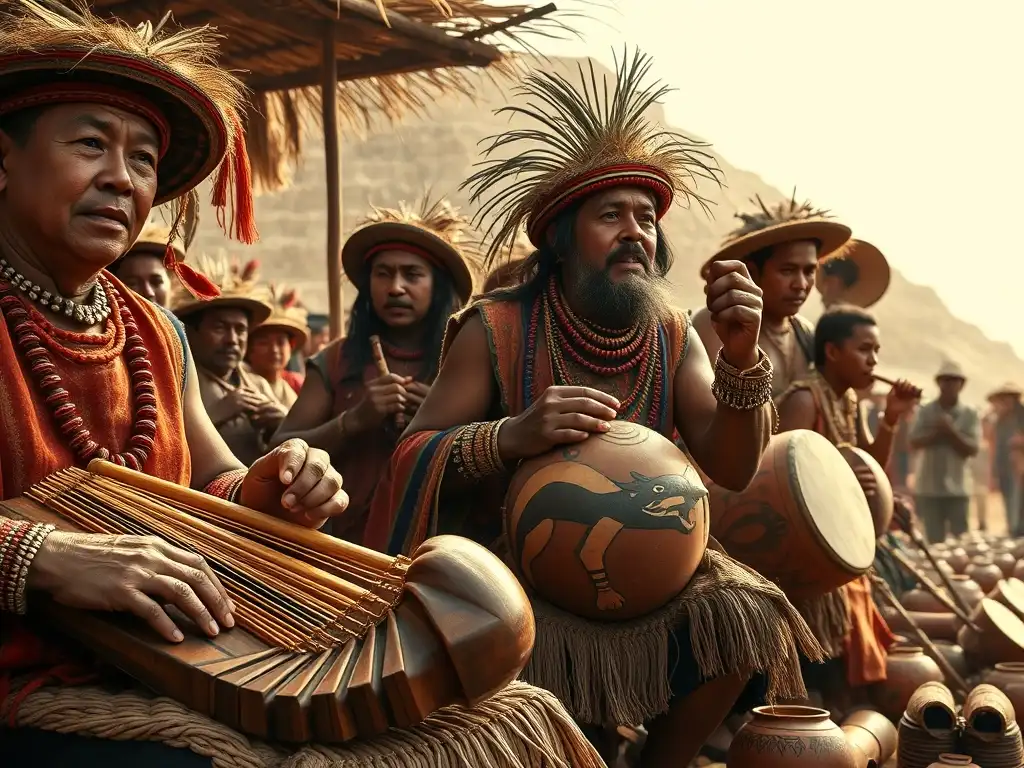
The Moche civilization (circa 100-800 CE), renowned for its sophisticated artistry and engineering, also possessed a vibrant musical culture deeply intertwined with their daily lives, religious beliefs, and social structures. Music wasn't merely entertainment; it served as a powerful tool for ritual, communication, and social cohesion. Understanding Moche music provides invaluable insight into their worldview and societal organization.
Archaeological evidence, though limited compared to other aspects of their culture, suggests a sophisticated musical tradition involving a variety of instruments and styles. The scarcity of preserved instruments doesn't diminish the importance of music; instead, it highlights the challenges of studying perishable materials like organic instruments and the need for further research to fully understand the nuances of Moche musical practices.
The surviving evidence, however, points to a rich and complex musical landscape that deserves closer examination. Analysis of iconography on Moche pottery, textiles, and metalwork offers crucial clues about the types of instruments used and their role in various social contexts.
Moche Rituals and Music's Role
Moche rituals, often depicted in their elaborate ceramics, frequently featured music and dance. The use of music in these ceremonies suggests its importance in connecting the earthly realm with the spiritual world. Many depictions show musicians playing instruments during important religious events, implying that music was integral to these rituals and served to enhance the sacred atmosphere.
For example, scenes of shamanistic rituals often include individuals playing instruments, suggesting a role for music in altering states of consciousness or facilitating communication with the supernatural. The types of instruments played during these rituals likely varied depending on the specific ceremony and its purpose. Some scholars believe that certain instruments were associated with specific deities or rituals, reflecting a complex system of symbolic meanings embedded within Moche musical practices.
Further research into the iconography and the specific contexts in which these instruments appear is needed to fully understand the intricate relationship between Moche religion and music. The interplay between music, ritual, and religious belief is a key area for future research on Moche culture, offering potential insights into their cosmological views and spiritual practices. The surviving artifacts, while fragmented, provide a tantalizing glimpse into a world where music played a central role in religious experience.
Dance as a Form of Moche Expression
Beyond ritual, music was undoubtedly an integral part of Moche social life and celebrations. Dance, often accompanied by music, was a significant form of artistic expression, reflecting the Moche people's creativity and skill. Depictions on pottery shards show dancers in elaborate costumes, moving rhythmically to the sounds of various instruments, suggesting a sophisticated understanding of choreography and musical accompaniment.
These dances likely served various purposes, from celebrating harvests to commemorating important events or honoring ancestors. The styles and movements of the dances, though largely inferred from artistic representations, likely varied greatly depending on the occasion and social context. While we cannot reconstruct the exact movements or musical styles, the surviving imagery strongly suggests the importance of dance and music in communal gatherings and festive occasions.
The energy and vibrancy depicted in these scenes evoke a sense of the social role of music and dance in Moche society, highlighting their function in fostering community bonds and collective expression. Further study of Moche art, paying close attention to the details of costumes and body postures, could offer more information about the diverse forms of Moche dance.
The Connection between Moche Music and Agriculture
The Moche civilization was heavily reliant on agriculture, and it's likely that music played a vital role in agricultural rituals and celebrations. The cyclical nature of agriculture, tied to the seasons and the rhythms of nature, may have been reflected in the music and dances performed during planting and harvest festivals. The abundance of depictions of agricultural scenes on Moche pottery suggests that these events were highly significant and may have involved elaborate musical performances to ensure a bountiful harvest.
Music might have served as a way to invoke blessings from the gods, ensuring the fertility of the land and prosperity for the community. Specific instruments might have been associated with particular aspects of agriculture, such as rain or fertility, reflecting a deep understanding of the interconnectedness of music, nature, and human well-being. The role of music in agricultural practices remains an area that requires further investigation.
By analyzing the iconography associated with agricultural scenes and comparing it with representations of musical instruments, researchers can gain a deeper understanding of the intricate relationship between Moche music and their agricultural practices. This connection offers a fascinating lens through which to explore the Moche worldview and their relationship with the natural environment. The study of Moche music instruments within this context could reveal much about their agricultural beliefs and practices.
Moche Musical Instruments: An Overview
The Moche civilization (c. 100 – 800 CE), renowned for its sophisticated artistry and engineering, also possessed a vibrant musical culture. While no surviving Moche musical scores exist, archaeological discoveries provide compelling evidence of a diverse range of instruments used in their rituals, ceremonies, and daily life. The careful craftsmanship and intricate decoration evident on these recovered artifacts highlight the importance of music within Moche society.
Studying these Moche music instruments offers a fascinating glimpse into their worldview and social structures. The sounds these instruments produced likely played a vital role in religious practices, agricultural celebrations, and social gatherings, shaping the sonic landscape of the Moche world.
Analysis of the materials used, the construction techniques, and the iconography present on the instruments reveal significant insights into their function and cultural significance. Furthermore, the distribution and context of these finds across various Moche sites suggest a degree of regional variation in musical styles and traditions.
Types of Moche Musical Instruments
Moche musical instruments fall broadly into three categories: percussion, wind, and potentially stringed instruments. While evidence for stringed instruments is limited and often debated amongst archaeologists, the clear presence of percussion and wind instruments is undeniable. The diversity within each category is remarkable, reflecting a sophisticated understanding of acoustics and material properties.
Many instruments were crafted from readily available materials such as wood, bone, clay, and shells, showcasing the Moche's ingenuity in adapting their environment to artistic and musical expression. The degree of ornamentation often suggests a hierarchical aspect to instrument ownership, with certain instruments displaying more elaborate decoration, possibly indicating use in elite contexts or religious ceremonies.
The meticulous craftsmanship of these Moche music instruments is a testament to the skill of Moche artisans. The precision in shaping and decorating these objects demonstrates a deep understanding of both material science and aesthetics. Further research is needed to fully understand the nuances of Moche musical practices, but the instruments themselves provide a valuable starting point for reconstructing their musical world. The study of these instruments also contributes to our wider understanding of Andean musical traditions and their evolution over time.
Moche Percussion Instruments: Drums and Rattles
Percussion instruments formed a significant part of the Moche musical repertoire. Archaeological excavations have unearthed a variety of drums, ranging in size and construction. Some are simple, cylindrical drums made from hollowed-out logs or gourds, while others are more elaborate, featuring intricate carvings and painted designs. These drums likely produced a range of sounds, depending on their size and the material used. Smaller drums, for instance, may have been used for rhythmic accompaniment, while larger drums could have been used to create a more powerful, resonant sound for ceremonial purposes.
Rattles, another prevalent percussion instrument, were crafted from various materials including gourds filled with seeds or small stones, or from intricately carved wooden or bone structures. The rhythmic shaking of these rattles would have added a percussive texture to Moche musical performances. The diversity of materials and designs suggests that rattles served a variety of functions, from purely musical purposes to possibly ritualistic or shamanistic practices. The sounds produced by these Moche music instruments – the deep resonance of the drums and the rattling of the shakers – would have created a dynamic and engaging soundscape.
Moche Wind Instruments: Flutes and Trumpets
Moche wind instruments, primarily flutes and trumpets, are also well-represented in the archaeological record. Flutes were commonly made from bone or cane, often featuring multiple holes for finger manipulation to produce different notes. The surviving examples showcase a remarkable level of craftsmanship, with some flutes exhibiting intricate carvings and decorative elements. These flutes likely played an important role in both secular and religious music-making. Their portability would have allowed them to be used in a variety of contexts, from intimate gatherings to large-scale ceremonies.
Trumpets, often crafted from shell or ceramic, were likely used for signaling and ceremonial purposes. Their powerful sound would have been easily heard over long distances, possibly used to announce important events or to accompany processions. The size and shape of the trumpets varied, suggesting a range of tones and pitches.
While the exact musical techniques employed by Moche musicians remain unknown, the variety and sophistication of their wind instruments suggest a highly developed musical tradition. Further research into the acoustics of these Moche music instruments could shed more light on the range of sounds they produced and their role within Moche society. The study of these instruments is crucial to understanding the complexities of Moche culture and their musical heritage.
The Materials Used in Moche Instrument Construction
The Moche, renowned for their artistic prowess in other mediums, displayed equal ingenuity in crafting their musical instruments. The materials they utilized reflect both the environmental resources available along the northern Peruvian coast and their sophisticated understanding of material properties. While detailed inventories of every instrument type are unfortunately incomplete due to the fragility of organic materials over millennia, archaeological evidence points to a diverse palette of resources.
One of the most commonly used materials was wood. The arid coastal climate of the Moche region presented challenges for wood preservation, yet fragments of instruments, along with depictions in their art, reveal the use of various local hardwoods. These would have been carefully selected for their strength, resonance, and workability.
The specific types of wood used remain a subject of ongoing research, as precise identification from fragmented remains can be difficult. However, based on the types of trees present in the region during the Moche period, candidates include species from the Prosopis genus (mesquite), known for its durability and sonic properties.
Beyond wood, the Moche also incorporated other organic materials. Evidence suggests the use of gourds, both whole and processed, as resonating chambers for certain instruments. These readily available gourds would have provided a readily available and lightweight material, ideal for portable instruments. The gourds may have been carefully shaped and treated to enhance their acoustic properties or decorated with paint or carving. Further research is needed to fully understand the extent of gourd use in Moche musical instrument making.
Finally, the Moche also utilized animal products, such as bone and shell. Bone flutes, for example, are not unheard of in archaeological findings from other Andean cultures, and it's plausible that the Moche employed similar techniques. The use of bone would have offered a different tonal quality compared to wood and gourd, adding to the variety of sounds within their musical landscape.
Shell, perhaps from marine mollusks abundant along the coast, might have served as resonators or decorative elements. The precise role of animal products in Moche instrument construction requires further investigation.
The exact techniques used to shape and finish these materials, including potential use of adhesives and binding agents, remain areas of active study, promising further insights into Moche craftsmanship and musical innovation. The ingenuity displayed in the selection and adaptation of these materials highlights the Moche's deep understanding of acoustics and their commitment to creating instruments of both functional and aesthetic value.
Exploring Moche Music Instrument Examples
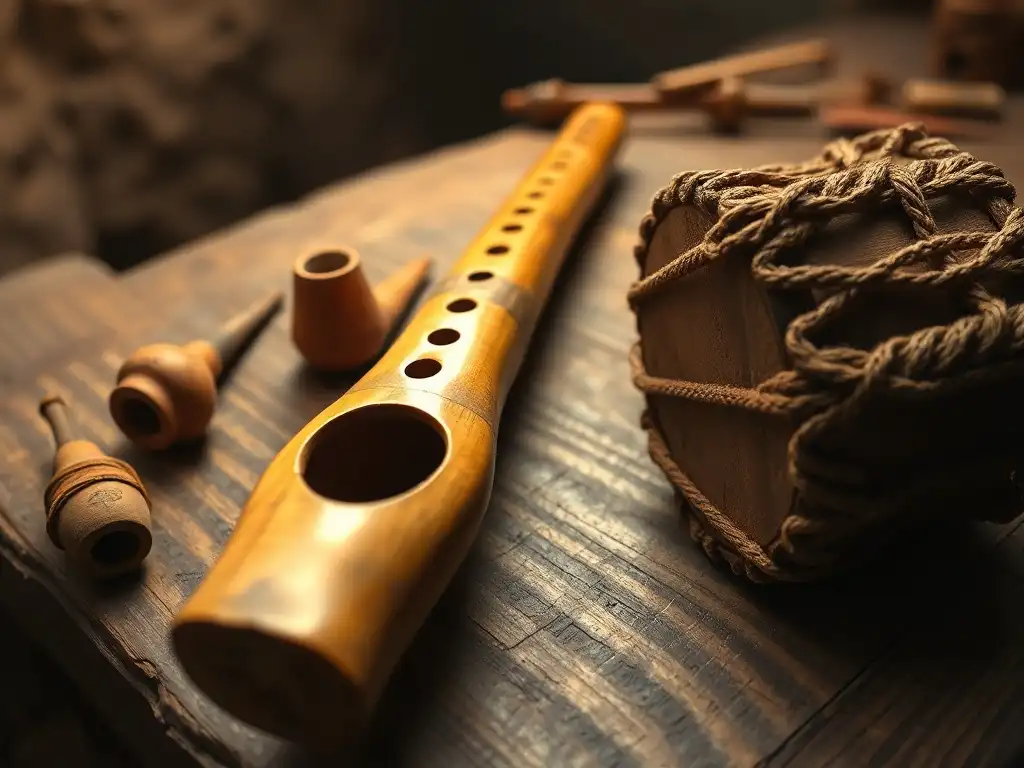
The Moche civilization, renowned for its intricate metalwork, sophisticated ceramics, and impressive architecture, also possessed a vibrant musical tradition. While written musical notation doesn't survive from this period, archaeological discoveries provide compelling evidence of the types of instruments used, offering glimpses into the soundscapes of ancient Moche society. The careful study of these artifacts reveals not only the technical skill of Moche artisans but also insights into their social structures, religious beliefs, and daily life.
Understanding Moche music instruments is crucial to appreciating the complexity and richness of their culture. The instruments found are remarkably diverse, suggesting a sophisticated understanding of acoustics and a wide range of musical expression. This section will delve into the specifics of some of the most commonly discovered examples, highlighting their unique characteristics and likely functions within Moche society.
The Moche Panpipes: Variations and Uses
Moche panpipes, often crafted from ceramic or bone, represent a significant portion of the discovered musical instruments. These instruments, consisting of multiple pipes of varying lengths bound together, produced a range of melodic notes. Archaeological evidence suggests a variety of panpipe designs, indicating potential regional variations or differences in social status reflected in the materials and craftsmanship. Some panpipes are intricately decorated with painted scenes depicting deities, animals, or everyday life, suggesting their use in both ritualistic and secular contexts.
The size and number of pipes varied considerably. Smaller, simpler panpipes might have been used for personal entertainment or informal gatherings, while larger, more elaborately decorated ones likely played a role in important ceremonies or public performances. The precise range and tonal qualities of these instruments are difficult to determine definitively without the benefit of hearing them played, but analysis of the pipe lengths suggests a significant melodic potential. The discovery of panpipes in both elite and commoner burials further underscores their importance in Moche society, transcending social barriers.
Moche Ceramic Flutes: A Unique Design
Moche ceramic flutes, frequently found in tombs and ceremonial sites, are characterized by their distinctive design and high level of craftsmanship. Unlike many other cultures' flutes, the Moche versions often feature intricate carvings and vibrant painted decorations. These decorations frequently include depictions of mythical creatures, stylized human figures, or scenes of daily life, providing valuable insights into Moche iconography and beliefs. The flutes themselves were typically made from high-quality clay, fired to a durable hardness.
The construction of these flutes involved sophisticated techniques. The holes were precisely placed to create specific musical intervals, demonstrating a clear understanding of acoustics and musical theory. Analysis of surviving examples suggests that these flutes were capable of producing a wide range of notes, allowing for both melodic and rhythmic expression.
The presence of flutes in elite burials suggests a connection to status and power, while their discovery in less prestigious contexts indicates a more widespread use within Moche society. Further research is needed to fully understand the nuances of their musical capabilities, but their exquisite craftsmanship and artistic merit make them a fascinating aspect of Moche musical culture.
Moche Trumpets: Ritual and Warfare
Moche trumpets, typically made from shell or ceramic, are among the most impressive musical instruments discovered from this civilization. These instruments, often large and elaborately decorated, were likely used in important ceremonies and possibly in warfare to signal commands or inspire troops. The size and shape of the trumpets varied, with some being quite long and straight while others were more curved or ornate.
The materials used in their construction also varied depending on availability and intended use. Shell trumpets, for instance, might have been reserved for elite contexts due to the scarcity of suitable shells. The sound produced by these trumpets would have been powerful and resonant, capable of carrying over significant distances. This suggests their use in large-scale public events and possibly in military contexts.
The combination of their imposing size, intricate decorations, and powerful sound likely contributed to their symbolic and practical significance in Moche society. Further research into the acoustics and manufacturing techniques of these trumpets is warranted to fully understand their role in Moche music and broader cultural practices. The discovery of trumpets alongside other ceremonial objects strengthens their association with rituals and possibly religious practices.
Moche Drums: Their Shape and Sound
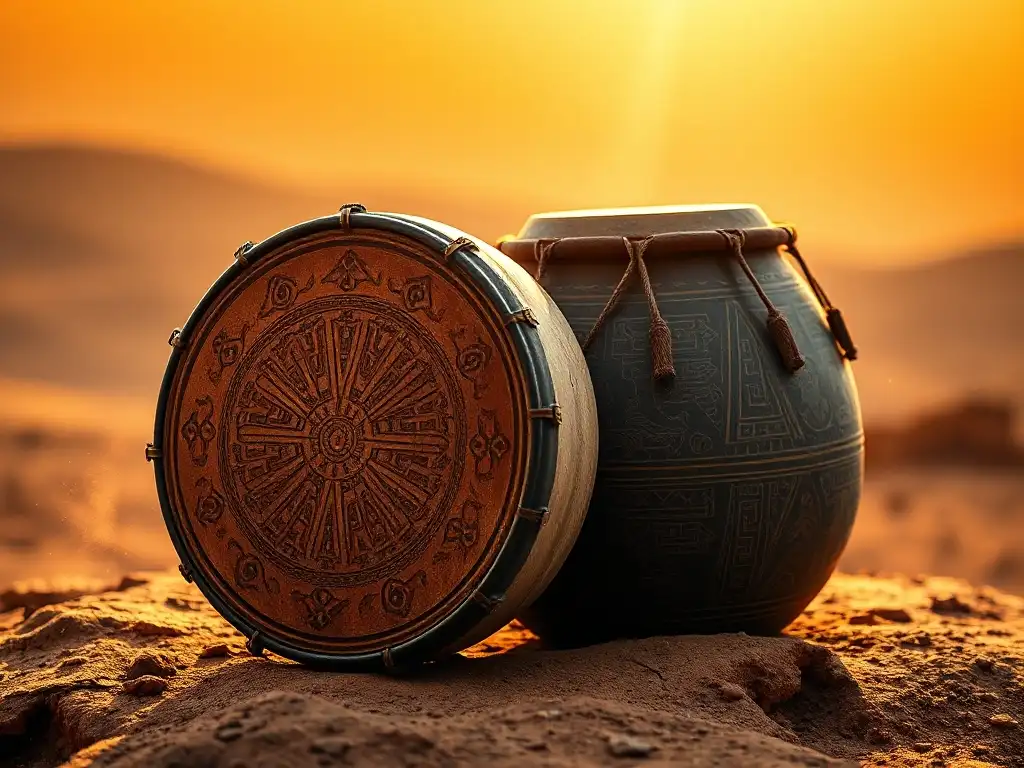
Moche drums, a cornerstone of their musical landscape, weren't just percussion instruments; they were integral parts of rituals and celebrations. Archaeological evidence reveals a fascinating variety in their shapes and sizes, suggesting a nuanced approach to sound production. While many were cylindrical, others exhibited more complex forms, perhaps reflecting different musical functions or social standings. The cylindrical drums, often made from ceramic, were likely played by striking the sides with sticks or hands, producing a resonant, booming sound ideal for large gatherings and ceremonial processions.
Their size varied considerably; some were small enough to be held in one hand, while others were large enough to require multiple players. The larger drums may have been used to create a powerful, rhythmic backdrop for dances or to accompany important religious ceremonies. The construction techniques, often involving intricate painted designs, further highlight the importance placed on these instruments within Moche society.
Analysis of the clay composition and the methods used to fire these drums offers insights into the technical sophistication of Moche artisans and their understanding of acoustics. Variations in clay type and firing temperature likely resulted in a range of tonal qualities, adding depth and complexity to their music. The rhythmic pulse created by these drums likely formed the foundation of many Moche musical performances.
Moche Flutes: Panpipes and Beyond
Beyond drums, the Moche also crafted a variety of flutes, showcasing their ingenuity in creating instruments with distinct timbres. Panpipes, sets of vertically arranged pipes of varying lengths, were particularly common. These instruments, often made of bone or ceramic, produced a series of melodic notes when air was blown across the open ends. The precision required to create pipes of the correct length to produce a harmonious scale demonstrates a sophisticated understanding of musical acoustics.
The Moche’s mastery of materials is evident in their ability to produce instruments with a wide range of tonal qualities. Some panpipes were small and portable, while others were larger and more complex, suggesting different uses for different contexts. For example, smaller panpipes might have been used for intimate settings, whereas larger ones might have been used for larger-scale performances. Beyond panpipes, archaeologists have also uncovered evidence of single flutes made from bone, reed, or wood.
These instruments likely produced a mellower, more lyrical sound compared to the brighter tone of the panpipes. The presence of both types of flutes indicates that the Moche music likely incorporated a variety of melodic textures and instrumental colors. The discovery of flutes and panpipes in Moche tombs suggests that music was an integral part of their funerary rites and beliefs about the afterlife.
Percussion Instruments: Beyond the Drums
The Moche musical repertoire extended beyond drums and flutes. Evidence suggests a broader array of percussion instruments, although their precise nature often remains a subject of ongoing research. Small, hand-held rattles, likely made from seeds or stones within a gourd or ceramic shell, would have provided rhythmic accents and textures to musical performances.
Their small size and portability suggest that they might have been employed in both formal and informal settings. The use of rattles would have added a subtle, percussive element to the soundscape, creating a rich and layered sonic experience. Larger percussion instruments, possibly made from wood or other materials that haven’t survived well, may have also been used, although their specific form and function are difficult to determine from the available archaeological evidence.
The study of Moche art offers clues, however, with depictions of musicians playing instruments that resemble large, possibly gong-like objects. These illustrations, although not definitive proof, suggest a greater complexity to their percussion ensemble than is currently documented. Further research, including advanced imaging techniques and careful analysis of existing artifacts, is needed to fully understand the range of Moche percussion instruments and their role in their musical culture.
Moche Dance: Movements and Meanings
The Moche civilization, renowned for its intricate metalwork and striking pottery, also possessed a vibrant musical and dance tradition deeply intertwined with their religious beliefs and social structures. Understanding Moche dance requires acknowledging its ritualistic significance, its connection to agricultural cycles, and its role in reinforcing social hierarchies. While we lack written records, archaeological evidence, particularly the iconography found on their ceramics, offers invaluable insights into the movements, styles, and meanings embedded within these performances.
The depiction of dancers on Moche pottery reveals a range of postures, gestures, and formations, suggesting a complex and nuanced system of movement. These depictions often show dancers in dynamic poses, emphasizing fluidity and energy. Many portrayals feature dancers with elaborate headdresses and costumes, further highlighting the ceremonial importance of these events.
The careful study of these artistic representations allows researchers to piece together a more complete picture of Moche dance, revealing its multifaceted role in their society. Further research into the biomechanics of the depicted movements could reveal insights into the physical training and skill involved in Moche dance.
Moche Dance Styles and Performances
Moche dance styles varied depending on the context of the performance. Ritual dances, often associated with ceremonies dedicated to agricultural fertility or ancestor veneration, likely involved specific, formalized movements. These dances might have included processions, symbolic gestures representing planting and harvesting, or perhaps even trance-like states designed to connect with the supernatural. Conversely, celebratory dances associated with feasts or communal gatherings may have been more spontaneous and less structured.
Archaeological findings suggest the use of different instruments to accompany these different styles. For example, depictions on pottery show musicians playing panpipes alongside dancers, indicating the importance of music in setting the mood and accompanying the choreography. The rhythms and melodies of these musical accompaniments likely played a critical role in shaping the overall experience of the dance.
We can hypothesize that the tempo and intensity of the music would vary depending on whether the dance was a solemn ritual or a joyous celebration. Further research into the types of Moche music instruments used could clarify this aspect further. The variety of dance styles suggests a rich and diverse cultural life within Moche society, with dance acting as a powerful means of expression and communication.
The Role of Costumes in Moche Dance
Costumes played a crucial role in Moche dances, serving as visual markers of status, identity, and the nature of the performance. Elaborate headdresses, often featuring feathers, gold, and other precious materials, were common among dancers depicted in Moche art. These headdresses not only enhanced the visual spectacle but also likely signified the dancer's social standing or their connection to specific deities or ancestral figures.
Furthermore, the costumes themselves, often adorned with intricate textiles and symbolic motifs, likely conveyed specific meanings related to the dance's purpose and narrative. For instance, certain colors or patterns might have been associated with particular deities or agricultural cycles. The attention to detail in the depictions of these costumes highlights their importance within the broader context of Moche society and religious practice.
The creation and maintenance of these elaborate costumes would have required significant skill and resources, further underscoring their social significance. Analysis of surviving textile fragments from the Moche period could shed further light on the materials and techniques used in costume production.
Moche society, like many ancient civilizations, exhibited a clear social hierarchy. Dance likely played a significant role in reinforcing and expressing this hierarchy. The elaborate costumes and prominent positions of certain dancers in Moche artwork suggest that elite individuals or members of the priestly class participated in specific dances or held privileged roles within dance performances.
These individuals might have been responsible for leading processions, performing specific rituals, or acting as intermediaries between the human and divine realms. The depiction of dancers in different attire and with varying levels of ornamentation on Moche pottery provides a visual representation of this social stratification within the context of dance. The access to resources like precious metals and fine textiles for costumes would have further highlighted the social standing of certain dancers.
Further research into the burial sites of individuals associated with dance might reveal additional information about the social status of dancers and their roles within Moche society. The integration of dance into the social structure suggests that it was not merely entertainment but a crucial aspect of Moche social and political life.
The Depiction of Dance in Moche Pottery
Moche pottery serves as an invaluable window into the vibrant world of their music and dance. The artisans didn't simply depict scenes; they captured the energy and emotion of performances. Hundreds of examples exist, showing dancers in various poses, often accompanied by musicians playing instruments like panpipes, trumpets, and drums. These depictions aren't static snapshots; they tell stories.
We see dancers in mid-movement, their bodies contorted in dynamic poses that suggest a powerful, ritualistic significance. The detail is astonishing; you can almost hear the music and feel the rhythm by observing the carefully rendered expressions on the dancers' faces and the fluidity of their movements. The clothing, ornaments, and even the hairstyles of the dancers are meticulously portrayed, revealing clues about social status and the specific nature of the ceremony. Analyzing these ceramic representations allows us to piece together a more complete understanding of Moche dance traditions, revealing aspects that might otherwise be lost to time.
The sheer variety of dance styles depicted suggests a rich and complex repertoire, ranging from ceremonial rituals to possibly more secular forms of entertainment. Careful study of these artistic representations has helped researchers identify specific dance forms and their associated musical instruments, contributing significantly to our understanding of Moche music and dance as an integrated cultural practice. The Moche potters weren't just recording events; they were actively participating in the preservation and transmission of their cultural heritage through these beautiful and informative works of art. These aren't simply pretty pictures; they are primary sources offering invaluable insights into the heart of Moche society.
The level of detail in these depictions is remarkable. For example, some pots show dancers holding rattles or other percussion instruments, illustrating the importance of rhythmic accompaniment in Moche dances. Others show dancers interacting with musicians, highlighting the collaborative nature of these performances.
The precision in depicting the body movements of the dancers suggests that the potters themselves were either dancers or had intimate knowledge of dance techniques. This close connection between art and daily life is a hallmark of Moche culture, and the pottery provides a unique perspective on their artistic skills and their deep appreciation for the expressive power of dance. The vibrant colors and dynamic compositions used in these ceramic representations further enhance our understanding of the significance of Moche dance within their culture.
These weren't merely functional vessels; they were cherished objects imbued with the spirit of the performances they depict. Furthermore, the prevalence of dance scenes on Moche pottery implies that dance played a central role in Moche religious and social life, solidifying its place as a key element of their cultural identity. The continued discovery and analysis of these artifacts promise to further enrich our understanding of this captivating aspect of Moche civilization.
The Soundscape of the Moche Civilization
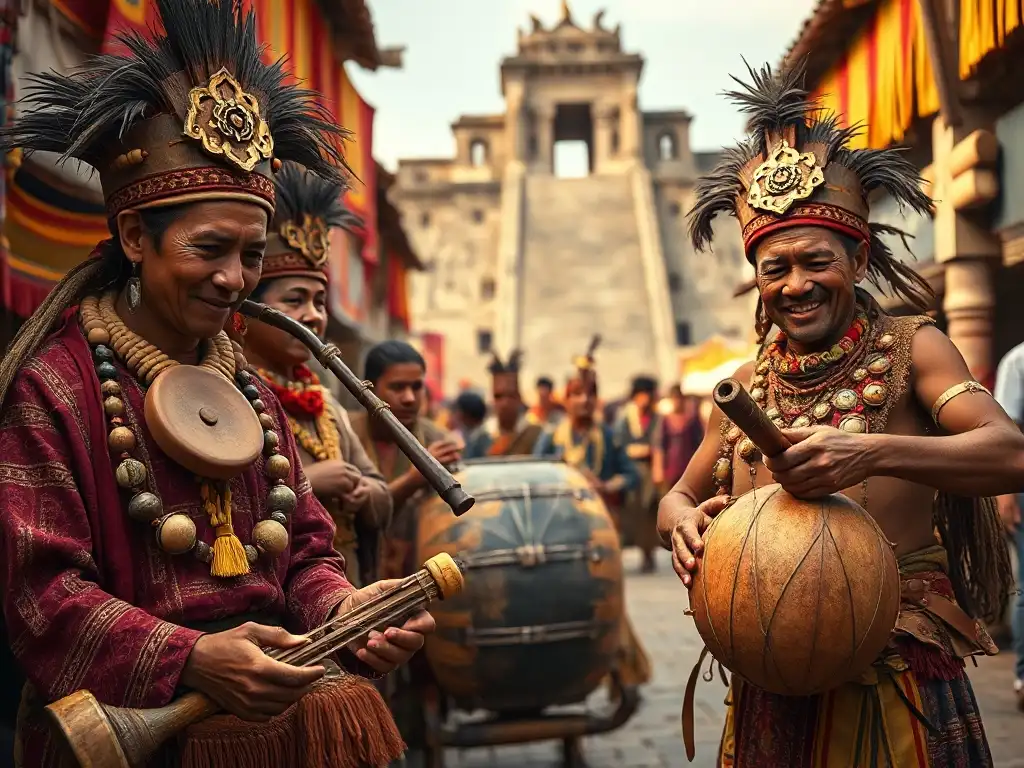
The Moche civilization (circa 100-800 CE), renowned for its sophisticated artistry and engineering, also possessed a vibrant musical culture. While no actual Moche music survives, archaeological evidence offers tantalizing glimpses into the soundscapes of this ancient Andean society. The analysis of iconography on ceramics, textiles, and metalwork, alongside the discovery of actual musical instruments, allows for a partial reconstruction of their musical practices.
Understanding Moche music is crucial to comprehending their religious beliefs, social structures, and daily life. The emphasis on ritual and celebration in their art strongly suggests that music played a vital role in both sacred and secular contexts. The investigation into Moche music instruments reveals a society that valued both musical expression and craftsmanship.
Reconstructing Moche Music from Archaeological Evidence
The reconstruction of Moche music relies heavily on the meticulous study of archaeological finds. Depictions on pottery frequently show musicians playing various instruments, providing valuable information on their forms and playing techniques. These depictions, often highly detailed and expressive, are not mere decoration; they are a window into the cultural significance of music within the Moche worldview. For example, many ceramic vessels show musicians playing panpipes, antaras (vertical panpipes), and possibly drums.
These visual records, combined with the rare discovery of actual instruments, enable researchers to begin piecing together the sounds of the past. The discovery of a near-complete antara in a Moche tomb offered valuable data on the instrument's construction and potential sonic range. Analyzing the materials used (often bone, wood, or reeds) and the size and arrangement of the pipes helps scholars understand the tonal possibilities and overall musical style.
Further research into the acoustics of the instruments and their possible use in different social settings is ongoing. More detailed analysis of the discovered antaras, along with the continued excavation of Moche sites, is critical in further refining our understanding of Moche musical practices. The limited number of discovered instruments, however, necessitates further archaeological investigation to broaden our knowledge of the full range of Moche music instruments.
The Role of Moche Music in Funerary Rites
Music played a significant role in Moche funerary rites, as evidenced by the presence of musical instruments in tombs and the depiction of musical performances in funerary scenes on ceramics. The elaborate burials of Moche elites often included offerings of musical instruments, suggesting their importance in the afterlife. These instruments were not merely grave goods; they were integral parts of rituals intended to ensure the deceased's safe passage to the next world and to honor their status. The types of instruments found in tombs can vary, reflecting the social status of the deceased.
Elites might be buried with a wider array of instruments, such as panpipes, drums, and possibly even stringed instruments (though evidence for these is currently scarce). The placement of the instruments within the tomb also holds symbolic meaning, potentially indicating the role music played in the funerary ceremony. Furthermore, the careful preservation of some instruments suggests a belief in the continued efficacy of their power even after death.
Analyzing the context of these discoveries—the arrangement of grave goods, the presence of other ritual objects, and the overall structure of the tomb—provides crucial insights into the complex relationship between music and death in Moche society. Further research is needed to fully understand the specific rituals involved and the symbolic meaning of each instrument. The study of Moche iconography, combined with ongoing archaeological excavations, promises to shed more light on the role of Moche music instruments in their complex funerary practices.
Moche Music and its Connection to the Natural World
The Moche civilization revered the natural world, and this reverence is reflected in their art and, by extension, their music. The instruments themselves—often made from natural materials such as reeds, bone, and wood—suggest a close connection between music and nature. The frequent depiction of musical performances in scenes featuring animals, plants, and natural landscapes further underscores this relationship.
The rhythmic patterns of Moche music may have mimicked the rhythms of nature, such as the sounds of the ocean, the wind, or the rain. The use of panpipes, with their ability to create a range of melodic and harmonic effects, might have been used to evoke the sounds of various animals or natural phenomena. Furthermore, the use of specific instruments in different contexts—for example, the use of certain instruments during agricultural rituals—suggests a connection between music and the agricultural cycle.
The close relationship between the Moche people and their environment suggests that music played a crucial role in reinforcing their connection to the natural world, acting as a bridge between the human and spiritual realms. However, further research is needed to fully explore the symbolic and ritualistic associations between specific Moche music instruments and natural elements. This would require a more in-depth comparative analysis of Moche iconography and a deeper understanding of their agricultural practices and cosmology.
Moche Music as a Form of Storytelling
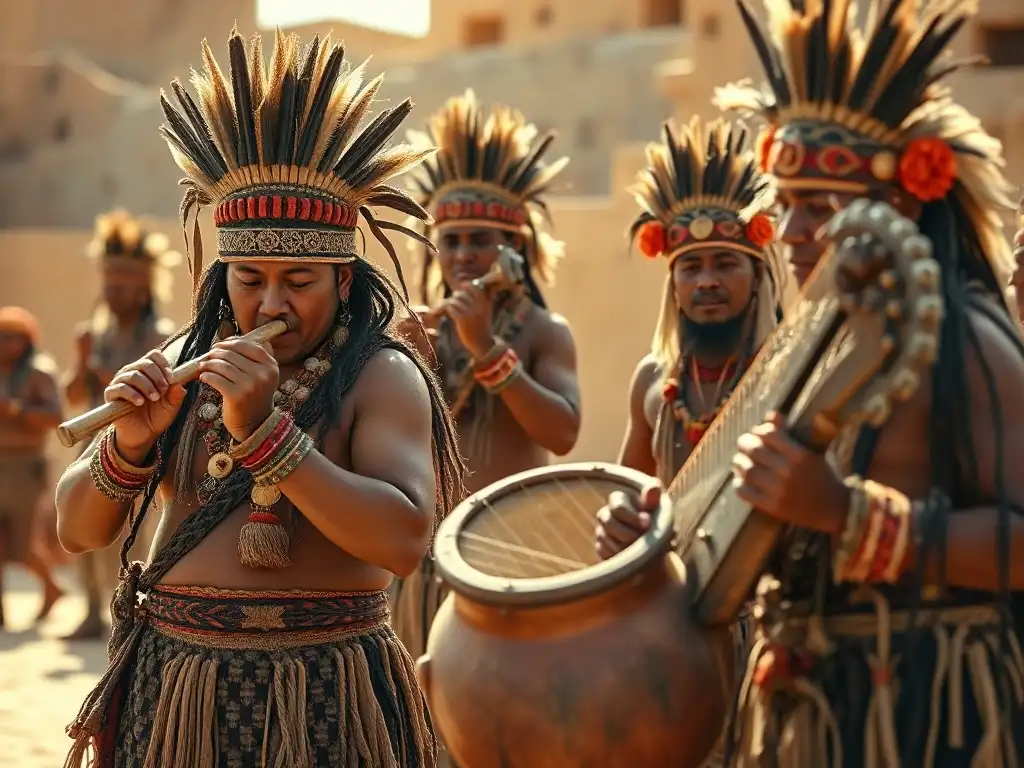
Moche music wasn't simply a form of entertainment; it served as a powerful medium for storytelling, transmitting narratives, beliefs, and historical events across generations. Unlike written texts, which were not prevalent in the Moche culture, music acted as a living archive, preserving and conveying crucial aspects of their society. The intricate rhythms and melodies likely depicted myths, legends, and historical accounts of significant battles, harvests, or religious ceremonies.
Consider the potential narrative embedded within a complex musical piece: a slow, somber introduction might represent a period of drought or hardship, followed by a crescendo of celebratory rhythms symbolizing the return of rainfall and abundance. The absence of written records makes deciphering the exact stories told through Moche music challenging, yet archaeological evidence—in the form of musical instruments themselves and their artistic depictions in pottery and textiles—suggests a rich and complex oral tradition deeply intertwined with their musical practices. The repetitive patterns frequently observed in Moche iconography might also reflect recurring musical motifs, further emphasizing the importance of music in their cultural memory.
The careful study of these visual representations, alongside the analysis of the instruments themselves, provides a fascinating glimpse into the narratives woven into the fabric of Moche musical tradition. Further research into the specific acoustic properties of the instruments and their potential combinations could potentially unlock a deeper understanding of the nuances of Moche musical storytelling.
The Role of Music in Moche Rituals
Music played a central role in Moche religious rituals, enhancing the spiritual atmosphere and facilitating communication with the supernatural. Archaeological evidence suggests that music was integral to ceremonies honoring deities and ancestors. Depictions on Moche pottery frequently show musicians playing various instruments during what appear to be elaborate rituals.
These scenes often feature shamans or priests, suggesting that music was used to induce altered states of consciousness or to facilitate communication with the spirit world. The rhythmic nature of the music, particularly the percussive sounds produced by instruments like drums and rattles, likely created a hypnotic and trance-like atmosphere. The use of specific musical pieces for particular rituals highlights the organized and structured nature of Moche religious life.
The combination of music, dance, and possibly hallucinogenic substances would have created a powerful and immersive experience for participants, fostering a deep sense of community and shared spiritual experience. The precise nature of these rituals and the specific musical pieces used remains a subject of ongoing research, but the visual evidence strongly suggests music's crucial role in the Moche religious sphere. Further analysis of the iconography and the instruments themselves might reveal more detailed insights into the specific rituals and their associated musical components.
Moche Musical Instruments: A Closer Look at Their Construction and Use
The Moche civilization produced a variety of musical instruments, each crafted with meticulous skill and often decorated with intricate designs. These instruments offer invaluable insights into their musical practices and aesthetic sensibilities. Among the most well-known Moche instruments are panpipes, trumpets, and drums. Panpipes, often crafted from reeds or bone, could produce a wide range of melodies.
The precision in the construction of these instruments, with each pipe carefully tuned, speaks to the Moche's advanced understanding of acoustics. Trumpets, typically made of shell or ceramic, were likely used for signaling or ceremonial purposes. Their powerful sound could have carried across considerable distances. The drums, constructed from various materials, including animal hides stretched over wooden frames, provided percussive rhythms.
The varied materials and construction techniques suggest a sophisticated understanding of sound production and amplification. The ornamentation on many of these instruments—geometric patterns, stylized figures, and depictions of deities—further highlights their importance in both musical and religious contexts. While the exact techniques used in their creation remain partially unknown, analysis of surviving instruments reveals a high level of craftsmanship and attention to detail, showcasing the Moche's skill and ingenuity. The study of these instruments continues to unravel the mysteries of Moche music and its place within their rich cultural heritage.
Moche Music Legacy and Influence
The Moche civilization, flourishing along the northern coast of Peru from approximately 100 to 800 CE, left behind a remarkable legacy that extends far beyond their impressive architecture and intricate pottery. Their sophisticated musical traditions, while not directly documented through written scores, are powerfully suggested through archaeological findings and the echoes of their cultural practices in later Andean societies.
The study of Moche music instruments reveals a complex and nuanced understanding of sound and rhythm, integral to their social fabric, religious rituals, and daily life. The influence of Moche musical aesthetics can be traced through subsequent Andean cultures, showcasing the enduring power of their artistic expression.
Understanding this legacy allows us to appreciate the depth and complexity of Moche society and its contribution to the rich tapestry of Peruvian cultural heritage. The vibrancy of their musical heritage is a testament to their ingenuity and artistic prowess, a legacy that continues to resonate even today.
The Endurance of Moche Musical Traditions
While the precise sounds of Moche music remain elusive, the discovery of various Moche music instruments provides valuable clues. Archaeological excavations have unearthed a range of instruments, including:
- Panpipes (Antaras): These were likely used extensively, judging by the number of fragments found. The varying sizes and materials suggest a range of tonal possibilities, capable of creating both simple melodies and complex harmonies.
- Drums (Tímpanos): Evidence suggests the use of drums made from various materials, possibly including animal skins stretched over ceramic or wooden frames. The size and shape of these drums would have influenced their sound, creating different rhythmic effects.
- Shell Trumpets: These instruments, often crafted from large marine shells, likely served ceremonial purposes. Their deep, resonant tones would have carried across vast distances, enhancing the impact of rituals and celebrations.
- Gourd Rattles: Small gourds filled with seeds or pebbles created percussive sounds, adding rhythmic complexity to musical performances. These were likely used in conjunction with other instruments.
The enduring nature of these instruments is evident in the similarities found in later Andean musical traditions. Many of the techniques and instrument types used by the Moche have clear connections to later cultures, demonstrating a continuous thread of musical innovation and exchange across centuries. This continuity underlines the significance of the Moche's contribution to the development of Andean musical practices. Further research into the materials used and the potential range of sounds produced is crucial to fully understanding their musical landscape.
Modern Interpretations of Moche Music and Dance
Contemporary musicians and scholars have attempted to reconstruct Moche music based on the available archaeological evidence. This process involves careful analysis of the discovered Moche music instruments, consideration of the social context in which they were used, and comparison with similar instruments and musical traditions from later Andean cultures. The results are often speculative, but they provide valuable insights into the possible sounds and rhythms of Moche musical performances.
These reconstructions often involve the creation of replicas of the instruments, allowing for experimentation with different playing techniques and the exploration of potential musical styles. The process of recreating Moche music provides a bridge between the past and the present, allowing for a deeper appreciation of their cultural heritage.
These modern interpretations, while not definitive, offer captivating glimpses into a lost world of sound and movement. Moreover, they bring to life the vibrant musical traditions of the Moche, showcasing their artistic skill and innovative spirit.
The Importance of Preserving Moche Heritage
The preservation of Moche musical heritage is crucial for understanding their culture and society. The study of Moche music instruments and their potential soundscapes provides valuable insights into their social structures, religious beliefs, and daily life. Continued archaeological research is essential to uncover further evidence of their musical practices. This includes careful excavation of sites, detailed analysis of artifacts, and interdisciplinary collaborations between archaeologists, musicologists, and other experts.
Furthermore, the preservation of existing artifacts is paramount, ensuring that these invaluable pieces of history are protected for future generations. The protection of these artifacts and the continued research efforts are crucial to safeguarding this unique aspect of Andean cultural heritage. Efforts to promote awareness and understanding of Moche music among the wider public are equally essential.
This can involve educational programs, museum exhibits, and public performances of modern interpretations of Moche music and dance. By actively engaging with and preserving this heritage, we ensure that the sounds of the Moche continue to resonate through time. The legacy of the Moche civilization, including their musical traditions, is a precious part of the world's cultural heritage, and its preservation is a responsibility we must all share.
Moche Music and its Impact on Later Andean Cultures
The vibrant musical traditions of the Moche civilization didn't disappear with the decline of their empire. Their innovative instruments and musical styles demonstrably influenced subsequent Andean cultures, leaving an indelible mark on the soundscapes of the region for centuries. The precise nature of this influence is still being uncovered by archaeologists and musicologists, but several key aspects are evident. For example, the use of wind instruments like panpipes, which were sophisticated and widespread in Moche society, continued to be prevalent in later cultures such as the Chimú and Inca.
The intricate craftsmanship evident in Moche panpipes, with their precisely tuned reeds and often elaborate decorative elements, suggests a high level of musical sophistication that likely served as a model for later artisans. Furthermore, the rhythmic complexity and the integration of music into ritual and ceremonial contexts, characteristic of Moche culture, seem to have been inherited and adapted by succeeding Andean societies. This continuity is supported by the discovery of similar types of instruments in later archaeological contexts, albeit with stylistic variations reflecting the passage of time and cultural evolution. The echoes of Moche musical aesthetics can be detected in the musical practices of communities in the Andes even today, highlighting the enduring legacy of this fascinating civilization.
Further research, particularly detailed comparative analyses of Moche and later Andean musical instruments, is needed to fully understand the extent and nature of this cultural transmission. This includes a thorough investigation of the potential for shared musical traditions, stylistic influences, and the possible migration of musicians and musical knowledge between different Andean groups. The study of Moche music offers a crucial lens through which to understand the broader evolution of Andean musical culture. The legacy of the Moche, therefore, extends beyond their impressive artwork and engineering feats to encompass a rich and influential musical heritage.
Frequently Asked Questions
What types of musical instruments did the Moche civilization use?
The Moche used a variety of instruments, including wind instruments like flutes and panpipes, and percussion instruments such as drums and rattles. Evidence suggests they also may have used stringed instruments, though less definitively.
What was the role of music in Moche society?
Music played a vital role in Moche rituals and ceremonies, often accompanying religious festivals and celebrations. It was also likely integral to their social and daily life.
How do we know about Moche music instruments?
Our understanding comes primarily from archaeological discoveries of actual instruments and depictions of musicians and instruments in their art, particularly pottery and metalwork.
What materials did the Moche use to create their instruments?
Moche instruments were crafted from a variety of materials, including clay, wood, bone, shell, and metal, reflecting their advanced craftsmanship and resourcefulness.
Where can I learn more about Moche music and dance?
You can find more information through academic journals, museum exhibits focusing on Pre-Columbian Andean cultures, and books dedicated to Moche archaeology and art. Many online resources also exist.
Final Reflection: Echoes of the Moche: A Legacy in Rhythm and Ritual
The vibrant rhythms and intricate dances of the Moche civilization, though separated from us by centuries, continue to resonate powerfully today. Their artistry, expressed through meticulously crafted instruments and captivating performances, offers a profound glimpse into a society deeply connected to its spiritual and social fabric. The echoes of their music are not merely historical artifacts; they are a testament to the enduring power of human expression and the universal need for ritual and celebration.
The Moche's legacy extends far beyond the archaeological record; it speaks to the enduring human impulse to create, to connect, and to celebrate life through music and dance. Their instruments, often found alongside elaborate grave goods, reveal a sophisticated understanding of acoustics and artistry. Music is the universal language of mankind,
a sentiment that rings particularly true when considering the cross-cultural appeal of rhythm and melody, even across such vast temporal distances. The Moche's dedication to their musical traditions underscores the importance of art as a vital component of cultural identity and social cohesion, a lesson that remains profoundly relevant in our increasingly interconnected world.
Consider the impact of music and dance in your own life. What rhythms move you? What rituals and celebrations bring you joy and connection? Let the echoes of the Moche inspire you to explore the power of music and dance in your own community, to create your own rituals of celebration, and to appreciate the enduring legacy of human creativity across time and cultures. Embrace the rhythm, find your voice, and let the music move you.
Experience the Heartbeat of Moche Culture!
Thank you for exploring the rich and vibrant world of Moche music and dance! You've discovered the captivating traditions at the heart of this ancient civilization. Now, let's continue your journey of discovery!
- Learn to dance: Immerse yourself in the exhilarating rhythms that have been celebrated for centuries by taking a local dance class.
- Listen to Moche music: Explore curated playlists on streaming services to bring the spirit of their celebrations into your daily life.
- Share this article: Introduce your friends to this fascinating ancient culture and invite them to learn with you.
What aspect of Moche music or dance most inspires you to connect with ancient traditions in your modern life?