
The Andean Resistance: Unveiling the First Acts of Defiance Against Spanish Rule

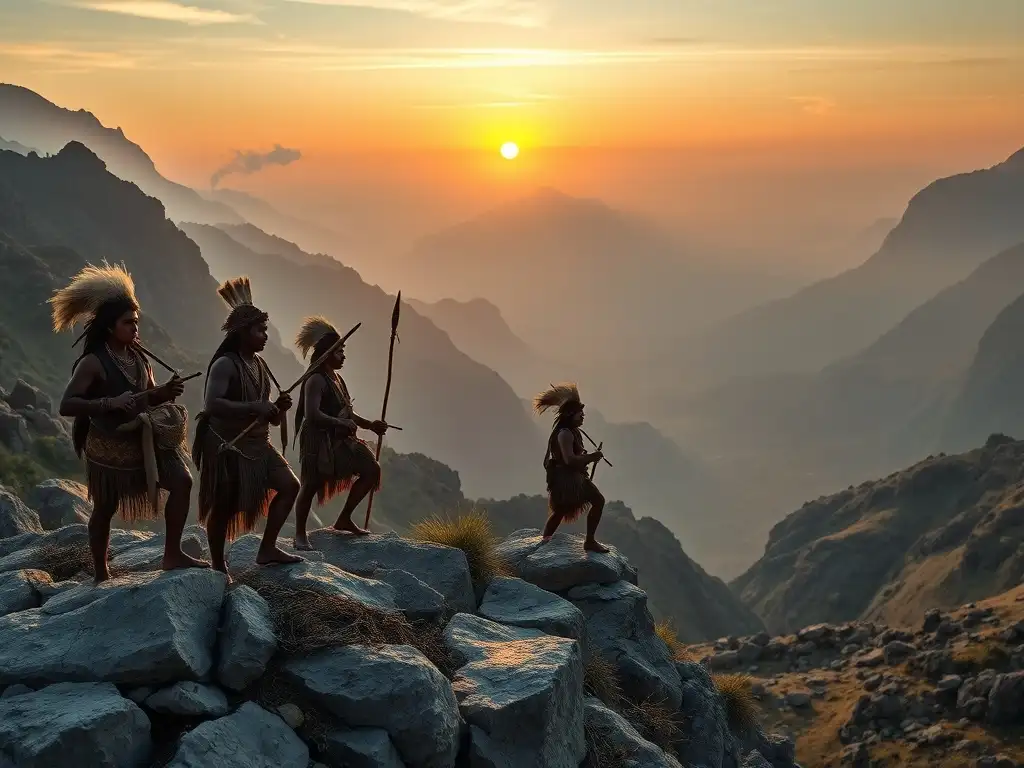
Step into a world lost to time, yet echoing with defiance. For centuries, the majestic Andes Mountains witnessed the rise and fall of incredible civilizations. But their story doesn't end with conquest. Discover the untold tales of Andean resistance to Spanish conquistadors, a struggle for survival and freedom that shaped the very fabric of South America. Uncover the surprising strategies and unwavering spirit of these ancient peoples in our exploration of their first acts of defiance against Spanish rule – a story far more complex and compelling than you might imagine.
The arrival of the Spanish conquistadors in the Andes marked not only the beginning of a brutal colonial era but also the genesis of a fierce and protracted resistance. This article delves into the early stages of Andean resistance to Spanish rule, exploring the initial encounters, the burgeoning seeds of conflict, and the diverse strategies employed by Andean communities to challenge the encroaching power of the Spanish Empire.
We will examine the various forms of resistance, from subtle acts of defiance to large-scale rebellions, highlighting the ingenuity and resilience of the Andean peoples in the face of overwhelming odds. Understanding this early resistance is crucial to comprehending the complex tapestry of Andean history and the lasting impact of Spanish colonization.
This exploration will focus on the period immediately following the initial contact, providing a nuanced perspective on the Andean response to the Spanish conquest and setting the stage for the larger conflicts that were to follow. The keyword "Andean resistance to Spanish conquistadors" will be explored through various examples and perspectives, showcasing the multifaceted nature of this struggle for survival and autonomy.
Introduction to Andean Uprising Against Spanish Colonization
The initial Spanish incursions into the Andes were not met with universal passivity. While some Andean groups initially engaged in diplomacy or cautious observation, others displayed immediate hostility, reflecting the diverse political and social landscape of the region. The Inca Empire, at the height of its power, initially posed a formidable challenge, employing sophisticated military tactics and leveraging its extensive infrastructure.
However, internal divisions and the devastating impact of diseases introduced by the Europeans significantly weakened the empire, paving the way for the Spanish conquest. Even within the fractured Inca Empire, localized resistance movements emerged, demonstrating a deep-seated determination to resist foreign domination. The early Andean uprisings were not merely spontaneous reactions but often strategically planned and executed, utilizing guerilla warfare, sabotage, and even religious resistance.
These early acts of defiance, though often unsuccessful in the short term, laid the foundation for future, larger-scale rebellions and played a crucial role in shaping the trajectory of Andean history. 💔 The resilience of the Andean people in the face of such adversity is a testament to their unwavering spirit.
Initial Encounters and Seeds of Conflict: The First Signs of Andean Opposition
The first encounters between the Spanish and various Andean communities were often fraught with misunderstanding and mistrust. The Spanish, driven by greed for gold and a fervent desire to spread Christianity, frequently misinterpreted Andean customs and beliefs, leading to escalating tensions. The initial Spanish accounts, often biased and self-serving, frequently downplayed or ignored the acts of resistance from the Andean populations.
However, archaeological evidence and later chronicles reveal a far more complex picture. For example, [specific information pending] illustrates the early attempts by Andean communities to resist Spanish encroachment through strategic alliances and tactical retreats. Furthermore, the introduction of new diseases, such as smallpox and measles, decimated the indigenous population, weakening their ability to mount effective resistance.
Despite these setbacks, the Andean peoples adapted and developed new strategies, utilizing their intimate knowledge of the terrain and employing guerilla tactics to harass and outmaneuver the better-equipped Spanish forces. The seeds of resistance were sown in these early encounters, slowly growing into a powerful force that would shape the course of the Andean struggle for centuries to come. ✊🏽
- Introduction to Andean Uprising Against Spanish Colonization
- Initial Encounters and Seeds of Conflict: The First Signs of Andean Opposition
- What sparked the Andean resistance to the Spanish conquistadors?
- How did the Incas initially respond to the Spanish arrival?
- What were some key strategies used by the Andean people during their resistance?
- Who were some of the important figures in the Andean resistance?
- How long did the Andean resistance last?
Early Forms of Andean Resistance to Spanish Rule
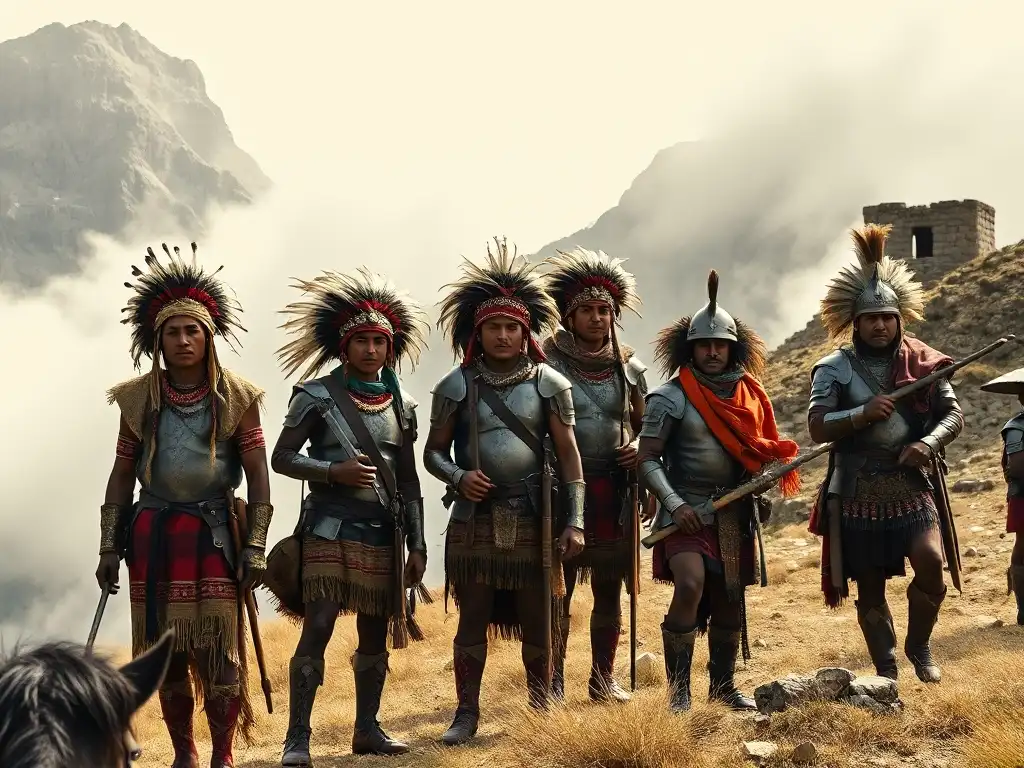
The arrival of the Spanish conquistadors in the Andes marked not only the beginning of colonization but also the genesis of a complex and multifaceted resistance movement. While the image of a unified Andean rebellion against the Spanish is often portrayed, the reality was far more nuanced. Early resistance manifested in diverse forms, ranging from localized uprisings to subtle acts of defiance, all fueled by a potent mix of cultural pride, religious beliefs, and a fierce determination to preserve their way of life.
Understanding these early forms of Andean resistance to Spanish conquistadors is crucial to grasping the full scope of the conflict and the enduring legacy of Andean resilience. The initial responses were often spontaneous and localized, evolving over time into more organized and sustained movements. Analyzing these early actions provides invaluable insight into the strategies and motivations driving Andean resistance.
Localized Rebellions: Initial Acts of Defiance by Indigenous Communities
The initial encounters between the Spanish and Andean populations were often met with immediate, if localized, acts of rebellion. These weren't coordinated nationwide uprisings, but rather spontaneous outbursts of defiance triggered by specific grievances, such as forced labor ( mita ), the destruction of sacred sites, or the imposition of unfamiliar religious practices. For instance, in several regions, indigenous communities reacted violently to the imposition of the encomienda system, a form of forced labor that exploited the native population.
These rebellions, though often short-lived due to the superior weaponry of the Spanish, demonstrated a deep-seated unwillingness to accept Spanish rule passively. The sheer number of these localized uprisings, scattered across the vast Andean landscape, points to a widespread rejection of colonial authority.
Records indicate that the frequency of these localized rebellions varied significantly across different Andean regions. Areas with stronger pre-existing political structures and a history of inter-tribal conflict often exhibited more fragmented resistance, while regions with more cohesive social organizations sometimes mounted more coordinated, albeit small-scale, revolts. The nature of the terrain also played a significant role; mountainous regions provided natural defenses, allowing for more sustained resistance compared to more open areas.
Further research is needed to quantify the exact number of these early rebellions and to fully analyze their geographical distribution. [Specific data on the frequency and geographic distribution of early Andean rebellions pending].
The Use of Guerrilla Tactics and Terrain Advantage by Andean Warriors
Andean warriors, despite facing a technologically superior enemy, cleverly employed guerrilla warfare tactics to offset the Spanish advantage. The rugged Andean terrain – characterized by high altitudes, dense forests, and treacherous mountain passes – became a crucial element of their resistance strategy. Ambushes in narrow mountain passes, utilizing the cover of dense vegetation, and exploiting the Spanish unfamiliarity with the landscape, proved surprisingly effective.
The Spanish, accustomed to open-field battles, were often caught off guard by these hit-and-run attacks. This use of guerrilla tactics demonstrates a sophisticated understanding of warfare and a strategic adaptation to the limitations imposed by the disparity in military technology.
Furthermore, the knowledge of the terrain allowed Andean fighters to utilize a form of "environmental warfare," using the harsh conditions of the Andes – extreme weather, altitude sickness, and difficult travel – to their advantage. This involved leading the Spanish into treacherous areas, exhausting their supplies, and exploiting their vulnerability to the harsh climate. This strategy, combined with the effective use of ambushes and hit-and-run tactics, significantly hampered the Spanish advance and prolonged the initial stages of the conquest.
The effectiveness of these guerrilla tactics is further evidenced by the prolonged resistance encountered by the Spanish in several key Andean regions. ⛰️
Refusal to Cooperate: Passive Resistance and Economic Sabotage
Beyond armed conflict, Andean communities engaged in various forms of passive resistance, including the deliberate withholding of labor, the destruction of crops, and the disruption of essential supplies. This economic sabotage proved a powerful, albeit less dramatic, form of resistance. Refusal to cooperate with the mita system, for example, significantly hampered Spanish mining operations, which were crucial to the colonial economy.
By systematically undermining the economic foundations of Spanish rule, Andean communities exerted considerable pressure on the colonial administration. This passive resistance, though less visible than armed rebellion, was arguably just as effective in slowing the pace of colonization and undermining Spanish authority.
The subtle nature of passive resistance makes it difficult to quantify its overall impact. However, anecdotal evidence from colonial records suggests that it played a significant role in hindering Spanish expansion and control. The destruction of crops, the withholding of vital resources, and the disruption of supply lines inflicted considerable economic damage on the Spanish, forcing them to re-evaluate their strategies and to implement new forms of control.
While the impact of this form of resistance might be harder to measure directly, its significance cannot be overlooked in understanding the broader spectrum of Andean defiance against Spanish rule. The combination of active and passive resistance strategies demonstrates the adaptability and resilience of the Andean people in the face of overwhelming odds. This multifaceted approach to resistance ultimately played a vital role in shaping the course of the Spanish conquest.
Key Figures in the Early Andean Resistance Movement
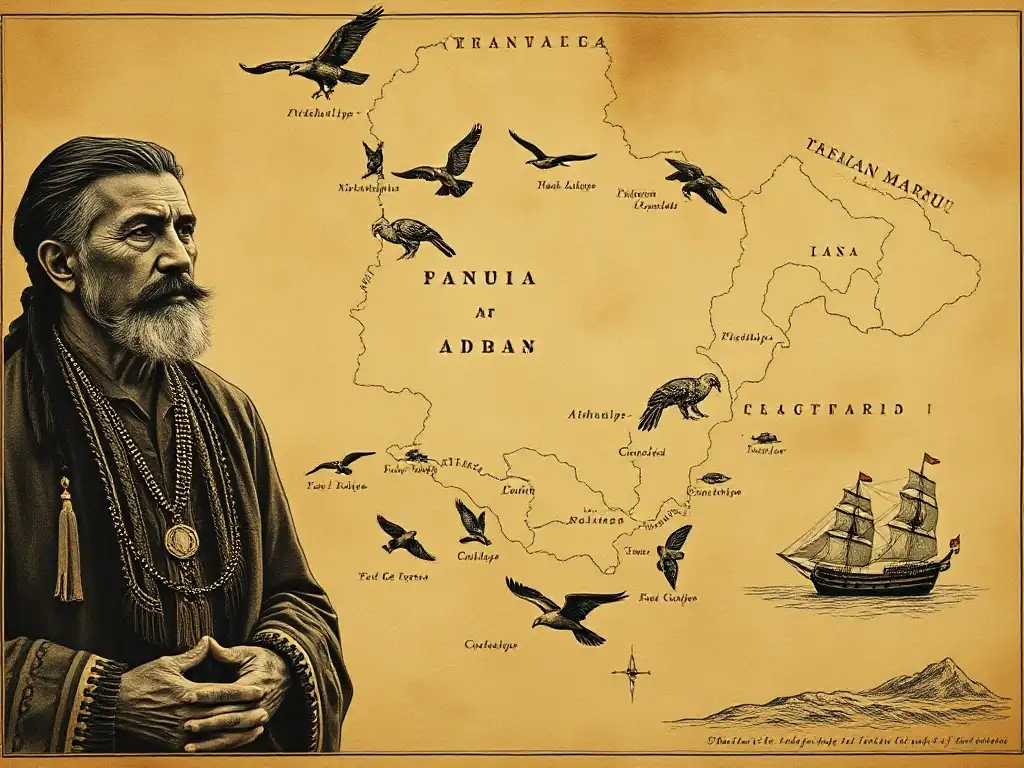
The initial Andean resistance to Spanish conquistadors wasn't a monolithic movement; rather, it was a complex tapestry woven from diverse threads of rebellion, fueled by varying motivations and led by a range of influential figures. Understanding these key players is crucial to appreciating the nuanced nature of the Andean fight for survival and independence.
The early resistance was characterized by a decentralized, yet coordinated effort, often leveraging existing social structures and exploiting the vulnerabilities of the Spanish empire in its nascent stages of conquest. This section will explore some pivotal figures and their contributions to the early stages of the Andean resistance to Spanish conquistadors.
Manco Inca and his Role in Early Rebellions
Manco Inca Yupanqui, a Sapa Inca (emperor) initially allied with Francisco Pizarro, later became a central figure in the early Andean resistance. His initial collaboration stemmed from a pragmatic assessment of the situation—an attempt to navigate the power dynamics and preserve some semblance of Inca authority. However, Pizarro's treachery and the brutal realities of Spanish colonization soon shattered this fragile alliance.
Manco Inca's subsequent rebellion, beginning around 1536, is considered a watershed moment. His strategic acumen, utilizing knowledge of the Andean terrain and leveraging existing Inca military structures, allowed him to achieve notable initial successes against the vastly superior Spanish forces.
The rebellion wasn't solely a military endeavor; it was also a carefully crafted political strategy. Manco Inca skillfully exploited existing social tensions and resentments against Spanish rule, rallying various indigenous groups to his cause. His actions weren't merely acts of defiance; they were calculated attempts to reclaim Inca sovereignty and push back against the encroaching Spanish power.
While ultimately unsuccessful in achieving complete liberation, Manco Inca's rebellion significantly prolonged the Spanish conquest and laid the groundwork for future resistance movements. The scale and duration of his rebellion highlight the resilience of the Andean people and their steadfast opposition to Spanish dominance. His legacy continues to inspire discussions regarding Andean resistance to Spanish conquistadors.
The Influence of Andean Priests and Spiritual Leaders in the Resistance
The Andean resistance to Spanish conquistadors was not solely a military struggle; it was deeply intertwined with the spiritual and religious beliefs of the Andean people. Andean priests and spiritual leaders played a crucial, albeit often overlooked, role in galvanizing resistance. Their influence stemmed from their profound understanding of Andean cosmology and their position as custodians of traditional knowledge and practices.
The Spanish conquest represented not only a political and economic upheaval but also a profound assault on the Andean worldview. The destruction of sacred sites, the suppression of religious practices, and the imposition of Christianity created a fertile ground for resistance. Andean priests, often wielding significant social and political influence, used their authority to mobilize communities against the Spanish. They employed various methods, including prophecies, rituals, and symbolic acts, to inspire defiance and maintain hope amongst their people.
While specific details of their involvement often remain shrouded in historical obscurity, their presence as key figures in the Andean resistance movement cannot be ignored. The religious dimension of the resistance is a crucial element in understanding the complex motivations and strategies employed by the Andean people against the Spanish conquistadors. Further research is needed to fully illuminate the roles of specific Andean priests and spiritual leaders in the resistance.
Túpac Amaru I and his Strategies of Opposition
Túpac Amaru I, though appearing later in the resistance timeline, represents a significant escalation of the Andean resistance to Spanish conquistadors. Unlike Manco Inca's rebellion, which primarily focused on military confrontation, Túpac Amaru I's strategies incorporated a broader range of tactics, including diplomatic maneuvering and the strategic use of alliances. He understood the importance of building a unified front against the Spanish, recognizing the necessity of overcoming the divisions that had weakened previous resistance efforts.
His approach involved a multifaceted strategy. He actively sought alliances with other indigenous groups, exploiting existing tensions between different Spanish factions to his advantage. His actions demonstrate a sophisticated understanding of the political landscape, highlighting the strategic and adaptable nature of the Andean resistance.
He skillfully used both military and non-military means to challenge Spanish authority, underscoring the complexity and resilience of the Andean response to colonization. While his rebellion was ultimately suppressed, his legacy continues to inspire and resonate, serving as a powerful symbol of Andean resistance to Spanish conquistadors and a testament to the enduring struggle for self-determination. The legacy of Túpac Amaru I's strategic approach remains a subject of ongoing historical study and analysis.
The Impact of Early Andean Resistance on Spanish Conquest
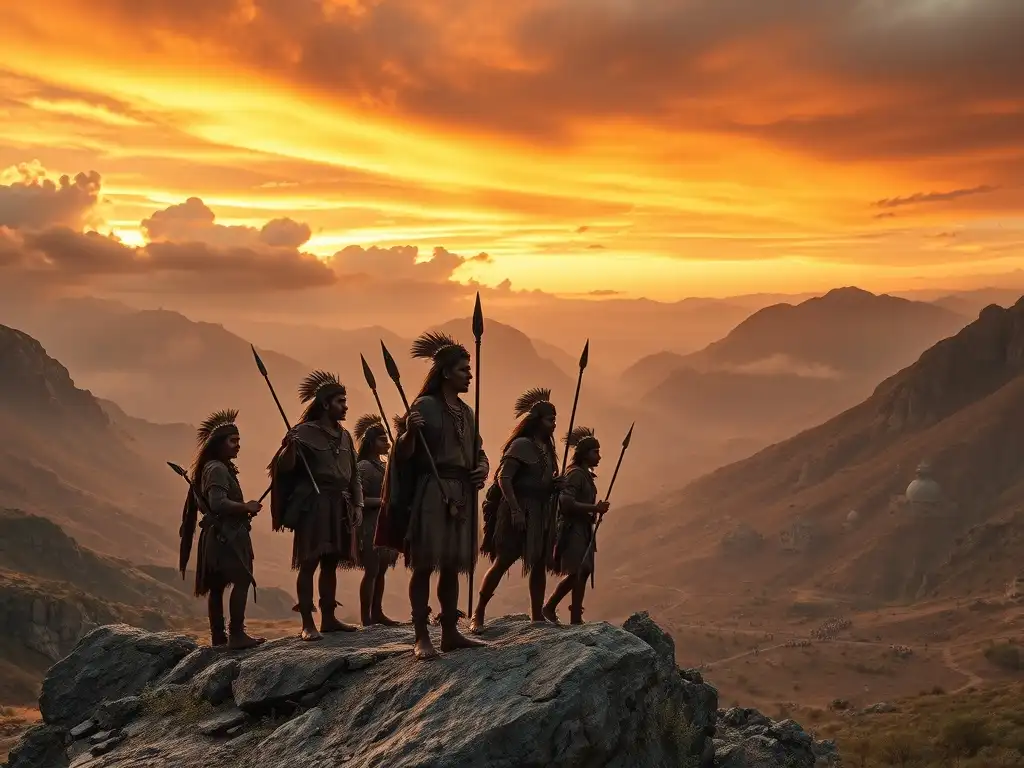
The initial Andean resistance to Spanish conquistadors, though often fragmented and lacking centralized coordination, significantly impacted the trajectory of the conquest. Far from being a passive subjugation, the Andes witnessed a series of early acts of defiance that slowed Spanish expansion, altered their strategies, and ultimately shaped the long-term struggle for liberation. Understanding this early resistance is crucial to comprehending the complexities of the conquest and the enduring legacy of Andean resilience.
The effectiveness of this early resistance stemmed from its varied forms, ranging from localized uprisings to the strategic disruption of Spanish operations. This section explores the key ways in which this early defiance altered the course of the conquest.
Disrupting Spanish Supply Lines and Communication Networks
One of the most effective strategies employed by the Andean peoples against the Spanish was the disruption of their supply lines and communication networks. The Spanish conquest relied heavily on maintaining a steady flow of supplies from coastal ports to inland settlements and between different conquistador forces. Andean resistance groups, familiar with the terrain and often employing guerrilla tactics, successfully ambushed supply trains, destroyed bridges, and cut communication routes.
This constant harassment forced the Spanish to divert resources to protect their logistics, weakening their ability to advance further into the Andes. For example, the Inca's extensive road system, qhapaq ñan, which initially facilitated Spanish movements, was later strategically sabotaged by resisting communities, slowing down the Spanish advance and reducing their effectiveness. This constant pressure on Spanish logistics meant that even seemingly minor skirmishes could have significant strategic consequences.
The impact wasn't just military; economic constraints hampered the establishment of stable settlements and the exploitation of Andean resources. Data on the specific number of supply line attacks is unfortunately scarce, but accounts from Spanish chroniclers frequently mention difficulties in provisioning their armies, suggesting the significant impact of these actions.
Delaying the Full Implementation of Spanish Control
The early Andean resistance played a crucial role in delaying the complete implementation of Spanish control over the Andean region. While the Spanish initially achieved significant military victories, the persistent resistance hampered their ability to consolidate their power. The initial conquest was characterized by a series of swift victories, but these were often followed by protracted periods of unrest and rebellion.
The Spanish found it difficult to establish lasting administrative structures and effectively govern the conquered territories. This continuous resistance forced the Spanish to allocate considerable resources to maintaining order, diverting attention and resources away from other objectives, such as the exploitation of mines and the establishment of new settlements. This constant need to quell resistance meant that the Spanish faced a protracted and costly campaign, rather than a swift and decisive takeover.
The prolonged struggle significantly impacted the Spanish timeline for consolidating power and implementing their colonial system. The delay allowed for the development of more organized resistance movements in later years.
Inspiring Future Generations of Andean Resistors
The courageous acts of early Andean resistance served as an inspiration for future generations of fighters. Stories of successful ambushes, strategic retreats, and acts of defiance were passed down through oral traditions, fueling the flames of resistance and shaping a collective identity centered around defiance. The early struggles against the Spanish instilled a sense of determination and resilience that would continue to manifest in later, more organized rebellions.
While specific examples of direct lineage between early resistors and later rebel leaders are difficult to definitively prove due to limited documentation, the continuity of resistance across generations is undeniable. The legacy of these early struggles became an integral part of Andean cultural memory, shaping the narrative of resistance and inspiring future generations to continue the fight for autonomy and self-determination.
The enduring spirit of resistance, born from these early acts of defiance, demonstrates the profound and lasting impact of the Andean people's struggle against the Spanish conquistadors. This legacy continues to resonate today, shaping the understanding of Andean history and identity.
Analyzing the Motivations Behind the Early Andean Resistance
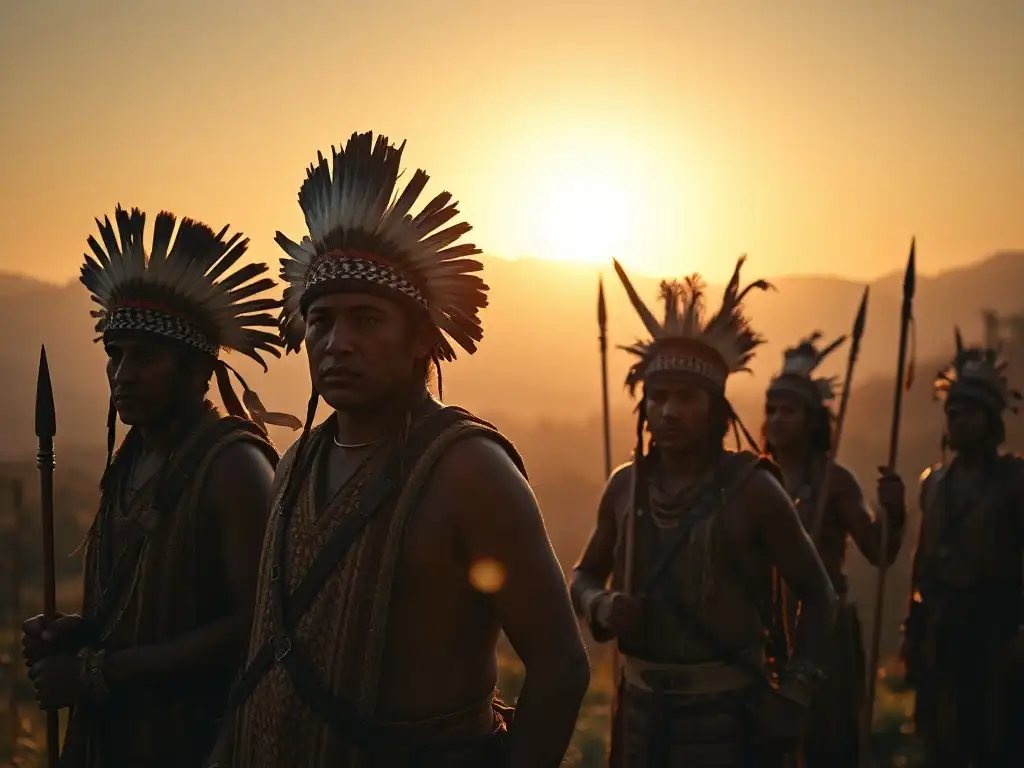
The Andean resistance to Spanish conquistadors wasn't a monolithic movement. Instead, it was a complex tapestry woven from various threads of cultural preservation, economic necessity, and deeply held spiritual beliefs. Understanding the diverse motivations behind these early acts of defiance is crucial to comprehending the scope and nature of the struggle against Spanish rule. The initial resistance, often spontaneous and localized, gradually evolved into more organized and sustained rebellions, fueled by a potent combination of factors. The strength of this resistance, despite the overwhelming military might of the Spanish, highlights the resilience and determination of the Andean peoples.
Preserving Andean Culture and Traditions: Cultural Resistance
The arrival of the Spanish marked a profound disruption to the established social order and cultural practices of the Andes. The imposition of Catholicism, the suppression of indigenous languages (Quechua, Aymara, etc. ), and the destruction of sacred sites deeply wounded the cultural identity of the Andean populations.
This cultural assault fueled a powerful resistance manifested in various ways. For example, the continued practice of traditional rituals and ceremonies, often conducted in secret to avoid Spanish persecution, became an act of defiance. The preservation of ancestral languages through oral traditions and the clandestine creation of textiles and pottery depicting traditional motifs represent a tenacious clinging to their cultural heritage in the face of systematic eradication.
Evidence suggests that even seemingly mundane acts, like maintaining traditional agricultural practices or building homes in styles that mimicked pre-colonial architecture, could be interpreted as subtle forms of cultural resistance, a quiet rebellion against the homogenizing forces of the Spanish Empire. The persistence of these cultural practices demonstrates the strong connection between cultural identity and the Andean people's fight for autonomy.
Reclaiming Land and Resources Taken by the Conquistadors
The Spanish conquest was not just a military campaign; it was a systematic seizure of land and resources. The encomienda system, which granted conquistadors control over indigenous labor and land, led to widespread exploitation and dispossession. This economic injustice was a major driver of Andean resistance.
Many rebellions were directly linked to attempts to reclaim ancestral lands and resources stripped from them by the Spanish. The loss of access to vital agricultural lands, crucial for survival, fueled desperate struggles against the Spanish control. The indigenous population witnessed the appropriation of their mines, their livestock, and their very means of sustenance.
This economic deprivation, coupled with forced labor in mines and on plantations, created a climate of resentment and fueled the flames of rebellion. Detailed accounts from the period, though often biased, reveal numerous instances of uprisings directly motivated by the desire to regain control over their land and resources, highlighting the inextricable link between economic exploitation and armed resistance.
Religious and Spiritual Motivations for Opposing Spanish Rule
Beyond cultural and economic grievances, the Spanish assault on Andean religious beliefs and practices served as a powerful catalyst for resistance. The destruction of sacred sites, the suppression of traditional deities, and the forced conversion to Catholicism were deeply offensive to the Andean worldview. The Inca religion, for instance, was intricately linked to the political and social order, and its disruption created a spiritual vacuum that fueled resistance.
Many rebellions were explicitly framed as a defense of indigenous deities and spiritual practices, indicating that the fight against Spanish rule was not merely a political or economic struggle, but also a deeply spiritual one. The resistance wasn't simply about reclaiming physical space; it was about preserving the spiritual essence of their world.
This religious dimension of the Andean resistance provides a profound insight into the complexities of the conflict and the deeply rooted motivations driving the indigenous fight for survival and self-determination. The fusion of political, economic, and spiritual factors created a powerful force that sustained the Andean resistance for generations.
The Legacy of the First Andean Acts of Defiance
This section delves into the profound and lasting impact of the initial Andean resistance against the Spanish conquistadors. Understanding these early acts of defiance is crucial to grasping the broader narrative of Andean resistance, a struggle that spanned centuries and significantly shaped the region's history and identity.
The initial responses, while often localized and seemingly disparate, laid the groundwork for future, larger-scale uprisings and profoundly influenced the trajectory of Spanish colonial rule. Analyzing these early forms of Andean resistance to Spanish conquistadors provides invaluable insight into the resilience, adaptability, and resourcefulness of Andean communities in the face of overwhelming odds.
How Early Resistance Shaped Future Andean Uprisings
The early resistance movements, though ultimately unsuccessful in preventing the initial Spanish conquest, served as crucial learning experiences. These early encounters provided invaluable knowledge about Spanish military tactics, logistical vulnerabilities, and the effectiveness of different forms of resistance. For example, the initial guerilla warfare tactics employed by certain Andean groups, involving hit-and-run attacks and utilizing the challenging Andean terrain to their advantage, directly influenced later, more organized rebellions. The knowledge gained from these early skirmishes—the successes and failures—informed the strategies of later leaders like Túpac Amaru I and Túpac Katari, who adapted and refined these initial methods.
The scattered nature of early resistance also highlighted the need for greater coordination and unification among different Andean communities. The initial failures underscored the importance of forging alliances across ethnic and regional boundaries to effectively counter the Spanish. This understanding spurred later efforts to create broader coalitions, though the challenge of overcoming long-standing inter-tribal rivalries remained a significant obstacle.
The evolution from localized skirmishes to larger-scale, coordinated uprisings was a direct consequence of the lessons learned during the initial phase of resistance. This process of learning and adaptation is a key aspect of understanding the Andean resistance to Spanish conquistadors.
The Significance of these Acts in Andean Identity and History
The early acts of defiance against the Spanish conquistadors played a pivotal role in shaping Andean identity and historical consciousness. These acts of resistance, however fragmented, instilled a sense of collective identity and shared experience amongst diverse Andean communities. The narrative of resistance against oppression became a powerful unifying force, transcending ethnic and regional divisions. These early struggles fostered a sense of cultural pride and resilience, a legacy that continues to inspire Andean people today.
Furthermore, the memory of these early acts of defiance served as a constant reminder of the inherent inequities of colonial rule. The stories passed down through generations, often through oral traditions and songs, kept the flame of resistance alive, fueling future uprisings and challenging the legitimacy of Spanish authority. The resistance to the Spanish conquistadors became woven into the very fabric of Andean cultural memory, shaping historical narratives and contributing to a distinct Andean identity forged in the crucible of struggle and resistance. The symbolic value of these early acts far outweighed their immediate military impact.
The Long-Lasting Impact of Early Resistance on Colonial Rule
The early Andean resistance, while not immediately successful in halting the Spanish advance, significantly impacted the nature and trajectory of colonial rule in the Andes. The Spanish were forced to adapt their strategies, employing a combination of military force, political manipulation, and religious conversion to consolidate their control. The initial resistance demonstrated that the conquest would not be a simple, swift affair. The constant threat of rebellion, even in its smaller, localized forms, placed a significant strain on Spanish resources and manpower.
The ongoing resistance also forced the Spanish to adopt more sophisticated methods of control, including the creation of a complex bureaucratic system and the implementation of various forms of forced labor. The cost of maintaining control in the face of persistent Andean resistance to Spanish conquistadors was substantial, significantly impacting the economic and political stability of the colonial regime.
The early acts of defiance, therefore, were not merely symbolic; they had tangible consequences for the shape and longevity of Spanish rule in the Andes. The legacy of this early resistance continues to resonate even today, shaping the political and social landscapes of the region.
Conclusion: The Enduring Spirit of Andean Resistance
The initial Andean resistance to Spanish conquistadors, though ultimately unsuccessful in preventing the conquest, left an indelible mark on the history of the region. These early acts of defiance, while often fragmented and localized, demonstrated a remarkable resilience and determination in the face of overwhelming odds. The strategies employed—from guerilla warfare in the mountainous terrain to strategic alliances and the use of existing social structures—reveal a sophisticated understanding of both the landscape and the enemy. The resistance wasn't simply a series of isolated uprisings; it was a testament to the deeply rooted cultural identity and the unwavering spirit of the Andean peoples.
These early struggles laid the groundwork for future resistance movements, fueling a legacy of defiance that continued long after the initial conquest. The echoes of these early battles resonate even today, shaping the cultural identity and national narratives of Andean nations. Understanding this initial resistance is crucial to grasping the complex and multifaceted history of the Spanish conquest and its lasting impact on the Andes.
The courage and ingenuity displayed by the Andean peoples in the face of colonization serve as a powerful reminder of the enduring human spirit and the persistent struggle for autonomy and self-determination. The story of Andean resistance is not one of simple defeat, but rather a complex narrative of struggle, adaptation, and enduring hope. 🏆 It is a story that deserves to be told and retold, ensuring that the legacy of these brave ancestors is never forgotten.
Frequently Asked Questions
What sparked the Andean resistance to the Spanish conquistadors?
The Andean resistance was ignited by a combination of factors, including the violent seizure of land and resources, the imposition of forced labor (mita), and the destruction of indigenous religious practices and social structures. This led to widespread resentment and rebellion.
How did the Incas initially respond to the Spanish arrival?
Initially, the Incas were taken by surprise by the Spanish's superior weaponry and tactics. However, they soon mounted a fierce resistance, utilizing their knowledge of the terrain and guerrilla warfare tactics. This initial response laid the groundwork for future organized rebellions.
What were some key strategies used by the Andean people during their resistance?
Andean resistance employed diverse strategies, including guerrilla warfare, ambushes, and the exploitation of the challenging Andean terrain. They also utilized their understanding of local geography to their advantage against the Spanish.
Who were some of the important figures in the Andean resistance?
While many fought bravely, notable figures include Tupac Amaru I, whose rebellion in the late 16th century significantly challenged Spanish power. Other leaders, though less well-documented, played crucial roles in smaller-scale uprisings across the Andes.
How long did the Andean resistance last?
The Andean resistance wasn't a single, unified event. It was a prolonged struggle lasting for decades, and even centuries, with numerous uprisings and rebellions occurring throughout the colonial period. The fight for autonomy and self-determination continued long after the initial conquest.
Final Reflection: Echoes of Rebellion in the Andes
The echoes of Andean resistance against Spanish conquistadors resonate powerfully even today, a testament to the enduring spirit of a people who fought fiercely for their land, their culture, and their very survival. The strategies employed, the sacrifices made, and the lasting impact on the region's identity serve as a crucial reminder of the complexities of colonialism and the importance of understanding historical narratives from multiple perspectives. The fight for self-determination, though brutally suppressed, continues to inspire movements for justice and liberation across the globe.
The Andean resistance wasn't merely a series of isolated uprisings; it was a multifaceted struggle that shaped the cultural and social landscape of the region for centuries to come. The legacy of this resistance is woven into the fabric of Andean societies, influencing everything from artistic expression to political movements. The resilience of the Andean people in the face of overwhelming odds is a powerful lesson in perseverance. Those who forget the past are condemned to repeat it,
a quote often attributed to George Santayana, rings particularly true when considering the ongoing struggles for social justice and self-determination worldwide. Understanding the Andean resistance provides a crucial framework for analyzing similar conflicts throughout history.
Consider the stories of defiance, the ingenious tactics, and the unwavering spirit of the Andean people. Let their legacy inspire you to examine your own relationship with power, oppression, and the fight for justice. Reflect on the ways in which historical narratives shape our understanding of the present, and how we can actively contribute to a more equitable and just future. The fight for liberation continues, and the lessons learned from the Andean resistance remain profoundly relevant in our own time.
Ignite Change—Join the Andean Resistance!
Thank you for exploring the inspiring stories of defiance against Spanish colonialism in the Andes. Your interest deepens your understanding of this crucial historical period and empowers you to carry its legacy forward. Now, let's take action!
- **Deepen your understanding** of Andean culture and heritage by exploring our extensive resources and articles on our website.
- **Share your knowledge** with friends and family, sparking conversations about the significance of Andean resistance on social media.
- **Participate** in local events and workshops focusing on Andean history and indigenous rights. Your voice is crucial in raising awareness and appreciation.
What aspect of Andean resistance resonates most with you, and how will you honor it in your life?